
What treatment


20+ Most Frequently Asked Questions About Cosmetic/Plastic Surgery
Find Clear and Concise Answers to Common Questions About Cosmetic/Plastic Surgery
Trusted Medical Tourism Platform Since 2007

Is Male Breast Reduction Surgery in Guadalajara, Mexico Safe?
Male Breast Reduction in Guadalajara Mexico is safe when performed by board-certified plastic surgeons in accredited facilities. Clinics use advanced techniques like ultrasound liposuction, yielding excellent results for $2,500 to $4,500 on average. Key Takeaways: Safety & Quality Expert Specialists: Surgeons possess extensive international training and board certifications. Modern Facilities: Top centers utilize cutting-edge technology identical to North American standards. Financial Savings: Patients save significantly compared to domestic healthcare prices. Comprehensive Care: Medical packages frequently encompass pre-operative testing and post-operative monitoring. Privacy Focus: Traveling abroad allows for discreet recovery away from social obligations. What factors determine Male Breast Reduction Surgery cost in Guadalajara, Mexico? The total expense of male breast reduction surgery depends on the severity of the condition, the surgical technique required, and the chosen medical facility. Prices typically range from $2,500 to $4,500 USD encompassing surgeon fees, anesthesia, and operating room charges. Severity of Condition: Mild cases requiring only localized fat removal are less expensive than severe glandular enlargement that demands complex tissue excision and skin tightening. Surgical Techniques Used: Advanced methods like VASER or ultrasound-assisted liposuction require specialized equipment, which can slightly elevate the baseline procedure pricing. Surgeon Expertise: Highly sought-after specialists with decades of experience and robust international credentials generally charge higher professional fees than less experienced practitioners. Facility Type: Procedures performed in fully equipped, internationally accredited hospitals carry higher facility fees compared to those done in smaller private surgical boutiques. Anesthesia and Medication: The choice between local anesthesia with sedation versus general anesthesia impacts the cost, alongside the required post-operative antibiotics and painkillers. Post-Operative Garments: High-quality medical compression vests, essential for proper chest healing and skin retraction, are often factored into the comprehensive pricing model. How do I select a reliable Male Breast Reduction Surgery clinic in Guadalajara, Mexico? Choosing a trustworthy facility requires verifying board certifications, checking international accreditations, and reviewing before-and-after portfolios. Patients must prioritize clinics that maintain rigorous hygiene and patient safety protocols above all else. The most crucial step in selecting a facility is ensuring the lead surgeon is certified by the Mexican Association of Plastic, Aesthetic and Reconstructive Surgery. This certification guarantees that the specialist has completed rigorous medical training, passed comprehensive examinations, and adheres strictly to ethical surgical standards. Uncertified practitioners pose significant health risks and should be completely avoided by international patients. Furthermore, it is vital to assess the physical infrastructure of the medical center. The best facilities operate within or are closely affiliated with major hospitals, ensuring immediate access to intensive care units and advanced life-saving equipment should an unprecedented emergency arise. Patients should request virtual tours or detailed photographs of the operating theaters and recovery suites prior to making any financial commitments. Finally, communication plays a massive role in surgical success. A premier clinic will employ bilingual patient coordinators and medical staff to ensure seamless interactions. Understanding your pre-operative instructions, surgical risks, and post-operative care requirements in your native language eliminates confusion and significantly enhances the overall safety and comfort of your medical journey. Medical Fact Gynecomastia is not just caused by excess fat. True gynecomastia involves the hypertrophy of glandular breast tissue, which cannot be reduced through diet or exercise alone. It requires precise surgical excision to permanently flaten the masculine chest wall. What surgical techniques are used for Male Breast Reduction Surgery in Guadalajara, Mexico? Surgeons primarily use liposuction to remove excess fat and surgical excision to eliminate dense glandular tissue. Often, a combination of both methods is applied to achieve a flat, masculine chest contour with minimal scarring. For patients suffering primarily from pseudogynecomastia, which is an accumulation of localized adipose tissue without glandular enlargement, liposuction is the standard approach. Specialists in the region frequently utilize advanced modalities like VASER ultrasound technology. This technique emulsifies the fat cells before extraction, allowing for smoother contouring, reduced tissue trauma, and significantly less post-operative bruising compared to traditional suction methods. When dense, fibrous glandular tissue is present underneath the nipple-areola complex, liposuction alone is entirely insufficient. In these genuine gynecomastia cases, the surgeon must perform an excision. This is delicately done through a discreet peri-areolar incision located at the bottom edge of the areola. The surgeon carefully dissects and removes the gland, ensuring the chest wall is left completely flat while preserving the blood supply to the nipple. In severe cases, particularly those involving massive weight loss or older patients with poor skin elasticity, skin resection becomes absolutely necessary. Once the fat and glands are removed, the deflated skin may sag significantly. Surgeons address this by removing the excess skin and repositioning the nipple to a higher, more natural position on the chest, ensuring a taut and aesthetically pleasing masculine contour. What should international patients expect during the recovery process in Guadalajara? Recovery involves wearing a compression garment for several weeks and managing mild discomfort with prescribed medication. Most patients can return to light activities within a few days but must stay in the city for initial follow-up appointments. Immediate Post-Op Care: Patients wake up wearing a tight compression vest and may feel groggy from anesthesia. Pain is generally categorized as a dull ache rather than sharp agony and is easily managed with oral analgesics. Surgical Drains: Small plastic tubes might be temporarily inserted under the skin to collect excess blood and fluid. These are meticulously monitored and usually removed by the nursing staff within two to four days. Compression Garments: Wearing the provided medical vest continuously for three to six weeks is mandatory. This vital garment minimizes massive swelling, supports the newly contoured tissues, and helps the skin retract tightly over the chest muscles. Activity Restrictions: While slow, short walks are highly encouraged to promote healthy blood circulation, any strenuous lifting, rigorous cardio, or reaching arms high above the head must be strictly avoided for several weeks. Follow-Up Appointments: International travelers must remain in the region for approximately a week. This duration allows the specialist to conduct in-person evaluations, remove sutures if necessary, and officially clear the patient for air travel. Are the medical standards in Guadalajara comparable to the United States or Canada? Yes, the surgical standards in this region rival those found in North America. Top-tier facilities adhere to strict international health guidelines and utilize the exact same highly regulated, internationally approved surgical equipment. The city has heavily invested in establishing a world-class healthcare infrastructure designed specifically to cater to discerning international patients. Many of the leading private hospitals boast accreditations from prestigious global organizations that mandate the highest levels of sterilization, patient monitoring, and emergency response capabilities. The operating theaters are indistinguishable from those found in top-tier American medical centers. Furthermore, the medical professionals operating in these premium facilities are exceptionally qualified. A vast majority of the top plastic surgeons in Mexico have undergone extensive fellowship training in the United States, Europe, or Brazil. They regularly attend international medical conferences, stay updated on the latest minimally invasive techniques, and frequently publish their findings in globally recognized peer-reviewed medical journals. The regulatory environment overseen by Mexican health authorities is also incredibly stringent when it comes to surgical implants, anesthesia protocols, and bio-hazardous waste disposal. Patients can rest assured knowing that the medications, surgical tools, and safety protocols employed during their procedure strictly mirror the exacting safety standards they would expect from top healthcare systems in their home countries. Expert Insight Many international patients incorrectly assume that lower costs equate to lower quality care. In reality, the price discrepancy is entirely driven by the lower cost of living, reduced administrative overhead, and different malpractice insurance structures in the region, rather than any compromise in medical excellence or surgical safety. How does medical tourism in Guadalajara, Mexico benefit gynecomastia patients? Traveling for this procedure offers substantial financial savings without compromising on surgical quality. Patients also enjoy the psychological privacy of recovering away from home in a culturally rich and relaxing environment. The most obvious advantage is the profound economic benefit. Patients from high-cost healthcare regions often find that they can finance their entire medical journey including premium surgical care, luxury accommodation, and local transportation for a fraction of the cost of the surgery alone back home. This powerful cost arbitrage allows patients to afford top-tier surgeons they might otherwise be unable to access. Beyond the financial aspect, the region offers an unparalleled level of privacy. Gynecomastia is deeply personal and often causes intense psychological distress. By undergoing the procedure abroad, men avoid awkward conversations with coworkers or acquaintances during the immediate, highly visible stages of recovery. They can return home weeks later looking naturally fit, with the swelling already significantly diminished. Lastly, the hospitality deeply ingrained in the local culture dramatically improves the recovery experience. Dedicated medical tourism facilitators and clinic staff provide personalized, concierge-level attention. From arranging specialized dietary needs to providing private nursing care in upscale recovery boutiques, the patient experience is meticulously designed to be as stress-free and comfortable as possible. What are the potential risks and how do Mexican surgeons mitigate them? As with any surgery, risks include infection, asymmetry, and changes in nipple sensation. Surgeons minimize these complications through comprehensive pre-operative screening, precise surgical planning, and meticulous aftercare protocols. Pre-Operative Blood Work: Comprehensive laboratory tests are legally mandated to detect underlying clotting disorders, anemia, or hidden infections that could compromise patient safety during anesthesia. Infection Control: Operating rooms adhere strictly to international sterilization protocols. Furthermore, patients are administered prophylactic intravenous antibiotics before the first incision and prescribed oral antibiotics for the recovery phase. Preventing Hematomas: Surgeons utilize meticulous cauterization techniques during tissue removal to seal blood vessels immediately. The mandatory use of compression garments further prevents blood from pooling under the skin. Ensuring Symmetry: Highly experienced specialists painstakingly mark the chest while the patient is standing upright prior to sedation, ensuring precise, symmetrical tissue removal across both pectoral regions. Protecting Sensation: By employing advanced, minimally invasive tissue dissection techniques, surgeons carefully navigate around the delicate nerve pathways supplying the areola, significantly preserving long-term nipple sensation. What happens during the initial consultation for chest contouring in Mexico? The initial assessment involves a physical examination, a review of medical history, and a detailed discussion of aesthetic goals. The surgeon will accurately determine whether the enlargement is due to fat, glandular tissue, or a combination. For international patients, the process almost always begins with a comprehensive virtual consultation. Patients securely submit high-resolution photographs of their chest from various specific angles, along with a detailed medical history questionnaire. The surgeon evaluates these materials to provide a preliminary surgical plan, identify potential contraindications, and generate an accurate financial quotation before the patient ever books a flight. Upon arriving at the medical facility, a crucial in-person physical examination takes place. The specialist carefully palpates the chest to distinguish between soft adipose tissue and firm, rubbery glandular mass. They evaluate the skin elasticity to determine if excision and lifting will be required. This hands-on assessment is vital for finalizing the exact surgical technique required to achieve optimal results. During this meeting, open dialogue is highly encouraged. The surgeon will thoroughly explain the realistically achievable outcomes, the location of potential scars, and the expected recovery timeline. Patients must disclose all current medications, especially any history of utilizing anabolic steroids, hormone supplements, or recreational substances, as these factors drastically impact anesthesia safety and post-operative healing. Why Choose PlacidWay for Male Breast Reduction Surgery in Guadalajara, Mexico? PlacidWay serves as a dedicated partner connecting patients with thoroughly vetted, highly qualified surgical specialists. We ensure a seamless, secure, and transparent healthcare experience from the first inquiry to the final recovery stage. Strict Credential Verification: We perform rigorous background checks on every partner facility, ensuring they maintain valid national certifications, employ board-certified plastic surgeons, and uphold flawless malpractice records. Transparent Pricing Models: Our dedicated platform eliminates hidden medical costs by providing clear, all-inclusive package details that break down exact fees for surgeons, operating rooms, and essential medical garments. Secure Medical Record Transfer: We facilitate the safe and encrypted transfer of your private medical history, pre-operative blood work, and surgical photographs directly to the chosen clinical team for pre-evaluation. Dedicated Patient Coordination: Every patient is assigned a dedicated coordinator who bridges any cultural or linguistic communication gaps, ensuring you perfectly understand every aspect of your proposed medical treatment. Comprehensive Aftercare Support: We maintain continuous communication channels between you and the surgical team long after the procedure is completed, guaranteeing that any post-operative concerns are addressed swiftly and professionally. Frequently Asked Questions About Male Chest Contouring Is it safe to undergo general anesthesia for gynecomastia surgery in Mexico? Modern clinics in Mexico use board-certified anesthesiologists and state-of-the-art monitoring equipment to ensure complete safety during the procedure. Pre-operative cardiac and pulmonary screenings are strictly enforced before any patient is cleared for surgery. How long do I need to stay in Guadalajara after male breast reduction? Patients are typically advised to remain in the city for seven to ten days to allow for proper initial healing, drain removal, and post-operative clearance before flying back to their home country. Will my health insurance cover male chest contouring in Mexico? Cosmetic procedures are rarely covered by standard health insurance policies. However, the significantly lower out-of-pocket expenses in the region make it an highly affordable alternative for uninsured patients. Can gynecomastia return after surgery in Guadalajara? The surgical removal of glandular tissue is permanent. However, significant weight gain or the use of certain anabolic steroids can cause remaining fat cells to expand, making a healthy lifestyle essential post-surgery. What type of scarring should I expect from this procedure? Surgeons strategically place tiny incisions along the lower edge of the areola or in the natural folds of the chest to ensure scars fade naturally over time and remain virtually unnoticeable to the naked eye. Do I need to lose weight before traveling to Mexico for this surgery? While reaching a stable target weight improves final contouring results, patients with isolated glandular enlargement can undergo surgery regardless of their body mass index as long as they are generally healthy. How quickly can I resume weightlifting after chest surgery? Most specialists recommend waiting four to six weeks before engaging in strenuous chest exercises to prevent internal bleeding and ensure the underlying chest muscle and overlying skin heal properly. Is Guadalajara a safe city for international medical tourists? The city features dedicated medical districts with high security and excellent infrastructure. Patients sticking to these designated areas and following standard travel safety protocols experience safe, comfortable, and highly enjoyable stays. What kind of pre-operative tests are required upon arriving at the clinic? Standard requirements include complete blood counts, coagulation profiles, and electrocardiograms. These vital medical tests ensure the patient is physically fit to undergo surgery and anesthesia safely without underlying complications. Will I need surgical drains after my male breast reduction? Depending on the extent of tissue removal, small surgical drains may be placed temporarily to prevent fluid accumulation. These are usually removed painlessly by the nursing staff within the first few days of recovery. Start Your Transformation Journey in Mexico Today Do not let gynecomastia dictate your confidence any longer. PlacidWay connects you with top-rated, accredited surgical clinics offering affordable, life-changing procedures. Get a free, no-obligation evaluation from board-certified specialists and discover your tailored medical package today. ...
Read more details


How Much Does Gynecomastia Surgery in Guadalajara, Mexico Cost?
The average gynecomastia surgery cost in Guadalajara, Mexico ranges from $2,500 to $4,500. This price typically includes the surgeon fees, anesthesia, operating room costs, and basic post-op garments, saving patients up to sixty percent. Key Takeaways: Male Breast Reduction in Guadalajara Cost Efficiency: Save thousands compared to standard US or Canadian healthcare prices. Advanced Methods: Access modern combinations of VASER liposuction and precision gland excision. Expert Surgeons: Treatments are performed by highly trained, board-certified plastic surgeons. Fast Recovery: Most men return to non-strenuous work within five to seven days. All-Inclusive Options: Packages often bundle medical fees, facility costs, and anesthesia. What factors determine the final gynecomastia surgery cost in Mexico? The final price depends heavily on the severity of tissue enlargement, the surgical techniques utilized, and facility grade. Complex cases requiring extensive skin excision will naturally incur higher medical fees than simple liposuction. Severity of the Condition: Gynecomastia is graded on a scale from one to four. Grade one involves minor localized tissue growth, while grade four presents significant breast enlargement with excess sagging skin. Treating higher grades requires longer operating times and more complex surgical maneuvers, which directly increases the financial investment. Choice of Surgical Technique: If a patient only has pseudo-gynecomastia consisting entirely of fat, simple liposuction might suffice, keeping costs at the lower end of the spectrum. However, true gynecomastia involving dense glandular tissue requires precise surgical excision, and sometimes skin tightening, elevating the overall surgical fees. Anesthesia Administration: Procedures performed under local anesthesia with light twilight sedation are more cost-effective. Conversely, if the surgeon determines that general anesthesia is necessary for safety and comfort during a complex excision, the mandatory fees for an accredited anesthesiologist will be added to the total balance. Facility Standards: Opting for an internationally accredited hospital with state-of-the-art operating suites will cost slightly more than an outpatient clinic. These premium facilities ensure maximum safety protocols, sterile environments, and advanced life-support systems, providing immense peace of mind for international patients. Post-Operative Essentials: Comprehensive pricing structures usually factor in necessary aftercare items. This includes prescription medications for pain management and infection prevention, as well as specialized medical-grade compression vests required for the crucial healing weeks. Which techniques are available at a top tier gynecomastia surgery clinic in Mexico? Specialists in Mexico primarily utilize advanced liposuction methods combined with direct glandular excision to achieve a flat, masculine chest contour. The exact surgical approach is meticulously tailored to the specific ratio of fat versus dense gland tissue present. When assessing a patient, surgeons first determine the composition of the enlarged breast. If the enlargement is predominantly fatty tissue, advanced liposuction techniques are the primary tool. High-end facilities often employ VASER liposuction, which utilizes ultrasonic energy to selectively break down fat cells while preserving surrounding blood vessels and nerves. This minimally invasive approach requires very small incisions, resulting in rapid recovery and excellent skin retraction for a taut chest appearance. However, many men suffer from true gynecomastia, characterized by a firm, rubbery mass of glandular tissue situated directly beneath the areola. Liposuction alone cannot break down this dense tissue. In these scenarios, the surgeon performs a direct excision. A precise, crescent-shaped incision is carefully made along the lower edge of the areola. The surgeon then meticulously removes the targeted gland, ensuring the final chest contour lies flat and natural without leaving an indent or crater. The most successful and commonly performed approach is a hybrid technique. The surgeon begins with liposuction to remove excess fat and feather the edges of the chest for a smooth transition. Then, through the same tiny access points or a small periareolar incision, they extract the rigid glandular disc. For patients with severe cases involving stretched, inelastic skin, further surgical steps may be required to remove the redundant skin and reposition the nipple complex higher on the chest wall. Did You Know? The male chest requires a specific aesthetic approach. Skilled surgeons do not just remove tissue; they sculpt the remaining fat and muscle fascia to highlight the natural pectoral definition, ensuring the final result looks athletic rather than simply flat. How much can I save through medical tourism in Mexico for this treatment? Patients crossing the border for this life-changing procedure routinely save up to sixty percent compared to domestic healthcare pricing. These remarkable financial benefits allow men to access elite surgical care without accumulating massive medical debt. The financial disparity between North American healthcare systems and Latin American medical hubs is significant. In the United States, patients can easily face bills exceeding eight thousand to ten thousand dollars for comprehensive chest contouring, especially when facility fees and anesthesia are unbundled. By choosing to seek treatment in Guadalajara, the same high-quality surgical intervention is available for a fraction of that cost, making an otherwise unaffordable luxury highly accessible. These lower costs do not imply a compromise in medical quality or patient safety. The dramatic price reduction is primarily driven by macro-economic factors. The lower cost of living, reduced overhead expenses for medical facilities, and favorable currency exchange rates all contribute to the affordability. Furthermore, the medical malpractice insurance premiums that severely inflate US healthcare prices are structured entirely differently south of the border, allowing clinics to pass those savings directly to the patient. To fully grasp the financial advantage, one must look at the comprehensive nature of the medical packages offered to international visitors. While a domestic quote might only cover the surgical time, packages designed for international patients frequently bundle the pre-operative laboratory tests, the operating room reservation, board-certified anesthesiologist fees, and essential post-operative supplies into one transparent price tag. Procedure Component Estimated US/Canada Cost Estimated Guadalajara Cost Surgeon Fees & Excision $4,500 - $6,000 $1,800 - $2,500 Facility & Anesthesia Fees $2,000 - $3,500 $600 - $1,200 Garments & Medications $300 - $500 Included in most packages Total Estimated Cost $6,800 - $10,000+ $2,500 - $4,500 What is the recovery process like after gynecomastia surgery in Mexico? The initial healing phase requires diligent rest and strict adherence to post-operative guidelines. Most men experience moderate soreness and swelling for the first week but can safely resume light daily activities shortly thereafter. Immediate Post-Op Care: Right after waking from anesthesia, patients will notice their chest is tightly wrapped. Mild to moderate pain is completely normal and effectively managed with prescribed oral analgesics provided by the medical team. Mandatory Compression Garments: A specialized elastic vest must be worn constantly, day and night, for the first three to four weeks. This essential garment reduces dramatic swelling, helps the skin contract smoothly over the new chest contour, and prevents the buildup of excess fluids. Drain Management: In cases where extensive tissue was removed, small surgical drains might be temporarily placed under the skin to siphon off excess blood and fluid. These are typically removed painlessly during the first follow-up appointment a few days later. Activity and Movement Restrictions: While short, gentle walks are encouraged immediately to promote blood circulation, any strenuous pushing, pulling, or lifting must be strictly avoided. Patients must sleep on their backs elevated with pillows to minimize fluid accumulation in the upper body. Long-Term Healing Timeline: Most bruising dissipates within three weeks. While the chest will look significantly improved immediately, the final refined contour may take up to six months to fully emerge as deep tissue swelling resolves entirely. Are male breast reduction results permanent after visiting a gynecomastia surgery clinic in Mexico? The physical removal of the problem tissue provides highly permanent contouring results. Because excised glandular and fat cells do not regenerate, the flat, masculine appearance is designed to last a lifetime under normal health conditions. From a surgical standpoint, the procedure yields permanent structural changes. When the surgeon excises the dense glandular disc from beneath the nipple complex, that specific tissue is gone forever. It cannot spontaneously regrow. Similarly, the localized fat cells destroyed and suctioned away via liposuction are permanently eliminated from the chest region, fundamentally altering the physical composition of the pectoral area. However, the longevity of these flawless results requires active patient cooperation. While the removed fat cells are gone, the remaining fat cells in the chest can still expand if the patient experiences significant overall body weight gain. Maintaining a stable, healthy diet and an active lifestyle is absolutely crucial to protecting the aesthetic investment and preventing the chest from appearing disproportionately large due to new fat deposits. Furthermore, patients must strictly avoid substances known to severely disrupt hormonal balances. The abuse of anabolic steroids, excessive consumption of certain recreational drugs, or utilizing unprescribed testosterone supplements can trigger a resurgence of glandular growth. As long as hormonal equilibrium is maintained and massive weight fluctuations are avoided, patients can confidently expect their new, masculine physique to endure permanently. Expert Insight It is highly advised that patients reach their target body weight before undergoing surgery. Operating on a stable physique allows the surgeon to sculpt the exact final contours, eliminating the risk of skin sagging that might occur if a patient loses massive amounts of weight post-surgery. How should patients prepare for their gynecomastia surgery in Mexico? Thorough preparation involves optimizing physical health and organizing logistical details prior to travel. Proper pre-operative steps drastically reduce surgical risks and ensure a smoother, faster healing process once the procedure is complete. Medical Clearances and Testing: Patients must complete specific blood work and sometimes an electrocardiogram before traveling. These results must be shared with the surgical team to guarantee the patient is healthy enough to safely undergo general anesthesia. Medication Adjustments: For at least two weeks before the operation, patients must strictly avoid aspirin, anti-inflammatory drugs like ibuprofen, and herbal supplements like fish oil or vitamin E, as these act as blood thinners and increase bleeding risks. Smoking and Alcohol Cessation: Nicotine severely constricts blood vessels, delaying healing and increasing the risk of tissue necrosis. Patients are mandated to quit smoking entirely at least a month prior to surgery. Alcohol should also be avoided in the days leading up to the procedure. Workplace Coordination: Men should arrange for at least one to two weeks off from their professional duties, depending on the physical demands of their job. Desk workers recover faster, but those in manual labor roles will need extended leave. Packing for Comfort: When packing for the trip, include loose-fitting, button-down shirts. After surgery, raising arms above the head to pull on a t-shirt will be extremely difficult and painful, making button-ups a medical necessity. What timeline is required for medical tourism in Mexico when treating gynecomastia? International patients should prepare to dedicate approximately five to seven days to their surgical journey in Guadalajara. This vital timeframe allows for comprehensive preoperative evaluations, the surgery itself, and critical post-operative monitoring before flying home. The journey begins with arrival in the city. On the first or second day, patients attend an exhaustive, in-person consultation with their chosen specialist. During this vital appointment, the surgeon examines the chest anatomy, finalizes the specific surgical plan, and anesthesiologists review the pre-flight laboratory results. This face-to-face meeting is crucial for establishing trust and finalizing all physical preparations. The actual surgical procedure is typically scheduled for the second or third day. Because this is an outpatient surgery, patients arrive at the clinic in the morning, undergo the operation which lasts roughly one to three hours, and rest in a designated recovery suite until the anesthesia wears off. By the afternoon or early evening, patients are safely discharged to return to their comfortable local accommodations with a dedicated companion. The remaining days in the city are dedicated to healing under close medical supervision. Two or three days after the operation, the patient returns to the clinic for a comprehensive check-up. The surgical team inspects the incision sites, evaluates the initial swelling, and safely removes any drainage tubes if they were utilized. Only after this final medical clearance are patients approved to board an airplane and journey home. What is included in the comprehensive gynecomastia surgery cost in Mexico? Reputable medical facilities present transparent, bundled packages designed specifically to alleviate financial anxiety for international visitors. These packages integrate all core clinical requirements into one straightforward, easily manageable payment structure. Professional Medical Fees: The bulk of the cost covers the profound expertise of the primary plastic surgeon, as well as the specialized assistance provided by the scrub nurses and surgical technicians throughout the operation. Anesthesiology Services: Depending on whether local sedation or general anesthesia is required, the package secures the presence and continuous monitoring by a fully licensed, board-certified anesthesiologist to ensure absolute safety. Operating Theater Utilization: The quoted price covers all overhead costs associated with using an internationally accredited, fully sterile surgical suite equipped with advanced heart monitoring and emergency response technology. Essential Surgical Garments: Proper healing relies on specialized post-operative clothing. Top clinics in Mexico provide the vital medical-grade compression vest directly after the surgery, saving patients from sourcing these expensive items independently. Follow-up Consultations: The necessary post-operative appointments, including drain removal and wound inspection, are factored into the initial cost. Patients will not face unexpected billing when they return for these mandatory check-ups. Why Choose PlacidWay for your gynecomastia surgery in Mexico? PlacidWay provides an unparalleled global healthcare network connecting patients with strictly vetted, internationally accredited medical facilities. Our commitment to transparent pricing and verified clinical excellence guarantees a safe, seamless surgical experience. Strictly Vetted Medical Professionals: PlacidWay executes exhaustive background evaluations, verifying the board certifications, extensive surgical experience, and flawless malpractice records of every plastic surgeon within our network. Transparent Financial Structures: We prioritize absolute financial clarity. Patients receive comprehensive quotes detailing exactly what is included in their medical package, completely eliminating the anxiety of hidden medical fees or sudden upcharges. Direct Consultations with Specialists: We facilitate immediate communication channels between patients and top-tier surgeons. This enables individuals to discuss their anatomical concerns, share medical histories, and receive preliminary surgical plans before leaving home. Uncompromising Safety Standards: We exclusively partner with clinics and hospitals that strictly adhere to, or actively exceed, global standards for surgical sterilization, intensive patient monitoring, and emergency preparedness. Personalized Healthcare Coordination: Our dedicated medical advisors provide comprehensive, individualized support throughout the entire clinical process, ensuring every medical concern is addressed promptly and professionally. Frequently Asked Questions About Male Breast Reduction Is it safe to undergo male breast reduction in Guadalajara? Yes, it is highly safe when you select accredited medical facilities and board-certified plastic surgeons. Guadalajara boasts a robust healthcare infrastructure with modern hospitals that adhere strictly to international sterilization and patient care protocols. Do I need a passport to travel to Guadalajara for medical procedures? Yes, all international travelers must present a valid passport to enter the country by air. Ensure your passport has at least six months of validity remaining from your planned date of entry to avoid any border crossing issues. Can I combine liposuction with gland removal during my surgery in Mexico? Absolutely. In fact, most comprehensive chest contouring procedures utilize a combination approach. Surgeons perform liposuction to remove peripheral fatty tissue and blend the chest contours before carefully excising the dense glandular tissue beneath the areola. When can I return to the gym after male breast reduction in Guadalajara? Patients can typically resume light cardiovascular exercises like walking after two weeks. However, you must strictly avoid heavy lifting, chest workouts, and intense upper body strain for at least four to six weeks to prevent internal bleeding and ensure proper healing. Will there be visible scars after my gynecomastia treatment in Mexico? Surgeons use highly refined techniques to minimize scarring. Incisions are usually placed strategically along the lower border of the areola where the skin color changes, making the resulting thin scar virtually invisible once fully faded over several months. Are compression garments provided by the Mexican clinics? Most all-inclusive surgical packages include the first post-operative compression vest. Your surgical team will fit you into this specialized garment immediately following the procedure to control swelling and support the new chest contours. Can I fly immediately after my male breast reduction surgery in Guadalajara? No, immediate air travel is strongly discouraged. Medical guidelines require patients to remain in the city for at least five to seven days post-surgery to attend critical follow-up appointments and clear the initial high-risk window for blood clots. What type of anesthesia is utilized for this cosmetic procedure in Mexico? The choice depends on the complexity of your case. Minor lipo-dominant procedures may only require local anesthesia with intravenous sedation. However, complete glandular excision usually necessitates general anesthesia administered by a licensed anesthesiologist. Is post-operative lymphatic massage recommended after treatment in Guadalajara? Yes, many specialists highly recommend gentle lymphatic drainage massages starting a week or two after surgery. These specialized massages help disperse accumulated fluids, reduce swelling significantly, and prevent the formation of hard scar tissue beneath the skin. Do Mexican medical facilities offer specialized care for severe gynecomastia cases? Certainly. Top tier clinics have extensive experience handling advanced grades of the condition, including cases requiring significant skin resection or nipple repositioning. They utilize advanced surgical planning to restore a natural, masculine chest appearance even in severe instances. Regain Your Confidence with Elite Care Stop letting chest insecurities dictate your life. PlacidWay connects you exclusively with top-rated, strictly vetted specialists offering world-class male breast reduction. Discover your personalized treatment plan, secure premium medical care, and enjoy profound cost savings today. ...
Read more details
How Much Does Brazilian Butt Lift Surgery in Tijuana Cost?
The Brazilian Butt Lift cost in Tijuana typically ranges from $3,500 to $5,500. This affordable price usually covers surgery, anesthesia, facility fees, and post-op care, saving patients up to sixty percent compared to US or Canadian clinic prices. Key Takeaways: Body Contouring in Mexico Cost Efficiency: Average savings of over fifty percent compared to typical North American surgical centers. All-Inclusive Care: Packages frequently bundle laboratory tests, surgical garments, and private recovery room stays. Uncompromised Safety: Operations are performed by highly credentialed surgeons utilizing mandatory ultrasound guidance. Close Proximity: Located just minutes across the San Diego border, making travel logistics incredibly simple. Modern Facilities: Internationally accredited hospitals feature specialized intensive care units and state-of-the-art technology. What factors influence the Brazilian Butt Lift cost in Tijuana? The total financial investment for your procedure heavily depends on the required number of liposuction areas, the specific surgical technology utilized, and the luxury level of your chosen medical facility. The primary factor influencing your total expense is the number of body areas requiring liposuction to harvest adequate donor fat. A standard contouring procedure usually includes fat extraction from the abdomen and flanks, completely reshaping the midsection. However, if your unique anatomy requires adding the upper back, inner thighs, or arms to gather enough volume, this will incrementally increase the surgical fees. Each additional treatment area demands significantly more time in the operating room and higher anesthesia usage, which naturally raises the overall base price. Another significant element impacting your invoice is the technological modality utilized during the delicate fat extraction process. Advanced, minimally invasive modalities such as Vaser ultrasound-assisted liposuction or J-Plasma skin tightening technology will undoubtedly add to the overall package price. These premium technologies are highly sought after by international patients because they promote drastically smoother skin retraction, minimize post-operative bruising, and yield higher fat cell survival rates upon transfer to the gluteal region. Finally, the specific Brazilian Butt Lift clinic in Tijuana you select plays a massive role in the final pricing structure. High-end boutique medical centers equipped with luxurious private recovery suites, hyperbaric oxygen chambers, and dedicated personalized nursing staff charge a premium compared to higher-volume, budget-focused surgery centers. It is also crucial to verify whether your quoted price encompasses necessary supplementary expenses like preoperative laboratory testing, specialized surgical compression garments, and immediate post-operative prescription medications. Procedure Scope Estimated Price Range (USD) What is Typically Included Standard Liposuction (1-2 Areas) + Transfer $3,500 - $4,200 Surgeon fee, anesthesia, basic faja, one night stay. Lipo 360 (Full Torso) + Transfer $4,500 - $5,000 Extensive lipo, pre-op tests, premium garment, medications. Lipo 360 + Advanced Tech (Vaser/J-Plasma) $5,200 - $6,000+ All inclusive, advanced skin tightening, lymphatic massages. Is it safe to get a Brazilian Butt Lift in Tijuana right now? Undergoing this body contouring procedure is highly safe when you strictly select a credentialed plastic surgeon operating in an accredited hospital. The city features world-class medical facilities meeting elite international standards. The paramount safety concern regarding this specific contouring procedure involves the precise anatomical placement of the harvested fat. Reputable Mexican medical professionals prioritize patient life by exclusively utilizing ultrasound-guided fat grafting techniques. This modern, advanced methodology allows the surgical team to visualize exactly where the injection cannula is positioned in real-time, ensuring the fat is deposited purely into the safe subcutaneous tissue layer while completely avoiding the dangerous deep gluteal muscles and major blood vessels. Rigorous preoperative clearance is another critical safety pillar for medical tourism in Tijuana. Elite plastic surgeons require international patients to undergo comprehensive blood panels, resting electrocardiograms, and thorough medical history evaluations long before clearing them for the operating table. If a patient presents with an excessively high body mass index, uncontrolled blood pressure, or low hemoglobin levels, ethical doctors will firmly postpone the aesthetic procedure until the patient reaches a biologically safe baseline. The surgical environment itself serves as the final guarantee of your well-being during the intensive operation. Premium border-town medical centers boast state-of-the-art operating theaters equipped with continuous cardiac monitoring, independent backup power generators, and fully staffed on-site intensive care units. Having a dedicated, board-certified anesthesiologist present continuously for the entire duration of your surgery dramatically mitigates systemic risks and ensures a deeply controlled, complication-free awakening process. Did You Know? Real-time ultrasound-guided fat grafting has completely revolutionized the safety profile of gluteal augmentation globally. By utilizing a portable sonic probe over the skin during the injection phase, expert surgeons achieve a virtually flawless safety record by completely eliminating the risk of accidental deep muscular injections. How do I choose the right Brazilian Butt Lift clinic in Tijuana? Selecting the best medical facility requires verifying the primary surgeon credentials, checking strict hospital accreditations, and meticulously reviewing extensive clinical portfolios to ensure aesthetic alignment. Verify Board Certifications: Ensure your designated surgeon is fully recognized by the top Mexican medical boards, specifically the Consejo Mexicano de Cirugia Plastica, Estetica y Reconstructiva. This proves they underwent rigorous, specialized training in cosmetic procedures. Evaluate Hospital Infrastructure: The chosen facility must be a fully equipped hospital, not just a small outpatient clinic. It must feature independent sterilization units, emergency resuscitation equipment, and preferably an on-site intensive care ward. Demand Ultrasound Usage: You must explicitly ask the medical team if they mandate continuous ultrasound imaging during the fat grafting stage. If they decline or dismiss this life-saving technology, immediately look for another provider. Analyze the Aesthetic Portfolio: Carefully study dozens of before-and-after photographs featuring patients with a body type similar to yours. This helps confirm that the surgical team naturally aligns with your desired contouring goals, whether subtle or highly dramatic. Connect with Previous Patients: Seek out independent video testimonials and read detailed reviews on verified third-party platforms. Hearing firsthand accounts about the bedside manner and aftercare quality provides invaluable insight into the facility operations. What is the recovery process for a Brazilian Butt Lift in Tijuana? A successful recovery demands absolute adherence to strict post-operative behavioral modifications. Patients must entirely avoid applying direct pressure to their buttocks while wearing specialized medical compression garments constantly. Zero Direct Pressure Rule: You cannot sit directly on your newly augmented posterior for a minimum of four to six weeks. Doing so cuts off vital blood circulation to the delicate grafted fat cells, causing them to die and ruining the aesthetic result. Utilizing the BBL Pillow: When sitting is absolutely unavoidable, you must use a specialized support pillow. This firm cushion rests solely under your distal thighs, allowing your buttocks to hover freely in the air without bearing any body weight. Mandatory Faja Usage: A tight, medical-grade compression garment must be worn twenty-four hours a day, removing it strictly for brief showers. This garment aggressively controls extreme liposuction swelling and physically molds your healing body into its new hourglass shape. Frequent Gentle Mobility: While heavy exercise is banned, frequent slow walking around your recovery room is mandatory starting the day of surgery. This gentle movement is crucial for maintaining cardiovascular circulation and completely preventing fatal deep vein thrombosis. Lymphatic Drainage Commitment: You will experience intense fluid build-up in the liposuctioned areas. Professional lymphatic drainage massages are required to manually push this excess fluid out of the body, preventing painful hard lumps and accelerating the visible healing timeline. Sleeping Positions: You must train yourself to sleep exclusively on your stomach or gently on your sides to protect the grafted fat. Many patients surround themselves with large body pillows to prevent accidental rolling onto their back during deep sleep. How long should I stay for medical tourism in Tijuana after a BBL? Medical professionals strongly recommend residing locally in the city for a minimum of seven to ten days following your major surgery. This vital timeline ensures proper initial healing and facilitates mandatory physical examinations. The first forty-eight hours following massive body contouring are physically demanding and require close professional monitoring. During this acute phase, you will experience significant fluid drainage from your liposuction incision points, profound fatigue from the anesthesia, and generalized soreness. Staying in a local hospital room or a specialized medical recovery boutique ensures you have immediate access to registered nurses who can properly manage your pain medication schedule, assist you with basic hygiene, and monitor your vital signs continuously. As you progress through the first week, your surgical team needs physical access to your body to conduct crucial follow-up appointments. By day four or five, the surgeon will need to formally evaluate your skin elasticity, check for any early signs of hidden infection, and safely remove any surgical drains placed during the operation. Attempting to travel thousands of miles home before these drains are professionally removed drastically increases your risk of severe complications and extreme physical discomfort. Furthermore, undertaking a long commercial flight or a multi-day road trip too soon after extensive liposuction places you at an incredibly high risk for developing deep vein thrombosis, which are life-threatening blood clots. Remaining close to your Brazilian Butt Lift clinic in Tijuana allows your body to safely navigate the peak inflammatory phase. It also gives you the perfect opportunity to complete your initial, highly important rounds of professional lymphatic drainage massage locally before enduring the stress of international travel. Can I combine a tummy tuck with my Brazilian Butt Lift in Tijuana? Combining these two highly transformative cosmetic procedures is entirely possible and frequently requested among medical tourists. However, this complex combination requires an exceptionally healthy patient and careful medical clearance. Simultaneously performing a gluteal augmentation and an abdominoplasty is widely known in the cosmetic industry as the ultimate lower body makeover. The primary advantage of combining these surgeries is condensing your downtime. Instead of undergoing two separate major operations months apart, enduring two distinct rounds of general anesthesia, and requesting multiple leaves of absence from your workplace, you consolidate the entire transformative process into one single, highly intensive healing period. Despite the logistical benefits, the recovery dynamics of this combined procedure are notoriously complex. A tummy tuck requires you to sleep slightly bent at the waist, often on your back, to avoid pulling the fresh abdominal incisions apart. Conversely, a fat transfer demands you never sleep on your back to protect the new gluteal shape. Patients undergoing both must master side-sleeping surrounded by specialized support cushions, which demands high mental resilience and significant physical assistance from a dedicated caregiver during the first two weeks. Due to the prolonged time spent under deep anesthesia and the massive fluid shifts involved in altering both the front and back of the torso simultaneously, top-tier Mexican surgeons maintain incredibly strict qualification criteria. Only patients presenting with perfect blood work, exceptional cardiovascular endurance, and an optimal body mass index will be approved for this dual procedure. If the surgical risk is deemed too high, ethical doctors will firmly recommend staging the surgeries several months apart. What type of anesthesia is used for a Brazilian Butt Lift in Tijuana? Plastic surgeons almost exclusively utilize full general anesthesia or specialized epidural blocks paired with deep intravenous sedation for this highly comprehensive, full-body contouring procedure. Because comprehensive body contouring requires extensive liposuction across multiple anatomical zones including the abdomen, flanks, and lower back, complete patient immobility is non-negotiable. General anesthesia ensures that you are entirely unconscious, completely pain-free, and unaware of the passing time. This profound level of sedation allows the operating surgeon to work with maximum precision and speed, creating the smoothest possible liposuction contours without causing the patient any psychological distress or physical discomfort. Alternatively, some highly specialized Mexican clinics prefer utilizing an epidural block combined with deep twilight sedation. This technique involves injecting a local anesthetic near the spinal cord, thoroughly numbing the entire lower half of the body while you sleep peacefully through an intravenous drip. The major benefit of this approach is a drastically reduced incidence of post-operative nausea and grogginess, allowing you to wake up feeling remarkably clear-headed while still enjoying excellent pain control during the immediate recovery hours. Regardless of the specific anesthetic modality chosen, elite facilities strictly require a separate, board-certified anesthesiologist to be present in the surgical suite. This dedicated medical specialist is solely responsible for continuously monitoring your vital signs, managing your airway, and adjusting fluid replacement levels while the plastic surgeon focuses entirely on the aesthetic sculpting. This collaborative, dual-doctor approach is the gold standard for patient safety in modern cosmetic surgery. How does the quality of a Brazilian Butt Lift clinic in Tijuana compare to the US? Premium surgical facilities situated in this vibrant border city directly rival top-tier American surgical centers regarding advanced technology, hygiene protocols, and luxurious, patient-centric care models. A common misconception regarding international medical travel is that lower prices equate to inferior medical technology. In reality, the top clinics catering to foreign patients utilize the exact same FDA-approved surgical equipment found in Beverly Hills or Miami. You will find identical high-definition Vaser liposuction machines, MicroAire power-assisted liposuction devices, and advanced continuous ultrasound monitors in Mexican operating rooms. The dramatic cost savings stem entirely from structural economic differences in real estate and administrative overhead, not from utilizing outdated medical tools. Furthermore, the standard of personalized nursing care often drastically exceeds what patients experience in high-volume American aesthetic centers. Because labor costs are balanced differently, premium clinics afford to provide extended overnight hospital stays, dedicated one-on-one nursing care, and highly personalized attention. Instead of being rushed out the door mere hours after waking up from general anesthesia, international patients recover comfortably in private medical suites surrounded by attentive healthcare professionals. Finally, the surgeons themselves possess exceptional educational backgrounds. Many leading plastic surgeons in this region completed advanced fellowships in the United States, Europe, or Brazil, mastering the most globally advanced aesthetic techniques. They maintain active memberships in prestigious international societies, such as the International Society of Aesthetic Plastic Surgery, ensuring their surgical protocols remain rigidly aligned with the most current, evidence-based global safety standards. Why Choose PlacidWay for your Brazilian Butt Lift in Tijuana? Partnering with our platform ensures you connect strictly with vetted, globally accredited medical professionals. We provide highly comprehensive advocacy to make your cross-border healthcare journey entirely seamless. Rigorous Medical Vetting: We perform extensive background checks on every medical facility in our network. We exclusively partner with board-certified plastic surgeons possessing immaculate, proven safety records and internationally recognized credentials. Transparent Cost Structures: Navigating foreign medical billing can be confusing. We negotiate incredibly clear, all-inclusive treatment packages upfront, ensuring you completely understand your financial commitment and never face hidden medical fees upon arrival. Dedicated Care Coordination: Our specialized patient advocacy team acts as your personal liaison. We assist with scheduling virtual consultations, securely transferring your personal medical records, and bridging any potential language barriers with the clinic staff. Relentless Quality Assurance: We do not just make introductions; we continuously monitor ongoing patient feedback, clinical outcomes, and facility accreditations to guarantee our partner network maintains the highest conceivable standard of clinical excellence. Tailored Treatment Plans: Every body is unique. We take the time to deeply understand your specific aesthetic goals and physiological baseline, helping match you with the precise specialized surgical team best equipped to deliver your desired outcome safely. Frequently Asked Questions About Body Contouring What is the maximum amount of fat that can be safely transferred during the procedure? The maximum volume of fat that can be safely grafted depends heavily on your unique anatomy, skin elasticity, and the natural capacity of your gluteal region. Generally, reputable surgeons limit the transfer to eight hundred to one thousand cubic centimeters per side to ensure optimal fat survival and prevent dangerous complications. Injecting excessive amounts overwhelms the blood supply, leading to fat necrosis where the transferred cells die and form hard lumps. A conservative approach prioritizing proper blood circulation yields a much softer, natural, and long-lasting aesthetic result. Will I lose the transferred fat if I lose weight after my surgery? Yes, significant weight loss following your gluteal augmentation will directly impact your surgical results. The fat cells transferred to your buttocks behave exactly like fat cells anywhere else in your body. If you enter a caloric deficit and lose weight, those specific cells will shrink in size, causing a reduction in your overall gluteal volume. Conversely, if you gain weight, those cells will expand. Medical professionals strongly advise patients to reach a stable, maintainable target weight before undergoing the procedure to ensure the longevity and consistency of their newly contoured silhouette. How long do the final results of the fat transfer procedure actually last? The results of a successful fat grafting procedure are considered permanent. During the first three to six months post-surgery, you can expect a natural reduction of twenty to forty percent of the transferred volume as the body reabsorbs non-viable cells. However, the fat cells that successfully establish a blood supply and survive this initial period will remain in your gluteal region indefinitely. Maintaining a healthy, consistent lifestyle and avoiding dramatic weight fluctuations are the most effective ways to preserve your enhanced curves for decades. Are lymphatic drainage massages absolutely necessary after returning home from Mexico? Lymphatic drainage massages are an absolutely critical component of your post-operative recovery journey. Liposuction creates significant internal trauma, leading to fluid accumulation, severe swelling, and the potential formation of hard scar tissue known as fibrosis. Specialized massage therapists use gentle, targeted pressure to manually push this trapped fluid toward your lymph nodes for natural elimination. Skipping these sessions can lead to prolonged discomfort, asymmetrical healing, and lumpy skin texture. You should arrange for ten to fifteen sessions with a certified local therapist before you even travel for surgery. Can I cross the border easily after participating in medical tourism in Tijuana? Crossing the international border back into the United States is generally a smooth process, provided you plan accordingly. Your chosen clinic will provide you with official medical documentation confirming your recent surgical procedure, which you can present to border agents if questioned about your physical condition or swelling. The most significant challenge is the physical discomfort of sitting in border traffic. Many patients utilize medical fast-pass lanes provided by their clinics to expedite the crossing, minimizing the time spent sitting in a vehicle during the delicate early recovery phase. Can I get a Brazilian Butt Lift in Tijuana if I am very thin? Patients with a very low body mass index often face challenges qualifying for traditional fat grafting because they lack the necessary donor fat in their abdomen, flanks, or thighs. During your virtual consultation, the surgical team will assess your total body adiposity to determine if enough volume can be harvested to make a noticeable difference. If you are extremely thin, your surgeon might recommend alternative body contouring methods, such as silicone gluteal implants, or they may ask you to follow a medically supervised weight gain protocol prior to scheduling your operation. Do facilities offering a Brazilian Butt Lift in Tijuana offer financing plans? While direct in-house financing from Mexican medical facilities is extremely rare for international visitors due to the complexities of cross-border credit collection, you still have multiple payment avenues. Most top-tier medical centers readily accept major international credit cards, allowing you to utilize your own existing credit lines. Additionally, many patients successfully secure personal medical loans through specialized third-party financing companies based in their home countries before traveling. It is essential to secure your funding completely before placing your surgical deposit to avoid any last-minute stress. How soon can I resume strenuous exercise and heavy weightlifting? Returning to your normal fitness routine requires extreme patience to protect your vulnerable new fat grafts. Light, low-impact walking is encouraged immediately to promote circulation and prevent blood clots. However, you must strictly avoid any strenuous cardiovascular activities, heavy weightlifting, or exercises that engage the gluteal muscles for at least six to eight weeks. Engaging the glutes too early increases metabolism in that area, which can burn off the newly transferred fat before it establishes a permanent blood supply. Always await formal medical clearance from your surgeon. Will my Brazilian Butt Lift clinic in Tijuana provide the necessary recovery garments? Premium surgical packages almost always include your Stage One compression garment, commonly known as a faja. You will wake up from anesthesia already wearing this vital piece of medical equipment. The faja applies even, consistent pressure to your liposuctioned areas to reduce swelling and promote skin retraction, while featuring specialized cut-outs to avoid compressing the newly grafted buttocks. As your swelling naturally decreases over the first few weeks, you will be responsible for purchasing smaller, Stage Two garments in your home country to maintain the required level of tight compression. What is the standard BMI limit for patients seeking body contouring in Mexico? Strict safety protocols dictate the maximum allowable Body Mass Index for elective cosmetic surgeries under general anesthesia. Most highly accredited hospitals set a strict BMI limit of thirty to thirty-two for body contouring procedures. Operating on patients with a higher index exponentially increases the risks of severe complications, including blood clots, prolonged anesthesia recovery, and serious wound healing issues. If your index exceeds the clinic requirements, you will be kindly advised to undergo a supervised weight loss program before being approved for surgical intervention. Begin Your Aesthetic Transformation Safely Eliminate the stress of navigating international healthcare alone. PlacidWay connects you exclusively with globally accredited clinics offering transparent, all-inclusive contouring packages. Secure your peace of mind and request a personalized, no-obligation evaluation from top-rated board-certified experts today. ...
Read more detailsDiscover your treatment options with a free, no-obligation quote!
Get your quote now!
How Much Does Rib Cartilage Rhinoplasty Cost in South Korea?
The average rib cartilage rhinoplasty cost in South Korea ranges from $7,000 to $15,000. This price typically covers the complex cartilage harvesting, advanced 3D CT scans, general anesthesia, and comprehensive post-operative care over a 7 to 10-day stay. Key Takeaways: Procedure Insights Autologous Safety: Utilizing your own tissue virtually eliminates the risks of foreign body rejection and severe infection. Value Proposition: The pricing directly reflects the expertise required to perform two simultaneous, highly technical surgeries. Revision Excellence: This method is globally recognized as the gold standard for fixing severely botched or collapsed primary nose jobs. All-Inclusive Care: Reputable packages often encompass essential diagnostic tests, dedicated deswelling therapies, and all necessary medications. Extended Healing: Patients must commit to a minimum ten-day medical tourism timeline to ensure safe stitch removal and flight clearance. Why is rib cartilage rhinoplasty in South Korea more expensive than standard implants? The higher price directly reflects the complexity of performing two simultaneous surgeries on the body. Medical professionals must carefully harvest the tissue from the chest before precisely sculpting the facial features. Utilizing autologous tissue requires a highly specialized surgical team capable of operating safely on both the torso and the face. This dual-site approach significantly extends the total time spent in the operating room, which naturally increases facility usage fees, anesthesiologist compensation, and required sterile materials. Operating on two entirely different anatomical zones simultaneously demands a level of logistical coordination and medical mastery that standard silicone implant procedures simply do not require. Furthermore, carving the harvested tissue demands exceptional skill to ensure long-term structural integrity and to prevent the material from warping over time. Surgeons spend years, often decades, mastering these specific concentric carving techniques. Their advanced aesthetic expertise and deep understanding of tissue tension command a premium rate in the competitive international medical field, driving the base price higher than operations relying on pre-manufactured synthetic materials. The procedure also incorporates cutting-edge diagnostic technology, heavily relying on advanced 3D imaging to map the exact amount of material needed before making a single incision. This meticulous planning phase adds to the overall baseline expense but drastically improves patient safety and aesthetic predictability. By thoroughly visualizing the internal skeletal structure beforehand, surgeons can execute the operation with flawless precision, minimizing intraoperative surprises. What exactly does the rib cartilage rhinoplasty cost in South Korea include? Comprehensive packages usually encompass all necessary medical interventions from the initial consultation to final clearance. You can expect diagnostics, the dual-stage surgery, and essential recovery therapies to be fully covered. Extensive pre-operative diagnostics including high-resolution 3D CT scans, comprehensive blood panels, and electrocardiograms to ensure complete surgical readiness and safety. The total specialized surgeon fee encompassing both the delicate harvesting process and the highly intricate primary facial reconstruction phases of the operation. Board-certified anesthesiologist fees dedicated to securely administering and constantly monitoring general anesthesia throughout the exceptionally lengthy procedure. Exclusive operating room facility charges alongside the costs of all associated sterile medical supplies and surgical instruments required for a complex dual-site intervention. Post-operative cellular regeneration treatments such as specialized anti-inflammatory light therapies and professional facial lymphatic drainage massages. All necessary post-surgical clinical support including standard antibiotics, targeted pain management prescriptions, and initial wound dressing applications. Is autologous rib cartilage better than donor rib for rhinoplasty? Autologous material sourced directly from your own body provides the absolute highest level of biocompatibility with zero risk of tissue rejection. While donor material is a viable alternative, it carries a slightly higher long-term absorption rate. When you actively choose to utilize your own tissue, you completely eliminate the dangerous risk of foreign body rejection and drastically lower the statistical chances of severe post-operative infection. The body's immune system recognizes the grafted material as its own, allowing it to seamlessly integrate the newly placed structural framework into the existing facial anatomy. This organic assimilation creates a permanent, highly stable, and beautifully natural-looking result that can confidently last a lifetime. Donor material, formally known in the medical community as irradiated homologous cartilage, offers the distinct logistical benefit of avoiding a secondary chest incision and significantly reducing overall time spent under anesthesia. However, because it is inherently not living tissue sourced directly from the patient, the host body may gradually absorb microscopic portions of it over a span of several years. This unpredictable absorption can potentially alter the structural integrity and aesthetic outcome long after the initial recovery phase. Leading specialists who focus heavily on rib cartilage rhinoplasty in South Korea strongly prefer utilizing autologous grafts for primary complex cases and nearly all severe structural revisions. The unparalleled tensile strength and sheer abundance of your own tissue make it the ultimate building block for creating a highly defined, dramatically projected, and unyielding nasal tip that artificial implants or donor tissues struggle to safely replicate. How long should I stay for medical tourism in South Korea after this procedure? International patients must meticulously plan for a mandatory stay of at least ten to fourteen days. This extended timeline allows medical staff to safely remove all necessary stitches and thoroughly monitor the delicate chest incision. The first three to five days following the operation involve the most significant systemic swelling and require absolute, uninterrupted rest. During this highly critical recovery window, patients must routinely visit the surgical facility for specialized deswelling treatments and professional wound cleaning. These frequent visits are vital to swiftly identify and entirely prevent any early-stage complications, ensuring the graft is settling appropriately into its newly constructed position. Stitches originating from the external facial incisions are typically ready to be removed around the seventh day, while the deeper chest incision might require up to ten or twelve days before the thick sutures are safely extracted. Leaving the country before achieving these crucial medical milestones is highly discouraged by all reputable medical professionals, as attempting to remove these specific sutures independently can lead to severe scarring or wound reopening. Engaging successfully in medical tourism in South Korea means perfectly balancing your bodily recovery with complex international travel logistics. Waiting the full suggested two-week duration ensures that you are officially medically cleared to handle dramatically changing cabin pressures during your long flight home without risking sudden, dangerous internal bleeding, severe fluid retention, or terrifying graft displacement. Does a rib cartilage rhinoplasty clinic in South Korea offer revision surgery? Yes, these advanced medical centers are globally recognized for masterfully handling the most severe and highly complex reconstructive revision cases. They specifically utilize this exceptionally strong tissue when previous operations have entirely depleted softer materials. Patients desperately seeking secondary or tertiary revision surgery very often suffer from completely depleted septal or ear cartilage resulting from their initial, failed procedures. When the central nasal structure has dramatically collapsed, severely contracted, or visibly deformed due to aggressive scarring, only a remarkably strong and highly abundant material can successfully rebuild the missing foundational framework effectively. Finding an elite, highly qualified rib cartilage rhinoplasty clinic in South Korea is absolutely essential because secondary revision surgeries are exponentially more difficult than standard initial operations. Thick, unpredictable scar tissue from previous surgical work makes tissue dissection incredibly challenging, requiring a master level of anatomical knowledge, extreme surgical precision, and vast experience with managing compromised blood supply. These top-tier international facilities routinely employ state-of-the-art diagnostic imaging tools to accurately evaluate the extent of the hidden internal damage before ever drafting a comprehensive reconstruction plan. They frequently use highly specialized masking techniques, such as carefully wrapping minced structural tissue in a soft bodily membrane, to strategically build a completely smooth, natural-looking bridge that flawlessly hides previous surgical irregularities. What hidden expenses should I expect alongside the main clinic fees? While preliminary surgical packages are highly comprehensive, international patients must diligently budget for external daily living and extended recovery expenses. Proper proactive financial planning completely prevents stressful surprises during the healing process. The strictly mandatory Value Added Tax applied to all elective cosmetic procedures, though a significant portion of this is easily refundable at the designated airport terminals upon your final departure. Extended premium hotel accommodations strictly required if your body miraculously heals slower than originally anticipated and the attending surgeon prudently delays your official flight clearance. Essential nutritional recovery aids such as highly concentrated traditional Korean pumpkin juice, which is universally recommended by local professionals for rapidly reducing systemic fluid retention. Highly specialized, medical-grade silicone scar sheets and premium topical ointments specifically needed for effectively fading the delicate chest incision site over several months. Routine local transportation costs navigating between your recovery hotel and the medical facility for multiple mandatory follow-up appointments and essential dedicated deswelling therapy sessions. Potential administrative fees for officially translated medical documents perfectly detailing the procedure, which are often strictly required by your local primary care physician upon safely returning to your home country. How do surgeons prevent the harvested graft from warping over time? Elite specialists consistently utilize advanced concentric carving techniques and highly specific saline soaking methods to totally neutralize the natural tension of the tissue. This incredibly precise preparation strictly ensures the facial bridge remains perfectly straight for life. Costal cartilage inherently possesses a very strong structural memory and a determined biological tendency to curve based on its original, semi-circular position protecting the chest cavity. If carved incorrectly or hastily by an inexperienced hand, this built-in tension can suddenly release many months after the surgery, causing the newly constructed facial profile to visibly warp, bend, or severely deviate to one specific side. To expertly counteract this natural phenomenon, top-tier professionals employ the meticulous concentric carving method, which involves delicately extracting only the absolute straightest, most balanced central core of the material while safely discarding the tension-heavy curved outer layers. This perfectly balanced central core demonstrably contains the least amount of hidden structural tension, making it highly stable and exceptionally reliable for long-term facial bridge augmentation. Additionally, numerous esteemed professionals vastly prefer utilizing the advanced Diced Cartilage Fascia method for building the upper bridge. In this innovative approach, the strong tissue is literally minced into hundreds of tiny pieces and tightly wrapped in a soft, natural bodily membrane. This ingenious process completely and permanently destroys the structural memory of the tough tissue, entirely eliminating any possibility of future warping while providing a beautifully smooth, undeniably natural anatomical contour. Will I have a large noticeable scar from the harvesting process? Modern minimally invasive harvesting techniques intentionally leave a very small, highly discrete incision that fades significantly over several months. Surgeons meticulously place this minor cut deeply within the natural folds of the body to ensure absolute maximum concealment. The precise incision required to safely extract the necessary building material typically measures only a remarkably brief two to three centimeters in total length. By effectively utilizing sophisticated endoscopic visual tools and highly specialized, low-profile tissue retractors, the expert medical team can easily access the underlying skeletal structure without ever creating a large, visually disruptive, or painfully traumatic opening on the torso. For female patients undergoing this specific procedure, the small incision is strategically and thoughtfully hidden deep within the natural inframammary fold directly beneath the breast crease. For male patients, the minor cut is perfectly aligned with the natural lower contours of the pectoral muscle, ensuring that the resulting, subtly faded mark remains incredibly difficult to notice even when participating in shirtless activities. Comprehensive, long-term scar management protocols represent an utterly integral part of the overall premium recovery process. Reputable facilities provide highly specific, detailed instructions on applying surgical tension tape, using medical-grade silicone gel strictly, and maintaining rigorous UV sun protection to guarantee the minor incision heals completely flat and blends seamlessly into the surrounding natural skin tone. What makes the recovery process for this specific procedure unique? Healing from this advanced dual-site procedure requires diligently managing both facial swelling and mild torso discomfort simultaneously. The comprehensive recovery timeline absolutely demands strict adherence to physical limitations and targeted daily aftercare routines. Unlike a standard, straightforward cosmetic enhancement, patients must proactively navigate the active healing of the sensitive chest wall where the crucial structural tissue was freshly harvested. This specific torso area can easily feel quite sore, incredibly similar to a very deep, intense muscle ache from a strenuous workout, especially when forcefully coughing, deeply laughing, or making any sudden, twisting upper body movements during the critical first week. Successfully managing the inevitable facial swelling practically requires strictly sleeping at a rigid, elevated forty-five-degree angle to constantly promote downward fluid drainage and actively prevent heavy blood from dangerously pooling in the highly delicate nasal tissues. Furthermore, patients are strictly, unequivocally advised against wearing any form of heavy eyewear or sunglasses, as the concentrated weight can easily and permanently indent the newly constructed, vulnerable bridge before the grafts fully solidify. Engaging in any seriously strenuous physical cardiovascular activity or engaging in heavy, straining weightlifting is completely, universally prohibited for a strict minimum of at least six to eight full weeks. Elevating the resting heart rate prematurely can easily induce severe facial throbbing, drastically increase localized inflammation, and severely, perhaps permanently, compromise the highly intricate internal cellular healing process of both interconnected surgical sites. Why choose PlacidWay for your international medical journey? PlacidWay provides a highly secure, completely transparent, and incredibly supportive dedicated pathway to the most prestigious international medical facilities. We prioritize your total clinical safety and absolute personal satisfaction above all other factors. We meticulously vet every single partner facility to ensure they consistently meet and strictly exceed stringent international medical safety, hygiene, and technological quality standards. Our highly dedicated team expertly negotiates transparent, exceptionally detailed, all-inclusive pricing packages so you never encounter unexpected, stressful hidden medical fees upon your arrival. We seamlessly connect you directly with elite, highly decorated, board-certified facial plastic surgeons who specialize entirely and exclusively in highly complex autologous facial reconstructions. Every single valued patient receives dedicated, highly personalized multilingual support throughout their entire medical journey, starting from the very first inquiry through to the final post-operative clearance. We offer comprehensive, thoroughly detailed pre-consultation services designed specifically to perfectly match your highly specific aesthetic goals and unique anatomical medical needs with the absolute ideal clinical specialist. Frequently Asked Questions About the Procedure How painful is the chest site after the tissue extraction? The chest site generally feels like a deep muscle bruise or ache rather than sharp pain. Most patients manage this discomfort easily with prescribed oral analgesics during the first three days. Sneezing or coughing may cause brief, sharp twinges, but the overall pain level is highly manageable and subsides significantly within a week. Can I use ear cartilage instead of rib for a dramatic lifting effect? While ear tissue is excellent for subtle tip refinement, it lacks the structural strength required for a dramatic lift or full bridge augmentation. Ear tissue is soft and curved, making it highly unsuitable for building a strong, straight foundation. Only rib tissue provides the volume and rigid support necessary for significant structural changes or complex reconstructive work. How long does the swelling last after this intensive facial surgery? The majority of visible acute swelling subsides within the first three to four weeks, allowing you to return to normal social activities. However, the microscopic internal swelling, particularly around the highly refined nasal tip, can take up to twelve or even eighteen months to completely resolve. The final, perfectly chiseled result is only truly visible after a full year of healing. What age is considered best for utilizing your own tissue for nose reshaping? The ideal age range is typically between twenty and forty-five years old. During this period, the cartilage is usually abundant, strong, and has not yet begun to calcify or turn into bone. In older patients, the tissue may become too brittle to carve effectively, prompting surgeons to recommend donor material instead. Are 3D CT scans absolutely mandatory for pre-operative consultations? Yes, advanced 3D CT imaging is non-negotiable for this level of surgical complexity. These scans allow the medical team to evaluate your internal septal structure, identify any hidden deviations, and precisely measure the quality and calcification level of your rib before making any incisions. How do I safely wash my face and hair during the initial recovery period? You must keep the facial splint and all bandages completely dry for the first week. Patients typically use facial cleansing wipes or damp washcloths to carefully clean around the surgical area. For hair washing, it is highly recommended to visit a local salon where they can wash your hair while you recline, ensuring zero water touches your face. Will my newly constructed nose feel rock hard permanently? Initially, the entire nasal structure will feel incredibly stiff and unyielding due to the rigid nature of the grafted tissue and internal swelling. Over several months, the tip will soften slightly and feel more integrated, but it will never be as squishy or flexible as a natural, unoperated nose. This firmness is the trade-off for permanent structural integrity. Do international medical facilities offer direct financing for foreign patients? Direct in-house financing or payment plans are exceedingly rare for international patients due to the inability to perform cross-border credit checks. You are generally expected to pay the full balance upfront using major international credit cards or via secure bank wire transfers prior to the surgery date. What is the overall success rate of complex reconstructive revision cases? When performed by elite, board-certified specialists using autologous tissue, the functional and aesthetic success rates are exceptionally high. However, patients must maintain highly realistic expectations, as revision work is fundamentally about significant improvement rather than achieving absolute perfection from severely damaged foundational tissue. How quickly can I safely resume my normal exercise routine? Light walking is highly encouraged immediately to promote healthy blood circulation and reduce swelling. However, rigorous cardiovascular exercises, heavy weightlifting, and any activities involving sudden head movements must be strictly avoided for at least eight weeks to prevent dangerous internal bleeding and graft shifting. Start Your Transformation Journey Today Do not leave your facial reconstruction to chance. PlacidWay seamlessly connects you with the most highly rated, internationally accredited surgical facilities. Obtain a completely free, zero-obligation estimate, acquire a highly personalized treatment blueprint directly from board-certified reconstructive specialists, and instantly unlock exclusive international health packages meticulously designed just for your specific needs. ...
Read more details
Is Blepharoplasty in South Korea Safe for Foreigners?
Blepharoplasty in South Korea is highly safe for foreigners when performed by board-certified plastic surgeons at government-accredited facilities. The country offers advanced techniques like non-incisional double eyelid surgery with minimal downtime. Key Takeaways: Safety & Quality in Korea Unmatched Safety Standards: Mandatory operating room monitoring and government accreditation protect international patients. Pioneering Techniques: Access to advanced minimally invasive methods ensuring invisible scarring and rapid healing. Comprehensive Health Screening: Strict pre operative medical tests guarantee patients are physically prepared for anesthesia. Cost Effective Packages: World class surgical care available at a fraction of western healthcare prices. Dedicated International Support: Specialized departments providing seamless translation and post operative recovery management. What makes South Korea the global leader for double eyelid surgery? South Korea leads globally due to its surgeons possessing unmatched anatomical expertise and performing the highest volume of eyelid surgeries worldwide. This immense practice results in highly refined and natural looking surgical outcomes. The sheer volume of procedures performed annually gives these medical professionals unparalleled experience. A typical specialist dedicates their entire practice solely to facial procedures and specifically eye contouring. This hyper specialization ensures that they understand the intricate differences in muscle tone orbital fat distribution and skin elasticity across various patient demographics. Furthermore the medical infrastructure supports continuous innovation in surgical methods. The country is recognized for developing minimally invasive techniques that reduce tissue trauma and promote faster healing times. International patients benefit directly from this continuous cycle of clinical research and surgical refinement. Safety protocols are rigorously enforced by government health ministries to maintain this global leadership status. Facilities catering to international patients must pass stringent safety inspections and maintain pristine records regarding patient outcomes and infection control rates ensuring the absolute highest level of medical integrity. How much does Blepharoplasty cost in South Korea compared to western countries? Blepharoplasty cost in South Korea generally ranges from 1500 to 4000 USD depending on the specific technique and complexity. This is significantly more affordable than the 4000 to 8000 USD average found in North America or Europe. Procedure Type Average Cost in South Korea Average Cost in USA/UK Non Incisional Double Eyelid $1,500 - $2,500 $3,500 - $5,000 Full Incisional Blepharoplasty $2,000 - $3,500 $4,500 - $7,000 Complex Revision Surgery $3,000 - $5,500 $6,000 - $10,000+ The affordability factor does not equate to a compromise in quality. The competitive nature of the medical sector in Seoul drives prices down while simultaneously pushing the standard of care upward. Facilities provide transparent pricing structures that bundle surgical fees anesthesia and post operative care into one comprehensive package. International patients often find that even when factoring in flights and accommodation the total expense remains lower than undergoing the procedure in their home country. This financial advantage allows patients to access world class surgical expertise without experiencing severe financial strain. It is vital to request an all inclusive quote prior to finalizing any medical travel plans. Reliable agencies ensure that all potential costs including mandatory pre operative blood tests and specialized recovery garments are clearly outlined before the patient arrives at the clinic. What are the different blepharoplasty techniques used by Korean surgeons? Surgeons utilize several tailored methods including natural adhesion partial incision and full incision techniques. The choice depends entirely on the thickness of the patient eyelid skin and the amount of excess orbital fat. Natural Adhesion Method: This non incisional technique uses micro punctures to create a double eyelid crease without cutting the skin resulting in zero visible scarring and rapid recovery. Partial Incision Technique: A hybrid approach where tiny incisions are made to remove small amounts of fat while still utilizing sutures to form a durable crease ideal for patients with moderate eyelid fat. Full Incision Blepharoplasty: The traditional method involving a full length cut along the new crease line which allows for maximum removal of skin and fat ensuring a permanent and highly defined result. Ptosis Correction: Often combined with standard eyelid surgery this involves tightening the levator muscle to elevate a drooping upper eyelid and create a more alert and vibrant appearance. Epicanthoplasty and Canthoplasty: These supplementary procedures modify the inner or outer corners of the eyes to increase the overall width and horizontal length of the palpebral fissure. How do I choose a safe Blepharoplasty clinic in South Korea as a foreigner? Selecting a safe Blepharoplasty clinic in South Korea requires verifying board certification and ensuring the facility holds official government accreditation for treating international patients. Thorough background checks are essential. Your primary focus must be confirming that the operating surgeon is a board certified specialist rather than a general practitioner. The national medical association provides databases where credentials can be verified ensuring your physician has completed the rigorous decade long training required for specialization. Transparency in the operating room is another critical safety indicator. Reputable facilities offer real time monitoring systems and operate under strict real name surgery protocols guaranteeing that the consultant you meet is the exact person performing your procedure and completely eliminating the risk of unapproved substitutions. Patient reviews and verified before and after portfolios offer invaluable insight into a facility track record. Utilizing a certified medical facilitator can help navigate these checks as they maintain lists of pre vetted institutions with flawless safety histories and dedicated international patient departments. What is the typical recovery timeline for eyelid surgery in Seoul? The initial recovery phase lasts approximately seven to fourteen days during which major swelling and bruising subside. Full maturation of the eyelid crease and complete internal healing can take up to six months. Immediately following the procedure patients are advised to apply cold compresses diligently to minimize localized edema. The first forty eight hours represent the peak of post surgical swelling but discomfort is generally mild and easily managed with prescribed oral analgesics. Suture removal typically occurs between day five and day seven post operation. Once the stitches are removed patients often experience a rapid decrease in tightness and visual bruising allowing many to comfortably return to light social activities or sightseeing around the city before heading home. Specialized aftercare programs accelerate this timeline significantly. Premium facilities provide complementary deswelling treatments such as targeted light therapy and specialized facial massages which stimulate lymphatic drainage and promote faster tissue regeneration ensuring a beautiful outcome. Did You Know? Drinking pumpkin juice or eating pumpkin soup is a traditional and highly effective post surgical remedy used extensively by local patients to rapidly reduce facial swelling and water retention after cosmetic procedures. How does medical tourism in South Korea cater to non Korean speaking patients? The medical tourism in South Korea infrastructure is exceptionally accommodating featuring dedicated international departments with fluent in house translators and comprehensive concierge services. Language barriers are virtually eliminated. Recognizing the immense influx of overseas visitors top tier healthcare providers have integrated professional medical interpreters into every step of the patient journey. These coordinators ensure seamless communication during the initial consultation surgical planning and all subsequent follow up appointments. Beyond simple translation these international departments manage logistical challenges such as navigating local transportation and coordinating appointment schedules. This level of personalized care allows patients to focus entirely on their surgical preparation and recovery without the stress of navigating a foreign healthcare system. Documentation and medical records are routinely provided in multiple languages including English ensuring that patients have clear written instructions for post operative care and appropriate medical summaries to share with their local physicians upon returning home. Are revision blepharoplasty procedures common for international patients in Korea? Yes many international patients travel specifically for revision surgery to correct unsatisfactory results obtained in their home countries. Korean specialists are globally renowned for their expertise in complex secondary procedures. Revision surgeries are inherently more complicated than primary procedures due to the presence of scar tissue and altered anatomical structures. Specialists in Seoul have developed advanced techniques to release old scar tissue restore natural fat planes and reconstruct the eyelid to achieve bilateral symmetry. Timing is a critical factor in secondary surgeries. Specialists generally advise waiting a minimum of six months after the initial operation before attempting any corrective measures allowing all internal tissues to soften and the final results of the primary surgery to become fully apparent before intervention. Due to the high level of technical skill and extended operating time required these corrective procedures command a higher premium than initial surgeries. However patients willingly make this investment to secure the expertise necessary to resolve functional issues and restore their cosmetic confidence. What pre operative medical tests are required before eyelid surgery in Korea? Comprehensive pre operative screening is mandatory including comprehensive blood panels electrocardiograms and physical evaluations. These tests guarantee that patients are physically healthy enough to safely undergo local or general anesthesia. Before any surgical intervention takes place patients must undergo a rigorous health assessment to identify any underlying conditions that could complicate the procedure or the recovery process. Blood tests evaluate clotting factors blood sugar levels and overall immune system health preventing unforeseen complications. An electrocardiogram is routinely performed to ensure optimal cardiovascular function especially if the surgical plan involves intravenous sedation. This cardiovascular check provides the anesthesiology team with crucial baseline data to monitor patient stability throughout the operation. The efficiency of the local healthcare system means these diagnostic tests are usually conducted on site during the initial consultation. Results are processed rapidly allowing the surgical team to review the data and grant final medical clearance without delaying the scheduled procedure. How do Korean surgeons tailor blepharoplasty for different ethnic eye shapes? Surgeons utilize a highly customized approach analyzing the unique epicanthal folds orbital bone structure and skin thickness of each patient. The goal is to enhance the natural beauty of the specific ethnicity rather than applying a universal template. A profound understanding of ethnic anatomical variations sets these specialists apart. For patients of Asian descent the focus is often on creating a dynamic natural crease while carefully managing the epicanthal fold to prevent an artificially westernized appearance that clashes with other facial features. For Caucasian or Middle Eastern patients the surgical goals frequently shift toward removing redundant skin that causes a hooded appearance or addressing under eye fat herniation. Surgeons adjust their vectors of lift and fat removal volumes to respect the deeper set eyes and higher brow ridges typical of these demographics. During the consultation phase advanced three dimensional imaging is often utilized to simulate potential outcomes. This collaborative planning process ensures the patient and the surgeon share a unified vision regarding the final crease height depth and overall aesthetic contour preventing any post surgical dissatisfaction. Why choose PlacidWay for Blepharoplasty in South Korea? PlacidWay serves as your ultimate patient advocate providing access to strictly vetted clinics transparent pricing and comprehensive medical itineraries. We ensure your international medical journey is secure and successful from start to finish. Strict Quality Assurance: We partner exclusively with government accredited facilities that maintain flawless safety records and employ board certified surgical specialists. Unmatched Price Transparency: Our platform provides clear comprehensive pricing structures eliminating hidden fees and ensuring you understand the total investment before making any commitments. Dedicated Patient Advocacy: We act as your personal liaison communicating directly with medical teams to prioritize your health concerns and secure priority consultation slots. Pre Consultation Services: We facilitate direct communication and virtual evaluations between you and the surgical team allowing you to receive professional medical opinions before leaving your home country. Verified Patient Reviews: Our extensive database features authentic testimonials and verifiable visual portfolios giving you the confidence to make an informed decision regarding your healthcare provider. Frequently Asked Questions About Blepharoplasty in Korea Can I wear contact lenses after blepharoplasty in South Korea? You must avoid wearing contact lenses for at least two to three weeks following your procedure. Inserting and removing lenses requires pulling on the delicate eyelid tissue which can disrupt the healing incisions and increase the risk of infection. Will eyelid surgery in Korea change my eye shape entirely? The goal of this procedure is enhancement rather than complete alteration. Skilled specialists focus on creating a youthful refreshed appearance while meticulously preserving your fundamental facial identity and natural eye shape. Is local anesthesia or twilight sedation used for Korean eyelid surgery? Most procedures are performed under local anesthesia combined with intravenous twilight sedation. This ensures you remain completely pain free and relaxed throughout the operation while avoiding the deeper risks associated with general anesthesia. How long should I stay in South Korea for upper blepharoplasty? International patients are strongly advised to remain in the country for a minimum of seven to ten days. This timeframe covers the initial surgery the critical suture removal appointment and a final post operative clearance examination. Do Korean clinics offer virtual consultations for international patients? Yes the vast majority of facilities catering to overseas visitors provide comprehensive virtual evaluations. By submitting clear photographs and medical histories patients can receive preliminary surgical plans and cost estimates before booking their trip. What happens if I experience complications after returning to my home country? Reputable providers maintain dedicated international follow up protocols via secure messaging platforms. In the rare event of a complication they collaborate with your local healthcare providers to ensure you receive appropriate and immediate medical attention. Can I combine blepharoplasty with rhinoplasty during my trip to Korea? Combining facial procedures is incredibly common and often recommended. Performing both surgeries simultaneously reduces overall anesthesia exposure consolidates the recovery period and significantly lowers the total financial cost of your medical journey. Are the stitches used in Korean eyelid surgery dissolvable? Surgeons typically prefer non dissolvable micro sutures for the external skin incisions because they cause less tissue reaction and result in cleaner invisible scars. These are professionally removed at the clinic approximately one week post operation. How soon can I fly back home after my blepharoplasty procedure? You are generally cleared for international air travel within forty eight hours after suture removal. However you must inform your surgeon about your flight schedule so they can provide specific guidance regarding cabin pressure and eye hydration. Is there an age limit for undergoing blepharoplasty in South Korea? There is no strict upper age limit provided the patient is in excellent general health and passes all pre operative cardiovascular evaluations. The procedure is routinely and safely performed on patients well into their seventies to correct functional vision impairment caused by sagging skin. Start Your Transformation Journey in Korea Today Don't leave your safety to chance. PlacidWay connects you with Korea's top-rated, government-accredited clinics. Get a free, no-obligation quote, receive a personalized treatment plan from board-certified surgeons, and unlock exclusive medical tourism packages designed just for you. ...
Read more details
What Is Tip Plasty and Is It Common in South Korea Clinics?
Tip plasty in South Korea is a highly frequent and refined cosmetic procedure focusing exclusively on reshaping the nasal tip cartilage. It is extremely common among patients seeking subtle facial harmony without altering the nasal bridge. Key Takeaways: Navigating Nasal Tip Refinement Targeted Enhancement: The surgery focuses solely on the lower third of the nose altering cartilage rather than bone. High Demand: It ranks as one of the most sought after minimally invasive facial contouring surgeries in East Asia. Autologous Materials: Specialists heavily favor using the patients own ear or septal cartilage for natural safe results. Rapid Recovery: Because the nasal bones remain intact the bruising and downtime are significantly reduced. Aesthetic Harmony: The primary goal is achieving proportional facial balance matching the specific cultural aesthetic desires of the patient. Why is this specific procedure so popular among international patients visiting East Asia? Patients travel globally because specialists in this region have perfected techniques that elevate and define the nasal tip while maintaining ethnic harmony. The emphasis on subtle natural looking results drives this massive international demand. The surgical landscape in this region places a massive premium on facial balance rather than dramatic Westernized changes. Many patients present with adequate bridge height but feel their nasal tip is too broad bulbous or downturned. By isolating the surgery strictly to the alar and lower lateral cartilages specialists can deliver transformative results without the extensive trauma associated with breaking nasal bones. This targeted approach resonates deeply with patients wanting to look refreshed and harmonious rather than surgically altered. Furthermore the anatomical expertise found in these specialized surgical centers is unparalleled. Surgeons perform thousands of these specific refinements annually developing an acute understanding of diverse cartilage thickness and skin textures. They utilize advanced suturing techniques to narrow the tip and strategically place autologous grafts to provide structural support that resists gravity over time. This high volume of specialized practice ensures that international patients receive care from true masters of facial proportion. The integration of cutting edge technology also plays a massive role in attracting a global clientele. Preoperative consultations often involve sophisticated three dimensional imaging and virtual simulation. This allows the patient and the specialist to visually agree on the exact degree of elevation and narrowing before the procedure begins. When you combine this predictable outcome model with the rapid recovery times it is easy to understand why the region has become the global epicenter for nasal tip refinement. Did You Know? Many specialists use a technique called the strut graft where a tiny piece of cartilage acts like a supporting pillar inside the nose. This invisible pillar prevents the newly lifted tip from dropping downwards when you smile or as you age over the years. What is the average tip plasty cost in South Korea for international patients? The average tip plasty cost in South Korea ranges between two thousand and four thousand five hundred US dollars. This transparent pricing depends heavily on the complexity of the cartilage grafting required and the facility reputation. When evaluating financial considerations it is important to understand that the base price typically covers the surgical fee anesthesia and basic post operative care. A straightforward procedure involving simple suturing to narrow a bulbous tip will sit at the lower end of this financial spectrum. However if the patient requires complex structural work utilizing rib cartilage or revision techniques to correct previous unsatisfactory surgeries the financial investment will increase accordingly reflecting the surgical time and skill required. International patients often benefit from comprehensive packages designed to eliminate hidden financial surprises. Premier facilities bundle essential services such as preoperative electrocardiograms blood panels necessary pharmaceutical prescriptions and customized compression garments into a single unified quote. This approach allows travelers to budget accurately before boarding their flights. It is highly advisable to request an itemized financial breakdown during your virtual consultation to ensure complete clarity regarding what is and is not included. Value must be weighed alongside the pure monetary figure. While you might find cheaper surgical options in neighboring developing nations the premier safety standards hygienic protocols and aesthetic artistry found here justify the investment. You are paying for a lifetime result executed by a board certified specialist operating in a government regulated environment. Prioritizing safety and proven expertise over minor financial savings is the most crucial decision a patient can make. What types of biological materials do surgeons prefer for reshaping the lower nose? Specialists overwhelmingly prefer utilizing the patients own biological tissue specifically autologous cartilage. The most commonly harvested materials include septal cartilage from inside the nose and conchal cartilage from the back of the ear. Septal Cartilage: This is the absolute gold standard for creating strong structural support. Because it is harvested from the dividing wall inside the nose it requires no extra external incisions making it highly efficient. Ear Cartilage: Known formally as conchal cartilage this material is naturally curved and incredibly soft. Specialists use it primarily to shape and contour the very tip creating a natural rounded aesthetic that feels entirely authentic to the touch. Rib Cartilage: Reserved for complex revisions or patients with severely depleted natural tissue. It provides abundant strong material but requires a small chest incision and slightly more recovery time. Fascia Coverings: Sometimes surgeons wrap the newly sculpted cartilage in a thin layer of natural tissue called fascia usually taken from the scalp. This creates a smooth soft camouflage preventing the firm cartilage edges from showing through thin skin. Total Avoidance of Silicone: While synthetic implants might be used for the nasal bridge top tier professionals strictly avoid using silicone in the nasal tip to completely eliminate the risk of long term extrusion or tissue thinning. How does this specific tip refinement differ from a comprehensive rhinoplasty procedure? The primary difference lies in surgical scope and skeletal manipulation. Tip refinement strictly alters the soft cartilage at the end of the nose whereas comprehensive rhinoplasty involves reshaping the upper bony structure and the bridge. A comprehensive nasal surgery is a major undertaking designed to alter the entire architecture of the nose. If a patient wishes to shave down a prominent dorsal hump narrow a wide upper bony bridge or correct severe internal breathing obstructions a full procedure is mandatory. This requires specialized tools to file or intentionally fracture the nasal bones leading to significant bruising particularly around the eyes and a much longer stabilization period. Conversely isolated tip surgery is remarkably focused. The specialist only manipulates the alar cartilages the soft fibrous tissue and the skin covering the lower third of the nose. Because the upper bony vault remains completely undisturbed patients rarely experience the classic raccoon eyes bruising associated with traditional nasal surgeries. The physical trauma to the face is minimized making the entire experience significantly more tolerable for the patient. This focused approach also means the surgical time is drastically reduced often taking just an hour or two under twilight sedation rather than deep general anesthesia. For patients who are genuinely satisfied with the height and straightness of their nasal bridge but simply desire a more elevated refined or narrower point this targeted surgical option provides the maximum aesthetic return with the absolute minimum physical disruption. Feature Tip Refinement Only Comprehensive Rhinoplasty Surgical Area Lower third only (Cartilage) Entire structure (Bone and Cartilage) Bone Alteration None Yes (Filing or breaking) Bruising Profile Minimal to none around eyes Moderate to severe around eyes Average Surgical Time 1 to 2 hours 3 to 4 hours How long is the recovery timeline for a cartilage contouring procedure? The initial social downtime is remarkably brief usually lasting about seven days until external splints and sutures are removed. However complete internal healing and final tip definition can take up to one full year to manifest. The first week requires patience and strict adherence to medical protocols. You will likely wear a protective thermoplastic splint taped over your nose to apply gentle pressure and minimize swelling. Sleeping with your head elevated on several pillows is mandatory to prevent fluid accumulation in the facial tissues. While pain is generally described as a dull ache rather than sharp agony you will experience a feeling of congestion similar to a heavy cold as the internal tissues react to the surgical intervention. By the end of the first week you will return to the facility to have the splint and any non dissolvable stitches meticulously removed. This is a highly anticipated milestone. At this point the majority of the visible swelling will have subsided enough for you to comfortably return to basic social activities or light office work. You will immediately notice the structural improvement although the tip will still feel quite firm and appear slightly larger than the final intended outcome. The final phase of recovery is a slow subtle process of tissue refinement. The delicate skin covering the tip holds onto microscopic swelling longer than any other facial area. Over the ensuing months this residual inflammation gradually dissipates revealing the precise sharp definition carved by the specialist. While you will look fantastic at the one month mark it is vital to manage your expectations and understand that the absolute final refined contour will settle in beautifully around the twelve month anniversary of your surgery. What makes a tip plasty clinic in South Korea stand out globally? A premier tip plasty clinic in South Korea distinguishes itself through absolute specialization rigorous government safety certifications and an ecosystem totally dedicated to comprehensive international patient care. Unlike general practice centers that offer every imaginable cosmetic service elite facilities often house dedicated facial contouring departments. These departments are spearheaded by surgeons who have dedicated their entire professional careers solely to facial architecture. This hyper specialization ensures that the professional operating on you possesses a depth of knowledge and a refined artistic eye that a generalist simply cannot match. They understand the microscopic nuances of nasal harmony better than anyone in the industry. Furthermore standout facilities operate under incredibly strict safety and transparency protocols. The implementation of real name surgical guarantees ensures the specialist you consult with is the exact individual holding the instruments during your procedure. Operating rooms are equipped with hospital grade sterilization units uninterrupted power supplies and advanced monitoring technology. Many elite centers even provide dedicated post operative deswelling treatments such as medical grade LED light therapy and specialized lymphatic drainage massages to accelerate your healing journey. Finally the infrastructure supporting global travelers is flawless. Top tier clinics employ highly trained medical interpreters who bridge any communication gap translating complex medical terminology with precise accuracy. From dedicated recovery lounges designed for maximum comfort to responsive digital concierge teams that answer post operative questions long after you have returned home these facilities create an environment of total trust safety and unparalleled aesthetic excellence. Are there any potential complications associated with localized cartilage refinement? While statistically incredibly safe due to the minimally invasive nature of the work all surgical interventions carry some degree of risk. The most common concerns revolve around subtle aesthetic asymmetries or prolonged localized swelling. Asymmetry: The human healing process is entirely unpredictable. Even if a specialist perfectly aligns the cartilage during surgery uneven scar tissue formation can occasionally lead to a very slight aesthetic imbalance requiring minor future adjustments. Infection Risks: Although rare in highly sterile certified facilities any incision presents a pathway for bacteria. Strict adherence to prescribed antibiotic regimens and diligent hygiene protocols during the first week are absolutely critical. Cartilage Warping: Natural biological materials have internal memory. In rare instances harvested cartilage grafts can slightly bend or warp as they heal altering the straightness of the newly formed tip structure over time. Prolonged Numbness: The tiny sensory nerves in the lower nose are disrupted during the procedure. Patients will experience a numb stiff sensation at the very end of their nose that can persist for several months before resolving completely. Thick Skin Challenges: Patients presenting with highly sebaceous thick skin may not see the ultra refined sharp angles they desire. Thick skin does not shrink wrap easily over the new cartilage framework sometimes leading to a softer less defined outcome. How does medical tourism in South Korea specifically cater to tip refinement patients? The entire ecosystem of medical tourism in South Korea is meticulously engineered to make international surgical travel seamless safe and highly efficient specifically for minimally invasive facial procedures. The infrastructure begins working long before the patient boards an airplane. Dedicated digital coordinators facilitate comprehensive virtual consultations allowing patients to transmit photographs and medical histories securely. Board certified specialists review these files and provide detailed customized surgical blueprints and exact financial projections. This preliminary remote diagnostic process ensures that patients travel with absolute confidence knowing exactly what can logically be achieved and what the total investment will be. Upon arrival the support system becomes incredibly hands on. The premier medical districts particularly in areas like Gangnam are surrounded by infrastructure designed for recovering patients. Pharmacies specialize in dispensing specific surgical aftercare kits and local accommodations range from specialized recovery hotels with adjustable medical beds to premium serviced apartments. The integration of specialized medical translation services within the surgical facilities guarantees that patients fully understand every single aspect of their preoperative instructions and consent forms. Furthermore the proactive approach to postoperative healing is a hallmark of this regional medical tourism model. Recognizing that international patients operate on strict travel timelines clinics utilize aggressive deswelling protocols. Daily appointments for lymphatic massage LED light therapy and specialized wound care are standard inclusions in the international package. This aggressive timeline management ensures that patients are medically cleared comfortable and looking presentable enough to board their international flights safely within a week to ten days. Why Choose PlacidWay for your facial contouring journey? PlacidWay removes the immense stress and uncertainty of international medical planning by connecting you exclusively with globally vetted elite surgical facilities and prioritizing your absolute safety above all else. Rigorous Facility Verification: We conduct exhaustive background checks ensuring every partner facility possesses correct government accreditations flawless safety records and internationally recognized hygiene certifications. Direct Specialist Access: We bypass the confusing middle layers connecting you directly to board certified specialists who focus strictly on advanced cartilage manipulation and facial structural harmony. Absolute Financial Transparency: We negotiate comprehensive bundled packages on your behalf completely eliminating hidden medical fees and ensuring the price you are quoted is the exact price you pay for your medical care. Comprehensive Clinical Coordination: Our specialized health coordinators assist in gathering your local medical records transmitting diagnostics securely and setting up vital preliminary digital consultations with your chosen surgical team. Dedicated Patient Advocacy: We stand by your side entirely serving as your independent medical advocate ensuring your clinical expectations are met and prioritized from the initial inquiry through your final surgical discharge. Frequently Asked Questions About Nasal Tip Refinement In Seoul Is local anesthesia sufficient for reshaping the nasal tip in Seoul? Most surgeons prefer to use conscious sedation or twilight anesthesia rather than just local numbing. This ensures you remain completely comfortable and still while the specialist works on the delicate cartilage structures without requiring the deep sleep of general anesthesia. Can I wear glasses immediately after a nasal tip refinement procedure? You should avoid wearing heavy glasses resting directly on the bridge for at least three to four weeks. Even though the primary work is on the tip the frames can slide down and put unwanted pressure on the healing cartilage causing shifting or swelling. Are nasal tampons required after isolated tip surgery? Unlike extensive structural surgeries that alter the septum deeply isolated tip refinement rarely requires traditional uncomfortable nasal packing. Surgeons typically use soft silicone splints or light gauze that allows you to breathe much easier during the initial recovery phase. How long should I stay in Seoul after having my nasal tip modified? A stay of seven to ten days is highly recommended. This timeline allows you to attend the crucial follow-up appointment where the surgeon removes the exterior stitches and assesses the initial healing ensuring everything is stable before you fly. Will refining my nasal tip change my smile or upper lip movement? During the first few weeks your upper lip may feel stiff due to swelling and the proximity of the incisions to the depressor septi muscle. However this is temporary and your natural smile and lip mobility will return completely once the localized inflammation subsides. Do Korean surgeons prefer open or closed incisions for the nasal tip? The choice depends on your specific anatomy but open incisions are widely favored for complex refinements. Making a tiny incision across the columella allows the specialist complete visibility to precisely graft and sculpt the cartilage for a symmetrical and refined result. Can a bulbous tip be corrected without breaking the nasal bones? Absolutely and this is the primary benefit of this specific procedure. Correcting a bulbous appearance involves removing excess fat reshaping the alar cartilages and suturing them closer together entirely bypassing any need to fracture or alter the upper nasal bones. Is it safe to fly back home a week after nasal cartilage surgery? Flying after one week is generally safe provided your specialist clears you during the final consultation. Cabin pressure changes might cause minor temporary swelling but taking prescribed decongestants and staying hydrated will minimize any discomfort during your journey. Will I have visible scarring after a Korean nasal tip operation? The external incision used in an open approach is placed meticulously in the natural shadow of the columella making it virtually undetectable once fully healed. Korean specialists are renowned for their delicate suturing techniques that leave incredibly faint marks. Can dermal fillers be dissolved before undergoing surgical tip refinement? Yes existing hyaluronic acid fillers must be completely dissolved using an enzyme injection prior to surgery. Surgeons require a clear view of your natural cartilage framework to create an accurate surgical plan and achieve a permanent refined outcome. Ready To Redefine Your Profile With Top Specialists? Do not leave your facial harmony to chance. Let PlacidWay connect you directly with elite government accredited specialists. Secure a precise surgical plan ensure transparent medical pricing and take the first confident step toward achieving your ideal aesthetic outcome safely and securely. ...
Read more details
Is Bridge Augmentation Safe in South Korea?
Yes, bridge augmentation in South Korea is considered highly safe due to strict government regulations, the mandatory use of CCTV in operating rooms, and the "Real-Name Surgery" system. South Korea is a global leader in rhinoplasty, utilizing advanced 3D CT technology and board-certified surgeons to minimize risks. Key Takeaways: Bridge Augmentation in South Korea World-Class Safety: Strict medical laws and the "Real-Name Surgery" system prevent ghost surgeries, ensuring only assigned doctors perform the procedure. Advanced Techniques: Clinics utilize 3D-CT scanning for precise planning and offer diverse materials like silicone, Gore-Tex, and autologous rib cartilage. Cost Effective: Procedures typically range from $2,000 to $5,000, significantly lower than in the US or Europe for comparable quality. Recovery Speed: Most patients can return to social activities within 2 weeks, with stitches removed around day 7. Medical Tourism Infrastructure: Dedicated visa categories (C-3-3) and English-speaking coordinators make the process seamless for international patients. Is bridge augmentation safe in South Korea? South Korea has earned its reputation as the "plastic surgery capital of the world," and for good reason. When it comes to bridge augmentation (a key component of rhinoplasty), the country offers a unique combination of high-volume experience, cutting-edge technology, and rigid safety protocols. Unlike many other destinations, South Korea has implemented specific laws to protect foreign patients, including the requirement for CCTV in operating rooms to prevent unauthorized medical practices. What makes bridge augmentation in South Korea unique? In South Korea, bridge augmentation is rarely a "one-size-fits-all" procedure. Korean surgeons are renowned for their ability to customize the nasal bridge height and shape to harmonize with Asian and Caucasian facial features alike. The focus is on "dynamic stability" creating a nose that looks natural when you smile, talk, or move. The procedure typically involves elevating the nasal dorsum using either synthetic implants or the patient's own tissue. What sets Korean clinics apart is the extensive pre-operative analysis. Using 3D-CT scanners, surgeons can visualize the nasal bone structure, septal cartilage deviation, and skin thickness before making a single incision. This reduces the risk of nerve damage and ensures the chosen implant fits perfectly. How much does bridge augmentation cost in South Korea? One of the primary drivers for medical tourism in South Korea is the cost-to-quality ratio. While not the cheapest in Asia, it offers premium medical care at a fraction of Western prices. The cost varies depending on the complexity of the surgery (e.g., if tip plasty is included) and the materials used. Procedure Type Average Cost (USD) Recovery Time Standard Bridge Augmentation (Silicone) $2,000 - $4,000 7-10 Days Bridge + Tip Plasty (Complete Rhinoplasty) $4,000 - $7,000 2 Weeks Rib Cartilage Rhinoplasty (Autologous) $9,000 - $12,000 2-3 Weeks Revision Bridge Augmentation $5,000 - $15,000 2-4 Weeks Did You Know? Tax Refund Update 2026: For years, tourists could claim a 10% VAT refund on cosmetic surgeries. However, recent policy changes effective January 1, 2026, have restricted this benefit. Always verify with your clinic if you are eligible for any tax savings before booking. What materials are used for bridge augmentation in South Korea? Safety often depends on the material used. South Korean surgeons are masters of both synthetic and autologous (from your own body) materials. The choice depends on your skin thickness, desired height, and medical history. 1. Silicone Implants Silicone remains the gold standard for primary bridge augmentation in Korea. Modern implants are soft, anatomical, and come in various shapes (I-shape, L-shape). They are easy to carve for a custom fit and easy to remove if a revision is needed later. 2. Gore-Tex & Silitex Gore-Tex (e-PTFE) is a porous material that allows tissue to grow into it, creating a very stable and natural-looking bridge. "Silitex" is a hybrid popular in Korea, combining the firmness of silicone with the tissue integration of Gore-Tex, offering the best of both worlds. 3. Autologous Cartilage (Rib, Ear, Septum) For patients who reject synthetic materials or need significant structural rebuilding (often in revision cases), Korean surgeons frequently use the patient's own rib cartilage. This is considered the safest option immunologically as there is zero risk of rejection. How does the recovery process work for tourists? Recovery is a crucial part of the safety equation. If you are traveling to South Korea for bridge augmentation, you should plan to stay for at least 7 to 10 days. Day 1-2: You will likely have nasal packing (cotton) inside your nose to prevent bleeding. You must breathe through your mouth. Day 3-5: Swelling peaks. You may have a splint or cast on your nose bridge to maintain the shape. Day 7: This is the milestone day. The external cast and stitches are usually removed. Most patients feel comfortable flying home after this appointment. Month 1-6: Residual swelling (about 20-30%) subsides gradually. The final refined shape of your bridge will be visible around the 6-month mark. Are there specific clinics for bridge augmentation in Seoul? While we do not promote specific doctors, the Gangnam and Apgujeong districts in Seoul are the global hubs for these procedures. When choosing a clinic, look for those that: Display the "Excellent Medical Tourism Facilitator" certification from the Korean government. Have in-house anesthesiologists who monitor you during the entire surgery. Provide a "Certificate of Surgery" detailing exactly what was done and what implants were used. What are the risks and safety regulations? South Korea takes patient safety seriously. The introduction of the CCTV Act mandates that operating rooms record surgeries to ensure transparency. This protects patients from "ghost surgery" (where a different doctor performs the surgery than the one hired). Common risks of bridge augmentation include infection, implant shifting, or extrusion. However, infection rates in top-tier Korean clinics are extremely low (often under 1%) due to sterile environments and advanced antibiotic protocols. Korean surgeons are also experts in "revision rhinoplasty," meaning they are highly skilled at fixing complications if they do occur. How do I get a medical visa for South Korea? Many tourists can enter South Korea visa-free or via the K-ETA (Korea Electronic Travel Authorization) for short stays (up to 90 days), which covers most bridge augmentation procedures. However, if you require a longer stay or are from a country that requires a visa, you can apply for the C-3-3 Medical Tourist Visa. This requires an invitation letter from a registered medical institution or facilitator, proving you have a scheduled appointment. Why is South Korea preferred over other countries? Beyond price, the preference for South Korea stems from aesthetic specialization. In Western countries, rhinoplasty often focuses on reduction (removing bumps). In South Korea, the expertise lies in augmentation—building up the bridge to create definition. For patients with flatter nasal bridges (common in Asian, African, and some Hispanic ethnicities), Korean surgeons possess unrivaled experience in creating structural support that looks natural, not "plastic." Is language a barrier for international patients? No, language is rarely a barrier in major clinics. The medical tourism industry is a pillar of the Korean economy. Accredited clinics employ full-time coordinators fluent in English, Chinese, Russian, Japanese, and Thai. These coordinators accompany you from the initial consultation through surgery and post-op care, ensuring you fully understand the surgeon's instructions and safety protocols. Frequently Asked Questions 1. Is bridge augmentation painful in South Korea? Most patients report that the procedure is not painful because it is performed under local anesthesia with sedation (twilight sleep) or general anesthesia. Post-operative pain is typically mild and managed with prescribed painkillers. The most common complaint is congestion, not pain. 2. Can I fly home immediately after nose surgery in Korea? No, you should not fly immediately. It is recommended to wait at least 7 days until the stitches and nasal splint are removed. Flying too soon can increase swelling due to cabin pressure and raises the risk of bleeding. 3. How long does a bridge implant last? Silicone and Gore-Tex implants are designed to be permanent. Unless there are complications like infection or shifting, or if you decide to change the look, you do not need to replace them. Autologous cartilage grafts are also permanent and integrate with your natural bone. 4. What is the "Shadow Doctor" or "Ghost Surgery" concern? This refers to a situation where a different doctor performs the surgery than the one you consulted with. South Korea has cracked down on this severely with mandatory CCTV laws and strict penalties. Always choose clinics that guarantee "Real-Name Surgery." 5. Is a rib cartilage nose job better than silicone? "Better" depends on the case. Rib cartilage reduces the risk of infection and rejection to near zero because it is your own tissue. However, it requires a longer surgery and leaves a small scar on the chest. It is preferred for revisions or significant augmentations. 6. Can I combine bridge augmentation with double eyelid surgery? Yes, this is extremely common in South Korea. Combining procedures saves on recovery time and anesthesia costs. Surgeons will plan the surgeries to ensure facial harmony between the eyes and the nose. 7. Do Korean clinics offer virtual consultations? Yes, almost all major clinics offer free online consultations via WhatsApp or KakaoTalk. You can send photos of your face (front and side profile) to get a preliminary assessment and a cost estimate before booking your flight. 8. What happens if I am not happy with the results? Reputable clinics in South Korea often have an "Aftercare Service" or revision policy. If the dissatisfaction is due to a surgical error, revision might be free or discounted. Always clarify the revision policy in writing before surgery. 9. Is bridge augmentation covered by insurance? Generally, no. Bridge augmentation is considered a cosmetic procedure. However, if you have a deviated septum that affects breathing (septoplasty), that specific portion of the surgery might be reimbursable depending on your home country's insurance policy, but this is rare for medical tourism. 10. How do I pay for surgery in South Korea? Most clinics in South Korea accept major credit cards (Visa, Mastercard, Amex) and cash (USD or KRW). Some also accept wire transfers. Be aware that paying by card might incur a small processing fee, whereas cash payments can sometimes facilitate a slight discount. Ready to Transform Your Look Safely? Get a free quote and personalized treatment plan from top-rated, board-certified clinics in South Korea....
Read more detailsDiscover your treatment options with a free, no-obligation quote!
Get your quote now!
Is Thread Lifting Effective in Korean Aesthetic Clinics?
Thread lifting in South Korea is highly effective, utilizing advanced techniques like the "Mint Lift" to achieve natural V-line contours. Costs typically range from $1,500 to $4,500 USD, depending on the thread type (PDO, PLLA) and the number of threads used. Korean clinics are renowned for their expertise in non-surgical rejuvenation, offering immediate lifting results with minimal downtime. Key Takeaways: Thread Lifting in Korea Advanced Technology: Korea is the birthplace of many thread technologies, including the 360-degree barbed Mint Lift. Cost-Effective: Procedures are generally 30-50% cheaper than in the US or Europe for comparable quality. Minimal Downtime: Known as the "lunchtime facelift," most patients resume normal activities within 2-3 days. Dual Benefit: Provides immediate mechanical lifting and stimulates long-term collagen production. Versatile Options: Clinics offer various materials like PDO, PLLA, and PCL tailored to different skin ages. Is thread lifting effective in Korean aesthetic clinics? South Korea is globally recognized as the capital of aesthetic innovation, and thread lifting is one of its most perfected procedures. By using dissolvable medical-grade sutures to physically lift sagging tissue, Korean dermatologists and plastic surgeons can restore youthful contours without the risks associated with general anesthesia or invasive surgery. Did You Know? The popular "Mint Lift" (Minimally Invasive Nonsurgical Thread) was developed in Korea. It features 360-degree helical barbs that provide stronger anchoring power than traditional threads, leading to longer-lasting and more visible lifting effects. How much does a thread lift cost in South Korea? The cost of a thread lift in Korea is significantly lower than in Western countries, often by a margin of 40-60%, without compromising on quality or safety. The price structure is typically determined by the number of threads required, the type of material used (PDO vs. PLLA), and the reputation of the clinic. Procedure Package Estimated Cost (USD) What's Included Basic Lift (Partial Face) $1,000 - $2,000 4-8 PDO threads, local anesthesia Full Face Lift $2,500 - $4,500 12-20 threads (Mixed types), sedation Premium V-Line Package $4,500 - $6,000 Full lift + Fillers/Botox + Skin Booster Which type of thread is best: PDO, PLLA, or PCL? Korean clinics customize treatments using three main types of threads, each serving a different purpose. Understanding the difference is crucial for medical tourists planning their trip: PDO (Polydioxanone): The most common and affordable type. It dissolves in 6-9 months but creates collagen that lasts up to a year. Ideal for skin tightening and younger patients (late 20s to 30s). PLLA (Poly-L-Lactic Acid): Known as the "sculptra" of threads. These are stiffer and stimulate more volume, making them perfect for hollow cheeks and deeper folds. Results can last 18+ months. PCL (Polycaprolactone): The newest generation, offering high flexibility and durability. PCL threads dissolve very slowly (up to 2 years) and provide the longest-lasting results, often recommended for patients over 40. How long do thread lift results last in Korea? While a thread lift is not permanent, the results in Korean clinics are optimized for longevity due to advanced layering techniques. Typically, the visible lifting effect lasts between 1 to 2 years. However, the procedure provides a "biological lift" by stimulating your body's natural collagen production. This means that even after the threads dissolve, your skin remains firmer and more elastic than it would have been without the treatment. Many patients schedule "maintenance" procedures every 18 months to sustain the V-line contour. What is the recovery time for a thread lift in Seoul? One of the main attractions of medical tourism in Korea for thread lifts is the minimal downtime. Most patients experience: Day 1-2: Mild swelling and bruising may occur. The face may feel "tight" or tender. Day 3-5: Visible swelling subsides significantly. Makeup can be applied to cover any residual bruising. Day 7: Most patients feel comfortable attending social events. Because no general anesthesia or large incisions are used, you do not need to stay in the hospital. You can enjoy sightseeing in Seoul (while avoiding strenuous hiking or saunas) almost immediately. Are Korean thread lift doctors qualified and safe? South Korea has some of the strictest medical regulations in the world. Board-certified plastic surgeons and dermatologists in Korea undergo rigorous training and handle a high volume of cases, giving them superior dexterity and artistic judgment. When choosing a clinic for a thread lift in Korea, look for "Board Certified" credentials and membership in the Korean Society of Plastic and Reconstructive Surgeons (KSPRS). Reputable clinics catering to international patients also adhere to high sterilization standards to prevent infection. Can I combine a thread lift with other Korean beauty treatments? Yes, in fact, "stacking" treatments is a hallmark of the Korean approach to beauty. Surgeons often recommend combining threads with other non-surgical modalities for a synergistic effect: Ultherapy or HIFU: Used to tighten the deep SMAS layer of the skin before inserting threads. Dermal Fillers: Used to restore volume in areas like the temples or chin to balance the lift. Skin Boosters (Rejuran Healer): Injected to improve skin texture and hydration, giving the "glass skin" glow alongside the lift. Why is the "Mint Lift" so popular in Korea? The Mint Lift is a heavy-duty PDO thread specifically designed for strong fixation. Unlike older threads that had weak barbs cut into the thread shaft (weakening the core), Mint threads are molded with 360-degree helical barbs. This design allows for a powerful "anchoring" effect, making it highly effective for lifting heavier jowls and defining the jawline. It is FDA-cleared and widely considered the gold standard in Korean aesthetic clinics. Am I a good candidate for a Korean thread lift? The ideal candidate for a thread lift in Korea is someone with mild to moderate skin laxity who is not yet ready for a surgical facelift. Typically, this includes men and women aged 30 to 55. If you have excessive sagging or very thin skin, a surgeon might recommend alternative procedures. The goal of a Korean thread lift is natural rejuvenation—restoring the "V-shape" of youth rather than pulling the skin overly tight. Is a thread lift in Korea cheaper than in the USA or UK? Absolutely. A comprehensive full-face thread lift in the USA can cost between $4,000 and $8,000. In contrast, a similar high-quality procedure in Korea typically ranges from $2,000 to $4,500. Even when factoring in travel and accommodation, many patients find they save money while accessing superior technology and experienced specialists who perform thousands of these procedures annually. Frequently Asked Questions What is the average price of a thread lift in Korea? The average price for a thread lift in Korea ranges from $1,500 to $4,500 USD. Costs vary based on the number of threads (usually 8-20 for a full face) and the type of material used (PDO, PLLA, or PCL). Is a thread lift in Korea painful? Most patients report minimal discomfort. Korean clinics typically use local anesthesia or light sedation (twilight sleep) to ensure the procedure is painless. You may feel some soreness or tightness for a few days afterward. Can I fly home immediately after a thread lift in Korea? It is generally safe to fly 24-48 hours after the procedure. However, most doctors recommend waiting 2-3 days to monitor for any immediate swelling or complications and to allow the threads to settle. What are the side effects of thread lifting? Common side effects include mild bruising, swelling, and a feeling of tightness. Less common risks include dimpling (which usually resolves on its own), thread extrusion, or asymmetry, all of which can be corrected by an experienced surgeon. How do I choose the best clinic for thread lift in Korea? Look for clinics that specialize in anti-aging and medical tourism. Check for board certification, before-and-after photos, and reviews from international patients. PlacidWay can help verify clinic credentials. Do Korean clinics speak English? Yes, major clinics in Seoul (Gangnam area) that cater to international patients have dedicated English-speaking coordinators and translators to assist you throughout the consultation and procedure. How many threads are usually used in a full face lift? For a comprehensive full-face lift, doctors typically use between 12 to 20 threads. This often includes a mix of long 'cog' threads for lifting and shorter smooth threads for collagen stimulation. What is the difference between a surgical facelift and a thread lift? A surgical facelift involves cutting and removing excess skin, offering permanent results but requiring weeks of recovery. A thread lift is non-surgical, uses sutures to lift tissue, requires no cutting, and has a recovery time of just a few days. Is the "Fox Eye" thread lift available in Korea? Yes, the Fox Eye or "Cat Eye" lift is a popular trend in Korea. It uses specialized threads to lift the outer corners of the eyes and eyebrows for an elongated, exotic look. Does a thread lift leave scars? No, a thread lift does not leave visible scars. The threads are inserted via fine needles or cannulas, leaving only tiny pin-prick marks that heal and vanish within a few days. Ready to Rejuvenate Your Look in Korea? Connect with top-rated board-certified clinics in Seoul and get a personalized quote for your thread lift procedure. Experience world-class beauty treatments at a fraction of the cost....
Read more details
What Is Recovery Like After a Mini Facelift in South Korea?
Recovery after a mini facelift in South Korea typically involves a 7 to 10-day stay for monitoring and stitch removal. While initial swelling subsides within two weeks, allowing patients to resume normal social activities, full internal healing takes a few months. South Korean clinics utilize advanced post-op deswelling treatments to accelerate this timeline significantly compared to Western standards. Key Takeaways: Recovery in South Korea Short Stay Required: Plan for at least 7-10 days in the country for stitch removal and follow-ups. Advanced Aftercare: Korean clinics often include deswelling lasers and oxygen therapy in the package. Manageable Downtime: Most patients feel comfortable sightseeing (with a hat and sunglasses) by day 3 or 4. Cost Efficiency: Even with travel expenses, the total cost is often 30-50% lower than in the US or UK. Support Systems: Medical tourism coordinators assist with language barriers, accommodation, and transport. Choosing to undergo a mini facelift in South Korea is a decision that combines aesthetic enhancement with the adventure of medical tourism. South Korea has established itself as the plastic surgery capital of the world, renowned not just for surgical precision but for its meticulous approach to recovery and aftercare. Understanding the recovery journey is crucial for international patients to plan their trip, accommodation, and return to daily life effectively. Below, we explore every aspect of the recovery process, costs, and logistical considerations for your medical trip. How Long Should I Stay in South Korea After a Mini Facelift? When planning medical tourism in South Korea for facial rejuvenation, the duration of your stay is a critical logistical factor. For a mini facelift, surgeons universally recommend a stay of 7 to 10 days. This timeframe is not arbitrary. The first 24 to 48 hours are crucial for monitoring immediate post-operative reactions, such as hematomas or excessive swelling. By day 7 or 8, the surgeon will typically remove the sutures located near the ears. Flying before the sutures are removed is generally discouraged as the cabin pressure in airplanes can exacerbate swelling and pose a risk to fresh incisions. Furthermore, staying in South Korea allows you to take advantage of the renowned "aftercare service" (often called "A/S" in Korea). Unlike many Western countries where you are sent home to recover alone, Korean clinics often provide daily or alternate-day check-ups involving deswelling injections, LED light therapy, and professional hair washing (since you cannot wet your incisions), all of which speed up the healing process significantly. What Is the Day-by-Day Recovery Timeline for a Mini Facelift in South Korea? Recovery can vary by individual, but the high standard of care in South Korea often results in a predictable timeline. Here is what you can expect during your stay: Recovery Phase Symptoms & Activities Day 1 (Surgery Day) Surgery is performed under local anesthesia with sedation. You will wear a compression bandage around your head. Rest at your hotel is mandatory. Days 2-3 (Peak Swelling) Swelling and bruising reach their peak. You will visit the clinic for disinfection and potentially deswelling laser treatment. Keep your head elevated. Days 4-6 (Subsided Swelling) Bruising turns yellow. You can go for light walks and sightseeing in Seoul or Busan. Compression garments may be worn only at night (per doctor's orders). Day 7-8 (Stitch Removal) Sutures are removed at the clinic. Scars will look pink but will be hidden by hair or natural creases. You are usually cleared to fly home. Week 2 onwards Most visible signs of surgery fade. You can return to work and wear makeup to cover any remaining discoloration. How Much Does a Mini Facelift Cost in South Korea Compared to the West? Cost is a primary driver for medical tourism in South Korea. Patients from the United States, Australia, and Europe often find that they can pay for their flights, luxury accommodation, and the surgery itself for less than the cost of the procedure alone in their home country. On average, a mini facelift cost in South Korea ranges from $4,000 to $7,500. In comparison, the same procedure in the US often starts at $8,000 and can exceed $15,000 depending on the surgeon's location and facility fees. It is important to note that the price in Korea often includes pre-operative testing, post-operative medication, and the extensive aftercare treatments mentioned earlier. When budgeting, always ask if the quote includes the VAT (Value Added Tax) refund, which is a significant perk for tourists. International patients are eligible for a tax refund of approximately 7-8% on cosmetic procedures, which can be claimed at the airport upon departure. Did You Know? The competitive nature of the plastic surgery market in Seoul, particularly in the Gangnam district, ensures that clinics invest heavily in the latest technology to minimize recovery time, giving you better value for your money compared to non-specialized regions. What Are the Post-Op Care Instructions for Medical Tourists in South Korea? Recovering in a hotel room is different from recovering in your own home. To ensure a smooth healing process while abroad, strict adherence to post-op instructions is vital. Hydration and Nutrition: South Korean convenience stores and porridge (Juk) restaurants are excellent sources of soft, low-sodium foods that help reduce swelling. Avoid spicy Korean foods (like Kimchi or spicy ramen) for the first week, as high sodium can retain water and increase facial swelling. Sleeping Arrangements: You must sleep with your head elevated above your heart to minimize swelling. Ask your hotel for extra pillows or book accommodation that offers adjustable beds. Many medical tourism hotels in Gangnam are equipped specifically for post-surgery guests. Activity Level: While you are a tourist, avoid strenuous activities. Do not visit saunas (Jjimjilbangs) or hot springs, which are popular in Korea, for at least 3 weeks. Heat can increase swelling and cause bleeding. Light walking along the Han River or shopping malls is encouraged to promote blood circulation. Will There Be Visible Scarring After a Mini Facelift in South Korea? One of the main advantages of a mini facelift in South Korea is the surgeons' obsession with minimal scarring. Korean techniques often utilize "hidden incision" methods. The incisions are typically made along the hairline and around the natural curves of the ear (tragus). Because Asian skin can be more prone to keloid scarring or hyperpigmentation, Korean surgeons are experts in suturing techniques that reduce tension on the wound. During your recovery week in Korea, you may receive scar management treatments, such as silicone sheet applications or steroid injections if there is any sign of hypertrophy. Once you return home, the scars will be red or pink for a few months but will eventually fade to a thin white line that is barely perceptible. Can I Combine a Mini Facelift with Other Procedures in South Korea? Yes, combining procedures is a staple of medical tourism in South Korea. To maximize the recovery period and cost-efficiency, many patients opt for "package" surgeries. Common combinations with a mini facelift include: Upper or Lower Blepharoplasty: To rejuvenate aging eyes alongside the lower face. Fat Grafting: Transferring fat to the forehead or cheeks to restore volume and youthfulness (often called the "Baby Face" surgery in Korea). Neck Liposuction: To define the jawline further, complementing the lift. Combining procedures usually means a single anesthesia event and a concurrent recovery period. However, it may increase the initial swelling and extend the time before you feel "socially presentable" by a few days. How Does South Korea's Advanced Technology Speed Up Recovery? South Korea is a global leader in medical technology, and this extends to post-operative care. While recovering, you might be exposed to treatments not commonly standard in Western clinics. Many clinics in South Korea use Hyperbaric Oxygen Therapy chambers, which saturate the blood with oxygen to accelerate tissue repair. Healite II LED therapy is almost standard; it reduces inflammation and pain. Furthermore, clinics use advanced tissue glues and endoscopic equipment during the surgery itself to minimize tissue trauma, which translates directly to a faster recovery for the patient. What Should I Pack for My Medical Trip to South Korea? Preparation is key for a comfortable recovery. When packing for your mini facelift in South Korea, consider including: Button-down shirts or zip-up hoodies: You should not pull clothing over your head for the first week. Slip-on shoes: Bending over to tie shoelaces increases blood pressure to the face and should be avoided. Universal Travel Adapter: South Korea uses Type C and F plugs (220V). Scarves and Sunglasses: To cover swelling while you explore the city. Masks are also socially acceptable and widely worn in Korea, providing excellent cover for recovering patients. Neck Pillow: Essential for the flight home and helpful for sleeping upright in your hotel. Is It Safe to Travel Alone for Plastic Surgery in South Korea? South Korea is one of the safest countries in the world, making it an ideal destination for solo medical travelers. The infrastructure in Seoul is highly developed, with English signs in the subway and widely available WiFi. However, regarding the surgery itself, traveling alone is feasible but requires planning. Most clinics offer airport pickup and drop-off services. For the first 24 hours after sedation, it is helpful to have someone with you, but if you are alone, nurses will ensure you are stable before releasing you, and you can stay in a hotel near the clinic. Many medical tourism agencies can arrange for a caregiver or a nurse to visit you at your hotel for the first night if you require extra peace of mind. Frequently Asked Questions About Mini Facelift Recovery in South Korea When can I fly home after a mini facelift in South Korea? Most patients are cleared to fly home 7 to 10 days after surgery, once the stitches are removed. Flying too early can increase swelling due to cabin pressure. Is a mini facelift in South Korea painful? The procedure is not considered highly painful. Most patients describe the sensation as "tightness" or discomfort rather than acute pain. Mild painkillers prescribed by the clinic are sufficient to manage this during the first few days. What happens if I have complications after returning home? Reputable Korean clinics provide online follow-up channels via WhatsApp or KakaoTalk. In the rare event of a complication, they can advise you remotely or coordinate with a local specialist in your home country. Choosing a clinic with a medical tourism warranty is advisable. Do doctors in South Korean plastic surgery clinics speak English? Yes, major clinics catering to international patients have English-speaking surgeons and dedicated in-house translators who accompany you during consultations, surgery, and follow-ups to ensure no communication barriers. What is the difference between a full facelift and a mini facelift? A mini facelift targets the lower third of the face (jowls and jawline) with shorter incisions and less downtime. A full facelift addresses the entire face, including the mid-face and neck, requiring longer recovery and more extensive incisions. How long do the results of a Korean mini facelift last? Results typically last between 5 to 10 years, depending on your skin quality, lifestyle, and age. Korean techniques focus on lifting the SMAS layer (muscle), which ensures longer-lasting results compared to skin-only lifts. Can I wear makeup immediately after surgery? You should avoid applying makeup near the incision sites for at least 10 days to prevent infection. However, you can usually apply light makeup to the rest of your face after 3 to 5 days. What diet should I follow during recovery in Korea? Stick to a low-sodium diet to prevent water retention. Pumpkin juice is a popular post-op drink in Korea known for its deswelling properties and is widely available at pharmacies and clinics. Does health insurance cover a mini facelift in South Korea? No, a mini facelift is considered a cosmetic elective procedure and is generally not covered by international health insurance. However, some complications resulting from surgery might be covered depending on your specific travel insurance policy. Why is South Korea considered the best destination for facelifts? South Korea offers a unique combination of high-volume surgical experience, cutting-edge technology, natural-looking results, and competitive pricing. The strict government regulation of medical tourism also ensures high safety standards for foreigners. Ready to Rejuvenate Your Look in South Korea? Navigating the options for medical tourism can be overwhelming. Let us help you find the best accredited clinics and experienced surgeons in South Korea for your mini facelift. Get a personalized treatment plan and cost estimate today....
Read more details
How Long Do Facelift Results Last in South Korea?
Facelift results in South Korea typically last between 10 to 15 years, with advanced techniques like the Deep Plane Facelift potentially extending beyond 15 years. While the aging process continues, patients generally retain a younger appearance compared to if they had never undergone surgery. The longevity depends heavily on the surgeon's technique, the patient's skin elasticity, and post-operative care. South Korean clinics offer these world-class results at approximately $5,000 to $10,000 USD, which is 50-70% less than comparable procedures in the US or Europe. Key Takeaways: Facelifts in South Korea Exceptional Longevity: Advanced SMAS and Deep Plane techniques utilized in Seoul ensure results that persist for over a decade. Cost Efficiency: Patients save thousands of dollars without compromising safety, with packages often including aftercare and accommodation. Technological Edge: Korean clinics utilize cutting-edge endoscopic equipment and 3D modeling for precise, natural-looking outcomes. Holistic Approach: Surgeons often combine facelifts with fat grafting or skin treatments to enhance the "baby face" effect popular in K-Beauty. Medical Tourism Perks: Tax refunds (VAT) are often available for tourists, further reducing the overall expense. What factors influence the longevity of a facelift in South Korea? The durability of a facelift performed in South Korea is not a matter of luck; it is the result of precise surgical engineering and individual biological factors. While the general benchmark is 10 to 15 years, understanding the specific variables can help prospective patients manage expectations and maximize their investment. Surgical Technique: The Critical Differentiator The primary driver of longevity is the surgical method employed. South Korean surgeons are renowned for their mastery of the Deep Plane Facelift and High-SMAS Facelift. Unlike traditional "skin-only" lifts widely practiced in the past, which might only last 3-5 years, these advanced Korean techniques address the underlying musculature. By repositioning the Superficial Musculo-Aponeurotic System (SMAS) and releasing facial ligaments, the tension is placed on the muscle rather than the delicate skin. This prevents the "windswept" look and ensures that the structural foundation of the face is youthful, leading to results that are significantly more durable. Skin Quality and Elasticity A patient's biological age and skin quality play a massive role. Younger patients (40s and early 50s) with good skin elasticity tend to see longer-lasting results because their skin "snaps back" into its new position more effectively. However, South Korean facelift clinics are equipped with extensive post-operative dermatology departments. Many facelift packages include laser treatments or skin boosters to improve collagen density, thereby extending the surgery's lifespan. Lifestyle and Maintenance The skill of the surgeon sets the clock back, but the patient's lifestyle determines how fast it ticks forward. Smoking, excessive sun exposure without protection, and significant weight fluctuations can degrade the results prematurely. The holistic culture of medical tourism in Korea often emphasizes "maintenance" treatments, encouraging patients to adopt rigorous skincare routines that preserve the surgical outcome. What are the different types of facelifts available in South Korea? South Korea is often termed the "Plastic Surgery Capital of the World," and for good reason. The variety of facelift procedures available in cities like Seoul and Busan caters to every stage of aging, from early jowl formation to significant neck laxity. Procedure Type Target Audience Expected Longevity Key Benefit Deep Plane Facelift 50s - 70s with significant sagging 12 - 15+ Years Most natural, long-lasting results; addresses mid-face and neck. SMAS Facelift 45 - 60s with moderate sagging 10 - 12 Years Proven reliability; lifts lower face and jowls effectively. Mini Facelift (Ponytail Lift) 30s - 40s with early signs of aging 5 - 7 Years Minimal scarring, shorter recovery, "refreshed" look. Thread Lift Late 20s - 40s (Non-surgical) 1 - 2 Years Non-invasive, immediate results, collagen stimulation. The "Korean Look" vs. Western Preferences One distinct aspect of facelifts in Korea is the aesthetic goal. While Western facelifts often prioritize a strong, defined jawline, Korean techniques often aim for a softer, V-shaped oval face. This "V-Line" aesthetic is achieved by combining the facelift with facial contouring or masseter reduction. Understanding this stylistic difference is crucial for international patients to ensure their aesthetic goals align with the surgeon's approach. How much does a facelift cost in South Korea compared to the US? Cost is a primary motivator for medical tourism. In the United States, a reputable surgeon performing a Deep Plane Facelift may charge upwards of $20,000 to $35,000 when factoring in anesthesia, facility fees, and post-op care. In contrast, high-end clinics in Gangnam typically charge between $5,000 and $10,000 USD for the same procedure. This price difference does not reflect a lack of quality. Instead, it is due to the high volume of surgeries performed (creating efficiency), lower liability insurance costs for doctors, and favorable exchange rates. Furthermore, many Korean clinics offer "all-inclusive" packages for international patients. These often cover airport transfers, translation services, hotel stays near the clinic, and de-swelling treatments, providing exceptional value. Note: Prices vary significantly based on the complexity of the case (e.g., primary vs. revision surgery) and the specific reputation of the surgeon. What is the recovery time for a facelift in South Korea? Planning your trip requires understanding the recovery timeline. While you won't be bedridden, you won't be ready for a gala dinner immediately. Days 1-3 (The "Mummy" Phase): You will likely wear a compression bandage around your head to minimize swelling. Discomfort is managed with medication. Most patients stay in their hotel or the clinic's recovery ward. Days 4-7 (Stitch Removal): Swelling peaks and begins to subside. Stitches in front of the ears are typically removed around day 7. This is when many medical tourists start to venture out for light sightseeing, wearing a hat and sunglasses. Days 10-14 (Fly Home): Remaining stitches (often in the hairline) are removed. Most bruising can be covered with makeup. You are generally cleared to fly home after day 10-14. Month 1-3 (Settling In): The tissues soften, and the scars begin to fade. The numbness in the cheeks and ears gradually resolves. By month 3, you are typically "camera ready." Is South Korea safe for plastic surgery and facelifts? Safety is a valid concern for anyone traveling abroad for surgery. South Korea maintains some of the strictest medical regulations in Asia. The government actively regulates the medical tourism industry to protect its reputation. Legitimate clinics catering to foreigners must be registered with the Ministry of Health and Welfare. Key safety indicators in top Korean clinics include: Board-Certified Specialists: Surgeons must undergo rigorous training specifically in plastic surgery, distinct from general surgery. CCTV in Operating Rooms: To combat "shadow doctors" (unqualified substitutes), many premier clinics now offer CCTV recording of the surgery to guarantee the lead surgeon performed the procedure. Anesthesiology Specialists: Top-tier clinics have resident anesthesiologists on-site throughout the surgery, not just visiting nurse anesthetists. Can I combine a facelift with other procedures in South Korea? It is incredibly common almost standard to combine a facelift with other procedures in South Korea. This "comprehensive rejuvenation" approach saves money on anesthesia and recovery time. Popular combinations include: Facelift + Fat Grafting: As we age, we lose facial volume. Korean surgeons are experts at harvesting fat from the thighs or abdomen and injecting it into the forehead, temples, and cheeks to restore a youthful, soft contour alongside the lift. Facelift + Blepharoplasty (Eyelid Surgery): Lifting the face while leaving sagging eyelids can create an unbalanced look. Upper and lower blepharoplasty are frequently performed in the same session to refresh the eyes. Facelift + Neck Lift: For patients with "turkey neck" or platysmal bands, treating the neck is essential for a harmonious profile. This combination defines the jawline sharply. What is the best age to get a facelift in South Korea? There is no "perfect" age, but there is an optimal window. In South Korea, the trend is shifting younger. While Western patients often wait until their 60s, patients in Korea often opt for "maintenance" lifts in their late 40s or early 50s. Performing a facelift when skin elasticity is still relatively good (45-55) often yields more natural results and allows for a less invasive procedure with a shorter scar. However, modern Deep Plane techniques have made it possible for patients in their 70s to achieve dramatic, life-changing results as well. How do I choose the right medical tourism package for a facelift in Korea? Navigating the options can be overwhelming. When looking for a medical tourism package, prioritize transparency and communication. Look for English Support: The best clinics have dedicated international departments with fluent English, Chinese, Russian, and Japanese coordinators who stay with you from consultation to discharge. Check for Tax Refunds: Tourists are often eligible for a VAT refund (approx. 7-8% of the surgery cost). Ensure the clinic is authorized to issue the tax refund receipt, which you can claim at Incheon Airport upon departure. Virtual Consultation: reputable providers will offer a preliminary video consultation or photo assessment to give you a rough estimate and surgical plan before you book your flight. Why is South Korea considered the plastic surgery capital of the world? The title stems from the sheer density of expertise and the cultural pursuit of aesthetic perfection. The Gangnam district in Seoul alone houses hundreds of clinics. This competition drives innovation, forcing surgeons to constantly refine their techniques to offer less swelling, better scarring, and more natural results. Furthermore, the technology available is state-of-the-art. From 3D CT scans that map facial nerves to avoid damage, to hyperbaric oxygen chambers used post-op to speed up healing, the infrastructure supports high-end surgical outcomes that are difficult to find elsewhere at a similar price point. Frequently Asked Questions Does a facelift stop the aging process? No, a facelift does not stop the clock; it resets it. You will continue to age from your new "starting point." If a facelift takes 10 years off your appearance, in 10 years, you will likely look as you did prior to surgery, but still better than if you had never had the procedure. Are scars visible after a Korean facelift? Korean surgeons are famous for their "invisible scar" techniques. Incisions are meticulously placed inside the hairline and following the natural curves of the ear (tragus). Once healed, these fine lines are virtually undetectable to the naked eye. What happens if I gain or lose weight after a facelift? Significant weight fluctuations (more than 10-15 lbs) can compromise results. Weight gain can stretch the skin, while weight loss can create new volume deficits and sagging. It is best to be at a stable, healthy weight before surgery. Do I need a visa for medical tourism in South Korea? Many nationalities (including US, Canadian, and many EU citizens) can enter South Korea visa-free for short stays (K-ETA may be required). However, for extended medical stays or specific nationalities, a Medical Tourism Visa (C-3-3) can be arranged with the help of your chosen clinic. Can men get facelifts in South Korea? Absolutely. Male facelifts are a growing segment in Korea. Surgeons adjust the technique to preserve masculine features, avoiding an overly pulled look and ensuring incision placement respects male hair growth patterns and sideburns. Does insurance cover facelifts in South Korea? Generally, no. Facelifts are considered elective cosmetic procedures and are not covered by international health insurance or Korean National Health Insurance. However, the lower out-of-pocket facelift surgery cost in Korea often makes it cheaper than a copay for other surgeries in the US. What is the "V-line" surgery and how does it relate to facelifts? V-line surgery is a bone contouring procedure (jaw reduction and genioplasty). It is often performed *before* or *with* a facelift. If the bone structure is reduced, the skin may sag, necessitating a facelift to tighten the skin over the new, smaller facial frame. How long should I stay in Korea after surgery? For a standard facelift, a stay of 10 to 14 days is recommended. This allows the surgeon to monitor healing, remove all stitches, and ensure there are no complications like hematoma before you board a long-haul flight. What if I am unhappy with my results? Reputable clinics offer revision policies, though terms vary. It is crucial to discuss "revision surgery" clauses before booking. Because swelling can take 6-12 months to fully resolve, clinics will typically advise waiting a year before assessing the final result for revision. Is a thread lift better than a surgical facelift? They serve different purposes. A thread lift is non-surgical, cheaper, and has zero downtime, but results only last 1-2 years and cannot fix excess skin. A surgical facelift is invasive but offers dramatic, long-lasting (10+ years) removal of sagging skin and muscle tightening. Ready to Rejuvenate Your Look in South Korea? Navigating the options for medical tourism can be complex. Let us help you find the best board-certified surgeons in Seoul, compare certified clinics, and get a personalized quote that fits your budget. Secure your consultation today and take the first step toward a younger, more confident you....
Read more details
Is Breast Augmentation In South Korea Safe?
Yes, breast augmentation in South Korea is generally very safe due to the high volume of surgeries, board-certified specialists, and advanced medical technology used in accredited clinics. South Korea has earned a massive reputation as the plastic surgery capital of the world, and for good reason. If you are considering breast augmentation in South Korea, you are likely drawn by the promise of natural results, advanced technology, and skilled surgeons. But the big question on everyone's mind is always safety. Is it really as safe as they say? Can you trust the clinics? In short, South Korea offers some of the highest standards of medical care globally, especially in the field of aesthetic surgery. The country is home to highly trained surgeons who perform thousands of breast procedures annually. However, like any medical procedure abroad, it requires careful research. You need to know where to look, what to ask, and how to prepare. This guide will walk you through everything you need to know about getting breast implants in Korea. We will cover the costs, the famous "bagel girl" aesthetic, safety protocols, and what to expect during your recovery. Let's dive in and get your questions answered. Why is South Korea a top destination for breast augmentation? South Korea is a top destination because it combines world-class surgical expertise with cutting-edge 3D technology and comprehensive aftercare, often at a lower cost than Western countries. People flock to Seoul not just for K-pop but for the incredible standard of beauty and medical innovation. South Korea is famous for breast augmentation because the surgeons here are masters of the "natural look." Unlike the overtly large or fake-looking implants often seen in other regions, Korean techniques prioritize harmony and balance with your natural body frame. Furthermore, the clinics in districts like Gangnam are equipped with state-of-the-art technology, such as Divina 3D scanners and high-resolution ultrasound devices. These tools allow surgeons to map out your chest anatomy with extreme precision, reducing risks and ensuring the implant fits perfectly. The combination of artistry and technology is a major draw for international patients. What is the "Bagel Girl" aesthetic in Korean plastic surgery? The "Bagel Girl" aesthetic refers to a popular look in Korea featuring a youthful, baby-like face ("Baby") combined with a curvaceous, glamorous body ("Glamorous"). If you have been browsing Korean beauty forums, you have likely seen the term "Bagel Girl." It is a portmanteau of "Baby face" and "Glamorous body." This aesthetic drives many breast augmentation trends in Korea. The goal isn't just to be big; it is to create a soft, feminine, and voluptuous silhouette that contrasts with a youthful, innocent facial appearance. To achieve this, Korean surgeons often use ergonomic implants that move naturally with the body. They focus heavily on creating a soft cleavage (the "Y-line") rather than a stiff, wide gap. If you are looking for a result that looks youthful and bouncy rather than rigid, this aesthetic approach might be exactly what you need. How much does breast augmentation cost in South Korea? The average cost of breast augmentation in South Korea ranges from $5,000 to $10,000 USD, depending on the implant brand and the surgeon's expertise. One of the biggest advantages is the price point. While not the cheapest in Asia, breast augmentation costs in South Korea offer incredible value for the quality of care you receive. You are getting premium, FDA-approved implants and hospital-grade safety for significantly less than in the United States or Europe. Here is a general comparison of breast augmentation costs to help you budget: Country Average Cost (USD) South Korea $5,000 - $10,000 United States $8,000 - $15,000 United Kingdom $7,000 - $11,000 Australia $9,000 - $13,000 Thailand $3,500 - $6,000 Keep in mind that these prices often include the surgery, anesthesia, and sometimes post-op care like deswelling treatments. However, you should always clarify if the quote includes medication, compression garments, and pre-op testing. What types of breast implants are available in Korea? Korean clinics primarily use premium implants like Motiva, Mentor, and Sebbin, with a strong preference for Motiva Ergonomix for their natural feel and movement. Korean surgeons are very particular about the materials they use. The most popular choice currently is the Motiva Ergonomix implant. These are loved because they mimic the behavior of natural breast tissue they are round when you lie down but take on a natural teardrop shape when you stand up. Other widely used and trusted brands include Mentor (Johnson & Johnson) and Sebbin. Korean clinics rarely use saline implants anymore; the standard is high-quality cohesive silicone gel ("gummy bear" implants) because they are safer and feel much more realistic to the touch. Are Korean plastic surgeons board-certified? Yes, reputable plastic surgeons in Korea are board-certified by the Korean Society of Plastic and Reconstructive Surgeons (KSPRS) after undergoing rigorous training. It is crucial to verify that your doctor is a board-certified plastic surgeon. In Korea, becoming a specialist requires six years of medical school, a one-year internship, and four years of residency in plastic surgery, followed by strict board exams. This level of training ensures they are experts in anatomy and safety. However, be aware that any doctor can legally perform cosmetic surgery. To ensure safety, look for the KSPRS logo or ask directly if the surgeon is a "specialist" (Seong-hyeong-oe-gwa Jeon-mun-ui). This distinction is vital for minimizing risks and achieving the best aesthetic outcome. What safety measures are in place for international patients? Safety measures include strict sterilization protocols, mandatory CCTV in operating rooms (in many clinics), and emergency power systems to ensure patient safety during surgery. South Korea takes medical tourism seriously. The government accredits hospitals that serve foreign patients, ensuring they meet specific safety standards. Leading clinics are equipped with uninterruptible power supplies (UPS) to keep life-support systems running during a power outage and advanced sterilization systems to prevent infection. Additionally, many top clinics now have CCTV in the operating room. This is a massive transparency win, ensuring that the surgeon you consulted with is the one actually performing the surgery (preventing "shadow doctor" practices). You can often request to view the footage or have a guardian watch the procedure in real-time. What is the "Ghost Surgery" concern and how is it prevented? "Ghost surgery" involves a different doctor performing the surgery than the one hired; it is prevented by choosing clinics with CCTV and verifying the surgeon’s identity before anesthesia. Ghost surgery (or shadow doctoring) was a controversy in the past where a famous surgeon would consult, but a novice doctor would operate while the patient was asleep. While this sounds scary, Korea has cracked down hard on this practice. New laws and strict penalties have made it much rarer. To protect yourself, choose clinics that explicitly advertise their "Real Name Surgery" system or offer CCTV recording. Honest clinics will have no issue with you verifying the surgeon's identity right before you go under anesthesia. Always prioritize trust and transparency over the lowest price. How do I choose the right clinic in Korea? Choose a clinic that is Ministry of Health accredited, specializes in breast surgery, has English-speaking staff, and showcases consistent, natural before-and-after results. Don't just go to the biggest hospital; look for a clinic that specializes in breast surgery. Some clinics are "factories" that do everything, while others are boutique clinics where the head surgeon focuses solely on body contouring. These specialized clinics often provide more personalized care. Check for English or native language support. Communication is safety. You need to be able to explain your medical history and understand post-op instructions clearly. Look for reviews on independent platforms (like RealSelf or Google Reviews) rather than just relying on the clinic's own website. What happens during the consultation and 3D simulation? During consultation, you will undergo a 3D body scan to simulate results with different implant sizes, allowing you to visualize the outcome before surgery. The consultation experience in Korea is high-tech. You won't just stuff a bra with sizers; you will likely undergo a 3D body scan (like Divina or Vectra). This machine creates a digital model of your torso and simulates exactly how different implant sizes (e.g., 300cc vs. 350cc) and profiles will look on your specific body. This technology helps manage expectations and ensures you and your surgeon are on the same page. You will also discuss incision sites (underarm, inframammary fold, or areola) and implant placement (under or over the muscle) to best suit your lifestyle and anatomy. How long is the breast augmentation procedure? The surgery typically takes 1 to 2 hours and is performed under general anesthesia, meaning you will be asleep and pain-free during the procedure. Breast augmentation is a relatively quick procedure, usually lasting between 60 to 90 minutes. It is performed under general anesthesia. Korean anesthesiologists are highly trained, and top clinics will have a dedicated anesthesia specialist present throughout the entire operation to monitor your vitals. Efficiency is a hallmark of Korean surgery. This shorter operative time reduces the amount of anesthesia needed and can help jumpstart a smoother, faster recovery process. What is the recovery time for breast augmentation in Korea? Most patients can return to light daily activities within 3 to 5 days, but you should plan to stay in Korea for at least 7 to 10 days for follow-up care. Recovery is faster than you might expect, thanks to minimally invasive techniques. You will likely feel sore and tight for the first few days. Most patients are up and walking around the day after surgery. You can typically return to desk work or light sightseeing after 5 to 7 days. However, you cannot lift heavy objects or exercise vigorously for about a month. You will need to wear a special compression bra for several weeks to support the implants as they settle into their natural position. What post-operative care is provided in Korean clinics? Korean clinics offer extensive aftercare, including deswelling laser treatments, hyperbaric oxygen therapy, and scar management, often included in the surgery package. This is where Korea truly shines. Aftercare isn't just a check-up; it's a pampering session. Many clinics provide deswelling injections, LED light therapy, and high-frequency laser treatments to speed up healing and reduce bruising. These services are often included in your surgery cost. They also focus heavily on scar management. You might receive special ointments, tapes, or laser treatments specifically designed to make your incision lines as invisible as possible. This comprehensive approach ensures you heal faster and look better. Can I fly home immediately after breast surgery? No, you should wait at least 7 days before flying to allow for stitch removal and to ensure no immediate complications arise during the flight. Doctors typically recommend staying in Korea for 7 to 14 days. You will need to have your stitches removed (usually around day 7 or 10) and undergo a final check-up to ensure the implants are settling correctly and there is no infection. Flying too soon can be uncomfortable due to cabin pressure and prolonged sitting, which can increase swelling or the risk of blood clots (DVT). Use your recovery time to enjoy the cafes and shopping in Seoul at a leisurely pace. What are the risks of breast augmentation? Risks include capsular contracture, infection, implant rupture, and changes in nipple sensation, though these are rare with modern techniques and experienced surgeons. While breast augmentation is safe, no surgery is without risk. The most common specific complication is capsular contracture, where the scar tissue around the implant tightens and makes the breast feel hard. Using textured or micro-textured implants (like Motiva) and taking prescribed medication helps reduce this risk significantly. Other potential risks include infection, hematoma (blood collecting near the surgical site), or temporary changes in nipple sensation. Choosing a qualified, board-certified surgeon is your best defense against these complications. Do Korean clinics speak English? Yes, major clinics catering to international patients have dedicated in-house English translators and coordinators to assist you throughout the entire process. Language barriers are a valid concern, but the top breast augmentation clinics in Seoul are well-prepared. They employ full-time English, Chinese, Thai, and Russian interpreters who stay with you during consultations, surgery prep, and recovery. You won't be left relying on Google Translate for important medical instructions. Before you book, message the clinic on WhatsApp or KakaoTalk. Their responsiveness and English fluency during the chat will give you a good indication of the level of support you can expect in person. Is fat transfer better than implants for breast augmentation? Fat transfer is less invasive and feels natural but offers only a modest size increase (0.5 to 1 cup size), whereas implants are better for significant volume enhancement. Some patients prefer a completely natural approach using fat grafting (harvesting fat from your thighs or belly and injecting it into the breasts). This is a great option if you only want a subtle enhancement and want to contour your body at the same time. However, implants are still the gold standard for significant size changes. Fat transfer is unpredictable your body may reabsorb up to 50% of the transferred fat. Implants guarantee a specific size and shape that fat transfer simply cannot achieve. What should I pack for my surgery trip to Korea? Pack button-down shirts or zip-up hoodies, slip-on shoes, and any regular medications, as you won't be able to lift your arms above your head easily after surgery. Preparation is key for a comfortable recovery. You will not be able to raise your arms to pull a t-shirt over your head for a few days, so bring loose, button-up tops or zip-up hoodies. Comfortable, elastic-waist pants and slip-on shoes are also a must. Don't forget a travel neck pillow for sleeping propped up (which helps reduce swelling) and a universal travel adapter for your electronics. Most clinics will provide the necessary medical supplies, like gauze and compression bras. How long do breast implants last? Modern breast implants are designed to last 10 to 20 years, but they are not lifetime devices and may eventually need replacement or removal. It is important to have realistic expectations. While today's implants are incredibly durable, they are not lifetime devices. The general rule of thumb is that you might need a revision or replacement after 10 to 15 years, though many women keep them much longer without issues. Routine check-ups are essential. The FDA recommends MRI screenings periodically to ensure the implants are intact. Fortunately, modern silicone implants are cohesive, meaning even if the shell breaks, the gel tends to stay in place rather than leaking into the body. Ready to Transform Your Look Safely? Finding the right clinic and surgeon in a foreign country can be overwhelming. Let us help you navigate your options for safe, affordable, and high-quality breast augmentation in South Korea. Explore top-rated clinics and get a free quote today! Explore Breast Augmentation Options with PlacidWay...
Read more details
How Much Does 360 Liposuction Cost In South Korea?
360 liposuction in South Korea typically ranges from $5,000 to $9,000 USD. This price is generally 30-50% lower than in the US or UK. The total cost depends on the patient's BMI, the specific clinic in cities like Seoul or Busan, and whether advanced techniques like VASER are used. Most packages include anesthesia, compression garments, and post-op care. Key Takeaways: 360 Lipo in Korea Cost Range: Expect to pay between $5,000 and $9,000 depending on body mass and clinic tier. Recovery Stay: A 10 to 14-day stay is recommended for stitch removal and follow-ups. VAT Refund: Tourists can often reclaim approx. 7-8% of the surgery cost at the airport. Advanced Tech: Korean clinics frequently use VASER, PAL (Power-Assisted), and LAMS (Local Anesthetic Minimal Invasive). Inclusions: Prices often include airport pickup, translation services, and deswelling treatments. South Korea has established itself as the plastic surgery capital of the world, offering high-tech body contouring procedures at a fraction of Western prices. For international patients, "360 Liposuction" usually refers to the circumferential removal of fat from the entire torso—including the upper and lower abdomen, obliques (love handles), and the lower/mid-back. Understanding the cost structure and what to expect can help you make a safe and financially sound decision. What factors influence the price of 360 Liposuction in South Korea? While the average ranges from $5,000 to $9,000, several variables can push the price towards the higher or lower end of the spectrum. Understanding these helps you interpret quotes from different clinics accurately. Body Mass Index (BMI): This is the most significant factor. Korean clinics often have tiered pricing based on weight. A patient with a BMI over 30 may face surcharges of 20-30% because the surgery requires more time, more anesthesia, and more physical effort from the surgeon. Surgical Technique: Traditional liposuction is the most affordable. However, advanced technologies like VASER (ultrasound-assisted) or Microaire PAL (Power-Assisted Liposuction) cost more due to the expensive equipment involved. These technologies are often preferred for "High Definition" (HD) lipo, which sculpts athletic definitions. Clinic Tier and Location: A factory-style clinic in Gangnam (Seoul) might offer lower volume pricing, whereas a boutique clinic with a head surgeon who performs only one surgery a day will charge a premium. Similarly, clinics in Busan may be 10-15% cheaper than those in the heart of Seoul. Revision Surgery: If you have had liposuction on the same area previously, the presence of scar tissue makes the procedure harder. Revision cases typically incur a 30-50% price increase. How does liposuction cost in Seoul compare to Busan or Daegu? Seoul, particularly the Gangnam and Apgujeong districts, is the epicenter of medical tourism. Here, competition is fierce, which drives quality up but also keeps prices competitive. The average 360 lipo cost in Seoul is around $6,500 USD. You pay for the convenience of English-speaking staff, luxury facilities, and proximity to major tourist amenities. Busan, the second-largest city, is emerging as a medical hub. Prices for 360 liposuction in Busan can be approximately $1,000 to $1,500 cheaper than in Seoul, averaging around $5,000 to $5,500. While fewer staff may speak fluent English, top-tier clinics in Busan are increasingly catering to international patients with dedicated translators. If you are budget-conscious, Busan offers excellent value without compromising safety. What is included in a standard Korean medical tourism liposuction package? Unlike in the US where you might get billed separately for the anesthesiologist and the facility, Korean clinics usually provide a "global fee." A comprehensive quote for 360 liposuction typically includes: Pre-op Testing: Blood work, EKG, and sometimes a 3D body scan to map fat deposits. The Surgery: Surgeon’s fee, OR fee, and anesthesia (usually sedation or general). Compression Garments: One set is usually included. Extra sets cost $100-$150. Post-op Care: This is a major differentiator. Korean packages often include 2-3 sessions of "deswelling management," which may involve LED therapy, radiofrequency massage, or hyperbaric oxygen chambers to speed up healing. Logistics: Airport pickup and drop-off, and an in-clinic English/Chinese/Russian translator. How much can I save compared to the US, UK, or Australia? The cost disparity is the primary driver for medical tourism. Here is a comparative breakdown for 360 Lipo (Abdomen + Waist + Back): Country Average Cost (USD) Savings in Korea USA (NY/LA) $12,000 - $18,000 50% - 60% UK $9,000 - $14,000 35% - 50% Australia $10,000 - $15,000 40% - 55% South Korea $5,000 - $9,000 - Even when factoring in flights ($1,000 - $1,500) and hotel accommodation for two weeks ($1,500), the total expenditure often remains significantly lower than the surgery-only price in Western nations. Is the VAT Refund applicable to 360 Liposuction for tourists? Yes, this is a crucial "hidden discount" many patients overlook. The South Korean government offers a VAT Refund (Tax Refund) on cosmetic surgery for international tourists. The VAT is typically 10%. After clinic processing fees, you usually receive about 7% to 8% back. For a $8,000 surgery, this means you could receive around $600 back at the airport before you leave. Ensure the clinic is certified to issue the "Certificate of Selling Medical Service for Overseas Patient" and bring your passport to every consultation. Can I combine 360 Lipo with other procedures like a Tummy Tuck? Yes, combining procedures is very common and can lead to further package discounts. This combination is often called a "Mommy Makeover" (if breast surgery is included) or simply "Lipo-Abdominoplasty." If you have excess loose skin in addition to fat, liposuction alone may result in sagging. A Tummy Tuck (Abdominoplasty) removes this skin. In Korea, adding a tummy tuck to 360 lipo generally raises the total package price to $12,000 - $16,000 USD. Doing them together requires a longer recovery (minimum 14-21 days in Korea) but saves on separate anesthesia fees and flight costs. What is the recommended recovery timeline for a traveler? You cannot fly home immediately after surgery due to the risk of DVT (Deep Vein Thrombosis) and the need for drain/stitch removal. A typical itinerary looks like this: Day 1: Arrival and Consultation. Day 2: Surgery (Morning). Discharge (Afternoon/Evening depending on anesthesia). Day 3-5: Rest at hotel. Highest swelling. Clinic visit for dressing change. Day 7: Stitch removal (if non-dissolvable). Deswelling treatment. Day 10-14: Final check-up and "Fit-to-Fly" clearance. Most patients feel well enough to explore the city (light walking) by Day 4 or 5, which is actually encouraged to help reduce swelling. Are Korean plastic surgery clinics safe for major body contouring? South Korea adheres to strict medical standards, but "factory clinics" do exist. To ensure safety, look for: Board Certification: Ensure your surgeon is a "Specialist in Plastic Surgery," not just a general doctor practicing aesthetics. CCTV in Operating Rooms: A law passed recently mandates CCTV in operating rooms to prevent "shadow doctors" (unqualified staff performing the surgery while the patient is asleep). Reputable clinics in South Korea will happily confirm they strictly adhere to this. Anesthesiology: A resident anesthesiologist should be present during the entire procedure. How do I handle payments and deposits for surgery in Korea? To book your surgery date, clinics typically require a 10% deposit via international wire transfer or credit card authorization. The remaining balance is paid on the day of surgery (before the procedure). Most clinics accept major credit cards (Visa, Mastercard, Amex) and cash (USD or KRW). Tip: Paying in cash often gives you leverage to negotiate a slightly better rate or get extra aftercare treatments included, as it saves the clinic credit card processing fees. Frequently Asked Questions Is 360 liposuction painful? The surgery itself is painless due to anesthesia. Post-op, patients report feeling like they did an intense abdominal workout. The first 3 days are the most uncomfortable due to soreness and the tightness of the compression garment, but acute pain is managed well with prescribed painkillers. Will I have visible scars after liposuction in Korea? Korean surgeons are renowned for minimizing scars. Incisions are tiny (less than 5mm) and strategically placed in hidden areas like the belly button, bikini line, or natural skin creases. They usually fade significantly within 6-12 months. Do the clinic staff speak English? Major clinics in Seoul (Gangnam area) have dedicated international centers with fluent English coordinators who stay with you during consultations and surgery preparation. Smaller local clinics might require you to hire a separate medical translator. What is the "Shadow Doctor" ghost surgery issue? This refers to a practice where a famous surgeon consults, but a junior doctor performs the surgery while the patient is asleep. To avoid this, choose clinics that guarantee "Real Name Surgery" and have CCTV in the operating room—a practice that is becoming standard in reputable Korean clinics. When can I see the final results? You will see a difference immediately, but swelling will obscure the true shape. About 70% of the result is visible after 3 months, with the final contour settling in at 6 months as the skin tightens and residual swelling dissipates. Is there a BMI limit for liposuction in Korea? While there is no strict legal limit, clinics may refuse patients with a BMI over 35 or 40 for safety reasons, or require them to undergo weight loss first. High BMI surgeries carry higher risks of complications and anesthesia issues. Do I need a medical visa for liposuction? For most Western passport holders (US, UK, Canada, EU), a standard tourist entry (K-ETA) is sufficient for a 14-day stay. However, if your treatment requires a stay longer than 90 days, or if your country does not have a visa-waiver agreement, you may need a Medical Visa (C-3-3). What happens if I need a revision? Reputable clinics often have a "1-year warranty" policy where they will perform a touch-up for free or at a minimal cost if the results are uneven, though you would still need to pay for flights and accommodation. Always check the revision policy in your contract. Can I use my health insurance? No. Liposuction is considered a cosmetic elective procedure and is not covered by international health insurance or Korean National Health Insurance. It is an out-of-pocket expense. How do I choose the right clinic? Do not rely solely on Instagram before-and-afters. Look for clinics that are government-approved for foreign patients, check for board-certified specialists, read reviews on independent forums, and use reputable medical tourism platforms to verify clinic credentials. Ready to Reshape Your Body in South Korea? Get a free, no-obligation quote from top-rated, board-certified clinics in Seoul and Busan. Compare prices, check availability, and start your transformation journey today....
Read more details
How Much Does an Arm Lift (Brachioplasty) in Gangnam, South Korea?
An arm lift in Gangnam, South Korea, can range from approximately $2,000 to $7,000. The final cost depends on the type of procedure, the surgeon's expertise, and the clinic's reputation. Considering an arm lift in Gangnam, South Korea? You're not alone. This bustling hub of cosmetic surgery is a top destination for those looking to address concerns about sagging or loose skin on their upper arms. Whether due to weight loss, aging, or genetics, "bat wings" can be a source of self-consciousness for many. An arm lift, or brachioplasty, is a surgical procedure designed to remove this excess skin and fat, resulting in a more toned and youthful arm contour. South Korea, and particularly the upscale district of Gangnam in Seoul, has gained a global reputation for its advanced medical technology, highly skilled surgeons, and competitive pricing, making it an attractive option for medical tourists worldwide. If you're tired of feeling uncomfortable in sleeveless tops and want to explore a more permanent solution, understanding the ins and outs of an arm lift in this cosmetic surgery mecca is the first step toward achieving your aesthetic goals. The journey to a more confident you begins with thorough research. From the initial consultation to the final results, knowing what to expect can make all the difference. This comprehensive guide will walk you through everything you need to know about getting an arm lift in Gangnam, from the all-important question of cost to the intricacies of the procedure itself, the recovery process, and how to choose the right clinic for your needs. We'll delve into the various types of arm lifts available, who makes an ideal candidate, and what you can anticipate during your recovery, week by week. By the end of this article, you'll have a clear picture of what it takes to achieve beautifully contoured arms and whether this procedure is the right choice for you. What is the average cost of an arm lift in Gangnam, South Korea? The average cost of an arm lift (brachioplasty) in Gangnam, South Korea, typically ranges from $3,000 to $7,000. However, prices can be as low as $2,000 or exceed $7,000 depending on various factors. The cost of an arm lift in Gangnam is influenced by several key factors. The surgeon's experience and reputation play a significant role; a highly sought-after surgeon with a portfolio of successful procedures will likely charge more. The complexity of your specific case also matters. A standard arm lift will cost less than an extended brachioplasty, which involves a longer incision and more extensive tissue removal. The type of anesthesia used and the length of your hospital stay, if required, will also be factored into the final price. Many clinics in Gangnam offer all-inclusive packages for international patients, which can provide better value and a more streamlined experience. What factors influence the cost of an arm lift in Gangnam? The cost of an arm lift in Gangnam is influenced by the surgeon's expertise, the type of arm lift procedure, the clinic's reputation and location, the type of anesthesia used, and whether other procedures are combined. Surgeon's Expertise: Highly experienced and reputable surgeons often charge more for their services. Their skill and track record can significantly impact the quality of your results. Type of Arm Lift: The extent of the surgery will affect the price. A mini arm lift is less expensive than a standard or extended arm lift. Clinic's Reputation and Location: Prestigious clinics in prime locations within Gangnam may have higher overhead costs, which can be reflected in their pricing. Anesthesia: The type of anesthesia administered (local or general) and the fees of the anesthesiologist will contribute to the overall cost. Combined Procedures: Opting to have an arm lift in conjunction with other surgeries, such as liposuction or a breast lift, will increase the total cost, though it may be more cost-effective than having the procedures separately. What is typically included in the cost of an arm lift package in Gangnam? Arm lift packages in Gangnam often include the surgeon's fee, anesthesia, facility fees, pre-operative consultations, post-operative care, and sometimes accommodation and airport transfers for international patients. When you receive a quote for an arm lift in Gangnam, it's essential to understand what is included. Most reputable clinics provide a comprehensive package to ensure a smooth and hassle-free experience, especially for international patients. These packages typically cover the surgeon's and anesthesiologist's fees, the cost of the operating room, and any necessary pre-operative tests. Post-operative care is also a crucial component, often including follow-up appointments, medication, and compression garments. For those traveling from abroad, many clinics in Gangnam go the extra mile by including accommodation in a nearby hotel or a private recovery room, airport transfers, and even translator services. This all-in-one approach not only simplifies the process but can also offer significant cost savings compared to arranging everything separately. What are the different types of arm lift procedures available in Gangnam? The main types of arm lift procedures available in Gangnam are the mini arm lift, the standard arm lift, and the extended arm lift, each tailored to the patient's degree of skin laxity. The type of arm lift surgery your surgeon in Gangnam recommends will depend on the amount of excess skin and fat you have. A thorough consultation will determine the most appropriate technique for your individual needs. Mini Arm Lift: This is the least invasive option, ideal for individuals with a small amount of loose skin near the armpit. The incision is shorter and concealed within the underarm, resulting in a less noticeable scar. Standard Arm Lift: This is the most common type of brachioplasty. The incision runs from the armpit to the elbow on the inner side of the arm. It effectively removes a significant amount of sagging skin and fat. Extended Arm Lift: For patients who have experienced massive weight loss and have excess skin that extends from the upper arm to the chest, an extended arm lift is often recommended. The incision is longer, allowing for more comprehensive contouring. Who is a good candidate for an arm lift in Gangnam? A good candidate for an arm lift in Gangnam is a healthy individual with significant upper arm skin laxity, who is at a stable weight, has realistic expectations, and does not smoke. An arm lift in Gangnam can be a life-changing procedure, but it's not suitable for everyone. During your consultation, your surgeon will assess your physical health and aesthetic goals to determine if you are a good candidate. Generally, the ideal candidate is someone who is in good overall health and does not have any medical conditions that could impair healing. It is also important to be at a stable weight, as significant weight fluctuations after surgery can compromise the results. Non-smokers are preferred, as smoking can interfere with the healing process. Most importantly, a good candidate has realistic expectations about the outcome of the surgery and understands that there will be a permanent scar. What is the arm lift surgery recovery process like? Recovery from an arm lift surgery in Gangnam typically involves wearing compression garments for several weeks. Most patients can return to non-strenuous activities within one to two weeks, with full recovery taking several months. Week 1: The first week after your arm lift in Gangnam is crucial for healing. You can expect some swelling, bruising, and discomfort, which can be managed with prescribed pain medication. Your arms will be wrapped in bandages, and you will likely be required to wear compression garments to minimize swelling and support the new contours of your arms. It's important to rest and avoid any strenuous activity during this time. Weeks 2-4: By the second week, you should start to feel more comfortable. Most of the initial swelling and bruising will have subsided. You may be able to return to work, provided your job is not physically demanding. You will likely still need to wear your compression garments. Light walking is encouraged to promote circulation, but you should continue to avoid heavy lifting and vigorous exercise. Weeks 4-6 and beyond: After a month, you can typically resume most of your normal activities, including light exercise. The results of your arm lift surgery will become more apparent as the residual swelling disappears. Your scars will begin to fade over the following months, although it can take up to a year for them to mature fully. It's important to follow your surgeon's instructions regarding scar care to ensure they heal as discreetly as possible. What are the potential risks and complications of an arm lift? Potential risks of an arm lift include scarring, infection, bleeding, poor wound healing, and changes in skin sensation. Choosing a board-certified surgeon in Gangnam can help minimize these risks. Like any surgical procedure, an arm lift carries some risks. While complications are rare when the surgery is performed by a qualified and experienced surgeon in Gangnam, it's important to be aware of them. The most common risk is scarring. While your surgeon will make every effort to place the incisions in inconspicuous locations, a scar is an unavoidable part of the procedure. Other potential risks include infection, bleeding, and poor wound healing. Some patients may experience changes in skin sensation, such as numbness, which is usually temporary. During your consultation, your surgeon will discuss these risks with you in detail and answer any questions you may have. How do I choose the best plastic surgery clinic in Gangnam for an arm lift? To choose the best clinic for an arm lift in Gangnam, research the surgeon's credentials and experience, read patient reviews, look at before-and-after photos, and ensure the clinic is accredited and has a good reputation. With so many plastic surgery clinics in Gangnam, choosing the right one for your arm lift can seem daunting. The most important factor to consider is the surgeon's qualifications and experience. Look for a board-certified plastic surgeon with extensive experience in performing arm lifts. Reading patient reviews and looking at before-and-after photos can also provide valuable insight into the surgeon's skill and the quality of their results. It's also a good idea to choose a clinic that is accredited and has a strong reputation for patient safety and satisfaction. Don't hesitate to schedule consultations with a few different surgeons to find one you feel comfortable and confident with. What questions should I ask my surgeon during an arm lift consultation in Seoul? During your arm lift consultation in Seoul, ask about the surgeon's experience with brachioplasty, the recommended surgical technique for you, the expected results, the recovery process, the total cost, and the potential risks and complications. Your consultation is an opportunity to get all the information you need to make an informed decision about your arm lift in Seoul. Come prepared with a list of questions to ask your surgeon. Here are some important questions to consider: Are you a board-certified plastic surgeon? How many arm lift procedures have you performed? What type of arm lift do you recommend for me and why? What kind of results can I realistically expect? What does the recovery process entail? What is the total cost of the procedure, and what does it include? What are the potential risks and complications, and how do you handle them? Can I see before-and-after photos of your previous arm lift patients? Are there non-surgical alternatives to an arm lift in Gangnam? Yes, there are non-surgical alternatives to an arm lift in Gangnam, such as radiofrequency treatments and laser skin tightening. However, these are best suited for mild skin laxity and do not produce the same dramatic results as surgery. For individuals with mild to moderate skin laxity, there are some non-surgical options available in Gangnam that can help to tighten the skin on the upper arms. These treatments, such as radiofrequency (RF) and laser skin tightening, work by stimulating collagen production, which can lead to a firmer and more toned appearance. While these non-invasive procedures can be effective for the right candidate, they do not produce the same dramatic and long-lasting results as a surgical arm lift. A consultation with a qualified professional in Gangnam will help you determine if a non-surgical approach is a suitable option for you. What are the typical pre-operative instructions for an arm lift in South Korea? Pre-operative instructions for an arm lift in South Korea typically include stopping smoking and avoiding certain medications like blood thinners for a few weeks before surgery, and arranging for someone to help you at home during your initial recovery. To ensure a safe and successful arm lift in South Korea, it's important to follow your surgeon's pre-operative instructions carefully. You will likely be asked to stop smoking at least two weeks before your surgery, as nicotine can impair healing. You may also need to avoid certain medications and supplements that can increase the risk of bleeding, such as aspirin, ibuprofen, and some herbal remedies. It's also a good idea to arrange for a friend or family member to drive you home after the surgery and to help you out for the first few days of your recovery. What are the typical post-operative instructions for an arm lift in South Korea? Post-operative instructions for an arm lift in South Korea include wearing compression garments, taking prescribed medication, avoiding strenuous activity, and attending all follow-up appointments to ensure proper healing. Following your surgeon's post-operative instructions is crucial for a smooth recovery and optimal results after your arm lift in South Korea. You will need to wear your compression garments as directed to control swelling and support your healing tissues. Take your prescribed pain medication as needed to manage any discomfort. It's important to get plenty of rest and to avoid any strenuous activity, including heavy lifting, for several weeks. Be sure to attend all of your scheduled follow-up appointments so that your surgeon can monitor your progress and address any concerns you may have. Can I combine an arm lift with other procedures in Gangnam? Yes, it is common to combine an arm lift with other procedures in Gangnam, such as liposuction, a breast lift, or a tummy tuck, for a more comprehensive body contouring transformation. Many patients who are interested in an arm lift in Gangnam also have other areas of their body they would like to improve. It is quite common to combine an arm lift with other cosmetic procedures to achieve a more comprehensive transformation. Popular combination surgeries include liposuction to further contour the arms, a breast lift to address sagging breasts, or a tummy tuck to create a flatter, more toned abdomen. Combining procedures can be more cost-effective and can consolidate your recovery time. During your consultation, you can discuss your aesthetic goals with your surgeon to determine if a combination of procedures is right for you. Ready to take the next step towards achieving the toned, beautiful arms you've always wanted? Explore your options for an arm lift in Gangnam, South Korea, with PlacidWay. We connect you with top-rated clinics and experienced surgeons to help you make your aesthetic dreams a reality. ...
Read more details
How Much Does a Thigh Lift Cost in Gangnam, South Korea?
A thigh lift in Gangnam, South Korea, can range from approximately $3,000 to $9,000. The final cost depends on the complexity of the procedure, the surgeon's expertise, and the chosen clinic. Embarking on a journey to enhance your body contour can be an exciting prospect, and for many, a thigh lift is a transformative step towards achieving the toned and sculpted legs they desire. If you're considering this procedure, you've likely heard about the world-renowned plastic surgery hub of Gangnam in Seoul, South Korea. Known for its advanced medical technology, highly skilled surgeons, and competitive pricing, Gangnam has become a top destination for medical tourists seeking high-quality cosmetic procedures. But before you pack your bags, the most pressing question on your mind is likely: "How much does a thigh lift cost in Gangnam?" The price of a thigh lift in Gangnam is not a one-size-fits-all figure. It's influenced by a variety of factors, including the specific technique used, the extent of the surgery, the surgeon's experience, and the clinic's reputation. While the cost is generally more affordable than in many Western countries, it's crucial to have a comprehensive understanding of what's included in the price and what to expect from the entire process. This guide will walk you through everything you need to know about the cost of a thigh lift in Gangnam, helping you make an informed and confident decision about your body contouring journey. What is the average cost of a thigh lift in Gangnam? The average cost of a thigh lift in Gangnam, South Korea, typically falls between $3,000 and $9,000. However, this is a general estimate, and the final price can vary. The cost of a thigh lift, or thighplasty, in the bustling district of Gangnam is a significant consideration for anyone contemplating the procedure. While the price is often more accessible than in countries like the United States or the UK, it's essential to understand the factors that contribute to the overall expense. The reputation of the clinic and the surgeon's expertise play a pivotal role in determining the cost. A highly sought-after surgeon with a track record of successful thigh lift procedures will naturally command a higher fee. The complexity of your individual case will also impact the final price. For instance, a patient requiring a more extensive thigh lift, such as a vertical or spiral thigh lift, can expect to pay more than someone undergoing a mini thigh lift. The inclusion of other procedures, such as liposuction, will also add to the total cost. It's important to have a detailed consultation with your chosen surgeon to get a precise quote tailored to your specific needs and aesthetic goals. What factors influence the cost of a thigh lift in Gangnam? The primary factors influencing the cost of a thigh lift in Gangnam are the surgeon's experience, the type of thigh lift procedure, the clinic's reputation and location, anesthesia fees, and whether other procedures are combined. Several key variables contribute to the total cost of a thigh lift in Gangnam. Understanding these factors will help you budget effectively and make an informed choice. Here's a breakdown of what to consider: Surgeon's Expertise: Highly experienced and board-certified plastic surgeons with a specialization in body contouring procedures will typically charge more for their services. Their skill and artistry are crucial for achieving optimal results and minimizing risks. Type of Thigh Lift: The surgical technique employed significantly affects the price. A mini thigh lift, which is less invasive, will cost less than a more extensive procedure like a medial, bilateral, or vertical thigh lift. Clinic and Facility Fees: The reputation and location of the clinic play a role. Premium clinics in the heart of Gangnam with state-of-the-art facilities will have higher overhead costs, which are reflected in their pricing. Anesthesia Fees: The cost of the anesthesiologist and the type of anesthesia used (general or local with sedation) are included in the overall price. Combined Procedures: Many patients opt to combine their thigh lift with other procedures like liposuction or a tummy tuck for a more comprehensive transformation. This will increase the total cost but can be more cost-effective than having the procedures done separately. What is included in the price of a thigh lift in Gangnam? A standard price quote for a thigh lift in Gangnam usually covers the surgeon's fee, anesthesia, operating room costs, and initial post-operative check-ups. It's essential to clarify if post-operative garments, medications, and follow-up care are included. When you receive a price quote for your thigh lift in Gangnam, it's crucial to understand exactly what is covered. A comprehensive package should ideally include: The surgeon's fee for performing the procedure. The anesthesiologist's fee and the cost of anesthesia. Operating room and facility fees. Pre-operative consultations and assessments. Basic post-operative medications. Scheduled follow-up appointments during your stay in Seoul. Be sure to inquire about potential additional costs that may not be included in the initial quote. These can include prescription medications to take home, specialized compression garments, and any fees for unforeseen complications or revision surgery. A transparent and reputable clinic will provide a detailed breakdown of all costs upfront. What are the different types of thigh lift procedures available? The most common types of thigh lifts are the mini thigh lift, medial (inner) thigh lift, bilateral (outer) thigh lift, and vertical thigh lift. The best option depends on the patient's specific concerns and the amount of excess skin. Your surgeon in Gangnam will recommend the most appropriate thigh lift technique based on your unique anatomy and goals. Here’s a look at the different types of procedures: Thigh Lift Type Description Best For Mini Thigh Lift Involves a small incision in the groin area to address sagging in the upper inner thigh. Mild to moderate skin laxity in the upper thigh. Medial (Inner) Thigh Lift An incision is made from the groin down towards the knee to remove excess skin and fat from the inner thighs. Moderate to significant sagging of the inner thighs. Bilateral (Outer) Thigh Lift Incisions extend from the groin around the hip to tighten skin on the front and outer thighs. Loose skin on the outer thighs and hips. Vertical Thigh Lift A vertical incision is made along the inner thigh for extensive skin removal. Significant skin laxity after massive weight loss. What should I expect during a thigh lift consultation in Seoul? During a thigh lift consultation in Seoul, you can expect a thorough physical examination, a discussion of your medical history and aesthetic goals, and a detailed explanation of the recommended procedure, including potential risks and the expected outcome. Your consultation is a critical step in the process. It's your opportunity to ask questions, express your concerns, and ensure you feel comfortable with your chosen surgeon. The consultation will typically involve: Medical History Review: Your surgeon will ask about your overall health, any pre-existing medical conditions, and previous surgeries. Physical Examination: The surgeon will assess the skin elasticity, amount of excess skin and fat, and muscle tone of your thighs. Discussion of Goals: You'll have the chance to explain what you hope to achieve with the surgery. Be open and honest about your expectations. Procedure Recommendation: Based on the examination and your goals, the surgeon will recommend the most suitable thigh lift technique. Explanation of the Process: You'll receive detailed information about the surgery, including the type of anesthesia, the incision placement, and the recovery process. Cost and Payment: A detailed quote will be provided, and the clinic's payment policies will be explained. How do I choose a qualified and safe surgeon for a thigh lift in Gangnam? To choose a qualified surgeon in Gangnam, look for board certification from the Korean Board of Plastic and Reconstructive Surgery, extensive experience in body contouring, and a portfolio of before-and-after photos. Reading patient reviews is also highly recommended. The expertise of your surgeon is the most critical factor in the success and safety of your thigh lift. Here’s what to look for when choosing a surgeon in Gangnam: Board Certification: Ensure your surgeon is certified by a reputable board, such as the Korean Board of Plastic and Reconstructive Surgery. Experience and Specialization: Look for a surgeon who has extensive experience performing thigh lifts and specializes in body contouring procedures. Before-and-After Photos: A skilled surgeon will have a comprehensive portfolio of their work. Review these photos to assess the quality of their results. Patient Reviews and Testimonials: Read reviews from previous patients to get an idea of their experience with the surgeon and the clinic. Communication: Choose a surgeon who listens to your concerns, answers your questions thoroughly, and makes you feel comfortable and confident. What is the recovery process like after a thigh lift? Recovery from a thigh lift typically involves some swelling, bruising, and discomfort for the first few weeks. Most patients can return to non-strenuous activities within 2-3 weeks, with full recovery taking several months. The recovery period after a thigh lift is a crucial phase for achieving the best possible results. Immediately after surgery, you will experience some swelling, bruising, and pain, which can be managed with prescribed medication. You will be required to wear a compression garment to minimize swelling and support the healing tissues. It is important to get plenty of rest and avoid any strenuous activities during the initial weeks of recovery. Most surgeons will encourage light walking to promote blood circulation and prevent blood clots. You will have follow-up appointments to monitor your healing progress and remove any surgical drains. The timeline for returning to normal activities varies from person to person, but most patients can resume desk work and light activities within two to three weeks. More strenuous exercises and heavy lifting should be avoided for at least six to eight weeks. Full results will become apparent as the swelling subsides and the tissues settle over the next few months. Will I have significant scarring after a thigh lift? Yes, a thigh lift will result in scars. However, experienced surgeons in Gangnam are skilled at placing incisions in inconspicuous locations, such as the groin crease, to minimize their visibility. The appearance of scars will fade over time. Scarring is an inevitable part of any surgical procedure, and a thigh lift is no exception. The length and location of your scars will depend on the type of thigh lift you have. Your surgeon will make every effort to place the incisions in areas that can be easily concealed by underwear or swimwear. For example, in a medial thigh lift, the incision is typically placed in the natural crease of the groin. Over time, the scars will mature and fade, becoming less noticeable. You can help minimize the appearance of your scars by following your surgeon's post-operative instructions carefully. This may include using silicone sheets or gels, avoiding sun exposure, and gently massaging the scars once they have healed. It's important to have realistic expectations about scarring and to discuss any concerns you have with your surgeon during your consultation. How long do the results of a thigh lift last? The results of a thigh lift can be long-lasting, provided you maintain a stable weight and a healthy lifestyle. While the natural aging process will continue, the improvement in thigh contour is generally permanent. A thigh lift can provide a significant and long-lasting improvement to the shape and contour of your legs. To maintain your results for as long as possible, it is crucial to maintain a stable weight. Significant weight fluctuations can stretch the skin and compromise the outcome of your surgery. Adopting a healthy diet and a regular exercise routine will not only help you maintain your weight but also contribute to your overall well-being. While a thigh lift can turn back the clock on aging, it does not stop the natural aging process. Over time, you may experience some age-related changes in your skin's elasticity. However, the dramatic improvement achieved with the surgery will be long-lasting, allowing you to enjoy your more youthful and toned thighs for years to come. Can a thigh lift be combined with other procedures? Yes, a thigh lift is often combined with other body contouring procedures, such as liposuction, a tummy tuck, or an arm lift, for a more comprehensive body transformation. This is often referred to as a "mommy makeover" or a "body lift." It is quite common for patients to undergo multiple procedures at once to achieve a more harmonious and balanced body contour. Combining a thigh lift with other surgeries can be both time-efficient and cost-effective. For example, liposuction is frequently performed in conjunction with a thigh lift to remove excess fat and further enhance the shape of the thighs. If you have loose skin and excess fat in other areas of your body, you may consider a more comprehensive procedure like a lower body lift, which addresses the thighs, buttocks, and abdomen. Discuss your aesthetic goals with your surgeon to determine if a combination of procedures is right for you. They will be able to create a personalized surgical plan to help you achieve your desired outcome. What are the risks and side effects of a thigh lift? Like any surgery, a thigh lift carries some risks, including infection, bleeding, poor wound healing, and adverse reactions to anesthesia. Choosing a board-certified surgeon and following post-operative instructions can significantly minimize these risks. It is essential to be aware of the potential risks and side effects associated with a thigh lift before deciding to proceed with the surgery. While complications are rare when the procedure is performed by a qualified and experienced surgeon, they can occur. The most common risks include: Infection Bleeding or hematoma (a collection of blood under the skin) Poor wound healing or wound separation Unfavorable scarring Numbness or changes in skin sensation Asymmetry Blood clots Adverse reaction to anesthesia Your surgeon will discuss these risks with you in detail during your consultation and take all necessary precautions to ensure your safety. Following your surgeon's pre- and post-operative instructions diligently is crucial for a smooth recovery and minimizing the risk of complications. Why is Gangnam so popular for plastic surgery? Gangnam is a global hub for plastic surgery due to its high concentration of world-class clinics, highly skilled and experienced surgeons, advanced medical technology, and competitive pricing. The district is known for its expertise in a wide range of cosmetic procedures. The Gangnam district in Seoul has earned a reputation as the "beauty belt" of South Korea, and for good reason. It is home to hundreds of plastic surgery clinics, ranging from large, state-of-the-art hospitals to smaller, boutique practices. This high concentration of facilities creates a competitive environment that drives innovation and excellence. Surgeons in Gangnam are known for their meticulous techniques and artistic approach to plastic surgery. Many have trained internationally and are at the forefront of the latest advancements in the field. Furthermore, the cost of procedures in Gangnam is often significantly lower than in many Western countries, making it an attractive destination for medical tourists seeking high-quality care at an affordable price. Are there non-surgical alternatives to a thigh lift? Yes, there are non-surgical treatments that can help improve the appearance of the thighs, such as radiofrequency and ultrasound therapies. However, these are best suited for mild skin laxity and will not produce the same dramatic results as a surgical thigh lift. For individuals with mild skin sagging and good skin elasticity, non-surgical options may provide some improvement in the appearance of their thighs. These treatments typically work by stimulating collagen production, which helps to tighten the skin over time. Some of the non-surgical alternatives include: Radiofrequency (RF) treatments: These devices use radiofrequency energy to heat the deeper layers of the skin, promoting collagen remodeling and skin tightening. Ultrasound therapy: Ultrasound energy can be used to target the deeper layers of the skin, stimulating collagen production and resulting in a subtle lifting and tightening effect. It is important to have realistic expectations about the results of non-surgical treatments. While they can be effective for mild concerns, they cannot remove significant amounts of excess skin. A surgical thigh lift remains the gold standard for achieving a dramatic and long-lasting improvement in thigh contour. How should I prepare for a thigh lift surgery in South Korea? To prepare for a thigh lift, you will be advised to stop smoking, avoid certain medications that can increase bleeding, and arrange for someone to assist you during your initial recovery period. Your clinic will provide you with specific pre-operative instructions. Proper preparation is key to a successful thigh lift surgery and a smooth recovery. Your surgeon and their team will provide you with a detailed set of pre-operative instructions. These may include: Medical evaluation: You may be required to undergo a medical evaluation and some lab tests to ensure you are in good health for surgery. Medication adjustments: You will be advised to stop taking certain medications and supplements that can increase the risk of bleeding, such as aspirin, anti-inflammatory drugs, and some herbal supplements. Smoking cessation: If you are a smoker, you will be asked to quit at least a few weeks before and after surgery, as smoking can impair healing. Arrange for support: You will need to arrange for someone to drive you to and from the clinic and to stay with you for at least the first 24 to 48 hours after surgery. What kind of anesthesia is used for a thigh lift? A thigh lift is typically performed under general anesthesia, which means you will be asleep throughout the procedure. In some cases, for less extensive thigh lifts, local anesthesia with intravenous sedation may be used. The type of anesthesia used for your thigh lift will depend on the extent of the procedure and your surgeon's preference. For most thigh lift surgeries, general anesthesia is the preferred choice. This ensures that you are completely comfortable and unaware during the operation. In some cases, particularly for a mini thigh lift, your surgeon may opt for local anesthesia combined with intravenous sedation. This is sometimes referred to as "twilight anesthesia" and will leave you in a deeply relaxed and sleepy state, but not completely unconscious. Your surgeon and anesthesiologist will discuss the best anesthesia option for you during your consultation. Ready to take the next step towards beautifully contoured thighs? Explore your options for a thigh lift in Gangnam with PlacidWay. We connect you with world-class surgeons and clinics to help you achieve your aesthetic goals safely and affordably. Contact us to learn more and schedule a consultation....
Read more details
How Much Does Liposculpture Cost in Seoul, South Korea?
The cost of liposculpture in Seoul, South Korea, ranges from approximately $2,000 for a small area to over $20,000 for full-body contouring. The final price depends on the areas treated and the technology used. Are you looking to refine your body's contours and achieve a more sculpted, athletic physique? If so, you've likely come across the term liposculpture, a more advanced and artistic form of liposuction. And when it comes to world-class aesthetic procedures, Seoul, South Korea, is a top destination that combines exceptional quality with competitive pricing. One of the most pressing questions for anyone considering this journey is, "What is the liposculpture cost in Seoul, South Korea?" This question is the starting point for a transformative experience in a country that has mastered the art of cosmetic enhancement. Liposculpture is more than just fat removal; it's about strategic contouring to reveal underlying muscle definition and create harmonious body lines. Seoul's surgeons are renowned for their meticulous techniques and artistic eye, making the city a global hub for this sophisticated procedure. While the quality is on par with, and often exceeds, that of Western countries, the costs are significantly more accessible. This guide is designed to provide a transparent and comprehensive breakdown of everything you need to know about the prices, from the cost of treating specific body areas to the price of advanced technologies like VASER and 5D Liposculpture. We will navigate through the various factors that influence the final price tag, explain what is typically included in a surgical package, and help you budget for the entire trip. By answering the most common questions people ask on AI platforms, forums, and search engines, we aim to give you the confidence and clarity needed to pursue your aesthetic goals. Let's dive into the details and uncover what you can expect to invest in your body transformation in Seoul. What is the average cost of liposculpture in Seoul? "The average liposculpture cost in Seoul, South Korea, for a common treatment area like the abdomen is between $4,000 and $8,000. However, the price can range from as low as $2,000 for a small area to over $20,000 for extensive, full-body sculpting." The cost of liposculpture is not a single, fixed price; it's a spectrum that depends entirely on the scope of your procedure. Think of it as commissioning a piece of art—the final price is determined by the size and complexity of the canvas. A small, targeted area like the chin or arms will be at the lower end of the cost range. Conversely, a comprehensive "360-degree" liposculpture of the entire midsection or a full-body procedure that addresses multiple zones will be a more significant investment. The key is to get a personalized assessment from a qualified surgeon who can map out a treatment plan tailored to your specific body type and desired outcome. What is the difference between liposuction and liposculpture? "Liposuction is focused on removing larger volumes of fat from specific areas (debulking), while liposculpture is a more refined technique focused on removing fat with artistic precision to contour and reveal the underlying muscle shape (definition)." While both procedures remove fat, their goals are different. Traditional liposuction is excellent for reducing stubborn fat pockets that are resistant to diet and exercise. It's about making an area smaller. Liposculpture, on the other hand, is about shape and definition. The surgeon acts more like a sculptor, carefully removing fat in some areas and sometimes leaving a thin layer in others to accentuate the natural curves and muscle lines. This is why advanced technologies are often used in liposculpture. They allow the surgeon to be more precise and gentle, which is essential for detailed contouring work. Because it requires a higher level of skill and artistry, liposculpture can sometimes be priced slightly higher than basic liposuction for the same area. How does the liposculpture cost vary by treatment area? "The cost of liposculpture in Seoul is priced per area. Small areas like the arms or chin may start at $2,000, while larger areas like the full abdomen can cost $4,000-$8,000. Full body liposculpture can range from $15,000 to over $22,000." Clinics in Seoul typically have a pricing structure based on the size and number of areas being treated. This allows for a customized approach where you only pay for what you need. Here is an estimated breakdown of costs by common treatment zones: Treatment Area Estimated Cost Range in Seoul (USD) Arms (Both) $2,000 - $4,000 Abdomen (Upper & Lower) $4,000 - $8,000 Thighs (Inner & Outer) $4,500 - $9,000 Full Midsection (360 Lipo) $7,000 - $12,000 Full Body Liposculpture $15,000 - $22,500+ These prices are estimates. Clinics often provide discounts for treating multiple areas at once, making a more comprehensive procedure more cost-effective in the long run. What is the cost of VASER or 5D Liposculpture in Seoul? "The cost for advanced techniques like VASER or 5D Liposculpture in Seoul ranges from $3,000 to $12,000 or more. These methods use ultrasound technology for high-definition contouring and are priced higher than traditional methods due to the specialized equipment and expertise required." VASER (Vibration Amplification of Sound Energy at Resonance) is a popular technology used for high-definition liposculpture. It uses ultrasound energy to gently break apart fat cells before they are removed, causing less trauma to surrounding tissues like blood vessels and nerves. This leads to less bruising, less pain, and a quicker recovery. 5D Liposculpture is an even more advanced concept that combines VASER technology with the surgeon's artistic skill to create a highly defined, athletic look, often etching the appearance of abdominal muscles (abs). Because these techniques allow for such precise and detailed work, they are the preferred methods for true body sculpting. The premium price reflects the advanced technology and the high level of surgical artistry involved. What factors influence the final liposculpture price? "The final liposculpture cost in Seoul is determined by the number and size of treatment areas, the specific technique used (e.g., VASER), the surgeon's experience and reputation, the clinic's quality, and the total time required in the operating room." Several key variables will impact the final quote you receive from a clinic. It's important to understand these so you can see where the value in your investment lies: Scope of the Procedure: This is the biggest factor. Treating more areas or removing a larger volume of fat requires more surgical time and resources. Surgical Technique: Advanced methods like VASER Lipo are more expensive than traditional techniques due to equipment costs and the specialized training required. Surgeon's Expertise: A highly experienced, board-certified plastic surgeon who is a known specialist in body contouring will command higher fees. This is a premium for safety and superior results. Clinic's Reputation: Top-tier clinics in prime locations like Gangnam have higher overhead costs but also offer state-of-the-art facilities, excellent nursing care, and comprehensive services for international patients. Anesthesia: The type of anesthesia used (local vs. general) and the fee for the anesthesiologist will be included in the cost. What is typically included in a liposculpture package in Seoul? "A liposculpture package in Seoul is typically all-inclusive for the medical services, covering the surgeon's fee, anesthesia costs, facility fees, pre-operative tests, post-operative medications, one compression garment, and all follow-up care during your stay." Reputable clinics in Seoul are accustomed to serving international patients and aim to make the process as seamless as possible. They provide comprehensive quotes that cover all the necessary medical components of your surgery. This means you won't be surprised by unexpected medical bills. However, you should always request a detailed, written confirmation of what the package includes. While one compression garment is standard, you will likely need a second one for when the first is being washed. Also, inquire about the cost of advanced aftercare treatments, such as high-frequency massages or lymphatic drainage, which can significantly speed up recovery but may not be included in the base price. How does the cost of liposculpture in Seoul compare to the USA? "The cost of liposculpture in Seoul is significantly more affordable than in the United States. Patients can often save 40-60% on the procedure. For example, abdominal liposculpture that costs $4,000-$8,000 in Seoul could cost $8,000-$15,000+ in the US." The value proposition of having surgery in South Korea is undeniable. The lower cost is not a reflection of lower quality; in fact, the standards of care and technology in top Seoul clinics are among the best in the world. The price difference is due to factors like a more competitive healthcare market and lower overhead costs. Even when you factor in the cost of flights and accommodation, the total expense for your trip and surgery is often still less than the cost of the surgery alone in the United States. This allows patients to access elite-level surgical care that might have been financially out of reach in their home country. Are there hidden costs I should budget for? "Yes, when budgeting for liposculpture in Seoul, you must account for non-medical expenses. These include your round-trip flights, accommodation for 1-2 weeks, daily meals, local transportation, and any optional post-operative treatments or supplies." A successful medical trip requires careful financial planning beyond the surgical quote. To create a realistic budget, be sure to research and include estimates for: Airfare: The cost of flights to Incheon International Airport (ICN). Accommodation: You'll need a comfortable place to recover for at least 7-14 days. Post-Operative Care: Budget for a second compression garment, any recommended scar creams, and optional but highly beneficial aftercare treatments like lymphatic drainage massages. Living Expenses: This includes food, transportation within Seoul (taxis are often preferable during early recovery), and any personal shopping. Travel Insurance: It's wise to get a policy that covers medical travel for peace of mind. How do I get an accurate price quote for liposculpture in Seoul? "The best way to get an accurate liposculpture price in Seoul is through a virtual consultation. Reputable clinics offer online consultations where you can send photos and discuss your goals with a surgeon to receive a detailed, personalized quote." Since liposculpture is so customized, a generic price list is only a starting point. An online consultation allows the surgical team to perform a proper assessment of your case. You will be asked to provide photos of the areas you want to be treated from various angles. During the consultation (often conducted via video call or email with a coordinator and the surgeon), you can explain your aesthetic goals. The surgeon will then recommend a specific treatment plan, including the technique they would use and the areas they would target. Based on this, the clinic will provide you with a firm price quote, which is usually valid for a set period. It's a good idea to consult with 2-3 clinics to compare their recommendations and pricing. Ready to sculpt your ideal physique with the world's leading body contouring experts? Explore PlacidWay to connect with premier clinics in Seoul, South Korea, and receive a personalized, no-obligation quote for your liposculpture procedure today....
Read more details
How Much Upper Body Lift Cost in Gangnam South Korea?
An upper body lift in Gangnam, South Korea, typically costs between $10,000 and $18,000. This is a combination procedure, and the final price depends on which surgeries (arm lift, back lift, breast lift) are included. After significant weight loss or due to the natural aging process, you might find yourself with loose, sagging skin on your upper body that diet and exercise simply can't fix. An upper body lift can be a transformative solution, and for those seeking the pinnacle of cosmetic surgery, Gangnam in Seoul, South Korea, stands out as a world leader. If you're wondering about the upper body lift cost in Gangnam, South Korea, you're taking the first step towards a more contoured and confident you. Gangnam is not just a district; it's the epicenter of aesthetic innovation, where world-class surgeons, advanced technology, and competitive pricing converge. An upper body lift isn't a single surgery but a combination of procedures tailored to your unique needs. This can make understanding the final cost seem complex. This guide is here to provide clarity and answer the real questions people are asking on forums and search engines. We'll break down the pricing for the individual components of an upper body lift like the arm lift, back lift, and breast lift and explain how combining them in Gangnam can be both effective and surprisingly cost-efficient. We will explore what's included in the price, why Gangnam commands a premium, and what you can expect from consultation to recovery. Navigating the world of international medical tourism can be daunting, but the rewards of choosing a top-tier destination like Gangnam are immense. This blog will serve as your detailed roadmap, providing the expert insights you need to make an informed decision about your surgical journey. Let’s explore the costs, procedures, and everything in between to help you achieve your aesthetic goals in one of the world's most advanced plastic surgery hubs. What is an upper body lift and what does it include? "An upper body lift is a set of combined surgical procedures designed to remove excess, sagging skin and fat from the upper torso. In South Korea, it typically includes a combination of an arm lift (brachioplasty), a back lift (often a 'bra-line lift'), and a breast lift (mastopexy)." Think of an upper body lift as a comprehensive contouring solution rather than a single operation. It's designed for individuals who have significant skin laxity across multiple areas of their upper body, a common issue after massive weight loss. The goal is to create a smoother, tighter, and more youthful silhouette. The specific components are customized during your consultation, but a typical upper body lift package in a Gangnam clinic will address: Upper Arms: An arm lift (brachioplasty) removes the 'bat wings' by excising a crescent of skin and fat along the inner upper arm. Back: A bra-line back lift targets the rolls of skin on the upper and mid-back. The incision is strategically placed along the bra line to be easily concealed. Breasts: A breast lift (mastopexy) raises and reshapes sagging breasts by removing excess skin and repositioning the nipple and surrounding tissue to a higher position. Sometimes, this can be combined with implants for added volume. What is the average cost of an upper body lift in Gangnam? "The average upper body lift cost in Gangnam, South Korea, ranges from approximately $10,000 to $18,000 USD. The final price is highly dependent on the exact combination of procedures performed and the complexity of the case." This price range reflects the customized nature of the surgery. A patient who only needs an arm lift and a bra-line back lift will be at the lower end of the spectrum. A patient requiring a more extensive lift that includes an arm lift, back lift, and a complex breast lift with implants will be at the higher end. It is crucial to get a personalized quote through a consultation. Clinics in Gangnam are experienced in dealing with international patients and often offer virtual consultations where you can send photos and discuss your goals to receive a detailed estimate before you travel. How much does each component of an upper body lift cost in Gangnam? "Individually, an arm lift in Gangnam can cost $3,500-$7,000, a breast lift around $8,000-$12,000, and a back lift (often priced as part of a larger package) could be estimated at $4,000-$6,000. Combining procedures is more cost-effective." Understanding the individual costs helps you appreciate the value of a combined procedure. When you undergo multiple surgeries in one session, you only pay once for certain fixed costs, leading to significant savings. Here’s a general breakdown: Procedure Estimated Individual Cost in Gangnam (USD) Arm Lift (Brachioplasty) $3,500 - $7,000 Breast Lift (Mastopexy) $8,000 - $12,000 Back Lift (Bra-Line Lift) $4,000 - $6,000 Combined Upper Body Lift Package $10,000 - $18,000 As you can see, the package price for an upper body lift in Gangnam is substantially less than the sum of its parts. This is because you are only paying for the operating room, anesthesiologist, and initial clinic fees once. What is included in the quoted price from a Gangnam clinic? "The price for an upper body lift in Gangnam typically includes the surgeon's fee, anesthesiologist's fee, operating room and facility charges, pre-operative consultations, and basic post-operative care such as follow-up appointments and a compression garment." Top-tier clinics in Gangnam are known for their transparency and often provide all-inclusive quotes to international patients. This ensures there are no surprises on your bill. Your quoted package will generally cover: Surgeon's Fee: The cost for the surgeon's time and expertise. Anesthesia Costs: The fee for the board-certified anesthesiologist and the anesthetic drugs. Facility Fees: Charges for the use of the state-of-the-art operating room and recovery suites. Pre-operative Tests: Necessary blood work and health checks to ensure you are fit for surgery. Post-operative Care: This often includes initial wound care, stitch removal, follow-up visits, and one or more compression garments to aid healing. Some clinics may even include de-swelling treatments like light therapy. Always confirm in writing what is included. Ask specifically about prescription medications, additional compression garments, and advanced aftercare treatments to have a complete financial picture. Why is surgery in Gangnam more expensive than in other parts of Seoul? "The premium cost of plastic surgery in Gangnam is due to the higher concentration of elite, board-certified surgeons, the use of cutting-edge technology like 3D imaging for surgical planning, more luxurious and private facilities, and comprehensive, all-inclusive service packages designed for international patients." Paying a premium for a procedure in Gangnam is an investment in quality and experience. The higher cost is justified by several factors: Surgeon Expertise: Gangnam attracts the best of the best. Surgeons here often have extensive experience with complex revision and body contouring surgeries. Advanced Technology: Clinics are equipped with the latest medical technology. This includes 3D virtual imaging systems that allow you to see a simulation of your potential results and assist the surgeon in precise planning. Luxury and Privacy: Facilities in Gangnam are designed to feel more like luxury suites than hospitals, offering a high degree of comfort and privacy during your recovery. Comprehensive Care: Many clinics have dedicated teams for international patients, providing services like airport transfers, hotel bookings, and in-house translators to ensure a seamless experience. Am I a good candidate for an upper body lift? "An ideal candidate for an upper body lift is someone who has achieved a stable weight but is bothered by significant loose skin on their arms, back, and breasts. Candidates should be in good overall health, be non-smokers, and have realistic expectations about the outcome and scarring." This procedure is primarily about skin removal and body contouring, not weight loss. The best candidates have already done the hard work of losing weight and are now looking to address the aftermath. Your surgeon will evaluate you based on several criteria: Stable Weight: Your weight should be stable for at least 6-12 months before surgery. Future weight fluctuations can compromise your results. Significant Skin Laxity: You have enough excess skin on your arms, back, and/or breasts to warrant surgical excision. Good Health: You have no underlying medical conditions that could impair healing or increase surgical risks. Realistic Expectations: You understand that an upper body lift will produce significant scars, although surgeons in Gangnam are experts at placing them as discreetly as possible. What kind of scarring can I expect from an upper body lift? "An upper body lift involves significant incisions, resulting in permanent scars. However, Korean surgeons excel at placing incisions in concealable locations, such as along the inner arm, within the bra line on the back, and around the areola or in the breast crease." While scarring is an unavoidable aspect of this surgery, the trade-off is a dramatically improved body contour. The location of your scars will depend on the specific procedures you have: Arm Lift Scar: Typically runs from the armpit to the elbow along the inner arm. Back Lift Scar: A horizontal line across the upper back that can usually be hidden by a bra strap or bikini top. Breast Lift Scar: Varies, but common patterns include a circular scar around the areola, a vertical scar from the areola to the breast crease (lollipop), or an anchor-shaped scar. Clinics in Gangnam also offer advanced scar management therapies post-surgery, such as laser treatments, silicone sheets, and specialized creams, to help minimize the visibility of scars as they mature. What is the recovery process like for a combined upper body lift? "Recovery from a combined upper body lift takes about 4-6 weeks for the initial healing phase. You can expect to wear compression garments for several weeks, and strenuous activity should be avoided for at least a month. Most patients can return to a desk job within 2-3 weeks." Recovering from a combined procedure requires patience. During the first week, you will experience swelling, bruising, and discomfort, which is managed with prescribed pain medication. You will have surgical drains in place for a few days to a week to remove excess fluid. Your movement will be restricted, especially lifting your arms. It's essential to have a support system in place, as you will need help with daily tasks for the first one to two weeks. Your surgeon will provide a detailed post-operative care plan, and following it diligently is key to a smooth recovery and optimal results. Ready to sculpt your ideal upper body with the world's leading surgical experts? Explore PlacidWay to connect with premier clinics in Gangnam, South Korea, and receive a personalized solution for your upper body lift today....
Read more details
How Much Is Penile Augmentation Surgery in Seoul, South Korea?
Penile augmentation surgery in Seoul, South Korea, typically ranges from $1,500 for less invasive procedures like fillers to $15,000 for complex surgical options such as implants. The exact cost depends heavily on the chosen method, the clinic's reputation, and the surgeon's expertise. For men considering penile augmentation surgery, South Korea, particularly its capital Seoul, has emerged as a prominent destination for medical tourism. Known for its advanced medical technology, highly skilled surgeons, and competitive pricing, Seoul offers a compelling option for those seeking penile enhancement. This guide aims to provide a comprehensive overview of the costs associated with various penile augmentation procedures in Seoul, the factors that influence these prices, and what you can expect in terms of included services and potential additional expenses. We will cover popular methods such as penile implants, fat transfer, and injectable fillers, giving you the detailed information needed to make an informed decision about your journey in this leading medical hub. How much does penile augmentation surgery generally cost in Seoul, South Korea? Penile augmentation surgery in Seoul, South Korea, generally costs between $1,500 to $15,000 USD. This range encompasses various procedures, from temporary fillers to permanent surgical implants. The cost of penile augmentation surgery in Seoul, South Korea, can vary significantly based on the specific type of procedure you choose. Generally, prices for penile enhancement procedures in South Korea range from $1,500 USD for less invasive options like fillers to around $15,000 USD for more complex surgical implants. This range is often more competitive than in Western countries like the United States, making South Korea an attractive option for international patients. South Korea's strong emphasis on medical innovation and its high volume of cosmetic and urological procedures contribute to its ability to offer high-quality care at relatively affordable prices. Patients benefit from access to state-of-the-art facilities and experienced surgeons who are at the forefront of penile augmentation techniques. What are the typical costs for different penile augmentation procedures in Seoul? In Seoul, penile augmentation costs vary by method: fillers from $3,000-$8,000, fat transfer from $4,000-$8,000, and penile implants from $3,500-$15,000. Seoul offers various penile augmentation methods, each designed to address specific aesthetic goals (length, girth, or both) and with its own cost structure: Procedure Type Typical Cost Range in Seoul (USD) Expected Enhancement Penis Fillers (Hyaluronic Acid) $3,000 - $8,000 Mainly girth enhancement. Results last 12-24 months. Fat Transfer (Autologous Fat Grafting) $4,000 - $8,000 Girth enhancement, with some initial fat reabsorption. Semi-permanent. Penile Lengthening Surgery (Suspensory Ligament Release) $1,720 - $7,300 (for apparent length) Apparent increase in flaccid length (1-2 inches). No change in erect length. Penile Implants (Cosmetic, e.g., Penuma-like) $3,500 - $15,000 Permanent increase in flaccid length and girth. Dermal Grafts/Substitutes Approx. $1,500 - $3,000+ Girth enhancement using biological or synthetic dermal matrix. Permanent. These prices are estimates and can fluctuate based on the specific clinic, the amount of material used (for fillers/fat transfer), and the individual complexity of the case. For example, some clinics list penis filler for smaller volumes (e.g., 4cc for glans) for as low as $600-$700, but for more comprehensive shaft augmentation (e.g., 20cc), it would be significantly higher. What factors influence the cost of penile augmentation surgery in Seoul? Factors influencing penile augmentation cost in Seoul include the procedure type, surgeon's expertise, clinic reputation, anesthesia fees, complexity, and specific materials used. Several key factors contribute to the final cost of penile augmentation surgery in Seoul: Specific Procedure Chosen: As highlighted in the table above, the technique (fillers, fat transfer, ligament release, or implants) is the primary driver of cost, with surgical options generally being more expensive. Surgeon's Expertise and Reputation: Highly sought-after, experienced, and board-certified surgeons with a strong track record in penile enhancement will typically charge higher fees for their specialized skills and proven results. Clinic's Location and Facilities: Clinics in prime areas of Seoul, especially in districts like Gangnam, often have state-of-the-art equipment, advanced operating rooms, and luxurious patient amenities, which can lead to higher facility fees. Anesthesia Type and Duration: The cost of anesthesia (local, IV sedation, or general) and the anesthesiologist's fee are included. More complex or longer surgeries requiring general anesthesia will incur higher costs. Volume/Amount of Material Used: For procedures like penis fillers or fat transfer, the amount of filler material or fat required to achieve the desired girth will directly impact the price. Type of Implant/Filler Material: Specific brands of penile implants or types of hyaluronic acid fillers can have different price points. Similarly, whether a synthetic or biological dermal graft is used affects the cost. Complexity of the Case: If your anatomy presents unique challenges, or if you require a combination of procedures (e.g., lengthening and girth enhancement), the surgical time and intricacy will increase, leading to higher costs. What is typically included in the quoted price for penile augmentation in Seoul? The quoted price for penile augmentation in Seoul generally includes the surgeon's fee, anesthesia, operating room charges, and initial post-operative consultations and basic medications. When you receive a quotation for penile augmentation surgery from a clinic in Seoul, it typically covers the essential components of the procedure. However, it's always advisable to confirm the exact inclusions with the clinic, as offerings can vary: Surgeon's Professional Fee: This covers the cost of the surgeon performing your penile enhancement procedure. Anesthesia Fee: The cost for the administration of anesthesia and the services of the anesthesiologist during the surgery. Operating Room (OR) / Facility Fee: Covers the use of the surgical suite, specialized equipment, and medical supplies required for the operation. Pre-operative Consultations: The initial assessment and discussion with your surgeon to determine your suitability and plan the procedure are often included. Initial Post-operative Follow-ups: Typically, the first few post-surgical check-ups to monitor your healing and remove stitches (if applicable) are part of the package. Basic Medications: Prescriptions for pain relief and antibiotics for the immediate recovery period are often provided. Materials Used: For procedures like penis fillers or penile implants, the cost of the filler material or the implant itself is generally factored into the total price. Some clinics in Seoul cater specifically to international patients and might offer more comprehensive packages that include additional services like airport transfers, accommodation assistance, and dedicated interpreter services, which would be reflected in the overall price. Are there any hidden costs or additional expenses for penile augmentation in Seoul? Additional expenses for penile augmentation in Seoul can include pre-operative tests, travel, accommodation, specific post-op garments, long-term medications, and potential revision surgeries. While clinics in Seoul are generally transparent, it's crucial to budget for potential additional expenses that may not be part of your initial surgical quote for penile augmentation, especially as an international patient: Pre-operative Medical Clearances/Tests: If your surgeon requires additional tests beyond standard blood work (e.g., specialized imaging, consultations with other specialists), these might be separate costs. International Travel: Flights to and from Seoul are a significant expense. The cost can vary based on your departure location, time of year, and how far in advance you book. Accommodation: You'll need to arrange and pay for your lodging in Seoul. Plan for at least 1-2 weeks depending on the procedure and recovery time. Options range from budget hotels to luxury accommodations. Local Transportation: Costs for getting around Seoul (taxis, subway, buses) for clinic visits, sightseeing, and daily errands. Meals and Personal Expenses: Daily food costs, shopping, and any leisure activities during your stay. Interpreter Services: While many larger clinics have English-speaking staff, if your package doesn't include dedicated interpreter services for all interactions (e.g., outside the clinic), you might consider hiring one. Specialized Post-operative Garments or Devices: Some procedures may require specific compression garments or support devices that might be an extra purchase. Extended Medications: If you need medications beyond the initial supply, or if you opt for specific supplements to aid recovery, these will be out-of-pocket expenses. Revision Surgery: Though rare, if a revision procedure is needed due to complications or unsatisfactory results, it may not be covered by the initial fee, depending on the clinic's policy. Travel Insurance: Essential for medical tourism, this covers unforeseen circumstances like flight cancellations, medical emergencies, or unexpected extended stays. Always request a detailed estimate that itemizes all potential costs to help you budget accurately for your penile enhancement journey. Is penile augmentation surgery in Seoul safe? What are the risks? Penile augmentation in Seoul is generally safe when performed by experienced, board-certified surgeons in accredited clinics with stringent safety protocols. Risks include infection, swelling, numbness, and asymmetry. South Korea's medical system, especially in Seoul, is known for its high standards and safety protocols. Penile augmentation surgery is generally considered safe when performed by highly qualified, board-certified urological or plastic surgeons in accredited facilities. Clinics in Seoul often adhere to international safety standards, utilizing advanced technology and employing skilled medical staff to ensure patient well-being. However, like any surgical procedure, penile augmentation carries inherent risks, which your surgeon will discuss during your consultation. These can include: Infection: A risk with any surgery, minimized through sterile techniques and antibiotics. Swelling and Bruising: Common immediate post-operative effects that subside over time. Numbness or Altered Sensation: Temporary or, in rare cases, permanent changes in sensitivity due to nerve irritation or damage. Asymmetry or Irregularities: Uneven results, lumps, or bumps, particularly with fat transfer or filler injections, which may require correction. Implant-Specific Risks (for implants): These can include implant displacement, erosion, or mechanical issues, though rare with modern implants and proper placement. Fat Reabsorption (for fat transfer): A portion of the injected fat may be reabsorbed by the body, leading to a loss of volume and potentially requiring touch-up procedures. Scarring: All surgical procedures leave some scarring, though surgeons aim for inconspicuous placement. Anesthesia Risks: Standard risks associated with any type of anesthesia. Choosing a reputable clinic and an experienced surgeon is crucial to minimize these risks and ensure a safe and successful penile enhancement outcome. How long is the recovery process for penile augmentation surgery? Penile augmentation recovery varies: fillers involve days of downtime, fat transfer 1-2 weeks, and surgical implants/ligament release require 2-4 weeks of initial recovery before resuming normal activities in 6-8 weeks. The recovery timeline for penile augmentation surgery in Seoul depends on the specific procedure performed: Penis Fillers (Hyaluronic Acid): Downtime: Very minimal, typically 1-3 days of mild swelling or tenderness. Return to Normal Activities: Light activities can be resumed almost immediately. Sexual activity usually after 1-2 weeks, as advised by your doctor. Fat Transfer: Downtime: 1-2 weeks of swelling, bruising, and discomfort at both the fat harvesting site and the penis. Return to Normal Activities: Light activities within a few days. Strenuous activities and exercise usually after 3-4 weeks. Sexual activity typically after 4-6 weeks. Penile Implants (Cosmetic) / Suspensory Ligament Release / Dermal Grafts: Downtime: More significant, with noticeable swelling, bruising, and discomfort for the first 2-4 weeks. Pain medication will be prescribed. Return to Normal Activities: Light activities can resume after 1-2 weeks. Most strenuous activities, including exercise, are typically restricted for 6-8 weeks. Return to Sexual Activity: Requires a longer abstinence period, often 6-8 weeks or more, to allow for proper healing and integration. Following your surgeon's detailed post-operative instructions, including wound care, wearing any necessary compression, and avoiding certain activities, is crucial for a smooth recovery and optimal results for your penile enhancement. Who is an ideal candidate for penile augmentation surgery? Ideal candidates for penile augmentation are healthy men with realistic expectations, no active medical conditions, and a clear understanding of the procedure's benefits and limitations. An ideal candidate for penile augmentation surgery typically meets the following criteria: Good Physical and Mental Health: Candidates should be in overall good health, without any significant underlying medical conditions that could increase surgical risks or impair healing (e.g., uncontrolled diabetes, severe heart disease, significant psychological conditions like body dysmorphia). Realistic Expectations: It is paramount for patients to have a clear and realistic understanding of what the procedure can achieve. Penile enhancement can provide noticeable improvements but does not guarantee unrealistic size increases. Surgeons will discuss achievable outcomes based on individual anatomy. Non-Smoker: Smoking significantly increases surgical risks and impairs healing. Most surgeons require patients to quit smoking well in advance of the surgery. Concerned About Size: The primary motivation should be a genuine concern about the perceived size of their penis and a desire for personal confidence and satisfaction, not external pressure. Sufficient Anatomy: For procedures like fat transfer, there needs to be enough donor fat. For implants, the existing penile anatomy must be suitable for insertion. A thorough and honest consultation with a qualified and experienced urological or plastic surgeon in Seoul is essential to determine if you are a suitable candidate for penile augmentation and which specific procedure is best for your needs and goals. How long do the results of penile augmentation surgery last? Penile augmentation results vary: implants offer permanent gains, fat transfer is semi-permanent (some reabsorption), while fillers are temporary and require touch-ups every 1-2 years. The longevity of results from penile augmentation procedures depends on the specific method chosen: Penile Implants (Cosmetic) and Dermal Grafts: The results from these surgical methods are considered permanent. Once the implant or graft is integrated into the tissues and healing is complete, the increased size is lasting. Natural aging may subtly affect the appearance of the penis over many years, but the structural change remains. Fat Transfer: This is considered a semi-permanent solution. While a significant portion of the transferred fat will survive and integrate, typically about 30-40% of the injected fat may be reabsorbed by the body within the first 3-12 months. This often means that an initial overcorrection is performed, or touch-up procedures may be desired after the initial healing period to maintain the desired girth. Penis Fillers (Hyaluronic Acid): Results from injectable fillers are temporary. Hyaluronic acid is naturally biodegradable and will gradually break down and be absorbed by the body. The effects typically last between 12 to 24 months, after which repeat injections are necessary to maintain the achieved girth. Suspensory Ligament Release: The visible increase in flaccid length achieved through this surgical procedure is generally permanent, as it involves a structural anatomical change. However, consistent adherence to post-operative stretching protocols can influence the long-term maintenance of the apparent length. Your surgeon in Seoul will provide detailed information on the expected longevity and maintenance requirements for the specific penile enhancement procedure you undergo. If you're considering penile augmentation surgery in Seoul, South Korea, and seeking a trusted partner to guide you, PlacidWay can connect you with reputable clinics and experienced surgeons specializing in penile enhancement. Contact us today to explore your options and plan your journey towards enhanced confidence!...
Read more details
How Much Does Cheekbone Reduction Cost in Seoul South Korea?
Cheekbone reduction surgery in Seoul, South Korea, typically costs between $3,000 and $12,000 USD, with variations based on clinic reputation, surgeon's expertise, and the complexity of the individual case. This procedure, also known as zygoma reduction, aims to create a softer and more balanced facial contour. Welcome to our detailed guide on cheekbone reduction surgery in Seoul, South Korea! If you're considering enhancing your facial profile by reducing prominent cheekbones, you've likely heard about South Korea's renowned expertise in cosmetic procedures. Seoul, in particular, is a global hub for plastic surgery, attracting patients from all corners of the world seeking exceptional results and advanced techniques. This guide will provide a comprehensive look at the costs associated with cheekbone reduction (also known as zygoma reduction surgery) in Seoul, what influences these prices, and what you can expect as part of the overall experience. We aim to answer all your pressing questions, giving you the clear, reliable information you need to make an informed decision about your aesthetic journey in this leading medical tourism destination. How much does cheekbone reduction cost in Seoul, South Korea? Cost of Cheekbone reduction surgery in Seoul, South Korea, generally ranges from $3,000 to $12,000 USD, though some high-end clinics or complex cases might fall outside this range. The cost of cheekbone reduction surgery in Seoul, South Korea, is a primary concern for many potential patients, especially those traveling internationally. While the exact price can vary significantly, the general range you can expect is between $3,000 and $12,000 USD. This broad range accounts for several influencing factors, which we will delve into further. It's important to understand that this fee typically covers the surgical procedure itself, anesthesia, and initial post-operative care. South Korea is known for offering high-quality cosmetic surgery at competitive prices compared to Western countries like the United States or parts of Europe. This makes it an attractive option for individuals seeking excellent results without the exorbitant costs often found elsewhere. The value proposition includes access to highly skilled surgeons, advanced surgical techniques, and modern facilities that adhere to international safety standards. What factors influence the cost of cheekbone reduction in Seoul? The cost of cheekbone reduction in Seoul is influenced by the surgeon's expertise, the clinic's reputation, the complexity of the surgery, and the type of anesthesia used. Several key factors play a significant role in determining the final cost of your cheekbone reduction surgery in Seoul. Understanding these elements will help you budget effectively and choose a clinic that aligns with your expectations and financial plan. Surgeon's Expertise and Reputation: Highly experienced and renowned plastic surgeons, especially those with extensive portfolios in facial contouring and zygoma reduction, often charge higher fees. Their expertise can contribute to more precise results and a lower risk of complications. Clinic's Reputation and Facilities: Top-tier clinics in upscale areas like Gangnam, known for their state-of-the-art equipment, luxurious recovery suites, and comprehensive patient care services, typically have higher price points. Complexity of the Procedure: The extent of reduction needed, the specific surgical technique employed (e.g., L-osteotomy, arched osteotomy), and whether other facial contouring procedures are combined with cheekbone reduction will affect the overall cost. More complex cases requiring intricate bone reshaping or additional procedures will naturally be more expensive. Anesthesia Type and Duration: General anesthesia is commonly used for cheekbone reduction. The cost of anesthesia and the anesthesiologist's fee are usually included in the total price, but prolonged surgery time can increase this component. Pre- and Post-Operative Care: Some clinics offer comprehensive packages that include pre-operative consultations, diagnostic tests (like CT scans), post-operative follow-ups, medications, and sometimes even interpreter services and accommodation. These all-inclusive packages might seem more expensive initially but can offer better value and convenience. What is typically included in the quoted price for cheekbone reduction surgery? The quoted price for cheekbone reduction surgery in Seoul usually includes the surgeon's fee, anesthesia, operating room costs, and initial post-operative check-ups. When you receive a quotation for cheekbone reduction surgery from a clinic in Seoul, it's crucial to understand what exactly that price encompasses. While variations exist between clinics, a standard package typically covers the following: Surgeon's Fee: This is the primary component and covers the plastic surgeon's professional services for performing the zygoma reduction procedure. Anesthesia Fee: The cost of general anesthesia and the services of a qualified anesthesiologist during the surgery. Operating Room (OR) Costs: This includes the use of the surgical facility, specialized equipment, and medical supplies required for the operation. Pre-operative Consultations and Tests: Many clinics include initial consultations, physical examinations, and necessary diagnostic tests such as X-rays or CT scans in the overall price. Post-operative Care: This generally covers immediate post-surgery care, including hospital stay if required (though cheekbone reduction often doesn't require overnight hospitalization), initial follow-up appointments to monitor recovery, and removal of stitches if necessary. Medications: Prescriptions for pain relief and antibiotics for the initial recovery period are often included. It's always advisable to clarify with the clinic exactly what is and isn't included in their quoted price to avoid any unexpected expenses. Are there any hidden costs or additional expenses I should consider for cheekbone reduction in Seoul? Hidden costs for cheekbone reduction in Seoul can include accommodation, international flights, ground transportation, interpreter services not explicitly covered, and potential revisions. While clinics in Seoul are generally transparent about their pricing, it's wise to consider potential additional expenses that might not be part of the surgical package. These can significantly impact your total budget for cheekbone reduction. Accommodation: You will need to arrange and pay for your lodging in Seoul, which can range from budget-friendly guesthouses to luxury hotels. Plan for at least a week to ten days for initial recovery and follow-up appointments. International Travel: Flights to and from South Korea are a major cost. Booking in advance can help secure better rates. Local Transportation: Getting around Seoul (taxis, subways, private drivers) for clinic visits, shopping, and sightseeing. Food and Personal Expenses: Daily meals, snacks, and any personal shopping or leisure activities. Interpreter Services: While many larger clinics have English-speaking staff, for more personalized communication or outside the clinic, you might consider hiring a dedicated interpreter if not provided by your package. Travel Insurance: Essential for medical tourism, this covers unforeseen circumstances like flight cancellations or medical emergencies. Post-operative Garments or Special Care Items: Though often minor, specialized compression garments or specific wound care supplies might be an extra cost. Revision Surgery: While rare with experienced surgeons, if a revision is needed, it might incur additional costs depending on the clinic's policy and the nature of the revision. Always factor in these supplementary expenses when calculating your total budget for zygoma reduction surgery in Seoul. Is cheekbone reduction surgery in Seoul safe? Yes, cheekbone reduction surgery in Seoul is generally safe when performed by experienced, board-certified plastic surgeons in accredited clinics with stringent safety protocols. South Korea has established itself as a global leader in plastic surgery, with Seoul being at the forefront. The safety of cheekbone reduction surgery in Seoul is generally high, thanks to several factors: Highly Qualified Surgeons: Korean plastic surgeons undergo extensive training and often specialize in specific areas like facial contouring. Many are board-certified and have years of experience performing zygoma reduction procedures. Advanced Technology and Facilities: Clinics in Seoul are equipped with cutting-edge surgical technology, modern operating rooms, and advanced monitoring systems that enhance safety during and after the surgery. Stringent Safety Protocols: Reputable clinics adhere to strict safety guidelines and infection control measures. They prioritize patient well-being and often have emergency medical teams readily available. Comprehensive Pre-operative Assessment: A thorough evaluation, including detailed imaging like CT scans, helps surgeons plan the procedure precisely, minimizing risks. However, like any surgical procedure, cheekbone reduction carries inherent risks (such as swelling, bruising, nerve damage, or asymmetry), albeit rare with skilled surgeons. Choosing a reputable clinic and an experienced surgeon is paramount to ensuring a safe and successful outcome for your facial contouring goals. How long does the recovery process take for cheekbone reduction? Initial recovery for cheekbone reduction typically takes 1-2 weeks for major swelling to subside, with full recovery and final results visible after 3-6 months. The recovery process for cheekbone reduction surgery involves several stages. While immediate recovery is relatively quick, achieving the final results takes time: First Week (Initial Recovery): You'll experience swelling, bruising, and some discomfort. Pain medication will be prescribed to manage any pain. A soft diet is usually recommended. Most patients can return to light activities within 5-7 days, though social activities might be limited due to visible swelling. 2-4 Weeks (Significant Improvement): Major swelling typically subsides during this period, and bruising fades. You'll start to see the initial changes in your facial contour. Most individuals can resume normal daily routines, including work, after about two weeks. 1-3 Months (Continued Healing): Residual swelling gradually diminishes, and the tissues continue to settle. The results of the zygoma reduction become more apparent. Strenuous activities and exercise can usually be resumed during this phase. 3-6 Months and Beyond (Final Results): By this time, most of the swelling will have resolved, and the final shape of your cheekbones will be visible. Bone healing is typically complete, and the results are stable. Following your surgeon's post-operative instructions meticulously is crucial for a smooth recovery and optimal results for your facial contouring. This includes taking prescribed medications, maintaining good oral hygiene (if incisions are intraoral), and attending follow-up appointments. What surgical techniques are used for cheekbone reduction in Seoul? Common cheekbone reduction techniques in Seoul include L-osteotomy, arched osteotomy, and 3D zygoma reduction, each chosen based on the patient's individual facial structure. Seoul's plastic surgeons utilize various advanced techniques for cheekbone reduction surgery to achieve a more harmonious and refined facial contour. The choice of technique depends on the patient's specific anatomical needs, the degree of zygoma reduction desired, and the surgeon's preference and expertise. Here are the most common methods: L-Osteotomy: This technique involves making an L-shaped incision in the zygomatic bone (cheekbone) and the zygomatic arch. The bone segment is then repositioned inward and secured with tiny titanium screws, effectively reducing the prominence of the cheekbones from the front and sides. Arched Osteotomy (Zygoma In-fracture): In this method, a curved or arched incision is made in the zygomatic arch, and a segment of bone may be removed or repositioned. This technique is particularly effective for reducing the width of the mid-face. 3D Zygoma Reduction: This is a more advanced approach that aims to reduce the cheekbones not just from the front or side, but also to bring them inwards. It often combines elements of both L-osteotomy and arched osteotomy, allowing for more comprehensive reshaping and a smoother, more natural-looking facial line. Cortex Shaving: In some cases, if only a minor reduction or refinement is needed, the outer layer of the cheekbone (cortex) might be shaved down without cutting and repositioning the bone. This is a less invasive option but suitable for specific facial types. During your consultation, your surgeon will assess your facial structure, discuss your aesthetic goals, and recommend the most suitable technique for your facial contouring needs. Who is an ideal candidate for cheekbone reduction surgery? Ideal candidates for cheekbone reduction surgery are individuals with prominent or wide cheekbones seeking a softer, more oval facial shape, who are in good overall health and have realistic expectations. Cheekbone reduction surgery is generally suitable for individuals who: Have Prominent or Wide Cheekbones: This is the primary indication for the surgery. Patients often feel their cheekbones make their face look overly broad, masculine, or uneven. Desire a Softer, More Oval Facial Shape: The goal of zygoma reduction is to create a more feminine, streamlined, and harmonious facial contour. Are in Good General Health: Candidates should not have any underlying medical conditions that would increase surgical risks or impair healing. Have Realistic Expectations: It's crucial for patients to understand the achievable outcomes and the limitations of the surgery. A thorough consultation with a qualified surgeon helps set these expectations. Are Emotionally and Psychologically Stable: Cosmetic surgery is a personal decision, and candidates should be making it for themselves and have a clear understanding of the procedure. Have Sufficient Bone Structure: While the goal is reduction, there needs to be enough bone to safely perform the contouring without compromising facial support. A comprehensive consultation with a plastic surgeon specializing in facial contouring is essential to determine if cheekbone reduction is the right procedure for you. What are the potential risks and complications of cheekbone reduction? Potential risks of cheekbone reduction include swelling, bruising, infection, nerve damage (leading to numbness), asymmetry, and in rare cases, non-union of bones or skin sagging. While cheekbone reduction surgery is generally safe in the hands of experienced surgeons, it's important to be aware of potential risks and complications, as with any surgical procedure. These include: Swelling and Bruising: These are normal and expected post-surgery, but can be extensive and take time to resolve. Infection: A risk with any surgery, managed with proper sterile techniques and antibiotics. Nerve Damage: Though rare, temporary or permanent numbness or altered sensation in the cheeks or around the mouth can occur due to nerve injury during the zygoma reduction. Asymmetry: Despite precise planning, slight asymmetries can sometimes occur. Non-union or Malunion of Bones: In very rare cases, the repositioned bone segments might not heal properly. Skin Sagging: For individuals with poor skin elasticity, there's a slight risk of skin laxity or sagging after bone reduction, though modern techniques often aim to minimize this. Hematoma or Seroma: Accumulation of blood (hematoma) or fluid (seroma) under the skin, which may require drainage. Anesthesia Risks: Standard risks associated with general anesthesia, such as nausea, vomiting, or allergic reactions. Your surgeon will discuss these risks in detail during your consultation, ensuring you are fully informed before proceeding with facial contouring. How long do the results of cheekbone reduction surgery last? The results of cheekbone reduction surgery are permanent, as bone is reshaped or removed, providing a lasting change to the facial contour. One of the significant advantages of cheekbone reduction surgery is that its results are considered permanent. Unlike temporary injectables or less invasive treatments, zygoma reduction involves reshaping or reducing the bone structure itself. Once the bones have healed in their new position, the change to your facial contour is lasting. However, it's important to remember that while the bone structure remains permanently altered, the natural aging process will continue to affect your skin and soft tissues. Over time, factors like gravity, collagen loss, and sun exposure can lead to skin laxity, which might subtly alter the overall appearance of your face. Nevertheless, the underlying bone structure from your facial contouring will remain reduced. Can I combine cheekbone reduction with other facial contouring procedures? Yes, cheekbone reduction can often be combined with other facial contouring procedures like V-line surgery (jaw and chin reduction) or square jaw reduction for a more comprehensive facial reshaping. It's very common for patients to combine cheekbone reduction surgery with other facial contouring procedures to achieve a more balanced and harmonious overall look. Seoul's clinics are particularly adept at performing these combination surgeries. Popular combinations include: V-Line Surgery: This highly sought-after procedure in Korea combines square jaw reduction (mandibular angle reduction) and genioplasty (chin surgery) to create a slimmer, more defined jawline and a sharper chin, resulting in a "V" shaped face. When combined with zygoma reduction, it offers a comprehensive transformation of the lower and mid-face. Square Jaw Reduction (Mandibular Angle Reduction): This surgery addresses overly prominent or wide jaw angles to create a softer, more refined jawline. It pairs well with cheekbone reduction to achieve a generally smaller and more oval face shape. Genioplasty (Chin Surgery): Reshaping the chin, whether by reduction, advancement, or augmentation, can significantly impact overall facial balance. It's often performed alongside cheekbone reduction to ensure proportional features. Facial Liposuction or Fat Grafting: These procedures can refine the results of bone reduction by addressing soft tissue volume, either by removing excess fat or adding volume to specific areas for a smoother contour. Combining procedures can lead to a more dramatic and cohesive transformation. However, it also increases surgical time, complexity, and potentially the recovery period and overall cost. Your surgeon will evaluate your individual needs and advise on the safest and most effective combination of procedures for your desired facial contouring goals. Why choose Seoul, South Korea for cheekbone reduction surgery? Seoul, South Korea, is a leading destination for cheekbone reduction due to its highly skilled plastic surgeons, advanced surgical techniques, state-of-the-art clinics, and competitive pricing. Seoul has cemented its reputation as the global capital of plastic surgery, drawing countless international patients, particularly for facial contouring procedures like cheekbone reduction. Here's why it's a top choice: World-Class Expertise: Korean plastic surgeons are highly specialized and often pioneers in advanced cosmetic techniques, including intricate zygoma reduction methods. They possess extensive experience due to the high volume of procedures performed. Cutting-Edge Technology: Clinics in Seoul are equipped with the latest medical technologies, ensuring precision, safety, and optimal results. This includes 3D imaging for pre-surgical planning and advanced surgical tools. Emphasis on Natural Results: While known for dramatic transformations, Korean surgeons also focus on achieving natural-looking results that enhance individual beauty rather than creating an artificial appearance. This is particularly true for facial contouring where balance is key. Comprehensive Patient Care: Many clinics offer full-service experiences for international patients, including multilingual staff, translation services, airport transfers, and assistance with accommodation, making the journey smoother. Competitive Pricing: Despite the high quality of care and advanced techniques, the cost of cheekbone reduction in Seoul is often more affordable compared to equivalent procedures in Western countries, offering excellent value for money. Aesthetic Culture: South Korea's strong aesthetic culture and demand for refined beauty standards drive continuous innovation and excellence in cosmetic surgery. These factors combined make Seoul an unparalleled destination for those considering cheekbone reduction and other facial contouring surgeries. Ready to explore your options for cheekbone reduction or other facial contouring procedures in Seoul, South Korea? PlacidWay can help connect you with world-class clinics and experienced surgeons, offering tailored solutions for your aesthetic journey. Contact us today to begin your transformation!...
Read more details
How Much Does a Tummy Tuck Cost in Gangnam, South Korea?
A tummy tuck in Gangnam, South Korea, typically ranges from $9,000 to $36,000 USD, though prices can vary significantly based on the clinic, surgeon's experience, and the complexity of the procedure. It's often more affordable than in Western countries while maintaining high standards of care. Welcome to the heart of cosmetic surgery, Gangnam, South Korea! If you're considering a tummy tuck, also known as abdominoplasty, you're likely curious about the costs involved in this renowned hub for aesthetic procedures. A tummy tuck is a transformative surgical procedure designed to create a flatter, firmer abdominal profile by removing excess skin and fat and tightening the underlying muscles. It's a popular choice for individuals who have experienced significant weight loss, pregnancy, or simply wish to address loose skin and weakened abdominal muscles that diet and exercise alone cannot improve. South Korea, particularly the Gangnam district in Seoul, has gained a global reputation for its advanced plastic surgery techniques, highly skilled surgeons, and state-of-the-art facilities. Many people choose to travel here not just for the quality of care, but also for the competitive pricing compared to Western countries. In this detailed guide, we'll break down the various factors that influence the cost of a tummy tuck in Gangnam, provide a realistic price range, and answer all your pressing questions to help you make an informed decision about your cosmetic journey. How much does a tummy tuck typically cost in Gangnam, South Korea? The cost of a tummy tuck in Gangnam, South Korea, generally ranges from $9,000 to $36,000 USD, with mini tummy tucks potentially starting lower, around $4,000 USD. This wide range accounts for different procedure types, clinic reputations, and surgeon expertise. The price of a tummy tuck in Gangnam can vary significantly, reflecting the diverse options available in this highly competitive market. While a broad range of $9,000 to $36,000 USD is commonly cited for a full tummy tuck, it's important to understand that specific clinic offerings and the complexity of your individual case will dictate the final price. For instance, a mini tummy tuck, which addresses less extensive concerns primarily in the lower abdomen, might be on the lower end of the spectrum. Conversely, an extended tummy tuck or a circumferential tummy tuck (which also addresses the flanks and back), being more complex and time-consuming, will naturally be priced higher. Many clinics in Gangnam aim to provide comprehensive packages that include consultation, the surgical procedure itself, anesthesia, and post-operative care, which can influence the overall cost. What factors influence the price of a tummy tuck in Gangnam? Several key factors influence the price of a tummy tuck in Gangnam, including the specific type of abdominoplasty, the surgeon's experience and reputation, the clinic's prestige and location, the complexity of the case, and included post-operative care. Understanding the factors that contribute to the cost is crucial for anyone considering a tummy tuck in Gangnam. It's not a one-size-fits-all procedure, and each element plays a role in the final bill: Type of Tummy Tuck: Mini Tummy Tuck: Less invasive, focusing on the area below the navel, typically the least expensive. Full Tummy Tuck (Standard Abdominoplasty): Addresses the entire abdominal area, involving removal of excess skin and fat, and muscle tightening from the rib cage to the pubic area. This is the most common type. Extended Tummy Tuck: Expands upon the full tummy tuck by also addressing excess skin and fat on the flanks (love handles). Circumferential Tummy Tuck (Body Lift): The most comprehensive, involving an incision that extends around the entire torso to address excess skin and fat on the abdomen, flanks, and lower back. This is often recommended for patients after significant weight loss. Surgeon's Experience and Reputation: Highly experienced and renowned plastic surgeons, especially those with specialized skills or a long track record of successful tummy tuck outcomes, will typically command higher fees. Their expertise often translates to more precise results and a lower risk of complications. Clinic's Prestige and Location: Gangnam is known for its luxurious and technologically advanced clinics. The reputation of the clinic, the amenities offered, and its exact location within Gangnam can influence pricing. High-end facilities with advanced equipment and comprehensive patient services may charge more. Complexity of the Case: The amount of excess skin and fat to be removed, the degree of muscle laxity (diastasis recti), and whether other procedures (like liposuction) are combined with the tummy tuck will directly impact the surgery's duration and complexity, thus affecting the cost. Anesthesia Fees: The cost of anesthesia is determined by the type used (general or local with sedation) and the length of the surgery. Anesthesia is administered by a qualified anesthesiologist, whose fees are separate from the surgeon's. Operating Room Fees: These cover the use of the surgical facility, including equipment, staff, and supplies, for the duration of the procedure. Pre-operative Consultations and Tests: Initial consultations, blood tests, and other diagnostic imaging (like X-rays) are necessary to ensure you are a suitable candidate for the surgery and to plan the procedure. These costs may be included in a package or charged separately. Post-operative Care: This often includes follow-up appointments, prescribed medications (pain relievers, antibiotics), compression garments, and potentially lymphatic drainage massages. Some clinics include these in their package price, while others may bill them extra. Is Gangnam, South Korea, more expensive for plastic surgery compared to other parts of South Korea or other countries? While Gangnam is a prime location for plastic surgery in South Korea, its prices for a tummy tuck are competitive and often more affordable than in Western countries like the USA, UK, or Australia, while possibly being slightly higher than some other regions within South Korea due to its high concentration of top clinics and surgeons. Gangnam's reputation as the "Beauty Belt" of South Korea certainly comes with a perception of higher prices. However, when comparing the cost of a tummy tuck in Gangnam to major Western countries, you'll often find significant savings. For example, a tummy tuck in the United States can easily cost upwards of $10,000 to $15,000, and often much more, excluding anesthesia and facility fees. Within South Korea, while Gangnam clinics might be perceived as pricier than those in less famous districts, the difference isn't always substantial. The sheer competition among the hundreds of clinics in Gangnam often leads to competitive pricing strategies. Moreover, the value proposition is high: you're paying for world-class surgical expertise, cutting-edge technology, and comprehensive patient care, which may not be as readily available or as affordable elsewhere. What is typically included in a tummy tuck package in Gangnam? A tummy tuck package in Gangnam often includes the surgeon's fee, anesthesia, operating room costs, pre-operative consultations, and essential post-operative care like follow-up visits and initial medications. Some clinics may also offer additional services such as translation and accommodation assistance. When considering a tummy tuck in Gangnam, it's important to understand what a typical package covers. While offerings can vary between clinics, a comprehensive package usually encompasses the core aspects of your surgical journey: Surgeon's Fee: This is the primary cost, covering the expertise and time of your plastic surgeon. Anesthesia Fee: Covers the cost of the anesthesiologist and the anesthesia itself. Facility/Operating Room Fees: This includes the use of the surgical suite, nursing staff, and all necessary medical equipment during the procedure. Pre-operative Consultations: Initial assessments, physical examinations, and sometimes diagnostic tests like blood work or imaging to ensure you are a suitable candidate. Post-operative Care: This is crucial for a smooth recovery and typically includes a certain number of follow-up appointments to monitor your healing, removal of stitches, and initial prescriptions for pain management and antibiotics. Some clinics, especially those catering to international patients, may offer more inclusive packages that could feature: Accommodation Assistance: Help with booking nearby hotels or recovery residences. Transportation Services: Airport transfers or transport between the clinic and your accommodation. Translation Services: Multilingual coordinators or translators to facilitate communication throughout your journey. It's always recommended to get a detailed breakdown of all costs and inclusions from the clinic before committing to the procedure to avoid any surprises. Are there any hidden costs associated with a tummy tuck in Gangnam? While reputable clinics in Gangnam strive for transparency, potential hidden costs for a tummy tuck can include additional medications, unexpected extended stays for recovery, specific compression garments, and flights or accommodation if not part of a package. To ensure a smooth financial experience for your tummy tuck in Gangnam, it's wise to be aware of potential expenses that might not be explicitly stated in the initial quote. While South Korean clinics are generally transparent, always clarify what's included: Additional Medications: Beyond initial prescriptions, you might need refills or other medications for comfort during recovery. Compression Garments: While one compression garment might be included, you might need additional ones for hygiene or different compression levels as you heal. Unexpected Extended Stays: If complications arise or your recovery takes longer than anticipated, additional accommodation and living expenses will accrue. Travel and Accommodation: Unless explicitly part of an all-inclusive package, your flights, hotel stays, and daily living expenses in Seoul will be significant costs. Pre-existing Condition Management: If any underlying health issues are discovered during pre-operative tests that require medical attention before surgery, these costs will be separate. Revisions or Touch-ups: While rare with experienced surgeons, if you require any minor adjustments or revisions after the initial surgery, these may incur additional fees. Always ask for a detailed, itemized quote and inquire about any potential extra costs that could arise during your tummy tuck journey. Many clinics have international patient coordinators who can provide this clarity. How does the cost of a tummy tuck in Gangnam compare to countries like the USA, UK, or Australia? A tummy tuck in Gangnam, South Korea, is typically 30% to 60% more affordable than in the USA, UK, or Australia. While Gangnam's costs range from $9,000 to $36,000 USD, similar procedures in Western countries can easily exceed $15,000-$30,000 USD, offering significant savings for international patients. One of the primary reasons many individuals consider South Korea for their cosmetic procedures, including a tummy tuck, is the significant cost savings compared to Western nations. Here's a general comparison: Country/Region Estimated Tummy Tuck Cost (USD) Notes Gangnam, South Korea $9,000 - $36,000 Generally includes surgeon, anesthesia, facility, and some post-op care. High quality and advanced techniques. USA $8,000 - $20,000+ Often excludes anesthesia, facility fees, and post-op care, which can add thousands. Highly variable by region and surgeon. UK $7,000 - $15,000+ (approx. £5,500 - £12,000+) Prices can vary based on private clinics. May not include all aspects of care. Australia $10,000 - $20,000+ (approx. AUD 15,000 - AUD 30,000+) Similar to the USA, additional fees for anesthesia and facility are common. The cost disparity is often attributed to several factors: Lower Operating Costs: Overall operational costs for clinics, including staff salaries and facility overheads, can be lower in South Korea compared to Western countries. High Volume of Procedures: South Korea's high volume of plastic surgeries means clinics can offer more competitive pricing due to economies of scale. Government Support for Medical Tourism: The South Korean government actively promotes medical tourism, which can contribute to a more competitive pricing environment and streamlined processes for international patients. It's important to emphasize that lower cost does not equate to lower quality. South Korea is at the forefront of plastic surgery innovation, with highly skilled and often internationally trained surgeons. Does the surgeon's experience affect the tummy tuck cost in Gangnam? Yes, the surgeon's experience and reputation significantly affect the tummy tuck cost in Gangnam. Highly sought-after plastic surgeons with extensive experience and a strong track record of successful results typically charge higher fees for their expertise. When considering a tummy tuck in Gangnam, the surgeon you choose will have a direct impact on the final cost. This is a standard practice across the medical field, and especially in specialized areas like plastic surgery. Here's why: Expertise and Skill: Surgeons who have performed hundreds or thousands of tummy tucks have refined their techniques, leading to more predictable and often superior results. Their advanced skills come with a premium. Reputation and Demand: Highly reputable surgeons with strong patient testimonials and a well-known name in the industry are in higher demand, allowing them to set higher fees. Board Certification and Training: Surgeons who are board-certified and have undergone extensive, specialized training in plastic surgery, often from top international institutions, are recognized for their higher level of qualification. Artistic Eye: A great plastic surgeon combines surgical precision with an artistic eye to achieve aesthetically pleasing and natural-looking results. This specialized skill is highly valued. While it might be tempting to opt for a less expensive surgeon, especially for a complex procedure like a tummy tuck, investing in an experienced and reputable surgeon in Gangnam is crucial for safety, satisfaction, and minimizing the risk of complications or the need for revision surgeries. What types of tummy tuck procedures are available in Gangnam and how do they differ in cost? Gangnam clinics offer various tummy tuck procedures, including mini tummy tuck, full tummy tuck, extended tummy tuck, and circumferential tummy tuck. Each type addresses different degrees of skin and fat excess, with complexity directly correlating to higher costs. The type of tummy tuck recommended will depend on your specific needs and the extent of correction required. Gangnam clinics are equipped to perform a full spectrum of abdominoplasty procedures: Mini Tummy Tuck (Mini Abdominoplasty): Cost: Generally the lowest, often starting from around $4,000 - $8,000 USD. Description: Targets excess skin and fat primarily below the navel. Involves a smaller incision, typically just above the pubic area. Muscle tightening is limited to the lower abdomen. Ideal For: Individuals with minor laxity or a "pooch" below the belly button, without significant upper abdominal concerns. Full Tummy Tuck (Standard Abdominoplasty): Cost: Mid-range, typically $9,000 - $18,000 USD. Description: The most common type. Involves an incision from hip to hip and an incision around the navel. Addresses excess skin and fat across the entire abdomen and tightens both upper and lower abdominal muscles. The navel is repositioned. Ideal For: Patients with significant loose skin and muscle separation (diastasis recti) after pregnancy or moderate weight loss. Extended Tummy Tuck: Cost: Higher than a full tummy tuck, often $12,000 - $25,000 USD. Description: Extends the hip-to-hip incision further around the sides, addressing excess skin and fat in the flanks (love handles) in addition to the full abdomen. Ideal For: Patients with significant skin laxity that extends beyond the front of the abdomen, often seen after substantial weight loss. Circumferential Tummy Tuck (Body Lift): Cost: The most expensive, potentially $18,000 - $36,000+ USD. Description: Involves a full tummy tuck combined with an incision that continues around the back to address excess skin and fat on the entire torso (abdomen, flanks, and lower back/buttocks). Ideal For: Patients with massive weight loss who have extensive loose skin around their entire midsection. The more extensive the surgery, the longer it takes, and the more resources (anesthesia, operating room time, surgeon's effort) are required, leading to a higher cost. What is the recovery period like for a tummy tuck in Gangnam, and does it impact the overall cost? The initial recovery period for a tummy tuck in Gangnam is typically 2-4 weeks, with full recovery taking several months. This period can impact overall cost through potential extended accommodation needs, additional medications, and follow-up care not included in the initial package. The recovery period after a tummy tuck is a critical phase and can indirectly affect your overall expenses, especially if you are traveling internationally to Gangnam. Initial Recovery (1-2 weeks): During this time, you'll experience swelling, bruising, and discomfort. You'll likely need prescription pain medication. Most surgeons recommend staying in South Korea for at least 7-10 days for initial follow-up appointments and to ensure stable healing before flying. This requires continued accommodation and living expenses. Mid-term Recovery (2-4 weeks): You'll gradually feel better, but strenuous activities should still be avoided. Swelling will begin to subside. More follow-up visits might be scheduled. Full Recovery (3-6 months): It takes several months for all swelling to resolve and for the final results to become apparent. During this time, compression garments are often worn, and light exercise can be gradually reintroduced. The impact on cost comes from: Accommodation: The longer you need to stay in Gangnam for recovery and follow-ups, the higher your accommodation costs. Medication: While initial prescriptions might be included, any prolonged need for medications or special recovery aids will add to the expense. Lost Income: Consider the time off work needed for recovery, as this represents indirect costs. Planning for a sufficient recovery period in Gangnam is essential, not just for your results but also for managing your budget. Are financing options available for a tummy tuck in Gangnam for international patients? Financing options for a tummy tuck in Gangnam are typically limited for international patients as most clinics require upfront payment. Some medical tourism facilitators may offer payment plans or connect patients with third-party medical loan providers in their home countries. For international patients seeking a tummy tuck in Gangnam, direct financing from Korean clinics is generally not available. The standard practice is for patients to pay the full cost of the procedure upfront, often before the surgery takes place. Clinics in South Korea typically do not offer installment plans or credit facilities to foreign clients. However, if you require financing, you might explore these options in your home country: Medical Loans: Many banks and financial institutions offer personal loans specifically for medical procedures. Credit Cards: Using a low-interest credit card, if you have sufficient credit limits, could be an option. Medical Tourism Facilitators: Some medical tourism agencies that coordinate international travel for procedures may have partnerships with financing companies that cater to medical tourists. They might help you explore loan options from your country. It's crucial to arrange any financing well in advance of your trip to Gangnam to ensure all funds are accessible when needed. What qualifications should a tummy tuck surgeon in Gangnam have, regardless of cost? Regardless of cost, a tummy tuck surgeon in Gangnam should be board-certified in plastic surgery, possess extensive experience in abdominoplasty, demonstrate a strong portfolio of before-and-after results, and operate in accredited facilities prioritizing patient safety. While cost is a significant consideration, your safety and the quality of your results should always be the top priority when choosing a tummy tuck surgeon in Gangnam. Here are the essential qualifications to look for: Board Certification in Plastic Surgery: Ensure the surgeon is certified by the Korean Society of Plastic and Reconstructive Surgeons (KSPRS) or an equivalent internationally recognized board. This indicates they have met rigorous standards of training, expertise, and ethics. Extensive Experience in Abdominoplasty: Look for a surgeon who specializes in body contouring and has performed a high volume of tummy tuck procedures. Experience is key to handling various anatomies and potential challenges. Specialization: While many surgeons are general plastic surgeons, some may have a particular focus or advanced training in body contouring or post-weight loss surgery. Accredited Facility: The surgery should be performed in a hospital or surgical center that is accredited and maintains high safety standards. This ensures proper equipment, sterilization, and emergency protocols are in place. Patient Testimonials and Before & After Photos: Reviewing a surgeon's portfolio of previous tummy tuck patients can give you an idea of their aesthetic style and the quality of their work. Reading patient reviews offers insight into their professionalism and patient care. Clear Communication: The surgeon and their staff should be able to communicate clearly with you, ideally in English or through a reliable translator, ensuring all your questions are answered and you understand the procedure, risks, and recovery process. Prioritizing these qualifications will help ensure you receive high-quality care and achieve the best possible outcomes for your tummy tuck. Can a tummy tuck be combined with other procedures in Gangnam, and how does this affect the cost? Yes, a tummy tuck in Gangnam can often be combined with other procedures, commonly as part of a "Mommy Makeover" (e.g., breast augmentation or lift, liposuction). Combining procedures typically increases the overall cost due to extended surgery time, additional anesthesia, and increased complexity. It is very common for patients to combine a tummy tuck with other cosmetic procedures in Gangnam, especially as part of a "Mommy Makeover" or a larger body contouring plan. Popular combinations include: Tummy Tuck and Liposuction: Liposuction is frequently performed alongside a tummy tuck to remove stubborn fat deposits from areas like the flanks, hips, or thighs, further enhancing the overall body contour. Tummy Tuck and Breast Procedures: For women who have experienced pregnancy and breastfeeding, a tummy tuck is often paired with breast augmentation, breast lift (mastopexy), or both, to restore a more youthful figure. Tummy Tuck and Other Body Lifts: In cases of massive weight loss, a tummy tuck might be part of a more extensive body lift, which could include arm lifts, thigh lifts, or a back lift. Combining procedures will undoubtedly increase the total cost for several reasons: Extended Operating Time: Each additional procedure prolongs the time spent in the operating room, leading to higher facility and anesthesia fees. Increased Surgeon's Fee: The surgeon's fee will be higher to account for the additional complexity and time required for multiple surgeries. More Extensive Recovery: While combining procedures can mean only one recovery period, the recovery itself might be more intensive or longer, potentially requiring more post-operative care or an extended stay. However, combining procedures can sometimes be more cost-effective than undergoing each surgery separately, as it reduces duplicated costs like initial consultations, pre-operative tests, and facility setup fees. Discuss your overall aesthetic goals with your Gangnam surgeon to determine the best approach and receive an accurate combined quote. What questions should I ask a clinic in Gangnam about tummy tuck costs? When inquiring about tummy tuck costs in Gangnam, ask for a detailed, itemized quote, what is included (surgeon, anesthesia, facility, post-op care), potential hidden fees, payment terms, and what happens if revisions are needed. To ensure full transparency and avoid any surprises regarding the cost of your tummy tuck in Gangnam, it's essential to ask specific and detailed questions during your consultation. Here’s a list of key questions: "Can you provide a detailed, itemized breakdown of all costs associated with the tummy tuck procedure?" This helps you understand what each component contributes to the total price. "What exactly is included in the quoted price (e.g., surgeon's fee, anesthesia, facility fees, pre-operative tests, post-operative visits, medications, compression garments)?" Clarify every inclusion to prevent assumptions. "Are there any potential additional costs I should be aware of, such as unforeseen complications, extended recovery, or additional supplies?" Understand any variables that could increase the final cost. "What are your payment terms? Do you require a deposit, and when is the full payment due?" Be clear on payment schedules and methods. "Does the price include translator services or assistance with accommodation/transportation if I am an international patient?" If these services are important to you, confirm their inclusion. "What is your policy regarding revisions or touch-ups if the initial results are not as expected?" Understand if there are any guarantees or if additional fees would apply for corrective procedures. "How much does a mini, full, extended, or circumferential tummy tuck cost at your clinic, and which do you recommend for my specific case?" Get quotes for different types to understand the cost variations based on procedure complexity. "What is the estimated total duration of my stay in South Korea, considering pre-op and post-op appointments, and how might this impact my overall expenses?" This helps you budget for travel and living costs. Asking these questions will help you gain a comprehensive understanding of the financial commitment involved in your tummy tuck in Gangnam.PlacidWay can help you explore solutions related to medical tourism and healthcare services for your desired procedures....
Read more details
How Much Does a Neck Lift Cost in Gangnam, South Korea?
A neck lift in Gangnam, South Korea, typically costs between $4,000 and $10,000 USD. This price can vary significantly based on the clinic's reputation, the surgeon's experience, the specific type of neck lift performed, and any additional procedures. Welcome to our in-depth guide on neck lift costs in Gangnam, South Korea! If you've been considering a neck lift to achieve a more youthful and defined jawline, you're likely wondering about the financial investment involved. Gangnam, a vibrant district in Seoul, is renowned globally as a hub for plastic surgery, attracting patients from all corners of the world due to its advanced techniques, highly skilled surgeons, and often more competitive pricing compared to Western countries. This guide aims to answer all your pressing questions, providing clear, concise information to help you navigate the costs and considerations of a neck lift in this popular medical tourism destination. We'll cover everything from average prices and influencing factors to what's included in the quoted cost and available financing options. By the end, you'll have a comprehensive understanding to make an informed decision about your neck rejuvenation journey in Gangnam. How much does a neck lift cost in Gangnam, South Korea? The cost of a neck lift in Gangnam, South Korea, generally ranges from $4,000 to $10,000 USD, though some comprehensive procedures can go up to $15,000 USD. The price for a neck lift in Gangnam, South Korea, is influenced by various factors, making it a range rather than a fixed number. On average, you can expect to pay anywhere from $4,000 to $10,000 USD for a full surgical neck lift. However, for more complex cases or if combined with other procedures like a facelift, the cost could extend up to $15,000 USD. This pricing is often considered competitive when compared to similar procedures in Western countries, which can be significantly higher. It's important to remember that this is an estimate, and the final price will be determined after a thorough consultation with a plastic surgeon. What factors influence the cost of a neck lift in Gangnam, South Korea? Key factors influencing neck lift costs in Gangnam include the surgeon's experience, clinic reputation, complexity of the procedure, type of anesthesia used, and whether additional treatments are combined. The cost of a neck lift is not a one-size-fits-all figure. Several elements contribute to the final price you'll pay in Gangnam: Surgeon's Experience and Reputation: Highly sought-after surgeons with extensive experience and a strong track record of successful outcomes typically charge higher fees. Their expertise often translates to more precise results and a safer procedure. Clinic Reputation and Facilities: Well-established clinics in Gangnam with state-of-the-art equipment and luxurious facilities may have higher overheads, which can be reflected in their pricing. These clinics often prioritize patient safety and comfort. Complexity of the Procedure: The extent of correction needed significantly impacts the cost. A full neck lift addressing significant sagging skin, muscle banding, and excess fat will be more expensive than a mini neck lift or neck liposuction alone. Type of Anesthesia: The choice of anesthesia (local, twilight, or general) and the fees of the anesthesiologist will add to the overall cost. General anesthesia, for instance, is typically more expensive than local anesthesia. Additional Treatments: If the neck lift is combined with other procedures, such as a facelift, chin augmentation, or liposuction, the overall price will increase. Many patients opt for combined procedures to achieve a more harmonious and youthful appearance. Post-operative Care: Some clinics include post-operative care, such as follow-up appointments, lymphatic massages, or special garments, in their package price, while others may charge for these separately. Are neck lift costs in Gangnam, South Korea, all-inclusive, or are there hidden fees? Many reputable clinics in Gangnam offer all-inclusive neck lift packages covering surgeon fees, anesthesia, operating room costs, and sometimes initial post-operative care, but always clarify what's included to avoid hidden fees. When considering a neck lift in Gangnam, it's crucial to understand what is included in the quoted price. Many reputable clinics aim for transparency and offer comprehensive packages. These typically cover: Surgeon's fees Anesthesia fees Operating room costs Initial post-operative medications Follow-up consultations for a certain period However, it's always recommended to ask for a detailed breakdown of costs during your consultation. Be sure to inquire about potential additional expenses such as: Pre-operative tests (blood work, ECG, etc.) Consultation fees (some clinics offer free consultations, others charge) Compression garments Extended post-operative care or specialized treatments like scar management Accommodation and travel expenses if you are an international patient Revision surgery costs, if necessary (though rare, it's good to be aware) A transparent clinic will provide a clear estimate of all potential costs upfront, ensuring you don't encounter any unexpected "hidden fees." How do neck lift prices in Gangnam, South Korea, compare to other cities or countries? Neck lift prices in Gangnam, South Korea, are generally 30-60% lower than in the US or Western Europe, while often maintaining or exceeding high standards of quality and expertise. South Korea, particularly Gangnam, has become a global hub for plastic surgery, largely due to its competitive pricing coupled with advanced techniques and highly skilled surgeons. When comparing neck lift costs: United States/Western Europe: A neck lift in these regions can range from $8,000 to $20,000 USD or more, depending on the location, surgeon, and complexity. This is significantly higher than the average cost in Gangnam. Other Asian Countries (e.g., Thailand, Turkey): While some countries like Thailand or Turkey might offer slightly lower prices for certain procedures, South Korea is often perceived to offer a superior combination of affordability, advanced technology, and recognized expertise, especially in cosmetic surgery. The difference in cost for a neck lift between Gangnam and these other medical tourism destinations might not be as drastic as compared to Western countries. The affordability in Gangnam doesn't necessarily mean a compromise in quality. The high volume of procedures performed, intense competition among clinics, and efficient healthcare systems contribute to the more attractive pricing. What financing options are available for a neck lift in Gangnam, South Korea? Financing options for neck lifts in Gangnam typically include upfront cash payments, major credit cards, and sometimes installment plans directly through the clinic for international patients. For international patients considering a neck lift in Gangnam, the primary payment methods are usually: Cash Payment: Many clinics prefer or offer slight discounts for upfront cash payments. Credit Cards: Major international credit cards (Visa, Mastercard, American Express) are widely accepted. It's crucial to check your credit card's overseas transaction limits and any foreign transaction fees with your bank before traveling. Bank Transfers: Some clinics may accept bank transfers, but this often requires payment in advance and can involve international transfer fees. While direct financing plans (like loans) are less common for international patients through Korean clinics, some larger medical tourism facilitators or agencies might offer their own financing solutions or connect you with third-party medical loan providers in your home country. It's always best to discuss payment options directly with your chosen clinic or a medical tourism agency. Is the cost of a neck lift in Gangnam, South Korea, worth the investment? For many, the cost of a neck lift in Gangnam, South Korea, is considered a worthwhile investment due to the high quality of care, experienced surgeons, advanced techniques, and often more affordable pricing compared to Western countries, leading to significant aesthetic improvement. Deciding if a neck lift is "worth the investment" is a personal decision, but for many, the answer is a resounding yes, especially when considering Gangnam. The benefits often cited include: Significant Aesthetic Improvement: A neck lift can dramatically reduce sagging skin, neck bands ("turkey neck"), and excess fat, creating a more youthful, defined jawline and neck contour. This can lead to increased self-confidence and a more rejuvenated overall appearance. High Standard of Care: South Korean clinics, particularly in Gangnam, are known for their rigorous training, advanced technology, and patient-centric approach. Surgeons often specialize in specific areas, leading to highly refined skills. Competitive Pricing: As discussed, the cost is often considerably lower than in many Western countries, making high-quality plastic surgery more accessible. Medical Tourism Experience: For international patients, a trip to Gangnam can combine a significant personal transformation with an opportunity to experience a vibrant culture. Many clinics cater specifically to international clients, offering translation services and assistance with logistics. Ultimately, the value of the investment depends on your personal goals, expectations, and comfort level with undergoing a procedure abroad. Are there different types of neck lifts, and how do they affect the cost in Gangnam? Yes, different neck lift types, such as cervicoplasty (skin removal) and platysmaplasty (muscle tightening), affect costs; more extensive procedures addressing both skin and muscle are typically more expensive. There are indeed different types of neck lift procedures, and the specific technique chosen will directly impact the overall cost. The primary types include: Cervicoplasty: This procedure primarily focuses on removing excess skin from the neck. It's typically less invasive and therefore less expensive than a full neck lift, often ranging on the lower end of the pricing spectrum (e.g., $4,000 - $6,000 USD). Platysmaplasty: This addresses the underlying platysma muscles in the neck, which can separate and create visible "bands" or a "turkey wattle" appearance. The muscles are tightened and sometimes sutured together. A platysmaplasty alone or combined with cervicoplasty will generally be more involved and thus more expensive, usually falling in the middle to upper range (e.g., $6,000 - $10,000 USD). Full Neck Lift: This comprehensive procedure combines cervicoplasty and platysmaplasty, addressing both excess skin and muscle laxity. It provides the most dramatic and long-lasting results for significant neck aging. This is typically the most expensive type of neck lift. Neck Liposuction: For individuals primarily concerned with excess fat under the chin (double chin) without significant skin laxity, neck liposuction might be recommended. This is a less invasive procedure and therefore less costly than a surgical neck lift, often ranging from $2,000 to $5,000 USD. Sometimes, it's done in conjunction with a mini neck lift. Mini Neck Lift / Short Scar Neck Lift: These are less extensive versions of a full neck lift, often with shorter incisions and less downtime. They are suitable for individuals with moderate neck aging and tend to be priced in the lower to mid-range of the neck lift spectrum. Non-Surgical Neck Rejuvenation: Procedures like Botox for platysmal bands (Nefertiti Lift), thread lifts, or various laser and HIFU treatments can offer subtle improvement and are significantly less expensive per session (e.g., $100 - $1,500 USD per session), but often require multiple treatments and do not provide the same dramatic, long-lasting results as surgical neck lifts. During your consultation, the surgeon will assess your specific needs and recommend the most appropriate type of neck lift, which will directly determine your cost. Do revision neck lift procedures cost more in Gangnam, South Korea? Yes, revision neck lift procedures in Gangnam, South Korea, generally cost more than initial procedures due to their increased complexity, requiring a more intricate surgical approach and specialized expertise to correct previous outcomes. Revision surgeries, including revision neck lifts, are almost always more complex and thus more expensive than initial procedures. This holds true in Gangnam as well. The reasons for the increased cost include: Complexity: The surgeon must work with altered anatomy, scar tissue, and potentially compromised blood supply from the previous surgery. This requires greater skill, precision, and time in the operating room. Specialized Expertise: Fewer surgeons specialize in revision surgery, as it demands a higher level of experience and problem-solving ability. These highly skilled surgeons will naturally charge more for their specialized services. Longer Operating Time: Revision procedures typically take longer to perform due to the intricate nature of correcting previous work. Increased Risk: There can be a slightly higher risk of complications in revision cases, which skilled surgeons account for in their fees. If you are seeking a revision neck lift, be prepared for a potentially higher investment than what you might see for a primary neck lift. It is crucial to choose a surgeon with proven expertise in revision procedures for the best possible outcome. What is included in the quoted price for a neck lift in Gangnam, South Korea? The quoted price for a neck lift in Gangnam usually includes the surgeon's fee, anesthesia, operating room charges, and initial post-operative care, but always confirm specific inclusions with the clinic. As mentioned earlier, the quoted price from a reputable clinic in Gangnam typically encompasses the core elements of the neck lift procedure. These usually are: Surgeon's Fee: This covers the cost of the plastic surgeon's expertise, time, and the actual performance of the surgery. Anesthesia Fee: This includes the cost of the anesthetic drugs and the services of the anesthesiologist who administers and monitors you during the procedure. Operating Room (OR) Fees: These cover the use of the surgical facility, its equipment, and the support staff (nurses, technicians) during your surgery. Initial Post-Operative Care: This often includes immediate post-surgery monitoring, bandages, and sometimes the first few follow-up appointments. Some clinics also provide basic medications for pain and swelling. It's vital to have a clear understanding of what's precisely covered by the quoted price. During your consultation, ask for a detailed cost breakdown in writing to avoid any misunderstandings. Are there reputable clinics offering affordable neck lifts in Gangnam, South Korea? Yes, Gangnam is home to many reputable clinics offering competitive prices for neck lifts, balancing affordability with high standards of medical care and experienced surgeons. Gangnam is known for its extensive selection of plastic surgery clinics, ranging from luxurious, high-end facilities to those offering more competitive pricing without compromising on quality. The high volume of procedures and strong competition among clinics contribute to the accessibility of aesthetic treatments. Some clinics frequently mentioned for their expertise and patient care, often catering to international patients, include: THEPLUS Plastic Surgery: Known for its world-class surgeons and natural-looking results. Made Young Plastic Surgery: Focuses on rejuvenating aesthetic excellence with experienced surgeons. Okay Plastic Surgery Clinic: Emphasizes comprehensive aesthetic procedures with sincerity and care. ID Hospital: A larger, well-known institution specializing in various facial procedures. When searching for a reputable and affordable clinic, it's essential to: Read patient reviews and testimonials. Check surgeon credentials and experience. Review before-and-after photos. Schedule virtual consultations if possible to discuss your specific needs and get a direct quote. Inquire about their accreditations and safety protocols. "Affordable" doesn't mean cheap; it means getting excellent value for the quality of care and results received. What is the recovery time like after a neck lift in Gangnam, South Korea, and does it impact the overall cost? Initial recovery after a neck lift in Gangnam typically takes 1-2 weeks for bruising and swelling to subside, with full results appearing over several months. While direct recovery costs (e.g., medications, follow-ups) are often included, longer stays for international patients for extended recovery can indirectly increase overall travel and accommodation costs. The recovery period after a neck lift can vary based on the extent of the procedure and individual healing capabilities. Initial Recovery (1-2 weeks): During this period, you can expect some swelling, bruising, and mild discomfort. Drains might be in place for a day or two, and a compression garment is usually worn to minimize swelling and support healing. Most visible bruising and swelling subside within this timeframe. Many patients feel comfortable returning to light, non-strenuous activities within 10-14 days. Full Recovery (Several months): While initial recovery is relatively quick, it can take several months for all swelling to completely resolve and for the final results to become apparent. Numbness or tightness in the neck area is also common and typically resolves over time. Regarding its impact on cost: Direct Costs: Most clinics include initial post-operative care, follow-up appointments, and necessary medications in their quoted price, so the standard recovery period itself doesn't directly add to the surgery cost. Indirect Costs (for International Patients): If you are traveling to Gangnam for your neck lift, the recovery period directly impacts your travel and accommodation expenses. You will need to budget for a stay long enough to cover your surgery and at least the initial recovery phase (typically 10-14 days) before it's safe to fly home. Longer stays for extended recovery or multiple follow-ups would add to your overall trip budget. Some clinics offer recovery hotel arrangements, which can also be an additional cost. How much does a neck lift cost with a platysmaplasty in Gangnam, South Korea? A neck lift that includes platysmaplasty in Gangnam, South Korea, typically costs between $6,000 and $10,000 USD, as it addresses both skin laxity and muscle banding for comprehensive rejuvenation. A neck lift that incorporates a platysmaplasty is a more comprehensive procedure than one that only removes excess skin (cervicoplasty). Platysmaplasty involves tightening and potentially stitching together the underlying neck muscles (platysma bands) that can cause vertical cords or a "turkey wattle" appearance. Because this procedure addresses both skin and muscle, it requires more surgical skill and time, leading to a higher cost. In Gangnam, you can expect the cost of a neck lift with platysmaplasty to fall within the range of $6,000 to $10,000 USD. This price includes the surgeon's fees for the more intricate muscle work, as well as anesthesia and operating room costs. It's often combined with skin removal (cervicoplasty) for optimal results, as both issues frequently coexist with neck aging. What is the price of a mini neck lift in Gangnam, South Korea? A mini neck lift in Gangnam, South Korea, generally costs between $3,500 and $7,000 USD, as it is a less extensive procedure than a full neck lift, targeting moderate signs of aging. A mini neck lift is a less invasive option compared to a traditional full neck lift, designed for individuals with moderate neck sagging or early signs of aging. It involves shorter incisions, typically limited to behind the ears or along the jawline, and focuses on addressing minor skin laxity and possibly some superficial muscle tightening. Due to its less extensive nature, the price of a mini neck lift is generally lower than a full neck lift. In Gangnam, you can expect a mini neck lift to cost approximately $3,500 to $7,000 USD. This variation in price will depend on the clinic, the surgeon's fees, the exact techniques used, and any minor additional treatments. It's an excellent option for those looking for subtle rejuvenation with less downtime and a more accessible price point. How much does neck liposuction cost in Gangnam, South Korea? Neck liposuction in Gangnam, South Korea, typically costs between $2,000 and $5,000 USD, as it is a less invasive procedure focused on removing excess fat under the chin and along the jawline. Neck liposuction is a procedure specifically designed to remove localized pockets of fat from under the chin and along the jawline, often referred to as a "double chin." It's an ideal solution for individuals who have good skin elasticity but are bothered by excess fat in the neck area. This procedure is less invasive than a traditional neck lift, as it doesn't involve extensive skin removal or muscle tightening. In Gangnam, the cost for neck liposuction typically ranges from $2,000 to $5,000 USD. The price can vary based on the amount of fat to be removed, the technique used (e.g., traditional liposuction, laser-assisted liposuction), the clinic's standing, and the surgeon's fees. Sometimes, neck liposuction is performed as a standalone procedure, while other times it's combined with a mini neck lift or other facial rejuvenation treatments for a more comprehensive result. If you are considering a neck lift or any other cosmetic procedure in Gangnam, South Korea, PlacidWay can help you explore highly-rated clinics and connect with experienced surgeons to achieve your aesthetic goals. Visit PlacidWay to learn more about medical tourism options and personalized treatment plans. ...
Read more detailsTable of Contents
- Is Male Breast Reduction Surgery in Guadalajara, Mexico Safe?
- How Much Does Gynecomastia Surgery in Guadalajara, Mexico Cost?
- How Much Does Brazilian Butt Lift Surgery in Tijuana Cost?
- How Much Does Rib Cartilage Rhinoplasty Cost in South Korea?
- Is Blepharoplasty in South Korea Safe for Foreigners?
- What Is Tip Plasty and Is It Common in South Korea Clinics?
Unlock the Best Cosmetic Plastic Surgery Packages Just for You
Discover the ultimate Cosmetic Plastic Surgery packages designed to meet your health and wellness goals. Choose the perfect fit for your journey.

Price starting from $4,500
Nose Surgery Package in Istanbul, Turkey by Bayindir Healthcare Group
ACIBADEM Bayındır Hospital
- Cosmetic/Plastic Surgery
Istanbul,Ankara, Turkey
Price starting from $12,000
Tummy Tuck Package in Hamburg, Germany by Asklepios Kliniken Hamburg
Asklepios Kliniken Hamburg - Multispecialty Hospital in Germany
- Cosmetic/Plastic Surgery
Hamburg, Germany
Price starting from $307
Eyelid Surgery Package in Ho Chi Minh City, Vietnam by Dr. Eye Aesthetic Clinic
Dr. Eye Aesthetic Clinic in Ho Chi Minh City, Vietnam
- Cosmetic/Plastic Surgery
Ho Chi Minh City, Vietnam

Price starting from $4,500
Breast Augmentation Surgery Package in Puerto Vallarta, Mexico by VMC Hospital
Hospital Vallarta Medical Center in Puerto Vallarta, Mexico
- Cosmetic/Plastic Surgery
Puerto Vallarta, Mexico
Cosmetic Plastic Surgery Solutions Near You: Explore Top Medical Centers
Discover how Cosmetic Plastic Surgery is transforming lives at leading medical centers in , . Dive into center profile, specialties, doctors, reviews, etc. and explore the best options tailored to your needs in this region.
King Faisal Specialist Hospital and Research Centre (KFSHRC) in Riyadh, Saudi Arabia
Riyadh, Saudi Arabia
Dr. Guncel Ozturk Clinic - Plastic Surgery in Istanbul, Turkey
Istanbul, Turkey
Change Me Clinic in Cairo, Egypt
Cairo, Egypt
Transformative Cosmetic Plastic Surgery Experiences: Dive into Procedure Insights
Discover the power of Cosmetic Plastic Surgery through compelling patient experiences. Uncover detailed insights into procedures, recovery journeys, and life-changing results.

Price starting from $12,700
Neck Lift in Seoul, South Korea
- Neck Lift,Cosmetic/Plastic Surgery
Seoul, South Korea
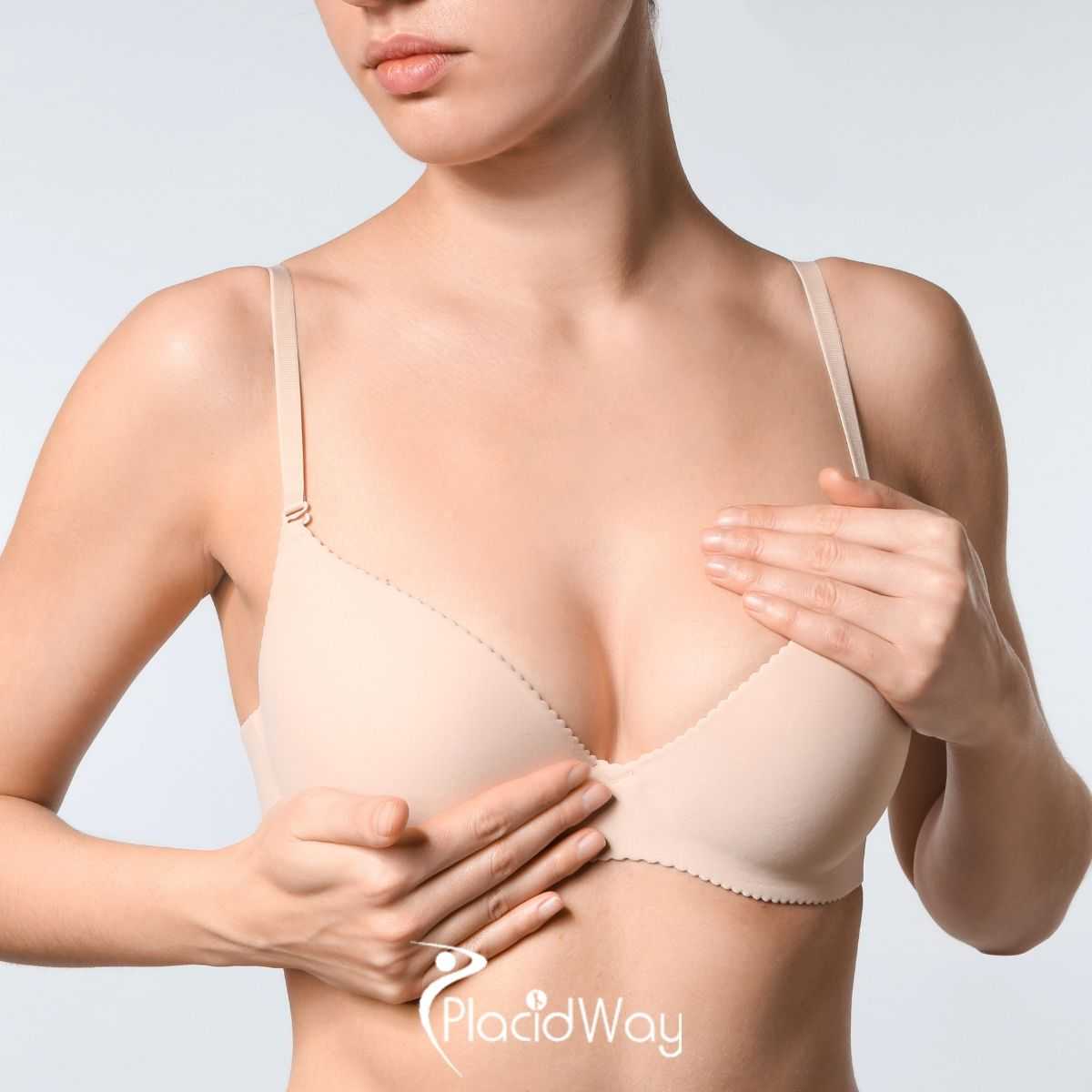
Price starting from $3,200
Breast Implants in Mexico City, Mexico
- Breast Implants,Cosmetic/Plastic Surgery
Mexico City, Mexico
Price starting from $6,500
Neck Lift in Mexico City, Mexico
- Neck Lift,Cosmetic/Plastic Surgery
Mexico City, Mexico
Price starting from $4,500
Neck Lift in Mexicali, Mexico
- Neck Lift,Cosmetic/Plastic Surgery
Mexicali, Mexico
Explore Cosmetic Plastic Surgery: Stories, Testimonials, and Procedures
Watch in-depth videos covering everything from Cosmetic Plastic Surgery success stories to detailed procedure explanations. Learn what to expect and hear from real patients.
Two Patients, Two Unique Hair Transplant Journeys in Istanbul, Turkey: Different Experiences at HairNeva
HairNeva Hair Transplant Clinic by DRGO in Istanbul, Turkey
Turkey
Behind Every Hair Transformation: Inside the Complete Hair Transplantation in Istanbul, Turkey from Consultation to Surgery
HairNeva Hair Transplant Clinic by DRGO in Istanbul, Turkey
Turkey
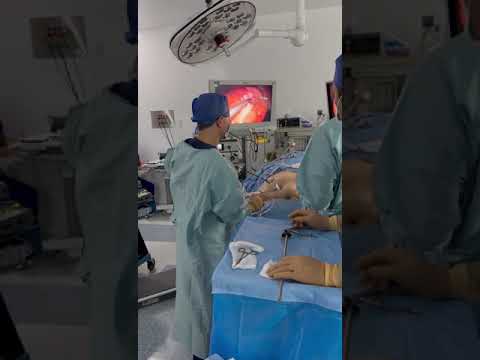
Laparoscopic Surgery in the Operating Room: Minimally Invasive Demo
Dr. Jorge Sandoval - Plastic Surgeon in Mexico City
Mexico

An Unexpected Opportunity for Change: A Patient's Rhinoplasty Surgery Experience and Nose Transformation in Istanbul, Turkey
Natural Clinic - Aesthetics, Dental & Hair Clinic in Istanbul
Turkey
Learn More with These Cosmetic Plastic Surgery Articles
Take a look at these interesting articles, stories and research that will help you learn more about Cosmetic Plastic Surgery.

Plastic Surgery in Bangkok | Travel and Recovery Guide
PlacidWay Medical Tourism
- Cosmetic/Plastic Surgery
Thailand
Laser Skin Resurfacing in South Korea for Australians
PlacidWay Medical Tourism
- Laser Surgery
South Korea

Affordable Double Eyelid Surgery in South Korea
PlacidWay Medical Tourism
- Cosmetic/Plastic Surgery
South Korea
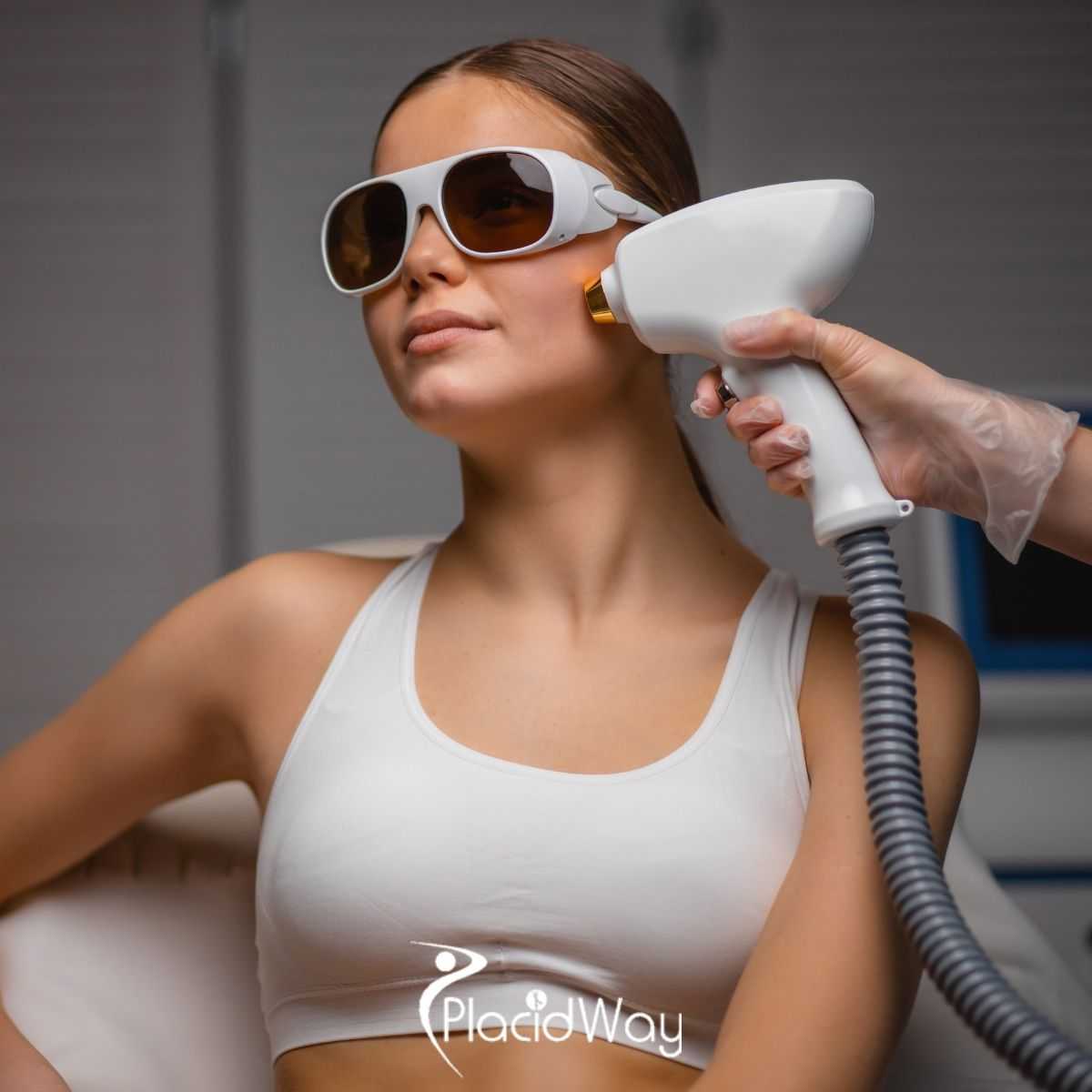
Laser Hair Removal in South Korea for Smooth Skin
PlacidWay Medical Tourism
- Cosmetic/Plastic Surgery
South Korea








