
What treatment


20+ Most Frequently Asked Questions About Cancer Treatment
Find Clear and Concise Answers to Common Questions About Cancer Treatment
Trusted Medical Tourism Platform Since 2007

How Does Ozone Therapy for Cancer Work in Mexico?
Ozone therapy for cancer in Mexico involves administering medical grade ozone gas to potentially increase cellular oxygen levels. It is typically utilized as a complementary method alongside standard therapies to support overall immune function. Key Takeaways Ozone treatments aim to increase oxygenation within the body systems. Therapies are used strictly as complementary support, never as a standalone cure. Costs vary widely based on the specific protocol and chosen facility. Thorough vetting of clinic credentials and physician licenses is required. Patients must maintain ongoing care and communication with primary oncologists. How exactly is the ozone administered to patients? Practitioners typically administer ozone through autohemotherapy, rectal insufflation, or direct injection. The chosen method depends on the individual patient profile and specific treatment goals. Autohemotherapy involves drawing a small volume of the patient blood, infusing it with precisely measured medical ozone, and safely returning it to the body. This technique is frequently chosen for its potential to stimulate systemic oxygenation and support immune system modulation. Rectal insufflation provides a non invasive alternative by introducing the gas directly into the lower intestine. This method boasts a rapid absorption rate through the intestinal walls into the bloodstream, making it highly suitable for patients presenting with difficult venous access. The clinical team conducts a thorough medical evaluation to determine the most appropriate delivery system. Medical professionals in an ozone therapy for cancer clinic in Mexico prioritize patient safety and comfort, tailoring the specific administration route to align with the individual health condition. Administration Method Process Description Primary Advantage Major Autohemotherapy Blood is withdrawn, ozonated, and reinfused intravenously. Direct systemic delivery Rectal Insufflation Ozone gas is introduced painlessly into the colon. Non invasive, rapid absorption Minor Autohemotherapy A small blood sample is ozonated and injected intramuscularly. Localized immune support What is the estimated ozone therapy for cancer cost in Mexico? The ozone therapy for cancer cost in Mexico generally ranges from $100 to $300 per individual session. Comprehensive multi week programs can range between $3,000 and $8,000 depending on the facility. The price for a single autohemotherapy session typically varies based on the facility amenities and the medical supervision provided. Comprehensive treatment protocols often include nutritional support, specialized nursing care, and additional complementary therapies. Initial medical evaluations and required baseline laboratory diagnostics usually incur separate, additional fees outside the treatment package. Costs differ significantly between major medical hubs like Tijuana, Cancun, and Guadalajara due to varying operational expenses. Patients should consistently request detailed, itemized billing estimates from the clinic to identify any potential extra charges. Extending a stay for prolonged therapy courses will naturally increase the total financial investment required for local accommodations. How do patients select an ozone therapy for cancer clinic in Mexico? Finding a reputable ozone therapy for cancer clinic in Mexico requires verifying professional credentials and facility licenses. Patients should prioritize establishments that maintain transparent safety protocols. Identifying a reputable facility involves rigorous verification of the medical staff credentials and licenses. Prospective patients must ensure that the primary treating physicians hold active registrations with the national health authorities for practicing medicine. Evaluating the physical infrastructure of the clinic is equally critical for ensuring patient safety. High quality centers transparently share their strict sterilization protocols, emergency response capabilities, and the maintenance schedules for their ozone generation equipment. The most reliable centers actively promote a collaborative, multidisciplinary approach to patient care. They readily coordinate with the patient home oncology team to verify that complementary protocols will not negatively interact with ongoing conventional treatments. How does medical tourism in Mexico support complementary cancer care? The sector of medical tourism in Mexico provides international patients with streamlined access to alternative health services. It offers a structured environment for integrative therapies outside home healthcare systems. The infrastructure supporting health travelers provides international patients with streamlined access to complementary care options. This sector has established specialized centers that focus heavily on integrative medicine and holistic patient support systems. Geographic proximity significantly benefits North American patients seeking alternative health services. The ability to access care with minimal travel time helps reduce physical exhaustion, which is a vital factor for individuals managing severe health challenges. Facilities dedicated to international visitors typically employ dedicated bilingual care coordinators. These professionals facilitate clear communication regarding treatment plans, informed consent documentation, and comprehensive aftercare instructions to ensure a seamless experience. Can ozone therapy replace conventional cancer treatments? Ozone therapy is strictly considered a complementary approach and should never replace conventional treatments like chemotherapy. It is utilized primarily to support overall wellness and manage symptoms. Medical experts universally advise that alternative protocols must never replace scientifically proven conventional oncology treatments. These complementary methods are strictly utilized to support overall well being, manage symptoms, and potentially improve the patient quality of life. It is vital for individuals to maintain consistent communication and scheduled follow ups with their primary oncologists. Any decision to integrate alternative therapies must be a collaborative choice involving the entire medical team to ensure comprehensive safety. Integrative centers emphasize strengthening the body through holistic means rather than directly targeting disease cells. This approach often combines oxygenating therapies with nutritional optimization and stress reduction techniques to support natural biological defenses. Did You Know? Integrating comprehensive nutritional counseling is a standard practice in many holistic centers to fully support the body biological systems during oxygenating therapies. What should patients understand about the potential side effects? While generally well tolerated, ozone therapy can cause mild side effects such as fatigue, dizziness, or localized discomfort. Severe complications emphasize the need for strict medical supervision. Mild fatigue or temporary energy depletion is occasionally reported immediately following an intensive treatment session. Intravenous administration methods can sometimes result in minor localized bruising or slight discomfort at the injection site. Patients may experience transient flu like symptoms as the body processes the therapy and eliminates cellular waste. Improper gas preparation or administration by unqualified personnel can lead to severe medical complications. Direct inhalation of raw ozone gas is strictly prohibited due to the high risk of serious respiratory tissue damage. Immediate reporting of any adverse reactions to the attending medical staff is mandatory for ensuring continuous safety. Expert Insight Continuous monitoring of vital signs during all intravenous treatment sessions is a mandatory protocol in internationally accredited healthcare facilities. How is the medical grade ozone prepared for treatments? Medical ozone is generated on site using specialized equipment that passes pure medical grade oxygen through an electrical gradient. This creates a precise mixture required for therapeutic applications. Therapeutic gas mixtures are generated directly on site using highly specialized, medical grade equipment. These precise machines pass pure oxygen through an electrical field to create the exact concentration required for safe therapeutic application. The quality of the source oxygen is a critical factor in preventing the introduction of harmful atmospheric impurities. Clinics must utilize certified medical oxygen tanks to ensure the final product is completely free from nitrogen byproducts. Because the therapeutic molecule is highly unstable, it cannot be manufactured in advance or stored in pressurized containers. It must be generated in real time, immediately prior to patient administration, to guarantee maximum clinical efficacy and safety. What is the typical duration of an ozone therapy treatment plan? A standard protocol often involves multiple sessions per week spanning over a period of two to six weeks. The exact frequency is tailored to the individual physiological response. A standard therapeutic timeline frequently consists of multiple weekly sessions distributed over two to six weeks. The precise frequency is highly individualized, depending upon the patient baseline health and their physiological response to the initial treatments. Intensive care programs usually require patients to reside temporarily near the chosen medical facility. This proximity allows the clinical staff to closely monitor progress and administer concurrent supportive treatments like specialized intravenous nutrition. Following the completion of an intensive phase, practitioners often recommend a schedule of periodic maintenance sessions. The medical team provides comprehensive guidelines for safely transitioning back to standard care routines in the patient home country. What follow up procedures are necessary after completing therapy? Post treatment care involves continuous monitoring by a primary oncologist and regular blood work to track health markers. Patients must maintain open communication with their standard medical team. Comprehensive post treatment care requires diligent, ongoing monitoring by the patient primary healthcare provider. Individuals must proactively share all treatment records and clinical notes obtained abroad with their home medical team upon return. Regular diagnostic testing, including advanced imaging and comprehensive blood panels, remains absolutely necessary. These objective medical evaluations are crucial for tracking the primary condition and assessing the overall safety of the integrated therapies. Patients are strongly encouraged to sustain the positive nutritional and lifestyle changes adopted during their clinic visit. Maintaining these healthy habits can provide continuous support for immune function and contribute to improved long term wellness. Important Consideration Always secure complete physical copies and digital records of your treatment logs, diagnostic tests, and doctor notes before leaving the international facility. Why Choose PlacidWay for your medical integration needs? PlacidWay serves as a comprehensive resource connecting patients with globally recognized healthcare providers. The platform facilitates access to detailed clinic information to empower informed decisions. Provides a centralized platform to research internationally vetted and credentialed wellness centers globally. Offers transparent access to comparative pricing structures to help patients manage their healthcare budgets effectively. Delivers comprehensive profiles detailing the educational backgrounds and specific clinical expertise of medical staff. Facilitates secure, direct communication channels between prospective patients and global healthcare administrators. Empowers individuals with extensive educational materials and patient experiences to support informed decision making. Frequently Asked Questions Are blood tests required before starting ozone therapy? Yes, reputable facilities mandate comprehensive baseline blood panels prior to initiating any protocol. These diagnostics help practitioners tailor the concentration and frequency of the sessions to your specific physiological needs. How long does a single ozone therapy session take? A standard session typically lasts between thirty and sixty minutes, depending on the specific administration route. Rectal insufflation is generally faster, while autohemotherapy requires more time for blood withdrawal and reinfusion. What dietary changes are recommended during ozone treatments? Nutritionists usually recommend an anti inflammatory diet rich in antioxidants to complement the therapy. Avoiding processed sugars and maintaining high hydration levels are standard protocols to help the body process the treatment effectively. Can ozone therapy be combined with chemotherapy? Integration with conventional treatments like chemotherapy is possible but requires strict coordination with your primary oncologist. Timing is crucial, as antioxidants can sometimes interfere with the oxidative mechanisms of certain chemotherapy drugs. How many sessions of ozone therapy are usually required? The total number of sessions varies widely based on individual health goals and medical evaluations. An initial intensive course often involves ten to twenty sessions, followed by a personalized maintenance schedule. Do insurance companies cover complementary therapies in Mexico? Most traditional health insurance plans do not provide coverage for alternative or complementary treatments received abroad. Patients should plan to cover these specific expenses entirely out of pocket. Are there age restrictions for receiving ozone therapy? While there is no strict universal age limit, pediatric and elderly patients require highly specialized evaluations. Medical teams carefully assess overall vitality and organ function before approving treatment for vulnerable age groups. How do clinics in Mexico ensure the purity of medical ozone? High quality centers utilize certified medical grade oxygen and calibrate their generators regularly. This stringent process prevents nitrogen contamination and ensures the therapeutic gas is safe for human administration. What should I pack for a medical trip to receive ozone therapy? Patients should bring comfortable clothing, all current medical records, and sufficient supplies of prescribed medications. It is also advisable to pack a detailed list of emergency contacts and primary physician information. Is ozone therapy legally practiced in Mexican clinics? Yes, the administration of medical ozone is permitted in designated facilities when performed by licensed healthcare professionals. These clinics must adhere to the regional health regulations governing complementary and integrative medicine. Ready to Explore Your Options? Connect with accredited specialists and receive personalized information regarding complementary health protocols. Request Treatment Information Medical Disclaimer: The information provided in this article is for educational purposes only and does not constitute professional medical advice. Always consult with a qualified healthcare provider regarding a medical condition or treatment plan. References Complementary and Alternative Medicine – National Cancer Institute (NCI) Ozone Therapy: A Clinical Review – Journal of Natural Science, Biology and Medicine Traditional, Complementary and Integrative Medicine – World Health Organization (WHO) Complementary and Integrative Methods – American Cancer Society (ACS)...
Read more details


What Are The Best Alternative Cancer Treatments In Mexico?
The best alternative cancer treatments in Mexico encompass a range of integrative oncology approaches, including high-dose IV Vitamin C, hyperthermia, ozone therapy, and advanced immunotherapy. Comprehensive multi-week programs typically cost between $15,000 and $35,000, varying by clinic and specific therapies utilized. Key Takeaways: Alternative Cancer Care in Mexico Medical tourism in Mexico offers access to integrative oncology treatments that may not be widely available elsewhere. Common therapies include metabolic treatments, detoxification protocols, and specialized cellular immunotherapy. The alternative cancer treatment cost in Mexico is generally significantly lower than out-of-pocket expenses for similar holistic care in the US or Europe. Reputable alternative cancer treatment clinics in Mexico operate under the regulatory oversight of COFEPRIS. Treatment plans are typically highly personalized, requiring a multi-week commitment for comprehensive care. What Types of Alternative Cancer Therapies Are Available in Mexico? Alternative cancer treatments in Mexico encompass a broad spectrum of modalities, from metabolic and nutritional therapies to advanced immunological approaches, designed to support the body's natural defenses and target disease cells holistically. When exploring an alternative cancer clinic in Mexico, patients will find that these facilities rarely rely on a single modality. Instead, they emphasize integrative oncology in Mexico, crafting comprehensive programs that combine several different approaches to address the complex nature of the disease. This multi-faceted strategy is a hallmark of holistic care in the region. Common therapies often integrated into these programs include high-dose intravenous (IV) Vitamin C, which is utilized for its potential antioxidant properties and ability to induce cellular stress in diseased cells. Hyperthermia, the controlled heating of body tissue, is frequently employed to enhance the effectiveness of other treatments and potentially damage heat-sensitive abnormal cells. Additionally, metabolic therapies, such as stringent nutritional protocols and specialized detoxification regimens, are standard components aimed at optimizing overall systemic health and creating an environment less conducive to disease progression. Many centers also incorporate advanced immunological approaches, which they may broadly term immunotherapy. These can range from generalized immune-boosting protocols to more personalized cellular therapies involving peptides or dendritic cells, depending on the specific clinic's capabilities. It is crucial for patients to understand that while these therapies are widely used in alternative settings, the level of clinical evidence supporting each specific modality can vary significantly. How Much Does Alternative Cancer Treatment Cost in Mexico? The alternative cancer treatment cost in Mexico typically ranges from $15,000 to $35,000 for a standard three-week program, offering substantial savings compared to similar uninsured holistic treatments in developed nations. Understanding the financial commitment is a critical step when considering medical tourism in Mexico. The advertised cost for comprehensive programs at a reputable alternative cancer clinic in Mexico generally covers a broad array of daily therapies, medical consultations, and required diagnostics over a multi-week period. This bundled approach is common in integrative oncology settings. Several factors can influence the final price of treatment. Outpatient programs, where the patient stays in nearby accommodations, tend to fall on the lower end of the spectrum, often starting around $15,000 to $19,000. Inpatient programs, which include 24/7 medical supervision and room and board within the facility, typically push the cost closer to $30,000 or more. Furthermore, the inclusion of highly specialized cellular therapies or targeted interventional procedures can add several thousand dollars to the baseline package price. While these costs are significant, they are frequently much lower than the out-of-pocket expenses for comparable intensive, multi-modal holistic care in the United States or Western Europe. Patients should always request a detailed, individualized quote that clearly outlines which therapies, accommodations, and support services are included before committing to travel. Important Consideration: Evaluating Evidence When assessing alternative cancer treatments in Mexico, carefully evaluate the evidence supporting specific modalities. While many clinics offer innovative therapies, the term "immunotherapy" can be used broadly. Always ask the clinic for published human data relating specifically to your diagnosis and the exact treatment protocol proposed. Why Choose Medical Tourism in Mexico for Integrative Oncology? Patients choose medical tourism in Mexico for integrative oncology to access a wider range of holistic therapies, benefit from potentially lower costs, and receive personalized care in specialized facilities, often conveniently located near the US border. The decision to pursue an alternative cancer clinic in Mexico is often driven by a desire for a more comprehensive, patient-centered approach than what is typically offered in conventional settings. Mexico has established itself as a hub for integrative oncology, attracting patients globally who are seeking therapies that focus on the entire body rather than just the localized disease. Many of the top-tier facilities are strategically situated in border cities like Tijuana. This convenient location allows international travelers, particularly from North America, remarkably easy access for intensive daily therapies without the added stress of extensive, long-haul travel. This accessibility is a major factor in the growing popularity of alternative cancer treatments in Mexico. Furthermore, the regulatory environment in Mexico, overseen by COFEPRIS, permits the administration of various integrative therapies by licensed medical professionals. This allows clinics to offer innovative combinations of natural medicine, metabolic therapies, and modern diagnostic techniques, providing a well-rounded and supervised care environment that prioritizes patient wellness and systemic health. How Do I Verify Alternative Cancer Treatment Clinics in Mexico? Verifying an alternative cancer clinic in Mexico involves checking for COFEPRIS regulation, confirming the medical team's licensing (cédula profesional) and training in integrative oncology, and requesting clear, documented treatment protocols. Ensuring the safety and legitimacy of a facility is paramount when exploring medical tourism in Mexico. Reputable clinics operating in the field of integrative oncology in Mexico must function under the strict oversight of COFEPRIS, the federal health authority. This regulation ensures adherence to established safety and clinical standards. Prospective patients should prioritize verifying the credentials of the medical staff. Confirm that the clinic is staffed by licensed medical doctors (MDs) and check their cédula profesional through the Mexican government's professional registry. Additionally, inquire about their specific advanced training and experience in administering alternative and integrative therapies safely and effectively. Transparency is a key indicator of a reliable clinic. A trustworthy facility should be willing to provide detailed information about their clinical protocols, including treatment schedules, potential risks, and how they monitor patient progress. Avoid clinics that make absolute guarantees of success or refuse to share specific details about the therapies included in their alternative cancer treatments in Mexico. Verification Step What to Look For Regulatory Oversight Ensure the clinic is registered and regulated by COFEPRIS. Doctor Credentials Verify the cédula profesional of the treating physicians. Treatment Transparency Request detailed, documented protocols and clear pricing structures. What Does a Typical Alternative Cancer Treatment Program Entail? A typical program for alternative cancer treatments in Mexico involves a multi-week commitment, often starting with intensive detoxification, followed by targeted immune-rebuilding therapies, and concluding with education for long-term home care. Programs at a dedicated alternative cancer clinic in Mexico are generally structured as intensive, immersive experiences lasting three weeks or more. The initial phase often focuses heavily on detoxification and metabolic support. This may involve organic diets, specialized enemas, and lymphatic drainage therapies aimed at optimizing liver function and preparing the body for subsequent treatments. The core phase of integrative oncology in Mexico programs typically involves an aggressive schedule of targeted therapies. Patients may undergo daily sessions of hyperthermia, high-dose intravenous vitamin drips, ozone therapy, and specific immunological treatments. These physical therapies are frequently complemented by restorative practices such as yoga and psychological counseling to support mental and emotional well-being. Finally, reputable clinics emphasize education and post-treatment follow-up care. Before returning home, patients are typically provided with detailed nutritional guidelines, supplement protocols, and lifestyle recommendations to help maintain the progress achieved during their stay. This comprehensive approach is central to the philosophy of medical tourism in Mexico for holistic care. Why Choose PlacidWay? Extensive Network PlacidWay connects patients with a wide array of healthcare providers and clinics globally, expanding access to various medical options. Informational Resource We provide comprehensive information on procedures, destinations, and estimated costs to help you navigate medical tourism. Facilitated Connections As an intermediary, we assist in establishing contact between you and healthcare facilities to request quotes and initial information. Global Perspective Explore treatment possibilities across multiple countries, allowing for broad comparison of approaches and healthcare environments. Dedicated Support Team Our customer service team is available to guide you through the process of requesting information and understanding your options. Frequently Asked Questions (FAQs) What are the most common alternative cancer treatments in Mexico? Common alternative cancer treatments in Mexico include high-dose intravenous (IV) Vitamin C therapy, hyperthermia, ozone therapy, detoxification protocols, metabolic therapies, and advanced immunotherapy approaches. These therapies are often combined into comprehensive, personalized integrative oncology programs. Are alternative cancer treatments in Mexico legal? Yes, integrative and alternative oncology protocols are legal in Mexico when administered by licensed medical professionals. Reputable clinics operate under the strict oversight of COFEPRIS, Mexico's federal health authority, which regulates safety standards and clinical practices. How much does alternative cancer treatment cost in Mexico? The cost of alternative cancer treatment in Mexico typically ranges from $15,000 to $35,000 for a comprehensive three-week program. This estimate varies significantly based on the specific clinic, the inclusion of inpatient vs. outpatient care, and the exact combination of therapies required. Is medical tourism in Mexico safe for cancer patients? Medical tourism in Mexico can be safe for cancer patients if they choose properly vetted, COFEPRIS-regulated facilities staffed by licensed medical doctors. Patients must carefully research clinic credentials, verify the qualifications of the medical team, and consider the logistics of traveling while managing a serious health condition. Why do patients travel for alternative cancer therapies in Mexico? Patients often travel for alternative cancer therapies in Mexico to access treatments that may not be available or approved in their home countries, to pursue a more holistic approach to care, or to find potentially more affordable treatment options compared to out-of-pocket costs in the US or Europe. What is integrative oncology in Mexico? Integrative oncology in Mexico refers to a coordinated treatment plan that combines standard oncological practices with evidence-informed supportive care and alternative therapies. The goal is to address the disease while supporting the whole patient—mind, body, and overall well-being. Do Mexican alternative cancer clinics offer personalized treatment plans? Yes, top alternative cancer clinics in Mexico strongly emphasize personalized treatment plans. Upon arrival, patients typically undergo thorough examinations and testing to tailor the combination of holistic, nutritional, and immune-focused therapies to their specific diagnosis and condition. What should I look for in an alternative cancer clinic in Mexico? When choosing an alternative cancer clinic in Mexico, look for COFEPRIS certification, a team of licensed medical doctors with training in integrative oncology, clear communication about treatment protocols, transparent pricing, and verifiable patient testimonials or case studies. Can alternative cancer treatments in Mexico replace conventional care? Alternative cancer treatments are generally intended to complement, rather than completely replace, conventional care. While some patients seek them as primary treatment, medical professionals usually advise an integrative approach that utilizes the benefits of both conventional and holistic modalities. Where are most alternative cancer treatment centers located in Mexico? Many of the leading alternative cancer treatment centers in Mexico are located in border cities, particularly Tijuana, Baja California. This convenient location allows easy access for international travelers, especially from the United States and Canada. Explore Your Treatment Options Discover more about integrative oncology and alternative cancer treatment programs in Mexico. Contact us to compare clinic options and gather the information you need. Request Treatment Information Medical Disclaimer: The information provided in this article is for educational purposes only and does not constitute professional medical advice. Always consult with a qualified healthcare provider regarding a medical condition or treatment plan. References Complementary and Alternative Medicine (CAM) for Cancer – National Cancer Institute Federal Commission for the Protection against Sanitary Risk (COFEPRIS) – Government of Mexico Complementary and Integrative Methods – American Cancer Society Medical Tourism: Travel for Medical Care – Centers for Disease Control and Prevention (CDC)...
Read more details
What Are The Alternative Cancer Treatments For Esophageal Cancer In Mexico?
Patients exploring alternative cancer treatments for esophageal cancer in Mexico typically encounter costs ranging from $15,000 to $40,000, depending on the chosen therapies, facility type, and overall duration of the specialized integrative oncology program. Key Takeaways Integrative programs in Mexico often blend conventional oncology with complementary therapies such as hyperthermia and high-dose intravenous nutrients. The overall alternative cancer treatments cost in Mexico varies widely based on individual case complexity, protocol length, and specific facility amenities. Selecting a reputable alternative cancer treatments clinic in Mexico requires rigorous verification of medical credentials, licensing, and safety standards. Engaging in medical tourism in Mexico necessitates careful coordination of medical records, diagnostics, and long-term follow-up care with local physicians. Patients must maintain realistic expectations, as treatment outcomes vary significantly and alternative therapies should be carefully evaluated alongside standard oncology guidelines. What Defines Integrative Oncology Programs in Mexico? Integrative oncology programs in Mexico merge evidence-based conventional medicine with complementary therapies, focusing on holistic patient wellness, immune support, and symptom management. When individuals investigate treatment choices abroad, understanding the scope of integrative oncology is vital. Esophageal cancer presents unique challenges due to its impact on swallowing, nutrition, and digestion. In response, specialized clinics across regions like Tijuana, Monterrey, and Guadalajara have developed multi-modal care models. These programs aim to support standard oncological treatments while addressing nutritional deficits and systemic vitality. Therapies frequently integrated into these programs include hyperthermia, biological immunotherapies, metabolic support, and targeted nutritional infusions. Clinics often emphasize individualized care plans designed after thorough diagnostic reviews. However, medical experts urge patients to view these therapies as complementary rather than standalone cures, ensuring that any alternative protocol works harmoniously with established oncological standards. Safety and regulatory oversight remain critical components of medical evaluation. Prospective patients should investigate whether clinics operate under the supervision of board-certified oncologists and whether their therapeutic protocols align with recognized clinical research and safety standards. Did You Know? Many integrative medical facilities in Mexico incorporate specialized nutritional support units specifically trained to manage esophageal obstruction, ensuring patients maintain adequate caloric intake and metabolic stability throughout their therapy. How Are Treatment Costs and Financial Planning Structured? Financial planning for alternative cancer care requires a comprehensive breakdown of consultation fees, diagnostic testing, specialized infusions, room and board, and post-treatment medications. The financial aspect of seeking care abroad is a primary consideration for many families. While standard treatments in domestic healthcare systems can impose heavy financial burdens, integrative options in Mexico often present structured package pricing. These packages typically cover accommodation, nursing care, meals, baseline diagnostics, and administered therapies over a defined multi-week period. It is essential to distinguish between base program fees and potential out-of-pocket expenses. Additional costs may arise from advanced genetic testing, specialized pharmaceutical agents, prolonged hospital stays, or emergency interventions if complications occur. Patients should request transparent, itemized cost estimates from clinics before committing to any medical travel itinerary. Cost Component Estimated Price Range (USD) Description & Variable Factors Initial Medical Evaluation $1,500 - $3,500 Includes oncologist consultation, blood panels, and imaging review. 2-Week Integrative Program $15,000 - $28,000 Covers core therapies, daily nursing care, and nutritional support. 4-Week Intensive Program $30,000 - $50,000+ Extended protocols for advanced stages, including specialized biological agents. Post-Program Supplements $500 - $1,500 monthly Home maintenance protocols prescribed for continued support. Expert Insight Financial transparency is a hallmark of reputable clinics. Always ensure that pricing models clearly differentiate between standard supportive care and experimental or add-on therapies. How to Evaluate Clinic Safety and Medical Credentials? Verifying practitioner credentials through official government registries and assessing institutional safety standards are essential steps in mitigating risks during medical travel. When evaluating healthcare facilities abroad, patients must look beyond promotional marketing and examine verifiable credentials. In Mexico, medical professionals are required to hold a valid professional license known as a cédula profesional, which can be verified through the Secretariat of Public Education (SEP) registry. Additionally, oncologists and attending physicians should possess documented specialty training in oncology, internal medicine, or integrative care. Facility accreditation is another critical marker of quality. Reputable centers often maintain certifications from national health authorities or adhere to international hospital standards. Patients should inquire about emergency transfer protocols, infection control rates, nurse-to-patient ratios, and the availability of on-site emergency stabilization equipment. Important Consideration Never rely solely on professional association memberships or marketing testimonials as proof of board certification. Always request direct verification of state licenses and hospital affiliations. Detailed Follow-Up Questions and Answers What types of alternative therapies are included in esophageal cancer programs in Mexico Alternative programs in Mexico typically feature specialized modalities designed to support immune function, reduce tumor microenvironment inflammation, and enhance overall resilience. These treatment protocols often incorporate intravenous micronutrient therapies, whole-body hyperthermia, biological response modifiers, and customized nutritional oncology support plans. Physicians tailor these interventions based on histological findings, prior treatments, and the patient's physical tolerance levels. The primary goal is to provide supportive care that complements standard medical oncology while minimizing adverse side effects. How does the alternative cancer treatments cost in Mexico compare to conventional care in the United States Comprehensive integrative programs in Mexico generally offer lower overall costs compared to specialized cancer centers in the United States or Western Europe. Cost savings are primarily driven by differences in operational overhead, administrative structures, and localized pharmaceutical pricing models. However, patients must account for additional expenses such as diagnostic evaluations, companion living costs, and post-treatment maintenance protocols. Financial planning should always include a buffer for unexpected medical contingencies during the treatment period. What safety protocols should patients verify when choosing an alternative cancer treatments clinic in Mexico Patient safety depends on verifying federal operating licenses issued by Mexican health regulatory authorities such as COFEPRIS. Individuals should review physician credentials, confirm emergency resuscitation capabilities, and evaluate infection control procedures. Requesting transparent documentation regarding complication rates and hospital transfer agreements is a vital precautionary step. Ensuring 24-hour nursing supervision and qualified medical staff on site provides essential reassurance during intensive therapy phases. What is the typical duration of stay for patients undergoing integrative oncology programs abroad Initial intensive treatment programs in Mexico typically require a physical stay ranging from two to four weeks. This duration allows medical teams to administer multi-modal therapies, monitor patient responses, and adjust protocols as necessary. Following the initial intensive phase, patients often return home with specific maintenance schedules and remote follow-up appointments. Total time commitments vary depending on disease progression, treatment response, and physician recommendations. How do alternative therapies integrate with conventional oncology care for esophageal cancer Integrative oncology seeks to harmonize complementary treatments with standard protocols like surgery, chemotherapy, and radiation. Coordinating care helps mitigate treatment toxicities, support nutritional status, and preserve patient quality of life during rigorous regimens. Open communication between international integrative practitioners and domestic oncologists is critical to prevent adverse herb-drug interactions. Patients should always disclose all proposed alternative therapies to their primary oncology team before commencement. What medical qualifications and credentials should doctors possess at Mexican integrative clinics Attending physicians should hold a recognized medical degree and a verified cédula profesional registered with government education authorities. Specialized training in oncology, internal medicine, immunology, or clinical nutrition demonstrates advanced competency in managing complex cancer cases. Patients have the right to request curriculum vitae, institutional affiliations, and proof of ongoing continuing medical education credits. Verifying these credentials independently safeguards against unqualified practitioners or substandard facility operations. What potential risks and side effects are associated with alternative cancer therapies While alternative therapies are often marketed as gentle, they carry inherent biological risks and potential side effects. High-dose intravenous infusions, herbal compounds, and metabolic supplements can strain organ function or interfere with conventional medications. Gastrointestinal sensitivities, fatigue, and metabolic imbalances may also occur during intensive multi-modal protocols. Comprehensive medical supervision by qualified clinicians is necessary to monitor and manage potential adverse reactions. How can international patients arrange remote medical consultations prior to traveling Most specialized clinics offer secure telehealth consultations to review patient records before formalizing treatment plans. Patients typically submit diagnostic imaging, pathology reports, and medical histories through encrypted digital upload portals. Virtual consultations allow medical directors to assess case viability, discuss expected protocols, and provide preliminary cost estimates. This step helps families determine if traveling to Mexico aligns with their medical goals before incurring significant expenses. What post-treatment follow-up care is required after returning home from Mexico Continuity of care following international treatment requires ongoing collaboration with domestic primary care physicians and oncologists. Patients must schedule regular blood panels, imaging scans, and nutritional assessments to monitor disease status and recovery. Detailed discharge summaries and protocol records from the Mexican clinic must be shared promptly with local care teams. Establishing a reliable local medical network ensures timely management of any complications that may arise post-return. Why choose PlacidWay for planning your medical journey Navigating international healthcare options can be complex, making structured guidance valuable for patients and families seeking informed decisions. PlacidWay assists patients by providing educational resources, transparent institutional information, and direct access to global medical choices. Key aspects of utilizing PlacidWay include: Access to a comprehensive directory of verified medical tourism providers worldwide. Transparent information regarding treatment programs and institutional capabilities. Direct communication channels to request personalized medical information and treatment estimates. Dedicated educational resources designed to help patients understand complex healthcare options abroad. Guidance on gathering necessary medical records for international physician review. These resources empower patients to conduct thorough research and connect directly with healthcare providers suited to their specific needs. Frequently Asked Questions What specific types of integrative therapies are commonly offered in Mexican oncology clinics? Mexican integrative oncology clinics frequently combine conventional medical oversight with complementary modalities such as high-dose intravenous vitamin C, hyperthermia therapy, immunotherapy protocols, nutritional oncology counseling, and biological therapies tailored to individual patient profiles. Are alternative cancer treatments in Mexico regulated by government health authorities? Yes, clinics operating in Mexico are subject to federal and state health regulations overseen by COFEPRIS, the Mexican federal health agency. Patients should verify that facilities maintain valid operating licenses and that attending physicians hold verified credentials. How do international patients coordinate their ongoing care with doctors back home? Effective continuity of care requires patients to secure complete medical summaries, imaging records, and treatment protocols from the Mexican clinic to share with their primary oncologists or local healthcare providers upon returning home. What diagnostic evaluations are typically required prior to starting alternative protocols? Comprehensive intake evaluations typically include recent pathology reports, staging scans such as PET or CT scans, blood chemistry panels, cardiac assessments, and a detailed review of previous conventional treatments received. Can alternative therapies be safely administered alongside chemotherapy or radiation? Certain integrative approaches may be used alongside conventional treatments under careful medical supervision, while others are recommended post-treatment to support recovery and mitigate side effects. Multidisciplinary consultation is essential to avoid adverse interactions. What language barriers might international patients encounter at Mexican medical facilities? Many specialized medical tourism centers in popular regions employ bilingual medical staff, patient advocates, and translators to ensure clear communication regarding complex treatment plans, consent forms, and daily schedules. How are medical records securely transferred to clinics in Mexico before arrival? Clinics generally utilize encrypted digital portals or secure email channels where patients or their domestic physicians can upload diagnostic imaging files, biopsy results, and laboratory history for preliminary medical review. What role does nutritional therapy play in esophageal cancer care programs? Nutritional oncology focuses on managing swallowing difficulties, preventing severe weight loss, maintaining metabolic balance, and providing targeted dietary support tailored to the unique metabolic demands of cancer patients. What factors influence the overall duration of a treatment program in Mexico? Program length is determined by the specific treatment modalities selected, the patient's physical stamina, disease stage, and the clinical team's protocol recommendations, which often range from two to four weeks for initial intensive phases. How can patients verify the professional licensing of practitioners in Mexico? Patients can request official professional registration numbers, known as cédulas profesionales, and verify specialty training credentials through official Mexican educational and health registry portals. Explore Alternative Treatment Options Discover comprehensive information and compare integrative oncology programs abroad to make informed decisions about your healthcare journey. Request Treatment Information References Esophageal Cancer Overview – American Cancer Society Esophageal Cancer Treatment – National Cancer Institute Complementary and Alternative Medicine – National Cancer Institute Global Health Mexico – Centers for Disease Control and Prevention Cancer Control Information – World Health Organization...
Read more detailsDiscover your treatment options with a free, no-obligation quote!
Get your quote now!
Are There Alternative Cancer Treatments For Liver Cancer In Mexico?
Yes, there are alternative cancer treatments for liver cancer in Mexico, such as localized hyperthermia, high-dose IV vitamin C, and integrative immunotherapy. These supportive therapies are often used alongside standard care to manage symptoms and support patient health. Key Takeaways Integrative approaches in Mexico often combine standard oncological methods with alternative supportive therapies. Common modalities include hyperthermia, metabolic therapy, and high-dose nutritional infusions. Costs vary widely depending on the length of the program and the specific customized protocols required. Patients must rigorously verify clinic regulatory compliance (COFEPRIS) and doctor credentials (cédula profesional). Prior medical clearance from a domestic oncologist is essential before traveling abroad for therapies. What are the common alternative cancer treatments for liver cancer in Mexico? Common therapies include hyperthermia, high-dose intravenous Vitamin C, ozone therapy, and customized metabolic protocols designed to support the body's immune system. Many clinics focusing on alternative cancer treatments for liver cancer in Mexico utilize a multi-disciplinary approach. Rather than relying on a single modality, these facilities may blend various complementary treatments. Hyperthermia, for example, uses controlled heat to target cancer cells, potentially making them more vulnerable to other treatments. This is often applied locally over the liver area. Another frequently utilized method is high-dose IV Vitamin C therapy. While oral Vitamin C acts as an antioxidant, intravenous administration at high doses is theorized to act as a pro-oxidant, which practitioners believe may help inhibit tumor cell growth. Additionally, specialized metabolic therapies, including strict dietary protocols and supplementation, are employed to alter the metabolic environment of the body. Ozone therapy and specialized immunotherapies are also prevalent. Ozone therapy aims to increase oxygenation in the body's tissues, while integrative immunotherapies focus on modulating the patient's immune response. It is critical to note that while these therapies are sought after for their supportive benefits, results vary significantly among suitable patients, and they are typically viewed as complementary rather than primary curative measures. Did You Know? Many integrative clinics in Mexico are located in border cities like Tijuana, which has historically been a hub for patients seeking complementary cancer care due to its proximity to the United States. How much does alternative liver cancer treatment cost in Mexico? The alternative liver cancer treatment cost in Mexico typically ranges from $18,000 to $35,000 for a comprehensive 3-to-4-week program, though exact prices depend on the customized protocol. Pricing for alternative oncology care is highly variable. Unlike standardized conventional treatments, alternative protocols are highly individualized. A three-week intensive inpatient program generally includes accommodations, organic meals, nursing care, and daily therapeutic infusions. Patients should request a detailed breakdown of costs before committing. The base price often covers primary modalities, but additional expenses may arise for specialized medications, advanced diagnostic imaging (like PET scans), or unforeseen medical interventions. It is vital to clearly distinguish the cost of core therapies from secondary expenses such as travel, lodging for companions, and aftercare supplements. Treatment Aspect Estimated Cost Range (USD) Factors Influencing Cost Comprehensive 3-Week Program $18,000 - $35,000 Clinic location, luxury level, inpatient vs. outpatient Diagnostic Imaging (e.g., PET Scan) $1,000 - $2,500 Type of scan, facility used, radiologist fees Take-Home Supplemental Protocol $1,000 - $3,000 / month Volume of supplements, specialized medications *Estimates only. Prices vary by clinic, city, case complexity, and specific treatment requirements. Date of cost data: 2026. How do I choose a safe liver cancer clinic in Mexico? To choose a safe liver cancer clinic in Mexico, patients must verify the facility's COFEPRIS licensing and check the treating physicians' professional registry (cédula profesional) via the SEP. Safety and regulatory compliance should be the foremost priority when considering healthcare abroad. Patients must prioritize official credential verification. In Mexico, medical facilities are regulated by COFEPRIS (Federal Commission for the Protection against Sanitary Risk). A reputable clinic must have up-to-date operating licenses visibly displayed or readily available upon request. Equally important is verifying the credentials of the medical staff. Patients should check the physician's "cédula profesional" (professional license) through the Secretaría de Educación Pública (SEP) national registry. This ensures the doctor has completed legitimate medical training. Do not rely solely on professional-association memberships as proof of licensing or specialty board certification. Furthermore, evaluate the clinic's safety protocols. A proper facility will require extensive pre-arrival medical records, have transparent complication protocols, and collaborate with local conventional hospitals in case of an acute medical emergency. Avoiding clinics that promise guaranteed cures or pressure immediate booking is crucial for patient safety. What is the role of medical tourism in Mexico for liver cancer patients? Medical tourism in Mexico provides international patients access to specialized integrative and complementary cancer therapies that may not be widely available or approved in their home countries. The landscape of medical tourism in Mexico has evolved to cater heavily to patients seeking integrative healthcare models. For individuals with liver cancer, traveling to Mexico often represents a search for broader treatment options. Many patients look for a holistic environment where emotional, nutritional, and physical health are treated simultaneously. Mexican clinics often bridge the gap between traditional allopathic medicine and complementary therapies. Because regulatory frameworks differ between nations, certain treatments—such as specific immunotherapies or high-dose nutritional protocols—may be more readily accessible in Mexican private healthcare settings. However, engaging in medical travel requires thorough preparation. Travel-document requirements depend on citizenship and whether the patient travels by air, land, or sea. Additionally, patients must account for the physical toll of travel on a compromised immune system and should only undertake the journey with the clearance of their primary domestic physician. Important Consideration Alternative therapies should not delay or replace conventional, life-saving treatments (like surgery or standard chemotherapy) without thorough consultation with a board-certified oncologist. Always maintain local medical follow-up. Are these alternative liver treatments used instead of traditional oncology? Generally, these therapies are utilized in an integrative manner alongside traditional oncology, aiming to support the body, manage side effects, and improve quality of life rather than replacing standard care outright. While some patients seek alternative treatments as primary care, responsible medical practitioners strongly advise an integrative approach. Integrative medicine means combining conventional allopathic treatments (such as surgery, targeted therapy, or radiation) with evidence-informed complementary therapies. For liver cancer, conventional interventions are often necessary to directly address the tumor burden. Alternative protocols can then be introduced to help the patient manage the severe side effects of standard treatments, such as fatigue, nausea, and immune suppression. It is vital that patients do not abruptly halt conventional therapies in favor of alternative options without comprehensive medical consultation. A collaborative approach, where the medical team in Mexico communicates with the patient's home oncologist, typically yields the safest and most supportive patient care experience. What should patients expect during an integrative liver cancer program? Patients can expect a highly structured daily routine involving nutritional therapy, intravenous infusions, mind-body counseling, and localized physical therapies in a supportive, clinic-based environment. Entering an integrative cancer program in Mexico typically involves an immersive, multi-week commitment. Upon arrival, patients undergo a thorough medical evaluation, including blood panels and possibly new imaging, to establish a baseline. Based on this, a custom daily schedule is generated. A standard day may involve several hours in the clinic receiving therapies such as hyperthermia sessions, ozone autohemotherapy, and high-dose vitamin infusions. Between clinical treatments, patients often participate in nutritional counseling, learning to adhere to specialized diets tailored for liver support, which often eliminate processed sugars and emphasize organic, plant-based nutrients. Mental and emotional health are also key components of integrative programs. Clinics often incorporate stress-reduction techniques, psychological counseling, and support group sessions. The environment is designed to be healing and restorative, offering a stark contrast to the often clinical and fast-paced nature of standard hospital wards. What are the potential risks of seeking alternative liver cancer therapies abroad? Risks include the potential delay of proven conventional treatments, financial strain from out-of-pocket expenses, complications during travel, and varying standards of care among unverified clinics. Seeking alternative medical treatments abroad carries inherent risks that must be carefully weighed. Medically, the greatest risk is the deferment of conventional, scientifically proven treatments. Delaying standard oncological care can allow the disease to progress, potentially limiting future conventional treatment options. Financial risk is also significant. Since these treatments are rarely covered by domestic health insurance, patients must bear the full cost. Unverified clinics may also add hidden fees or recommend extended stays that dramatically increase the financial burden. Furthermore, patients with advanced liver cancer may face severe complications while traveling. The physical exertion of travel, coupled with potential exposure to pathogens in transit, can compromise an already weakened immune system. Upon returning home, patients may also face challenges finding local oncologists willing to oversee the follow-up care of foreign alternative protocols. How do Mexican regulatory boards oversee alternative cancer clinics? Mexican regulatory bodies, primarily COFEPRIS, oversee alternative clinics by enforcing sanitary regulations, inspecting facilities for medical safety compliance, and ensuring medical staff hold valid professional licenses. The regulation of medical facilities in Mexico falls under the jurisdiction of the federal government, specifically the Secretariat of Health and its regulatory arm, COFEPRIS. This agency is responsible for issuing operational licenses and monitoring healthcare facilities to ensure they meet national sanitary and safety standards. For a clinic offering alternative cancer treatments for liver cancer in Mexico to operate legally, it must pass COFEPRIS inspections. These inspections review everything from the sterilization of equipment to the proper storage of biological materials and the structural safety of the facility. Despite this regulatory framework, the enforcement can vary, and the burden of due diligence often falls on the patient. It is crucial to request proof of COFEPRIS certification and to ensure that the specific therapies being administered are permitted under the clinic's specific licensing category. Why Choose PlacidWay for exploring medical options? PlacidWay provides a comprehensive platform for researching global healthcare options, offering transparent information and facilitating connections between patients and international medical providers. When researching complex procedures abroad, having a structured resource can simplify the process. PlacidWay serves as an informational bridge for patients navigating the medical tourism landscape. Considerations for utilizing this platform include: Provider Information Access: PlacidWay aggregates data on international clinics, providing access to facility profiles and documented provider credentials for patient review. Transparent Cost Estimates: The platform helps patients obtain direct, customized cost estimates from various clinics, allowing for better financial planning and comparison. Comprehensive Comparisons: Users can compare different clinics, treatment modalities, and geographic locations all within a single centralized directory. Patient Testimonial Access: The service provides a repository of past patient reviews and experiences, offering insights into the standard of care and facility environment. Informational Resources: PlacidWay offers extensive educational content to help international patients understand the medical, logistical, and regulatory aspects of seeking care abroad. Frequently Asked Questions Do Mexican clinics offer personalized alternative liver cancer protocols? Yes, many facilities in Mexico that provide alternative treatments formulate personalized protocols based on a patient's specific medical history, tumor stage, and overall health, typically combining multiple complementary therapies. Can I continue alternative liver treatments after returning home from Mexico? Many integrative programs offer home-care protocols, which may include dietary supplements, specialized nutritional plans, and remote consultations to help maintain the supportive therapies initiated in Mexico. How long do alternative liver cancer treatment programs in Mexico typically last? In-patient or intensive out-patient programs generally run between two to six weeks, depending on the patient's condition and the specific combination of therapies recommended by the medical team. Will my domestic health insurance cover alternative cancer treatments in Mexico? Typically, US and Canadian health insurance policies do not cover alternative, experimental, or unproven therapies abroad. Patients should plan to pay out-of-pocket and verify financing options independently. Are specialized oncology diets part of the alternative treatment for liver cancer? Yes, metabolic and nutritional therapies are a cornerstone of many alternative clinics. These may include alkaline diets, ketogenic protocols, or organic plant-based diets designed to support immune function. What language is primarily spoken in Mexican alternative cancer clinics? Because these clinics primarily cater to international patients, the majority of the medical staff, doctors, and patient coordinators speak fluent English to ensure clear medical communication. Is hyperthermia commonly used for liver cancer in Mexico? Hyperthermia, which involves raising body or localized tissue temperature to help damage cancer cells, is frequently offered in Mexican integrative clinics alongside other standard or alternative modalities. Do alternative clinics require medical records before acceptance? Yes, responsible clinics require comprehensive medical records, recent oncology scans, blood work, and physician notes to determine if a patient is a suitable candidate for their specific alternative protocols. How does high-dose Vitamin C function in these alternative protocols? High-dose intravenous Vitamin C is administered in some clinics with the intent of creating a pro-oxidant effect in the body that may support immune response, though its efficacy as a primary cancer treatment remains a subject of ongoing clinical study. Are caregivers allowed to stay with patients during treatment in Mexico? Yes, most medical tourism facilities in Mexico encourage or require patients to bring a companion. Many clinics offer dual-occupancy rooms or assist with nearby lodging for family members. Explore Your Treatment Options Connect with verified medical providers in Mexico to receive detailed, transparent information and customized treatment estimates. Request Treatment Information Medical Disclaimer: The information provided in this article is for educational purposes only and should not be considered as medical advice. Treatment options and outcomes vary significantly between patients. Always consult with a qualified healthcare professional regarding diagnosis, treatment plans, and travel for medical purposes. Pricing data is estimated and subject to change based on individual facility rates and patient requirements. References Hyperthermia in Cancer Treatment – National Cancer Institute High-Dose Vitamin C – National Cancer Institute Federal Commission for the Protection against Sanitary Risk (COFEPRIS) – Government of Mexico Traditional, Complementary and Integrative Medicine – World Health Organization Complementary and Integrative Medicine – American Cancer Society...
Read more details
Can Foreigners Get NK Cell Therapy In Japan?
Yes, foreigners can legally access NK Cell Therapy in Japan. The country has established regulatory frameworks under the Act on the Safety of Regenerative Medicine, allowing international patients to receive treatments at authorized medical facilities. Key Takeaways Japan permits international patients to undergo regenerative therapies in certified facilities. The therapy involves expanding a patient own natural killer cells in a specialized laboratory. Costs generally range from $10,000 to $30,000 USD, depending on the complexity of the medical case. The Japanese government strictly regulates these procedures through the Ministry of Health, Labour and Welfare. Foreign patients may require a specific Medical Stay Visa depending on their treatment duration and nationality. What is NK Cell Therapy and How Does It Work in Japan? NK cell therapy involves extracting a patient own immune cells, multiplying them in a highly regulated laboratory environment, and reintroducing them to potentially target abnormal cells. In the context of regenerative and immunological medicine, Natural Killer cells act as the body first line of defense against cellular abnormalities. When considering NK Cell Therapy in Japan, patients are often exploring treatments that aim to isolate these specific white blood cells from a standard peripheral blood sample. Once collected, the cells are transferred to a specialized cultivation facility. In Japan, these laboratories operate under stringent government oversight to ensure the culturing process maintains high purity and viability. The cells are stimulated with specialized proteins to multiply over a period of two to three weeks. Finally, the expanded and activated NK cells are administered back into the patient, typically via an intravenous drip. This process is carefully monitored by medical professionals to manage any immediate immune responses and ensure the physiological stability of the patient. What is the Estimated NK Cell Therapy Cost in Japan? The NK Cell Therapy cost in Japan typically ranges from $10,000 to $30,000 USD per cycle, depending on the specific protocol, laboratory processing, and necessary complementary treatments. Determining the exact financial investment requires a personalized medical evaluation. The base cost usually covers the initial consultation, blood extraction, cell expansion in a certified laboratory, and the final infusion process. Additional expenses may apply depending on the complexity of the patient condition. For instance, some treatment plans may incorporate complementary therapies, specialized diagnostic imaging, or extended medical observation, which can increase the overall expenditure significantly. Below is a general estimate of potential costs associated with the procedure. Please note that these are approximate figures, and exact pricing will vary based on the specific NK Cell Therapy clinic in Japan and the individualized treatment plan. Treatment Component Estimated Cost Range (USD) Description Initial Consultation & Testing $500 - $1,500 Blood work, immunological panels, and doctor evaluation. Cell Harvesting & Culturing $8,000 - $18,000 Extraction and weeks-long expansion in a certified cleanroom. Intravenous Infusion $1,500 - $3,500 Medical administration and post-infusion observation. Complementary Therapies Varies ($2,000+) Optional adjunct therapies suggested by the medical team. Important Consideration Cost estimates rarely include travel logistics, accommodation, translation services, or medical visas. Patients should budget appropriately for these mandatory international travel expenses. How Can International Patients Access an NK Cell Therapy Clinic in Japan? Foreign patients can access an authorized NK Cell Therapy clinic in Japan by consulting with certified medical facilitators, providing translated medical records, and scheduling initial tele-consultations. The pathway for international patients begins with diligent research and gathering comprehensive medical histories. Because Japanese clinics strictly adhere to national medical guidelines, patients must present clear evidence of their current health status, usually translated into English or Japanese by certified professionals. Many patients utilize specialized medical coordinators who are familiar with the Japanese healthcare landscape. These coordinators assist in identifying appropriate facilities, arranging necessary translation services, and ensuring that all preliminary documentation meets the specific requirements of the targeted clinic. Once a suitable facility is identified, an initial virtual consultation is typically scheduled. During this meeting, the medical team evaluates the patient suitability for the therapy, discusses potential outcomes, and outlines the mandatory steps before the patient embarks on their travel to Japan. What Medical Conditions Are Typically Targeted by This Treatment? While primarily investigated as an adjunctive immunotherapy for certain solid tumors, NK cell therapy is also being explored in suitable patients for general immune system support. Investigated as an adjunctive approach alongside conventional oncology treatments to potentially support the body natural defenses. Explored for potential benefits in patients experiencing severely compromised immune systems. Utilized in specific research settings for managing and mitigating chronic viral infections. Considered for general immune modulation and systemic wellness in select, thoroughly evaluated cases. Evaluated for its potential to recognize and target specific abnormal cellular structures without harming healthy tissue. Applied in clinical studies aimed at preventing the recurrence of certain illnesses post-standard intervention. Is Medical Tourism in Japan Safe for Cell Therapies? Yes, medical tourism in Japan is generally considered safe for regenerative therapies because facilities must adhere to strict guidelines enforced by the Ministry of Health, Labour and Welfare. Japan has established a unique and rigorous regulatory framework specifically designed for regenerative medicine. The Act on the Safety of Regenerative Medicine ensures that any facility offering cell-based therapies undergoes severe scrutiny, licensing, and regular operational inspections. For international travelers, this means a higher level of foundational safety compared to regions with unregulated or vaguely defined cell therapy markets. The processing of human cells must occur in certified Cell Processing Centers, which maintain hospital-grade cleanroom environments to prevent contamination. While the regulatory environment is exceptionally strong, patients must still exercise due diligence. Verifying that a specific clinic holds the proper, current governmental certifications for regenerative medicine is a crucial step in ensuring a safe and legally compliant medical journey. What Are the Visa and Travel Requirements for Foreign Patients? Japan offers a Medical Stay Visa for foreign patients, allowing a stay of up to six months for treatment purposes when sponsored by an approved guarantor or medical coordinator. Depending on your country of origin and the duration of the planned treatment, you may need to apply for a specialized visa. While short-term treatments might occasionally fall under standard tourist visa exemptions for certain nationalities, longer or more complex protocols definitively require a Medical Stay Visa. To obtain this specialized document, patients generally need a letter of acceptance from a registered Japanese medical institution and a guarantee from an approved medical coordinator or registered travel agency. This visa can also accommodate accompanying family members, providing essential emotional and physical support during the medical journey. Beyond the legal logistics, patients should carefully account for travel fatigue and acclimatization. Arriving a few days prior to the scheduled blood draw is often recommended by physicians to stabilize the body immune parameters after enduring a long international flight. What Does the Typical Treatment Timeline Look Like? A standard NK cell therapy cycle in Japan usually spans 3 to 4 weeks, beginning with an initial blood draw and concluding with one or multiple intravenous infusions. The clinical process initiates on Day 1 with an in-depth, in-person assessment and a standard blood draw at the clinic. Following this relatively quick extraction, the patient is often free to return to their accommodation, explore the local area, or even fly home temporarily. Over the subsequent 14 to 21 days, the highly critical laboratory phase takes place. Trained technicians isolate the natural killer cells and culture them in a specialized medium to vastly increase their numbers and enhance their targeted cytotoxic activity. During the final week, the patient returns to the clinic for the re-administration. The expanded cells are infused via a standard IV drip, a process that usually takes one to two hours. Following a brief post-infusion observation period, the patient is typically cleared to leave the medical facility. Did You Know? Because the waiting period between blood draw and infusion is up to three weeks, many international patients use this time to recuperate in peaceful Japanese environments, such as hot spring towns or rural retreats, to minimize stress. Are There Potential Risks or Side Effects Associated with NK Therapy? Like all medical procedures, NK cell therapy carries potential risks, typically including mild fever, fatigue, or localized reactions at the injection site, though severe complications are relatively rare. Because the therapy utilizes the patient own biological material, the risk of severe allergic reactions, rejection, or graft-versus-host disease is significantly minimized compared to treatments utilizing anonymous donor cells. However, it is not uncommon for patients to experience transient side effects as the immune system responds to the influx of highly activated cells. These physiological responses may present as a low-grade fever, chills, mild fatigue, or minor discomfort at the intravenous access site. Patients must undergo a comprehensive medical evaluation prior to treatment to identify any underlying contraindications. Ongoing monitoring and post-treatment follow-ups with local healthcare providers upon returning home are highly recommended to track progress and address any delayed reactions. How Does Japanese NK Cell Technology Compare Globally? Japan is widely recognized as a global pioneer in regenerative medicine, utilizing advanced incubation technologies and maintaining stringent laboratory protocols that often exceed international standards. The foundation of Japan excellence in this specialized field can be traced back to substantial governmental support and funding for stem cell and regenerative research. This has fostered an environment where private clinics frequently collaborate with leading academic institutions to rapidly refine cell culturing techniques. Japanese laboratories frequently employ proprietary, patented culturing media and fully closed-system incubation units that drastically minimize contamination risks while maximizing overall cell yield and sustained viability. This high level of technical precision is a major draw for patients worldwide. Furthermore, the absolute transparency required by Japanese health authorities ensures that clinical data, safety records, and laboratory facility standards are meticulously documented and available for audit, offering a level of technological assurance that is highly competitive on the global stage. Why Choose PlacidWay for Your Medical Tourism in Japan? PlacidWay assists patients in navigating complex international healthcare options by providing access to verifiable information regarding certified clinics, treatment options, and estimated costs. Comprehensive Information Access: PlacidWay provides detailed overviews of various medical facilities, helping international patients make informed, data-driven decisions. Transparent Pricing Estimates: Patients can easily compare the potential NK Cell Therapy cost in Japan across different providers to understand financial requirements. Provider Credential Verification: The platform prioritizes listing facilities that meet established local regulatory standards and possess verifiable medical documentation. Streamlined Communication: PlacidWay facilitates initial contact between international patients and overseas medical teams, overcoming initial language and logistical barriers. Localized Support Resources: Gain access to helpful informational resources regarding general destination details and patient preparation guides for your journey. Frequently Asked Questions (FAQs) How long do I need to stay in Japan for the treatment? You typically need to be in Japan for the initial blood draw, which takes one to two days. After the cells are cultured for about two to three weeks, you must return for the infusion. Some patients choose to stay for the entire three-to-four-week period, while others take two separate short trips. Can this therapy replace traditional cancer treatments? No, NK cell therapy is not a replacement for standard oncological protocols like surgery, chemotherapy, or radiation. It is generally investigated as an adjunctive immunotherapy that may be utilized alongside conventional treatments in suitable patients. Is the cell culturing process safe? Yes, the culturing process in authorized Japanese clinics takes place in strictly regulated Cell Processing Centers. These laboratories comply with the Act on the Safety of Regenerative Medicine, ensuring high standards of sterility and quality control. Do Japanese medical staff speak English? While many medical facilities in major cities like Tokyo and Osaka have English-speaking staff or dedicated international departments, it is common to utilize professional medical interpreters to ensure clear and accurate communication regarding complex health matters. Can I use my domestic health insurance to cover costs in Japan? Typically, domestic health insurance policies do not cover international medical tourism or experimental regenerative therapies. Patients should be prepared to cover the procedures out-of-pocket and consult their provider regarding any specific out-of-network reimbursement possibilities. How many NK cells are typically infused? The number of cells infused depends on the individual initial blood draw and the success of the laboratory expansion. A successful culture often yields anywhere from one billion to several billion activated natural killer cells for the final intravenous infusion. Are there age restrictions for receiving immune cell therapy? While there is no strict universal age limit, clinics evaluate patients on a case-by-case basis. Factors such as overall vitality, existing comorbidities, and the specific condition being addressed are more critical than chronological age in determining patient suitability. How soon might a patient notice effects from the therapy? Patient responses vary significantly. Some individuals report feeling increased energy or improved well-being within a few weeks, while clinical immunological changes may take longer to manifest. Regular follow-ups are necessary to accurately monitor the biological response. Is it safe to fly immediately after the cell infusion? Most medical professionals recommend waiting at least 24 to 48 hours after the final infusion before taking a long-haul flight. This brief resting period allows the medical team to monitor for any immediate, albeit rare, adverse reactions to the procedure. What happens if I am deemed unsuitable for the procedure? If the preliminary medical review determines that you are not a suitable candidate, the clinic will advise against the procedure. Prioritizing patient safety is paramount, and alternative treatment pathways or continued care under your local physician may be recommended. Ready to Explore Your Medical Options? Discover more about internationally accredited clinics, compare treatment estimates, and learn how to plan your healthcare journey with confidence. Request Treatment Information Medical Disclaimer: The information provided in this article is for educational purposes only and should not be considered as medical advice. Treatment options and outcomes vary significantly between patients. Always consult with a qualified healthcare professional regarding diagnosis, treatment plans, and travel for medical purposes. Pricing data is estimated and subject to change based on individual facility rates and patient requirements. References Role of NK Cells in Immunotherapy – National Center for Biotechnology Information (NCBI) Cellular and Tissue-based Products Regulations – Pharmaceuticals and Medical Devices Agency (PMDA) Medical Stay Visa Information – Ministry of Foreign Affairs of Japan Immunotherapy to Treat Cancer – National Cancer Institute (NCI) Travel Health Information for Japan – Centers for Disease Control and Prevention (CDC)...
Read more details
What are the Best Alternative Treatments for Kidney Cancer in Mexico?
Alternative Treatments for Kidney Cancer in Mexico typically involve integrative therapies like high-dose Vitamin C, ozone therapy, and hyperthermia. Programs usually last 3 weeks and cost $15,000 to $35,000, aiming to support overall wellness. Key Takeaways Integrative programs combine nutritional support, immune modulation, and detoxification therapies. Therapies may help improve quality of life and mitigate side effects of conventional treatments. Costs vary widely based on the duration of the program and the complexity of the medical protocols. Patients must diligently verify clinic licenses and medical credentials before traveling. Alternative approaches should be discussed with a primary oncologist to ensure comprehensive safety. What Alternative Therapies Are Available for Kidney Cancer? Integrative protocols often focus on systemic support rather than localized tumor eradication. Patients can expect a combination of biological therapies, specialized nutrition, and immune boosting treatments. Many facilities utilize hyperthermia, a process that safely raises body temperature to help damage abnormal cells and make them more susceptible to other therapies. This is often paired with intravenous nutrient infusions, which deliver concentrated doses of vitamins directly into the bloodstream to bypass digestive limitations. Ozone therapy is another common modality designed to increase tissue oxygenation. Practitioners believe that improving cellular oxygen levels can create an inhospitable environment for abnormal cellular growth while simultaneously stimulating the immune system. Additionally, metabolic therapies focus on altering the nutritional intake of the patient to starve affected cells of glucose. This often involves strict ketogenic or highly specialized plant based diets, supplemented by pancreatic enzymes and targeted botanical extracts. Did You Know? Many integrative facilities use a whole body approach, incorporating mind body medicine such as guided meditation and stress reduction techniques, as stress management is vital for maintaining a strong immune response during illness. How Much Does Alternative Treatments for Kidney Cancer cost in Mexico? The Alternative Treatments for Kidney Cancer cost in Mexico ranges broadly from $15,000 to $35,000 for standard programs. This estimate fluctuates significantly based on treatment intensity, facility amenities, and length of stay. Pricing typically structures around multi week programs rather than individual sessions. A comprehensive three week intensive program often includes daily physician consultations, personalized intravenous therapies, dietary planning, and specialized biological treatments. It is important to understand what is included in the quoted price. Some estimates cover lodging, organic meals, and local transportation, while others only cover the medical procedures. Patients should always request an itemized billing breakdown prior to transferring any funds. Additionally, unexpected costs may arise if patients require extra medications to take home, specialized diagnostic imaging, or emergency interventions. Building a contingency fund of ten to twenty percent above the initial estimate is highly recommended for financial safety. Program Duration Included Therapies (Typical) Estimated Cost Range 1 to 2 Weeks Basic IVs, Nutrition, Consultation $8,000 to $15,000 3 Weeks (Standard) Hyperthermia, Ozone, Advanced IVs, Diet $15,000 to $25,000 4+ Weeks (Intensive) Comprehensive Biological Protocols, Lodging $25,000 to $35,000+ How Do I Choose an Alternative Treatments for Kidney Cancer clinic in Mexico? Selecting a reputable Alternative Treatments for Kidney Cancer clinic in Mexico involves rigorous background checks. Prospective patients must prioritize medical transparency, verified facility licensing, and the qualifications of the directing physicians. Begin by verifying the credentials of the medical staff. In Mexico, legitimate physicians must hold a cedula profesional, which is a professional license registered with the Secretariat of Public Education. You can verify this registration online to ensure the doctor has the appropriate background. The facility itself must possess current operational licenses from COFEPRIS, the Mexican health regulatory agency. High quality centers are generally transparent about their accreditations and will gladly provide documentation upon request to establish trust with international patients. Evaluate the consultation process. A trustworthy center will ask for recent medical records, pathology reports, and imaging before agreeing to treat a patient. They should offer a realistic assessment of what their protocols can achieve without resorting to high pressure sales tactics or exaggerated claims. Is medical tourism in Mexico Safe for Cancer Patients? Participating in medical tourism in Mexico requires careful planning regarding physical readiness and local safety. While many established medical zones are secure, patients must assess if they are medically stable enough for international travel. Travel can be physically taxing, especially for individuals experiencing fatigue or pain associated with their condition. It is essential to consult with a primary care physician to determine if flying or long distance driving poses any immediate risks, such as deep vein thrombosis. Once in the country, patients generally remain within dedicated medical districts or resort style recovery centers designed specifically for international visitors. These controlled environments prioritize patient security, cleanliness, and accessibility, mitigating many common travel concerns. However, emergency preparedness is crucial. Patients should understand the facility protocols for acute medical emergencies. Confirm whether the alternative clinic has transfer agreements with nearby conventional hospitals in case urgent acute care is required during the stay. Important Consideration Always maintain copies of your complete medical history, including recent blood work and a list of all current medications. Having these readily accessible can be lifesaving if you need to interface with emergency healthcare providers abroad. What Are the Common Integrative Protocols Used? Integrative approaches utilize a spectrum of modalities aimed at modifying the biological terrain of the body. These protocols typically combine advanced detoxification, robust immune stimulation, and intensive nutritional therapies. Intravenous Vitamin C is frequently administered in high doses, aiming to generate oxidative stress specifically within abnormal cells while leaving healthy tissues unharmed. This is often part of a larger IV protocol that may include essential minerals and antioxidants. Immunotherapy approaches in alternative settings might include dendritic cell vaccines or specialized peptides intended to train the immune system to better recognize and respond to affected cells. These are usually highly personalized based on individual laboratory results. Detoxification is another core pillar. Protocols often feature lymphatic drainage, specialized enemas, and far infrared sauna therapy. The goal is to assist the liver and kidneys in processing and eliminating metabolic waste generated during the cellular breakdown processes. How Long Do Alternative Cancer Programs Typically Last? Comprehensive alternative cancer programs usually require an on site commitment of two to four weeks. This duration allows medical staff to safely administer intensive daily therapies and monitor patient responses. The initial days are generally dedicated to comprehensive diagnostic testing, blood analysis, and baseline medical evaluations. This intensive start allows the medical team to customize the therapy dosages and dietary plans accurately for the remainder of the stay. Following the assessment, patients usually undergo a rigorous daily schedule involving multiple therapies, consultations, and supervised meals. A typical day might include morning IV infusions, afternoon hyperthermia, and evening mind body sessions, leaving little time for outside activities. Upon completion of the in patient phase, clinics typically transition patients to a home care protocol. This phase can last from three months to a year, requiring patients to maintain strict diets, take specific supplements, and schedule follow up virtual consultations to track progress. Can Alternative Treatments Replace Conventional Kidney Cancer Therapies? Alternative therapies should not be viewed as a direct replacement for standard oncological care such as surgery or targeted medications. They are most safely utilized as complementary approaches to manage side effects and support general wellness. Standard treatments for renal cell carcinoma often rely heavily on surgical intervention or advanced targeted therapies. Relying solely on alternative methods for primary treatment can delay necessary interventions, potentially allowing the condition to progress unchecked. Integrative oncology represents a middle ground, where patients receive evidence based standard care while incorporating holistic methods to improve resilience. For example, specific nutritional counseling can help a patient maintain strength during taxing systemic therapies. Patients must foster open communication between their alternative care providers and their primary oncologists. Hiding alternative treatments from a primary doctor can lead to dangerous interactions, particularly regarding how high dose antioxidants might interfere with certain conventional drugs. What Qualifications Should Alternative Cancer Providers Have? Providers should possess formal medical degrees and verifiable licenses to practice medicine in their jurisdiction. Additional certifications in integrative medicine or clinical nutrition provide further assurance of their specific expertise. At a minimum, the leading practitioner should be an MD or DO with general medical training. In the context of international care, verifying their national registration numbers is the first critical step in ensuring they are legally permitted to prescribe and administer treatments. Beyond basic licensing, look for providers who demonstrate continuous education in holistic or metabolic medicine. Memberships in recognized integrative oncology societies or fellowships in anti aging and regenerative medicine can indicate a deeper understanding of complex biological therapies. It is also important that the medical team includes specialized support staff. A robust clinic should employ registered dietitians, specialized nurses trained in complex IV administration, and potentially psychological counselors to support the holistic needs of the patient. What Are the Risks Associated With Alternative Kidney Cancer Care? The primary risk lies in delaying proven conventional treatments, which can affect long term outcomes. Additionally, certain alternative therapies carry inherent physical risks and may cause adverse reactions or systemic imbalances. Financially, these programs represent a significant out of pocket expense. Since results vary and are not guaranteed, patients face the risk of substantial financial depletion without achieving the desired clinical outcomes. Medically, intensive detoxification protocols can sometimes lead to dehydration or electrolyte imbalances if not rigorously monitored by clinical staff. High dose intravenous therapies can also place additional strain on compromised kidneys, requiring careful baseline testing prior to administration. Lastly, the lack of standardized regulation means that treatment quality can vary drastically between clinics. This variability necessitates extreme diligence on the part of the patient and their family to ensure they are choosing a facility that adheres strictly to safe medical practices. Why Choose PlacidWay for Finding Your Treatment Options? Navigating international healthcare options requires access to organized, factual information. PlacidWay serves as a comprehensive resource connecting patients with globally positioned medical providers to facilitate informed healthcare decisions. Extensive Provider Network Access a wide directory of medical centers, allowing you to compare different treatment philosophies and facility capabilities. Transparent Information Review detailed center profiles, including available technologies, medical team credentials, and historical patient reviews. Direct Communication Communicate directly with clinic representatives to ask specific medical questions and assess their responsiveness. Customized Treatment Quotes Request individualized pricing estimates based on your specific medical records and chosen protocols before committing. Patient Education Focus Utilize comprehensive resources and articles to better understand the nuances of seeking complex care internationally. Frequently Asked Questions Are alternative cancer treatments FDA approved in Mexico? Medical treatments in Mexico are regulated by COFEPRIS rather than the US FDA. While some integrative therapies are widely accepted locally, they may not hold approval from international bodies like the FDA for curing cancer. Patients should always research the specific regulatory status of any proposed therapy. Do insurance companies cover alternative kidney cancer treatments? Most international health insurance providers do not cover alternative or experimental therapies performed abroad. Patients typically pay out of pocket for integrative programs, making it essential to request comprehensive cost estimates before committing to a treatment plan. What is the success rate of alternative kidney cancer treatments? Success rates vary significantly among individuals and depend on the cancer stage, overall health, and specific protocols used. Integrative therapies are generally designed to support quality of life and manage symptoms rather than guarantee a complete cure. What should I pack for a medical trip to Mexico? Patients should bring all comprehensive medical records, pathology reports, and imaging discs. Additionally, packing comfortable clothing, necessary local currency, and any current prescribed medications in their original bottles is highly recommended for a smooth experience. Can I receive standard treatments alongside alternative therapies? Many facilities offer integrative oncology programs that safely combine conventional treatments like targeted therapy with holistic support. It is crucial that all treating physicians communicate to avoid adverse interactions between different modalities. How soon can I travel after starting alternative kidney cancer treatments? Travel clearance depends entirely on the patient physical condition and the intensity of the treatment protocol. Most facilities recommend resting for a few days after completing a comprehensive intravenous or hyperthermia program before flying home. Are language barriers an issue at alternative cancer clinics in Mexico? Facilities catering to international patients typically employ bilingual medical staff and patient coordinators. This ensures that complex medical terminology and treatment instructions are clearly understood by English speaking patients. What kind of follow up care is needed after alternative treatments? Continuous monitoring by a local primary care physician or oncologist is vital after returning home. Patients should undergo regular imaging and blood tests to track the progression of the disease and evaluate the impact of the integrative therapies. Can I bring a companion during my treatment program in Mexico? Yes, having a companion for emotional and physical support is highly encouraged. Many integrative treatment centers offer companion meal plans or allow family members to stay with the patient in specialized recovery accommodations. Is a specialized diet required during alternative kidney cancer treatment? Nutrition plays a major role in holistic cancer care. Clinics typically prescribe customized dietary plans, such as metabolic or plant based diets, aimed at reducing inflammation and optimizing the immune system during the recovery process. Ready to Explore Your Options? Connect with trusted clinics and receive a customized treatment plan tailored to your medical history. Take the next step in evaluating your integrative care choices. Request Treatment Information Medical Disclaimer: The information provided in this article is for educational purposes only and should not be considered as medical advice. Treatment options and outcomes vary significantly between patients. Always consult with a qualified healthcare professional regarding diagnosis, treatment plans, and travel for medical purposes. Pricing data is estimated and subject to change based on individual facility rates and patient requirements. References Complementary and Integrative Medicine – American Cancer Society Complementary and Alternative Medicine – National Cancer Institute Alternative cancer treatments: options to consider – Mayo Clinic Complementary and alternative therapies – Cancer Research UK Cancer and Complementary Health Approaches – National Center for Complementary and Integrative Health Medical Tourism: Travel for Medical Care – Centers for Disease Control and Prevention...
Read more details
What Success Rates Exist for Colon or Prostate Cancer Immunotherapy in Tijuana, Mexico?
Success rates for Colon or Prostate Cancer Immunotherapy in Tijuana, Mexico typically range from 15% to 50% for responsive patients. Efficacy heavily depends on tumor stage, specific biomarkers like MSI-H, and the clinical protocol utilized. Key Takeaways Treatment efficacy varies widely based on individual cancer stages, genetic mutations, and tumor biomarkers. Many facilities offer integrative protocols that combine conventional checkpoint inhibitors with complementary immune-boosting therapies. Cost estimates can fluctuate significantly based on treatment duration, medication types, and the level of medical supervision required. It is critical to verify facility accreditations and the medical team's professional licensing before booking any procedure abroad. Comprehensive local follow-up care is essential after returning home to manage potential delayed immune responses. What Types of Immunotherapy Are Available for These Cancers? Facilities offer varying treatment approaches, ranging from standard immune checkpoint inhibitors to targeted cellular therapies. The exact regimen depends on the facility's specific clinical framework and the patient’s pathology. Immunotherapy fundamentally changes how the body recognizes malignant cells. For patients seeking a Colon or Prostate Cancer Immunotherapy clinic in Tijuana, Mexico, options frequently include a blend of conventional and integrative methodologies. Checkpoint inhibitors, such as PD-1 and CTLA-4 blocking antibodies, are commonly utilized. These medications work by releasing the "brakes" on the immune system, allowing T-cells to identify and attack colon or prostate cancer cells more effectively. Beyond traditional checkpoint inhibitors, some medical centers specialize in personalized cellular therapies. Dendritic cell vaccines, for instance, involve harvesting a patient’s own immune cells, exposing them to specific tumor antigens in a specialized laboratory, and re-infusing them into the patient. This highly personalized approach aims to train the immune system to mount a durable response against specific cancer markers. Furthermore, integrative clinics often incorporate supportive treatments designed to modify the tumor microenvironment. These may include high-dose intravenous vitamin C, hyperthermia, and metabolic therapies. While these complementary treatments are intended to enhance the efficacy of the primary immunotherapy agents, patients must discuss these comprehensive protocols with their primary oncologists to understand the potential benefits and limitations. Did You Know? Not all colon cancers respond equally to immunotherapy. Tumors that are classified as Mismatch Repair Deficient (dMMR) or Microsatellite Instability-High (MSI-H) typically show a much stronger response to immune checkpoint inhibitors compared to tumors without these genetic signatures. How Do Biomarkers Affect Treatment Outcomes? Biomarkers act as vital predictive indicators. Their presence or absence dictates whether a patient is a suitable candidate for specific immunotherapeutic agents, directly influencing potential success rates. The landscape of cancer treatment has shifted heavily toward precision medicine. In the context of colon cancer, the most critical biomarkers are MSI-H and dMMR. Patients possessing these markers tend to have tumors with numerous genetic mutations, which surprisingly makes them highly visible to the immune system once checkpoint inhibitors are administered. Therefore, success rates for these specific subsets of patients can be remarkably encouraging compared to traditional chemotherapy models. Conversely, prostate cancer is historically known as a "cold" tumor, meaning it often lacks the robust immune cell infiltration required for standard checkpoint inhibitors to work efficiently. However, newer protocols are exploring combinations of treatments to turn these cold tumors "hot." Testing for biomarkers such as tumor mutational burden (TMB) or specific genetic alterations (like BRCA mutations) can help oncologists determine if targeted therapies or specialized immunotherapies might yield a clinical benefit. Before traveling for treatment, comprehensive genomic profiling of the tumor is strongly recommended. Understanding your specific biomarker profile allows the medical team in Mexico to design a tailored protocol, rather than applying a generalized approach. This targeted strategy is essential for maximizing potential efficacy and managing patient expectations realistically. What Is the Estimated Colon or Prostate Cancer Immunotherapy cost in Tijuana, Mexico? The financial investment depends entirely on the specific medications required, the length of the program, and whether conventional treatments are combined with integrative supportive care. Determining the exact Colon or Prostate Cancer Immunotherapy cost in Tijuana, Mexico requires a personalized medical review, as no two treatment plans are identical. Prices vary based on clinic infrastructure, the specific immunotherapy drugs utilized (which can be inherently expensive to manufacture), and the inclusion of complementary therapies. Treatment Component Estimated Cost Range (USD) Variables Influencing Cost Initial Consultation & Diagnostics $500 - $2,500 Complexity of required PET/CT scans and specific genomic biomarker panels. Standard Checkpoint Inhibitors $4,000 - $12,000 per cycle Specific drug brand, dosage required, and frequency of administration. Dendritic Cell Therapy / Vaccines $15,000 - $35,000 per program Laboratory extraction costs, culturing processes, and number of required infusions. Comprehensive Integrative Protocols $20,000 - $50,000+ (3-4 weeks) Includes accommodation, nursing care, nutritional support, and complementary IV therapies. *Note: These are estimates that vary by clinic, medical requirements, and specific case complexity. Prices do not include long-term at-home follow-up care. Patients must explicitly ask clinics to separate the cost of the core immunotherapy drugs from the costs of accommodation, nutritional supplements, and supplementary alternative therapies. Clear financial transparency ensures patients can compare options fairly and understand the long-term financial commitment, as immunotherapy often requires multiple cycles over several months. How Do Integrative Cancer Treatments Differ from Standard Care? Integrative treatments combine conventional medical therapies with complementary approaches focused on nutritional support, detoxification, and overall immune system enhancement. Standard care typically relies strictly on protocols established by major oncology organizations, focusing heavily on targeted pharmacological interventions like chemotherapy, radiation, or standard immunotherapies. In contrast, many facilities offering medical tourism in Tijuana, Mexico emphasize a holistic, integrative approach. This means they look at the patient's entire physiological environment rather than solely targeting the tumor. An integrative protocol may include standard checkpoint inhibitors but pairs them with therapies designed to reduce systemic inflammation and support the liver and kidneys during treatment. For instance, patients might receive hyperbaric oxygen therapy or specialized hyperthermia alongside their core immunotherapy. The theoretical aim is to create an inhospitable environment for cancer cells while strengthening the body's natural defenses. It is vital to approach integrative care with clear medical oversight. While complementary therapies can improve quality of life and potentially support treatment efficacy, they should not replace evidence-based primary treatments for aggressive cancers unless explicitly advised by a multidisciplinary oncology team. Are These Treatments Safe for Advanced Cancer Stages? Safety profiles vary by patient health, cancer progression, and the specific agents used. Proper medical screening is mandatory to determine if a patient can safely tolerate immune modulation. Important Consideration Immunotherapy can trigger severe auto-immune responses where the body attacks healthy organs. Patients with pre-existing autoimmune diseases or those in heavily compromised states must undergo rigorous risk assessments. For patients with stage III or stage IV colon or prostate cancer, safety is a primary concern. Immunotherapy is generally considered to have a different side-effect profile compared to traditional chemotherapy—it rarely causes hair loss or severe nausea. However, because these therapies stimulate the immune system, they carry the risk of immune-related adverse events (irAEs), such as inflammation of the lungs (pneumonitis), colon (colitis), or liver (hepatitis). When seeking a Colon or Prostate Cancer Immunotherapy clinic in Tijuana, Mexico, it is crucial to ensure the facility has acute medical care capabilities. Clinics must be equipped with the appropriate steroid interventions and emergency protocols to manage severe immune reactions swiftly should they occur during treatment. Suitability for advanced-stage patients often hinges on their functional status—how well they can perform daily activities. Patients who are extremely frail may not safely tolerate the metabolic demands of intensive immunotherapy protocols. A comprehensive medical evaluation by licensed oncologists is an absolute requirement before proceeding. How Long Does a Typical Immunotherapy Protocol Last? Treatment durations are highly individualized. Intensive in-patient or outpatient phases typically last 3 to 6 weeks, followed by maintenance cycles spanning several months. The timeline for cancer care abroad requires significant planning. Patients choosing to travel for care generally undergo an initial intensive phase. During this time, they may receive their first rounds of cellular therapy or checkpoint inhibitors, alongside daily supportive treatments. This initial phase often necessitates staying near the facility for three to four weeks to allow for close medical monitoring. Following the intensive phase, cancer treatment is rarely a singular event. Immunotherapy frequently requires maintenance infusions. Depending on the clinical recommendations, patients may need to return to the clinic every few weeks, or coordinate with a local healthcare provider back home to continue administering the prescribed checkpoint inhibitors. Patients must factor this extended timeline into their overall expectations and budget. Medical tourism for oncology is an ongoing medical journey, not a brief intervention. Ensuring you have the logistical flexibility and financial resources for prolonged or repeated treatment cycles is a critical aspect of the decision-making process. What Should I Look for in a Colon or Prostate Cancer Immunotherapy clinic in Tijuana, Mexico? Diligent vetting is essential. Prioritize facilities with licensed oncologists, transparent treatment protocols, verifiable accreditations, and clear complication management plans. Expert Insight Always verify the treating physician’s credentials. In Mexico, you can verify a doctor's specialty training and medical license (cédula profesional) through the official national registry provided by the SEP (Secretaría de Educación Pública). Selecting a facility goes far beyond reviewing a marketing website. First and foremost, ensure the medical team is led by board-certified or equivalently credentialed medical oncologists, not just general practitioners. Ask for detailed documentation regarding their specific experience in administering immunotherapies for complex gastrointestinal or urological cancers. Transparency is another critical factor. Reputable clinics will provide clear, written breakdowns of costs, realistic assessments of potential success rates, and detailed explanations of the risks involved. They will not offer guarantees of a cure, as such promises are medically irresponsible in the context of oncology. Finally, inquire about their emergency infrastructure. While medical tourism in Tijuana, Mexico offers access to diverse therapies, patient safety must remain paramount. Ask the clinic: What happens if I experience a severe adverse reaction? Do you have an intensive care unit (ICU), or do you transfer patients to local hospitals? A credible clinic will have a well-documented and transparent emergency response protocol. What Are the Potential Side Effects of Immunotherapy? While often better tolerated than chemotherapy, immunotherapy can cause systemic inflammation. Side effects range from mild fatigue and skin rashes to severe organ inflammation. Because these therapies hyper-stimulate the immune system to fight the tumor, they can inadvertently cause the immune system to target healthy tissues. Common and potential side effects include: Fatigue and Weakness: One of the most commonly reported symptoms during active treatment cycles. Dermatological Reactions: Itchy skin, redness, or distinct rashes that require topical or oral interventions. Gastrointestinal Issues: Diarrhea or colitis (inflammation of the colon), which can be severe and require immediate medical attention. Pulmonary Complications: Pneumonitis (inflammation of the lungs) leading to a persistent cough or shortness of breath. Endocrine Disorders: Disruptions to the thyroid, pituitary, or adrenal glands, sometimes requiring lifelong hormone replacement. Hepatic or Renal Toxicity: Elevated liver enzymes or kidney impairment, necessitating routine blood monitoring throughout the protocol. Why Choose PlacidWay for Your Medical Journey? PlacidWay provides resources and structured coordination to help patients research, compare, and connect with global healthcare providers transparently and efficiently. Navigating international healthcare options can be overwhelming, especially when facing complex diagnoses. PlacidWay assists patients by focusing on education, clarity, and organized medical connections: Transparent Pricing Estimates: Access baseline cost expectations to help you budget accurately before making any commitments. Global Provider Network: Connect with a wide variety of facilities, allowing you to compare treatment philosophies and center credentials globally. Patient-Centered Communication: Utilize platforms designed to facilitate direct dialogue with medical teams to get your specific clinical questions answered. Educational Resources: Access articles and guides aimed at helping patients understand their options and what questions to ask prospective doctors. Dedicated Coordination Assistance: Receive support in organizing consultations and gathering necessary medical records to present to international specialists. Frequently Asked Questions Is immunotherapy FDA-approved for prostate cancer? Specific immunotherapies, such as Sipuleucel-T (Provenge), are FDA-approved in the United States for certain types of advanced prostate cancer. In Mexico, clinics may offer varying protocols, including some that are still undergoing international clinical trials or are used off-label. Can immunotherapy cure stage 4 colon cancer? Immunotherapy is typically not considered a definitive cure for stage 4 colon cancer, but in suitable patients—particularly those with MSI-H or dMMR biomarkers—it can significantly extend survival and manage disease progression. Results vary widely among individuals. Do Tijuana clinics use checkpoint inhibitors? Yes, many advanced oncology centers in Tijuana integrate checkpoint inhibitors (such as PD-1/PD-L1 inhibitors) into their treatment protocols, often combining them with complementary therapies to support the patient's overall immune function. What is dendritic cell therapy? Dendritic cell therapy is a form of personalized immunotherapy where a patient's own immune cells are extracted, exposed to cancer antigens in a laboratory, and re-infused into the body to help the immune system recognize and attack cancer cells. How soon can patients travel after immunotherapy sessions? Travel clearance depends heavily on the specific protocol and the patient's overall health. Most patients are monitored for 24 to 72 hours post-infusion to observe for acute side effects before they are cleared to fly or cross the border. Are medical records required before consultation? Yes. Comprehensive medical records, including recent oncology reports, biopsy results, blood panels, and imaging (PET/CT scans), are essential for clinics to assess patient candidacy and design an appropriate treatment protocol. Is medical tourism in Tijuana, Mexico safe for cancer patients? Medical tourism can be a viable option if patients carefully research and select accredited facilities. It is vital to verify the oncologist’s credentials (cédula profesional), the clinic's safety protocols, and emergency response capabilities before traveling. Can I continue my hometown oncologist's treatment plan alongside immunotherapy? Integrative approaches are common, but seamless coordination between your local oncologist and the medical team in Tijuana is crucial. Combining treatments without proper medical oversight can increase the risk of severe side effects or drug interactions. Are dietary changes mandatory during immunotherapy? While not strictly mandatory in all clinical settings, many integrative clinics emphasize specialized dietary plans (such as anti-inflammatory or specialized metabolic diets) as a complementary approach to support immune health during active treatment. What follow-up care is needed after returning home? Patients typically require ongoing blood monitoring, periodic imaging, and symptom management upon returning home. It is imperative to establish local follow-up care to promptly address any delayed immune-related adverse events. Explore Your Medical Options Today Connect with trusted clinics, compare treatment protocols, and receive customized information regarding your oncological needs. Request Treatment Information Medical Disclaimer: The information provided in this article is for educational purposes only and should not be considered as medical advice. Treatment options and outcomes vary significantly between patients. Always consult with a qualified healthcare professional regarding diagnosis, treatment plans, and travel for medical purposes. Pricing data is estimated and subject to change based on individual facility rates and patient requirements. References Immunotherapy to Treat Cancer – National Cancer Institute (NCI) Understanding Immunotherapy – American Cancer Society (ACS) Prostate Cancer Immunotherapy – Prostate Cancer Foundation Medical Tourism Guidelines – Centers for Disease Control and Prevention (CDC)...
Read more detailsDiscover your treatment options with a free, no-obligation quote!
Get your quote now!
Does Immunotherapy Work for Breast Cancer Patients in Mexico?
Immunotherapy for breast cancer in Mexico serves as an effective option for suitable candidates, especially those with triple-negative variations. Success relies on cancer stage, biomarker profiles, and overall patient health. Key Takeaways immunotherapy in Mexico provides access to internationally recognized oncological protocols for specific tumor types. Candidates must undergo comprehensive biomarker testing, such as PD-L1 evaluation, to determine treatment suitability. Financial investments are typically lower than domestic averages, though exact prices vary by drug type and case complexity. Success rates depend highly on combining this treatment with traditional chemotherapy for aggressive malignancies. Patients must verify clinical credentials, specialist training, and emergency protocols before commencing cross-border care. How Effective Is Immunotherapy For Treating Breast Cancer? Immunotherapy helps the immune system identify and destroy cancer cells but its effectiveness varies by patient. It is typically most successful when combined with other treatments like chemotherapy. The effectiveness of this advanced oncological treatment hinges on how well a patients immune system can be stimulated to recognize malignant cells. Unlike traditional chemotherapy, which directly attacks rapidly dividing cells, immunological drugs interfere with the mechanisms that tumors use to hide from immune surveillance. This targeted approach has transformed outcomes for individuals presenting with specific, difficult-to-treat malignancies. Clinical data indicates that adding immune checkpoint inhibitors to standard therapeutic regimens can significantly improve progression-free survival in appropriate candidates. However, it is vital to understand that this is not a universal solution. Tumors must express certain proteins, and the surrounding microenvironment must be conducive to immune cell infiltration for the medication to work optimally. Medical professionals continually evaluate the ongoing efficacy through advanced imaging and blood pathology. If a tumor demonstrates a positive response, patients may experience long-lasting remissions, as the immune system theoretically retains a memory of the cancerous threat. Continuous monitoring remains essential to track both tumor shrinkage and potential immune-related adverse events. What Types Of Breast Cancer Respond Best To This Treatment? Triple-negative breast cancer and certain high-risk variations show the most promising responses to immunotherapy. Hormone receptor-positive cancers currently show less immediate response to this specific approach. Oncologists currently focus immunological interventions on breast cancers that exhibit high mutational burdens or specific protein expressions. The most notable candidate is triple-negative breast cancer, a highly aggressive subtype that lacks estrogen, progesterone, and HER2 receptors. Because it does not respond to hormonal therapies, activating the immune system provides a crucial alternative therapeutic pathway. Research shows that triple-negative tumors often possess a higher number of genetic mutations compared to other subtypes. This increased mutation rate makes the cancer cells appear more foreign to the body, thereby making them better targets for activated immune cells. When combined with chemotherapy, which helps break down tumor barriers, immune checkpoint inhibitors can significantly alter the disease trajectory. Breast Cancer Subtype Receptor Status Immunotherapy Relevance Triple-Negative Lacks ER, PR, and HER2 High potential, often approved in combination with chemotherapy HER2-Positive HER2 protein overexpressed Currently under extensive clinical trials for combination therapies Hormone Receptor-Positive ER and/or PR positive Lower typical response, reserved for cases with high mutational burden How Much Does Immunotherapy Cost In Mexico Compared To Other Countries? The financial investment for this therapy in Mexican healthcare facilities is generally lower than in North American counterparts. Patients often find substantial savings while accessing comparable pharmaceutical agents. Evaluating the immunotherapy cost in Mexico requires understanding that oncological pricing is highly variable and case-dependent. While standard prices in North America can reach overwhelming figures per infusion, cross-border facilities frequently offer these same internationally recognized medications at a reduced price point. These savings stem from lower administrative overhead and different regional pricing structures set by pharmaceutical companies. Patients must recognize that a complete treatment protocol involves multiple financial components beyond the drug itself. A comprehensive estimate should include initial consultations, biomarker testing, facility fees for infusion, nursing care, and ongoing monitoring scans. Reputable international coordinators will provide a transparent breakdown of these anticipated expenses during the initial planning phases. Initial oncological assessment and comprehensive biomarker screening The per-session price of the specific immunological drug prescribed Facility fees and dedicated nursing administration costs Routine laboratory blood work to monitor organ function Periodic PET or CT scans to assess therapeutic response Did You Know? Many cross-border healthcare facilities have dedicated international patient departments that help coordinate necessary documentation and provide clear, itemized financial estimates before you travel. What Should Patients Look For In A Breast Cancer Clinic In Mexico? Patients must prioritize facilities with verified international credentials and specialized oncological teams. Proper licensing and transparent treatment protocols are essential for patient safety. Selecting the right breast cancer clinic in Mexico is a critical decision that requires thorough research and verification. The foremost indicator of quality is proper licensing from the Mexican health authority, alongside international accreditations such as Joint Commission International. These credentials indicate that the facility adheres to strict, globally recognized safety and operational standards. Equally important is the expertise of the medical staff. Patients should verify the primary oncologists professional registry status and check for specialized training in modern immunological therapies. A high-quality facility will utilize a multidisciplinary tumor board, ensuring that specialists from various disciplines collaborate to design a personalized treatment strategy for each patient. Finally, prospective patients must evaluate the clinical infrastructure. The chosen facility should possess advanced diagnostic imaging technology, an on-site laboratory for rapid blood pathology, and a fully equipped intensive care unit. Comprehensive emergency protocols must be in place to manage any severe immune-related adverse events promptly. What Are The Potential Side Effects Of Immunotherapy? While often better tolerated than traditional chemotherapy this treatment can cause immune-related adverse events. These occur because the activated immune system may inadvertently attack healthy organs. Because these medications stimulate the body to fight disease, the most common side effects arise from an overactive immune response. Unlike chemotherapy, which typically causes hair loss and severe nausea, immunological treatments are more likely to present as chronic fatigue, mild skin rashes, or gastrointestinal disturbances. Many patients find these daily symptoms manageable with supportive care. However, patients must be aware of the potential for severe, immune-mediated complications. The activated immune cells can occasionally target healthy tissue, leading to inflammation in critical organs such as the lungs, liver, or endocrine glands. Thyroid dysfunction is a relatively common occurrence that requires ongoing hormonal monitoring and potential long-term supplementation. Timely communication with the healthcare team is essential for managing side effects safely. Patients must report any new symptoms, even seemingly minor ones like a persistent cough or changes in bowel habits, immediately. Early intervention with corticosteroids can usually calm the overactive immune response before significant tissue damage occurs. How Long Does A Typical Immunotherapy Treatment Plan Take? Treatment duration is highly individualized and depends on the specific drug protocol and patient response. Patients may receive infusions every two to three weeks for several months to over a year. Entering an immunological treatment protocol requires a significant time commitment from the patient and their support system. The medications are administered intravenously in an outpatient setting, with each infusion session typically lasting between thirty minutes and two hours. Depending on the specific pharmaceutical agent used, these sessions are usually scheduled at intervals of two, three, or four weeks. The total duration of therapy varies based on clinical guidelines and individual disease progression. For early-stage disease, patients might receive treatment for up to a year, often starting before surgery and continuing post-operatively. In advanced or metastatic cases, therapy may continue indefinitely, provided the patient tolerates the medication well and the tumor shows no signs of active progression. This extended timeline necessitates careful logistical planning for those engaging in cross-border healthcare. Patients must decide whether to reside temporarily near the treatment facility or establish a shared-care agreement. A shared-care model involves receiving the primary protocol abroad while a local oncologist manages routine blood work and immediate complication management at home. Important Consideration Continuity of care is vital. Always secure copies of your complete medical records, infusion logs, and imaging discs in English before returning to your home country to ensure local emergency providers have your accurate health history. Who Is An Ideal Candidate For Immunotherapy In Mexico? Ideal candidates typically have specific biomarker profiles like PD-L1 positivity or high tumor mutational burden. A comprehensive oncological evaluation is required to determine suitability. Suitability for this specialized treatment relies heavily on advanced molecular profiling of the tumor tissue. Oncologists conduct specific biomarker tests to determine if the cancer cells express proteins like PD-L1, which interact with immune checkpoint inhibitors. A strong presence of these biomarkers significantly increases the statistical probability of a favorable therapeutic response. Beyond tumor biology, a candidates overall physiological health plays a critical role. Patients must possess adequate organ function, particularly concerning the liver, kidneys, and bone marrow, to safely metabolize the drugs and withstand potential side effects. Individuals with pre-existing autoimmune conditions, such as lupus or rheumatoid arthritis, may face higher risks and require specialized assessment. A history of prior oncological treatments also influences candidacy. The medical team will meticulously review past chemotherapy regimens, surgical interventions, and radiation therapies to understand the tumors evolving resistance patterns. This comprehensive historical analysis ensures that the proposed immunotherapy in Mexico represents the most strategic and scientifically sound next step in the patients care plan. What Impact Does Medical Tourism In Mexico Have On Cancer Care Accessibility? Cross-border healthcare has expanded access to advanced therapies for patients facing high costs or long wait times domestically. It provides an alternative pathway for specialized oncological interventions. The evolution of medical tourism in Mexico has significantly altered the landscape of global cancer care access. By establishing highly specialized oncological clusters in accessible border cities and metropolitan hubs, the region provides an alternative for patients who encounter restrictive insurance policies, prohibitive deductibles, or limited treatment options in their domestic healthcare systems. This cross-border pathway enables patients to pursue FDA-cleared medications and modern clinical protocols without enduring extensive wait times. The reduction in financial barriers allows some patients to sustain long-term treatment regimens that might otherwise be economically unfeasible. This democratization of advanced medical care represents a vital shift in patient empowerment and healthcare logistics. However, navigating this landscape requires diligence and informed decision-making. The influx of international patients has prompted reputable facilities to elevate their standards, adopting international safety protocols and bilingual support staff. Patients must actively differentiate between these elite medical institutions and unverified providers to ensure they receive safe, evidence-based oncological care. Why Choose PlacidWay For Exploring Breast Cancer Treatment Options? PlacidWay offers a comprehensive platform for researching and comparing global healthcare providers. The platform focuses on providing transparent information for patients seeking cross-border medical care. Navigating complex healthcare decisions across international borders can be overwhelming, particularly when dealing with an oncological diagnosis. PlacidWay serves as a vital resource for patients who need structured, reliable information to evaluate their cross-border treatment possibilities safely and effectively. Extensive Provider Network: Access a curated directory of international healthcare facilities that showcase their credentials, facility standards, and oncological specialties. Transparent Clinical Profiles: Review detailed information regarding physician qualifications, specialized training, and experience with modern immunological protocols. Direct Medical Connections: Utilize the platform to request direct consultations with medical teams to discuss personalized treatment viability and required diagnostics. Financial Clarity: Obtain upfront estimates for various procedures and medication protocols to help you accurately plan your healthcare budget. Educational Empowerment: Access a wealth of informational resources that help you understand treatment methodologies and formulate the right questions for your prospective medical team. Frequently Asked Questions Can immunotherapy cure stage 4 breast cancer? While not traditionally considered a definitive cure for stage 4 cancer, this treatment can significantly slow disease progression and extend survival for suitable candidates. Are Mexican cancer clinics regulated by medical authorities? Yes, reputable facilities are regulated by COFEPRIS, the Mexican health authority, and many hold international certifications validating their safety protocols and operational standards. Is immunotherapy given alone or with chemotherapy? For breast cancer, oncologists typically prescribe these immunological drugs in combination with standard chemotherapy to maximize the immune systems response against malignant cells. Do patients need to stay in Mexico for the entire treatment duration? Treatment plans often require multiple infusions over several months. Patients may choose to travel back and forth for scheduled sessions or arrange local follow-up care in collaboration with their home physician. Are the immunotherapy drugs used in Mexico internationally recognized? Top oncological centers utilize FDA-cleared and internationally recognized pharmaceutical agents, ensuring patients receive standardized, high-quality immunological medications. How do doctors determine if the therapy is working? Medical teams monitor progress through regular imaging scans, blood tests, and physical examinations to assess tumor shrinkage and overall biological response to the medication. Can older patients receive immunotherapy for breast cancer? Age alone does not disqualify a patient. Oncologists evaluate overall health, organ function, and specific tumor biomarkers to determine if an older individual can safely tolerate the therapy. Does insurance cover cross-border treatments for breast cancer? Coverage varies heavily by provider. While standard domestic insurance rarely covers cross-border care, some specialized medical travel policies or employer-sponsored plans might offer partial reimbursement. What happens if I experience complications after returning home? It is crucial to establish a relationship with a local oncologist before traveling. This ensures immediate, coordinated care for any immune-related adverse events that arise between trips. How often are immunotherapy infusions administered? Infusion schedules depend on the specific drug protocol but typically occur every two to three weeks in an outpatient clinical setting under close medical supervision. Explore Your Treatment Options Compare medical facilities, understand potential costs, and connect with verified oncological teams abroad. Request Treatment Information Medical Disclaimer: The information provided in this article is for educational purposes only and should not be considered as medical advice. Treatment options and outcomes vary significantly between patients. Always consult with a qualified healthcare professional regarding diagnosis, treatment plans, and travel for medical purposes. Pricing data is estimated and subject to change based on individual facility rates and patient requirements. References Breast Cancer Treatment (Adult) – National Cancer Institute Immunotherapy for Breast Cancer – American Cancer Society How Immunotherapy Works – BreastCancer.org Medical Tourism Guidelines – Centers for Disease Control and Prevention...
Read more details
Which Country Is Considered Best For Cancer Treatment?
The best country for cancer treatment depends on your diagnosis and budget. The USA, Germany, and South Korea lead in advanced research, while Mexico, Turkey, India, and China provide affordable, highly specialized oncology care for global patients. Key Takeaways: Global Oncology Care The USA and Germany are widely recognized for pioneering clinical trials, immunotherapy, and precision proton beam therapies. Asian hubs like South Korea and China excel in robotic surgeries, genomic medicine, and specialized cellular therapies. Countries such as Turkey, India, and Mexico offer highly competitive pricing, making out-of-pocket care accessible for international patients. Patients must prioritize internationally accredited facilities (like JCI) and ensure continuity of care with their local oncologist. Total costs will vary significantly based on case complexity, required medications, and the duration of the medical stay. Medical Disclaimer: This article is for informational purposes only and does not constitute medical advice. Always consult with a qualified healthcare provider regarding diagnosis and treatment planning. Pricing Disclaimer: Costs mentioned are estimates and vary widely by facility, case complexity, and medical needs. What Makes The USA A Global Leader In Oncology Care? The USA offers unparalleled access to innovative clinical trials and FDA-cleared genomic therapies. However, it remains one of the most expensive destinations globally for out-of-pocket medical expenses. When patients seek cancer treatment in USA, they are often looking for access to the most advanced research hospitals and pioneering therapies in the world. American medical centers frequently lead the development of targeted therapies, personalized medicine, and complex surgical interventions. Many facilities house multidisciplinary teams that collaborate on rare or highly complex oncological cases, providing a level of comprehensive care that is difficult to match. Despite the exceptional clinical standards, the out-of-pocket cancer treatment cost in USA can be prohibitive for international patients without specialized global health insurance. Complex treatments like CAR-T cell therapy or extended courses of modern immunotherapy can run into hundreds of thousands of dollars. Therefore, patients traveling to the US typically prioritize access to cutting-edge technology over cost savings. For those who can accommodate the financial requirements, American facilities offer robust international patient departments. These departments assist with medical visa documentation, language interpretation, and complex care coordination, ensuring that patients receive holistic support during their high-level therapeutic journey. Why Do Patients Choose Germany For Advanced Therapies? Germany integrates highly regulated, modern oncology protocols with complementary therapies. It is particularly renowned for advanced radiation technologies like proton beam therapy. Selecting a cancer treatment clinic in Germany often appeals to patients seeking a rigorous, highly disciplined medical environment combined with state-of-the-art technology. German university hospitals are deeply integrated with research institutions, meaning that patients frequently have access to novel therapeutic approaches, including localized therapies, dendritic cell vaccines, and hyperthermia treatments, which are carefully regulated under strict European medical standards. One of the primary drivers for cancer treatment in Germany is the country's extensive network of proton therapy centers. This precise form of radiation is highly sought after for pediatric oncology and tumors located near vital organs, as it may reduce damage to surrounding healthy tissue. Furthermore, German clinics are known for their transparent pricing structures, which, while higher than developing nations, are often more predictable than North American alternatives. Expert Insight German oncology often utilizes an integrative approach. While strictly adhering to conventional medicine (surgery, chemo, radiation), many facilities incorporate complementary supportive therapies designed to strengthen the immune system and manage treatment side effects. How Does South Korea Excel In Cancer Care And Technology? South Korea boasts some of the highest survival rates globally for gastrointestinal cancers. The country utilizes high-volume robotic surgery and rapid integration of AI in diagnostic imaging. The growth of medical tourism in South Korea is heavily driven by the country's technological superiority and exceptional clinical outcomes, particularly in treating stomach, liver, and colorectal malignancies. South Korean oncologists perform a high volume of complex robotic and minimally invasive surgeries, which typically results in refined surgical precision, lower complication rates, and faster patient recovery times. When visiting a cancer treatment clinic in South Korea, patients benefit from highly efficient, digitally integrated healthcare systems. Diagnostics that might take weeks elsewhere can often be completed in days. Advanced AI-assisted pathology and comprehensive genomic sequencing are standard practices in top-tier Korean hospitals, allowing for highly individualized, targeted therapy plans. The government heavily regulates and monitors healthcare quality, ensuring that international patients receive care that meets stringent national standards. While pricing is moderate compared to the West, the primary draw remains the exceptional efficiency, technological integration, and documented clinical success rates. Is Turkey Becoming A Premier Destination For Oncology? Turkey offers a compelling blend of JCI-accredited facilities, Western-trained oncologists, and highly competitive pricing, positioned conveniently between Europe, Asia, and the Middle East. Medical tourism in Turkey has seen exponential growth over the last decade, largely due to massive investments in private healthcare infrastructure. Major hospital groups in Istanbul and Ankara feature specialized oncology wings equipped with the latest linear accelerators, CyberKnife, and TrueBeam technologies. Many of the leading oncologists have completed fellowships in the US or Europe, bringing global standards back to Turkish facilities. A major factor for international patients is the cancer treatment cost in Turkey. Patients can often access standard chemotherapy, radiation, and complex oncological surgeries at a fraction of the cost found in Western Europe or the US. This affordability does not typically require a compromise in technology, as top Turkish hospitals continuously update their medical equipment to maintain international competitiveness. For comprehensive cancer treatment in Turkey, many hospitals offer all-inclusive packages that assist with airport transfers, dedicated translators, and accommodation for family members. This streamlined approach greatly reduces the logistical stress for patients dealing with a severe diagnosis. What Are The Benefits Of Seeking Oncology Care In Mexico? Mexico provides highly accessible care for North American patients. It is known for both affordable conventional treatments and access to alternative or integrative therapies not yet widely available in the US. The proximity of Mexico to the United States makes it a prime destination for cross-border healthcare. Patients seeking cancer treatment in Mexico typically fall into two categories: those looking for affordable, conventional care (such as standard chemotherapy or surgery) in modern facilities, and those seeking integrative or alternative therapies in specialized border-town clinics. The cancer treatment cost in Mexico is a major relief for underinsured patients. Standard oncological procedures can cost 40% to 60% less than in the US. Modern hospitals in cities like Monterrey, Guadalajara, and Mexico City maintain high standards, often holding national and international accreditations, and utilize FDA-cleared equivalent medications and technologies. Medical tourism in Mexico also thrives on the availability of integrative medicine. Some patients travel specifically for immunotherapy protocols or nutritional support regimens that aim to complement conventional therapies. However, it is crucial for patients to diligently verify the credentials of these clinics, focusing on board-certified oncologists and scientifically backed treatment plans. How Does India Offer Affordable Yet High-Quality Care? India combines highly skilled, globally experienced oncologists with some of the most competitive pricing in the world, supported by a massive pharmaceutical manufacturing sector. India has established itself as a global hub for complex medical procedures, including oncology. Choosing a cancer treatment clinic in India grants patients access to massive, multi-specialty hospital chains that treat an incredibly high volume of patients. This high volume translates to deep clinical experience for surgeons and oncologists, many of whom have trained extensively in the UK or the US. The most compelling aspect of medical tourism in India is the dramatic cost savings. The cancer treatment cost in India can be up to 80% lower than in Western nations. A significant portion of these savings comes from India's robust domestic pharmaceutical industry, which produces high-quality generic oncology medications at a fraction of the cost of their branded counterparts, making long-term drug regimens highly affordable. Despite the low costs, standard cancer treatment in India often involves advanced modalities, including robotic surgeries, targeted therapies, and bone marrow transplants. Major hospitals in metropolitan areas like Mumbai, Delhi, and Chennai are JCI-accredited and feature dedicated international patient lounges, ensuring smooth communication with fluent English-speaking staff. Did You Know? India is one of the world's largest manufacturers of generic medications. This allows local hospitals to provide essential chemotherapy and targeted therapy drugs to international patients at vastly reduced prices compared to the West, without compromising on pharmacological efficacy. What Advancements Make China A Growing Hub For Oncology? China is rapidly becoming a powerhouse in cellular therapies, running more CAR-T clinical trials than almost any other country, offering innovative options for complex hematological cancers. In recent years, cancer treatment in China has garnered global attention due to massive government and private investment in biotechnology and genomic medicine. Top hospitals in tier-one cities like Beijing and Shanghai are equipped with world-class facilities and focus heavily on translational medicine—moving discoveries from the laboratory to the patient's bedside rapidly. China is particularly notable for its advancements in CAR-T (Chimeric Antigen Receptor T-cell) therapy. Chinese researchers are conducting a vast number of clinical trials for both liquid and solid tumors. For international patients who have exhausted conventional options in their home countries, China may offer accessible entry into innovative cellular therapy trials at costs generally lower than those in the USA. While navigating the healthcare system can require assistance due to language and cultural barriers, premier facilities dedicated to international patients provide necessary translation and concierge services. Patients must ensure they coordinate closely with international patient departments to manage visas, medical records, and complex treatment timelines. How Can I Compare Treatment Costs Across Different Countries? Comparing costs requires looking beyond the base price of a procedure. Patients must calculate the total cost of care, including imaging, facility fees, medication, and required length of stay. When evaluating international options, understanding the total financial commitment is vital. Prices advertised online are often baseline estimates for standard procedures and may not include the comprehensive care required for complex oncological cases. Always request a detailed, itemized treatment plan from the prospective clinic. To accurately compare destinations, consider the following cost factors: Diagnostic Workups: Costs for updated PET scans, MRIs, and tumor biopsies. Therapy Modalities: The difference between standard radiation vs. proton therapy, or conventional chemo vs. targeted immunotherapy. Hospital Fees: Intensive care unit (ICU) daily rates and operating room costs. Outpatient Medications: The cost of drugs required upon discharge and returning home. Living Expenses: Accommodation, local transport, and food for both the patient and companion over a potentially multi-month stay. Destination Primary Medical Strengths Relative Cost Profile USA & Germany Clinical trials, Proton Therapy, Immunotherapy High (often requires specific insurance) South Korea & China Robotic Surgery, AI Diagnostics, CAR-T Therapy Moderate to High Mexico, Turkey, India Affordable Standard Care, Generic Meds, Accessible Locations Highly Affordable *Note: Profiles are general categorizations. Individual clinic costs and capabilities will vary. What Should Patients Consider Before Traveling For Therapy? International medical travel requires rigorous planning. Patients must assess their fitness to fly, verify clinic accreditations, and establish a clear plan for post-treatment care at home. Before embarking on a global healthcare journey, patient safety must be the absolute priority. Not all patients are medically stable enough to endure long-haul flights, especially those with advanced stages of disease or compromised immune systems. Clearance from a local, trusted oncologist is a mandatory first step. Due diligence is required when selecting a facility. Look beyond marketing materials and verify the clinic's international accreditations, such as the Joint Commission International (JCI). Investigate the specific oncologist's credentials, looking for board certifications, international fellowships, and transparent records of their experience with your specific tumor type. Finally, continuity of care cannot be overlooked. Oncology therapies often require long-term monitoring, follow-up scans, and management of delayed side effects. Before leaving your home country, ensure your local physician is willing to collaborate with the international team, review foreign medical records, and take over your care upon your return. Why Choose PlacidWay For Your Global Healthcare Journey? Navigating international healthcare options can be overwhelming. PlacidWay provides a centralized platform to research, compare, and connect with medically accredited facilities worldwide. PlacidWay empowers patients with the information needed to make educated healthcare decisions globally. Here is how the platform assists patients seeking specialized medical care: Global Network Access Connects patients with an extensive directory of internationally accredited hospitals and specialized clinics across dozens of countries. Transparent Information Provides detailed profiles on medical centers, allowing patients to review available technologies, specializations, and facility accreditations. Provider Credentials Facilitates access to physician biographies, educational backgrounds, and professional certifications to aid in vetting providers. Direct Communication Offers tools to directly request information and preliminary estimates from medical facilities, streamlining the initial consultation process. Educational Resources Supplies articles, patient guides, and checklists to help individuals understand the complexities of cross-border medical care. Frequently Asked Questions About Global Cancer Care Is it safe to travel internationally for oncology therapies? Traveling for oncology therapies can be safe if patients carefully consult their primary oncologist before departure. It is essential to ensure you are medically cleared to fly and that the destination facility maintains international accreditation and rigorous safety standards. Do international clinics follow the same oncology protocols? While many internationally accredited hospitals follow global guidelines established by organizations like ASCO or ESMO, specific protocols may vary. Some countries approve certain therapies or medications faster than others, leading to differences in available treatment plans. How much can I save by traveling abroad for care? Depending on the destination and the specific procedure, patients may save anywhere from 30% to 70% compared to out-of-pocket costs in the US or UK. However, patients must also factor in travel, accommodation, and extended stay expenses. Are language barriers a problem in international facilities? Most facilities that cater to international patients maintain dedicated international patient departments with English-speaking staff and medical translators. It is important to confirm translation services are available before booking your therapy. What happens if I need follow-up care after returning home? Continuity of care is vital. Before traveling, patients should establish a plan with their local oncologist to handle follow-up scans, ongoing medication, and potential complications. Reputable international clinics typically provide detailed, translated medical records upon discharge. Will my domestic health insurance cover international therapies? Most domestic health insurance policies do not cover planned medical therapies abroad. However, some global health insurance plans or specific employer networks may offer partial coverage. Always verify with your provider prior to making arrangements. How long do I need to stay abroad for my treatments? The required stay varies significantly based on the treatment type, ranging from a few weeks for minor surgeries to several months for extensive chemotherapy or radiation regimens. Your medical team will provide an estimated timeline during the consultation. Can I bring a companion with me during my medical journey? Yes, bringing a companion is highly recommended for emotional and physical support. Many medical facilities offer accommodation options that include space for family members, or they can recommend nearby long-term lodging. What is the process for transferring my medical records? You will need to request digital copies of your biopsy results, pathology reports, imaging (PET/CT/MRI), and treatment history from your current provider. These are typically sent via secure, encrypted medical portals to the international clinic for evaluation. How do I verify the credentials of an international oncologist? Patients should look for board certifications in the doctor's home country, international fellowships, and memberships in global oncology organizations. Additionally, verify if the facility they operate in holds JCI or equivalent international healthcare accreditations. Explore Your Global Treatment Options Take the next step in your healthcare journey. Compare accredited medical facilities, evaluate treatment options, and request detailed information to make an informed decision. Request Treatment Information References Managing Cancer Costs – American Cancer Society Types of Cancer Treatment – National Cancer Institute (NCI) Medical Tourism: Travel for Medical Care – Centers for Disease Control and Prevention (CDC) Cancer Fact Sheet – World Health Organization (WHO) Clinical Practice Guidelines – American Society of Clinical Oncology (ASCO)...
Read more details
Is Ozone Therapy Effective for Colon Cancer Treatment in Mexico?
Ozone therapy is an alternative approach that some patients explore alongside conventional treatments. While not a standalone cure, ozone therapy for colon cancer in Mexico aims to improve cellular oxygenation and support immune function. Key Takeaways Ozone therapies are adjunctive modalities, meaning they should supplement rather than replace conventional oncological care. Treatment protocols generally range from $100 to $300 per session, depending on the administration route and specific clinic location. Rectal insufflation and major autohemotherapy are the primary methods utilized for patients with gastrointestinal conditions. Verification of medical credentials, including checking the physician cédula profesional through the SEP professional registry, is essential. Results vary widely, and thorough medical screening is required to rule out potential contraindications before starting treatment. How does ozone therapy work for colon cancer patients? Medical ozone administration increases oxygen levels in the body, potentially creating an oxygen-rich environment where abnormal cells struggle to thrive. Clinical researchers suggest that introducing medical grade ozone may stimulate the immune system and enhance peripheral circulation. This biological process could help reduce chronic inflammation in the gastrointestinal tract and surrounding tissues, which is particularly relevant for patients dealing with bowel malignancies. For oncology patients dealing with lower digestive issues, improving cellular oxygen utilization is a primary supportive goal. Proponents of integrative medicine believe that targeted oxidative stress from ozone might trigger natural antioxidant defense mechanisms within healthy cells, potentially promoting cellular repair and vitality. It is crucial to understand that this modality remains strictly an adjunctive therapy. Patients should consult their primary oncologists before adding any oxidative therapies to their standard chemotherapy, radiation, or surgical regimens to ensure there are no adverse interactions. What is the average ozone therapy cost in Mexico? The ozone therapy cost in Mexico typically ranges from $100 to $300 per session, varying based on the clinical facility and method. Comprehensive wellness programs for chronic conditions often require multiple consecutive sessions over several weeks. A full integrative treatment protocol might cost between $2,000 and $5,000 when combined with nutritional support, vitamin IV drips, and other alternative supportive therapies. Therapy Type Estimated Cost (Per Session) Typical Use Case Rectal Insufflation $100 - $150 Localized gastrointestinal support Major Autohemotherapy (IV) $150 - $250 Systemic immune modulation Extracorporeal Blood Oxygenation $800 - $1,200 Advanced integrative protocols These financial estimates fluctuate based on the chosen city, the medical complexity of the patient case, and the necessary administrative materials. Intravenous administration protocols generally carry a higher price tag than simple insufflation due to strict medical supervision needs and sterile equipment costs. International patients often find these prices significantly lower than specialized functional medicine centers in North America. However, travelers must accurately calculate total out of pocket expenses, including local accommodation, daily transportation, and potential follow up care. Important Consideration: Always request a detailed, itemized quote before traveling. Ensure the clinic clearly distinguishes the cost of individual ozone sessions from comprehensive package fees that may include lodging or additional therapies. How do you choose an ozone therapy clinic in Mexico? Selecting a reputable ozone therapy clinic in Mexico involves verifying physician credentials, facility safety standards, and clinical experience. Patients should prioritize healthcare facilities that specialize in integrative oncology rather than general cosmetic or wellness spas. Ensure the medical team includes licensed physicians who actively monitor patient vitals and responses during every treatment session. Transparency regarding medical equipment is absolutely essential for patient safety. Medical grade ozone must be generated using pure oxygen and sterile, specialized machinery to prevent toxic contamination and ensure highly accurate dosing tailored to the patient profile. Before committing to an extended wellness program, request detailed virtual consultations to discuss specific treatment goals. Always ask about emergency response protocols, complication management, and verify the physician credentials through the SEP professional registry. What makes medical tourism in Mexico popular for alternative therapies? Expanding access to holistic treatments makes medical tourism in Mexico highly appealing for international patients seeking diverse options. The country hosts numerous specialized centers that offer alternative modalities not widely available or financially covered by traditional health insurance plans in the United States and Canada. This creates a strong draw for patients seeking complementary care options to support their healing journey. Beyond the wide availability of therapies, geographical proximity allows for simplified travel logistics for North American patients. Many cross border regions and resort cities cater specifically to English speaking healthcare travelers with established, easily navigable medical corridors. Cost efficiency remains a significant driving factor for most families. Patients can often access comprehensive, multi week integrative programs for a fraction of the out of pocket costs expected for similar functional medicine protocols in their home countries, making sustained care more attainable. How is the procedure administered for gastrointestinal conditions? Rectal insufflation and major autohemotherapy are the most common administration routes utilized for patients dealing with lower digestive tract issues. Rectal insufflation involves introducing low concentrations of ozone gas directly into the colon through a sterile catheter. This specific method is often chosen for its localized effect on the intestinal mucosa and rapid systemic absorption into the bloodstream without the need for needles. Major autohemotherapy involves safely withdrawing a small amount of the patient blood, mixing it with precise clinical doses of ozone, and reinfusing it intravenously. This technique aims to provide a systemic immune modulating effect throughout the entire body to support overall vitality. The choice of administration method depends heavily on the thorough clinical assessment of the patient. Trained practitioners carefully calculate gas concentrations to maximize potential therapeutic benefits while strictly minimizing any risk of cellular oxidative stress. Did You Know? Ozone gas is highly unstable and cannot be stored in tanks like traditional oxygen. It must be generated on site immediately prior to administration using specialized medical equipment. What are the potential benefits of this alternative treatment? Potential benefits include an enhanced immune response, reduced chronic tissue inflammation, and improved daily quality of life during standard care. May temporarily increase oxygen delivery to hypoxic tissues in the body Could assist in modulating complex immune system responses Often reported to naturally improve energy levels in chronically fatigued patients May assist in reducing localized gut inflammation and abdominal discomfort Can potentially enhance the natural efficacy of cellular antioxidant enzymes Might provide general symptom relief when utilized strictly as complementary care What risks and side effects are associated with ozone administration? While generally considered safe when properly administered by professionals, ozone can cause fatigue, Herxheimer reactions, or localized discomfort. Inhaling ozone gas is strictly prohibited in all medical settings because it is highly toxic to lung tissue. Respiratory irritation can occur if the gas accidentally escapes into the treatment room, emphasizing the absolute need for proper ventilation and accurately calibrated equipment. Intravenous methods carry standard clinical risks associated with any injection, including minor bruising, localized infection at the puncture site, or phlebitis. Incorrect or excessive dosing can lead to cellular oxidative damage rather than the intended therapeutic benefit. Patients presenting with hyperthyroidism, severe blood anemia, or specific genetic enzyme deficiencies like G6PD should completely avoid these treatments. Thorough medical screening and comprehensive blood testing are mandatory to rule out serious contraindications before starting any oxidative protocol. Can ozone therapy replace conventional oncology treatments? Alternative therapies cannot replace tumor resection surgery, standard chemotherapy, or radiation; they serve purely as adjunctive supportive approaches. There is currently no definitive clinical evidence proving that oxidative therapies can cure malignant tumors independently. Relying solely on alternative methods can dangerously delay critical, life saving conventional medical interventions and proper tumor staging. Integrative medicine heavily focuses on using these natural modalities alongside standard oncological care to manage harsh symptoms and support immune function. Open collaboration between alternative practitioners and primary treating oncologists is highly recommended for optimal patient safety. Patients and their families must maintain realistic clinical expectations. The primary goal of incorporating these supportive therapies is typically to improve overall daily well-being and potentially mitigate standard treatment side effects, not to act as a standalone primary cure. How long does a typical treatment protocol last? Protocols usually span three to six consecutive weeks, requiring multiple weekly sessions to achieve sustained therapeutic cellular levels in the body. A universally standardized timeline does not exist, as treatment regimens are highly personalized to the individual. Practitioners assess patient vitality, current disease stage, and physiological tolerance to determine the safest and most optimal frequency for sessions. Patients traveling abroad for medical care must carefully factor in extended international stays. Some clinical programs offer highly intensive two week protocols, though long term chronic conditions often necessitate much longer commitments for noticeable biological shifts to occur. Dedicated follow up care is absolutely essential for long term maintenance. Upon returning home, patients may require ongoing maintenance sessions or continued oral nutritional supplementation, which requires proactive coordination with local functional medicine providers. Why Choose PlacidWay for your healthcare journey? PlacidWay provides comprehensive digital resources to help patients confidently navigate international healthcare options safely and efficiently. Extensive digital directory of internationally recognized medical centers and specialized integrative clinics Direct patient access to transparent pricing estimates for various integrative alternative therapies Detailed professional profiles of medical staff including verifiable credentials and clinical specialties Patient focused educational health resources to assist families in making highly informed decisions Stringent focus on showcasing facilities that prioritize patient safety and strict clinical protocols Dedicated customer support teams to seamlessly facilitate clinic communication and medical appointments Frequently Asked Questions About Ozone Therapy for Colon Cancer in Mexico Is ozone therapy FDA cleared for colon cancer? Ozone therapy is not cleared or approved by the FDA for the treatment of colon cancer or any other malignant condition. It is widely classified as an alternative or complementary approach and should not replace standard care. Does the ozone administration process hurt? The process is generally painless for most patients. Those receiving intravenous treatments may feel a slight pinch during needle insertion, while rectal insufflation might cause mild, temporary abdominal bloating. Is rectal insufflation safe for patients? When performed by trained medical professionals using sterile equipment and medical grade oxygen, it is considered safe. Practitioners carefully control the volume and concentration to prevent tissue irritation. What is the clinical success rate of ozone therapy? There are no guaranteed success rates, as results vary widely among individuals. It is utilized primarily for symptom management and immune support rather than a definitive curative measure. Are there specific age restrictions for ozone treatments? Suitability is evaluated on a strict case by case basis rather than age alone. While generally safe for most adult patients, elderly individuals undergo rigorous cardiac and respiratory screening beforehand. How quickly can patients see results from ozone sessions? Response times differ significantly. Some patients report feeling immediate energy boosts after a single session, while others require weeks of continuous therapy to notice tangible improvements in well-being. Can patients travel immediately after an ozone session? A short rest period of thirty minutes is generally advised post treatment. Following this brief recovery, routine local travel and daily light activities are typically well tolerated by patients. What should patients eat before an ozone treatment? Clinicians usually recommend consuming light, easily digestible meals and maintaining high hydration levels prior to sessions. Heavy meals immediately before rectal insufflation are strongly discouraged. Is it safe to seek medical care in Mexican border towns? Millions of patients travel safely each year for healthcare. It is highly recommended that visitors stick to verified medical corridors, research locations thoroughly, and visit established healthcare districts. Do clinical staff at these centers speak English? The vast majority of specialized medical tourism centers employ fully bilingual medical staff. Patient coordinators and leading physicians are typically fluent in English to ensure clear communication. Explore Your Integrative Healthcare Options Connect with verified international clinics and receive transparent treatment information to make the best decision for your health journey. Request Treatment Information Medical Disclaimer: The information provided in this article is for educational purposes only and should not be considered as medical advice. Treatment options and outcomes vary significantly between patients. Always consult with a qualified healthcare professional regarding diagnosis, treatment plans, and travel for medical purposes. Pricing data is estimated and subject to change based on individual facility rates and patient requirements. References Ozone therapy: A clinical review – National Center for Biotechnology Information Ozone therapy and its scientific foundations – National Institutes of Health Complementary and Alternative Medicine – National Cancer Institute Medical Tourism Guidelines – Centers for Disease Control and Prevention Medical ozone in oxidative stress – National Center for Biotechnology Information Traditional and Complementary Medicine – World Health Organization...
Read more details
How Effective is Surgery for Ovarian Cancer in Turkey?
Surgery for ovarian cancer in Turkey is highly effective. The main goal is optimal cytoreductive debulking performed by skilled gynecologic oncologists, a technique that significantly improves long-term survival rates and patient health outcomes. Key Takeaways The primary surgical goal is removing all visible tumors to improve prognosis. Care is typically managed by multidisciplinary teams including specialized oncologists. Facilities often utilize modern intensive care and diagnostic technologies. Cost structures vary widely based on the complexity of the specific case. Long-term local medical follow-up is required after returning home. What determines the success rate of the procedure? Success depends heavily on achieving optimal cytoreduction and the expertise of the specialized surgical team. Eliminating visible tumors significantly improves overall patient survival rates. The primary objective of this complex operation is cytoreductive debulking. Clinical studies suggest that patients who undergo comprehensive surgical clearance by specialized gynecologic oncologists tend to experience better prognostic outcomes compared to standard surgical interventions. The availability of advanced medical infrastructure plays a critical role in these outcomes. High-acuity intensive care units, rapid pathology laboratories, and access to advanced imaging technologies allow the surgical team to adapt their approach dynamically during the operation. Patient-specific physiological factors also strongly influence the effectiveness of the treatment. The initial stage of the disease, tumor biology, and the patient's baseline physical health determine if they are a suitable candidate for such an extensive surgical procedure. How much does ovarian cancer surgery cost in Turkey compared to other regions? The financial investment for these procedures is generally lower than in North America or Western Europe. However, total expenses fluctuate based on required hospital days and case complexity. Understanding the financial aspects of oncology treatments requires a detailed review of all potential fees. The base cost of the operation typically covers the surgical team, standard anesthesia, and basic operating theater utilization, but many additional variables exist. Patients must account for pre-operative diagnostics, post-surgical intensive care stays, pathology laboratory fees, and potential required blood transfusions. Extended hospital recoveries due to unforeseen complications will directly increase the overall healthcare expenditure. While evaluating international options, it is vital to request comprehensive, itemized estimates. Comparing these transparent structures helps patients understand the genuine financial commitment required before initiating their medical journey. Region Estimated Cost Range (USD) Inclusions Vary By United States $35,000 - $100,000+ Hospital network, ICU duration, insurance United Kingdom $20,000 - $40,000 (Private) Surgeon seniority, private facility fees Turkey $8,000 - $18,000 Debulking extent, medical technology used *Disclaimer: Costs are estimates and vary significantly by clinic, city, disease stage, and treatment requirements. Did You Know? Cytoreductive surgery for ovarian malignancies can be highly extensive, sometimes requiring the removal of portions of the bowel, spleen, or other adjacent organs to achieve the goal of leaving no visible tumor behind. What should patients expect from an ovarian cancer clinic in Turkey? Patients can anticipate care structured around multidisciplinary tumor boards. These facilities typically integrate diagnostic, surgical, and therapeutic departments within a single clinical environment. A well-equipped oncology center in Turkey emphasizes a coordinated approach to patient care. Upon arrival, patients undergo rigorous restaging through advanced imaging and blood tests to confirm the precise extent of the disease before proceeding to the operating theater. These medical environments prioritize adherence to international oncological guidelines. The surgical suites are generally equipped with modern technology designed specifically to support long, complex abdominal operations required for advanced gynecologic cancers. Furthermore, dedicated support staff often guide international patients through the clinical process. This includes facilitating communication with the medical team, translating complex medical concepts, and ensuring that post-operative care protocols are clearly understood. What is the recovery timeline after undergoing surgery for ovarian cancer in Turkey? Initial hospital recovery usually lasts five to ten days, depending on surgical complexity. Full physical recovery can take several weeks to months, requiring careful monitoring. The immediate post-operative phase involves close observation in an intensive care or specialized surgical unit. Medical staff monitor vital signs, manage pain protocols, and encourage early mobility to reduce the risk of post-surgical complications like deep vein thrombosis. Once discharged from the hospital, patients are generally advised to remain near the facility for at least two additional weeks. This outpatient phase is critical for follow-up wound inspections, managing potential infections, and receiving clearance to fly safely. Long-term healing continues well after the patient returns home. Fatigue and changes in bowel function are common during this extended period, emphasizing the necessity of integrating care with local medical providers for ongoing rehabilitation and symptom management. Are non-surgical complementary treatments used alongside the procedure? Yes, surgery is rarely the sole intervention for this disease. Adjuvant therapies like systemic chemotherapy are typically integrated to target microscopic cancer cells remaining in the body. Systemic treatments form a cornerstone of comprehensive oncological care. In many cases, patients receive neoadjuvant chemotherapy before their operation to shrink large tumors, making the subsequent surgical debulking more manageable and potentially more successful. Following the operation, standard protocols often dictate several cycles of adjuvant chemotherapy. This phase aims to eradicate any residual microscopic disease, thereby reducing the likelihood of early recurrence and consolidating the benefits gained from the extensive surgery. In select advanced facilities, specialized localized treatments such as Hyperthermic Intraperitoneal Chemotherapy (HIPEC) may be offered. This involves circulating heated chemotherapy drugs directly inside the abdominal cavity immediately following the tumor removal process. Expert Insight Patients traveling for medical care must prioritize verifying professional credentials. Check that the lead surgeon holds specialized training in gynecologic oncology and verify clinic documentation and complication management protocols before committing to treatment. What are the potential risks and complications associated with this treatment? As a major abdominal procedure, it carries inherent surgical risks. Potential complications include bleeding, infections, organ damage, and adverse reactions to prolonged anesthesia. Due to the expansive nature of cytoreduction, bleeding is a recognized risk requiring strict intraoperative monitoring. Surgical teams prepare for potential blood loss by having necessary transfusion protocols readily available throughout the duration of the operation. Infections represent another primary concern during the post-operative phase. These can occur at the external incision site, within the abdominal cavity, or in the respiratory and urinary tracts, requiring immediate identification and aggressive antibiotic management. Additionally, the surgical manipulation of abdominal organs can lead to temporary or prolonged bowel dysfunction. Adhesions, fistulas, or bowel obstructions are possible long-term risks that patients must understand and monitor closely with their home healthcare providers. How is the precise staging of the disease confirmed during the operation? Surgical staging involves meticulous examination and tissue sampling from multiple abdominal areas. This process provides the exact pathology needed to finalize the treatment pathway. During the procedure, surgeons methodically inspect the entire abdominal and pelvic cavities. They look for any visible spread of the disease on the surface of organs, the peritoneum, and the diaphragm to map the extent of the cancer accurately. Multiple biopsies and fluid samples are collected during this exploratory phase. The surgical team removes specific lymph nodes, abdominal fat tissue (omentum), and abnormal growths, sending them to the pathology laboratory for immediate or subsequent microscopic analysis. The final pathology report generated from these surgical samples definitively dictates the cancer stage. This critical information guides the medical oncology team in determining the precise systemic therapies required for post-operative management. Important Consideration International oncology care is only one part of the journey. Establishing a relationship with a local oncologist in your home country before traveling is crucial. You will require extensive local follow-up, chemotherapy management, and routine scans upon your return. Why is medical tourism in Turkey a popular choice for oncology patients? The region attracts patients by combining modern healthcare facilities with more accessible pricing structures. Multidisciplinary oncology approaches and experienced medical teams further drive this appeal. The expansion of healthcare infrastructure has led to a concentration of specialized medical centers equipped with advanced diagnostic and surgical technologies. These facilities often strive to align their treatment protocols with established global oncology standards. Economic factors heavily influence patient decisions. The overall cost of comprehensive cancer care, including complex surgeries and subsequent therapies, is often lower, allowing patients access to treatments they might find financially prohibitive in their home countries. Furthermore, the integration of dedicated international patient departments helps streamline the clinical experience. These departments assist with medical document translation, appointment scheduling, and facilitating communication, thereby reducing the logistical stress associated with cross-border healthcare. Why Choose PlacidWay for Your Medical Journey? PlacidWay provides an extensive informational platform to help individuals evaluate certified medical providers globally, empowering patients to make well-researched healthcare decisions. Transparent Facility Comparisons Evaluate multiple internationally accredited hospitals and oncology centers using comprehensive facility profiles. Provider Credential Access Review detailed educational and professional backgrounds of specialized surgeons and multidisciplinary medical teams. Clear Cost Estimations Access baseline pricing structures to better understand the potential financial scope of international oncology treatments. Customized Medical Quotes Request individualized informational quotes based directly on your specific diagnosis and medical records. Comprehensive Patient Education Utilize a wide range of educational resources designed to navigate the complexities of global healthcare options. Frequently Asked Questions Is it safe to travel to Turkey for major cancer surgery? Traveling for surgery can be an option for suitable patients cleared by their medical team. Patients typically need to wait several weeks post-surgery before flying to minimize the risk of blood clots and require medical clearance from their treating oncologist. Will I need chemotherapy before or after my operation? Many patients require chemotherapy either before the operation to shrink the tumor or afterward to target remaining cancer cells. The exact sequence depends on the stage of the disease and the multidisciplinary tumor board recommendations. How long should I plan to stay in Turkey for the entire treatment process? Patients should typically plan to stay for at least three to four weeks. This timeframe allows for pre-operative consultations, the surgery itself, initial hospital recovery, and necessary post-operative follow-up appointments before safe travel. What language support is available in Turkish oncology centers? Most international healthcare facilities provide dedicated patient coordination departments with multilingual translators. This ensures clear communication regarding medical terminology, consent forms, and recovery instructions between the patient and the medical staff. Can borderline ovarian tumors be treated with minimally invasive surgery? In highly selected cases with early-stage borderline tumors, minimally invasive laparoscopic techniques may be considered. However, the standard approach for staging and treating most ovarian malignancies remains open surgery. Are robotic-assisted surgeries available for gynecologic cancers in Turkey? Yes, several advanced facilities offer robotic-assisted platforms for selected gynecologic procedures. While less common for extensive advanced-stage debulking, robotic systems can be utilized in specific early-stage cancer treatments. Do I need to bring my previous medical records and biopsy results? Patients must provide all previous medical records, imaging scans, pathology reports, and biopsy results. These documents are critical for the surgical team to evaluate the case accurately and plan the appropriate surgical intervention. How does a multidisciplinary tumor board benefit ovarian cancer patients? A multidisciplinary tumor board consists of various specialists, including surgeons, medical oncologists, and radiologists. They collaborate to design a comprehensive, individualized treatment plan that improves overall care coordination and clinical outcomes. What are the common side effects immediately following cytoreductive surgery? Common side effects include surgical site pain, fatigue, temporary changes in bowel habits, and weakness. The medical team will manage these symptoms with appropriate medications and closely monitor the patient during the hospital stay. Is local follow-up required after returning home from medical tourism? Yes, continuous local follow-up is mandatory. Oncology patients require long-term monitoring, blood tests, and imaging in their home country to track recovery, manage adjuvant treatments, and monitor for any signs of recurrence. Explore Your Medical Options Connect with extensive resources to understand hospital accreditations, surgical expertise, and estimated pricing for oncology treatments globally. Request Treatment Information Medical Disclaimer: The information provided in this article is for educational purposes only and should not be considered as medical advice. Treatment options and outcomes vary significantly between patients. Always consult with a qualified healthcare professional regarding diagnosis, treatment plans, and travel for medical purposes. Pricing data is estimated and subject to change based on individual facility rates and patient requirements. References Surgery for Ovarian Cancer – American Cancer Society Ovarian Epithelial Cancer Treatment (PDQ) – National Cancer Institute Ovarian Cancer Diagnosis and Treatment – Mayo Clinic Surgery for Ovarian Cancer – Cancer Research UK Cancer Fact Sheet – World Health Organization...
Read more details
Are There Mexico Clinics Offering Immunotherapy for Digestive Cancers?
Yes, several specialized oncology centers in Mexico offer immunotherapy for digestive cancers, such as stomach, colon, and esophageal cancers. Treatments typically involve immune checkpoint inhibitors, with costs generally ranging from $10,000 to $30,000 per cycle, depending on the specific medications, protocols, and facility standards. Key Takeaways Immunotherapy for Digestive Cancers in Mexico may be available at facilities catering to international patients, focusing on personalized oncology protocols. Costs are highly variable and depend on the type of immune checkpoint inhibitors used, cycle length, and the clinic's location. Patients must thoroughly verify doctor credentials, including checking the Mexican cédula profesional. Post-treatment care requires coordination with a local oncologist in the patient's home country to manage potential side effects. Not all patients are candidates; genetic testing of the tumor is typically required to determine if immunotherapy is a suitable option. What Types of Digestive Cancers May Be Treated With Immunotherapy in Mexico? Oncology centers in Mexico typically evaluate patients with colorectal, esophageal, stomach (gastric), and liver cancers for immunotherapy suitability, depending on tumor biomarkers. Gastrointestinal and digestive cancers present complex challenges, and treatment protocols have expanded in recent years to include immunotherapy for suitable candidates. In Mexico, specialized clinics often assess patients to determine if their specific cancer type and genetic profile align with current immunotherapy guidelines. This assessment typically requires comprehensive pathology reports and biomarker testing. Colorectal cancer is one of the more common digestive cancers evaluated for these treatments. Patients with specific genetic markers, such as Microsatellite Instability-High (MSI-H) or Mismatch Repair Deficient (dMMR) tumors, may respond better to immune checkpoint inhibitors. Mexican oncology centers often require these genetic tests before drafting a treatment plan. In addition to colorectal tumors, advanced gastric and esophageal cancers are also evaluated. Immunotherapy is rarely the first line of defense; it is often considered when traditional treatments like surgery, radiation, or chemotherapy have not yielded the desired results, or in cases of advanced metastasis. Outcomes vary widely among individuals, and careful medical screening is mandatory. Did You Know? Immunotherapy does not directly kill cancer cells like chemotherapy does. Instead, it works by helping the patient's own immune system recognize and attack the malignant cells. How Much Does Immunotherapy for Digestive Cancers Cost in Mexico? The Immunotherapy for Digestive Cancers cost in Mexico typically ranges from $10,000 to $30,000 per cycle, varying heavily by medication type, facility, and diagnostic requirements. When evaluating the financial aspect of cancer treatment abroad, transparency is critical. The estimated costs provided by Mexican clinics usually cover the administration of the drugs, but they may not include comprehensive preliminary diagnostics, extended hospital stays for complications, or supportive medications. It is vital for patients to request a detailed, itemized breakdown of all anticipated expenses. Immunotherapy drugs are notoriously expensive globally. While seeking treatment in Mexico might offer some financial relief in terms of facility fees and consultations compared to the US or Canada, the drugs themselves—often manufactured by global pharmaceutical companies—remain costly. The price fluctuates based on whether the clinic utilizes specific brand-name biologics or internationally cleared biosimilars. Patients must also account for travel, accommodation, and companion expenses during their treatment cycles. Because immunotherapy often requires multiple cycles spread over weeks or months, the cumulative cost of living abroad or traveling back and forth can significantly impact the total financial commitment. Below is a general estimate of potential expenses, though these vary by clinic, city, and case complexity. Expense Category Estimated Cost Range (USD) Factors Influencing Price Diagnostic & Biomarker Testing $1,000 - $3,500 Complexity of genetic panels required. Immunotherapy Medication (Per Cycle) $8,000 - $25,000 Specific drug brand and required dosage. Oncology Consultations & Admin Fees $500 - $2,000 Clinic prestige and duration of stay. What Should I Look For in an Immunotherapy for Digestive Cancers Clinic in Mexico? Patients should evaluate a clinic based on oncologist credentials, the availability of specialized emergency protocols, transparent pricing, and comprehensive pre-treatment screening processes. Choosing an Immunotherapy for Digestive Cancers clinic in Mexico demands rigorous research. The first step is to verify the credentials of the lead oncologist. In Mexico, medical professionals must possess a cédula profesional, which serves as their official medical license. Patients can and should verify this number through the Mexican government's official registry (Secretariat of Public Education). Furthermore, look for specialists with specific training or board certification in medical oncology. Facility standards also vary widely. Patients should seek out hospitals or clinics that maintain international accreditations or adhere strictly to recognized medical guidelines. The facility must have the infrastructure to manage adverse immune-related reactions, which requires intensive care capabilities and an experienced multidisciplinary medical team. Transparency in communication is another critical indicator of a reputable clinic. A trustworthy medical team will provide a balanced view of the treatment, discussing not only the potential benefits but also the severe risks and contraindications. They should provide clear, written documentation regarding the treatment plan, expected timelines, and all associated costs without using high-pressure sales tactics. How Does Medical Tourism in Mexico Work for Oncology Patients? Medical tourism for oncology involves cross-border coordination of medical records, travel logistics, extended stays for multi-cycle treatments, and establishing local post-care support upon return. Engaging in medical tourism in Mexico for cancer treatment is a complex endeavor that goes beyond simple travel. The process begins long before the patient crosses the border. It requires the secure transfer of extensive medical histories, imaging scans (like PET or CT scans), and pathology slides. Many reputable clinics conduct thorough telemedicine consultations to review these documents before clearing a patient for travel. Because immunotherapy is rarely a one-time treatment, oncology patients must plan for either a prolonged stay in Mexico or multiple return trips. Depending on the drug protocol, infusions might be scheduled every two to four weeks. Patients must factor in the physical toll of international travel between cycles, which can be exhausting for individuals already managing cancer symptoms. A successful medical tourism experience also necessitates a seamless transition of care once the patient returns home. Mexican clinics should provide comprehensive medical summaries and treatment logs in English. Patients are strongly advised to secure an agreement with a local oncologist or primary care provider in their home country who is willing to monitor their progress and handle any delayed side effects. Important Consideration Not all local oncologists in the US or Canada are comfortable taking over care for a patient who initiated an alternative or out-of-country treatment protocol. Always establish home-country medical support before traveling. What Are the Typical Immunotherapy Protocols Used for Gastrointestinal Tumors? Protocols typically involve immune checkpoint inhibitors like PD-1 or PD-L1 inhibitors, administered via intravenous infusion in scheduled cycles over several months. Immunotherapy protocols for gastrointestinal cancers generally focus on immune checkpoint inhibitors. These medications block specific proteins on the surface of cancer cells or immune cells, preventing the cancer from "hiding" and allowing the immune system to recognize and destroy the malignant cells. PD-1 and PD-L1 inhibitors are among the most commonly utilized classes of these drugs. The administration of these medications is primarily intravenous. Patients receive the drug through an IV drip during an outpatient clinic visit, a process that typically takes between 30 and 90 minutes. Medical staff closely monitor the patient during the infusion for any immediate allergic reactions or infusion-related complications. Treatment is delivered in cycles to allow the immune system time to respond and the body time to recover. A standard cycle might involve an infusion every two, three, or four weeks. The total duration of the therapy depends entirely on how the tumor responds and how well the patient tolerates the side effects, with periodic imaging scans used to evaluate the treatment's ongoing effectiveness. Are There Risks Associated With Receiving Cancer Treatment Abroad? Risks include continuity of care issues, language barriers during medical emergencies, variable regulatory standards, and the physical strain of traveling while ill. One of the primary risks of undergoing oncology treatment abroad is the potential breakdown in continuity of care. Cancer treatment requires meticulous tracking of tumor progression and side effects. If a patient experiences a severe immune-related adverse event (irAE) after returning home, their local emergency room may lack immediate access to the specific international treatment protocols and dosages they received, which can delay proper intervention. Regulatory standards for medical facilities and pharmaceutical supply chains differ by country. While many clinics in Mexico maintain excellent standards and utilize internationally recognized medications, the regulatory oversight (such as FDA equivalents like COFEPRIS in Mexico) operates under different frameworks. Patients bear the responsibility of verifying that the clinic utilizes authentic, properly stored medications. Additionally, the physical demand of travel cannot be understated. Long flights or drives can increase the risk of deep vein thrombosis (DVT), a condition for which cancer patients are already at higher risk. Traveling with a compromised immune system also exposes patients to various pathogens, making strict adherence to travel-health precautions essential. How Long Does an Immunotherapy Treatment Cycle Take in Mexico? A single infusion appointment takes a few hours, but patients may need to stay in Mexico for a few days per cycle for preliminary blood work and post-infusion observation. While the actual intravenous infusion of immunotherapy drugs may only take about an hour, the overall time commitment for a cycle in Mexico is longer. Upon arrival, clinics typically require fresh blood work and a consultation to ensure the patient is physically stable enough to receive the medication. This pre-infusion screening usually takes a full day. Following the infusion, oncologists often require the patient to remain in the area for 24 to 48 hours. This observation period is critical to monitor for any delayed acute allergic reactions or initial signs of immune-related adverse events. Therefore, a single treatment cycle often necessitates a 3 to 5-day stay in the destination city. Because treatments are cyclical (e.g., every 3 weeks), patients must either plan to live in Mexico temporarily or factor in the time and exhaustion of monthly international travel. The overall duration of the entire treatment program is indefinite; it continues as long as the patient benefits from the therapy without experiencing unmanageable toxicity. What Documentation Is Needed for Traveling to Mexico for Cancer Treatment? Patients need a valid passport, comprehensive translated medical records, pathology reports, imaging discs, and potentially a specialized medical visa depending on their citizenship and length of stay. Traveling for medical care requires thorough administrative preparation. First and foremost, travel documents must be in order. Depending on citizenship and the mode of entry (air, land, or sea), a valid passport is typically required. Patients planning extended stays for prolonged treatment cycles must also verify Mexican visa requirements to ensure they do not overstay tourist allowances. Medical documentation is the most crucial aspect of the trip. Patients must bring comprehensive copies of their medical history, including recent oncology notes, surgical reports, and a complete list of current medications. Crucially, raw imaging data (such as CT, MRI, or PET scans on a digital disc) and original pathology reports are required for the Mexican oncologists to verify the diagnosis. It is often recommended to have key medical documents translated into Spanish, although many international clinics operate primarily in English. Additionally, having a written summary from the home-country oncologist detailing the current status and the rationale for seeking alternative or supplementary treatment can facilitate smoother communication with the Mexican medical team. Why Choose PlacidWay for Exploring Medical Tourism Options? PlacidWay provides a comprehensive platform for patients to research facilities, compare international healthcare options, and connect directly with medical providers globally. Facility Comparison: PlacidWay allows users to compare different medical centers and specialized oncology clinics across various countries, providing a broader view of available options. Provider Information Access: The platform helps patients access background information on international medical providers, supporting their independent credential verification process. Cost Transparency Resources: Patients can request detailed estimates and information regarding treatment costs directly from the clinics through the platform, aiding in financial planning. Direct Clinic Communication: PlacidWay facilitates secure, direct communication channels between the patient and the international medical facilities for preliminary evaluations. Educational Resources: The platform offers extensive content regarding various medical procedures and destination overviews to help patients make informed, independent healthcare decisions. Frequently Asked Questions Is immunotherapy a primary or secondary treatment for digestive cancers? Immunotherapy is typically used as a secondary or advanced treatment option for digestive cancers, particularly when tumors have specific genetic markers like MSI-H or dMMR. It is often considered after traditional treatments like chemotherapy or surgery have been evaluated, though oncology guidelines are continuously evolving. Can immunotherapy cure colon cancer? While immunotherapy has shown significant promise in shrinking tumors and extending life for certain colon cancer patients, especially those with specific genetic mutations, it is not broadly classified as a guaranteed cure. Outcomes vary significantly based on the individual's overall health, cancer stage, and tumor biology. How is immunotherapy administered for gastrointestinal cancers? For gastrointestinal cancers, immunotherapy is most commonly administered intravenously (IV) in a clinical setting. The medication is infused into a vein over a period of 30 to 90 minutes, and patients typically receive these infusions in cycles, often every two to three weeks depending on the specific protocol. What are the common side effects of digestive cancer immunotherapy? Common side effects can include fatigue, skin rashes, diarrhea, and a drop in blood pressure. Because immunotherapy stimulates the immune system, it may also lead to inflammation in healthy organs, such as the lungs, liver, or intestines, requiring careful medical monitoring during and after treatment. Do Mexican clinics use internationally recognized immunotherapy drugs? Many specialized oncology centers in Mexico utilize internationally recognized and widely cleared immunotherapy medications, such as Pembrolizumab or Nivolumab. However, drug availability and specific protocols vary by clinic, making it essential to confirm the exact medications offered before beginning treatment. Can I combine immunotherapy with chemotherapy in Mexico? Yes, oncologists in Mexico may recommend combination therapy, utilizing both chemotherapy and immunotherapy, depending on the patient's specific cancer type and stage. This approach aims to attack the cancer cells through multiple mechanisms, though it requires a thorough medical evaluation to determine suitability. How do I verify an oncologist's credentials in Mexico? You can verify a Mexican doctor's credentials by checking their cédula profesional (professional license) through the Secretariat of Public Education (SEP) online registry. Additionally, patients should look for board certifications in medical oncology and affiliations with recognized international or national medical societies. What happens if I experience complications after returning home? Managing post-treatment complications requires having a local healthcare provider in your home country who is informed about your treatment abroad. Patients should secure complete medical records and a comprehensive discharge summary from their Mexican clinic to share with their local oncologist for proper follow-up care. Are language barriers a problem in Mexican oncology clinics? Facilities catering to international patients usually employ bilingual medical staff and doctors who speak English fluently. Furthermore, many dedicated clinics offer translation services for medical documents and consultations, though it is always advisable to confirm these services during the initial inquiry. How quickly can I start immunotherapy treatment in Mexico? The timeline to begin treatment depends on the facility's availability and the time required to review your medical records, pathology reports, and genetic tests. While wait times may sometimes be shorter than in the US or Canada, a thorough pre-treatment evaluation is mandatory and can take several weeks to complete. Explore Your Oncology Options Connect with specialized clinics to request detailed information regarding immunotherapy treatments, facility credentials, and estimated costs. Request Treatment Information Medical Disclaimer: The information provided in this article is for educational purposes only and should not be considered as medical advice. Treatment options and outcomes vary significantly between patients. Always consult with a qualified healthcare professional regarding diagnosis, treatment plans, and travel for medical purposes. Pricing data is estimated and subject to change based on individual facility rates and patient requirements. References Immunotherapy to Treat Cancer – National Cancer Institute Gastrointestinal Cancers: Treatment Options – American Society of Clinical Oncology (ASCO) Cancer Immunotherapy: How It Works and Side Effects – Mayo Clinic Medical Tourism: Travel-Health Guidelines – Centers for Disease Control and Prevention (CDC) Immunotherapy for Colorectal Cancer – American Cancer Society...
Read more details
How Much Do Alternative Kidney Cancer Treatments Cost In Mexico?
Alternative kidney cancer treatments in Mexico typically cost between $15,000 and $50,000 USD. A comprehensive 3-week program often starts around $18,000 to $30,000 USD. Individual therapies vary, with immunotherapy ranging from $25,000 to $50,000 and metabolic therapies costing $10,000 to $25,000. Key Takeaways Patients can save 50% to 70% on kidney cancer treatments in Mexico compared to US prices. Comprehensive, multi-week programs usually offer better value than a-la-carte services. Advanced options like dendritic cell therapy are available at specialized kidney cancer clinics in Mexico. Treatment costs depend heavily on the cancer stage and the personalized protocol required. Medical tourism in Mexico offers holistic care that combines advanced therapies with nutritional support. What is the average cost of a comprehensive treatment plan? A comprehensive alternative kidney cancer treatment plan in Mexico generally falls between $18,000 and $30,000 USD for a standard three-week protocol. When considering alternative kidney cancer treatments in Mexico, most reputable facilities focus on comprehensive care rather than offering single, isolated treatments. These all-inclusive packages are designed to provide a holistic approach, attacking the cancer from multiple angles while supporting the body's overall health and immune system. A typical comprehensive program spans three to six weeks. During this time, patients receive a carefully structured schedule of daily therapies. This often includes a combination of immunotherapies, metabolic interventions, high-dose intravenous vitamins, and specialized detoxification protocols. The integration of these treatments is what often drives the total procedure cost in Mexico. The predictable pricing of these packages is a significant draw for medical tourism in Mexico. Unlike traditional hospital settings where unexpected fees can accrue rapidly, alternative clinics usually provide a clear, upfront cost structure. This price generally covers the medical treatments, physician consultations, nursing care, basic diagnostic testing during the stay, and often targeted nutritional support. Did You Know? Many patients find that the cost of an entire multi-week comprehensive program in Mexico is less than the price of a single month's supply of certain targeted immunotherapy drugs in the United States. How much does immunotherapy for kidney cancer cost in Mexico? Immunotherapy protocols for kidney cancer in Mexico typically range from $15,000 to over $30,000 USD, depending on the specific cellular technology utilized. Immunotherapy has become a cornerstone of modern cancer care, and alternative kidney cancer clinics in Mexico often utilize advanced variations of these treatments. The cost can vary significantly based on whether the treatment involves non-specific immune stimulation or highly personalized cellular therapies. Dendritic cell therapy is one of the most sought-after treatments for kidney cancer. This specialized vaccine, created in a laboratory from the patient's own immune cells to target specific tumor antigens, typically costs between $10,000 and $20,000 USD. The higher price point reflects the complex, individualized laboratory processing required. Other forms of immunotherapy, such as NK (Natural Killer) cell therapy or specific cytokine treatments, also contribute to the overall kidney cancer treatment cost in Mexico. When these therapies are integrated into a broader, intensive protocol, the total cost for the immunotherapy portion can easily exceed $30,000, though this remains substantially lower than comparable treatments in many Western nations. What are the prices for individual alternative therapies? Individual therapies vary widely; metabolic therapies range from $10,000 to $25,000, hyperthermia from $5,000 to $15,000, and high-dose IV treatments from $5,000 to $12,000 per cycle. While most patients opt for comprehensive packages, understanding the cost breakdown of individual modalities helps clarify the overall kidney cancer treatment cost in Mexico. Metabolic therapies, which aim to disrupt the cancer cells' energy supply while protecting healthy tissue, are a common component. These specialized protocols typically require an investment of $10,000 to $25,000. Hyperthermia, a treatment that uses controlled heat to damage cancer cells and make them more susceptible to other therapies, is frequently utilized. A standard cycle of hyperthermia in a specialized Mexican clinic usually runs between $5,000 and $15,000. This is often administered concurrently with other treatments for synergistic effects. Intravenous (IV) therapies, such as high-dose Vitamin C or amygdalin (B17), are also prevalent in alternative kidney cancer clinics in Mexico. Depending on the frequency and dosage required for the patient's specific condition, a treatment cycle of these targeted IV infusions generally costs between $5,000 and $12,000. Therapy Type Estimated Cost Range (USD) Typical Duration/Cycle Comprehensive 3-Week Program $18,000 - $30,000+ 3 Weeks Dendritic Cell Therapy $10,000 - $20,000 Per Vaccine Creation Metabolic Therapies $10,000 - $25,000 Varies by Protocol Hyperthermia $5,000 - $15,000 Per Cycle High-Dose IV Therapies $5,000 - $12,000 Per Treatment Cycle What factors influence the total cost of treatment? The final cost is primarily determined by the cancer stage, the specific combination of therapies required, the length of the program, and the clinic's location and reputation. Because alternative treatments are highly personalized, there is no single, fixed price for everyone. The most significant factor influencing the procedure cost in Mexico is the stage and aggressiveness of the kidney cancer. Advanced stages typically require more intensive, multi-faceted, and longer-duration treatment protocols, which naturally increase the overall expense. The specific combination of therapies tailored to the patient also dictates the final bill. Integrating complex, laboratory-intensive treatments like customized cellular vaccines will push costs toward the higher end of the spectrum. Conversely, protocols focused primarily on metabolic adjustments and IV nutrition may fall on the lower end. Finally, the choice of facility impacts the price. Medical tourism in Mexico offers options ranging from modest clinics in border towns to luxurious, hospital-like settings in major cities. Facilities with extensive diagnostic equipment, specialized on-site laboratories, and highly credentialed international staff will command higher prices for their comprehensive packages. Important Consideration While evaluating costs, remember that estimates usually do not include travel expenses, prolonged lodging for companions, or specialized medications required after returning home. Always request a detailed, itemized quote before traveling. Why do patients choose medical tourism for kidney cancer? Patients pursue medical tourism in Mexico primarily for significant cost savings, access to innovative alternative therapies not available at home, and comprehensive holistic care models. The primary driver for seeking alternative kidney cancer treatments in Mexico is the profound cost difference. With potential savings of 50% to 70% compared to out-of-pocket expenses in the US or Canada, patients can access intensive care that might otherwise be financially out of reach. This affordability allows for more extensive and prolonged treatment protocols. Beyond cost, access to a wider variety of treatments is a crucial factor. Kidney cancer clinics in Mexico often utilize integrative therapies and innovative immunological approaches that may still be in trial phases or unapproved in the patient's home country. This provides options for those who have exhausted standard oncology protocols. Furthermore, the holistic care model prevalent in Mexican clinics appeals to many patients. Rather than brief, clinical encounters, these programs often emphasize treating the whole person. This includes nutritional counseling, mental health support, and detoxification, creating an environment focused on overall healing rather than just disease management. Why Choose PlacidWay? Navigating international healthcare options can be complex. PlacidWay assists patients in researching and comparing medical tourism in Mexico options efficiently. Comprehensive Information We provide detailed profiles on numerous international clinics, helping you understand available kidney cancer treatments in Mexico and their associated costs. Direct Clinic Access Our platform facilitates direct communication between patients and medical facilities, allowing you to request specific information and personalized quotes without intermediaries. Global Perspective Compare procedure costs in Mexico against options in other countries to ensure you are making an informed decision about your healthcare journey. Transparent Comparisons We emphasize clarity in healthcare options, allowing you to evaluate different clinics based on their stated protocols, facility standards, and patient reviews. Educational Resources Access a wealth of articles and guides related to medical tourism in Mexico, empowering you with the knowledge needed to navigate international treatment. Frequently Asked Questions How much do alternative kidney cancer treatments cost in Mexico? Alternative kidney cancer treatments in Mexico typically range from $15,000 to $50,000 USD for a comprehensive multi-week program. This cost depends on the specific therapies chosen, the stage of cancer, and the clinic's location. What is the cost of dendritic cell therapy for kidney cancer in Mexico? Dendritic cell therapy, a highly personalized form of immunotherapy, usually costs between $10,000 and $20,000 USD in Mexico. This price reflects the laboratory processes needed to develop the vaccine from the patient's own immune cells. Are alternative kidney cancer treatments in Mexico cheaper than in the US? Yes, patients can often save 50% to 70% on alternative kidney cancer treatments in Mexico compared to the United States. A comprehensive program in Mexico might cost $25,000 to $50,000, whereas a single immunotherapy drug in the US can exceed $100,000. What is included in a comprehensive kidney cancer treatment package in Mexico? Comprehensive treatment packages in Mexico typically include all planned medical treatments and therapies, consultations with a medical team, basic diagnostic tests, follow-up care during the stay, and often specialized nutritional supplements or meals. How much does high-dose Vitamin C IV therapy cost for kidney cancer in Mexico? High-dose intravenous (IV) therapies, such as Vitamin C, typically cost between $5,000 and $12,000 for a treatment cycle at alternative clinics in Mexico. How long do I need to stay in Mexico for alternative kidney cancer treatment? Most comprehensive alternative kidney cancer treatment programs in Mexico are designed for a stay of three to six weeks. The exact duration depends on the personalized protocol recommended by the medical team. Is metabolic therapy for kidney cancer available in Mexico and what is the cost? Yes, metabolic therapies are common in Mexican alternative cancer clinics. The cost for metabolic therapy programs typically ranges from $10,000 to $25,000 USD. What factors influence the cost of kidney cancer treatment in Mexico? The total cost is influenced by the specific combination of therapies required, the intensity and duration of the treatment program, the stage of the kidney cancer, and the specific clinic chosen for medical tourism. How much does hyperthermia treatment cost in Mexico? Hyperthermia treatment, often used alongside other alternative therapies in Mexico, generally costs between $5,000 and $15,000 per cycle. Do Mexican alternative cancer clinics offer all-inclusive pricing? Many leading alternative clinics in Mexico offer comprehensive, all-inclusive treatment plans rather than a-la-carte pricing. This approach is designed to provide a holistic and integrated treatment experience with predictable costs. Explore Your Treatment Options Discover affordable and comprehensive alternative care options. Compare facilities and request detailed information tailored to your specific needs. Request Treatment Information Medical Disclaimer: The information provided in this article is for educational purposes only and should not be considered as medical advice. Treatment options and outcomes vary significantly between patients. Always consult with a qualified healthcare professional regarding diagnosis, treatment plans, and travel for medical purposes. Pricing data is estimated and subject to change based on individual facility rates and patient requirements. References Cost of Alternative Kidney Cancer Treatments in Mexico – Cancer Care Global Top 5 Alternative Cancer Treatment Centers in Mexico – Cancer Care Global Kidney Cancer Treatment Cost Analysis – Liv Hospital International Immunotherapy for Kidney Cancer – American Cancer Society Immunotherapy to Treat Cancer – National Cancer Institute Dendritic Cell Vaccines in Cancer Therapy – National Institutes of Health...
Read more details
Is Immunotherapy Effective for Colorectal Cancer in Mexico?
Immunotherapy is an effective treatment for specific types of colorectal cancer in Mexico, especially for patients with MSI-H or dMMR tumors. Outcomes depend on careful genetic testing, disease stage, and the oncology protocols at the chosen facility. Key Takeaways Precision Treatment: Efficacy relies heavily on advanced biomarker testing, specifically looking for high microsatellite instability (MSI-H). Variable Pricing: Total expenses vary based on cycle length, facility location, and drug requirements, though they are often more affordable than in the US or Canada. Credential Verification: Patients must verify an oncologists cédula profesional via the SEP registry to ensure proper licensing and specialty training. Comprehensive Care: Successful treatment requires careful planning for side effect management, travel logistics, and ongoing local monitoring upon returning home. Medical Tourism Protocols: Major cities offer structured healthcare ecosystems designed for international patients seeking specialized oncology care. How does immunotherapy work for colorectal cancer? Immunotherapy medications block the pathways that cancer cells use to hide from the immune system, allowing the body to detect and destroy malignant tumors naturally. The immune system has safeguards known as checkpoints that prevent it from attacking healthy cells. Colorectal cancer cells can exploit these checkpoints to avoid detection. Immunotherapy drugs, specifically immune checkpoint inhibitors, block these protective proteins on the cancer cells. This exposes the tumor, signaling the bodys T-cells to mount a targeted attack. Unlike traditional chemotherapy which attacks all rapidly dividing cells, this approach focuses strictly on empowering the patients biological defenses. When researching immunotherapy for colorectal cancer in Mexico, patients will find that major facilities utilize treatments targeting the PD-1 or CTLA-4 protein pathways. These targeted approaches have revolutionized oncology for suitable candidates. It is important to understand that this mechanism is highly specific. Not all tumors express the necessary markers for these drugs to be effective. The process requires a carefully monitored clinical environment, as stimulating the immune system can lead to autoimmune-like side effects requiring prompt medical intervention. Important Consideration Success rates for immunotherapy in colorectal cancer are closely tied to mismatch repair deficiency (dMMR). Only about 15 percent of colorectal cancer cases exhibit this biomarker, making thorough preliminary testing absolutely mandatory before proceeding with care plans. Who is a suitable candidate for this treatment? Candidates typically possess advanced or metastatic colorectal tumors that test positive for high microsatellite instability (MSI-H) or mismatch repair deficiency (dMMR). Determining eligibility requires rigorous genomic testing of the tumor tissue. Oncologists look for specific genetic mutations that indicate the cancer cells have a high number of DNA replication errors. Tumors with these specific mutations tend to be highly responsive to immune checkpoint inhibitors. Patients without these markers generally do not benefit from this specific therapeutic approach. Beyond genetic markers, a suitable candidate must be in sufficient overall health to tolerate potential immune-related adverse events. The treating medical team evaluates the patients organ function, history of autoimmune diseases, and prior treatment responses. Those with active autoimmune conditions may be disqualified due to the heightened risk of severe complications. Disease stage also plays a critical role. Currently, these treatments are most frequently administered to patients whose cancer has metastasized or progressed despite previous chemotherapy regimens. A comprehensive consultation at a certified oncology facility is required to evaluate these individual health factors properly. What is the average immunotherapy for colorectal cancer cost in Mexico? The total expense depends entirely on the required drug type, dosage, and cycle length, typically ranging from $4,000 to $8,000 per treatment cycle. Evaluating the immunotherapy for colorectal cancer cost in Mexico requires understanding that oncology pricing is rarely a flat fee. Costs are calculated per infusion cycle, and a complete treatment plan may span several months or longer. The base price includes the pharmaceutical cost of the medication, the clinical administration fee, and routine monitoring. Additional expenses must be factored into the overall budget. These include comprehensive genetic sequencing, advanced imaging scans like PET or CT, regular blood work, and consultations. While the per-cycle cost in international settings is generally lower compared to North American healthcare systems, patients must still prepare for a significant cumulative financial commitment. It is vital for patients to request a highly detailed estimate from their chosen facility before traveling. This estimate should separate the cost of the medications from facility fees, medical team charges, and necessary diagnostic tests. Prices will also fluctuate based on whether the clinic is located in premium urban centers like Mexico City or border regions. Treatment Component Estimated Cost Range (USD)* Frequency / Notes Initial Genomic Testing $1,500 - $3,500 One-time requirement Immunotherapy Infusion $4,000 - $8,000 Per cycle (usually every 2-3 weeks) Oncology Consultation $80 - $250 Per visit Diagnostic Imaging (PET/CT) $800 - $1,500 Periodically for monitoring *Note: Estimates vary widely by clinic, specific drug brand, and case complexity. Always request personalized quotes. Are there risks or side effects associated with this treatment? While often better tolerated than chemotherapy, immunotherapy carries the risk of immune-related adverse events where the stimulated immune system attacks healthy organs. Because these drugs remove the brakes from the immune system, the resulting hyperactive immune response can cause inflammation in various body systems. Common, milder side effects include persistent fatigue, skin rashes, itching, and mild gastrointestinal disruption. These symptoms typically emerge within the first few weeks of therapy and require careful clinical monitoring. More severe complications, though less frequent, can be life-threatening if unmanaged. These include pneumonitis (lung inflammation), colitis (intestinal inflammation), hepatitis (liver inflammation), or endocrine disorders affecting the thyroid and pituitary glands. Prompt reporting of any new symptom to the medical team is an absolute necessity for patient safety. Due to these potential risks, patients traveling for care must establish a robust local support network upon returning to their home country. Experiencing a delayed immune reaction requires immediate access to local medical professionals who understand the patients recent international oncology history. Did You Know? Unlike traditional chemotherapy, side effects from immune checkpoint inhibitors can occasionally present months after the final treatment cycle has concluded, highlighting the need for prolonged post-treatment monitoring. How is the treatment administered at an immunotherapy for colorectal cancer clinic in Mexico? Treatment is delivered via intravenous (IV) infusion in an outpatient clinical setting, with sessions lasting between 30 to 90 minutes depending on the drug. Upon arrival at a qualified immunotherapy for colorectal cancer clinic in Mexico, patients undergo a thorough health evaluation and blood test to ensure they are physically prepared for the days cycle. The medication is then carefully prepared by the oncology pharmacy according to precise dosing metrics based on patient weight and health status. The infusion process itself is straightforward and performed in comfortable, specialized infusion suites. Medical staff monitor the patient continuously throughout the drip for any immediate allergic reactions or infusion-related side effects. The frequency of these sessions varies, but protocols typically dictate infusions every two to three weeks. Post-infusion, patients are usually monitored for a brief observation period before being discharged. A critical component of the clinic's role is providing comprehensive education on managing side effects and establishing clear communication channels for the patient between scheduled visits. How do survival rates compare when utilizing immunotherapy? For the specific subset of patients with MSI-H tumors, immunotherapy can significantly improve progression-free survival and overall response rates compared to traditional chemotherapy alone. Clinical data indicates that immune checkpoint inhibitors can induce durable, long-term responses in suitably matched patients. Some individuals experience significant tumor shrinkage or disease stabilization lasting for years. This represents a major paradigm shift for patients facing advanced, previously untreatable stages of the disease. However, it is crucial to temper expectations with medical realities. Survival and success rates are never guaranteed, and outcomes vary based on tumor burden, the presence of other mutations, and the patients immune system vitality. Medical professionals avoid guaranteeing remission, focusing instead on disease management and quality of life preservation. Patients must discuss realistic prognoses with their oncology team. Accessing care internationally does not alter the biological realities of the cancer, but rather provides an alternative pathway for receiving these advanced therapeutic interventions. What types of immunotherapy are typically available? The primary forms utilized are immune checkpoint inhibitors, specifically drugs that target the PD-1 protein on T-cells or the CTLA-4 pathways. PD-1 Inhibitors: Medications like pembrolizumab and nivolumab are frequently utilized to prevent cancer cells from suppressing the immune response. CTLA-4 Inhibitors: Drugs such as ipilimumab may be used, often in combination with PD-1 inhibitors, to boost immune system activation. Combination Therapies: Advanced clinics may utilize dual immunotherapy protocols to treat more aggressive MSI-H colorectal cancers. Internationally Recognized Brands: Facilities typically utilize global, standard-of-care medications cleared by international regulatory bodies. Personalized Dosing: Protocols are highly individualized, moving away from the one-size-fits-all approach of older oncological treatments. Can immunotherapy be combined with other cancer treatments? Yes, oncologists frequently develop multi-disciplinary treatment plans that may integrate immunotherapy with targeted biological therapies or traditional chemotherapy to maximize efficacy. The combination of treatments depends heavily on the tumors specific genetic profile and how the disease has progressed. In some scenarios, utilizing targeted therapies alongside immune checkpoint inhibitors can create a synergistic effect, breaking down the tumors defenses more comprehensively than a single modality approach. However, combining treatments also increases the complexity of side effect management. The cumulative physical toll on the patient requires stringent oversight. Medical teams must carefully balance the aggressive pursuit of tumor reduction against the preservation of the patients organ function and overall well-being. When seeking care internationally, coordinating these complex, multimodal treatment plans requires excellent communication between the chosen facility and the patients local healthcare providers to ensure seamless continuity of care. What makes medical tourism in Mexico a viable option for cancer care? The sector offers access to internationally trained specialists, modern medical infrastructure, and advanced oncological protocols, often at a lower financial burden for self-paying patients. The landscape of medical tourism in Mexico has evolved significantly, particularly in specialized fields like oncology. Major metropolitan hubs have developed healthcare infrastructures designed to cater specifically to international patients. These facilities often maintain accreditations that mirror global clinical standards and utilize the latest diagnostic imaging technologies. Furthermore, many oncologists operating within this sector have completed portions of their residency or fellowship training in North America or Europe. This cross-border educational background fosters an environment where contemporary, evidence-based treatment protocols are strictly adhered to. However, the responsibility remains on the patient to meticulously verify these credentials through official channels like the SEP professional registry. Cost efficiency remains a primary driver, but viability also hinges on accessibility. Patients facing extensive waiting periods for specialized approvals in their home countries often turn to international options to begin their treatment protocols promptly, provided they are physically cleared for travel. Why Choose PlacidWay for Exploring Treatment Options? Comprehensive Information Access Gain access to extensive directories of clinics and specialized oncology facilities to research your options thoroughly. Direct Facility Communication Facilitate direct inquiries and request detailed, personalized estimates directly from the medical providers. Focus on Transparency Review clear breakdowns of typical treatment costs and facility capabilities before making healthcare decisions. Global Healthcare Comparisons Evaluate and compare oncology protocols across different international destinations using standardized provider profiles. Empowered Patient Research Utilize educational resources to better understand complex medical tourism logistics and provider qualification standards. Frequently Asked Questions (FAQs) Is immunotherapy a cure for colorectal cancer? Immunotherapy is typically not classified as a definitive cure but rather an advanced treatment modality that may help control disease progression, shrink tumors, and extend survival in suitable patients with specific genetic markers. How long does a typical immunotherapy treatment cycle last? A standard immunotherapy cycle usually involves intravenous infusions every two to three weeks. The overall duration of the treatment plan depends on patient response, potential side effects, and the specific protocols determined by the oncology team. Will my home insurance cover immunotherapy in Mexico? Most domestic health insurance plans do not automatically cover medical care received internationally. Patients typically pay out of pocket or utilize specialized medical tourism insurance policies that may offset certain expenses or complications. Do all colorectal cancer patients respond to immunotherapy? No, immunotherapy is not universally effective for all colorectal cancer patients. It is primarily beneficial for those whose tumors test positive for microsatellite instability-high (MSI-H) or mismatch repair deficiency (dMMR). What is the difference between chemotherapy and immunotherapy? Chemotherapy uses chemicals to directly attack and kill rapidly dividing cancer cells, which can also affect healthy cells. Immunotherapy works by stimulating or restoring the immune systems ability to recognize and destroy cancer cells specifically. How soon can results from immunotherapy be seen? Patients may begin to show clinical responses within a few months of starting therapy. However, results vary significantly based on the individual, disease stage, and overall health status, requiring continuous monitoring through imaging and blood tests. Is genetic testing required before starting immunotherapy? Yes, thorough genomic profiling and biomarker testing are crucial prerequisites. Identifying markers like MSI-H or dMMR ensures that the patient is a suitable candidate who is likely to benefit from immune-stimulating medications. What are the qualifications of oncologists in Mexico? Specialists practicing oncology in Mexico must complete medical school, specialized residency training, and obtain a professional license. Patients should always verify a doctors credentials through the SEP professional registry before beginning care. Can I travel safely while receiving immunotherapy? Travel safety depends entirely on the patients physical condition and how well they tolerate the treatment. Patients must consult with their medical team to ensure they are fit for international travel and have plans for local follow up care. Are FDA cleared immunotherapy drugs used in Mexico? Many major cancer centers in Mexico utilize internationally recognized medications that are cleared by global regulatory bodies, including the FDA and COFEPRIS. Patients should always discuss the specific pharmaceutical brands being utilized. Ready to Explore Your Treatment Options? Connect with specialized oncology facilities and gather the information you need to make an informed decision regarding your healthcare journey. Request Treatment Information Medical Disclaimer: The information provided in this article is for educational purposes only and should not be considered as medical advice. Treatment options and outcomes vary significantly between patients. Always consult with a qualified healthcare professional regarding diagnosis, treatment plans, and travel for medical purposes. Pricing data is estimated and subject to change based on individual facility rates and patient requirements. References Immunotherapy for Colorectal Cancer – American Cancer Society Immunotherapy in Colorectal Cancer: Current Status and Future Perspectives – National Center for Biotechnology Information Colon Cancer Diagnosis and Treatment – Mayo Clinic Colon Cancer Treatment (PDQ®) – National Cancer Institute Travelers Health: Mexico – Centers for Disease Control and Prevention Professional Registry (Cédula Profesional) – Secretaría de Educación Pública (SEP)...
Read more details
What Immunotherapy Options Exist for Melanoma in Mexico?
Immunotherapy options for melanoma in Mexico typically include FDA-cleared checkpoint inhibitors (like Keytruda and Opdivo) and advanced cellular therapies such as Dendritic Cell vaccines and TIL therapy. These treatments generally cost between $3,500 and $8,000 per cycle. Key Takeaways: Melanoma Treatment in Mexico Access to standard PD-1 and CTLA-4 checkpoint inhibitors at significantly reduced prices. Availability of adoptive cell therapies, including TIL and personalized Dendritic Cell vaccines. Potential savings of 50% to 70% compared to US out-of-pocket expenses. Many clinics offer integrative approaches combining immunotherapy with nutritional and biological support. Facilities are overseen by COFEPRIS, ensuring medical standards and genuine pharmaceuticals. How Do Immunotherapy Options for Melanoma in Mexico Compare to the US? Patients exploring melanoma treatment in Mexico will find that the core pharmacological therapies are identical to those offered in the United States and Europe. The primary difference lies in the healthcare delivery model, pricing structures, and the integration of supportive therapies. Mexican oncology centers utilize established immune checkpoint inhibitors, which work by blocking proteins that stop the immune system from attacking cancer cells. The most common FDA-cleared drugs available include Pembrolizumab (Keytruda) and Nivolumab (Opdivo), which are PD-1 inhibitors, as well as Ipilimumab (Yervoy), a CTLA-4 inhibitor. In cases of advanced metastatic melanoma, oncologists in Mexico may prescribe a combination of Opdivo and Yervoy, mirroring global standard-of-care protocols to maximize response rates. Beyond standard pharmaceuticals, many specialized clinics in Mexico focus on integrative oncology. This means that while a patient receives rigorous immunotherapy options for melanoma in Mexico, they may also undergo supplementary treatments designed to manage side effects, boost overall immune function, and support the body's resilience during the demanding treatment process. Expert Insight Combining immunotherapy with personalized integrative protocols may help patients better tolerate treatment cycles, potentially reducing the severity of immune-related adverse events and preventing treatment interruptions. What Are the Average Costs of Melanoma Immunotherapy in Mexico? The primary driver for medical tourism in Mexico regarding cancer care is the substantial cost difference. In the US, the financial toxicity of advanced cancer care can be devastating, especially for those who are underinsured or facing high deductibles. When analyzing melanoma immunotherapy cost in Mexico, a single cycle of a drug like Keytruda or Opdivo typically ranges from $3,500 to $8,000. This is in stark contrast to the US, where a single dose can exceed $15,000 before facility fees. The cost reduction in Mexico is largely due to lower administrative overhead, government regulations on pharmaceutical pricing, and different economic structures within the private healthcare sector. It is important to note that total costs will depend heavily on the required dosage, the specific drug combination, and whether the patient opts for standalone infusions or comprehensive integrative care packages that include lodging and daily supportive therapies. Treatment Modality Estimated Cost (USA) Estimated Cost (Mexico) Pembrolizumab (Keytruda) - Per Dose $12,000 - $15,000+ $4,000 - $7,000 Nivolumab (Opdivo) - Per Dose $13,000 - $16,000+ $4,500 - $7,500 Dendritic Cell Therapy - Full Cycle $20,000 - $40,000+ $8,000 - $15,000 Comprehensive 3-Week Integrative Package $50,000 - $100,000+ $25,000 - $45,000 *Prices are estimates, vary by clinic and case complexity, and are subject to change. Medical consultations are required for precise quoting. Are Advanced Cellular Therapies Like TIL and Dendritic Cell Vaccines Available? Yes, cellular therapies represent a significant draw for patients seeking a melanoma clinic in Mexico. The regulatory environment under COFEPRIS often permits specialized oncology centers to implement adoptive cell therapies more swiftly than the lengthy trial processes sometimes required elsewhere. Tumor-Infiltrating Lymphocyte (TIL) Therapy: This involves harvesting T-cells that have naturally migrated into the patient's melanoma tumor. These cells are extracted, expanded into the billions in a laboratory, and reinfused into the patient. Because these cells have already demonstrated an ability to recognize the tumor, they can be highly effective. Dendritic Cell Vaccines: This personalized approach involves extracting a patient's white blood cells, maturing them into dendritic cells, and exposing them to melanoma-specific antigens. When reintroduced into the body, they act as "instructors," teaching the rest of the immune system exactly what to attack. These therapies are often recommended for patients who have not achieved desired results with standard checkpoint inhibitors or those looking for a multi-pronged approach to their disease. Did You Know? Immunotherapy fundamentally differs from traditional chemotherapy. Instead of directly poisoning fast-growing cells (which causes hair loss and severe nausea), immunotherapy aims to unmask cancer cells, allowing the patient's own immune system to target and destroy them. How Is Safety and Quality Monitored in Mexican Oncology Clinics? Safety is the primary concern for anyone traveling internationally for severe medical conditions. Reputable centers offering immunotherapy options for melanoma in Mexico operate under strict federal guidelines. COFEPRIS, the Mexican equivalent of the FDA, regulates the approval, importation, and administration of pharmaceutical drugs, ensuring that treatments like Keytruda and Opdivo are genuine and properly handled. Furthermore, many top-tier clinics catering to international patients hold or pursue independent international accreditations, such as from the Joint Commission International (JCI). When evaluating a melanoma clinic in Mexico, patients should always verify the medical team's credentials, ensuring that lead oncologists are board-certified and experienced specifically in administering complex immune-based therapies. Patients must also consider the management of potential side effects. Immunotherapy can trigger immune-related adverse events (irAEs), where the immune system becomes overactive and inflames healthy tissues, such as the lungs (pneumonitis), colon (colitis), or endocrine glands. Clinics must have comprehensive protocols in place to monitor blood work closely and intervene with corticosteroids or other immunosuppressants if severe reactions occur. Why Choose PlacidWay for Medical Tourism in Mexico? Navigating international healthcare options can be overwhelming, particularly when dealing with a serious diagnosis. PlacidWay serves as a facilitator for individuals seeking medical tourism in Mexico, offering structured support to help patients make informed decisions. Comprehensive Network Access to a curated directory of established oncology centers and specialized clinics across major medical hubs in Mexico. Transparent Pricing Assistance in obtaining detailed, upfront cost estimates for treatment protocols, reducing the risk of unexpected financial surprises. Direct Communication Facilitation of initial virtual consultations between patients and international oncologists to discuss medical records and treatment viability. Logistical Guidance Support with organizing medical itineraries, helping patients understand documentation requirements and coordinate care timelines. Patient-Centric Focus Empowering patients with educational resources so they can actively compare options and choose the path that aligns with their medical needs. Frequently Asked Questions What immunotherapy options exist for melanoma in Mexico? Immunotherapy options for melanoma in Mexico typically include FDA-cleared checkpoint inhibitors like Pembrolizumab (Keytruda), Nivolumab (Opdivo), and Ipilimumab (Yervoy), as well as cellular therapies like Tumor-Infiltrating Lymphocyte (TIL) therapy and Dendritic Cell vaccines. These treatments are often combined with integrative care protocols. How much does melanoma immunotherapy cost in Mexico? The cost of melanoma immunotherapy in Mexico usually ranges from $3,500 to $8,000 per cycle for checkpoint inhibitors, depending on the specific drug and dosage required. This often represents a 50% to 70% savings compared to standard out-of-pocket prices in the United States. Are the immunotherapy drugs used in Mexico the same as in the US? Yes, reputable oncology clinics in Mexico administer the exact same pharmaceutical-grade, FDA-cleared immunotherapy drugs (such as Keytruda and Opdivo) that are used in the United States and Europe. What is the typical duration of stay for melanoma treatment in Mexico? The duration of stay varies by protocol. Single infusion cycles may require only a few days, while comprehensive integrative packages or cellular therapies (like TIL or Dendritic Cell therapy) might require a stay of 2 to 3 weeks for proper monitoring and administration. How are medical clinics in Mexico regulated for cancer care? Medical facilities in Mexico are regulated by COFEPRIS (the Federal Commission for Protection against Sanitary Risk), which is the Mexican equivalent of the FDA. Many top clinics treating international patients also pursue international accreditations like JCI. Can US health insurance cover melanoma treatment in Mexico? Most standard US domestic health insurance plans do not cover treatments in Mexico. However, some self-funded employer plans, specific PPO plans with international coverage, or medical tourism partnerships may offer partial reimbursement. Patients typically pay out-of-pocket. What are the common side effects of melanoma immunotherapy? Immunotherapy can cause immune-related adverse events. Common side effects include fatigue, skin rashes, and mild digestive issues. More severe but less common side effects involve inflammation of organs, such as pneumonitis (lungs), colitis (colon), or hepatitis (liver). What is Tumor-Infiltrating Lymphocyte (TIL) therapy in Mexico? TIL therapy is an advanced adoptive cell transfer therapy where a patient's own immune cells (lymphocytes) that have penetrated the tumor are extracted, multiplied in a lab, and reinfused into the patient to aggressively attack the melanoma. How quickly can a patient start melanoma immunotherapy in Mexico? Because of efficient administrative processes and specialized private care setups, international patients can often begin treatment within one to two weeks after their initial consultation and the review of their medical records. Why is medical tourism in Mexico popular for cancer care? Medical tourism in Mexico for cancer is popular due to the combination of significantly lower treatment costs, access to advanced and integrative therapies, minimal wait times, and proximity to the United States. Take the Next Step in Your Care Explore customized treatment plans and compare specialized oncology options across top clinics in Mexico. Connect with medical teams to discuss your diagnosis and evaluate costs. Request Treatment Information Medical Disclaimer: The information provided in this article is for educational purposes only and should not be considered as medical advice. Treatment options and outcomes vary significantly between patients. Always consult with a qualified healthcare professional regarding diagnosis, treatment plans, and travel for medical purposes. Pricing data is estimated and subject to change based on individual facility rates and patient requirements. References Immunotherapy for Melanoma Skin Cancer – American Cancer Society Immunotherapy Treatment Options for Melanoma – Moffitt Cancer Center Managing Immunotherapy Side Effects in Melanoma – Melanoma Research Alliance Federal Commission for the Protection against Sanitary Risk (COFEPRIS) – Government of Mexico Melanoma Immunotherapy Treatment Possible Side Effects – Melanoma Focus...
Read more details
What Is The Cost Of Alternative Ovarian Cancer Treatments In Mexico?
The cost of alternative ovarian cancer treatments in Mexico typically ranges from $18,000 to $35,000 for a comprehensive three-week protocol. This price varies based on the facility, specific therapies used, and the patient's condition. Key Takeaways Programs typically require a 3 to 4-week commitment for optimal therapeutic administration. Patients often save significantly compared to out-of-pocket costs for integrative oncology in the United States. Treatment plans are highly personalized and may include immunotherapies, hyperthermia, and IV nutrition. Thoroughly vetting medical credentials is vital before pursuing treatments abroad. A collaborative approach with a primary oncologist ensures safer management of the disease. What are alternative ovarian cancer treatments in Mexico? These treatments focus on integrative protocols designed to support the immune system and target cancer cells using non-standard medical therapies, often running alongside conventional approaches. Integrative oncology programs seek to address the disease from a whole-body perspective. Rather than solely focusing on tumor eradication through aggressive means, these methods aim to alter the internal bodily environment. The philosophy centers on making the body less hospitable to cancer cell growth while actively strengthening natural immune defenses. Many facilities utilize a combination of repurposed medications, botanical extracts, and advanced technological therapies that are not widely available or approved as first-line treatments in other countries. These may include metabolic therapies that target how cancer cells consume energy, alongside rigorous detoxification protocols intended to improve organ function. It is important to note that these protocols are generally sought by patients looking to complement their standard care or by those who have exhausted conventional options. They are rarely presented as standalone cures but rather as supportive therapies that may improve quality of life and potentially help manage disease progression in suitable patients. How does the alternative ovarian cancer treatments cost in Mexico compare to the US? The alternative ovarian cancer treatments cost in Mexico is typically much lower than similar self-pay integrative programs in the United States, allowing patients to access comprehensive care more affordably. The economic structure of healthcare south of the border allows for significantly reduced overhead costs, administrative expenses, and malpractice insurance premiums. These savings are generally passed directly to the patient. Because health insurance rarely covers integrative or experimental therapies in any country, the out-of-pocket burden falls entirely on the patient, making pricing a critical factor in treatment decisions. While the core medical program is less expensive, prospective patients must calculate the total cost of their journey. A complete budget must include round-trip airfare, accommodation for a companion, specialized dietary needs outside the facility, and potential emergency funds. Even with these added logistical expenses, the total financial outlay remains highly competitive. Therapy or Service Estimated US Cost Estimated Mexico Cost 3-Week Comprehensive Protocol $50,000 - $80,000+ $18,000 - $35,000 IV Nutrient Therapies (Per Session) $250 - $600 $100 - $250 Local Hyperthermia (Per Session) $500 - $1,500 $200 - $500 Did You Know? Many international patients use tax-advantaged accounts like HSAs or FSAs to pay for eligible diagnostic tests and certain prescribed medical therapies, even when administered abroad. Always consult a tax professional for specific guidance on deducting medical travel expenses. What types of therapies are included in alternative ovarian cancer treatments in Mexico? Comprehensive protocols often utilize hyperthermia, high-dose intravenous vitamin C, ozone therapy, and customized immunotherapy regimens to create a personalized integrative care plan. When patients arrive at their chosen facility, they typically undergo extensive diagnostic testing to tailor the protocol. The resulting treatment plan usually involves a multi-pronged approach utilizing several modalities simultaneously. Hyperthermia Therapy: This involves safely raising the temperature of targeted body tissues to potentially damage cancer cells and increase sensitivity to other treatments. High-Dose IV Vitamin C: Administered intravenously to reach blood concentrations unachievable through oral supplements, which some practitioners believe creates oxidative stress specifically in cancer cells. Ozone Therapy: Designed to increase oxygen levels in the body, creating an oxygen-rich environment that may be hostile to anaerobic tumor cells. Dendritic Cell Vaccines: A form of personalized immunotherapy where the patient's own immune cells are harvested, exposed to cancer antigens, and reintroduced to stimulate a targeted immune response. Nutritional and Metabolic Therapy: Strict dietary regimens, often ketogenic or plant-based, aimed at starving cancer cells of their preferred fuel sources like glucose. How do I choose an alternative ovarian cancer treatments clinic in Mexico? Selecting an alternative ovarian cancer treatments clinic in Mexico requires thorough research into facility accreditations, specific medical protocols, and verifying the credentials of the treating physicians. The first step in evaluating a facility is verifying the medical credentials of the chief medical officer and attending physicians. In this country, you can verify a doctor's professional license, known as a cedula profesional, through the official government registry. Ensure that the medical team has verifiable backgrounds in oncology, internal medicine, or certified integrative medicine. Transparency is another crucial indicator of a reputable facility. A trustworthy clinic will willingly provide detailed outlines of their proposed protocols, break down all expected costs without hidden fees, and offer consultation calls with a doctor prior to requesting a deposit. They should also be transparent about the limitations of their therapies and avoid making guaranteed outcome claims. Finally, assess the clinic's approach to post-treatment care. Healing does not stop when you board a plane home. The best centers provide robust aftercare planning, including maintenance supplements, dietary guides, and a schedule for ongoing telehealth consultations to monitor your progress alongside your local healthcare team. Is medical tourism in Mexico safe for cancer patients? Engaging in medical tourism in Mexico can be safe for suitable patients when they select properly vetted facilities and meticulously plan their international travel logistics. Safety in medical travel depends heavily on the patient's current physical stability. Traveling with advanced illness carries inherent risks, including fatigue, exposure to pathogens in transit, and potential deep vein thrombosis during long flights. Patients must have honest conversations with their current oncologists to ensure they are physically resilient enough for international travel. From a clinical perspective, safety relates to the hygiene standards, emergency protocols, and intensive care capabilities of the chosen facility. Top-tier integrative centers operate similarly to small hospitals, equipped with advanced monitoring technology and staff trained in emergency response. It is critical to inquire about a clinic's proximity to a major traditional hospital in case emergency transfer is required. To mitigate risks, patients should always travel with a dedicated companion who can assist with daily tasks, manage communications, and provide emotional support. Furthermore, obtaining comprehensive medical travel insurance that covers evacuation and unforeseen complications is highly recommended. Important Consideration Never discontinue conventional cancer treatments suddenly to travel abroad without explicit guidance from your primary oncologist. Abrupt changes to your medical regimen can lead to rapid disease progression or severe withdrawal symptoms depending on your current medications. What is the typical duration for alternative ovarian cancer treatments in Mexico? Most intensive integrative oncology programs require a minimum in-patient or outpatient commitment of three to four weeks to safely administer therapies and monitor the patient's initial response. The duration is scientifically structured. The first few days are generally dedicated to comprehensive blood work, imaging, and physical evaluations to establish a baseline. Following diagnostics, the intensive therapy phase begins, which requires daily medical supervision to ensure the body is responding appropriately without undue toxicity. A three-week timeline allows practitioners to implement therapies in a phased approach. For instance, aggressive detoxification and immune stimulation must be carefully balanced so as not to overwhelm the patient's system. Monitoring over several weeks allows the medical team to adjust dosages, change IV formulas, and manage any Herxheimer reactions. While the clinic stay lasts about a month, the overall treatment protocol often extends for many months at home. Patients transition from an induction phase at the clinic to a long-term maintenance phase, requiring strict adherence to prescribed regimens once they return to their home country. Are there any risks associated with alternative ovarian cancer treatments in Mexico? Potential risks include adverse reactions to unproven therapies, negative interactions with standard medications, financial strain, and complications arising from traveling while immunocompromised. Patients must approach these therapies with realistic expectations and a clear understanding of potential complications: Unproven Efficacy: Many alternative therapies have not undergone the rigorous Phase 3 clinical trials required by agencies like the FDA, meaning their long-term efficacy and safety profiles may be incomplete. Drug Interactions: High doses of certain supplements or botanical extracts can interfere with the metabolism of conventional chemotherapy drugs, either enhancing their toxicity or reducing their effectiveness. Delay of Standard Care: Choosing unproven methods over recommended conventional treatments may allow the disease to progress unchecked, potentially reducing overall survival chances. Financial Depletion: Because these treatments are out-of-pocket, patients may exhaust financial resources needed for standard medical care or living expenses. Travel Stress: The physical toll of international travel can further weaken an already compromised immune system, making the patient susceptible to secondary infections. How do I prepare for medical tourism in Mexico for cancer therapy? Preparation involves compiling comprehensive medical records, securing valid passports, evaluating your physical readiness, and establishing clear communication channels between your home and abroad medical teams. Organization is key to a successful medical journey. You must gather all recent pathology reports, surgical notes, blood panels, and high-resolution imaging scans on a USB drive. Providing the receiving clinic with a complete and accurate medical history prevents duplicate testing and ensures they design an appropriate protocol. Logistically, ensure your travel documents are up to date well in advance. Depending on your nationality, verify if a specific visa is required for medical care. When booking flights, prioritize direct routes and consider requesting wheelchair assistance at the airport to conserve vital energy during transit. Mentally and emotionally, prepare yourself and your family for the journey. Set realistic expectations regarding outcomes and the physical demands of intensive daily therapies. Having a trusted companion to manage daily logistics, track medications, and provide companionship is an invaluable part of the preparation process. Why Choose PlacidWay for exploring treatment options? PlacidWay serves as a comprehensive resource connecting patients with global healthcare providers, offering detailed facility profiles and facilitating initial provider communications to empower informed decisions. Navigating international healthcare options can be overwhelming, especially when managing a complex medical condition. PlacidWay assists patients by streamlining the research and communication process through a centralized platform. Extensive Global Network: Provides access to a diverse registry of internationally recognized healthcare facilities and specialized integrative centers. Transparent Information: Offers accessible resources regarding provider credentials, clinic accreditations, and patient reviews to aid in thorough vetting. Direct Communication: Facilitates initial contact and consultation requests between prospective patients and international medical teams for personalized case assessments. Comparative Data: Supplies comprehensive data allowing patients to evaluate various treatment centers based on pricing estimates, available technologies, and specialized protocols. Educational Resources: Delivers extensively researched articles and guides to help patients understand different medical approaches and international healthcare standards. Frequently Asked Questions Do health insurance plans cover alternative cancer treatments in Mexico? Most standard health insurance providers do not cover the alternative ovarian cancer treatments cost in Mexico. Patients should anticipate paying out-of-pocket for these integrative programs, although some may secure partial reimbursement for diagnostic tests depending on their specific policy. What qualifications should doctors at an alternative cancer clinic possess? Medical professionals should hold verified medical degrees and valid medical licenses in their practicing country. In Mexico, this involves checking the national registry for a professional cedula. Additional certifications in integrative medicine or oncology offer further assurance of their specialized training. Can I combine conventional therapy with alternative treatments? Many patients choose an integrative approach, combining conventional therapies like chemotherapy with alternative supportive care. It is crucial that all medical providers are aware of every treatment being administered to prevent dangerous interactions or diminished efficacy of standard treatments. What is hyperthermia therapy and how does it work? Hyperthermia therapy involves carefully exposing body tissue to elevated temperatures to potentially damage and kill cancer cells. Some clinics use it alongside other treatments to increase blood flow to tumors, which may enhance the delivery of concurrent therapies. Are specialized diets required during treatment in Mexico? An alternative ovarian cancer treatments clinic in Mexico typically emphasizes nutritional medicine as a core component of the healing protocol. Patients often follow strict organic, plant-based, or low-glycemic diets designed to support immune function and reduce inflammation during their stay. How soon can patients travel after completing a three-week protocol? Travel readiness depends on the individual patient's energy levels and medical stability following the intensive protocol. Medical teams usually conduct a final evaluation to ensure the patient is medically cleared for the physical demands of air or land travel. What kind of follow-up care is necessary after alternative treatments? Patients usually return home with a comprehensive maintenance plan that includes dietary guidelines, oral supplements, and schedule for follow-up imaging. Local oncologists should be involved in monitoring the patient's progress and addressing any long-term medical needs. Do clinics in Mexico offer emotional and psychological support? Leading centers recognize the psychological toll of chronic illness and often incorporate mind-body therapies. Programs may include counseling, meditation, yoga, and stress management workshops to support the patient's emotional well-being throughout their healing journey. Are language barriers an issue at alternative cancer clinics in Mexico? Facilities catering to international patients typically employ bilingual medical staff and patient coordinators fluent in English. This ensures clear communication regarding complex medical concepts, treatment consents, and daily care needs without significant language barriers. What documents are required to participate in medical tourism in Mexico? Patients traveling for medical tourism in Mexico must possess a valid passport, and depending on their citizenship, may require a specific medical visa. It is also essential to carry physical and digital copies of all relevant medical records, pathology reports, and recent imaging scans. Explore Your Treatment Options Today Navigating international healthcare options requires precise information and reliable connections. Compare clinic credentials, evaluate specialized protocols, and request comprehensive treatment details to make an informed decision for your health. Request Treatment Information Medical Disclaimer: The information provided in this article is for educational purposes only and should not be considered as medical advice. Treatment options and outcomes vary significantly between patients. Always consult with a qualified healthcare professional regarding diagnosis, treatment plans, and travel for medical purposes. Pricing data is estimated and subject to change based on individual facility rates and patient requirements. References Integrative and Complementary Methods – American Cancer Society Complementary and Alternative Medicine – National Cancer Institute Alternative cancer treatments: 10 options to consider – Mayo Clinic Complementary and alternative therapies – Cancer Research UK About Herbs, Botanicals & Other Products – Memorial Sloan Kettering Cancer Center Medical Tourism Guidelines – Centers for Disease Control and Prevention...
Read more details
How Much Does it Cost to Treat Colon Cancer in Turkey?
The estimated cost for colon cancer treatment in Turkey typically ranges from $10,000 to $30,000, depending on the stage and required therapies like surgery, chemotherapy, or radiation. Prices vary by facility and individual patient needs. Key Takeaways Estimates for colon cancer treatment cost in Turkey are highly variable based on tumor staging and required medical interventions. Patients must prioritize verifying facility accreditations, such as JCI, before selecting a colon cancer treatment clinic in Turkey. A multidisciplinary approach involving surgery, chemotherapy, and radiation is standard practice in reputable centers. International patients should budget for extended stays, as post-operative monitoring and initial chemotherapy cycles require time. Comprehensive medical records and pathology slides are strictly necessary for accurate initial consultations. What is the average colon cancer treatment cost in Turkey? The financial investment for oncology care depends heavily on individual medical needs and staging. Generally, international patients find that comprehensive care requires significant planning. Understanding the financial landscape of colon cancer treatment in Turkey requires a careful breakdown of potential services. Base prices often seem lower than those in Western nations, but patients must account for the entire continuum of care rather than a single surgical event. The total financial requirement is a composite of diagnostics, surgical fees, specialized medications, and facility charges. When evaluating the colon cancer treatment cost in Turkey, it is crucial to request transparent, itemized estimates from prospective facilities. These estimates should clearly distinguish between hospital fees, surgical team honorariums, anesthesia, and pathology laboratory costs. Patients should be aware that initial quotes are subject to modification once the local medical team completes a thorough in-person assessment. To provide a realistic perspective, here are general estimated cost ranges for specific modalities. These figures are illustrative and vary widely among institutions: Medical Procedure / Service Estimated Price Range (USD) Diagnostic Workup (PET-CT, Colonoscopy, Biopsy) $1,500 - $3,500 Surgical Resection (Open or Laparoscopic) $8,000 - $16,000 Chemotherapy (Per Cycle, standard protocols) $1,000 - $3,000 Radiation Therapy (Full Course, if applicable) $5,000 - $9,000 Which procedures are included in colon cancer treatment in Turkey? Oncology protocols typically follow international guidelines and may involve a combination of surgical and medical interventions. Multidisciplinary teams collaborate to design these individualized pathways. A comprehensive approach to managing colorectal malignancies involves multiple modalities tailored to the patient. Facilities engaging in medical tourism in Turkey typically offer a full spectrum of oncological services. The primary modality for early-stage disease is surgical resection, aiming to remove the tumor and surrounding lymph nodes. Depending on the pathology results, systemic therapies may be introduced. Medical oncologists evaluate the necessity of adjuvant chemotherapy to target microscopic disease or neoadjuvant therapies to shrink tumors prior to surgery. Radiation therapy is less common for colon cancer compared to rectal cancer but remains an option for specific clinical scenarios. Laparoscopic Colectomy: A minimally invasive surgical approach associated with potentially faster recovery times. Open Colectomy: Traditional surgical resection utilized for larger or more complex tumors. Systemic Chemotherapy: Intravenous or oral medications designed to destroy rapidly dividing cells. Targeted Therapy: Drugs that specifically attack vulnerabilities in cancer cells based on molecular profiling. Palliative Care Interventions: Procedures focused on symptom management and improving quality of life for advanced stages. How does the stage of cancer affect the overall treatment price? Advanced disease stages typically require more extensive and prolonged medical interventions. Consequently, the total financial requirement increases with the complexity of the required care. The pathological stage of the malignancy is the primary driver of both clinical strategy and financial planning. Early-stage localized disease may be managed exclusively with surgical resection, which creates a predictable and contained cost structure. In these instances, the colon cancer treatment cost in Turkey remains on the lower end of the spectrum. Conversely, advanced stages involving regional lymph nodes or distant metastasis demand a multidisciplinary response. This often necessitates integrating surgery with multiple cycles of systemic chemotherapy and potentially targeted biological agents. Each additional therapeutic layer compounds the overall expense, requiring a robust financial buffer. Patients must also understand that higher-stage disease often requires longer hospital stays, more intensive care monitoring, and frequent radiological imaging to assess treatment response. The cumulative effect of these necessary services significantly impacts the final financial obligation. Did You Know? Molecular profiling of tumors can identify specific genetic mutations. While this advanced testing adds to the initial diagnostic cost, it allows oncologists to select more precise targeted therapies, potentially avoiding the expense and side effects of ineffective treatments. What hidden expenses should international patients consider? Beyond clinical fees, patients traveling abroad must account for logistical, accommodation, and extended recovery expenses. Proper financial forecasting prevents unexpected burdens during recovery. When evaluating a colon cancer treatment clinic in Turkey, patients frequently focus solely on the medical quotation. However, the reality of seeking care internationally involves numerous ancillary expenses. Flights, ground transportation, and visas form the baseline of these travel-related costs. Accommodation is a major factor, as oncology care requires extended stays. Patients cannot fly immediately after major abdominal surgery and must remain near the facility for post-operative monitoring. If systemic therapy is initiated, the required stay can extend to several months, necessitating long-term lodging for both the patient and their companion. Additional medical contingencies must also be budgeted. Should complications arise, such as infections or surgical leaks, patients may require extended intensive care or additional procedures. These are rarely included in initial estimates and can escalate the total cost rapidly. How do I choose a safe colon cancer treatment clinic in Turkey? Selecting a facility requires careful verification of international accreditations and the medical credentials of the oncology team. Thorough research is essential for ensuring patient safety. Patient safety must be the overriding priority when navigating medical tourism in Turkey. The first step is evaluating the institutional framework of the hospital. Seek out facilities that possess robust internal quality control mechanisms and a dedicated international patient department capable of handling complex clinical coordination. Investigate the specific qualifications of the surgical and medical oncology teams. Verify their educational background, specialty training, and frequency of performing complex colorectal procedures. Experience is directly correlated with surgical outcomes, making this a critical area of inquiry. Request documentation regarding the hospital infection rates and surgical success metrics. Confirm the presence of a fully equipped intensive care unit capable of managing severe postoperative complications. Ensure the facility utilizes a multidisciplinary tumor board for treatment planning. Verify that the clinic has clear, documented protocols for handling medical emergencies. Review independent patient testimonials, focusing on the quality of aftercare and complication management. What medical accreditations should I look for in Turkish hospitals? Reputable healthcare institutions often seek validation from independent global credentialing organizations. These certifications indicate adherence to rigorous safety and quality standards. Accreditation serves as an objective measure of a hospital operational standards. When researching a colon cancer treatment clinic in Turkey, the Joint Commission International accreditation is widely considered the gold standard. JCI evaluates hundreds of parameters, from infection control to medication safety. Additionally, specialized oncology accreditations provide further assurance. Certifications from organizations like the Organization of European Cancer Institutes indicate a high level of specialized oncological expertise. Facilities maintaining these standards undergo continuous rigorous auditing. Local accreditations also hold value. The Turkish Ministry of Health maintains strict regulatory oversight, and verifying a hospital standing with local health authorities is a mandatory baseline before considering international travel. Important Consideration Accreditation is an indicator of systemic quality, but it does not guarantee individual medical outcomes. Patients must still conduct due diligence regarding their specific physician expertise and the suitability of the proposed treatment plan. How long is the typical stay for medical tourism in Turkey? Oncology treatments require extended timelines for initial consultations, procedures, and critical postoperative monitoring. Patients should anticipate remaining near their facility for several weeks. Time commitment is a significant factor in international oncology care. Patients traveling for colon cancer treatment in Turkey cannot treat the journey as a brief medical vacation. The initial phase involves extensive pre-operative testing, imaging, and consultations, which typically consume the first week. Following surgical resection, patients generally remain hospitalized for five to ten days, dependent on bowel function recovery and the absence of complications. However, discharge from the hospital does not mean clearance to fly. Surgeons usually mandate a local recovery period of two to three weeks to monitor for delayed complications like anastomotic leaks. If the treatment protocol includes systemic therapies, the timeline alters drastically. Chemotherapy cycles are administered over several months. Patients must decide whether to remain abroad for the duration of the therapy or establish a transition of care plan with an oncologist in their home country. What are the potential risks of traveling abroad for cancer care? Cross-border healthcare involves inherent challenges, including managing complications far from home and navigating different regulatory environments. Comprehensive risk assessment is vital before departure. Engaging in medical tourism in Turkey for major oncological intervention carries specific risks that must be carefully weighed against potential benefits. The foremost clinical risk involves post-operative complications. Managing issues such as severe infections or deep vein thrombosis is significantly more stressful when recovering in a foreign environment. Continuity of care is another major hurdle. Upon returning home, patients require ongoing surveillance, scan reviews, and potentially further treatment. Finding local physicians willing to assume care for complex procedures performed abroad can sometimes be challenging, leading to fragmented medical management. Furthermore, patients must consider the legal and ethical differences in healthcare jurisdictions. If medical malpractice or negligence occurs abroad, seeking recourse through foreign legal systems is notoriously difficult and complex for international patients. Why choose PlacidWay for your medical tourism journey? Navigating international healthcare options requires reliable information and structured guidance. Patients often benefit from resources that streamline the evaluation of global medical facilities. Researching oncology care across international borders is a daunting task that requires sifting through vast amounts of fragmented information. PlacidWay serves as a comprehensive discovery platform, assisting patients in organizing their research and connecting with global healthcare providers. By utilizing structured informational platforms, patients can make more informed, data-driven decisions regarding their medical care without feeling overwhelmed by the logistics of international facility comparison. Access to detailed profiles of internationally accredited hospitals. Educational resources regarding international oncology standards and protocols. Ability to compare estimated procedural costs directly across different regions. Patient coordination tools that facilitate initial virtual consultations with medical teams. Support in gathering and organizing preliminary medical information for clinical review. Frequently Asked Questions Is colon cancer surgery cheaper in Turkey than in the US? Many patients find that healthcare services in Turkish facilities offer a lower financial entry point compared to North American systems. However, total costs depend on the specific surgical approach, facility fees, and required postoperative care. Do Turkish oncology centers use advanced technology? Yes, many internationally accredited hospitals in major Turkish cities utilize modern diagnostic and therapeutic technologies. This often includes robotic-assisted surgical systems and advanced linear accelerators for radiation therapy. Can I get a second medical opinion in Turkey before traveling? Most international patient departments offer preliminary virtual consultations. Patients can securely share their digital imaging and pathology reports for review by a multidisciplinary team prior to committing to international travel. Are targeted therapies available for colon cancer in Turkey? Accredited oncology departments typically follow global clinical guidelines and provide access to contemporary systemic treatments. Suitability for targeted therapy or immunotherapy depends on specific tumor biomarkers and physician assessment. How do I transport my medical records internationally? Patients should request digital copies of all scans, operative notes, and pathology slides from their home provider. These should be carried on a secure USB drive and sent via encrypted health portals before arrival. Will my health insurance cover cancer treatment in Turkey? Standard domestic health insurance rarely covers planned care abroad. Patients typically rely on out-of-pocket funding or specialized global medical insurance policies that explicitly include international healthcare coverage. Do Turkish medical staff speak English? Hospitals that cater to international patients usually employ English-speaking oncologists and nursing staff. They also frequently provide dedicated medical interpreters to ensure clear communication regarding complex medical terminology. How soon can I fly after colon resection surgery? Air travel after major abdominal surgery carries risks, particularly deep vein thrombosis. Surgeons typically advise waiting several weeks, and medical clearance is mandatory before undertaking any long-haul flights. What is the standard recovery time for colon cancer surgery? Initial physical recovery from colon resection typically takes three to six weeks. However, returning to normal baseline energy levels or undergoing subsequent chemotherapy may extend the overall recovery timeline significantly. Are specialized oncology boards common in Turkish hospitals? Top-tier medical institutions often utilize multidisciplinary tumor boards. These boards consist of surgeons, medical oncologists, radiologists, and pathologists who collaborate to design individualized patient care plans. Compare International Oncology Options Today Empower your healthcare journey by gathering comprehensive information. Explore accredited facilities, review estimated costs, and request specific details regarding treatments abroad. Request Treatment Information References Treating Colorectal Cancer – American Cancer Society Colorectal Cancer Fact Sheet – World Health Organization Colon Cancer Treatment (PDQ) – National Cancer Institute Medical Tourism Guidelines – Centers for Disease Control and Prevention Gastrointestinal Cancer Guidelines – American Society of Clinical Oncology...
Read more details
How Effective Is Chelation Therapy For Cancer Patients In Mexico?
Chelation therapy for cancer in Mexico is offered at alternative clinics but lacks clinical evidence as a cancer cure. Mainstream oncology does not support its efficacy for treating tumors, though some patients seek it for heavy metal detoxification. Key Takeaways Mainstream health organizations do not recognize chelation as an effective cancer treatment. Alternative facilities often market the therapy as a way to reduce oxidative stress by removing heavy metals. Safety risks include kidney strain, hypocalcemia, and dangerous drops in blood pressure. Thoroughly verifying clinical credentials and emergency protocols is critical for patient safety. Combining alternative detox methods with standard chemotherapy requires careful medical coordination. What is the medical rationale behind chelation therapy for cancer patients? Alternative practitioners propose that removing heavy metals may lower oxidative stress and improve cellular health. However, this theory is not validated by conventional oncological science. The primary agent used in this treatment is EDTA, an amino acid that binds to heavy metals like lead and mercury, allowing the body to excrete them through urine. In the context of alternative cancer care, some practitioners theorize that environmental toxins and heavy metals weaken the immune system and create an environment conducive to cellular mutation. By undergoing chelation therapy in Mexico, patients are told they can lower their body's toxic burden. Proponents suggest this reduction in oxidative stress might help the immune system focus on fighting abnormal cells. They often present it as an adjunctive method to prepare the body for holistic healing rather than a direct tumor-shrinking mechanism. Despite these claims, major health organizations emphasize that there is no rigorous clinical evidence proving that heavy metal detoxification alters the progression of cancer. Relying solely on unproven theories can delay the administration of evidence-based treatments, making it vital for patients to discuss these options comprehensively with a certified oncologist. Did You Know? The FDA only approves chelation therapy for severe cases of heavy metal poisoning, such as lead toxicity, and not for the treatment of chronic diseases or cancer. How much does chelation therapy cost in Mexico compared to other regions? The chelation therapy cost in Mexico generally ranges from $100 to $250 per individual intravenous session. Comprehensive detox packages are often structured around multiple sessions. When evaluating the financial aspect of alternative treatments, it is important to understand that individual session prices only tell part of the story. A single IV infusion typically costs a fraction of what it might in specialized holistic centers in the US or Europe, but practitioners usually recommend a series of 10 to 20 treatments to achieve the proposed detoxification goals. Many facilities package these sessions into broader wellness programs that include nutritional therapy, hyperbaric oxygen, and immunological support. These comprehensive programs can elevate the total cost to anywhere between $3,000 and $8,000, depending on the duration of stay and the level of medical supervision provided. Pricing can vary significantly based on the clinic's location, the amenities offered, and the inclusion of extensive laboratory testing. Patients should request an itemized breakdown to distinguish the cost of the chelating agents from accommodation, initial consultations, and necessary baseline blood work. Treatment Component Estimated Cost (USD) Factors Influencing Price Single IV Session $100 - $250 Type of chelating agent, added vitamins Baseline Lab Testing $150 - $400 Extensiveness of metal toxicity screening 10-Session Package $1,000 - $2,200 Clinic location, facility amenities How do you select a reputable chelation therapy clinic in Mexico? Finding a reliable chelation therapy clinic in Mexico involves strict verification of medical credentials and evaluating the facility's emergency response capabilities. The most important step in vetting a facility is confirming the primary physician's licensing. Patients should verify the doctor's cedula profesional (professional license) through the official public registry provided by the Mexican government. This ensures the provider holds a legitimate medical degree rather than unverified holistic certifications. A reputable clinic will mandate comprehensive pre-treatment testing. They should require recent blood work assessing kidney and liver function before agreeing to administer intravenous therapies. Facilities that offer immediate treatment without reviewing a patient's medical history or current oncological status present a significant red flag. Additionally, investigate the clinic's safety protocols for handling complications like sudden blood pressure drops or hypocalcemia. A properly equipped facility must have resuscitation equipment and emergency medications on hand, alongside nursing staff trained in intensive monitoring during the multi-hour infusion process. What role does medical tourism in Mexico play for alternative cancer treatments? The expansion of medical tourism in Mexico provides international patients access to therapeutic approaches that are highly restricted or unavailable in their home countries. The regulatory framework governing medical practices in Latin America often allows for a broader integration of holistic and alternative protocols alongside standard medicine. This distinct legal environment attracts patients who feel they have exhausted conventional options or who wish to combine natural therapies with allopathic care in a single facility. Cities near the US border have evolved into substantial hubs for this specific type of healthcare. These locations offer logistical ease for international visitors, minimizing travel stress for individuals whose health may already be compromised by their primary illness. However, this booming sector also means patients face a complex landscape of varying quality. While some centers operate with high clinical standards and multidisciplinary teams, others may lack rigorous oversight. Patients engaging in cross-border healthcare must take full responsibility for independent research and objective risk assessment. Important Consideration Traveling across borders while managing a serious illness introduces unique physical and logistical stresses. Always consult your primary care team to determine if your current health status safely permits international travel. Are there specific safety risks associated with intravenous detoxification? Intravenous detoxification carries substantial medical risks, including potential kidney damage, severe drops in blood pressure, and dangerous depletion of essential minerals. The primary risk involves the kidneys, which are responsible for filtering and excreting the heavy metals bound by the chelating agent. In patients with pre-existing renal impairment or those undergoing nephrotoxic chemotherapy, this added filtration burden can lead to acute kidney injury or complete renal failure if not closely monitored. Another critical concern is hypocalcemia. EDTA can rapidly bind to calcium in the bloodstream, leading to dangerously low calcium levels. This condition can trigger severe cardiac arrhythmias, muscle spasms, and in extreme cases, fatal cardiac arrest. Careful administration rates and continuous vital monitoring are non-negotiable safety requirements. Patients may also experience hypoglycemia, fever, headaches, and nausea. Because the process is non-selective, it strips the body of necessary elements like zinc and magnesium alongside toxic metals. Clinics typically counter this by infusing mineral replacements, but the balance requires precise medical management to prevent metabolic disturbances. How is a standard chelation therapy session administered? The procedure is administered via a slow intravenous drip containing the chelating agent, usually combined with customized vitamins, over a period of several hours. Upon arrival, clinical staff typically check the patient's vitals and review recent lab results to confirm it is safe to proceed. The medical team then inserts an IV line, usually into a vein in the arm. The solution bag contains a precisely calculated dose of EDTA or a similar agent, often mixed with high-dose vitamin C and B-complex vitamins. The infusion rate is intentionally slow, generally lasting between one and a half to three hours. Rushing the administration severely increases the risk of hypocalcemia and kidney strain. During the session, patients rest in a clinical lounge while nurses periodically monitor blood pressure, heart rate, and overall comfort levels. After the drip is complete, patients are advised to drink substantial amounts of water to help flush the bound metals through the urinary tract. A short observation period follows to ensure no immediate adverse reactions occur before the patient is cleared to return to their accommodation. Who is typically considered an appropriate candidate for this therapy? Suitable candidates are typically individuals with clinically confirmed heavy metal toxicity who possess adequate renal and cardiovascular function to handle the treatment stress. Proper medical protocol dictates that candidates should first undergo a provoked urine test or comprehensive blood screening to verify the presence of elevated heavy metals. Proceeding with detoxification without baseline evidence of toxicity subjects the body to unnecessary risks with minimal potential benefits. Robust kidney function is a strict prerequisite. Because the bound toxins are expelled through the renal system, any patient with a history of kidney disease, diminished filtration rates, or current structural kidney issues is generally contraindicated for this procedure. Liver function must also be assessed prior to approval. Patients with severe heart failure, active infections, or those currently experiencing acute side effects from intensive chemotherapy may not be suitable. The decision to proceed should involve a collaborative discussion between the alternative practitioner and the patient's primary oncology team to ensure no contraindications are overlooked. Can detoxification therapies be combined with standard chemotherapy? Combining detoxification with standard chemotherapy requires extreme caution, as certain agents can interfere with the efficacy and processing of oncological drugs. Many chemotherapy drugs rely on creating oxidative stress to destroy cancer cells. Chelating agents, particularly when paired with high-dose antioxidants like vitamin C, can theoretically neutralize this pro-oxidant effect, potentially rendering the chemotherapy less effective. This biochemical interaction is a primary reason why mainstream oncologists advise against concurrent use. Furthermore, both chemotherapy and chelation place a heavy metabolic burden on the liver and kidneys. Processing toxic metals while simultaneously metabolizing cytotoxic cancer drugs can overwhelm the body's filtration systems, leading to severe organ toxicity or unexpected drug accumulation in the bloodstream. If a patient chooses to explore both avenues, full transparency is mandatory. The home oncologist must be informed about all alternative substances being introduced so they can monitor for dangerous interactions, adjust medication dosages if necessary, and schedule appropriate safety lab work. Why Choose PlacidWay for Medical Information and Guidance? PlacidWay is an informational platform designed to help patients research, compare, and connect with global healthcare facilities for various medical procedures. Navigating international healthcare options can be overwhelming, especially when researching complex alternative treatments. PlacidWay assists in streamlining this process by providing structured information. Here is how the platform supports patient research: Extensive Provider Profiles: Access detailed information regarding facility accreditations, practitioner credentials, and available technology. Cost Comparison Tools: Evaluate transparent pricing estimates across different clinics and regions to establish realistic financial expectations. Direct Communication: Utilize the platform to send inquiries directly to medical teams, facilitating initial consultations and case reviews. Patient Education Resources: Read comprehensive guides about procedures, typical outcomes, and international healthcare standards. Global Options: Explore alternative and conventional medical facilities not just locally, but across multiple international destinations. The goal is to empower individuals with the data necessary to make informed health decisions. By offering a centralized directory, patients can objectively weigh their options before committing to a treatment plan abroad. Frequently Asked Questions Is chelation therapy recognized as a standard cancer treatment? Mainstream medical organizations do not recognize chelation therapy as a standard or effective treatment for cancer. It is primarily classified as an alternative or complementary therapy, with its official medical use limited to treating severe heavy metal poisoning. How long does an average IV chelation session take? A standard intravenous chelation session typically takes between one and a half to three hours. The slow infusion rate is necessary to minimize potential side effects and allow the body to process the chelating agents safely. Can alternative therapies replace standard oncology treatments? Medical professionals strongly advise against replacing standard oncology treatments, such as surgery or chemotherapy, with alternative therapies. Unproven methods should not be used as substitutes for evidence-based oncological care. What substances are typically used in chelation drips? The most common substance used is EDTA (ethylenediaminetetraacetic acid), which binds to heavy metals. Clinics often mix EDTA with vitamin C, B vitamins, magnesium, and other minerals to support cellular health and offset mineral depletion. Does chelation therapy remove essential minerals from the body? Yes, chelating agents are not perfectly selective and can bind to and remove essential minerals like calcium, zinc, and magnesium. This is why medical supervision and mineral supplementation are critical components of the therapy. Why are border towns popular hubs for alternative cancer treatments? Border cities offer geographical convenience for North American patients seeking alternative treatments. These locations host numerous facilities operating under different national health regulations, allowing them to provide therapies not easily accessible elsewhere. How can patients verify the credentials of Mexican doctors? Patients can verify a doctor's credentials by checking their cedula profesional through the official Mexican government registry (Secretaria de Educacion Publica). This ensures the practitioner has completed legitimate medical training. Are there age limits for receiving detoxification therapies? Suitability is generally based on overall health, specifically kidney and liver function, rather than strict age limits. Elderly patients or those with compromised organs may not be suitable candidates due to the physical strain of heavy metal excretion. Will health insurance cover alternative cancer therapies? Health insurance providers rarely cover alternative therapies that lack FDA or equivalent regulatory approval for cancer treatment. Patients should expect to pay out-of-pocket for these unproven therapeutic approaches. How soon can patients travel home after a session? Many patients feel well enough to travel a day or two after completing a session, provided their vital signs are stable and they experience no adverse reactions. However, doctors usually recommend a short observation period before undertaking long journeys. Explore Global Treatment Options Research alternative and conventional treatment facilities, compare estimated costs, and connect with medical providers globally. Request Treatment Information Medical Disclaimer: The information provided in this article is for educational purposes only and should not be considered as medical advice. Treatment options and outcomes vary significantly between patients. Always consult with a qualified healthcare professional regarding diagnosis, treatment plans, and travel for medical purposes. Pricing data is estimated and subject to change based on individual facility rates and patient requirements. References Chelation Therapy: Unapproved Claims and Bad Manufacturing Practices – U.S. Food and Drug Administration (FDA) Complementary and Alternative Medicine (CAM) – National Cancer Institute (NCI) Chelation Therapy for Heart Disease: Does It Work? – Mayo Clinic Complementary and Integrative Methods – American Cancer Society (ACS) Registro Nacional de Profesionistas – Secretaria de Educacion Publica (SEP Mexico)...
Read more details
How Much Does Alternative Bladder Cancer Treatment Cost In Mexico?
The alternative bladder cancer treatment cost in Mexico typically ranges from $18,000 to $35,000 for a comprehensive three to four-week program. This estimate fluctuates based on the therapies required, disease stage, and the facility chosen for care. Key Takeaways The alternative bladder cancer treatment cost in Mexico is generally estimated between $18,000 and $35,000. Programs typically last three to four weeks and include a mix of integrative, nutritional, and immune-supporting therapies. Patients must verify the credentials of any alternative bladder cancer treatment clinic in Mexico before committing. Alternative treatments may complement conventional medicine but are not guaranteed cures. Participation in medical tourism in Mexico requires careful planning regarding travel documents and health stability. What Types of Alternative Therapies Are Available for Bladder Cancer? Clinics typically offer a combination of immunotherapy, hyperthermia, high-dose vitamin C infusions, and specialized nutritional protocols. These therapies aim to support the immune system and improve quality of life. Integrative oncology centers focus on treating the whole body rather than targeting the tumor alone. Many patients seeking an alternative bladder cancer treatment in Mexico are introduced to a multi-disciplinary protocol. This often begins with heavy detoxification processes designed to clear the body of environmental toxins and metabolic waste. Following detoxification, the focus shifts to immune system modulation. Therapies may include autologous stem cell support, dendritic cell vaccines, and targeted hyperthermia. Hyperthermia involves carefully raising the body temperature to create an inhospitable environment for abnormal cells while potentially enhancing the effects of other complementary treatments. Nutritional therapy is another cornerstone of these programs. Patients receive individualized dietary plans, oral supplements, and intravenous nutrition such as high-dose Vitamin C or B17 amygdalin. It is essential to remember that while these methods are utilized to manage symptoms and support cellular health, they should be discussed with a primary oncologist to ensure safety. What Factors Influence the Alternative Bladder Cancer Treatment Cost in Mexico? The total expense depends heavily on the duration of the program, the specific combination of therapies prescribed, and the facilities level of medical supervision and amenities. When calculating the alternative bladder cancer treatment cost in Mexico, the primary variable is the length of stay. Standard intensive programs run for roughly three weeks, but patients with advanced stages may require extended care. Each additional week increases costs related to room, board, and continuous medical administration. The complexity of the prescribed therapies also dictates the final estimate. Basic nutritional and detoxification protocols fall on the lower end of the pricing spectrum. However, if a patient requires specialized biological vaccines, localized hyperthermia, or advanced immune modulation, the baseline price will increase accordingly. Finally, the type of facility plays a major role. An inpatient alternative bladder cancer treatment clinic in Mexico that provides private luxury suites, organic chef-prepared meals, and 24-hour nursing care will charge more than an outpatient clinic where the patient stays in a nearby hotel. Program Type Estimated Duration Estimated Cost Range Basic Outpatient Integrative Care 2 Weeks $12,000 - $18,000 Comprehensive Inpatient Program 3 Weeks $22,000 - $28,000 Advanced Intensive Biological Protocol 4+ Weeks $30,000 - $40,000+ *Disclaimer: These are estimated figures and vary significantly by clinic, case complexity, and required supportive care. Did You Know? Many integrative clinics operate in border cities like Tijuana, which has become a major hub for medical tourism in Mexico due to its proximity to the San Diego international airport, allowing for easier patient logistics. How Does the Pricing Compare Between Mexico and the US or Canada? Integrative oncology programs in Mexico are generally estimated to be 50 to 70 percent less expensive than out-of-pocket costs for similar alternative therapies in the United States or Canada. In the United States, alternative and complementary cancer treatments are rarely covered by standard health insurance policies. This forces patients to pay entirely out of pocket for intravenous vitamin therapies, specialized supplements, and alternative diagnostics. When accumulating these individual charges over a month, the financial burden becomes immense. By opting for an alternative bladder cancer treatment in Mexico, patients often benefit from bundled program pricing. Clinics typically package the physician consultations, daily therapies, accommodations, and nursing care into one comprehensive fee. This structure provides a clearer financial picture and significant cost savings. The lower operational costs in Mexico, including administrative expenses and facility maintenance, contribute directly to these reduced prices. However, patients must factor in travel expenses, companion costs, and post-treatment supplements to understand the complete financial commitment required for medical tourism in Mexico. What Should Patients Look for in an Alternative Bladder Cancer Treatment Clinic in Mexico? Safety and transparency are paramount. Patients must prioritize clinics with licensed medical professionals, clear medical protocols, and transparent cost structures without hidden fees. Official Credentials: Verify the practicing physicians through the SEP professional registry to ensure they hold a valid cédula profesional. Medical Supervision: Choose an alternative bladder cancer treatment clinic in Mexico that provides 24-hour medical monitoring, especially for intensive therapies. Comprehensive Evaluation: Reputable centers will request a thorough review of your previous oncology records before accepting you as a patient. Emergency Protocols: Ensure the facility has formal arrangements with local conventional hospitals in case of unexpected medical emergencies. Clear Communication: The clinic must offer clear translation services and detailed explanations of what each therapy entails and its potential side effects. Important Consideration Alternative treatments are not substitutes for conventional emergency care or standard oncological assessments. Always maintain an open dialogue with your home oncologist regarding any therapies you plan to receive abroad. How Long Do Patients Need to Stay for These Alternative Programs? The standard duration for an intensive integrative oncology program is three to four weeks, allowing sufficient time for detoxification and immune support therapies to be administered. The timeline for an alternative bladder cancer treatment in Mexico is intentionally structured to be immersive. The first week is typically dedicated to comprehensive diagnostic testing, medical evaluations, and initial detoxification therapies. This foundational phase is crucial for preparing the body for more targeted treatments. Weeks two and three focus heavily on the core treatment protocols. Patients receive daily intravenous infusions, nutritional counseling, and specific biological therapies. Because these treatments are given sequentially and rely on cumulative effects, shortening the stay is rarely recommended by the attending medical staff. Before departure, the final days are spent stabilizing the patient and preparing a detailed home-care plan. Patients are educated on dietary requirements and provided with oral supplements to continue their protocol at home, emphasizing that the treatment process extends well beyond the physical stay. What Are the Potential Risks of Seeking Alternative Cancer Therapies Abroad? Risks include potential adverse reactions to unregulated supplements, delays in receiving conventional evidence-based care, and the physical strain of traveling while medically vulnerable. While medical tourism in Mexico offers diverse options, it is vital to approach alternative cancer therapies with realistic expectations and caution. One significant risk is the potential interaction between alternative supplements and existing medications or previous chemotherapy. Unmonitored interactions can lead to organ toxicity or reduced efficacy of standard care. Another major concern is disease progression. If a patient forgoes conventional, evidence-based treatments such as surgery or targeted radiation in favor of exclusively alternative methods, the cancer may advance. Alternative therapies should generally be viewed as complementary rather than standalone cures. Additionally, the physical demands of international travel can take a toll on a patient whose immune system is already compromised. Careful coordination is required to ensure the patient is fit to fly or drive, and post-travel fatigue must be factored into the recovery timeline. How Do Clinics Integrate Conventional and Alternative Approaches? Many modern facilities practice integrative oncology, meaning they utilize conventional diagnostics and sometimes low-dose chemotherapy alongside alternative nutritional and biological therapies. Advanced Diagnostics: Clinics utilize standard blood panels, MRI, and PET scans to accurately stage the disease before applying alternative protocols. Symptom Management: Alternative methods are heavily utilized to manage the nausea, pain, and fatigue often associated with conventional cancer treatments. Low-Dose Therapies: Some centers offer targeted, low-dose chemotherapy regimens intended to minimize systemic toxicity while relying on immune therapies to support the body. Collaborative Care: Responsible medical teams in Mexico will request to collaborate with your home oncologist to ensure continuity of care. Holistic Support: Psychological counseling and stress management are integrated into the medical care to support the patients mental health throughout the journey. What Follow Up Care Is Necessary After Returning Home? Post-treatment care requires strict adherence to a prescribed at-home supplement protocol, dietary modifications, and regular monitoring by a local oncologist. Completing a program at an alternative bladder cancer treatment clinic in Mexico is only the first phase of an integrative health journey. Upon discharge, patients are given a comprehensive home-care plan. This typically includes three to six months worth of specific oral supplements and detailed nutritional guidelines designed to maintain the progress made during the inpatient stay. Patients must arrange for local medical follow-up immediately upon returning home. It is crucial to have a local physician or oncologist who can monitor blood work, conduct imaging scans, and quickly address any delayed complications or changes in the disease status. International clinics cannot manage acute emergencies once the patient has left the country. Communication with the Mexican clinic usually continues via telemedicine. Reputable facilities schedule periodic video consultations to adjust supplement dosages, review new lab results from the patients home doctor, and provide ongoing guidance based on the patients recovery trajectory. Why Choose PlacidWay for Your Healthcare Journey? PlacidWay provides comprehensive resources and structured guidance to help patients safely navigate the complexities of international medical care and find reputable facilities. Educational Resources: PlacidWay offers detailed informational profiles on various international healthcare providers to aid in patient research. Transparent Pricing Information: Patients can access baseline cost estimates and request specific quotes to better understand the financial requirements beforehand. Credential Checking Support: The platform assists patients in locating information regarding clinic accreditations and physician licensing. Global Provider Network: PlacidWay connects individuals with a diverse range of specialized medical centers focused on integrative and alternative care. Ongoing Care Coordination: The platform facilitates initial communication and consultation scheduling between the patient and the chosen medical facility. Frequently Asked Questions Is alternative bladder cancer treatment in Mexico covered by US insurance? Most US and Canadian health insurance plans do not cover alternative or complementary cancer treatments received abroad. Patients typically pay out of pocket for these programs and should request detailed itemized estimates prior to traveling. Can I combine alternative treatments with my current chemotherapy? Integrative oncology often combines conventional therapies like chemotherapy with complementary approaches to manage side effects. However, patients must discuss this with their primary oncologist to ensure therapies do not interfere with standard treatments. Are alternative cancer treatments in Mexico regulated by the government? Yes, medical facilities and licensed practitioners in Mexico are regulated by the Federal Commission for the Protection against Sanitary Risk. Patients should always verify a providers credentials through the official government registry. What is the success rate of alternative bladder cancer treatments? Alternative therapies are primarily utilized to support overall well-being, boost the immune system, and manage symptoms rather than cure cancer. Survival and response rates vary widely and should not be viewed as guaranteed outcomes. Do I need a visa to travel for medical tourism in Mexico? Citizens of the US, Canada, and many European countries do not need a visa for stays up to 180 days but do require a valid passport. Travel document requirements depend strictly on your citizenship and mode of entry. Are medical records required before booking a consultation? Reputable clinics will require a comprehensive review of your medical history, recent pathology reports, and imaging scans. This evaluation is necessary to determine if you are a suitable candidate for their specific integrative protocols. What dietary changes are typically recommended during these programs? Many alternative programs emphasize plant-based, organic diets tailored to reduce inflammation and support nutritional deficiencies. Nutritional counseling is often a core component of the treatment plan. Can family members stay with the patient during treatment? Most medical facilities specializing in extended care allow or encourage a companion to accompany the patient. Companion accommodation policies vary, so it is important to confirm this with the facility beforehand. How soon can a patient travel after completing a therapy program? Travel clearance depends on the patients physical condition and the intensity of the therapies received. A final medical evaluation is typically conducted a few days before departure to ensure the patient is fit for travel. Do alternative clinics provide translation services for international patients? Facilities catering to international patients usually have bilingual staff or dedicated patient coordinators. Translation services are often included in the program cost to ensure clear communication regarding medical care. Explore Your Integrative Healthcare Options Take the next step in understanding your medical options. Connect with verified facilities and request detailed program information tailored to your specific health needs. Request Treatment Information Medical Disclaimer: The information provided in this article is for educational purposes only and should not be considered as medical advice. Treatment options and outcomes vary significantly between patients. Always consult with a qualified healthcare professional regarding diagnosis, treatment plans, and travel for medical purposes. Pricing data is estimated and subject to change based on individual facility rates and patient requirements. References Complementary and Alternative Medicine (CAM) for Cancer – National Cancer Institute Complementary and Integrative Methods – American Cancer Society Traditional, Complementary and Integrative Medicine – World Health Organization Medical Tourism Safety Guidelines – Centers for Disease Control and Prevention Cancer and Complementary Health Approaches – National Center for Complementary and Integrative Health ...
Read more details
What Alternative Therapies Are Available for Colon Cancer in Mexico?
Alternative therapies for colon cancer in Mexico include integrative treatments like IV Vitamin C, hyperthermia, ozone therapy, and specialized nutritional protocols. These aim to support immune function alongside conventional medical care. Key Takeaways Integrative approaches combine holistic nutritional and biological methods with conventional cancer treatments to support whole-body health. Common alternative options may include ozone therapy, local or whole-body hyperthermia, and targeted immune support infusions. Treatment costs in specialized Mexican facilities are generally more accessible compared to similar private treatments in the US or Canada. Comprehensive care plans focus heavily on metabolic changes, detoxification, and long-term lifestyle adjustments. Patient safety relies on verifying physician credentials, clinic licensing, and maintaining open communication with primary oncologists at home. What Exactly Are Alternative Therapies for Colon Cancer? Alternative therapies focus on non-standard, holistic methods like nutritional protocols and immune-boosting infusions, which are frequently utilized as complementary support alongside conventional medical treatments. When exploring alternative therapies for colon cancer in Mexico, patients are often introduced to the concept of integrative oncology. This discipline does not necessarily reject conventional methods like surgery or chemotherapy; rather, it seeks to complement them. The primary goal is to enhance the patient's quality of life, manage treatment-related side effects, and optimize the body's natural immune response. These holistic therapies approach the body as an interconnected system. Instead of focusing solely on the localized tumor, alternative protocols look at metabolic health, cellular oxygenation, and systemic inflammation. Practitioners believe that changing the internal environment of the body can make it less hospitable to cancer cell growth. Treatments often include a mix of biological therapies, nutritional counseling, and detoxification processes. Because these methods are highly individualized, a patient's protocol will vary significantly based on their stage of colon cancer, overall physical health, and previous medical history. It is important to remember that results vary, and these therapies are intended as supportive care. How Does the Cost of Alternative Colon Cancer Treatment in Mexico Compare? The colon cancer treatment cost in Mexico is typically 40% to 60% lower than comparable private integrative treatments in the US or Canada, making it an accessible option for many patients seeking holistic care. Financial considerations are a major factor for families facing a cancer diagnosis. Because traditional health insurance rarely covers out-of-country alternative therapies, patients must fund these treatments privately. Mexico has become a prominent destination due to its lower cost of living, reduced administrative healthcare overhead, and favorable exchange rates, which translate to lower clinical fees for the patient. A typical 3-to-4-week intensive inpatient or outpatient protocol can vary widely in price. These estimates usually encompass daily physician consultations, customized intravenous therapies, nutritional support, and specialized therapies like hyperthermia. However, they may exclude airfare, local lodging (if outpatient), and post-treatment take-home supplements. Below is an estimated comparison table to illustrate the potential cost differences. Please note these are broad estimates; actual costs vary by clinic, case complexity, and the specific duration of the recommended treatment plan. Treatment Type (Estimated) Estimated Cost in US/Canada Estimated Cost in Mexico 3-Week Comprehensive Integrative Protocol $45,000 - $70,000+ $18,000 - $35,000 Individual Hyperthermia Session $1,000 - $2,500 $300 - $800 High-Dose IV Vitamin C (Per Session) $200 - $500 $75 - $150 Important Consideration Always request a detailed, itemized quote from any facility prior to making a commitment. Ensure you understand what is included in the base price and what may constitute an additional expense, such as extra diagnostic imaging or specialized medications. What Should Patients Look for in an Alternative Cancer Clinic in Mexico? Patients must seek an alternative cancer clinic in Mexico that emphasizes operational transparency, employs fully licensed medical professionals, and offers verifiable credentials and safety protocols. Thoroughly vetting a facility is critical for ensuring patient safety and care quality. Not all clinics operate under the same standards, so diligent research is required. Medical Licensing: Verify the physician's cédula profesional through the official Mexican government registry (SEP). This ensures the doctor has completed the necessary medical training. Facility Accreditation: Look for clinics that adhere to guidelines set by COFEPRIS (the Mexican equivalent of the FDA), ensuring the facility meets national health and sanitary standards. Transparent Protocols: The clinic should be willing to explain their treatments scientifically, providing a clear rationale for how therapies like immune modulation apply to colon cancer. Pre-treatment Assessment: Reputable clinics require extensive medical records, recent oncology scans, and bloodwork before accepting a patient to ensure the therapies are suitable. Emergency Infrastructure: Even in alternative care, complications can arise. The facility should have protocols in place for medical emergencies or direct partnerships with nearby traditional hospitals. Is Medical Tourism in Mexico Safe for Colon Cancer Patients? Medical tourism in Mexico can be considered safe when patients conduct comprehensive research, travel cautiously, and select appropriately accredited medical facilities that prioritize patient well-being. Traveling across borders while managing a colon cancer diagnosis requires careful planning. Patients may be dealing with fatigue, digestive sensitivities, or compromised immune systems. Therefore, selecting a clinic in a well-established medical hub—such as Tijuana, Cancun, or Guadalajara—can offer easier access to international airports and necessary amenities. Safety in medical tourism extends beyond the clinic's walls. It involves managing the physical stress of travel. Patients are advised to travel with a companion, maintain hydration, and keep a physical copy of all pertinent medical records securely on their person during transit. Furthermore, true safety requires continuity of care. Patients should not view treatments in Mexico in a vacuum. It is vital to maintain an open dialogue with one's primary oncologist back home. Returning from Mexico requires continuous follow-up, regular imaging, and ongoing symptom management in the patient's local healthcare system. Did You Know? Many border-town medical facilities in Mexico cater specifically to international patients by offering bilingual staff, medical concierges, and coordinated local transportation between the clinic and designated recovery accommodations. Which Specific Holistic Treatments Are Commonly Offered? Common holistic treatments often include hyperthermia, high-dose intravenous Vitamin C, ozone therapy, and customized metabolic dietary plans aimed at supporting the body's natural defenses. Integrative clinics utilize an array of supportive therapies. While they are not classified as standard cures, they are used to modulate the immune system and support overall vitality. Here are a few commonly utilized options: Hyperthermia: This involves controlled heating of the body (systemic) or a specific area (localized). The theory is that cancer cells are more sensitive to heat than healthy cells, and elevated temperatures may make them more vulnerable to the immune system. High-Dose Intravenous (IV) Vitamin C: Administered intravenously to bypass digestive limits, high concentrations of Vitamin C are used with the goal of creating a pro-oxidant effect in cancer cells while providing antioxidant support to healthy tissues. Ozone Therapy: This therapy aims to increase the oxygen levels in the body, as some alternative philosophies suggest that cancer cells thrive in low-oxygen (hypoxic) environments. Dendritic Cell Therapy: A type of supportive immunotherapy where a patient's immune cells are extracted, exposed to specific markers, and reintroduced to help the body recognize and target rogue cells. Nutritional and Metabolic Therapy: Strict dietary adjustments, such as specialized anti-inflammatory or ketogenic diets, are often implemented to alter the patient's metabolic state. Can Alternative Therapies Replace Standard Colon Cancer Treatments? Alternative therapies are generally not recommended by oncology experts as complete replacements for standard treatments like surgery or chemotherapy, but rather as complementary support systems. The distinction between "alternative" (used instead of standard care) and "complementary" (used alongside standard care) is crucial. Most leading medical bodies, including the American Cancer Society, caution against abandoning conventional treatments that have proven efficacy in shrinking tumors or preventing recurrence. For colon cancer, surgical removal of the tumor remains a primary conventional step in suitable patients. Delaying conventional care to pursue exclusively unproven alternative methods may allow the disease to progress. Therefore, many reputable Mexican clinics advocate for an integrative approach, where holistic therapies are used to help patients better tolerate conventional treatments and recover faster. Patients are strongly encouraged to involve a multidisciplinary medical team in their decisions. Discussing international treatment plans with a local oncologist ensures that any supplements or IV therapies will not negatively interact with standard medications or upcoming surgical procedures. What Is the Typical Duration of an Integrative Treatment Program? Integrative colon cancer treatment programs in Mexico typically last between two and four weeks for the intensive phase, depending on the specific protocols and the patient's health status. The timeline for treatment in a holistic clinic is generally divided into several phases. The initial phase involves comprehensive diagnostics and body assessment, including blood panels, toxicity screenings, and nutritional evaluations to tailor the protocol. Following the assessment, the intensive treatment phase begins. Patients may spend 4 to 8 hours a day at the clinic receiving a rotating schedule of IV infusions, oxygen therapies, hyperthermia sessions, and counseling. Because these therapies can be tiring and prompt a detoxification response, adequate rest periods are built into the daily schedule. Finally, patients transition into a maintenance or home-care phase. The clinic will typically supply the patient with a detailed regimen of oral supplements, dietary guidelines, and lifestyle recommendations to continue the supportive care for months after returning home. How Do Mexican Clinics Ensure the Quality of Their Treatments? Reputable clinics maintain quality by adhering to national health regulations, sourcing high-grade biological materials, employing experienced medical staff, and utilizing advanced medical technology. Quality control in international medicine is a common concern. Leading integrative clinics address this by maintaining strict hygiene protocols that meet or exceed local health department requirements. They invest heavily in modern equipment, such as precision hyperthermia machines and sterile clean-rooms for preparing intravenous solutions. Additionally, the sourcing of supplements and biologicals is tightly monitored. Reputable facilities utilize pharmaceutical-grade vitamins and medically approved ozone generators. They also invest in continuous education for their staff, ensuring nurses and physicians are trained in the latest integrative oncology protocols. Before booking, patients can request detailed information regarding the clinic's sterilization procedures, the origin of their biological therapies, and the specific maintenance routines for their medical equipment. Why Choose PlacidWay for Exploring Treatment Options? Navigating the landscape of international medical care can be overwhelming. PlacidWay provides a structured platform to help patients research, compare, and connect with recognized medical facilities worldwide, facilitating informed healthcare decisions. Comprehensive Facility Profiles: Access detailed information about clinic amenities, available treatments, and medical technologies utilized at various centers. Transparent Price Estimates: Compare upfront estimated costs for different integrative protocols to help you budget effectively for your medical care. Provider Information: Review the educational backgrounds, specializations, and professional histories of treating physicians at listed facilities. Patient Testimonials: Read reviews and watch testimonials from previous patients who have documented their personal experiences at specific clinics. Educational Resources: Utilize an extensive library of articles and guides to better understand the scientific basis and procedures involved in various alternative therapies. Frequently Asked Questions (FAQs) Are alternative therapies for colon cancer FDA approved? Many alternative therapies offered internationally, such as high-dose IV Vitamin C or ozone therapy, are not fully FDA-cleared as standard primary treatments for colon cancer in the United States. Patients should research these therapies extensively and discuss their supportive role with a licensed oncologist. What is the success rate of alternative colon cancer treatments? Success rates vary significantly from patient to patient, and alternative treatments are generally not presented as cures. These approaches are typically utilized to support the immune system, manage conventional treatment symptoms, and improve overall quality of life. Do insurance companies cover alternative cancer treatments in Mexico? Most traditional health insurance policies in the US and Canada do not cover alternative cancer treatments received abroad. Patients should expect to pay for these integrative protocols through out-of-pocket funds, savings, or specialized private medical financing. What is hyperthermia therapy for colon cancer? Hyperthermia therapy involves safely raising the body's tissue temperature to help damage and kill cancer cells, usually with minimal injury to normal tissues. It is often used as an adjunct to conventional treatments to enhance their overall effectiveness and support immune response. How do I verify a Mexican doctor's credentials? Patients can verify a Mexican physician's credentials by checking their cédula profesional (professional license number) through the official online registry provided by the Secretariat of Public Education (SEP) in Mexico, which confirms their educational background. Can I continue my alternative therapies once I return home? Yes, many integrative clinics provide patients with a tailored home-care protocol upon discharge. This may include strict dietary guidelines, specific oral supplements, and recommendations for supportive therapies that can be continued locally under a practitioner's guidance. Are there special dietary requirements during treatment? Integrative protocols heavily emphasize nutrition. Patients are typically placed on specialized dietary plans designed to reduce systemic inflammation, balance the gut microbiome, and provide essential vitamins and minerals to support immune function during and after treatment. What are the potential side effects of alternative colon cancer therapies? While often considered gentler than chemotherapy, alternative treatments can still have side effects. These may include fatigue from the body's detoxification processes, mild fever or sweating from hyperthermia, or digestive changes from sudden dietary shifts. Continuous medical monitoring remains essential. How quickly can I start treatment at a clinic in Mexico? Once a patient submits their comprehensive medical records and completes an initial consultation (which is often conducted via telemedicine), treatment can typically begin within a few weeks, depending entirely on the clinic's availability and the patient's physical readiness to travel. What should I pack for a medical trip to Mexico? Patients should pack all comprehensive medical records (including imaging on discs, recent pathology reports, and current prescriptions), comfortable clothing suitable for daily clinic visits, valid passports, emergency contact information, and any specific items recommended by the chosen medical facility. Explore Your Healthcare Options Today If you are considering integrative approaches and want to compare facility profiles, estimated costs, and treatment protocols safely, we can help provide the information you need. Request Treatment Information Medical Disclaimer: The information provided in this article is for educational purposes only and should not be considered as medical advice. Treatment options and outcomes vary significantly between patients. Always consult with a qualified healthcare professional regarding diagnosis, treatment plans, and travel for medical purposes. Pricing data is estimated and subject to change based on individual facility rates and patient requirements. References Complementary and Integrative Methods – American Cancer Society High-Dose Vitamin C – National Cancer Institute (NCI) About Integrative Medicine – Memorial Sloan Kettering Cancer Center Medical Tourism Safety Information – Centers for Disease Control and Prevention (CDC) Traditional, Complementary and Integrative Medicine – World Health Organization (WHO)...
Read more detailsShare with AI
Share this page with AI assistants to get summaries and insights


Table of Contents
Unlock the Best Cancer Treatment Packages Just for You
Discover the ultimate Cancer Treatment packages designed to meet your health and wellness goals. Choose the perfect fit for your journey.

Price starting from $15,000
Oncology Treatments Package in Cairo, Egypt by Andalusia Health Group
Andalusia Health Group in Egypt
- Cancer Treatment
Cairo, Egypt
.png)
Price starting from $15,000
Kidney Cancer Package at Baskent University Istanbul Hospital, üsküdar, Turkey
Baskent University Istanbul Hospital
- Cancer Treatment
Istanbul, Turkey

Price starting from $3,500
NK Cell Therapy Package in Tokyo, Japan by HELENE Clinic
HELENE - Stem Cell Clinic
- Cancer Treatment
Tokyo, Japan
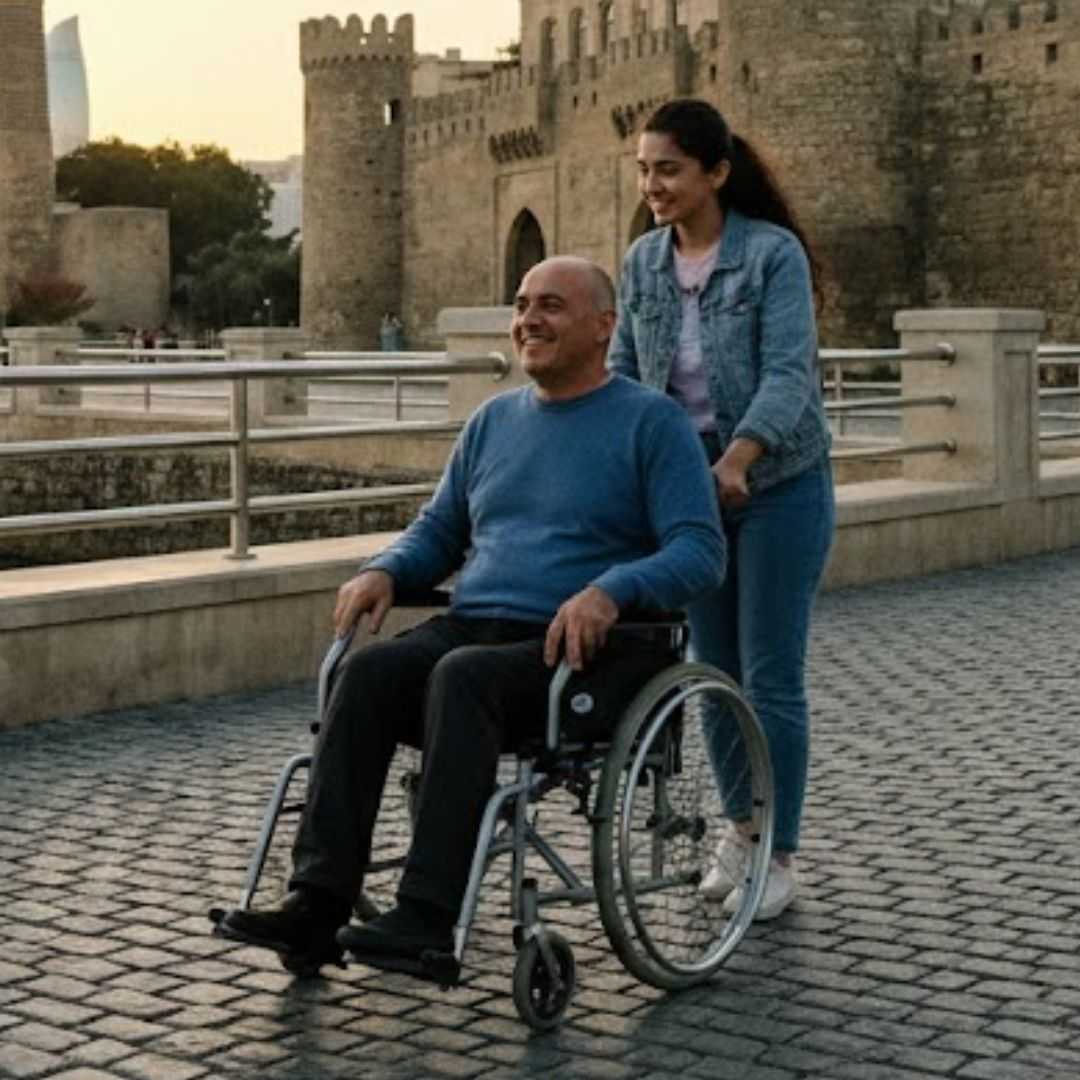
Price starting from $3,000
Brain Cancer Treatment Package in Baku, Azerbaijan by LIV Bona Dea Hospital
Liv Bona Dea Hospital in Baku, Azerbaijan
- Cancer Treatment
Baku, Azerbaijan
Cancer Treatment Solutions Near You: Explore Top Medical Centers
Discover how Cancer Treatment is transforming lives at leading medical centers in , . Dive into center profile, specialties, doctors, reviews, etc. and explore the best options tailored to your needs in this region.
Vega Stem Cell Clinic in Bangkok Thailand
Bangkok, Thailand
Medical Park Hospitals Group in Istanbul, Turkey
Istanbul, Turkey
Alternative Cancer Treatment by ITC - Immunity Therapy Center
Tijuana, Mexico

FirstCell Malaysia
Kuala Lumpur, Malaysia
Transformative Cancer Treatment Experiences: Dive into Procedure Insights
Discover the power of Cancer Treatment through compelling patient experiences. Uncover detailed insights into procedures, recovery journeys, and life-changing results.
.png)
Nk Cell Therapy in Osaka, Japan
- NK Cell Therapy (Natural Killer Cell Therapy), Cancer Treatment
Osaka, Japan

Price starting from $18,000
NK Cell Therapy in Beijing, China
- NK Cell Therapy (Natural Killer Cell Therapy), Cancer Treatment
Beijing, China

Price starting from $18,995
Alternative Pancreatic Cancer Treatment in Mexico
- Pancreatic Cancer, Cancer Treatment
Mexico
.png)
Price starting from $18,995
Alternative Lung Cancer Treatment Mexico
- Lung Cancer, Cancer Treatment
Mexico
Explore Cancer Treatment: Stories, Testimonials, and Procedures
Watch in-depth videos covering everything from Cancer Treatment success stories to detailed procedure explanations. Learn what to expect and hear from real patients.

Restoring Mobility and Tissue Health with Mesenchymal Stem Cell Therapy at CellsTime Clinique in Tijuana
Cancer Treatment
CellsTime Clinique Tijuana
Mexico

Advanced Orthopedic Stem Cell Therapy in Guadalajara, Mexico with CellsTime Clinique and Dr. Irydia Pellegrini
Cancer Treatment
CellsTime Clinique Guadalajara
Mexico
What One Patient Says About Alternative Stage 4 Breast Cancer Treatment in Mexico
Cancer Treatment
Alternative Cancer Treatment by ITC - Immunity Therapy Center
Mexico
Stem Cell Therapy in Guadalajara, Mexico with Dra. Marely Rivero at The One Clinic by Instituto de Terapia Celular
Cancer Treatment
Instituto de Terapia Celular - Stem Cell Guadalajara Mexico
Mexico
Learn More with These Cancer Treatment Articles
Take a look at these interesting articles, stories and research that will help you learn more about Cancer Treatment.


Advanced Cancer Immunotherapy in Turkey for German Patients
PlacidWay Medical Tourism
- Cancer Treatment
Turkey

Cancer Immunotherapy in Mexico: A Lifeline of Hope for US Patients Seeking Advanced Treatment
PlacidWay Medical Tourism
- Cancer Treatment
Mexico
.png)
Can Immunotherapy in Mexico Help U.S. Patients with Leukemia, Lymphoma, or Multiple Myeloma?
PlacidWay Medical Tourism
- Cancer Treatment
Mexico







