
Targeting the Genetic Cause: Gene Therapy for Sickle Cell Disease in Saudi Arabia
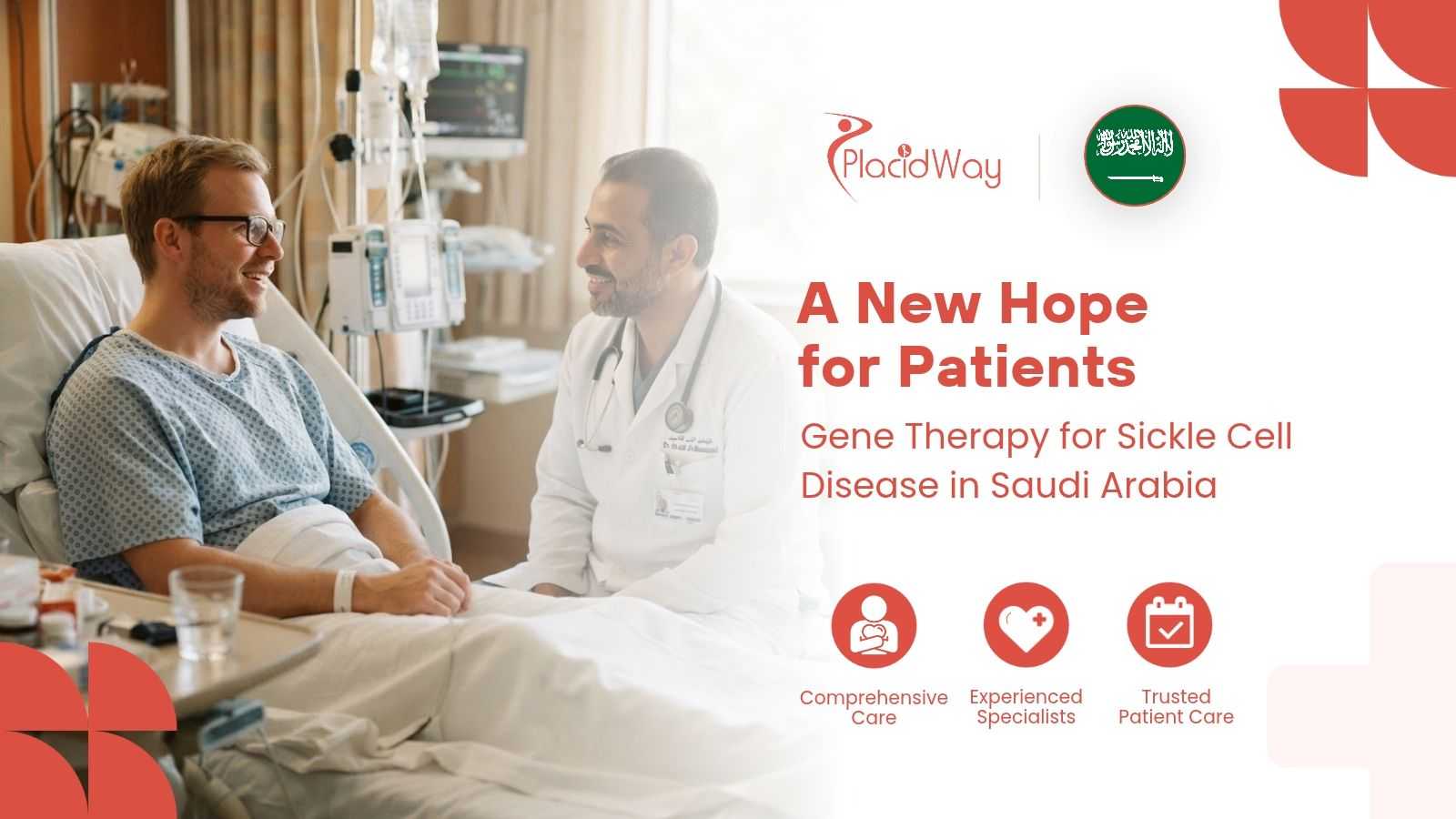
Gene Therapy for Sickle Cell Disease in Saudi Arabia is expanding the possibilities for treating inherited blood disorders by targeting the genetic defect responsible for the disease. At King Faisal Specialist Hospital and Research Centre (KFSHRC), specialists have successfully implemented gene therapy for a patient with sickle cell disease as part of a clinical trial, marking progress in the development of advanced, personalized treatment options. The approach involves modifying the patient's blood-forming stem cells to help address the underlying genetic abnormality before returning the treated cells to the body. Unlike conventional care, which primarily focuses on managing symptoms and preventing complications, gene therapy aims to change how the body produces healthy red blood cells. For eligible patients, this approach may help reduce painful sickle cell crises and the burden of ongoing treatment.
Quick Summary
- Targeted approach: Advances in Genetic Treatment for Sickle Cell Disease in Saudi Arabia target the fundamental genetic defect rather than only managing chronic symptoms.
- Mechanism: Patients' own hematopoietic stem cells are collected, modified to correct or bypass the defect, and reinfused.
- Alternative to donor transplant: Clinical trials offer new options for patients who lack a matched donor for allogeneic transplantation.
- Clinical benefits: Treatment aims to reduce painful vaso-occlusive crises, dependence on frequent blood transfusions, and repeated hospital visits.
- Multidisciplinary care: Treatment programs combine advanced hematology, cell manufacturing, and specialized inpatient care under strict safety protocols.
Featured Medical Center in Saudi Arabia
Hospital Profile Center
King Faisal Specialist Hospital and Research Centre (KFSHRC)
Riyadh, Saudi Arabia
KFSHRC stands as a pioneer in medical research and advanced clinical care in the Middle East. Integrating translational research with specialized patient care, the hospital delivers gene therapy and complex Blood Disorder Treatment in Saudi Arabia within accredited, high-containment clinical environments under recognized international safety standards.
View Hospital Profile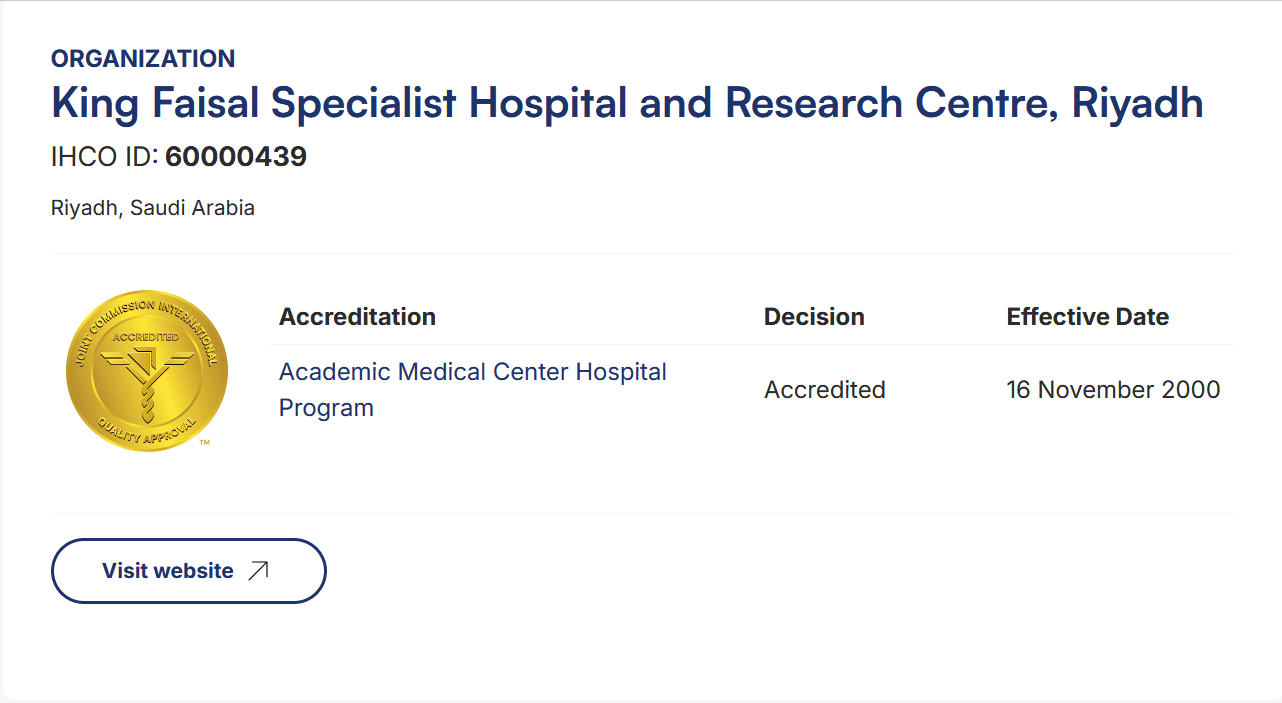
Understanding Sickle Cell Disease and Its Impact on Patients' Lives
Sickle Cell Disease (SCD) is a severe inherited blood disorder affecting millions worldwide, with significant prevalence in parts of the Middle East. For individuals seeking Sickle Cell Disease Treatment in Saudi Arabia, understanding the genetic foundation of this condition is essential to evaluating new therapeutic avenues.
SCD stems from a specific mutation in the beta-globin gene, causing red blood cells to synthesize abnormal hemoglobin known as hemoglobin S (HbS). Instead of remaining flexible and round, red blood cells deform into rigid, sickle-like shapes under low oxygen conditions, leading to chronic medical complications.
Genetic Inheritance
Inherited autosomally, requiring mutated genes from both parents for full clinical expression of the disease.
Vascular Blockages
Sickled cells obstruct microvascular blood flow, depriving critical tissues and organs of oxygen supply.
Chronic Hemolysis
Fragile sickled red blood cells break down rapidly, causing constant anemia, fatigue, and systemic stress.
How Sickle Cell Disease Affects Red Blood Cells and Circulation
Healthy red blood cells are disc-shaped, highly flexible cells that easily navigate narrow capillaries throughout human body tissue. In contrast, hemoglobin S polymers aggregate into rigid rods when deoxygenated, stretching the cell membrane into characteristic crescents.
These distorted cells adhere to vessel walls and interact abnormally with vascular endothelium, platelets, and leukocytes. This creates localized microvascular blockages (vaso-occlusion) that trigger severe acute pain, inflammation, and cellular hypoxia downstream.
How Sickle Cell Disease Affects Blood Flow
A qualitative comparison of normal red blood cell movement and the potential for sickled cells to obstruct small blood vessels.
Normal red blood cells
Flexible cells move through small vessels
Sickled red blood cells
Rigid cells may adhere and obstruct vessels
Clinical context: In sickle cell disease, abnormally shaped red blood cells can become rigid and sticky, contributing to vaso-occlusion, reduced oxygen delivery, and episodes of pain. The severity and frequency of these effects vary among individuals.
*Qualitative illustration only. Bar lengths are not based on measured blood-flow data and should not be interpreted as clinical percentages. Reference: National Heart, Lung, and Blood Institute (NHLBI), sickle cell disease information.
Common Symptoms and Complications of Sickle Cell Disease
The manifestation of SCD varies significantly among individuals, but recurrent severe complications interfere markedly with daily life and long-term health stability:
Acute Pain Crises
Vaso-occlusive episodes causing sudden, severe bone and joint pain requiring emergency medical care.
Chronic Anemia & Fatigue
Premature destruction of red blood cells causes persistent low hemoglobin, weakness, and delayed growth.
Infection Susceptibility
Early loss of functional splenic tissue increases vulnerability to life-threatening bacterial infections.
Why Conventional Sickle Cell Disease Treatments May Not Be Enough
For decades, conventional clinical care for SCD focused primarily on managing symptoms and preventing acute crises rather than altering the underlying gene defect. Hydroxyurea, pain medications, blood transfusions, and prophylactic antibiotics remain crucial for disease management but have clear clinical boundaries.
Allogeneic hematopoietic stem cell transplantation (using donor stem cells) has historically provided the only curative option. However, finding a human leukocyte antigen (HLA)-matched sibling donor occurs in fewer than 25% of candidates, and allogeneic procedures carry risks of graft-versus-host disease (GVHD) and graft rejection.
| Treatment Approach | Primary Objective | Clinical Considerations & Limits |
|---|---|---|
| Symptom Management | Analgesics, hydration, antibiotics | Manages pain without stopping future crises or organic damage |
| Hydroxyurea Therapy | Stimulates fetal hemoglobin production | Reduces crisis frequency; requires continuous compliance and monitoring |
| Chronic Blood Transfusions | Supplies normal red blood cells | Carries risk of iron overload, alloimmunization, and viral exposure |
| Donor Stem Cell Transplant | Replaces hematopoietic system | Requires matched donor; carries risk of GVHD and immune complications |
| Autologous Gene Therapy | Corrects patient's own stem cells | No donor needed; eliminates GVHD risk while targeting root cause |
What Is Gene Therapy for Sickle Cell Disease?
Sickle Cell Gene Therapy in Saudi Arabia represents a paradigm shift in hematology. Instead of relying on foreign donor cells, gene therapy modifies a patient's own hematopoietic stem cells at the molecular level to enable the production of healthy, non-sickling hemoglobin.
How Gene Therapy Targets the Genetic Cause of Sickle Cell Disease
The process involves precise biological and clinical steps to achieve sustainable genetic correction:
- Collecting Stem Cells: Hematopoietic stem cells are harvested from the patient's blood using mobilization agents and apheresis.
- Laboratory Cell Processing: Harvested stem cells are prepared, purified, and isolated in specialized cell-manufacturing facilities.
- Genetic Modification: Using viral vectors or gene-editing technologies (such as CRISPR/Cas9), cells are modified to introduce functional beta-globin genes or reactivate anti-sickling fetal hemoglobin (HbF).
- Conditioning Preparation: The patient receives conditioning chemotherapy to clear space in the bone marrow niches for the modified cells.
- Autologous Stem Cell Infusion: The modified cells are reinfused back into the patient's bloodstream via intravenous lines.
- Engraftment & Long-Term Monitoring: Modified stem cells take root in the bone marrow and begin producing healthy red blood cells over time.
Who May Be Eligible for Advanced Gene Therapy?
Gene therapy is evaluated for patients with severe SCD clinical profiles who lack suitable matched donor options for standard stem cell transplants. Eligibility requires detailed multidisciplinary assessment.
Evaluating Patients Before Gene Therapy for Sickle Cell Disease
Specialists at tertiary centers conduct comprehensive pre-treatment screening to confirm clinical readiness and safety:
Clinical History Review
Assessing crisis frequency, previous hospitalizations, stroke history, and severe vaso-occlusive episodes.
Organ Function Testing
Detailed evaluation of cardiac, pulmonary, hepatic, and renal reserves to tolerate conditioning therapy.
Hematology & Feasibility
Verifying stem cell collection feasibility, baseline blood counts, and antibody screening.
Key Stages of the Gene Therapy Treatment Journey
Undergoing gene therapy involves distinct clinical stages structured over several months:
| Stage | Clinical Objective | Duration / Setting |
|---|---|---|
| 1. Evaluation & Screening | Comprehensive organ assessment, consent, and eligibility check | 2–4 Weeks (Outpatient) |
| 2. Stem Cell Harvest | Apheresis mobilization and stem cell collection | 1–2 Weeks (Specialized Unit) |
| 3. Ex-Vivo Manufacturing | Laboratory gene insertion/editing and quality validation | Several Weeks (GMP Laboratory) |
| 4. Conditioning & Infusion | Chemotherapy conditioning followed by modified cell infusion | 4–6 Weeks (Inpatient HEPA Isolation) |
| 5. Engraftment & Follow-up | Bone marrow recovery, infection prophylaxis, and long-term surveillance | Ongoing (Outpatient Specialist Care) |
The Role of Hematology and Multidisciplinary Teams in Gene Therapy
Advanced gene therapy requires tight coordination across multiple clinical disciplines. At leading centers like KFSHRC, hematologists collaborate with pediatricians, adult physicians, cellular therapy specialists, specialized nurses, bio-engineers, and clinical pharmacists to ensure seamless care.
Recovery and Long-Term Monitoring After Gene Therapy
Following cell reinfusion, careful outpatient tracking monitors clinical progress and catches potential delayed complications early:
- Monitoring complete blood counts (CBC) and reticulocyte responses to confirm bone marrow engraftment.
- Tracking non-sickling hemoglobin levels (HbF or HbA) to confirm functional gene expression.
- Assessing reduction or elimination of painful vaso-occlusive crises and transfusion needs.
- Surveilling organ function (heart, kidneys, lungs, liver) over multi-year follow-up intervals.
- Providing ongoing infectious disease precautions during early immune reconstruction.
Potential Benefits, Risks, and Limitations of Gene Therapy
While gene therapy offers monumental clinical promise, objective patient education requires balancing potential health gains against inherent medical risks and uncertainties.
Potential Benefits
- Significant reduction or complete cessation of painful vaso-occlusive crises.
- Elimination of dependence on regular blood transfusions and iron chelation.
- Bypasses graft-versus-host disease (GVHD) risks associated with donor transplants.
- Potential stabilization of long-term organic function and enhanced quality of life.
Risks & Limitations
- Conditioning chemotherapy carries transient risks of hair loss, mucositis, and infection.
- Infertility risks associated with busulfan-based myeloablative conditioning.
- Potential off-target genetic effects requiring long-term registry tracking.
- High treatment complexity and resource requirements limited to specialized tertiary centers.
Accessing Advanced Sickle Cell Disease Treatment in Saudi Arabia
Kingdom of Saudi Arabia has established significant clinical infrastructure for complex Blood Disorder Treatment in Saudi Arabia. Facilities such as King Faisal Specialist Hospital and Research Centre integrate clinical trial access with cutting-edge cell therapy units, making advanced treatment accessible within the region.
Frequently Asked Questions
What is gene therapy for sickle cell disease?
Gene therapy is an advanced medical procedure that modifies a patient's own hematopoietic stem cells to correct or bypass the genetic mutation responsible for producing abnormal hemoglobin S.
How does gene therapy differ from a donor bone marrow transplant?
Donor transplants use stem cells from an HLA-matched donor, carrying risks of graft-versus-host disease (GVHD). Gene therapy uses the patient's own cells (autologous), eliminating the need for a matched donor and removing GVHD risks.
Who is eligible for sickle cell gene therapy in Saudi Arabia?
Eligibility typically requires a confirmed diagnosis of severe sickle cell disease with frequent crises or complications, adequate organ function, and lack of a matched sibling donor for conventional transplant.
Are patients cured immediately after cell infusion?
Full clinical benefit develops progressively over weeks to months as modified stem cells engraft in the bone marrow and gradually produce non-sickling red blood cells.
What are the main risks associated with gene therapy?
Primary risks stem from myeloablative conditioning chemotherapy used prior to cell infusion, including infection, fatigue, mouth sores, and potential long-term impacts on fertility.
Does gene therapy cure sickle cell disease permanently?
Clinical studies demonstrate long-lasting production of healthy hemoglobin and sustained freedom from crises. Long-term surveillance registries continue to track patients over 15+ years to evaluate permanence.
How long is the hospital stay during gene therapy?
Patients typically spend 4 to 6 weeks in specialized inpatient isolation rooms following conditioning chemotherapy until stem cells engraft and immune counts recover safely.
Can adults and children both receive gene therapy?
Gene therapy clinical protocols are approved for specific age thresholds, often starting with adolescents and adults before extending to younger pediatric cohorts based on trial trial designs.
Will gene therapy affect future children's genetic inheritance?
No. Current gene therapy targets somatic blood stem cells only and does not alter reproductive germline cells. Patients can still pass the sickle cell trait or gene to offspring.
How can international patients inquire about care in Saudi Arabia?
Patients can connect with specialized referral portals, such as PlacidWay, to coordinate medical record reviews and consultation requests with tertiary centers in Saudi Arabia.
Explore Advanced Treatment Options at KFSHRC
Connect with leading medical specialists in Saudi Arabia to learn more about innovative gene therapy clinical trials and comprehensive care for sickle cell disease. Request a medical record evaluation for Sickle Cell Disease Treatment in Saudi Arabia and facility consultation today.
Request Information NowDisclaimer: This content is provided for educational and informational purposes only and does not constitute formal medical advice, clinical diagnosis, or treatment recommendations. Always consult a qualified physician or hematology specialist regarding medical conditions or treatment eligibility.
References & Trusted Sources
- Ministry of Health - Kingdom of Saudi Arabia
- World Health Organization (WHO) - Genomic and Blood Disorders Guidelines
- National Heart, Lung, and Blood Institute (NHLBI) - Sickle Cell Disease Resources
- Centers for Disease Control and Prevention (CDC) - Sickle Cell Data & Research
- American Society of Hematology (ASH) - Gene Therapy Guidelines
- European Medicines Agency (EMA) - Advanced Therapy Medicinal Products



























Share this listing