Colon Cancer Immunotherapy in Tijuana, Mexico

Publish date: Feb 23, 2026 Modified date: Aug 23, 2026 Medically reviewed by: Dr. Orhan Sencan on Aug 23, 2026 Author: Rizal Aditya

Experience Price

$18,995 Price starting from
Colon Cancer Immunotherapy in Tijuana, Mexico

Contents

Comprehensive Guide to Colon Cancer Immunotherapy in Tijuana

Receiving a colon cancer diagnosis is a profoundly overwhelming experience, often leaving patients and their families urgently searching for advanced, effective, and accessible treatment options. In recent years, immunotherapy has emerged as a groundbreaking pillar in oncology, utilizing the body's own immune system to identify and destroy cancer cells. For patients exploring global healthcare options, Tijuana, Mexico, has established itself as a premier, accessible hub for these innovative colon cancer therapies.

Situated just minutes across the US-Mexico border from San Diego, California, Tijuana offers a unique medical landscape. The city is renowned for its specialized oncology centers that blend conventional, evidence-based medicine with holistic, integrative therapies. This comprehensive approach is highly sought after by patients who want personalized care protocols that go beyond standard chemotherapy or radiation.

Choosing Tijuana for colon cancer immunotherapy means gaining access to progressive treatments—such as dendritic cell vaccines, NK (Natural Killer) cell therapy, and checkpoint inhibitors—administered by internationally trained oncologists. Furthermore, the barrier to accessing these life-extending therapies is significantly lower. In North America, waiting for clinical trials or fighting for insurance approvals for cutting-edge immunotherapy can cost precious time. In Tijuana, medical centers prioritize immediate, comprehensive evaluations, allowing patients to begin targeted treatment protocols rapidly.

Beyond the sophisticated medical technology, Tijuana’s medical teams are celebrated for their compassionate, patient-first philosophy. Healing is approached not just at a cellular level, but emotionally and physically, ensuring you and your family are supported through every phase of your recovery journey.

!

Did You Know?

Tijuana's medical facilities often utilize "Integrative Oncology," a synergistic approach that pairs advanced immunotherapy treatments with nutritional support, detoxification, and mind-body therapies. This method aims not only to fight the colon cancer but to strengthen the patient's overall immune system and drastically improve their quality of life during treatment.

Key Insights at a Glance

1
Integrative Protocols:

Combines targeted immunotherapy with comprehensive holistic support tailored specifically for colon cancer patients.

2
Rapid Access:

Avoid long waitlists. Clinics in Tijuana offer immediate evaluations and prompt commencement of personalized treatment plans.

3
Financial Relief:

Advanced oncological therapies are offered at a fraction of the out-of-pocket costs typically seen in the United States and Canada.

4
Expert Oncologists:

Medical teams are composed of highly qualified, bilingual oncologists who frequently collaborate with global cancer research institutions.

5
Easy Accessibility:

Located directly adjacent to San Diego, CA, making travel logistics simple and convenient for North American patients.

6
Compassionate Care:

Clinics provide deeply personalized attention, ensuring you are treated as an individual, not just a medical chart.

FUN FACT

Decades of Alternative Care Leadership

Tijuana has been a global pioneer in alternative and integrative cancer therapies for over 40 years. Long before "integrative oncology" became a popular buzzword in modern medicine, specialized clinics in this border city were already successfully combining advanced scientific treatments with holistic, immune-boosting therapies to treat complex diseases like colon cancer.

Understanding the financial aspect of cancer care is critical for patients and their families. The table below provides a clear, transparent breakdown of the average costs associated with colon cancer immunotherapy in Tijuana compared to typical out-of-pocket expenses in the United States and Canada. While every patient’s protocol is unique and costs will vary based on the specific therapies prescribed, these estimates showcase the significant accessibility and financial relief available without compromising on the quality of oncological care.

Tip: Always consult directly with the medical center for a personalized evaluation to receive a highly accurate, individualized treatment estimate.

`

Navigating cancer treatment can be logistically challenging, which is why finding a comprehensive package is incredibly beneficial. In the section below, we have organized a selection of top-rated oncology clinics offering all-inclusive immunotherapy programs. These thoughtfully designed bundles typically cover your specialized medical treatments, physician consultations, laboratory tests, and often include local ground transportation. Browse these curated options to find a program that addresses your specific medical requirements with transparency and care.

Note: Comprehensive packages provide peace of mind by bundling necessary medical protocols into one clear, upfront program.

Colon Cancer Centers Cost Comparison in Tijuana, Mexico

Provider Procedure Price
Alternative Cancer Treatment by ITC - Immunity Therapy Center Colon Cancer, Cancer Treatment $18995

Colon Cancer Cost Comparison in Mexico

Country Procedure Price
United States Colon Cancer, Cancer Treatment $40000

The success of your treatment is deeply connected to the expertise of the facility you choose. We have meticulously selected a list of premier medical centers in Tijuana recognized globally for their specialization in advanced oncology and immunotherapy. These facilities are vetted for their state-of-the-art laboratory technologies, strict adherence to international safety protocols, and innovative treatment methodologies. Explore the profiles below to discover the clinical environments and specialized therapeutic approaches they offer.

Safety First: Prioritize clinics that feature board-certified oncologists and transparent, evidence-based treatment protocols.
When facing a cancer diagnosis, hearing the personal journeys of those who have walked a similar path can provide profound hope and comfort. The video testimonials featured below showcase real stories from patients who traveled to Tijuana for colon cancer immunotherapy. Watch these firsthand accounts to gain honest insights into their clinical experiences, the compassion of the medical staff, their physical progress, and how integrative treatments have impacted their quality of life.

Insight: Patient stories offer the most authentic perspective on the emotional and physical reality of undergoing cancer treatment abroad.
Verified patient reviews are a vital tool when evaluating the quality and integrity of an oncology center. In this section, you will find detailed feedback and ratings from individuals who have entrusted their colon cancer treatment to specialists in Tijuana. Read through these reviews to understand their perspectives on doctor-patient communication, the effectiveness of the integrative protocols, the facility's environment, and the overall support provided to them and their families.

Review Tip: Look closely for reviews that discuss the personalized nature of the care and the ongoing follow-up support provided by the clinic.

What exactly is immunotherapy for colon cancer?

Immunotherapy is an advanced type of biological therapy that empowers your body's own immune system to fight cancer. Unlike traditional chemotherapy, which attacks all fast-growing cells (healthy and cancerous alike), immunotherapy uses substances made by the body or in a laboratory to boost, direct, or restore the immune system's natural defenses. For colon cancer, this often involves helping the immune system recognize and attack specific cancer cell mutations that were previously hiding from immune detection.

Is colon cancer immunotherapy in Tijuana safe?

Yes, it is safe when administered at reputable, licensed oncology clinics. Tijuana's top medical centers employ highly trained, board-certified oncologists and immunologists who adhere to stringent international medical standards. They use certified laboratories to develop and administer therapies like dendritic cells and follow strict clinical protocols. However, it is essential to do your research, verify clinic accreditations, and understand that any medical treatment carries some inherent risks which your doctor will discuss with you transparently.

Am I a good candidate for this treatment?

Candidacy depends largely on the specific biomarkers of your tumor and your overall health. In conventional medicine, immunotherapy is often highly effective for colon cancers that test positive for high microsatellite instability (MSI-H) or mismatch repair deficiency (dMMR). However, integrative clinics in Tijuana often utilize a broader range of immunotherapies (like custom cancer vaccines or NK cell therapies) that may be applicable to a wider range of patients, including those with advanced stages. A thorough medical evaluation of your records is required to determine suitability.

What types of immunotherapy are available in Tijuana?

Tijuana is known for offering a diverse array of immunotherapies. This includes widely recognized Immune Checkpoint Inhibitors, which block proteins that stop the immune system from attacking cancer cells. Additionally, many specialized clinics offer advanced Adoptive Cell Therapies (like NK cell and T-cell therapy) and Custom Dendritic Cell Vaccines, which are created using your own blood to train your immune system to specifically hunt down your unique colon cancer cells.

How does immunotherapy differ from traditional chemotherapy?

The primary difference is the mechanism of action. Chemotherapy uses toxic drugs to directly kill rapidly dividing cells, which unfortunately includes healthy cells like hair follicles and stomach lining, leading to severe side effects. Immunotherapy, conversely, does not directly kill cancer cells; it stimulates your immune system to do the work. Because it is highly targeted, immunotherapy generally has a different, often more tolerable, side-effect profile compared to conventional chemotherapy.

What are the potential side effects?

While generally better tolerated than chemotherapy, immunotherapy can still cause side effects. Because the treatment stimulates the immune system, it can sometimes cause the immune system to attack healthy tissues. Common side effects include fatigue, skin rashes, and flu-like symptoms (fever, chills). In rare cases, more severe immune-related adverse events affecting the bowels (colitis), lungs, or liver can occur. Your medical team in Tijuana will monitor you closely to manage and mitigate any adverse reactions.

How long does the treatment program take?

Treatment durations vary significantly based on the specific protocol designed for your condition. Many comprehensive programs in Tijuana are designed as 2-week to 4-week intensive outpatient or inpatient clinic stays. During this time, you receive the core immunotherapies alongside detox and nutritional support. After the initial intensive phase, patients are usually sent home with an at-home protocol (supplements, medications, and lifestyle changes) and scheduled for virtual follow-ups or return visits.

Can I combine this with therapies I am doing at home?

Yes, many patients seek treatment in Tijuana specifically for its "Integrative" approach. The oncologists here frequently design protocols intended to be used in conjunction with conventional treatments like mild chemotherapy, targeted radiation, or surgeries performed in your home country. It is absolutely vital, however, to provide your complete medical records and ensure open communication between your doctors at home and your medical team in Mexico to avoid any contraindicated treatments.

How much does colon cancer immunotherapy cost in Tijuana?

The cost of immunotherapy in Tijuana is a fraction of what it would cost out-of-pocket in the U.S. While a single round of certain checkpoint inhibitors in the US can exceed $10,000 to $15,000, comprehensive, multi-week holistic and immunotherapy packages in Tijuana generally range between $15,000 to $35,000 for the entire program. This pricing typically includes the specialized therapies, medical consultations, immune-boosting IVs, and nutritional programs, offering transparent and exceptional value for advanced care.

Will my US or Canadian health insurance cover the treatment?

In most cases, standard US (Medicare, Medicaid, typical HMOs) and Canadian provincial health insurance will not cover medical treatments received outside of the country, especially alternative or integrative cancer therapies. Patients usually pay out-of-pocket. However, some private US PPO plans may offer partial reimbursement for certain diagnostic tests or standard medications. Clinics in Tijuana are well-versed in this and provide clear, upfront pricing, and many accept medical financing options to help manage the investment in your health.

What Success Rates Exist for Colon or Prostate Cancer Immunotherapy in Tijuana, Mexico?

Success rates for Colon or Prostate Cancer Immunotherapy in Tijuana, Mexico typically range from 15% to 50% for responsive patients. Efficacy heavily depends on tumor stage, specific biomarkers like MSI-H, and the clinical protocol utilized. Key Takeaways Treatment efficacy varies widely based on individual cancer stages, genetic mutations, and tumor biomarkers. Many facilities offer integrative protocols that combine conventional checkpoint inhibitors with complementary immune-boosting therapies. Cost estimates can fluctuate significantly based on treatment duration, medication types, and the level of medical supervision required. It is critical to verify facility accreditations and the medical team's professional licensing before booking any procedure abroad. Comprehensive local follow-up care is essential after returning home to manage potential delayed immune responses. What Types of Immunotherapy Are Available for These Cancers? Facilities offer varying treatment approaches, ranging from standard immune checkpoint inhibitors to targeted cellular therapies. The exact regimen depends on the facility's specific clinical framework and the patient’s pathology. Immunotherapy fundamentally changes how the body recognizes malignant cells. For patients seeking a Colon or Prostate Cancer Immunotherapy clinic in Tijuana, Mexico, options frequently include a blend of conventional and integrative methodologies. Checkpoint inhibitors, such as PD-1 and CTLA-4 blocking antibodies, are commonly utilized. These medications work by releasing the "brakes" on the immune system, allowing T-cells to identify and attack colon or prostate cancer cells more effectively. Beyond traditional checkpoint inhibitors, some medical centers specialize in personalized cellular therapies. Dendritic cell vaccines, for instance, involve harvesting a patient’s own immune cells, exposing them to specific tumor antigens in a specialized laboratory, and re-infusing them into the patient. This highly personalized approach aims to train the immune system to mount a durable response against specific cancer markers. Furthermore, integrative clinics often incorporate supportive treatments designed to modify the tumor microenvironment. These may include high-dose intravenous vitamin C, hyperthermia, and metabolic therapies. While these complementary treatments are intended to enhance the efficacy of the primary immunotherapy agents, patients must discuss these comprehensive protocols with their primary oncologists to understand the potential benefits and limitations. Did You Know? Not all colon cancers respond equally to immunotherapy. Tumors that are classified as Mismatch Repair Deficient (dMMR) or Microsatellite Instability-High (MSI-H) typically show a much stronger response to immune checkpoint inhibitors compared to tumors without these genetic signatures. How Do Biomarkers Affect Treatment Outcomes? Biomarkers act as vital predictive indicators. Their presence or absence dictates whether a patient is a suitable candidate for specific immunotherapeutic agents, directly influencing potential success rates. The landscape of cancer treatment has shifted heavily toward precision medicine. In the context of colon cancer, the most critical biomarkers are MSI-H and dMMR. Patients possessing these markers tend to have tumors with numerous genetic mutations, which surprisingly makes them highly visible to the immune system once checkpoint inhibitors are administered. Therefore, success rates for these specific subsets of patients can be remarkably encouraging compared to traditional chemotherapy models. Conversely, prostate cancer is historically known as a "cold" tumor, meaning it often lacks the robust immune cell infiltration required for standard checkpoint inhibitors to work efficiently. However, newer protocols are exploring combinations of treatments to turn these cold tumors "hot." Testing for biomarkers such as tumor mutational burden (TMB) or specific genetic alterations (like BRCA mutations) can help oncologists determine if targeted therapies or specialized immunotherapies might yield a clinical benefit. Before traveling for treatment, comprehensive genomic profiling of the tumor is strongly recommended. Understanding your specific biomarker profile allows the medical team in Mexico to design a tailored protocol, rather than applying a generalized approach. This targeted strategy is essential for maximizing potential efficacy and managing patient expectations realistically. What Is the Estimated Colon or Prostate Cancer Immunotherapy cost in Tijuana, Mexico? The financial investment depends entirely on the specific medications required, the length of the program, and whether conventional treatments are combined with integrative supportive care. Determining the exact Colon or Prostate Cancer Immunotherapy cost in Tijuana, Mexico requires a personalized medical review, as no two treatment plans are identical. Prices vary based on clinic infrastructure, the specific immunotherapy drugs utilized (which can be inherently expensive to manufacture), and the inclusion of complementary therapies. Treatment Component Estimated Cost Range (USD) Variables Influencing Cost Initial Consultation & Diagnostics $500 - $2,500 Complexity of required PET/CT scans and specific genomic biomarker panels. Standard Checkpoint Inhibitors $4,000 - $12,000 per cycle Specific drug brand, dosage required, and frequency of administration. Dendritic Cell Therapy / Vaccines $15,000 - $35,000 per program Laboratory extraction costs, culturing processes, and number of required infusions. Comprehensive Integrative Protocols $20,000 - $50,000+ (3-4 weeks) Includes accommodation, nursing care, nutritional support, and complementary IV therapies. *Note: These are estimates that vary by clinic, medical requirements, and specific case complexity. Prices do not include long-term at-home follow-up care. Patients must explicitly ask clinics to separate the cost of the core immunotherapy drugs from the costs of accommodation, nutritional supplements, and supplementary alternative therapies. Clear financial transparency ensures patients can compare options fairly and understand the long-term financial commitment, as immunotherapy often requires multiple cycles over several months. How Do Integrative Cancer Treatments Differ from Standard Care? Integrative treatments combine conventional medical therapies with complementary approaches focused on nutritional support, detoxification, and overall immune system enhancement. Standard care typically relies strictly on protocols established by major oncology organizations, focusing heavily on targeted pharmacological interventions like chemotherapy, radiation, or standard immunotherapies. In contrast, many facilities offering medical tourism in Tijuana, Mexico emphasize a holistic, integrative approach. This means they look at the patient's entire physiological environment rather than solely targeting the tumor. An integrative protocol may include standard checkpoint inhibitors but pairs them with therapies designed to reduce systemic inflammation and support the liver and kidneys during treatment. For instance, patients might receive hyperbaric oxygen therapy or specialized hyperthermia alongside their core immunotherapy. The theoretical aim is to create an inhospitable environment for cancer cells while strengthening the body's natural defenses. It is vital to approach integrative care with clear medical oversight. While complementary therapies can improve quality of life and potentially support treatment efficacy, they should not replace evidence-based primary treatments for aggressive cancers unless explicitly advised by a multidisciplinary oncology team. Are These Treatments Safe for Advanced Cancer Stages? Safety profiles vary by patient health, cancer progression, and the specific agents used. Proper medical screening is mandatory to determine if a patient can safely tolerate immune modulation. Important Consideration Immunotherapy can trigger severe auto-immune responses where the body attacks healthy organs. Patients with pre-existing autoimmune diseases or those in heavily compromised states must undergo rigorous risk assessments. For patients with stage III or stage IV colon or prostate cancer, safety is a primary concern. Immunotherapy is generally considered to have a different side-effect profile compared to traditional chemotherapy—it rarely causes hair loss or severe nausea. However, because these therapies stimulate the immune system, they carry the risk of immune-related adverse events (irAEs), such as inflammation of the lungs (pneumonitis), colon (colitis), or liver (hepatitis). When seeking a Colon or Prostate Cancer Immunotherapy clinic in Tijuana, Mexico, it is crucial to ensure the facility has acute medical care capabilities. Clinics must be equipped with the appropriate steroid interventions and emergency protocols to manage severe immune reactions swiftly should they occur during treatment. Suitability for advanced-stage patients often hinges on their functional status—how well they can perform daily activities. Patients who are extremely frail may not safely tolerate the metabolic demands of intensive immunotherapy protocols. A comprehensive medical evaluation by licensed oncologists is an absolute requirement before proceeding. How Long Does a Typical Immunotherapy Protocol Last? Treatment durations are highly individualized. Intensive in-patient or outpatient phases typically last 3 to 6 weeks, followed by maintenance cycles spanning several months. The timeline for cancer care abroad requires significant planning. Patients choosing to travel for care generally undergo an initial intensive phase. During this time, they may receive their first rounds of cellular therapy or checkpoint inhibitors, alongside daily supportive treatments. This initial phase often necessitates staying near the facility for three to four weeks to allow for close medical monitoring. Following the intensive phase, cancer treatment is rarely a singular event. Immunotherapy frequently requires maintenance infusions. Depending on the clinical recommendations, patients may need to return to the clinic every few weeks, or coordinate with a local healthcare provider back home to continue administering the prescribed checkpoint inhibitors. Patients must factor this extended timeline into their overall expectations and budget. Medical tourism for oncology is an ongoing medical journey, not a brief intervention. Ensuring you have the logistical flexibility and financial resources for prolonged or repeated treatment cycles is a critical aspect of the decision-making process. What Should I Look for in a Colon or Prostate Cancer Immunotherapy clinic in Tijuana, Mexico? Diligent vetting is essential. Prioritize facilities with licensed oncologists, transparent treatment protocols, verifiable accreditations, and clear complication management plans. Expert Insight Always verify the treating physician’s credentials. In Mexico, you can verify a doctor's specialty training and medical license (cédula profesional) through the official national registry provided by the SEP (Secretaría de Educación Pública). Selecting a facility goes far beyond reviewing a marketing website. First and foremost, ensure the medical team is led by board-certified or equivalently credentialed medical oncologists, not just general practitioners. Ask for detailed documentation regarding their specific experience in administering immunotherapies for complex gastrointestinal or urological cancers. Transparency is another critical factor. Reputable clinics will provide clear, written breakdowns of costs, realistic assessments of potential success rates, and detailed explanations of the risks involved. They will not offer guarantees of a cure, as such promises are medically irresponsible in the context of oncology. Finally, inquire about their emergency infrastructure. While medical tourism in Tijuana, Mexico offers access to diverse therapies, patient safety must remain paramount. Ask the clinic: What happens if I experience a severe adverse reaction? Do you have an intensive care unit (ICU), or do you transfer patients to local hospitals? A credible clinic will have a well-documented and transparent emergency response protocol. What Are the Potential Side Effects of Immunotherapy? While often better tolerated than chemotherapy, immunotherapy can cause systemic inflammation. Side effects range from mild fatigue and skin rashes to severe organ inflammation. Because these therapies hyper-stimulate the immune system to fight the tumor, they can inadvertently cause the immune system to target healthy tissues. Common and potential side effects include: Fatigue and Weakness: One of the most commonly reported symptoms during active treatment cycles. Dermatological Reactions: Itchy skin, redness, or distinct rashes that require topical or oral interventions. Gastrointestinal Issues: Diarrhea or colitis (inflammation of the colon), which can be severe and require immediate medical attention. Pulmonary Complications: Pneumonitis (inflammation of the lungs) leading to a persistent cough or shortness of breath. Endocrine Disorders: Disruptions to the thyroid, pituitary, or adrenal glands, sometimes requiring lifelong hormone replacement. Hepatic or Renal Toxicity: Elevated liver enzymes or kidney impairment, necessitating routine blood monitoring throughout the protocol. Why Choose PlacidWay for Your Medical Journey? PlacidWay provides resources and structured coordination to help patients research, compare, and connect with global healthcare providers transparently and efficiently. Navigating international healthcare options can be overwhelming, especially when facing complex diagnoses. PlacidWay assists patients by focusing on education, clarity, and organized medical connections: Transparent Pricing Estimates: Access baseline cost expectations to help you budget accurately before making any commitments. Global Provider Network: Connect with a wide variety of facilities, allowing you to compare treatment philosophies and center credentials globally. Patient-Centered Communication: Utilize platforms designed to facilitate direct dialogue with medical teams to get your specific clinical questions answered. Educational Resources: Access articles and guides aimed at helping patients understand their options and what questions to ask prospective doctors. Dedicated Coordination Assistance: Receive support in organizing consultations and gathering necessary medical records to present to international specialists. Frequently Asked Questions Is immunotherapy FDA-approved for prostate cancer? Specific immunotherapies, such as Sipuleucel-T (Provenge), are FDA-approved in the United States for certain types of advanced prostate cancer. In Mexico, clinics may offer varying protocols, including some that are still undergoing international clinical trials or are used off-label. Can immunotherapy cure stage 4 colon cancer? Immunotherapy is typically not considered a definitive cure for stage 4 colon cancer, but in suitable patients—particularly those with MSI-H or dMMR biomarkers—it can significantly extend survival and manage disease progression. Results vary widely among individuals. Do Tijuana clinics use checkpoint inhibitors? Yes, many advanced oncology centers in Tijuana integrate checkpoint inhibitors (such as PD-1/PD-L1 inhibitors) into their treatment protocols, often combining them with complementary therapies to support the patient's overall immune function. What is dendritic cell therapy? Dendritic cell therapy is a form of personalized immunotherapy where a patient's own immune cells are extracted, exposed to cancer antigens in a laboratory, and re-infused into the body to help the immune system recognize and attack cancer cells. How soon can patients travel after immunotherapy sessions? Travel clearance depends heavily on the specific protocol and the patient's overall health. Most patients are monitored for 24 to 72 hours post-infusion to observe for acute side effects before they are cleared to fly or cross the border. Are medical records required before consultation? Yes. Comprehensive medical records, including recent oncology reports, biopsy results, blood panels, and imaging (PET/CT scans), are essential for clinics to assess patient candidacy and design an appropriate treatment protocol. Is medical tourism in Tijuana, Mexico safe for cancer patients? Medical tourism can be a viable option if patients carefully research and select accredited facilities. It is vital to verify the oncologist’s credentials (cédula profesional), the clinic's safety protocols, and emergency response capabilities before traveling. Can I continue my hometown oncologist's treatment plan alongside immunotherapy? Integrative approaches are common, but seamless coordination between your local oncologist and the medical team in Tijuana is crucial. Combining treatments without proper medical oversight can increase the risk of severe side effects or drug interactions. Are dietary changes mandatory during immunotherapy? While not strictly mandatory in all clinical settings, many integrative clinics emphasize specialized dietary plans (such as anti-inflammatory or specialized metabolic diets) as a complementary approach to support immune health during active treatment. What follow-up care is needed after returning home? Patients typically require ongoing blood monitoring, periodic imaging, and symptom management upon returning home. It is imperative to establish local follow-up care to promptly address any delayed immune-related adverse events. Explore Your Medical Options Today Connect with trusted clinics, compare treatment protocols, and receive customized information regarding your oncological needs. Request Treatment Information Medical Disclaimer: The information provided in this article is for educational purposes only and should not be considered as medical advice. Treatment options and outcomes vary significantly between patients. Always consult with a qualified healthcare professional regarding diagnosis, treatment plans, and travel for medical purposes. Pricing data is estimated and subject to change based on individual facility rates and patient requirements. References Immunotherapy to Treat Cancer – National Cancer Institute (NCI) Understanding Immunotherapy – American Cancer Society (ACS) Prostate Cancer Immunotherapy – Prostate Cancer Foundation Medical Tourism Guidelines – Centers for Disease Control and Prevention (CDC)

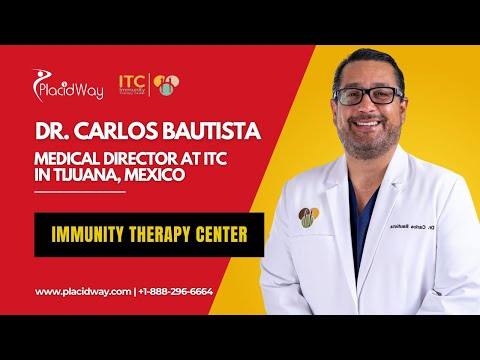
The foundation of effective cancer treatment is a skilled, knowledgeable, and empathetic medical team. We have compiled a directory of leading oncologists and integrative medicine specialists in Tijuana who are experts in immunotherapy protocols. These profiles outline their specialized training, clinical backgrounds, and dedication to innovative cancer care. Reviewing these experts will empower you to find a physician whose medical philosophy aligns with your personal journey to wellness.

1

Board-Certified Oncologists

Internationally Trained Specialists

These specialists hold rigorous medical certifications in clinical oncology and immunology. Many have completed fellowships or extended training in the United States or Europe, bringing a wealth of global medical knowledge and advanced diagnostic techniques to their practices in Tijuana.

2

Integrative Medicine Experts

Bridging Science and Holistic Care

Beyond standard oncology, these doctors specialize in integrative medicine. They are experts in understanding how nutrition, detoxification, and immune-boosting therapies can work synergistically with advanced immunotherapy to treat the whole patient, rather than just the tumor.

3

Patient-Centered Advocates

Compassionate & Transparent Communication

Celebrated for their bedside manner, these specialists prioritize clear, empathetic communication. They dedicate the necessary time to thoroughly explain complex immunological mechanisms, review lab results, and ensure patients feel informed and confident in their treatment paths.


1

The "San Diego Gateway" Proximity

When dealing with a serious illness, long, exhausting international flights are often not feasible. Tijuana's unmatched geographic advantage makes it the most accessible medical tourism destination in the world for North Americans.

Patients can fly into San Diego International Airport (SAN) and take a short, 30-minute shuttle ride directly to their specialized clinic in Tijuana. This proximity eliminates the stress of deep international travel, making intensive, multi-week treatments comfortable and manageable for patients and their accompanying loved ones.

2

Pioneers in Integrative Oncology

Tijuana does not merely replicate standard US cancer treatments; it enhances them. The city's medical reputation is built on decades of pioneering "Integrative Oncology." Clinics here excel at combining advanced, targeted immunotherapies with systemic holistic treatments.

While administering cutting-edge dendritic cell vaccines or NK cell therapies, doctors simultaneously utilize Vitamin C IVs, hyperthermia, ozone therapy, and specialized nutrition to optimize the patient’s immune response and mitigate side effects, offering a highly personalized approach to battling colon cancer.

3

Speed of Access and Financial Viability

Time is of the essence in oncology. In many healthcare systems, gaining access to novel immunotherapies can involve months of waiting for clinical trials or fighting insurance red tape. Tijuana clinics are structured to review medical records swiftly and initiate treatments in a matter of days.

Coupled with this speed is the distinct financial advantage. The lower overhead costs in Mexico allow clinics to offer high-quality, laboratory-intensive immunotherapies at a price point that makes out-of-pocket funding a realistic option for many families seeking hope and alternative paths to healing.

Researching alternative and advanced cancer treatments abroad is a heavy responsibility. PlacidWay is here to serve as your dedicated medical liaison. We bridge the gap between you and Tijuana's most respected oncology centers, ensuring you have the medical data, transparent pricing, and direct access you need to make empowered healthcare decisions.

Rigorous Clinic Vetting

We carefully pre-screen oncology centers to ensure they meet stringent safety protocols, utilize certified laboratories, and employ board-certified specialists.

Medical Record Transfer

We securely facilitate the transfer of your oncology records, lab results, and PET scans directly to specialists for fast, accurate evaluations.

Direct Oncologist Access

We arrange priority video or phone consultations, allowing you to speak directly with potential doctors about your specific colon cancer diagnosis and treatment options.

Transparent Pricing

We obtain customized, detailed quotes directly from the clinics, ensuring you understand exactly what medical treatments, IVs, and therapies are included.

Unbiased Education

We provide you with clear, unbiased information regarding treatment methodologies, clinic specialties, and authentic patient testimonials.

Patient Advocacy

Our dedicated team is by your side to help you ask the crucial medical questions, compare different clinic protocols, and advocate for your health needs.

Take action toward a personalized, advanced treatment plan. Contact PlacidWay today to request a free medical evaluation and speak with leading oncology specialists in Tijuana.

Get Your Free Medical Evaluation


Colon Cancer Immunotherapy in Tijuana, Mexico thumbnail

About Experience

  • Translations: EN ES
  • Price Range: $18,995 - $18,995
  • Treatment: Colon Cancer, Cancer Treatment
  • Location: Tijuana, Mexico
  • Clinics: Alternative Cancer Treatment by ITC - Immunity Therapy Center, Limphocare by Limphocite - Immunotherapy for Cancer in Mexico,
  • Doctors Dr. Carlos Bautista, Dra. Diana Marquez,
  • Packages Alternative Colon Cancer Treatment Package with a Holistic Approach in Tijuana by ITC,
  • Overview Comprehensive Guide to Colon Cancer Immunotherapy in Tijuana

Trusted Medical Tourism Platform Since 2007

60+
Countries
2k+
Clinics
19.5k+
Reviews
2.5k+
Qualified Doctors
1.1M+
Patients Served Since 2007