

Contents
When standard colon cancer treatment feels exhausting, limited, or no longer straightforward, looking at additional options can feel sensible. The tricky part is separating supportive care from treatments that actually control cancer. Patients, particularly from the United States and Canada, often compare programs in Mexico because Tijuana is close to Southern California and Mexico also has extensive international air connections.
Current three-week alternative colon cancer programs in Tijuana include an outpatient option at $18,995 USD and an inpatient option at $30,000 USD. These are program prices, not a national average. Before comparing them, check whether the medical facility has a current Consejo de Salubridad General (CSG) certification where applicable and verify the relevant COFEPRIS sanitary authorizations. Most importantly, ask which parts of the program are evidence-based cancer treatments, which are supportive or complementary, and which remain investigational.
A three-week cancer program can sound simple until you compare what happens each day. Packages may combine physician consultations, laboratory testing, imaging, nutritional support, IV therapies, accommodation, nursing care, hyperthermia, oxygen-based therapies, or immune-focused procedures. Evidence varies considerably between these approaches, and a longer program or larger number of therapies does not automatically mean stronger cancer treatment. Ask whether each component is intended to treat the tumor, manage symptoms, improve nutrition, or support quality of life. Then compare the packages below by clinical purpose, evidence, monitoring, exclusions, and follow-up rather than counting how many treatments appear in the package.

Price starting from $18,995
Alternative Colon Cancer Treatment Package with a Holistic Approach in Tijuana by ITC
ITC Immunity Therapy Center - Alternative Cancer Treatment in Tijuana
- Cancer Treatment
Tijuana, Mexico
A current three-week outpatient alternative colon cancer program in Tijuana costs $18,995 USD, while the inpatient version costs $30,000 USD. The inpatient program includes residential care and greater nursing supervision, so the two prices should not be treated as identical medical packages.
Additional procedures, specialist consultations, medicines, scans, emergency transfers, hospital treatment, or conventional oncology services may increase the total cost. Insurance coverage for alternative therapies can also be limited. Before paying, request an itemized written quote that separates medical treatment from accommodation and supportive services. Use the costs below to compare equivalent programs rather than headline prices alone.
Colon Cancer Centers Cost Comparison in Mexico
| Provider | Procedure | Price |
|---|---|---|
| ITC Immunity Therapy Center - Alternative Cancer Treatment in Tijuana | Colon Cancer, Cancer Treatment | $18995 |
Colon Cancer Cost Comparison in Mexico
| Country | Procedure | Price |
|---|---|---|
| United States | Colon Cancer, Cancer Treatment | $40000 |
Start with the clinic's legal status before comparing treatment menus. Ask for its complete registered name and the COFEPRIS sanitary authorization covering the services you will receive. You can also check whether the hospital or medical establishment appears on the Consejo de Salubridad General's current certified-facility list under Mexico's national certification system. Certification is a useful safety signal, but it does not prove that every alternative therapy offered there treats colon cancer effectively. Compare the clinics below by regulatory status, oncology support, laboratory and pharmacy controls, emergency arrangements, evidence for each treatment, and willingness to coordinate with your existing oncologist.


Limphocare by Limphocite - Immunotherapy for Cancer in Mexico
Tijuana, Mexico
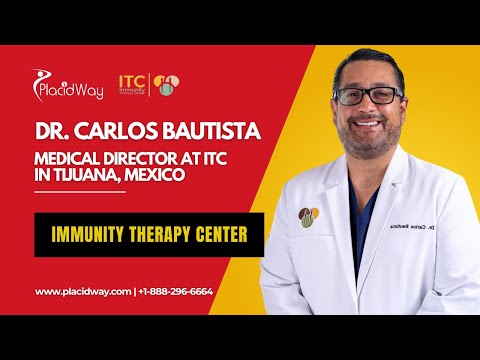
Videos are useful for understanding a clinic's process, but a polished tour cannot answer whether a treatment will control your cancer. Listen for specific explanations of diagnosis, stage, biomarkers, treatment goals, side effects, emergency care, and how progress is measured with scans or laboratory tests. Be cautious when a video relies mainly on words such as “detox,” “immune boosting,” or “natural cancer killing” without explaining evidence or limitations. Patient stories can provide useful context, but they are not clinical trials. Compare the videos below for transparency, medical detail, and how openly providers discuss standard treatment alongside complementary approaches.
A review can tell you whether a patient felt listened to, received clear invoices, had help with transportation, or could reach the medical team after treatment. It cannot prove tumor response or survival benefit. Cancer outcomes depend on stage, tumor biology, previous treatment, surgery, systemic therapy, and many other factors that are rarely explained in testimonials. Look for repeated comments about informed consent, unexpected charges, communication, cleanliness, nursing support, symptom management, and follow-up. Compare the reviews below as evidence of the patient experience—not as proof that a particular alternative therapy works.

How much does alternative colon cancer treatment cost in Mexico?
A current three-week alternative colon cancer program in Tijuana is priced at $18,995 USD for outpatient care and $30,000 USD for inpatient care. These figures apply to specific programs rather than all Mexican cancer centers. Additional tests, medicines, procedures, specialist consultations, emergency treatment, transportation, or extended accommodation may increase your total cost.
Can alternative treatment in Mexico replace chemotherapy or colon cancer surgery?
You should not assume it can. Evidence-based colon cancer treatment can include surgery, chemotherapy, targeted therapy and immunotherapy depending on stage and tumor biology. Complementary approaches may sometimes help with symptoms or quality of life, but using alternative medicine instead of proven cancer treatment can delay effective care. Discuss any proposed replacement with an independent oncologist first.
Is alternative colon cancer treatment in Mexico safe?
Safety depends on the exact therapy, your health and the facility providing it. “Natural” or “integrative” does not automatically mean low risk. IV substances, supplements, hyperthermia and other therapies can cause complications or interact with cancer medicines. Verify the clinic's regulatory status and ask an oncologist to review every proposed treatment before starting it.
Does Mexico offer immunotherapy for stage 4 colon cancer?
Mexico has oncology centers that provide immunotherapy, but eligibility depends on tumor biomarkers and the clinical setting. Established checkpoint immunotherapy is particularly relevant to certain colon cancers with mismatch-repair deficiency or microsatellite instability. Other treatments marketed using the word “immunotherapy” may be experimental. Ask for the exact drug or procedure and the biomarker supporting its use.
Is hyperthermia an established treatment for colon cancer in Mexico?
Some Mexican integrative programs include localized or whole-body hyperthermia, but its role should be evaluated separately from established colon cancer treatment. The evidence and appropriate use depend on the technique and clinical setting. Ask whether the proposed hyperthermia method has evidence for your stage of colon cancer and whether it is being used alongside or instead of standard treatment.
How do I verify a cancer clinic in Mexico?
Request the clinic's complete legal name and applicable COFEPRIS sanitary authorization. For hospitals and other eligible medical establishments, check whether the facility appears on the Consejo de Salubridad General's current list of certified establishments. Confirm that the address and services match where you will actually receive care, and verify emergency hospital access separately.
How do I verify an oncologist or colon cancer surgeon in Mexico?
Ask for the physician's full legal name and cédula profesional and verify it through Mexico's professional registry. Specialist certification can be checked through CONACEM and its recognized councils, including oncology, general surgery and coloproctology. Also ask about current hospital privileges and recent experience managing patients with your stage and type of colon cancer.
Why do patients travel to Tijuana for alternative colon cancer treatment?
Tijuana is close to the U.S.–Mexico border and can be reached through Tijuana International Airport or via San Diego and a land crossing. Some multi-week integrative cancer programs are also based there. Travel convenience should remain secondary to treatment evidence, physician credentials, clinic licensing, emergency resources, total cost and coordination with your existing oncology team.
How long should I stay in Mexico for alternative colon cancer treatment?
Some current programs are designed around a three-week stay, but that does not mean every patient needs the same schedule. Your stay should depend on the proposed treatment, cancer stage, symptoms, monitoring needs and travel fitness. Ask what happens if treatment is interrupted, complications develop, or your oncologist decides that you need hospital-based conventional care.
What records should I send before traveling to Mexico for colon cancer treatment?
Send your pathology report, colonoscopy findings, operative reports, recent CT, MRI or PET imaging, treatment history, laboratory results, medication list and molecular or biomarker testing when available. For metastatic disease, include information about liver, lung or other metastases. A clinic should review enough information to explain why its proposed treatment fits your clinical situation.
What should I ask about supplements and IV therapies offered in Mexico?
Ask for every ingredient, dose, purpose, known side effects and potential interaction with chemotherapy, targeted therapy or immunotherapy. Dietary supplements and IV products can affect drug metabolism, kidneys, liver or blood clotting. Your medical oncologist should review the complete list. A therapy should not be assumed effective against colon cancer simply because it is described as natural or immune supporting.
Does insurance cover alternative colon cancer treatment in Mexico?
Coverage varies widely and many alternative or investigational treatments are excluded from standard insurance benefits. Ask your insurer before traveling and request written confirmation rather than relying on verbal guidance. Also check whether your travel or medical complications policy covers cancer-related emergencies abroad, because routine travel insurance may exclude treatment-related expenses or pre-existing conditions.
A colon cancer plan may involve a medical oncologist, surgical oncologist, general surgeon, colorectal specialist, radiologist, pathologist, or several of them together. Ask each doctor for a Mexican cédula profesional and verify the credential through the national professional registry. Specialist certification can also be checked through CONACEM; recognized councils include the Consejo Mexicano de Oncología, Consejo Mexicano de Cirugía General, and Consejo Mexicano de Especialistas en Coloproctología. Then ask about experience with your stage of colon cancer, metastatic disease, complications, and treatment sequencing. Compare the doctors below by verifiable qualifications and relevant cancer experience, not biography length.

Travel planning becomes part of the medical decision when treatment lasts several weeks. Current alternative colon cancer program examples used for this comparison are based in Tijuana, making northern Mexico especially relevant for patients traveling from the United States and Canada.
Mexico's general tourism data show that the United States and Canada are its two largest international air-arrival markets. Those figures are not medical-tourism statistics, but they reflect the strong flight and border connections that make Mexico practical for many North American patients. Travelers also arrive from Latin America and Europe through Mexico City, Cancun, Guadalajara, Monterrey, and other international gateways before taking domestic connections when needed.
| Travel Option | Typical Route | Useful For | What to Plan For |
|---|---|---|---|
| Tijuana International Airport | Domestic Mexican flights and selected international connections | Patients receiving multi-week treatment in Tijuana | Clinic transfers, accommodation and flexible return dates |
| San Diego + Land Border | Fly to San Diego and continue to Tijuana by ground transportation | U.S. and Canadian travelers with convenient San Diego flights | Border waiting time, passport requirements and medical transport arrangements |
| Mexico City Connection | International flight followed by a domestic flight | Travelers from Europe and Latin America | Connection time, mobility needs and medication during travel |
| Direct North American Routes | Flights from major U.S. or Canadian cities into Mexican hubs | Patients who want fewer travel segments | Treatment timing, medical clearance and cancellation flexibility |
Before leaving home, make sure you know:
- Whether your pathology, scans and recent laboratory results have been reviewed before travel.
- Which treatments are standard, complementary, investigational, or unsupported for your situation.
- Whether stopping or delaying chemotherapy, surgery, targeted therapy, or immunotherapy could affect your care.
- How long you should remain near the treatment center before flying home.
- Which hospital will manage bleeding, bowel obstruction, infection, dehydration, severe pain, or another emergency.
- Who will monitor your cancer once you return to your home country.
Colon cancer itself can complicate travel. Bowel obstruction, significant bleeding, dehydration, infection, recent surgery, blood clots, severe anemia, or uncontrolled pain may make flying unsafe. Ask your treating oncologist whether travel is medically appropriate and whether you need records, medications, mobility support, or special airline arrangements.
Visa requirements depend on nationality and can change. Check current requirements with Mexico's Secretaría de Relaciones Exteriores or Instituto Nacional de Migración before purchasing non-refundable travel. When comparing destinations, give more weight to medical suitability, hospital backup and continuity of care than hotel location or sightseeing opportunities.
The useful question is not simply whether Mexico offers more treatment choices. It is whether a particular option makes medical sense for your stage of colon cancer and fits safely alongside the care you have already received. Compare the clinics, packages, costs, doctors, reviews and destinations, then ask providers to explain which parts of their program are established cancer treatment, which are supportive, and which remain experimental. Bringing the proposed plan to an independent oncologist can help you make that comparison with fewer assumptions. Disclaimer: This content is for educational purposes only and does not replace professional medical advice, diagnosis or treatment. Colon cancer treatment should be based on the stage of disease, pathology, molecular findings, previous treatment, general health and recommendations from qualified oncology professionals. Complementary and alternative therapies vary widely in their scientific evidence, potential benefits, interactions and risks. Do not stop, delay or replace recommended surgery, chemotherapy, targeted therapy, immunotherapy or other standard cancer treatment without discussing the decision with an appropriately qualified oncology team.Compare Colon Cancer Treatment Options Before Making a Travel Decision
Medical Disclaimer
References



























Share this listing