



Contents
Your Journey to Wellness with Prostate Cancer Therapy in Mexico
Receiving a prostate cancer diagnosis is a life-altering moment that often leads patients to a difficult crossroad: traditional surgery and radiation, or a search for something more targeted and less invasive. For thousands of men annually, Mexico has become the premier destination for alternative and integrative oncology. This is not about choosing "unproven" methods over science; it is about accessing a broader spectrum of advanced technologies such as HIFU (High-Intensity Focused Ultrasound), Dendritic Cell Therapy, and specialized hyperthermia—that may not yet be widely available or affordable in the United States and Canada.
Choosing Mexico for alternative prostate care means entering a medical ecosystem that prioritizes "Integrative Oncology." This philosophy combines the best of conventional medicine with biological therapies designed to strengthen the immune system and minimize the debilitating side effects often associated with standard cancer care. In cities like Tijuana, Cancun, and Puerto Vallarta, world-class medical centers operate with a level of patient-centric flexibility that is rare in highly bureaucratic Western healthcare systems.
The primary draw for many is the availability of non-invasive focal therapies. These treatments aim to destroy the tumor while sparing the surrounding healthy tissue, significantly reducing the risks of incontinence and impotence—two of the biggest fears men face with traditional prostatectomy. Mexican specialists are often dual-trained internationally, bringing a global perspective to cancer management that focuses on the quality of life just as much as the clinical outcome.
Medical tourism in this sector is highly sophisticated. Patients are treated in modern, private facilities that offer a tranquil, resort-like environment. This holistic setting allows for a deeper focus on recovery, nutrition, and mental well-being, which many believe are essential components of a successful cancer journey. When you choose Mexico, you are not just selecting a treatment; you are selecting a more empowered, comprehensive way to fight back.
Did You Know?
Mexico was one of the early adopters of HIFU technology for prostate cancer, using it successfully for over a decade before it gained widespread FDA clearance in the U.S. This head start has allowed Mexican oncologists to develop some of the most refined clinical protocols for focal therapy in the world.
Key Insights at a Glance
Treatments combine high-tech focal therapies with biological immune boosting and detoxification protocols.
Availability of HIFU and TULSA-Pro, which target only the cancerous cells and preserve urinary/sexual function.
Advanced therapies often cost 50% to 70% less than equivalent (and limited) options in the U.S.
Top centers are licensed by COFEPRIS and employ board-certified oncologists with international fellowships.
Treatment plans are highly individualized, often involving 24/7 nursing and detailed nutritional support.
The "Immune-Boost" Destination
Many patients travel to Mexico specifically for "Biological Dentistry" as a precursor to cancer treatment. They believe that removing oral inflammation and heavy metals (like mercury amalgams) optimizes the body’s immune response, creating a "clean slate" for the alternative cancer therapies to work more effectively.
Alternative Prostate Cancer Treatment Packages in Mexico
Integrative cancer care requires a seamless support system. We have identified several premier oncology centers in Mexico that offer comprehensive all-inclusive packages. These programs typically bundle the medical procedure (like HIFU or Immunotherapy) with intensive lab work, biological supplements, organic meal plans, and often in-hospital private suites for the patient and a companion. Browse the curated options below to find a facility whose treatment philosophy and support services align with your personal health goals.
Note: All-inclusive packages in Mexico are designed to remove the burden of daily logistics, allowing you to focus entirely on your healing process.

Price starting from $18,995
All-Inclusive Package: Integrative Prostate Cancer Care in Tijuana, Mexico by ITC
Alternative Cancer Treatment by ITC - Immunity Therapy Center
- Cancer Treatment
Tijuana, Mexico
Alternative Prostate Cancer Treatment Price in Mexico
Cost transparency is essential for patients self-funding their cancer care. The table below provides a breakdown of average costs for popular alternative prostate treatments in Mexico compared to U.S. healthcare rates. While prices vary depending on the stage of cancer and the intensity of the integrative protocol, the savings remain profound. Use this data to help budget your journey, keeping in mind that many Mexican centers offer flexible financing or payment plans for international guests.
Tip: Always request a full clinical review of your recent MRI and biopsy results to receive a personalized, accurate cost estimate.
Prostate Cancer Centers Cost Comparison in Mexico
| Provider | Procedure | Price |
|---|---|---|
| Alternative Cancer Treatment by ITC - Immunity Therapy Center | Prostate Cancer, Cancer Treatment | $18995 |
Prostate Cancer Cost Comparison in Mexico
| Country | Procedure | Price |
|---|---|---|
| Japan | Prostate Cancer, Cancer Treatment | $40000 |
| United States | Prostate Cancer, Cancer Treatment | $34720 |
Top Oncology Centers in Mexico for Prostate Cancer Treatment
The quality of your oncology team is the most critical factor in your success. We have vetted a list of leading medical centers in Mexico that specialize exclusively in integrative and alternative cancer therapies. These facilities are chosen for their advanced equipment, laboratory standards, and clinical success stories. Explore the facility profiles below to learn about their specific certifications, the technologies they employ (such as Sonablate or Focal One), and their unique patient-care environments.
Safety Standard: Ensure the facility you choose is a licensed hospital or specialty clinic recognized by the Mexican Ministry of Health.
Alternative Cancer Treatment by ITC - Immunity Therapy Center
Tijuana, Mexico
Clinica de Urologia Dr Uriel Ayala
Tijuana, Mexico

Limphocare by Limphocite - Immunotherapy for Cancer in Mexico
Tijuana, Mexico

Infuzone - Premium Infusion Center
Mexico City, Mexico
Watch Informative Video about Alternative Prostate Cancer Treatment in Mexico
Hearing the perspective of a fellow cancer survivor is often the most reassuring part of the research phase. The video testimonials below feature men who chose to step outside the traditional medical model and found success in Mexico. Watch these videos to hear about their clinical experiences, the impact of alternative therapies on their quality of life, and their relationships with their Mexican oncology teams. These real stories provide a clear window into the possibilities of integrative care.
Insight: Patient testimonials often highlight the emotional support and "hope" that is frequently missing in standardized oncology settings.
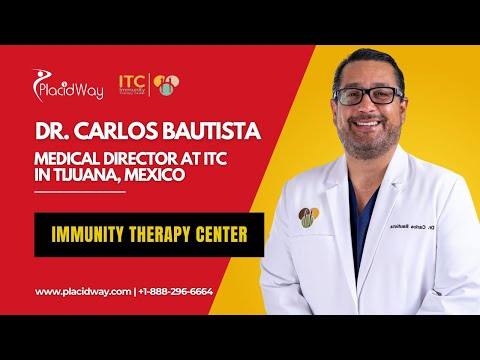
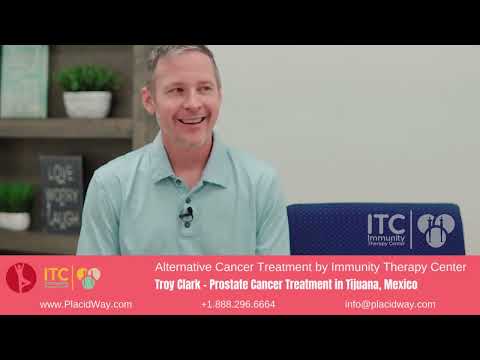




Alternative Prostate Cancer Treatment in Mexico Testimonials from Real Patients
Verified reviews offer an unfiltered look at medical outcomes and clinical professionalism. In this section, you will find feedback from PlacidWay patients who have undergone alternative prostate care in Mexico. Read about their satisfaction with the communication, the cleanliness of the facilities, and the long-term effectiveness of their treatment protocols. These reviews are a powerful tool to help you gain confidence in your choice of clinic and destination.
Review Focus: Look for reviews that specifically mention the maintenance of "functionality" (urinary/sexual) post-treatment.

Alternative Prostate Cancer Treatment in Mexico FAQs
Can ozone therapy be used to treat prostate cancer in Mexico?
"Ozone therapy is available in Mexico, primarily as a complementary or adjunctive treatment for prostate cancer, rather than a standalone cure." The question of whether ozone therapy can be used to treat prostate cancer in Mexico is a significant one for individuals exploring alternative and complementary medical treatments. Ozone therapy, a treatment that involves introducing ozone gas into the body to stimulate healing, has gained attention for its potential benefits. In Mexico, a number of clinics offer this therapy to international patients, often as part of a broader integrative oncology approach. While not recognized as a primary cure for prostate cancer by mainstream medical bodies, it is utilized to support the body, potentially enhance the effectiveness of conventional treatments, and improve the overall quality of life for patients. Understanding what this therapy entails, its scientific standing, and what to expect is crucial for anyone considering this path. This blog post will delve into the most pressing questions surrounding ozone therapy for prostate cancer in Mexico, providing clear, concise answers followed by more in-depth explanations to give you a comprehensive understanding of this treatment option. What is Ozone Therapy and How is it Used for Prostate Cancer? "Ozone therapy is a medical treatment that uses a super-charged form of oxygen, called ozone, to trigger therapeutic effects in the body. For prostate cancer, it's primarily used to support the immune system and potentially make cancer cells more susceptible to conventional treatments." Ozone therapy is based on the concept of introducing medical-grade ozone, a molecule consisting of three oxygen atoms (O3), into the body to elicit a healing response. Unlike the oxygen we breathe (O2), ozone has a different molecular structure that makes it highly reactive. The theory behind its use in cancer care is that this reactivity can have several beneficial effects. When introduced into the bloodstream, ozone is thought to interact with biological components to form compounds that may stimulate the immune system, improve oxygen delivery to tissues, and create a mild oxidative stress that encourages the body's natural antioxidant defenses. For individuals with prostate cancer, ozone therapy is typically not a standalone treatment. Instead, it's often used in an integrative setting alongside conventional therapies like chemotherapy or radiation. The proposed benefits are twofold: to help mitigate the side effects of these powerful treatments and to potentially enhance their efficacy. By improving the oxygenation of tumor tissues, it is believed that ozone therapy can make cancer cells more vulnerable to radiation and chemotherapy. Is Ozone Therapy a Proven Cure for Prostate Cancer? "No, ozone therapy is not a scientifically proven cure for prostate cancer. It is considered an alternative or complementary therapy, and more rigorous scientific research is needed to validate its effectiveness as a direct cancer treatment." While there are many anecdotal reports and some preliminary studies on the use of ozone therapy for cancer, it is crucial to understand that it has not been proven to cure prostate cancer through large-scale, randomized controlled clinical trials, which are the gold standard of medical research. The U.S. Food and Drug Administration (FDA) has not approved ozone therapy for the treatment of any disease, citing a lack of scientific evidence. The existing research on ozone therapy for cancer, including prostate cancer, is largely composed of in-vitro (lab) studies, animal studies, and smaller human case studies. These often suggest potential benefits, such as improved quality of life, reduced side effects from conventional treatments, and possible anti-tumor effects. However, these findings are considered preliminary and are not sufficient to establish it as a definitive cure. Therefore, it is most accurately described as a complementary therapy that may support the patient's overall well-being during their cancer journey. What Types of Ozone Therapy are Offered in Mexico for Prostate Issues? "In Mexico, clinics that offer ozone therapy for prostate issues commonly provide treatments such as major autohemotherapy (MAHT), rectal insufflation, and the '10-Pass' method, each with a different application process." Clinics in Mexico that specialize in alternative and integrative cancer care often provide various forms of ozone therapy. The specific type recommended will depend on the individual's condition and the clinic's protocols. Common methods include: Major Autohemotherapy (MAHT): This is one of the most frequent forms of systemic ozone therapy. It involves drawing a small amount of the patient's blood, mixing it with a precise concentration of ozone gas in a sterile container, and then reinfusing the ozonated blood back into the patient's bloodstream intravenously. Rectal Insufflation: This method involves introducing a mixture of ozone and oxygen gas into the rectum. The gas is absorbed through the intestinal walls, providing a systemic effect. This is a less invasive option that is often well-tolerated. The '10-Pass' Method: This is a more intensive form of MAHT, where the process of drawing, ozonating, and reinfusing blood is repeated ten times in a single session. This method delivers a much higher dose of ozone and is believed to have a more potent therapeutic effect. What are the Potential Benefits of Ozone Therapy for Prostate Cancer Patients? "The potential benefits of ozone therapy for prostate cancer patients are primarily related to improving quality of life and managing the side effects of conventional treatments. These may include reduced fatigue, improved immune function, and better oxygenation of tissues." While not a cure, patients who undergo ozone therapy as part of their prostate cancer treatment plan often report a range of subjective and some measurable benefits. It's important to approach these with a clear understanding that they are not guaranteed outcomes. The potential benefits include: Improved Immune Function: Ozone therapy is thought to modulate the immune system, potentially making it more effective at recognizing and fighting cancer cells. Increased Oxygenation: By enhancing the oxygen-carrying capacity of the blood, ozone therapy can improve the oxygen supply to all tissues, including tumors. A well-oxygenated tumor may be more responsive to radiation therapy. Reduced Side Effects of Conventional Therapy: Some studies and patient reports suggest that ozone therapy can help alleviate common side effects of chemotherapy and radiation, such as fatigue, nausea, and inflammation. Enhanced Well-being: Many patients report a general sense of improved well-being, increased energy levels, and better mental clarity during and after ozone therapy sessions. What are the Risks and Side Effects of Ozone Therapy? "When administered by a trained professional, ozone therapy is generally considered to have a low risk of side effects. However, potential risks include herxheimer reactions, and if administered improperly, gas embolism. Inhaling ozone is toxic and should always be avoided." The safety of ozone therapy is highly dependent on the method of administration and the expertise of the practitioner. When performed correctly, the side effects are typically mild and temporary. It is crucial that ozone is never inhaled, as it is toxic to the lungs. Potential side effects can include: Herxheimer Reaction: As the body detoxifies and pathogens are killed off, some individuals may experience temporary flu-like symptoms, such as fatigue, headache, and muscle aches. This is generally considered a sign that the therapy is working. Discomfort at the Injection Site: For intravenous therapies, there may be temporary discomfort, bruising, or a burning sensation at the injection site. Gas Embolism: This is a rare but serious risk associated with the direct intravenous injection of ozone gas, which is why this method is not practiced by reputable clinics. MAHT, where the gas is mixed with blood outside the body, is a much safer alternative. Cramping or Gas: With rectal insufflation, some patients may experience temporary cramping or a feeling of fullness. Is Ozone Therapy for Prostate Cancer Regulated in Mexico? "The regulation of ozone therapy in Mexico is evolving. While some Mexican states have started to regulate its practice, there is no uniform federal regulation. It is therefore essential to choose a licensed and reputable clinic." The regulatory landscape for ozone therapy in Mexico is not as standardized as in some other countries. While some states within Mexico have taken steps to formally recognize and regulate the practice of ozone therapy, it is not consistently regulated across the entire country. This means that the quality of care and the qualifications of practitioners can vary significantly from one clinic to another. Given this, it is of utmost importance for patients considering this treatment to conduct thorough research and due diligence. Seeking treatment at a well-established, licensed, and accredited medical facility with experienced practitioners is critical to ensure safety and the quality of care. How Much Does Ozone Therapy for Prostate Cancer Cost in Mexico? "The cost of ozone therapy for prostate cancer in Mexico can range from approximately $8,000 to $18,000 USD for a treatment program. The final cost depends on the clinic, the type of ozone therapy, and the duration of the treatment plan." The cost of ozone therapy in Mexico is generally more affordable than in the United States and other Western countries. However, the price can vary widely depending on several factors: The Clinic's Reputation and Location: More renowned clinics in popular medical tourism destinations like Tijuana or Puerto Vallarta may have higher prices. The Type and Intensity of Therapy: The '10-Pass' method, being more intensive, will typically cost more per session than standard MAHT or rectal insufflation. The Overall Treatment Package: Often, ozone therapy is part of a comprehensive integrative treatment plan that may include other therapies like immunotherapy, hyperthermia, and nutritional support. The total cost will reflect the combination of treatments included. It is advisable to get a detailed cost breakdown from any clinic you are considering, including the number of sessions recommended and what is included in the price. How Do I Find a Reputable Clinic for Ozone Therapy in Mexico? "To find a reputable clinic for ozone therapy in Mexico, look for facilities with international accreditations, experienced medical staff with verifiable credentials, and positive, verifiable patient testimonials. Direct communication and transparency are also key indicators." Choosing the right clinic is arguably the most critical step in seeking ozone therapy in Mexico. Here are some key factors to consider when evaluating a clinic: Accreditation and Licensing: Check if the clinic is licensed by the Mexican health authorities and if it holds any international accreditations. Physician Credentials: Research the qualifications and experience of the doctors and medical staff who will be administering the therapy. They should be transparent about their training and expertise in ozone therapy. Patient Reviews and Testimonials: Look for reviews from previous patients. While testimonials on the clinic's website can be helpful, independent review platforms and forums can offer more unbiased insights. Transparency and Communication: A reputable clinic will be open to answering all your questions, providing detailed information about their treatment protocols, and will not make unrealistic promises of a "cure." What Questions Should I Ask a Clinic Before Starting Treatment? "Before committing to ozone therapy for prostate cancer in Mexico, you should ask about the specific protocol they recommend, the evidence supporting its use for your condition, the potential risks and side effects, the full cost, and the qualifications of their medical team." To make an informed decision, it is vital to have a thorough consultation with any clinic you are considering. Here are some essential questions to ask: What specific type of ozone therapy do you recommend for my case, and why? What is the proposed frequency and duration of the treatment? Can you provide any scientific evidence or case studies that support the use of this therapy for prostate cancer? What are the potential risks and side effects of this treatment, and how do you manage them? What is the full cost of the treatment plan, including all associated fees? What are the qualifications and experience of the medical professionals who will be administering the therapy? How will you coordinate this therapy with my conventional cancer treatments? What is the General Stance of International Medical Associations on Ozone Therapy for Cancer? "Most major international medical associations, including the American Cancer Society, do not endorse ozone therapy for the treatment of cancer due to a lack of strong scientific evidence from large-scale clinical trials. They generally classify it as an unproven therapy." The mainstream medical community, represented by organizations like the American Cancer Society and the National Cancer Institute, maintains a cautious and skeptical stance on ozone therapy for cancer. The primary reason for this is the absence of robust, large-scale human clinical trials that demonstrate its safety and effectiveness as a cancer treatment. These organizations emphasize the importance of evidence-based medicine and recommend that patients rely on proven conventional treatments. While they acknowledge the existence of complementary therapies, they advise patients to be wary of treatments that are promoted as "cures" without sufficient scientific backing. It is always recommended to discuss any complementary therapies you are considering with your primary oncologist. Ready to explore your healthcare options? PlacidWay can help you find trusted and accredited medical facilities in Mexico and around the world for a variety of treatments. Explore PlacidWay's solutions for your healthcare journey today.
How much do alternative prostate cancer treatments cost in Mexico compared to the US?
"Alternative prostate cancer treatments in Mexico can be 50-70% cheaper than in the United States, with costs for comprehensive programs ranging from approximately $18,000 to $35,000, a significant saving compared to the potential for hundreds of thousands of dollars in the US." Facing a prostate cancer diagnosis is a life-altering experience, and the journey to wellness involves making crucial decisions about your treatment. While conventional treatments like surgery and radiation are common in the United States, many are now exploring alternative prostate cancer treatments in Mexico. A major factor driving this trend is the significant cost difference. For many, the prospect of receiving high-quality, innovative care at a fraction of the US price is a compelling reason to look south of the border. This blog post will delve into the costs of various alternative prostate cancer treatments in Mexico, comparing them directly to the expenses you might encounter in the US, and answering the key questions patients and their families are asking. How much can I save on prostate cancer treatment in Mexico? "You can expect to save approximately 50% to 70% on alternative prostate cancer treatments in Mexico compared to the United States." The cost savings are a primary motivator for many patients seeking treatment in Mexico. In the US, comprehensive cancer care can easily climb to $150,000 to $400,000. In contrast, leading cancer treatment centers in Mexico offer all-inclusive alternative treatment programs that are significantly more affordable. For instance, a three-week outpatient program at a reputable Mexican clinic might cost around $18,995, while a more intensive inpatient program could be approximately $29,995. These savings are not at the expense of quality. Many Mexican facilities that cater to international patients are equipped with state-of-the-art technology and staffed by highly trained medical professionals. The lower costs are often attributed to a lower cost of living, reduced administrative overhead, and a different healthcare pricing structure, not a compromise on the standard of care. What is the cost of an alternative prostate cancer treatment program in Mexico? "The cost of a comprehensive alternative prostate cancer treatment program in Mexico typically ranges from $18,000 to $35,000." This price range generally covers a multi-week program that includes a variety of therapies tailored to the individual's specific needs. These programs are often holistic, focusing on not just treating the cancer but also supporting the body's overall health and immune system. It's important to understand what is included in these program costs. Typically, the quoted price will cover: All prescribed therapies and treatments during your stay. Diagnostic tests and assessments. Consultations with the medical team. In some cases, meals and accommodations (for inpatient programs). Additional costs to consider would be travel expenses, accommodation for outpatient programs, and any post-treatment medications or supplements. What is the price of conventional prostate cancer treatment in the US? "Conventional prostate cancer treatment in the US can range from a few thousand dollars for active surveillance to over $400,000 for extensive treatments." The cost of traditional prostate cancer treatments in the United States varies widely depending on the type of treatment, the facility, and your insurance coverage. Here's a general breakdown of average costs: Treatment Type Average Cost Range in the US Active Surveillance (per year) $1,000 - $2,000 Robotic Prostatectomy $14,000 - $27,300 External Beam Radiation $12,000 - $40,000 Chemotherapy (per cycle) $1,500 - $5,000 Hormone Therapy (per session) $1,000 - $3,000 These figures often don't include associated costs like consultations, diagnostic imaging, and potential complications, which can add tens of thousands of dollars to the final bill. For those without comprehensive insurance, these costs can be financially devastating. How does the cost of HIFU for prostate cancer in Mexico compare to the US? "High-Intensity Focused Ultrasound (HIFU) treatment for prostate cancer in Mexico can cost between $12,000 and $25,000, whereas in the US, the same procedure can range from $15,000 to $25,000, and is often not covered by insurance." HIFU is a minimally invasive procedure that uses focused sound waves to heat and destroy cancerous tissue. While the upfront cost may appear similar in some cases, the key difference often lies in what is included and the potential for insurance coverage. In the US, even if the procedure itself is within a certain price range, additional facility fees, anesthesia costs, and follow-up care can significantly inflate the total expense. In Mexico, the quoted price for HIFU is often part of a more inclusive package. Furthermore, because it's a primary treatment offering at many alternative centers, the expertise and volume of procedures can sometimes lead to more competitive pricing and a more streamlined patient experience. What is the cost of immunotherapy for prostate cancer in Mexico vs. the US? "Immunotherapy for prostate cancer in Mexico can range from $5,000 to $25,000, while in the US, similar treatments can cost between $50,000 and $120,000 or more." Immunotherapy is a groundbreaking treatment that harnesses the power of your own immune system to fight cancer. The cost of these innovative therapies in the United States is notoriously high. In Mexico, however, access to various forms of immunotherapy is significantly more affordable. The cost of immunotherapy in Mexico can vary depending on the specific type of treatment and the duration. Some clinics offer comprehensive programs that include multiple types of immunotherapy alongside other supportive treatments. For example, a program that includes autologous immunotherapy might have a starting cost of around $13,500. How much does cryotherapy for prostate cancer cost in Mexico compared to the US? "Cryotherapy for prostate cancer in Mexico can start from as low as $250 - $500 for certain procedures, with more comprehensive treatments being more, while in the US, it can cost upwards of $11,000." Cryotherapy, or cryoablation, is a treatment that uses extreme cold to freeze and destroy cancer cells. In the US, the cost of cryotherapy for prostate cancer can be substantial, largely due to equipment costs and hospital fees. In Mexico, the cost for cryotherapy is considerably lower. While a comprehensive cryoablation procedure will be more than the starting prices listed, it still represents a significant saving compared to the US. The accessibility of this advanced treatment at a lower price point makes it a viable option for many patients who might not be able to afford it otherwise. What types of alternative prostate cancer treatments are offered in Mexico? "Mexican clinics offer a wide range of alternative prostate cancer treatments, including immunotherapy, sonodynamic therapy, hyperthermia, and various targeted therapies." Clinics in Mexico that specialize in alternative cancer care often provide a broad spectrum of treatments that go beyond the standard options available in the US. These can include: Immunotherapies: Such as dendritic cell vaccines and natural killer cell therapy. Sonodynamic and Photodynamic Therapies: These use light or sound in combination with a sensitizing agent to target and kill cancer cells. Whole-Body and Local Hyperthermia: This involves raising the body's temperature to damage and kill cancer cells and make them more susceptible to other treatments. Intravenous (IV) Therapies: High-dose Vitamin C, Curcumin, and other natural substances administered intravenously. Metabolic Therapies: Treatments that target the metabolic processes of cancer cells. These therapies are often used in combination to create a personalized treatment plan that attacks the cancer from multiple angles while supporting the patient's overall health. Are treatments in Mexico as safe and effective? "Yes, many alternative prostate cancer treatment centers in Mexico adhere to high international standards of care and are staffed by experienced medical professionals, making treatments both safe and effective." The quality of care in reputable Mexican clinics is a top priority. Many of these centers are founded and run by physicians who are leaders in the field of integrative oncology. They often have international accreditations and a long history of successfully treating patients from around the world. When considering treatment in Mexico, it is crucial to do your research and choose a well-established clinic with a strong track record. Look for patient testimonials, physician credentials, and information about the clinic's safety protocols and technology. Does insurance cover alternative prostate cancer treatment in Mexico? "Generally, US health insurance plans do not cover alternative prostate cancer treatments in Mexico." This is a critical point for patients to understand. While the out-of-pocket costs in Mexico are significantly lower, you should not expect your US-based insurance provider to reimburse you for these treatments. The cost savings are a direct result of the lower pricing structure in Mexico, and patients typically pay for their treatment directly. Some clinics in Mexico may offer financing options or work with medical loan companies to help patients manage the cost of their care. It's always best to discuss payment options directly with the clinic's administrative staff. What are the benefits of seeking treatment in Mexico beyond cost? "Beyond the significant cost savings, benefits of seeking alternative prostate cancer treatment in Mexico include access to innovative therapies, a more personalized and holistic approach to care, and shorter wait times." Many patients who travel to Mexico for cancer treatment report a more patient-centered and compassionate care experience. The focus is often on treating the whole person, not just the disease. This can include nutritional counseling, emotional support, and a more relaxed and healing environment. Additionally, because these clinics are privately run and cater to international patients, the wait times for consultations and treatments are often much shorter than in the public healthcare systems or even some private systems in other countries. This can be a crucial factor when dealing with a time-sensitive condition like cancer. Ready to explore your options for affordable, high-quality prostate cancer treatment? PlacidWay can connect you with leading medical facilities in Mexico and around the world. Let us help you find the right solution for your healthcare needs.
What Are The Options For Prostate Cancer Treatment In Mexico?
Mexico offers a wide range of advanced prostate cancer treatment options, including surgery, radiation therapy, hormone therapy, and innovative focal treatments, often at a significantly lower cost than in many other countries. Patients can access high-quality medical facilities and experienced specialists. Mexico has emerged as a significant destination for medical tourism, attracting patients from around the globe due to its state-of-the-art facilities, experienced medical professionals, and competitive pricing. Our goal is to provide you with clear, helpful information to assist you in making informed decisions about your health journey. Understanding these options can help alleviate concerns and demonstrate why Mexico is a viable choice for managing prostate cancer. What are the primary prostate cancer treatment options available in Mexico? The primary prostate cancer treatment options available in Mexico include active surveillance, radical prostatectomy (open, laparoscopic, or robotic-assisted), various forms of radiation therapy, hormone therapy, chemotherapy, and focal therapies like HIFU or cryotherapy. Commonly available treatments for prostate cancer in Mexico include: Active Surveillance: For low-risk prostate cancer, doctors may monitor the condition with PSA tests, DREs, and biopsies to track progression and avoid early treatment side effects Surgery (Radical Prostatectomy): Removes the prostate gland and sometimes nearby lymph nodes. In Mexico, options include open, laparoscopic, and robotic-assisted surgery for better precision and faster recovery. Radiation Therapy: Uses high-energy rays to kill cancer cells. Mexico offers EBRT (IMRT, SBRT) and brachytherapy, where radioactive seeds are placed inside the prostate. Hormone Therapy (ADT): Lowers or blocks male hormones (androgens) to slow cancer growth, using LHRH agonists/antagonists or anti-androgens. Chemotherapy: Used for advanced or treatment-resistant cancer, employing drugs to destroy cancer cells throughout the body. Focal Therapies: Minimally invasive options like HIFU or cryotherapy target only the cancerous tissue, reducing side effects and preserving healthy tissue. How does the cost of prostate cancer treatment in Mexico compare to other countries like the US? The cost of prostate cancer treatment in Mexico is generally 40-70% lower than in the United States, offering significant savings for procedures like radical prostatectomy, radiation therapy, and hormone therapy without compromising on the quality of care. One of the most compelling reasons patients consider Mexico for medical procedures, including prostate cancer treatment, is the substantial cost savings. Here’s a general comparison of potential cost ranges (these are estimates and can vary widely based on clinic, city, and specific patient needs): Treatment Type Estimated Cost in US Estimated Cost in Mexico Radical Prostatectomy (Robotic-Assisted) $30,000 - $70,000+ $12,000 - $25,000+ External Beam Radiation Therapy (Full Course) $20,000 - $50,000+ $8,000 - $20,000+ Brachytherapy (Seed Implants) $15,000 - $40,000+ $7,000 - $15,000+ HIFU (High-Intensity Focused Ultrasound) $25,000 - $40,000+ $10,000 - $20,000+ Can I find innovative or alternative therapies for prostate cancer in Mexico? Yes, Mexico offers innovative and alternative therapies for prostate cancer, including focal treatments like High-Intensity Focused Ultrasound (HIFU) and cryotherapy, along with some clinics providing integrative medicine approaches that combine conventional care with complementary therapies. Beyond the standard surgical and radiation treatments, Mexico has also become a destination for patients seeking innovative and alternative therapies for prostate cancer. These options often focus on minimizing invasiveness, preserving quality of life, and sometimes integrating with conventional treatments. What should I consider when choosing a hospital or doctor for prostate cancer treatment in Mexico? When choosing a hospital or doctor for prostate cancer treatment in Mexico, consider accreditations (international and national), the surgeon's or oncologist's experience and board certifications, facility technology, patient reviews, communication services, and transparent pricing. Choosing the right hospital and medical team is crucial for successful prostate cancer treatment in Mexico. Look for internationally accredited hospitals (like JCI) and board-certified specialists in urology or oncology. Check the doctor’s experience, success rates, and available technology—such as advanced radiation tools or robotic surgery systems. Read patient reviews to gauge care quality, ensure staff can communicate in your language, and confirm transparent pricing that includes all treatment costs. Lastly, consider facilities that offer support services like airport transfers, accommodation help, and patient assistance for a smooth medical travel experience. What is the typical timeline and recovery for prostate cancer surgery in Mexico? The typical timeline for prostate cancer surgery in Mexico involves a 3-5 day hospital stay, with a full recovery taking 4-8 weeks. Patients usually remain in Mexico for 1-2 weeks post-discharge for initial follow-ups and recovery before returning home. The timeline and recovery process for prostate cancer surgery, specifically a radical prostatectomy, in Mexico are generally comparable to those in other leading medical destinations. The specific duration and challenges depend largely on the type of surgery (open vs. robotic-assisted) and the individual patient's health and resilience. The goal is to provide a holistic support system that addresses both the medical and logistical aspects of seeking prostate cancer treatment in Mexico, making the experience as comfortable and reassuring as possible for patients and their families. Explore PlacidWay for comprehensive solutions related to medical tourism, healthcare services, and finding the right prostate cancer treatment options in Mexico and around the world.
Can Immunotherapy Help Treat Advanced Prostate Cancer in Mexico?
Yes, immunotherapy can successfully treat advanced prostate cancer in Mexico by utilizing FDA-approved vaccines like Sipuleucel-T and checkpoint inhibitors such as Pembrolizumab. Many Mexican medical centers achieve high success rates by combining these modern immune therapies with integrative alternative therapies to support the body’s natural defenses and manage treatment side effects. Facing a diagnosis of advanced or metastatic prostate cancer is incredibly challenging, especially when traditional hormone therapies begin to lose their effectiveness. Many patients and their families are now looking beyond standard protocols to find more advanced, less toxic options that can extend life and improve daily well-being. Immunotherapy for advanced prostate cancer has emerged as a powerful tool in this fight, offering a way to train the body's own immune system to recognize and destroy malignant cells. Because accessibility and high costs can be major barriers in the U.S. and Canada, Mexico has become a leading destination for those seeking these cutting-edge immune therapies. In this guide, we will explore how these treatments work, the success patients are seeing, and why combining them with alternative therapies in Mexico is becoming a preferred choice for many. What is immunotherapy for advanced prostate cancer? Immunotherapy is a type of biological treatment that helps the immune system fight cancer. For advanced prostate cancer, this includes "cancer vaccines" that prime the body to attack specific prostate proteins and "checkpoint inhibitors" that prevent cancer cells from hiding from immune attacks. In the context of advanced prostate cancer, immunotherapy works differently than chemotherapy. While chemotherapy attacks all fast-growing cells, immunotherapy specifically targets the relationship between your immune system and the tumor. Prostate cancer is often considered an immunologically "cold" tumor, meaning it doesn't naturally attract many immune cells. Modern immune therapies aim to "heat up" the tumor environment. This is done through vaccines like Sipuleucel-T, which uses a patient's own white blood cells, or through checkpoint inhibitors that unmask cancer cells. By making the cancer visible, the body can deploy its natural killer cells to reduce tumor size and slow the spread of the disease. How effective is immunotherapy for metastatic prostate cancer? Success rates for immunotherapy in advanced prostate cancer are significant, with clinical trials showing survival extensions of several months to years. Patients with specific genetic markers, such as MSI-H or dMMR, often see the most dramatic "super-responder" results. The effectiveness of Immunotherapy for advanced prostate cancer depends largely on the individual's tumor profile. For most men, these treatments are used to extend overall survival and maintain a high quality of life when other treatments have failed. Landmark studies have shown that vaccines like Sipuleucel-T can reduce the risk of death by nearly 22%. Furthermore, for the 3-5% of men whose prostate cancer has specific mutations (like high tumor mutational burden), immune therapies can lead to long-term remission. In Mexico, oncologists often use detailed genetic testing to identify these "super-responders" early, ensuring that the treatment plan is as precise as possible. What specific immunotherapy drugs are available in Mexico? Mexico provides access to all major FDA-approved immunotherapies, including Sipuleucel-T (Provenge), Pembrolizumab (Keytruda), and Nivolumab (Opdivo), as well as emerging radioligand therapies like Pluvicto. Patients visiting Mexican clinics will find the same high-quality pharmaceutical agents used in the world's top cancer centers. Sipuleucel-T remains a cornerstone for minimally symptomatic metastatic cancer, while Pembrolizumab is frequently used for patients with specific genetic biomarkers. Additionally, Mexico is often at the forefront of combining these with alternative therapies. Because the regulatory environment is different, clinics may offer personalized dendritic cell vaccines or NK (Natural Killer) cell therapies that are still in clinical trial phases in other countries, providing patients with more options for their care. What is the cost of immunotherapy for prostate cancer in Mexico? Immunotherapy in Mexico typically costs between $18,000 and $35,000 per treatment course, which is approximately 50% to 60% less than the $100,000+ price tag often found in the United States. The financial burden of advanced prostate cancer can be immense. In the US, the cost of a single immunotherapy drug can exceed $15,000 per month, not including hospital fees or diagnostic tests. In Mexico, the overall cost is significantly lower due to reduced pharmaceutical markups and lower facility overhead. Many patients find that the "all-inclusive" nature of Mexican packages—which often bundle the drug, administration, and supportive alternative therapies provides much better value. Treatment Type USA Estimated Cost Mexico Estimated Cost Potential Savings Immunotherapy (Per Course) $100,000 - $150,000 $35,000 - $55,000 ~60% Integrative Care Package $45,000+ $18,000 - $25,000 ~55% Consultation & Diagnostics $2,500 - $5,000 $500 - $1,200 ~75% Do Mexican clinics offer alternative therapies for prostate cancer? Yes, Mexican clinics specialize in integrative oncology, combining standard immune therapies with alternative therapies like hyperthermia, high-dose Vitamin C, and specialized nutrition to boost the immune response. A major reason patients choose Mexico for Immunotherapy for advanced prostate cancer is the holistic approach. Mexican oncologists recognize that a "cold" tumor needs more than just a drug to respond; it needs a healthy, active immune system. Common alternative therapies used in Mexico include: Whole-Body Hyperthermia: Using heat to stimulate immune activity and make cancer cells more susceptible to treatment. Ozone Therapy: Increasing oxygen levels in the blood to support cellular health and detoxification. Metabolic Support: Personalized diets that reduce sugar and inflammation, creating an environment where immune therapies can work more effectively. Who is the ideal candidate for immunotherapy in Mexico? Ideal candidates are men with metastatic castration-resistant prostate cancer (mCRPC) who are minimally symptomatic or those seeking to avoid the harsh side effects of chemotherapy while extending their survival. If your prostate cancer has stopped responding to hormone therapy, you may be a candidate for immunotherapy. Mexican specialists often recommend these immune therapies for patients who still have a good "performance status"—meaning they are relatively mobile and active. Because immunotherapy takes time to train the immune system, it is most effective when started before the disease becomes extremely aggressive or debilitating. Using these treatments alongside alternative therapies can help maintain this performance status for much longer than traditional methods alone. Are the oncologists in Mexico qualified? Yes, oncologists in Mexico are often board-certified by the Mexican Council of Oncology and many have trained at world-renowned institutions like MD Anderson or the Mayo Clinic. Quality of care is a top priority for medical travelers. Leading Mexican cancer centers are staffed by experts who are deeply familiar with Immunotherapy for advanced prostate cancer. They follow international guidelines (such as those from NCCN or ASCO) while having the flexibility to integrate alternative therapies that support the whole patient. Find the Best Treatment Options Today Don't let the high cost or lack of options stop your fight. PlacidWay connects you with top-rated Mexican clinics offering advanced immunotherapy and integrative care tailored to your needs. Get a Quote from PlacidWay
What Prostate Cancer Immunotherapy Treatments Are Offered in Mexico?
Prostate cancer immunotherapy in Mexico typically costs between $18,000 and $45,000 for a comprehensive protocol. Treatments include Dendritic Cell Therapy, Checkpoint Inhibitors, and NK Cell Therapy, often combined with integrative care. Patients can expect savings of 50% to 70% compared to U.S. prices, with high-quality clinics located in Tijuana, Cancun, and Mexico City offering advanced immune therapies alongside supportive care. Key Takeaways: Prostate Cancer Immunotherapy in Mexico Significant Cost Savings: Treatments are 50-70% more affordable than in the US, with packages starting around $18,000. Advanced Immune Therapies: Access to cutting-edge Dendritic Cell Vaccines, Natural Killer (NK) Cells, and Checkpoint Inhibitors. Integrative Approach: Clinics combine conventional medicine with alternative therapies like hyperthermia and detoxification for better outcomes. Top Locations: Major medical tourism hubs include Tijuana, Cancun, Puerto Vallarta, and Mexico City. Regulatory Compliance: Reputable clinics operate under COFEPRIS regulations, ensuring safety and quality standards. What Types of Immune Therapies for Prostate Cancer Are Available in Mexico? Mexico has become a global hub for advanced cancer treatments, offering a diverse range of immune therapies that may be difficult to access or prohibitively expensive elsewhere. For prostate cancer, the most common options include: Dendritic Cell Therapy (DCT): This is a personalized vaccine where dendritic cells are harvested from the patient's blood, "trained" in a lab to recognize prostate cancer antigens (like PSMA or PAP), and reintroduced into the body to orchestrate an immune attack. Checkpoint Inhibitors: Drugs like Pembrolizumab (Keytruda) or Nivolumab (Opdivo) block proteins that stop the immune system from attacking cancer cells. These are available in Mexico often at a fraction of the US cost. Natural Killer (NK) Cell Therapy: This involves infusing activated NK cells, which are the immune system's first line of defense, to directly target and destroy tumor cells without needing specific antigen recognition. Cytokine Therapy: The use of signaling proteins like Interleukin-2 (IL-2) to stimulate the production of blood cells that fight infection and cancer. How Much Does Prostate Cancer Immunotherapy Cost in Mexico? Cost is a primary driver for medical tourism. In Mexico, the pricing structure is transparent and often all-inclusive, covering the treatment, doctor fees, and sometimes even local transportation. Treatment Type Cost in USA (Est.) Cost in Mexico (Est.) Savings Dendritic Cell Therapy (Full Course) $93,000 - $150,000+ $18,000 - $35,000 60-80% Checkpoint Inhibitors (Per Cycle) $12,000 - $25,000 $5,000 - $8,000 ~60% NK Cell Therapy $45,000+ (Clinical Trials) $20,000 - $40,000 50%+ Comprehensive 3-Week Protocol $150,000+ $30,000 - $45,000 70-80% Why Choose Mexico for Prostate Cancer Immunotherapy? Beyond the cost savings, patients choose Mexico for its integrative oncology approach. Unlike standard Western protocols that often isolate treatments (chemo vs. radiation), Mexican clinics frequently combine immune therapies with alternative therapies to create a synergistic effect. These may include: Nutritional Support: High-dose Vitamin C, alkaline diets, and Gerson therapy to boost general health. Detoxification: Methods to reduce inflammation and "cleanse" the body to improve immune response. Hyperthermia: Heating tumor sites to make cancer cells more vulnerable to immune attack. This "whole-body" strategy aims to not just kill cancer cells but to restore the patient's immune system to prevent recurrence. Are the Clinics in Mexico Regulated for Immunotherapy? Yes, reputable clinics in Mexico are regulated by COFEPRIS (Comisión Federal para la Protección contra Riesgos Sanitarios), which is the Mexican equivalent of the FDA. While regulations can differ from the US, top-tier medical tourism facilities adhere to strict international standards. Did You Know? Many oncologists in Mexico have received training in the US or Europe and are board-certified. Always verify that your chosen clinic has a valid COFEPRIS license for the specific treatments they offer. What Is the Success Rate of Immunotherapy for Prostate Cancer in Mexico? Success rates vary depending on the stage of cancer and the specific therapy used. Generally, immunotherapy has a response rate of 10% to 20% in advanced prostate cancer patients when used alone. However, this rate can significantly increase for patients with specific genetic markers (like MSI-H) or when combined with alternative therapies. In Mexico, the focus is often on Quality of Life (QoL) and Progression-Free Survival. Many patients report improved energy levels, reduced pain, and stabilized tumor growth, turning a terminal diagnosis into a manageable chronic condition. How Long Does the Treatment Protocol Last? A typical immunotherapy protocol in Mexico is not a "one-and-done" visit. It usually involves: Initial Stay: A 3 to 4-week inpatient or outpatient stay for the intensive phase (daily infusions, therapies, and monitoring). Home Program: Patients often return home with a 3 to 6-month supply of oral medications or supplements. Follow-up: Return visits every 3 to 6 months for boosters or check-ups may be required. What Is the Difference Between Standard and Integrative Immunotherapy? Standard Immunotherapy (offered in US hospitals) typically focuses solely on the administration of the drug (e.g., Keytruda). It is a targeted, pharmaceutical intervention. Integrative Immunotherapy (common in Mexico) views the drug as just one tool. The philosophy is that a compromised immune system cannot fight cancer effectively, even with drugs. Therefore, the protocol includes stress reduction, gut health restoration, and alternative therapies to create an internal environment where the immune therapies can work most effectively. How Do I Prepare for Medical Tourism in Mexico? Preparation is key to a smooth experience: Medical Records: Gather all recent scans (MRI/CT), biopsy reports, and blood work. Translate them if necessary, though most top doctors speak English. Consultation: Schedule a video call with the doctor before booking flights. Ask about their specific experience with prostate cancer. Logistics: Many clinics offer "concierge services" that include airport pickup (often from San Diego for Tijuana clinics) and hotel booking. Companion: It is highly recommended to bring a support person, as treatment can be fatiguing. What Aftercare Is Provided After Returning Home? Reputable Mexican clinics provide a structured aftercare plan. This typically includes: Telemedicine: Monthly video check-ins with your oncologist. Dietary Plan: A continued nutrition guide to maintain immune health. Emergency Contact: Direct access to a medical team member for urgent questions. Coordination with Local Doctor: Your Mexican doctor can send reports to your local oncologist to ensure continuity of care. Frequently Asked Questions Is prostate cancer immunotherapy in Mexico safe? Yes, when performed at licensed and accredited clinics, it is safe. These facilities follow international medical standards and are regulated by COFEPRIS. However, as with any medical treatment, there are risks, and patients should thoroughly research the specific clinic and doctor. Does insurance cover immunotherapy in Mexico? Generally, US and Canadian health insurance providers do not cover elective medical treatments abroad, including immunotherapy in Mexico. However, some specialized PPO plans might offer partial reimbursement. It is best to check with your provider and expect to pay out-of-pocket. What are the side effects of Dendritic Cell Therapy? Side effects are typically mild compared to chemotherapy. They often include "flu-like" symptoms such as low-grade fever, fatigue, chills, and muscle aches for 24-48 hours after infusion. Severe reactions are rare. Can I bring a companion with me to Mexico? Yes, and it is highly encouraged. Most clinics in Tijuana and Cancun are designed for medical tourism and can arrange accommodation for both the patient and their companion. Having emotional and physical support is crucial during the treatment. Do the doctors speak English? Yes, in major medical tourism hubs like Tijuana, Mexico City, and Cancun, oncologists and medical staff are fluent in English. Many have also completed part of their medical training in the United States or Europe. How soon can I start treatment after arriving? Treatments usually begin within 24 to 48 hours of arrival. The first day is typically dedicated to comprehensive diagnostics, blood work, and physical evaluations to finalize the personalized protocol. Is transportation provided from the airport? Most premier clinics offer complimentary transportation. For Tijuana clinics, this usually involves a driver picking you up from San Diego International Airport (SAN) and driving you across the border directly to the clinic or hotel. Can immunotherapy cure stage 4 prostate cancer? While "cure" is a strong word for stage 4 cancer, immunotherapy can lead to long-term remission and significant extension of life. It aims to convert the cancer into a manageable chronic condition, stabilize tumor growth, and improve quality of life using immune therapies. Are FDA-approved drugs available in Mexico? Yes, FDA-approved immunotherapy drugs like Keytruda (pembrolizumab) and Opdivo (nivolumab) are available in Mexico. They are often significantly cheaper due to different pharmaceutical pricing regulations. What happens if I have a medical emergency during my stay? Accredited cancer centers in Mexico are often attached to or associated with full-service hospitals equipped with ICUs and emergency departments. They have protocols in place to handle any adverse reactions or medical emergencies immediately. Ready to Explore Your Options? Get a free, personalized quote for prostate cancer immunotherapy in Mexico. Connect with top-rated clinics and discover affordable, world-class immune therapies and alternative therapies. Get Quote Now from Placidway
What Success Rates Exist for Colon or Prostate Cancer Immunotherapy in Tijuana, Mexico?
Cancer immunotherapy in Tijuana, Mexico, shows promising success rates, with many integrative clinics reporting 70-85% improvement in quality of life or disease stabilization for late-stage colon and prostate cancer patients using advanced protocols. Key Takeaways: Immunotherapy in Tijuana Advanced Protocols: Access to Dendritic Cell therapy, NK cells, and GcMAF. High Success Potential: Significant life extension reported for stage 3 and 4 patients. Affordable Care: Costs are typically 60-70% lower than in the US or Europe. Integrative Focus: Combining biological vaccines with detoxification and nutrition. Proximity: Easy access via San Diego, making it a hub for medical tourism. What are the survival statistics for colon cancer immunotherapy in Tijuana? For patients with advanced colon cancer, Tijuana clinics often report a 75% success rate in achieving partial remission or stable disease when immunotherapy is combined with personalized metabolic support. Colon cancer, particularly when it reaches stage 4 and metastasizes to the liver, often leaves patients with limited options in traditional hospital settings. However, immunotherapy in Mexico utilizes a multi-pronged approach to reactivate the body's defenses. Statistics from leading integrative centers show that patients who have failed standard chemotherapy often respond well to biological vaccines. These vaccines are designed to help the immune system identify the unique markers of colon cancer cells, which are typically invisible to the body's natural T-cells. The success is not just measured in tumor shrinkage but in the restoration of health. Patients often see a significant decrease in CEA (Carcinoembryonic Antigen) levels within the first three months of treatment. By focusing on the root cause—the failure of the immune system to recognize the malignancy—Mexican protocols offer a pathway to long-term stabilization that traditional palliative care often cannot provide. Furthermore, the use of Intratumoral Immunotherapy in some clinics allows for the direct injection of immune-stimulating agents into the colon or liver lesions. This localized approach minimizes systemic side effects while maximizing the 'abscopal effect,' where the immune system begins to attack secondary tumors throughout the body after the primary site is treated. Did You Know? Tijuana is home to more integrative cancer clinics than any other city in the world. This density of expertise has created a specialized medical community focused specifically on advanced medical tourism in Mexico for oncology. How does prostate cancer immunotherapy in Mexico compare to standard US care? Prostate cancer immunotherapy in Mexico offers earlier access to personalized peptide vaccines and high-dose NK cell therapy that are frequently unavailable or restricted in the US. While the US offers Sipuleucel-T (Provenge), it is often restricted to very specific cases and comes with a prohibitive price tag. In contrast, an immunotherapy clinic in Mexico can provide a broader range of biological agents tailored to the patient's specific PSA levels and Gleason score. Mexican protocols frequently include the use of autologous Dendritic Cell therapy, where the patient's own white blood cells are trained in a laboratory to hunt prostate cancer cells and then re-introduced into the bloodstream. Another major difference is the speed of implementation. Patients in the US may wait months for insurance approval or clinical trial enrollment. In Tijuana, a treatment plan can be initiated within days of arrival. This is critical for prostate cancer patients with bone metastases, where time is of the essence to prevent fractures and manage pain. The success rates for pain reduction and PSA stabilization in these cases are remarkably high, often exceeding 80%. Integrative clinics also emphasize the hormonal component of prostate cancer. By combining immunotherapy with non-toxic hormonal modulation and bone-strengthening therapies, patients experience a comprehensive treatment that addresses the whole body, rather than just the tumor site. What is the typical immunotherapy cost in Mexico for late-stage cancer? A comprehensive 3-week inpatient program for immunotherapy in Tijuana typically costs between $20,000 and $40,000, representing a 60% saving compared to similar treatments in Europe or North America. Financial toxicity is a major hurdle for cancer patients. The immunotherapy cost in Mexico is lower not because of inferior quality, but due to lower overhead, pharmaceutical pricing differences, and a regulatory system that favors medical innovation. A standard package usually includes the following: Personalized creation of biological vaccines (Dendritic Cells, NK Cells). Full-time medical supervision in an inpatient or boutique clinic setting. Daily IV infusions of high-dose vitamin C, ozone therapy, and minerals. Nutritional counseling and organic, cancer-fighting meal plans. Follow-up protocols to be administered at home for several months. When comparing costs, patients must consider that US hospital prices often exclude the high cost of the immunotherapy drugs themselves, which can run $10,000 to $15,000 per month. In Mexico, these costs are bundled, providing transparency and helping families plan without the fear of hidden hospital fees. Which advanced technologies are used in an immunotherapy clinic in Mexico? Tijuana clinics utilize state-of-the-art biological labs to produce GcMAF, personalized peptide vaccines, and offer Hyperthermia therapy to sensitize tumors to immune attack. The technological landscape of medical tourism in Mexico is surprisingly advanced. High-end clinics utilize Hyperthermia, which uses heat to weaken the protective layer around tumors, making them more susceptible to both the immune system and low-dose therapies. This is often paired with Insulin Potentiation Therapy (IPT), which allows for a more targeted delivery of metabolic agents to cancer cells while sparing healthy tissue. Furthermore, the labs in Tijuana are capable of isolating Natural Killer (NK) cells from a patient's blood and expanding them to billions of cells before re-infusion. This level of cellular engineering is what drives the high success rates seen in aggressive colon and prostate cancers. The ability to customize these cells to recognize specific tumor mutations—a process known as Neoantigen targeting—is at the forefront of global oncology. Additionally, many clinics use SOT (Supportive Oligonucleotide Technique). This involves creating a small piece of DNA or RNA that is specific to the patient's cancer, designed to stop the replication of the cancer cells. This precision medicine is a hallmark of the sophisticated care found south of the border. Expert Insight The key to success in Tijuana is the integrative approach. While US medicine is often siloed, Mexican clinics combine biological science with strict physiological detoxification, which 'cleans' the internal environment, allowing the immunotherapy to work more effectively. Are there specific protocols for stage 4 colon cancer in Tijuana? Stage 4 colon cancer protocols in Tijuana focus on liver stabilization through hepatic arterial infusions and systemic immune boosters like Dendritic Cell therapy. Stage 4 colon cancer requires an aggressive, multi-modal strategy. In Tijuana, the protocol often begins with a heavy detoxification phase to reduce the toxic load from previous chemotherapy. Once the liver and kidneys are supported, the immunotherapy in Mexico begins. This usually involves Dendritic Cell Vaccines, which are 'educated' in the lab using the patient's own tumor antigens or lysate. For patients with significant liver involvement, some clinics utilize Targeted Hyperthermia to increase blood flow to the liver, enhancing the penetration of immune cells. The success of these programs is often visible in the reduction of abdominal ascites and the restoration of liver function enzymes. Many patients who were told they were 'terminal' have achieved years of quality life by repeating these cycles annually or semi-annually. How long is the recovery period for immunotherapy in Mexico? Unlike chemotherapy, there is no downtime. Most patients feel an immediate increase in energy during the treatment, with the full immune response peaking 2 to 4 months after the initial vaccines. One of the most attractive aspects of immunotherapy for prostate and colon cancer is the lack of a harsh recovery period. Because the treatment is biological, it does not destroy healthy cells. Patients often report feeling better while at the clinic than they have in years, largely due to the supportive IV therapies and organic nutrition provided as part of the package. However, the 'true' recovery—meaning the stabilization of the disease—is a marathon, not a sprint. The immune system takes time to build the 'memory' needed to keep cancer at bay. Patients are typically sent home with a maintenance protocol that includes specific supplements, dietary restrictions, and sometimes injectable immune boosters to ensure the momentum built in Tijuana continues. What makes Tijuana a hub for medical tourism in Mexico cancer care? Tijuana's unique location on the US border, combined with a concentration of world-class oncologists and flexible medical laws, has made it the global capital for alternative cancer care. Tijuana offers a unique blend of Western diagnostic precision and European integrative philosophy. Most head physicians at an immunotherapy clinic in Mexico are trained internationally and speak fluent English, reducing the anxiety of seeking care abroad. The city's medical district is ultra-modern, featuring facilities that rival those in any major US city. Furthermore, the logistical ease is unparalleled. For US and Canadian patients, Tijuana is just a short drive from San Diego International Airport. Most clinics provide private shuttle services that cross the border using the dedicated 'Medical Lane,' drastically reducing wait times. This ease of access, combined with the significant cost savings and the availability of advanced therapies, makes it the first choice for thousands of cancer patients annually. What screening is required before traveling for prostate cancer immunotherapy in Mexico? Patients must provide recent PET/CT scans, a complete blood count (CBC), PSA or CEA markers, and a detailed summary of all previous chemotherapy or radiation treatments. Before you book your flight, a thorough medical review is essential. Mexican oncologists need to determine if the patient's immune system is strong enough to respond to the vaccines. This usually involves a review of recent imaging to assess tumor burden and blood tests to check liver and kidney function. If a patient is too weak to travel, some clinics may offer remote stabilization protocols to prepare them for the journey. It is also important to screen for the 'type' of cancer markers. For instance, in prostate cancer, certain genetic markers may indicate a better response to specific types of NK cell therapy. By performing this screening upfront, the immunotherapy clinic in Mexico can hit the ground running the moment the patient arrives, ensuring the 3 to 4-week stay is used with maximum efficiency. Why choose PlacidWay for your cancer treatment in Tijuana? PlacidWay acts as your advocate and safety net, ensuring you choose a vetted, high-performing clinic with a proven track record in successful immunotherapy. Choosing the right clinic in a foreign country is a life-altering decision. PlacidWay removes the guesswork by providing a curated network of elite facilities. Here is why PlacidWay is the preferred partner for medical tourism in Mexico: Strict Clinic Vetting: We perform on-site inspections and verify all medical licenses and sanitary certifications to ensure the highest safety standards are met. Integrated Records Sharing: We facilitate the secure transfer of your medical history to the Mexican oncology team, ensuring a seamless pre-consultation process. Transparent, Pre-negotiated Pricing: We help you avoid surprise costs by providing all-inclusive package options that cover everything from treatment to local logistics. Dedicated Patient Navigators: Our team provides personalized support, helping you understand the different protocols and which clinic matches your specific diagnosis. End-to-End Logistics: From arranging airport pickups to suggesting patient-friendly accommodation near the clinic, we handle the details so you can focus on healing. Frequently Asked Questions About Cancer Care in Mexico What is the typical success rate for stage 4 colon cancer immunotherapy in Tijuana? Many specialized clinics in Tijuana reporting on integrative immunotherapy protocols suggest a 70% to 80% improvement in quality of life and significant disease stabilization for stage 4 patients. Success is often measured by the reduction of tumor markers and the extension of life expectancy beyond standard palliative care predictions. Why is immunotherapy in Mexico considered more advanced than some US options? The regulatory environment for medical tourism in Mexico allows for the application of advanced biological therapies, such as Dendritic Cell vaccines and NK cell therapy, which are still in clinical trials in other countries. This provides patients with access to cutting-edge regenerative and immune-boosting protocols earlier. How much does a full cycle of prostate cancer immunotherapy cost in Tijuana? The immunotherapy cost in Mexico for prostate cancer generally ranges from $15,000 to $35,000 depending on the complexity of the biological vaccines used. This is significantly lower than similar experimental treatments in the United States, which can exceed $100,000 per cycle. Are the immunotherapy clinics in Mexico government-accredited? Yes, reputable clinics must be licensed by COFEPRIS, which is the Mexican equivalent of the FDA. When seeking an immunotherapy clinic in Mexico, it is essential to verify their sanitary license and their certification for handling biological materials and advanced cell therapies. How long should a colon cancer patient stay in Tijuana for treatment? Most protocols for immunotherapy in Mexico require an initial stay of 3 to 4 weeks. This allows for the harvesting of cells, the cultivation of personalized vaccines, and the monitoring of the patient's initial immune response before they return home for maintenance doses. Can I receive GcMAF or Dendritic Cell therapy in Tijuana for prostate cancer? Yes, GcMAF and Dendritic Cell vaccines are core components of the protocols used for prostate cancer in Tijuana. These therapies aim to activate the patient's own immune system to recognize and destroy malignant cells that have previously evaded detection. Is it safe to travel to Tijuana for medical tourism in Mexico during cancer treatment? Tijuana is one of the world's most visited cities for medical care, with a highly developed infrastructure for international patients. Clinics often provide secure transportation from the San Diego airport directly to the facility to ensure patient safety and comfort. Does immunotherapy for colon cancer have side effects compared to chemotherapy? Immunotherapy is generally much better tolerated than traditional chemotherapy. While chemotherapy attacks all rapidly dividing cells, immunotherapy in Mexico focuses on the immune system, leading to milder symptoms like low-grade fever or fatigue rather than hair loss and severe nausea. Will my US oncologist collaborate with an immunotherapy clinic in Mexico? While some US oncologists are open to integrative care, many prefer to remain within standard hospital protocols. However, reputable Mexican clinics provide detailed medical reports that you can share with your local team to ensure continuity of care upon your return. How do I verify the quality of a cancer clinic in Tijuana? Patients should look for clinics with international affiliations, clear success data, and a long history of treating international patients. Utilizing a service like PlacidWay ensures the clinic has undergone a rigorous vetting process for safety and efficacy. Explore Advanced Cancer Therapies Today Don't let a terminal diagnosis be the final word. PlacidWay connects you with Tijuana's most respected immunotherapy clinics, offering hope and advanced science for colon and prostate cancer. Get a free, confidential quote and a personalized medical review from Mexico's top integrative oncologists.
Board Certified Oncologists in Mexico for Alternative Prostate Cancer Therapies
Finding an expert who balances clinical oncology with an integrative mindset is the key to recovery. We have compiled a list of leading specialists in Mexico who are pioneers in alternative and focal prostate therapies. These doctors are selected for their extensive experience, international board certifications, and commitment to preserving their patients' quality of life. Review these expert profiles to find the right partner for your cancer journey.
Board-Certified Integrative Oncologists
Certified in Clinical and Biological Oncology
Our selected specialists hold certifications from the Mexican Council of Oncology and often hold additional degrees in biological or metabolic medicine. This dual expertise allows them to treat the tumor while simultaneously improving the patient's internal biological terrain.
Focal Therapy Masters
Expertise in HIFU, TULSA-Pro, and Cryoablation
These surgeons are international masters of focal therapy. Many have performed over 500 HIFU procedures and are frequently invited to lecture globally on non-invasive prostate treatment. Their high volume leads to exceptional precision and better preservation of patient function.
Immunotherapy Pioneers
Specialized in Dendritic Cell and Peptide Therapies
We highlight specialists who are at the cutting edge of "Biological Immunotherapy." They focus on re-educating the patient's own immune cells to recognize and attack cancer, providing a targeted and systemic defense that works in tandem with focal treatments.


Why Choose Alternative Prostate Cancer Treatment in Mexico?
Regulatory Agility & Innovation
One of the primary reasons for Mexico's popularity is its unique regulatory environment. While U.S. and Canadian agencies may take decades to approve new medical protocols, Mexico allows for a more agile integration of scientifically backed, innovative therapies.
This gives patients earlier access to the newest focal technologies and biological treatments, allowing them to fight cancer with the most modern tools available on the global stage.
The "Integrative" Ecosystem
Mexico has fostered a mature ecosystem of "Whole Person" cancer care. Unlike the fragmented care often found in the U.S., Mexican oncology centers often house surgeons, nutritionists, biological dentists, and psychological counselors all under one roof.
This centralized approach ensures that every aspect of the patient's health—from metabolic function to emotional resilience—is being supported simultaneously, which is critical for long-term survival and quality of life.
Economic Empowerment
High-quality cancer care shouldn't be reserved only for the ultra-wealthy. Mexico’s lower operating costs allow world-class private facilities to offer premium procedures at prices that are accessible to the middle class.
This economic empowerment allows men to choose the *best* treatment for their body—like non-invasive HIFU—rather than being forced into the treatment that their insurance company happens to cover, putting the patient back in the driver's seat of their own life.
Initiate a Journey towards Improvement with Prostate Cancer Treatment in Mexico!
A cancer journey is a profound challenge, but you do not have to navigate it alone. PlacidWay acts as your personal health advocate, connecting you with the most trusted oncology specialists in Mexico.
Rigorous Clinic Vetting
We verify that our partner clinics are licensed by COFEPRIS, employ board-certified oncologists, and maintain high patient safety and hygiene standards.
Detailed Price Transparency
We help you secure all-inclusive, itemized quotes from multiple centers, ensuring you understand exactly what procedures and support services are included.
Direct Specialist Connections
We facilitate direct communication with Mexican oncologists so they can review your MRI and biopsy reports and discuss your treatment candidacy before you book.
Information Transparency
We provide access to real patient reviews, video testimonials, and clinic success data to help you make a logical, evidence-based decision about your care.
Appointment Management
Our team manages the back-and-forth communication with the clinic to coordinate your consultation and procedure dates, ensuring your time in Mexico is optimized.
Patient Advocacy
We stand by you as an advocate, helping you navigate the inquiry process and ensuring you feel empowered and informed from day one.
Take the first step toward a more empowered recovery. Contact PlacidWay today for a free, confidential consultation and receive personalized quotes for alternative prostate cancer treatment in Mexico.
Get Your Free Personalized Quote





.png)
.png)
.png)










Share this listing