


.png)
Receiving a diagnosis of small intestine cancer can feel incredibly isolating. Because it is a rare malignancy, standard protocols are often limited, leaving patients feeling like they have run out of options before they have even begun fighting. Alternative Small Intestine Cancer Treatment in Tijuana offers a sanctuary of hope for those facing this unique challenge.
In Tijuana, world-renowned integrative centers move beyond the "one-size-fits-all" approach of conventional oncology. Here, doctors understand that a tumor in the delicate small bowel requires a specialized approach that protects digestion and nutrient absorption. Utilizing advanced therapies such as Sono-Photo Dynamic Therapy (SPDT), Immunotherapy, and High-Dose IV Nutrition, these clinics aim to target cancer cells without destroying the body's remaining vitality. It is not just about survival; it is about living with dignity and strength.
Understanding Small Intestine Cancer: The Rare Adversary
The small intestine is the body's nutritional engine, spanning over 20 feet, yet it accounts for fewer than 1% of all cancers. This rarity makes it a "silent" disease, often diagnosed only after it has advanced. The cancer can arise in any of the three sections: the duodenum, jejunum, or ileum.
Because this organ is responsible for absorbing nutrients, the disease often strikes at the patient's energy levels long before a tumor is found. Understanding the specific type of cell involved is critical for the personalized treatment plans offered in Tijuana.
Types of Small Intestine Cancer
- Adenocarcinoma: Starts in the glandular cells lining the intestine. It is the most common type and behaves similarly to colon cancer.
- Neuroendocrine Tumors (Carcinoid): Slow-growing tumors that can release hormones, causing flushing or diarrhea.
- Gastrointestinal Stromal Tumors (GIST): Start in the nerve cells of the intestine wall.
- Lymphoma: Starts in the immune tissue of the intestine.
The Body's Distress Signals
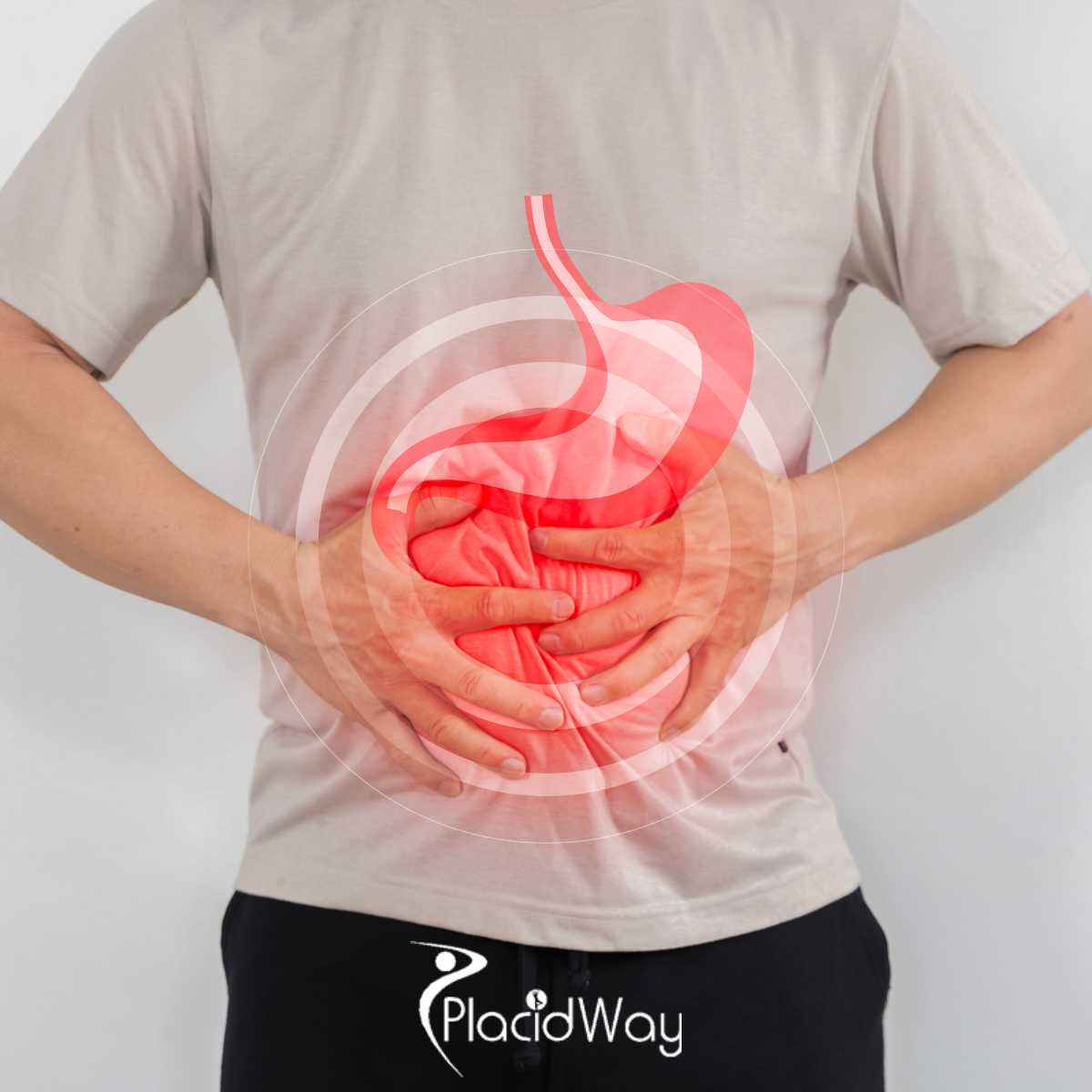
Symptoms are often vague, which leads to misdiagnosis as IBS or ulcers. Watch for:
- Abdominal Pain: Cramping that comes and goes, often after eating.
- Unexplained Weight Loss: Even without dieting, due to malabsorption.
- Blood in Stool: Can be bright red or dark/tarry.
- Lump in the Abdomen: A palpable mass in rare cases.
Why Standard Diagnosis is Difficult
Unlike the colon, the small intestine is difficult to reach with a standard scope. Diagnosis often requires capsule endoscopy (swallowing a camera pill) or specialized double-balloon enteroscopy. This complexity is why seeking a second opinion in a specialized integrative center can be life-changing.
Why Choose Integrative Therapy Over Standard Surgery/Chemo Alone?
Standard treatment for small intestine cancer usually involves aggressive surgery to remove sections of the bowel, followed by systemic chemotherapy. While sometimes necessary, this path can leave patients with "Short Bowel Syndrome," leading to chronic malnutrition and diarrhea. Alternative Treatment in Tijuana offers a bridge to effective care with fewer devastating side effects.
1. Preservation of Digestive Function
Standard surgery often removes vital absorption areas. Tijuana's non-invasive therapies, like localized Hyperthermia and SPDT, aim to shrink tumors without cutting, helping preserve your ability to eat and absorb nutrients naturally.
2. Targeting the "Root Cause"
Chemotherapy kills rapidly dividing cells indiscriminately. Integrative care in Mexico focuses on the metabolic weakness of cancer cells (Warburg Effect) using metabolic therapies that starve the cancer while feeding healthy cells.
3. Advanced Immunotherapy
For rare cancers like GIST or Carcinoid tumors, standard chemo is often ineffective. Tijuana clinics utilize Dendritic Cell Vaccines and Natural Killer (NK) Cells to teach your immune system to recognize and attack these specific rare cell types.
4. Bypassing Malabsorption
Small intestine cancer patients often cannot absorb oral medications well. Tijuana protocols rely heavily on high-dose IV therapies (Vitamin C, Curcumin, Artesunate), ensuring 100% bioavailability of cancer-fighting nutrients.
5. Comprehensive Pain Management
Tumors in the small bowel can be painful. Instead of just opioids that slow digestion, integrative care uses acupuncture, neural therapy, and enzymatic therapy to reduce inflammation and pain naturally.
Cost of Alternative Small Intestine Cancer Treatment in Tijuana
Facing a rare cancer diagnosis is stressful enough without the burden of financial ruin. In the US, out-of-pocket costs for "experimental" or integrative care can exceed $100,000 quickly. Tijuana offers a cost-effective alternative where pricing is transparent, inclusive, and significantly lower due to lower operational overheads, not lower quality.
| Destination | 3-Week Comprehensive Program | Package Inclusions |
|---|---|---|
| Tijuana, Mexico | $18,000 - $32,000 USD | Consults, IV Therapies, Hyperthermia, Immunotherapy, Meals, Transport. |
| United States (Integrative) | $60,000 - $100,000+ USD | Outpatient only. Does not include housing, food, or extensive immune labs. |
| Germany | $35,000 - $55,000 USD | High quality, but significant travel and euro-exchange costs. |
| Switzerland | $70,000 - $90,000 USD | Premium holistic care, extremely high cost of living during stay. |
Note: Prices in Tijuana are often all-inclusive packages. Patients with rare cancers may require specialized vaccines that can adjust the final cost.
Treatment Process for Small Intestine Cancer in Tijuana
Your journey is designed to be seamless, allowing you to focus entirely on healing. Here is the step-by-step pathway for international patients:
Step 1: Evaluation & Pre-Assessment
You will submit your medical history, specifically pathology reports identifying the tumor type (Adenocarcinoma vs. Neuroendocrine), and recent CT/PET scans. A medical board reviews your rare case to ensure you are a candidate for the protocol.
Step 2: VIP Arrival & Transport
Upon landing at San Diego International Airport, a private clinic driver greets you. Utilizing special medical lane passes, you cross the border swiftly and safely, arriving at the clinic or hospital within 30-40 minutes.
Step 3: Deep-Dive Diagnostics
Standard oncology stops at the tumor. In Tijuana, doctors look deeper. You will undergo Bio-Energetic Testing, heavy metal analysis, and specialized blood panels to see how your immune system is functioning and where nutritional deficiencies exist.
Step 4: The Integrative Protocol (3 Weeks)
Daily treatment typically runs from 9 AM to 3 PM.
- Morning: Detoxification therapies and IV nutrition to bypass the compromised small intestine.
- Mid-Day: Targeted therapies like Hyperthermia (heating the abdomen to weaken cancer cells) or Low-Dose Chemotherapy (Insulin Potentiation Therapy).
- Afternoon: Oxygen therapies (Hyperbaric or Ozone) to create an environment where cancer cannot thrive.
Step 5: Home Program & Follow-up
You aren't sent home empty-handed. You receive a supply of oral or suppository medications (crucial for small bowel patients), a strict dietary plan, and scheduled Telehealth check-ins to monitor your progress remotely.
Recovery and Life After Integrative Treatment
Recovery from alternative cancer treatment is fundamentally different from recovering from surgery or high-dose chemo. Instead of "bouncing back" from trauma, you are continuing a process of building up.
Managing the "Healing Crisis"
As tumors break down, they release toxins into the bloodstream. You may experience fatigue, mild fevers, or flu-like symptoms during and immediately after your stay in Tijuana. This is known as a Herxheimer reaction or "healing crisis." It indicates the treatment is working, and your medical team will help you manage it with binders and hydration.
Dietary Adaptation for Small Intestine Health
For small intestine cancer patients, food is medicine, but digestion is difficult. Post-treatment recovery involves a specialized diet—often liquid or soft foods rich in predigested proteins and low in inflammatory fibers—to allow the bowel to rest while healing.
Long-Term Immune Maintenance
The goal is to keep the cancer dormant or in regression. You will likely continue a regimen of supplements and repurposed medications (like Metformin or LDN) for months or years. Regular scans every 3-6 months will track stability, and many patients return to Tijuana annually for a 1-week "booster" to keep their immune surveillance high.
Key Aspects of Care in Tijuana for Small Intestine Cancer
Specific features that make Tijuana a global hub for this rare condition include:
- Rigorous Dietary Control: Clinics offer Gerson-style or ketogenic meals prepared by chefs who understand the specific absorption issues of small bowel cancer.
- Access to "Orphan" Drugs: Tijuana doctors can access immunotherapies and metabolic drugs that may be stuck in bureaucratic approval processes in the US but are approved in Mexico or Europe.
- Whole-Body Hyperthermia: Specialized equipment raises the body temperature to fever ranges, stimulating the immune system to attack rare cancer cells that might be hiding in the lymphatic system of the gut.
- Emotional & Spiritual Healing: Recognizing that the gut is the "second brain," therapies often include emotional decoding and stress reduction to improve gut motility and immune response.
Why Choose PlacidWay for Your Treatment in Tijuana?
When dealing with a rare diagnosis like small intestine cancer, you cannot afford to guess. PlacidWay is your trusted partner in navigating the medical landscape of Mexico.
- 1. Expert Clinic Matching: Not all clinics specialize in GI cancers. We filter our network to connect you only with oncologists who have verified experience treating small bowel malignancies.
- 2. Verified Credentials: We ensure that the doctors and facilities meet international standards for safety, hygiene, and licensing, protecting you from unverified practitioners.
- 3. Transparent Pricing: We obtain detailed quotes upfront. There are no hidden fees or surprise billings; you know exactly what your package covers before you leave home.
- 4. Comprehensive Logistics Support: From wheelchair-accessible transport to finding accommodations that cater to special dietary needs, we help manage the details so you can focus on fighting the cancer.
- 5. Patient Advocacy: We stand by you from the initial inquiry through your return home, providing a layer of security and support during your medical tourism journey.
FAQs: Alternative Small Intestine Cancer Treatment in Tijuana
Is integrative treatment effective for rare small intestine cancers?
Many patients with rare diagnoses like Adenocarcinoma of the jejunum or Neuroendocrine tumors report stabilized disease and improved quality of life. The integrative approach targets the tumor environment regardless of rarity.
Is it safe to travel to Tijuana for cancer treatment?
Yes. Thousands of medical tourists visit Tijuana daily. Clinics provide private transportation from San Diego directly to the secure medical facilities, ensuring you remain in safe zones throughout your stay.
Does insurance cover alternative cancer treatment in Mexico?
Generally, US insurance (Medicare/private) does not cover treatments in Mexico. However, some PPO plans may reimburse a small portion upon return. Most patients pay out-of-pocket, utilizing the lower cost structures in Mexico.
Can I bring a companion with me to the clinic?
Yes, it is highly encouraged. Most treatment packages in Tijuana allow for one companion to stay with the patient in the hospital room or hotel suite at no extra cost, providing vital emotional support.
What if I have a feeding tube (G-tube or J-tube)?
Tijuana clinics are fully equipped to handle patients with feeding tubes. In fact, IV nutrition therapies are excellent for these patients as they bypass the digestive tract entirely, ensuring nutrient absorption.
How long do I need to stay in Tijuana?
The standard protocol is 3 weeks (21 days). This timeframe is necessary to detoxify the body, perform all immunotherapies, and ensure the patient is stable enough to continue the home program.
Do Tijuana clinics treat Stage 4 metastatic small intestine cancer?
Yes. The majority of patients seeking care in Tijuana are Stage 3 or 4. The treatments are designed specifically for advanced cases where standard palliative chemo has failed or is too toxic.
What happens if I have an emergency during treatment?
Clinics have 24/7 nursing staff and doctors on call. If a critical emergency arises that requires intensive care beyond the clinic's scope, they have transfer agreements with major full-service hospitals in Tijuana or can transport you back to San Diego.
Can I do chemotherapy and alternative therapy together?
Yes. This is called "Integrative Oncology." Many clinics use Insulin Potentiation Therapy (IPT), which uses low-dose chemo combined with insulin to target cancer cells specifically while protecting the immune system.
How soon can I start treatment after contacting PlacidWay?
Once your medical records are reviewed and approved by the doctor, admission can often be scheduled within 1 to 2 weeks, avoiding the long wait times common in Canada or Europe.
There Is Hope Beyond the Standard Diagnosis
A rare diagnosis does not mean you are out of options. It means you need a specialized team willing to fight as hard as you do. The integrative experts in Tijuana are ready to help you reclaim your health. Let PlacidWay guide you to the safe, effective, and compassionate care you deserve.
.png)





.png)
.png)
.png)















Share this listing