


Choosing a cancer treatment center in another country is about more than finding different therapies. It is important to look at the clinic's medical team, treatment approach, safety standards, emergency care, costs, and how they will work with your current oncology team.
This comparison looks at Immunity Therapy Center and Limphocare by Limphocite in Tijuana. It reviews the therapies they offer, the experience of their medical teams, patient support services, treatment process, safety practices, and pricing information. Before choosing a clinic, ask for its current COFEPRIS authorization, verify the doctor's cédula profesional and specialist credentials, and request a detailed treatment plan with a clear breakdown of all costs.
Quick Summary: Alternative Cancer Centers in Mexico
- Centers compared: Immunity Therapy Center and Limphocare by Limphocite, both located in Tijuana, Baja California.
- Published cost: Immunity Therapy Center publicly lists a typical three-week program at approximately $18,995. Limphocare does not publish a standard cancer-treatment price, so an individualized written quote is required.
- Main difference: Immunity Therapy Center presents a broad, multi-therapy program. Limphocare places greater emphasis on personalized cellular immunotherapy and laboratory-prepared autologous products.
- Ideal patient: A medically stable adult with a confirmed diagnosis who understands that many alternative or personalized cellular approaches remain investigational and who will keep a qualified oncologist involved.
- Treatment timeline: Immunity Therapy Center states that many programs last three weeks. Limphocare describes an individualized assessment, preparation, treatment, monitoring, and follow-up process without publishing one standard duration.
- Credentials to request: COFEPRIS license or operating notice, responsible sanitario details, physician cédula profesional, specialist cédula where applicable, current CONACEM-recognized certification, and laboratory authorization relevant to any cellular product.
- Important caution: No complementary or alternative approach has been proven to cure cancer generally. Do not postpone or discontinue evidence-based surgery, chemotherapy, radiation therapy, targeted therapy, or approved immunotherapy without speaking with your oncology team.
What Alternative Cancer Treatment in Mexico Actually Means
Alternative cancer treatment is not one medical specialty or one standardized protocol. The term may describe nutritional support, mind-body care, hyperthermia, intravenous therapies, ozone-based procedures, immune-support programs, laboratory-prepared cellular products, or experimental cancer vaccines. The evidence and risks differ substantially from one intervention to another.
It is also important to distinguish alternative care from complementary and integrative care. A therapy used alongside evidence-based oncology is complementary. A therapy used instead of standard treatment is alternative. Integrative oncology combines standard treatment with supportive approaches that have reasonable evidence for safety and symptom management.
| Term | What It Means | Patient Safety Consideration |
|---|---|---|
| Standard cancer treatment | Treatment supported by clinical evidence and professional guidelines for a particular cancer, stage, biomarker, or patient group. | Ask how the recommendation applies to your pathology, stage, molecular profile, previous treatments, and health status. |
| Complementary treatment | Supportive care used with standard treatment, such as selected nutrition services, relaxation therapy, or symptom-focused acupuncture. | The oncology team should check for medication interactions, infection risk, bleeding risk, and treatment interference. |
| Alternative treatment | A nonstandard intervention used instead of evidence-based cancer care. | Replacing or delaying effective treatment can allow cancer to progress and may reduce future treatment options. |
| Investigational treatment | A therapy still being evaluated for safety, effectiveness, dose, manufacturing quality, or appropriate patient selection. | Request a protocol number, ethics approval, COFEPRIS authorization when applicable, informed-consent document, and adverse-event plan. |
Safety warning: The word “immunotherapy” does not automatically mean that a treatment is the same as an approved checkpoint inhibitor, CAR T-cell therapy, TIL therapy, or cancer vaccine used in regulated oncology. Ask for the exact scientific name, manufacturer or laboratory, intended mechanism, regulatory status, published evidence, and cancer-specific indication.
Alternative Cancer Centers in Mexico: Side-by-Side Comparison
The two centers serve different patient preferences. Immunity Therapy Center presents a structured multi-therapy program, while Limphocare describes a laboratory-centered model focused on personalized cellular immunotherapy. Neither distinction proves superior cancer control, and the right questions depend on your cancer type and treatment history.
| Comparison Area | Immunity Therapy Center | Limphocare by Limphocite |
|---|---|---|
| Location | Tijuana, Baja California | Tijuana, Baja California |
| Primary approach | Broad, individualized program combining immune-focused, alternative, intravenous, oxygen-related, nutritional, and supportive therapies. | Personalized cellular immunotherapy using patient-specific laboratory assessment and autologous immune-cell approaches. |
| Publicly described therapies | Hyperthermia, sonodynamic therapy, intravenous therapies, ozone and oxygen therapies, nutrition, immune-support approaches, and other modalities. | Dendritic cells, activated lymphocytes, natural killer cells, tumor-associated peptides, cellular immune support, and related multidisciplinary services. |
| Typical duration | The center states that many programs last three weeks, with longer programs possible. | No single standard duration is publicly stated; timing depends on assessment, laboratory preparation, administration, and follow-up. |
| Publicly stated price | Approximately $18,995 for a typical three-week program, subject to the patient’s condition and proposed therapies. | Not publicly listed. Patients need an individualized, itemized written quote. |
| Patient-support model | Program-based care with meals during treatment days, transportation assistance, physician monitoring, and follow-up recommendations. | Consultation, personalized program development, laboratory preparation, treatment, monitoring, nutrition, and multidisciplinary support. |
| Best suited for comparison purposes | Patients exploring a broader package of nonstandard and supportive interventions with a published starting framework. | Patients specifically researching personalized cellular immunotherapy and willing to examine laboratory and regulatory documentation closely. |
| Main transparency question | Which exact therapies are included, and what cancer-specific clinical evidence supports each one? | Under which authorization are the cellular products collected, processed, tested, released, and administered? |
Evidence transparency note: Independently audited, center-to-center data on survival, tumor response, complications, patient age, gender, and country of origin are not publicly available. Therefore, this article does not create outcome graphs, demographic charts, or comparative success rates that could imply unsupported precision.
Ranking disclosure: “Top” refers to the two featured centers selected for this comparison. It is not a claim that an independent medical authority has ranked either facility above every other cancer center in Mexico.
Immunity Therapy Center: Broad Alternative Cancer Care in Tijuana
Immunity Therapy Center, commonly called ITC, describes an individualized cancer program built around five broad pillars: immune therapies, alternative therapies, intravenous therapies, ozone and oxygen-related therapies, and nutrition. Its model may appeal to patients looking for several interventions delivered within one structured stay.
The center publicly lists therapies such as localized or whole-body hyperthermia, sonodynamic therapy, insulin potentiation therapy, intravenous solutions, oxygen-related procedures, nutritional support, transfer-factor approaches, and cancer-vaccine concepts. These therapies do not all have the same evidence level, regulatory status, or risk profile.
Medical team and expertise at Immunity Therapy Center
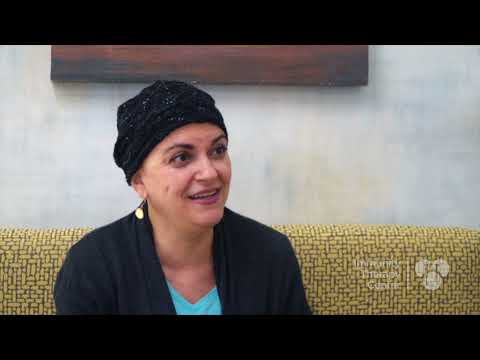
The center identifies Dr. Carlos Bautista as medical director and lists additional treating physicians. Its website states that Dr. Bautista received his medical training from Universidad Autónoma de Baja California and holds graduate training in nutrition. Marketing descriptions such as “board-certified” should be translated into exact, independently verifiable Mexican credentials.
Ask for each treating physician’s full legal name, general medical cédula, specialist cédula when a specialty is claimed, current specialty-board certification, and defined role in your care. A physician trained in general or alternative medicine is not automatically an oncologist, hematologist, surgeon, infectious-disease specialist, or critical-care physician.
| ITC Publicly Describes | What You Should Verify |
|---|---|
| A personalized program selected after medical review. | Who performs the oncology review, which diagnostic criteria are used, and whether the plan was discussed with your home oncologist. |
| A typical three-week treatment period. | Daily schedule, rest days, expected side effects, laboratory monitoring, and medical reasons for extending treatment. |
| Multiple immune, IV, oxygen, heat-based, nutritional, and alternative therapies. | Exact treatment names, ingredients, doses, route, intended purpose, evidence, contraindications, and whether each therapy is standard, off-label, or investigational. |
| Meals and transportation support during the program. | Which meals, airport transfers, clinic transportation, caregiver transport, and weekend services are included. |
| Follow-up recommendations after completion. | Written follow-up schedule, responsible physician, emergency contact, record-transfer process, and how response will be measured objectively. |
Important ITC question: Ask the center to separate therapies intended to manage symptoms or support nutrition from therapies claimed to affect tumor growth. Request cancer-specific evidence for every tumor-directed claim rather than relying on testimonials or general immune-system explanations.
Limphocare by Limphocite: Personalized Cellular Immunotherapy in Mexico
Limphocare by Limphocite presents a more concentrated focus on personalized cellular immunotherapy. The center describes obtaining information from a patient’s circulating tumor cells and using patient-derived immune cells or tumor-associated peptides to prepare an individualized immune response.
Its publicly described cellular approaches include dendritic cells, activated lymphocytes, natural killer cells, tumor-cell peptides, and other autologous products. Autologous means that material comes from the same patient who receives it. This may reduce certain rejection concerns, but it does not by itself prove effectiveness, sterility, manufacturing consistency, or freedom from other risks.
Medical team and laboratory model at Limphocare
Limphocare identifies Dr. Alejandra Calderón as its medical director and describes training or experience in internal medicine, hematology, pharmacogenetics, immunology, and cellular immunotherapy. Its model also references laboratory personnel, nurses, nutritional services, biological dentistry, physiotherapy, and supportive services.
Patients should independently verify Dr. Calderón’s current general and specialist cédulas, applicable specialist-board certification, the identity of the responsible sanitario, and the laboratory’s authorization. The center’s website states that its clean-room certification process is underway, making it especially important to request the present certification status rather than assuming completion.
| Limphocare Publicly Describes | What You Should Verify |
|---|---|
| Isolation and analysis of circulating tumor cells. | Laboratory method, analytical validation, clinical relevance, false-negative limitations, and how results change treatment decisions. |
| Personalized peptides and dendritic-cell signaling. | Exact product name, manufacturing steps, sterility tests, release criteria, cell viability, dosing, and evidence for your cancer type. |
| Autologous immune-cell products. | COFEPRIS authorization relevant to collection, processing, storage, transport, preparation, and clinical administration of cells. |
| A controlled laboratory environment and GMP-grade materials. | Current clean-room certification, environmental monitoring, contamination controls, batch records, quality-control documentation, and adverse-event reporting. |
| Monitoring and follow-up support. | Responsible clinician, frequency of assessment, objective response criteria, emergency coverage, and communication with your oncologist. |
Important Limphocare question: Personalized cellular immunotherapy may sound similar to approved cancer immunotherapies, but manufacturing methods and clinical evidence can differ greatly. Ask whether your proposed product is approved for routine use, provided under an authorized research protocol, or offered as an individualized nonstandard intervention.
How Cancer Therapies at the Two Mexico Centers Compare
Immunity Therapy Center offers greater therapy variety, while Limphocare emphasizes immune-cell and peptide-based personalization. Variety does not necessarily provide better outcomes, and personalization does not automatically mean that a therapy has been clinically validated.
The most useful comparison is not which center lists more treatments. It is whether the exact proposed intervention has a plausible rationale, reliable manufacturing, cancer-specific human evidence, a defined safety plan, and objective criteria for continuing or stopping treatment.
| Therapy Category | Center Emphasis | Evidence and Safety Context | Questions to Ask |
|---|---|---|---|
| Dendritic-cell or peptide-based vaccines | Primarily Limphocare | Cancer vaccines are a legitimate research field, but most individualized dendritic-cell vaccines remain investigational. Approval and evidence depend on the exact product and indication. | Is this product approved, studied under an authorized protocol, or independently published for my cancer and stage? |
| Activated lymphocytes or natural killer cells | Primarily Limphocare | Immune-cell therapies have important scientific potential, but effectiveness varies by cell type, manufacturing process, dose, cancer, and combination treatment. | How are cells identified, expanded, tested, released, administered, and monitored? |
| Hyperthermia | Primarily ITC | Certain localized hyperthermia applications are studied or used with conventional treatment in specialist settings. Whole-body and clinic-specific protocols require separate evaluation. | Is the treatment localized or whole-body, what temperature is used, and how are burns, dehydration, cardiovascular stress, and organ function monitored? |
| Ozone, oxygen, sonodynamic, Rife, and related modalities | Primarily ITC | These should not be assumed to cure cancer or replace proven oncology. Evidence, devices, administration methods, and risks vary substantially. | What peer-reviewed human evidence supports this exact protocol for my diagnosis? |
| Intravenous nutrients and supplements | ITC, with supportive nutrition also described by Limphocare | IV products and supplements can cause interactions, kidney stress, electrolyte problems, allergic reactions, or infection. “Natural” does not mean harmless. | What is in each infusion, and has my oncologist and pharmacist reviewed it against my medications? |
| Nutrition and supportive wellness | Both centers | Qualified nutritional support may help address weight loss, poor appetite, dehydration, or treatment tolerance. Diet alone should not be presented as a cancer cure. | Is the nutrition plan managed by a qualified professional and adapted to my metabolic, digestive, kidney, or liver needs? |
Patient takeaway: Compare the exact treatment proposed for you, not the clinic’s entire menu. Request the scientific name, goal, evidence level, risks, alternatives, total cost, monitoring plan, and stopping rules for each component.
How to Verify Medical Expertise and Safety in Mexico
A professional website, international telephone number, patient coordinator, or physician biography does not replace regulatory verification. Mexico has national systems for professional credentials, specialist certification, healthcare-facility oversight, and clinical-research authorization.
The documentation required depends on what the facility actually does. A consultation clinic, surgical hospital, radiation facility, blood service, cell-processing laboratory, regenerative-medicine establishment, and research center may require different notices, licenses, responsible personnel, and quality systems.
| Document or Verification | Why It Matters | What to Check |
|---|---|---|
| COFEPRIS operating notice or sanitary license | Shows the establishment has submitted or obtained documentation applicable to its health services. | Legal facility name, address, services covered, number, issue status, and whether it applies to cell handling or other specialized services. |
| Responsible sanitario | Identifies the professional responsible for regulatory and sanitary oversight of the establishment. | Full name, professional credentials, role, availability, and whether the person oversees the services you will receive. |
| SEP cédula profesional | Confirms authorization to practice the registered profession in Mexico. | Exact name, degree, educational institution, and cédula number. A general medical cédula is different from a specialist cédula. |
| CONACEM-recognized specialist certification | Helps confirm current certification when a doctor claims a recognized medical specialty. | Specialty, certifying council, certificate status, and current validity. |
| Cell or tissue service authorization | Cell collection, processing, storage, preparation, and administration involve additional contamination, identity, potency, and traceability risks. | Which legal entity operates the laboratory, where processing occurs, chain of custody, sterility testing, quality release, and applicable license. |
| COFEPRIS research authorization | Human research involving investigational drugs, biologics, biotechnology, or new procedures may require an authorized protocol. | Protocol number, sponsor, principal investigator, site, ethics review, informed consent, trial phase, and registration status. |
| Emergency and transfer agreement | Cancer patients can develop infection, bleeding, thrombosis, allergic reactions, organ problems, or rapid disease-related deterioration. | On-site emergency equipment, physician availability, ambulance process, transfer hospital, ICU access, and payment responsibility. |
Red flags when comparing alternative cancer clinics
- Promises to cure every cancer type or treat all stages with one standard protocol.
- Pressure to stop chemotherapy, radiation, surgery, targeted therapy, or prescribed medication before an oncology review.
- Refusal to provide physician license numbers, regulatory documentation, laboratory information, or an itemized quote.
- Reliance on testimonials while avoiding objective response data, published studies, complications, or treatment failures.
- Payment demands before medical-record review or without a clear refund and cancellation policy.
- No written plan for fever, infection, bleeding, severe pain, allergic reaction, breathing problems, or emergency hospital transfer.
Alternative Cancer Treatment Costs in Mexico
Public cost transparency differs between the two centers. Immunity Therapy Center lists a typical three-week program price, while Limphocare requires a personalized quote. Neither figure should be treated as the final cost until your records have been reviewed and every inclusion and exclusion is documented.
The total cost of cancer treatment in Mexico may vary based on your diagnosis, cancer stage, previous treatments, laboratory testing, treatment intensity, medications, cellular therapies, hospitalization needs, length of stay, and whether you are traveling with a caregiver.
| Cost Area | Immunity Therapy Center | Limphocare by Limphocite |
|---|---|---|
| Public program price | Approximately $18,995 for a typical three-week program. | Information not publicly available; individualized quotation required. |
| Therapies and diagnostics | The center states that the typical package includes therapies and diagnostics, although some specific services may cost extra. | Ask whether consultation, circulating tumor-cell testing, cell collection, laboratory preparation, administration, and monitoring are separately priced. |
| Meals | Breakfast, lunch, juices, or smoothies are described as included on treatment days. | Nutrition and chef support are described, but exact inclusions should be confirmed in writing. |
| Accommodation | Not included in the listed program price. | No standard public inclusion is stated; request lodging guidance and estimated duration. |
| Airfare and international travel | Not included. | Not publicly stated as included. |
| Surgery, transfusion, hospitalization, or complications | The center indicates that surgery and blood transfusions are not included. | Request separate estimates and the name of the hospital used when higher-level care is required. |
Common additional costs to include in your budget
- Hotel or apartment for the patient and caregiver.
- Flights, border transportation, passport expenses, and flexible return travel.
- Pathology review, imaging, molecular testing, blood work, or repeat biopsies.
- Prescription medicines, supplements, take-home products, or maintenance treatment.
- Emergency evaluation, hospital admission, transfusion, surgery, or intensive care.
- Additional weeks of treatment or a return visit several months later.
- Medical-record translation, caregiver meals, mobility assistance, and post-treatment testing at home.
Cost-protection tip: Request an itemized quote that separates required services from optional therapies. The agreement should explain cancellation terms, refunds, complications, program extensions, additional laboratory work, and charges if treatment is stopped for medical reasons.
Patient Care and Overall Treatment Experience in Tijuana
A cancer-treatment experience includes more than the therapy itself. Patients often need help with fatigue, appetite, mobility, medication management, transportation, caregiver needs, communication, anxiety, and coordination with physicians at home.
Immunity Therapy Center’s experience appears more program-based, with a defined treatment stay, daily therapies, meal support, transportation arrangements, and follow-up recommendations. Limphocare describes a staged process involving consultation, assessment, individualized program design, laboratory work, treatment delivery, monitoring, nutrition, and multidisciplinary services.
ITC Experience Strengths to Confirm
- Published typical program length and price.
- Broad selection of daily therapies.
- Meals during treatment days.
- Airport and local transportation assistance.
- Multiple treating physicians and structured follow-up recommendations.
Limphocare Experience Strengths to Confirm
- Personalized laboratory-centered approach.
- Cellular immunotherapy focus.
- Multidisciplinary medical and nutritional support.
- Ongoing monitoring and program adjustment.
- Potential continuity between laboratory preparation and clinical administration.
Comfort, attention, meals, transportation, and an encouraging environment can matter greatly during treatment. However, a positive experience is not evidence that a therapy controls cancer. Evaluate patient experience and clinical effectiveness as separate questions.
Patient-care questions to ask both centers
- Who is your primary treating physician, and how often will that physician examine you?
- Is a qualified doctor present whenever intravenous or cellular products are administered?
- Can the center safely accommodate a wheelchair, oxygen, a feeding tube, a central line, or other medical needs?
- Is English interpretation available during consent, physician consultations, and emergencies?
- Can a caregiver remain with you, and what support is available for the caregiver?
- How quickly will your records be sent to your home oncologist?
- Who answers urgent questions after business hours and after you return home?
Which Alternative Cancer Center in Mexico May Fit Your Priorities?
The comparison should begin with your priorities and medical needs rather than a general claim that one center is better. A medically appropriate choice must also account for your diagnosis, urgency, organ function, performance status, previous treatments, and the availability of evidence-based care.
| Your Priority | Center to Examine More Closely | Important Limitation |
|---|---|---|
| A broad package combining several nonstandard and supportive therapies | Immunity Therapy Center | Each therapy requires separate evaluation; a larger therapy menu does not prove greater effectiveness. |
| A strong focus on individualized cellular immunotherapy | Limphocare by Limphocite | You need detailed laboratory, regulatory, manufacturing, safety, and cancer-specific evidence documentation. |
| A publicly stated program price and approximate treatment duration | Immunity Therapy Center | The listed amount is not necessarily the complete travel, lodging, complication, or follow-up cost. |
| A laboratory-to-clinic cellular process | Limphocare by Limphocite | Confirm that current licenses and certifications cover every laboratory and clinical activity involved. |
| Hospital-level oncology, surgery, radiation, ICU, or complex emergency care | Verify before selecting either center | A dedicated clinic may rely on an external hospital. Obtain the hospital name and transfer agreement before travel. |
| Independently published comparative survival or response data | Request evidence from both | Public marketing pages do not provide independently audited head-to-head outcome evidence. |
Do not travel before stabilization: Patients with uncontrolled pain, severe weakness, active bleeding, fever, breathing difficulty, confusion, inability to eat or drink, rapidly worsening symptoms, or other urgent problems should receive immediate medical assessment before planning international treatment.
Planning Safe Cancer Treatment Travel to Mexico
Tijuana’s location near San Diego makes it geographically accessible for many patients from the United States and Canada. Accessibility should not lead to rushed decisions. International cancer care requires medical preparation, financial planning, emergency arrangements, and continuity after returning home.
| Timeframe | Medical Process | Patient Experience | Activity Level | Action Required |
|---|---|---|---|---|
| Four to eight weeks before travel | Pathology, imaging, laboratory results, treatment history, medication list, and oncology opinion are reviewed. | You may feel pressure to decide quickly, especially after progression or difficult side effects. | Normal activity as medically tolerated. | Obtain independent oncology advice, verify credentials, and request an itemized plan. |
| One to two weeks before travel | Medical fitness, infection risk, blood counts, organ function, and travel precautions are reassessed. | Fatigue, anxiety, or treatment-related symptoms may complicate travel. | Adjust activity according to medical advice. | Confirm emergency contacts, caregiver plans, flexible travel, medications, and border documents. |
| During treatment in Mexico | Therapies, examinations, laboratory monitoring, symptom management, and treatment adjustments occur. | Responses vary. Fatigue, discomfort, infusion reactions, flu-like symptoms, digestive changes, or anxiety may occur. | Light activity with adequate rest unless restricted. | Report symptoms promptly and keep copies of every medication, infusion, result, and procedure. |
| Before returning home | The clinic should document treatment delivered, complications, medications, and follow-up recommendations. | You may still feel tired or uncertain about how the treatment will be evaluated. | Travel only when medically cleared. | Obtain discharge records, emergency instructions, and a scheduled appointment with your home oncologist. |
| First three months at home | Your oncology team evaluates symptoms, laboratory values, imaging, tumor markers when appropriate, and disease status. | Temporary symptom improvement does not necessarily show tumor response. | Gradual return based on health and oncology advice. | Use objective response criteria and avoid relying only on energy, appetite, or testimonial-style observations. |
Medical records to send before requesting a treatment plan
- Pathology report and, when available, pathology slides or digital images.
- Recent CT, MRI, PET, ultrasound, bone scan, or other relevant imaging reports.
- Cancer stage, molecular or genetic results, receptor status, and biomarker testing.
- Surgery, chemotherapy, radiation, immunotherapy, targeted therapy, and clinical-trial history.
- Current medication, supplement, allergy, and adverse-reaction list.
- Recent blood counts, kidney function, liver function, electrolytes, and infection screening.
- Relevant heart, lung, blood-clotting, autoimmune, or infectious-disease history.
Seek urgent medical help for: fever, shaking chills, uncontrolled bleeding, chest pain, breathing difficulty, severe allergic symptoms, confusion, fainting, new weakness, persistent vomiting, severe dehydration, uncontrolled pain, or a rapid decline in your condition.
Frequently Asked Questions About Alternative Cancer Centers in Mexico
Can alternative cancer treatment in Mexico cure cancer?
No complementary or alternative approach has been proven to cure cancer generally. Outcomes depend on the cancer type, stage, biology, overall health, and treatment. Be cautious of universal cure claims, and do not replace evidence-based oncology without discussing the risks with a qualified oncologist.
What is the main difference between ITC and Limphocare?
ITC describes a broad program combining immune-focused, intravenous, heat-based, oxygen-related, nutritional, and alternative therapies. Limphocare concentrates more heavily on personalized cellular immunotherapy, including dendritic cells, lymphocytes, natural killer cells, and tumor-associated peptide approaches prepared through a laboratory-centered process.
How much does alternative cancer treatment in Mexico cost?
ITC publicly lists approximately $18,995 for a typical three-week program. Limphocare does not publish a standard price. Your total may also include lodging, airfare, additional testing, medications, cellular preparation, caregiver expenses, extended treatment, emergency care, and follow-up after returning home.
Is personalized cellular immunotherapy the same as approved immunotherapy?
Not necessarily. Approved immunotherapies include specific checkpoint inhibitors, cellular therapies, immune modulators, and cancer vaccines for defined indications. An individualized cellular product offered by a clinic may use different cells, manufacturing methods, doses, or evidence. Ask for its exact regulatory and clinical status.
Should I stop chemotherapy or radiation before traveling to Mexico?
Do not stop, postpone, or change prescribed cancer treatment without consulting your oncology team. Interrupting treatment may allow disease progression or reduce future options. The Mexico center should explain how its plan interacts with chemotherapy, radiation, surgery, targeted therapy, immunotherapy, and your existing medications.
How can I verify a cancer doctor’s credentials in Mexico?
Request the doctor’s full legal name and cédula numbers. Verify the professional cédula through Mexico’s Secretaría de Educación Pública. When a recognized specialty is claimed, check the specialist cédula and current certification through the relevant CONACEM-recognized specialty council.
How do I verify that a Mexico cancer clinic is licensed?
Ask for the establishment’s legal name, COFEPRIS operating notice or sanitary license, responsible sanitario, address, and services covered. Cellular processing, radiation, surgery, blood services, regenerative medicine, and research may require documentation beyond a general medical-clinic operating notice.
What records do alternative cancer centers need?
Most centers should review your pathology, cancer stage, imaging, molecular results, treatment history, recent laboratory tests, medication list, allergies, and other medical conditions. A meaningful recommendation should not be based only on a short online form, testimonial, or general description of your cancer.
How long should I stay in Tijuana for cancer treatment?
ITC states that many programs take three weeks, although some patients may need longer. Limphocare uses an individualized process without one publicly stated duration. Do not book inflexible return travel until the center confirms assessment, laboratory preparation, treatment dates, monitoring, and medical clearance.
What are the risks of alternative cancer treatment abroad?
Risks may include treatment delay, medication interactions, infection, contamination, infusion reactions, bleeding, dehydration, organ injury, travel complications, financial loss, and inadequate emergency care. The exact risks depend on the therapies, your cancer, previous treatment, immune status, and overall health.
How should treatment success be measured?
Success should be evaluated with appropriate imaging, pathology, laboratory tests, validated tumor markers, symptoms, quality-of-life measures, and recognized response criteria. Feeling more energetic can be valuable, but it does not by itself prove that a tumor has shrunk or stopped progressing.
Can my home oncologist coordinate with the clinic in Mexico?
Yes, and coordination should be encouraged. Ask the Mexico clinic to provide the complete proposed protocol, ingredients, cellular-product details, laboratory results, treatment dates, adverse events, and discharge summary. Your home oncologist can then evaluate interactions, monitor disease, and manage complications or follow-up care.
Compare Alternative Cancer Treatment Options Carefully
PlacidWay can help you request information, compare provider responses, understand proposed costs, and prepare questions about medical credentials, treatment plans, safety, and follow-up. A consultation request does not obligate you to proceed with treatment.
Request Provider InformationDisclaimer
Disclaimer: This information is for educational purposes only and does not replace professional medical advice. Always consult a qualified healthcare provider before making medical decisions.
References
- Complementary and Alternative Medicine for Patients – National Cancer Institute
- Cancer and Complementary Health Approaches – National Center for Complementary and Integrative Health
- Immunotherapy to Treat Cancer – National Cancer Institute
- Cancer Treatment Vaccines – National Cancer Institute
- Health Service Establishments – COFEPRIS, Government of Mexico
- Clinical Trials and Human Research Protocols – COFEPRIS
- Professional License Verification System – Secretaría de Educación Pública
- Medical Specialist Certification Search – CONACEM
.png)






.png)

.png)
.png)














Share this listing