
What treatment


20+ Most Frequently Asked Questions About Fertility Treatment
Find Clear and Concise Answers to Common Questions About Fertility Treatment
Trusted Medical Tourism Platform Since 2007

How Much Does IVF With Gender Selection Cost in Mexico?
The cost of IVF with gender selection in Mexico typically ranges from $8,000 to $15,000 USD, generally including the IVF cycle and PGT-A for sex determination, but usually excludes stimulation medications. Welcome to an in-depth look at IVF with gender selection in Mexico, a topic that garners significant interest for many hopeful parents around the globe. If you're exploring fertility treatments and have a strong desire to choose the sex of your baby, understanding the financial and logistical aspects is key. In-vitro fertilization (IVF) is a powerful assisted reproductive technology where eggs are fertilized by sperm outside the body, in a laboratory. When combined with gender selection, it involves a specialized technique called Preimplantation Genetic Testing for Aneuploidies (PGT-A), which allows for the genetic analysis of embryos before they are transferred to the uterus. Mexico has emerged as a prominent destination for medical tourism, particularly for fertility treatments like IVF with gender selection, due to its high-quality medical care, experienced specialists, and notably more affordable pricing compared to many Western countries. This comprehensive guide will break down the costs involved, explain what to expect from the procedure, discuss key considerations, and address many frequently asked questions, giving you a clear picture of what makes Mexico an attractive option for your family planning journey. By the end of this blog post, you'll have a solid foundation of knowledge to help you make informed decisions about pursuing IVF with gender selection in Mexico. How much does IVF with gender selection cost in Mexico? The cost of IVF with gender selection in Mexico typically ranges from $8,000 to $15,000 USD, generally including the IVF cycle and PGT-A for sex determination, but usually excludes stimulation medications. The total cost for IVF with gender selection in Mexico is a significant consideration for many international patients. On average, you can expect to pay anywhere from $8,000 to $15,000 USD for a single cycle. This price range typically encompasses the core IVF procedures combined with the necessary Preimplantation Genetic Testing for Aneuploidies (PGT-A), which is the method used to identify the sex of the embryos. It's crucial to understand that while this covers many essential components, the cost of fertility medications is almost always an additional expense. These medications, vital for ovarian stimulation and preparing the uterus, can add another $1,500 to $3,000 USD or even more, depending on the specific protocol and dosage required for each individual patient. Therefore, when budgeting for IVF with gender selection in Mexico, it's wise to factor in this additional amount for medication costs to get a more accurate total. What is included in the typical cost of IVF with gender selection in Mexico? Typically, the cost of IVF with gender selection in Mexico includes initial consultations, egg retrieval, fertilization (often with ICSI), embryo culture, PGT-A for sex determination and chromosomal screening, and embryo transfer. When you receive a quote for IVF with gender selection in Mexico, it's important to know what services are generally bundled into the package price. While clinics can vary, a comprehensive package usually includes: Initial Consultations: Meetings with the fertility specialist to review your medical history and plan your treatment. Ovarian Stimulation Monitoring: Regular ultrasounds and blood tests to monitor follicular development. Egg Retrieval (Follicular Aspiration): The surgical procedure to collect eggs from the ovaries, usually under anesthesia. Anesthesia: Sedation administered during the egg retrieval procedure. Sperm Collection and Preparation: Processing of the male partner's sperm sample. In-vitro Fertilization (IVF) & ICSI: The process of fertilizing eggs with sperm in the lab, often using Intracytoplasmic Sperm Injection (ICSI) to maximize fertilization rates. Embryo Culture: Growing the fertilized embryos in the laboratory for several days. Preimplantation Genetic Testing for Aneuploidies (PGT-A): This crucial step involves biopsying the embryos to check for chromosomal abnormalities and, importantly, to determine their sex. This is what enables gender selection. Embryo Transfer: The procedure where selected embryos are transferred into the woman's uterus. Cryopreservation: Freezing of any remaining viable embryos for future use, often with storage for a limited period (e.g., 3-12 months). Always ask for a detailed breakdown from the clinic to understand exactly what is covered and to avoid any surprises. Why is IVF with gender selection cheaper in Mexico than in the US? IVF with gender selection is cheaper in Mexico due to lower operating costs, including medical salaries, facility overhead, and insurance expenses, without compromising on quality or technology. The significant cost difference between IVF with gender selection in Mexico and countries like the United States is primarily due to the overall lower cost of living and operating expenses in Mexico. Several factors contribute to this affordability: Lower Salaries and Wages: Medical professionals, including highly trained fertility specialists, embryologists, and support staff, earn lower salaries in Mexico compared to their counterparts in the US. Reduced Facility Overhead: The costs associated with setting up and maintaining state-of-the-art clinics, including rent, utilities, and administrative expenses, are considerably lower in Mexico. Medication Costs: While not always included in the package price, the wholesale cost of fertility medications can sometimes be lower in Mexico due to different pharmaceutical pricing regulations. Lower Insurance and Malpractice Premiums: The cost of medical malpractice insurance and other regulatory overhead is generally less burdensome for clinics in Mexico. It's important to emphasize that this cost efficiency does not necessarily indicate a compromise in the quality of care or the technology used. Many Mexican fertility clinics boast highly skilled, internationally trained doctors and utilize advanced equipment comparable to top clinics worldwide, making them a very attractive option for cost-conscious patients. Are there hidden costs in IVF with gender selection in Mexico? Potential hidden costs in IVF with gender selection in Mexico can include fertility medications, additional PGT-A embryo testing beyond the included limit, extended embryo storage, and any necessary re-tests or unexpected medical complications. While clinics in Mexico are generally transparent, it's essential for patients to be aware of potential "hidden" or extra costs that might not be explicitly stated in the initial package price for IVF with gender selection. These can include: Fertility Medications: As previously mentioned, these are almost always an additional expense and can vary significantly based on your individual needs. Additional PGT-A Testing: If your IVF cycle yields a large number of embryos, and the package only covers testing for a limited number (e.g., 8-10 embryos), there might be an extra charge per embryo for additional testing. Extended Embryo Storage: While initial cryopreservation is often included for a few months to a year, ongoing annual storage fees for frozen embryos will apply if you wish to keep them longer. Pre-IVF Diagnostic Tests: Any necessary diagnostic procedures or blood tests required before starting the IVF cycle (e.g., hysteroscopy, advanced sperm analysis) that are not part of the package. Travel and Accommodation: These are substantial personal costs, including flights, hotels, and local transportation. Unexpected Medical Complications: While rare, any unforeseen medical issues during the cycle or recovery that require additional treatment will incur extra charges. Donor Services: If you require donor eggs or sperm, these will be separate, significant costs. Always ask for a detailed, itemized quote and clarify what is and isn't covered before committing to a clinic. What is Preimplantation Genetic Testing for Aneuploidies (PGT-A) and how does it enable gender selection? PGT-A is a genetic test performed on embryos during IVF to screen for chromosomal abnormalities, including identifying the sex chromosomes (XX for female, XY for male), thus enabling gender selection. Preimplantation Genetic Testing for Aneuploidies (PGT-A), previously known as PGS, is a crucial step in IVF with gender selection. It involves taking a tiny biopsy from an embryo, typically at the blastocyst stage (5-7 days after fertilization), and analyzing its chromosomal makeup. Here's how it works and how it enables gender selection: Embryo Biopsy: A few cells are carefully removed from the trophectoderm (the part of the embryo that will become the placenta). This does not harm the inner cell mass (which develops into the fetus). Genetic Analysis: The biopsied cells are sent to a specialized genetics laboratory. Using advanced techniques, the lab screens for aneuploidies (abnormal numbers of chromosomes), which are a common cause of IVF failure and miscarriage. Sex Chromosome Identification: Crucially, PGT-A also identifies the sex chromosomes (X and Y). Embryos with two X chromosomes (XX) are female, and those with an X and a Y chromosome (XY) are male. Embryo Selection: Based on the results, the fertility team can then identify which embryos are chromosomally normal and, if desired, of the preferred sex, for transfer to the uterus. PGT-A not only facilitates gender selection but also significantly improves IVF success rates by ensuring only chromosomally healthy embryos are transferred, reducing the risk of miscarriage and increasing the chances of a healthy live birth. Is gender selection legal in Mexico? Yes, gender selection for non-medical reasons (family balancing) is generally legal and openly practiced in fertility clinics across Mexico. One of the primary reasons why Mexico is a popular destination for IVF with gender selection is its legal framework. Unlike some countries (including several European nations, Canada, and Australia) where gender selection for non-medical reasons (often called "family balancing") is restricted or prohibited, it is generally legal and openly practiced in fertility clinics across Mexico. This means that individuals or couples can specifically choose the sex of their baby through PGT-A technology without legal constraints. This legal permissibility, combined with advanced medical facilities and competitive pricing, makes Mexico a favored choice for patients seeking to balance their families or fulfill a strong preference for a child of a particular sex. What is the success rate of IVF with gender selection in Mexico? The success rate of IVF with gender selection in Mexico, specifically for achieving pregnancy with a chosen gender, is very high due to PGT-A selecting chromosomally normal embryos of the desired sex. Overall IVF success rates vary by clinic and patient factors. The success rate of IVF with gender selection in Mexico needs to be understood in two parts: the accuracy of gender selection and the overall IVF pregnancy rate. The accuracy of gender selection through PGT-A is extremely high, typically over 99% accurate. This means that once an embryo is identified as male or female, there's a very high certainty that it will develop into a child of that sex. The overall IVF success rates (leading to a live birth) with PGT-A, including for gender selection, can vary based on several factors, including: Patient Age: Younger women generally have higher success rates due to better egg quality and ovarian reserve. Clinic's Expertise and Technology: Reputable clinics with experienced embryologists and advanced laboratory equipment tend to have better outcomes. Embryo Quality: The number of chromosomally normal embryos available for transfer. Underlying Fertility Issues: The specific cause of infertility can influence success rates. Many top clinics in Mexico report success rates comparable to leading clinics in the US, often ranging from 50-70% per embryo transfer for women under 35 when using PGT-A tested embryos. It's best to inquire about a clinic's specific, age-stratified success rates directly. How long do I need to stay in Mexico for IVF with gender selection? For IVF with gender selection in Mexico, patients typically need to stay for approximately 18-25 days, covering the ovarian stimulation, egg retrieval, and embryo transfer phases. The duration of your stay in Mexico for IVF with gender selection is an important logistical consideration. Generally, patients should plan for a stay of approximately 18 to 25 days. This timeframe allows for the complete cycle, which includes: Initial Consultations and Baseline Tests: The first few days are dedicated to initial assessments, blood work, and ultrasounds. Ovarian Stimulation Phase: This phase typically lasts 10-14 days, during which you'll administer fertility medications and attend regular monitoring appointments (ultrasounds and blood tests) at the clinic. Egg Retrieval: A quick procedure (usually 30 minutes), followed by a few hours of recovery. Embryo Culture and Biopsy (PGT-A): Embryos are cultured for 5-7 days, after which the biopsy for PGT-A is performed. The genetic results usually take another 7-14 days to come back from the lab. Embryo Transfer: Once the PGT-A results are in, the selected embryo (of the desired gender) is transferred. This typically happens a few days after receiving the results. Some clinics might offer a "fresh transfer" if PGT-A results are expedited, but "frozen embryo transfers" (FET) after PGT-A are more common and often lead to higher success rates. Many patients opt to stay until the embryo transfer is complete. Some may choose to return home after egg retrieval and come back for the embryo transfer once PGT-A results are ready, although this would involve two separate trips. What qualifications should I look for in an IVF clinic in Mexico? When choosing an IVF clinic in Mexico, look for international accreditations, board-certified fertility specialists with experience in PGT-A, modern laboratory facilities, transparent pricing, and positive patient testimonials. Selecting the right IVF clinic in Mexico is paramount for a successful and safe experience. Here are key qualifications and factors to consider: Accreditation and Certifications: Look for clinics that are internationally accredited (e.g., by organizations like JCI - Joint Commission International) or hold national certifications that indicate adherence to high standards of care. Reputation and Experience: Research the clinic's reputation, its history, and the number of IVF cycles they perform annually. High volume often correlates with experience. Board-Certified Specialists: Ensure the fertility doctors are board-certified in reproductive endocrinology and infertility and have extensive experience specifically with PGT-A and gender selection. State-of-the-Art Laboratory: The IVF lab is the heart of the clinic. Verify they have advanced equipment, experienced embryologists, and a strong track record in embryo culture and genetic testing. Transparent Pricing: Choose a clinic that provides clear, itemized cost breakdowns upfront, minimizing the chance of hidden fees. Success Rates: While success rates vary by patient, inquire about the clinic's age-specific and PGT-A specific success rates, and ensure they are reported transparently. Patient Testimonials and Reviews: Read reviews and testimonials from previous patients, especially those who underwent similar treatments, to gauge their experience. Communication and Support: Assess the ease of communication (e.g., English-speaking staff, prompt responses) and the level of patient support offered throughout the process. Thorough due diligence is essential to ensure you receive the best possible care for your IVF with gender selection journey. Are there ethical considerations for gender selection in Mexico? While legal in Mexico, ethical considerations for gender selection include concerns about gender bias, the commercialization of reproduction, and potential societal imbalances if widely adopted, though clinics generally focus on family balancing. While gender selection is legal in Mexico, it does raise several ethical considerations that are debated globally. These ethical concerns typically revolve around: Gender Bias and Discrimination: The primary concern is that allowing gender selection for non-medical reasons could reinforce societal gender biases and potentially lead to a disproportionate number of one sex over another in the population, especially if preferences for one gender become widespread. Commercialization of Reproduction: Some ethicists argue that offering gender selection on demand commodifies children and reproductive choices, turning them into consumer products. "Designer Babies": It opens the door to discussions about selecting for other non-medical traits, leading to concerns about "designer babies" and eugenics. Unused Embryos: The process of PGT-A often results in healthy embryos of the "non-desired" sex that may be discarded or remain frozen indefinitely, raising questions about their status. In practice, most patients seeking gender selection in Mexico are doing so for family balancing reasons (e.g., they have two boys and desire a girl, or vice versa) rather than widespread gender bias. Reputable clinics generally operate with professional ethical guidelines, focusing on patient well-being and responsible use of technology. Can single individuals or same-sex couples undergo IVF with gender selection in Mexico? Yes, many IVF clinics in Mexico welcome single individuals and same-sex couples for IVF with gender selection, offering options like donor eggs, sperm, or surrogacy to facilitate their family building. Mexico's fertility clinics are generally progressive and inclusive, making IVF with gender selection accessible to a diverse range of patients, including single individuals and same-sex couples. For these patients, the path to parenthood with gender selection often involves additional considerations: Single Women: A single woman can undergo IVF with donor sperm and then proceed with egg retrieval, IVF, PGT-A for gender selection, and embryo transfer. Single Men: A single man would typically require donor eggs and a gestational surrogate. The embryos would be created using his sperm and donor eggs, then undergo PGT-A for gender selection, and finally be transferred to the surrogate. Same-Sex Female Couples: They can choose to use one partner's eggs and the other's uterus (reciprocal IVF) or use one partner's eggs and a gestational surrogate if needed, combined with donor sperm. PGT-A for gender selection would follow. Same-Sex Male Couples: They would require both donor eggs and a gestational surrogate. Embryos would be created using one or both partners' sperm and donor eggs, followed by PGT-A for gender selection and transfer to the surrogate. Many clinics in Mexico are well-versed in assisting these patient demographics and can provide comprehensive support for accessing donor services and navigating surrogacy if necessary, alongside the IVF with gender selection process. What is the typical timeline for an IVF with gender selection cycle? The typical timeline for an IVF with gender selection cycle is about 6-8 weeks from initial consultation to embryo transfer, including ovarian stimulation (10-14 days), egg retrieval, embryo culture/biopsy (5-7 days), and PGT-A results (7-14 days). Understanding the timeline for an IVF with gender selection cycle helps in planning your journey. While individual variations occur, a typical cycle from start to finish usually spans about 6 to 8 weeks: Initial Consultation and Pre-cycle Tests (Days 1-7): This can sometimes be done remotely or during an initial short visit. It involves reviewing medical history, diagnostic tests, and outlining the treatment plan. Ovarian Stimulation (Days 1-14 of Cycle): Starting on day 2 or 3 of your menstrual cycle, you'll self-administer daily injections of fertility medications for approximately 10-14 days. This phase involves regular monitoring with ultrasounds and blood tests. Egg Retrieval (Day 14-16): A minor surgical procedure performed under sedation to collect the mature eggs. Fertilization and Embryo Culture (Days 0-5/7 post-retrieval): Eggs are fertilized with sperm (often via ICSI), and the resulting embryos are cultured in the lab for 5-7 days until they reach the blastocyst stage. Embryo Biopsy for PGT-A (Day 5/7): A small sample of cells is taken from the blastocysts for genetic testing. PGT-A Results (7-14 days post-biopsy): The genetic lab analyzes the biopsy samples for chromosomal health and gender. The embryos are typically frozen while awaiting these results. Embryo Transfer (Subsequent Cycle - if frozen transfer): Once the PGT-A results are received and you've had a menstrual cycle, your uterus is prepared for a frozen embryo transfer. This involves a short course of medications to thicken the uterine lining, followed by the actual transfer of the selected embryo. This usually happens in a subsequent menstrual cycle after the retrieval cycle. The total time commitment for being in Mexico can be shortened if some initial tests are done in your home country and if you opt for a frozen embryo transfer, returning for the transfer after PGT-A results are ready. What medications are required for IVF with gender selection and their costs? IVF with gender selection requires stimulation medications like Gonadotropins, GnRH agonists/antagonists, and trigger shots, costing an additional $1,500 to $3,000 USD or more, varying by individual response and clinic pricing. The medications required for IVF with gender selection are a significant additional cost outside of the main package price. These medications are crucial for stimulating the ovaries to produce multiple eggs and preparing the uterus for embryo transfer. The costs typically range from $1,500 to $3,000 USD, but can sometimes exceed this depending on the specific protocol and individual response. Key medication types include: Gonadotropins (e.g., Gonal-F, Follistim, Menopur): These injectable hormones stimulate the ovaries to produce multiple follicles. This is usually the most expensive component of the medication regimen. GnRH Agonists or Antagonists (e.g., Lupron, Cetrotide, Ganirelix): These medications prevent premature ovulation, allowing the follicles to mature before egg retrieval. Trigger Shot (e.g., Ovidrel, Novarel): An injection of hCG given approximately 36 hours before egg retrieval to induce final egg maturation. Progesterone: Used after egg retrieval and embryo transfer to support the uterine lining and help with embryo implantation. Can be administered as suppositories, injections, or orally. Estrogen (for Frozen Embryo Transfer cycles): Used to prepare the uterine lining for a frozen embryo transfer. The exact type, dosage, and duration of these medications are highly individualized based on a woman's age, ovarian reserve, and response to treatment. Your fertility specialist in Mexico will prescribe a personalized medication protocol. Can I travel alone for IVF with gender selection in Mexico? Yes, you can travel alone for IVF with gender selection in Mexico, though bringing a companion is often recommended for support, especially around the egg retrieval and transfer procedures. While it is certainly possible to travel alone for IVF with gender selection in Mexico, many patients find it beneficial to bring a companion. Here’s why: Emotional Support: The IVF process can be emotionally demanding, and having a friend, family member, or partner for emotional support can make a significant difference. Logistical Assistance: A companion can help with navigating travel, managing appointments, and simply providing company during downtime. Post-Procedure Care: After egg retrieval, you will be recovering from anesthesia and might feel groggy. Having someone to help you back to your accommodation and assist you during the initial recovery hours is highly recommended. Partner Involvement: If you are undergoing IVF with a male partner, his presence will be required for sperm collection. If traveling alone, ensure your chosen clinic has robust patient support services, including English-speaking staff, assistance with local logistics, and clear emergency protocols. Pre-arranging airport transfers and having comfortable, close-by accommodation can also greatly reduce stress. What are the general requirements for IVF with gender selection candidates in Mexico? General requirements for IVF with gender selection candidates in Mexico include good overall health, stable ovarian reserve, no significant uterine abnormalities, and medical necessity for IVF, as gender selection is an add-on. To be considered a suitable candidate for IVF with gender selection in Mexico, certain general requirements apply. While specific criteria may vary slightly by clinic, common factors assessed include: Female Age: While there's no strict upper age limit, IVF success rates decline significantly with age, particularly after 40. Clinics generally prefer candidates whose ovarian reserve suggests a reasonable chance of success. Ovarian Reserve: Assessed through tests like Anti-Müllerian Hormone (AMH) levels, Follicle-Stimulating Hormone (FSH) levels, and Antral Follicle Count (AFC) to estimate the number of eggs available for retrieval. Sperm Quality: The male partner's sperm quality will be evaluated through a semen analysis. Uterine Health: The uterus should be healthy and free of significant abnormalities (e.g., large fibroids, polyps, severe structural issues) that could hinder implantation. Overall Health: Both partners should be in good general health, free from conditions that could complicate pregnancy or the IVF process. BMI: While not always a strict disqualifier, a healthy Body Mass Index (BMI) is often recommended to optimize IVF outcomes and reduce surgical risks. No Infectious Diseases: Screening for infectious diseases (e.g., HIV, Hepatitis B and C) is standard. It's important to remember that gender selection is an additional service built upon the IVF process. Therefore, candidates must first be suitable for IVF itself, and then PGT-A can be applied to select the desired gender. If you're ready to explore your options for IVF with gender selection in Mexico or other global healthcare solutions, PlacidWay can connect you with leading fertility clinics and experienced specialists to help you navigate your journey toward building your family....
Read more details


How Long Do Frozen Eggs Last in Spain?
In Spain, there is no legal time limit on how long frozen eggs can be stored. This means that eggs can be preserved indefinitely, offering significant flexibility for women planning their future. Are you considering egg freezing and wondering about the longevity of frozen eggs, especially if you're looking at options in Spain? It's a common and important question for many women thinking about their reproductive future. Egg freezing, or oocyte cryopreservation, has become a remarkable advancement in fertility preservation, offering women the chance to "pause" their biological clock and pursue motherhood at a later stage. Spain has emerged as a leading destination for fertility treatments, including egg freezing, due to its progressive laws, advanced clinics, and experienced medical professionals. Unlike some other countries with strict time limits, Spain's legal framework provides exceptional flexibility, allowing for the indefinite storage of frozen eggs. This blog post will delve into the specifics of egg freezing in Spain, addressing frequently asked questions and providing detailed insights to help you make informed decisions about your fertility journey. How long can frozen eggs be stored in Spain? "In Spain, there is no legal time limit on how long frozen eggs can be stored, allowing for indefinite preservation until the patient is ready to use them." This indefinite storage period provides immense peace of mind and flexibility for women who choose to delay childbearing for various personal, professional, or medical reasons. The quality of the eggs remains the same as when they were frozen, regardless of how many years pass. This is a significant advantage compared to some other countries where legal limits on storage duration might necessitate difficult decisions about egg disposition after a certain period. Does the quality of frozen eggs decline over time in storage? "No, the quality of frozen eggs does not decline over time in storage once they have been successfully vitrified; they maintain the same quality as when they were initially frozen." The vitrification process used for egg freezing is an ultra-rapid freezing technique that virtually eliminates the formation of ice crystals, which can damage cells. Therefore, whether you use your frozen eggs one year or ten years after freezing them, their quality will remain the same as the day they were cryopreserved. The primary factor influencing the success rate of future pregnancy with frozen eggs is the age of the woman at the time of freezing, as egg quality naturally declines with age. This is why clinics generally recommend freezing eggs at a younger age, ideally before 35, to maximize future success rates. What is the ideal age to freeze eggs in Spain for optimal success? "The ideal age to freeze eggs in Spain for optimal success is generally before the age of 35, as egg quality and quantity tend to be highest during this period." While there's no strict legal age limit for egg freezing in Spain, most fertility specialists and clinics advise women to consider the procedure before their mid-30s. Egg Quality: As a woman ages, the quality of her eggs naturally declines, increasing the risk of chromosomal abnormalities. Freezing eggs at a younger age ensures that you are preserving eggs with a higher probability of leading to a healthy pregnancy. Egg Quantity: The number of eggs a woman has (ovarian reserve) also decreases with age. Freezing eggs when you have a good reserve means you can retrieve a sufficient number of healthy eggs in one cycle, increasing your chances of success in the future. While it is possible to freeze eggs at older ages, the success rates for future pregnancy tend to be lower because the quality of the eggs is already reduced. Consulting with a fertility specialist in Spain can help determine the best timing for you based on your individual health and ovarian reserve. What is the process of egg freezing (vitrification) in Spain? "The egg freezing process in Spain involves ovarian stimulation, egg retrieval (follicular puncture), and rapid freezing using the vitrification technique for long-term preservation." The process of egg freezing in Spain is a well-established and highly standardized procedure, typically involving several key steps: Initial Consultation and Evaluation: This is the first step where you meet with a fertility specialist. They will conduct a thorough medical history review, physical examination, and blood tests (including hormone levels) to assess your ovarian reserve and overall reproductive health. Ultrasound scans are also performed to count antral follicles, which gives an indication of your egg supply. Based on these assessments, the doctor will discuss your options, expected outcomes, and create a personalized treatment plan. Ovarian Stimulation: For approximately 10-14 days, you will administer daily hormone injections. These medications stimulate your ovaries to produce multiple mature eggs, rather than just the single egg released during a natural cycle. Throughout this phase, you will have regular monitoring appointments with your clinic, involving blood tests and ultrasound scans, to track the growth of your follicles and adjust medication dosages as needed. Egg Retrieval (Follicular Puncture): Once the follicles have reached an optimal size, a trigger shot is given to induce final egg maturation. Approximately 34-36 hours later, the egg retrieval procedure is performed. This is a minor surgical procedure done under light sedation. A thin needle, guided by ultrasound, is inserted through the vaginal wall into the ovaries to gently aspirate fluid from each follicle, collecting the eggs. The procedure typically takes about 15-30 minutes, and you will usually be discharged a few hours later. Vitrification (Flash Freezing): Immediately after retrieval, the mature eggs are quickly assessed by embryologists in the laboratory. The chosen eggs undergo vitrification, an ultra-rapid freezing method. This involves rapidly dehydrating the eggs and replacing the water with cryoprotectants to prevent ice crystal formation, which could damage the delicate cell structure. The vitrified eggs are then stored in special cryo-containers in liquid nitrogen tanks at -196°C, where they can remain preserved indefinitely. The entire process, from initial consultation to egg retrieval, usually spans about two to three weeks. Are there any age limits for using frozen eggs in Spain for a pregnancy? "While there is no legal age limit for freezing eggs in Spain, most clinics have an informal upper age limit, typically around 50 years old, for women to undergo assisted reproduction treatments and use their frozen eggs for pregnancy." Although Spain's laws are very flexible regarding the storage duration of frozen eggs, clinics generally have guidelines on the maximum age at which a woman can undergo an assisted reproduction treatment using her own eggs (whether fresh or frozen). This is not a legal restriction on storage, but rather a medical recommendation based on the increased health risks associated with pregnancy for women over 50. These risks include higher chances of complications such as: Gestational diabetes Preeclampsia Premature birth Miscarriage Clinics prioritize the health and safety of both the prospective mother and the baby. Therefore, while your eggs can be stored indefinitely, the decision to use them for pregnancy will involve a medical assessment of your overall health and ability to carry a pregnancy to term at the time you wish to conceive. What are the success rates of pregnancy with frozen eggs in Spain? "Success rates of pregnancy with frozen eggs in Spain are comparable to those with fresh eggs and largely depend on the woman's age at the time of freezing and the number of eggs stored." Age at Freezing: This is the most crucial factor. Eggs frozen at a younger age (e.g., under 35) have a higher quality and therefore a higher chance of leading to a successful pregnancy. For women under 35, the survival rate of eggs after thawing can be as high as 90%, with good fertilization rates. Number of Eggs Frozen: A higher number of good quality frozen eggs increases the cumulative chance of a live birth. Clinics often recommend freezing a certain number of eggs (e.g., 15-20) to achieve a reasonable chance of at least one live birth. Clinic Expertise: The experience of the fertility clinic and its embryology lab plays a vital role in the success rates, from the quality of the vitrification process to the thawing and fertilization procedures. Spain boasts many highly reputable clinics with advanced technology and skilled professionals. It's important to have realistic expectations and discuss success rates based on your specific situation with your fertility specialist. They can provide personalized statistics based on your age and the number of eggs you are able to freeze. What happens to unused frozen eggs in Spain? "In Spain, unused frozen eggs can be donated for reproductive purposes to other couples, donated for scientific research, or discarded, based on the patient's prior consent." Spanish law provides clear guidelines regarding the disposition of unused cryopreserved gametes (eggs or sperm) and embryos.When you undergo egg freezing, you will sign a consent form that outlines your preferences for your eggs' future. Donation for Reproduction: You can choose to altruistically donate your eggs to other individuals or couples who are struggling with infertility. In Spain, egg donation is anonymous, meaning the recipient and any resulting child will not know your identity, and vice-versa. Donation for Scientific Research: Your eggs can be donated for scientific research, which contributes to advancements in fertility treatments and understanding reproductive health. Disposal/Destruction: You also have the option to request the disposal or destruction of your frozen eggs. This process is carried out ethically and respectfully by the clinic. Clinics are required to periodically renew consent with patients regarding the fate of their stored eggs. This ensures that your wishes are always up-to-date and respected. Is egg freezing covered by public healthcare in Spain? "Elective egg freezing for non-medical reasons is generally not covered by public healthcare in Spain; it is typically a self-funded procedure." In Spain, while the public healthcare system provides comprehensive services, elective egg freezing (often referred to as "social freezing" or fertility preservation for non-medical reasons) is typically not included. However, egg freezing for medical reasons might be covered in certain situations. For example, if you are diagnosed with cancer and need to undergo treatments like chemotherapy or radiotherapy that could impact your fertility, public healthcare may cover the cost of freezing your eggs before treatment. It's crucial to consult with your doctor and the relevant health authorities to understand the specific criteria and coverage for medical egg freezing. For elective egg freezing, patients will need to explore private clinic options and their associated costs. How much does egg freezing cost in Spain? "The cost of a single egg freezing cycle in Spain typically ranges from €2,500 to €4,500, not including medication, which can add another €800 to €1,500." The cost of egg freezing in Spain can vary depending on the clinic, the city, and the specific services included in the package.Generally, Spain offers more affordable prices for egg freezing compared to countries like the USA or the UK, making it an attractive option for international patients. Here's a breakdown of potential costs: Initial Egg Freezing Cycle: This typically includes consultations, medical tests, monitoring, the egg retrieval procedure, vitrification of eggs, and initial storage (often for the first year). Expect to pay between €2,500 and €4,500 for the core procedure. Medication: Hormone stimulation medications are a significant additional cost and are usually not included in the base package price. These can range from €800 to €1,500 per cycle, depending on the dosage and type of medication required. Annual Storage Fees: After the initial period (often the first year) included in the package, you will incur annual storage fees to maintain your frozen eggs. These fees typically range from €200 to €500 per year. Future Thawing and IVF Cycle (when ready to conceive): When you decide to use your frozen eggs, there will be additional costs for thawing the eggs, fertilizing them via IVF with sperm, and embryo transfer. The cost for this step can vary but generally falls within the range of a standard IVF cycle. It's highly recommended to get a detailed quote from your chosen egg freeze clinic in Spain, ensuring you understand exactly what is included in their package and what additional costs you might expect. Do I need to be a resident of Spain to freeze my eggs there? "No, you do not need to be a resident of Spain to undergo egg freezing; Spain's inclusive laws allow individuals of any nationality to access fertility preservation services." Spanish law on assisted reproduction applies to everyone, regardless of their nationality or marital status.This means that women from any country can travel to Spain to freeze their eggs. Clinics in Spain are well-equipped to handle international patients, often providing services in multiple languages and assisting with logistical arrangements. While you don't need to be a resident, you will need to plan for the duration of the treatment, which typically involves a stay of 2-3 weeks in Spain for the ovarian stimulation and egg retrieval process. Some clinics may offer an initial consultation remotely, but the bulk of the process requires your presence. What are the potential risks and side effects of egg freezing? "Potential risks of egg freezing include mild discomfort from injections, Ovarian Hyperstimulation Syndrome (OHSS), and rare complications from egg retrieval, though serious issues are uncommon." Side Effects from Ovarian Stimulation Medications: Most women experience mild side effects such as bloating, abdominal discomfort, mood swings, and tenderness at injection sites. These are typically temporary and resolve after the egg retrieval. Ovarian Hyperstimulation Syndrome (OHSS): This is the most significant potential complication. OHSS occurs when the ovaries overreact to the stimulation medications, becoming swollen and painful. Mild OHSS is relatively common (10-20% of cycles) and usually involves bloating, nausea, and discomfort. Severe OHSS is rare (less than 1% of cycles) but can lead to more serious symptoms like rapid weight gain, severe abdominal pain, vomiting, shortness of breath, and blood clots, requiring hospitalization. Spanish clinics are highly experienced in monitoring for and managing OHSS, taking proactive measures to minimize its risk. Egg Retrieval Procedure Risks: Since egg retrieval is a minor surgical procedure, there are small risks associated with anesthesia (e.g., nausea, dizziness). There's also a very small risk of bleeding, infection, or injury to surrounding organs (like the bladder or bowel) during the needle insertion, but these are extremely rare due to ultrasound guidance and skilled practitioners. Egg Survival and Fertilization: Not all retrieved eggs will survive the freezing and thawing process. The survival rate is typically high (around 85-95%), but some eggs may not make it. Of the surviving eggs, not all will successfully fertilize or develop into viable embryos. Your fertility specialist will discuss these risks in detail during your consultation and take all necessary precautions to ensure your safety and optimize the outcome. Can I transfer my frozen eggs from Spain to another country? "Yes, it is possible to transfer frozen eggs from Spain to another country, but it involves specific legal and logistical requirements in both Spain and the destination country." Transferring frozen eggs internationally is a feasible option, but it requires careful planning and adherence to regulations in both the originating and receiving countries. Legal Compliance: You must ensure that the transfer is permitted under the laws of both Spain and the destination country. Some countries have restrictions on importing or exporting gametes. Clinic Coordination: Your Spanish clinic will need to coordinate with the receiving clinic in your desired country. This involves sharing medical records, consent forms, and ensuring compatibility of storage and thawing protocols. Documentation and Approvals: You will need to complete extensive paperwork and obtain necessary approvals from the Spanish government and potentially the health authorities in the destination country. This process can take several weeks or even months. Specialized Transport: Frozen eggs are transported in specialized cryo-shipping containers that maintain the ultra-low temperatures required for their preservation. This transport is typically handled by experienced medical logistics companies. It's advisable to start this process well in advance and work closely with both your Spanish clinic and the receiving clinic to navigate the logistical and legal requirements smoothly. What are the main advantages of egg freezing in Spain? "Key advantages of egg freezing in Spain include its indefinite storage period, competitive costs, progressive legal framework, and high-quality medical expertise and facilities." Indefinite Storage Period: As previously mentioned, Spanish law allows for the indefinite storage of frozen eggs, offering unparalleled flexibility and peace of mind. This contrasts with many other countries that impose strict time limits on cryopreservation. Progressive and Inclusive Laws: Spain's assisted reproduction laws are among the most liberal in Europe. They permit egg freezing for various reasons (medical and elective), are inclusive of single women and same-sex couples, and allow for anonymous gamete donation, which can be beneficial for future treatment options. Competitive Cost: The cost of egg freezing in Spain is generally more affordable than in countries like the USA, Canada, or the UK, without compromising on quality of care. This makes it a more accessible option for many individuals. High-Quality Medical Expertise and Facilities: Spain boasts a large number of state-of-the-art fertility clinics with highly experienced specialists, embryologists, and cutting-edge technology. Many clinics are internationally accredited and maintain high standards of patient care. Medical Tourism Infrastructure: Spain is well-prepared to welcome international patients, with many clinics offering multilingual staff, assistance with accommodation, and other support services, making the process smoother for those traveling from abroad. High Success Rates: Clinics in Spain consistently report strong success rates for egg freezing and subsequent IVF treatments, reflecting their expertise and the effectiveness of their procedures. These factors combined make Spain an attractive and reliable choice for women considering fertility preservation through egg freezing. Explore PlacidWay for solutions related to medical tourism and healthcare services, connecting you with top-tier clinics and specialists for your fertility preservation journey....
Read more details
How Much Does Egg Donation Cost in Spain?
The cost of an IVF cycle with donor eggs in Spain typically ranges from €5,900 to €11,000. Egg donors in Spain receive compensation, usually between €800 and €1,100, for their time and inconvenience, as direct payment for eggs is legally forbidden. Egg donation in Spain has emerged as one of the most popular and respected options globally for individuals and couples seeking fertility treatment. Renowned for its advanced clinics, high success rates, and favorable legal framework, Spain attracts a significant number of international patients. For those considering this path to parenthood, understanding the financial aspects is a crucial first step. While Spain offers high-quality care, the costs can vary depending on the clinic, the specific services included, and any additional procedures required. This guide will provide a comprehensive breakdown of the typical expenses associated with egg donation in Spain, covering both the compensation for egg donors and the overall cost for recipients undergoing an IVF cycle with donor eggs. We will also explore what these prices generally include, additional factors that might influence your final bill, and how Spain's costs compare to other popular fertility tourism destinations. How much does an IVF cycle with donor eggs cost for recipients in Spain? An IVF cycle with donor eggs in Spain typically costs between €5,900 and €11,000. This price often includes the donor's compensation, comprehensive screening, fertility medications for the donor, egg retrieval, fertilization, and the embryo transfer procedure for the recipient. Spain is recognized for offering competitive pricing for IVF with donor eggs, especially when considering the high standards of care and success rates. While it might be slightly more expensive than some Eastern European countries, it remains considerably more affordable than the USA or Canada. The quoted range for an egg donation IVF cycle in Spain is quite broad because the final price can depend on several factors, including the specific clinic's reputation, location (e.g., clinics in Barcelona or Madrid might be at the higher end), and the exact inclusions in their package. Generally, clinics aim to provide a comprehensive package to international patients, minimizing unexpected costs. This cost usually covers a substantial portion of the treatment, from the initial donor selection to the final embryo transfer, offering a clear financial path for recipients. Always request a detailed breakdown of services from your chosen clinic to ensure full transparency. How much compensation do egg donors receive in Spain? Egg donors in Spain receive financial compensation typically ranging from €800 to €1,100 per cycle. This compensation is legally defined as reimbursement for the inconvenience, travel expenses, and time committed, rather than a direct payment for the eggs themselves, as altruism is central to Spanish law. Spain's law on Assisted Human Reproduction Techniques (Law 14/2006) strictly mandates that egg donation must be an anonymous, altruistic, and voluntary act. This means that donors are not "paid" for their eggs in a commercial sense. Instead, they receive compensation that aims to cover the discomfort, potential side effects, travel expenses to and from the clinic, and the time they dedicate to the entire process, which involves multiple appointments, medication, and the retrieval procedure. Legal Framework: The amount of compensation is regulated and fixed by the Spanish Ministry of Health, Social Services and Equality, taking into account recommendations from the National Commission on Assisted Human Reproduction. This ensures ethical practices and prevents the commercialization of human gametes. Donor Profile: Donors undergo rigorous medical, psychological, and genetic screening to ensure their suitability and the health of any resulting children. This comprehensive evaluation is part of the altruistic nature of the donation. This regulated compensation model helps maintain the ethical integrity of egg donation in Spain while acknowledging the donor's significant contribution. What is typically included in an egg donation IVF package in Spain? A typical egg donation IVF package in Spain often includes comprehensive donor screening, donor medication, egg retrieval, fertilization (often via ICSI), embryo culture, and the first fresh embryo transfer. Some clinics may also include initial consultations. When comparing prices for egg donation in Spain, it's vital to understand what services are bundled into the quoted price. While specifics vary, most reputable clinics offer comprehensive packages that cover the core aspects of the treatment: Donor Selection and Screening: This includes the rigorous medical, genetic, and psychological evaluation of the selected anonymous egg donor. Donor Medication: The cost of the fertility drugs used to stimulate the donor's ovaries to produce multiple eggs. Egg Retrieval: The surgical procedure performed on the donor to collect the mature eggs. Fertilization: Laboratory procedures, often using Intracytoplasmic Sperm Injection (ICSI), where the retrieved eggs are fertilized with the recipient's partner's sperm or donor sperm. Embryo Culture: Monitoring and culturing the resulting embryos in the lab until they reach the optimal stage for transfer (typically blastocyst stage). Recipient's Endometrial Preparation: Medications and monitoring for the recipient to prepare the uterine lining for embryo transfer. First Embryo Transfer: The procedure to transfer one or more embryos into the recipient's uterus. Some clinics might also include additional services like initial consultations, a certain number of frozen embryos for future use (and their first year of storage), or an EmbryoScope for continuous embryo monitoring. However, it's common for medications for the recipient, additional embryo transfers, or advanced genetic testing (like PGT-A) to be extra costs. What factors can influence the total cost of egg donation in Spain? Factors influencing the total cost of egg donation in Spain include the specific fertility clinic's reputation and location, the number of eggs guaranteed, the need for additional procedures like genetic testing (PGT), and whether fresh or frozen donor eggs are used. While Spain offers competitive pricing, the final cost for your egg donation IVF cycle can be influenced by several variables: Clinic and Location: Clinics in major cities like Barcelona, Madrid, or Valencia that are highly renowned and cater to a large international clientele may have higher prices than smaller clinics or those in less prominent regions. Number of Eggs/Embryos: Some packages guarantee a certain number of retrieved eggs from the donor, while others might guarantee a certain number of blastocysts. Higher guarantees might come with a higher price tag. Additional Procedures and Technologies: Preimplantation Genetic Testing (PGT-A/PGS): Screening embryos for chromosomal abnormalities can add €2,000 - €4,000 or more to the cost. Assisted Hatching: An optional lab technique that may improve implantation rates, sometimes an extra cost. Embryo Freezing and Storage: While the first year of storage might be included, subsequent years of storage for unused embryos will incur annual fees. Donor Sperm: If donor sperm is required, this is an additional cost, typically €300 - €750. Recipient's Medication: The cost of hormone medications for the recipient's uterine preparation is often not included in the base package and can range from a few hundred to over a thousand euros. Number of Embryo Transfers: The initial package usually covers one fresh embryo transfer. If you have frozen embryos and need subsequent transfers, each will be an additional cost (usually €1,400 - €2,500). Travel and Accommodation: These are significant additional costs for international patients, varying based on your origin and length of stay. It's always recommended to ask for an itemized quote and clarify what is included and excluded from the quoted package price. Is egg donation legal and anonymous in Spain? Yes, egg donation is completely legal in Spain and has been regulated since 1988. It is strictly anonymous, meaning the identities of donors and recipients are kept confidential, and the donor has no parental rights or obligations. Spain's legal framework for assisted reproduction is one of the most comprehensive and established in Europe, providing a secure environment for both donors and recipients. Anonymity: Spanish law (Law 14/2006) mandates that egg donation is strictly anonymous. This means that neither the donor nor the recipient (or the child born from the donation) can know the identity of the other party. Clinics carefully manage this anonymity, selecting donors based on physical characteristics (phenotypic matching) and immunological compatibility. Donor Rights and Responsibilities: Once eggs are donated, the donor relinquishes all parental rights and responsibilities. The legal parents of the child are unequivocally the intended parents (the recipients). Strict Screening: The legal framework also ensures rigorous screening of donors, including medical history, psychological evaluation, and genetic testing, to minimize risks and ensure the health of the donor and the future child. High Demand: The legal and ethical framework, combined with Spain's medical excellence, has made it a leading country for egg donation, leading to a good supply of diverse donors. The strong legal backing provides peace of mind for international patients seeking egg donation in Spain. How do Spain's egg donation costs compare to other popular destinations? Spain's egg donation costs (averaging €5,900-€11,000) are generally lower than in the USA/Canada (€20,000-€35,000+) but higher than some Eastern European countries like the Czech Republic (€4,200-€5,000) or Greece (€5,500-€6,000). When considering egg donation abroad, cost is often a significant factor. Spain offers a compelling balance of high-quality care, robust legal frameworks, and competitive pricing within the European context, positioning it strategically between more expensive Western nations and some Eastern European options. Here's a general comparison table: Country Typical IVF with Egg Donation Cost Range (USD/EUR) Key Considerations USA / Canada $20,000 - $35,000+ Highest cost, often no anonymity, broader donor choice. Spain €5,900 - €11,000 Well-regulated, anonymous, high success rates, wide donor pool. Greece / Cyprus €5,500 - €6,000 More affordable, generally anonymous. Czech Republic €4,200 - €5,000 Among the most affordable in Europe, anonymous. The higher cost in Spain compared to Eastern European countries is often justified by its highly developed fertility tourism infrastructure, established legal framework, and potentially larger and more diverse donor pool, which can lead to shorter waiting times and better phenotypic matching for recipients. For many, the added peace of mind and quality assurance make Spain a worthwhile investment for their egg donation journey. Ready to explore your options for egg donation in Spain? PlacidWay can connect you with leading fertility clinics that offer transparent pricing and comprehensive care to help you achieve your dream of building a family....
Read more detailsDiscover your treatment options with a free, no-obligation quote!
Get your quote now!
How Much Does Embryo Donation Cost in Mexico?
The cost of embryo donation in Mexico typically ranges from $3,500 to $15,150 USD, with an average often cited around $7,500 to $12,500. This price generally includes the donated embryos and the embryo transfer procedure, offering significant savings compared to many other countries. Embryo donation in Mexico offers a hopeful pathway to parenthood for many individuals and couples facing various fertility challenges. It involves the transfer of embryos that have been created by other couples (often through IVF) and subsequently donated. This process is increasingly popular due to its high success rates and, critically, its affordability, especially when compared to costs in countries like the United States or Canada. If you are considering embryo donation as a fertility treatment option, understanding the financial aspects is a key part of your decision-making process. This guide will provide a detailed breakdown of the typical costs associated with embryo donation in Mexico, outlining what is generally included in the price, factors that can influence the final cost, and how these prices compare internationally. Our aim is to provide clarity and transparency for your fertility journey. What is the average cost of embryo donation in Mexico? The average cost of embryo donation in Mexico typically ranges from $3,500 to $15,150 USD, though most commonly it falls between $7,500 and $12,500 USD. This price includes the donated embryos and the transfer procedure. The cost of embryo donation in Mexico can vary significantly depending on the clinic, the specific services included in a package, and the characteristics of the donated embryos. However, Mexico consistently offers a more affordable option compared to many other countries, making it a favored destination for fertility tourism. This price usually encompasses the cost of acquiring the donated embryos (which are typically frozen) and the medical procedures for the recipient, primarily the frozen embryo transfer (FET). It's crucial to obtain a detailed quote from any clinic you consider, as inclusions can differ widely. Some clinics in popular medical tourism hubs like Cancun may quote figures on the higher end of this range due to their advanced facilities and experience with international patients, while others might be more competitive. What services are typically included in embryo donation packages? Embryo donation packages in Mexico typically include the selection and provision of donated frozen embryos, thawing of embryos, preparation of the recipient's uterine lining, and the frozen embryo transfer (FET) procedure. To provide a clear understanding of what you're paying for, here's a breakdown of services commonly included in an embryo donation package in Mexico: Donor Embryo Provision: Access to the clinic's embryo bank and the allocation of suitable donated embryos (often 1-2 embryos per transfer cycle). These embryos have usually been created by other couples who completed their families or decided not to use their remaining embryos. Embryo Thawing: The laboratory process of safely thawing the frozen donated embryos just before transfer. Clinics in Mexico often have high success rates for embryo survival post-thaw. Recipient's Endometrial Preparation: Medical consultations, ultrasound monitoring, and medications (like estrogen and progesterone) to prepare the recipient's uterine lining to be receptive to the embryo. Frozen Embryo Transfer (FET): The actual procedure where the thawed embryo(s) are gently transferred into the recipient's uterus. This is typically a quick and minimally invasive procedure. Initial Consultations: Some packages may include an initial consultation with the fertility specialist. It is very important to confirm with your chosen clinic exactly what is covered in their quoted price, as additional costs for items like specific medications, genetic testing of the recipient, or multiple transfer attempts are often excluded. What factors can influence the cost of embryo donation? Factors influencing embryo donation cost in Mexico include the number of embryos provided, the need for additional procedures like genetic testing (PGT), the specific clinic's reputation and location, required recipient medications, and whether multiple transfer attempts are included. While embryo donation in Mexico is generally more affordable, several elements can affect your final expenditure: Number of Embryos: Some packages might offer a fixed number of embryos (e.g., 2 or 4), while others might charge per embryo or per successful transfer attempt. Additional Laboratory Techniques: Preimplantation Genetic Testing (PGT): If you opt for genetic screening of the donated embryos (e.g., PGT-A for chromosomal abnormalities), this will significantly increase the cost. Assisted Hatching: An optional lab technique that might be recommended to improve implantation rates. Recipient Medications: While the transfer procedure is included, the cost of the recipient's fertility medications (e.g., estrogen, progesterone) for uterine preparation can be several hundred to over a thousand dollars and is often an extra charge. Clinic Reputation and Technology: Highly sought-after clinics with cutting-edge technology and high success rates may charge more. The city where the clinic is located can also impact costs, with clinics in major tourist destinations sometimes being pricier. Multiple Transfer Attempts: If the first embryo transfer is unsuccessful, subsequent transfers (using remaining frozen embryos) will incur additional fees, although these are typically lower than the initial full cycle. Pre-transfer Screening for Recipient: Necessary diagnostic tests for the recipient to ensure uterine health and readiness for transfer (e.g., hysteroscopy, mock transfer) might be an extra cost. Travel and Accommodation: These are separate expenses and can add considerably to the total for international patients. Always request a comprehensive, itemized quote to understand all potential costs upfront and compare "apples to apples" when evaluating different clinics for your embryo donation journey. How does embryo donation in Mexico compare in cost to the USA or Canada? Embryo donation in Mexico is significantly more affordable than in the USA or Canada, often costing 50-70% less. While prices in Mexico typically range from $3,500 to $15,150 USD, the same procedure can cost $12,000 to $30,000+ USD in the USA. The cost disparity is a major reason why Mexico is a preferred destination for embryo donation and other fertility treatments. Patients can achieve substantial savings without compromising on the quality of medical care. Here's a general comparison: Procedure Country Typical Cost Range (USD) Embryo Donation Cycle Mexico $3,500 - $15,150 Embryo Donation Cycle USA / Canada $12,000 - $30,000+ The reasons for this significant price difference include lower operational costs for clinics (rent, utilities, staff salaries), reduced medical malpractice insurance premiums, and generally more affordable pharmaceutical costs in Mexico. These factors allow clinics to offer high-quality, advanced fertility services at a fraction of the cost found in North America. Even when factoring in travel, accommodation, and any unforeseen additional expenses, the total cost for embryo donation in Mexico often remains considerably lower, making it a financially viable and appealing option for many aspiring parents. Is embryo donation legal in Mexico? Yes, embryo donation is legal in Mexico. While specific federal laws on assisted reproduction are still evolving, it is widely accepted and practiced, generally falling under broader health regulations. Clinics typically follow international ethical and medical guidelines, and anonymity is common. Embryo donation in Mexico operates within a legal framework that is generally supportive of assisted reproductive technologies. Unlike some countries that have very strict or prohibitive laws regarding embryo donation and surrogacy, Mexico has a more permissive environment. Legal Practice: While there isn't a single comprehensive federal law specifically detailing every aspect of assisted reproduction, the practice of embryo donation is not prohibited and is carried out openly by fertility clinics. Regulatory Oversight: Clinics are regulated by the Mexican Ministry of Health under general health laws and often adhere to professional guidelines from organizations like the Latin American Network of Assisted Reproduction (REDLARA). Many top clinics also seek international accreditations to demonstrate their commitment to global standards. Anonymity: Embryo donation in Mexico is typically anonymous, meaning the identities of the donor parents and the recipient parents are kept confidential from each other. This is a common practice to protect privacy and mitigate potential future legal or personal complexities. Parental Rights: Once an embryo is transferred and a child is born, the recipients are legally recognized as the parents, and the donating couple has no parental rights or obligations. Screening: Reputable clinics conduct extensive medical and genetic screening of the couples who donate embryos to ensure the health and viability of the embryos and to prevent the transmission of genetic diseases. It's always recommended to choose a reputable and experienced clinic when undergoing embryo donation in Mexico, and if you have specific legal concerns related to your home country, consulting with a family law attorney specializing in assisted reproduction is advisable. Ready to explore your options for embryo donation in Mexico? PlacidWay can connect you with trusted fertility clinics that offer transparent pricing and dedicated support for your unique journey to building a family....
Read more details
How Much is IVF in Sharjah?
Thinking about In-Vitro Fertilization (IVF) is a significant step, and one of the first questions that comes to mind is, "How much will it cost?" If you're considering this fertility treatment in Sharjah, you're in the right place. The cost of IVF in Sharjah is a crucial factor for many hopeful parents. Generally, a standard IVF cycle in Sharjah can range from AED 20,000 to AED 40,000 (approx. $5,500 to $11,000 USD). However, this is just a baseline. The final price tag depends on numerous factors, including the clinic's reputation, the complexity of your case, and what the initial package actually covers. Understanding the full financial picture from the outset can make the journey feel much more manageable. This guide is designed to break down the costs, explain what you're paying for, and help you navigate your path to parenthood with clarity and confidence. We'll explore everything from basic packages to potential additional expenses, so you can plan effectively for your fertility journey. What is the average cost of a standard IVF cycle in Sharjah? The average cost for a standard IVF cycle in Sharjah is approximately AED 20,000 to AED 40,000 (approximately $5,500 to $11,000 USD). This estimate often covers the core procedures but may not include medications or specialized tests. When you start researching IVF costs in Sharjah, you'll find that most clinics provide a price range rather than a single figure. This is because every patient's journey is unique. The "standard" cycle usually includes the main steps of the IVF process: ovarian stimulation monitoring, egg retrieval, fertilization in the lab, and one embryo transfer. Think of this as the base price for your treatment. It's important to ask for a detailed cost breakdown from any clinic you consider. Some clinics are very transparent and offer all-inclusive packages, while others have a more à la carte pricing structure. Factors like the clinic's location within Sharjah, the experience of their medical team, and the technology they use can all influence the final price. Always clarify what is and isn't included to avoid unexpected expenses down the line. What is typically included in a standard IVF package? A standard IVF package in Sharjah usually includes initial consultations, ultrasound monitoring, the egg retrieval procedure, laboratory fees for fertilization, and the fresh embryo transfer. Understanding the components of an IVF package is key to comparing prices between clinics. While packages vary, a typical one will cover the essential medical services needed for one cycle. Here’s a general breakdown of what you can often expect: Initial Consultations: Meetings with your fertility specialist to discuss your plan. Ultrasound Monitoring: Regular scans to track the development of your ovarian follicles. Egg Retrieval: The medical procedure to collect the mature eggs from the ovaries. Sperm Preparation: Preparing the sperm sample for fertilization. Fertilization (IVF/ICSI): The process of fertilizing the eggs with sperm in the laboratory. Most clinics now include ICSI (Intracytoplasmic Sperm Injection) as standard. Embryo Culture: Growing the embryos in the lab for a few days. Embryo Transfer: Placing one or more embryos into the uterus. This structure forms the core of the treatment. However, it's the services *outside* this core package that often add to the total cost, which we'll cover next. What are the potential extra costs on top of the base IVF price? Extra costs for IVF in Sharjah can include fertility medications (AED 5,000-AED 10,000 or $1,350-$2,750 USD), pre-implantation genetic testing (PGT), anesthesia for egg retrieval, and fees for freezing and storing extra embryos. This is where the total cost can start to climb. These additional services are often necessary for a successful outcome but are not always part of the initial quote. Being aware of them is crucial for accurate financial planning. Common additional costs include: Fertility Medications: The hormones needed to stimulate egg production are a significant expense, often ranging from AED 5,000 to over AED 10,000 ($1,350 - $2,750+ USD) per cycle. Pre-implantation Genetic Testing (PGT): This tests embryos for chromosomal abnormalities before transfer. PGT-A (for aneuploidy) can cost between AED 8,000 and AED 15,000 ($2,200 - $4,100 USD). Anesthesia: The fee for the anesthesiologist during the egg retrieval procedure. Embryo Freezing (Cryopreservation): If you have viable embryos remaining after your fresh transfer, you can freeze them for future use. This involves an initial freezing fee and an annual storage fee (typically AED 2,000 - AED 4,000 or $550 - $1,100 USD per year). Frozen Embryo Transfer (FET): Using a frozen embryo for a subsequent cycle is less expensive than a full IVF cycle but still costs several thousand dirhams. Assisted Hatching: A lab technique that can help the embryo implant in the uterus. How much do IVF medications cost in Sharjah? The cost of IVF medications in Sharjah typically ranges from AED 5,000 to AED 10,000 (approx. $1,350 to $2,750 USD) per cycle, depending on the required dosage and duration of treatment, which varies for each patient. Medication is one of the most significant variable costs in the IVF process. The specific drugs and dosages you need depend entirely on your body's response to treatment. Your doctor will prescribe a protocol of injectable hormones to stimulate your ovaries to produce multiple eggs. The cost varies because some patients require higher doses or a longer period of stimulation to achieve the desired result. It's essential to confirm with your clinic whether their IVF package includes medications. Some clinics offer packages where medications are fully or partially covered, which can provide great value and cost certainty. Is ICSI included in the standard IVF cost in Sharjah? Yes, most fertility clinics in Sharjah now include ICSI (Intracytoplasmic Sperm Injection) in their standard IVF package price, as it significantly increases fertilization rates. Intracytoplasmic Sperm Injection (ICSI) is an advanced laboratory technique where a single sperm is injected directly into an egg to facilitate fertilization. It is especially useful in cases of male factor infertility but has become a standard procedure in many labs due to its high success rates. A decade ago, ICSI was often an expensive add-on. Today, the vast majority of clinics in Sharjah and across the UAE perform ICSI as part of their routine IVF process. When getting a quote, it's still a good idea to confirm that the price is for "IVF-ICSI," but you can generally assume it will be included without a separate charge. What is the cost of Pre-implantation Genetic Testing (PGT)? The cost of Pre-implantation Genetic Testing (PGT-A) in Sharjah is typically between AED 8,000 and AED 15,000 (approx. $2,200 to $4,100 USD) for a batch of embryos. The price varies depending on the technology used and the number of embryos tested. PGT is a powerful tool that allows embryologists to screen embryos for genetic or chromosomal issues before they are transferred to the uterus. This can increase the chances of a successful pregnancy, reduce the risk of miscarriage, and prevent the transmission of genetic disorders. There are different types of PGT: PGT-A (Aneuploidy): Screens for the correct number of chromosomes. This is the most common type. PGT-M (Monogenic/Single Gene Defects): Looks for specific inherited genetic diseases. PGT-SR (Structural Rearrangements): For patients with known chromosomal rearrangements. The cost is significant, so it's a decision to be made in close consultation with your fertility doctor. They will advise if PGT is recommended for your specific situation, such as advanced maternal age or a history of recurrent miscarriages. How much does it cost to freeze embryos in Sharjah? The initial cost to freeze embryos (cryopreservation) in Sharjah is usually between AED 3,000 and AED 5,000 (approx. $820 to $1,360 USD). Additionally, there is an annual storage fee that ranges from AED 2,000 to AED 4,000 ($550 to $1,100 USD). Often, a successful IVF cycle produces more healthy embryos than can be transferred at once. Freezing these supernumerary embryos is a fantastic option, giving you the chance for another pregnancy in the future without having to go through the entire ovarian stimulation and egg retrieval process again. The process is called vitrification, a flash-freezing technique that has very high success rates for thawing. The cost typically involves a one-time fee for the freezing procedure itself and then a recurring annual fee to keep the embryos stored securely in liquid nitrogen. What is the price of a Frozen Embryo Transfer (FET) cycle? A Frozen Embryo Transfer (FET) cycle in Sharjah costs between AED 6,000 and AED 10,000 (approx. $1,650 to $2,750 USD). This is significantly less than a full IVF cycle because it does not involve ovarian stimulation or egg retrieval. If you have frozen embryos, an FET cycle is a much simpler and less expensive path to another pregnancy attempt. The process involves monitoring your uterine lining to ensure it's receptive, thawing the embryo, and then transferring it to the uterus. You will need some medication to prepare your endometrium, but it's far less intensive than the stimulation phase of a fresh cycle. The cost of an FET cycle typically covers the monitoring appointments, the thawing procedure in the lab, and the embryo transfer itself. Medication costs are usually separate but are much lower than for a fresh cycle. Are there affordable or low-cost IVF options in Sharjah? Yes, some clinics in Sharjah offer "low-cost" or "natural" IVF cycles. These packages often use minimal medication and simplified protocols, bringing the cost down, but may not be suitable for all patients. To make treatment more accessible, some fertility centers have developed more affordable IVF options. These can include: Mini-IVF (Minimal Stimulation): Uses lower doses of medication to produce fewer, but hopefully higher-quality, eggs. This reduces medication costs significantly. Natural Cycle IVF: Involves collecting the one egg that your body naturally matures in a month, with no stimulation drugs at all. This is the least expensive option but has lower success rates per attempt. These options are not right for everyone. They are often best suited for younger patients with a good ovarian reserve or for those who do not respond well to high doses of stimulation drugs. It's a conversation to have with your doctor to see if you are a good candidate. Do insurance companies in the UAE cover IVF treatment? Generally, most basic health insurance plans in the UAE do not cover IVF treatment. However, some premium or enhanced insurance policies may offer partial or full coverage for fertility treatments. Insurance coverage for fertility treatments is still limited in the UAE. While some top-tier corporate or private plans are starting to include benefits for IVF, the majority of standard policies do not. It is essential to check directly with your insurance provider to understand the specifics of your plan. Even if the main procedure isn't covered, your policy might cover diagnostic tests, consultations, or certain medications. Always get a clear statement from your insurer in writing before starting treatment. Some clinics also offer payment plans or financing options to help manage the cost. How do IVF costs in Sharjah compare to Dubai or Abu Dhabi? IVF costs in Sharjah are generally comparable to or slightly more affordable than in Dubai and Abu Dhabi. While prices are in a similar range (AED 20,000-AED 40,000 or $5,500-$11,000 USD), clinics in Sharjah may offer more competitive package deals. The UAE has a competitive healthcare market, and this extends to fertility treatments. While Dubai and Abu Dhabi have a higher concentration of clinics, Sharjah offers excellent, high-quality options that are often very cost-effective. You will find that the base prices are largely in the same ballpark across the Emirates. The main difference can come down to package inclusions. A clinic in Sharjah might be more likely to include medications or offer a discount on a second cycle as part of a package. It's always worth comparing clinics across different Emirates if you are able to travel, but you can certainly find world-class, affordable care right in Sharjah. What are the success rates for IVF in Sharjah? IVF success rates in Sharjah are high, with top clinics reporting pregnancy rates of 50-70% per embryo transfer for women under 35. Success rates are highly dependent on the patient's age and the cause of infertility. When considering cost, it's vital to also look at success rates. A cheaper cycle that is less likely to succeed may not be good value in the long run. Clinics in Sharjah are equipped with state-of-the-art technology and staffed by experienced professionals, leading to success rates that are on par with global standards. Clinics usually present their success rates based on different metrics (e.g., pregnancy per transfer, live birth per cycle). The most important factors influencing success are the woman's age and the quality of the embryos. Ask clinics for their age-specific success rates to get the most accurate picture for your situation. How can I choose the right IVF clinic in Sharjah? Choose a clinic based on its success rates, transparency in pricing, the experience of its medical team, and patient reviews. Feeling comfortable and supported by the clinic's staff is also crucial. Choosing a clinic is a personal decision. Here are some factors to consider: Success Rates: Look for clinics that are transparent with their data and can provide age-specific results. Cost Transparency: A good clinic will provide a detailed, written quote and be happy to explain every charge. Technology and Lab Quality: The embryology lab is the heart of an IVF clinic. Ask about their lab's accreditation and technology. Doctor and Staff: You will be spending a lot of time with the clinical team. Choose a doctor who listens to you and a clinic where you feel respected and comfortable. Patient Testimonials: Reading about the experiences of other patients can provide valuable insight. Are there payment plans or financing for IVF in Sharjah? Yes, many fertility clinics in Sharjah understand the financial burden of IVF and offer in-house payment plans or have partnerships with banks to provide medical loans with easy installment plans. To help patients manage the expense, many leading fertility centers have introduced financial assistance programs. These can range from allowing you to pay in several installments over the course of your treatment to formal financing partnerships with local banks that offer 0% interest payment plans for a set period. Don't hesitate to ask the clinic's financial counselor about these options. They are there to help you understand the costs and find a payment solution that works for your budget, making the path to parenthood less stressful financially. Ready to Explore Your Options? Navigating the world of fertility treatment can be complex, but you don't have to do it alone. For personalized guidance and to connect with leading fertility clinics in Sharjah and beyond, explore the solutions offered by PlacidWay. We are here to help you on your journey to building a family....
Read more details
What is the Cost of IUI in Spain?
The cost of IUI (Intrauterine Insemination) in Spain typically ranges from €650 to €1,100 for a single cycle, with costs varying depending on whether partner or donor sperm is used, and what specific services are included by the clinic. For many couples and individuals facing fertility challenges, Intrauterine Insemination (IUI) offers a less invasive and often more affordable alternative to In Vitro Fertilization (IVF). Spain has become a popular destination for fertility treatments, drawing patients from across Europe and beyond due to its high-quality medical care, advanced facilities, and competitive pricing. Understanding the financial aspect of IUI treatment in Spain is a crucial step in planning your fertility journey. While IUI is generally less expensive than IVF, its cost can still vary depending on several factors, including the type of sperm used (partner or donor), the clinic's specific package inclusions, and any additional necessary procedures or medications. This detailed guide aims to provide a clear and comprehensive overview of the cost of IUI in Spain. We will break down typical price ranges, explain what services are usually included in a standard IUI cycle, discuss factors that can influence the overall expense, and shed light on legal requirements and success rates. Our goal is to empower you with the information needed to make informed decisions about pursuing IUI treatment in Spain. What is the typical cost of an IUI cycle in Spain with partner sperm? "The typical cost for a single IUI cycle using partner sperm in Spain generally ranges from €650 to €900, which often includes ovulation monitoring, sperm capacitation, and the insemination procedure itself, though medication costs are usually separate." Intrauterine Insemination (IUI) using a partner's sperm, often referred to as homologous IUI, is a common fertility treatment in Spain. It is typically recommended for couples with mild male factor infertility, unexplained infertility, or women with ovulatory dysfunction. The cost of this procedure in Spain is generally quite accessible compared to more complex treatments like IVF. For a single IUI cycle with partner sperm, you can expect the base cost to fall within the range of €650 to €900. This price usually covers the core components of the IUI process: Initial Consultation and Assessment: While sometimes charged separately, many clinics include the initial fertility consultation and basic assessments (like hormone tests or initial ultrasound) as part of the IUI package. Ovulation Induction Monitoring: This is a crucial part of the IUI cycle. It involves a series of ultrasound scans and blood tests to monitor the growth of follicles and determine the optimal time for insemination. This ensures that the procedure is timed precisely with ovulation. Sperm Capacitation: On the day of the IUI, the male partner's sperm sample is collected and processed in the laboratory. This "capacitation" process involves washing and concentrating the most motile and healthy sperm, which are then used for insemination. The Insemination Procedure: This is the quick and generally painless procedure where the prepared sperm sample is gently inserted directly into the woman's uterus using a thin, flexible catheter. Post-procedure Follow-up: Some clinics may include a follow-up consultation or a beta-HCG blood test to confirm pregnancy. It is important to note that medication costs are almost always an additional expense for IUI cycles. These medications, used for ovarian stimulation (e.g., Clomid, Letrozole, or gonadotropins), can range from a few hundred euros to over €500 per cycle, depending on the type and dosage required. Always confirm with the clinic precisely what is included in their quoted IUI price to avoid any surprises. How much does IUI with donor sperm cost in Spain? "IUI with donor sperm in Spain typically costs between €1,100 and €1,500 per cycle, significantly higher than IUI with partner sperm, as it includes the additional cost of acquiring and selecting a sperm sample from an anonymous donor through a licensed sperm bank." Intrauterine Insemination (IUI) with donor sperm, also known as Artificial Insemination by Donor (AID), is a highly sought-after option in Spain, particularly by single women, lesbian couples, or heterosexual couples facing severe male factor infertility. The cost of this procedure is higher than IUI with partner sperm due to the additional expense of the donor sperm itself. For a single IUI cycle using donor sperm, the cost in Spain generally ranges from €1,100 to €1,500. This price encompasses the standard IUI procedures plus the cost associated with the donor sperm: Sperm Donor Acquisition and Selection: A significant portion of the additional cost covers the process of acquiring sperm from a reputable, licensed sperm bank in Spain. This includes the screening of the donor (genetic, medical, psychological), the processing and freezing of the sperm, and the selection of a donor that matches certain physical characteristics (phenotypic similarity) requested by the recipient, while maintaining anonymity as per Spanish law. Ovulation Induction Monitoring: Similar to IUI with partner sperm, this involves ultrasounds and blood tests to track follicle development and time the insemination. Sperm Preparation: The thawed donor sperm sample is prepared and capacitated in the laboratory to ensure optimal quality for insemination. The Insemination Procedure: The prepared donor sperm is gently inserted into the woman's uterus. Post-procedure Follow-up: This may include a consultation and/or pregnancy test. As with IUI with partner sperm, medications for ovarian stimulation are usually an extra cost, typically ranging from €200 to €500 or more, depending on the protocol. Spain's progressive laws regarding anonymous gamete donation and its efficient sperm banks make it a popular choice for those needing donor sperm, despite the higher cost compared to homologous IUI. Transparency from clinics regarding all inclusive and exclusive costs is essential when planning for IUI with donor sperm. What is typically included in the base cost of an IUI cycle in Spain? "The base cost of an IUI cycle in Spain typically includes initial consultations, fertility assessments, ovarian stimulation monitoring (ultrasounds, blood tests), sperm capacitation, the insemination procedure itself, and sometimes a post-procedure pregnancy test. Medications are almost always an additional cost." Understanding what is covered by the base price of an IUI cycle in Spain is essential for accurate financial planning. While specific inclusions can vary slightly from clinic to clinic, most reputable fertility centers in Spain offer a comprehensive package for IUI. Here’s a general breakdown of what is usually included in the stated base cost of an IUI cycle (whether with partner or donor sperm): Initial Fertility Consultation: This often includes the first meeting with the fertility specialist to review your medical history, discuss your specific case, and determine if IUI is the appropriate treatment option. Some clinics might offer this first consultation for free or at a reduced rate. Fertility Assessments (Diagnostic Tests): While comprehensive initial diagnostic work-up (like full hormone panels, detailed semen analysis, fallopian tube patency tests) might be billed separately, essential pre-IUI assessments are often part of the package. These can include: Initial blood tests relevant to the cycle. Baseline ultrasound scans to check ovarian health. Ovarian Stimulation Monitoring: This is a crucial component. Throughout the stimulation phase (if medications are used), you will undergo regular monitoring. This includes: Ultrasound scans: To track the growth and number of follicles (which contain eggs). Blood tests: To measure hormone levels (e.g., estrogen, LH) and ensure the ovaries are responding appropriately to medication. Clinical evaluations: Regular check-ups with the doctor to adjust medication dosages and determine the optimal timing for the trigger shot and insemination. Sperm Capacitation/Preparation: On the day of the IUI, the male partner’s fresh sperm sample (or thawed donor sperm) undergoes a laboratory process called "capacitation." This involves washing the sperm to remove seminal fluid and concentrating the best quality, most motile sperm for insemination. The Insemination Procedure: This is the actual IUI procedure, where the prepared sperm are carefully inserted into the uterus. It's a quick, outpatient procedure performed in the clinic. Post-Procedure Follow-up: Some clinics include a follow-up consultation or a beta-HCG blood test (pregnancy test) to confirm the outcome of the cycle. What is generally NOT included in the base cost: Medications: Fertility drugs for ovarian stimulation (oral or injectable) are almost always an additional expense and can add a significant amount to the total cost. Donor Sperm Vials: If using donor sperm, the cost of the sperm itself is billed separately from the IUI procedure fee. Additional Diagnostic Tests: If extensive diagnostic tests are required before determining eligibility for IUI (e.g., hysteroscopy, advanced genetic screening), these will add to the overall cost. Anesthesia (if needed): IUI is typically performed without anesthesia, but if specific circumstances require light sedation, this would be an extra charge. Storage Fees: If any sperm is frozen for future use, storage fees would apply. It is always recommended to request a comprehensive, written quote from your chosen Spanish clinic, detailing all inclusions and exclusions, before commencing treatment. This transparency will help you manage your budget effectively. What factors can influence the total cost of IUI in Spain? "The total cost of IUI in Spain is influenced by the type of sperm (partner vs. donor), the need for ovarian stimulation medications and their dosage, the number of IUI cycles required, additional diagnostic tests, and the specific pricing structure and reputation of the chosen fertility clinic." While the base cost of an IUI cycle in Spain is relatively straightforward, several factors can influence the overall total expenditure. Being aware of these variables is crucial for comprehensive financial planning. Here are the key factors that can affect the total cost of IUI in Spain: Type of Sperm Used: Partner Sperm (Homologous IUI): This is the most affordable option, as you are only paying for the procedure and monitoring. Donor Sperm (Heterologous IUI/AID): This significantly increases the cost because it includes the price of acquiring a vial of sperm from a licensed, anonymous donor. Medication for Ovarian Stimulation: Oral Medications (e.g., Clomid, Letrozole): These are generally less expensive, costing a few hundred euros per cycle. Injectable Gonadotropins: These are more potent and thus more expensive, potentially adding €500 or more per cycle to the total bill, depending on the dosage and duration required. The choice of medication depends on the individual's ovarian response and diagnosis. Number of IUI Cycles: The success rate of IUI per cycle is lower than IVF, and many patients require multiple cycles to achieve pregnancy. Each additional cycle will incur its own set of costs (medication, monitoring, procedure). Clinics may offer package deals for multiple cycles (e.g., 3-cycle packages) which can be more cost-effective in the long run. Additional Diagnostic Tests: While basic diagnostics are often included, if you require more extensive testing before or during your IUI cycle (e.g., hysteroscopy to check the uterine cavity, advanced semen analysis if male factor issues are suspected, genetic screening), these will add to the overall cost. Clinic Reputation and Location: Well-established clinics with a strong track record and state-of-the-art facilities, particularly those in major cities like Barcelona or Madrid, might have slightly higher fees than smaller clinics or those in less urban areas. However, higher prices often reflect greater expertise and advanced technology. Included Services in the Package: Some clinics offer "all-inclusive" packages that might cover more extensive monitoring, initial diagnostic tests, or even some medications, while others quote a very basic price and add extras. Always clarify what is precisely included. Anesthesia (rarely needed for IUI): IUI is typically performed without anesthesia, but if specific circumstances require light sedation, this would be an additional cost. By considering these factors and having a detailed discussion with your chosen clinic, you can gain a clearer understanding of the potential total investment for your IUI treatment in Spain. What are the success rates of IUI in Spain? "The success rates of IUI in Spain typically range from 10-20% per cycle, influenced by the woman's age (higher for those under 35), cause of infertility, and number of cycles. Cumulative success rates can reach 60-80% after 3-4 cycles, especially with donor sperm." Understanding the success rates of Intrauterine Insemination (IUI) is crucial for managing expectations and making informed decisions. While IUI is less invasive and more affordable than IVF, its per-cycle success rate is also generally lower. Spain's fertility clinics, however, maintain competitive success rates in line with international standards. Here's a breakdown of IUI success rates in Spain: Per Cycle Success Rate: For a single IUI cycle, the clinical pregnancy rate typically ranges from 10% to 20%. This means that for every 100 women undergoing IUI, about 10 to 20 will achieve a clinical pregnancy. Success rates are higher for younger women. For women under 35, the per-cycle success rate can be on the higher end of this range, or even slightly above. For women aged 35-39, the rates generally decline, and for women over 40, IUI success rates are significantly lower (often below 10% per cycle). Cumulative Success Rate: The probability of achieving pregnancy increases with each successive IUI cycle. Many fertility specialists recommend undergoing 3 to 4 IUI cycles before considering more advanced treatments like IVF, as the majority of IUI successes occur within this timeframe. The cumulative success rate (the chance of getting pregnant over multiple cycles) can be significantly higher: With partner sperm, cumulative success after 3-4 cycles can range from 30% to 60%. With donor sperm, cumulative success after 3-4 cycles tends to be higher, sometimes reaching 60% to 80%, as donor sperm typically comes from highly screened individuals with optimal sperm quality. Factors influencing IUI success rates include: Woman's Age: As with all fertility treatments, younger women have a higher chance of success due to better egg quality. Cause of Infertility: IUI is most effective for mild male factor infertility, unexplained infertility, and ovulatory disorders. Its success is limited in cases of severe male factor infertility or significant tubal issues. Ovarian Response: Producing 1-3 mature follicles during stimulation generally yields the best results. Too few may reduce chances, while too many can increase the risk of multiple pregnancies. Sperm Quality: For homologous IUI, the quality of the partner's sperm after capacitation (total motile sperm count) is a strong predictor of success. For donor IUI, the excellent quality of screened donor sperm contributes to higher rates. Clinic Expertise: The experience of the fertility specialists and the quality of the laboratory where sperm preparation takes place can also play a role. Your fertility specialist in Spain will discuss the realistic success rates for your specific situation based on your diagnosis and individual factors. What are the legal requirements for IUI treatment in Spain? "In Spain, IUI treatment is legally available to all women over 18, regardless of marital status or sexual orientation, including single women and lesbian couples. It adheres to strict anonymity for gamete donors and prohibits gender selection for non-medical reasons, ensuring ethical and inclusive practice." Spain's legal framework for assisted reproduction is one of the most progressive and inclusive in Europe, making it a highly attractive destination for individuals and couples seeking fertility treatments, including IUI. The primary legislation governing these procedures is Law 14/2006 on Human Assisted Reproduction Techniques. Here are the key legal requirements and considerations for IUI treatment in Spain: Accessibility and Eligibility: Age: Any woman over the age of 18 with full legal capacity can access IUI treatment. Marital Status and Sexual Orientation: Unlike many other countries, Spain does not discriminate based on marital status or sexual orientation. This means: Single women can undergo IUI using donor sperm. Female same-sex couples can undergo IUI using donor sperm. Heterosexual couples can undergo IUI using partner sperm or, if necessary, donor sperm. No Maximum Age Limit by Law: While there isn't a strict legal upper age limit for treatment, most clinics adhere to clinical guidelines, typically treating women up to around 50 years of age, considering the health risks associated with pregnancy at older ages. Gamete Donation (Sperm Donation): Anonymity: Sperm donation in Spain is strictly anonymous by law. Neither the donor nor the recipient (or the resulting child) can know each other's identities. This is a significant factor attracting international patients. Altruistic Nature: Donation is considered altruistic, though donors receive financial compensation for their time, inconvenience, and travel expenses. Donor Screening: Donors undergo rigorous medical, genetic, and psychological screening to ensure their health and the safety of the gametes. Limit on Births per Donor: The law sets a maximum of six children that can be born from the gametes of a single donor in Spain, helping to prevent consanguinity. Informed Consent: All individuals undergoing IUI treatment must provide fully informed consent, having received comprehensive information about the procedure, its risks, benefits, and alternatives. Prohibited Practices: Gender Selection: Selecting the sex of the child for non-medical reasons (e.g., family balancing) is strictly prohibited. Gender selection is only permitted for preventing serious hereditary diseases linked to sex. Surrogacy: Surrogacy is illegal in Spain. Clinic Regulation: All fertility clinics in Spain must be licensed and regulated by national and regional health authorities, ensuring high standards of quality, safety, and ethical conduct. These progressive and well-defined legal provisions make Spain a transparent and reliable choice for those seeking IUI and other assisted reproductive treatments. Is IUI treatment painful in Spain? "IUI treatment in Spain is generally not considered painful. The insemination procedure itself is quick, similar to a Pap smear, and most women experience only mild discomfort or cramping, though some may feel slight pressure. No anesthesia is typically required." A common concern for individuals undergoing fertility treatments is whether the procedures will be painful. For Intrauterine Insemination (IUI) in Spain, the experience is generally well-tolerated, with most women describing it as a mild and quick procedure rather than a painful one. Here’s what to expect regarding comfort during an IUI cycle: Ovarian Stimulation: If you are undergoing ovarian stimulation with daily injections, you might experience minor discomfort at the injection sites, similar to a small pinch. Some women may also feel mild bloating or pressure in the lower abdomen as their follicles grow, but this is usually manageable. The Insemination Procedure Itself: Similar to a Pap Smear: The IUI procedure is very similar to a routine Pap smear. A speculum is inserted into the vagina to visualize the cervix. Thin Catheter: A very thin, flexible catheter (a small tube) containing the prepared sperm is then passed through the cervix and into the uterus. This is typically done without anesthesia. Mild Discomfort: Most women experience only mild discomfort, if any, often described as a slight pressure, cramping, or a sensation similar to menstrual cramps. This sensation is brief, usually lasting only a minute or two during the actual insertion of the catheter and injection of sperm. No Anesthesia: Because the procedure is generally not painful, anesthesia is not required. You can typically resume normal activities shortly after. Post-Procedure: After the IUI, some women might experience light spotting or mild cramping for a few hours. This is normal and usually subsides quickly. Serious pain is rare and should be reported to your clinic. Spanish fertility clinics prioritize patient comfort and use gentle techniques. The medical staff are experienced in performing IUI and will guide you through each step, addressing any concerns you may have about discomfort. The overall experience is usually quick and far less invasive than IVF. How many IUI cycles are typically recommended before considering IVF in Spain? "In Spain, fertility specialists typically recommend trying 3 to 4 IUI cycles before considering transitioning to IVF. The majority of IUI successes occur within these initial cycles, and continuing beyond this point generally yields diminishing returns in success rates." The decision of how many IUI cycles to undertake before moving on to In Vitro Fertilization (IVF) is a common discussion between patients and fertility specialists in Spain. While there's no magic number that applies to every case, clinical guidelines and success rate data generally point towards a specific range. Fertility experts in Spain commonly recommend undergoing 3 to 4 cycles of IUI before evaluating the need to transition to IVF. Here's why: Cumulative Success: The success rate of IUI increases with each attempt, but this accumulation plateaus after a certain number of cycles. Studies show that the majority of successful pregnancies from IUI occur within the first 3 to 4 cycles. Beyond this point, the per-cycle success rate significantly diminishes, making further IUI cycles less cost-effective and less likely to result in pregnancy. Optimizing Chances: For many patients for whom IUI is a suitable initial treatment (e.g., mild male factor, unexplained infertility, ovulatory dysfunction), undergoing a few cycles allows for optimal chances with this less invasive and more affordable method. Time and Emotional Toll: Continuing with numerous IUI cycles that are not yielding results can be emotionally and financially draining. Moving to IVF, which has significantly higher per-cycle success rates, may be a more efficient path to pregnancy if IUI proves unsuccessful after a few attempts. Diagnosis and Learning: Even if IUI cycles are unsuccessful, they provide valuable diagnostic information about how a woman's body responds to ovarian stimulation and how sperm performs in vivo, which can inform subsequent IVF protocols. Factors that might alter this recommendation: Woman's Age: For women over 38-40, who have a more rapidly declining ovarian reserve and egg quality, a fertility specialist might recommend fewer IUI cycles (e.g., 1-2) before moving to IVF, to avoid delaying more effective treatment. Specific Diagnosis: For some very specific infertility diagnoses where IUI is known to have very low success (e.g., severe male factor, significant tubal damage), the doctor might recommend moving directly to IVF without many IUI attempts. Patient Preference: Ultimately, the decision is made collaboratively. Some patients may prefer to try fewer or more IUI cycles based on their personal preferences, financial situation, and emotional readiness. Your fertility specialist in Spain will provide a personalized recommendation based on your unique medical history, diagnosis, and response to initial IUI attempts, guiding you toward the most effective and efficient treatment plan for your specific circumstances. Explore PlacidWay for solutions related to medical tourism, healthcare services, or other relevant offerings....
Read more details
How Much Does ICSI Cost in UAE Compared to Standard IVF?
In the UAE, ICSI (Intracytoplasmic Sperm Injection) generally costs more than standard IVF (In Vitro Fertilization). While a standard IVF cycle can range from AED 17,000 to AED 30,000, an IVF cycle incorporating ICSI typically ranges from AED 25,000 to AED 35,000, reflecting the specialized micro-manipulation involved. Navigating the world of fertility treatments can be overwhelming, especially when considering the financial aspects. Infertility affects millions of couples worldwide, and assisted reproductive technologies (ART) like In Vitro Fertilization (IVF) and Intracytoplasmic Sperm Injection (ICSI) offer significant hope. The United Arab Emirates (UAE) has emerged as a leading destination for fertility treatments, boasting state-of-the-art clinics, experienced specialists, and competitive pricing compared to many Western countries. For many individuals and couples, understanding the cost implications is a crucial step in their fertility journey. A common question arises when comparing IVF and ICSI: how do their costs differ, and what exactly contributes to these variations? While both are powerful tools in overcoming infertility, ICSI often comes with a higher price tag due to its more intricate procedure. This detailed guide will explore the cost of ICSI versus standard IVF in the UAE, breaking down what influences these prices and addressing key questions you might have. We'll delve into the typical cost ranges, explain why ICSI is generally more expensive, and shed light on additional factors that can impact your total investment in these life-changing treatments. Our aim is to provide clear, concise, and helpful information to empower you in making informed decisions about your fertility care in the UAE. How much does ICSI cost in UAE compared to standard IVF? "The cost of IVF in the UAE for a single cycle typically ranges from AED 17,000 to AED 30,000, while the cost of ICSI in the UAE, which includes additional specialized laboratory work for sperm injection, generally ranges from AED 25,000 to AED 35,000." When considering fertility treatments in the UAE, it's important to understand the financial distinctions between standard IVF and ICSI. While both procedures are integral to assisted reproduction, ICSI involves an additional layer of complexity that impacts its cost. Standard IVF, or In Vitro Fertilization, is the process where eggs are retrieved from the woman and then mixed with a prepared sample of sperm in a laboratory dish, allowing fertilization to occur naturally. The average cost for a single cycle of standard IVF in the UAE typically ranges from AED 17,000 to AED 30,000 (approximately USD 4,600 to USD 8,200). This cost usually encompasses the core procedures, including ovarian stimulation, egg retrieval, laboratory fertilization, and embryo transfer. ICSI, or Intracytoplasmic Sperm Injection, is a specialized procedure often performed as part of an IVF cycle. Instead of allowing natural fertilization in a dish, a highly skilled embryologist directly injects a single, healthy sperm into each egg using microscopic tools. This added precision and advanced laboratory technique contribute to its higher price. An IVF cycle that includes ICSI generally ranges from AED 25,000 to AED 35,000 (approximately USD 6,800 to USD 9,500). The ICSI procedure itself can add an estimated AED 5,000 to AED 10,000 (approximately USD 1,300 to USD 2,700) to the base cost of a standard IVF cycle. The price difference is primarily due to the need for specialized micro-manipulation equipment, the expertise of the embryologist performing the injection, and the additional time and resources required for this delicate procedure. While ICSI is an add-on to IVF, it is often a critical component for couples facing specific infertility challenges, particularly those related to male factor infertility. What is the typical cost breakdown for a standard IVF cycle in the UAE? "A typical standard IVF cycle cost in the UAE includes initial consultations, fertility assessments, ovarian stimulation medications, egg retrieval, sperm preparation, fertilization, embryo culture, and embryo transfer, with costs ranging from AED 17,000 to AED 30,000 per cycle." Understanding what is typically included in the cost of a standard IVF cycle can help you budget effectively for your fertility journey in the UAE. While prices can vary between clinics and individual treatment plans, a standard IVF package generally covers the core components of the process. Here’s a breakdown of what’s often included in the AED 17,000 to AED 30,000 price range for a single standard IVF cycle: Initial Consultations and Diagnostic Tests: This typically includes the first few consultations with the fertility specialist, along with essential diagnostic tests such as blood work (hormone levels), ultrasounds to assess ovarian health, and semen analysis for the male partner. These initial assessments are crucial for tailoring the treatment plan. Ovarian Stimulation Medications: A significant portion of the cost is attributed to the fertility medications used to stimulate the ovaries to produce multiple eggs. While the base package may include a standard medication protocol, the actual cost can fluctuate based on the type, dosage, and duration of medications required, which is highly individualized. Monitoring during Stimulation: Throughout the ovarian stimulation phase, you will undergo regular ultrasound scans and blood tests to monitor follicle growth and hormone levels. This monitoring ensures the safe and effective development of eggs. Egg Retrieval (Oocyte Pick-Up - OPU): This is a minor surgical procedure performed under sedation or anesthesia to collect the mature eggs from the ovaries. The cost typically covers the procedure itself, the anesthesiologist's fees, and the use of the operating room. Sperm Collection and Preparation: This involves collecting a sperm sample from the male partner and preparing it in the laboratory for fertilization. Fertilization: In standard IVF, the collected eggs and prepared sperm are placed together in a culture dish, allowing the sperm to naturally fertilize the eggs. Embryo Culture: Once fertilized, the embryos are monitored and cultured in the laboratory for a few days (typically 3 to 5 days) to assess their development. Embryo Transfer: The selected embryo(s) are gently transferred into the woman's uterus. This procedure is usually done without anesthesia. Post-Transfer Medications: Medications to support the uterine lining and embryo implantation are often included for a short period after the transfer. It's important to note that while these are standard inclusions, any additional procedures like embryo freezing, pre-implantation genetic testing (PGT), or assisted hatching are usually considered add-ons and will incur separate costs. Always request a detailed breakdown from your chosen clinic to fully understand what your package covers. Why is ICSI more expensive than standard IVF? "ICSI is more expensive than standard IVF primarily due to the additional specialized equipment and highly skilled embryologist required to manually inject a single sperm into each egg, a precise micro-manipulation process that is not part of conventional IVF." The cost difference between ICSI and standard IVF stems from the distinct fertilization processes and the resources required for each. While both procedures take place in a laboratory setting, ICSI demands a higher level of technical sophistication and specialized human expertise. Here are the primary reasons why ICSI typically costs more: Specialized Micro-Manipulation Equipment: ICSI requires advanced laboratory equipment, including high-powered microscopes with micro-manipulators. These devices allow embryologists to precisely control fine glass needles to pick up a single sperm and inject it into an egg. This sophisticated machinery represents a significant capital investment for fertility clinics, and these costs are factored into the procedure's price. Highly Skilled Embryologist: Performing ICSI is a delicate and intricate procedure that demands exceptional skill, precision, and extensive training from the embryologist. They must accurately select a healthy sperm, immobilize it, and then carefully inject it into the egg without causing damage. This specialized expertise is a key differentiator from standard IVF, where fertilization occurs more spontaneously. The labor cost associated with such highly trained professionals is naturally higher. Increased Time and Labor: While standard IVF involves placing thousands of sperm around each egg, ICSI requires the embryologist to individually inject each mature egg. This process is more time-consuming and labor-intensive, as each egg needs individual attention and manipulation. Higher Laboratory Costs: The overall complexity of the ICSI procedure leads to higher running costs for the embryology laboratory. This includes maintenance of the specialized equipment, specific culture media for the injected eggs, and the enhanced quality control measures necessary for such a precise technique. Essentially, the added expense of ICSI reflects the cutting-edge technology, the superior skill set of the embryology team, and the increased operational demands of performing a procedure that directly intervenes in the fertilization process at a microscopic level. For couples facing severe male factor infertility or previous fertilization failures with standard IVF, this additional investment is often a necessary and worthwhile step towards achieving pregnancy. What factors can increase the overall cost of IVF and ICSI in the UAE? "The overall cost of IVF and ICSI in the UAE can increase due to factors like the need for multiple cycles, higher medication dosages, additional procedures (e.g., PGT, embryo freezing), donor gametes, advanced monitoring, and the reputation or location of the clinic." While clinics often provide base package prices for IVF and ICSI, several factors can lead to an increase in the total cost. Being aware of these potential add-ons and variables is essential for accurate financial planning. Here are the key factors that can increase the overall cost of IVF and ICSI treatments in the UAE: Number of Cycles: Unfortunately, a single IVF or ICSI cycle doesn't guarantee pregnancy for everyone. Many couples require multiple cycles to achieve success. Each additional cycle will incur its own set of costs, including medication, monitoring, and lab fees. Some clinics offer multi-cycle packages which might provide a slight discount compared to paying for each cycle individually. Medication Dosage and Type: The cost of fertility medications for ovarian stimulation can be substantial. The specific type and dosage of hormones needed are highly individualized, based on a woman's age, ovarian reserve, and response to stimulation. Some women may require higher doses or more expensive medications, which can significantly increase the total bill. Additional Procedures and Technologies: Pre-implantation Genetic Testing (PGT): This involves genetically testing embryos before transfer to screen for chromosomal abnormalities (PGT-A) or specific genetic disorders (PGT-M/PGT-SR). PGT adds a considerable cost, typically ranging from AED 5,500 to AED 11,000 or more, depending on the number of embryos tested. Embryo Freezing (Cryopreservation) and Storage: If there are surplus embryos after the fresh transfer, couples often opt to freeze them for future cycles. This involves a freezing fee (around AED 1,000 to AED 3,000 per session) and annual storage fees (AED 1,000 to AED 3,600 per year). A Frozen Embryo Transfer (FET) cycle also has its own costs (AED 10,000 to AED 18,000). Assisted Hatching (AH): This lab technique involves creating a small opening in the outer shell of the embryo to assist with implantation. It's an optional add-on that adds to the cost. Testicular Sperm Extraction (TESE/PESA): If sperm cannot be collected through ejaculation, surgical sperm retrieval procedures are needed, adding significant costs. Embryo Glue: A special medium used during embryo transfer to potentially aid implantation, which incurs an additional fee. Donor Gametes (Egg or Sperm): If donor eggs or sperm are required, the cost significantly increases, as it includes the cost of the donor, their screening, and the gamete retrieval/processing. IVF with a donor egg can range from AED 25,000 to AED 40,000 or more. Advanced Monitoring: While standard monitoring is included, some complex cases might require additional ultrasounds, blood tests, or specialized scans, adding to the cost. Clinic Reputation and Location: Established clinics with high success rates and cutting-edge technology, particularly those in prime locations like Dubai, may have higher fees than newer clinics or those in other Emirates. Consultation and Follow-up Fees: While initial consultations might be included, extensive follow-up consultations or specialist referrals outside the main package can add to expenses. It's crucial to have a transparent discussion with your fertility clinic about all potential costs, including any hidden fees or services that are not part of the base package, to ensure you have a clear financial roadmap for your treatment. When is ICSI recommended over standard IVF? "ICSI is primarily recommended over standard IVF for severe male factor infertility, including very low sperm count or poor motility, but also for cases of unexplained fertilization failure in previous IVF cycles, or when using surgically retrieved or frozen sperm." While standard IVF is effective for many forms of infertility, ICSI is a specialized technique that becomes the preferred or necessary option in specific clinical scenarios. The decision to use ICSI is typically made after a thorough evaluation of both partners' fertility. Here are the main situations where ICSI is recommended over standard IVF: Severe Male Factor Infertility: This is the most common reason for recommending ICSI. It includes conditions such as: Very Low Sperm Count (Oligozoospermia): When there aren't enough sperm to naturally fertilize eggs in a dish. Poor Sperm Motility (Asthenozoospermia): When sperm struggle to swim effectively to reach and penetrate the egg. Abnormal Sperm Morphology (Teratozoospermia): When a high percentage of sperm have abnormal shapes, making natural fertilization difficult. Azoospermia: No sperm in the ejaculate, requiring surgical sperm retrieval (e.g., TESE, PESA) from the testicles or epididymis. In these cases, the few sperm retrieved must be injected directly into the egg. Previous Fertilization Failure with Standard IVF: If a couple has undergone a previous standard IVF cycle and a low or no fertilization rate occurred despite having seemingly healthy eggs and sperm, ICSI is often recommended for subsequent cycles to ensure fertilization. Using Surgically Retrieved Sperm: When sperm are retrieved directly from the epididymis or testicles (as in cases of obstructive or non-obstructive azoospermia), the number of viable sperm might be limited. ICSI is essential to maximize the chance of fertilization with these precious sperm. Using Frozen Sperm (especially if quality is compromised): If frozen sperm, particularly if its quality has diminished after thawing, is being used, ICSI can help ensure fertilization. Pre-implantation Genetic Testing (PGT): When embryos are to undergo PGT (e.g., PGT-A for aneuploidy screening), ICSI is often used. This is because standard IVF fertilization allows multiple sperm to bind to the egg, which can contaminate the genetic sample for PGT. ICSI ensures that only the intended sperm's DNA is present in the embryo. Certain Cases of Unexplained Infertility: In some instances where the cause of infertility remains unclear after extensive testing, and if initial IVF attempts fail to fertilize, ICSI might be considered to overcome a subtle fertilization barrier. The decision to proceed with ICSI is always made in consultation with a fertility specialist who will review your specific medical history and diagnostic test results to determine the most appropriate course of treatment. What is the success rate of IVF and ICSI in the UAE? "The success rate of IVF and ICSI in the UAE is generally high, with average live birth rates ranging from 50% to 65% for women under 35, decreasing with age to 35-50% for ages 35-40, and 20-30% for women over 40. ICSI itself does not significantly improve success rates over IVF for couples without male factor infertility, but it dramatically increases fertilization rates for those with severe male infertility." The success rates of IVF and ICSI in the UAE are competitive with leading fertility centers globally, driven by advanced technology and experienced medical teams. It's crucial to understand that "success rate" can be measured in different ways (e.g., positive pregnancy test, clinical pregnancy, live birth), with live birth rates being the most meaningful outcome. Here's a general overview of average IVF/ICSI success rates in the UAE: Age is the Most Significant Factor: The woman's age is the single most influential factor affecting IVF and ICSI success rates, primarily due to the decline in egg quality and quantity with age. Women under 35: Average live birth rates typically range from 50% to 65% per cycle. Women aged 35-40: Success rates generally decrease to 35% to 50% per cycle. Women over 40: Success rates can be 20% to 30% or lower per cycle. ICSI's Role in Success: It's important to clarify that ICSI primarily improves the fertilization rate in specific cases, particularly those involving male factor infertility, rather than directly boosting the overall live birth rate for all patients. For couples with severe male infertility, ICSI is critical; without it, fertilization might not occur at all. Thus, for these couples, ICSI dramatically increases their chances of having embryos to transfer. For couples with female factor or unexplained infertility without a male factor, studies generally show that adding ICSI to IVF does not significantly increase live birth rates compared to standard IVF. Other factors that can influence success rates include: Cause of Infertility: Some infertility diagnoses (e.g., blocked fallopian tubes) may have better outcomes than others (e.g., severe diminished ovarian reserve). Embryo Quality: The quality of the embryos developed in the lab significantly impacts implantation and pregnancy rates. Uterine Health: The health of the woman's uterus, free from conditions like fibroids or polyps, is important for successful implantation. Clinic Experience and Technology: Clinics with experienced embryologists, advanced laboratory equipment, and robust quality control procedures often report higher success rates. Lifestyle Factors: Healthy lifestyle choices, including maintaining a healthy weight, avoiding smoking and excessive alcohol, and managing stress, can positively impact success. Number of Embryos Transferred: While transferring more embryos can increase pregnancy rates, it also significantly raises the risk of multiple pregnancies, which carry higher risks for both mother and babies. Clinics often adhere to guidelines to minimize this risk. When choosing a clinic in the UAE, it's advisable to inquire about their specific success rates, broken down by age group and the type of infertility treated, and to discuss how these statistics apply to your individual case. Is pre-implantation genetic testing (PGT) included in IVF/ICSI costs in the UAE? "No, pre-implantation genetic testing (PGT) is typically not included in the base cost of IVF/ICSI in the UAE; it is an additional, optional procedure that incurs a separate fee, usually ranging from AED 5,500 to AED 11,000 or more, depending on the type and number of embryos tested." Pre-implantation Genetic Testing (PGT) has become an increasingly valuable tool in assisted reproductive technology, offering insights into the genetic health of embryos before transfer. However, it is important to understand that PGT is an advanced add-on procedure and is generally not part of the standard IVF or ICSI package cost in the UAE. PGT involves taking a small biopsy from an embryo (usually at the blastocyst stage) and sending it for genetic analysis. There are different types of PGT: PGT-A (for Aneuploidy): Screens embryos for chromosomal abnormalities (e.g., too many or too few chromosomes), which are a common cause of miscarriage and IVF failure. PGT-M (for Monogenic/Single Gene Disorders): Used when one or both parents are known carriers of a specific genetic disease (e.g., cystic fibrosis, sickle cell anemia) to ensure only unaffected embryos are transferred. PGT-SR (for Structural Rearrangements): For parents with chromosomal structural rearrangements (e.g., translocations) that can lead to unbalanced embryos. The cost of PGT is separate from the base IVF/ICSI cycle fees and can add a significant amount to the overall expense. In the UAE, the cost for PGT typically ranges from AED 5,500 to AED 11,000 or even higher, depending on: The type of PGT being performed. The number of embryos being tested. Some clinics charge per embryo, while others may offer a package for a certain number of embryos. The complexity of the genetic analysis. Reasons why PGT might be recommended, incurring this additional cost, include: Advanced maternal age (typically 35 or older). Recurrent miscarriages. Multiple failed IVF cycles. Known genetic conditions in either parent. Severe male factor infertility (which can sometimes be associated with higher rates of chromosomal abnormalities in sperm). When discussing your IVF or ICSI treatment plan with your fertility specialist in the UAE, ensure you inquire about the potential recommendation and separate costs for PGT, if applicable to your situation. This allows for comprehensive financial planning. Can IVF/ICSI costs in the UAE be covered by insurance? "In the UAE, standard health insurance plans typically do not cover the full cost of IVF or ICSI treatments. Some premium or specialized insurance policies might offer partial coverage for diagnostic tests or a limited portion of the treatment, but comprehensive coverage is rare, making most costs out-of-pocket for patients." The question of insurance coverage for fertility treatments like IVF and ICSI is a significant one for many couples in the UAE. Unfortunately, unlike some other medical procedures, comprehensive insurance coverage for assisted reproductive technologies (ART) is not standard. Here’s what to generally expect regarding insurance coverage in the UAE: Limited or No Coverage by Standard Plans: Most basic and even mid-tier health insurance policies in the UAE do not offer full coverage for IVF, ICSI, or other fertility treatments. These procedures are often classified as "elective" or "non-essential" by insurers, despite their critical role in family building for many. Potential for Partial Coverage: Some higher-end or specialized insurance plans might offer limited coverage for certain aspects of fertility treatment. This could include: Diagnostic Tests: Initial fertility assessments, blood tests, and ultrasounds might be partially covered if they are deemed medically necessary for diagnosing an underlying condition. Consultations: The cost of consultations with a fertility specialist might be covered under outpatient benefits. Medications: In rare cases, a portion of the fertility medications might be covered, but this is highly dependent on the specific policy and its drug formulary. Employer-Provided Insurance: Some employers in the UAE, particularly larger corporations or those with comprehensive benefits packages, might include some level of fertility treatment coverage for their employees. This is not common but worth checking if you have employer-sponsored insurance. Out-of-Pocket Expense: For the vast majority of couples, IVF and ICSI costs will be largely, if not entirely, an out-of-pocket expense. This means you will be responsible for direct payment to the clinic. Key Steps to Verify Coverage: Contact Your Insurance Provider Directly: This is the most crucial step. Do not rely on assumptions. Obtain a detailed explanation of what your policy covers and what it specifically excludes regarding fertility treatments. Request a Pre-authorization: If your policy indicates any potential coverage, ask your clinic to help you submit a pre-authorization request to your insurance company before starting treatment. This will clarify the exact extent of coverage. Understand Your Policy's Terms: Pay attention to deductibles, co-payments, annual limits, and any waiting periods or specific criteria that must be met for coverage to apply. Given the significant financial investment, it is imperative to have a clear understanding of your insurance benefits and to discuss the full cost breakdown with your chosen fertility clinic in the UAE from the outset. What alternative fertility options are available in the UAE if IVF/ICSI is not suitable or affordable? "Alternative fertility options in the UAE include IUI (Intrauterine Insemination), ovulation induction with medication, fertility preservation (egg/sperm freezing), and addressing underlying medical conditions; these are often less invasive and more affordable than IVF/ICSI." If IVF or ICSI are not suitable, or if the costs are a significant concern, the UAE offers several other fertility treatment options that may be less invasive or more affordable, depending on the specific cause of infertility. Here are some alternative fertility options available in the UAE: Intrauterine Insemination (IUI): Procedure: IUI involves preparing a concentrated sample of sperm and then directly inserting it into the woman's uterus around the time of ovulation. Suitability: Often a first-line treatment for mild male factor infertility, unexplained infertility, or when using donor sperm. It requires open fallopian tubes and a healthy ovarian reserve. Cost: Significantly less expensive than IVF, typically ranging from AED 1,000 to AED 5,000 per cycle, excluding medication. Multiple cycles may be needed. Ovulation Induction (OI) with Medication: Procedure: This involves using oral medications (like Clomid or Letrozole) or injectable hormones to stimulate the ovaries to produce one or more eggs, often combined with timed intercourse or IUI. Suitability: Ideal for women with irregular or absent ovulation (e.g., due to PCOS). Cost: Relatively affordable, primarily involving medication costs and monitoring, which can range from a few hundred to a few thousand AED per cycle. Fertility Preservation (Egg or Sperm Freezing): Procedure: Eggs or sperm are retrieved and cryopreserved for future use. Suitability: Recommended for individuals facing medical treatments (like chemotherapy) that may affect fertility, or for those who wish to delay parenthood. Cost: Involves retrieval costs (similar to egg retrieval in IVF) and ongoing annual storage fees. This doesn't involve immediate pregnancy but preserves future options. Medical Management of Underlying Conditions: Sometimes, infertility is a symptom of an underlying medical condition that can be treated, potentially restoring natural fertility or improving chances with less intensive ART. Examples include: Treating hormonal imbalances (e.g., thyroid disorders). Managing Polycystic Ovary Syndrome (PCOS) through lifestyle changes and medication. Surgical correction of certain reproductive issues (e.g., endometriosis, fibroids, fallopian tube blockages, varicocele in men). Cost: Varies widely depending on the condition and treatment required, but can sometimes be more affordable than repeated ART cycles. Lifestyle and Wellness Interventions: While not medical treatments, addressing lifestyle factors such as diet, exercise, stress reduction, smoking cessation, and maintaining a healthy weight can significantly improve fertility outcomes for some couples and are generally very low cost. It is crucial to have an open and honest discussion with a fertility specialist to determine the most appropriate and effective treatment path based on your specific diagnosis, age, and financial considerations. They can help you explore all available options and create a personalized plan. What are the legal regulations surrounding IVF and ICSI in the UAE? "In the UAE, IVF and ICSI treatments are permitted for married couples only, using their own gametes, and require strict adherence to Sharia law, prohibiting practices like surrogacy, egg/sperm donation, and embryo donation. Comprehensive regulations ensure ethical practice and patient safety within these parameters." The United Arab Emirates has clear legal and ethical guidelines governing assisted reproductive technologies, including IVF and ICSI. These regulations are primarily based on Islamic (Sharia) law and are designed to ensure ethical practice while respecting religious and cultural values. Key legal and ethical considerations for IVF and ICSI in the UAE include: Marital Status Requirement: IVF and ICSI treatments are strictly permitted only for legally married couples. Unmarried individuals or same-sex couples are not eligible for these treatments in the UAE. Both partners must provide consent for the procedure. Use of Own Gametes: The procedures must exclusively use the eggs from the wife and sperm from the husband. This means that: Sperm Donation is Prohibited: Using sperm from a donor is not allowed. Egg Donation is Prohibited: Using eggs from a donor is not allowed. Embryo Donation is Prohibited: Transferring embryos created from donor gametes or from other couples is not permitted. No Surrogacy: Surrogacy, where another woman carries a pregnancy for a couple, is strictly prohibited in the UAE, regardless of whether it's commercial or altruistic. Embryo Storage and Disposal: Regulations also govern the storage and eventual disposal of surplus embryos. Couples must provide clear instructions for their frozen embryos, which typically cannot be donated to other couples. Genetic Testing (PGT): Pre-implantation genetic testing (PGT) is permitted for medical reasons, such as screening for genetic disorders or chromosomal abnormalities, particularly to prevent the transmission of hereditary diseases to the offspring. However, PGT for gender selection for non-medical reasons is generally not permitted. Licensing and Oversight: All fertility clinics and professionals performing ART procedures in the UAE must be licensed and regulated by the respective health authorities (e.g., DHA in Dubai, DoH in Abu Dhabi). This ensures that clinics adhere to high standards of medical practice, safety, and ethical conduct. Anonymity: There are strict rules regarding the anonymity of gamete donors, which ties back to the prohibition of donor eggs/sperm. These regulations ensure a carefully controlled and ethically sound environment for fertility treatments within the UAE. Couples considering IVF or ICSI in the UAE should always discuss these legal frameworks thoroughly with their chosen fertility clinic to ensure full compliance and understanding. Explore PlacidWay for solutions related to medical tourism, healthcare services, or other relevant offerings....
Read more detailsDiscover your treatment options with a free, no-obligation quote!
Get your quote now!
Is Egg Freezing Legal in Spain?
Egg freezing, also known as oocyte cryopreservation, offers women the invaluable opportunity to preserve their fertility for the future. Spain has emerged as a leading destination for fertility preservation due to its progressive legal framework, high medical standards, and patient-centered approach. This blog post will delve into the various aspects of egg freezing in Spain, addressing common questions and providing detailed explanations to help you make informed decisions. Is egg freezing legal in Spain? "Yes, elective egg freezing is fully legal and widely accessible in Spain, regardless of a woman's marital status or nationality." Spain has a very progressive legal framework for assisted reproduction, outlined in its Assisted Reproduction Technology (ART) Law 14/2006. This law specifically permits the cryopreservation of eggs for reproductive purposes. Unlike some other countries with more restrictive regulations, Spain allows single women, married heterosexual couples, and same-sex couples to access egg freezing and other assisted reproductive technologies. This open approach has made Spain a popular choice for individuals seeking to preserve their fertility. Are there any age limits for egg freezing in Spain? "While there are no strict legal age limits explicitly stated in the law for egg freezing, most clinics in Spain generally recommend the procedure for women under 35 years old for optimal success rates, with an informal upper limit often around 50 for using the frozen eggs." Although the law doesn't specify an upper age limit for egg freezing, the biological reality is that egg quality and quantity decline significantly with age. Therefore, fertility clinics advise women to consider egg freezing before their mid-30s to maximize their chances of future pregnancy. While it's technically possible to freeze eggs at an older age, the success rates will be lower. For the eventual use of frozen eggs, most clinics in Spain set an age limit for women receiving assisted reproduction treatments, typically around 50 years old, though this can vary slightly between clinics based on individual health assessments. How long can frozen eggs be stored in Spain? "In Spain, there are currently no legal restrictions on the maximum length of time frozen eggs can be stored; women can store their eggs for as long as needed." Spain's liberal legislation allows for indefinite storage of frozen eggs. This provides immense flexibility for women who choose to delay motherhood, offering peace of mind that their preserved fertility will be available whenever they are ready. The clinics do, however, require periodic renewal of consent from the patient regarding the destination of their embryos or eggs. If a patient does not respond after two attempts, the eggs may become available for other purposes like donation or research, as per the clinic's discretion and legal guidelines. What is the process of egg freezing in Spain? "The egg freezing process in Spain typically involves an initial consultation, ovarian stimulation, egg retrieval, and vitrification (rapid freezing) for storage." The journey of egg freezing in Spain begins with a comprehensive initial consultation. This usually involves a medical history review, fertility assessments such as AMH (Anti-Müllerian Hormone) tests, and an antral follicle count via ultrasound to evaluate ovarian reserve. Following this, if eligible, the process involves: Ovarian Stimulation: For about 10-14 days, you'll take hormone injections to stimulate your ovaries to produce multiple mature eggs. This phase is carefully monitored with ultrasounds and blood tests. Egg Retrieval: Once the follicles are mature, a minor surgical procedure called follicular puncture is performed under light sedation. A thin needle, guided by ultrasound, retrieves the eggs from the ovaries. This is usually a day-case procedure, meaning you can go home a few hours later. Vitrification: The retrieved eggs are then immediately flash-frozen using a technique called vitrification, which prevents ice crystal formation and preserves their quality. The vitrified eggs are then stored in liquid nitrogen at -196°C. What are the costs associated with egg freezing in Spain? "The cost of egg freezing in Spain typically ranges from €2,200 to €3,500 for one cycle, with medication costs usually an additional €1,000 to €2,000, and annual storage fees varying from €200 to €550." Egg freezing in Spain is often more affordable compared to countries like the US or UK, without compromising on quality of care. The total cost can vary depending on the clinic, the number of cycles required, and the individual's response to medication. Many clinics offer packages that include initial consultations, medical procedures, and lab work. It's important to clarify what is included in the package and to budget for additional expenses like medication and annual storage fees. Some clinics may offer discounts for multi-year storage or for multiple cycles. Is egg freezing covered by health insurance in Spain? "No, elective egg freezing for social reasons is generally not covered by governmental health plans in Spain; it is considered an out-of-pocket expense." While public healthcare in Spain covers a wide range of services, elective egg freezing to preserve fertility for non-medical reasons is typically not included. This means individuals pursuing egg freezing will need to bear the costs themselves. Some private health insurance plans might offer partial coverage, but this is rare and needs to be confirmed directly with the insurance provider. Clinics may offer financing options, though these are often more accessible to Spanish citizens or residents with local banking accounts. What are the success rates of egg freezing in Spain? "The success rates of egg freezing in Spain are generally high, with around 90% of vitrified eggs surviving the thawing process, and pregnancy rates depending largely on the age at which the eggs were frozen." The advancements in vitrification technology have significantly improved the survival rates of frozen eggs. While a high egg survival rate is promising, the actual pregnancy success rate upon thawing and fertilization depends heavily on the woman's age at the time of egg freezing. Eggs frozen at a younger age (e.g., under 35) tend to be of higher quality and yield better pregnancy outcomes. Clinics in Spain are transparent about their success rates, often sharing data with patients during consultations. What are the risks of egg freezing? "The risks of egg freezing are generally minimal and include mild discomfort from ovarian stimulation, a small risk of ovarian hyperstimulation syndrome (OHSS), and rare complications from the egg retrieval procedure such as bleeding or infection." Egg freezing is a relatively safe procedure, but like any medical intervention, it carries some potential risks: Ovarian Hyperstimulation Syndrome (OHSS): This occurs when the ovaries overreact to the stimulation hormones, leading to swelling and pain. Severe OHSS is rare but can cause more serious symptoms like fluid retention. Discomfort: Mild bloating, cramping, and tenderness are common during the ovarian stimulation phase. Egg Retrieval Risks: Though rare, complications can include bleeding, infection, or damage to surrounding organs during the needle insertion. Emotional Impact: The process can be emotionally taxing, involving injections, frequent clinic visits, and anticipation of results. Fertility specialists in Spain take precautions to minimize these risks through careful monitoring and personalized treatment plans. What happens if I don't use my frozen eggs? "If you decide not to use your frozen eggs in Spain, you have several options: you can donate them for reproductive use to other women, donate them for scientific research, or request their disposal." Spain's assisted reproduction law provides clear guidelines for the fate of unused frozen eggs. Patients are required to provide consent regarding their eggs' destination. If you don't wish to use them for your own future pregnancy, you have the altruistic option to donate them to help other women struggling with infertility, or contribute to scientific research. Alternatively, you can opt for their disposal. These choices have legal and ethical implications, and clinics will provide comprehensive information to help you make an informed decision. Can I transfer my frozen eggs to another country from Spain? "Yes, it is possible to transfer frozen eggs out of Spain, but the final approval depends on the Spanish government, and the process can take several weeks." While Spain is a popular destination for egg freezing, some individuals may wish to use their frozen eggs in their home country or another location in the future. International transfer of gametes (eggs or sperm) involves specific legal and logistical requirements. The Spanish government needs to approve such transfers, and clinics will assist with the necessary paperwork and coordination with the receiving clinic. It's crucial to plan ahead for this possibility and understand the regulations in both Spain and the destination country. Do I need to be a resident of Spain to freeze my eggs there? "No, you do not need to be a resident of Spain to undergo egg freezing; Spain's inclusive laws allow individuals of any nationality to access fertility preservation services." Spain is a renowned hub for international medical tourism, particularly in the field of assisted reproduction. Clinics in Spain are well-equipped to serve international patients, offering services in multiple languages and assisting with logistical aspects of the process. This open policy makes egg freezing in Spain an accessible option for women worldwide. What preparation is needed before starting an egg freezing cycle? "Before starting an egg freezing cycle in Spain, you will undergo a series of medical tests, including hormone assessments and ultrasounds, to evaluate your ovarian reserve and overall reproductive health." To ensure the best possible outcome and personalize your treatment plan, clinics will require several preparatory steps: Comprehensive Medical History: A review of your general health, family medical history, and any existing conditions. Fertility Assessment: Blood tests to check hormone levels (e.g., AMH, FSH, LH, Estradiol, Prolactin, TSH) and a transvaginal ultrasound to assess ovarian reserve and detect any abnormalities. Infectious Disease Screening: Tests for infectious diseases as required by law to ensure safety. Consultation and Counseling: Detailed discussion with a fertility specialist to understand the process, potential outcomes, and address any concerns. This is also an opportunity to establish a personalized stimulation protocol. How long do I need to stay in Spain for the egg freezing procedure? "For the egg freezing procedure in Spain, it is recommended to stay for the entire ovarian stimulation phase and egg retrieval, which typically lasts around 2 to 2.5 weeks." The ovarian stimulation phase requires daily hormone injections and regular monitoring appointments (ultrasounds and blood tests) to track follicle growth. This usually spans 10-14 days. The egg retrieval procedure itself is brief, followed by a recovery period of a few hours. To ensure optimal medical care and monitoring, patients are advised to remain in Spain for the duration of this phase, plus a day or two after retrieval to recover. Flexible travel plans are recommended as the exact duration of stimulation can vary. What are the benefits of choosing Spain for egg freezing? "Choosing Spain for egg freezing offers several benefits, including progressive and inclusive legal frameworks, high-quality medical standards, experienced fertility specialists, competitive pricing, and high success rates." Spain has firmly established itself as a global leader in assisted reproductive technologies. Here's why many choose Spain for egg freezing: Advanced Legal Framework: Spain's laws are among the most liberal globally, allowing access to egg freezing for a wide range of individuals. High Medical Standards: Spanish clinics adhere to stringent European medical standards, boasting state-of-the-art facilities and cutting-edge technology. Expert Professionals: The country is home to highly skilled and experienced fertility specialists who are at the forefront of reproductive medicine. Cost-Effectiveness: Compared to many Western countries, the cost of egg freezing in Spain is significantly more affordable, making it an attractive option for those seeking quality care at a reasonable price. Anonymity of Donors: While not directly related to elective egg freezing, Spain's law mandates anonymity for sperm and egg donors, which some find appealing for future fertility treatments involving donor gametes. Patient-Centered Approach: Clinics in Spain often provide personalized care, with dedicated coordinators and multilingual staff to support international patients throughout their journey. What types of clinics offer egg freezing in Spain? "Numerous specialized fertility clinics and assisted reproduction centers across Spain offer egg freezing services, ranging from boutique clinics to larger, well-established institutions with extensive experience in international patient care." Spain has a robust network of fertility clinics, many of which are specifically designed to cater to international patients. These clinics vary in size and approach, but all are regulated and committed to providing high-quality care. Some notable cities with excellent fertility clinics include Madrid, Barcelona, Valencia, and Alicante. When choosing a clinic, it's advisable to research their experience, success rates, patient testimonials, and the range of services they offer to ensure it aligns with your needs. What happens during the initial consultation for egg freezing in Spain? "During the initial egg freezing consultation in Spain, you will meet with a fertility specialist to discuss your medical history, undergo preliminary tests, assess your ovarian reserve, and receive a personalized treatment plan and cost estimate." The first step is a crucial one, typically involving: Medical History Review: The doctor will ask about your general health, menstrual cycles, past pregnancies, and any relevant medical conditions. Fertility Assessment: Blood tests (like AMH, FSH) and a transvaginal ultrasound will be performed to assess your ovarian reserve and overall reproductive health. This helps determine the most appropriate stimulation protocol. Detailed Explanation: The fertility specialist will explain the entire egg freezing process, including the steps involved, expected timeline, potential risks, and success rates based on your individual profile. Personalized Treatment Plan: A customized plan will be developed, outlining the type and dosage of medication, monitoring schedule, and estimated dates for egg retrieval. Cost Breakdown: You will receive a clear breakdown of the costs involved, including the cycle fee, medication, and storage. Opportunity for Questions: This is your chance to ask any questions or voice concerns you may have about the procedure. Is egg freezing considered safe for future pregnancies? "Yes, egg freezing using vitrification has been proven safe for both the frozen eggs and for future pregnancies, with no significant increase in birth defects or developmental issues in children born from frozen eggs compared to those conceived naturally or with fresh eggs." Extensive research and clinical experience have shown that vitrification is a highly effective and safe method for preserving oocytes. The rapid freezing technique minimizes damage to the eggs, and studies have consistently demonstrated that children born from frozen eggs are as healthy as those conceived through conventional methods. Fertility clinics in Spain adhere to strict quality control measures to ensure the safety and viability of the frozen eggs. How many eggs should I freeze for a good chance of pregnancy? "The ideal number of eggs to freeze for a good chance of pregnancy varies depending on your age at the time of freezing, but generally, 10-20 mature eggs are recommended for women under 35 to achieve a reasonable chance of at least one live birth." The number of eggs needed to achieve a successful pregnancy is highly dependent on a woman's age when the eggs are frozen, as egg quality declines with age. Younger women (e.g., under 35) tend to have a higher proportion of chromosomally normal eggs, meaning fewer eggs are needed to achieve a viable pregnancy. For women in their early to mid-30s, freezing 10-20 mature eggs is often recommended as a target to increase the likelihood of a future live birth. Older women may need to freeze more eggs or undergo multiple cycles to achieve a similar chance of success. Your fertility specialist will discuss realistic expectations based on your individual ovarian reserve and age. Can I combine egg freezing with other fertility treatments in Spain? "Yes, egg freezing can be combined with other fertility treatments in Spain, such as in vitro fertilization (IVF) or preimplantation genetic testing (PGT), to optimize future pregnancy outcomes." Spain's comprehensive approach to assisted reproduction means that egg freezing can be integrated into broader fertility plans. For instance, if you are freezing eggs with a known partner's sperm, you might proceed to create embryos later through IVF. If there are concerns about genetic conditions, preimplantation genetic testing (PGT) can be performed on embryos created from thawed eggs to screen for chromosomal abnormalities or specific genetic diseases. Clinics in Spain offer a full spectrum of advanced reproductive technologies, allowing for highly personalized treatment pathways. Is there a waiting list for egg freezing in Spain? "No, generally there is no waiting list for egg freezing in Spain, allowing immediate access to treatment, which is crucial for preserving egg quality." One of the significant advantages of opting for egg freezing in Spain is the absence of long waiting lists. Clinics are typically able to accommodate patients promptly, which is vital because egg quality can decline rapidly with age. This immediate access ensures that women can proceed with fertility preservation at the optimal time for their reproductive health. What support is available for international patients undergoing egg freezing in Spain? "International patients undergoing egg freezing in Spain can expect comprehensive support, including multilingual staff, dedicated patient coordinators, and assistance with travel and accommodation arrangements." Spanish fertility clinics are highly experienced in catering to international clients. They understand the unique needs of patients traveling from abroad and often provide: Multilingual Teams: Staff who speak English and other common languages to facilitate clear communication. Patient Coordinators: Dedicated coordinators to guide you through every step of the process, from initial inquiry to post-procedure care. Travel Assistance: Guidance on visa requirements (if applicable), recommendations for accommodation, and local transportation. Telemedicine Options: Initial consultations and follow-up appointments can sometimes be conducted remotely, minimizing the need for extensive travel. Psychological Support: Access to counseling services to help manage the emotional aspects of fertility treatment. Considering your options for fertility preservation or other healthcare needs? Explore how PlacidWay can connect you with world-class medical tourism solutions, including leading egg freezing clinics in Spain and a wide array of healthcare services tailored to your individual journey. ...
Read more details
How much does Gestational Surrogacy cost in Georgia?
"The cost of gestational surrogacy in Georgia historically ranged from $40,000 to $70,000 USD; however, as of 2025, significant legal changes have effectively closed this option to foreign nationals." For years, the country of Georgia was a beacon for intended parents worldwide, offering a secure, legal, and remarkably affordable path to building a family through gestational surrogacy. Its clear laws and competitive costs made it a top-tier destination. However, the landscape for gestational surrogacy in Georgia has undergone a monumental shift. If you are researching this option today, it is crucial to understand not only the historical costs but also the current legal reality that has fundamentally changed access for foreigners. This guide will break down the costs as they were and address the critical legal situation as of 2025. Is Gestational Surrogacy Still Legal for Foreigners in Georgia in 2025? "No. A new law that came into effect in 2024 prohibits gestational surrogacy for foreign citizens in the country of Georgia. This is the most critical fact for any international intended parent to know." While some online sources from early 2024 expressed hope that the law might not pass, it has since been enacted, effectively closing what was once a thriving hub for international surrogacy. This legislation was introduced to regulate the practice internally. Therefore, any information you may find promoting new surrogacy programs in Georgia to foreigners in 2025 is outdated or misleading. The focus of this guide is to provide the historical cost context that made Georgia popular, but it is no longer a viable option for new international intended parents. What Was the Average All-Inclusive Cost of Surrogacy in Georgia? "Historically, a comprehensive gestational surrogacy package in the country of Georgia ranged from $40,000 to $70,000 USD, making it one of the most affordable and well-regulated options in the world." This price point was a major draw, especially when compared to the United States, where a similar journey can easily cost between $150,000 and $250,000. The affordability in Georgia was a result of the country's lower cost of living, medical services, and professional fees, not a compromise on the quality of care. What Did a Typical Surrogacy Package in Georgia Include? "Most Georgian surrogacy packages were designed to be all-inclusive, covering agency fees, full surrogate compensation, comprehensive legal services, and the entire scope of medical procedures from IVF to childbirth." To provide a seamless experience for international parents, reputable agencies in Georgia bundled all expected costs into a single, transparent package. A typical program included: Agency and Coordination Fees: Complete management of the journey, from matching you with a surrogate to handling all logistics and legal paperwork. Surrogate Selection and Screening: The process of finding, interviewing, and medically and psychologically clearing a suitable surrogate mother. Full IVF Cycle: This included all necessary fertility medications, the egg retrieval procedure for the intended mother or egg donor, laboratory fertilization (IVF/ICSI), and embryo culture. Surrogate Compensation: A fair and structured fee paid to the surrogate mother for her commitment. Embryo Transfer: The medical procedure of transferring the created embryo to the surrogate's uterus. Prenatal Care and Monitoring: All necessary medical appointments, ultrasounds, and tests for the surrogate throughout the pregnancy. Legal Fees: The drafting of all necessary contracts and the legal work to establish the intended parents' full legal parentage. Childbirth Costs: All hospital and physician fees related to the delivery of the child. How Much Was a Surrogate Mother Compensated in Georgia? "The average compensation for a surrogate mother in the country of Georgia was typically between $25,000 and $30,000 USD, a fee that was included in the overall package cost." This compensation was a significant portion of the total budget and was provided to the surrogate for her time, effort, and the physical and emotional commitment of carrying a pregnancy. This fee was generally paid in monthly installments to support her throughout the pregnancy, with a final payment made after she gave birth. What Were the Medical and IVF Costs in Georgia? "The medical portion of a surrogacy journey, including a full IVF cycle, embryo transfer, medications, and prenatal care, often ranged from $15,000 to $25,000 of the total package." Fertility clinics in Tbilisi, Georgia's capital, are known for their high European standards and modern medical technology. The medical fees covered everything from the initial fertility treatments and embryo creation to the comprehensive care provided to the surrogate mother throughout her pregnancy and delivery. Why Was Georgia Considered Such an Affordable Surrogacy Destination? "Georgia's affordability was due to a combination of a lower cost of living, which reduced medical and professional fees, and a clear, supportive legal framework that streamlined the legal process." Unlike many countries, the legal process in Georgia was incredibly efficient. The law clearly stated that the intended parents were the legal parents from the moment of conception, and their names were placed directly on the birth certificate. This eliminated the need for complex and costly post-birth adoption procedures that are required in other jurisdictions. This legal clarity, combined with lower operational costs, created a uniquely secure and affordable environment. Where Can Intended Parents Look for Surrogacy Now? "With Georgia no longer an option for foreigners, intended parents seeking affordable and legally secure surrogacy are now primarily looking at destinations like Mexico, Colombia, and the United States (in surrogacy-friendly states)." Each of these countries has its own distinct legal framework, eligibility requirements, and cost structure that intended parents must research thoroughly: United States: Offers the most legally secure path with well-established laws, but at the highest cost. Mexico: Has become a leading destination with growing legal clarity in certain states and more affordable costs than the U.S. Colombia: Is known for its inclusive laws that permit surrogacy for singles and same-sex couples, with costs that are also significantly lower than in the U.S. Ready to explore your current options for building a family through surrogacy? Explore PlacidWay to connect with leading surrogacy agencies in legally secure destinations....
Read more details
How Much Does Egg Donation Cost in Georgia?
The cost of an egg donation in of Georgia is extremely affordable, typically ranging from €4,500 to €7,000. This comprehensive price for the donor and medical procedures makes Georgia one of the most cost-effective fertility destinations in the world. The journey to parenthood via egg donation is a path of profound hope, but it is often accompanied by significant financial and legal hurdles. In many countries, the costs are astronomical and the laws can be restrictive. This has led a growing number of intended parents to look beyond their borders for a better solution, and increasingly, their search is leading them to a surprising and appealing destination. This raises the vital question: "How much does egg donation cost in Georgia?" The answer reveals why the country of Georgia has rapidly become a global hub for accessible, affordable, and high-quality fertility care. It is important to clarify that this guide refers to the country of Georgia, located at the intersection of Europe and Asia, not the US state. Georgia's appeal is built on a powerful combination of remarkably low costs and one of the most liberal, supportive legal frameworks for reproductive medicine in the world. An egg donation IVF cycle in Georgia can cost 60-80% less than in the United States, and significantly less than in other popular European destinations like Spain. This affordability is not a trade-off for quality; clinics in the capital, Tbilisi, operate to high European standards and are staffed by experienced, English-speaking specialists. This comprehensive guide will provide a transparent and detailed breakdown of the costs associated with egg donation in Georgia for 2025. We will explore what is included in a typical treatment package, what crucial "extra costs" you need to budget for, and how Georgia's prices compare to other nations. By understanding the full financial picture, you can see why this welcoming country offers a uniquely hopeful and viable path to building your family. How much does an egg donation IVF cycle cost in Georgia? "A complete, single cycle of egg donation IVF in Georgia typically costs between €4,500 and €7,000. This price is exceptionally competitive and includes most of the core medical procedures and all costs related to the anonymous egg donor." This price point makes Georgia one of the most affordable countries in the world for this advanced treatment. The final cost within this range depends on the specific clinic, the number of eggs guaranteed in the package, and whether any advanced laboratory techniques are included. Even at the higher end of the range, the cost is a fraction of what one would expect to pay in North America or Western Europe. This affordability allows many intended parents to proceed with treatment that would have been financially impossible at home. It also reduces the financial stress of the journey, allowing patients to consider options like genetic testing of embryos or budgeting for a potential second cycle if needed. What does this cost include? A breakdown of a typical package. "The package price for egg donation in Georgia is comprehensive from a medical standpoint. It typically covers all donor-related expenses (screening, compensation, medication), the egg retrieval, ICSI fertilization, embryo cultivation, and one fresh embryo transfer for the intended mother or surrogate." A reputable clinic in Tbilisi will provide a clear list of inclusions. A standard package will cover: All Egg Donor Costs: This is a major part of the fee and includes: The donor's extensive medical and genetic screening. The donor's official financial compensation. All of the donor's ovarian stimulation medications. The donor's egg retrieval procedure under anesthesia. Fertilization and Lab Work: Sperm preparation for the intended father or a sperm donor. ICSI (Intracytoplasmic Sperm Injection) fertilization of the donor eggs. Cultivation of the resulting embryos to the blastocyst stage (day 5). Embryo Transfer: The procedure to transfer the best-quality fresh embryo. Coordination: All management and coordination of the cycles by the clinic's international patient team. What are the major costs NOT included in the package price? "The most significant extra costs are the intended mother's medications for uterine preparation, the cryopreservation of surplus embryos, any advanced genetic testing (PGT-A), and all travel-related expenses like flights and accommodation." Understanding these additional costs is essential for creating a realistic total budget. While the package price is low, these necessary extras must be factored in. Common Exclusion Description Estimated Cost (EUR) Recipient's Medication Drugs (estrogen/progesterone) to prepare the uterine lining for the embryo transfer. €500 - €1,000 Initial Consultation & Diagnostics The first visit fees, blood tests, and sperm analysis for the intended parents. €300 - €600 Embryo Freezing & Storage Vitrification of remaining high-quality embryos, plus the annual storage fee. €400-€700 (freezing) + €300-€500 (per year) Genetic Testing (PGT-A) Optional test to screen embryos for chromosomal normalcy before transfer. €2,000 - €4,000 Travel & Accommodation Flights, hotel/apartment, and living expenses for one or two short trips to Tbilisi. Varies What is the estimated TOTAL cost for a full treatment journey? "A realistic budget for a full egg donation journey in Georgia, including the main package, medications, embryo freezing, and one trip, would be between €6,000 and €9,000, plus flights. This total cost is still exceptionally low by international standards." By adding the typical extra costs to the base package price, you can get a clearer picture of your total potential investment for one complete cycle. Even with these additions, the total cost often remains less than the price of just the donor's fee in many US clinics. This allows for a much less stressful financial journey. How does Georgia's cost compare to other countries? "Georgia is a clear leader in affordability. Its egg donation IVF costs are significantly lower than other popular European destinations like Spain or the Czech Republic, and are often 70-80% less expensive than in the United States." Here is how the average cost of an egg donation cycle compares across popular destinations: Country Average Cost for Egg Donation IVF (EUR) Georgia €4,500 - €7,000 Czech Republic €5,000 - €8,000 Spain €9,000 - €12,000 United States €25,000 - €40,000 ($27,000 - $43,000) Why is egg donation so affordable in Georgia? "The affordability is a direct result of Georgia's very low cost of living. This translates into lower operational costs for clinics, lower professional fees for highly skilled doctors, and lower compensation rates for egg donors, all while maintaining high medical standards." The entire economic ecosystem in Georgia allows for lower pricing without compromising the quality of the service. Rent for a state-of-the-art facility, salaries for medical and administrative staff, and the costs of running the clinic are all a fraction of what they would be in Western Europe or North America. These structural economic advantages are passed directly on to the patient, creating the exceptional value that makes Georgia so appealing. Georgia's unique combination of low costs, supportive laws, and high-quality care makes it a powerful option for building your family. To get personalized quotes and connect with leading, vetted fertility clinics in Georgia, explore the options on PlacidWay and take the first step on your journey....
Read more details
What Factors Affect The Overall Cost Of International Surrogacy?
The overall cost of international surrogacy varies significantly due to a complex interplay of factors like agency fees, medical procedures, surrogate compensation, legal services, travel, and country-specific regulations. Embarking on the journey of parenthood through international surrogacy is a deeply personal and often life-changing decision. While the emotional rewards are immeasurable, understanding the financial landscape is crucial for intended parents. At its core, international surrogacy involves bringing together intended parents, a surrogate mother, and a medical team, often across different countries, to achieve a successful pregnancy and birth. This process, by its nature, introduces complexities and costs not typically found in domestic surrogacy. What are the primary components of international surrogacy costs? The primary components of international surrogacy costs include agency fees, medical procedures, surrogate compensation, legal services, and travel and accommodation expenses. These primary components encompass everything from the initial planning stages to the baby's birth and subsequent travel home. Each category can vary substantially based on the chosen country, the specific clinic, the surrogacy agency, and individual circumstances. It's essential to consider these elements holistically, as they are interconnected and vital for a successful international surrogacy arrangement. Agency Fees: These cover the coordination, matching, screening, and administrative support provided by a surrogacy agency. Medical Expenses: This includes all fertility treatments, IVF cycles, prenatal care for the surrogate, and delivery costs. Surrogate Compensation: Payments made to the surrogate for her time, effort, and commitment throughout the pregnancy. Legal Services: Costs associated with drafting contracts, establishing parental rights, and managing immigration for the child. Travel and Accommodation: Expenses for the intended parents to travel to the surrogate's country for key appointments and the birth. What medical expenses are involved in international surrogacy? International surrogacy involves significant medical expenses for IVF cycles, embryo transfers, prenatal care for the surrogate, and delivery costs. The journey typically begins with In Vitro Fertilization (IVF), which involves several stages, each with its own cost. If donor eggs or sperm are required, these will add to the overall expenses. Typical medical expenses include: IVF Cycle Costs: This covers ovarian stimulation medications for the egg provider, egg retrieval, fertilization, and embryo culture. Embryo Transfer Procedures: The process of transferring the created embryo(s) into the surrogate's uterus. Medications: Hormonal medications for the surrogate to prepare her uterus for implantation, and any other necessary prescriptions. Prenatal Care: Regular doctor visits, ultrasounds, blood tests, and other screenings for the surrogate throughout the pregnancy. Delivery Costs: Hospital fees, doctor's fees for childbirth (vaginal or C-section), and post-delivery care for both the surrogate and the newborn. Donor Fees (if applicable): Costs associated with egg or sperm donors, including their compensation, screening, and retrieval procedures. Screening: Medical and psychological screening for both intended parents and the surrogate. How much does surrogate compensation add to international surrogacy costs? Surrogate compensation is a major factor in international surrogacy costs, varying greatly by country and including base fees, monthly allowances, and additional payments for procedures or complications. Components of surrogate compensation often include: Base Compensation: The primary payment to the surrogate for her time and effort. This varies significantly by country. Monthly Allowances: Payments for incidental expenses, such as transportation to appointments, childcare, or healthy food. Maternity Clothing Allowance: A stipend to cover the cost of maternity wear during pregnancy. Lost Wages: Compensation if the surrogate needs to take time off work for medical appointments, bed rest, or recovery from delivery. Invasive Procedure Fees: Additional payments for procedures like embryo transfer, amniocentesis, or C-section. Complication Fees: Payments for unforeseen medical complications during pregnancy or delivery that require additional care or extended recovery. Psychological Support: While often covered by the agency, sometimes there are direct allowances for therapy or counseling. Do different countries have varying international surrogacy costs? Yes, international surrogacy costs vary significantly by country due to differences in legal frameworks, medical infrastructure, surrogate compensation rates, and living expenses. Absolutely, the geographical location plays a paramount role in determining the total international surrogacy cost. Different countries have distinct legal landscapes regarding surrogacy, varying levels of medical technology and expertise, vastly different costs of living, and diverse compensation standards for surrogates. These factors combine to create a wide spectrum of pricing, making some countries considerably more affordable or more expensive than others for the same service. For illustration, here's a general overview of how costs might compare: Cost Category High-Cost Countries (e.g., USA) Moderate-Cost Countries (e.g., Canada, UK) Lower-Cost Countries (e.g., Ukraine, Georgia, some Latin American regions) Surrogate Compensation Very High Moderate Lower Medical Procedures High Moderate to High Lower Legal Fees High Moderate Lower Agency Fees High Moderate Lower Planning your trusted international surrogacy journey requires careful consideration of all potential costs. For personalized guidance and to explore reliable healthcare solutions, visit PlacidWay today....
Read more details
Can British Women Get IVF in Turkey After Being Refused on the NHS Due to Age or BMI?
Yes, absolutely. Can British women get IVF in Turkey after being refused on the NHS due to age or BMI? The answer is a resounding yes. Turkish clinics have no strict legal BMI limit and generally treat women up to 46 years old. Success rates are competitive at 30-40%, and treatments cost about 50-60% less than private UK clinics. Getting that rejection letter from your local Clinical Commissioning Group (CCG) feels like an absolute punch to the gut. You have dreamed of starting or growing your family, only to be told you don't qualify because you are over 39, or because your body mass index is slightly above the NHS IVF BMI restrictions of 30. It is heartbreaking, frustrating, and leaves you wondering if you have run out of options entirely. If you find yourself asking, can British women get IVF in Turkey after being refused on the NHS due to age or BMI?, I am here to tell you to take a deep breath. You are not out of options. Many women from the UK are quietly and successfully traveling abroad to bypass these postcode lotteries and rigid rules. It is completely natural to feel hesitant about seeking fertility treatment overseas. You are probably worried about the safety, the hidden costs, and whether a language barrier will make an already emotional process even harder. In this comprehensive guide, I will walk you through the honest truth about getting affordable IVF for UK patients abroad. I promise to give you the exact numbers, clear facts, and the reassurance you need to take your next step with confidence. Quick Facts: NHS vs Private IVF in Turkey Average Cost Per Cycle (UK Private) £5,000 - £8,000+ Average Cost Per Cycle (Turkey) £2,000 - £3,500 Maximum Age Limit NHS: 40-42 | Turkey: 46 (own eggs) BMI Limit NHS: Under 30 | Turkey: Flexible (Case by case) Success Rates (Under 40) UK: ~32% | Turkey: ~35-40% Recovery Time / Trip Length 15-20 days total trip; 1-2 days rest post-retrieval Warranty/Package Deals Multi-cycle discount packages widely available Complication Rate (Severe OHSS) 1% - 2% (Equally rare in both countries) What Is IVF and How Does the Process Actually Work? In Vitro Fertilization (IVF) is a medical process where eggs are retrieved from your ovaries and fertilized with sperm in a high-tech laboratory. The resulting embryo is grown for 3-5 days before being transferred directly back into your womb to establish a pregnancy. At its core, IVF bypasses many of the natural hurdles that prevent pregnancy. If you have blocked fallopian tubes, male factor infertility, or simply unexplained age-related fertility issues, IVF takes the guesswork out of fertilization. Here is exactly how the journey unfolds when you undergo treatment: Ovarian Stimulation (10-12 days): Instead of releasing one egg like in a normal monthly cycle, you take hormone injections to encourage your ovaries to produce multiple mature eggs. Egg Retrieval (15-minute procedure): Once the eggs are ready, you are placed under light sedation. A fertility specialist uses a fine needle, guided by ultrasound, to gently extract the eggs from your follicles. Fertilization (The Lab Phase): In Turkey, Intracytoplasmic Sperm Injection (ICSI) is almost always standard. An embryologist selects the absolute best, healthiest sperm and injects it directly into each egg to guarantee the highest chance of fertilization. Embryo Transfer: After 3 to 5 days, the best developing embryo (often called a blastocyst) is carefully transferred into your uterus using a thin catheter. It is painless and feels similar to a smear test. The Two-Week Wait: You return home to the UK and wait approximately 12 to 14 days before taking a blood test to confirm if the embryo has successfully implanted. This process offers profound benefits over alternatives like IUI (artificial insemination) or continuing to try naturally. IVF gives older women the highest statistical chance of getting pregnant by maximizing the number of eggs available and scientifically ensuring fertilization happens. Why are UK patients choosing IVF clinics in Turkey? Patients choose Turkey because it offers flexible BMI limits, higher age caps, and includes advanced lab technologies (like ICSI) for free—all without the stressful waitlists or astronomical price tags found in the UK. Can British women get IVF in Turkey after being refused on the NHS due to age or BMI? Yes, and they often find the experience less stressful than battling the UK healthcare system. Here is why getting private IVF abroad makes so much sense for British couples: Flexible BMI Restrictions: The NHS strictly cuts off at a BMI of 30. Turkish clinics assess your overall health, bloodwork, and ovarian reserve rather than just relying on a number on a scale. Getting IVF abroad with high BMI is entirely possible as long as you are cleared for the light sedation. Higher Age Limits: The NHS often stops funding at age 40 (sometimes 42). Turkish law allows women to use their own eggs up to age 46, provided they still have a viable ovarian reserve. Advanced Technology is Standard: In the UK, ICSI (direct sperm injection) or EmbryoGlue are often billed as pricey "add-ons." In Turkey, ICSI is almost universally included in the base package to maximize your success rate. Zero Waitlists: Your biological clock is ticking. In Turkey, you can begin your cycle on your very next period. No CCG panels, no months of waiting for an initial consultation. A Stress-Free Environment: Combining your treatment with the warm climate and hospitality of cities like Antalya or Istanbul lowers cortisol (stress hormones), which many fertility specialists believe aids the implantation process. How much does IVF cost in Turkey compared to UK clinics? You can save 50-60% by going to Turkey. A comprehensive IVF cycle with ICSI costs around £2,500 in Turkey, whereas the exact same treatment in a private UK clinic will easily exceed £6,000 to £8,000. Let's talk numbers, because hidden costs are a massive fear for couples pursuing medical tourism. The prices below represent the average out-of-pocket costs. Keep in mind that fertility medication prices vary based on your age and ovarian reserve. Procedure / Service UK Private Clinic Clinic in Turkey Estimated Savings Standard IVF with ICSI £5,000 - £6,500 £2,000 - £3,000 50-60% Stimulation Medication £1,000 - £2,000 £500 - £1,000 50% PGT-A (Genetic Testing) £2,500 - £3,500 £1,200 - £2,000 45-50% Embryo Freezing (1 year) £600 - £900 £300 - £500 40-50% Frozen Embryo Transfer (FET) £1,500 - £2,500 £700 - £1,200 50-60% Why are prices so much lower in Turkey? It is crucial to understand that cheaper does not mean lower quality. The savings come from Turkey's significantly lower cost of living, reduced overhead for clinic spaces, and lower administrative wages compared to London or Manchester. The medical equipment, incubators, and lab media are identical to what is used in Harley Street clinics. You are paying for the medicine, not the postcode. Is safe IVF treatment in Turkey guaranteed for UK patients? Yes, IVF in Turkey is exceptionally safe. Turkish clinics are heavily regulated by their Ministry of Health, and many boast international JCI accreditations, employing the same strict protocols as the HFEA in the UK. It is the most common fear: What if something goes wrong abroad? You want reassurance that you are not compromising your health for a lower price tag. The reality is that Turkey has heavily invested in becoming a global hub for medical tourism, and their fertility clinics reflect world-class standards. Quality Metric UK Clinics (HFEA Regulated) Turkish Clinics Notes Lab Equipment Vitrolife, EmbryoScope Vitrolife, EmbryoScope Identical global standard brands Success Rates (<35 yrs) 32 - 40% 35 - 45% Often slightly higher due to ICSI inclusion Specialist Training UK Medical Schools Turkey, US, or EU trained Many hold ESHRE memberships Infection/Complication Very Low (<1%) Very Low (<1%) Strict sterile environments in both Here is what gives patients peace of mind: Strict Audits: The Turkish Ministry of Health routinely inspects private hospitals, and failure to meet hygiene or protocol standards results in immediate closure. Global Memberships: Most leading Turkish fertility specialists are active members of the European Society of Human Reproduction and Embryology (ESHRE). Clean Air Labs: Reputable clinics use Class 100 cleanroom technology for their embryology labs to ensure no pollutants harm your embryos. English Fluency: Top clinics cater specifically to British and European patients. You are assigned a dedicated English-speaking coordinator who translates medical terms and guides you daily. The ultimate takeaway is that your safety is never compromised. By choosing an established, well-reviewed clinic, you receive care that mirrors—or sometimes exceeds—what you would find in London. What is the timeline when travelling to Turkey for IVF treatment? The standard IVF trip to Turkey lasts 15 to 20 days. You will arrive on day 2 or 3 of your menstrual cycle, undergo 10-12 days of stimulation, have your eggs retrieved, and finish with the embryo transfer 3-5 days later. Planning the logistics of taking time off work can feel overwhelming, but clinics make it surprisingly streamlined. Here is the typical timeline for your trip: Pre-travel (At home in the UK): You complete initial blood tests, semen analysis, and an ultrasound in the UK. You have an online consultation with your Turkish doctor to outline the plan. Days 1-2 (Arrival in Turkey): You fly to Turkey, usually on day 1 or 2 of your period. You have your first clinic visit for a baseline scan and begin hormone injections. Days 3-10 (Monitoring): You stay at your hotel, taking daily injections. You will visit the clinic 3 or 4 times for quick ultrasound scans to monitor follicle growth. You have plenty of free time to relax. Days 11-13 (Egg Retrieval): You undergo the 15-minute egg retrieval process under light sedation. Your partner provides a sperm sample the same day. Days 14-18 (Embryo Transfer): 3 to 5 days after retrieval, you return to the clinic for the transfer. You can safely fly back to the UK 24 to 48 hours later. Important considerations to keep in mind: Two-Trip Option: If you cannot take 3 weeks off work, you can do a 5-day trip for retrieval, freeze the embryos, and return months later for a 3-day trip for the transfer. Language and Transport: Check if your package includes VIP transfers from the airport to the hotel and clinic. It removes all the stress of navigating a foreign city. Insurance: Standard travel insurance does not cover medical complications arising from planned surgery abroad. Look into specialist medical tourism insurance policies. Bone grafting/Dental work: Many medical tourists combine their trip to Turkey for IVF with affordable dental work (like implants or bone grafting). Do not do this during an IVF cycle. Your body needs to focus entirely on reproductive healing; save dental work for another time! Follow-up Care: Book an appointment with your UK GP for about two weeks after you return home to handle your pregnancy blood tests. Who is an ideal candidate for getting IVF abroad with high BMI? An ideal candidate is a woman under 46, with a viable ovarian reserve, who is in good general health despite having a BMI over the UK NHS limit of 30. Anesthesiologist clearance is required for the egg retrieval. The beauty of seeking treatment in Turkey is that doctors look at the whole picture your blood pressure, heart health, and hormone levels—rather than instantly rejecting you over a single BMI metric or age bracket. You are likely a great candidate if you have: Been denied by the NHS purely because your BMI is between 30 and 35 (or sometimes higher, pending health checks). Been denied by the NHS because you are between 40 and 46 years old. A healthy uterus and a confirmed ovarian reserve (via AMH blood test). Good general cardiovascular health to safely undergo light sedation. Patience and willingness to travel for 2 to 3 weeks. A supportive partner or friend to travel with you. You may need to reconsider or seek alternative options if you have: Need for Donor Eggs or Sperm: This is critical as third-party reproduction (egg, sperm, or embryo donation) is strictly prohibited by law in Turkey. If you require donors, you must look to clinics in Northern Cyprus or Spain instead. Severe uncontrolled hypertension or diabetes: High BMI is acceptable, but only if your underlying health conditions are well-managed. Age over 46: While Turkey has generous limits, natural egg IVF success rates plummet after 45. If you are over 46, donor eggs in another country will likely be recommended. Severe Male Factor requiring surgical extraction: TESE/micro-TESE is available, but if there is zero sperm production, the inability to use donor sperm in Turkey will halt the process. Inability to travel: IVF requires strict adherence to timelines; if your schedule is entirely inflexible, international treatment is difficult. Extreme anxiety about foreign medical care: While safe, if the idea of being away from home causes panic, the stress may outweigh the financial savings. If you fit the ideal profile, your absolute best next step is to request a free video consultation. A Turkish doctor can review your UK test results and give you a definitive yes or no. Frequently Asked Questions When asking can British women get IVF in Turkey after being refused on the NHS due to age or BMI?, dozens of other practical worries usually follow. Below, I have answered the most common questions UK patients ask before booking their flights, covering everything from costs to recovery. How much does IVF cost in Turkey compared to UK clinics? A standard IVF cycle in Turkey costs £2,000 to £3,500 compared to £5,000 to £8,000 in the UK. This represents a 50-60% savings, even when factoring in flights and accommodation. The exact price depends on the medication dosage required and whether genetic testing (PGT-A) is added. Are IVF clinics in Turkey safe and regulated? Yes, IVF clinics in Turkey are strictly regulated by the Turkish Ministry of Health. Many hold international accreditations like ISO or JCI, using the exact same FDA and CE-approved equipment found in the UK. Fertility specialists are highly trained, with many holding international qualifications. What is the recovery time for IVF treatment abroad? Physical recovery from egg retrieval takes 1-2 days of resting with mild cramping, similar to a heavy period. You can usually fly back to the UK 24 to 48 hours after your embryo transfer. The emotional recovery and 'two-week wait' happen back home in your own bed. What are the complication rates for IVF in Turkey? Severe Ovarian Hyperstimulation Syndrome (OHSS) occurs in less than 1-2% of cases, which perfectly aligns with the UK standard. Clinics use careful medication monitoring and modern "trigger shot" protocols to prevent complications before they happen. Does bone loss or osteoporosis affect my IVF eligibility? Mild bone loss does not prevent you from getting IVF. However, because pregnancy places high demands on your calcium reserves, your doctor may prescribe supplements or monitor your bone density if you are an older mother. Always mention a history of bone loss during your consultation. Which Turkish cities are best for IVF medical tourism? Istanbul and Antalya are the premier destinations for fertility treatment. Istanbul offers the highest concentration of advanced laboratories and specialists, while Antalya provides a more relaxed, holiday-like environment by the sea to keep stress levels low during treatment. Will my UK GP do follow-up care and pregnancy scans? Yes. Once you are pregnant and return to the UK, your care is transferred to your local NHS midwife and GP for standard prenatal care, just as if you had conceived naturally. You simply provide them with the medical discharge report from your Turkish clinic. How do I verify an IVF clinic in Turkey is reputable? Look for clinics that are Ministry of Health approved, have doctors with ESHRE memberships, provide transparent success rates by age group, and offer clear, English-speaking coordinators. Avoid clinics that guarantee 100% success, as biology is never guaranteed. Is it safe to travel to Turkey for IVF alone? Yes, many women travel solo. Clinics usually provide VIP airport transfers and accommodation close to the hospital. However, having a partner or friend is highly recommended for emotional support and specifically to escort you back to your hotel after the light sedation of egg retrieval. How many trips to Turkey will I need for IVF? Most patients complete the entire process in one trip lasting 15 to 21 days. Alternatively, you can do two shorter trips: one for egg retrieval (5 days) and another later for frozen embryo transfer (3-4 days). The clinic will accommodate your work schedule. Can I finance my private IVF abroad? While international clinics rarely offer direct financing to UK residents, many patients use medical tourism financing companies, personal savings, or UK-based personal loans to cover the highly reduced costs. Because the price is 60% lower, paying cash is often much more achievable than in the UK. You Deserve the Chance to Grow Your Family You have done the research. You know it is safe. You know your age or BMI does not have to be the end of your fertility journey. Request a free consultation today and get a personalized treatment plan with exact pricing from a top-rated clinic. Get My Free Quote No obligation. No pressure. Just honest answers from real fertility specialists. References Human Fertilisation & Embryology Authority (HFEA). "In vitro fertilisation (IVF) process and success rates." World Health Organization (WHO). "Infertility fact sheet." National Health Service (NHS). "IVF Overview and Funding Restrictions." PlacidWay Medical Tourism. "Top 10 Countries for IVF Fertility Treatments" Medical Disclaimer Important: This article is for informational purposes only and does not constitute medical advice. Consult a licensed medical professional or fertility specialist before undergoing any medical procedure or traveling abroad for treatment. Individual results vary. Seek immediate medical attention if you experience severe abdominal pain, rapid weight gain, shortness of breath, or fever after fertility treatment, as these may be signs of OHSS....
Read more details
How Do I Select the Right Fertility Clinic in Malaga, Spain?
Selecting the right fertility clinic in Malaga Spain involves researching clinic success rates, comparing treatment costs, verifying accreditations, and ensuring the medical team is experienced and a good fit for your personal needs. Choosing a fertility clinic is a significant decision on your path to parenthood. Malaga, Spain, has become a popular destination for fertility treatments due to its advanced medical facilities, experienced specialists, and more affordable costs compared to many other countries. This guide will walk you in selecting the best fertility clinic in Malaga for your unique journey. We'll cover everything from success rates and treatment options to the questions you should be asking during your consultation. Making an informed choice is the first step towards a successful outcome, and we're here to provide the clarity you need. What are the success rates for IVF in Malaga? IVF success rates in Malaga vary by clinic and patient age, but top clinics report rates from 40% to over 60% per cycle, which is competitive with the best clinics worldwide. When evaluating a fertility clinic in Malaga, success rates are a primary consideration. These rates are often broken down by age, as a woman's age is a significant factor in the success of IVF treatments. For women under 35, success rates are generally higher, often exceeding 50% at reputable clinics. For women between 35 and 39, the rates might be slightly lower, and for those over 40, they can vary more significantly. It's important to look at the 'live birth rate' per cycle, not just the pregnancy rate, as this gives a more accurate picture of a clinic's performance. Many clinics in Malaga are transparent with their data and will provide detailed statistics. Don't hesitate to ask for their latest success rates for your specific age group and diagnosis. How much does fertility treatment cost in Malaga? The cost of fertility treatment in Malaga Spain is significantly lower than in many other Western countries. A standard IVF cycle can range from €4,000 to €7,000, while egg donation treatments may cost between €6,000 and €9,000. One of the main reasons people travel to Malaga for fertility treatment is the cost. The prices for treatments like IVF in Spain are often a fraction of what you might pay in the US or the UK. However, it's crucial to get a detailed breakdown of what's included in the quoted price. Some clinics may not include the cost of medications, preliminary tests, or embryo freezing in their initial quote. Here's a general idea of what to expect for different treatments: Intrauterine Insemination (IUI): €700 - €1,200 In Vitro Fertilization (IVF): €4,000 - €7,000 Egg Donation: €6,000 - €9,000 Embryo Donation: €2,000 - €3,500 Always ask for a comprehensive cost estimate that includes all potential expenses to avoid any surprises. How do I verify a clinic's accreditation and a doctor's qualifications? Look for accreditations from reputable bodies like the Spanish Fertility Society (SEF) and international organizations such as ESHRE. Doctors should be registered with the Spanish Medical Council and have specialized training in reproductive medicine. Ensuring a clinic meets high standards of quality and safety is paramount. In Spain, fertility clinics are regulated by the Ministry of Health. Reputable clinics will often have additional certifications. The Spanish Fertility Society (SEF) is the main regulatory body, and clinics registered with them adhere to strict guidelines. International accreditations, such as those from the European Society of Human Reproduction and Embryology (ESHRE), are also a good sign of a clinic's commitment to quality. When it comes to the doctors, they should be specialists in gynecology and obstetrics with sub-specialization in reproductive medicine. You can usually find information about the medical team's qualifications and experience on the clinic's website. Don't be afraid to ask about their specific training and years of experience in the field. What questions should I ask during my first consultation? During your first consultation, you should ask about success rates for your specific case, a detailed breakdown of costs, the clinic's communication process, and the experience of the medical team. Your initial consultation is an opportunity to gather all the information you need to make a confident decision. Here are some key questions to ask: What are your success rates for my age group and specific fertility issue? Can you provide a detailed, all-inclusive cost estimate for the recommended treatment plan? Who will be my main point of contact throughout the treatment process? What is the typical timeline for my treatment? Do you have experience with international patients, and what support do you offer? What are the potential risks and side effects of the proposed treatment? Do you offer any complementary therapies or emotional support services? A good clinic will be happy to answer all your questions and will make you feel comfortable and supported. Are there waiting lists for egg donation in Malaga? Generally, there are no long waiting lists for egg donation in Malaga. Spain has a well-established and regulated egg donation program, allowing for a timely matching process. Spain's progressive laws on egg and sperm donation mean that there is a good availability of donors. This is a significant advantage for those who require donor gametes for their treatment. The anonymity of donors is protected by law, which encourages more people to donate. The matching process is carefully managed to ensure the best possible compatibility between the donor and recipient in terms of physical characteristics. You can expect the process of finding a suitable donor to be efficient, allowing you to start your treatment without unnecessary delays. What technologies and treatments are available at Malaga fertility clinics? Fertility clinics in Spain offer a wide range of advanced technologies, including ICSI, PGT, EmbryoScope, and vitrification for embryo and egg freezing. The top fertility clinics in Malaga are equipped with state-of-the-art technology to maximize the chances of a successful pregnancy. Some of the advanced treatments and technologies you can expect to find include: ICSI (Intracytoplasmic Sperm Injection): A technique where a single sperm is injected directly into an egg. PGT (Preimplantation Genetic Testing): Genetic screening of embryos to identify any chromosomal abnormalities before transfer. EmbryoScope: An incubator that allows for continuous monitoring of embryo development without disturbing them. Vitrification: A fast-freezing method for eggs and embryos that has high survival rates. Discuss with the clinic which of these technologies might be beneficial for your specific case. How do I choose between the top fertility clinics in Malaga? Choosing between top clinics comes down to personal fit. Consider factors like communication style, patient reviews, the feel of the clinic, and the expertise of the medical team in relation to your specific needs. While success rates and costs are important, the right clinic for you is also one where you feel comfortable and confident. Read patient reviews and testimonials to get a sense of other people's experiences. Pay attention to how the clinic communicates with you from your very first inquiry. Are they responsive, transparent, and empathetic? Ready to take the next step on your fertility journey? Explore your options for fertility treatment in Malaga and other world-class destinations with PlacidWay. We can help you connect with top-rated clinics and find the right solution for your needs....
Read more details
Is Surrogacy Legal in Mexico?
Surrogacy legality in Mexico is complex and determined at the state level rather than federally. While federal courts have affirmed the constitutional right to form a family, individual states enforce varying regulations regarding Surrogacy in Mexico, making legal oversight critical for intended parents. Key Takeaways: Surrogacy in Mexico State-Level Regulation: Surrogacy legality in Mexico varies widely because civil codes are enacted independently by each state. Judicial Precedent: Supreme Court rulings protect assisted reproduction rights, though local state implementation rules differ. Varying Financial Expenses: The surrogacy cost in Mexico depends on medical protocols, legal fees, and surrogate compensation structures. Accredited Facility Standards: Choosing a licensed surrogacy clinic in Mexico ensures compliance with medical and ethical guidelines. Medical Tourism Planning: Engaging in medical tourism in Mexico requires thorough legal consultation and verification of parentage rights. What Is the Current Legal Framework for Surrogacy in Mexico? Mexican federal law does not provide a single nationwide statute for surrogacy; instead, civil codes established by individual states dictate whether and how surrogacy arrangements can be legally executed. When evaluating surrogacy legality in Mexico, intended parents must understand that legal frameworks are decentralized. Historically, states like Tabasco and Sinaloa enacted specific laws governing assisted reproduction. Over recent years, Mexico's Supreme Court has ruled that absolute state bans on surrogacy infringe upon constitutional rights to personal autonomy and family planning. However, these rulings require local legislatures to update their state civil codes, resulting in a patchwork of permissive, restrictive, and evolving jurisdictions across the country. Contractual enforceability represents another vital component of surrogacy in Mexico. Valid agreements must respect the bodily autonomy of the gestational carrier, outline clear prenatal healthcare responsibilities, and comply with local civil registry requirements. Because legal interpretations can shift, retaining specialized local family law counsel is essential before entering into any clinical or financial commitments. Furthermore, international intended parents participating in medical tourism in Mexico must verify whether local state statutes permit foreign citizens to utilize surrogacy services. Certain states restrict eligibility to Mexican nationals or permanent residents, underscoring the importance of rigorous jurisdictional due diligence. How Do State Regulations Impact Surrogacy Cost in Mexico? The total expense of surrogacy cost in Mexico typically spans multiple tiers, encompassing IVF treatments, legal documentation, surrogate compensation, and prenatal medical care. Financial planning for surrogacy in Mexico requires examining itemized fee structures provided by licensed medical institutions. Unlike standard medical treatments, surrogacy expenses involve ongoing legal administration, judicial filings for birth certificates, and psychological support services for all parties involved. State-specific legal mandates can influence administrative and court fees, impacting the overall budget. Medical expenses constitute a major portion of the overall investment. A standard cycle at a qualified surrogacy clinic in Mexico generally covers ovarian stimulation, egg retrieval, fertilization, embryo transfer, and early pregnancy monitoring. However, pregnancy complications, extended hospital stays, or multiple transfer attempts can introduce variable out-of-pocket costs. Did You Know? Mexican Supreme Court jurisprudence has established that denying legal recognition to children born via surrogacy violates the best interests of the child, prompting courts to prioritize birth registration rights. What Should Patients Expect at a Surrogacy Clinic in Mexico? Reputable fertility centers offering surrogacy in Mexico combine advanced assisted reproductive technologies with rigorous medical screening and multidisciplinary coordination. Choosing an accredited surrogacy clinic in Mexico ensures adherence to established medical standards and ethical protocols. Prospective parents undergo comprehensive evaluations, including infectious disease panels, genetic testing, and hormonal assessments. Similarly, gestational carriers are subjected to thorough medical and psychological screenings to ensure they are physically and emotionally prepared for pregnancy. Coordination between medical staff, legal representatives, and international patient liaisons helps streamline the journey. Transparent communication regarding success rates, embryo creation processes, and contingency planning for unsuccessful transfers remains vital throughout the treatment cycle. How Does Medical Tourism in Mexico Handle Parentage and Citizenship? Establishing legal parentage and securing citizenship for a newborn involves navigating complex administrative procedures across both Mexican civil registries and foreign embassies. The table below summarizes key legal and administrative considerations for individuals pursuing surrogacy abroad: Category Description / Requirement Key Consideration State Legislation Civil codes differ by state Verify local jurisdiction laws Parentage Orders Pre-birth or post-birth judicial rulings Determines birth certificate names Medical Screening Infectious disease and psychological testing Mandatory for surrogate and parents Consular Processing DNA testing and citizenship registration Required for foreign passport issuance *Requirements vary by state regulations, embassy policies, and individual case circumstances. What Are the Legal Risks and Medical Considerations? Engaging in surrogacy involves inherent medical complexities and legal uncertainties, including potential changes in state legislation, contract disputes, and immigration clearance timelines. Intended parents must maintain realistic expectations regarding the predictability of international legal processes. Because regulations governing surrogacy legality in Mexico can evolve through legislative updates or judicial review, agreements must be structured with robust legal safeguards. Furthermore, medical risks such as gestational complications, multiple pregnancies, or neonatal intensive care needs require comprehensive health insurance coverage and contingency financial planning. Securing home-country citizenship and passports for the child can occasionally extend the required stay in Mexico following birth. Establishing a clear timeline with legal counsel and consular services ensures a smoother transition home. Why Choose PlacidWay for Medical Tourism? Navigating international fertility care and assisted reproduction requires reliable facility insights and structured guidance. PlacidWay connects patients with verified medical providers globally. Global Network Access an extensive directory of international fertility centers offering advanced reproductive technologies. Cost Transparency Compare estimated pricing structures across different countries to effectively plan your medical budget. Provider Credentials Review institutional background details, laboratory certifications, and available specialist qualifications. Patient Reviews Read independent testimonials from individuals who have undergone international medical procedures. Inquiry Support Submit treatment inquiries and connect directly with clinic coordinators for personalized estimates. Frequently Asked Questions (FAQs) 1. What are the legal requirements for intended parents pursuing surrogacy in Mexico? Legal requirements for intended parents vary by state in Mexico. Some jurisdictions require proof of medical infertility, legal marriage certificates for heterosexual or same-sex couples, and compliance with local family law codes before initiating reproductive procedures. 2. Can foreign citizens legally access surrogacy services in Mexico? Access for international citizens depends entirely on state-level legislation. Certain Mexican states permit international intended parents, while others restrict surrogacy exclusively to Mexican nationals or residents. Legal counsel and state verification are essential before travel. 3. How is parentage established for a child born via surrogacy in Mexico? Parentage establishment relies on state laws and judicial rulings. In permissive jurisdictions, pre-birth orders or post-birth adoption-like judicial procedures allow intended parents to be named directly on the birth certificate, though processes differ significantly nationwide. 4. What rights do surrogates have under Mexican surrogacy laws? Gestational surrogates retain specific bodily autonomy and healthcare rights protected by federal and state regulations. Legally binding contracts must ensure comprehensive medical care, psychological support, and compensation parameters aligned with local legal standards. 5. Are gestational and traditional surrogacy both permitted in Mexico? Gestational surrogacy, where the surrogate has no genetic tie to the child, is the standard regulated form in permitted states. Traditional surrogacy, where the surrogate uses her own eggs, is largely prohibited or heavily restricted due to complex legal and ethical challenges. 6. What medical screening is required for surrogacy candidates in Mexico? Comprehensive medical evaluations are mandatory for both surrogates and intended parents or egg donors. Screenings include infectious disease panels, uterine evaluations, genetic testing, and psychological assessments to ensure safety and readiness. 7. How do federal Supreme Court rulings impact surrogacy across Mexican states? Supreme Court rulings in Mexico have established that state-level total bans on assisted reproduction violate constitutional rights to form a family. However, individual states retain autonomy over how surrogacy is regulated, contracted, and executed. 8. What documentation is needed to obtain a passport for a baby born via surrogacy in Mexico? Obtaining a home-country passport for a child born through surrogacy requires official birth certificates naming the intended parents, hospital discharge records, medical DNA testing in many cases, and notarized surrogacy agreements recognized by local authorities. 9. What are the typical financial components of a surrogacy program in Mexico? Surrogacy programs involve multiple cost tiers, including fertility clinic fees, IVF procedures, surrogate compensation, prenatal medical care, legal representation, and administrative expenses. Budgets vary based on case complexity and state requirements. 10. Is altruistic surrogacy the only legal model in Mexico? While some Mexican states historically restricted surrogacy strictly to altruistic arrangements, judicial decisions and evolving state frameworks have permitted regulated compensated gestational surrogacy in specific jurisdictions under strict legal supervision. Find the Right Clinic for Your Family-Building Journey! Take the next step toward achieving your parenthood goals by exploring leading Surrogacy Clinics in Mexico in internationally recognized destinations offering advanced reproductive care. Compare transparent treatment costs, review available fertility procedures, and connect with experienced specialists who can guide you through every stage of your journey. Whether you are seeking greater affordability, cutting-edge reproductive technology, personalized treatment plans, or access to internationally accredited clinics, you'll find reliable information to help you make informed decisions with confidence. Discover trusted medical providers committed to delivering compassionate care, high clinical standards, and comprehensive support for international patients from your initial consultation through every step of treatment. Request Treatment Information Medical Disclaimer: The information provided in this article is for educational purposes only and does not constitute legal or professional medical advice. Laws and regulations regarding surrogacy and assisted reproductive technology change frequently. Success rates vary by age, health markers, and clinical protocols. Always consult with a licensed healthcare provider and qualified legal counsel before undergoing medical treatment or legal arrangements abroad. References Infertility Fact Sheet and Overview – World Health Organization (WHO) In Vitro Fertilization Overview and Procedures – Mayo Clinic Female Fertility Preservation Guidelines – European Society of Human Reproduction and Embryology (ESHRE) Surrogacy and Assisted Reproductive Technology (ART) in Mexico – U.S. Embassy & Consulates in Mexico The Need for Regulation in the Practice of Human Assisted Reproduction in Mexico – PubMed Central (NCBI) Surrogacy in Mexico – GIRE (Grupo de Información en Reproducción Elegida)...
Read more details
What is the Price of Surrogacy in Georgia?
The price of Surrogacy in Georgia typically ranges from $30,000 to $60,000 USD per complete program. This estimated cost varies based on clinic selection, IVF protocol complexity, surrogate compensation packages, and legal documentation requirements. Key Takeaways: Surrogacy in Georgia Comprehensive Financial Planning: The surrogacy cost in Georgia encompasses medical treatments, legal drafting, surrogate compensation, and administrative filings. Facility Standards: Choosing an accredited surrogacy clinic in Georgia ensures adherence to structured reproductive technology guidelines. Medical Tourism Planning: Engaging in medical tourism in Georgia requires understanding local legal frameworks for international parents. Parentage Establishment: Georgian civil law allows intended parents to be listed directly on birth certificates under valid agreements. Contingency Budgeting: Additional embryo transfer attempts or medical complications may introduce variable out-of-pocket expenses. What Factors Determine the Surrogacy Cost in Georgia? The total expense of surrogacy cost in Georgia is dictated by multi-tier pricing structures covering clinical procedures, legal representation, surrogate support, and infant care logistics. When evaluating financial commitments, intended parents must examine itemized estimates provided by reproductive facilities. The overall budget typically includes ovarian stimulation, egg retrieval, in vitro fertilization, embryo transfer monitoring, and pregnancy confirmation tests. Variations occur depending on whether fresh or frozen donor eggs are utilized, as well as the specific medication dosages required during treatment. Legal and administrative fees represent another core component of the financial framework. Drafting compliant surrogacy contracts, notarizing legal documents, and securing birth registration certificates through local civil registries involve specialized legal oversight. Understanding these milestones helps families prevent unexpected financial strain during their reproductive journey. Furthermore, surrogate compensation and monthly allowances for prenatal care, maternity clothing, and delivery expenses form a substantial portion of the investment. Reviewing comprehensive package breakdowns ensures transparency and realistic budgeting from initial consultation to birth. How Do You Select a Licensed Surrogacy Clinic in Georgia? Selecting a qualified surrogacy clinic in Georgia requires verifying institutional accreditation, laboratory standards, medical team credentials, and patient support capabilities. Prospective parents should prioritize reproductive centers that demonstrate rigorous clinical success rates and transparent treatment protocols. Evaluating the facility's infrastructure, embryology laboratory equipment, and genetic screening capabilities ensures high-quality medical care throughout the assisted reproductive process. Our clinical screening evaluation protocol focuses on three core domains: Laboratory Infrastructure: Ensuring state-of-the-art embryology labs equipped for advanced IVF and genetic testing methods like PGT-A. Medical Expertise: Board-certified reproductive endocrinologists and clinical embryologists with proven international fellowship backgrounds. International Coordination: Multidisciplinary coordination between fertility specialists, legal advisors, and patient coordinators to bridge language and cultural barriers. Did You Know? Georgian legislation has long recognized gestational surrogacy agreements for married couples, allowing intended parents to be named on the birth certificate immediately following birth without adoption procedures. What Should Intended Parents Expect from Medical Tourism in Georgia? Participating in medical tourism in Georgia involves coordinating international travel, legal documentation, medical appointments, and consular procedures for newborn citizenship. The table below summarizes key financial, legal, and operational elements associated with surrogacy programs in the country. Category Description / Scope Key Consideration Estimated Cost $30,000 to $60,000 USD Varies by clinic and medical protocols Legal Framework Contract-based gestational surrogacy Permitted for married heterosexual couples Parentage Rights Direct birth certificate issuance No post-birth adoption required Consular Processing DNA testing & passport issuance Required for returning home with newborn Disclaimer Note *Pricing and requirements vary based on individual medical histories, chosen clinic packages, and home-country embassy regulations. Why Choose PlacidWay for Medical Tourism? Navigating international reproductive care requires reliable facility insights and structured guidance. PlacidWay connects patients with verified medical providers globally. Global Network Access an extensive directory of international fertility centers offering advanced reproductive technologies. Cost Transparency Compare estimated pricing structures across different countries to effectively plan your medical budget. Provider Credentials Review institutional background details, laboratory certifications, and available specialist qualifications. Patient Reviews Read independent testimonials from individuals who have undergone international medical procedures. Inquiry Support Submit treatment inquiries and connect directly with clinic coordinators for personalized estimates. Frequently Asked Questions (FAQs) 1. What factors influence the surrogacy cost in Georgia? The total cost of surrogacy in Georgia depends on multiple components, including fertility clinic fees, IVF cycles, surrogate compensation, prenatal medical care, legal documentation, and administrative expenses. Additional transfers or medical complications can also impact the final budget. 2. Are international intended parents legally permitted to pursue surrogacy in Georgia? Yes, international heterosexual married couples have historically been legally permitted to pursue gestational surrogacy in Georgia, provided they meet local statutory requirements and execute valid surrogacy contracts recognized by Georgian civil law. 3. How is legal parentage established for babies born through surrogacy in Georgia? Legal parentage in Georgia is established based on the surrogacy agreement and hospital birth records. Intended parents are typically named directly on the birth certificate without requiring adoption proceedings, subject to local civil registry regulations. 4. What medical screenings are required for surrogacy in Georgia? Comprehensive medical screenings are mandatory for both gestational carriers and intended parents or egg donors. These evaluations include infectious disease testing, uterine evaluations, genetic screening, and psychological assessments to ensure safety and suitability. 5. Is traditional surrogacy legal when utilizing a surrogacy clinic in Georgia? No, traditional surrogacy, where the surrogate uses her own eggs, is generally restricted or prohibited. Permitted programs focus exclusively on gestational surrogacy, where the surrogate has no genetic relationship to the child. 6. What documentation is required to secure a passport after surrogacy in Georgia? Obtaining a home-country passport for a child born via surrogacy requires official Georgian birth certificates, notarized surrogacy contracts, hospital discharge documentation, and often genetic DNA testing to satisfy home embassy citizenship requirements. 7. How do medical tourism in Georgia packages structure payment milestones? Payment structures for medical tourism in Georgia are typically divided into structured milestones aligned with treatment phases, such as initial diagnostic testing, IVF cycle completion, embryo transfer, pregnancy confirmation, and final birth registration. 8. What insurance or contingency coverage is recommended for surrogacy in Georgia? Intended parents are advised to secure specialized medical insurance policies that cover pregnancy-related complications, neonatal care, and unexpected medical contingencies for both the gestational carrier and the newborn. 9. Do surrogacy clinics in Georgia provide egg donor databases? Yes, licensed fertility clinics and agencies offer access to screened anonymous or open egg donor databases, allowing intended parents to select donors based on medical, physical, and background criteria. 10. What is the typical duration of stay required in Georgia during the surrogacy process? Intended parents usually need to travel to Georgia for specific milestones such as sperm delivery or embryo transfer, and must plan for an extended stay around the expected delivery date to complete birth registration and embassy passport procedures. Take the Next Step Toward Building Your Family! Discover leading Surrogacy Clinics in Georgia offering comprehensive reproductive care tailored to your unique needs. Compare transparent treatment costs, explore available fertility procedures, review experienced specialists, and gain the information you need to make confident healthcare decisions. Whether you're seeking advanced fertility treatments, greater affordability, or access to world-class reproductive expertise, connect with trusted clinics dedicated to providing personalized care, high medical standards, and continuous support throughout every stage of your medical travel and family-building journey. Request Treatment Information Medical Disclaimer: The information provided in this article is for educational purposes only and does not constitute legal or professional medical advice. Laws and regulations regarding surrogacy and assisted reproductive technology change frequently. Success rates vary by age, health markers, and clinical protocols. Always consult with a licensed healthcare provider and qualified legal counsel before undergoing medical treatment or legal arrangements abroad. Last Reviewed: August 2026. Pricing data is estimated based on international averages and is subject to change without notice. References Infertility Fact Sheet and Overview – World Health Organization (WHO) In Vitro Fertilization Overview and Procedures – Mayo Clinic Female Fertility Preservation Guidelines – European Society of Human Reproduction and Embryology (ESHRE) Evaluating Infertility – American College of Obstetricians and Gynecologists (ACOG) In Vitro Fertilization (IVF) – MedlinePlus (U.S. National Library of Medicine)...
Read more details
What Is the Cost of Gender Selection Without IVF Involvement?
The average Cost of Gender Selection Without IVF is usually around $1,000 to $5,000 per cycle. This price varies based on the clinic's location, the specific sperm sorting method used, and whether it is combined with Artificial Insemination (IUI). Key Takeaways: Gender Selection Alternatives Cost-Effective Alternative: Choosing the sex of your baby without In Vitro Fertilization is significantly cheaper than full IVF with PGT-A testing. Methods Used: Non-IVF gender selection relies on sperm sorting techniques (like the Ericsson method) combined with Intrauterine Insemination (IUI). Lower Accuracy: Unlike IVF (which is over 99% accurate), sperm sorting only increases the probability of having a boy or a girl, typically reaching 70-80% accuracy for females and lower for males. Availability: Due to legal and ethical regulations, many couples pursue medical tourism for gender selection in countries with more permissive fertility laws. What Methods Are Used for Gender Selection Without IVF? Gender selection without IVF primarily utilizes sperm sorting technologies to separate X-bearing (female) and Y-bearing (male) sperm before performing Artificial Insemination (IUI). When couples wish to influence the sex of their baby without undergoing the rigorous and expensive process of In Vitro Fertilization, they must rely on methods that alter the sperm sample before conception occurs inside the body. These techniques aim to concentrate the sperm carrying the desired sex chromosome. The most common approach is coupling a sorting technique with IUI. During IUI, the washed and sorted sperm is placed directly into the uterus during ovulation. It is crucial to understand that these methods influence probability but do not offer the near-perfect guarantees of embryo biopsy (PGT-A) used in IVF. The Ericsson Method: This older technique passes sperm through a sticky protein layer (albumin). It operates on the theory that the slightly lighter Y-bearing (male) sperm swim faster than X-bearing (female) sperm. Flow Cytometry (e.g., MicroSort): This involves staining sperm with a fluorescent dye. Because X-bearing sperm contain slightly more DNA, they absorb more dye and glow brighter, allowing a machine to sort them. Note: MicroSort is no longer FDA-cleared in the US but may be found in select international clinics. Swim-Up Techniques: A basic laboratory method that separates the most motile (fast-swimming) sperm, sometimes theorized to favor male sperm, though evidence for gender selection efficacy is very weak. Important Consideration: Success Rates If you are seeking absolute certainty, non-IVF methods may lead to disappointment. Most clinics state that sperm sorting for a female child achieves roughly a 70-75% success rate, while sorting for a male child is often lower, around 60-65%. How Much Does Sperm Sorting and IUI Cost? The cost of gender selection without IVF ranges between $1,000 and $5,000 per attempt, significantly lower than the $15,000+ often required for IVF with genetic testing. The total price tag for attempting to choose your baby's sex without IVF depends heavily on the specific sorting method employed and the clinic's fee structure for the subsequent intrauterine insemination. Because IUI requires natural conception to occur within the body, multiple cycles are often necessary to achieve pregnancy, which multiplies the overall cost. When budgeting for this procedure, patients must account for the sperm sorting fee, the IUI procedure itself, fertility medications (if ovulation needs to be induced or regulated), and ultrasound monitoring. Procedure Component Estimated Cost Range (USD) Description Sperm Sorting (e.g., Ericsson) $600 - $1,200 Laboratory process to separate X and Y sperm. IUI Procedure $300 - $1,000 Insemination of the sorted sperm into the uterus. Medications & Monitoring $200 - $800 Ovulation induction drugs and ultrasound scans. Total Estimated Per Cycle $1,100 - $3,000+ Overall cost for one attempt. Why Do Patients Travel Abroad for Gender Selection? Many patients pursue medical tourism for gender selection due to strict legal prohibitions in their home countries or to find more affordable treatment options. The legal landscape surrounding sex selection for non-medical reasons (often called "family balancing") is highly varied. In many Western nations, including the UK, Canada, Australia, and much of the European Union, it is illegal to use fertility treatments to choose a baby's sex unless there is a documented risk of passing on a sex-linked genetic disease. Consequently, intended parents often look internationally. Popular destinations for fertility tourism offer a combination of permissive legal frameworks, highly trained specialists, and competitive pricing. Countries like Mexico, Cyprus, and Thailand have become major hubs for international patients seeking both IVF and non-IVF gender selection methods. Cyprus: Known for advanced fertility clinics and permissive laws regarding sex selection, making it a top destination for European patients. Mexico: Offers significant cost savings and close proximity for North American patients, with modern facilities in cities like Cancun and Tijuana. Thailand: A renowned hub for medical tourism, offering world-class hospital infrastructure and experienced fertility specialists. Did You Know? When traveling abroad for fertility treatments, the cost of flights and accommodation must be factored into the total expense. However, even with travel costs, treatment in destinations like Mexico or Cyprus can be substantially less than out-of-pocket costs in the US. Is Non-IVF Gender Selection Right for You? Choosing the cost of gender selection without IVF involves trading accuracy for affordability; it is suitable for couples who desire a certain gender but can accept the outcome if the method fails. Deciding between IVF with genetic testing and IUI with sperm sorting requires a careful assessment of your priorities, budget, and emotional readiness. Non-IVF methods appeal primarily to couples who are already fertile, prefer a less invasive medical approach, and want to keep costs down. However, the psychological toll of a "failed" selection must be considered. Because sperm sorting only skews the odds rather than guaranteeing them, there is a significant chance (20-40%) that a resulting pregnancy will yield a child of the opposite sex than desired. Patients must have open discussions with their doctors regarding realistic expectations. Pros: Considerably less expensive; avoids surgical egg retrieval; lower doses of fertility medications; less physically demanding on the female partner. Cons: No guarantee of the desired gender; IUI has lower overall pregnancy success rates per cycle compared to IVF; may require multiple attempts, increasing total costs. Why Choose PlacidWay? Navigating international healthcare options for sensitive treatments like fertility care requires reliable information and support. PlacidWay connects patients with healthcare providers globally. Extensive Global Network Access information on accredited fertility clinics and hospitals across multiple continents, allowing you to compare options. Comprehensive Resources Utilize our platform to research treatment methods, read about patient experiences, and understand varying international regulations. Direct Connection Request customized information and transparent cost estimates directly from the medical providers listed in our directory. Patient-Focused Platform Our system is designed to empower patients with knowledge, helping them make informed decisions about their reproductive health journeys abroad. Focus on Transparency We aim to facilitate clear communication between patients and clinics regarding treatment options, realistic outcomes, and estimated costs. Frequently Asked Questions 1. How much is gender selection without IVF globally? The cost of gender selection without IVF typically ranges from $1,000 to $5,000 per cycle. This price varies based on the country, the specific clinic, and the sperm-sorting method used in conjunction with Artificial Insemination (IUI). 2. Can you choose the gender of your baby with IUI? Yes, you can attempt to choose the gender of your baby using IUI (Intrauterine Insemination) when it is combined with sperm sorting techniques. However, the success rate for gender selection via IUI is significantly lower than with IVF and PGT-A testing. 3. What is the Ericsson method for gender selection? The Ericsson method is a sperm-sorting technique that relies on the theory that sperm carrying the Y chromosome (male) swim faster than those carrying the X chromosome (female) through a viscous fluid. This method is often used before IUI, but its efficacy is highly debated. 4. Is MicroSort still available for gender selection? MicroSort, a flow cytometry-based sperm sorting technique, is no longer FDA-approved or available for use in the United States. However, it may still be offered in select clinics in other countries where medical tourism for fertility is popular. 5. Is gender selection without IVF guaranteed? No, gender selection methods performed without IVF (such as IUI with sperm sorting) are not guaranteed. They only increase the probability of conceiving a child of the desired gender, typically to around 70-80% for females and slightly lower for males, unlike IVF with PGT-A, which is over 99% accurate. 6. Why is gender selection without IVF cheaper? Gender selection without IVF is cheaper because it avoids the costly and complex steps of egg retrieval, laboratory fertilization, and embryo biopsy (PGT-A). It typically only involves less invasive sperm sorting and artificial insemination. 7. Where is gender selection legal? Gender selection for family balancing is legal in several countries, including the United States, Mexico, Cyprus, Thailand, and parts of the Middle East. It is strictly prohibited in many European countries, Canada, and Australia unless there is a medical reason (preventing sex-linked genetic diseases). 8. Does sperm washing determine gender? Standard sperm washing, which is done to prepare sperm for IUI or IVF by removing seminal fluid and inactive sperm, does not determine gender. Special 'sperm sorting' techniques must be applied during or after washing to separate X and Y bearing sperm. 9. Can I travel abroad for IUI gender selection? Yes, many patients participate in medical tourism to access fertility treatments, including gender selection methods not available or too expensive in their home countries. Popular destinations include Mexico, Cyprus, and Thailand. 10. What are the risks of IUI for gender selection? The medical risks of IUI are low, generally limited to a small chance of infection or mild cramping. The primary risk specific to gender selection via IUI is financial and emotional—the high probability that the procedure will result in a pregnancy of the non-desired gender or fail to result in pregnancy at all. Explore Your Fertility Options Abroad Connect with Leading International Fertility Clinics and take the next step toward building the family you've always dreamed of. Compare treatment options, receive transparent cost estimates, and access personalized information tailored to your unique fertility needs. Whether you're considering IVF, IUI, egg donation, or surrogacy, our trusted healthcare partners help you make informed decisions with confidence, clarity, and compassionate support throughout your fertility journey. Request Treatment Information Medical Disclaimer: The information provided in this article is for educational purposes only and does not constitute medical advice. Costs are estimates and vary significantly by clinic and region. Success rates for non-IVF gender selection are not guaranteed. Always consult with a qualified fertility specialist to discuss your individual circumstances. References Assisted Reproductive Technology (ART) – American Society for Reproductive Medicine (ASRM) IVF (In Vitro Fertilization) – MedlinePlus (U.S. National Library of Medicine) In Vitro Fertilization (IVF) – Mayo Clinic Fertility Preservation and Reproductive Health – European Society of Human Reproduction and Embryology (ESHRE) Fertility and Infertility – Cleveland Clinic...
Read more details
How Much Does IUI Cost in Dubai?
The average IUI Cost in Dubai typically ranges from $500 to $1,500 USD per cycle. This price varies based on clinic reputation, whether ovulation-stimulating medications are used, and if extensive pre-treatment diagnostic testing is required. Key Takeaways: IUI Treatment in Dubai Cost-Effective Option: The procedure offers a minimally invasive, cost-effective starting point for fertility treatment compared to IVF. Variable Pricing: Prices fluctuate based on individual medication requirements, diagnostic ultrasounds, and laboratory processing. High Clinical Standards: Finding the right IUI clinic in Dubai involves verifying specialist credentials and laboratory quality markers. Legal Requirements: International patients must comply with local medical regulations regarding legal marital status documentation. Accurate Budgeting: Careful financial planning is necessary to account for potential multiple cycles, pharmacy fees, and travel expenses. What is an IUI Procedure and How Does It Function? Intrauterine insemination is a fertility treatment that involves placing concentrated, washed sperm directly into the uterus during ovulation to increase the likelihood of fertilization. The process typically begins with monitoring the menstrual cycle to determine the optimal time for ovulation. In some cases, fertility specialists may prescribe medications to stimulate the ovaries, encouraging the development of multiple mature eggs and timing their release precisely. Frequent ultrasound scans and blood tests help track this follicular development. Once ovulation is imminent, a semen sample is collected and processed in a specialized laboratory. This vital washing step separates healthy, highly motile sperm from the seminal fluid and lower-quality sperm, creating a highly concentrated sample ready for insemination. Finally, a medical professional uses a thin, flexible catheter to insert the washed sperm directly into the uterine cavity. The procedure is generally quick, structurally similar to a standard pelvic exam, and patients can typically resume normal activities shortly afterward with minimal discomfort. What Factors Influence the Total IUI Cost in Dubai? Total IUI expenses are heavily dictated by medication requirements, preliminary diagnostic scans, monitoring frequency, facility reputation, and advanced sperm processing methods. Understanding the breakdown of expenses is crucial when budgeting for IUI in Dubai. Treatment customization plays a major role in these price fluctuations, ensuring that medical care is tailored specifically to individual reproductive needs. Our comprehensive clinical evaluation focuses on five main financial components: Medication Requirements: Natural cycles cost less, whereas cycles utilizing oral or injectable hormone medications add to the total expense. Diagnostic Testing: Preliminary blood work, hormone panels, and advanced imaging scans are often billed separately from the core procedure. Monitoring Frequency: The number of ultrasound appointments needed to accurately track follicle growth will directly impact clinic fees. Facility Reputation: Premium centers with highly sought-after specialists may charge higher consultation and procedural rates. Sperm Processing Methods: Advanced laboratory techniques used to wash and prepare the semen sample can influence the overall package price. Treatment Component Estimated Cost Range (USD) Standard IUI Cycle Package (Procedure Only) $500 - $1,500 Initial Diagnostics & Hormonal Evaluation $300 - $800 Oral / Injectable Stimulation Medications $100 - $1,200 Advanced Laboratory Sperm Preparation Included or $150 - $300 Estimated Total Per Medicated Cycle $900 - $3,500+ Important Consideration When reviewing price estimates, always ask for an itemized breakdown. Understanding exactly which tests and medications are excluded from the base package will help you avoid unexpected financial burdens later. What Does a Standard IUI Treatment Package Include? A standard IUI cycle package typically bundles initial specialist consultations, cycle monitoring ultrasounds, laboratory sperm washing, the insemination procedure, and baseline follow-up care. A comprehensive package typically bundles the essential clinical and laboratory services required for one single cycle. Understanding these inclusions is crucial when comparing different medical providers: Initial Specialist Consultation: An in-depth review of your medical history and the formulation of a personalized treatment protocol. Cycle Monitoring: One or two mid-cycle ultrasound scans to check the size of ovarian follicles and uterine lining thickness. Laboratory Preparation: The specialized washing and centrifugation of the semen sample to isolate the most active sperm. The Insemination: The physical placement of the prepared sperm into the uterus by a qualified medical professional. Basic Follow-up: A blood test to confirm pregnancy outcomes approximately two weeks after the insemination. How Can Patients Select the Right IUI Clinic in Dubai? Selecting the ideal clinic involves verifying medical staff licensing (such as DHA accreditation), inspecting laboratory technology, and evaluating communication transparency regarding costs and success rates. Choosing the right IUI clinic in Dubai requires careful research to ensure you receive safe, regulated, and high-quality medical care. Patient safety and procedural standards should be your primary focus. Begin by verifying the credentials of the medical staff. Ensure the fertility specialists are properly licensed by local health authorities such as the Dubai Health Authority. Look for additional international certifications or memberships in recognized reproductive medicine societies, which often indicate a commitment to ongoing education and best practices. Next, evaluate the clinic facilities and laboratory standards. A well-equipped laboratory is essential for proper semen analysis and preparation. You may want to inquire about the specific technologies they use and their protocols for sample handling to ensure maximum safety and efficiency. Finally, consider the level of communication and transparency. The medical team should clearly explain potential risks, realistic success rates, and all associated costs without using high-pressure sales tactics. A supportive environment that values patient education is a strong indicator of a quality healthcare provider. Why is Medical Tourism in Dubai Popular for Fertility Care? Dubai attracts global fertility patients due to its world-class accredited medical infrastructure, internationally trained specialists, multilingual workforce, and high standards of patient privacy. The continuous growth of medical tourism in Dubai is driven by the city's integration of world-class healthcare infrastructure with exceptional patient hospitality. International patients frequently travel here for specialized treatments. The region boasts numerous internationally accredited hospitals and specialized fertility centers that adhere to strict safety regulations. These facilities often employ highly trained specialists who have gained experience in leading medical institutions across North America and Europe, ensuring a high standard of clinical expertise. Furthermore, the city offers an incredibly diverse, multilingual healthcare workforce. This eliminates communication barriers for international patients, providing a comfortable and reassuring experience. The strong emphasis on patient privacy and discrete care also appeals to those seeking fertility treatments abroad. Did You Know? The UAE has strict regulations governing assisted reproductive technologies to ensure ethical practices. It is highly advisable for international patients to consult with their chosen clinic regarding required documentation, such as attested marriage certificates, prior to booking their travel. What is the Difference Between Natural and Medicated IUI in Dubai? Natural IUI tracks your unassisted ovulation cycle without drugs, while medicated IUI uses fertility medications to induce follicle growth and optimize ovulation timing. Understanding the clinical differences between natural and medicated cycles can help you and your doctor choose the most appropriate path forward. Each approach caters to specific underlying fertility challenges. A natural cycle relies entirely on the patient's regular menstrual cycle without the use of stimulating drugs. The clinic monitors natural hormone surges to pinpoint ovulation, making it a suitable option for individuals with regular periods and no known ovulatory disorders. This method is generally more affordable and carries a lower risk of multiple pregnancies. Conversely, a medicated cycle utilizes oral medications or injectable hormones to stimulate the ovaries. This approach is often recommended for patients with irregular cycles, unexplained infertility, or mild male factor issues. The medications help ensure a predictable ovulation timeline and may encourage the release of more than one egg. Are There Potential Hidden Expenses to Anticipate? Beyond base package fees, patients should budget for pharmacy prescription costs, additional specialist consultations, extra ultrasound tracking visits, pre-treatment corrective procedures, and multiple cycle attempts. When budgeting for your medical journey, it is critical to look beyond the advertised baseline price. Our financial review highlights five supplementary expenses that can significantly impact your total commitment: Pharmacy Costs: Fertility medications, especially injectable hormones, can cost hundreds or even thousands of dollars and are rarely included in standard packages. Additional Consultations: If complications arise or if you need to consult with other specialists like endocrinologists, you may incur separate appointment fees. Extended Monitoring: Patients who respond slowly to medication may require extra blood tests and ultrasounds, adding to the clinic bill. Pre-treatment Surgeries: Minor procedures required to correct uterine abnormalities before starting the cycle will involve separate surgical fees. Multiple Attempts: Because success rates are not absolute, patients should financially prepare for the possibility of needing a second or third cycle. What Should International Patients Know About UAE Fertility Regulations? UAE reproductive health laws mandate proof of a legally recognized marriage before starting treatment, along with specific legal guidelines regarding gamete donation and cryopreservation. Navigating healthcare regulations in a foreign country requires careful preparation. The UAE has specific legal frameworks governing all reproductive treatments that international visitors must strictly follow. A primary requirement for undergoing any assisted reproductive procedure in the region is proof of a legally recognized marriage. Clinics will typically require an attested marriage certificate before beginning any treatment plan. It is vital to prepare these documents well in advance of your arrival. Additionally, regulations regarding gamete donation and cryopreservation are subject to specific legal parameters based on marital status and religious background. Recent legislative updates have introduced more flexibility for non-Muslim expatriates, but strict guidelines still apply regarding the use of donor material. Why Choose PlacidWay for Your Fertility Journey? Global Network Access Browse an extensive directory of internationally vetted and accredited fertility centers in one centralized, user-friendly location. Transparent Pricing Review standardized cost estimates to help you effectively budget and compare treatment options across different global regions. Comprehensive Profiles Analyze detailed provider profiles highlighting specialist credentials, facility standards, and available reproductive medical technologies. Patient Reviews Read independent patient testimonials and reviews to gain genuine insight into the actual experiences of others who have traveled for care. Dedicated Support Utilize our customer support resources to help guide you through the information gathering and research process effectively. Frequently Asked Questions (FAQs) 1. Is IUI more affordable than IVF treatments? Yes, intrauterine insemination is generally much more affordable than in vitro fertilization. This is because it is a less invasive procedure that does not require egg retrieval, advanced laboratory fertilization, or anesthesia. 2. Does health insurance cover fertility procedures in the UAE? Coverage varies significantly depending on your specific insurance provider and policy tier. While some premium plans may cover diagnostic testing and a limited number of treatment cycles, many standard plans do not cover elective fertility treatments. 3. How many cycles are usually recommended before exploring other options? Specialists typically recommend attempting three to six cycles before considering more advanced treatments like IVF. If pregnancy does not occur within this timeframe, the statistical likelihood of success with further attempts generally decreases. 4. How long must I stay in the city for an entire cycle? International patients typically need to stay for about seven to ten days. This allows adequate time for initial consultations, ultrasound monitoring to track follicle growth, the insemination procedure itself, and a brief recovery period before traveling. 5. Is it safe to board an airplane immediately after the procedure? Flying is generally considered safe shortly after the treatment. The pressure changes in an airplane cabin do not impact the uterus or the success of the insemination, though some patients prefer to rest for a day to minimize travel stress. 6. What preliminary diagnostic tests are mandatory before starting? Common prerequisites include a comprehensive semen analysis for the male partner, and a hysterosalpingogram or specialized ultrasound for the female partner to ensure at least one fallopian tube is open and the uterine cavity is healthy. 7. Can this treatment be successful on the very first attempt? Success on the first attempt is possible, though success rates per cycle generally range from ten to twenty percent depending on age and underlying fertility factors. It is important to have realistic expectations and prepare for multiple possible attempts. 8. What exact role does sperm washing play in the process? Sperm washing is a vital laboratory technique that separates highly motile, healthy sperm from seminal fluid, dead sperm, and debris. This process concentrates the sample and removes chemicals in the semen that can cause painful uterine cramping. 9. Are there common side effects associated with the stimulating medications? Patients taking oral or injectable fertility medications may experience mild side effects such as hot flashes, mood swings, headaches, or mild pelvic discomfort. There is also a slightly increased risk of a multiple pregnancy when using these drugs. 10. Can I combine a leisure vacation with my medical appointments? Many patients choose to enjoy a relaxing holiday while undergoing treatment. The procedure itself is minimally invasive and requires minimal downtime, allowing you to comfortably explore tourist attractions between your scheduled clinic visits. Ready to Explore Your Fertility Options? Connect with trusted fertility clinics and experienced reproductive specialists to explore your treatment options for Intrauterine Insemination (IUI) in Dubai. Receive transparent pricing, personalized treatment recommendations, and expert guidance tailored to your unique fertility goals. Compare leading clinics, understand every step of the IUI process, and make informed decisions with confidence as you plan your medical journey toward building the family you've always dreamed of. Request Treatment Information Medical Disclaimer: The pricing and medical information provided in this guide are intended for general educational purposes only and do not constitute professional medical advice. Estimates vary by clinic, individual case complexity, and treatment requirements. Always consult with a licensed healthcare provider before making any medical decisions. References Intrauterine Insemination (IUI) Overview – Mayo Clinic Infertility Fact Sheet – World Health Organization (WHO) Evaluating Infertility Guidelines – American College of Obstetricians and Gynecologists (ACOG) Artificial Insemination Guide – National Health Service (NHS) MedlinePlus (U.S. National Library of Medicine) – Infertility American Society for Reproductive Medicine (ASRM) - Patient Resources...
Read more details
What are the Success Rates of IVF Treatments in Northern Cyprus?
IVF success rates in Northern Cyprus are among the highest in Europe, with rates for women under 35 often exceeding 60-70% per cycle. For treatments with donor eggs, success rates can be as high as 85-90%. If you're considering in vitro fertilization (IVF), one of the most important factors in your decision-making process is the success rate of the treatment. Northern Cyprus has become a leading destination for fertility treatments, thanks to its high success rates, advanced technology, and affordable costs. The combination of experienced specialists, liberal IVF laws, and a relaxing Mediterranean environment makes it an attractive option for couples and individuals from all over the world. Understanding what these success rates mean and what factors influence them is crucial. While the numbers are impressive, it's important to remember that success is personal and depends on a variety of individual factors. This guide will break down the IVF success rates in Northern Cyprus, looking at how they vary by age, treatment type, and other key considerations, to give you a clear and realistic picture of what you can expect on your fertility journey. How are IVF success rates measured? IVF success rates are typically measured as the percentage of IVF cycles that result in a pregnancy or a live birth. It's important to distinguish between clinical pregnancy rates (a heartbeat detected on ultrasound) and live birth rates (the delivery of a baby). When you see success rates advertised by clinics, they are often referring to the clinical pregnancy rate per embryo transfer. While this is a good indicator of a clinic's proficiency, the ultimate goal is a healthy baby. Therefore, the live birth rate is the most meaningful statistic. Always ask clinics to clarify which rates they are providing. It's also worth noting that, unlike in some countries with a central regulatory body, clinics in Northern Cyprus are not required to submit their results to an international organization like ESHRE. However, reputable clinics are transparent about their success rates and will happily share their data with prospective patients. What are the IVF success rates in Northern Cyprus by age? The success rate of IVF in Cyprus using a woman's own eggs is highly dependent on her age. Younger women have a significantly higher chance of success. In Northern Cyprus, success rates for women under 35 can be as high as 70-80% per cycle. A woman's age is the single most important factor influencing the outcome of an IVF cycle. This is because the quantity and quality of a woman's eggs decline with age. As a woman gets older, her eggs are more likely to have chromosomal abnormalities, which can lead to failed implantation, miscarriage, or genetic disorders. Here is a general breakdown of IVF success rates by age in Northern Cyprus, based on data from leading clinics: Age Group Estimated Success Rate (per cycle) Under 30 70% - 82% 30 - 34 62% - 70% 35 - 39 54% - 59% 40 - 44 20% - 43% 45+ 4% - 25% These rates are estimates and can vary between clinics. They are intended to provide a general idea of success rates by age. What are the success rates for IVF with egg donation? IVF with egg donation in Northern Cyprus has very high success rates, often between 80% and 90%. This is because the eggs are retrieved from young, healthy donors, which largely overcomes the age-related decline in female fertility. For women over 40, or those with diminished ovarian reserve, IVF with egg donation offers the highest chance of success. In this procedure, the age of the egg donor is the critical factor, not the age of the recipient. Since donors are typically in their 20s, the eggs are of high quality, leading to a much higher probability of creating healthy embryos. The liberal laws in Northern Cyprus regarding egg donation mean there are no waiting lists, and the process is anonymous. This accessibility, combined with the high success rates, makes it a very popular option for international patients. What about IVF with sperm donation? The success rates for IVF with sperm donation in Northern Cyprus are generally high and are primarily dependent on the age and egg quality of the female partner. For women under 35, success rates are often comparable to standard IVF, in the range of 60-75%. Sperm donation is a solution for couples with severe male factor infertility or for single women and same-sex female couples wishing to conceive. The sperm used is from healthy, screened donors, ensuring high quality. As with other IVF treatments, the success of sperm donation IVF is heavily influenced by the female partner's reproductive health. A thorough evaluation of her ovarian reserve and uterine health is essential to predict the chances of success. What other factors influence IVF success rates? Besides age, several other factors can influence IVF success rates, including the cause of infertility, lifestyle factors, the quality of the embryos, and the expertise of the IVF clinic and its laboratory. Here are some of the key factors to consider: Cause of Infertility: The underlying reason for infertility can affect the outcome. For example, a woman with blocked fallopian tubes may have a higher chance of success than a woman with a uterine abnormality. Embryo Quality: The quality of the embryos transferred is a critical factor. Clinics in Northern Cyprus often use advanced technologies like Preimplantation Genetic Screening (PGS) to select the healthiest embryos for transfer. Lifestyle Factors: Smoking, excessive alcohol consumption, and being significantly overweight or underweight can all negatively impact IVF success rates. Clinic and Laboratory Quality: The experience of the embryologists and the quality of the laboratory environment are crucial for successful fertilization and embryo development. Look for clinics with experienced teams and state-of-the-art facilities. Why are success rates in Northern Cyprus so high? The high IVF success rates in Northern Cyprus can be attributed to a combination of factors, including liberal regulations that allow for advanced treatments, the use of cutting-edge technology, highly experienced specialists, and a strong focus on donor programs. The legal framework in Northern Cyprus is more flexible than in many other European countries. For example, clinics are often able to transfer up to three embryos, which can increase the chances of pregnancy, particularly for older patients. Additionally, the widespread availability of high-quality donor eggs and sperm significantly boosts success rates for patients who need them. Leading clinics have also invested heavily in technology such as ICSI (Intracytoplasmic Sperm Injection), IMSI (Intracytoplasmic Morphologically Selected Sperm Injection), and EmbryoScope, all of which can improve outcomes. This commitment to technology, combined with the expertise of the medical teams, creates an environment where high success rates are the norm. Ready to Take the Next Step on Your Fertility Journey? PlacidWay can connect you with leading IVF clinics in Northern Cyprus. Get personalized quotes, compare success rates, and find the right clinic to help you achieve your dream of parenthood....
Read more details
How Much Does IVF Cost in Different Countries? A Global Comparison
For couples struggling with infertility, In Vitro Fertilization (IVF) is a life-changing option. However, IVF costs worldwide vary significantly, making it essential to compare IVF overseas costs to find the best treatment at an affordable price. This guide provides a detailed breakdown of international IVF costs, including country-wise price comparisons and top fertility clinics worldwide. How Much Does IVF Cost in Different Countries? The table below compares IVF prices in different countries, helping you find affordable fertility treatment options. IVF Cost Comparison by Country Country Average IVF Cost (USD) Colombia $5,000 – $8,000 Turkey $3,000 – $5,000 Mexico $4,000 – $6,000 Cyprus $2,100 – $6,800 Dubai $6,000 – $8,000 Egypt $3,000 – $5,000 United States $12,000 – $20,000 United Kingdom £9,000 (approx. $11,500) Canada $8,000 – $13,000 Factors Affecting the Cost of IVF in Different Countries 1. Clinic Location & Reputation IVF prices differ based on country, clinic quality, and medical expertise. India, Thailand, and Colombia offer low-cost IVF treatments with reputable doctors. Spain and Turkey provide mid-range options with high success rates. Mexico, Italy, and Cyprus offer premium fertility care at competitive prices. 2. Additional Fertility Treatments The base cost of IVF often excludes extra procedures such as: ICSI (Intracytoplasmic Sperm Injection): Adds $500–$3,000 to the cost. PGS (Preimplantation Genetic Screening): Ranges $1,000–$5,000 per embryo. Egg/Sperm Freezing: Costs $500–$3,000, with annual storage fees. 3. Medications & Stimulation Costs Fertility medications add 20%–50% to IVF costs. Countries like India and Thailand offer cheaper medication, while U.S. and Europe have higher pharmaceutical expenses. 4. Number of IVF Cycles Needed Success rates vary, and most couples require multiple IVF cycles. Some clinics offer discounted multi-cycle packages, while others charge per attempt, increasing the total cost. 5. Insurance & Government Subsidies Some countries provide financial assistance for IVF: Canada & UK: Partial government coverage for eligible patients. Spain & Italy: Some public hospitals offer subsidized IVF, but waiting lists are long. U.S. & Mexico: IVF is mostly private, with limited insurance options. Top IVF Clinics for Affordable & High-Quality Treatment Finding the right fertility clinic around the world is a crucial step in your IVF journey, as success rates, treatment options, and costs vary across different countries. Below are some of the top-rated clinics worldwide, offering affordable and high-quality IVF treatments for international patients. 1. The Egyptian IVF Center - Egypt The Egyptian IVF Center is one of Egypt’s leading fertility clinics, offering cutting-edge assisted reproductive technology (ART). The clinic specializes in IVF with Preimplantation Genetic Testing for Aneuploidy (PGTA), ensuring a higher chance of a successful pregnancy by screening embryos for genetic abnormalities. Patients also benefit from: Highly experienced fertility specialists with high success rates in IVF treatments. State-of-the-art laboratory facilities that meet the highest European standards. Personalized patient care, with individualized fertility treatment plans tailored to each patient’s needs. Flexible international programs, make it a top choice for medical tourists from the UK, the US, and other countries. 2. Eugin Colombia – Colombia Eugin Colombia provides some of the most affordable fertility treatments worldwide, making IVF and related procedures accessible to a broader population. Key benefits of choosing this center include: Experienced fertility specialists with a strong track record in treating infertility. Budget-friendly treatments are ideal for couples seeking low-cost IVF alternatives. A wide range of fertility services, including ovulation induction, IUI, and donor insemination. High success rates in fertility treatments using advanced reproductive techniques. For those looking to start their fertility journey without breaking the bank, Colombia remains a top destination due to its affordable healthcare costs and advanced medical facilities. 3. Centro de Fertilidad del Prado – Mexico Mexico has become a leading medical tourism hub for fertility treatments, and Centro de Fertilidad del Prado stands out for its exceptional patient care and modern fertility solutions. Reasons to consider this clinic include: Expertise in advanced fertility treatments, including ICSI, IVF, and genetic testing (PGS/PGD). A patient-friendly environment that caters to international patients, offering English-speaking fertility specialists. Competitive pricing compared to Western countries, making high-quality fertility care more accessible. Advanced embryo screening technology, reducing the risk of miscarriage and increasing pregnancy success rates. With its affordable yet high-tech reproductive treatments, Centro de Fertilidad del Prado is a great option for those seeking cost-effective fertility care in Mexico. 4. Dr. Mazen Dayeh - Life Fertility Center - UAE Dr. Mazen Dayeh - Life Fertility Center is a leading fertility clinic in UAE, offering high-quality IVF treatments at an affordable price. The clinic is recognized for: Cost-effective IVF procedures, making fertility treatments accessible to couples worldwide. Modern fertility technologies, including ICSI and embryo freezing, to enhance pregnancy success rates. Personalized treatment plans, ensuring every patient receives individualized care. International patient programs, attract fertility patients from the US, Canada, and other countries. For those considering IVF in UAE, Dr. Mazen Dayeh - Life Fertility Center provides an excellent balance of affordability and high-standard medical care. 5. European Fertility Clinic - Georgia Georgia is a top choice for international IVF patients, offering affordable, high-quality fertility treatments with shorter wait times than in many Western countries. European Fertility Clinic is one of Georgia’s premier fertility clinics, providing: Highly trained fertility specialists using the latest reproductive technologies. Affordable fertility preservation options, including embryo freezing and sperm banking. Legal access to advanced treatments like gender selection (PGT-A) and donor sperm programs. A tropical, stress-free setting, allowing patients to relax and recover in a beautiful environment. European Fertility Clinic is ideal for patients seeking premium fertility care at a lower cost than in the other european countries. Is Traveling for IVF Worth It? Many couples opt for IVF abroad due to lower costs and better treatment options. Pros of IVF Overseas Affordable Pricing: Save up to 70% compared to the U.S. & Canada. Advanced Fertility Techniques: Access ICSI, PGS, Egg Freezing. Higher Success Rates: Clinics in Spain, Turkey, and Thailand excel. Cons of IVF Overseas Travel Expenses: Flights and hotels add to costs. Language Barriers: Some clinics may not have English-speaking staff. Legal Restrictions: Some countries restrict gender selection & egg donation. The cost of IVF worldwide varies significantly. Choosing the right destination depends on budget, medical needs, and treatment preferences. For the cheapest IVF: India, Thailand, and Colombia For high success rates & moderate costs: Spain & Turkey For premium IVF treatments: Mexico, Italy, and Cyprus By researching international IVF costs, couples can find the best clinic to fulfill their dream of parenthood. FAQs About IVF Costs Around the World 1. What is the cheapest country to have IVF? The most affordable countries for IVF include India, Thailand, and Colombia, where treatments start at $400–$1,000 per cycle. These destinations offer low-cost fertility treatments while maintaining high medical standards. Many clinics provide budget-friendly packages that cover consultations, medications, and procedures. However, travel costs, accommodation, and extra procedures should be factored in before making a decision. 2. Is it cheaper to do IVF overseas? Yes, IVF is significantly cheaper in countries like Spain, Turkey, India, and Mexico, compared to the U.S., Canada, and the UK, where costs range from $15,000–$22,000 per cycle. Many international clinics offer lower treatment costs, high success rates, and advanced procedures at a fraction of Western prices. However, patients should consider travel expenses, visa requirements, and the potential need for multiple visits when calculating the total cost. 3. How do people afford IVF if it's expensive? Many individuals and couples finance IVF through savings, medical loans, payment plans, or insurance coverage (where applicable). Some countries provide government funding or subsidies for fertility treatments, like the UK and parts of Canada. Additionally, fertility clinics may offer discounted multi-cycle packages, shared risk programs, and financing options, making IVF more accessible for those who need multiple attempts. 4. What is the most expensive part of IVF? The most costly aspects of IVF include: Hormonal Stimulation Medications: Adds 20%–50% to the total cost. Preimplantation Genetic Testing (PGT): Ranges from $1,000–$5,000 per embryo. Multiple IVF Cycles: Many couples require more than one attempt, increasing overall expenses. Donor Eggs or Sperm: Can add $3,000–$10,000 depending on the country. Embryo Freezing & Storage: Yearly storage fees range $500–$1,500. 5. Can you choose your baby’s gender with IVF? Yes, gender selection is possible through Preimplantation Genetic Testing for Aneuploidy (PGT-A), which screens embryos before implantation. However, gender selection is not legal in all countries: Allowed in: U.S., Mexico, Thailand, Cyprus, and UAE. Restricted to medical reasons in: Most of Europe, Canada, and Australia. Before choosing a fertility clinic abroad, it’s important to check local regulations regarding gender selection. Start Your IVF Journey Today If you're considering IVF treatment abroad, contact a trusted fertility clinic to explore treatment options, pricing, and financing plans. Take the next step toward parenthood with an affordable and high-quality IVF experience!...
Read more details
How Much Does IVF Cost Without Insurance?
Without insurance, the average IVF Cost Without Insurance in the United States typically ranges from $15,000 to $30,000 per cycle. This estimate includes base clinic fees, essential fertility medications, egg retrieval, and embryo transfer procedures. Navigating fertility treatments can feel overwhelming, especially when trying to decipher medical bills and clinic pricing sheets. For uninsured patients, understanding the exact financial commitment before starting treatment is crucial for reducing stress. Deciding to pursue IVF in the United States involves significant emotional and physical preparation, but financial readiness is equally important. Because every patient requires a customized medical protocol based on their unique diagnosis, a one-size-fits-all price tag does not exist. However, breaking down the specific components of treatment allows you to budget effectively and ask your medical team the right questions during your initial consultation. Key Takeaways: IVF Costs in the United States Hidden Out-of-Pocket Expenses: The advertised base package at most clinics rarely represents the final total once medications and specialized lab procedures are added. Separate Medication Costs: Fertility medications often add $3,000 to $7,000 and are billed directly by third-party specialty pharmacies. A La Carte Lab Services: Advanced laboratory procedures, such as genetic testing (PGT) or intracytoplasmic sperm injection (ICSI), incur substantial separate charges. Multiple Cycles May Be Needed: Because live birth rates vary by age and medical history, many patients must budget for two or three treatment cycles. Cross-Border Options: High domestic out-of-pocket prices drive many patients to explore domestic travel or affordable cross-border medical options. 1. What is Included in the Base Fee for IVF in the United States? The standard base fee typically covers your in-cycle monitoring appointments, the egg retrieval procedure, standard laboratory embryo culture, and one fresh embryo transfer, averaging between $9,000 and $14,000. When you research an IVF clinic in the United States, the most prominent number you see on their website is usually the base fee. This core package covers the clinical and laboratory essentials required to create an embryo. It includes the frequent transvaginal ultrasounds and blood draws needed to monitor your follicle growth during the stimulation phase. The base fee also covers the egg retrieval itself. This is a minor surgical procedure performed under sedation, where a physician uses ultrasound guidance to aspirate eggs from your ovaries. Following the retrieval, the fee covers the embryologist's time to process the eggs, fertilize them with sperm using standard methods, and cultivate them in an incubator for three to six days. Finally, this baseline price usually includes a fresh embryo transfer, where the healthiest resulting embryo is placed into the uterus. However, it is vital to ask your financial coordinator for a detailed list of what is not included. Depending on your medical history, your doctor may recommend alternative protocols that void the standard package pricing entirely. 2. How Much Do Medications Add to IVF Cost in the United States? Uninsured patients generally spend between $3,000 and $7,000 on fertility medications per cycle, depending on their required stimulation protocol and precise daily dosages. Medications are almost always excluded from clinic base fees because you purchase them directly from a specialized fertility pharmacy, not from your doctor. A standard cycle requires injectable gonadotropins (like Gonal-F or Menopur) to stimulate the ovaries to produce multiple eggs. You will also need medications to prevent premature ovulation, a "trigger shot" to mature the eggs before retrieval, and progesterone to support the uterine lining afterward. Your specific cost depends heavily on your ovarian reserve, which is assessed via blood tests like Anti-Mullerian Hormone (AMH) and an antral follicle count. Patients with a lower ovarian reserve often require maximum dosages of injectable medications to stimulate follicle growth, pushing their pharmacy bill toward the higher end of the spectrum. Conversely, patients pursuing a "mini-IVF" or low-stimulation protocol may spend significantly less on drugs. Always discuss medication estimates with your provider, as your biological response to the hormones can dictate whether you need to order emergency refills mid-cycle, which quickly inflates the overall cost. 3. What Are the Common Add-On Expenses at an IVF Clinic in the United States? Common additional expenses include intracytoplasmic sperm injection (ICSI), embryo cryopreservation, annual freezing storage fees, and specialized anesthesia billing. Beyond the base cycle and medications, many patients require specialized clinical interventions based on their specific diagnosis. Understanding the true IVF cost in the United States requires looking at these individualized line items. Additional Service Estimated Cost Range Common Clinical Indication ICSI (Sperm Injection) $1,000 - $2,500 Male factor infertility or previous poor fertilization Embryo Cryopreservation $1,000 - $2,000 Freezing extra embryos for future family building Assisted Hatching $500 - $1,000 Advanced maternal age or previous implantation failure Anesthesia Services $500 - $1,500 Third-party billing for sedation during egg retrieval Total Add-On Estimate $3,000 - $7,000+ While some modern clinics bundle ICSI and cryopreservation into a slightly higher base price, many still bill these services entirely a la carte. You must review your financial paperwork closely to see if your intended facility charges separately for these vital steps. 4. How Does Genetic Testing Affect the Price for American IVF Patients? Adding Preimplantation Genetic Testing (PGT) to your treatment plan typically increases your out-of-pocket expenses by $4,000 to $6,000 for biopsy and external laboratory analysis. Preimplantation Genetic Testing for Aneuploidy (PGT-A) evaluates embryos for chromosomal abnormalities before they are transferred. Medical professionals often recommend this for patients of advanced maternal age or those with a history of recurrent pregnancy loss, as transferring a chromosomally normal (euploid) embryo can reduce the risk of miscarriage. The cost of PGT is usually divided into two parts. First, your fertility clinic charges a biopsy fee (usually $1,500 to $2,500) for the embryologist's delicate work of removing a few cells from each embryo. Second, the external genetics laboratory charges a fee to actually analyze the DNA. The lab fee depends on how many embryos you send for testing, but often adds another $2,000 to $3,500 to your total. While PGT provides valuable diagnostic information, it does not guarantee implantation or a successful live birth. Additionally, the biopsy procedure itself carries a very small risk of damaging the embryo. Patients must weigh these clinical benefits against the substantial financial addition. 5. What is the Cost Difference Between Fresh and Frozen Transfers Domestically? A frozen embryo transfer (FET) usually costs between $3,000 and $5,000, which is often billed separately if a fresh transfer is skipped or unsuccessful. Historically, patients completed an egg retrieval and transferred a fresh embryo three to five days later. However, clinical practices have evolved. Many doctors now recommend a "freeze-all" protocol. This allows the patient's hormone levels to normalize after aggressive ovarian stimulation, which can lower the risk of Ovarian Hyperstimulation Syndrome (OHSS) and create a more receptive uterine environment. A freeze-all approach is also mandatory if you opt for genetic testing, as the lab needs time to process the biopsy results. Financially, this means the fresh transfer included in your base fee goes unused. Instead, you will pay for cryopreservation, and then pay a separate fee for a Frozen Embryo Transfer cycle a month or two later. An FET cycle requires its own monitoring appointments and a different set of medications (usually estrogen and progesterone) to prepare the uterine lining. While FET medications are much cheaper than stimulation drugs usually costing a few hundred dollars the clinical fees still add up significantly. Did You Know? Studies indicate that frozen embryo transfers (FET) often result in comparable or higher pregnancy rates than fresh transfers because the uterine lining has fully recovered from the high hormone levels experienced during ovarian stimulation. 6. How Many Cycles Do Uninsured Patients in the US Typically Budget For? Because a single cycle does not always result in a live birth, many patients ultimately undergo two to three cycles, pushing cumulative total spending into the $40,000 to $60,000 range. When budgeting for fertility care, it is crucial to recognize that success rates vary widely based on age, diagnosis, and individual biology. Even with top-tier medical care, a single egg retrieval may not yield any chromosomally normal embryos, or a perfectly graded embryo may fail to implant. Data consistently shows that cumulative live birth rates increase with subsequent cycles. Consequently, reproductive endocrinologists often advise patients to mentally and financially prepare for more than one attempt. If a patient needs a second egg retrieval, they will essentially pay the clinic base fee and medication costs all over again. This compounding cost structure is the primary reason treatment becomes inaccessible for many self-pay individuals. If your first cycle is unsuccessful, you will need to re-evaluate your financial capacity with your medical team before proceeding with a revised protocol. 7. Can You Finance Out-of-Pocket IVF Cycles in the United States? Yes, many clinics partner with specialized medical lending companies or offer multi-cycle shared risk programs to help uninsured patients manage the steep costs over time. For those without fertility coverage, producing $20,000 in liquid cash is a major barrier. Many fertility centers partner with third-party medical financing companies that offer personal loans specifically designed for fertility care. These loans can cover clinic fees, medications, and genetic testing, allowing you to pay the balance in monthly installments. Another option is a shared risk or refund guarantee program. Under these models, you pay a much higher upfront fee (sometimes $25,000 to $35,000), which covers multiple egg retrievals and unlimited frozen transfers. If you do not achieve a live birth or reach a specific pregnancy milestone, the clinic refunds a large portion of your fee. While refund programs offer peace of mind, they come with strict medical eligibility requirements. Clinics typically restrict these programs to patients under a certain age (usually under 38) who meet specific ovarian reserve criteria, meaning those with the most complex cases may not qualify. 8. How Does Patient Age Impact the Cost of an American IVF Journey? Advanced maternal age often necessitates higher stimulation medication dosages or multiple egg banking cycles, which directly increases the total out-of-pocket financial burden. Medication Volume: As ovarian reserve naturally declines with age, ovaries require more injectable hormones to respond, driving up pharmacy bills. Embryo Banking: Older patients yield fewer eggs per retrieval, often requiring multiple back-to-back cycles to secure enough euploid embryos for a reasonable chance at pregnancy. Genetic Testing Necessity: The rate of chromosomal abnormalities increases significantly after age 35, making PGT a highly recommended, yet expensive, addition. Donor Egg Requirements: If a patient's own eggs are no longer viable, transitioning to donor eggs adds $15,000 to $30,000 to the total cost for agency fees and donor compensation. Time Sensitivity: Older patients have less time to space out treatments for financial recovery, often forcing them into aggressive and immediate spending. 9. Why Do IVF Prices Vary So Much Between Different US Clinics? Prices vary significantly due to regional costs of living, individual clinic overhead, laboratory technology investments, and whether the center uses bundled or a la carte pricing. A clinic in Manhattan or San Francisco inherently faces higher real estate and staffing costs than a clinic in the Midwest, and these overhead expenses are passed down to the patient. Furthermore, clinics with state-of-the-art embryology labs, advanced air filtration systems, and highly experienced lab directors often charge a premium for their elevated environmental controls. Pricing structure also plays a massive role in perceived cost. Clinic A might advertise a $9,000 base fee that excludes monitoring and cryopreservation, while Clinic B advertises a $14,000 base fee that includes everything up to the first transfer. You must compare itemized fee sheets side-by-side to understand the actual financial comparison. When selecting a provider, price should not be the only metric. Patient safety, doctor communication, and objectively reported clinical success rates are equally critical components of your decision-making process. 10. How Does Medical Tourism in the United States Affect Your Options? High domestic prices drive many uninsured patients to seek care abroad, while some international patients still travel for specialized outbound and inbound medical tourism in the United States. The financial barrier to fertility care has fueled a massive industry of medical tourism in the United States. On a domestic level, many self-pay American patients travel across state lines to high-volume clinics that offer significantly reduced pricing models. Traveling within the US allows patients to save thousands of dollars while remaining under the jurisdiction of the American medical system. Internationally, thousands of Americans travel to countries like Mexico, Spain, or the Czech Republic, where the total cost of an IVF cycle including travel and accommodation can be 50% to 70% less than domestic prices. This cost reduction is largely due to lower national healthcare costs, cheaper pharmaceutical pricing, and favorable exchange rates. Important Consideration If you choose to travel for care, you must coordinate carefully with a local OB/GYN or reproductive endocrinologist back home. You will need local support for early pregnancy monitoring, managing potential complications like OHSS, and ensuring continuous care. Why Choose PlacidWay for Your Fertility Journey Navigating the global landscape of fertility treatments requires extensive research and careful planning. PlacidWay serves as a comprehensive resource for patients exploring international medical options. 5 Key Patient Benefits Global Network Access Access an international directory of healthcare providers and fertility clinics across multiple regions. Educational Transparency Explore educational resources about international healthcare systems, IVF procedures, and facility accreditations. Cost Comparison Tools Compare estimated treatment costs and medical packages across different countries. Direct Communication Facilitate initial communication with medical centers to ask questions about available treatments. Multi-Specialty Support Find information covering reproductive endocrinology, infertility, and other medical specialties. Frequently Asked Questions (FAQs) 1. Is an initial medical consultation included in the typical IVF cost in the United States? Initial consultations are rarely included in the standard base package. Most clinics charge a separate fee ranging from $200 to $500 for the first appointment, which involves reviewing your medical history, performing baseline ultrasounds, and creating a preliminary treatment plan. 2. Do all US clinics require upfront payment for uninsured IVF patients? Yes, the vast majority of fertility clinics require payment in full prior to starting the stimulation cycle if you are paying entirely out of pocket. This ensures all medical services, laboratory time, and facility fees are covered before treatment begins. 3. Are fertility medications cheaper if bought from specialty pharmacies for IVF in the US? Prices can vary significantly between specialty pharmacies. Patients often save money by comparing self-pay cash discounts across different accredited pharmacies, utilizing manufacturer discount programs, or buying in specific bulk packages as advised by their clinical team. 4. Does the cost of IVF in the United States include anesthesia for the egg retrieval? Anesthesia is frequently billed separately, especially if the clinic utilizes an independent anesthesiologist rather than in-house staff. This fee typically ranges from $500 to $1,500 per retrieval procedure. 5. How much does it cost to store frozen embryos annually in the United States? After the initial cryopreservation fee, patients typically pay an annual storage fee ranging from $500 to $1,200. This ongoing cost maintains the liquid nitrogen tanks and facility monitoring required to safely preserve your embryos for future use. 6. Is ICSI always necessary for IVF in the United States, and how much does it add? ICSI is not universally required, though many clinics now use it as a standard protocol. It is medically indicated for severe male factor infertility or previous poor fertilization. When billed separately, it adds between $1,000 and $2,500 to the cycle cost. 7. Can I use a Health Savings Account (HSA) to pay for an IVF clinic in the United States? Yes, the IRS generally allows funds from a Health Savings Account (HSA) or Flexible Spending Account (FSA) to be used for eligible fertility treatments, including IVF, medications, and laboratory fees. Always verify specifics with your account administrator. 8. What happens to my financial investment if a US IVF cycle is cancelled for medical reasons? If a cycle is cancelled due to poor ovarian response or other medical issues before the retrieval, clinics typically refund the unused portion of the base fee (such as lab and transfer costs). However, money spent on medications and early monitoring is usually non-refundable. 9. Are there more affordable regions for IVF in the United States for self-pay patients? Yes, geographic location heavily influences pricing. Clinics in major metropolitan areas with high costs of living typically charge more. Some patients travel to states with specific high-volume, low-cost fertility centers to reduce their overall out-of-pocket expenses. 10. How much extra does it cost to use donor eggs during an American IVF cycle? Using donor eggs significantly increases the total price. Acquiring a frozen egg cohort or completing a fresh donor cycle usually adds between $15,000 and $30,000 to your overall expenses due to donor compensation, agency fees, and additional screening. Explore Your International Fertility Options Compare medical facilities globally and gather the educational resources you need to make an informed decision about your Fertility Care and IVF Options. Request Treatment Information Medical Disclaimer: The information provided in this article is for educational and informational purposes only and does not constitute medical advice. Fertility treatments involve medical risks, including but not limited to Ovarian Hyperstimulation Syndrome (OHSS), multiple gestation, and ectopic pregnancy. Outcomes vary significantly by patient, and success is never guaranteed. Always consult with a qualified, board-certified reproductive endocrinologist or medical professional to discuss diagnosis, treatment suitability, and individualized medical risks before pursuing any fertility care. References American Society for Reproductive Medicine (ASRM) – Practice Guidelines and Committee Opinions RESOLVE: The National Infertility Association – Financial Resources for Family Building World Health Organization (WHO) – Infertility Human Fertilisation and Embryology Authority (HFEA) – Fertility Treatment Information European Society of Human Reproduction and Embryology (ESHRE) – Clinical Guidelines CDC – Assisted Reproductive Technology (ART)...
Read more detailsUnlock the Best Fertility Treatment Packages Just for You
Discover the ultimate Fertility Treatment packages designed to meet your health and wellness goals. Choose the perfect fit for your journey.

Price starting from $3,500
IVF with Gender Selection (PGT) - 21-Day Program in Cairo
Dr. Ashraf Sabry Fertility & OBGYN Clinic
- Fertility Treatment
Cairo, Egypt
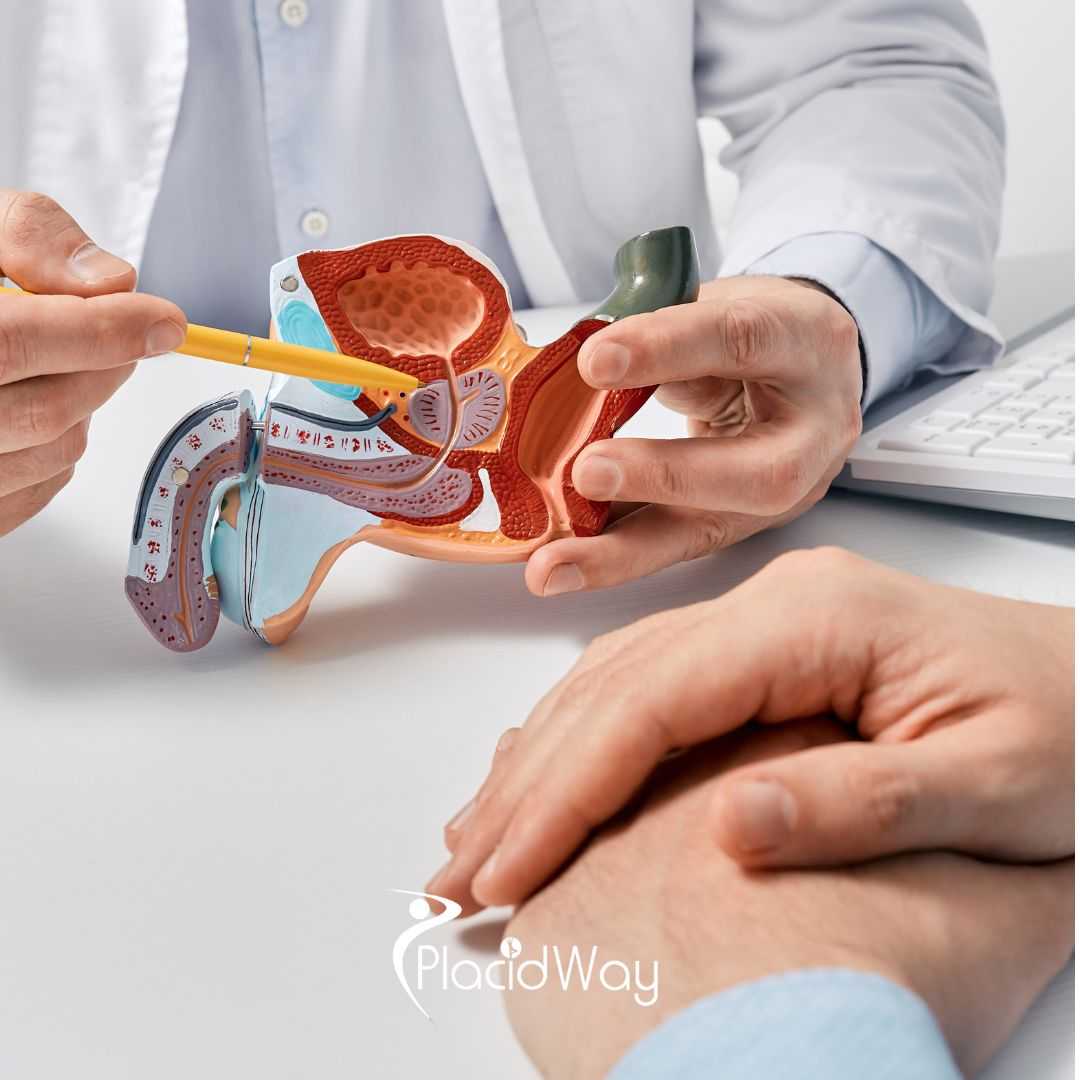
Price starting from $5,500
Myomectomy Package in Istanbul, Turkey for Patients Traveling Abroad with Uterine Fibroids
International Multispecialty Hospital in Istanbul, Turkey
- Fertility Treatment
Istanbul, Turkey
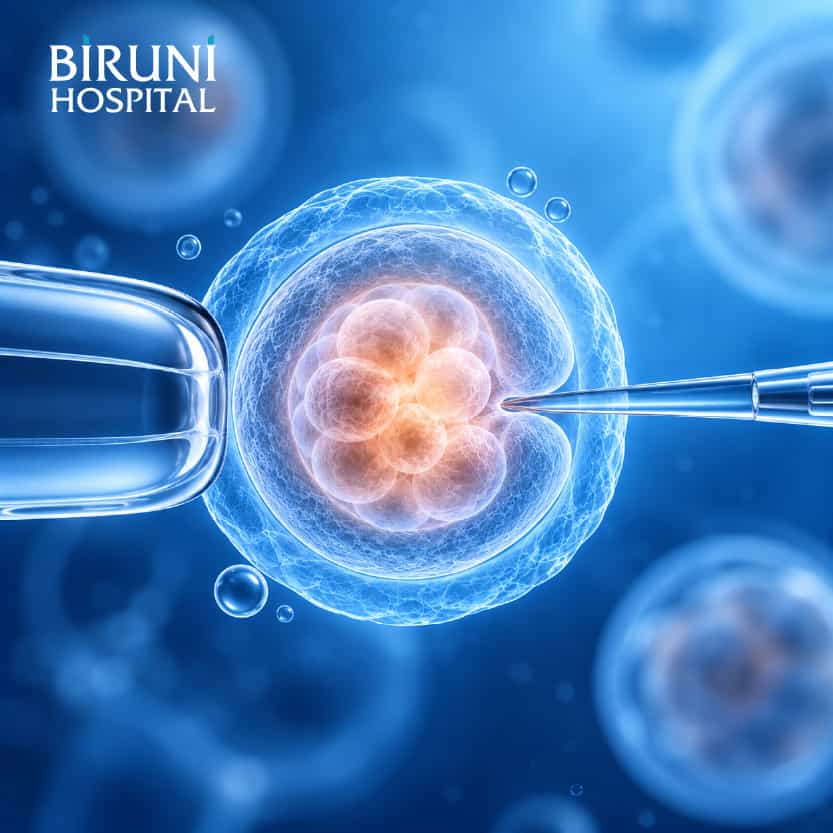
Price starting from $5,000
In Vitro Fertilization (IVF) Package in Istanbul Turkey by Biruni Hospital
Biruni Hospital in Istanbul Turkey
- Fertility Treatment
Istanbul, Turkey

Price starting from $11,000
IVF with Gender Selection in Thailand by Gift Fertility Bangkok
Best IVF & Fertility Treatments at Gift Fertility Bangkok
- Fertility Treatment
Bangkok, Thailand
Fertility Treatment Solutions Near You: Explore Top Medical Centers
Discover how Fertility Treatment is transforming lives at leading medical centers in , . Dive into center profile, specialties, doctors, reviews, etc. and explore the best options tailored to your needs in this region.

Andalusia Health Group in Egypt
Cairo, Egypt

Eugin Colombia - Clínica de Fertilidad
Bogota, Colombia

Best Fertility Clinic - SAKALLI IVF
Nicosia, Cyprus

Panama Fertility - Advanced IVF Clinic in Panama City
Panama City, Panama
Transformative Fertility Treatment Experiences: Dive into Procedure Insights
Discover the power of Fertility Treatment through compelling patient experiences. Uncover detailed insights into procedures, recovery journeys, and life-changing results.

Price starting from $7,000
IVF Treatments in Tijuana, Mexico
- In Vitro Fertilization (IVF),Fertility Treatment
Tijuana, Mexico

Price starting from $10,000
Gender Selection in Georgia
- IVF with Gender Selection,Fertility Treatment
Georgia

Price starting from $5,000
IVF Fertility Treatment in Turkey
- In Vitro Fertilization (IVF),Fertility Treatment
Turkey

Explore Fertility Treatment: Stories, Testimonials, and Procedures
Watch in-depth videos covering everything from Fertility Treatment success stories to detailed procedure explanations. Learn what to expect and hear from real patients.

IVF Prep in Egypt: Diet, Sleep & Lifestyle Tweaks for Peak Fertility
Dr. Mohamed El Mahdy Clinic - IVF in Egypt
Egypt

Recurrent Miscarriage Solved: Comprehensive Treatment Pathways in Egypt
Dr. Mohamed El Mahdy Clinic - IVF in Egypt
Egypt

Patient Thank-You Story Featuring Treatment at King Faisal Specialist Hospital in Riyadh, Saudi Arabia
King Faisal Specialist Hospital and Research Centre (KFSHRC) in Riyadh, Saudi Arabia
Saudi Arabia

Low Ovarian Reserve Solutions: IVF & Egg Freezing Preserve Fertility in Egypt
Dr. Mohamed El Mahdy Clinic - IVF in Egypt
Egypt
Learn More with These Fertility Treatment Articles
Take a look at these interesting articles, stories and research that will help you learn more about Fertility Treatment.

IVF with Gender Selection in Thailand: How Clinics Are Checked
PlacidWay Medical Tourism
- Fertility Treatment
Thailand

IVF in Thailand: A Patient Guide to Making an Informed Decision
PlacidWay Medical Tourism
- Fertility Treatment
Thailand

IVF in Thailand for Australians Affordable Fertility Care
PlacidWay Medical Tourism
- Fertility Treatment
Thailand

Fertility Treatment in Malaga: What UK Patients Should Budget For
PlacidWay Spain Medical Tourism
- Fertility Treatment
Spain








