


.png)
Contents
IVF Tijuana Mexico: Trusted Clinics for Successful Fertility Care
For thousands of couples and individuals facing infertility, Tijuana has become a beacon of hope. As the cost of reproductive medicine in the United States skyrockets, Tijuana offers a viable, high-quality alternative just minutes from San Diego. The city is home to advanced fertility centers that rival top U.S. clinics in technology and success rates but operate at a fraction of the cost.
Fertility tourism in Tijuana is driven by more than just savings; it is driven by access. Procedures that may be financially out of reach or legally restricted elsewhere—such as Gender Selection (Family Balancing) and Egg Donation—are readily available here under ethical medical guidelines.
Clinics in the Zona Rio and specialized medical towers employ embryologists trained in Europe and the U.S., utilizing cutting-edge technology like Time-Lapse Incubators and PGT-A genetic testing.
Whether you are seeking standard IVF, ICSI, or donor services, Tijuana provides a compassionate, private, and scientifically advanced environment to help you build your family.
Did You Know?
"Family Balancing" (Gender Selection) is fully legal in Mexico. Through Preimplantation Genetic Testing (PGT-A), embryologists can identify the sex of the embryos with 99.9% accuracy before transfer. This draws many parents from countries where this practice is restricted to medical necessity only.
Key Insights at a Glance
Expect to pay 60-70% less than U.S. prices, with cycles often costing under $6,000.
Access to PGT-A (genetic testing), ICSI, and Assisted Hatching as standard options.
Large donor pools with significantly shorter waiting lists and lower costs than the U.S.
Top clinics boast success rates comparable to major U.S. fertility centers (60-70% for young donors).
Easy access from San Diego allows for "hybrid" cycles where you only cross for major appointments.
Many clinics openly welcome single parents and LGBTQ+ couples, offering tailored programs.
The "Medication Advantage"
Fertility medications (stimulation drugs) can be one of the biggest expenses in an IVF cycle. In Mexico, the exact same brand-name medications used in the U.S. (like Gonal-F or Menopur) can be purchased for 50-60% less. This creates massive savings before the procedure even begins.
Navigating fertility treatments can be complex, but all-inclusive packages simplify the financial aspect. The providers listed below offer bundles that generally include the medical team fees, operating room use for retrieval, anesthesia, embryology lab services (fertilization and culture), and the embryo transfer. Some premium packages may also include the initial medication supply and freezing of extra embryos for one year.
Note: Genetic testing (PGT-A) is typically an add-on cost due to the external laboratory fees involved.

Price starting from $7,500
IVF Treatment Package in Tijuana, Mexico by Dr. Felix Atondo
Fertility Beyond Borders - Dr. Felix Atondo
- Fertility Treatment
Tijuana,Guadalajara,Cancun, Mexico

Price starting from $7,000
IVF Treatments Package in Tijuana, Mexico by Dr. Javier Piri Sarmiento
Dr. Javier Piri Sarmiento - IVF Specialist in Tijuana Mexico
- Fertility Treatment
Tijuana, Mexico
In the United States, a single cycle of IVF can cost between $15,000 and $25,000 without medications. In Tijuana, the average cost for a standard IVF cycle is between $5,500 and $7,500 USD. Egg donation cycles typically range from $9,000 to $12,000 (including donor compensation), which is still less than half the U.S. average. The table below breaks down these estimated costs.
Tip: Ask if "Assisted Hatching" and "ICSI" are included in the base price, as top Tijuana clinics often bundle these standard technologies.
In Vitro Fertilization (IVF) Centers Cost Comparison in Tijuana, Mexico
| Provider | Procedure | Price |
|---|---|---|
| Centro de Fertilidad del Prado | In Vitro Fertilization (IVF), Fertility Treatment | $4800 |
| Dr. Javier Piri Sarmiento - IVF Specialist in Tijuana Mexico | In Vitro Fertilization (IVF), Fertility Treatment | $4000 |
In Vitro Fertilization (IVF) Cost Comparison in Mexico
| Country | Procedure | Price |
|---|---|---|
| United States | In Vitro Fertilization (IVF), Fertility Treatment | $15000 |
| Canada | In Vitro Fertilization (IVF), Fertility Treatment | $13000 |
Fertility success relies heavily on laboratory conditions. We have vetted Tijuana's top fertility centers, ensuring they possess state-of-the-art embryology labs with advanced air filtration systems (crucial for embryo health). These clinics are led by specialized reproductive endocrinologists and biologists. Explore the profiles below to see their lab certifications and success rate statistics.
Safety First: Ensure the clinic has an in-house lab or exclusive partnership to minimize embryo transport risks.
The Fertility Center Mexico
, Mexico
Centro de Fertilidad del Prado
Tijuana, Mexico

Fertility Beyond Borders - Dr. Felix Atondo
Tijuana,Guadalajara,Cancun, Mexico

Dr. Javier Piri Sarmiento - IVF Specialist in Tijuana Mexico
Tijuana, Mexico
The journey to parenthood is emotional, and hearing from others who have walked this path can be incredibly reassuring. The video testimonials below feature intended parents sharing their experiences in Tijuana—from the initial nervousness to the joy of a positive pregnancy test. Listen to their stories about the compassion of the staff and the personalized attention that distinguishes these clinics from high-volume "factories."
Insight: Many patients highlight the ease of communicating with doctors via WhatsApp throughout the cycle.
Trust is built on transparency. Below, you will find verified reviews from patients who have undergone fertility treatments in Tijuana. Read about their experiences regarding cycle management, cost transparency, and emotional support. These reviews offer an honest look at what it's like to navigate fertility treatment abroad.
Review Tip: Look for reviews that mention "success on the first try" vs. multi-cycle experiences to gauge realistic outcomes.

How Much is Cost of IVF in Tijuana, Mexico?
Embarking on the journey to parenthood through In Vitro Fertilization is a significant decision, and understanding the IVF cost in Tijuana, Mexico, is often a primary concern for many hopeful parents. Tijuana has emerged as a popular destination for fertility treatment, offering a combination of advanced medical care and more affordable prices compared to many other countries, particularly the United States. This comprehensive guide will answer your pressing questions about IVF costs in Tijuana, what those costs typically include, and other important factors to consider. The cost of IVF in Tijuana, Mexico, generally ranges from $4,500 to $8,500 USD for a standard IVF cycle. This is significantly lower than in the US, where costs can range from $15,000 to $30,000 or more. The exact price in Tijuana can vary based on the specific clinic, the individual's medical needs, and whether additional services like genetic testing or donor eggs/sperm are required. Many individuals and couples find affordable IVF options in Tijuana without compromising on the quality of care. What is the average cost of a standard IVF cycle in Tijuana? "The average cost of a standard IVF cycle in Tijuana typically falls between $4,500 and $8,500 USD." This price range is a significant draw for many international patients. A standard IVF cycle generally includes ovarian stimulation, egg retrieval, fertilization in the laboratory, and embryo transfer. However, it's crucial to confirm with each clinic precisely what their quoted price includes, as packages can vary. Some clinics may offer all-inclusive packages that bundle consultations, medications, and basic procedures, while others might have a base price with additional costs for medications or specific laboratory techniques. The substantial difference in cost compared to countries like the United States is often attributed to lower overhead expenses in Mexico, including operational costs and professional fees. Despite the lower price point, reputable clinics in Tijuana often boast state-of-the-art technology and experienced fertility specialists, many of whom have received international training and accreditation. This combination of affordability and quality makes IVF treatment in Tijuana an attractive option. What factors can influence the final cost of IVF in Tijuana? "Several factors can influence the final cost of IVF in Tijuana, including the need for Preimplantation Genetic Testing (PGT), use of donor eggs or sperm, the number of IVF cycles required, medication costs, and any additional specialized laboratory procedures like Intracytoplasmic Sperm Injection (ICSI)." The initial quoted price for an IVF cycle might not cover all potential expenses. For instance, if Preimplantation Genetic Testing (PGT) is recommended or desired to screen embryos for genetic abnormalities, this will add to the overall cost. Similarly, if donor eggs or sperm are necessary, there will be associated fees for donor compensation, screening, and preparation. Some individuals may require more than one IVF cycle to achieve a successful pregnancy, which would multiply the base costs. Medication costs for ovarian stimulation can also vary significantly based on the individual's response and the specific types and dosages of medications prescribed. Furthermore, advanced techniques such as ICSI (often used for male factor infertility), assisted hatching, or embryo cryopreservation (freezing) for future use will incur additional charges. It's essential to have a detailed discussion with the clinic about all potential costs related to your specific treatment plan. Are medications included in the quoted IVF cost in Tijuana? "Whether medications are included in the quoted IVF cost in Tijuana varies by clinic. Some clinics offer packages that include medications, while others provide a separate estimate for them, typically ranging from $1,000 to $3,000 USD or more." Fertility medications, particularly those used for ovarian stimulation, represent a significant portion of the overall IVF expense. It is vital to clarify with your chosen clinic if their advertised IVF package includes these medications or if they need to be budgeted for separately. Some clinics may have partnerships with pharmacies that offer medications at a more competitive price. The type and dosage of medication required can differ greatly from patient to patient, depending on factors like age, ovarian reserve, and previous responses to treatment. Therefore, even if medications are not included in the base package, the clinic should be able to provide a personalized estimate of medication costs based on your initial assessment. Does the cost include Preimplantation Genetic Testing (PGT)? "Generally, the standard IVF cost in Tijuana does not include Preimplantation Genetic Testing (PGT). PGT is an additional procedure that can cost between $3,000 and $6,000 USD or more, depending on the number of embryos tested and the specific type of testing (e.g., PGT-A for aneuploidy, PGT-M for monogenic disorders)." Preimplantation Genetic Testing is an advanced technique used to examine embryos for chromosomal abnormalities or specific genetic conditions before they are transferred to the uterus. While PGT can increase the chances of a successful pregnancy and reduce the risk of certain genetic disorders, it is typically an add-on service. Clinics will discuss the appropriateness of PGT for your situation, considering factors like maternal age, history of recurrent miscarriages, or known genetic conditions. If you opt for PGT, ensure you understand the associated costs and how they will be added to your overall IVF bill. What about the cost of ICSI (Intracytoplasmic Sperm Injection)? "The cost of ICSI in Tijuana is often included in more comprehensive IVF packages at some clinics, but at others, it may be an additional fee ranging from $1,000 to $2,500 USD." Intracytoplasmic Sperm Injection is a specialized fertilization technique where a single sperm is injected directly into an egg. It is commonly used in cases of male factor infertility (e.g., low sperm count, poor motility) or when previous IVF attempts with conventional fertilization have been unsuccessful. Given its frequent necessity, many fertility clinics in Tijuana incorporate ICSI into their standard IVF package or offer it at a reasonable additional charge. It's crucial to inquire whether ICSI is covered in the initial quote if there's a possibility it might be needed for your treatment. Are there financing options available for IVF in Tijuana? "Yes, many fertility clinics in Tijuana offer or can connect patients with financing options or medical loan providers to help manage the cost of IVF treatment." Recognizing that IVF can be a significant financial undertaking, several clinics in Tijuana have established relationships with third-party financing companies that specialize in medical tourism or fertility treatments. These programs can help patients break down the total cost into more manageable monthly payments. It's advisable to discuss financing possibilities directly with the clinic's financial coordinator. They can provide information on available plans, eligibility criteria, and the application process. Some patients also explore personal loans or credit cards with low-interest introductory periods to fund their treatment. How do I choose a reputable and affordable IVF clinic in Tijuana? "To choose a reputable and affordable IVF clinic in Tijuana, research clinics' success rates, read patient reviews, verify doctor credentials and clinic accreditations, inquire about technology and lab standards, and compare detailed cost breakdowns." Selecting the right clinic is paramount to your IVF journey. Look for clinics with transparently reported IVF success rates, preferably broken down by age group and specific conditions. Patient testimonials and reviews on independent platforms can offer valuable insights into the patient experience and quality of care. Ensure the fertility specialists are board-certified and have extensive experience. Accreditations from recognized international or Mexican medical bodies can indicate adherence to high standards. Don't hesitate to ask about the clinic's laboratory technology and quality control measures, as the embryology lab plays a critical role in IVF success. Finally, obtain detailed, itemized cost estimates from a few shortlisted clinics to make an informed comparison of affordable IVF options in Tijuana. What are the typical success rates for IVF in Tijuana? "IVF success rates in Tijuana are comparable to those in other developed countries, generally ranging from 40% to 70% per cycle for younger women, but can vary based on the clinic, the patient's age, cause of infertility, and other individual factors." Success rates are a key consideration, but it's important to interpret them carefully. Rates can be influenced by the patient demographic a clinic serves and how they report their data (e.g., pregnancy rate per embryo transfer vs. live birth rate per cycle started). Always ask for success rates relevant to your specific age group and infertility diagnosis. Reputable clinics in Tijuana are transparent about their outcomes and will provide you with realistic expectations. Factors like the quality of the embryology lab, the experience of the medical team, and the protocols followed significantly impact success. What is generally included in an IVF package in Tijuana? "A typical IVF package in Tijuana often includes initial consultations, ovarian stimulation monitoring (ultrasounds and blood tests), egg retrieval procedure (including anesthesia), sperm preparation, fertilization (conventional or ICSI), embryo culture, and the fresh embryo transfer. Some packages may also include the first year of embryo cryopreservation." While specifics vary, most comprehensive IVF packages aim to cover the core procedures of one full IVF cycle. This typically starts with consultations and the development of your treatment plan, followed by the medical and laboratory procedures involved in creating and transferring embryos. It is important to get a written confirmation of everything included in your chosen package. Ask specifically about follow-up appointments, blood tests post-transfer, and any potential costs for freezing and storing surplus embryos beyond what might be included. How long does the entire IVF process typically take in Tijuana? "The active IVF process in Tijuana, from the start of ovarian stimulation to embryo transfer, usually takes about 2 to 3 weeks. However, including initial consultations, pre-treatment testing, and travel, patients might plan for a more extended period or multiple visits." The timeline for IVF involves several stages. Initial consultations and diagnostic tests can often be done in your home country or during a preliminary visit to Tijuana. Once treatment begins, ovarian stimulation with daily hormone injections lasts approximately 8-14 days, during which you'll have regular monitoring appointments. The egg retrieval is a minor surgical procedure, and fertilization occurs in the lab shortly after. Embryos are cultured for 3-5 days before the embryo transfer. Many patients stay in Tijuana for the entirety of this active treatment phase. Some clinics may offer protocols that allow for some initial monitoring to be done remotely, reducing the length of stay in Tijuana. Are there additional costs I should be aware of, like travel and accommodation? "Yes, when budgeting for IVF in Tijuana, you must consider additional costs such as travel (flights, ground transportation), accommodation, meals, and potentially travel insurance. These are typically not included in the clinic's IVF fees." While the medical costs for IVF in Tijuana are lower, it's essential to factor in the expenses associated with traveling and staying in the city. Flight costs will vary depending on your origin. Accommodation options range from budget-friendly hotels to more comfortable apartments or suites, and costs will depend on the duration of your stay. Other potential expenses include meals, local transportation to and from the clinic, and any personal expenses. It's also wise to consider travel insurance that covers medical emergencies or trip cancellations. Planning for these ancillary costs will give you a more accurate picture of the total investment required. Is it safe to undergo IVF treatment in Tijuana? "Yes, undergoing IVF treatment in Tijuana at reputable, accredited clinics with experienced specialists is generally safe. Many clinics adhere to international standards of care and utilize modern technology." Safety is a legitimate concern when considering medical treatment abroad. Reputable fertility clinics in Tijuana prioritize patient safety and follow strict medical protocols. Look for clinics that have accreditations from organizations like the Mexican Council of Infertility and Human Reproduction (CMERH) or international bodies. Many fertility doctors in Tijuana have received training in the US or Europe and are highly skilled. The clinics often use the same high-quality equipment and medications found in clinics worldwide. Open communication with your chosen clinic about their safety measures and success rates can provide peace of mind. What kind of pre-treatment tests are required? "Typical pre-treatment tests for IVF include ovarian reserve testing (AMH, FSH, antral follicle count), semen analysis for the male partner, infectious disease screening for both partners (Hepatitis B, Hepatitis C, HIV, syphilis), uterine cavity evaluation (hysterosalpingogram or hysteroscopy), and general health check-ups." Before commencing an IVF cycle, a thorough evaluation is necessary to assess fertility status, identify any underlying issues, and optimize the chances of success. Ovarian reserve tests help determine egg quantity and quality. A semen analysis evaluates sperm count, motility, and morphology. Infectious disease screening is standard to prevent transmission. A uterine evaluation ensures the womb is healthy and capable of supporting a pregnancy. These tests help tailor the IVF protocol to your specific needs. Many of these tests can be completed in your home country before traveling to Tijuana, with results shared with the clinic. What does IVF aftercare in Tijuana typically involve? "IVF aftercare in Tijuana usually involves a short rest period post-embryo transfer, followed by instructions for the luteal phase (the two-week wait before a pregnancy test). This includes taking prescribed medications (usually progesterone) and guidance on activities to avoid. Follow-up is often done remotely with your home doctor once you return." After the embryo transfer, you'll typically be advised to rest for a short period at the clinic and then take it easy for the next day or two. The clinic will provide detailed instructions on medications, usually progesterone supplements, to support the uterine lining and potential implantation. You will also receive guidance on symptoms to watch for and when to take a pregnancy test (usually 10-14 days after transfer). Many international patients return home during this "two-week wait." Follow-up care, including pregnancy confirmation and early pregnancy monitoring, can often be coordinated with your local obstetrician or family doctor. The Tijuana clinic will usually remain available for consultation as needed. Can I combine IVF with gender selection in Tijuana? "Yes, gender selection (sex selection) through Preimplantation Genetic Diagnosis (PGD) or Preimplantation Genetic Screening (PGS/PGT-A) is legally available and offered by many fertility clinics in Tijuana as part of an IVF cycle. This typically involves an additional cost." For couples interested in family balancing or preventing sex-linked genetic diseases, gender selection is an option available at many IVF clinics in Tijuana. This is achieved using PGT-A (Preimplantation Genetic Testing for Aneuploidy), which examines the chromosomal makeup of embryos, including sex chromosomes, before transfer. It's important to discuss your reasons for considering gender selection with the clinic and understand the ethical considerations and any additional costs involved. The procedure itself does not guarantee a successful pregnancy but allows for the selection of embryos of a specific gender if desired and available. What if I need to use donor eggs or sperm? "Many IVF clinics in Tijuana have established egg donor and sperm donor programs or collaborate with reputable donor banks. The costs for using donor gametes will be in addition to the standard IVF cycle fees." If you require donor eggs or sperm, Tijuana clinics can facilitate this. Donor programs typically involve rigorous screening of donors for genetic conditions, infectious diseases, and overall health. You may be able to choose a donor based on various characteristics. The cost of using donor eggs is generally higher than using donor sperm due to the more complex nature of egg donation (ovarian stimulation and egg retrieval for the donor). Clinics will provide detailed pricing for their donor programs, including agency fees, donor compensation, and medical procedures for the donor. How are fertility medications sourced and are they safe? "Fertility medications used by reputable IVF clinics in Tijuana are typically sourced from well-known pharmaceutical companies and are the same high-quality medications used globally. They are generally considered safe when prescribed and monitored by experienced fertility specialists." The quality and safety of fertility medications are crucial. Established clinics in Tijuana use medications that meet international standards. These are often the same brands and formulations available in the US and Europe. Your fertility doctor will prescribe medications based on your specific needs and will monitor you closely for any side effects. If you have any concerns about medications, discuss them openly with your clinic. Some clinics may also assist with sourcing medications at competitive prices through their pharmacy contacts. What support is available for international patients traveling to Tijuana for IVF? "Many IVF clinics in Tijuana offer comprehensive support for international patients, including assistance with travel arrangements, accommodation recommendations, airport transfers, translation services, and dedicated patient coordinators to guide them through the process." Recognizing the unique needs of international patients, leading fertility clinics in Tijuana often provide a range of support services. This can include help with logistical aspects like finding suitable accommodation near the clinic or arranging transportation from the airport or border. Patient coordinators often serve as a primary point of contact, answering questions, scheduling appointments, and ensuring a smooth experience. Some clinics also have English-speaking staff throughout the facility to facilitate clear communication. This level of support can significantly reduce the stress associated with seeking treatment abroad. What happens if an IVF cycle is unsuccessful? "If an IVF cycle in Tijuana is unsuccessful, your fertility specialist will review the cycle details to understand potential reasons and discuss next steps. This might include recommending another IVF cycle with potential protocol adjustments, considering further diagnostic testing, or exploring other treatment options like using donor gametes or surrogacy (where legally available and appropriate)." An unsuccessful IVF cycle can be emotionally challenging. A good clinic will offer a follow-up consultation (often remotely) to discuss the cycle in detail. They will analyze factors such as egg quality, sperm quality, embryo development, and the uterine environment to identify any areas for improvement. Depending on the findings and your individual circumstances, options for moving forward will be presented. This collaborative approach helps in making informed decisions about future fertility treatments. Some clinics may also offer discounted rates for subsequent cycles. For those considering their fertility journey, exploring options beyond their home country can open up new possibilities. IVF in Tijuana, Mexico, presents a compelling case for many, balancing cost-effectiveness with quality medical care. Explore your options for IVF treatment in Tijuana and other global healthcare destinations with PlacidWay. We can help you connect with reputable clinics and navigate your medical journey with confidence.
How Gender Selective IVF in Tijuana is Changing the Future of Family Planning?
In recent years, Tijuana, Mexico, has emerged as a prominent destination for fertility treatments, including gender selective IVF. This advanced reproductive technology provides couples with the unique option to select the sex of their child before pregnancy. This blog post delves into how gender selective IVF in Tijuana is reshaping family planning by addressing common questions, providing comprehensive answers, and exploring the ethical and practical considerations involved. The ability to choose a baby's gender offers solutions for family balancing and the crucial prevention of serious sex-linked genetic diseases, providing hope and control to prospective parents. What is Gender Selective IVF? "Gender selective IVF is a process that involves In Vitro Fertilization (IVF) combined with Preimplantation Genetic Testing (PGT-A) to determine the sex of embryos before they are implanted into the uterus." Gender selective IVF, often referred to as sex selection, is a sophisticated reproductive technology that allows parents to choose the sex of their future child. This is achieved through In Vitro Fertilization (IVF), where eggs are fertilized by sperm outside the body to create embryos. Once the embryos develop, a small biopsy is taken from each, and this genetic material is then analyzed using Preimplantation Genetic Testing for Aneuploidies (PGT-A). PGT-A not only identifies chromosomal abnormalities but also accurately determines the sex of each embryo. Only embryos of the desired sex are then selected for transfer into the mother's uterus, greatly increasing the likelihood of conceiving a child of the chosen gender. This method offers a high degree of accuracy and is a key component of modern family planning, especially for those seeking family balancing or looking to avoid sex-linked genetic conditions. Why are Couples Choosing Gender Selective IVF in Tijuana? "Couples are increasingly choosing gender selective IVF in Tijuana due to its affordability, access to advanced reproductive technologies like PGT-A, and Mexico's more permissive legal framework regarding gender selection compared to other countries." Tijuana has become a sought-after destination for gender selective IVF for several compelling reasons. A primary driver is the significantly lower cost of fertility treatments in Mexico compared to countries like the United States or Canada, often without compromising on the quality of care or technology. Clinics in Tijuana are equipped with state-of-the-art laboratories and staffed by highly trained fertility specialists. Furthermore, Mexico's legal stance on gender selection is generally more flexible, making it accessible for couples who may face stricter regulations or outright prohibitions in their home countries. This combination of affordability, advanced technology (specifically PGT-A for sex determination), and a favorable legal environment makes Tijuana an attractive option for couples seeking to balance their families or prevent genetic diseases. What is Preimplantation Genetic Testing (PGT-A) and How Does It Relate to Gender Selection? "Preimplantation Genetic Testing for Aneuploidies (PGT-A) is a genetic screening test performed on embryos created through IVF that identifies chromosomal abnormalities and also determines the sex of the embryo with nearly 100% accuracy, making it the most precise method for gender selection." PGT-A is a crucial component of gender selective IVF. After eggs are fertilized in the lab during an IVF cycle, the resulting embryos are allowed to grow for several days, typically to the blastocyst stage. At this point, a highly skilled embryologist carefully removes a few cells from the trophectoderm (the outer layer of cells that will eventually form the placenta) of each embryo. These biopsied cells are then sent to a specialized genetic laboratory for analysis. The PGT-A analysis examines the chromosomes of each embryo, identifying any numerical or structural chromosomal abnormalities (aneuploidies) that could lead to implantation failure, miscarriage, or genetic disorders. Critically, this testing also reveals the sex of each embryo (XX for female, XY for male). Based on these results, only embryos of the desired gender and deemed chromosomally healthy are selected for transfer back into the uterus. This ensures a high level of accuracy for gender selection and also improves the overall chances of a successful and healthy pregnancy, especially when considering the prevention of sex-linked genetic conditions. Is Gender Selection Legal in Tijuana, Mexico? "Yes, gender selection for family balancing and medical reasons, such as preventing sex-linked genetic diseases, is generally permitted in Tijuana, Mexico, as there are no specific federal laws prohibiting the practice." Unlike some countries with strict regulations or outright bans on gender selection for non-medical reasons, Mexico, and specifically Tijuana, has a more lenient legal landscape. There are no overarching federal laws that explicitly prohibit the practice of gender selection within the context of IVF and PGT-A. This regulatory environment allows fertility clinics in Tijuana to offer gender selective IVF services to international patients, whether for family balancing (to achieve a desired male-to-female ratio in their family) or for crucial medical reasons, such as avoiding the transmission of sex-linked genetic disorders to their offspring. This legal permissiveness is a significant factor contributing to Tijuana's popularity as a destination for this specialized fertility treatment. What is the Success Rate of Gender Selective IVF in Tijuana? "The success rate of gender selective IVF in Tijuana using PGT-A for sex determination is nearly 100% accurate for identifying the gender of the embryos, while the IVF pregnancy success rates are comparable to international standards, typically ranging from 50-70% per embryo transfer, depending on factors like maternal age and embryo quality." When it comes to gender selection accuracy through PGT-A, the process is remarkably reliable, approaching 100% accuracy in identifying the correct sex of the embryo. However, it's important to distinguish between gender identification accuracy and the overall IVF pregnancy success rate. While the PGT-A test confidently identifies the sex, the ultimate success depends on the embryo implanting and developing into a viable pregnancy. IVF pregnancy success rates in Tijuana vary based on several factors, including the woman's age, the quality of the embryos, the clinic's expertise, and any underlying fertility issues. Generally, reputable clinics in Tijuana report success rates for IVF with embryo transfer that are competitive with top clinics worldwide, often ranging from 50% to 70% per transfer, especially for younger patients with good quality embryos. This high success rate, combined with accurate gender selection, makes gender selective IVF in Tijuana a highly effective option for family planning and sex-linked disease prevention. What is the Cost of Gender Selective IVF in Tijuana? "The cost of gender selective IVF in Tijuana typically ranges from $8,000 to $15,000 USD, including the standard IVF cycle and the additional Preimplantation Genetic Testing (PGT-A) for sex determination, offering significant savings compared to similar procedures in the U.S. or Canada." One of the most attractive aspects of pursuing gender selective IVF in Tijuana is the cost-effectiveness. While prices can vary between clinics and depend on individual patient needs, a full cycle of IVF with gender selection (including the PGT-A component) generally costs significantly less than in many Western countries. For instance, a basic IVF cycle in Mexico might range from $6,000 to $9,500, with the addition of PGT-A for gender selection bringing the total to approximately $8,000 to $15,000 USD. This compares favorably to costs in the United States, where a single IVF cycle alone can exceed $20,000, and adding genetic testing can push the total much higher. These substantial savings make gender selective IVF in Tijuana a financially viable option for many couples seeking family balancing or genetic disease prevention who might otherwise be unable to afford the procedure. How Long Does the Gender Selective IVF Process Take? "The gender selective IVF process in Tijuana typically spans several weeks, involving an initial consultation, ovarian stimulation (10-14 days), egg retrieval, embryo The timeline for gender selective IVF in Tijuana is similar to a standard IVF cycle but includes an additional waiting period for PGT-A results. Initially, couples will undergo a comprehensive consultation, often virtually, to discuss their medical history and treatment plan. The active treatment phase begins with ovarian stimulation, where the female partner takes fertility medications for approximately 10 to 14 days to encourage multiple eggs to mature. This is followed by egg retrieval, a minor surgical procedure. The retrieved eggs are then fertilized with sperm in the lab. The resulting embryos are cultured for about 5-7 days until they reach the blastocyst stage, at which point a biopsy is performed for PGT-A. The genetic testing results, including gender identification, typically take 1 to 2 weeks to come back. Once the results are in, and the desired gender-selected embryo is identified, the embryo transfer procedure can be scheduled. The entire process, from the start of stimulation to embryo transfer, can take around 3-5 weeks, with some variations depending on individual patient response and clinic protocols. What are the Ethical Considerations of Gender Selection IVF? "The ethical considerations surrounding gender selection IVF primarily involve concerns about potential gender imbalance in society, the perception of children as 'designer babies,' and the potential for reinforcing gender stereotypes, though it is widely accepted for preventing sex-linked genetic diseases." Gender selection IVF, particularly for non-medical reasons like family balancing, raises significant ethical debates. Critics often express concerns that widespread use could lead to an imbalance in the male-to-female ratio within a population, potentially causing societal issues. There are also worries that it could reduce the intrinsic value of a child, making them seem like a "designer baby" chosen based on specific traits rather than being welcomed unconditionally. Furthermore, some argue that it could perpetuate or reinforce gender stereotypes by implying one gender is more desirable than another. However, most ethicists and medical professionals agree that gender selection is ethically justifiable when used to prevent the transmission of severe sex-linked genetic disorders, as it can spare a child from a life-altering illness. Clinics in Tijuana often provide counseling to ensure couples fully understand these ethical implications and make informed decisions. Are There Any Risks Associated with Gender Selective IVF? "The risks associated with gender selective IVF are similar to those of conventional IVF, including Ovarian Hyperstimulation Syndrome (OHSS), multiple pregnancies, and procedural risks related to egg retrieval, with the added, though minimal, risk of embryo damage during the PGT-A biopsy." While gender selective IVF offers significant benefits, it's important to be aware of the potential risks, which largely mirror those of standard IVF procedures. These include: Ovarian Hyperstimulation Syndrome (OHSS): A condition where the ovaries swell and become painful due to fertility medications. Most cases are mild, but severe OHSS can be serious. Multiple Pregnancies: Transferring more than one embryo increases the chance of twin or triplet pregnancies, which carry higher risks for both mother and babies, such as premature birth and low birth weight. Procedural Risks: Egg retrieval involves a minor surgical procedure with risks like bleeding, infection, and damage to surrounding organs. Embryo Biopsy Risk: Although rare and performed by highly skilled embryologists, there is a minimal theoretical risk of damaging the embryo during the PGT-A biopsy process, potentially affecting its viability. Failed Implantation: Despite PGT-A identifying healthy, gender-selected embryos, there's no guarantee of successful implantation or pregnancy. Reputable clinics in Tijuana prioritize patient safety and will thoroughly discuss these risks, implementing protocols to minimize them. What is Family Balancing and How Does Gender Selective IVF Facilitate It? "Family balancing refers to the desire of parents to have children of both sexes, or a specific male-to-female ratio within their family, and gender selective IVF facilitates this by allowing them to choose the sex of their next child with high accuracy using PGT-A." For many couples, family balancing is a significant motivation for pursuing gender selective IVF. This desire stems from various personal reasons, such as having several children of one sex and wanting to experience raising a child of the opposite sex, or simply aiming for an equal number of boys and girls in their family. Gender selective IVF, through the precise identification of embryo sex using PGT-A, provides an effective and highly accurate method to achieve this. By selecting and transferring only embryos of the desired gender, couples can strategically plan the composition of their family, fulfilling their personal preferences for family balancing and creating the family dynamic they envision. Can Gender Selective IVF Help Prevent Genetic Diseases? "Yes, gender selective IVF combined with Preimplantation Genetic Diagnosis (PGD) (or PGT-M for monogenic disorders) is a highly effective method for preventing the transmission of sex-linked genetic diseases to offspring by allowing parents to select embryos that are not affected or are of a gender less likely to be affected." Beyond family balancing, a crucial medical application of gender selective IVF is the prevention of sex-linked genetic diseases. These are genetic conditions that are carried on the X or Y chromosome and primarily affect one sex. Examples include hemophilia, Duchenne muscular dystrophy, and fragile X syndrome, which predominantly affect males. If one or both parents are carriers of such a condition, they can use IVF in conjunction with Preimplantation Genetic Diagnosis (PGD) – now often referred to as PGT-M (Preimplantation Genetic Testing for Monogenic Disorders) – to screen embryos for the specific genetic mutation. This allows for the selection of embryos that are free of the disease or, if the disease is sex-linked, to specifically choose embryos of the unaffected gender. This ability to avoid passing on serious genetic diseases represents a profound advancement in reproductive medicine, offering immense relief and certainty to at-risk families. What is the Difference Between PGT-A and PGT-M/PGD in the Context of Gender Selection? "PGT-A (Preimplantation Genetic Testing for Aneuploidies) is used for gender selection by identifying the sex chromosomes (XX or XY) in embryos and screening for overall chromosomal health, while PGT-M (Preimplantation Genetic Testing for Monogenic Disorders), formerly PGD, is specifically used to detect single-gene disorders, often sex-linked genetic diseases, within embryos, which can then also guide gender selection for medical reasons." While both PGT-A and PGT-M (PGD) involve genetic testing of embryos during an IVF cycle, their primary purposes differ. PGT-A focuses on screening embryos for chromosomal abnormalities, such as an incorrect number of chromosomes (aneuploidies), which are a common cause of miscarriage and birth defects. As part of this screening, PGT-A inherently identifies the sex chromosomes (XX for female, XY for male), making it the method used for gender selection for family balancing. PGT-M (Preimplantation Genetic Testing for Monogenic Disorders), previously known as PGD, is a more targeted test. It is used when parents are known carriers of a specific single-gene genetic disorder (e.g., cystic fibrosis, Huntington's disease, or sex-linked conditions like hemophilia). PGT-M specifically looks for the presence or absence of that particular genetic mutation in each embryo. If the genetic disorder is sex-linked, the results of PGT-M will guide the selection of healthy embryos that are also of the desired or unaffected gender. Therefore, while PGT-A is typically used for elective gender selection and overall chromosomal health, PGT-M is used for disease prevention, and can indirectly or directly lead to gender selection in cases of sex-linked genetic diseases. What Should I Look For in a Tijuana IVF Clinic for Gender Selection? "When choosing a Tijuana IVF clinic for gender selection, look for one with significant experience in PGT-A, high IVF success rates, a modern embryology laboratory, transparent pricing, strong patient testimonials, and bilingual staff to ensure clear communication and comprehensive care." Selecting the right clinic for gender selective IVF in Tijuana is a critical decision. Here are key factors to consider: Experience with PGT-A and Gender Selection: The clinic should have a proven track record and extensive experience in performing PGT-A for gender selection, demonstrating their expertise in the intricate biopsy and genetic analysis processes. High Success Rates: While individual results vary, inquire about the clinic's overall IVF success rates, particularly for patients in your age group and with similar fertility profiles. Accreditation and Quality Standards: Ensure the clinic adheres to international quality standards and has appropriate accreditations, demonstrating a commitment to patient safety and ethical practices. State-of-the-Art Laboratory: A modern embryology lab with advanced equipment is essential for optimal embryo development, biopsy, and cryopreservation. Transparent Pricing: The clinic should provide a clear and comprehensive breakdown of all costs associated with gender selective IVF, including the IVF cycle, PGT-A, medications, and any potential additional fees. Patient Testimonials and Reviews: Read reviews and testimonials from previous patients to gauge their experiences with the clinic's care, communication, and overall satisfaction. Bilingual Staff and Patient Support: For international patients, access to bilingual medical and administrative staff is crucial for clear communication, understanding treatment plans, and managing logistics. Counseling Services: A clinic that offers genetic counseling and psychological support can be invaluable in navigating the emotional and ethical aspects of gender selection and the IVF journey. By thoroughly researching these aspects, you can make an informed decision and choose a reputable Tijuana IVF clinic that aligns with your family planning goals. Explore PlacidWay for solutions related to medical tourism, healthcare services, or other relevant offerings.
How to Choose the Right IVF Clinic in Mexico?
Going on the journey of in vitro fertilization (IVF) is a significant step, and choosing to have this treatment in Mexico can be a financially savvy and medically sound decision. With its advanced medical facilities and experienced fertility specialists, Mexico has become a leading destination for medical tourism, particularly for reproductive treatments. However, the sheer number of options can be overwhelming. This guide will provide you with a clear, step-by-step process to help you select the best IVF clinic in Mexico for your unique needs. Navigating the landscape of international fertility treatments requires careful consideration and thorough research. The right clinic will not only have a high success rate but will also provide a supportive and transparent environment. From understanding the legal framework to evaluating the expertise of the medical team, each step is crucial in making an informed choice. By following this guide, you can confidently move forward in your path to parenthood, knowing you have chosen a clinic that aligns with your personal and medical requirements. Step 1: Verify Clinic Accreditation and Credentials The first and most crucial step is to ensure that the IVF clinics you are considering are accredited and hold the necessary credentials. Look for certifications from recognized national and international bodies. In Mexico, the Federal Commission for the Protection against Sanitary Risks (COFEPRIS) is the main regulatory body for healthcare facilities. International accreditations, such as those from the Joint Commission International (JCI), are also a strong indicator of a clinic's commitment to high standards of patient care and safety. Beyond institutional accreditations, delve into the credentials of the fertility specialists and embryologists. They should be board-certified and have extensive experience in reproductive medicine. Many top doctors in Mexico have received training in the United States or Europe, bringing a wealth of international expertise. Don't hesitate to ask the clinic for information about their medical team's qualifications and professional affiliations, such as the Mexican Association of Reproductive Medicine (AMMR). Step 2: Scrutinize IVF Success Rates While success rates are a critical factor, it's important to interpret them correctly. A reputable clinic will be transparent with their statistics and provide data that is relevant to your specific situation, such as age group and type of infertility. Ask for their live birth rate per embryo transfer, not just the pregnancy rate, as this gives a more accurate picture of successful outcomes. Be cautious of clinics that offer "guaranteed" success, as IVF outcomes are influenced by numerous individual factors. Instead, look for a clinic that provides realistic expectations and a personalized treatment plan. Inquire about their experience with cases similar to yours and how they tailor their approach to maximize the chances of a successful pregnancy. A clinic that is open about its results and methodologies is more likely to be trustworthy. Step 3: Gain a Clear Understanding of Costs One of the primary reasons for seeking IVF treatment in Mexico is the significant cost savings. However, it is vital to have a comprehensive understanding of all potential expenses to avoid unexpected financial burdens. Request a detailed cost breakdown from the clinic that includes not only the base price of the IVF cycle but also additional fees for medications, consultations, diagnostic tests, and any advanced procedures like Intracytoplasmic Sperm Injection (ICSI) or Preimplantation Genetic Testing (PGT). Ask about what is included in their treatment packages and what will be billed separately. Some clinics may offer all-inclusive packages that cover accommodation and travel arrangements, which can simplify the process. Ensure you receive a written quote and clarify any questions you have about payment schedules and policies before committing to a clinic. Step 4: Evaluate Communication and Patient Support The quality of communication and patient support is a vital component of a positive IVF experience, especially when traveling to another country for treatment. From your initial inquiry, pay attention to how responsive and helpful the clinic's staff is. They should be able to answer your questions clearly and in a timely manner. If you do not speak Spanish, confirm that the clinic has English-speaking staff, including doctors, nurses, and administrative personnel. A patient-centric clinic will assign you a dedicated patient coordinator who can assist with logistical arrangements, such as travel, accommodation, and appointment scheduling. They should also provide emotional support and resources to help you navigate the challenges of fertility treatment. Feeling comfortable and well-cared-for can significantly reduce stress and contribute to a more positive overall experience. Step 5: Read Patient Reviews and Testimonials Patient reviews and testimonials can offer invaluable insights into the real-world experiences of others who have received treatment at a particular clinic. Look for reviews on independent platforms, forums, and social media to get a balanced perspective. While individual experiences can vary, a consistent pattern of positive or negative feedback can be a strong indicator of a clinic's quality of care. Pay attention to comments about the professionalism of the medical staff, the cleanliness of the facility, the effectiveness of communication, and the overall patient experience. You can also ask the clinic if they can connect you with past patients who are willing to share their stories. Hearing directly from someone who has been through the process can be incredibly reassuring and informative. Step 6: Inquire About Technology and Laboratory Standards The quality of a clinic's laboratory is paramount to the success of IVF treatment. The embryology lab is where fertilization and embryo development occur, so it must adhere to the highest standards of quality control. Inquire about the technology and equipment they use, such as time-lapse incubators for embryo monitoring, which can improve embryo selection and pregnancy rates. Ask about the experience and qualifications of the embryology team and the protocols they follow to ensure the safety and viability of your eggs, sperm, and embryos. A state-of-the-art laboratory is a hallmark of a leading fertility clinic and demonstrates their commitment to providing the best possible care and outcomes. Step 7: Understand the Legal and Ethical Framework Fertility treatment laws can vary by country, so it is important to have a basic understanding of the legal landscape in Mexico. Fortunately, Mexico has a favorable legal environment for assisted reproductive technologies. There are generally no major legal restrictions for international patients, including single individuals and same-sex couples, seeking IVF treatment. However, it is always wise to confirm the clinic's policies on matters such as egg and sperm donation, surrogacy (if applicable), and the storage of unused embryos. A reputable clinic will be transparent about their adherence to all legal and ethical guidelines and will ensure that you fully understand and consent to all aspects of your treatment plan. Frequently Asked Questions (FAQs) What is the average cost of IVF in Mexico? The cost of a single IVF cycle in Mexico can range from $4,000 to $8,000 USD, which is often significantly lower than in the United States or Canada. However, this can vary depending on the clinic and the specific treatments required. Are IVF clinics in Mexico safe and regulated? Yes, reputable IVF clinics in Mexico are safe and adhere to high medical standards. They are regulated by COFEPRIS, and many seek international accreditation to demonstrate their commitment to quality and safety. What are the success rates for IVF in Mexico? Success rates in Mexico are comparable to those in top clinics in the United States and Europe, particularly for women under 35. However, success is dependent on various individual factors. Do I need to speak Spanish to get IVF treatment in Mexico? While Spanish is the official language, most leading IVF clinics that cater to international patients have English-speaking staff to ensure clear communication throughout your treatment. How long will I need to stay in Mexico for IVF treatment? The duration of your stay will depend on your specific treatment plan. Generally, you can expect to be in Mexico for approximately two to three weeks for a full IVF cycle. Are there any legal restrictions for international patients seeking IVF in Mexico? Mexico has a welcoming legal framework for international patients seeking fertility treatments, with few restrictions for single parents or same-sex couples. Can I choose the gender of my baby in Mexico? Yes, gender selection through Preimplantation Genetic Diagnosis (PGD) is legally permitted in Mexico for family balancing purposes. Take the Next Step with PlacidWay Choosing the right IVF clinic is a monumental decision, and you don't have to navigate it alone. PlacidWay is here to help you connect with top-rated, accredited IVF clinics in Mexico that meet your specific needs and budget. Our team is dedicated to providing you with the information and support you need to make an informed choice with confidence. Contact PlacidWay today to receive a personalized quote and start your journey to parenthood.
What is the cost and process of Gender Selection in Tijuana?
For many hopeful parents, the dream of building a family includes a vision for its balance. Whether it's to experience the joy of raising both a son and a daughter or to prevent passing on a gender-linked genetic condition, the ability to choose the gender of your child is a powerful option. This has made gender selection in Tijuana an increasingly popular choice for individuals and couples from around the world. Because Mexico's laws permit gender selection for non-medical reasons (family balancing), Tijuana has become a leading, accessible destination for this advanced reproductive care. But what does this journey truly entail? Navigating the world of fertility treatments can be complex, and understanding the step-by-step process and the full financial picture is crucial. This guide provides clear, straightforward answers to all the key questions about the cost and process of gender selection in Tijuana, helping you plan your path to parenthood with confidence and clarity. What is the average cost of gender selection in Tijuana? “The average cost of a full IVF with PGD for gender selection in Tijuana ranges from $8,500 to $15,000 USD. This price typically includes the IVF cycle, the PGD genetic testing, and the embryo transfer.” The cost of gender selection in Tijuana is significantly more affordable than in the United States, where a similar cycle can easily exceed $25,000. This price difference makes it an attractive option for many. However, the final cost can vary based on the clinic's reputation, the specific technologies used, and what is included in their package. It is essential to get a detailed quote from your chosen clinic to understand the full financial commitment. What is the process for gender selection? "The process for gender selection is an In Vitro Fertilization (IVF) cycle combined with Preimplantation Genetic Diagnosis (PGD). It involves stimulating the ovaries to produce multiple eggs, retrieving the eggs, fertilizing them in a lab to create embryos, testing those embryos to identify their gender, and finally, transferring an embryo of the desired gender into the uterus." This multi-step medical process is highly precise and requires a skilled team of fertility specialists and embryologists. The journey is carefully orchestrated, from the initial consultation to the final pregnancy test, to ensure the highest chances of success. How does PGD work for gender selection? "Preimplantation Genetic Diagnosis (PGD) is a scientific technique where a few cells are carefully removed from a 5-day-old embryo (a blastocyst) and tested in a lab. This test analyzes the embryo's chromosomes to accurately determine its gender (XX for female, XY for male) and to screen for any major chromosomal abnormalities." PGD is the cornerstone of gender selection. Its primary purpose is to identify healthy embryos, but a key piece of information it reveals is the chromosomal sex. This allows intended parents to choose which embryos to transfer based on their family balancing goals. The accuracy of the PGD test itself is over 99%, ensuring a very high likelihood that the transferred embryo is of the desired gender. What are the key steps in the gender selection timeline? “The gender selection process typically spans 4 to 8 weeks and can be broken down into five main phases: initial consultation and testing, ovarian stimulation, egg retrieval and fertilization, PGD testing and embryo development, and finally, the embryo transfer.” Here is a typical breakdown of the patient journey: Initial Consultation & Prep (Remote or In-Person): You will consult with a fertility specialist, discuss your goals, and undergo initial tests (hormone levels, semen analysis). The doctor will create a personalized medication protocol for you. Ovarian Stimulation (10-14 days): You will self-administer daily hormone injections at home to stimulate your ovaries to produce multiple eggs. You will have regular monitoring (ultrasounds and blood tests), which can sometimes be done with a doctor in your home city. Egg Retrieval & Fertilization (1 day in Tijuana): You will travel to Tijuana for the egg retrieval, a minimally invasive procedure done under sedation. That same day, the eggs are fertilized with sperm in the lab to create embryos. Embryo Culture & PGD (5-7 days): The embryos are grown in the lab for 5 to 6 days until they reach the blastocyst stage. A biopsy is then performed, and the cells are sent for PGD testing. Embryo Transfer (1 day in Tijuana): Once the PGD results are in, you will return to the clinic to have a healthy embryo of the chosen gender transferred into your uterus. A pregnancy test is typically done 10-14 days later. How long do I need to stay in Tijuana? "Patients typically need to plan for one or two trips to Tijuana. Some clinics structure it as two short visits: a 3-5 day trip for initial testing and medication pickup, and a second, longer stay of about 15-21 days for the main procedures (egg retrieval and embryo transfer)." Alternatively, you can opt for a single, longer stay to cover the entire process. The two-trip option is often preferred by those living closer, as it breaks up the time away from home. Your clinic's international patient coordinator will work with you to create a travel schedule that fits your needs and the treatment timeline. Are there "hidden costs" not included in the package price? "Yes, the most significant cost not included in most gender selection packages is the fertility medication, which can range from $2,000 to $4,000 USD. Other potential costs include initial diagnostic testing, anesthesia fees, and cryopreservation (freezing) of any remaining embryos." It is vital to get a clear, itemized list of what is covered. While the base price in Tijuana is attractive, these additional costs are a necessary part of the budget. Fertility Medications: These are prescribed based on your individual needs and are usually purchased separately. Preliminary Tests: Blood work and ultrasounds done before the cycle begins may be an extra charge. Embryo Freezing: If you have additional healthy embryos, freezing them for a future sibling cycle is highly recommended and typically costs extra for the procedure and annual storage. Is gender selection legal in Mexico? “Yes, gender selection for non-medical reasons, such as family balancing, is legal in Mexico. This permissive legal framework is a key reason why many international patients travel to Tijuana for the procedure, as it is restricted in countries like Canada, the UK, and Australia.” Mexico's laws allow intended parents the freedom to choose the gender of their child through IVF and PGD. This provides a safe, legal, and regulated environment for families to pursue their family-building goals without ambiguity. What is the success rate for gender selection in Tijuana? “The success of a gender selection cycle is measured by the live birth rate per embryo transfer, which typically ranges from 40% to 60% at top clinics. While the PGD test is 99% accurate in identifying gender, the chance of a successful pregnancy depends on the woman's age and the quality of the embryos.” It's crucial to distinguish between the accuracy of the test and the success of the IVF cycle. PGD can tell you with near certainty if an embryo is male or female. However, not every embryo transfer results in a live birth. Success is highly dependent on factors like maternal age, ovarian reserve, and overall embryo health. A reputable clinic will give you a realistic assessment of your individual chances of success. Who is a good candidate for gender selection? “A good candidate for gender selection is typically a woman under the age of 40 with good ovarian health who can produce multiple healthy eggs. This increases the likelihood of having several high-quality embryos to test, ensuring there is at least one healthy embryo of the desired gender available for transfer.” Because the process requires creating multiple embryos to allow for selection, the quantity and quality of the eggs retrieved are very important. The fertility specialist will evaluate your reproductive health through hormone tests (like AMH) and an ultrasound to determine if you are a strong candidate for a successful outcome. What initial tests are required? "Before starting a gender selection cycle, both partners will need to undergo a series of tests. For the female partner, this includes hormone blood tests (AMH, FSH, LH) and a transvaginal ultrasound. For the male partner, a semen analysis is required." These diagnostic tests give the medical team a clear picture of your reproductive health. The hormone levels and ultrasound help determine the right dose of stimulation medication for the woman, while the semen analysis assesses sperm health to decide if standard IVF or ICSI (Intracytoplasmic Sperm Injection) is needed for fertilization. Choosing to build your family through gender selection is a significant and exciting decision. By understanding the detailed process, planning for the full range of costs, and selecting a reputable clinic, you can navigate your journey in Tijuana with confidence. Ready to explore your options with leading fertility experts in Tijuana? PlacidWay can connect you with accredited IVF clinics. Find detailed profiles, read patient reviews, and get personalized guidance to start your journey.
Fertility treatment is a partnership between you, your doctor, and the laboratory team. We have identified top specialists in Tijuana who are leaders in reproductive medicine. These professionals are chosen for their high ethical standards, academic backgrounds, and consistent success rates.
Reproductive Biologists
Masters of Embryology
The success of IVF largely happens in the lab. Our listed specialists include senior biologists who are experts in ICSI, biopsy for genetic testing, and vitrification. Their precision ensures the highest possible fertilization and survival rates for your embryos.
Fertility Doctors
Specialized Endocrinologists
These doctors are not just OB/GYNs; they are sub-specialists in Human Reproduction. They are experts in designing personalized stimulation protocols (e.g., Mini-IVF vs. Conventional) to maximize egg quality based on your unique hormone profile.
Genetic Experts
PGT-A & PGT-M Specialists
For patients with a history of genetic disorders or recurrent miscarriage, these specialists focus on genetic screening. They work to identify healthy, euploid embryos, significantly increasing the chances of a successful pregnancy and healthy baby.
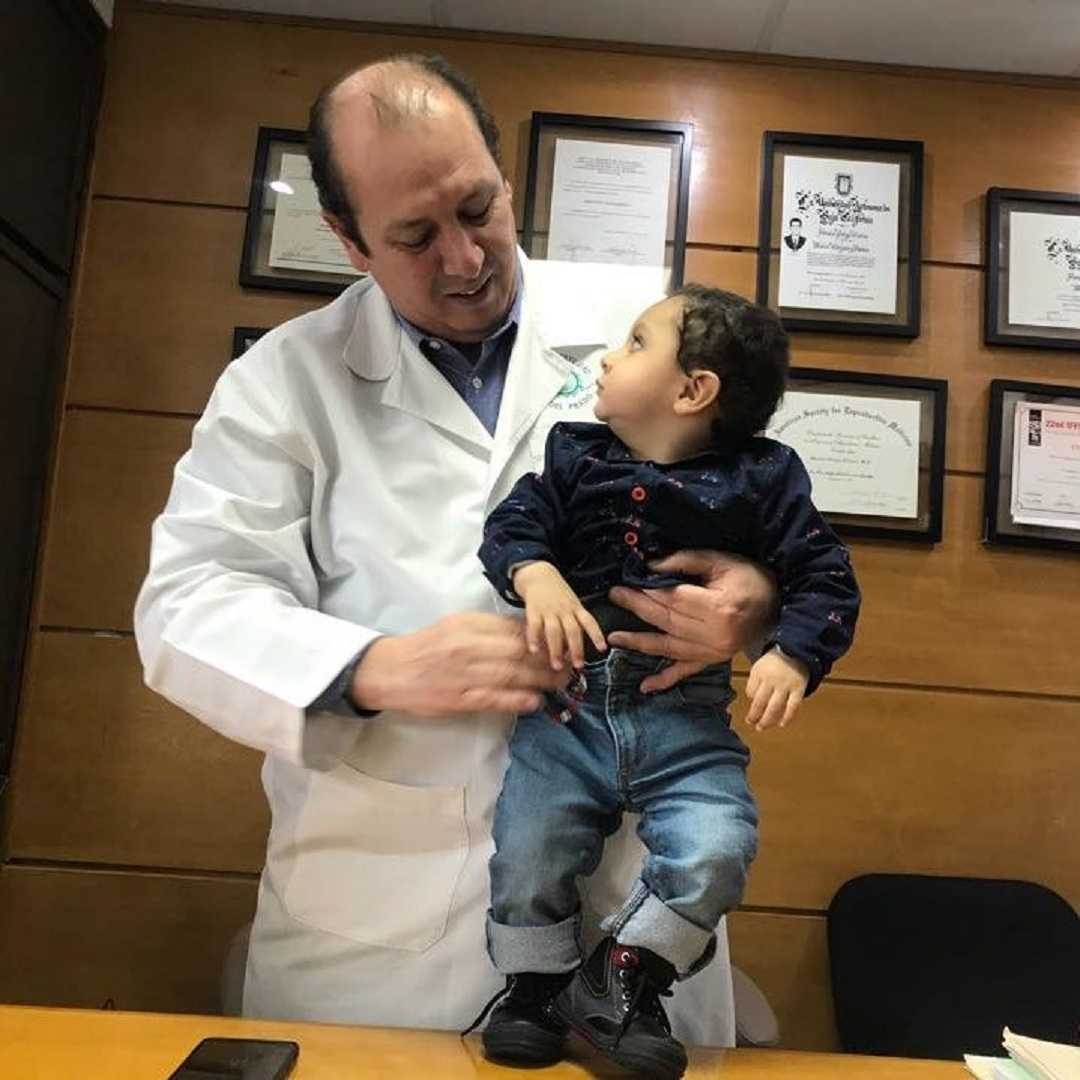

Dr. Francisco Javier Piri Sarmiento
Dr. Javier Piri Sarmiento - IVF Specialist in Tijuana Mexico
- IVF Specialist
Tijuana, Mexico
Affordability Without Compromise
The primary driver is cost. Patients can often perform 2 or 3 full IVF cycles in Tijuana for the price of one in the U.S. This "financial runway" reduces the immense pressure of needing it to work on the very first try.
Despite the lower cost, clinics use the exact same high-grade media and incubators found in American labs.
Legal Flexibility
Mexico's regulatory environment is safe but flexible regarding Gender Selection and Egg Donation. This attracts many international patients who live in countries where these practices are banned or heavily restricted.
Couples can balance their families or access donor eggs without waiting years on a list.
Accessibility from the U.S.
The location is unbeatable. Patients can land in San Diego and take a short Uber or shuttle ride to their clinic.
This proximity allows for hybrid care models where monitoring can be coordinated, and patients don't have to take weeks off work to stay in a foreign country.
Building a family is a deeply personal journey. PlacidWay connects you with Tijuana’s most reputable fertility clinics, ensuring your path to parenthood is safe, affordable, and supported.
Clinic Verification
We partner only with clinics that have proven success rates and certified embryology laboratories.
Transparent Pricing
Get detailed breakdowns of cycle costs, including medication estimates and potential add-ons like PGT-A.
Doctor Consultations
We arrange initial video consultations so you can meet the fertility specialist and discuss your history before traveling.
Donor Coordination
For those needing egg donation, we help you connect with clinics that have robust donor databases available.
Logistical Support
From hotel recommendations to private clinic shuttles, we help make your visits to Tijuana stress-free.
Emotional Support
We understand the emotional toll of infertility. Our team acts as a supportive partner, advocating for your needs throughout the process.
Your dream of a family is within reach. Contact PlacidWay today to explore affordable, high-success IVF options in Tijuana and get your free personalized quote.
Get Your Free Personalized Quote.png)







.png)
.png)
.png)
.png)








Share this listing