Gender Selection in Mexico

Experience Price

$7,800 Price starting from

Share with AI

Share this article with AI assistants to get summaries and insights

Gender Selection in Mexico

Contents

Select Gender of Your Future Baby in Mexico in Affordable Prices

For many couples, the dream of a balanced family is powerful, yet restrictive regulations in countries like Canada, the UK, Australia, and China often make realizing this dream difficult. Mexico has emerged as a global sanctuary for "family balancing," offering a legal, compassionate, and scientifically advanced pathway for parents to choose the sex of their baby.

Gender selection in Mexico is typically achieved through In Vitro Fertilization (IVF) paired with Preimplantation Genetic Testing (PGT). This is not merely about preference; it is a sophisticated medical process that ensures the health of the embryo while identifying gender with over 99% accuracy.

Patients choose Mexico not only for its favorable legal framework but also for its world-class fertility institutes found in hubs like Cancun, Guadalajara, Mexico City, and Tijuana. These clinics utilize the exact same technology found in top US fertility centers but at a fraction of the cost, allowing couples to focus on the joy of expanding their family rather than the financial burden.

Whether you are seeking a boy to carry on a family name or a girl to complete your household, Mexico offers a supportive environment where your reproductive choices are respected and facilitated by top-tier embryologists.

!

Did You Know?

Gender selection is strictly prohibited for non-medical reasons in many developed nations. However, Mexico places no legal restrictions on PGT for family balancing. This legislative freedom has allowed Mexican fertility specialists to become some of the most experienced in the world at performing these specific protocols.

Key Insights at a Glance

1
High Accuracy:

PGT (Preimplantation Genetic Testing) offers 99.9% accuracy in determining gender, far superior to sperm sorting methods.

2
Cost Efficiency:

Total costs for IVF with Gender Selection in Mexico are typically 60% lower than in the United States.

3
Legal Protection:

The procedure is fully legal and regulated, ensuring you can undergo treatment without legal ambiguity.

4
Health Bonus:

The same test used for gender selection also screens for chromosomal abnormalities, increasing the chance of a healthy pregnancy.

5
Technology:

Mexican clinics use advanced NGS (Next Generation Sequencing) technology, the gold standard in modern embryology.

FUN FACT

Vacation Fertility

Studies suggest that stress reduction can positively impact IVF outcomes. Many patients choose destination clinics in Cancun or Puerto Vallarta to combine their "Family Balancing" journey with a relaxing vacation, turning a medical procedure into a "fertile-moon."

Navigating fertility treatments abroad is easier with comprehensive packages. We have curated a selection of all-inclusive options that typically bundle the IVF cycle, hormonal stimulation monitoring, egg retrieval, fertilization (ICSI), and the critical PGT-A analysis for gender determination. Many of these packages also include airport transfers and lodging assistance, allowing you to focus entirely on your future family.

Note: Look for packages that explicitly include PGT-A or PGT-M testing, as this is the specific laboratory component required for accurate gender selection.

`

Gender Selection Cost in Mexico

Financial accessibility is a primary reason couples choose Mexico. While prices in the U.S. can skyrocket due to pharmaceutical and lab fees, Mexico offers a more transparent and affordable cost structure. The table below outlines average price ranges for Gender Selection (IVF + PGT) across various Mexican medical hubs. These figures help you plan your investment, ensuring you get world-class science without the premium price tag.

Tip: Remember to budget for medication costs, which are often sold separately but are significantly cheaper in Mexico than in the US or Canada.

IVF with Gender Selection Cost Comparison in Mexico

Country Procedure Price
United Kingdom IVF with Gender Selection, Fertility Treatment $17000
United States IVF with Gender Selection, Fertility Treatment $20000
Canada IVF with Gender Selection, Fertility Treatment $22000

Success in gender selection relies heavily on the quality of the embryology laboratory. We have selected top-rated fertility institutes in Mexico that feature advanced clean-room labs and state-of-the-art genetic testing capabilities. These centers are often accredited by international bodies and led by specialists with global training. Explore the clinics below to find a facility that aligns with your location preferences and medical needs.

Quality Check: Top clinics will openly share their specific success rates for PGT-tested embryo transfers.
The journey to completing a family is emotional and personal. In this section, you can watch video testimonials from couples who have successfully navigated the gender selection process in Mexico. Their stories offer an unfiltered look at the level of care, the communication with doctors, and the joy of achieving their family balancing goals. Let their experiences provide you with the confidence to take the next step.

Insight: Watch for comments regarding the communication style of the staff, as clear dialogue is crucial during fertility treatments.


Trust is the foundation of medical tourism. Below, we present verified reviews from international patients who have undergone fertility treatments in Mexico. These reviews cover critical aspects such as the professionalism of the medical team, the comfort of the facilities, and the overall support provided during the emotional ups and downs of IVF. Read their feedback to understand why Mexico remains a top recommendation for family balancing.

Review Tip: Look for reviews that mention the coordination process, as logistics are a key part of international fertility care.

Is gender selection legal in Mexico?

Yes, gender selection is completely legal in Mexico. unlike Canada, the UK, Australia, and China, where sex selection for non-medical reasons is prohibited, Mexico does not have legislation banning the practice. This legal freedom allows clinics to offer PGT-A (Preimplantation Genetic Testing) openly for family balancing purposes. However, clinics still adhere to strict ethical guidelines regarding the health and safety of the mother and embryos.

How does the gender selection process work?

The process typically involves In Vitro Fertilization (IVF). First, eggs are harvested from the mother and fertilized with sperm in the lab. Once embryos develop to the blastocyst stage (usually day 5), a few cells are biopsied from the outer layer (which becomes the placenta). These cells undergo Genetic Testing (PGT), which reveals the chromosomal makeup—XX for female or XY for male. Only healthy embryos of the desired sex are then selected for transfer to the uterus.

What is the success rate and accuracy?

The accuracy of gender identification using PGT-A is over 99%. If a pregnancy is achieved, the baby is virtually guaranteed to be the desired sex. However, the overall "success rate" depends on pregnancy achievement, which varies by age and egg quality. Generally, for women under 35 using their own eggs, pregnancy rates per transfer with PGT-tested embryos can be 60-70%. Success rates naturally decline as maternal age increases, though PGT helps improve odds by ruling out abnormal embryos.

Is the procedure safe for the baby?

Yes, PGT is considered safe. The biopsy is performed on the trophectoderm cells (placenta cells), not the inner cell mass that becomes the baby. Studies have shown no increased risk of birth defects or developmental issues in children born from biopsied embryos compared to standard IVF. In fact, because the testing screens for chromosomal abnormalities (aneuploidy), it significantly reduces the risk of genetic disorders like Down Syndrome and lowers the miscarriage rate.

How much does gender selection cost in Mexico vs the USA?

In the United States, a full cycle of IVF with PGT testing can easily exceed $20,000 to $30,000 USD, excluding medications. In Mexico, the average cost for the same procedure ranges from $7,000 to $12,000 USD. This represents a savings of approximately 50-65%. The lower cost allows many couples to afford multiple cycles if necessary, or to opt for premium packages that include accommodation and transport.

How long will I need to stay in Mexico?

A typical IVF cycle takes about 2-3 weeks. However, many clinics offer "split protocols" for international patients. You can start hormonal stimulation at home (monitoring with a local doctor) and travel to Mexico for about 7-10 days for the egg retrieval. After retrieval, you may return home while the embryos are tested (which takes 1-2 weeks). You would then make a second short trip (3-5 days) for the embryo transfer. Discuss these logistics with your coordinator.

Can I choose to have twins (one boy and one girl)?

While it is physically possible to transfer two embryos (one male, one female), many ethical fertility specialists discourage it due to the high risks associated with twin pregnancies (prematurity, preeclampsia, low birth weight). However, clinics in Mexico will discuss this on a case-by-case basis depending on the mother's age and health history. The priority is always a healthy baby and a healthy mother, so single embryo transfer is often the gold standard recommendation.

What happens if there are no embryos of the desired gender?

This is a possibility that patients must prepare for emotionally. Nature determines the gender of the embryos created. It is possible to have a cycle where all healthy embryos are of the opposite sex, or where there are no chromosomally normal embryos suitable for transfer. In this case, you can choose to transfer the available healthy embryos, freeze them for later, or undergo another cycle of stimulation and retrieval to try for the desired gender again.

Is genetic disease screening included?

Yes, the PGT-A test used for gender selection automatically screens for aneuploidy (abnormal chromosome counts). This detects conditions like Down Syndrome, Turner Syndrome, and Edwards Syndrome. If you have a specific family history of genetic disorders (like Cystic Fibrosis or Thalassemia), you will need a more specific test called PGT-M (Monogenic). Be sure to disclose your full medical history so the clinic can order the correct panel of tests.

Is there an age limit for this procedure?

Most clinics in Mexico have an age limit for IVF using a woman's own eggs, typically around 42-45 years old, as egg quality declines significantly after this point. However, if you are open to using an egg donor, the age limit for the recipient mother can be higher (often up to 50 or 52), provided she passes a health clearance check (mammogram, cardiology exam, etc.). The clinic will assess your ovarian reserve (AMH levels) to give you a realistic prognosis.

Can You Choose Gender with IVF in Mexico?

For many hopeful parents, the journey to building a family comes with specific dreams and desires. One of these is often the ability to choose the gender of their child, a process known as gender selection. If you're wondering, "Can you choose gender with IVF in Mexico?" the answer is a resounding yes. Mexico has become a premier destination for fertility tourism, largely due to its permissive laws on assisted reproductive technologies, including gender selection for non-medical reasons like family balancing. This means that whether you dream of adding a little girl to your family of boys or vice versa, Mexican fertility clinics can help make that a reality. The combination of advanced medical technology, experienced specialists, and significantly lower costs compared to countries like the United States makes Mexico an attractive option for intended parents worldwide. In this guide, we'll explore everything you need to know about IVF with gender selection in Mexico, from the legal landscape and costs to the step-by-step process and what you can expect on your journey. What is Gender Selection? Gender selection, also known as sex selection, is a medical procedure that allows parents to choose the sex of their child. This is most commonly achieved through Preimplantation Genetic Testing (PGT) during an In Vitro Fertilization (IVF) cycle. Gender selection is a remarkable application of modern reproductive technology. It gives parents the ability to select the sex of their embryo before it is implanted in the uterus. While the term "gender selection" is commonly used, it's more accurately "sex selection," as it pertains to the biological sex (male or female) determined by chromosomes (XX for female, XY for male), not the social construct of gender. The primary method for gender selection is Preimplantation Genetic Testing for Aneuploidy (PGT-A), which is performed on embryos created through IVF. This test not only reveals the sex of the embryos but also screens them for chromosomal abnormalities, increasing the chances of a healthy pregnancy. For many, gender selection is a way to achieve family balancing, for instance, having a daughter after having several sons. For others, it's a crucial tool to prevent passing on sex-linked genetic disorders. Is Gender Selection Legal in Mexico? Yes, gender selection is completely legal in Mexico for both medical and non-medical reasons, including family balancing. Unlike many other countries, Mexico does not have restrictive laws prohibiting the practice. Mexico stands out as one of the few countries where gender selection is explicitly permitted without major restrictions. This permissive legal environment has made it a hub for "fertility tourism," attracting individuals and couples from nations with stricter regulations, such as Canada, Australia, and many European countries. The Mexican General Law of Health does not prohibit assisted reproductive treatments like IVF, egg donation, or gender selection. This legal clarity provides peace of mind for intended parents who are seeking these services. Clinics in Mexico are well-regulated by bodies like COFEPRIS (the Federal Commission for the Protection against Sanitary Risk), ensuring high standards of care and safety. This combination of legal freedom and regulatory oversight makes Mexico a trustworthy and popular choice for gender selection IVF. Why Do People Choose Gender Selection in Mexico? People choose gender selection in Mexico primarily for family balancing, to prevent sex-linked genetic diseases, and due to the significant cost savings and high-quality medical care available. Family Balancing: This is the most common reason for elective gender selection. Couples who have one or more children of one sex may desire a child of the opposite sex to complete their family. Preventing Genetic Diseases: Some genetic disorders are linked to a specific sex. For example, Duchenne muscular dystrophy and hemophilia primarily affect males. Gender selection can help ensure a child is not born with such a condition. Cost-Effectiveness: The cost of gender selection IVF in Mexico is substantially lower than in the United States and other Western countries, often by 30-50%, without compromising on quality. High-Quality Care: Many fertility clinics in Mexico are state-of-the-art facilities with experienced, often US-trained, doctors and embryologists. Accessibility: For Americans and Canadians, Mexico's proximity makes it a convenient travel destination for treatment. What is the Cost of Gender Selection IVF in Mexico? The cost of IVF with gender selection in Mexico typically ranges from $8,000 to $15,000 USD. This price is often all-inclusive, covering the IVF cycle, PGT-A testing, medications, and clinic fees. Compared to the United States, where the same procedures can cost upwards of $20,000 to $30,000, Mexico offers significant savings. It's important to get a detailed quote from your chosen clinic, as prices can vary. An "all-inclusive" package should ideally cover: Initial consultations Ovarian stimulation medications Monitoring (ultrasounds and blood tests) Egg retrieval procedure Intracytoplasmic Sperm Injection (ICSI) Embryo culture Preimplantation Genetic Testing (PGT-A) Embryo transfer Cryopreservation of remaining embryos Always clarify what is included in the quoted price to avoid unexpected expenses. Some clinics may not include medications or certain lab tests in their base price. How Does the Gender Selection Process Work? The gender selection process involves an IVF cycle where embryos are created and then biopsied. The cells from the biopsy are analyzed through PGT-A to determine the sex and chromosomal health of each embryo before one of the desired sex is transferred to the uterus. The journey to gender selection is a multi-step process that is carefully managed by your fertility team. Here's a breakdown of what to expect: Initial Consultation: You'll meet with a fertility specialist to discuss your medical history and family-building goals. Ovarian Stimulation: The female partner will take hormone medications for about 10-12 days to stimulate her ovaries to produce multiple eggs. Egg Retrieval: This is a minor surgical procedure performed under sedation. A thin needle is used to collect the mature eggs from the ovaries. Fertilization: The collected eggs are fertilized with sperm in the laboratory using IVF or ICSI to create embryos. Embryo Culture: The embryos are grown in the lab for 5-6 days until they reach the blastocyst stage. Embryo Biopsy and PGT-A: A few cells are carefully removed from each blastocyst and sent for genetic testing. This is where the sex (XX or XY) is identified. Embryo Transfer: Once the PGT-A results are in, a healthy embryo of the desired sex is selected and transferred into the woman's uterus. Pregnancy Test: About two weeks after the transfer, a blood test is done to determine if the procedure was successful. What is the Success Rate of Gender Selection in Mexico? The accuracy of gender selection using PGT-A is nearly 100%. The success of the subsequent IVF cycle, meaning a successful pregnancy and live birth, depends on various factors but is generally high in reputable Mexican clinics. It's crucial to distinguish between the success rate of the gender identification and the success rate of the IVF pregnancy. PGT-A is extremely accurate at determining the sex of an embryo. However, the chance of becoming pregnant after the embryo transfer depends on factors like the woman's age, the quality of the embryos, and the expertise of the fertility clinic. Many top clinics in Mexico report IVF success rates comparable to or even exceeding those in the U.S. and Europe, often in the range of 50-70% per embryo transfer. By selecting a chromosomally normal embryo through PGT-A, you are also inherently increasing the likelihood of a successful implantation and reducing the risk of miscarriage. How to Choose the Best Fertility Clinic in Mexico? To choose the best fertility clinic in Mexico, look for international accreditations, experienced specialists, transparent pricing, high success rates, and positive patient testimonials. Accreditation: Check for certifications from bodies like COFEPRIS or international organizations. Doctor's Experience: Research the qualifications and experience of the fertility doctors and embryologists. Technology: Ensure the clinic uses modern technology and techniques like PGT-A and ICSI. Transparency: A reputable clinic will be upfront about costs, procedures, and success rates. Patient Reviews: Look for reviews and testimonials from previous international patients. Communication: The clinic should have bilingual staff to ensure clear communication throughout the process. What Are the Risks and Ethical Considerations? The medical risks of gender selection are the same as those for a standard IVF cycle, including Ovarian Hyperstimulation Syndrome (OHSS) and multiple pregnancies. Ethical considerations revolve around the non-medical use of technology and the disposition of unused embryos. The medical risks associated with IVF with gender selection are low but important to understand. They include potential side effects from fertility medications, the risks of the egg retrieval procedure (which are minimal), and a slightly increased chance of multiple births if more than one embryo is transferred. PGT-A itself is considered very safe for the embryo. The ethical debate around gender selection is more complex. Some people have concerns about the potential for gender imbalance in society and the "commodification" of children. Others strongly believe in reproductive freedom and the right of parents to make choices for their families. In Mexico, the practice is widely accepted, but it's a personal decision that intended parents should consider carefully. Ready to explore your options for building the family of your dreams? PlacidWay can connect you with leading fertility clinics in Mexico that specialize in gender selection. Contact us today for a free consultation and take the first step on your journey.

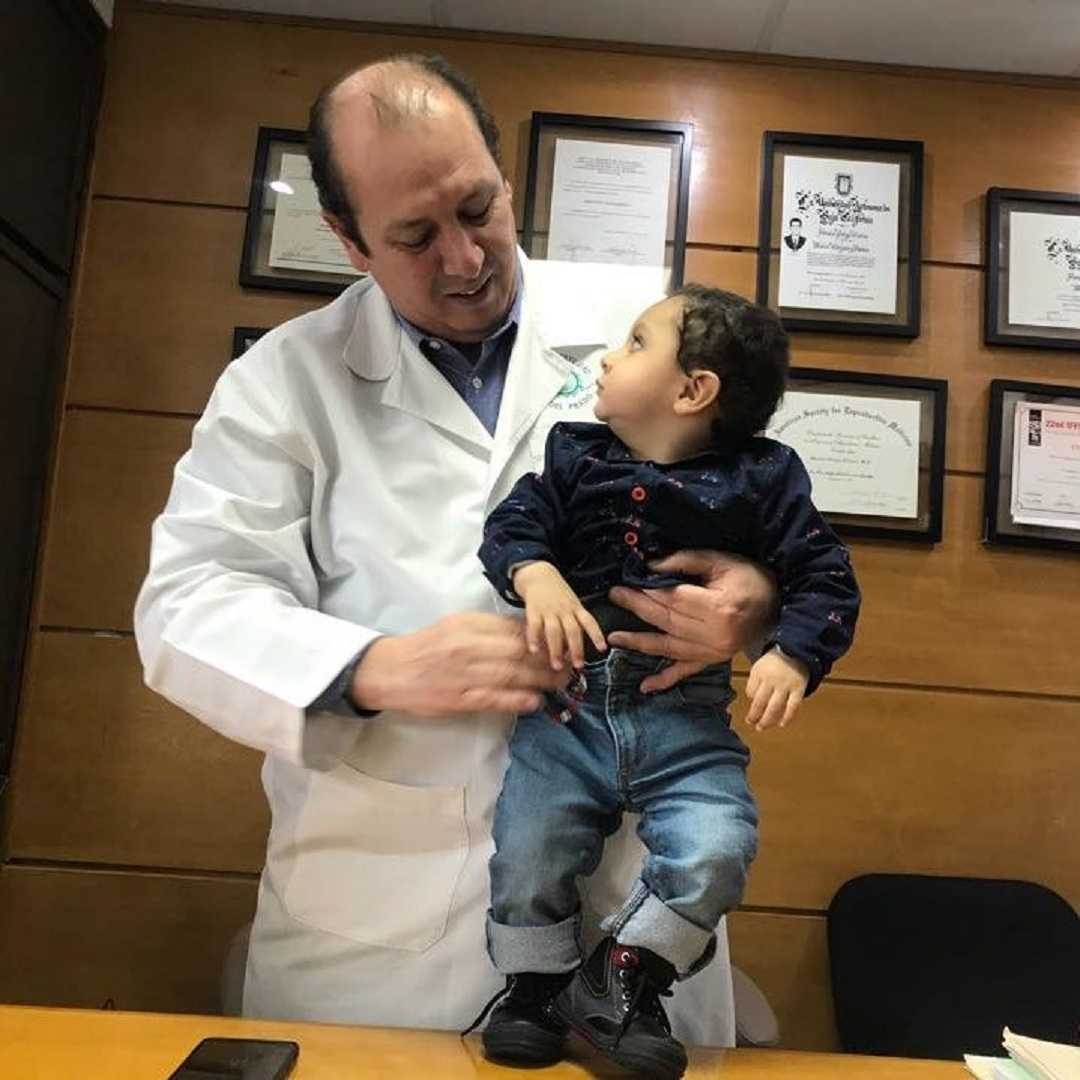
The expertise of your fertility specialist and embryologist is the single most important factor in your success. We have identified leading doctors in Mexico who specialize in Reproductive Endocrinology and Infertility. These professionals are renowned for their high ethical standards, participation in international fertility associations (like ASRM or ESHRE), and compassionate care. Review their profiles to find a partner for your family-building journey.

1

Certified Reproductive Endocrinologists

Fellowship-Trained Fertility Experts

Our selected specialists are not just general gynecologists; they are board-certified in reproductive biology. Many have completed fellowships in the US or Europe and are active members of the Mexican Association of Reproductive Medicine (AMMR).

2

Master Embryologists

The Science Behind the Success

While you interact with the doctor, the embryologist handles your future baby. Top Mexican clinics employ senior embryologists skilled in micromanipulation and biopsy techniques, ensuring the embryo remains safe during the PGT testing process.

3

Holistic Care Teams

Emotional & Physical Support

The best specialists work within multidisciplinary teams that include psychologists and patient coordinators. They understand the emotional weight of family balancing and provide compassionate support throughout the hormonal and waiting phases of treatment.

1

Legal Certainty and Freedom

The primary driver for international patients is legality. In countries like Canada, Australia, and the UK, family balancing is prohibited. Mexico stands out as a destination where this procedure is fully authorized.

Couples can openly discuss their preference for a boy or a girl without fear of judgment or legal rejection, making the entire medical process transparent and stress-free.

2

World-Class Embryology Labs

Mexico has invested heavily in fertility infrastructure. Leading centers in Cancun and Mexico City are equipped with the same high-tech incubators and laser biopsy tools found in the U.S.

The availability of advanced techniques like ICSI (Intracytoplasmic Sperm Injection) and Assisted Hatching ensures that even difficult fertility cases have a high chance of success, proving that lower cost does not mean lower quality.

3

Ease of Access and Atmosphere

Proximity to the U.S. is a major logistical advantage. Short flights to destinations like Cancun or Cabo San Lucas allow patients to minimize travel time.

Furthermore, the relaxed, resort-like atmosphere of these destinations helps lower cortisol levels (stress hormones), which can be beneficial for implantation and pregnancy success. It allows couples to disconnect from daily life and focus on each other and their goal.

Embarking on a fertility journey abroad requires trust and expert coordination. PlacidWay acts as your compassionate guide, connecting you with vetted fertility specialists in Mexico to ensure your family balancing journey is safe, successful, and seamless.

Verified Fertility Clinics

We rigorously screen clinics for their lab accreditations, success rates with PGT-A testing, and adherence to ethical standards.

Remote Consultations

We arrange video calls with specialists before you travel, allowing you to discuss protocols and build trust from the comfort of your home.

Transparent Pricing

We obtain detailed breakdowns of costs, ensuring there are no hidden fees regarding medication, freezing, or storage.

Patient Privacy

We understand the sensitive nature of fertility treatments and ensure your inquiries and data are handled with the utmost confidentiality.

Treatment Customization

Whether you need egg donation, own-egg IVF, or just PGT testing, we help tailor the package to your specific biological needs.

Ongoing Support

From your initial inquiry until you return home, our team is available to assist with questions, helping you navigate the medical tourism process.

Take the first step toward the family you have always imagined. Contact PlacidWay today for a free, confidential quote and let us help you find the best gender selection specialists in Mexico.

Get Your Free Personalized Quote


Gender Selection in Mexico thumbnail

About Experience

  • Translations: EN ES
  • Price Range: $7,800 - $10,400
  • Treatment: IVF with Gender Selection, Fertility Treatment
  • Location: Mexico
  • Clinics: IVF Clinic in Mexico ViaFERT Mazatlan, IREGA Cancun, Advanced Fertility Center Cancun, Medica Fertil, Inovavita Fertility Clinic, Nucleo V,
  • Doctors Dr. Juan Carlos Alcivia Garcia, Dr. Horacio Ortega Clavero, Dra. Yesenia Recio, Dr. Lopez Rioja, Dr. Francisco Javier Piri Sarmiento,
  • Packages IVF with Gender Selection Package in Queretaro, Mexico by Medica Fertil, Best IVF with Gender Selection in Cancun Mexico,
  • Overview Select Gender of Your Future Baby in Mexico in Affordable Prices