


The Comprehensive Guide to Early Pregnancy - Maternal Fetal Care by IREGA IVF Acapulco
Navigating early pregnancy - maternal fetal by IREGA IVF Acapulco is an essential and deeply emotional journey for expectant parents who have undergone assisted reproductive technology. The transition from active fertility treatments to the delicate weeks of early pregnancy requires specialized, high-level medical oversight to ensure both maternal and fetal well-being. For couples who have invested significant time, emotion, and financial resources into achieving a positive pregnancy test, the subsequent weeks are critical for monitoring fetal development, hormonal balance, and anatomical milestones.
Advanced maternal-fetal medicine in early pregnancy after in vitro fertilization (IVF) offers unparalleled reassurance and clinical precision. The highly specialized medical professionals at IREGA IVF Acapulco utilize state-of-the-art ultrasound technology, targeted hormonal therapies, and rigorous screening protocols to safeguard early embryonic development. Watch to uncover the intricate, life-affirming processes that bridge the gap between successful conception and a thriving, healthy first trimester.
Video Chapters & Quick Navigation
The journey of building a family through assisted reproductive technology is filled with intense anticipation, medical interventions, and profound hope. When the embryo transfer is successful, the initial joy is quickly followed by the necessity for rigorous medical surveillance. Early pregnancy care following an IVF cycle requires a vastly different approach compared to a spontaneous conception.
Because the body has been medically assisted to conceive, it often requires continued medical support to sustain the pregnancy during the initial weeks. This highly sensitive timeframe is where maternal-fetal medicine specialists step in, utilizing their advanced training to monitor the intricate developmental stages of the embryo while simultaneously managing the mother's health.
Understanding Maternal-Fetal Medicine in IVF Pregnancies
Maternal-fetal medicine (MFM) is a highly specialized branch of obstetrics focused on managing health concerns of the mother and fetus prior to, during, and shortly after pregnancy. As detailed at , patients who conceive via in vitro fertilization are automatically categorized as requiring closer observation during the first trimester. This is not necessarily because the pregnancy is in danger, but rather to ensure the optimal environment for the developing embryo.
During an IVF cycle, the natural corpus luteum—which typically produces the progesterone necessary to sustain early pregnancy—may be absent or insufficient, particularly in frozen embryo transfers. MFM specialists are experts at monitoring serum hormone levels and adjusting supplementation to prevent early pregnancy loss. Their role extends far beyond routine check-ups; they are diagnosticians looking for early markers of viability and potential complications.
Furthermore, MFM specialists are trained to identify and manage conditions that may be more prevalent in the fertility patient demographic, such as advanced maternal age, multiple gestations (twins or triplets), and underlying reproductive immunology issues. By integrating MFM care early in the process, clinics like IREGA IVF Acapulco provide a seamless safety net for expectant mothers.
First-Trimester Ultrasound Milestones
One of the most anxiety-inducing yet exciting aspects of early pregnancy maternal-fetal care is the series of first-trimester viability ultrasounds. Unlike traditional obstetric care where the first scan might occur at eight to ten weeks, IVF patients undergo transvaginal ultrasounds much earlier. These early scans are designed to confirm clinical pregnancy and track precise developmental milestones.
Week 5: Locating the Gestational Sac
Around five weeks of gestation, or approximately three weeks after embryo transfer, the maternal-fetal medicine specialist will perform an ultrasound to locate the gestational sac. This small fluid-filled structure is the first visible confirmation of a clinical pregnancy. The doctor will verify that the sac is located properly within the uterine cavity, ruling out a life-threatening ectopic pregnancy.
Week 6: Identifying the Yolk Sac and Fetal Pole
As pregnancy progresses to the sixth week, the ultrasound resolution allows specialists to identify the yolk sac, which provides early nourishment to the developing embryo before the placenta forms. Shortly after the yolk sac appears, the fetal pole—the earliest visible manifestation of the embryo itself—can be measured. This measurement, known as the Crown-Rump Length (CRL), is a critical indicator of appropriate growth.
Weeks 6 to 7: Detecting the Fetal Heartbeat
Perhaps the most profound milestone in early pregnancy maternal-fetal care is the detection of the fetal heartbeat. As highlighted at , visualizing the rapid flutter of the heart provides immense relief to patients. A strong, consistent fetal heart rate dramatically reduces the statistical risk of early miscarriage, representing a major clinical victory for both the patient and the fertility team.
Critical Hormonal Support Protocols in Early Pregnancy
In a natural conception, the ovary that released the egg forms a cyst called the corpus luteum, which secretes progesterone and estrogen to maintain the uterine lining. However, because IVF often involves suppressing the body's natural ovulation process, external hormonal support is an absolute medical necessity.
Maternal-fetal specialists meticulously manage these hormonal protocols. Progesterone supplementation is typically administered via intramuscular injections, vaginal suppositories, or a combination of both. The goal is to keep the uterine lining thick, stable, and receptive, preventing any premature shedding that could jeopardize the pregnancy.
This artificial hormonal support is usually continued until the placenta takes over hormone production. This pivotal biological shift, known as the luteal-placental shift, generally occurs between weeks eight and ten of gestation. At this point, the maternal-fetal team will outline a careful weaning protocol, ensuring that serum progesterone levels remain stable as medications are gradually reduced.
The IREGA IVF Acapulco Advantage for Medical Tourists
Mexico has rapidly emerged as a premier global destination for reproductive medicine, and IREGA IVF Acapulco stands at the forefront of this medical tourism boom. Patients from the United States, Canada, and Europe are increasingly seeking cross-border fertility care to access elite medical expertise at a fraction of domestic costs.
The maternal-fetal department at IREGA IVF Acapulco is equipped with high-definition, 3D/4D ultrasound technology that rivals top-tier clinics in North America. This advanced imaging capability allows for the earliest possible detection of fetal structures, providing parents with accurate, real-time data regarding their baby's development.
Beyond technological superiority, the clinic emphasizes compassionate, patient-centric care. Navigating early pregnancy after infertility is emotionally taxing, and the bilingual medical staff at IREGA Acapulco are specifically trained to handle the psychological complexities of IVF patients. They provide extended consultation times, ensuring that every question is answered and every fear is addressed with empathy and clinical evidence.
Managing Early Pregnancy Symptoms and Concerns
The first trimester is notorious for a myriad of physical symptoms, which can be particularly intense for IVF patients due to the high levels of supplemental hormones. Maternal-fetal medicine specialists play a key role in distinguishing between normal pregnancy symptoms and signs that require immediate medical intervention.
As explained at , light spotting or mild pelvic cramping is incredibly common in early IVF pregnancies. This can result from implantation, cervical irritation from progesterone suppositories, or the expansion of the uterus. While alarming to the patient, these symptoms are frequently benign. However, heavy bleeding accompanied by severe abdominal pain warrants an immediate transvaginal ultrasound to rule out complications such as subchorionic hematomas.
Nausea, fatigue, and breast tenderness are strong indicators of rising human chorionic gonadotropin (hCG) levels. For patients experiencing hyperemesis gravidarum—severe, debilitating nausea and vomiting—the maternal-fetal team can prescribe safe antiemetic medications and administer intravenous fluids to prevent dehydration, ensuring both mother and baby remain nourished.
Advanced Genetic Screening Options
A core component of maternal-fetal care in early pregnancy involves evaluating the genetic health of the fetus. While many IVF embryos undergo Preimplantation Genetic Testing (PGT-A) before transfer, maternal-fetal specialists still recommend standard prenatal screening as a secondary layer of confirmation and security.
Around the tenth week of pregnancy, patients can opt for Non-Invasive Prenatal Testing (NIPT). This simple maternal blood draw analyzes cell-free fetal DNA circulating in the mother's bloodstream. It is highly accurate in screening for chromosomal aneuploidies such as Trisomy 21 (Down syndrome), Trisomy 18 (Edwards syndrome), and Trisomy 13 (Patau syndrome).
Between weeks 11 and 13, the clinic may perform a Nuchal Translucency (NT) scan. This highly specialized ultrasound measures the clear space at the back of the developing fetus's neck. When combined with maternal bloodwork, the NT scan provides a comprehensive risk assessment for genetic abnormalities and congenital heart defects, allowing parents to proceed through their pregnancy with confidence.
Nutritional Foundations for IVF Success
The dietary choices made during early pregnancy lay the foundational building blocks for fetal organogenesis. Maternal-fetal medicine experts at IREGA IVF Acapulco place a strong emphasis on evidence-based nutritional guidelines tailored specifically for the post-IVF body.
Because fertility treatments can induce systemic inflammation, an anti-inflammatory diet rich in antioxidants, healthy fats, and lean proteins is heavily recommended. Adequate hydration is also paramount, as increased blood volume and amniotic fluid production require substantial water intake.
| Crucial Nutrient | Role in Early Fetal Development | Recommended Sources |
|---|---|---|
| Methylfolate (Folic Acid) | Prevents severe neural tube defects and supports spinal cord closure. | Leafy greens, specialized prenatal vitamins, lentils. |
| Omega-3 Fatty Acids (DHA) | Essential for early fetal brain development and visual acuity. | Low-mercury salmon, chia seeds, purified fish oil supplements. |
| Iron | Supports the dramatic increase in maternal blood volume to oxygenate the fetus. | Lean red meats, spinach, iron-fortified cereals. |
| Calcium & Vitamin D | Critical for initial fetal bone calcification and cellular growth. | Pasteurized dairy, fortified plant milks, safe sun exposure. |
Specialists often test for the MTHFR gene mutation, a common genetic variant among IVF patients that impairs the body's ability to process synthetic folic acid. For these patients, prescribing a biologically active form of folate (methylfolate) is a critical intervention to ensure proper neural tube development.
Graduating from the Fertility Clinic to Regular Obstetrics
The ultimate goal of maternal-fetal medicine in early IVF pregnancy is to safely transition the patient to a standard obstetrician for the remainder of their term. This transition, often referred to as "graduating" from the fertility clinic, is a monumental emotional milestone. It signifies that the pregnancy has achieved a level of stability that no longer requires the intense surveillance of reproductive endocrinologists.
As noted at , this graduation typically occurs between eight and ten weeks of gestation. At this juncture, the maternal-fetal specialists at IREGA IVF Acapulco compile a comprehensive medical dossier. This detailed file includes all early ultrasound reports, hormonal protocols, genetic screening results, and embryo grading documents.
This seamless transfer of medical records ensures that the patient's local OBGYN is fully briefed on the specific nuances of the conception. It allows for continuity of care, ensuring that the remainder of the second and third trimesters are managed with the exact same level of precision and attention to detail that the patient experienced during their early days at the fertility clinic.
Embracing the Journey to Parenthood with Confidence
Early pregnancy following IVF is a complex tapestry of science, emotion, and profound biological transformation. Trusting this delicate phase to the maternal-fetal medicine experts at a world-renowned facility like IREGA IVF Acapulco provides an invaluable layer of clinical security. Their rigorous monitoring protocols transform a period of high anxiety into a structured, highly visible progression towards parenthood.
From the first visualization of the tiny gestational sac to the resounding thud of the fetal heartbeat, every milestone is carefully protected. By leveraging advanced diagnostics, precise hormonal therapies, and deep emotional support, patients are empowered to transition from the trials of infertility to the beautiful reality of expecting a child. Your dream of building a family is not just a possibility; with the right medical guidance, it becomes a meticulously guarded reality.
Ready to Start Your Fertility Journey in Acapulco?
PlacidWay Medical Tourism connects you with the elite maternal-fetal medicine and fertility specialists at IREGA IVF Acapulco. Experience world-class reproductive care, advanced early pregnancy monitoring, and transparent pricing.
GET A FREE CONSULTATION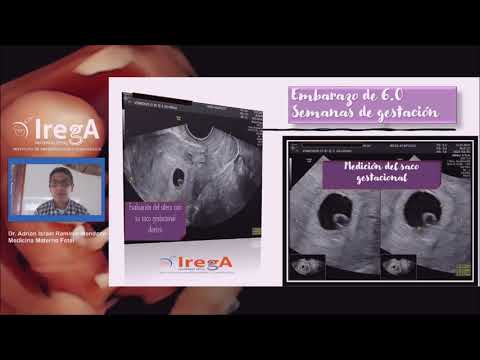






-Package-at-Advanced-Fertility-Center-Cancun,-Cancun,-Mexico.png)



.png)








Share this listing