IVF Fertility Treatment in Turkey

Publish date: Apr 18, 2022 Modified date: Oct 06, 2026 Medically reviewed by: Dr. Brenda Sanchez on Oct 06, 2026 Author: Amelia Pricilia

Experience Price

$5,000 Price starting from
IVF Fertility Treatment in Turkey

Contents

If you live in the UK or the US, starting a family might feel less like a joyful journey and more like an intense financial audit. You are likely staring down massive price tags for a single IVF cycle, often with no guarantees, while joining waiting lists that seem to stretch into next year. The stress of managing medications, daily injections, and doctor appointments is heavy enough without the added burden of draining your savings just for a chance at parenthood.

Couples across Europe and North America are stepping off this stressful treadmill and looking toward Turkey for a more accessible path. Getting IVF treatment in Turkey typically costs between $2,500 and $4,500 per cycle, combining high-tech laboratory standards with a genuinely supportive environment. When exploring your options, it is essential to check that facilities hold local Turkish Ministry of Health certification alongside international credentials like JCI accreditation.

Quick Facts at a Glance

Procedure
In Vitro Fertilization (IVF)
Average Cycle Cost
$2,500 - $4,500 (excluding medications)
Typical Stay
15 to 20 days in destination
Key Accreditations
Turkish Ministry of Health, JCI
Legal Requirements
Marriage certificate required; gender selection and donor cycles are prohibited
Standard Inclusions
Consultations, ultrasound scans, egg retrieval, embryo transfer

Navigating medical care abroad is much easier when you know exactly what is included in your care plan. Many fertility centers bundle the essential phases of your cycle—such as specialist consultations, ultrasound monitoring, egg retrieval, and embryo transfer—into one clear itinerary. Some clinics even assist with airport transfers and accommodation near the facility.

This structured approach helps reduce the stress of organizing logistics in a new city while going through treatment. Browse the IVF packages below to see which combination of medical and travel services works best for your journey.
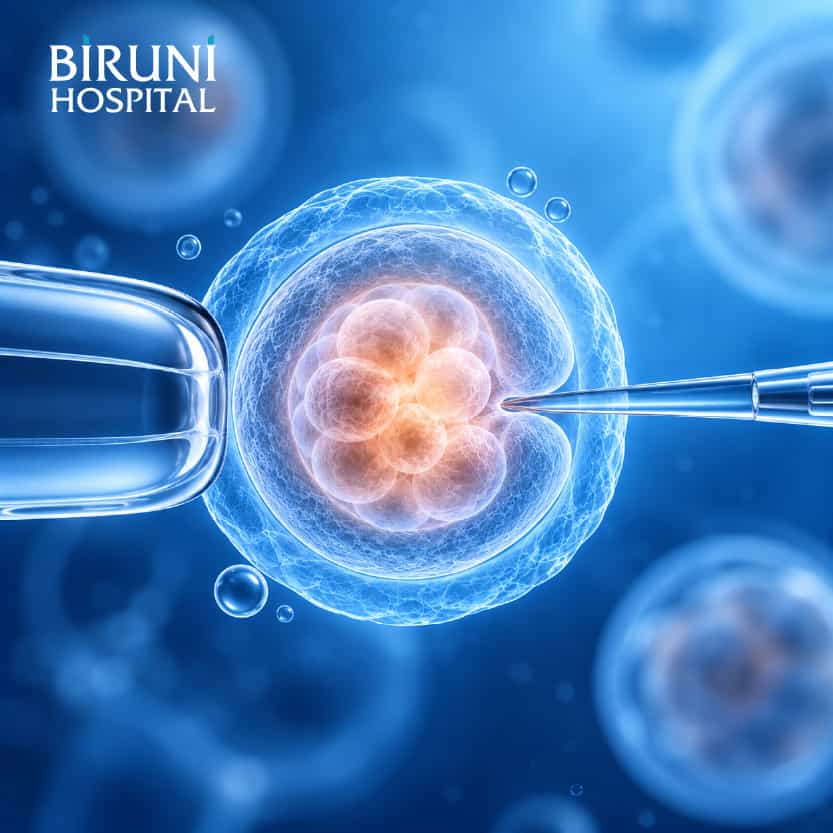
`

The financial barrier to building a family is often the biggest hurdle back home. In Turkey, a standard IVF cycle generally ranges from $2,500 to $4,500, not including stimulation medication. This is a fraction of the cost you might face in the US or UK, primarily due to lower operational and living expenses rather than a drop in medical quality.

Keep in mind that specialized add-ons like ICSI, embryo freezing, or PGT-A testing will adjust the final total. Compare the pricing options below to get a realistic picture of your potential investment.

In Vitro Fertilization (IVF) Centers Cost Comparison in Turkey

Provider Procedure Price
Jinepol IVF Clinic In Vitro Fertilization (IVF), Fertility Treatment $6750
Jinepol IVF Clinic In Vitro Fertilization (IVF), Fertility Treatment $9150
Prof. Dr. Nilgun Turhan Fertility Clinic In Vitro Fertilization (IVF), Fertility Treatment $2900
Irfan Tarhan Klinik In Vitro Fertilization (IVF), Fertility Treatment $3500
Lokman Hekim Health Group - Multispecialty Hospital in Istanbul In Vitro Fertilization (IVF), Fertility Treatment $4900
Biruni Hospital in Istanbul Turkey In Vitro Fertilization (IVF), Fertility Treatment $7500

In Vitro Fertilization (IVF) Cost Comparison in Turkey

Country Procedure Price
United States In Vitro Fertilization (IVF), Fertility Treatment $15000
Canada In Vitro Fertilization (IVF), Fertility Treatment $13000
Australia In Vitro Fertilization (IVF), Fertility Treatment $9500

Finding the right fertility center is about more than just a shiny waiting room. You want a facility equipped with advanced embryology labs and a track record of transparency regarding their success rates. Take time to verify their Turkish Ministry of Health operating licenses and look for independent medical accreditations.

A reputable clinic will openly share their protocols, laboratory standards, and potential risks with you before you even book a flight. Review the fertility clinics listed below to find a facility that matches your medical needs and comfort level.
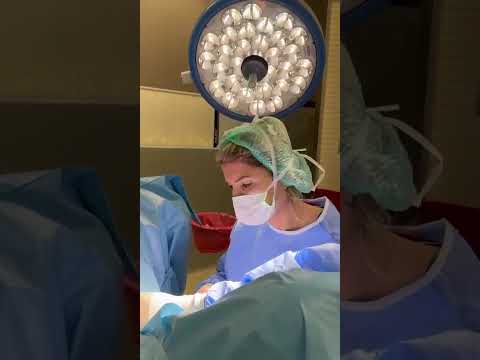
It is entirely normal to feel a bit anxious about traveling for a medical procedure, especially one as personal as fertility care. Watching facility tours and hearing directly from medical teams can help bridge the distance before you commit to travel. Visualizing the consultation rooms and listening to the specialists explain their approach often brings a lot of peace of mind.

Take a moment to watch the videos below to get a true feel for the environment and the professionals providing care.


Hearing from couples who have already navigated this exact process can be incredibly reassuring. Patient stories highlight the reality of managing daily injections abroad, the communication style of the nursing staff, and the emotional support provided by the clinic. These firsthand accounts often reveal the small but vital details that brochures might miss.

Read through the patient reviews below to learn from others who have traveled to Turkey for their fertility treatment.

Planning an IVF cycle abroad naturally brings up specific questions about travel, local laws, and medical timelines. We have gathered the most common inquiries patients have when preparing for fertility care in Turkey.

How long do I need to stay in Turkey for a complete IVF cycle?

A full IVF cycle, starting from ovarian stimulation to the embryo transfer, typically requires you to stay in Turkey for 15 to 20 days. Some patients coordinate with their local doctor to start stimulation at home, which can reduce the required time abroad.

Is gender selection allowed during IVF in Turkey?

No, gender selection for family balancing is strictly prohibited by law in Turkey. Genetic testing (PGT) is only permitted to screen for severe hereditary diseases or chromosomal abnormalities, not to choose the sex of the baby.

Do we need to be married to receive IVF treatment in Turkey?

Yes. According to Turkish law, assisted reproductive treatments are only available to legally married heterosexual couples. You will be required to present a valid marriage certificate before beginning any treatment.

Are IVF medications included in the standard cycle cost?

In most cases, stimulation medications are not included in the base cycle cost because dosages vary heavily from patient to patient. You should budget an additional $500 to $1,000 for these necessary fertility drugs.

Is egg or sperm donation legal in Turkey?

No. All forms of third-party reproduction, including egg donation, sperm donation, embryo donation, and surrogacy, are illegal in Turkey. Treatment must use the married couple's own genetic material.

What is ICSI, and is it standard in Turkish clinics?

Intracytoplasmic Sperm Injection (ICSI) involves injecting a single healthy sperm directly into an egg to assist fertilization. Many modern clinics in Turkey include ICSI as a standard part of their IVF protocol at no extra cost, especially for male factor infertility.

Do I need a visa to travel to Turkey for medical treatment?

Visa requirements depend on your nationality. Citizens of the UK, US, and many European countries can easily obtain an e-Visa online before their trip, which allows a stay long enough to complete an IVF cycle.

What happens if my fresh embryo transfer is not successful?

If you have viable embryos remaining from your cycle, the clinic can cryopreserve (freeze) them. You can return at a later date for a Frozen Embryo Transfer (FET), which is significantly less expensive and physically demanding than a full cycle.

Do fertility doctors in Turkey speak fluent English?

Yes, specialists at prominent international clinics in Turkey are highly proficient in English. Additionally, clinics catering to international patients provide dedicated patient coordinators who assist with translation and daily communication.

Can I fly home immediately after the embryo transfer?

While it is medically safe to fly shortly after the procedure, most fertility specialists recommend resting for one to two days in Turkey before taking a flight. This helps minimize stress during the critical implantation window.

How Much is In Vitro Fertilization (IVF) in Istanbul, Turkey?

The estimated cost of In Vitro Fertilization (IVF) in Istanbul, Turkey, typically ranges from $2,500 to $4,500 per cycle. This usually excludes fertility medications, which may add $500 to $1,500 depending on your specific medical requirements. Many couples facing fertility challenges explore international options to access specialized care. Understanding the financial aspects of in vitro fertilization (IVF) in Turkey involves looking beyond just the baseline procedural fees. You must consider medication variations, required preliminary testing, and the logistical realities of traveling abroad for ongoing medical supervision. Because every individual has unique reproductive health circumstances, the final expenses will differ from person to person. While the overall estimates often represent a more accessible option compared to average domestic healthcare costs in North America or Western Europe, prospective patients must approach this journey with a clear understanding of what is—and what is not—included in standard treatment packages. Key Takeaways Standard cycle estimates run between $2,500 and $4,500, with medications billed separately. Turkish law strictly requires patients to be legally married to undergo treatment. The use of donor eggs, donor sperm, and surrogacy is prohibited by national health regulations. A typical treatment cycle requires you to stay in the country for 15 to 21 days. Success rates vary significantly based on patient age, ovarian reserve, and underlying medical conditions. What factors influence the total price of IVF in Istanbul? The final price of your treatment depends heavily on your prescribed medication protocols, the necessity of advanced laboratory techniques, and the specific pricing structure of your chosen clinic. When evaluating the overall in vitro fertilization (IVF) cost in Turkey, you need to account for your personal diagnostic profile. Younger patients with high ovarian reserve may require shorter courses of stimulation drugs, keeping their total expenses closer to the baseline estimate. Conversely, patients who need higher doses of medication over longer periods will see their overall spending increase. Additionally, the complexity of male-factor infertility can shift the financial scope. If severe sperm motility or morphology issues are present, specialists might require surgical sperm retrieval methods like TESE (Testicular Sperm Extraction), which incur separate surgical and anesthetic fees. Clinic location and facility amenities also play a role. Premium centers located in prime districts or those attached to large international hospital networks often charge higher administrative and procedural fees than smaller, specialized boutique practices. Are fertility medications included in the standard IVF package? Most standard medical estimates provide coverage for the clinical procedures only, meaning the cost of injectable stimulation medications is almost always calculated separately. Individual Dosage: Your physician will adjust your medication dose daily based on how your ovaries respond to ultrasound and blood monitoring. Brand Variations: Different pharmaceutical brands of follicle-stimulating hormone (FSH) carry different price tags. Cycle Adjustments: Some patients may need to stimulate for 10 days, while others might require 14 days of daily injections, altering the final pharmacy bill. Trigger Shots and Support: You will also need to purchase the final maturation injection (trigger shot) and progesterone support for the post-transfer period. Purchasing Location: Buying medications directly from a Turkish pharmacy is often more economical than purchasing them in your home country before flying. What additional procedures might increase my IVF expenses? Advanced laboratory techniques such as Intracytoplasmic Sperm Injection (ICSI), Preimplantation Genetic Testing (PGT), and assisted hatching often require separate fees on top of the base cycle price. While standard fertilization involves mixing eggs and sperm in a laboratory dish and allowing them to fertilize naturally, many clinics now routinely utilize ICSI, where a single healthy sperm is injected directly into each egg. Some facilities bundle ICSI into their baseline costs, but others list it as an add-on service. You should clarify this during your initial consultations. Preimplantation Genetic Testing for Aneuploidies (PGT-A) is another major cost variable. This procedure biopsies the embryos to screen for chromosomal abnormalities before they are transferred. PGT-A is highly specialized and is usually billed per embryo tested, which can add thousands of dollars to your overall treatment plan depending on how many viable embryos you produce. Furthermore, if you have high-quality embryos left over after your transfer, you may choose to cryopreserve (freeze) them for future attempts. The initial freezing process and the annual storage fees are separate expenses you must plan for. How does the cost of IVF in Turkey compare to the US or UK? Patients often find that the financial commitment in Istanbul is substantially lower than the $12,000 to $20,000 frequently estimated for a single, unmedicated cycle in North America or Western Europe. This difference in pricing primarily stems from variations in national healthcare economics, lower overhead costs for facilities, and favorable international exchange rates, rather than a reduction in medical technology. Many laboratories in the region utilize the same equipment and adhere to similar protocols as clinics in the United States and the United Kingdom. However, you must balance these clinical savings against the realities of international travel. Flights, extended hotel accommodations, travel insurance, and daily living expenses over a three-week period can significantly narrow the financial gap. It is highly recommended to create a comprehensive spreadsheet that compares domestic treatment options against the total projected cost of traveling abroad, factoring in the potential need for multiple cycles if the first attempt is unsuccessful. Important Consideration: Success is Never Guaranteed Regardless of where you undergo treatment, IVF outcomes depend heavily on maternal age, egg quality, and complex biological factors. Multiple cycles may be necessary to achieve a live birth, which will compound your total medical and travel expenses over time. What are the legal regulations for IVF in Turkey? Turkish medical law strictly requires couples to be legally married to undergo fertility treatments, and the use of donor eggs, donor sperm, or gestational surrogacy is entirely prohibited. Marriage Requirement: You must present a translated and notarized marriage certificate to your chosen clinic before any medical protocols can begin. Own Genetics Only: All treatments must solely utilize the reproductive materials of the married couple undergoing the procedure. No Surrogacy: Gestational surrogacy arrangements are illegal within the country's borders. Single Women: Single women cannot undergo IVF or intrauterine insemination (IUI) using donor sperm under current legal frameworks. Gender Selection: Selecting the sex of the embryo for family balancing is illegal; it is only permitted if screening for a severe, sex-linked genetic disorder. What should I expect during the IVF process in Istanbul? A typical cycle involves 10 to 12 days of ovarian stimulation, followed by an egg retrieval under mild sedation, laboratory fertilization, and the transfer of embryos back into the uterus. Your journey generally begins on the second or third day of your menstrual cycle, at which point you will undergo baseline blood tests and a transvaginal ultrasound. If cleared, you will begin daily hormone injections to stimulate your ovaries to produce multiple mature follicles. During this phase, you will visit the clinic every few days so your doctor can monitor your progress and adjust medication dosages. Once the follicles reach an optimal size, you will administer a trigger shot to mature the eggs. Approximately 36 hours later, the medical team will perform the egg retrieval. This is a minor outpatient surgical procedure performed under light anesthesia. On the same day, your partner will provide a sperm sample for fertilization. Over the next three to five days, embryologists will monitor the developing embryos. Your physician will then consult with you to determine the best day for the embryo transfer, a brief, generally painless procedure that does not require anesthesia. How long do I need to stay in Istanbul for an IVF cycle? You should plan to reside in the city for approximately 15 to 21 days to complete a full, fresh IVF cycle from the start of stimulation through to the embryo transfer. The precise duration of your stay depends on how quickly your body responds to the stimulation medications. Some women develop mature follicles within nine days, while others may require up to two weeks. Because monitoring appointments occur frequently—sometimes daily toward the end of the stimulation phase—you must remain close to the clinic. Following the egg retrieval, you will have a resting period of three to five days while the embryos develop in the lab. After the transfer is completed, many doctors recommend resting locally for a day or two before undertaking a long international flight. If you are undergoing PGT-A testing, your timeline will change significantly. Because genetic testing takes time, the embryos are typically frozen, and you will return home. You would then plan a second, shorter trip a month or two later for a Frozen Embryo Transfer (FET). How do I choose a suitable in vitro fertilization (IVF) clinic in Turkey? Finding the right facility involves researching specialized success rates for your age group, verifying laboratory accreditations, and ensuring clear, transparent communication with the medical team. Ask for Age-Specific Data: General success rates can be misleading. Request data specific to your age bracket and diagnostic background. Check Accreditations: Look for an in vitro fertilization (IVF) clinic in Turkey that holds domestic licensing from the Ministry of Health, and optionally, international certifications. Evaluate Communication: Assess how promptly and clearly the international patient department answers your medical and logistical questions before you commit. Understand the Laboratory: The skill of the embryology lab is just as important as your primary physician. Ask about the technologies they utilize, such as time-lapse incubators. Review the Full Contract: Ensure you understand all terms, exactly what the quoted estimate includes, and what policies exist for cancelled cycles. What risks or complications should I be aware of before traveling? Like any medical procedure, IVF carries inherent health risks such as Ovarian Hyperstimulation Syndrome (OHSS), multiple pregnancies, ectopic pregnancy, and bleeding or infection following the egg retrieval. OHSS is a condition where the ovaries swell and leak fluid into the abdomen following stimulation. While mild cases typically resolve on their own, severe OHSS requires emergency hospital admission and intensive care management. If you develop symptoms of severe OHSS while abroad, your return flight may be delayed until you are medically cleared to travel. Transferring more than one embryo increases the chance of multiple pregnancies (twins or triplets). Multiples carry a significantly higher risk of premature birth, low birth weight, and maternal complications such as gestational diabetes and preeclampsia. You must have a clear plan for your return home. Because early pregnancy complications like bleeding or ectopic pregnancy can occur weeks after your return, you need an established relationship with a local gynecologist who can provide immediate care if necessary. How can I combine my treatment with medical tourism in Turkey safely? Integrating healthcare with travel requires careful pacing, prioritizing physical rest during the intense stimulation phase, and minimizing strenuous tourist activities around your medical appointments. Engaging in medical tourism in Turkey offers patients the chance to explore a culturally rich environment, but your health must remain the primary focus. During the first week of stimulation, you may feel relatively normal and can engage in light sightseeing, enjoying local cuisine, and walking around historical districts. However, as your ovaries enlarge closer to the retrieval date, you will likely experience bloating, fatigue, and discomfort. During this window, you should avoid heavy exertion, long walking tours, and carrying heavy luggage to minimize the risk of ovarian torsion (a rare but serious medical emergency where the ovary twists on its stalk). After the embryo transfer, most physicians advise against vigorous physical activity. Plan for a relaxed itinerary in the days following the procedure, focusing on gentle movement and reducing stress before you navigate airport travel. Why Choose PlacidWay for Medical Tourism? PlacidWay provides a comprehensive informational platform to assist patients exploring international healthcare opportunities. Broad Network: PlacidWay features profiles for a wide variety of medical centers, hospitals, and specialized clinics across numerous countries. Direct Communication: The platform allows you to submit inquiries and communicate directly with international healthcare providers. Informational Resources: Patients can access educational articles, cost estimates, and procedural guides to help them understand their options. Comparison Tools: You can review and compare facility details, language capabilities, and treatment availability side-by-side. Patient Independence: PlacidWay enables users to gather extensive preliminary data, empowering you to consult with your own local doctor before making travel decisions. Frequently Asked Questions Can unmarried couples undergo fertility treatment in Istanbul? No, Turkish law strictly requires couples to be legally married to receive any form of assisted reproductive technology, including in vitro fertilization. You will be required to present official marriage documentation to the clinic. Is gender selection for family balancing allowed in Turkey? Gender selection for non-medical reasons or family balancing is illegal in Turkey. It is only permitted if there is a documented medical need to prevent the transmission of severe sex-linked genetic diseases to the child. Do clinics in Istanbul offer egg or sperm donation programs? No, third-party reproduction, including the use of donor eggs, donor sperm, and gestational surrogacy, is completely banned under Turkish medical regulations. Treatments must use the married couple's own reproductive materials. What is the typical upper age limit for female patients? While there is no strict legal cutoff, many clinics typically set an upper age limit around 45 to 46 years old for female patients, depending on individual ovarian reserve, hormone levels, and overall health assessments evaluated by the physician. Does the estimated procedure price usually cover travel and hotel accommodations? Standard medical estimates usually only cover the clinical aspects of the cycle. Flights, hotel stays, local transportation, and meals are almost always separate expenses that you must budget for independently when planning your trip. How many embryos can be legally transferred during a cycle? Turkish law limits the number of embryos transferred to reduce the risk of multiple pregnancies. Typically, women under 35 are limited to a single embryo for their first two cycles, while older patients or those with previous failed cycles may have two transferred. What happens if I develop Ovarian Hyperstimulation Syndrome (OHSS) while traveling? If you develop OHSS, your local medical team will need to monitor you closely, which may require extending your stay or hospitalization. Your embryo transfer will likely be postponed, and your embryos frozen for a future cycle once your body heals. Can I freeze my remaining viable embryos for future use? Yes, if you have high-quality embryos remaining after your transfer, clinics offer cryopreservation. Turkey allows you to freeze and store embryos for up to five years, subject to annual storage fees, for future attempts. Do I need a specific medical visa to travel to Turkey? Many nationalities can travel to Turkey on a standard tourist e-Visa, which is usually sufficient for outpatient treatments like IVF. You should verify the specific entry and visa requirements for your passport country before booking travel. Should my primary care doctor or local gynecologist be involved? Yes, it is highly recommended to involve your local physician. They can help with preliminary diagnostic bloodwork and ultrasound scans before you travel, and they will be essential for monitoring your pregnancy once you return home. Compare Treatment Options Explore detailed facility profiles, review international healthcare options, and gather the information you need to discuss your fertility journey with your primary physician. Request Treatment Information References Ovarian Hyperstimulation Syndrome (OHSS) Guidelines – American Society for Reproductive Medicine (ASRM) Assisted Reproductive Technology (ART) Data and Safety – Centers for Disease Control and Prevention (CDC) Multifetal Pregnancy Risks and Management – American College of Obstetricians and Gynecologists (ACOG) Guidelines on Reproductive Medicine – European Society of Human Reproduction and Embryology (ESHRE) Infertility Fact Sheet and Definitions – World Health Organization (WHO) In Vitro Fertilization Overview and Risks – Mayo Clinic IVF Treatment Process and Information – Human Fertilisation and Embryology Authority (HFEA) Medical Disclaimer: The information provided in this article is intended for educational and informational purposes only and does not constitute professional medical advice, diagnosis, or treatment. Medical conditions, outcomes, and treatment appropriateness vary significantly from person to person. Always seek the advice of your physician or other qualified healthcare provider regarding any medical condition or before undertaking any medical procedure, international travel, or changes to your healthcare plan. Never disregard professional medical advice or delay in seeking it because of something you have read in this article.

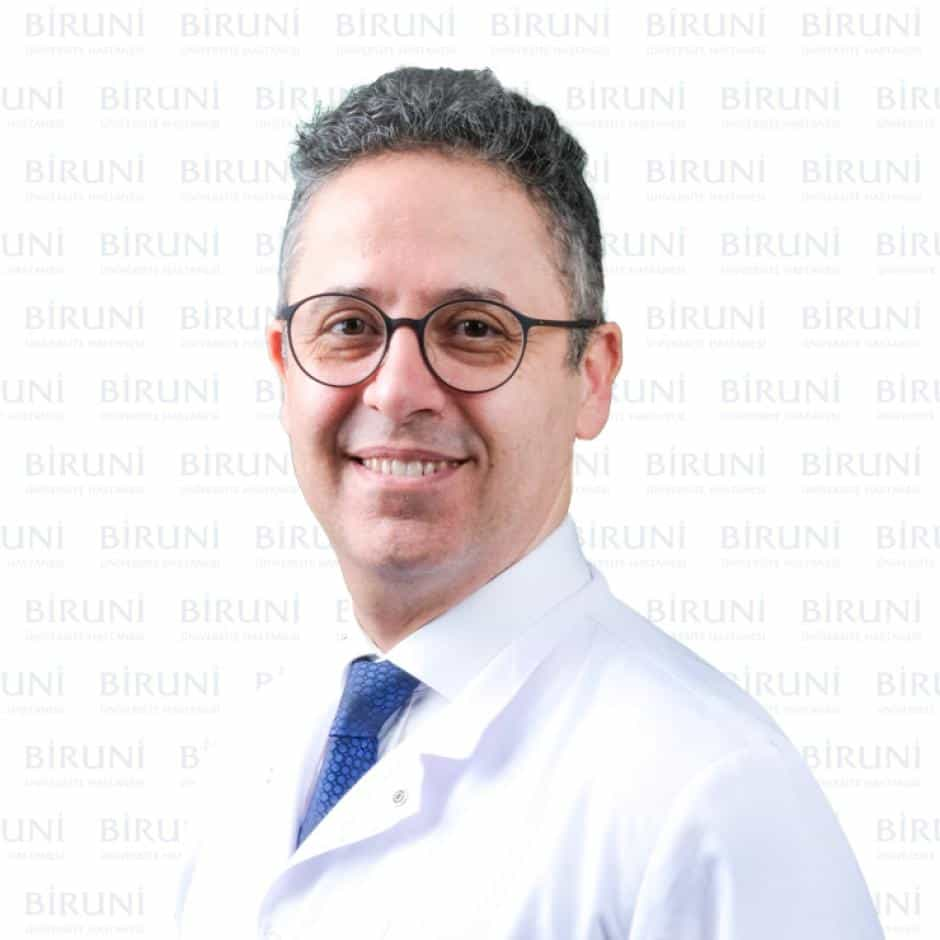
Your fertility specialist plays the most critical role in adapting treatment protocols to your unique biological response. It is important to look for doctors who have specialized training in reproductive endocrinology and hold memberships with recognized organizations like the European Society of Human Reproduction and Embryology (ESHRE).

A dedicated specialist will take the time to review your past cycles, investigate any previous setbacks, and clearly explain why they recommend a specific approach. Explore the profiles of the fertility specialists below to find a doctor whose expertise aligns with your needs.
Turkey has seamlessly blended its rich cultural heritage with a highly modernized healthcare infrastructure. Cities like Istanbul, Antalya, and Izmir host some of the most advanced fertility centers in the region, drawing patients primarily from the UK, Western Europe, and North America. The country offers a reassuring combination of strict medical regulations and renowned Turkish hospitality, which helps soften the emotional toll of fertility treatments.

Getting there is straightforward, with major international airlines operating daily direct flights into key hubs like Istanbul Airport (IST) and Sabiha Gokcen (SAW). A direct flight from London takes about four hours, while direct routes from the US East Coast take around ten hours.

While you wait between clinic appointments, the environment provides a welcoming space to relax. Many patients turn their necessary two-to-three-week stay into a restorative retreat, enjoying the Mediterranean climate or exploring historical districts at a gentle pace, which helps keep stress levels manageable during treatment.

Popular Medical HubsIstanbul, Antalya, Izmir
Flight Time (from UK)Approx. 4 hours
Flight Time (from US East Coast)Approx. 10 hours
Visa Requirementse-Visa available online for many Western nationalities
Local TransportExtensive metro systems, reliable taxis, clinic-arranged VIP transfers
Best Time to TravelSpring (April-May) and Autumn (September-October) offer mild weather

Navigating international fertility care requires careful planning, but you do not have to figure out every logistical detail on your own. PlacidWay can help connect you with accredited clinics in Turkey, clarify treatment protocols, and coordinate the practical aspects of your medical journey.

We focus on providing the transparent, verified information you need so you can confidently choose the right facility for your growing family. Reach out to our team to discuss your medical history and explore the tailored options available to you.

References

IVF Fertility Treatment in Turkey thumbnail

About Experience

  • Translations: EN ES AR DE
  • Price Range: $5,000 - $5,000
  • Treatment: In Vitro Fertilization (IVF), Fertility Treatment
  • Location: Turkey
  • Clinics: Medicana International IVF Center, Prof. Dr. Nilgun Turhan Fertility Clinic, Jinepol IVF Clinic, Biruni Hospital in Istanbul Turkey, Istanbul Okan University Hospital, Sezgin Dursun Clinic - Gynecology Clinic in Istanbul,
  • Doctors Prof. Dr. Murat Arslan,
  • Packages In Vitro Fertilization (IVF) Package in Istanbul Turkey by Biruni Hospital,
  • Overview Choose Affordable Fertility Treatment Option of IVF in Turkey

Trusted Medical Tourism Platform Since 2007

60+
Countries
2k+
Clinics
19.5k+
Reviews
2.5k+
Qualified Doctors
1.1M+
Patients Served Since 2007