


Colombia medical tourism is strongest in plastic surgery, dentistry, bariatric care, fertility treatment, and selected complex procedures, with Bogotá, Medellín, Cali, and Barranquilla offering the deepest private-care networks. Its price advantage is real, but quality varies sharply and informal aesthetic centers remain a serious risk. This guide explains realistic costs, city choices, credential checks, travel logistics, and safer recovery planning.
Colombia Medical Tourism in 2026: The value is real, but verification comes first
Colombia’s strongest international draw is elective private care: plastic surgery, cosmetic and reconstructive dentistry, bariatric surgery, fertility treatment, ophthalmology, and selected orthopedic or cardiovascular services. The country combines experienced specialists, large urban hospital networks, comparatively low operating costs, and convenient access from North America, Central America, the Caribbean, and Spain.
The same market also contains a sharp quality divide. Established hospitals and authorized ambulatory surgery centers operate alongside beauty studios, recovery houses, and informal operators that may market invasive procedures without appropriate licensing or emergency support. A low quote is therefore not evidence of efficiency; it may reflect missing anesthesia, incomplete laboratory work, an unauthorized site, or no provision for complications.
Colombia is less compelling for patients who need seamless long-term follow-up, highly complex care without an established international-patient pathway, or treatment that depends on repeated visits over many months. In those cases, the cost of returning, translating records, and coordinating care at home can erase much of the initial saving.
What does medical tourism in Colombia actually cost?
For 2026 planning, major elective procedures in Colombia often cost 35%–65% less than comparable U.S. private-pay prices before travel. The useful comparison is the total episode of care, not the headline procedure fee. Add flights, recovery lodging, companion expenses, medications, garments, imaging, laboratory work, local transport, and a reserve for an extended stay.
Typical Colombia procedure ranges in USD
| Procedure | Indicative Colombia range | Typical stay pattern | Cost variables to clarify |
|---|---|---|---|
| Breast augmentation | $3,500–$6,500 | Usually 10–14 nights nearby | Implant brand, hospital fee, anesthesia, garments, pathology, and revision terms |
| Tummy tuck | $4,000–$7,500 | Usually 10–14 nights; longer for extensive repair | Muscle repair, liposuction extent, overnight monitoring, drains, and thrombosis prevention |
| Liposuction | $2,500–$6,000 | Often 7–12 nights depending on extent | Number of areas, technology used, anesthesia, fluids, and compression garments |
| Mommy makeover | $7,000–$13,000 | Often 14–21 nights | Number and duration of combined procedures, blood-loss risk, and inpatient monitoring |
| Rhinoplasty | $3,000–$6,000 | Often 7–10 nights before review | Primary versus revision surgery, functional work, imaging, and graft material |
| Gastric sleeve | $5,000–$8,500 | Commonly 7–10 nights after discharge | Pre-op testing, endoscopy, nutrition program, pathology, and long-term follow-up |
| Dental implant with crown | $1,100–$1,800 per tooth | May require 2 trips over 3–6 months | CBCT imaging, grafting, implant system, abutment, temporary tooth, and final crown |
| All-on-4 full arch | $6,000–$10,000 per arch | Initial 5–10 days; final prosthesis may require return | Temporary versus final bridge, material, extractions, sedation, and bone grafting |
| Porcelain veneers | $400–$900 per tooth | Often 5–10 days | Diagnostic wax-up, tooth preparation, material, laboratory, bite adjustment, and repairs |
| IVF cycle | $4,000–$7,000 before medication | Often 2–3 weeks or coordinated visits | Medication, genetic testing, anesthesia, freezing, storage, and additional transfers |
These are broad planning ranges compiled from public market pricing and reported international-patient quotes, not guaranteed offers. A medically appropriate quote may sit above the range when the case is complex, the facility has higher-acuity backup, or the surgeon limits combined operating time.
Origin-market comparison: Tummy Tuck with limited liposuction
The table below uses one representative cosmetic-surgery episode to make nationality-specific budgeting comparable. It assumes a 10–14-night stay and a medically stable traveler without major complications. Savings vary substantially because home-country quotes, airfare, and procedure complexity differ.
| Origin market | Private-pay procedure at home | Procedure in Colombia | Round-trip economy flight | 10–14 nights recovery lodging | Estimated total Colombia trip | Potential savings versus private route | Hidden-cost exposure |
|---|---|---|---|---|---|---|---|
| United States | $12,000–$20,000 | $4,000–$7,500 | $350–$900 | $700–$1,600 | $6,000–$11,500 | About $3,000–$12,000, often 25%–60% | Medical-tourism insurance rider, lost wages, companion airfare, emergency U.S. follow-up, and a possible revision trip |
| Canada | $11,000–$18,000 | $4,000–$7,500 | $550–$1,100 | $700–$1,600 | $6,500–$12,000 | About $1,000–$9,000, often 10%–50% | Private follow-up not covered as expected, winter disruption, longer flights, and currency-conversion spread |
| Spain | $9,000–$14,000 | $4,000–$7,500 | $700–$1,300 | $700–$1,600 | $6,700–$12,200 | About $500–$7,000, often 5%–45% | Long-haul recovery, no European health-card coverage, companion costs, and return travel for revision |
| Panama and Central America | $8,000–$14,000 | $4,000–$7,500 | $250–$600 | $700–$1,600 | $5,800–$10,800 | About $0–$6,000, often 0%–40% | Regional flight changes, accommodation for relatives, post-op care at home, and payment-transfer fees |
| Caribbean markets | $9,000–$16,000 | $4,000–$7,500 | $300–$700 | $700–$1,600 | $5,900–$11,000 | About $1,000–$8,000, often 10%–50% | Limited direct routes from some islands, companion lodging, weather disruption, and scarce specialist revision care at home |
The procedures Colombia is genuinely known for
Colombia’s medical-tourism reputation is concentrated rather than universal. The country has a particularly visible cosmetic-surgery sector and growing dental, bariatric, and fertility markets. Your evaluation should still be procedure-specific: a facility that performs excellent dental rehabilitation may have no relevance to major surgery, and a respected hospital may not be the right setting for high-volume aesthetic work.
Plastic surgery: deep expertise, uneven market discipline
Body contouring, breast surgery, rhinoplasty, facial procedures, and post-weight-loss reconstruction are the dominant searches. Experienced specialists work in major cities, but the surrounding commercial ecosystem can blur the line between licensed surgical care and nonmedical beauty services. For combined procedures, ask for the estimated operating time, blood-loss plan, admission criteria, and reason each component must be performed together.
- Verify the exact specialty in ReTHUS; a physician registration alone does not establish plastic-surgery training.
- Confirm the operating site in REPS and ask whether it is authorized for the planned service, anesthesia level, and postoperative observation.
- Request the anesthesiologist’s name before arrival and verify that professional independently.
- Ask who manages the first night, drains, wound concerns, and emergency transfer; a recovery-house employee is not a substitute for clinical monitoring.
Dental tourism: savings depend on staging and materials
Colombia attracts patients for implants, veneers, crowns, full-arch rehabilitation, and complex restorative dentistry. The main budgeting trap is treating a multi-stage biological process as a one-week cosmetic purchase. Conventional implants may require extraction healing, graft integration, osseointegration, and a later final restoration. A fast temporary smile is not necessarily the final prosthesis.
Osseointegration is the process by which bone stabilizes an implant surface. It cannot be confirmed from a package calendar alone; healing time depends on bone quality, grafting, implant stability, smoking, systemic health, and the load placed on the implant.
Bariatric surgery: lower price, lifelong follow-up
Sleeve gastrectomy and gastric bypass can be attractively priced, but safe care requires more than a technically successful operation. Look for preoperative nutritional and psychological assessment, endoscopy or imaging when indicated, thrombosis prevention, leak-management capability, pathology, and a defined plan for vitamin monitoring. The cheapest package often underprices the years of follow-up that make metabolic surgery effective.
Fertility care: plan around cycles, law, and storage
IVF, egg freezing, donor treatment, and fertility preservation draw international interest because fees can be lower than in the United States. Compare laboratory accreditation, embryology experience, medication costs, genetic-testing policies, storage terms, consent rules, and the number of transfers included. Cross-border transport of eggs, sperm, or embryos can create legal and logistical complexity that exceeds the cost of the cycle itself.
Complex medicine: choose system capability, not tourism branding
Bogotá, Medellín, Cali, and other urban centers also provide advanced cardiology, orthopedics, oncology, ophthalmology, and rehabilitation. For these cases, prioritize multidisciplinary backup, intensive care, blood-bank capability, infection control, and continuity with your home team. Colombia may offer value, but complex care should not be selected through a cosmetic-tourism sales funnel.
Which Colombian city fits which type of care?
Bogotá has the broadest tertiary-care ecosystem, Medellín combines international access with a mature elective-care market, and Cali has a long-standing aesthetic and dental profile. Coastal cities may be convenient for Caribbean travelers but add heat, humidity, and seasonal tourism costs. The right city is the one where the appropriate facility and emergency support are located.
| City or region | Most relevant strengths | Practical recovery advantages | Friction to plan for |
|---|---|---|---|
| Bogotá | Complex surgery, multidisciplinary hospitals, cardiology, orthopedics, oncology, fertility, and broad specialist depth | Largest air gateway, extensive diagnostics, and the strongest high-acuity backup | High altitude can make early breathlessness feel worse; traffic can turn short map distances into long transfers |
| Medellín | Plastic surgery, dentistry, bariatric care, fertility, and private outpatient networks | Mild climate, established international-patient services, and strong regional connectivity | The international airport is outside the urban core; steep neighborhoods and stairs are poor choices after surgery |
| Cali | Plastic surgery, body contouring, dentistry, ophthalmology, and rehabilitation | Generally lower lodging costs than top tourist districts and a well-developed local clinical market | Fewer direct long-haul routes than Bogotá; warm weather can make compression garments uncomfortable |
| Barranquilla | Regional specialty care, dentistry, cosmetic procedures, and access for Caribbean travelers | Commercial city with major medical services and less tourism congestion than Cartagena | Heat and humidity matter after surgery; verify the exact emergency hospital rather than assuming package transport |
| Cartagena | Elective dentistry and cosmetic care serving tourists and Caribbean routes | International recognition and convenient companion activities after the patient is stable | Higher lodging prices in tourist zones, heat, uneven travel times, and temptation to treat recovery as a vacation |
| Bucaramanga | Selected bariatric, cardiovascular, dental, and surgical services | Potentially lower accommodation and professional fees | More connecting travel for many international patients and fewer English-language support options |
How Colombia’s private healthcare pathway works?
International patients usually enter the private sector directly, receive a bundled or itemized self-pay quote, complete remote screening, and arrive for an in-person examination before final consent. The national health system’s public-insurance structures are not the practical pathway for elective foreign patients. Your protection comes from verifying legal authorization, obtaining clear contracts, and selecting a facility with real clinical governance.
RETHUS: the professional
ReTHUS is the national registry used to confirm whether a health professional is authorized to practice and to view certain disciplinary information. Search the full legal name and verify the listed profession and specialty.
REPS: the facility
REPS is Colombia’s registry of healthcare providers and enabled services. Confirm the exact address and that the site is authorized for the planned procedure, anesthesia, hospitalization, or diagnostic service.
Professional societies: a cross-check
Membership in a recognized scientific society can support verification of training and peer standards, but it is not a license and does not replace ReTHUS, REPS, or facility due diligence.
A 7-step credential verification framework
- Identify the exact clinician. Obtain the full legal name, national identification or registration details, specialty, and who will actually operate—not just the marketer’s brand name.
- Search ReTHUS. Confirm authorization and the relevant specialty. Save a dated screenshot or PDF for your records.
- Cross-check specialty society membership. For plastic surgery, use the Colombian Society of Plastic Surgery directory. For other fields, look for the appropriate recognized scientific association.
- Verify the exact facility in REPS. Match the legal name and street address. Confirm that the service and level of care required for your procedure are enabled.
- Verify anesthesia and backup. Ask who provides anesthesia, whether overnight monitoring is available, and which hospital receives emergencies. Verify the anesthesiologist separately.
- Review the written clinical contract. It should identify inclusions, exclusions, cancellation terms, complication management, records access, jurisdiction, privacy, and revision responsibility.
- Test the follow-up pathway. Arrange a video review, emergency contact, home-country clinician, and method for transferring operative notes, imaging, pathology, and implant information.
JCI or another external accreditation can be a useful quality signal, but accreditation status changes and may apply to one location rather than an entire brand. Verify the current scope directly in the accreditor’s database. A facility can also be legally authorized without international accreditation, so evaluate both regulatory status and procedure-specific capability.
Red flags that should stop the booking
The most dangerous Colombian medical-tourism offers often look polished. High follower counts, airport pickup, luxury recovery lodging, and edited before-and-after images can coexist with weak clinical governance. Stop the process when basic identity, licensing, or emergency questions are treated as inconvenient.
Clinical red flags
- No in-person examination before final consent
- A nonphysician chooses the procedure or implant
- Multiple major operations are bundled without a risk explanation
- No named anesthesiologist or emergency hospital
Commercial red flags
- A deposit is demanded before records review
- The quote expires within hours
- Cash, cryptocurrency, or payment to an individual is required
- A coordinator refuses an itemized medical invoice
Facility red flags
- Surgery is offered in a beauty studio, apartment, hotel, or recovery house
- The address does not match REPS
- No documented sterilization or infection process
- No transfer agreement or resuscitation capability
Also treat guaranteed results, “scarless” claims, permanent veneers for every patient, same-day final implants without diagnostic conditions, and promises that complications are impossible as evidence of poor consent. Ethical clinicians explain uncertainty, alternatives, and reasons not to proceed.
Travel, visa, payment, and communication logistics
Many U.S., Canadian, European, and Latin American passport holders are visa-exempt for short visits, commonly for stays of less than 90 days, but Colombia’s immigration officer determines the authorized period. Visa rules depend on nationality and purpose, and they can change. Check the Foreign Ministry and Migración Colombia before purchasing nonrefundable treatment.
Entry checklist
- Confirm passport validity and visa status for your nationality on Colombia’s official Foreign Ministry website.
- Complete the free Check-Mig process within the official time window before arrival and departure.
- Carry a return or onward ticket, lodging address, contact details, and evidence of sufficient funds.
- If you hold Colombian nationality as well as another citizenship, verify dual-national passport requirements before travel.
- Review official travel advisories for the city, neighborhood, ground route, and any side trips; medical districts do not eliminate ordinary security risks.
Flights and ground transport
Bogotá receives the widest international network. Medellín, Cali, Barranquilla, and Cartagena also have international service, but some travelers must connect. Nonstop flying time is roughly 3–4 hours from South Florida to Bogotá or Medellín, about 6 hours from Toronto to Bogotá when nonstop service operates, about 10–11 hours from Madrid, and about 1–2 hours from Panama City.
Do not book the earliest possible return flight simply because the package includes airport transfer. Confirm drain status, mobility, pain control, hydration, wound review, and thrombosis risk. For long-haul travel, ask the treating clinician for written fit-to-fly criteria and a plan for movement, compression, and medication that is tailored to your case.
Payments and contracts
Use a traceable payment method and request an invoice in USD showing the legal provider name. Card processors or banks may add foreign-transaction and conversion costs even when the quote is denominated in USD. Avoid carrying large cash amounts. Keep proof of every payment and do not pay a hotel, driver, or influencer for a surgical service unless the legal relationship is fully documented.
Language
Spanish is the default language. English-speaking coordinators are common in international programs, but the person translating your medical history may not be a professional medical interpreter. Request consent forms and discharge instructions in a language you understand. During consent, speak directly with the clinician and ask the interpreter to translate verbatim rather than summarize.
Recovery in Colombia is not a vacation
A safe recovery base should reduce walking, stairs, traffic, and distance from medical care. The ideal lodging is usually within a predictable drive of the operating facility, has elevator access, reliable water and power, a private bathroom, space for a companion, and a clear pathway for emergency services. Tourist attractions matter only after the clinical team confirms that activity is safe.
Recovery house, hotel, or apartment?
| Option | Advantages | Limitations | Questions to ask |
|---|---|---|---|
| Hospital-affiliated lodging | Closer coordination and clearer escalation | May be more expensive or limited in availability | Who provides clinical care, what monitoring exists, and what happens overnight? |
| Independent recovery house | Meals, transport, and practical assistance may be bundled | Licensing and staff qualifications vary; some overstate “nursing” | Are caregivers licensed, who prescribes medication, and which facility receives emergencies? |
| Hotel | Professional hospitality, predictable security, and easy billing | Staff are not clinical caregivers; room layout may be unsuitable | Is there an elevator, refrigerator, accessible shower, late checkout, and quiet floor? |
| Short-term apartment | Space for companion and kitchen | Variable safety, cleanliness, stairs, check-in, and emergency access | Is the building accessible, close to care, and able to accommodate medical visitors? |
A realistic early-recovery pattern
- : close monitoring, assistance with walking, hydration, medication reconciliation, and early recognition of bleeding, breathing difficulty, uncontrolled pain, or altered mental status.
- : wound and drain reviews, gradual mobility, bowel and nutrition management, and confirmation that lodging support is adequate.
- : reassessment for travel, removal of selected drains or sutures when appropriate, review of warning signs, and transfer of records.
- : remote follow-up, wound care, compression or activity progression, and evaluation by a home clinician when needed.
- : scar maturation, implant or dental follow-up, nutritional monitoring after bariatric surgery, and decisions about revision only after sufficient healing.
Cultural and practical details that affect care
Colombian private medicine can feel personal and family-centered. Relatives may join consultations, coordinate meals, and communicate frequently with staff. This can be supportive, but it may also create pressure to share private information or proceed quickly. Tell the team who may receive updates and insist that consent remains your decision.
Communication
Appointments can involve messaging apps and coordinators. Keep important decisions in email or a patient portal, and request formal documents rather than relying on disappearing chat messages.
Food and recovery
Common foods such as soups, rice, eggs, fruit, arepas, and soft proteins can suit recovery, but restaurant meals may be salty. Ask for procedure-specific protein, hydration, sugar, texture, and sodium guidance.
Tipping and gifts
Tipping clinical staff is not a substitute for professional fees and should never influence care. Ordinary hotel, restaurant, and driver gratuities are discretionary; confirm whether service charges are included.
Warm-weather cities can make compression garments and wound care uncomfortable, while Bogotá’s cooler climate and altitude create different challenges. Choose clothing, hydration, and lodging climate control for the procedure rather than for sightseeing. Avoid alcohol, smoking, recreational drugs, and unapproved supplements around surgery; disclose all use honestly to the anesthesia team.
Planning timeline: from first quote to safe return
A reliable medical trip should be planned around clinical readiness, not a promotional calendar. For elective surgery, allow enough time to compare facilities, obtain independent medical advice, optimize health conditions, and arrange care at home. Fast booking is rarely an advantage when the procedure is irreversible.
| When | What to do? | Decision checkpoint |
|---|---|---|
| 8–12 weeks before | Collect records, obtain an independent diagnosis, compare at least 3 facilities, verify ReTHUS and REPS, and review procedure alternatives | Do not pay until the treating clinician has reviewed your history and the legal provider is identified |
| 6–8 weeks before | Complete requested testing, review medications and smoking status, arrange insurance, companion care, and home follow-up | Confirm that abnormal results can postpone surgery without losing the entire payment |
| 3–4 weeks before | Finalize flights with change flexibility, accessible lodging, transport, interpreter needs, and payment plan | Receive itemized costs, complication policy, consent drafts, and emergency contacts |
| Arrival and pre-op | Undergo in-person examination, repeat required testing, meet anesthesia, and confirm the procedure and site | You retain the right to cancel if the examination changes the risk-benefit assessment |
| First 14 days | Attend scheduled reviews, maintain mobility and hydration, monitor wounds, and keep emergency transport available | Return travel depends on clinical criteria, not package checkout |
| After return | Share records with your home clinician, attend remote reviews, and document symptoms, medications, and wound changes | Seek local urgent care immediately for red-flag symptoms |
Symptoms that require urgent medical assessment
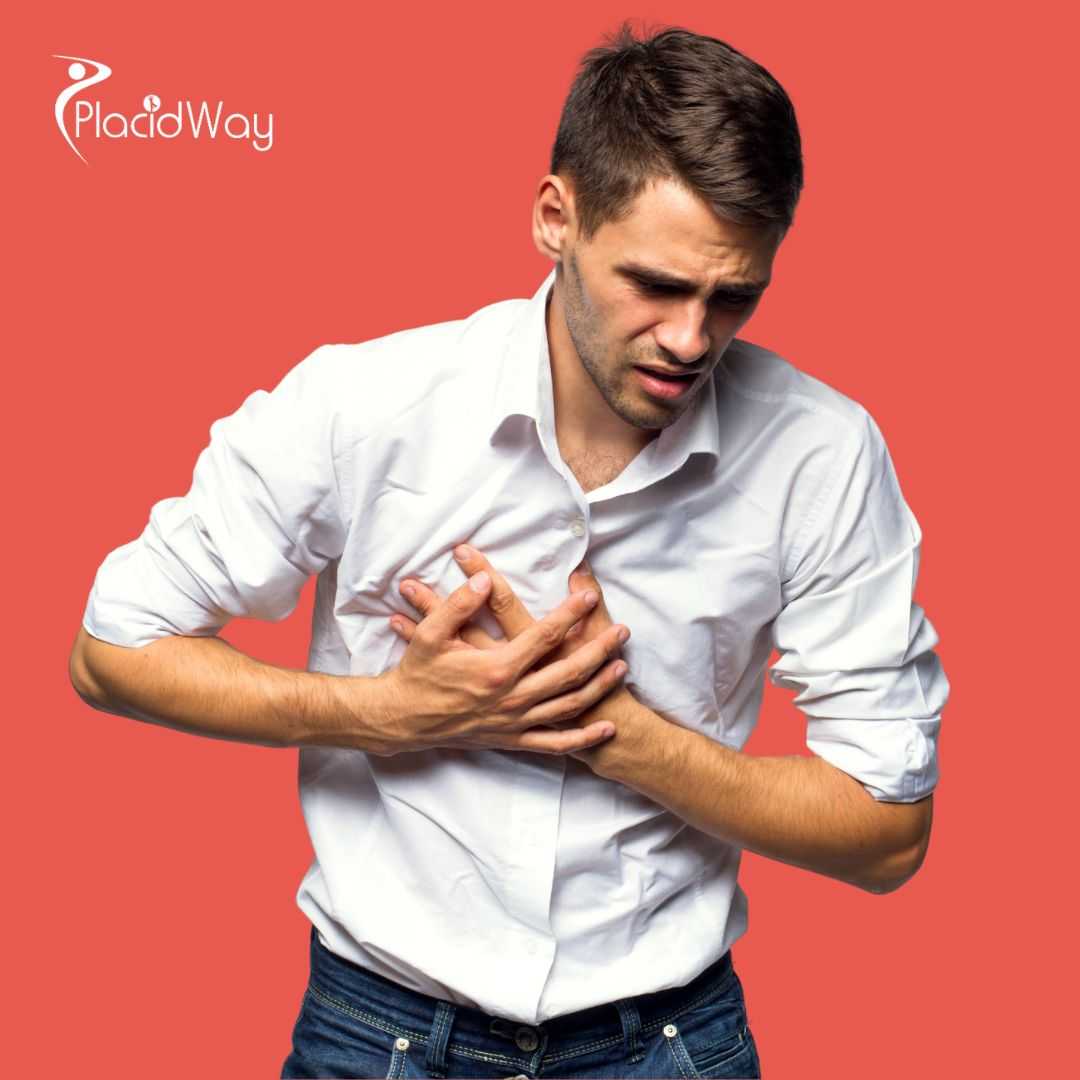
- Chest pain, sudden shortness of breath, fainting, confusion, or blue lips
- Rapidly increasing swelling, heavy bleeding, severe weakness, or a racing heartbeat
- Fever with worsening redness, foul drainage, severe pain, or spreading skin discoloration
- One-sided leg swelling or calf pain, especially before or after a flight
- Persistent vomiting, inability to drink, severe abdominal pain, or reduced urine output
- New neurologic symptoms, vision loss, or severe headache
This list is not exhaustive. Use the emergency plan supplied by your clinical team and contact local emergency services when symptoms are severe. Do not wait for a coordinator in another time zone to respond.
Colombia versus nearby alternatives
Colombia competes most directly with Mexico for North American dental, bariatric, and cosmetic care; Brazil for plastic surgery; Costa Rica for dentistry and recovery-focused travel; and the Dominican Republic for body contouring. The decision should not be based on national reputation alone. Compare the exact clinician, facility, emergency capability, travel burden, follow-up, and total cost.
| Comparison | Colombia may fit better when | The alternative may fit better when |
|---|---|---|
| Colombia vs. Mexico | You have direct access to Bogotá, Medellín, or Cali; Spanish support or family ties; and a verified specialist with strong hospital backup | You need shorter travel from the U.S. or Canada, easier return visits, or a border-region follow-up pathway |
| Colombia vs. Brazil | You value easier Spanish communication, northern South America access, and often lower travel complexity from the Caribbean or U.S. | You have a specific verified Brazilian specialist or procedure ecosystem and can manage Portuguese communication and longer travel |
| Colombia vs. Costa Rica | You want a larger urban specialist pool and broader cosmetic-surgery market | You prioritize a smaller tourism footprint, certain dental pathways, or a recovery environment already integrated with your travel plan |
| Colombia vs. Dominican Republic | You prefer larger tertiary-care options and multiple major medical cities | You have stronger direct-flight access, family support, or a verified local pathway in the Dominican Republic |
A country comparison is only a screening step. A strong provider in the “second-choice” country is safer than a weak provider in the destination with the better reputation.
Insurance, complications, and legal recourse
Standard travel insurance commonly excludes planned medical treatment and complications caused by it. Home-country health insurance may cover emergency stabilization after you return, but it may deny elective revision, rehabilitation, or care considered related to noncovered overseas surgery. Ask insurers precise questions and retain the written answers.
Before travel, obtain written answers to these questions
- Does the policy cover complications from planned surgery, dentistry, fertility treatment, or bariatric care abroad?
- Are postoperative infection, thrombosis, bleeding, emergency admission, and medical evacuation included?
- Is there a waiting period, deductible, benefit cap, or requirement to use an approved provider?
- Does coverage end when the planned procedure begins, or continue for unrelated emergencies?
- Will the insurer pay a Colombian facility directly, reimburse later, or require preauthorization?
If a dispute occurs, Colombia offers regulatory complaints, professional ethics proceedings, and civil or other legal routes, but these mechanisms serve different purposes. A complaint to Supersalud or an ethics tribunal does not automatically produce financial compensation. Civil recovery may require Colombian counsel, translated evidence, expert review, and substantial time.
Before treatment, secure the legal provider name, tax details, contract jurisdiction, consent forms, operative report, anesthesia record, implant or device labels, test results, invoices, photographs, and communication history. These records are essential for both clinical continuity and any later complaint.
Frequently Asked Questions
These answers address the questions international patients most often ask before comparing Colombian facilities. Costs are planning estimates in USD and should be replaced by a case-specific written quote after clinical review.
Is Colombia safe for cosmetic surgery?
Colombia can be a reasonable option when the surgeon is correctly registered, the facility appears in Colombia’s REPS database, anesthesia is delivered by a qualified specialist, and the recovery plan is medically supervised. The main avoidable danger is booking through social media or a beauty center that cannot prove surgical authorization. Citywide travel security also varies, so review official advisories for the exact neighborhood and route.
How much should an American budget for surgery in Colombia?
For a tummy tuck with limited liposuction, an American traveler should generally plan about $6,000–$11,500 for the procedure, economy airfare, 10–14 nights of recovery lodging, local transport, prescriptions, compression garments, food, and a contingency reserve. A complex combination procedure can exceed $13,000. U.S. insurance usually does not cover elective overseas surgery or routine complications, so obtain written coverage terms before paying.
How much should a Canadian budget for medical tourism in Colombia?
A Canadian traveler planning a major cosmetic procedure should usually budget about $6,500–$12,000 in total, including airfare, 10–14 recovery nights, transport, medications, and a buffer for extra appointments. Savings are measured against Canadian private-pay care, not publicly insured treatment. Because a complication may require care after returning home, confirm in advance which services your provincial plan and any private policy will or will not cover.
Will my U.S., Canadian, or European insurance cover treatment in Colombia?
Most standard health plans exclude elective treatment arranged abroad, while ordinary travel insurance often excludes complications arising from planned medical care. Some policies cover unrelated emergencies only. Request the full policy wording, not a verbal assurance, and ask specifically about postoperative infection, thrombosis, emergency hospitalization, medical evacuation, and revision travel. Keep the insurer’s written response with your consent forms and treatment contract.
Do I need a visa for medical treatment in Colombia?
Many U.S., Canadian, European, and Latin American passport holders can enter Colombia without a visitor visa for a short stay, often up to 90 days, but the immigration officer determines the authorized period. Travelers from nonexempt countries or those needing a longer stay should check Colombia’s Foreign Ministry before booking. Complete Check-Mig as directed, carry a return ticket, and keep your treatment and lodging details available.
Which Colombian city is best for medical tourism?
Bogotá offers the broadest multidisciplinary backup and is often preferable for complex cases, but its altitude and traffic can complicate early recovery. Medellín is strong for cosmetic surgery and dentistry with a milder climate. Cali has an established aesthetic and dental market, while Barranquilla and Cartagena serve Caribbean travelers. Choose the facility and emergency capability first; the city should be the second decision.
How long should I stay in Colombia after plastic surgery?
Many surgeons ask international patients to remain nearby for at least 10–14 days after a major operation, and longer after combined procedures or complications. Your departure should depend on wound status, mobility, thrombosis risk, drain removal, and flight length rather than the package schedule. Ask the surgeon to define objective fit-to-fly criteria and provide written instructions for urgent symptoms during the journey home.
Can dental implants be completed in one trip to Colombia?
Some immediate-load full-arch cases can receive a temporary prosthesis in one visit, but many conventional implants require staged care. Osseointegration commonly takes several months before the final crown or bridge is placed, especially when bone grafting is needed. Ask whether the quote covers implant fixtures, abutments, temporary teeth, final restorations, imaging, sedation, and a second trip. Avoid promises of permanent results without diagnostic review.
How do I verify a Colombian surgeon and facility?
Check the clinician in ReTHUS, confirm the exact specialty rather than relying on the word “surgeon,” and verify the operating site in REPS. For plastic surgery, cross-check membership with the Colombian Society of Plastic Surgery. Request the anesthesiologist’s name, emergency-transfer protocol, infection-control process, and written complication policy. Accreditation can add reassurance, but it never replaces procedure-specific due diligence.
What happens if I have a complication after returning home?
Contact the Colombian clinical team and a local physician immediately for urgent symptoms; do not delay care while negotiating payment or responsibility. Your home clinician may need the operative report, implant labels, medication list, test results, and photographs. Overseas revisions can require another flight and may not be insured. Before departure, obtain complete records in English or Spanish and agree on a documented cross-border follow-up plan.
Are all-inclusive medical tourism packages in Colombia a good idea?
A bundle can simplify transport and lodging, but it can also hide who is medically responsible. Separate the clinical quote from hotel, driver, translator, and recovery-house charges. Confirm that medical consent occurs directly with the treating clinician and that you may change accommodation without losing care. Never let a coordinator substitute for a surgeon’s consultation, and do not accept a package that pressures you to combine procedures.
Take the next step without giving up independent checks
Ready to explore accredited options? Start a personalized inquiry to compare verified clinics and receive detailed quotes.
Always compare at least three facilities and verify credentials independently before committing.
References & further reading
Use institutional sources to verify credentials, entry rules, travel health, and complaint pathways. Accreditation, society membership, and government registration answer different questions; no single database proves that a clinician is appropriate for your case.
- Colombia Ministry of Health — ReTHUS professional registry
Use this official registry to confirm whether a clinician is authorized to practice and to review available professional information. - Colombia Ministry of Health — REPS provider registry
Search the exact healthcare facility and enabled services at the address where treatment is proposed. - National Medical Ethics Tribunal
Explains Colombia’s medical ethics jurisdiction and routes for professional conduct complaints. - Colombia Foreign Ministry — visa-waiver information
Official nationality list and conditions for short-stay visitor visa exemptions; verify again before travel. - Migración Colombia — Check-Mig
Official pre-registration platform for travelers entering or leaving Colombia. - CDC — Colombia Traveler View
Current vaccination, mosquito-borne disease, and destination health guidance for travelers. - U.S. Department of State — Colombia Travel Advisory
Entry, security, local-law, and region-specific advice for U.S. travelers. - Government of Canada — Colombia Travel Advice
Entry, safety, health, and local travel guidance for Canadian citizens. - Colombia Ministry of Commerce, Industry and Tourism — medical tourism context
Government context on Colombia’s health-travel market, principal cities, and reported medical-trip spending. - Joint Commission International — accreditation overview
Explains JCI accreditation standards and why patients should verify the current scope and status directly.
Medical disclaimer
This guide is for informational purposes only and does not constitute medical advice. Always consult qualified healthcare professionals before making medical decisions.





.jpg)
.png)
.jpg)










Share this listing