


What Is Recovery Like After a Mini Facelift in South Korea?
.png)
Key Takeaways: Recovery in South Korea
- Short Stay Required: Plan for at least 7-10 days in the country for stitch removal and follow-ups.
- Advanced Aftercare: Korean clinics often include deswelling lasers and oxygen therapy in the package.
- Manageable Downtime: Most patients feel comfortable sightseeing (with a hat and sunglasses) by day 3 or 4.
- Cost Efficiency: Even with travel expenses, the total cost is often 30-50% lower than in the US or UK.
- Support Systems: Medical tourism coordinators assist with language barriers, accommodation, and transport.
Choosing to undergo a mini facelift in South Korea is a decision that combines aesthetic enhancement with the adventure of medical tourism. South Korea has established itself as the plastic surgery capital of the world, renowned not just for surgical precision but for its meticulous approach to recovery and aftercare. Understanding the recovery journey is crucial for international patients to plan their trip, accommodation, and return to daily life effectively. Below, we explore every aspect of the recovery process, costs, and logistical considerations for your medical trip.
How Long Should I Stay in South Korea After a Mini Facelift?
When planning medical tourism in South Korea for facial rejuvenation, the duration of your stay is a critical logistical factor. For a mini facelift, surgeons universally recommend a stay of 7 to 10 days.
This timeframe is not arbitrary. The first 24 to 48 hours are crucial for monitoring immediate post-operative reactions, such as hematomas or excessive swelling. By day 7 or 8, the surgeon will typically remove the sutures located near the ears. Flying before the sutures are removed is generally discouraged as the cabin pressure in airplanes can exacerbate swelling and pose a risk to fresh incisions.
Furthermore, staying in South Korea allows you to take advantage of the renowned "aftercare service" (often called "A/S" in Korea). Unlike many Western countries where you are sent home to recover alone, Korean clinics often provide daily or alternate-day check-ups involving deswelling injections, LED light therapy, and professional hair washing (since you cannot wet your incisions), all of which speed up the healing process significantly.
What Is the Day-by-Day Recovery Timeline for a Mini Facelift in South Korea?
Recovery can vary by individual, but the high standard of care in South Korea often results in a predictable timeline. Here is what you can expect during your stay:
| Recovery Phase | Symptoms & Activities |
|---|---|
| Day 1 (Surgery Day) | Surgery is performed under local anesthesia with sedation. You will wear a compression bandage around your head. Rest at your hotel is mandatory. |
| Days 2-3 (Peak Swelling) | Swelling and bruising reach their peak. You will visit the clinic for disinfection and potentially deswelling laser treatment. Keep your head elevated. |
| Days 4-6 (Subsided Swelling) | Bruising turns yellow. You can go for light walks and sightseeing in Seoul or Busan. Compression garments may be worn only at night (per doctor's orders). |
| Day 7-8 (Stitch Removal) | Sutures are removed at the clinic. Scars will look pink but will be hidden by hair or natural creases. You are usually cleared to fly home. |
| Week 2 onwards | Most visible signs of surgery fade. You can return to work and wear makeup to cover any remaining discoloration. |
How Much Does a Mini Facelift Cost in South Korea Compared to the West?
Cost is a primary driver for medical tourism in South Korea. Patients from the United States, Australia, and Europe often find that they can pay for their flights, luxury accommodation, and the surgery itself for less than the cost of the procedure alone in their home country.
On average, a mini facelift cost in South Korea ranges from $4,000 to $7,500. In comparison, the same procedure in the US often starts at $8,000 and can exceed $15,000 depending on the surgeon's location and facility fees.
It is important to note that the price in Korea often includes pre-operative testing, post-operative medication, and the extensive aftercare treatments mentioned earlier. When budgeting, always ask if the quote includes the VAT (Value Added Tax) refund, which is a significant perk for tourists. International patients are eligible for a tax refund of approximately 7-8% on cosmetic procedures, which can be claimed at the airport upon departure.
What Are the Post-Op Care Instructions for Medical Tourists in South Korea?
Recovering in a hotel room is different from recovering in your own home. To ensure a smooth healing process while abroad, strict adherence to post-op instructions is vital.
Hydration and Nutrition: South Korean convenience stores and porridge (Juk) restaurants are excellent sources of soft, low-sodium foods that help reduce swelling. Avoid spicy Korean foods (like Kimchi or spicy ramen) for the first week, as high sodium can retain water and increase facial swelling.
Sleeping Arrangements: You must sleep with your head elevated above your heart to minimize swelling. Ask your hotel for extra pillows or book accommodation that offers adjustable beds. Many medical tourism hotels in Gangnam are equipped specifically for post-surgery guests.
Activity Level: While you are a tourist, avoid strenuous activities. Do not visit saunas (Jjimjilbangs) or hot springs, which are popular in Korea, for at least 3 weeks. Heat can increase swelling and cause bleeding. Light walking along the Han River or shopping malls is encouraged to promote blood circulation.
Will There Be Visible Scarring After a Mini Facelift in South Korea?
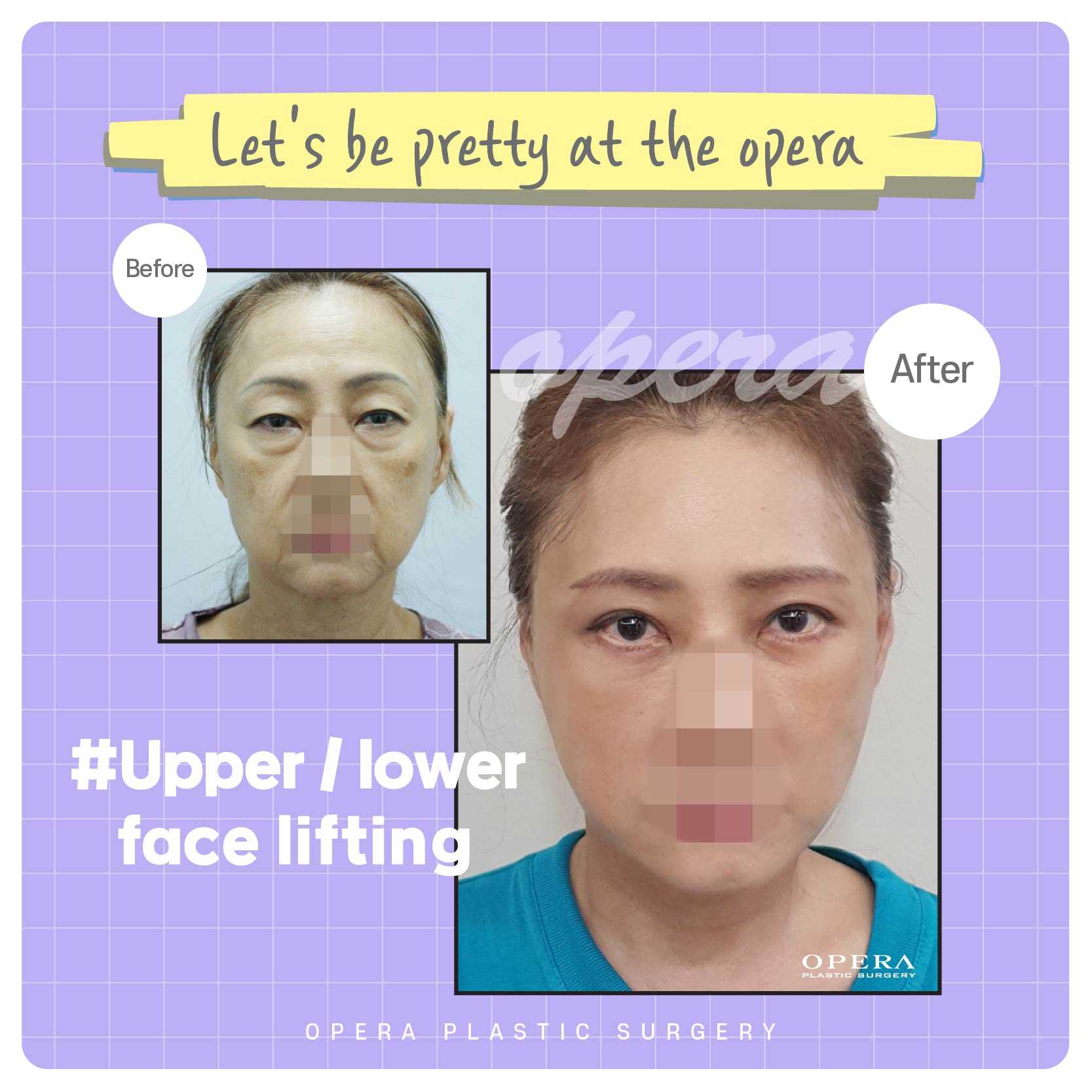
One of the main advantages of a mini facelift in South Korea is the surgeons' obsession with minimal scarring. Korean techniques often utilize "hidden incision" methods. The incisions are typically made along the hairline and around the natural curves of the ear (tragus).
Because Asian skin can be more prone to keloid scarring or hyperpigmentation, Korean surgeons are experts in suturing techniques that reduce tension on the wound. During your recovery week in Korea, you may receive scar management treatments, such as silicone sheet applications or steroid injections if there is any sign of hypertrophy.
Once you return home, the scars will be red or pink for a few months but will eventually fade to a thin white line that is barely perceptible.
Can I Combine a Mini Facelift with Other Procedures in South Korea?
Yes, combining procedures is a staple of medical tourism in South Korea. To maximize the recovery period and cost-efficiency, many patients opt for "package" surgeries. Common combinations with a mini facelift include:
- Upper or Lower Blepharoplasty: To rejuvenate aging eyes alongside the lower face.
- Fat Grafting: Transferring fat to the forehead or cheeks to restore volume and youthfulness (often called the "Baby Face" surgery in Korea).
- Neck Liposuction: To define the jawline further, complementing the lift.
Combining procedures usually means a single anesthesia event and a concurrent recovery period. However, it may increase the initial swelling and extend the time before you feel "socially presentable" by a few days.
How Does South Korea's Advanced Technology Speed Up Recovery?
South Korea is a global leader in medical technology, and this extends to post-operative care. While recovering, you might be exposed to treatments not commonly standard in Western clinics.
Many clinics in South Korea use Hyperbaric Oxygen Therapy chambers, which saturate the blood with oxygen to accelerate tissue repair. Healite II LED therapy is almost standard; it reduces inflammation and pain. Furthermore, clinics use advanced tissue glues and endoscopic equipment during the surgery itself to minimize tissue trauma, which translates directly to a faster recovery for the patient.
What Should I Pack for My Medical Trip to South Korea?
Preparation is key for a comfortable recovery. When packing for your mini facelift in South Korea, consider including:
- Button-down shirts or zip-up hoodies: You should not pull clothing over your head for the first week.
- Slip-on shoes: Bending over to tie shoelaces increases blood pressure to the face and should be avoided.
- Universal Travel Adapter: South Korea uses Type C and F plugs (220V).
- Scarves and Sunglasses: To cover swelling while you explore the city. Masks are also socially acceptable and widely worn in Korea, providing excellent cover for recovering patients.
- Neck Pillow: Essential for the flight home and helpful for sleeping upright in your hotel.
Is It Safe to Travel Alone for Plastic Surgery in South Korea?
South Korea is one of the safest countries in the world, making it an ideal destination for solo medical travelers. The infrastructure in Seoul is highly developed, with English signs in the subway and widely available WiFi.
However, regarding the surgery itself, traveling alone is feasible but requires planning. Most clinics offer airport pickup and drop-off services. For the first 24 hours after sedation, it is helpful to have someone with you, but if you are alone, nurses will ensure you are stable before releasing you, and you can stay in a hotel near the clinic. Many medical tourism agencies can arrange for a caregiver or a nurse to visit you at your hotel for the first night if you require extra peace of mind.
Frequently Asked Questions About Mini Facelift Recovery in South Korea
When can I fly home after a mini facelift in South Korea?
Most patients are cleared to fly home 7 to 10 days after surgery, once the stitches are removed. Flying too early can increase swelling due to cabin pressure.
Is a mini facelift in South Korea painful?
The procedure is not considered highly painful. Most patients describe the sensation as "tightness" or discomfort rather than acute pain. Mild painkillers prescribed by the clinic are sufficient to manage this during the first few days.
What happens if I have complications after returning home?
Reputable Korean clinics provide online follow-up channels via WhatsApp or KakaoTalk. In the rare event of a complication, they can advise you remotely or coordinate with a local specialist in your home country. Choosing a clinic with a medical tourism warranty is advisable.
Do doctors in South Korean plastic surgery clinics speak English?
Yes, major clinics catering to international patients have English-speaking surgeons and dedicated in-house translators who accompany you during consultations, surgery, and follow-ups to ensure no communication barriers.
What is the difference between a full facelift and a mini facelift?
A mini facelift targets the lower third of the face (jowls and jawline) with shorter incisions and less downtime. A full facelift addresses the entire face, including the mid-face and neck, requiring longer recovery and more extensive incisions.
How long do the results of a Korean mini facelift last?
Results typically last between 5 to 10 years, depending on your skin quality, lifestyle, and age. Korean techniques focus on lifting the SMAS layer (muscle), which ensures longer-lasting results compared to skin-only lifts.
Can I wear makeup immediately after surgery?
You should avoid applying makeup near the incision sites for at least 10 days to prevent infection. However, you can usually apply light makeup to the rest of your face after 3 to 5 days.
What diet should I follow during recovery in Korea?
Stick to a low-sodium diet to prevent water retention. Pumpkin juice is a popular post-op drink in Korea known for its deswelling properties and is widely available at pharmacies and clinics.
Does health insurance cover a mini facelift in South Korea?
No, a mini facelift is considered a cosmetic elective procedure and is generally not covered by international health insurance. However, some complications resulting from surgery might be covered depending on your specific travel insurance policy.
Why is South Korea considered the best destination for facelifts?
South Korea offers a unique combination of high-volume surgical experience, cutting-edge technology, natural-looking results, and competitive pricing. The strict government regulation of medical tourism also ensures high safety standards for foreigners.
Ready to Rejuvenate Your Look in South Korea?
Navigating the options for medical tourism can be overwhelming. Let us help you find the best accredited clinics and experienced surgeons in South Korea for your mini facelift. Get a personalized treatment plan and cost estimate today.

.png)

.png)

.png)
.png)









Share this listing