

Are you struggling to eliminate localized body fat despite maintaining a healthy lifestyle and diet? Many international patients look toward advanced medical destinations to access highly refined body contouring techniques and comprehensive care. Reviewing surgeon credentials, clinical safety standards, and transparent procedure costs is crucial for making an informed healthcare decision. This guide helps you navigate the specialized medical system overseas to ensure your treatment aligns with your aesthetic goals and personal safety requirements.
- Estimated Cost: $2,500 to $6,500 USD per target area
- Safety Overview: Highly regulated environment when selecting clinics licensed by the Ministry of Health and Welfare
- Ideal Candidate: Individuals near their target weight with stubborn localized fat and good skin elasticity
- Recovery Time: Typically requires 1 to 2 weeks for initial healing and safe international travel
- Why Choose South Korea: Access to board-certified specialists, specialized deswelling aftercare, and advanced ultrasound-assisted technologies
- Important Caution: Always verify that your chosen facility holds the official Korean Accreditation Program for Hospitals Serving Foreign Patients certification
Why International Patients Travel to South Korea for Liposuction
Making the decision to travel overseas for a medical procedure requires careful consideration of the benefits and local healthcare standards. South Korea has developed a highly advanced medical infrastructure heavily focused on aesthetic and reconstructive procedures. International patients frequently choose this destination because of the rigorous training required for board-certified plastic surgeons and the specialized focus on natural-looking body contouring. The medical system places a strong emphasis on precise pre-operative planning using 3D imaging to map out fat distribution.
Beyond surgical expertise, the clinical experience in this destination is tailored to minimize patient downtime. Clinics often integrate extensive post-operative care routines directly into their treatment packages. These treatments aim to accelerate healing and improve the final contour. Patients typically travel from North America, Southeast Asia, and Europe specifically to access these comprehensive care models.
- Access to highly experienced surgeons who perform a high volume of body contouring procedures annually
- Integration of advanced technologies such as laser-assisted and ultrasound-assisted fat removal
- Comprehensive aftercare programs including lymphatic drainage massage and specialized deswelling therapies
- Transparent package pricing that often bundles consultation, surgery, garments, and follow-up care
- Strict government oversight for clinics authorized to treat international medical tourists
The steady increase in patients seeking aesthetic procedures overseas highlights the trust placed in these regulated healthcare systems. According to national medical tourism data, the volume of inbound patients seeking plastic surgery has shown consistent growth. The specialized expertise available often justifies the travel required to reach these medical hubs.
Understanding the Medical Process of Liposuction
Liposuction is a surgical procedure designed to remove localized deposits of fat that do not respond to traditional weight loss methods. It is important to understand that this treatment is not intended for widespread weight loss or obesity management. Instead, it is a contouring technique aimed at reshaping specific areas such as the abdomen, thighs, arms, or neck. During the procedure, a surgeon inserts a thin tube called a cannula through small incisions to loosen and suction out excess fat cells.
The biological principle relies on physically reducing the number of fat cells in a targeted area. Once these cells are removed, they do not regenerate. However, if you experience significant weight gain after the procedure, the remaining fat cells in your body can still expand. Maintaining a stable weight through a healthy lifestyle is essential for preserving the surgical outcome and ensuring long-term satisfaction with your body contour.
Benefits of Body Contouring
- Permanently removes fat cells from targeted areas
- Can enhance body proportions and clothing fit
- Involves small incisions that typically fade well over time
- Often combined with fat grafting for comprehensive shaping
Important Limitations
- Does not treat cellulite or tighten loose skin
- Requires a commitment to maintaining stable body weight
- Involves a mandatory recovery period with swelling and bruising
- Results are not immediate and take months to fully stabilize
Advanced Fat Removal Techniques Available in South Korea
Medical facilities in this destination utilize several modern surgical techniques to improve fat removal efficiency and protect surrounding tissues. The traditional tumescent method remains the foundation of most procedures. In this approach, the surgeon injects a sterile solution containing saline, local anesthetic, and epinephrine into the treatment area. This solution helps numb the region, minimize blood loss, and cause the fat to swell, making it easier to extract smoothly.
To enhance results, particularly in fibrous areas or for patients seeking high-definition contouring, surgeons often integrate energy-assisted technologies. Ultrasound-assisted methods utilize sound waves to liquefy fat cells before removal, which can be gentler on the body. Laser-assisted approaches melt the fat while simultaneously promoting mild thermal skin contraction. Your surgeon will recommend the specific technique based on your anatomy, skin elasticity, and the volume of fat being targeted.
| Procedure Technique | Medical Mechanism | Best Suited For |
|---|---|---|
| Tumescent Liposuction | Uses large volumes of anesthetic fluid to separate fat cells from tissue before suction. | Standard fat removal in areas with good tissue elasticity and minimal fibrosis. |
| Ultrasound-Assisted (VASER) | Emits ultrasonic waves through the cannula to liquefy fat, preserving nerves and blood vessels. | Dense, fibrous areas like the male chest or upper back, and high-definition contouring. |
| Laser-Assisted (SmartLipo) | Uses targeted laser energy to melt fat cells and create a mild thermal effect on the dermis. | Small pockets of fat where mild skin contraction is beneficial, such as the neck or lower face. |
| Power-Assisted (PAL) | Features a vibrating cannula that rapidly breaks down fat tissue for smoother extraction. | Large volume fat removal and revision surgeries where scar tissue may be present. |
Determining If You Are an Ideal Candidate for Body Contouring
Patient selection is a critical factor in achieving successful and safe surgical outcomes. The ideal candidate is an adult who is within thirty percent of their ideal body weight and maintains a stable physical condition. Body contouring surgery is highly effective for individuals troubled by disproportionate fat deposits that persist despite rigorous diet and exercise routines. Good overall health and the absence of conditions that impair healing or increase surgical risks are fundamental requirements.
Skin elasticity plays a major role in the final aesthetic result. Because liposuction removes underlying volume, the overlying skin must be able to shrink and conform to the new body shape. Patients with poor skin elasticity due to aging, massive weight loss, or severe sun damage may experience skin sagging after fat removal. In such cases, your surgeon may recommend combining the procedure with a skin excision surgery, such as an abdominoplasty, to achieve the desired outcome.
Candidate Evaluation Checklist
- You have maintained a stable weight for at least six months.
- You do not smoke, or you are willing to quit nicotine use weeks before and after surgery.
- You have realistic expectations regarding the limitations of surgical contouring.
- Your skin has sufficient elasticity to adapt to a reduced underlying volume.
- You are mentally prepared for a multi-week recovery process requiring compression garments.
Patient Demographics and Medical Travel Trends
Analyzing recent trends in medical tourism provides insight into who is seeking these procedures and why. Based on clinical registry data and medical travel reports from 2024 and early 2025, patients traveling for aesthetic contouring represent a diverse group. Women account for the majority of these travelers, though male body contouring has seen a notable increase, particularly for abdominal and chest sculpting. Patients frequently travel from the United States, Australia, Singapore, and the United Kingdom.
The motivation for travel extends beyond simple cost savings. Many younger patients, specifically those in their late twenties to thirties, seek advanced technologies and minimally invasive approaches that reduce downtime. Older demographics often combine fat removal with anti-aging procedures. Understanding these age distributions helps illustrate the widespread acceptance of surgical contouring across different life stages.
Expected Cost of Liposuction in South Korea Compared Globally
Understanding the financial commitment is a vital step in your healthcare planning. Treatment prices vary significantly based on the volume of fat removed, the number of areas treated, the specific technology utilized, and the reputation of the surgeon. In many Western countries, costs are often unbundled, meaning anesthesia, facility fees, and surgical fees are billed separately. Medical facilities catering to international patients typically provide all-inclusive package pricing to offer better transparency.
When comparing international costs, it is important to factor in travel expenses, accommodation, and necessary medical insurance. Even with these additional travel costs, many patients find the overall expense highly competitive, especially given the inclusion of advanced aftercare services. The table below outlines typical estimated costs, but your final quote will depend on an individualized clinical assessment.
| Country | Estimated Cost per Area (USD) | Typical Pricing Structure |
|---|---|---|
| United States | $4,500 - $8,500 | Often unbundled; excludes facility and anesthesia fees |
| Australia | $5,000 - $9,000 | Largely unbundled; high local surgical fees |
| United Kingdom | $4,000 - $7,500 | Variable based on private hospital location |
| South Korea | $2,500 - $6,500 | Often bundled; includes surgery, anesthesia, and basic aftercare |
What to Expect in a Comprehensive Surgical Package
A well-structured medical tourism package ensures that you do not encounter unexpected medical fees upon arrival. Top-tier clinics provide detailed, itemized quotes before you travel. These quotes outline exactly what clinical and non-clinical services are covered during your stay. This transparency is crucial for budgeting and planning a stress-free recovery period away from home.
A comprehensive package typically covers all immediate medical necessities but may exclude long-term accommodations and flights. It is highly recommended to clarify the clinic's policy on revision surgeries and complication management before finalizing your booking. Knowing what happens if an unexpected medical issue arises provides peace of mind during your journey.
Standard Package Inclusions
- In-depth pre-operative consultation and 3D body imaging
- Pre-surgery medical screenings (blood tests, ECG)
- Surgeon fees, anesthesiologist fees, and operating room charges
- Custom medical compression garments required for recovery
- Medication prescriptions for the duration of your stay
- Post-operative deswelling treatments and follow-up consultations
- In-house medical translation services
Detailed Recovery Timeline and Postoperative Care Steps
Recovery requires patience, strict adherence to medical guidelines, and realistic expectations regarding your body's healing capacity. Immediately following the procedure, swelling, bruising, and mild to moderate discomfort are inevitable. You will be placed in a specialized compression garment that helps minimize swelling, reduce fluid buildup, and encourage your skin to retract over your new body contour. Wearing this garment exactly as instructed by your surgeon is one of the most critical aspects of your recovery.
During the first week, your activity level will be limited to short, gentle walks to promote blood circulation and prevent complications like blood clots. Most international patients are advised to remain in the country for at least seven to ten days for safety monitoring and post-operative treatments. Full results require several months as deep tissue healing completes and residual swelling subsides entirely.
| Timeframe | Biological Process | Patient Sensation | Activity Level | Action Required |
|---|---|---|---|---|
| Days 1-3 | Acute inflammatory phase; fluid drainage from incisions. | Soreness, tightness, and significant swelling. | Rest with very light, short walks indoors. | Wear compression garments 24/7; take prescribed medications. |
| Days 4-7 | Initial fluid reduction; incisions begin sealing. | Bruising peaks; discomfort transitions to a dull ache. | Light daily activities; preparing for safe air travel. | Attend clinic follow-ups and lymphatic massage sessions. |
| Weeks 2-4 | Tissue remodeling begins; major swelling subsides. | Itchiness near incisions; noticeable contour changes. | Return to desk work; light cardiovascular exercise. | Continue wearing garments; avoid heavy lifting. |
| Months 3-6 | Final tissue settling and collagen stabilization. | Normal sensation returns; skin tightening stabilizes. | Unrestricted activity and intense exercise. | Maintain stable body weight to preserve surgical results. |
How to Evaluate Hospitals and Clinics for Safety
Selecting the right facility is the most important decision you will make regarding your healthcare abroad. Not all clinics operate under the same safety protocols, making government licensing a primary indicator of quality. In this destination, the Ministry of Health and Welfare regulates which medical facilities are legally permitted to treat foreign patients. Clinics must hold specific licenses demonstrating their ability to handle medical tourism safely.
Furthermore, evaluating the clinic's emergency preparedness is essential. A safe clinic will have an anesthesiologist present throughout the entire surgery, proper sterilization protocols, and emergency medical equipment on-site. Do not prioritize a clinic solely based on social media marketing or extreme price discounts, as these factors do not guarantee clinical safety.
Facility Safety Checklist
- Verify registration with the Ministry of Health and Welfare (MOHW).
- Check for the Korean Accreditation Program for Hospitals Serving Foreign Patients (KAHF) designation.
- Ensure a dedicated, board-certified anesthesiologist is part of the surgical team.
- Confirm the clinic has uninterrupted power supplies and emergency transfer protocols to major hospitals.
Verifying Plastic Surgeon Credentials and Board Certification
The expertise of your operating surgeon directly influences both the safety of the procedure and the aesthetic quality of your results. Medical professionals must undergo rigorous education and clinical training before performing cosmetic surgery. It is critical to ensure that your doctor is not just a general practitioner, but a fully certified specialist in plastic surgery.
Patients should verify that their chosen doctor is a recognized member of the Korean Society of Plastic and Reconstructive Surgeons (KPRS). Membership in this national society indicates that the surgeon has completed the required residency programs, passed specialized board examinations, and adheres to high ethical and clinical standards. During your consultation, ask about the surgeon's annual case volume for your specific procedure.
Potential Surgical Risks and Complication Management
Every surgical intervention involves inherent risks, and body contouring is no exception. While severe complications are uncommon when performed by qualified specialists in accredited facilities, patients must be aware of potential adverse events. Common minor issues include contour irregularities, asymmetry, or prolonged numbness. More serious medical risks include infection, fluid accumulation (seroma), or deep vein thrombosis (DVT).
Understanding how a clinic manages complications is just as important as knowing the risks. Reputable surgeons will thoroughly explain these risks during your consultation and outline their specific protocols for emergency management and revision policies. Transparency regarding surgical risks is a strong indicator of a trustworthy healthcare provider.
| Potential Risk | Clinical Description | Prevention Strategy |
|---|---|---|
| Contour Irregularities | Bumpy, wavy, or asymmetric skin appearance post-surgery. | Surgeon uses precise techniques; patient strictly wears compression garments. |
| Seroma | Pockets of fluid accumulating under the skin. | Proper surgical drainage and adherence to post-op activity restrictions. |
| Infection | Bacterial infection at the incision sites. | Operating in a sterile environment and taking prescribed antibiotics. |
| Deep Vein Thrombosis | Blood clots forming in deep veins, usually in the legs. | Early, gentle walking post-surgery and using compression devices during operation. |
Planning Your Medical Journey and Consultation Process
A successful medical trip requires structured planning well before you board your flight. The process begins with remote consultations, where you will securely share medical history and photographs with the clinic. This allows the medical team to assess your eligibility and provide a preliminary treatment plan and cost estimate. Secure your medical visa requirements, if applicable, based on your country of origin.
Plan your itinerary to allow ample time for pre-operative, in-person consultations and adequate post-operative recovery. Rushing the travel process increases stress and can compromise your physical healing. Ensure you have a comprehensive understanding of your timeline before finalizing any travel arrangements.
Medical Travel Timeline
- Research Phase: Shortlist clinics based on KPRS certification and MOHW licensing.
- Remote Assessment: Submit medical history and receive preliminary plans and quotes.
- Travel Booking: Arrange flights and accommodation, ensuring you arrive at least two days before surgery.
- In-Person Consultation: Undergo comprehensive blood tests, 3D imaging, and finalize the surgical plan.
- Surgery and Recovery: Undergo the procedure and remain in the country for 7 to 10 days for clearance.
Frequently Asked Questions About Liposuction in South Korea
How much weight can I lose with liposuction?
This procedure is not a weight-loss tool; it is a body contouring method. Surgeons typically remove a maximum of 3 to 5 liters of fat to maintain patient safety, which translates to a few pounds. The goal is inch reduction and improved physical proportions rather than significant weight reduction.
Is the fat removal permanent?
Yes, the specific fat cells removed during the surgery are permanently eliminated and will not grow back. However, if you gain weight after the procedure, the remaining fat cells in your body can expand, which may alter your newly contoured shape.
Will the surgery leave visible scars?
Surgeons make very small incisions, usually less than a quarter-inch long, often hidden in natural body creases. While scars are permanent, they typically fade significantly over the first year and become barely noticeable with proper care and sun protection.
How long must I stay in South Korea after surgery?
Most medical professionals require international patients to remain in the country for at least 7 to 10 days post-surgery. This period allows for essential follow-up appointments, stitch removal, and medical clearance to ensure you are safe to fly.
What type of anesthesia is used during the procedure?
Depending on the scope of the surgery and patient preference, clinics use either local anesthesia with intravenous sedation or general anesthesia. Your anesthesiologist and surgeon will determine the safest option based on your medical history and the areas being treated.
Can I combine liposuction with other cosmetic procedures?
Yes, it is frequently combined with procedures like fat grafting, abdominoplasty, or breast augmentation. However, combining surgeries increases the time under anesthesia and the complexity of recovery, which your doctor will evaluate carefully during your consultation.
How do I communicate if I do not speak Korean?
Top clinics licensed to treat international patients provide dedicated, in-house medical interpreters. These coordinators assist you throughout your entire journey, from the initial consultation through surgery and post-operative care, ensuring clear communication with your medical team.
What are deswelling treatments?
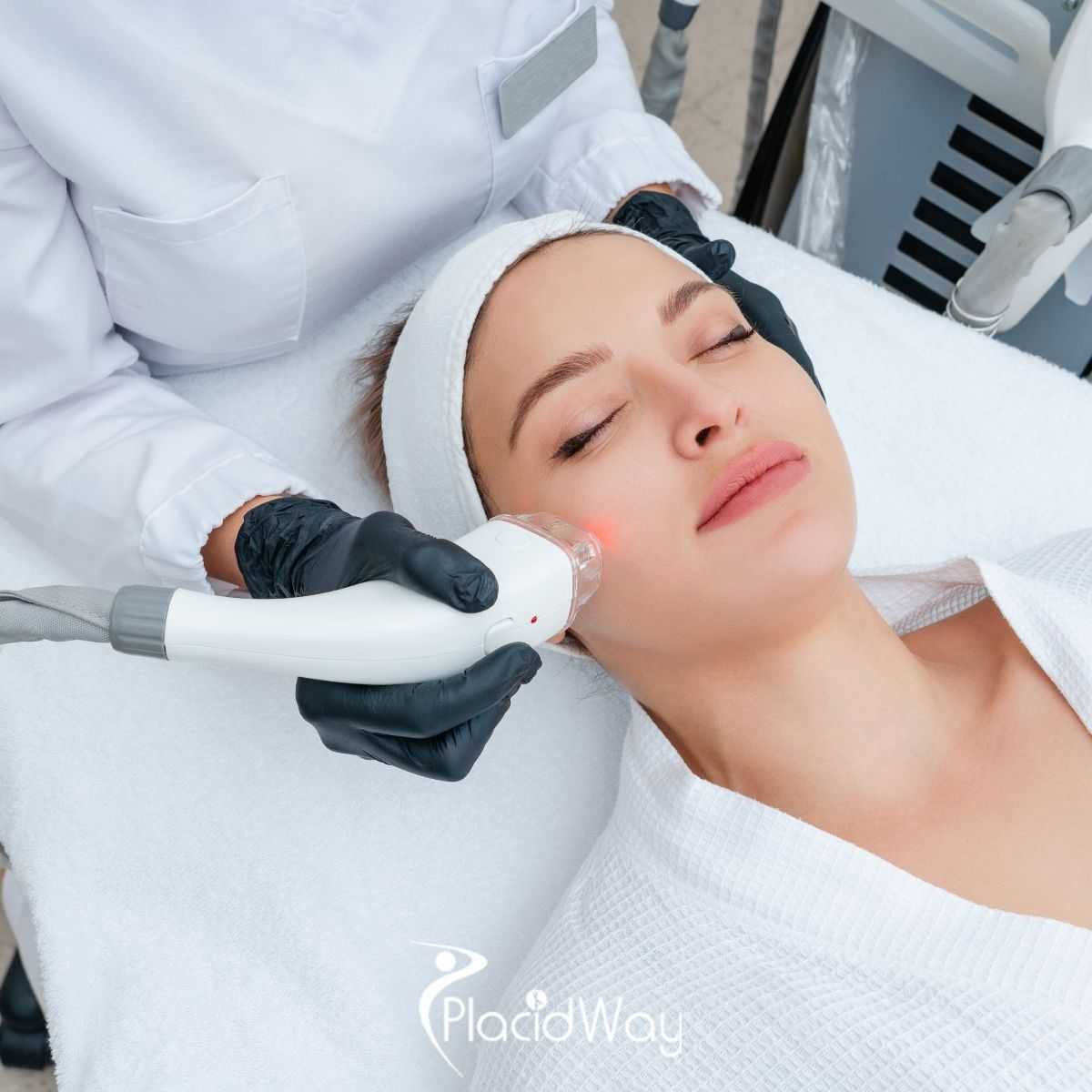
Deswelling treatments are specialized post-operative therapies commonly offered in Korean clinics. They often include lymphatic drainage massages, radiofrequency treatments, and LED light therapy designed to reduce inflammation, minimize bruising, and accelerate the healing process.
When will I see the final results of my surgery?
While you will notice a difference once the initial swelling subsides within the first few weeks, it can take anywhere from three to six months for all residual swelling to resolve completely. The skin also requires this time to retract and conform to the new contours.
How can I verify if a clinic is legally registered?
You can request the clinic's registration number issued by the Ministry of Health and Welfare. Additionally, check if they hold the KAHF (Korean Accreditation Program for Hospitals Serving Foreign Patients) certification, which guarantees they meet national safety standards for medical tourism.
Ready to Explore Your Options?
PlacidWay can help you compare board-certified surgeons, review transparent pricing, and safely plan your medical journey.
Request Free InformationDisclaimer: This information is for educational purposes only and does not replace professional medical advice. Always consult a qualified healthcare provider before making medical decisions.
References
- Liposuction Safety and Risks – American Society of Plastic Surgeons
- Healthcare Regulations and Foreign Patient Policies – Ministry of Health and Welfare South Korea
- Global Aesthetic Procedure Guidelines – International Society of Aesthetic Plastic Surgery
- Advancements in Ultrasound and Laser Assisted Fat Removal – National Institutes of Health
- Medical Tourism Infrastructure and Patient Volume Trends (2024 Data) – Korea Tourism Organization Data
- Clinical Expectations for Liposuction Recovery – American Society of Plastic Surgeons
- Board Certification Standards for Plastic Surgeons – Korean Society of Plastic and Reconstructive Surgeons





















Share this listing