
What treatment


20+ Key FAQs on Cosmetic/Plastic Surgery in South Korea
Questions About Cosmetic/Plastic Surgery in South Korea? Start Here
Trusted Medical Tourism Platform Since 2007
How Much Does a Breast Lift Cost in Gangnam South Korea
The estimated cost of a breast lift in Gangnam, South Korea, typically ranges from $5,000 to $9,000 USD. Prices vary based on the clinic, surgical technique, anesthesia fees, and whether you are combining the lift with breast implants. Choosing to travel abroad for plastic surgery requires careful research and thorough planning. Gangnam, a vibrant district in Seoul, has become a recognized hub for aesthetic medicine. Patients from around the world frequently look into a breast lift in South Korea (medically known as mastopexy) to address sagging breast tissue caused by aging, weight fluctuations, or pregnancy. Navigating the logistics of international healthcare can feel overwhelming. This guide breaks down the estimated expenses, surgical options, safety considerations, and recovery timelines to help you have an informed conversation with a qualified medical provider. Key Takeaways Mastopexy addresses breast ptosis (sagging) by removing excess skin and reshaping the breast contour. Cost estimates generally fall between $5,000 and $9,000 USD, though complex cases or implant additions increase the price. Patients should plan to stay in Seoul for 7 to 14 days to complete necessary post-operative check-ups and clear fitness-to-fly guidelines. All surgical procedures carry risks, including scarring, infection, and changes in nipple sensation. Arranging post-operative care with a local physician back home is an essential safety step before traveling. What factors influence the final cost of a mastopexy? The final price you pay depends heavily on the complexity of your surgery, the experience level of your surgical team, and facility fees. When researching the breast lift cost in South Korea, you will notice that clinics rarely offer one flat rate. Instead, estimates are tailored to your specific anatomical needs. Understanding what drives these price variations can help you budget appropriately. Several elements influence the total amount on your medical bill: Surgical Technique: Minor lifts require less operating time than comprehensive reshaping, naturally affecting the surgeon's fee. Anesthesia Type: General anesthesia administered by a board-certified anesthesiologist costs more than local anesthesia with IV sedation. Clinic Location and Reputation: Facilities located in prime areas of Gangnam with extensive experience treating international patients may charge premium rates. Additional Procedures: Adding fat grafting or silicone implants to your mastopexy will significantly increase both surgical time and material costs. What typically comes included in a surgery package? Most international packages cover the surgeon's fee, anesthesia, facility use, basic pre-operative tests, and post-operative follow-ups while you remain in the country. Every breast lift clinic in South Korea structures their billing differently. It is highly recommended that you ask for a transparent, line-item breakdown of your quote before committing to a procedure. This prevents unexpected expenses on the day of surgery. When reviewing a quotation, check whether the following items are included or billed separately: Pre-operative blood work, ECG, and breast ultrasounds or mammograms. In-house interpretation services for consultations and surgery day. Post-operative compression bras and wound care supplies. Prescription medications for pain management and infection prevention. Overnight hospital stays, if deemed medically necessary by the surgeon. How does pricing compare to Western countries? Patients often find that treatment in Seoul is more competitively priced than in the United States or the United Kingdom, even when factoring in specialized techniques. In the United States, a mastopexy often ranges between $7,000 and $12,000 USD for the surgery alone, excluding anesthesia, operating room fees, and required garments. In the UK, private treatment typically starts around £6,000 and can exceed £9,000 depending on the provider. By comparison, estimates in Gangnam generally range from $5,000 to $9,000 inclusive of many facility and anesthesia fees. However, when planning for medical tourism in South Korea, you must also budget for round-trip airfare, a two-week hotel stay, transportation, and daily living expenses. Once travel costs are added, the financial gap may narrow, meaning your decision should also weigh the surgeon's expertise and the clinic's standard of care. Who is generally considered an ideal candidate for this surgery? Suitable candidates are healthy non-smokers who experience breast sagging (ptosis) and hold realistic expectations about scarring and surgical outcomes. A breast lift is designed to elevate the breast profile by removing excess skin and tightening the surrounding tissue. You might be evaluated as a good candidate if your breasts have lost shape and firmness, or if your nipples point downward or rest below the breast crease. This sagging often occurs due to natural aging, pregnancy, breastfeeding, or substantial weight loss. Medical professionals strongly advise patients to reach a stable body weight before pursuing this surgery, as future weight fluctuations can reverse the surgical results. Furthermore, smoking significantly impairs wound healing and increases the risk of tissue necrosis; surgeons typically require patients to stop using all nicotine products weeks before and after the operation. Important Consideration: A mastopexy alone will not significantly change the size of your breasts. If you want fuller breasts, you will need to discuss combining the lift with augmentation. What surgical techniques are commonly used? Surgeons tailor the incision pattern to the degree of sagging, utilizing crescent, periareolar, vertical (lollipop), or inverted-T (anchor) techniques. During your consultation, your surgeon will assess your anatomy and recommend an incision pattern that provides the necessary lift while minimizing visible scarring. The main techniques include: Crescent Lift: A small incision runs halfway around the top edge of the areola. This is generally reserved for patients with very minimal sagging, often combined with an implant. Periareolar Lift (Donut): An incision traces the entire circumference of the areola. This is suitable for mild sagging and can also reduce the size of enlarged areolas. Vertical Lift (Lollipop): This involves an incision around the areola and one running vertically down to the breast crease. It provides moderate lifting and reshaping capabilities. Inverted-T Lift (Anchor): This requires incisions around the areola, vertically down the breast, and horizontally along the breast crease. It is the most common technique for severe sagging and offers maximum reshaping. Are there risks or potential complications involved? All surgical procedures carry inherent risks, including infection, poor wound healing, changes in nipple sensation, and adverse reactions to anesthesia. While many patients undergo mastopexy without serious issues, it is a major surgical procedure. You must discuss potential complications with your surgeon to make an informed choice. Possible risks include visible or thickened scarring, breast asymmetry, hematoma (blood pooling beneath the skin), and seroma (fluid accumulation). Changes to nipple or breast sensation are common; while often temporary, they can occasionally be permanent. In rare cases, compromised blood supply can lead to partial or total loss of the nipple and areola (necrosis). Traveling abroad adds a layer of complexity to risk management. If a complication arises after you return home, your local insurance may not cover the treatment for cosmetic surgery complications, and your original surgeon will be thousands of miles away. What does the recovery process look like? Initial recovery requires 1 to 2 weeks of rest, with most patients returning to non-physical work within 10 days. Full healing and tissue settling take several months. Immediately following the procedure, your breasts will be bruised, swollen, and tender. Your surgeon may place small drainage tubes under the skin to remove excess blood and fluid, which are usually removed within a few days. You will need to wear a surgical support bra around the clock to minimize swelling and support the new breast contours. Pain is generally managed well with prescribed medication during the first few days. You must avoid bending over, heavy lifting, and sleeping on your stomach. While light walking is encouraged to prevent blood clots, strenuous exercise and upper-body workouts should be paused for four to six weeks. Keep in mind that your final results will not be fully apparent until the internal swelling subsides and the tissues settle over the following three to six months. Can breast augmentation be combined with a lift? Yes, combining a lift with implants (augmentation mastopexy) is highly common for patients who want to restore lost volume alongside elevating the breast position. A breast lift removes excess skin and tightens tissue, but it cannot restore upper pole fullness (volume at the top of the breast). If your breasts have lost significant density or if you desire a larger overall cup size, your surgeon may recommend an augmentation mastopexy. This combined approach can be performed in a single operation, though it does slightly increase the surgical time, recovery demands, and overall cost. Discuss your aesthetic goals clearly during your consultation so the medical team can advise whether you need a lift, implants, or both to achieve the desired outcome. How long should you stay in Seoul after surgery? Medical professionals typically advise international patients to remain in South Korea for 7 to 14 days following a mastopexy. Planning sufficient time for post-operative care is crucial for patient safety. You cannot simply have surgery and fly home the next day. The initial days following surgery require closely monitored follow-ups to ensure your wounds are healing correctly and there are no signs of infection. During your extended stay in Gangnam, you will return to the clinic for several appointments. The medical staff will monitor swelling, change dressings, remove surgical drains if used, and eventually take out non-dissolvable stitches. Furthermore, flying too soon after surgery carries a heightened risk of deep vein thrombosis (DVT). Your surgeon must medically clear you for air travel before you board a flight home. How do you manage aftercare once you return home? Securing a relationship with a local general practitioner or specialist before you travel ensures you have reliable medical support if issues arise upon your return. Continuing your aftercare at home is your responsibility once you leave South Korea. You should leave the clinic with a complete copy of your medical records, surgical notes, implant details (if applicable), and clear instructions on wound care and activity restrictions. Even with careful surgical technique, delayed complications such as minor wound separations or infections can occur weeks after the procedure. If you experience sudden swelling, redness, fever, or excessive pain back home, you must seek immediate attention from a local healthcare provider. Do not wait for an email response from your overseas clinic in the event of an urgent medical symptom. Why Choose PlacidWay for Medical Tourism? Planning international healthcare requires access to clear, organized information. PlacidWay serves as a global medical tourism platform to help you navigate your options effectively. Broad Network: Access a wide directory of international clinics and certified medical professionals. Informative Resources: Utilize educational articles, cost comparisons, and procedural guides to inform your choices. Direct Connections: Communicate directly with international healthcare providers to ask specific medical questions. Multi-Language Support: Browse platform resources designed to help international patients overcome language barriers. Transparent Details: Review detailed clinic profiles, accreditations, and provider backgrounds in one centralized location. Frequently Asked Questions Will a breast lift change my cup size? A standard mastopexy does not significantly change the volume of your breasts, but by reshaping and lifting the tissue, your breasts may appear firmer and slightly rounder. If you want a larger or smaller cup size, you may need to combine the lift with implants or a reduction. Are the results of a mastopexy permanent? While a breast lift provides long-lasting reshaping, it cannot stop the natural aging process. Gravity, future pregnancies, and significant weight fluctuations can alter the shape and position of your breasts over time. How visible are the scars after surgery? Scarring is an unavoidable part of breast surgery. Scars typically appear red and raised initially, gradually fading over 12 to 18 months. They are strategically placed to be hidden under most bras and swimsuits, though they will never disappear entirely. Can I breastfeed after having a breast lift? Many women can still breastfeed after a lift, but it is not guaranteed. Techniques that preserve the connection between the nipple-areola complex and the underlying breast tissue have a higher success rate for future breastfeeding, though milk production may still be affected. Is it safe to fly shortly after having surgery in Gangnam? Flying too soon after major surgery increases the risk of deep vein thrombosis (DVT) and swelling. Surgeons generally advise waiting 10 to 14 days before taking a long-haul flight, pending medical clearance. Do clinics in South Korea provide English translators? Many facilities catering to international patients in Gangnam employ dedicated in-house translators or partner with interpretation services to ensure clear communication during consultations, surgery, and aftercare. Will I lose sensation in my nipples? Temporary changes in nipple sensation are very common and often resolve within a few months as nerves heal. In some cases, partial or total loss of sensation can be permanent. Do I need to lose weight before booking my procedure? Surgeons typically recommend being at or near your target weight before undergoing a breast lift. Losing significant weight after the procedure can cause the skin to sag again, potentially altering your surgical results. What happens if I need revision surgery after going home? If complications arise once you return home, you will need to consult a local healthcare provider immediately for safety. Revisional cosmetic work usually requires traveling back to your original surgeon, which incurs additional travel costs. How soon can I exercise again? Light walking is encouraged immediately to promote circulation. However, strenuous activities, heavy lifting, and upper-body workouts should be avoided for at least four to six weeks to allow incisions to heal properly. Ready to Explore Your Options? Connect with providers, compare estimates, and request detailed treatment information for your journey. Request Treatment Information References Breast Lift Guide – American Society of Plastic Surgeons (ASPS) Mastopexy Procedure Information – International Society of Aesthetic Plastic Surgery (ISAPS) Breast Lift Risks and Preparation – Mayo Clinic Travelers' Health: South Korea – Centers for Disease Control and Prevention (CDC) Breast Uplift Guide – National Health Service (NHS) Breast Lift Overview – American Board of Cosmetic Surgery Medical Disclaimer: The information provided in this article is for educational and informational purposes only and should not be construed as professional medical advice. Outcomes, recovery times, and suitability for surgery vary significantly from person to person. Always consult with a qualified, board-certified healthcare professional regarding any medical concerns or before making decisions about surgical procedures....
Read more details

How Much Does Vaginoplasty in Seoul South Korea
The estimated vaginoplasty cost in Seoul South Korea typically ranges from $3,500 to $7,000 USD. Prices vary based on surgical technique, anesthesia, facility fees, and your specific anatomical needs. An individualized consultation is required for an exact quote. If you are researching options for intimate rejuvenation, you might be considering vaginoplasty in Seoul South Korea. The country has developed a strong reputation for advanced reconstructive and cosmetic surgeries, drawing patients from around the globe. Navigating medical travel requires understanding not just the financial commitment, but also the medical realities, safety protocols, and recovery expectations. Key Takeaways Estimated procedural costs range between $3,500 and $7,000 USD, often lower than averages in North America or Western Europe. The surgery aims to repair and tighten the vaginal canal and surrounding pelvic floor muscles, often addressing laxity caused by childbirth or aging. Patients traveling from abroad should plan to stay in South Korea for at least 7 to 10 days for proper initial healing and medical clearance to fly. Results, risks, and recovery experiences vary significantly by individual, making a thorough medical evaluation essential. Arranging post-operative care with a local gynecologist in your home country is a crucial step before traveling. What exactly does a vaginoplasty procedure involve? Vaginoplasty is a surgical procedure designed to tighten the vaginal canal and repair separated or weakened pelvic floor muscles, often utilizing a technique called posterior colporrhaphy. During vaginal childbirth or as a result of natural tissue aging, the muscles and supportive tissues of the vaginal wall can become stretched, torn, or weakened. This can lead to a condition known as vaginal laxity, which may cause decreased sensation during intercourse or contribute to mild pelvic organ prolapse. The surgery usually involves removing excess vaginal lining (mucosa) and using strong sutures to pull the underlying separated muscles closer together. By tightening these muscles and reducing the mucosal diameter, the surgeon reconstructs the internal structure of the vagina. Depending on the complexity, this procedure can take anywhere from one to two hours under general or regional anesthesia. What factors influence the final cost of the procedure? The final price you pay depends on the surgeon's experience, the facility's location, the type of anesthesia used, and whether additional intimate procedures are performed simultaneously. While the baseline estimate falls between $3,500 and $7,000 USD, your personalized quote will reflect several specific variables. A primary factor is the extent of reconstruction required. A patient needing simple mucosal excision will likely pay less than someone requiring complex muscle repair and structural reinforcement. Other variables include the fees associated with an anesthesiologist, operating room time, and overnight observation if required. Additionally, choosing a highly specialized vaginoplasty clinic in Seoul South Korea located in premium medical districts like Gangnam may carry higher facility fees than clinics in other neighborhoods. Pre-operative blood tests, post-operative medications, and follow-up consultations also contribute to the total financial investment. Why do patients choose medical tourism in South Korea for intimate surgeries? Many international patients choose South Korea due to the country's stringent medical regulations, access to advanced surgical techniques, and modern healthcare infrastructure. Engaging in medical tourism in South Korea provides access to a healthcare system known for its technological integration. Medical facilities often utilize modern diagnostic and surgical tools, which can assist surgeons in performing precise procedures. Furthermore, the South Korean government actively regulates hospitals and clinics that cater to foreign patients, requiring specific certifications to ensure a baseline of safety and care quality. Privacy is another significant driver for medical tourists seeking intimate surgeries. Traveling abroad allows patients to undergo treatment and the initial stages of recovery away from their daily social and professional circles. Many facilities are also equipped with international patient departments that help bridge language barriers and assist with medical documentation. Am I a good candidate for vaginal rejuvenation surgery? Suitable candidates are usually healthy non-smokers experiencing symptomatic vaginal laxity who have completed their families and have realistic expectations about the outcomes. Determining eligibility requires a thorough medical evaluation by a qualified gynecologist or plastic surgeon. You may be a suitable candidate if you experience physical discomfort, loss of sensation, or mild urinary issues linked to vaginal muscle laxity. Family Planning: Surgeons strongly advise waiting until you are finished having children. A future vaginal delivery can undo the surgical repairs, causing tissues to tear or stretch again. Medical History: You must be in good general health. Conditions that impair healing, such as uncontrolled diabetes or autoimmune disorders, may increase surgical risks. Psychological Readiness: Having realistic expectations is vital. Surgery can improve physical anatomy, but it cannot guarantee enhanced sexual function or resolve underlying relationship issues. How long should I plan to stay in Seoul for recovery? You should plan to remain in South Korea for a minimum of 7 to 10 days post-surgery to attend follow-up appointments and receive medical clearance for air travel. The immediate days following surgery involve monitoring for acute complications such as excessive bleeding or infection. You will likely have a follow-up appointment within the first week so your surgeon can inspect the incision sites and ensure early healing is progressing normally. Flying too soon after pelvic surgery increases the risk of deep vein thrombosis (blood clots in the legs) due to prolonged sitting and cabin pressure changes. Your doctor will advise you on exactly when it is safe to board an airplane. During your stay in Seoul, you will need to rest, avoid strenuous activities, and prioritize your recovery over sightseeing. Important Consideration: Always factor the cost of your extended hotel stay, meals, and local transportation into your total medical tourism budget. What are the potential risks and complications of this procedure? Like all surgical procedures, vaginoplasty carries risks, including infection, bleeding, scarring, pain during intercourse (dyspareunia), and adverse reactions to anesthesia. It is vital to understand that no surgery is entirely risk-free. While serious complications are relatively uncommon, they can occur. Bleeding and hematoma (blood collecting under the skin) are risks immediately following the operation. Infection is also a concern, which is why adherence to your surgeon's hygiene instructions and prescribed antibiotics is critical. Long-term risks include altered sensation in the vaginal area or the development of thick scar tissue. In some instances, if the vaginal canal is tightened too much, patients may experience ongoing pain during penetrative sex (dyspareunia). Discussing these risks thoroughly with your doctor helps you make an informed decision about whether the potential benefits outweigh the possible harms. How do I prepare for gynecological surgery abroad? Preparation involves gathering your complete medical records, undergoing required blood tests, stopping certain medications, and establishing a relationship with a local doctor for aftercare. Thorough preparation begins weeks before you board your flight. Your chosen medical team will require a comprehensive medical history to ensure you are fit for surgery. You will likely need to stop taking blood-thinning medications, anti-inflammatory drugs, and certain herbal supplements to reduce bleeding risks. Smoking severely restricts blood flow and increases the risk of tissue death and poor healing. Surgeons typically require patients to stop smoking at least four to six weeks prior to surgery. Additionally, it is highly recommended to secure a local healthcare provider in your home country who is aware of your travel plans and willing to handle your long-term follow-up care or address any delayed complications. What is the typical recovery timeline like once I return home? Full healing generally takes six to eight weeks, during which you must avoid heavy lifting, strenuous exercise, the use of tampons, and sexual intercourse. Healing is a gradual process. For the first few weeks back home, you can expect mild to moderate swelling, bruising, and discomfort, which is usually manageable with prescribed or over-the-counter pain medication. You will need to take time off work—typically one to two weeks, depending on the physical demands of your job. Strict adherence to activity restrictions is crucial to prevent placing strain on the delicate internal sutures. You must abstain from sexual intercourse, submerging in baths or pools, and using tampons for a minimum of six weeks, or until your doctor explicitly clears you. Pushing yourself too hard too soon can cause the incisions to open, requiring further medical intervention. How do I find a reputable clinic in South Korea? Look for facilities accredited by international or national health organizations, and choose board-certified surgeons who specialize specifically in pelvic floor reconstruction or cosmetic gynecology. Patient safety should be your primary concern when selecting a medical provider abroad. Verify the surgeon's credentials, ensuring they hold recognized board certifications in obstetrics/gynecology or plastic surgery with dedicated experience in vaginal reconstruction. Ask how many of these specific procedures they perform annually. Investigate the facility itself. Clinics and hospitals should adhere to strict sterilization and emergency protocols. Facilities recognized by bodies like the Joint Commission International (JCI) or the Korean Ministry of Health and Welfare often meet stringent safety and quality standards. Ask direct questions during your initial virtual consultation about their complication rates, emergency transfer protocols, and follow-up care policies. Why Choose PlacidWay for Medical Tourism? Navigating the complexities of international healthcare can be challenging. PlacidWay serves as an educational resource and medical tourism directory to help patients explore their options globally. Here are five factual ways PlacidWay assists patients: Destination Comparison: PlacidWay allows patients to compare healthcare facilities, pricing estimates, and available procedures across dozens of countries, including South Korea. Information Gathering: The platform provides a centralized hub to access clinic profiles, surgeon credentials, and facility accreditation details. Direct Communication: Patients can use the platform to send inquiries directly to international medical providers to ask questions and request preliminary quotes. Educational Resources: PlacidWay publishes guides, articles, and frequently asked questions to help individuals understand the realities and logistics of medical travel. Multilingual Accessibility: The platform supports communication and provides resources that help bridge language gaps between patients and international facilities. Frequently Asked Questions Does insurance cover vaginoplasty in South Korea? In most cases, health insurance does not cover this procedure because it is typically considered an elective cosmetic surgery. If the surgery is deemed medically necessary to treat severe pelvic organ prolapse or congenital anomalies, some localized coverage might apply, but international patients usually pay out-of-pocket. Can I combine vaginoplasty with labiaplasty in Seoul? Yes, many patients choose to undergo multiple intimate procedures during the same surgical session, provided they are medically cleared. Combining surgeries can increase the overall cost and may extend your recovery timeline, so you should discuss this thoroughly during your consultation. What type of anesthesia is used during the procedure? The surgery is typically performed under general anesthesia or intravenous (IV) sedation combined with local anesthesia. The specific choice depends on the surgical complexity, your medical history, and the anesthesiologist's recommendation. How soon can I travel back home after surgery? Most surgeons recommend staying in South Korea for at least 7 to 10 days post-surgery. This allows time for your initial follow-up appointments and ensures you are stable enough to handle a long international flight. Will the results of the surgery be permanent? While the surgical tightening is long-lasting, the results are not guaranteed to be permanent. Future pregnancies, vaginal childbirth, hormonal changes, and the natural aging process can all affect the vaginal tissues over time. Are there non-surgical alternatives available in Seoul? Yes, many facilities offer non-invasive options such as radiofrequency (RF) treatments or laser therapies (like fractional CO2 lasers). These stimulate collagen production and improve mild laxity, though they do not repair torn muscle like surgery does. What happens if I experience a complication after returning home? You should establish a relationship with a local gynecologist before you travel. If complications arise after you return home, seek immediate care from your local healthcare provider, who can communicate with your surgeon in Seoul if necessary. Do Seoul clinics provide English-speaking translators? Many facilities that cater to international patients have dedicated international departments with in-house medical interpreters who speak English and other languages to assist throughout your journey. How do I handle payment for medical procedures in South Korea? Most major facilities accept international credit cards, wire transfers, and cash. It is vital to confirm accepted payment methods, currency exchange requirements, and any deposit policies with your chosen facility beforehand. Will my surgery require an overnight hospital stay? This depends on the extent of the surgery and your reaction to anesthesia. Some patients go back to their hotel the same day, while others are monitored overnight in the clinic or hospital to manage initial pain and observe for early bleeding. Compare Treatment Options Explore reputable clinics, compare costs, and gather the information you need to make an informed decision about your healthcare journey abroad. Request Treatment Information References Elective Female Genital Cosmetic Surgery – American College of Obstetricians and Gynecologists (ACOG) Vaginal Rejuvenation Information – American Society of Plastic Surgeons (ASPS) Medical Tourism Travel Information – Centers for Disease Control and Prevention (CDC) Global Aesthetic Surgery Statistics – International Society of Aesthetic Plastic Surgery (ISAPS) Vaginoplasty Overview and Risks – Mayo Clinic Medical Tourism Guidelines and Statistics – Korea Health Industry Development Institute (KHIDI) Medical Disclaimer: The information provided in this article is for educational and informational purposes only and does not constitute medical advice. Treatment outcomes, recovery times, and procedural costs vary by individual. This content should not replace professional medical consultation, diagnosis, or treatment. Always seek the advice of a qualified healthcare provider regarding any medical condition or proposed surgical procedure....
Read more details
How Much Does Facial Contouring Cost in South Korea
The average cost of facial contouring in South Korea ranges from $5,000 to $15,000, depending on the specific procedures involved, such as jaw reduction, cheekbone reduction, or chin surgery, as well as the complexity of the treatment plan. Planning for facial contouring in South Korea requires understanding not just the surgical techniques, but also the financial commitment, safety protocols, and recovery expectations. South Korea has become a global hub for maxillofacial and plastic surgery, drawing thousands of international patients each year seeking advanced bone-reshaping procedures. If you are considering altering the shape of your jawline, cheekbones, or chin, knowing the estimated facial contouring cost in South Korea is often the first step. The country is known for specialized surgical centers, extensive use of 3D imaging technology, and surgeons with high case volumes in facial bone procedures. However, undergoing surgery abroad is a significant medical decision that requires careful planning. Key Takeaways Cost Variations: Single procedures typically range from $5,000 to $7,000, while comprehensive packages like V-line or two-jaw surgery can exceed $15,000. Common Procedures: Facial contouring usually includes zygoma (cheekbone) reduction, mandible (jaw) angle reduction, and genioplasty (chin reshaping). Recovery Timeline: Patients usually need 2 to 4 weeks of initial downtime, with final results taking 6 to 12 months as residual swelling resolves. Safety First: Choosing a reputable facility and verifying the board certification of both the surgeon and anesthesiologist is critical for patient safety. Logistics: Plan for a stay of at least 10 to 14 days in South Korea for post-operative monitoring and stitch removal before flying home. What specific procedures are included in facial contouring? Facial contouring is an umbrella term that includes cheekbone (zygoma) reduction, jaw (mandible) reduction, and chin surgery (genioplasty), which can be performed individually or combined for comprehensive facial reshaping. When looking into a facial contouring clinic in South Korea, you will find that treatment plans are highly customized. No two faces are identical, so surgeons tailor their approach based on your underlying bone structure and aesthetic goals. The most commonly requested procedures under the facial contouring umbrella include: Zygoma Reduction: This procedure reshapes prominent or wide cheekbones by fracturing and repositioning the bone inward, creating a softer mid-face profile. Mandible Angle Reduction: Often referred to as jaw reduction, this targets a square or wide lower jaw. The surgeon shaves or resects the angular bone at the back of the jawline. Genioplasty: Chin surgery can slide the chin bone forward, backward, or reduce its length to balance the facial proportions. V-Line Surgery: This is a popular combination of mandible angle reduction and genioplasty designed to create a slender, V-shaped lower face. Procedure Estimated Cost (USD) Focus Area Cheekbone (Zygoma) Reduction $5,000 – $7,000 Mid-face width Jaw (Mandible) Reduction $5,000 – $7,000 Lower jaw angles Genioplasty (Chin Reshaping) $3,500 – $5,500 Chin length/projection V-Line Surgery (Jaw + Chin) $8,000 – $10,000 Complete lower face Two-Jaw Surgery (Orthognathic) $10,000 – $15,000+ Upper and lower jaw realignment Note: The prices listed above are estimates. Final costs depend on the individual clinic, surgeon expertise, exchange rates, and the medical complexity of the patient's case. Why do facial contouring prices vary so much in South Korea? Prices fluctuate based on the surgeon's specialized experience, the complexity of your bone structure, the inclusion of dedicated anesthesiology, and the level of post-operative care provided by the facility. When researching the facial contouring cost in South Korea, you may notice significant price differences between various medical centers in Seoul. A higher price tag often reflects the specialized training of the surgical team. Surgeons who dedicate their entire practice to maxillofacial surgery usually command higher fees than general plastic surgeons. Facility infrastructure also plays a major role in pricing. Hospitals equipped with advanced 3D CT scanners, intensive care units (ICUs), and in-house laboratories for pre-operative testing have higher overhead costs, which are reflected in their surgical fees. Additionally, clinics that retain full-time, board-certified anesthesiologists—rather than hiring freelance providers—often charge more, but this is a critical factor for patient safety during lengthy bone surgeries. Finally, your anatomical complexity influences the cost. A straightforward jaw reduction requires less time and surgical planning than an asymmetrical face requiring custom-milled titanium plates or concurrent orthognathic (two-jaw) surgery to correct bite issues. Are there hidden costs when planning a medical trip to Seoul? Patients must budget for travel, accommodation for at least two weeks, special post-operative liquid meals, prescription medications, and potential medical translation services alongside the base surgical fee. Participating in medical tourism in South Korea requires budgeting beyond the surgical quote. The clinic's estimate typically covers the procedure, anesthesia, and immediate post-operative checkups. However, international patients need to account for several logistical expenses. You will need to stay in South Korea for 10 to 14 days after your surgery to attend follow-up appointments and have stitches removed. Accommodation in Seoul varies widely, from budget-friendly guesthouses to luxury hotels. Furthermore, because you will be on a liquid or soft-food diet for several weeks, you may need to purchase specific meal replacements or specialized soft groceries while recovering. Other potential costs to factor into your budget include: Round-trip international airfare. Compression garments or specialized ice packs (if not provided by the clinic). Prescription medications (antibiotics, pain relief, anti-swelling drugs). Transportation to and from the airport and clinic. Travel health insurance that covers complications from elective surgery. What makes South Korea a leading destination for facial bone surgery? South Korea is recognized for its high volume of complex facial contouring procedures, driving innovation in surgical techniques, extensive use of 3D facial mapping, and specialized post-operative recovery protocols. South Korea’s reputation in aesthetic medicine is largely built on its advancements in facial bone surgery. Because a slender, V-shaped face is highly sought after in modern Korean beauty standards, surgeons in Seoul perform a high volume of these procedures compared to their Western counterparts. High case volume generally translates to extensive surgical experience and refined techniques. Expert Insight: Many top Korean clinics utilize 3D Computed Tomography (CT) scans to map the exact location of vital nerves, such as the inferior alveolar nerve in the jaw. This precise mapping helps surgeons plan cuts safely, minimizing the risk of permanent nerve damage. Furthermore, the infrastructure supporting medical tourism in South Korea is well-developed. The Korean government actively regulates hospitals that cater to international patients. Many leading facilities feature comprehensive patient support, including dedicated international departments with multilingual coordinators, airport pickup services, and specialized swelling-management treatments like deswelling light therapies and lymphatic massages. Am I a suitable candidate for V-line surgery or facial contouring? Ideal candidates are healthy adults with fully developed bone structures who have realistic expectations and understand the significant physical and emotional recovery required for facial bone reshaping. Not everyone who desires a narrower face requires invasive bone surgery. A responsible surgeon at a facial contouring clinic in South Korea will thoroughly evaluate your anatomy. In some cases, a wide lower face is caused by enlarged masseter muscles or excess fat, which may be treated with non-surgical injectables or buccal fat removal rather than bone resection. If bone structure is the primary cause of facial width, you may be a candidate for contouring if you meet certain medical criteria. You must be in good overall health, free from bleeding disorders, and not currently suffering from active dental or gum infections. Your facial bones must also be fully developed, meaning these procedures are generally reserved for patients over the age of 18. Psychological readiness is equally important. Facial contouring permanently alters your basic appearance. Patients must have realistic expectations and be prepared to manage the emotional toll of the recovery process, as prolonged swelling can initially obscure the final surgical outcome. What are the potential risks and complications of jaw and cheekbone surgery? Facial contouring carries significant risks, including nerve damage resulting in numbness, asymmetrical healing, severe bleeding, infection, and potential complications associated with general anesthesia. Any surgery involving the facial skeleton is highly complex and carries inherent risks that patients must carefully weigh against the aesthetic benefits. Nerve damage is one of the most critical concerns. The nerves that provide sensation to your lips, chin, and teeth run directly through the jawbone. If these nerves are bruised, stretched, or severed during surgery, it can lead to temporary or, in rare cases, permanent numbness and altered sensation. Other potential complications include: Asymmetry: Despite precise planning, bones and tissues may heal differently on each side of the face, potentially requiring revision surgery. Bone Non-Union: In cheekbone reduction, the fractured bones may fail to fuse correctly, leading to clicking sounds, pain when chewing, or facial sagging. Infection and Bleeding: Because incisions are usually made inside the mouth, they are exposed to oral bacteria. Strict oral hygiene is required to prevent infections. Skin Sagging: Removing a portion of the bone reduces the foundational support for facial tissues. Older patients or those with poor skin elasticity may experience skin sagging post-operatively, sometimes requiring secondary lifting procedures. It is essential to discuss these risks extensively with your chosen medical professional before traveling abroad for surgery. How long is the recovery period after facial bone contouring? Initial recovery requires 2 to 4 weeks of significant downtime with severe swelling and dietary restrictions, though it takes 6 to 12 months for the bones to fully heal and final results to settle. The recovery from facial contouring is demanding. Immediately after surgery, you will experience substantial swelling, bruising, and a feeling of tightness around your jaw and neck. Most patients require a specialized compression garment around the face to minimize swelling and support the newly shaped tissues. During the first two to four weeks, you will be placed on a strict liquid or soft-food diet. Chewing hard foods is strictly prohibited, as it can disrupt bone healing or displace titanium fixation plates. Oral hygiene is managed with specialized mouthwashes, as brushing normally is not possible while intraoral incisions heal. While you may feel comfortable returning to desk work and social activities after three to four weeks, you must understand that the aesthetic results are not immediate. Subtle residual swelling can linger for several months, and the tissues require time to adapt to the new bone structure. Patience is crucial during this extended healing timeline. How can I ensure my safety when choosing a clinic in South Korea? To prioritize safety, verify that your surgeon is board-certified by recognized medical associations, confirm the presence of a dedicated anesthesiologist, and choose facilities equipped with emergency intensive care units. When traveling for medical care, prioritizing safety over cost is paramount. Begin by researching the surgeon’s credentials. In South Korea, look for surgeons who are board-certified by reputable organizations such as the Korean Society of Plastic and Reconstructive Surgeons (KSPRS) or those who specialize specifically in oral and maxillofacial surgery. Important Consideration: Always ask directly about the anesthesia protocols. Because facial contouring is lengthy and performed near the airway, continuous monitoring by a board-certified anesthesiologist—who does not leave the operating room—is vital. Furthermore, inquire about the hospital's emergency protocols. High-quality clinics should have uninterrupted power supplies, automated external defibrillators (AEDs), and affiliations with larger general hospitals in case a rapid transfer is required due to severe, unexpected complications. Will I need follow-up care after returning home from South Korea? Yes, it is highly recommended to establish a relationship with a local dentist or maxillofacial surgeon in your home country who can monitor your ongoing bone healing and assist if late-stage complications arise. Surgical care does not end when you board your flight home. While your South Korean medical team will likely conduct virtual follow-ups via email or video calls, physical monitoring is occasionally necessary. Before you travel, research local healthcare providers who are willing to take you on for post-operative monitoring. In rare instances, patients may experience delayed infections, hardware issues (such as an infected titanium plate), or persistent dental pain months after the surgery. Having a local professional who has access to your surgical records—including the type of hardware used and preoperative CT scans—ensures that you receive prompt, safe medical attention without needing an emergency flight back to Asia. Why Choose PlacidWay for Medical Tourism in South Korea? Organizing a medical journey abroad requires access to reliable, structured information. PlacidWay serves as a global medical tourism platform designed to help patients navigate their international healthcare options. When researching South Korea as a destination for facial contouring, PlacidWay offers several factual resources: Extensive Provider Network: PlacidWay connects international patients with numerous accredited medical centers and specialized clinics throughout South Korea. Transparent Information Access: The platform allows users to review estimated costs, facility profiles, and available medical procedures in one centralized location. Multilingual Platform: Patients can access information and submit inquiries in multiple languages, making international communication more accessible. Provider Credentials: PlacidWay provides detailed profiles that highlight the certifications, specialties, and affiliations of medical teams. Direct Communication: The platform facilitates direct requests for information, allowing patients to ask specific questions about treatment plans and logistics directly to the clinics. Frequently Asked Questions Does insurance cover facial contouring in South Korea? Because facial contouring is typically performed for cosmetic purposes rather than functional reconstruction, medical insurance generally does not cover the procedure or the associated travel costs. How long do I need to stay in South Korea after surgery? Most surgeons recommend staying in South Korea for at least 10 to 14 days after facial contouring. This allows time for initial recovery, swelling reduction, stitch removal, and a final clearance check before flying. Can I combine facial contouring with rhinoplasty? Yes, many patients choose to combine these procedures. However, combining surgeries increases the time under general anesthesia, prolongs recovery, and heightens certain risks. A thorough medical evaluation is required to determine if this is safe for you. What is the difference between V-line surgery and two-jaw surgery? V-line surgery reshapes the jaw and chin for a narrower, aesthetic appearance. Two-jaw (orthognathic) surgery involves realigning the upper and lower jaws to correct severe bite issues or facial asymmetry, making it a more complex, functional procedure. How painful is facial contouring recovery? Patients often report feeling more pressure, swelling, and discomfort rather than sharp pain. The discomfort is usually manageable with prescribed oral pain medications during the first week. Will I have visible scars after jaw reduction? In most cases, surgeons make incisions inside the mouth (intraoral incisions) for jaw and cheekbone reduction, which means there are no visible scars on the outside of the face. Rarely, a tiny external incision may be needed near the sideburns for cheekbone surgery. How soon can I fly after facial bone surgery? You should only fly after your surgeon gives you medical clearance, which is typically 10 to 14 days post-operation. Changes in cabin pressure can affect swelling and healing incisions if you fly too soon. Are communication barriers an issue in South Korean clinics? Many major facilities catering to international patients employ dedicated, in-house translators for English and other languages. You should always verify that a medical translator will be available during your consultations and recovery. What type of anesthesia is used for facial contouring? Facial bone surgeries are almost always performed under general anesthesia. It is critical to ensure that a board-certified anesthesiologist is present throughout the entire procedure. When will I see the final results of my facial contouring? While you will notice a change in your facial shape after the first month, residual swelling can take 6 to 12 months to completely resolve. Bone healing and skin retraction continue gradually during this time. Compare Treatment Options in South Korea Take the next step in your medical journey. Request detailed information about clinics, procedures, and estimated costs from trusted providers. Request Treatment Information References Facial Surgery Procedures – International Society of Aesthetic Plastic Surgery (ISAPS) Cosmetic Procedures Overview – American Society of Plastic Surgeons (ASPS) Orthognathic (Jaw) Surgery Risks and Recovery – Mayo Clinic Asian Facial Contouring Surgery: Principles and Techniques – National Center for Biotechnology Information (NCBI) Medical Tourism Guidelines – Korea Tourism Organization (KTO) Complications in Facial Bone Surgery – PubMed Central Medical Disclaimer: The information provided in this article is for educational and informational purposes only and does not constitute medical advice. Facial contouring surgery involves significant risks, and outcomes vary by individual. Costs, recovery times, and eligibility are estimates and depend on personal medical history, anatomical structure, and the specific healthcare provider. Never delay seeking professional medical advice or disregard medical instructions because of something you have read here. Always consult with a qualified, board-certified surgeon and an appropriately licensed medical professional to determine if a procedure is safe and appropriate for your unique health needs....
Read more detailsDiscover your treatment options with a free, no-obligation quote!
Get your quote now!
What are The Risks of Laser Skin Resurfacing in South Korea
The main risks of laser skin resurfacing include prolonged redness, swelling, infection, and scarring. Patients traveling overseas also face post-inflammatory hyperpigmentation, flight-related swelling, and difficulties securing local follow-up care. Considering laser skin resurfacing in South Korea has become increasingly popular due to the region's advanced dermatological technology and high procedural volume. However, like all medical interventions, laser treatments come with specific physical risks and potential complications. When you add international travel into the mix, understanding how to manage recovery and mitigate risks becomes essential for patient safety. Key Takeaways Immediate side effects typically include redness, swelling, and temporary skin sensitivity. Post-inflammatory hyperpigmentation is a notable risk, particularly for individuals with darker skin tones. Viral, bacterial, and fungal infections can occur if the compromised skin barrier is not properly maintained. Flying too soon after ablative laser treatments can exacerbate swelling and increase infection risks. Securing immediate medical support back home is crucial in case complications develop after you return. What are the most common side effects immediately after treatment? Immediate side effects usually include erythema (prolonged redness), localized swelling, mild to moderate discomfort, and skin crusting or peeling as the epidermis heals. The severity of your immediate side effects depends heavily on the type of laser used. Ablative lasers, such as Carbon Dioxide (CO2) or Erbium:YAG, remove the outer layers of the skin to stimulate deep collagen production. Because they intentionally create a controlled wound, you can expect significant redness and swelling that often resembles a severe sunburn. The skin will typically weep, crust, and peel over the first five to ten days. Non-ablative lasers, on the other hand, leave the skin's surface largely intact while heating the underlying tissue. These treatments generally result in milder redness and swelling that might resolve within a few hours to a few days. Regardless of the modality, your skin barrier is temporarily compromised, making it highly sensitive to touch, temperature changes, and environmental factors. Is post-inflammatory hyperpigmentation a major concern? Yes, post-inflammatory hyperpigmentation (PIH) is a significant risk, especially for patients who experience excessive sun exposure or have specific melanin-rich skin profiles. When the skin experiences thermal injury from a laser, it triggers an inflammatory response. In some patients, this inflammation stimulates melanocytes (the cells that produce pigment) to overproduce melanin, resulting in dark, discolored patches across the treated area. While PIH can fade over time with proper dermatological care, it can take months or even longer to resolve completely. To mitigate this risk, strict sun avoidance is required before and after the procedure. Strolling around a foreign city after treatment without adequate protection can severely increase the likelihood of developing hyperpigmentation. Medical professionals often prescribe topical agents to help suppress melanin production in high-risk individuals prior to the procedure. Can laser skin resurfacing cause permanent scarring? While rare, permanent scarring can occur if the laser energy penetrates too deeply, if the healing skin becomes infected, or if a patient prematurely picks at scabs. Scarring is considered one of the more severe complications associated with aggressive laser therapies. It typically happens when the thermal energy damages the deeper structures of the dermis beyond what the body can smoothly repair. Ablative lasers inherently carry a higher risk of this complication compared to non-ablative options. Patient compliance during the recovery phase is equally important. Prematurely removing crusts, failing to keep the area properly moisturized, or ignoring signs of early infection can transform a normal healing process into a fibrotic response. If you notice thick, raised, or painful tissue forming in the weeks following your treatment, it is vital to seek medical evaluation immediately. Important Consideration: Post-Procedure Travel Flying back home introduces unique variables. Cabin pressure changes can cause sudden and painful swelling in recently treated facial tissues. Furthermore, the dry, recirculated air inside an airplane cabin can dehydrate healing skin and potentially expose an open skin barrier to airborne pathogens. How does traveling back home affect the recovery process? Flying shortly after treatment can exacerbate facial swelling, disrupt the healing skin barrier, and increase the risk of infection due to the airplane's dry environment. Engaging in medical tourism in South Korea means you eventually have to board a long-haul flight. Healing from laser treatments requires a highly controlled, clean, and appropriately moisturized environment. Airplane cabins are notoriously low in humidity, which can cause newly treated skin to dry out, crack, and become highly uncomfortable. Medical professionals often advise patients to remain near their treatment facility for a specified period before flying. Depending on the depth of the laser used, you may need to wait anywhere from a few days to over a week. Leaving too early not only makes the flight physically uncomfortable but removes you from the immediate care of the professional who performed the procedure should complications arise. What infection risks are associated with laser skin treatments? Bacterial, viral, and fungal infections can develop when the skin barrier is compromised, with Herpes Simplex Virus (HSV) reactivation being a primary and immediate concern. Viral Reactivation: The thermal stress of laser resurfacing frequently triggers cold sore outbreaks in patients who carry the HSV virus. Without prophylactic antiviral medication, the virus can spread across the entire treated face, leading to severe scarring. Bacterial Infections: Staphylococcal and pseudomonal infections can occur if wound care protocols are ignored, or if non-sterile ointments and hands touch the face. Fungal Infections: Though less common, fungal complications can arise, particularly when thick, occlusive dressings are left on for too long in humid environments. Acne Flares: Thick, petroleum-based healing ointments can clog pores and trigger intense breakouts or milia (tiny white bumps) during the recovery phase. Are there specific risks for darker skin tones receiving treatment? Patients with Fitzpatrick skin types IV through VI face a significantly higher risk of hypopigmentation (loss of color) and hyperpigmentation (darkening) following laser procedures. Melanin in darker skin strongly absorbs laser energy. If an inappropriate wavelength is used, the laser can destroy the melanocytes entirely, resulting in hypopigmentation—permanent white or lightened patches on the skin. Conversely, the heat can over-stimulate the cells, creating stubborn dark patches. Certain lasers, like the CO2 laser, are often considered too risky for darker skin types. Instead, professionals may suggest specialized Nd:YAG lasers, radiofrequency microneedling, or non-ablative fractional lasers, which bypass the upper layers of the epidermis to deposit heat deeper into the tissue, thereby reducing surface pigmentation risks. How do language barriers impact patient safety in South Korea? Miscommunication regarding your medical history, current medications, or complex post-treatment aftercare instructions can inadvertently increase the likelihood of adverse complications. Clear communication is a fundamental pillar of medical safety. If you cannot effectively convey that you have a history of keloid scarring, or that you are currently taking isotretinoin (which can interfere with healing), the practitioner may proceed with treatment settings that are unsafe for you. Furthermore, aftercare instructions for deep laser resurfacing are notoriously strict. Knowing exactly when to apply specific ointments, how to wash the face without causing friction, and what signs indicate an infection requires precise translation. Relying solely on basic translation apps for critical medical guidance often leaves dangerous gaps in understanding. What should I do if I experience complications after returning home? You should immediately contact a local board-certified dermatologist or medical professional for an in-person evaluation, as untreated complications can rapidly worsen. One of the main logistical risks of traveling for treatment is managing delayed complications. If you develop unusual swelling, increasing pain, yellow discharge, or fever several weeks after returning home, your original treating professional is thousands of miles away. Telemedicine can only do so much to diagnose a bacterial infection. It is highly recommended to establish contact with a local dermatologist before you travel. Explain your intention to undergo laser treatment abroad and ensure they are willing to provide follow-up care if needed. Keep in mind that treating international medical complications will incur local healthcare costs that are rarely covered by standard travel insurance. How does the choice of a clinic affect risk levels? Selecting an unverified or poorly equipped laser skin resurfacing clinic in South Korea significantly increases the risks of thermal burns, infection, and sub-optimal healing. The safety and outcome of a laser procedure rely heavily on the calibration of the equipment and the clinical judgment of the person operating it. High-quality centers ensure their machines undergo rigorous, regular maintenance. A poorly calibrated laser can deliver unpredictable energy spikes, leading to severe thermal burns and permanent textural changes. Additionally, strict hygiene and sterilization protocols are required to prevent nosocomial (clinic-acquired) infections. Understanding the credentials, emergency protocols, and medical background of the staff managing your care is a crucial step in risk mitigation. Why Choose PlacidWay for Medical Tourism in South Korea? Navigating international healthcare options requires access to reliable, structured information. PlacidWay helps patients research and compare global medical providers. Access to Provider Profiles: PlacidWay offers detailed profiles of international clinics, outlining their available technologies and facility infrastructure. Information on Credentials: The platform provides information regarding the professional backgrounds and board certifications of treating specialists. Treatment Comparisons: Patients can review different types of laser procedures across various global destinations to understand their options. Direct Communication Facilitation: PlacidWay enables initial communication between patients and international clinics to discuss medical histories and expectations. Global Healthcare Network: The platform connects individuals with internationally recognized healthcare facilities that cater to medical tourists. Frequently Asked Questions What is the typical recovery time before I can fly out of South Korea? Recovery times vary by laser type. Non-ablative treatments may only require 1 to 3 days before you are cleared to fly. However, ablative lasers generally require 7 to 10 days of local recovery before flying to avoid complications from cabin pressure and recirculated air. Does laser skin resurfacing cost in South Korea include follow-up care? Estimates for laser skin resurfacing cost in South Korea typically include immediate post-treatment reviews while you remain in the country. However, once you return home, you will be financially responsible for any local follow-up care or complication management you require. Can I combine laser treatments with other procedures safely? While combining treatments is common, doing so can significantly increase the risk of severe inflammation, prolonged recovery, and thermal damage. A thorough medical assessment is necessary to determine if stacking procedures is appropriate for your specific skin type. Is it safe to go out in the sun in Seoul after my procedure? Strict sun avoidance is generally recommended for several weeks after laser skin resurfacing. Exposing healing skin to UV rays can trigger severe post-inflammatory hyperpigmentation and compromise your healing process. What happens if I get a viral outbreak after my laser session? A viral outbreak, such as the Herpes Simplex Virus, requires immediate medical intervention. Your doctor will typically prescribe antiviral medications to manage the outbreak and prevent the virus from spreading across the newly compromised skin barrier. How do dermatologists manage pain during the procedure? Pain management usually involves a strong topical numbing cream applied 30 to 60 minutes before the treatment. For deeper, more aggressive ablative lasers, local anesthetic injections or mild sedation may be utilized to keep the patient comfortable. Are ablative lasers riskier than non-ablative lasers? Yes, ablative lasers carry a higher risk of complications such as scarring, bacterial infection, and prolonged erythema because they physically remove the outer layers of the skin, whereas non-ablative lasers leave the surface intact. Does medical tourism in South Korea offer insurance for laser complications? Standard travel insurance rarely covers complications arising from elective cosmetic procedures. Patients engaging in medical tourism often need to purchase specialized medical complication insurance prior to their trip to ensure coverage. What type of aftercare products will I need to buy in Korea? You will generally need non-comedogenic, gentle cleansers, thick barrier repair creams or ointments (like petroleum jelly), and broad-spectrum physical sunscreens to protect the delicate, healing skin. Can I wear makeup on my flight home? If your skin has not fully re-epithelialized (healed over), wearing makeup is highly discouraged. Applying cosmetics over an open skin barrier increases the risk of bacterial infection and can cause severe irritation. Compare Treatment Options Gather comprehensive information about dermatological procedures and connect with international clinics to make an informed healthcare decision. Request Treatment Information References Laser Skin Resurfacing: Recovery and Risks – American Academy of Dermatology (AAD) Laser Skin Resurfacing Safety and Risks – American Society of Plastic Surgeons (ASPS) Laser Resurfacing Risks and Side Effects – Mayo Clinic Complications of Laser Resurfacing – National Center for Biotechnology Information (NCBI) Medical Tourism Travel Health Guidelines – Centers for Disease Control and Prevention (CDC) Travel and Health: Medical Tourism – World Health Organization (WHO) Medical Disclaimer: The information provided in this article is for educational and informational purposes only and does not constitute medical advice, diagnosis, or treatment planning. Laser skin resurfacing carries inherent medical risks, and outcomes vary depending on individual skin types, health conditions, and post-operative compliance. Always seek the advice of a board-certified dermatologist, plastic surgeon, or qualified healthcare provider with any questions you may have regarding a medical procedure. Do not disregard professional medical advice or delay seeking it because of something you have read here....
Read more details
How Much Does a Hiko Nose Lift Cost in South Korea
The estimated Hiko nose lift cost in South Korea typically ranges from $400 to $1,500. This non-surgical procedure's price varies depending on the number of PDO threads used, whether dermal fillers are included, and the specific geographic location of the provider. Interest in non-surgical facial contouring has grown rapidly worldwide. Among these treatments, getting a Hiko nose lift in South Korea has become a frequent topic for international patients looking for temporary nasal enhancement without undergoing invasive surgery. South Korea is a major destination for aesthetic medicine, offering a dense concentration of highly trained providers. However, traveling for medical procedures requires careful research into pricing, safety standards, and potential complications. Whether you are curious about the mechanics of polydioxanone (PDO) threads or actively planning a trip, understanding the full scope of this treatment is necessary for making informed health decisions. Key Takeaways Cost estimates generally fall between $400 and $1,500, varying by treatment complexity. The procedure uses dissolvable PDO threads to temporarily elevate the nose bridge and tip. Results are not permanent, usually fading after 6 to 12 months as the threads metabolize. While minimally invasive, the treatment carries risks including infection, thread extrusion, and bruising. Choosing an appropriately qualified medical professional is critical for patient safety and minimizing complications. What Is a Hiko Nose Lift and How Does It Work? A Hiko nose lift is a minimally invasive cosmetic procedure that uses dissolvable polydioxanone (PDO) threads to elevate the nose bridge and refine the nasal tip. During the procedure, a medical professional inserts fine, biocompatible threads into the nose using a cannula (a blunt-tipped needle). These threads often have tiny barbs or cogs that grip the tissue, providing an immediate lifting effect. The threads act like a structural scaffold, supporting the nasal tissue to create a higher bridge or a sharper tip. In many cases, providers combine the PDO threads with hyaluronic acid dermal fillers. The threads provide the structural lift and height, while the filler smooths out uneven areas and adds volume. Over time, the body naturally absorbs the PDO threads. As they dissolve, they stimulate a mild healing response that encourages the body to produce collagen, which can help maintain the shape slightly longer than the life of the threads themselves. Because it requires no incisions or general anesthesia, patients often view it as a convenient alternative to surgical rhinoplasty. However, it is crucial to remember that it is still a medical procedure that alters facial anatomy and must be performed by a qualified healthcare provider. What Factors Affect the Hiko Nose Lift Cost in South Korea? Prices fluctuate based on treatment complexity, the volume of threads or fillers required by your specific anatomy, and the geographic location of the practice. When you see a broad price range for this procedure, it reflects the customized nature of aesthetic medicine. No two noses are identical, and the resources required to achieve a patient's desired outcome can vary heavily. Number of Threads Used: A subtle tip lift might require only a few threads, while elevating the entire bridge requires more materials, increasing the price. Addition of Fillers: If your treatment plan includes hyaluronic acid fillers to smooth contours, you will pay for both the threads and the syringe of filler. Provider Expertise: Board-certified dermatologists or plastic surgeons with extensive experience typically charge more than general practitioners. Location within South Korea: Any Hiko nose lift clinic in South Korea located in premium medical districts (such as Gangnam in Seoul) often has higher overhead costs, which are reflected in their pricing. How Does the Cost in South Korea Compare to Other Countries? South Korea often provides competitive pricing for aesthetic procedures due to a high density of providers, advanced medical infrastructure, and strong domestic demand. Patients traveling from North America, Australia, or Western Europe often find that non-surgical treatments in South Korea are more affordable than in their home countries. In the United States or the United Kingdom, a PDO thread nose lift combined with fillers can easily range from $1,500 to $3,000, depending on the city. Country Estimated Cost Range (USD) South Korea $400 – $1,500 United States $1,000 – $3,000 United Kingdom $900 – $2,500 Australia $1,000 – $2,800 *Prices are rough estimates and can fluctuate based on exchange rates, individual patient needs, and specific clinic fees. While the initial procedure cost might be lower, prospective medical tourists must also calculate flights, accommodation, travel insurance, and potential costs for follow-up care if complications arise after returning home. Did You Know? PDO (Polydioxanone) is a synthetic, biodegradable polymer that has been used safely for decades in cardiovascular and orthopedic surgeries as dissolvable sutures. Is a Hiko Nose Lift Safe? Understanding Risks and Benefits While typically considered a lower-risk alternative to surgical rhinoplasty, a PDO thread nose lift still carries potential medical risks and complications that require professional management. No medical procedure is entirely risk-free. Because the nose has a complex vascular network, any injection or thread insertion carries a risk of disrupting blood flow. The most common side effects are temporary and include swelling, redness, bruising, and mild tenderness at the insertion sites. However, more severe complications can occur, particularly if the procedure is performed by an inexperienced provider. These risks include: Thread Extrusion: A thread may poke through the skin if placed too superficially, requiring removal by a medical professional. Infection: Any break in the skin carries a risk of bacterial infection. Asymmetry: The nose may heal unevenly, or threads may shift slightly before they settle. Vascular Compromise: If dermal fillers are used alongside threads, there is a rare but serious risk of filler entering a blood vessel, which can lead to tissue necrosis (skin death) or, in extremely rare instances, blindness. Discussing your full medical history, including any previous nose surgeries or filler treatments, is vital before moving forward. Previous surgeries can create scar tissue, altering blood flow and increasing the risk of complications during non-surgical treatments. Who Is a Suitable Candidate for This Procedure? Good candidates are generally healthy individuals looking for subtle, temporary enhancements to the nasal bridge or tip rather than major structural changes. A Hiko nose lift is often suitable for patients who have a flat nasal bridge and wish for a higher profile, or those looking to slightly lift a downward-pointing nasal tip. Because it adds volume and structure, it works well for augmentation. Conversely, this procedure is not recommended for everyone. You are likely not a suitable candidate if you: Desire a smaller, narrower nose (threads add material, they do not remove tissue). Need correction for breathing issues or a deviated septum. Have active skin infections, severe allergies, or autoimmune disorders. Expect permanent, dramatic alterations comparable to surgical rhinoplasty. Only a qualified healthcare provider can determine if your anatomy and goals align safely with what PDO threads can achieve. How Long Do the Results of a PDO Thread Nose Lift Typically Last? Results are temporary, with most patients seeing elevated contours for 6 to 12 months depending on their individual metabolism and the type of materials used. Polydioxanone threads are designed to be broken down by the body over time via hydrolysis. Most threads dissolve completely within six to eight months. However, the physical presence of the threads stimulates fibroblasts, the cells responsible for producing collagen. Because of this new collagen network, some patients observe that their nose retains a slightly enhanced shape even after the threads have metabolized. If hyaluronic acid filler was also used, it typically dissolves over a similar timeline of 9 to 12 months. Touch-up treatments are usually required to maintain the desired look long-term. Important Consideration: Repeated thread placements over many years can lead to the buildup of internal scar tissue. Always inform your provider of past treatments so they can accurately assess your nasal anatomy. What Should I Expect During Recovery? Recovery is usually brief, but patients should anticipate some mild swelling, tenderness, and possible bruising for a few days after the treatment. Most people can resume light daily activities immediately after leaving the clinic. However, the nose will likely feel tight and sore to the touch. Proper aftercare is necessary to ensure the threads stay in place and to minimize the risk of infection. Standard aftercare instructions typically include: Sleeping on your back with your head elevated for the first few nights to reduce swelling. Avoiding rubbing, massaging, or picking at the nose. Skipping strenuous exercise, saunas, and steam rooms for at least one week. Avoiding excessive facial movements, such as opening the mouth very wide, which can pull on the nasal area. If you experience increasing pain, skin discoloration (such as the skin turning white or purple), or severe swelling, it is critical to seek immediate medical attention, as these can be signs of vascular compromise or infection. Why Choose Medical Tourism in South Korea for Aesthetics? South Korea is renowned for its advanced medical infrastructure and high volume of aesthetic procedures, drawing international patients seeking specialized care. Engaging in medical tourism in South Korea provides access to practitioners who often perform non-surgical rhinoplasty multiple times a day. This high case volume contributes to their familiarity with different facial structures and advanced techniques. However, traveling for medical care adds layers of complexity. Language barriers can prevent clear communication about risks, allergies, and expectations. It is highly advisable to seek clinics that offer in-house medical translators or to hire an independent interpreter. You must clearly understand the consent forms you are signing. Additionally, you must plan your itinerary to accommodate post-procedure safety. Flying immediately after treatment is generally discouraged due to changes in cabin pressure, which can exacerbate swelling. Planning to stay in the country for a few days post-treatment allows for a follow-up appointment to ensure proper healing before you travel home. How Do I Prepare for a Thread Nose Lift in a Foreign Country? Preparation involves extensive research into provider credentials, understanding international travel health guidelines, and planning for local aftercare. Do not let the appeal of a vacation overshadow the fact that you are undergoing a medical procedure. Thorough preparation mitigates risks. First, verify the credentials of the professional performing the lift. Look for board-certified dermatologists or plastic surgeons. Ask specifically about their experience with PDO threads in the nasal area and how they handle emergencies or complications. Before leaving home, you should also have a plan for what to do if a complication arises weeks later in your home country. Because the provider who performed the treatment will be in South Korea, you need to know where to seek local help—such as a local board-certified plastic surgeon or emergency department—should you experience delayed signs of infection or thread extrusion. Why Choose PlacidWay for Medical Tourism? Navigating healthcare options in a foreign country can be complex. PlacidWay serves as a resource for patients exploring international medical treatments, offering tools to aid your research. Connects patients with an extensive network of international healthcare providers. Provides access to informative profiles detailing clinic facilities and medical qualifications. Allows patients to compare estimated procedure costs across different global regions. Offers educational resources regarding medical tourism, helping patients make informed decisions. Facilitates initial communication channels between international patients and overseas medical teams. Frequently Asked Questions (FAQs) Does a Hiko nose lift hurt? Patients typically experience mild discomfort rather than severe pain. Local anesthesia or numbing cream is applied before the procedure to minimize pain during thread insertion. Can a Hiko nose lift make my nose look smaller? A thread lift cannot physically reduce the size or width of the nose. It works by adding height and definition to the bridge and tip, which can sometimes create the optical illusion of a slimmer nose. Is it safe to fly immediately after the procedure? While it is generally safe to fly after non-surgical procedures, changes in cabin pressure can worsen swelling. Most medical professionals recommend waiting at least 24 to 48 hours before taking a long flight. What happens if I don't like the results? Because PDO threads are dissolvable, the results are temporary and will eventually fade. If combined with hyaluronic acid filler, a medical professional can sometimes dissolve the filler portion, but the threads themselves must naturally metabolize over time. Can I wear glasses after a PDO thread nose lift? You should avoid wearing heavy glasses or sunglasses resting on the bridge of your nose for at least one to two weeks. Pressure can displace the threads or filler and cause indentations while the area is healing. How soon can I apply makeup after the treatment? Most providers advise waiting at least 24 hours before applying makeup to the treated area to reduce the risk of infection at the injection sites. Are there any age restrictions for a Hiko nose lift in South Korea? Patients must generally be over 18 years old to undergo aesthetic procedures. Older patients with significant skin laxity might not achieve optimal results and may be directed toward alternative options. What is the difference between Hiko and Misko? Both are variations of PDO thread nose lifts. Misko typically uses specially designed patented threads with unique cogs or barbs, while Hiko is a broader term for thread lifting often combined with dermal fillers. Can a Hiko nose lift fix a deviated septum? No. A Hiko nose lift is purely a cosmetic procedure that alters the external appearance. It cannot correct internal structural issues like a deviated septum or breathing difficulties. Do I need an interpreter for aesthetic treatments in South Korea? Many clinics in popular areas have English-speaking staff, but having a medical interpreter ensures you fully understand the risks, consent forms, and aftercare instructions. Clear communication is vital for your safety. Compare Treatment Options Internationally Gather the information you need to make an informed decision about your aesthetic journey. Connect with clinics and request treatment information today. Request Treatment Information References ISAPS Global Statistics – International Society of Aesthetic Plastic Surgery Complications of Thread Lift: A Comprehensive Review – National Institutes of Health (NIH) Dermal Fillers (Soft Tissue Fillers) Safety – U.S. Food and Drug Administration (FDA) What is a nonsurgical rhinoplasty? – American Society of Plastic Surgeons (ASPS) Medical Tourism Safety Guidelines – Centers for Disease Control and Prevention (CDC) Efficacy and Safety of Polydioxanone Threads in Facial Lifting – PubMed Medical Disclaimer: The information provided in this article is for educational and informational purposes only and does not constitute medical advice. Treatment outcomes, recovery times, and costs vary significantly based on individual patient anatomy and clinical factors. PDO thread lifts carry inherent risks, including infection and vascular complications. Always consult with a qualified, board-certified healthcare professional to determine if a specific procedure is appropriate and safe for your unique medical history before making any travel or treatment decisions....
Read more details
How to Prepare for a Gynecomastia Surgery Male breast reduction in Gangnam
To prepare for gynecomastia surgery in Gangnam, you will need a comprehensive medical evaluation, adjustment of specific medications like blood thinners, a commitment to stop smoking, and careful travel planning for your stay in South Korea. Deciding to undergo male breast reduction is a deeply personal choice that often brings a sense of relief and renewed confidence. If you are looking into this procedure abroad, understanding how to properly prepare is an important part of the process. Gangnam, a prominent district in Seoul, is widely recognized for its high concentration of aesthetic medical facilities, making it a common destination for individuals seeking care. Proper preparation goes beyond just booking a flight. It involves physical readiness, medical clearance, logistical planning, and mental preparation. A well-planned approach can help mitigate risks, reduce anxiety, and set the stage for a smoother recovery. Key Takeaways for Your Preparation Medical Clearance: Comprehensive lab tests and a general physical exam are usually required before you are cleared for surgery. Lifestyle Adjustments: You will likely need to stop smoking and limit alcohol consumption several weeks prior to your travel dates. Medication Review: Certain medications, particularly blood thinners and specific supplements, must be paused under medical supervision. Travel Timeline: Plan to arrive a few days before your procedure and stay for 7 to 10 days afterward to allow for initial recovery and follow-up appointments. Packing Smart: Loose, button-up clothing and comfortable slip-on shoes are highly recommended for the days following your operation. What medical tests are needed before traveling to Gangnam? Before your trip, your chosen surgeon will typically require routine blood work, a general physical exam, and sometimes an EKG or chest ultrasound to evaluate your underlying health. Because you will be receiving anesthesia and undergoing a surgical procedure, your healthcare provider needs a clear picture of your overall physical condition. Routine blood panels check your red and white blood cell counts, kidney function, liver function, and blood clotting ability. Identifying any abnormalities early allows you to address them before your trip. Depending on your age and medical history, an electrocardiogram (EKG) might be necessary to ensure your heart is healthy enough for surgery. Some surgeons may also request an ultrasound or mammogram of the chest. This imaging helps rule out other medical conditions and gives the surgical team a detailed view of the glandular tissue versus fatty tissue they will be addressing. It is often beneficial to have these tests done in your home country and sent to your gynecomastia surgery clinic in South Korea prior to booking your travel. This prevents the frustrating scenario of arriving abroad only to find out a medical issue prevents you from undergoing the operation safely. How early should I stop smoking and drinking alcohol? Medical guidelines strongly recommend quitting smoking at least four to six weeks before surgery, and reducing alcohol consumption in the final weeks leading up to your procedure. Nicotine—whether from cigarettes, vaping, or chewing tobacco—acts as a vasoconstrictor. This means it shrinks your blood vessels, significantly reducing the amount of oxygen and nutrient-rich blood that reaches your tissues. Poor blood supply during recovery can lead to delayed healing, prominent scarring, and severe complications such as tissue necrosis (tissue death) or infection. Alcohol, on the other hand, can thin your blood and interfere with the medications used during and after your surgery. Drinking heavily prior to your procedure may increase your risk of unexpected bleeding and can negatively interact with anesthesia. Your surgeon will typically advise avoiding alcohol for at least 48 to 72 hours prior to your operation, though some recommend a full two weeks of abstinence. Important Consideration: Second-hand smoke can also impact your respiratory system and healing process. Try to avoid environments with heavy smoke exposure in the weeks leading up to your travel. What medications or supplements should I avoid prior to surgery? You will likely need to pause medications and supplements that increase bleeding risks, including aspirin, nonsteroidal anti-inflammatory drugs (NSAIDs), and certain herbal remedies. A major focus of surgical preparation is managing bleeding risk. Over-the-counter pain relievers like aspirin, ibuprofen, and naproxen can inhibit blood clotting. You will usually be asked to stop taking these roughly two weeks before your procedure. If you need pain relief during this time, acetaminophen is typically considered a safer alternative, but always verify this with your doctor. Many patients are surprised to learn that natural supplements can also pose surgical risks. High doses of Vitamin E, omega-3 fatty acids (fish oil), ginkgo biloba, garlic supplements, and ginseng can all increase bleeding tendencies. It is vital to provide your healthcare team with an exhaustive list of everything you consume, including daily vitamins and herbal teas. If you take prescription blood thinners for a heart condition or other medical issue, do not stop them on your own. You must coordinate carefully with your prescribing physician and your surgeon to create a safe plan for pausing and resuming these medications. How do I plan my travel and recovery timeline in South Korea? A typical timeline includes arriving 1 to 2 days before surgery for consultations, having the procedure, and remaining in Seoul for 7 to 10 days for postoperative check-ups. The logistics of medical tourism in South Korea require thoughtful planning. Arriving a day or two early gives you time to settle into your accommodation, adjust to the time zone, and attend your final pre-operative consultation without feeling rushed. This is when the surgeon will take baseline photographs, mark the surgical sites, and review the final plan with you. After the surgery, flying home immediately is not safe. Altitude changes, sitting in cramped airplane seats, and lifting luggage can increase the risk of blood clots (DVT) and surgical site bleeding. A stay of 7 to 10 days allows your medical team to monitor your initial healing, remove any surgical drains if they were placed, and officially clear you for international travel. Timeline Phase Suggested Activity Days -2 to -1 Arrive in Gangnam, settle into hotel, attend final consultation. Day 0 Surgery day. Rest at your accommodation or clinic recovery room. Days 1 to 3 Rest heavily, take short indoor walks to promote circulation, manage swelling. Days 4 to 7 Attend follow-up appointments, possible drain removal, gentle outdoor walks. Days 8 to 10 Final medical clearance and flight home. What should I pack for my recovery in Gangnam? Focus your packing list on loose, button-up or zip-up clothing, comfortable slip-on shoes, and all necessary medical documents or prescription records. Following a chest procedure, your mobility will be temporarily limited. Reaching your arms over your head to pull on a t-shirt can pull on incisions and cause discomfort. Pack several lightweight button-up or zip-up shirts. Since you will be wearing a bulky compression vest underneath, bringing shirts that are one size larger than your usual fit is highly recommended. Slip-on shoes are also incredibly helpful, as bending over to tie shoelaces can be uncomfortable in the first few days. Keep your toiletries simple and bring travel-sized wet wipes; you may not be allowed to take a full shower for several days until your incisions are sufficiently closed. Medically, bring physical copies of your test results, a list of your allergies, and contact information for your primary care doctor back home. You should also ensure you have a suitable power adapter for South Korean outlets (Type C and F, 220V) so you can keep your phone charged to communicate with your medical team. How do I prepare mentally for male breast reduction? Mental preparation involves setting realistic expectations about the recovery process, acknowledging that final cosmetic results take time to appear, and managing travel-related stress. It is normal to feel a mix of excitement and anxiety before any procedure. Understanding the realities of recovery can help keep your mind at ease. Immediately after surgery, your chest will likely look swollen, bruised, and misshapen. This is a normal part of tissue trauma and healing. Recognizing beforehand that you won't see your final results on day one can prevent postoperative discouragement. Being in a foreign country can add a layer of stress. Mentally mapping out your route from the hotel to the clinic, knowing where the nearest pharmacy or convenience store is, and familiarizing yourself with the local emergency protocols can make you feel more grounded. Keep a light book, downloaded movies, or a tablet handy to keep yourself occupied during the days of quiet rest. What questions should I ask my surgeon during the final consultation? Use your consultation to clarify the exact surgical technique being used, the protocol for handling emergencies, and specific instructions for postoperative care. Your final consultation is your opportunity to ensure you are fully informed. You may want to ask whether the procedure will rely solely on liposuction (which removes fat) or if direct tissue excision (which removes dense glandular tissue and potentially excess skin) will be required. Many patients require a combination of both. You should also ask for a detailed explanation of the aftercare protocol. When can you shower? How often should the compression vest be worn? What are the signs of infection you need to look out for? Having clear, written answers to these questions will make your recovery much easier to manage. Expert Insight: Always ask your surgeon for a summary of their operative report before you fly home. This document details exactly what was done during surgery and is important for your local doctor to have on file. How do I manage my diet and hydration before the procedure? Focus on a balanced, high-protein, low-sodium diet and stay well hydrated in the weeks leading up to your trip to support your body's healing capacity. Nutrition plays an active role in how well your body recovers from the stress of surgery. Protein is fundamental for tissue repair. Lean meats, fish, eggs, beans, and tofu can help fortify your body. Conversely, keeping your sodium intake low can help minimize fluid retention and reduce postoperative swelling. Hydration is equally important. Drinking plenty of water leading up to your travel helps your body function optimally. However, you must strictly follow your surgeon's fasting instructions on the night before your procedure. Typically, you will be instructed to consume no food or liquids (not even water) for 8 to 12 hours before anesthesia is administered, to prevent complications such as aspiration. What is the expected gynecomastia surgery cost in South Korea and how should I prepare financially? The gynecomastia surgery cost in South Korea typically ranges based on the complexity of the case, the surgical techniques used, and the facility's fees. When preparing financially, it is vital to remember that a price quote is usually an estimate. Costs can vary depending on whether you need simple liposuction or complex glandular excision with skin tightening. The total price generally factors in the surgeon's fee, the anesthesiologist's fee, facility costs, and postoperative supplies like the compression garment. When reviewing options for a gynecomastia surgery in South Korea, be sure to ask what is explicitly included in the estimate. Does it cover blood work? Follow-up appointments? Medication? Additionally, factor in your travel expenses. Flights to Seoul, hotel accommodations in Gangnam, local transportation, and daily meals will add to your total budget. Setting aside a contingency fund for unexpected travel delays or extra days of hotel recovery is a prudent way to prepare. Why Choose PlacidWay for Medical Tourism? PlacidWay is a medical tourism platform designed to help patients explore healthcare options globally. Here are five factual ways PlacidWay can assist in your research: Information Access: Provides access to profiles of various international medical centers, including those in South Korea. Procedure Details: Offers educational resources and overviews regarding male breast reduction and what the process typically entails. Provider Comparisons: Allows users to compare credentials, facility accreditations, and estimated pricing among different international clinics. Direct Communication: Facilitates initial contact between patients and international medical teams to ask preliminary questions. Global Options: Features a wide directory of destinations, allowing patients to evaluate multiple countries alongside South Korea for their care. Frequently Asked Questions Is gynecomastia surgery safe in South Korea? Male breast reduction is generally considered safe when performed by a qualified, board-certified surgeon in a properly accredited facility. However, all surgical procedures carry inherent risks such as infection, bleeding, or adverse reactions to anesthesia. Discuss your individual risk factors during your consultation. Will I have visible scars after male breast reduction? Scarring depends on the surgical technique used. Liposuction usually involves small incisions that fade over time, while tissue excision requires larger incisions around the areola or chest creases. Surgeons typically place incisions in natural contours to minimize visibility, but individual healing varies. How long do I need to stay in Gangnam after the procedure? Most surgeons recommend staying in South Korea for 7 to 10 days following your procedure. This allows time for initial recovery, drain removal if necessary, and a final follow-up evaluation to ensure you are cleared for air travel. Can I combine my surgery with sightseeing in Seoul? While you can enjoy light sightseeing before your surgery, postoperative recovery requires significant rest. Activities should be limited to short, gentle walks to promote circulation. Strenuous sightseeing or carrying heavy bags is strongly discouraged during the initial healing phase. Are translation services typically available at Gangnam clinics? Many facilities catering to international patients offer in-house translation services or coordinate with medical translators. It is important to confirm language support before booking to ensure clear communication regarding your medical history and aftercare. Does losing weight before surgery help? Achieving and maintaining a stable weight close to your ideal target can improve surgical outcomes. Fluctuating weight after surgery can alter your results. However, surgery addresses glandular tissue and stubborn fat that diet and exercise often cannot resolve. What happens if I develop a complication after returning home? Before leaving Gangnam, establish a follow-up plan with your surgeon. If complications arise at home, you should immediately contact your local primary care physician or a nearby medical facility, and share your operative reports with them. How long does the swelling last after surgery? Initial, significant swelling usually subsides within the first few weeks. However, residual mild swelling can persist for three to six months. Final chest contours are typically visible once all internal healing is complete and fluid retention resolves. Will I need to wear a compression vest? Yes, patients are normally instructed to wear a specialized compression garment for three to six weeks. This vest helps reduce swelling, supports the newly contoured chest, and assists the skin in retracting smoothly over the underlying tissue. Can gynecomastia return after surgery? Results are typically long-lasting, especially if the glandular tissue is completely removed. However, significant weight gain, the use of certain medications, or hormonal imbalances can cause a recurrence. Maintaining a healthy lifestyle supports permanent results. Compare Treatment Options Explore international healthcare options, review facility details, and gather the information you need to make an informed decision about your care. Request Treatment Information References Gynecomastia Surgery Preparation – American Society of Plastic Surgeons (ASPS) Male Breast Reduction Overview – Mayo Clinic Gynecomastia Surgery Information – Cleveland Clinic Gynecomastia Safety & Guidelines – International Society of Aesthetic Plastic Surgery (ISAPS) Surgical Management of Gynecomastia: A Review – National Library of Medicine (PubMed) Travel Health Notice: South Korea – Centers for Disease Control and Prevention (CDC) Medical Disclaimer: The information provided in this article is for educational and informational purposes only and does not constitute medical advice. Treatment suitability, surgical outcomes, and recovery vary significantly based on individual health conditions. Always consult with a qualified, licensed healthcare professional for medical diagnosis and treatment recommendations before traveling for care or undergoing surgery....
Read more details
How to Prepare for a Facial Implants in Gangnam South Korea
Preparing for facial implants in Gangnam involves securing appropriate travel documents, undergoing pre-operative medical clearances, pausing blood-thinning medications, and arranging a 7-to-10-day stay in Seoul to ensure proper post-operative monitoring and safe recovery. Pursuing facial implants in South Korea requires careful logistical and medical planning. The Gangnam district in Seoul is internationally recognized for its dense concentration of cosmetic surgery facilities, drawing thousands of international patients each year. However, traveling abroad for an elective surgical procedure is a significant decision that involves understanding both the surgical process and the realities of international medical travel. Proper preparation is the foundation of a safer experience. From booking accommodations near your chosen facility to communicating your comprehensive medical history across language barriers, knowing what to expect can ease your journey. This guide details the essential steps you should take before boarding your flight to ensure you are physically, mentally, and practically ready for your procedure. Key Takeaways Plan to stay in Seoul for at least 7 to 10 days to allow for initial healing and clearance for air travel. Obtain comprehensive medical clearance from your local primary care physician before traveling. Be prepared to alter your diet to soft foods and liquids, as intraoral incisions limit chewing ability. Stop taking blood-thinning medications, herbal supplements, and nicotine products weeks prior to surgery. Identify a local healthcare provider at home to manage your long-term follow-up care. What medical evaluations are needed before traveling to Gangnam? Before your trip, surgeons typically require standard blood tests, a baseline electrocardiogram (EKG), and virtual consultations to assess your facial bone structure and determine if you are a healthy candidate for anesthesia. Thorough medical clearance is a critical aspect of surgical safety. Most reputable facilities will request a preliminary virtual consultation where you can discuss your goals and provide front and profile photographs. During this phase, you must disclose your complete medical history, including any chronic conditions, previous surgeries, and allergies. Once preliminary approval is given, you will usually need to visit your primary care physician in your home country. They will perform routine preoperative lab work—such as complete blood count (CBC), comprehensive metabolic panel, and coagulation studies—to ensure your body can handle the stress of surgery and general anesthesia. Upon arriving in Seoul, the surgical facility will often repeat some of these tests or perform specialized imaging. A 3D CT scan of your facial skeleton is standard practice in many Korean facilities to precisely measure your bone structure and finalize the dimensions of your chin, cheek, or jaw implants. How far in advance should I book my surgery and flights? It is generally recommended to schedule your surgery and flights at least two to three months in advance to ensure adequate time for medical clearance, visa processing, and securing suitable accommodation. Booking your procedure well in advance provides a comfortable buffer for any unexpected delays. This window allows you enough time to gather medical records, undergo necessary blood tests, and receive clearance from your local doctor. It also provides time for custom implants to be manufactured, should you and your surgeon opt for a customized 3D-printed option rather than a standard implant. From a travel perspective, early booking helps secure better rates on flights into Incheon International Airport. You will also need time to verify your entry requirements. Depending on your nationality, you may need to apply for a K-ETA (Electronic Travel Authorization) or a specific short-term medical visa. Accommodation in Gangnam can fill up quickly, especially during peak tourist seasons in spring and autumn. Reserving a hotel or recovery house close to your surgical facility reduces transit time and physical strain when you are required to attend post-operative check-ups during your first week of recovery. How much do facial implants cost in South Korea compared to other countries? The facial implants cost in South Korea typically ranges from $3,000 to $6,000 per area, which may be more affordable than similar procedures in the US or UK, though actual prices vary based on surgical complexity and materials. When estimating your budget, it is important to remember that advertised prices are estimates and will fluctuate based on your unique anatomical needs. The material of the implant—whether standard silicone, Gore-Tex, or a customized 3D-milled PEEK implant—plays a significant role in the final price. Custom implants require advanced imaging and fabrication, placing them at the higher end of the pricing spectrum. In addition to the surgeon's fee, you must account for facility fees, anesthesia costs, and pre-operative tests. While the overall surgical cost may be lower than in Western nations, international patients must carefully calculate the total cost of their trip. Hidden expenses often include round-trip airfare, a 7-to-10-day hotel stay in a premium district like Gangnam, daily meals, local transportation, and specialized medical travel insurance. By combining these variables, you can create a realistic budget that prevents unexpected financial stress during your medical journey. What should I pack for my recovery in Seoul? Pack button-down shirts, soft or liquid food supplements, a U-shaped travel neck pillow for upright sleeping, and any prescribed daily medications to ensure a smooth recovery period in your hotel room. Front-fastening clothing: Bring button-down shirts or zip-up hoodies. Pulling tight clothing over your head after facial surgery can cause pain and risk shifting bandages or implants. Neck pillow: You will likely need to sleep with your head elevated at a 30- to 45-degree angle for the first week to minimize swelling. A travel pillow helps keep your head stable while sleeping upright. Oral hygiene supplies: Because chin and cheek implants are often placed through incisions inside the mouth, standard toothbrushes can irritate the sutures. Pack a baby toothbrush and inquire if the facility provides antibacterial mouthwash. Translation apps: Download apps like Papago or Google Translate. While medical staff often speak English, these tools are invaluable for navigating pharmacies, ordering food, and communicating with hotel staff. Entertainment: The first few days of recovery are usually spent resting indoors. Books, downloaded movies, or a tablet will help pass the time comfortably. How do I choose a suitable facial implants clinic in South Korea? Finding a reliable facial implants clinic in South Korea involves verifying the surgeon's board certification in plastic surgery, reviewing the facility's safety protocols, and ensuring they provide dedicated English-speaking support. The sheer volume of cosmetic facilities in Gangnam can be overwhelming. Rather than making decisions based solely on marketing or social media popularity, patients should prioritize medical credentials. Check if the surgeon is a board-certified member of recognized organizations, such as the Korean Society of Plastic and Reconstructive Surgeons (KSPRS). Safety infrastructure is another vital consideration. Inquire whether the facility has on-site anesthesiologists, emergency power backups, and resuscitation equipment. Dedicated facial contouring centers often have sophisticated 3D CT imaging technology in-house, which is essential for accurate implant planning. Communication clarity cannot be overstated. A successful outcome relies on your ability to articulate your goals and understand post-operative instructions. Ensure the facility offers comprehensive English translation services or works with an international patient coordinator who will be present during consultations, surgery prep, and follow-up visits. What medications and supplements should I stop taking before surgery? You will usually need to pause aspirin, ibuprofen, vitamin E, fish oil, and certain herbal supplements for at least two weeks prior to surgery to minimize the risk of excessive intraoperative and post-operative bleeding. Medication management is a crucial phase of your preparation. Many over-the-counter pain relievers and common daily supplements act as blood thinners. Taking these close to your surgery date can lead to complications such as hematomas (blood pooling under the skin) and prolonged bruising. Herbal remedies—including ginseng, ginkgo biloba, garlic supplements, and St. John's Wort—must also be discontinued. Additionally, all forms of nicotine, including cigarettes, vaping, and patches, constrict blood vessels and severely impair the body's ability to heal wounds, increasing the risk of infection. Surgeons typically require you to be nicotine-free for at least four to six weeks before and after surgery. Never alter your prescription medication routine without professional guidance. Provide a comprehensive list of everything you take to both your local physician and your surgeon in Korea. They will create a personalized schedule outlining exactly what to stop taking and when. How long do I need to stay in Gangnam after getting facial implants? Most patients are required to stay in Seoul for 7 to 10 days post-surgery to attend follow-up appointments, undergo post-op treatments, have any external sutures removed, and be medically cleared for safe air travel. Leaving the country immediately after a surgical procedure is unsafe and highly discouraged. The initial days following facial implant surgery involve significant swelling, potential bruising, and a period of close monitoring. By remaining in the city, you have immediate access to your surgical team should you experience signs of infection or unusual discomfort. During this 7-to-10-day window, you will likely visit the clinic multiple times. Many Korean facilities offer post-operative care packages that include deswelling treatments, such as LED light therapy or lymphatic drainage massages, to expedite your recovery. Before you depart, the surgeon will assess your healing progress. If external incisions were used (such as under the chin), sutures are usually removed within this timeframe. Finally, the facility will issue a "fit to fly" certificate, which some airlines require if you are traveling with visible bandages or noticeable facial swelling. How does medical tourism in South Korea handle language barriers? Established facilities catering to medical tourism in South Korea typically employ in-house interpreters or international patient coordinators who guide you through consultations, surgical consent, and post-operative care instructions. The South Korean government heavily regulates the medical tourism industry to ensure patient safety and clear communication. Facilities that legally treat international patients are required to meet specific standards, which often include providing robust language support. A dedicated patient coordinator will usually be assigned to you. This individual translates during medical consultations, helps you understand complex consent forms, and translates post-operative medication schedules. They are often available via messaging apps like WhatsApp or KakaoTalk to answer questions while you recover in your hotel. Despite this support within the facility, it is helpful to be proactive. Always ask for written instructions in your native language regarding medication dosages, emergency contact numbers, and signs of complications, so you have a physical reference when the translator is not present. What dietary changes help prepare the body for facial surgery? Before surgery, consuming a balanced, nutrient-rich diet supports optimal healing; post-surgery, you must transition to a soft or liquid diet for the first week to protect intraoral incisions and avoid straining facial muscles. In the weeks leading up to your trip, focus on nutrition that supports immune function and tissue repair. Lean proteins, leafy greens, and foods rich in Vitamin C are often recommended to optimize your body's readiness for surgery. Maintaining high hydration levels is also vital for general well-being. Because cheek and jaw implants frequently require incisions inside the mouth, your post-operative diet requires strict modification. Chewing solid foods can disrupt sutures and increase pain. You should plan to consume smoothies, protein shakes, broths, and pureed soups for the initial recovery phase. While recovering in Seoul, you may be tempted to try famous local cuisines, but it is important to avoid highly seasoned, spicy, or overly salty foods. Excess sodium contributes significantly to water retention and can dramatically worsen facial swelling during your first week. What are the common risks of facial implants I should prepare for? While often performed successfully, facial implants carry inherent medical risks including infection, implant displacement, temporary or permanent nerve damage, facial asymmetry, and adverse reactions to anesthesia. Understanding and accepting the risks associated with elective surgery is a vital part of your mental preparation. No medical procedure is devoid of risk, and outcomes vary by individual. Infection is a primary concern, particularly when implants are placed through the mouth, making strict adherence to prescribed antibiotics and oral hygiene routines non-negotiable. Implant shifting or displacement can occur if the area is subjected to trauma or excessive pressure during the healing phase. This is why surgeons advise against sleeping on your side or participating in strenuous activities for several weeks. In cases of significant shifting, revision surgery may be necessary to correct the asymmetry. Nerve irritation is another possibility. Swelling can compress facial nerves, leading to temporary numbness or tingling in the lips, chin, or cheeks. While sensation typically returns as swelling subsides over several months, permanent changes in sensation, though rare, are a documented risk that must be carefully considered. Why Choose PlacidWay for Medical Tourism in South Korea? Navigating the vast landscape of international healthcare can be complex. PlacidWay serves as an informational platform designed to help patients research their options globally. Here are a few facts about the platform: Extensive Directory: PlacidWay offers a comprehensive database of medical providers and facilities across numerous countries, including South Korea. Educational Focus: The platform provides informative articles, destination guides, and procedural insights to assist in patient education. Standardized Provider Profiles: Facilities are presented with details regarding their infrastructure, spoken languages, and areas of focus. Transparent Exploration: Users can compare different healthcare destinations and request specific pricing estimates from international facilities. No-Pressure Environment: PlacidWay encourages patients to take their time researching options, consulting with their local doctors, and making decisions without obligation. Frequently Asked Questions Is it safe to fly soon after getting facial implants in Gangnam? Flying immediately after facial surgery is not recommended due to cabin pressure changes, which can worsen swelling and increase the risk of bleeding. Surgeons typically advise waiting 7 to 10 days post-surgery before taking a long-haul flight. Can I combine facial implants with other procedures in South Korea? Yes, suitable patients often combine facial implants with procedures like rhinoplasty or neck liposuction. However, combining surgeries increases anesthesia time, alters the recovery process, and must be carefully evaluated by a qualified surgeon. Do I need a special visa for medical treatment in South Korea? Many visitors from Western countries can enter South Korea for short-term medical procedures using a K-ETA (Electronic Travel Authorization) or a standard tourist visa. For longer stays or specific national requirements, a Medical Visa (C-3-3 or G-1-10) may be required. What is the difference between custom and standard facial implants? Standard implants come in pre-manufactured shapes and sizes that the surgeon carves to fit your bone. Custom implants are designed using a 3D CT scan of your facial skeleton, offering a precise fit, though they usually cost more and require more preparation time. How is swelling managed during a stay in a Gangnam hotel? Swelling is typically managed by sleeping with your head elevated, applying cold compresses for the first 48 hours, staying hydrated, and taking prescribed anti-inflammatory medications. Walking lightly around your hotel room can also promote better circulation. Are there specific Korean foods I should avoid during recovery? During the initial recovery, avoid highly spicy, salty, or chewy traditional foods, as salt increases swelling and chewy foods strain facial muscles. Stick to soft, mild options like Korean rice porridge (juk) or mild soups. What happens if I experience a complication after returning home? It is essential to have a relationship with a local healthcare provider or primary care physician before you travel. If complications arise after returning, you should seek immediate local medical care and ask your overseas surgeon to share your operative notes with your local doctor. Can I use my home country's health insurance for this procedure in Korea? Elective cosmetic procedures like facial implants are rarely covered by standard health insurance policies. You will typically need to pay out-of-pocket, though specialized medical travel insurance can be purchased to cover unforeseen medical complications. How soon can I wear makeup after facial implant surgery? If incisions are placed inside the mouth, you can usually apply makeup to your face within a few days. If incisions are external, you must avoid applying makeup over the incision lines until they are fully healed and cleared by your surgeon, usually after 10 to 14 days. What kind of anesthesia is typically used for facial implants in Korea? Facial implants are most commonly placed under general anesthesia or deep intravenous (IV) sedation, depending on the complexity of the procedure, whether multiple implants are placed, and the surgeon’s medical recommendation. Explore Your Medical Travel Options If you are considering traveling abroad for medical care and want to gather more information, compare facilities, and review treatment estimates, reach out to explore your options. Request Treatment Information References Facial Implants - American Society of Plastic Surgeons (ASPS) Facial Implants Information - International Society of Aesthetic Plastic Surgery (ISAPS) Official Medical Tourism Guide - Korea Tourism Organization Facial Contouring Surgery in Asian Patients - National Center for Biotechnology Information Patient Safety and Credentials - Korean Society of Plastic and Reconstructive Surgeons (KSPRS) Traveler's Health: South Korea - Centers for Disease Control and Prevention (CDC) Medical Disclaimer: The information provided in this article is for educational and informational purposes only and does not constitute medical advice. Facial implants and related surgical procedures carry inherent risks and require a thorough evaluation by a qualified healthcare professional. Outcomes, recovery times, and candidacy vary from patient to patient. Always consult with a certified medical provider regarding your specific medical history and circumstances before making any decisions related to medical treatment or international medical travel....
Read more detailsDiscover your treatment options with a free, no-obligation quote!
Get your quote now!
Why is Medical Tourism in Seoul Particularly Popular for Cosmetic Surgery
Medical tourism in Seoul is highly popular for cosmetic surgery due to its concentration of specialized board-certified surgeons, advanced surgical technologies, regulated safety standards, and comprehensive international patient care programs. Over the past two decades, the global landscape of healthcare travel has shifted significantly. When discussing why medical tourism in Seoul is particularly popular for cosmetic surgery, the answer lies in the intersection of specialized medical training, rigorous government oversight, and a high volume of clinical experience. Patients frequently research cosmetic surgery in South Korea because the country's capital has developed an extensive infrastructure designed specifically to accommodate international patients seeking aesthetic enhancements. Navigating the options requires careful consideration. Estimating the cosmetic surgery cost in South Korea involves looking beyond the base price of the procedure to include travel, accommodation, and necessary aftercare. Choosing the right cosmetic surgery clinic in South Korea means verifying board certifications, understanding the risks involved, and ensuring that communication channels are clear. Ultimately, medical tourism in South Korea is a complex undertaking that requires thorough preparation, realistic expectations, and professional medical guidance. Key Takeaways Seoul offers a high density of board-certified plastic surgeons with extensive clinical experience. Government regulations and accreditation programs help maintain medical safety standards for international patients. Prices are often competitive, but total costs must account for travel, accommodations, and comprehensive post-operative care. Thorough medical evaluation and an understanding of individual risks are mandatory before undergoing any procedure. Patients must plan for adequate recovery time in Seoul before obtaining medical clearance to fly home. 1. What makes Seoul a global hub for cosmetic surgery? Seoul has become a focal point for cosmetic surgery largely due to its high volume of performed procedures, which contributes to the refined skill sets of its board-certified surgeons. The concentration of medical facilities in areas like the Gangnam district creates an environment of rapid technological advancement and surgical refinement. Surgeons in Seoul routinely perform complex aesthetic procedures, allowing them to develop specialized techniques. This high frequency of operations translates to a deep understanding of facial anatomy and structural contouring. Additionally, the integration of advanced medical technology into standard practice plays a significant role. Clinics frequently utilize 3D imaging, specialized surgical instruments, and modern anesthesia protocols. These tools assist surgeons in planning precise interventions and managing patient safety during the operation. However, the sheer number of available clinics means that prospective patients must be diligent. While the region is recognized for medical advancements, outcomes are highly dependent on the individual patient's health, anatomy, and the specific qualifications of the chosen surgeon. Not every facility offers the same level of expertise or emergency preparedness. 2. How does the cosmetic surgery cost in South Korea compare to other countries? Treatment costs in South Korea are often more competitive than in the United States or Western Europe, though pricing varies significantly based on the procedure's complexity and the surgeon's expertise. When evaluating expenses, patients typically find that the base price of surgical procedures in Seoul can be lower than in their home countries. This price difference is driven by a highly competitive local market, efficient clinic operations, and differences in regional healthcare economics rather than a reduction in medical quality or materials. However, estimating the true financial commitment requires looking at the entire journey. A basic price quote rarely includes the full scope of expenses. Patients must budget for pre-operative medical tests, prescription medications, specialized compression garments, and potential follow-up visits. Furthermore, international travel adds the cost of long-haul flights, extended hotel stays, and daily living expenses while recovering abroad. It is also crucial to maintain a financial contingency plan. If complications arise—such as an infection or delayed healing—patients may need to extend their stay or pay for additional medical interventions. Relying solely on cost as the deciding factor can compromise safety and overall surgical outcomes. 3. What are the most common cosmetic procedures performed in Seoul? Surgeons in Seoul are widely recognized for their expertise in blepharoplasty (eyelid surgery), rhinoplasty, facial bone contouring, and advanced skin rejuvenation therapies. Double eyelid surgery, or blepharoplasty, is frequently sought by both domestic and international patients. This procedure involves altering the skin and muscle of the upper eyelid to create a visible crease. Surgeons in Seoul have developed highly nuanced techniques for this operation, focusing on achieving functional improvements alongside aesthetic goals. Rhinoplasty and facial contouring surgeries are also highly prevalent. Facial contouring often involves altering the jawline, cheekbones, or chin through bone reshaping. Because these are complex maxillofacial procedures involving significant structural changes, they carry inherent risks, including nerve damage, asymmetry, and prolonged swelling. Suitability for any of these procedures is strictly determined by a patient's medical history and anatomical structure. A responsible medical professional will thoroughly assess bone density, skin elasticity, and underlying health conditions before agreeing to perform surgery. Patients are encouraged to prioritize functional health over aesthetic desires during these evaluations. 4. How is patient safety and quality regulated in South Korean clinics? Patient safety is monitored through accreditations from the Ministry of Health and Welfare and the Korean Accreditation Program for Hospitals Serving Foreign Patients (KAHF). The South Korean government has implemented specific frameworks to regulate the medical tourism industry. Facilities that cater to international patients are required to register with the government, which involves proving they have the necessary medical malpractice insurance, appropriate staffing, and specialized systems for managing foreign patients. Many top-tier clinics pursue the KAHF designation, which evaluates facilities on over a hundred criteria, including infection control, emergency care capabilities, surgical safety protocols, and the management of medical records. Seeking treatment at an accredited facility provides an additional layer of assurance regarding the clinic’s operational standards. Despite these regulations, safety is never absolute. Surgical procedures inherently carry risks of adverse reactions to anesthesia, excessive bleeding, and postoperative infections. Patients must advocate for themselves by asking direct questions about emergency protocols, verifying board certifications, and confirming the presence of on-site anesthesiologists. 5. What should international patients expect during recovery in Seoul? Recovery in Seoul involves managing post-operative swelling, attending mandatory follow-up appointments, and adhering strictly to the surgeon's aftercare instructions before traveling home. The immediate post-operative period is crucial for achieving optimal results and minimizing complications. Depending on the procedure, patients may experience significant swelling, bruising, and discomfort. Clinics typically provide detailed aftercare plans that include wound management, medication schedules, and dietary restrictions. Many clinics in Seoul offer specialized post-operative treatments intended to aid the healing process. These may include lymphatic drainage massages, LED light therapies, and specialized deswelling treatments. While these therapies can support recovery, they do not replace the body's natural healing timeline, which varies greatly from person to person. Patients are typically required to stay in the city for several days to a few weeks. This period allows the surgeon to monitor healing, remove sutures, and intervene quickly if signs of infection or hematoma appear. Attempting to rush the recovery process or leaving the country prematurely can severely jeopardize health and surgical outcomes. 6. Are there language barriers when visiting a cosmetic surgery clinic in South Korea? Major clinics mitigate language barriers by maintaining dedicated international patient departments staffed with professional, medically trained interpreters and bilingual coordinators. Clear communication is a critical component of medical safety and patient consent. To address the needs of international visitors, reputable clinics in Seoul employ full-time translators who specialize in medical terminology. These professionals assist during initial consultations, surgical preparations, and post-operative follow-ups. During the consultation, it is vital that you can clearly articulate your medical history, any allergies, and your aesthetic goals. The translator ensures that the surgeon’s explanations regarding the surgical plan, expected outcomes, and potential complications are accurately conveyed and understood. If a clinic lacks robust language support, patients should consider it a significant warning sign. Relying on translation apps or medically untrained companions for complex healthcare decisions increases the risk of misunderstandings, which can lead to inappropriate treatment plans or compromised safety. 7. How long do I need to stay in Seoul for cosmetic procedures? The required length of stay generally ranges from 7 to 14 days, depending on the invasiveness of the surgery and the required timeline for safe follow-up care and suture removal. The duration of your stay is dictated entirely by medical necessity. For minor procedures like simple eyelid surgery or non-invasive treatments, patients may only need to remain in the country for a week. This allows sufficient time for initial swelling to subside and for the medical team to conduct a final review before departure. More extensive surgeries, such as rhinoplasty, body contouring, or facial bone restructuring, necessitate a longer stay. Patients may need to remain in Seoul for two to three weeks. During this time, surgeons monitor for early complications, manage surgical drains, remove sutures, and ensure that the patient is medically stable enough to endure a long flight. It is crucial to book flexible travel arrangements. Healing is unpredictable, and your surgeon may advise delaying your flight if your recovery is slower than anticipated. Prioritizing travel schedules over medical advice can lead to severe health consequences. 8. What are the potential risks of traveling to Seoul for cosmetic surgery? Risks include surgical complications such as infection and bleeding, travel-related risks like deep vein thrombosis (DVT), and the challenges of managing delayed complications once back home. Undergoing surgery abroad compounds the standard risks of medical procedures. All surgeries carry the potential for adverse anesthesia reactions, asymmetrical results, scarring, and infection. When you add international travel to the equation, patients face increased stress on their immune systems and the specific hazard of DVT resulting from prolonged periods of immobility on airplanes. Another major consideration is continuity of care. Once a patient returns to their home country, accessing the original surgical team for physical examinations becomes impossible. If a late-stage complication arises—such as an implant rejection or a delayed infection—the patient must rely on local healthcare providers who may be unfamiliar with the specific techniques used during the initial surgery. To mitigate these risks, patients must undergo thorough pre-travel health screenings. Individuals with histories of heart conditions, bleeding disorders, or compromised immune systems may not be eligible for elective surgery abroad. Full disclosure of medical history to the chosen surgeon is mandatory for patient safety. 9. How do I prepare for a medical tourism trip to South Korea? Preparation involves obtaining medical clearance from a local physician, sharing comprehensive health records with the overseas clinic, and planning logistics for a stress-free recovery environment. The preparation phase should begin months before travel. Patients must consult with their primary care physician to discuss their fitness for both surgery and long-distance travel. This often includes blood tests, EKGs, and a review of all current medications, particularly blood thinners or supplements that must be paused prior to surgery. You must provide your chosen clinic in Seoul with accurate and complete medical records. Withholding information about past surgeries, underlying illnesses, or lifestyle habits like smoking can lead to catastrophic intraoperative events. Honest communication ensures the surgical team can accurately assess your candidacy and customize the anesthesia protocol. Logistically, prepare for a period of restricted mobility. Choose accommodations close to the clinic to minimize travel time for follow-up appointments. Pack loose, comfortable clothing that does not need to be pulled over the head, and ensure you have access to funds for unexpected medical expenses or extended stays. Why Choose PlacidWay for Medical Tourism in South Korea? Navigating international healthcare options requires access to reliable, organized information. PlacidWay serves as a global medical tourism platform designed to help patients research their options for treatment abroad. When exploring care in South Korea, PlacidWay offers several practical tools: Extensive Directory: PlacidWay provides access to a database of medical facilities and providers located throughout South Korea. Provider Information: The platform allows users to review the publicly stated credentials, specialties, and facility accreditations of various clinics. Direct Communication: Patients can use the portal to send initial inquiries and share information directly with international patient departments. Cost Estimates: The platform facilitates the collection of estimated treatment costs from multiple clinics, aiding in budget planning. Educational Resources: PlacidWay offers articles and guides detailing various procedures, preparation steps, and the general logistics of medical travel. Frequently Asked Questions Can I fly immediately after cosmetic surgery in Seoul? No. Flying immediately after surgery increases the risk of deep vein thrombosis (DVT) and pulmonary embolism due to changes in cabin pressure and prolonged immobility. Surgeons typically advise waiting at least 7 to 14 days, depending on the complexity of the procedure. Do I need a special visa for medical tourism in South Korea? Many international visitors can enter South Korea for short stays under visa waiver programs. However, if your treatment and recovery require a longer stay, you may need to apply for a specific medical visa (C-3-3 or G-1-10) before traveling. What happens if I experience complications after returning home? If complications arise after you return home, you must seek immediate care from a local healthcare provider or emergency room. It is highly recommended to establish a relationship with a local doctor before traveling so you have a plan for continuity of care. Are before-and-after photos reliable indicators of my exact results? Before-and-after photos show what was achieved for specific individuals, but they do not guarantee you will have identical results. Outcomes vary based on your unique anatomy, skin quality, age, healing process, and overall health. Will my health insurance cover cosmetic surgery in Seoul? Elective cosmetic procedures are almost never covered by standard health insurance. If a procedure has a documented medical necessity, such as reconstructive surgery after trauma, you must check with your insurance provider, though out-of-network international coverage is rare. What is the typical consultation process like in a Seoul clinic? A comprehensive consultation typically involves a review of your medical history, physical examinations, and sometimes 3D imaging. The surgeon will discuss your goals, assess your suitability, and explain the potential risks, benefits, and realistic outcomes of the procedure. Are non-surgical cosmetic treatments popular in South Korea? Yes, non-surgical options like laser therapies, dermal fillers, and neurotoxin injections are widely requested. These procedures usually have shorter recovery times, though they still carry risks and require assessment by a qualified medical professional. How do I verify a surgeon's credentials in South Korea? You can verify credentials by checking if the surgeon is certified by the Korean Society of Plastic and Reconstructive Surgeons (KSPRS). Legitimate clinics will openly share their surgeons' board certifications, medical licenses, and educational backgrounds. Can I combine multiple cosmetic procedures during one trip? While combining procedures can reduce overall travel time, it also increases the duration of anesthesia, surgical trauma, and the risk of complications. A board-certified surgeon must carefully evaluate your health to determine if combined surgeries are safe for you. Is it safe to travel alone for cosmetic surgery in Seoul? Traveling alone for major surgery is generally discouraged. Having a companion helps with daily tasks, emotional support, and navigating post-operative care when you may be physically restricted or feeling unwell. Compare Treatment Options in South Korea Gather the information you need to make an informed decision about your medical travel. Explore clinics, review credentials, and request treatment estimates. Request Treatment Information References Medical Tourism – Centers for Disease Control and Prevention (CDC) Global Survey on Aesthetic/Cosmetic Procedures – International Society of Aesthetic Plastic Surgery (ISAPS) Healthcare Policy and Foreign Patient Regulations – South Korea Ministry of Health and Welfare (MOHW) Patient Safety in Plastic Surgery – American Society of Plastic Surgeons (ASPS) Travel and Health: Deep Vein Thrombosis – World Health Organization (WHO) Korean Accreditation Program for Hospitals Serving Foreign Patients (KAHF) – Korea Health Industry Development Institute (KHIDI) Medical Disclaimer: The information provided in this article is for educational and informational purposes only and does not constitute medical advice. Treatment outcomes, recovery times, and risks vary by individual. Always consult with a qualified, board-certified healthcare professional for an individualized medical assessment before making any decisions regarding cosmetic surgery or medical travel....
Read more details
Why is South Korea Known for Blepharoplasty in the Field of Medical Tourism
South Korea is globally known for blepharoplasty due to its exceptionally high volume of procedures, specialized surgical techniques, and advanced medical infrastructure. The country features highly trained surgeons focused on refined eyelid aesthetics. Patients seeking cosmetic or functional improvements to their eyelids frequently look toward Asia. Over the past two decades, seeking blepharoplasty in South Korea has become increasingly common among international patients. The country has developed a robust healthcare infrastructure heavily geared toward aesthetic medicine, drawing people from North America, Europe, and neighboring Asian nations. This surge in popularity is not accidental. It stems from a combination of rigorous medical training, technological integration in healthcare, and a strong cultural emphasis on specialized aesthetic techniques. However, traveling abroad for any surgical procedure involves significant considerations regarding safety, eligibility, and post-operative care. Key Takeaways South Korea offers a high concentration of board-certified plastic surgeons experienced in complex eyelid procedures. Popular techniques include specialized approaches for double eyelid creation, ptosis correction, and epicanthoplasty. Thorough research is required to find accredited facilities and avoid unlicensed practitioners. Patient safety requires careful consideration of medical eligibility, travel risks, and post-operative care planning. A comprehensive consultation with a qualified medical professional is essential before committing to surgery abroad. What makes South Korea a global hub for eyelid surgery? South Korea leads in eyelid surgery because of its dense concentration of experienced plastic surgeons, high national surgical volume, and rigorous medical training standards. The prominence of South Korea in the aesthetic field is largely driven by experience. Surgeons in the region perform a vast number of facial procedures annually. This high volume allows medical professionals to encounter a wide variety of anatomical structures and aesthetic challenges, fostering a deep understanding of eyelid dynamics. Furthermore, medical training in South Korea is highly competitive. Physicians specializing in plastic and reconstructive surgery undergo years of rigorous education and residency programs. This specialized training often focuses heavily on facial anatomy, particularly the nuances of the periorbital (eye) region, which requires extreme precision due to the thinness of eyelid skin and the complexity of underlying muscles. Additionally, the integration of advanced medical technology in South Korean clinics supports surgical planning and execution. Facilities frequently utilize high-resolution imaging and detailed consultation processes to map out surgical approaches tailored to individual facial structures. What specific blepharoplasty techniques are popular in South Korea? Surgeons in South Korea frequently specialize in customized techniques like incisional and non-incisional double eyelid surgery, epicanthoplasty, and ptosis correction. Eyelid anatomy varies significantly among different populations, and South Korean surgeons are particularly noted for their expertise in Asian blepharoplasty. However, they also regularly perform standard upper and lower eyelid surgeries for aging concerns in diverse patient groups. Commonly performed specialized techniques include: Double Eyelid Surgery: Creating a supratarsal crease where one is absent. This can be done via full incisions (for thicker skin/excess fat) or non-incisional suture methods (for thinner skin). Epicanthoplasty: Modifying the epicanthal fold (the skin covering the inner corner of the eye) to widen the eye's appearance horizontally and reduce tension on the double eyelid crease. Lateral Canthoplasty: Extending the outer corner of the eye, often performed alongside other eyelid procedures to alter the eye's shape or correct downward sloping. Ptosis Correction: Tightening the levator muscle for patients whose upper eyelids droop involuntarily, which can improve both aesthetic appearance and field of vision. Lower Blepharoplasty: Removing or repositioning fat pads under the eyes to address "bags" or hollowing, often utilizing a transconjunctival approach (incision inside the lower eyelid). How does the blepharoplasty cost in South Korea compare to other countries? While not always the cheapest option globally, the blepharoplasty cost in South Korea is often more competitive than in North America or Western Europe, offering high value through specialized expertise. Patients researching international healthcare often evaluate the financial aspects of their treatment. The cost of eyelid surgery varies widely based on the complexity of the procedure, the surgeon's experience, the type of anesthesia required, and the specific clinic chosen. As a general estimate, primary blepharoplasty in this region typically ranges between $1,500 and $4,500 USD. Complex revision surgeries or combinations of procedures (such as adding an epicanthoplasty to a double eyelid surgery) will increase the total estimate. By comparison, similar procedures in the United States or the United Kingdom can range from $3,500 to over $7,000 USD, often excluding facility and anesthesia fees. Prospective patients must factor in travel, accommodation, post-operative medications, and potential translation services when calculating their total budget. It is vital to request comprehensive, itemized estimates from facilities to understand what is—and is not—included in the quoted price. What should patients look for when choosing a blepharoplasty clinic in South Korea? Selecting a reliable blepharoplasty clinic in South Korea requires verifying the surgeon's specific board certification, reviewing facility accreditation, and assessing patient communication protocols. The abundance of medical facilities can make choosing the right provider overwhelming. Ensuring patient safety should always be the primary focus during this selection process. International patients face unique challenges, such as verifying credentials in a foreign language and navigating different healthcare standards. To identify an appropriate facility, patients should look for the following credentials and practices: Board Certification: Confirm that the primary surgeon is certified by the Korean Society of Plastic and Reconstructive Surgeons (KSPRS). Government Accreditation: Ensure the facility holds a valid registration from the Ministry of Health and Welfare to legally treat international patients. Transparent Operations: Reputable clinics often operate CCTV in operating rooms to assure patients that the consulting surgeon performs the procedure, mitigating the risk of "shadow doctors." Comprehensive Consultations: The provider should thoroughly evaluate your medical history, discuss realistic outcomes, and clearly explain potential risks. Emergency Protocols: The clinic must have proper emergency equipment, such as a defibrillator, backup power, and established transfer protocols to major hospitals if complications arise. Am I a suitable candidate for eyelid surgery abroad? Suitable candidates are generally healthy individuals with realistic expectations, no underlying severe eye conditions, and the physical capability to travel safely after surgery. Not everyone is an ideal candidate for cosmetic surgery, and adding international travel to the equation introduces further medical considerations. Suitability must be determined through a personalized assessment by a qualified healthcare professional. Good candidates typically do not have life-threatening illnesses or medical conditions that can impair healing, such as uncontrolled diabetes or severe cardiovascular issues. Additionally, conditions specifically affecting the eyes—such as severe dry eye syndrome, glaucoma, detached retina, or thyroid eye disease (Graves' disease)—may serve as contraindications for blepharoplasty. Psychological readiness is equally vital. Patients must have realistic expectations regarding the surgical outcome. Surgery can enhance facial harmony, but it cannot achieve absolute symmetry or perfection. Furthermore, candidates must be prepared for the physical and emotional stress of recovering in a foreign environment away from their usual support systems. What are the potential risks and complications of blepharoplasty? Like any surgical procedure, blepharoplasty carries inherent risks, including infection, bleeding, dry eyes, noticeable asymmetry, and temporary or permanent changes in eyelid sensation. It is crucial to approach medical travel with a clear understanding that no surgical intervention is entirely risk-free. While serious complications are relatively uncommon when performed by qualified surgeons, adverse events can occur. Common, temporary side effects include swelling, bruising, mild pain, and light sensitivity during the initial healing phase. However, patients must also be aware of more significant potential complications: Dry Eye Syndrome: Surgery can alter tear film distribution, causing temporary or chronic dry, irritated eyes. Lagophthalmos: Difficulty closing the eyes completely, which can lead to corneal damage if not managed properly. Asymmetry: The healing process can result in uneven eyelid creases or differing eye shapes, which may require revision surgery. Scarring: Abnormal or highly visible scarring can develop, particularly in patients prone to keloids. Vision Changes: Although exceedingly rare, deep bleeding behind the eye (retrobulbar hemorrhage) can cause permanent vision loss if not treated as an absolute emergency. How long is the typical recovery period after eyelid surgery in South Korea? Most patients are advised to remain in South Korea for 7 to 10 days after surgery to allow for initial healing, suture removal, and clearance for air travel. The immediate post-operative period requires rest, careful wound management, and regular application of cold compresses to minimize swelling. Bruising and edema typically peak around the third day after surgery and gradually subside over the following two weeks. If non-dissolvable sutures are used, they are usually removed between five and seven days post-surgery. Surgeons typically evaluate the healing progress during this time before clearing international patients to fly. Flying too soon after surgery can increase swelling due to cabin pressure changes and elevates the risk of Deep Vein Thrombosis (DVT), a dangerous condition where blood clots form during long periods of immobility. While patients may feel comfortable appearing in public with sunglasses after a week, internal tissue healing continues for several months. The final, refined result of the eyelid surgery may not be fully apparent until three to six months post-procedure as residual, micro-swelling resolves. What role does the government play in medical tourism in South Korea? The government strictly regulates medical tourism in South Korea by requiring clinics to hold specific legal designations and licenses to consult and treat international patients. Unlike some medical travel destinations where the industry operates with minimal oversight, South Korea has established a structured framework through its Ministry of Health and Welfare. The government actively promotes the sector while simultaneously enforcing regulations designed to protect inbound patients. Facilities wishing to cater to medical tourists must register with the government, proving they have the necessary medical malpractice insurance, appropriate emergency protocols, and specialized staff. Additionally, the Korea Tourism Organization (KTO) provides resources, dispute resolution centers, and medical support centers at major transit hubs to assist international travelers. However, patients should remain vigilant. Government regulation provides a baseline of safety, but it does not evaluate individual surgical outcomes or aesthetic skill. Independent verification of a surgeon's specific expertise remains the patient’s responsibility. How should I plan for aftercare and follow-up once I return home? Managing aftercare at home requires establishing a relationship with a local healthcare provider who can monitor your ongoing healing and promptly address any delayed complications. Continuity of care is one of the most complex aspects of medical tourism. Once you leave the destination country, direct physical access to your operating surgeon ends. While many clinics offer follow-up consultations via video call, virtual assessments cannot replace hands-on medical examinations if an issue arises. Before traveling, you should inform your primary care physician or a local specialist about your surgical plans. Ensure you leave your treatment destination with a comprehensive medical file translated into English (or your native language). This file should detail the exact procedures performed, the techniques used, anesthesia records, and details of any implanted materials or specific sutures. If you experience signs of infection, persistent pain, severe visual changes, or unusual discharge after returning home, you must seek immediate care from a local emergency room or medical specialist. Delaying treatment due to a reluctance to see a different doctor can lead to severe health consequences. Is it safe to travel to South Korea for cosmetic procedures? Traveling to South Korea for surgery is generally considered safe when patients choose verified, accredited medical facilities and adhere to all pre- and post-operative health guidelines. South Korea boasts a highly developed infrastructure, low violent crime rates, and modern public transportation systems, making it a relatively comfortable environment for foreign visitors. From a general travel perspective, navigating major cities like Seoul is accessible for international tourists. From a medical travel standpoint, safety hinges entirely on patient preparation and clinic selection. Language barriers in medical settings can compromise informed consent if not properly managed. Patients must utilize qualified medical translators—often provided by accredited clinics—to ensure they fully comprehend medical instructions and risks. Furthermore, patients must prioritize their physical recovery over tourism. Engaging in strenuous sightseeing, consuming local street food that may be overly salty or spicy (which can exacerbate swelling), or failing to rest adequately can negatively impact surgical outcomes. Treating the trip strictly as a medical endeavor rather than a vacation is crucial for patient safety. Why Choose PlacidWay for Medical Tourism? Navigating international healthcare options requires careful research and access to accurate information. PlacidWay exists to support patients in their educational journey regarding global medical treatments. Global Directory: PlacidWay provides access to a large directory of internationally accredited medical centers and specialized clinics. Provider Comparisons: The platform allows users to compare different healthcare providers, facility amenities, and estimated treatment costs objectively. Educational Focus: Patients can access resources about various medical procedures, helping them prepare for consultations with qualified physicians. Direct Connection: The service connects individuals directly with medical facilities to request information without interfering in the clinical relationship. Informational Support: PlacidWay operates as an educational platform to assist in planning, offering a non-pressuring environment for patients exploring cross-border healthcare. Frequently Asked Questions Is blepharoplasty painful? Eyelid surgery is typically performed under local anesthesia with sedation, meaning you should not feel pain during the procedure. Post-operative discomfort is common but usually manageable with prescribed oral pain relievers and cold compresses. How long do the results of eyelid surgery usually last? The structural changes made during blepharoplasty are meant to be long-lasting. However, the procedure does not stop the natural aging process. Factors like skin elasticity, sun exposure, and lifestyle can affect how long the results remain prominent. Can I wear contact lenses after eyelid surgery in South Korea? Most surgeons advise patients to avoid wearing contact lenses for at least two to three weeks following surgery. Pulling on the eyelids to insert or remove lenses can disrupt incisions and healing tissues. You should plan to wear glasses during this recovery phase. What is the difference between incisional and non-incisional blepharoplasty? Incisional blepharoplasty involves making a cut along the eyelid crease to remove excess skin or fat, suitable for those with thicker skin. Non-incisional methods use tiny sutures to create a crease without a full cut, usually recommended for patients with thinner skin and less excess fat. Will there be visible scars after the procedure? Surgeons typically place incisions within the natural folds of the eyelids to help conceal scars. While scars are inevitable with any surgical incision, they often fade significantly over several months. Individual healing and scar formation vary by patient. Can older adults safely undergo blepharoplasty in South Korea? Yes, older adults often undergo eyelid surgery to address drooping skin that may impair vision or alter appearance. However, suitability depends on overall health rather than age alone. A thorough medical evaluation is necessary to ensure the patient can safely tolerate surgery and anesthesia. Are translators typically available at South Korean plastic surgery clinics? Facilities catering to international patients usually provide in-house translators or concierges fluent in English and other major languages. Clear communication is essential for understanding risks, giving informed consent, and discussing aesthetic goals. Can I combine blepharoplasty with other facial procedures? Many patients choose to combine eyelid surgery with procedures like brow lifts or fat grafting. While combining surgeries can consolidate recovery time, it also increases the total time under anesthesia and may elevate certain surgical risks. This must be evaluated by your surgeon. What happens if I need revision surgery after returning home? If revision is necessary due to complications or unsatisfactory healing, returning abroad can be logistically challenging and expensive. Patients should discuss revision policies with their provider beforehand and establish a relationship with a local specialist who can assist if needed. Do I need a special visa for medical treatment in South Korea? Depending on your nationality and the length of your stay, you may be able to enter on a standard tourist visa or visa waiver. For longer recoveries or specific medical requirements, the government offers a Medical Visa (G-1-10). Always check current immigration regulations before booking travel. Compare Treatment Options Gather the information you need to make an informed decision about your medical travel options. Connect with accredited healthcare providers today. Request Treatment Information References ISAPS Global Statistics – International Society of Aesthetic Plastic Surgery Eyelid Surgery Safety and Risks – American Society of Plastic Surgeons Medical Tourism Regulations & Information – Korea Tourism Organization (KTO) Asian Blepharoplasty: Anatomy and Surgical Techniques – National Center for Biotechnology Information Healthcare Policy and Foreign Patient Registration – Ministry of Health and Welfare (South Korea) What Is Blepharoplasty? – American Academy of Ophthalmology Medical Disclaimer: The information provided in this article is for educational and informational purposes only and does not constitute medical advice. Treatment eligibility, outcomes, and risks vary by individual. Always consult with a qualified, board-certified healthcare provider to determine if surgery is appropriate for your specific medical condition and anatomy....
Read more details
How Much Does a Facelift Cost in GangnamSouth Korea?
The average cost of a facelift in Gangnam, South Korea, typically ranges from $6,000 to $12,000 USD. Prices vary based on the surgical technique, surgeon experience, and clinic amenities, often offering savings compared to Western options. If you are exploring options for facial rejuvenation, you might be considering a facelift in Gangnam, South Korea. This district in Seoul has developed an extensive infrastructure dedicated to aesthetic medicine, attracting thousands of international patients each year. Determining the estimated facelift cost in Gangnam, South Korea is often the first step for those planning their medical journey. A surgical facelift, medically known as a rhytidectomy, aims to address visible signs of aging in the face and neck. The procedure involves repositioning deeper facial tissues, removing excess skin, and re-draping the remaining skin for a smoother appearance. When looking into a facelift clinic in Gangnam, South Korea, it is crucial to understand that while costs may be competitive, the primary focus should always be on the surgeon’s qualifications, facility safety standards, and your overall health eligibility. Key Takeaways Estimated prices typically range between $6,000 and $12,000 USD, depending on surgical complexity. The specific technique (such as mini, SMAS, or deep plane) significantly impacts both cost and recovery time. International patients should plan to stay in the country for at least 10 to 14 days for safe monitoring and suture removal. Choosing a board-certified surgeon experienced in facial anatomy is essential for managing risks. Post-operative care programs, often included in treatment packages, frequently utilize specialized swelling-reduction treatments. What factors influence the total facelift cost in Gangnam, South Korea? The final price depends on the type of facelift, the surgeon's specialized expertise, the anesthesia method required, and the specific clinic's facility fees and post-operative care inclusions. When you begin researching clinics, you will quickly notice that pricing is rarely a flat rate. The complexity of your individual aging concerns dictates the surgical approach. A patient requiring extensive neck lifting and mid-face repositioning will face higher costs than someone opting for a localized mini facelift. The time spent in the operating room directly influences anesthesia fees and facility costs. Furthermore, highly experienced, board-certified plastic surgeons often charge a premium for their expertise. Clinics located in the central areas of Gangnam may also have higher overhead costs, which can reflect in the pricing. However, these facilities often feature modern medical equipment and comprehensive patient support teams. To budget accurately, consider asking if the following are included in your quote: Pre-operative medical examinations and blood tests. Anesthesiologist fees and operating room charges. Prescription medications (antibiotics, pain relievers) for the recovery period. Post-surgical compression garments. Follow-up appointments and localized aftercare treatments. What is typically included in a South Korean facelift package? Many clinics bundle the surgery with comprehensive aftercare programs, including specialized deswelling treatments, airport transfers, and sometimes language translation services to streamline the patient experience. One distinct feature of seeking cosmetic care in Seoul is the robust post-operative support. Clinics frequently integrate "deswelling" or recovery programs into their standard surgical quotes. These programs may include medical-grade LED light therapy, specialized lymphatic drainage massages, and medicated facial masks aimed at reducing bruising and swelling more rapidly. Beyond clinical care, facilities catering to international patients try to remove logistical barriers. Comprehensive packages might cover a dedicated patient coordinator who speaks your language, assisting you from the initial consultation through your final follow-up. While accommodation is rarely included in the surgical fee itself, clinics often have partnerships with nearby hotels to offer discounted rates for their patients. Important Consideration: Always request an itemized breakdown of your surgical package. Knowing exactly what is and isn't covered helps prevent unexpected expenses during your recovery abroad. How does a SMAS facelift compare to a mini facelift in price and results? A mini facelift is less invasive and more affordable, targeting early signs of aging, whereas a SMAS facelift addresses deeper tissues for longer-lasting, comprehensive results at a higher cost. Understanding surgical techniques is vital for managing your expectations. A mini facelift generally involves shorter incisions, often limited to the area around the ear. It primarily addresses mild to moderate skin laxity in the lower face and jawline. Because the procedure is shorter and less complex, it usually sits at the lower end of the pricing spectrum and involves a faster initial recovery. In contrast, a traditional SMAS (Superficial Musculoaponeurotic System) facelift targets the deeper layer of tissue and muscle beneath the skin. By lifting and securing this underlying structure, surgeons can achieve more natural-looking and durable results without placing excessive tension on the skin itself. This approach is highly effective for addressing severe jowling and mid-face sagging. Because manipulating the SMAS layer requires advanced anatomical knowledge and significantly more time in surgery, the costs are notably higher. Additionally, recovery from a full SMAS facelift takes longer, requiring more extensive post-operative care and monitoring. Why is Gangnam considered a prominent destination for facial rejuvenation? Gangnam hosts a dense concentration of highly specialized medical facilities, fostering intense professional competition that drives the adoption of advanced surgical technologies and techniques. The global reputation of medical tourism in South Korea is heavily anchored in the Gangnam district. The sheer volume of procedures performed in this area means that surgeons often develop highly specific expertise in facial anatomy. This environment has led to the refinement of various lifting techniques and a strong emphasis on achieving natural, balanced aesthetic outcomes rather than an "operated" look. Furthermore, the medical infrastructure is heavily regulated by local health authorities. Many facilities operating in this space are equipped with emergency medical systems, advanced 3D imaging for surgical planning, and in-house laboratories. For international patients, this concentration of specialized care provides a wide array of choices when selecting a provider. How do I choose a qualified facelift clinic in Gangnam, South Korea? You should verify the surgeon’s board certification in plastic surgery, review their specific experience with facial procedures, and assess the clinic’s safety protocols and communication capabilities. Selecting the right provider is the most critical decision in your medical journey. Patient safety and the quality of your results rely heavily on the surgeon's training. You can begin by verifying if the surgeon is a board-certified member of recognized medical bodies, such as the Korean Society of Plastic and Reconstructive Surgeons (KPRS). Certification indicates a rigorous level of education and training specific to plastic surgery. When evaluating a potential facelift clinic in Gangnam, South Korea, consider the following steps: Examine portfolios: Look for consistent, clear before-and-after photos of patients with similar facial structures and aging concerns to yours. Check facility safety: Ask about emergency protocols, the presence of board-certified anesthesiologists, and sterilization standards. Assess communication: Ensure that you can communicate clearly with the team, either directly in English or through a qualified medical interpreter provided by the clinic. Read patient experiences: Look for objective reviews regarding the consultation process, post-operative care, and bedside manner. What should international patients expect during the initial consultation? An in-depth consultation involves a comprehensive review of your medical history, a physical examination of your facial anatomy, and a candid discussion about achievable results and potential risks. Your first meeting with the surgeon sets the foundation for your treatment. The doctor will evaluate the elasticity of your skin, the underlying bone structure, and the pattern of fat distribution in your face and neck. Many clinics now utilize advanced 3D imaging technology to help visualize potential outcomes and align your expectations with what is surgically possible. You must be completely transparent about your medical history during this phase. Disclose all past surgeries, chronic medical conditions (such as high blood pressure or diabetes), and every medication or supplement you take. Certain substances can increase bleeding risks or interfere with anesthesia. A responsible surgeon will also spend time discussing the limitations of the procedure. They should explain that while a facelift can significantly rejuvenate your appearance, it cannot stop the aging process entirely, nor can it correct sun damage, fine wrinkles, or skin discoloration. They will also outline the specific risks associated with the surgery. How long should I plan to stay in South Korea for recovery? Medical professionals typically advise international patients to remain in South Korea for 10 to 14 days following a facelift to ensure safe suture removal and monitor for early complications. Recovery from a facelift is a gradual process that requires patience and professional supervision. In the first few days post-surgery, you can expect significant swelling, bruising, and a feeling of tightness. Clinics will monitor you closely during this acute phase to check for signs of infection or fluid accumulation (hematoma). Sutures are generally removed in stages between 7 and 14 days after the operation. Flying before your surgeon clears you is dangerous; the pressurized cabin environment can exacerbate swelling and increase the risk of deep vein thrombosis (DVT) or post-operative bleeding. Once you return home, your recovery continues. It may take several weeks for the majority of the swelling to subside, and up to six months for the final contours of your face to fully settle. You will need to plan for a period of restricted physical activity, avoiding strenuous exercise, heavy lifting, and excessive sun exposure. What are the common risks and complications associated with facelift surgery? Like all major surgeries, a facelift carries risks including adverse reactions to anesthesia, infection, hematoma, poor wound healing, facial nerve injury, and noticeable scarring. It is vital to approach any cosmetic surgery with a clear understanding of the potential risks. A hematoma—a collection of blood under the skin that causes pressure and swelling—is the most common complication and usually requires immediate surgical drainage to prevent damage to the skin and underlying tissues. Facial nerve injury is a rare but serious risk. The nerves controlling facial muscles can be bruised or stretched during surgery, leading to temporary or, in very rare instances, permanent facial weakness or asymmetry. Infection is another risk, which is why sterile surgical environments and post-operative antibiotics are strictly maintained. Poor wound healing and widened scarring are more common in patients who smoke or have underlying health conditions that affect blood circulation. Surgeons universally mandate that patients cease smoking and using all nicotine products several weeks before and after surgery to minimize these risks. Remember that individual anatomy and healing responses vary, meaning perfect symmetry and flawless results can never be guaranteed. Are there non-surgical alternatives to a traditional facelift in Gangnam? Yes, many clinics offer non-surgical options such as thread lifts, high-intensity focused ultrasound (HIFU), radiofrequency treatments, and dermal fillers for patients with mild aging signs. Not every patient is a suitable candidate for surgery, nor does everyone require an invasive procedure. If you have early signs of aging or mild skin laxity, non-surgical alternatives might be appropriate. Procedures like thread lifting involve inserting dissolvable sutures under the skin to provide a subtle, temporary lift. Energy-based devices, utilizing ultrasound or radiofrequency energy, heat the deeper layers of the skin to stimulate collagen production. This can lead to gradual skin tightening over several months. Additionally, strategic use of dermal fillers can restore lost facial volume, providing a "liquid facelift" effect. While these alternatives involve significantly lower costs, minimal downtime, and fewer risks, their results are temporary and much less dramatic than a surgical facelift. A qualified professional should assess your skin condition to determine if these non-surgical methods can realistically meet your goals. How do I navigate language and cultural differences as a medical tourist? Navigating care abroad requires careful planning; utilizing clinics with dedicated international departments or recognized medical tourism facilitators can bridge communication gaps and ease logistical stress. Traveling to a foreign country for surgery adds a layer of complexity to your medical care. Clear communication with your surgical team is non-negotiable. You must be able to express your concerns, understand medical instructions, and consent to procedures with full comprehension. Many major medical facilities in Seoul have recognized this need and employ in-house interpreters or partner with professional translation services. Understanding local medical culture is also helpful. South Korean clinics often emphasize efficiency and structured processes. Post-operative care regimens might involve treatments unfamiliar to Western patients, such as herbal deswelling teas or specific light therapies. Being prepared for these cultural differences can make your recovery period more comfortable and less confusing. Why Choose PlacidWay for Medical Tourism in South Korea? Navigating international healthcare options can be complex. PlacidWay serves as an educational platform to help you research and compare medical providers globally. Provider Profiles Access detailed information about medical centers, allowing you to review their facilities and specializations. Transparent Estimates Review baseline cost estimates for procedures across different regions to assist in your financial planning. Educational Resources Read articles and patient guides to better understand treatment options, recovery timelines, and terminology. Direct Communication Use the platform to send inquiries directly to clinics to ask specific questions about your medical needs. Multilingual Support Navigate the platform in multiple languages to comfortably research global healthcare options without language barriers. Frequently Asked Questions Can I combine a facelift with eyelid surgery in Gangnam? Yes, many patients choose to combine a facelift with blepharoplasty (eyelid surgery) or a brow lift to achieve more comprehensive facial rejuvenation. Combining procedures may reduce overall recovery time compared to having multiple separate surgeries, but it can also increase the initial surgical risk and time under anesthesia. Will health insurance cover my facelift surgery in South Korea? No, health insurance generally does not cover elective cosmetic procedures like a facelift. You should expect to pay for the surgery, travel, and accommodation entirely out of pocket. How soon can I fly back home after a facelift? Surgeons typically advise international patients to stay in South Korea for 10 to 14 days following a facelift. This allows time for suture removal, initial swelling reduction, and ensures you are medically cleared to handle the physical stress and pressure changes of a long flight. What type of anesthesia is used for facelifts in South Korea? Facelifts are usually performed under general anesthesia or intravenous (IV) sedation combined with local anesthesia. The choice depends on the complexity of the procedure, your medical history, and the surgeon's recommendation. How noticeable will my facelift scars be? Surgeons make incisions in natural skin creases, typically around the ear and extending into the hairline, to minimize visibility. While scars are permanent, they usually fade significantly over 12 to 18 months and can often be easily hidden by your hair. Is a medical visa required to get plastic surgery in South Korea? Depending on your nationality, you may be able to enter South Korea for short-term medical treatment on a standard tourist visa or visa waiver. However, some patients may need to apply for a specific medical visa (C-3-3 or G-1-10). Always check the latest immigration requirements for your specific country before booking. What happens if I need revision surgery after returning home? If complications arise after you return home, you should seek immediate care from a local medical professional. If a revision is desired later, you will need to coordinate with your original clinic to understand their revision policy, which may require you to travel back to South Korea. How long do the results of a surgical facelift typically last? While a facelift does not stop the aging process, results typically last 7 to 10 years, and sometimes longer. Longevity depends on factors like skin quality, genetics, sun protection habits, and overall lifestyle choices. Do clinics in Gangnam provide translators for English-speaking patients? Many major clinics that cater to international patients employ in-house interpreters or coordinate with translation agencies. It is important to confirm language support before paying any deposits so that you can communicate clearly during your consultation and recovery. How do I prepare my skin before traveling for a facelift? Preparation often includes pausing certain skincare routines, such as retinoids or harsh chemical exfoliants, a few weeks before surgery. You should also focus on strict sun protection and stop taking blood-thinning medications or supplements as directed by your surgeon. Compare Treatment Options Gather information on clinics, estimate costs, and connect with healthcare providers in South Korea to make an educated decision about your facial rejuvenation journey. Request Treatment Information References Facelift Safety and Risks – American Society of Plastic Surgeons (ASPS) Global Aesthetic Survey Statistics – International Society of Aesthetic Plastic Surgery (ISAPS) Health Information for Travelers to South Korea – Centers for Disease Control and Prevention (CDC) Face-lift Overview, Risks, and Recovery – Mayo Clinic Evolution of the SMAS Facelift Technique – National Center for Biotechnology Information (NCBI) Medical Tourism Guidelines – Korea Tourism Organization (KTO) Cosmetic Procedures: Facelift – National Health Service (NHS) Medical Disclaimer: The information provided in this article is for educational and informational purposes only and does not constitute medical advice, diagnosis, or treatment recommendations. Facial anatomy, aging processes, and surgical outcomes vary significantly by individual. Always consult with a qualified, board-certified healthcare provider to evaluate your specific medical condition and determine if a facelift is appropriate for you. Mention of medical tourism does not guarantee safety, success, or quality of care. Proceeding with surgery abroad involves inherent medical and travel risks....
Read more details
How Much Does a Buttock lift Cost in Seoul South Korea?
The average estimated cost for a buttock lift in Seoul, South Korea, typically ranges from $5,000 to $9,000. This price often varies based on surgical technique, facility fees, anesthesia, and the complexity of your individual treatment plan. Exploring body contouring options abroad has become increasingly popular, with many patients researching a buttock lift in South Korea. Known for its advanced medical infrastructure and highly trained surgical teams, Seoul attracts thousands of international patients annually. However, understanding the financial and medical realities of this procedure is crucial before making any travel plans. While evaluating the buttock lift cost in South Korea, prospective patients must also consider the logistics of traveling for surgery. The total financial commitment often extends beyond the operating room to include travel, extended accommodation for recovery, and essential post-operative care. Choosing the right buttock lift clinic in South Korea involves prioritizing patient safety, medical credentials, and clear communication over simply finding the lowest price. Key Takeaways The estimated price for a buttock lift in Seoul ranges between $5,000 and $9,000, depending on individual patient needs. A surgical buttock lift primarily removes excess skin rather than adding volume with fat or implants. International patients must generally plan to stay in Seoul for 10 to 14 days post-surgery to ensure safe initial recovery and medical clearance for flying. Medical costs can vary based on the surgeon’s expertise, the facility’s location, and required aftercare items like compression garments. Safety, realistic expectations, and proper pre-operative medical evaluations are essential when traveling for cosmetic surgery. What is a surgical buttock lift and what techniques are used? A traditional buttock lift (gluteoplasty) is an excisional procedure designed to remove excess, sagging skin and elevate the remaining tissue to create a smoother, more toned contour. This procedure is frequently sought by individuals who have experienced significant weight loss, natural aging, or genetics that result in severe skin laxity in the gluteal region. Unlike procedures intended solely to add volume—such as the injection of harvested fat—a traditional lift focuses on structural tightening. The surgeon creates an incision, usually along the upper buttocks or lower back, removes the redundant skin, and pulls the remaining skin taut before suturing it closed. Depending on your anatomy and cosmetic goals, a surgeon may discuss combining this excision with liposuction to further refine the area, or occasionally incorporating an auto-augmentation flap technique where the patient's own tissue is repositioned rather than entirely discarded. It is vital to undergo a comprehensive consultation to determine which technique aligns with your medical history and desired outcomes. What specific factors affect the buttock lift cost in South Korea? The estimated $5,000 to $9,000 price range fluctuates based on the complexity of the surgery, the qualifications of the medical team, and the specific inclusions of the surgical package. When reviewing financial estimates, it is important to understand what is included in the initial quote. Several variables dictate the final medical bill for a buttock lift in South Korea: Surgeon's Expertise: Highly experienced, board-certified plastic surgeons generally charge more for their specialized skills and track record. Anesthesia Fees: The type of anesthesia required (general vs. intravenous sedation) and the presence of a dedicated anesthesiologist affect the total cost. Facility Fees: Surgeries performed in state-of-the-art, internationally accredited facilities often incur higher operational costs. Post-Operative Care: Some clinics include overnight hospital stays, prescription medications, follow-up consultations, and required compression garments in their base price, while others itemize these separately. Geographic Location: Clinics situated in premium medical districts in Seoul, such as Gangnam, may have higher overhead costs reflected in their pricing. Important Consideration: Surgical Quotes Always request a comprehensive, itemized breakdown of costs before committing to surgery. Unforeseen medical needs, such as prolonged facility stays due to extended observation, can alter the initially provided estimate. Are there hidden fees when traveling for surgery in Seoul? While many reputable facilities offer transparent pricing, international patients must budget for travel, extended accommodation, mandatory medical tests, and daily living expenses that are not included in the surgical quote. Participating in medical tourism in South Korea involves more than just paying the hospital bill. Pre-operative requirements, such as blood work, electrocardiograms (ECGs), and chest X-rays, might be billed separately if they are not part of an all-inclusive package. Additionally, patients should account for the cost of professional translation services if they do not speak Korean and the clinic does not provide in-house interpreters. Beyond medical expenses, the logistics of recovery require a dedicated budget. You will need comfortable lodging for at least 10 to 14 days, nutritious food, transportation between your hotel and the clinic for follow-up appointments, and potentially the cost of traveling with a companion to assist you during the initial days of restricted mobility. Who is generally considered an ideal candidate for this surgery? Suitable candidates are typically healthy adult non-smokers who suffer from significant skin laxity in the gluteal region, often due to massive weight loss or the natural aging process. A buttock lift is a highly individualized procedure. Ideal candidates must have maintained a stable weight for at least six to twelve months prior to surgery. Individuals actively engaged in a weight loss program should wait until they reach their goal weight, as further weight reduction can cause new skin sagging, compromising the surgical results. Furthermore, candidates must undergo a thorough medical evaluation to ensure they do not possess underlying conditions that could impair healing or increase surgical risks. Chronic illnesses such as uncontrolled diabetes, heart disease, or bleeding disorders may serve as contraindications. Surgeons also require patients to cease smoking and avoid nicotine products for several weeks before and after surgery, as nicotine severely constricts blood vessels and impedes the healing process. What are the common medical risks and potential complications? Like all major operations, a buttock lift carries inherent medical risks, including infection, bleeding, poor wound healing, visible scarring, and complications related to anesthesia. Patient safety must always remain the primary concern. While selecting a highly qualified surgeon in an accredited buttock lift clinic in South Korea can help mitigate some risks, no procedure is entirely risk-free. Potential complications specific to body contouring surgeries include: Seroma and Hematoma: The accumulation of fluid or blood under the skin, which may require drainage. Wound Separation: Incisions may heal slowly or partially reopen, particularly if the surgical area is subjected to premature tension or pressure. Changes in Sensation: Numbness or altered skin sensation around the incision site, which is often temporary but can occasionally be permanent. Asymmetry: The natural healing process may result in slight variations in the shape or size of the buttocks. Deep Vein Thrombosis (DVT): Blood clots can form in the legs during extended periods of immobility, posing a severe health risk if they travel to the lungs (pulmonary embolism). How long is the recovery period, and what does it involve? Initial recovery typically takes two to three weeks, during which sitting is strictly limited, while a full return to all normal activities and strenuous exercise may require several months. The post-operative phase demands strict adherence to the surgeon’s instructions. During the first few days, you may have surgical drains in place to remove excess fluid, and you will experience swelling, bruising, and discomfort that can be managed with prescribed medications. You will be instructed to sleep on your stomach or sides to avoid placing pressure on your incisions. Wearing a supportive compression garment is a crucial aspect of recovery. This garment helps to control swelling and encourages the skin to conform to its newly lifted contours. While light walking is encouraged to prevent blood clots, patients must avoid bending, squatting, heavy lifting, or prolonged sitting for several weeks. It is important to note that individualized healing rates vary significantly, and your surgeon will monitor your progress to provide specific guidelines for returning to daily routines. Should I combine a buttock lift with other body contouring procedures? Some patients choose to combine a buttock lift with procedures like a tummy tuck or thigh lift, though this approach increases the overall surgical time, cost, and complexity of recovery. For patients who have undergone massive weight loss, addressing excess skin in multiple areas simultaneously can be an appealing option. A circumferential body lift, which targets the abdomen, hips, flanks, and buttocks, is a common combination. However, multiple concurrent procedures subject the body to extended periods under general anesthesia, thereby elevating the risk of medical complications. Combining surgeries also intensifies the recovery process. Managing incisions on multiple parts of the body makes finding comfortable resting positions difficult and requires a robust post-operative support system. Your consulting physician will evaluate your overall health, BMI, and medical history to determine if combining procedures is a safe and viable option for you, or if a staged approach over several months is more appropriate. How long do the results of a buttock lift usually last? The results are intended to be long-lasting; however, they are not entirely permanent, as the body continues to age naturally and skin elasticity will gradually decrease over time. A surgical buttock lift effectively resets the contour of the gluteal region by removing the loose skin present at the time of surgery. Nevertheless, the surgery cannot halt the natural aging process. Over the years, collagen production slows down, and gravity continues to exert its effects, which may eventually lead to some recurrent laxity. The longevity of the surgical outcome is heavily dependent on lifestyle factors. Maintaining a stable weight through a balanced diet and regular exercise is the most effective way to preserve the results. Significant weight fluctuations—either gaining or losing large amounts of weight—can stretch the remaining skin or deflate the tissue volume, altering the lifted appearance achieved during surgery. How many days should I stay in Seoul after the operation? Surgeons generally require international patients to remain in Seoul for a minimum of 10 to 14 days following a buttock lift to ensure safe early-stage healing and removal of surgical drains. Planning the correct duration for your stay is a critical safety measure in medical tourism. The initial two weeks post-surgery are when complications such as infection, hematoma, or severe swelling are most likely to occur. Staying near your chosen medical facility allows your surgical team to closely monitor your recovery, remove any drains or non-dissolvable sutures, and address any immediate concerns. Furthermore, flying too soon after major surgery poses a significant medical risk. The combination of prolonged immobility in a cramped airplane seat, reduced cabin pressure, and post-surgical trauma dramatically increases the likelihood of developing a deep vein thrombosis (DVT). You must receive explicit clearance from your operating physician before embarking on a long-haul flight back home. Why Choose PlacidWay for Medical Tourism in South Korea? Navigating the logistics of international healthcare can be a complex endeavor. PlacidWay serves as an educational platform and medical tourism directory, assisting patients as they research their options for treatment abroad. When exploring a procedure in South Korea, PlacidWay offers several resources to help structure your planning process: Access to Provider Information: PlacidWay provides directories of medical centers and clinics across South Korea, allowing you to review facility profiles and services in one place. Transparent Estimate Gathering: The platform helps facilitate initial communication between patients and clinics so that individuals can request and compare customized price estimates. Educational Resources: Patients can access informational articles, destination guides, and procedural overviews to better understand what medical tourism entails. Broad Destination Options: While focusing on Seoul, the platform allows you to compare medical infrastructures and cost variations across different cities and countries to make an informed decision. Facilitation of Consultations: PlacidWay assists in coordinating initial online consultations, helping patients ask essential medical questions prior to making any travel commitments. Frequently Asked Questions Is a buttock lift the same as a Brazilian Butt Lift (BBL)? No. A traditional buttock lift is an excisional surgery designed to remove excess, sagging skin and lift the remaining tissue. A Brazilian Butt Lift (BBL) involves liposuction to harvest fat from other areas of the body, which is then purified and injected into the buttocks to add volume and shape. Does health insurance cover a buttock lift in South Korea? Because a buttock lift is almost always considered an elective cosmetic procedure, it is typically not covered by domestic or international health insurance plans. Patients traveling for medical tourism in South Korea should expect to pay out-of-pocket for the surgery, facility fees, and related travel expenses. When can I sit down normally after the surgery? Surgeons typically advise patients to avoid sitting directly on their buttocks for at least two to three weeks following the procedure to prevent pressure on the incisions and ensure proper healing. When sitting is necessary, a specialized cushion that shifts weight to the thighs is usually recommended. What type of anesthesia is used for a buttock lift? A buttock lift is a major surgical procedure that is generally performed under general anesthesia. This ensures that the patient remains completely asleep and pain-free during the operation. In some less extensive cases, intravenous sedation combined with local anesthesia might be used, based on the surgeon's recommendation. How soon can I fly home from Seoul after a buttock lift? Most surgeons require international patients to remain in Seoul for 10 to 14 days after a buttock lift. This time is necessary for initial healing, drain removal, and medical clearance. Flying too soon increases the risk of serious complications, including deep vein thrombosis (DVT) and pulmonary embolism. Will the surgical scars fade over time? While the incisions required for a buttock lift do result in permanent scars, they typically fade and flatten over several months to a year. Surgeons strategically place these incisions in natural creases or areas that can be hidden by underwear and swimwear, though individual scarring depends on genetics and proper aftercare. Can I exercise while recovering from the procedure? Light walking is encouraged immediately after surgery to promote blood circulation and reduce the risk of blood clots. However, strenuous exercise, heavy lifting, and intense cardiovascular activities should be strictly avoided for at least six to eight weeks, or until your surgeon provides explicit medical clearance. What happens if I gain or lose weight after a buttock lift? Significant weight fluctuations can negatively impact the results of a buttock lift. Weight gain may cause the remaining skin to stretch, while substantial weight loss can lead to new skin laxity and sagging. Maintaining a stable, healthy weight through diet and lifestyle is recommended to preserve surgical outcomes. Are compression garments necessary after surgery? Yes, wearing a medical-grade compression garment is a standard part of the recovery process. It helps minimize postoperative swelling, reduces the risk of fluid buildup (seromas), and supports the newly contoured tissues as they heal. Patients typically wear these garments day and night for several weeks. How do I communicate with medical staff if I do not speak Korean? Many facilities that cater to international patients provide in-house translation services or have English-speaking staff and surgeons. When planning your trip, it is important to confirm whether a dedicated medical interpreter will be present during your consultations, surgery, and post-operative appointments. Compare Treatment Options Abroad Take the next step in your medical tourism journey. Request more information, compare estimates, and explore clinic options for body contouring procedures in South Korea. Request Treatment Information References Buttock Lift Surgery Information – American Society of Plastic Surgeons (ASPS) Patient Safety Guidelines for Aesthetic Surgery – International Society of Aesthetic Plastic Surgery (ISAPS) Medical Tourism Guidelines and Travel Safety – Centers for Disease Control and Prevention (CDC) Buttock Lift: Risks, Preparation, and Results – Mayo Clinic Complications in Gluteal Contouring Surgery – PubMed (National Institutes of Health) Medical Tourism Overview and Patient Guidance – Visit Medical Korea (Ministry of Health and Welfare) Medical Disclaimer: The information provided in this article is for educational and informational purposes only and does not constitute medical advice, diagnosis, or treatment recommendations. The costs, recovery times, and outcomes discussed are estimates and may vary significantly from patient to patient. Surgical procedures carry inherent risks and complications. Always consult with a qualified, board-certified healthcare professional to discuss your medical history and determine if a specific treatment is appropriate for you....
Read more details
How Much is Rhinoplasty in Gangnam?
The cost of rhinoplasty in Gangnam typically ranges from $3,000 to $8,000 USD. Prices vary based on complexity, surgical technique, and materials used. Revision procedures usually fall at the higher end of this estimated price range. When researching aesthetic procedures abroad, many prospective patients ask about rhinoplasty in South Korea, specifically focusing on the renowned Gangnam district in Seoul. This area has grown into a major hub for plastic surgery, attracting thousands of international visitors annually. Understanding the financial requirements, potential risks, and logistical preparation is essential before making any medical decisions. This comprehensive guide explores the estimated costs, factors that influence pricing, safety considerations, and the general landscape of medical tourism in South Korea to help you gather the necessary information for a potential consultation. Key Takeaways Primary rhinoplasty in Gangnam generally ranges from $3,000 to $5,000 USD. Revision rhinoplasty is more complex and typically costs between $5,000 and $8,000 USD. Quotes usually cover the surgery, local anesthesia, and basic post-operative care, though it varies by facility. Patients traveling internationally must budget for 7 to 14 days of accommodation for safe recovery before flying. Consulting with a board-certified professional is required to determine exact eligibility, risks, and individualized costs. What Factors Influence the Cost of Rhinoplasty? The total price is determined by the surgeon’s experience, the surgical technique, the materials used, and the overall complexity of your specific nasal anatomy. No two noses are structurally identical, which means the surgical approach must be customized to your specific facial anatomy. The choice of materials significantly impacts the final bill. Using autologous cartilage (harvested from your own ear or rib) requires additional surgical time and expertise compared to using synthetic implants like silicone, thereby increasing the cost. Furthermore, the reputation and experience level of the operating surgeon play a large role in pricing. Board-certified specialists with extensive portfolios of successful outcomes often command higher fees. The facility’s amenities, the type of anesthesia administered (local with sedation versus general anesthesia), and the need for structural adjustments all contribute to the final rhinoplasty cost in South Korea. How Does Gangnam Pricing Compare Internationally? While pricing in Gangnam can be lower than in North America or Western Europe, the primary draw for many patients is the high concentration of specialized surgeons rather than just cost savings. In the United States or the United Kingdom, a primary rhinoplasty might range anywhere from $6,000 to over $15,000 USD, often excluding facility and anesthesia fees. In contrast, estimates in Seoul frequently bundle these components into a single fee structure ranging from $3,000 to $8,000 USD. However, it is crucial to recognize that finding a rhinoplasty clinic in South Korea based solely on the lowest price can compromise your safety. The costs of long-haul flights, temporary lodging in Seoul, and potential lost wages during recovery often offset initial savings. Patients should evaluate international options based on the surgeon’s specific skill set, verifiable credentials, and transparent communication rather than seeking bargain prices. What is Typically Included in a Surgical Quote? A standard quote often covers the surgeon’s fee, operating room costs, anesthesia, and basic post-operative supplies, though policies vary widely between facilities. When evaluating a cost estimate, ask for an itemized breakdown. You need to know exactly what you are paying for to avoid unexpected expenses upon arrival. In many Gangnam facilities, standard inclusions usually consist of: Pre-operative medical examinations (blood tests, standard imaging, or ECGs). The surgeon’s professional fee and the operating room use. Anesthesia services administered by a licensed professional. Immediate post-operative medications and basic supplies, such as casts and nasal splints. Follow-up visits for check-ups and stitch removal. It is important to clarify whether translation services, airport transfers, or extended recovery medications are included, as these often incur separate charges. Why is Revision Rhinoplasty More Expensive? Revision surgery costs significantly more because it involves dealing with existing scar tissue, altered anatomy, and often requires complex cartilage grafting to restore nasal structure. A primary rhinoplasty is performed on an untouched nose, allowing the surgeon to work with the natural structural integrity of bone and cartilage. Revision rhinoplasty is inherently more difficult. The original anatomy has been modified, blood supply may be altered, and dense scar tissue is usually present. Because of these challenges, a revision procedure takes considerably longer in the operating room. Surgeons often have to harvest cartilage from the patient's rib to reconstruct the nasal bridge or tip if the original septal cartilage was removed during the first surgery. This added complexity and the requirement for highly specialized reconstructive skills drive the estimated costs toward the $5,000 to $8,000 USD range. What Are the Hidden Travel and Recovery Expenses? Beyond the surgical quote, patients must budget for international flights, 1 to 2 weeks of accommodation in Seoul, daily living expenses, and potential travel insurance. When calculating the total financial commitment, the medical fee is only one part of the equation. Gangnam is a premium district, and local accommodation can be expensive. Depending on the season and the standard of the hotel, lodging can add $1,000 to $2,500 USD to your total budget. Additionally, you must account for specialized meals (soft foods are often required in the first few days), local transportation, and comprehensive medical travel insurance. Standard travel insurance may not cover complications arising from elective cosmetic surgery, so sourcing a specialized policy is heavily advised. Factoring in these logistical costs provides a much more realistic picture of the entire journey. Important Consideration: Always consult your local physician before planning overseas medical travel to ensure you are healthy enough for long-haul flights and surgical procedures. How Long Do I Need to Stay in Seoul? Most surgeons require international patients to remain in South Korea for a minimum of 7 to 14 days post-surgery to monitor healing, remove stitches, and ensure it is safe to fly. The immediate recovery period requires close medical supervision. Typically, a nasal cast and external splints are placed immediately after surgery. Around 5 to 7 days post-operation, you will need to return to the facility to have these removed, along with any non-dissolvable sutures. Boarding a pressurized aircraft too soon after nasal surgery can cause severe pain, increase the risk of bleeding, and exacerbate facial swelling. Staying in Seoul for the recommended 10 to 14 days allows the initial trauma to settle, giving the surgical team time to clear you medically for the long flight home. What Are the Medical Risks of Rhinoplasty Abroad? Like all surgeries, rhinoplasty carries risks including infection, bleeding, adverse anesthesia reactions, and dissatisfaction with aesthetic outcomes. Traveling adds the risk of deep vein thrombosis (DVT). It is vital to understand that no medical procedure is entirely without risk. Standard surgical risks include hematomas, altered skin sensation, breathing difficulties, nasal septal perforation, and asymmetry. The final result may take up to a year to fully manifest, meaning patience is required as swelling slowly subsides. When adding international travel to the equation, the risk of DVT (blood clots) increases due to prolonged immobility on airplanes combined with post-surgical recovery. Language barriers may also lead to misunderstandings regarding aftercare instructions. Clear communication, thorough health screening, and strict adherence to your doctor's recovery guidelines are essential to mitigate these risks. How Can Patients Verify Surgeon Credentials? Patients should verify that their prospective doctor is a board-certified plastic surgeon recognized by official South Korean medical boards and professional international societies. In South Korea, it is legal for doctors from various medical backgrounds to operate cosmetic clinics. Therefore, checking for specific board certification in plastic and reconstructive surgery is imperative. You can often verify credentials through the Korean Society of Plastic and Reconstructive Surgeons (KPRS) or international bodies like the International Society of Aesthetic Plastic Surgery (ISAPS). Ask direct questions during your consultation. Inquire about how many rhinoplasty procedures they perform monthly, request to see verified before-and-after cases of patients with similar anatomy, and ask about their protocol for handling emergencies. A reputable professional will welcome these questions and provide transparent, verifiable answers. What Happens If Complications Occur After Returning Home? If post-operative complications arise once you are back home, you must seek immediate care from a local physician, which emphasizes the need to secure your translated medical records before leaving Korea. One of the most significant challenges of medical tourism is follow-up care. If an infection, breathing issue, or structural problem develops weeks or months after you have returned home, your original surgeon is thousands of miles away. Local doctors in your home country may be hesitant to intervene in another surgeon's recent work unless it is an emergency. To prepare for this possibility, insist on receiving a comprehensive, translated copy of your surgical report, detailing the techniques used and any implants placed. Establish a relationship with a local general practitioner or an ear, nose, and throat (ENT) specialist before you travel, ensuring you have a contact point should medical intervention be required locally. Am I a Good Candidate for This Procedure? Suitable candidates are typically non-smokers in good overall health, whose facial bones have finished growing, and who possess highly realistic expectations about surgical outcomes. Candidacy can only be definitively determined through a one-on-one medical evaluation. Generally, surgeons look for patients who do not have uncontrolled medical conditions that could impair healing, such as severe diabetes or bleeding disorders. Smoking significantly increases the risk of tissue necrosis and delayed healing, so patients are routinely required to quit smoking weeks before and after the surgery. Equally important is psychological readiness. Rhinoplasty can improve nasal proportions, but it will not achieve perfection or fundamentally change your life. Understanding that results vary by patient and that the healing journey takes time is critical for a satisfactory experience. Why Choose PlacidWay for Medical Tourism? Navigating the complexities of international healthcare requires access to clear, factual information. PlacidWay serves as an educational platform to help you research and compare options effectively. Global Network Access: PlacidWay provides directory access to numerous healthcare providers and clinics across multiple countries, including South Korea. Comparative Resources: The platform offers tools and information that allow patients to compare different international healthcare options and facility profiles. Educational Content: Users can access a wide range of educational articles regarding various medical procedures, helping them understand what to expect. Transparent Estimates: The platform helps facilitate initial communication with clinics to obtain transparent cost estimates for medical treatments. Dedicated Support: PlacidWay features customer support teams designed to assist patients in gathering information and navigating the inquiry process. Frequently Asked Questions (FAQs) How much is an ethnic rhinoplasty in Gangnam? Ethnic rhinoplasty in Gangnam typically ranges from $4,000 to $8,000 USD. The cost varies because the procedure often requires specialized techniques, such as cartilage grafting, to alter structural support while preserving specific ethnic features. Does health insurance cover rhinoplasty in South Korea? Standard health insurance rarely covers cosmetic rhinoplasty. However, if the procedure includes a functional component, such as correcting a deviated septum to improve breathing, a portion of the functional surgery might be eligible for coverage depending on your specific insurance policy. Can I fly immediately after rhinoplasty? Flying immediately after rhinoplasty is strongly discouraged. Most surgeons recommend waiting at least 7 to 10 days before taking a flight to reduce the risk of excessive bleeding, severe swelling from cabin pressure changes, and deep vein thrombosis (DVT). What is a closed rhinoplasty, and is it cheaper? Closed rhinoplasty involves making incisions exclusively inside the nostrils, leaving no visible external scar. While it may be slightly less expensive because it often takes less time in the operating room, it is typically only suitable for less complex nasal adjustments. How much does a consultation cost in Gangnam? Consultation fees in Gangnam typically range from $15 to $50 USD. Some facilities may waive this fee or deduct it from your total surgical bill if you decide to proceed with the treatment at their center. Are translators provided at South Korean clinics? Many facilities that cater to international patients have in-house translators for English, Mandarin, and other major languages. It is advisable to confirm translator availability before booking your consultation. What materials are commonly used for nose surgery in Korea? Surgeons commonly use autologous cartilage (harvested from the patient's ear, septum, or rib) or synthetic implants like silicone or Gore-Tex for the nasal bridge. The choice of material affects both the final cost and the surgical technique. How long does swelling last after rhinoplasty? Initial, highly visible swelling typically subsides within 2 to 3 weeks. However, residual swelling, especially around the nasal tip, can take up to a full year or longer to resolve completely before the final result is visible. Can I combine rhinoplasty with other facial procedures? Yes, many patients choose to undergo concurrent procedures, such as chin augmentation or eyelid surgery. Combining surgeries can increase the overall cost and prolong recovery time, and requires careful medical evaluation to ensure patient safety. What is the minimum age for rhinoplasty in South Korea? Patients are generally required to be at least 18 years old. For younger patients, surgeons require that facial bone growth is fully complete, which typically occurs around age 16 for females and 18 for males, alongside parental consent. Request Treatment Information If you are considering options for care abroad and want to compare cost estimates or find qualified professionals, reach out for more detailed information. Compare Treatment Options References Rhinoplasty Overview – American Society of Plastic Surgeons (ASPS) Medical Tourism Guidelines – Centers for Disease Control and Prevention (CDC) Global Statistics in Aesthetics – International Society of Aesthetic Plastic Surgery (ISAPS) Rhinoplasty Risks and Results – Mayo Clinic Nose Reshaping (Rhinoplasty) Guide – National Health Service (NHS) Complications of Rhinoplasty – National Center for Biotechnology Information (NCBI) Medical Disclaimer: The information provided in this article is for educational and informational purposes only and does not constitute medical advice. Treatment outcomes, recovery times, and costs vary significantly based on individual health profiles and specific anatomical needs. Pricing reflects general estimates and should not be considered guaranteed. Always consult directly with a qualified, board-certified healthcare provider to evaluate your medical suitability and to discuss potential risks, benefits, and alternatives before undergoing any surgical procedure....
Read more details
How Much Does a Breast Reduction Cost in Gangnam?
The estimated cost for a breast reduction in Gangnam typically ranges from $7,000 to $12,000 USD. Prices vary based on the surgical technique required, the complexity of your individual case, and the specific clinic fees. For many women, excessively large breasts cause chronic back pain, shoulder indentations, and significant physical discomfort. Seeking relief, a growing number of patients look abroad for care, making a breast reduction in Gangnam a popular consideration. This affluent district in Seoul, South Korea, is widely recognized for its high concentration of advanced medical facilities and experienced board-certified plastic surgeons. While traveling overseas for medical care requires careful planning, understanding the financial investment, surgical approaches, and safety protocols is essential. In this comprehensive guide, we will break down what you need to know about the procedure, the recovery process, and navigating the complexities of medical travel. Key Takeaways The estimated price for reduction mammaplasty in South Korea typically falls between $7,000 and $12,000 USD. Patients must plan for a 10 to 14 day stay in the country to ensure safe initial recovery and follow-up care before flying. Surgical techniques vary, and the right approach depends on your anatomy and the amount of tissue to be removed. Travel, accommodation, and daily living expenses are separate from medical quotes and must be factored into your budget. Thoroughly evaluating the risks, complications, and need for local post-operative care is crucial for patient safety. What is the average breast reduction cost in Gangnam The average breast reduction cost in Gangnam ranges between $7,000 and $12,000 USD. This estimate fluctuates depending on the clinic, the surgeons expertise, and the exchange rate. Reduction mammaplasty is a highly individualized surgery. Unlike standard augmentations, a reduction involves intricate reshaping, tissue removal, and nipple repositioning. Because of this complexity, the procedure takes more time in the operating room, which is reflected in the overall price. When evaluating quotes from different facilities, it helps to request a detailed breakdown. A comprehensive estimate should itemize the surgical fee, anesthesia costs, operating room charges, and required post-operative garments. Keep in mind that initial online quotes are strictly estimates and can change once a surgeon examines you in person. What factors influence the price of reduction mammaplasty in South Korea The total expense is influenced by the surgeons credentials, the specific surgical technique required, anesthesia fees, and the overall reputation of the facility. Choosing a breast reduction clinic in Gangnam means navigating a highly competitive market. Facilities with extensive international patient departments, dedicated in-house anesthesiologists, and premium recovery rooms often charge on the higher end of the spectrum. These amenities can improve comfort but do impact your budget. Surgeon Expertise: Board-certified plastic surgeons with decades of specialized experience in complex breast surgeries typically command higher fees. Surgical Complexity: Removing a larger volume of tissue or requiring severe asymmetry correction takes longer and increases surgical costs. Anesthesia: General anesthesia administered by a board-certified anesthesiologist is standard for this procedure and adds to the final bill. Facility Accreditation: Clinics meeting stringent international safety standards may have higher overhead costs. What is typically included in a Gangnam breast reduction package A standard surgical package usually covers the primary operation, anesthesia, use of the operating facility, basic pre-operative tests, and initial post-operative follow-up visits. To attract international patients, many clinics bundle their services. A comprehensive package helps you understand your out-of-pocket medical expenses upfront. This often includes baseline medical exams such as blood tests and electrocardiograms to ensure you are fit for surgery. Additionally, packages frequently provide the first medical compression bra, necessary medications to manage pain and prevent infection during your stay, and routine wound-care appointments. However, you should always ask specifically what is excluded. For example, extensive pre-operative imaging like a mammogram or ultrasound may require an additional fee. Important Consideration Always verify whether revision surgeries or extended hospital stays due to unexpected complications are covered by the initial quote. Medical complications can arise, and understanding financial responsibility beforehand is vital for patient safety and peace of mind. Are there hidden costs to consider when traveling to Gangnam Yes, patients must budget for round-trip airfare, a two-week hotel stay, local transportation, meals, and potential travel insurance, which are separate from the medical quote. Engaging in medical tourism in Gangnam requires a realistic assessment of travel logistics. The district is known for upscale accommodations, and staying close to your clinic for two weeks can significantly increase your total expenditure. Choosing a hotel or serviced apartment that offers comfort and easy access during your recovery is essential. You also need to account for daily living costs. While food and local transport in Seoul can be reasonably priced, eating out for every meal adds up. Furthermore, if you decide to purchase comprehensive medical travel insurance—which is highly recommended to cover trip cancellations or unexpected medical emergencies—this will be an additional upfront cost. How does a breast reduction in Gangnam compare to US or UK prices Out-of-pocket costs in the US or UK often range from $10,000 to $20,000. While South Korea offers competitive pricing, adding travel expenses narrows the cost difference. Many patients living in Western countries find that their health insurance policies enforce strict criteria for covering reduction mammaplasty. If a patient does not meet the required threshold for tissue removal, the procedure is classified as cosmetic, leaving them to bear the full financial burden. In these scenarios, looking at international options becomes appealing. While the baseline medical fee in Seoul might be lower, the financial advantage depends entirely on the cost of flights and accommodation. Patients often choose South Korea not just for price, but for the opportunity to access highly experienced surgeons who perform a large volume of complex aesthetic and reconstructive procedures. Am I a good candidate for this procedure Suitable candidates typically experience physical distress such as chronic neck pain, shoulder grooving, or skin irritation under the breast crease due to heavy breasts. A successful outcome starts with being an appropriate candidate. Surgeons generally look for individuals who are at a stable weight, as significant weight loss or gain after the operation can alter the results. It is also crucial that patients are non-smokers or are willing to quit smoking well in advance, as nicotine severely constricts blood vessels and impairs the body's ability to heal wounds. Your medical history will be thoroughly reviewed. Conditions such as uncontrolled diabetes, heart disease, or a history of severe bleeding disorders may contraindicate elective surgery. Only a qualified healthcare professional can determine your eligibility following an individualized assessment. What surgical techniques do Gangnam clinics use Surgeons most commonly utilize the anchor pattern, the lollipop technique, or liposuction-assisted methods, depending on the volume of tissue being removed. The technique selected dictates the incision pattern and resulting scars. The anchor technique, also known as the Wise pattern, involves an incision around the areola, down the center of the breast, and along the inframammary fold. This approach is often required for significant reductions and severe sagging, as it allows the surgeon maximum access to remove tissue and reshape the breast. For moderate reductions, the lollipop (vertical) technique might be appropriate. This method eliminates the horizontal incision under the breast crease, resulting in less scarring. In select cases where the excess size is primarily due to fatty tissue rather than glandular tissue, liposuction alone may be utilized, though this is less common and does not address excess skin. What is the recovery process like for international patients Initial recovery involves resting in your hotel for the first few days, attending clinic visits for drain and suture removal, and avoiding strenuous activity. Recovering away from home requires patience and a quiet environment. Immediately following the operation, your chest will be bruised, swollen, and wrapped in surgical dressings. Many patients have small surgical drains placed to remove excess fluid, which are typically removed within the first few days during a follow-up appointment. You must plan to stay in South Korea for at least 10 to 14 days. Flying too soon poses serious risks, including deep vein thrombosis (blood clots) and severe swelling due to cabin pressure changes. Even after you return home, you will need to limit heavy lifting and rigorous exercise for four to six weeks while your internal tissues heal. Expert Insight on Follow-Up Care Once you travel home, the operating surgeon can no longer provide immediate hands-on care. It is highly advisable to arrange a local general practitioner or specialist who knows you have traveled for surgery and can assist if a delayed complication, such as a localized infection or wound opening, occurs. What are the medical risks and potential complications As with any major surgery, risks include infection, bleeding, poor wound healing, permanent scarring, asymmetry, and potential loss of nipple sensation. Every surgical procedure carries inherent risks that patients must carefully weigh against the expected benefits. Bleeding (hematoma) or fluid accumulation (seroma) can occur shortly after surgery and may require a minor secondary procedure to drain. Infections are also a possibility and are typically managed with oral antibiotics, though severe cases may require further intervention. Long-term risks include noticeable scarring, which varies depending on genetics and post-operative care. Some patients experience temporary or permanent changes in nipple and breast sensation. Furthermore, the ability to breastfeed in the future may be compromised, as milk ducts and glandular tissue are removed or altered during the operation. Always discuss these risks candidly with your surgeon to set realistic expectations. Why Choose PlacidWay for Medical Tourism in South Korea? Navigating international healthcare options can be overwhelming. PlacidWay assists patients by providing access to comprehensive information about global medical facilities. Extensive Directory Access a wide database of international clinics, hospitals, and healthcare providers to review and compare. Educational Resources Read detailed articles, patient guides, and procedure overviews to better understand your medical options. Direct Communication Connect directly with international medical centers to ask specific questions about their treatments and facilities. Transparent Estimates Request pricing information directly from multiple clinics to help formulate a realistic budget for your care. Global Perspective Explore healthcare opportunities across various countries, allowing you to weigh different destinations based on your needs. Frequently Asked Questions How long do I need to stay in Gangnam after a breast reduction? Most surgeons recommend staying in South Korea for 10 to 14 days following your procedure. This allows sufficient time for initial healing, drain removal, and essential follow-up appointments before you are cleared to fly. Do I need to speak Korean to get surgery in Gangnam? Many major clinics in the district cater to international patients and provide in-house translators or English-speaking staff. However, confirming language support before booking your consultation is highly recommended. Can I combine a breast reduction with a lift? A breast reduction naturally incorporates lifting techniques to reshape the breast. The surgeon removes excess tissue and skin while elevating the nipple to a higher, more youthful position on the chest wall. Will health insurance cover my surgery in South Korea? If you are traveling from abroad, your domestic health insurance is highly unlikely to cover elective procedures or medical tourism expenses in South Korea. Patients should expect to pay out-of-pocket. How soon can I fly home after reduction mammaplasty? Patients are typically cleared to fly 10 to 14 days post-surgery, depending on their individual healing progress and the surgeon's assessment. Flying too soon increases the risk of blood clots and swelling. Are consultation fees included in the overall cost? Some clinics offer free initial online consultations, but an in-person assessment may incur a fee. Often, this fee is deducted from the total surgical cost if you proceed with the operation. What happens if I experience complications after returning home? You should establish care with a local primary care physician or specialist before traveling. If complications arise back home, seek immediate medical attention locally, as returning to South Korea for emergency care is not practical. How long do the results of a breast reduction usually last? The results are generally long-lasting. However, significant weight fluctuations, pregnancy, aging, and hormonal changes can eventually alter the size and shape of your breasts over time. Will I need special post-operative garments? Yes, you will need to wear a surgical support bra continuously for several weeks to minimize swelling and support your newly contoured breasts as they heal. How do I prepare for my consultation in South Korea? Gather your complete medical history, a list of current medications, previous mammogram results, and clear goals regarding your desired breast size. Be ready to discuss your symptoms and expectations openly. Compare Treatment Options Worldwide Gather comprehensive information and request treatment details from global healthcare providers to make an informed decision about your care. Request Treatment Information References Breast Reduction Overview – American Society of Plastic Surgeons (ASPS) Breast reduction surgery: Risks and Results – Mayo Clinic Reduction Mammaplasty Patient Information – International Society of Aesthetic Plastic Surgery (ISAPS) Medical Tourism: Travel Health Guidelines – Centers for Disease Control and Prevention (CDC) Breast Reduction Surgery – MedlinePlus (U.S. National Library of Medicine) Breast Surgery Information and Guidelines – U.S. Food and Drug Administration (FDA) Medical Disclaimer: The information provided in this article is for educational and informational purposes only and does not constitute medical advice. Treatment outcomes, recovery times, costs, and risks vary significantly among individuals. Never disregard professional medical advice or delay seeking it because of something you have read here. Always consult with a qualified, board-certified healthcare provider to determine if a procedure is appropriate for your specific medical condition and history. Information regarding medical tourism and overseas treatments should be independently verified before making any travel or medical decisions....
Read more details
How to Prepare for a Breast Augmentation in Gangnam South Korea as a Foreign Patient?
Preparing for breast augmentation in Gangnam South Korea involves scheduling virtual consultations, organizing your medical records, securing required travel visas, planning a 10 to 14-day recovery stay, and booking local accommodations near your clinic. Key Takeaways Plan to stay in Seoul for a minimum of 10 to 14 days to accommodate pre-surgery checks and post-operative monitoring. Arrange virtual consultations early to evaluate your suitability for surgery before booking flights. Prepare a comprehensive medical history, including current medications, as some may need to be paused before surgery. Ensure your chosen facility provides English-speaking medical coordinators or arrange for a certified medical translator. Pack clothing that zips or buttons in the front, as lifting your arms will be restricted during early recovery. Traveling abroad for cosmetic surgery requires careful planning, especially when navigating a different healthcare system and culture. For foreign patients, preparing for a procedure in Seoul’s renowned medical district involves more than just booking a ticket. From understanding medical clearances to organizing your hotel recovery, setting yourself up for a safe and comfortable experience is essential. What medical clearances do I need before traveling? Before traveling to South Korea, you will typically need to provide your complete medical history and undergo specific lab tests, such as blood panels, an electrocardiogram (ECG), and a breast ultrasound or mammogram. Your surgeon needs a clear picture of your overall health to determine if you are a suitable candidate for general anesthesia and surgery. Well in advance of your flight, you should schedule a visit with your primary care physician back home. Depending on the Korean clinic's specific requirements, you may need to forward these test results for review before your trip is confirmed. Medication management is another critical step. You will generally be instructed to stop taking blood-thinning medications, aspirin, non-steroidal anti-inflammatory drugs (NSAIDs), and certain herbal supplements (like vitamin E, garlic, and ginseng) at least two weeks prior to surgery. These substances can increase bleeding risks during and after the procedure. Always disclose every medication and supplement you take, no matter how minor it seems. How do virtual consultations work with Korean surgeons? Virtual consultations allow you to meet the surgical team via video call to discuss your goals, share preliminary photos, review implant options, and receive a tentative surgical plan. Because you are managing your care across borders, the virtual consultation acts as your initial evaluation. You will usually be asked to provide clear, well-lit photographs of your chest from multiple angles. Based on these images and your medical history, the surgeon can discuss whether you are a good candidate, what type of incision (such as inframammary or transaxillary) might work best, and the implant profiles that match your anatomy. Important Consideration: A virtual consultation is preliminary. Your final surgical plan, including exact implant sizing and surgical technique, will be confirmed during the in-person physical examination once you arrive in Seoul. What should I pack for my surgical trip to Seoul? You should pack loose, comfortable clothing that buttons or zips at the front, slip-on shoes, necessary prescription medications, travel adapters, and items to keep you entertained during recovery. After your procedure, your chest will feel tight and sore, and your range of motion in your arms will be restricted. Pulling a t-shirt over your head can be difficult and is often restricted by surgeons. Here is a helpful packing list for your recovery: Multiple button-down shirts, zip-up hoodies, or loose cardigans. Comfortable, elastic-waist pants or sweatpants. Slip-on shoes, as bending over to tie laces may be uncomfortable. A universal travel adapter (South Korea uses Type C and F plugs with 220V voltage). Any prescription medications from home (in their original, labeled bottles). A travel pillow to help you sleep elevated on your back in your hotel room. How long do I need to stay in Gangnam after the surgery? Foreign patients are typically advised to stay in Seoul for 10 to 14 days to allow time for pre-operative consultations, the surgery itself, and critical post-operative monitoring. Your timeline needs to account for multiple stages of care. Usually, you will arrive 1 or 2 days before your scheduled surgery for an in-person consultation, blood work, and finalized surgical planning. After the surgery, you will spend time recovering in your hotel, returning to the clinic periodically for check-ups. Around 7 to 10 days post-operation, the medical staff will assess your healing, remove any stitches if necessary, and check for early signs of complications like infection or hematoma. Flying home too early can compromise your safety, as the changes in cabin pressure and the physical strain of navigating an airport can negatively impact your recovery. What is the typical breast augmentation cost in Gangnam South Korea? The estimated breast augmentation cost in Gangnam South Korea generally ranges from $5,000 to $12,000 USD, depending heavily on the implant brand chosen, the surgeon's experience, and the facility's amenities. When budgeting for your trip, it is important to remember that the quoted surgical fee usually covers the procedure, anesthesia, and basic follow-up appointments. Different implant types—such as standard silicone, anatomical teardrop, or newer generation ergonomic implants—will significantly influence the final estimate. You must also factor in external costs that are rarely included in the surgical quote. These include round-trip airfare, 10 to 14 nights of hotel accommodation, food, local transportation (like taxis to and from the clinic), and any specific medical tourism insurance you choose to purchase. Creating a comprehensive budget will help prevent unexpected financial stress during your recovery. How do I handle language barriers during medical appointments? Most facilities catering to foreign patients provide in-house English-speaking medical coordinators who translate during consultations, surgery prep, and post-operative care. Clear communication is a fundamental part of patient safety. You need to fully understand the risks, the surgical plan, and your post-operative instructions. When researching your options, explicitly ask if the facility provides a dedicated medical interpreter or if you need to hire an independent certified medical translator. While an in-house coordinator handles clinical translation, you will also need to navigate the city outside of your appointments. Downloading translation applications and familiarizing yourself with basic Korean phrases for navigating taxis or ordering mild food for your recovery can make your downtime much smoother. What are the travel and visa requirements for medical tourists? Depending on your nationality, engaging in medical tourism in Gangnam South Korea may require you to apply for a K-ETA (Electronic Travel Authorization) or a specific medical visa (such as the G-1). Many western countries have visa-waiver agreements with South Korea, allowing tourists to enter for 30 to 90 days. For these visitors, a simple online K-ETA application prior to departure is usually sufficient. However, immigration rules change, so checking the official Korean Embassy website in your home country is vital. If your country does not fall under the visa-waiver program, or if you plan an extended stay for complex, multi-stage treatments, you may need a medical visa. In this scenario, the medical facility usually needs to provide official invitation letters and proof of your scheduled treatment to support your visa application. How do I choose the right breast augmentation clinic in Gangnam South Korea? Selecting the right breast augmentation clinic in Gangnam South Korea requires verifying the surgeon’s board certification, reviewing the facility's safety protocols, and ensuring they have dedicated anesthesiologists on staff. Because the area is densely populated with cosmetic facilities, thorough research is non-negotiable. Look for surgeons who are formally recognized by the Korean Society of Plastic and Reconstructive Surgeons (KSPRS). Board certification indicates that the provider has undergone rigorous, specialized training in plastic surgery. Equally important is the facility itself. A medically responsible center will have emergency protocols in place, modern monitoring equipment, and a board-certified anesthesiologist present throughout the entire duration of your surgery. Ask direct questions about their complication rates and how they handle post-operative emergencies for foreign patients. What should I expect during the first few days of recovery in a hotel? Your first few days in the hotel will involve significant rest, managing soreness and swelling, taking prescribed antibiotics and pain medication, and possibly managing surgical drains. You will likely feel fatigued as the anesthesia wears off. Swelling, bruising, and a feeling of tightness in the chest are completely normal and typically peak around the third day. You will need to sleep elevated on your back to minimize swelling and avoid putting pressure on your new implants. While rest is crucial, your surgeon will likely encourage short, gentle walks around your hotel room to promote blood circulation and reduce the risk of blood clots. You must avoid any heavy lifting, raising your arms above your shoulders, or engaging in strenuous activity. Having a companion to help you open doors, fetch meals, and assist with medication schedules is incredibly beneficial during this period. How do I manage follow-up care once I return home? Before leaving South Korea, ensure you have a copy of your surgical records and implant information, and establish a relationship with a local doctor at home who can assist if late complications occur. While the initial healing phase happens in Seoul, complete settling of the implants and final scar maturation can take several months. You will need to adhere strictly to the massage or garment-wearing instructions provided by your Korean surgeon to prevent issues like capsular contracture (where scar tissue hardens around the implant). If you experience unusual pain, sudden severe swelling, redness, or a fever after returning home, you must seek medical attention immediately from a local healthcare provider. Maintain digital contact with your surgical team in South Korea, providing them with updates and photos so they can monitor your long-term progress remotely. Why Choose PlacidWay for Medical Tourism? Planning medical care in another country can feel overwhelming. PlacidWay serves as an informational platform to help patients navigate global healthcare options. Here are several ways the platform assists patients: Global Provider Access: Browse a wide directory of international clinics, hospitals, and specialized medical centers. Educational Resources: Access articles, guides, and patient resources regarding international treatment pathways. Facility Comparisons: Compare different medical providers side-by-side to find a facility that meets your specific healthcare needs. Pricing Estimates: Review estimated cost ranges for various procedures to help you begin budgeting for your medical journey. Customer Support: Connect with a support team that can assist with platform navigation and basic inquiries regarding provider listings. Frequently Asked Questions Is it safe to fly after breast augmentation in Gangnam? Surgeons typically advise waiting at least 7 to 14 days before flying after a breast augmentation. Flying too soon can increase the risk of deep vein thrombosis (DVT) and exacerbate swelling due to cabin pressure changes. Can I travel to Seoul alone for this procedure? While some patients travel alone, having a companion is highly recommended. You will need assistance carrying luggage, navigating the city immediately after surgery, and managing basic daily tasks during the first few days of recovery. What implant brands are commonly available in Gangnam? Clinics in South Korea typically offer a variety of internationally recognized and FDA-approved or CE-marked implants, including Motiva, Mentor, Sebbin, and BellaGel. Your surgeon will discuss which options best suit your anatomy. Will I need to bring my own compression garments? Most international clinics provide the initial compression bra and stabilizing band as part of your surgical package. However, you may want to ask your clinic if you should purchase a backup garment for when the first one needs washing. How are complications handled if I am already back home? Before you leave South Korea, you should have a plan in place. If a complication arises after returning home, you will need to seek immediate care from a local medical professional while keeping your Korean surgeon informed of your condition. Can I combine breast augmentation with other surgeries? Many patients do combine procedures, but this increases the overall surgical risk, time under anesthesia, and complexity of your recovery. Suitability for multiple procedures depends on a rigorous medical evaluation by your surgeon. What happens if I get sick right before my travel date? If you develop a cold, flu, or infection, you must notify your clinic immediately. Surgery may need to be postponed for your safety, as respiratory illnesses or systemic infections can make anesthesia dangerous. Do clinics in Gangnam accept international health insurance? Standard health insurance rarely covers elective cosmetic procedures. However, specialized medical tourism insurance may cover unexpected travel delays or specific post-operative medical complications, which you must arrange independently. How soon can I explore Seoul after surgery? For the first few days, you should focus entirely on resting in your hotel. After 3 to 5 days, light walking is often encouraged to promote circulation, but you should avoid crowded areas, strenuous activities, and carrying shopping bags. Are medical records provided in English? Facilities catering to foreign patients generally provide operative reports, implant warranty cards, and aftercare instructions in English. It is wise to confirm this during your consultation so you can give these records to your local doctor. Explore Your Healthcare Options Gather more information, review estimated costs, and compare international medical providers to make an informed decision about your care. Request Treatment Information Medical Disclaimer The information provided in this article is for educational purposes only and does not constitute medical advice, diagnosis, or treatment planning. Cosmetic surgery carries inherent risks, including infection, scarring, implant rupture, and complications from anesthesia. Results, recovery times, and suitability vary by individual. Always consult with a qualified, board-certified healthcare professional regarding your specific medical condition and before making any decisions about undergoing surgery abroad. References Breast Augmentation Preparation – American Society of Plastic Surgeons (ASPS) Medical Tourism Guidelines for Travelers – Centers for Disease Control and Prevention (CDC) Risks and Complications of Breast Implants – U.S. Food and Drug Administration (FDA) Patient Safety in Medical Travel – International Society of Aesthetic Plastic Surgery (ISAPS) Medical Tourism and Visa Guide – Korea Tourism Organization Breast Augmentation: What You Can Expect – Mayo Clinic...
Read more details
Which Korean hospital is best for Plastic Surgery?
Deciding to travel for cosmetic enhancement is a significant personal and medical choice. When patients start researching plastic surgery in South Korea, they often want to know exactly which facility holds the title of the absolute best. However, medical care is highly individualized, and the ideal facility depends heavily on your unique anatomy, your desired outcome, and the specific expertise of the medical team. Because surgical needs vary from soft-tissue revision to complex bone contouring, no single hospital is universally best for every patient. The right facility for you will feature board-certified specialists, strict patient safety protocols, and robust support for international visitors. Key Takeaways Select surgeons verified by recognized national medical boards rather than relying solely on marketing. Safety regulations in the country include mandatory operating room cameras in many facilities to prevent unauthorized personnel changes. Recovery timelines require patients to stay locally for a set period before being cleared for air travel. Clear communication via professional medical interpreters is essential for understanding risks and expectations. Post-operative care plans must include provisions for monitoring your healing after you return to your home country. How do you evaluate a plastic surgery clinic in South Korea? You can evaluate a facility by verifying the operating surgeon is officially board-certified in plastic surgery and checking if the clinic holds accreditations for treating international patients. While slick marketing materials can make any facility look impressive, medical credentials are what truly matter for patient safety. Legitimate cosmetic surgeons in the country undergo years of specialized training beyond standard medical school. Identifying a specialist involves checking their registration with recognized organizations, such as the Korean Society of Plastic and Reconstructive Surgeons. Beyond individual doctor credentials, you should assess the facility itself. Larger clinics often function as comprehensive hospitals with dedicated anesthesiologists on staff, intensive care units, and emergency power systems. Smaller boutique clinics might specialize heavily in one specific type of surgery, such as eye or nose refinement. Your choice should align with the complexity of your planned procedure. Transparency during the evaluation phase is another strong indicator of quality. A reputable facility will openly discuss potential complications, alternative approaches, and the realistic limitations of your requested procedure rather than promising perfect results. What safety standards govern Korean plastic surgery hospitals? Facilities are regulated by national health authorities and are increasingly required to operate closed-circuit cameras in surgical rooms to enforce transparency and protect patient rights. The national government has implemented strict regulations to elevate patient safety in the cosmetic medical sector. One of the most significant legal changes involves mandatory monitoring systems designed to ensure that the surgeon who conducts your consultation is the exact same doctor performing your operation from start to finish. In addition to monitoring, facilities catering to international visitors often pursue specialized accreditations. The Korean Accreditation Program for Hospitals Serving Foreign Patients evaluates clinics on their infection control protocols, emergency response capabilities, and the quality of their medical translation services. Facilities holding these designations are regularly audited to maintain compliance. Important Consideration: Always verify that a dedicated, board-certified anesthesiologist will be present throughout your entire procedure, especially if you are undergoing general anesthesia. What are the most frequently requested cosmetic procedures? International patients frequently travel for specialized facial contouring, double eyelid surgery, rhinoplasty, and advanced anti-aging procedures like facelifts and fat grafting. Surgical techniques often focus heavily on facial harmony and structural refinement. The procedures offered cater to a wide variety of aesthetic goals, though outcomes always depend on individual anatomical structures and healing processes. Blepharoplasty: Procedures designed to alter the eyelid structure, including crease creation, ptosis correction, and canthoplasty. Rhinoplasty: Structural modifications to the nose using various materials, including autologous cartilage, to adjust height, tip shape, or width. Facial Contouring: Complex bone surgeries that alter the jawline, chin, or cheekbones to change the overall shape of the face. Body Contouring: Liposuction, fat transfers, and breast augmentations tailored to patient proportions. Anti-aging Surgeries: Thread lifts, deep-plane facelifts, and neck lifts aimed at addressing skin laxity. How much does plastic surgery cost in South Korea? Costs vary significantly based on the procedure complexity, surgeon expertise, and the required anesthesia, generally making it a competitive market compared to North America but more expensive than some Southeast Asian destinations. Estimating exactly what you will pay requires a formal medical consultation, as baseline prices rarely reflect the entire clinical picture. For example, a primary procedure on an unoperated area costs substantially less than a complex revision surgery that requires correcting scar tissue or removing old implants. When reviewing initial estimates, you must ask what is included in the quoted fee. A comprehensive package should detail the costs of the surgeon, anesthesiologist fees, operating room time, medical supplies, pre-operative blood tests, and immediate post-operative medications. Some facilities package hotel stays and airport transfers into their medical fees, while others bill strictly for clinical services. Cost Factor How It Influences Price Surgeon Expertise Chief surgeons and highly specialized experts typically charge premium rates compared to newer doctors. Surgical Approach Using your own cartilage or complex tissue grafts requires more surgical time and skill, increasing costs. Revision Status Secondary surgeries carry higher risks and require advanced techniques, making them more expensive. How does medical tourism in South Korea work for international patients? The medical travel process usually begins with remote consultations, followed by securing appropriate travel visas and coordinating local appointments through a dedicated international patient department. The infrastructure supporting international health travelers is highly developed. The process typically starts weeks or months before your flight. Patients submit photographs and medical histories online. Medical coordinators review these materials with the surgical team to provide preliminary feasibility feedback and estimated treatment plans. Depending on your citizenship, you may enter the country on a standard tourist visa waiver for short stays. However, if your treatment and recovery will extend beyond standard limits, or if you need specific medical accommodations, you might need to apply for a specialized medical visa. Official healthcare facilities can issue the necessary documentation to support these visa applications. How is the language barrier managed during surgical consultations? Facilities catering to global visitors employ specialized medical interpreters to ensure you fully understand your diagnosis, surgical risks, and postoperative care instructions. Clear communication is a critical safety requirement in medicine. Relying on basic translation apps or non-medical bilingual friends is highly discouraged when discussing surgical risks, anatomical details, and anesthesia protocols. Misunderstandings regarding your medical history or medication allergies can lead to severe complications. To address this, established clinics maintain in-house departments staffed by professional coordinators who speak English, Chinese, Japanese, and other major languages. These coordinators accompany you during your consultations, help you fill out complex consent forms, translate during the pre-operative marking phase, and assist with immediate post-operative instructions. How long should you plan to stay in the country for recovery? Patients must typically remain in the local area for one to three weeks post-surgery for essential follow-up appointments, suture removal, and medical clearance before flying. Many patients underestimate the physical toll of recovery and try to schedule tight travel itineraries. Cosmetic surgery is real surgery, involving incisions, tissue trauma, and necessary healing phases. Rushing to the airport immediately after being discharged can increase the risk of deep vein thrombosis, severe swelling due to cabin pressure, and infection. For minor procedures like simple eyelid surgery, doctors may clear patients to fly within five to seven days. However, more invasive procedures like bone contouring, body liposuction, or complex rhinoplasty often require a local stay of ten to twenty-one days. During this period, you will return to the clinic multiple times so the medical team can monitor healing, manage swelling, remove stitches, and address any early signs of complication. What should you expect during your initial consultation? The initial in-person visit involves a thorough medical history review, physical examination, advanced imaging if necessary, and a detailed discussion of achievable outcomes and surgical risks. Your first face-to-face appointment is an essential evaluation rather than a simple sales pitch. The surgeon will assess your tissue elasticity, bone structure, and overall health to determine if you are a viable candidate for the procedure you requested. What looks good in a photograph may not be medically safe or anatomically possible for your specific body. Many modern facilities utilize 3D CT scans for facial procedures. This imaging allows the surgeon to visualize underlying nerve pathways and bone thickness, which is crucial for safety during contouring surgeries. The doctor will explain the limitations of the surgery, expected scarring, the anesthesia plan, and potential complications ranging from temporary numbness to severe infection or asymmetry. What happens if complications occur after returning home? If complications arise once you are home, you must seek immediate care from local medical professionals, utilizing the translated medical records provided by your overseas clinic. One of the primary risks of traveling for treatment is managing long-term aftercare across international borders. While acute complications usually manifest during your initial recovery stay, delayed issues such as late-stage infections, implant shifting, or abnormal scarring can develop weeks or months later. Before leaving the treating facility, you must request a comprehensive copy of your surgical records, including operative notes and implant details, translated into English. If you experience fever, abnormal swelling, excessive pain, or discharge upon returning home, do not wait to contact your overseas surgeon; go directly to a local doctor or emergency room. While your operating surgeon can offer remote advice, they cannot physically treat an acute emergency from thousands of miles away. Why Choose PlacidWay for Medical Tourism in South Korea? Navigating international healthcare systems requires careful research and organization. PlacidWay acts as an informational resource to help patients explore global medical options. Extensive Directory: Access information on numerous healthcare providers and specialty facilities worldwide. Informational Resources: Review details about different surgical techniques, facility accreditations, and common procedures. Provider Profiles: Evaluate credentials, background information, and specializations of participating medical centers. Direct Communication: Request information directly from international patient departments to discuss your specific needs. Global Perspective: Compare healthcare options across multiple countries to better understand your medical travel possibilities. Frequently Asked Questions Are consultations free at Korean plastic surgery clinics? Consultation policies vary by facility. Some clinics offer free initial online assessments, while others charge a fee for in-person consultations that include 3D imaging and detailed anatomical evaluations. Can I fly home immediately after cosmetic surgery? Flying immediately is generally not recommended due to the risk of blood clots, swelling, and the need for post-operative monitoring. Most surgeons require patients to stay in the country until initial sutures are removed and a fit-to-fly clearance is issued. Do I need to speak Korean to have surgery in Seoul? You do not necessarily need to speak the language, as facilities treating international patients often employ dedicated in-house interpreters or coordinate with certified medical translators to assist throughout your care. How long do cosmetic surgery results typically last? Longevity depends on the specific procedure, your lifestyle, and the natural aging process. While bone contouring alters structure permanently, soft tissue procedures like facelifts or eyelid surgery may naturally change as you age. Is it safe to have multiple procedures at once? Combining procedures can reduce overall recovery time and limit anesthesia exposure, but it also increases surgical time and potential physical stress. A board-certified surgeon must evaluate your health to determine if combining treatments is medically appropriate for you. What is the legal age for cosmetic surgery in Korea? Patients must be legally recognized adults, typically 19 years old in local age systems, to undergo elective cosmetic procedures independently. Minors usually require explicit parental consent and presence. Will my dietary restrictions be accommodated during my stay? If your procedure requires an inpatient stay, many international departments can accommodate specific dietary needs, but you should discuss allergies and dietary restrictions well in advance of your admission. How do I verify a Korean plastic surgeon is board-certified? You can verify credentials through the Korean Society of Plastic and Reconstructive Surgeons. Legitimate specialists will openly share their medical license number and board certification status upon request. What payment methods are usually accepted? International departments typically accept major global credit cards, cash in major currencies, and sometimes direct bank transfers. Patients should confirm accepted methods and currency exchange policies prior to travel. Do clinics provide post-operative compression garments? Garments necessary for recovery, such as facial bands or body compression suits, are often provided by the facility. The cost may be included in the surgical package or billed separately as a medical supply. Compare Treatment Options for Your Procedure Take the next step by gathering more information. Request details about medical facilities, procedures, and estimated costs to help you make an informed decision. Request Treatment Information References Global Statistics – International Society of Aesthetic Plastic Surgery (ISAPS) Medical Travel Guide – Visit Medical Korea (KTO) Medical Tourism Guidelines – Centers for Disease Control and Prevention (CDC) Patient Safety in Cosmetic Procedures – American Society of Plastic Surgeons (ASPS) Healthcare Regulations – Ministry of Health and Welfare South Korea Patient Motivations and Safety in Aesthetic Surgery – National Institutes of Health (NCBI) Medical Disclaimer: The information provided in this article is for educational and informational purposes only and does not constitute medical advice, diagnosis, or treatment planning. All medical procedures, including cosmetic surgeries, carry inherent risks such as infection, blood clots, unfavorable scarring, and anesthesia complications. Outcomes are highly variable and depend on individual anatomy, health status, and post-operative adherence to medical instructions. Never disregard professional medical advice or delay seeking it because of something you have read here. Always consult a qualified, board-certified healthcare provider to evaluate your suitability for any medical procedure and to discuss the specific risks and benefits related to your personal health....
Read more details
Which Clinics Offer the Best V Line Surgery in South Korea?
Due to medical advertising regulations and patient safety standards, we cannot recommend or name specific facilities. However, finding the best V line surgery clinic in South Korea involves evaluating a facility's board certifications, 3D imaging technology, in-house anesthesiologists, and specialized experience in maxillofacial contouring. When researching V line surgery in South Korea, many international patients find themselves overwhelmed by the sheer number of options, particularly in established medical districts like Gangnam in Seoul. Rather than looking for a single "best" clinic, patients should focus on identifying a facility equipped with the right safety protocols, experienced surgical teams, and comprehensive aftercare programs suitable for their individual anatomy. Key Takeaways Select clinics featuring board-certified plastic surgeons or maxillofacial specialists with verifiable credentials. Ensure the facility has an in-house anesthesiologist and emergency resuscitation equipment. Advanced 3D CT imaging is critical for surgical planning and nerve preservation. Plan to stay in the country for at least 10 to 14 days to accommodate early recovery and post-operative evaluations. Surgical outcomes and risks vary heavily based on individual bone structure and overall health. What is V line surgery and how is it performed in South Korea? V line surgery is a comprehensive facial contouring procedure that reshapes the lower jaw (mandible) and the chin to create a slimmer, V-shaped profile. The procedure typically combines mandibular angle reduction with a genioplasty (chin surgery). The procedure addresses a square or broad lower face. Surgeons begin by making incisions entirely inside the mouth, which helps prevent visible external scarring. They then perform what is often called a T-osteotomy or a similar bone-cutting technique on the chin, removing a small section of bone to narrow the chin's width and bring the remaining pieces together. Following the chin modification, the surgeon shaves or trims the mandibular angle—the prominent bone at the back of the jaw. By smoothing the line from the newly narrowed chin to the back of the jaw, the lower face takes on a softer, more tapered appearance. In some cases, surgeons may also reduce the masseter muscle or remove buccal fat to further slim the lower face. Because this involves cutting major facial bones, the surgery requires general anesthesia. It is a highly invasive procedure that relies on precise preoperative planning to avoid damaging the inferior alveolar nerve, which provides sensation to the lower lip and chin. How do I evaluate a V line surgery clinic in South Korea? To evaluate a clinic objectively, look for verified board certifications, the presence of dedicated anesthesiologists on staff, transparent safety protocols, and robust pre-operative imaging technology. Instead of relying on social media influencers or promotional before-and-after photos, prospective patients should investigate a clinic's infrastructure. First, verify the surgeon's credentials. In South Korea, respected surgeons are typically members of the Korean Society of Plastic and Reconstructive Surgeons (KSPRS) or specialize specifically in oral and maxillofacial surgery. Safety infrastructure is another vital component. Because jaw reduction requires general anesthesia, the safest clinics employ dedicated, board-certified anesthesiologists who monitor the patient throughout the operation, rather than relying on a circulating nurse. Additionally, inquire about emergency protocols, such as uninterrupted power supplies (UPS) and automated external defibrillators (AEDs). Furthermore, evaluating transparency can help identify a reputable facility. Some clinics in South Korea have implemented CCTV in their operating rooms to assure patients that the designated surgeon—not a substitute or "shadow doctor"—is performing the procedure. A strong V line surgery clinic in South Korea will willingly answer detailed questions about their safety records and surgical methods. What is the typical V line surgery cost in South Korea? The estimated V line surgery cost in South Korea typically ranges from $5,000 to $10,000 USD, though complex revisions or combined procedures can increase the price. Costs vary based on the clinic's reputation, the surgeon's expertise, and the specific surgical techniques required. When budgeting for facial contouring, it is important to look beyond the base surgical fee. A comprehensive quote should ideally outline the costs of pre-operative 3D CT scans, blood tests, general anesthesia, overnight hospital stays (which are common for the first night after jaw surgery), and immediate post-operative medications. Patients traveling from abroad must also factor in the expenses associated with medical travel. This includes round-trip airfare, a 10-to-14-day hotel or recovery house stay, specialized soft foods, and local transportation. Many clinics offer package deals for international patients that bundle airport transfers and accommodations, but these should be reviewed carefully to ensure there are no hidden fees. Be cautious of clinics offering prices significantly below the market average. Abnormally low costs can sometimes indicate compromises in safety protocols, older imaging technology, or the use of less experienced surgical staff. It is often safer to choose a moderately priced facility with established, verifiable credentials. Why is medical tourism in South Korea popular for facial contouring? Medical tourism in South Korea is heavily driven by the country's high volume of facial contouring procedures, advanced medical infrastructure, and specialized surgical techniques tailored to structural facial modifications. South Korea has developed a highly specialized medical sector focusing on aesthetic and reconstructive facial bone surgery. Because procedures like jaw reduction and zygoma (cheekbone) reduction are performed with high frequency in the country, many South Korean surgeons have amassed significant experience handling complex bone anatomies compared to regions where these surgeries are rare. Additionally, the infrastructure supporting international patients is highly developed. Clinics often employ multilingual coordinators who assist with everything from initial online consultations to in-person translations during the surgical consent process. This specialized support network helps ease the logistical burden for patients traveling thousands of miles for care. However, popularity does not negate risk. Patients participating in medical travel must understand that navigating a foreign healthcare system requires extensive research, and they must be prepared to manage their own local follow-up care once they return to their home country. Who is generally considered a suitable candidate for this procedure? Suitable candidates are typically healthy adults who have a disproportionately wide or square lower jaw due to bone structure rather than just muscle or fat, and who have realistic expectations regarding the surgical outcome. Not everyone who desires a slimmer face is a candidate for bone contouring. If a patient's wide jaw is primarily caused by hypertrophic (enlarged) masseter muscles, non-surgical alternatives like neuromodulator injections (e.g., Botox) may be a more appropriate first step. If the width is due to excess facial fat, liposuction or buccal fat removal might be recommended instead of or alongside bone surgery. Good candidates must be in strong physical health, as this procedure requires general anesthesia and places stress on the body. A thorough medical evaluation is required to ensure there are no underlying conditions, such as bleeding disorders or severe cardiovascular issues, that could complicate surgery. Furthermore, patients with severe dental malocclusions (bite issues) or structural jaw abnormalities may not be suited for a purely aesthetic V line surgery. In such cases, orthognathic (corrective jaw) surgery may be medically necessary to address functional concerns before aesthetic changes can be safely made. What are the potential risks and complications of jaw reduction? V line surgery is a major invasive procedure. Risks include general anesthesia complications, excessive bleeding, infection, noticeable facial asymmetry, and damage to facial nerves leading to temporary or permanent numbness. One of the most significant specific risks of mandibular angle reduction and genioplasty is injury to the mental or inferior alveolar nerves. These nerves run through the jawbone and supply sensation to the lower lip, chin, and teeth. If these nerves are stretched, bruised, or cut during surgery, a patient may experience prolonged or even permanent loss of sensation, or chronic nerve pain. Infection is another serious risk, given that the incisions are made inside the mouth—an area teeming with natural bacteria. Patients must adhere to strict oral hygiene protocols, including prescribed medicated mouthwashes, to prevent intraoral infections from compromising the healing bone. Aesthetic complications can also occur. "Sagging" is a known risk; when the bone structure is reduced, the overlying skin and soft tissue may not contract entirely, leading to a drooping appearance in the lower face or neck. Additionally, despite precise planning, minor or major facial asymmetry can result, which might require complex revision surgery to correct. How long does recovery from V line surgery typically take? While patients can often return to non-strenuous activities within two to three weeks, complete healing and the final resolution of minor swelling can take anywhere from six months to a full year. The immediate postoperative period is often characterized by intense swelling and bruising. For the first few days, swelling will peak, and patients are usually required to wear a specialized compression garment around their head and jaw to support the tissues and minimize edema. Pain is typically managed with prescribed medications. During the first two weeks, speaking and eating are noticeably impaired. Patients are restricted to liquid and very soft diets to avoid putting pressure on the healing jawbone and the intraoral incisions. Proper nutrition during this phase is challenging but vital for tissue repair and infection prevention. By the third or fourth week, roughly 70% to 80% of the visible swelling usually subsides, allowing most patients to feel comfortable returning to work or social settings. However, the deep tissue healing and bone remodeling process continues for many months. The final contoured shape of the jawline may not be fully apparent until up to 12 months post-surgery. What kind of aftercare should I expect before flying home? You will need to attend several follow-up appointments during your first 10 to 14 days in South Korea. Clinics will monitor your healing, manage swelling through specialized treatments, and remove intraoral stitches if non-dissolvable sutures were used. After being discharged from the clinic (often after a one-night stay), you will return to your accommodation but must visit the clinic frequently. During these early check-ups, the surgical team will clean the intraoral incisions, assess your nerve function, and ensure there are no signs of hematoma or infection. Many specialized clinics in South Korea incorporate deswelling treatments into their aftercare packages. These may include low-level light therapy (LED therapy), lymphatic drainage massages, or specialized facial masks designed to accelerate the reduction of edema and bruising. While the clinical efficacy of these extra treatments varies, they are a staple of the local recovery process. Before you are cleared to fly, your surgeon will perform a final evaluation. Flying too soon after major facial surgery can exacerbate swelling due to changes in cabin pressure and increases the risk of deep vein thrombosis (DVT). Adhering to the recommended stay duration is crucial for patient safety. Are the results of South Korean facial contouring permanent? Yes, because V line surgery involves the physical removal and reshaping of bone, the structural changes to the jawline and chin are permanent. However, the overall appearance of your face will still change naturally over time due to aging and weight fluctuations. The bone that is shaved or cut away during the procedure does not grow back. Therefore, the underlying framework of the new V-shaped jawline is a lasting modification. This is why thorough preoperative planning and clear communication regarding aesthetic goals are so critical—reversing the procedure is generally not possible, and revision surgeries involve complex bone grafting or custom implants. While the bone structure remains stable, the soft tissues of the face do not. As a patient ages, natural loss of skin elasticity, fat volume changes, and gravity will alter the facial profile. Patients who undergo jaw reduction may notice these aging effects more prominently over the decades, as there is less bone volume to support the overlying skin. Additionally, significant weight gain or loss can obscure or alter the contour of the jawline. Maintaining a stable weight and a healthy lifestyle can help preserve the aesthetic outcomes of the surgery for as long as possible. Why Choose PlacidWay for Medical Tourism in South Korea? Navigating international healthcare requires access to clear, organized information. PlacidWay helps patients research their options for treatment abroad by providing a centralized directory of facilities. Extensive Directory: PlacidWay offers access to a wide database of international medical centers, allowing patients to review various clinics in South Korea. Informational Resources: Patients can access educational content regarding facility accreditations, common procedures, and regional healthcare standards. Provider Comparisons: The platform allows users to compare different clinics based on their listed amenities, technological capabilities, and specialized services. Direct Connection: PlacidWay facilitates initial contact between patients and international clinics, helping bridge communication gaps. Free to Use: Patients can browse the platform, read facility profiles, and request information without paying a fee to PlacidWay. Frequently Asked Questions Is it safe to travel to South Korea for facial contouring? Traveling abroad for surgery carries inherent risks, including the stress of travel on recovery and the potential difficulty of managing complications once you return home. However, many patients have safe experiences by choosing accredited facilities and allowing ample time for initial healing before flying. How long should I stay in Seoul after V line surgery? Most surgeons recommend staying in the country for at least 10 to 14 days following your procedure. This allows time for initial swelling to subside, for the medical team to remove your stitches, and to ensure you are stable enough for a long flight. Can V line surgery be combined with other procedures? Yes, it is often performed alongside other facial contouring procedures, such as zygoma (cheekbone) reduction, rhinoplasty, or fat grafting. Combining procedures can extend surgery time and increase surgical risks, so your overall health must be evaluated carefully. What happens if I experience complications back home? Before traveling, you should establish a plan with your local primary care doctor or a local oral and maxillofacial surgeon. If a complication arises after returning home, you will likely need to seek immediate care from a local medical professional rather than flying back. Do South Korean clinics provide English translators? Many facilities that frequently treat international patients employ in-house English-speaking coordinators. These coordinators typically assist with consultations, surgical consent forms, and post-operative instructions to minimize miscommunication. Will I have visible scars after jaw reduction surgery? Because the incisions for V line surgery are typically made inside the mouth (intraorally), there are usually no visible external scars on the face. However, some specific techniques may require a tiny incision under the chin, which often heals discreetly. How do South Korean surgeons plan the new jaw shape? Surgeons typically use 3D Computed Tomography (CT) scans to evaluate your facial bone structure and nerve pathways. This advanced imaging allows them to plan the precise amount of bone to remove while avoiding the inferior alveolar nerve. What is the difference between mini V line and full V line surgery? A full V line surgery involves reshaping both the mandibular angle (the back of the jaw) and the chin. A mini V line surgery focuses solely on narrowing and reshaping the front chin area (genioplasty) without altering the back jaw angles. Does facial contouring affect chewing or speech? Swelling and muscle stiffness will temporarily affect your ability to chew and speak clearly during the first few weeks of recovery. While long-term function usually returns to normal, there is a risk of nerve damage that could cause lingering numbness or altered sensation. How soon can I eat normal food after surgery? You will be restricted to a liquid diet for the first few days, followed by soft foods (like porridge or mashed potatoes) for several weeks. Most patients can gradually return to a normal diet after about four to six weeks, depending on their surgeon's specific guidelines. Compare Treatment Options in South Korea Connect with medical facilities to request details on surgical procedures, safety protocols, and estimated costs. Request Treatment Information Medical Disclaimer: The information provided in this article is for educational purposes only and does not constitute medical advice, diagnosis, or treatment planning. V line surgery involves major alterations to facial bones and carries significant medical risks, including nerve damage, infection, and asymmetry. Treatment outcomes and eligibility vary by individual. Always seek the advice of a qualified, board-certified physician or specialist regarding any medical condition or before making decisions about traveling internationally for surgery. References Patient Safety Guidelines – American Society of Plastic Surgeons (ASPS) Global Statistics on Aesthetic Surgery – International Society of Aesthetic Plastic Surgery (ISAPS) Traveler's Health: South Korea – Centers for Disease Control and Prevention (CDC) Accredited Organizations Search (South Korea) – Joint Commission International (JCI) Medical Travel Q&A – World Health Organization (WHO) General Risks of Surgery – National Institutes of Health (NIH)...
Read more details
How to Find a Good Plastic Surgeon in South Korea?
To find a good plastic surgeon in South Korea, verify their board certification with the Korean Society of Plastic and Reconstructive Surgeons, check independent reviews, evaluate past patient photos, and ensure the clinic has an anesthesiologist. Navigating the options for cosmetic procedures overseas can feel overwhelming, especially when traveling to a global hub for aesthetics. Knowing how to find a good plastic surgeon in South Korea requires careful research, an understanding of local medical standards, and a focus on your personal safety. With thousands of providers available, it helps to know exactly what credentials to look for and what questions to ask before you book a flight. Choosing the right medical professional involves more than just looking at before-and-after photos on social media. It requires verifying specialized training, ensuring clear communication, and understanding the facility's safety protocols. Because outcomes vary and all surgical procedures carry inherent risks, finding a qualified and ethical provider is the most vital step in your journey. Key Takeaways Always verify that your chosen doctor is a board-certified plastic surgery specialist, not just a general practitioner practicing cosmetic medicine. Choose a facility equipped with emergency power systems, modern monitoring devices, and an in-house anesthesiologist. Ensure clear communication by utilizing professional medical translators if you do not speak Korean fluently. Protect yourself against "ghost surgery" by choosing clinics that offer transparent operating room practices and CCTV access. Plan for sufficient recovery time in the country so your primary surgeon can conduct all necessary post-operative checkups. Why is board certification important for plastic surgeons in Korea? Board certification ensures the doctor has completed rigorous, specialized training in plastic and reconstructive surgery rather than just holding a general medical license. In South Korea, any licensed physician can legally perform cosmetic procedures, which makes verifying specific credentials crucial for patient safety. A doctor who is board-certified in plastic surgery has undergone years of additional, focused residency training specifically dedicated to the complexities of human anatomy, reconstructive techniques, and aesthetic outcomes. This specialized education helps them manage unexpected surgical complications more effectively than a practitioner without this specific background. When searching for a provider, you may notice that some doctors advertise themselves broadly as cosmetic specialists. However, only those who have passed the rigorous examinations set by professional medical boards are officially recognized as plastic surgery specialists. Relying on verified specialists can often provide a more predictable standard of care and adherence to strict safety protocols. How can international patients verify a Korean doctor's credentials? You can verify credentials by checking the official portal of the Korean Society of Plastic and Reconstructive Surgeons (KPRS) or asking the clinic for the doctor's specific license number. Because language barriers can complicate independent research, international patients need reliable methods to check a doctor's background. The Korean Society of Plastic and Reconstructive Surgeons (KPRS) maintains a database of authentic, board-certified specialists. Although the primary website is in Korean, you can often use browser translation tools or ask your medical coordinator to help you navigate the search function using the doctor's Korean name. Additionally, genuine specialist clinics in Korea typically display a specific pink and white KPRS logo on their signs and websites. When speaking with a clinic representative, do not hesitate to ask for the doctor’s specialized license number. A reputable clinic will gladly provide this information. You can also verify if they are members of recognized international bodies, such as the International Society of Aesthetic Plastic Surgery (ISAPS). What should you look for during a surgical consultation? A quality consultation should feel informative and focused on your unique anatomy, with the surgeon clearly explaining both the potential benefits and the inherent risks of the procedure. The consultation is your best opportunity to gauge a surgeon’s professionalism and ethical standards. A good surgeon will listen carefully to your goals, examine your physical characteristics, and provide a realistic assessment of what can be achieved. They should explain the limitations of the procedure and let you know if your expectations are unattainable based on your anatomy. Be cautious if a consultation feels overly rushed or if the doctor or consultant pressures you into adding multiple procedures you had not previously considered. Ethical practitioners prioritize your safety and well-being over upselling treatments. They will also take a thorough medical history, asking about current medications, past surgeries, and underlying health conditions that could affect your eligibility for surgery. How do you evaluate a plastic surgery clinic in South Korea for safety? A safe clinic maintains strict emergency protocols, uses modern monitoring equipment, and employs a full-time, board-certified anesthesiologist for procedures requiring sedation. The facility where your surgery takes place is just as important as the surgeon performing it. When evaluating a plastic surgery clinic in South Korea, ask specific questions about their safety infrastructure. Reputable clinics are equipped with uninterruptible power supplies (UPS) to ensure life-saving equipment continues running during power outages, as well as advanced sterilization systems to prevent post-operative infections. Anesthesia management is a critical factor in patient safety. Ensure that the clinic employs a dedicated, board-certified anesthesiologist rather than relying on the operating surgeon or nursing staff to monitor your vital signs while you are asleep. The continuous presence of an anesthesia specialist significantly reduces the risks associated with general anesthesia and deep sedation. Important Consideration: Always disclose your full medical history, including herbal supplements and recreational habits, as these can severely interact with anesthesia and impact your safety. What is ghost surgery and how can you avoid it? Ghost surgery occurs when a different, unapproved doctor performs the procedure while you are under anesthesia, which you can avoid by choosing clinics with mandatory operating room cameras. Ghost surgery—where the primary surgeon who consulted with you swaps places with a less experienced doctor once you are asleep—has been a historical concern in some high-volume medical markets. This unethical practice puts patients at risk and violates informed consent. To combat this, South Korea passed legislation mandating the installation of closed-circuit television (CCTV) cameras in operating rooms. To protect yourself, actively ask the clinic about their CCTV policies. Reputable facilities will gladly confirm that cameras are present and functioning in the operating room. You can also request a written clause in your consent forms guaranteeing that the specific surgeon you consulted with will perform the entirety of your operation. What role does a medical translator play in your surgery experience? A skilled medical translator ensures accurate communication between you and your surgical team, minimizing the risk of misunderstandings about your aesthetic goals or medical history. Clear communication is non-negotiable when it comes to medical procedures. Even if a surgeon speaks conversational English, discussing complex surgical techniques, risks, and post-operative instructions requires highly precise language. Medical translators bridge this gap, ensuring that you fully understand the procedure and that the surgeon accurately comprehends your expectations. Many clinics that regularly treat international patients have in-house translation staff. If a clinic does not provide one, you should hire an independent, medically certified translator. Never rely on translation apps for critical medical discussions, as they often mistranslate vital anatomical terms or safety instructions, which could compromise your health and surgical outcome. How does plastic surgery cost in South Korea affect your choice? While costs are often competitive, choosing a surgeon based solely on the lowest price can increase safety risks and the likelihood of needing revision surgery. Understanding plastic surgery cost in South Korea is an important part of planning your trip. Prices can vary significantly based on the surgeon’s expertise, the clinic’s location (such as the popular Gangnam district), the complexity of your specific anatomical needs, and the materials used. Because these are complex medical procedures, estimating a fixed price without an individual consultation is difficult. It is vital to prioritize medical qualifications over budget. Extremely low-priced offers may indicate a lack of proper safety equipment, the use of inexperienced practitioners, or hidden fees that will be added later. A good practice is to request detailed, itemized cost estimates from several reputable clinics to understand the standard pricing range for your desired procedure. Remember that revision surgeries to fix complications often cost much more than doing it safely the first time. What follow-up care should a reputable surgeon provide? A responsible surgeon schedules multiple post-operative visits to monitor healing, remove sutures safely, and check for potential complications before you fly home. The success of a surgical procedure depends heavily on proper aftercare. Good surgeons do not consider their job finished once you leave the operating room. They will require you to stay in the country for a specific period to monitor your initial recovery. During these follow-up visits, the medical team will clean incisions, manage swelling, and assess your body’s healing response. Furthermore, a reputable clinic will provide you with a comprehensive recovery plan for when you return home. They should explain the warning signs of infection, how to manage post-operative discomfort, and what activities to avoid. Because you are traveling for care, ask the clinic how they handle long-distance follow-ups and what steps you should take if you need to consult a local doctor upon returning to your home country. How does medical tourism in South Korea support international patients? The country provides a well-regulated medical infrastructure, including government-supported medical coordination centers, tax refund systems, and specialized international patient services. Engaging in medical tourism in South Korea is facilitated by a robust system designed to accommodate international visitors. The government actively monitors facilities that cater to foreign patients, requiring them to register and meet specific healthcare standards. This oversight helps maintain a higher level of accountability within the industry. Beyond the medical care itself, the infrastructure supports patients through specialized services. Many clinics help coordinate airport transfers, recommend nearby recovery accommodations, and provide documentation for medical tax refunds at the airport. This organized approach allows patients to focus more on their recovery and less on the logistical stresses of navigating a foreign country while healing. Why Choose PlacidWay for Medical Tourism? PlacidWay is a global medical tourism resource that helps patients explore their healthcare options abroad. Here is how they assist international patients: Global Connections: Connects patients with a wide network of international medical facilities and healthcare providers. Educational Resources: Provides informative guides, articles, and clinic profiles to help you research destinations and procedures. Provider Comparisons: Allows patients to view multiple clinics side-by-side to evaluate credentials, facilities, and available treatments. Information Facilitation: Helps patients request initial information and cost estimates directly from international healthcare providers. Broad Destination Coverage: Offers detailed insights into various medical tourism hubs, including Asia, Europe, and the Americas. Frequently Asked Questions Do Korean plastic surgeons speak English? While some surgeons speak English fluently, many rely on in-house medical translators. These professionals are trained in medical terminology to ensure clear communication during your consultation and surgery. How long should I stay in Korea after surgery? Recovery timelines vary by procedure. For minor procedures, patients typically stay 5 to 7 days, whereas complex surgeries like jaw contouring or facial lifts may require a stay of two to three weeks for proper monitoring and suture removal. Is it safe to travel alone for plastic surgery in Korea? Many patients travel alone, as clinics often provide support staff, transportation, and aftercare services. However, having a companion can offer emotional support and help with practical tasks during the first few days of recovery. What happens if I have complications after returning home? Before leaving, you should discuss an aftercare plan with your surgeon. If complications arise at home, you will need to consult a local healthcare professional immediately, while keeping your Korean surgical team informed. How early should I book a consultation? It is usually recommended to book your consultation and procedure two to three months in advance. Popular clinics book up quickly, especially during peak seasons like winter holidays and early spring. Can I get multiple procedures done at once? Combining procedures is common and can reduce overall anesthesia time and travel costs. However, your surgeon must assess your health, the complexity of the surgeries, and safety limits before approving combined treatments. Are online consultations as effective as in-person ones? Online consultations are a great starting point for estimating costs and discussing general goals. However, they cannot replace an in-person evaluation, where the surgeon physically examines your anatomy before finalizing the surgical plan. What payment methods do Korean clinics usually accept? Most international clinics accept major international credit cards, cash in Korean Won, and sometimes foreign currencies like USD or EUR. Always check for foreign transaction fees with your bank beforehand. Do I need a special visa for medical treatment in Korea? Citizens from many countries can enter South Korea visa-free for short stays. However, if your treatment requires a longer stay, you may need to apply for a Medical Visa (G-1-10 or C-3-3). Always check current immigration rules before booking. How do I prepare for my initial consultation? Prepare by writing down your specific goals, medical history, current medications, and any questions about risks. Bringing reference photos can help explain your aesthetic preferences, though your doctor will let you know what is realistic for your anatomy. Ready to Explore Your Options? Compare treatment options, research clinics, and request information safely to help you make an informed healthcare decision. Request Treatment Information References Patient Safety in Plastic Surgery – American Society of Plastic Surgeons (ASPS) Patient Safety Guide – International Society of Aesthetic Plastic Surgery (ISAPS) Medical Tourism in Korea – Korea Tourism Organization Medical Tourism Guidelines – CDC Yellow Book Official Board Verification – Korean Society of Plastic and Reconstructive Surgeons (KPRS) Safety and Ethics in Cosmetic Surgery – National Institutes of Health (PubMed) Medical Disclaimer: The information provided in this article is for educational and informational purposes only and does not constitute professional medical advice, diagnosis, or treatment. Always seek the advice of a qualified healthcare provider regarding any medical condition or proposed surgical procedure. Individual results, recovery times, and risks vary by patient. Traveling for medical care involves additional risks, and patients should consult a local healthcare professional before making any health-related travel decisions....
Read more details
Is V-line Surgery Safe for Foreigners in South Korea?
V line surgery in South Korea is generally considered safe for foreigners when performed by board-certified plastic surgeons in accredited facilities. However, it is a complex bone-contouring procedure carrying inherent surgical risks. Every year, thousands of international patients travel to East Asia seeking facial contouring procedures. Because V line surgery in South Korea has become highly specialized, many foreigners wonder about the safety, logistics, and medical standards involved in traveling abroad for such an invasive surgery. V line surgery, which typically involves reshaping the jawbone and chin to create a slimmer, more oval or V-shaped lower face, is a major surgical undertaking. While the country is renowned for its advanced aesthetic medical infrastructure, international patients must carefully navigate language barriers, evaluate clinic accreditations, and plan for extended recovery periods away from home. Key Takeaways V line surgery alters the facial skeletal structure and requires general anesthesia, carrying inherent medical risks. Safety heavily relies on choosing a board-certified surgeon and a facility equipped for emergency medical care. Foreigners should expect to stay in the country for at least 10 to 14 days to attend vital follow-up appointments. Translation services and international patient coordinators are widely available to help navigate medical communication. Post-operative care, including managing severe initial swelling and a liquid diet, requires careful planning for those recovering in a hotel. What exactly does V line surgery involve? V line surgery is a comprehensive facial contouring procedure that combines mandibular angle reduction (jaw shaving) with genioplasty (chin reshaping) to create a slender, tapered lower face. During the procedure, a surgeon makes incisions entirely inside the mouth to avoid visible facial scarring. The process often involves a technique known as a T-osteotomy, where the chin bone is fractured, narrowed, and secured with titanium plates and screws. Concurrently, the prominent angles of the lower jaw are shaved or cut away to create a smoother line from the ear down to the chin. Because this surgery alters the fundamental skeletal structure of the face, it is considered highly invasive. It requires deep general anesthesia and a thorough pre-operative assessment, including 3D CT scans, to map out the exact locations of vital facial nerves and blood vessels. Understanding the complexity of this procedure is the first step for any foreigner assessing its safety. What are the common risks and complications of V line surgery? Like all major surgeries, jaw contouring carries risks such as infection, bleeding, and adverse reactions to anesthesia, alongside specific risks like nerve damage and facial asymmetry. When evaluating safety, patients must be aware that V line surgery involves operating very close to the mental nerve, which provides sensation to the lower lip and chin. Potential complications include: Nerve injury: Temporary numbness in the chin or lips is common, but in rare cases, nerve damage can result in permanent loss of sensation. Asymmetry: The human face is naturally asymmetrical, and achieving perfect symmetry post-surgery is not always possible. Infection: Because incisions are made inside the mouth, oral hygiene during recovery is critical to prevent bacterial infections. Bone healing issues: Non-union or delayed union of the cut bones may occur, sometimes requiring secondary procedures. Skin sagging: Reducing the bone volume can sometimes leave excess skin that lacks structural support, potentially leading to a drooping appearance in older patients or those with less skin elasticity. How do Korean clinics accommodate international patients? Facilities that frequently treat international patients usually employ dedicated coordinators and medical translators to bridge communication gaps and assist with logistical arrangements. Language barriers pose a significant safety risk in medical settings, as misunderstandings regarding allergies, medical history, or aftercare can lead to severe complications. To address this, many high-volume facilities provide native-speaking translators who accompany patients through consultations, surgical preparation, and follow-up appointments. Additionally, these specialized departments often assist with airport transfers, local hotel bookings, and providing post-operative care packages that include specialized liquid meals, medications, and compression garments. This infrastructure is designed to help foreigners recover safely in an unfamiliar environment. Important Consideration: Never rely on translation apps for medical communication. If a clinic does not provide a qualified medical interpreter, it may be safer to hire your own or seek treatment elsewhere. What should foreigners look for in a V line surgery clinic in South Korea? Safety-conscious patients should look for clinics that hold domestic or international accreditations, employ board-certified specialists, and have in-house anesthesiologists and emergency equipment. Finding the right V line surgery clinic in South Korea requires looking past marketing materials. The safest environments are those equipped to handle surgical emergencies. When researching, patients should verify that the facility utilizes continuous monitoring systems, a reliable uninterruptible power supply (UPS), and malignant hyperthermia emergency kits. Furthermore, it is vital that the surgeon performing the procedure is board-certified in plastic surgery or maxillofacial surgery, and that a dedicated, board-certified anesthesiologist is present for the duration of the surgery rather than rotating between multiple operating rooms. How much does V line surgery cost in South Korea compared to other countries? The average estimated V line surgery cost in South Korea typically ranges between $5,500 and $10,000 USD, which can be significantly lower than comparable procedures in North America or Western Europe. While affordability is a major draw for international patients, it is important to understand that the V line surgery cost in South Korea fluctuates based on several factors. These include the surgeon's experience, the complexity of the required bone contouring, the reputation of the facility, and the inclusion of post-operative care services. When budgeting for this procedure, foreigners must also factor in the cost of flights, a two-to-three-week hotel stay, specialized foods for the post-surgery liquid diet, and potential emergency funds. Choosing a provider based solely on the lowest price can compromise safety, so patients are encouraged to balance cost considerations with verifiable medical credentials. How long should foreigners stay in South Korea for recovery? Foreign patients are generally advised to stay in the country for at least 10 to 14 days post-surgery to attend critical follow-up appointments and have their intraoral stitches removed. Recovery from jaw contouring happens in phases. The initial swelling peaks around 48 to 72 hours after surgery, during which patients often feel significant tightness and discomfort. Being close to your surgical team during this acute phase is essential so they can monitor for signs of infection, hematoma, or unusual nerve responses. Recovery Phase Typical Timeline Patient Milestones Acute Phase Days 1 - 3 Maximum swelling, strict liquid diet, intensive rest. Early Healing Days 4 - 14 Stitch removal, transitioning to soft foods, clearance to fly home. Intermediate Recovery Weeks 3 - 8 Majority of visible swelling subsides, gradual return to normal chewing. Final Results 6 - 12 Months Bone fully healed, residual micro-swelling resolved, final facial shape visible. Am I a suitable candidate for V line jaw contouring? Suitable candidates are healthy adults with realistic expectations who seek to reduce a prominent, wide, or square lower jawline caused by bone structure rather than fat or muscle. Not everyone who desires a slimmer face requires invasive bone surgery. Sometimes, a wide lower face is caused by enlarged masseter muscles (which can be treated non-surgically with neuromodulators) or excess buccal fat. A thorough physical examination and radiological assessment are necessary to determine if bone shaving is medically appropriate and likely to yield the desired aesthetic outcome. Additionally, individuals with certain pre-existing health conditions, bleeding disorders, compromised immune systems, or significant dental malocclusions may not be safe candidates for this surgery. Always disclose your full medical history to your provider before making any travel arrangements. What happens if I experience complications after returning home? If complications arise after flying home, you must seek immediate care from a local medical professional, as returning abroad for acute emergency treatment is rarely feasible. One of the most significant risks for any international patient is managing delayed complications, such as a late-onset infection or hardware irritation, once they are back in their home country. While reputable clinics offer remote follow-up via video calls or messaging apps, they cannot physically examine or treat you from a distance. Before traveling for surgery, it is highly recommended to establish a relationship with a local general practitioner or maxillo-facial specialist who is aware of your plans. Bring all surgical records, operative notes, and post-operative X-rays home with you translated into English, so your local doctors understand exactly what was altered during the procedure. How does medical tourism in South Korea support patient safety? The government regulates the industry by requiring medical facilities that treat foreigners to obtain specific certifications and adhere to international patient safety protocols. Over the past decade, medical tourism in South Korea has become highly formalized. The government has implemented laws designed to protect international patients from unsafe practices. For instance, clinics legally registered to treat foreign patients are subject to oversight and must maintain specific standards regarding translation services and malpractice insurance. Some facilities also undergo rigorous evaluations to receive the Korean Accreditation Program for Hospitals Serving Foreign Patients (KAHF) designation. While these regulations significantly improve the baseline of safety, they do not eliminate surgical risks. Patients must still conduct independent due diligence when selecting a healthcare provider. Why Choose PlacidWay for Medical Tourism Research? When evaluating international medical treatments, gathering verifiable and organized information is critical. PlacidWay provides resources to assist patients in their research phase by offering: Educational Resources: Access to articles, guides, and information regarding various global medical procedures. Clinic Directories: Information on medical centers across the globe, including those with domestic and international accreditations. Provider Profiles: A platform where patients can review the listed medical credentials and treatment focuses of international specialists. Cost Comparisons: The ability to review estimated price ranges for procedures across multiple regions to help inform budgeting. Direct Communication: Tools to submit inquiries directly to healthcare providers for preliminary consultations and information gathering. Frequently Asked Questions (FAQs) Is it safe to fly back home after V line surgery in Korea? Flying is typically safe after your surgeon removes your stitches and clears you for travel, usually around 10 to 14 days post-surgery. However, cabin pressure changes can exacerbate swelling, so you may need to wear a compression garment during the flight. Do clinics in Seoul provide in-house translators for foreigners? Many clinics catering to international patients offer in-house translation services for languages like English, Chinese, and Japanese. This helps ensure clear communication regarding medical history, surgical goals, and post-operative care instructions. How painful is the recovery from V line surgery? While patients often expect severe pain due to bone contouring, many report that the discomfort is manageable with prescribed medication. The most common sensations during the first week are intense pressure, tightness, and significant swelling rather than sharp pain. What kind of anesthesia is used for jaw contouring in Korea? V line surgery requires general anesthesia because it involves complex bone cutting and shaping while securing the airway. It is crucial to choose a facility with a dedicated, board-certified anesthesiologist present throughout the entire operation. Will V line surgery affect my ability to chew? Your chewing ability will be temporarily affected during the initial recovery phase, requiring a liquid to soft-food diet for several weeks. Long-term chewing function usually returns to normal, though some patients may experience temporary jaw stiffness. Can I combine V line surgery with other procedures in Korea? Yes, many patients choose to combine jaw contouring with procedures like rhinoplasty or double eyelid surgery. However, combining surgeries increases the time under general anesthesia, which may elevate overall surgical risks and prolong recovery. Are there dietary restrictions after Korean jaw surgery? Yes, you will typically need to follow a strict liquid diet for the first few days, transitioning to soft foods like porridge, yogurt, and mashed potatoes for the next few weeks. Hard, chewy, or spicy foods must be avoided until the bone heals. How long does the actual V line procedure take? The surgery itself usually takes between two to three hours, depending on the complexity of your bone structure and the specific surgical techniques used, such as T-osteotomy or mandibular angle reduction. Do Korean clinics offer online consultations for international patients? Many reputable facilities offer virtual consultations where international patients can share photos and medical histories to receive an initial assessment and cost estimate before booking travel. How do I verify a Korean plastic surgeon's credentials from abroad? You can look for membership in recognized organizations such as the Korean Society of Plastic and Reconstructive Surgeons (KSPRS) or international bodies like the International Society of Aesthetic Plastic Surgery (ISAPS). Compare Treatment Options If you are considering traveling abroad for facial contouring, proper research is essential. Gather the information you need to make an informed decision regarding medical facilities, specialists, and cost estimates. Request Treatment Information Medical Disclaimer: The information provided in this article is for educational purposes only and does not constitute medical advice. V line surgery involves significant alterations to facial bones and carries inherent risks. Outcomes, recovery times, and eligibility vary by individual. Always consult with a qualified, board-certified medical professional for a personalized assessment before making healthcare or travel decisions. References CDC Yellow Book: Medical Tourism Guidelines – Centers for Disease Control and Prevention Facial Contouring Safety and Risks – American Society of Plastic Surgeons (ASPS) Complications of Facial Bone Contouring Surgery – National Center for Biotechnology Information (NCBI) International Patient Safety Guidelines – International Society of Aesthetic Plastic Surgery (ISAPS) Asian Facial Skeletal Contouring Analysis – PubMed Central (PMC) Medical Korea: Foreign Patient Safety Information – Korea Health Industry Development Institute (KHIDI)...
Read more details
What are The Risks of Cheekbone Reduction Surgery in South Korea?
Cheekbone reduction surgery in South Korea carries risks such as infection, nerve damage, facial asymmetry, bone non-union, and sagging skin. While advanced techniques are used, patients must carefully weigh these complications before surgery. Facial contouring procedures have gained significant international attention, drawing patients from around the world to specialized centers. Zygoma reduction, commonly known as cheekbone reduction, is an invasive surgical procedure that involves cutting (osteotomy), reshaping, and repositioning the facial bones. Because it fundamentally alters the underlying skeletal framework of the face, it is not a minor cosmetic tweak. While many patients achieve their desired aesthetic outcomes, the procedure involves inherent surgical risks. Understanding these potential complications is essential for anyone considering traveling for treatment. Medical professionals urge prospective patients to thoroughly educate themselves on the anatomical risks and recovery challenges associated with altering facial bones. Key Takeaways Cheekbone reduction is a major bone surgery that carries standard surgical risks alongside specific anatomical complications. Common side effects include temporary numbness, significant facial swelling, and bruising. Severe potential risks involve facial nerve damage, asymmetric healing, and bone non-union (where bones fail to fuse). Loss of bony support can lead to premature facial skin sagging, a common concern for patients over thirty. Thorough pre-operative evaluation by a qualified maxillofacial or plastic surgeon is necessary to determine if the procedure is medically appropriate for you. How common is nerve damage during cheekbone reduction? Nerve damage is a notable risk in facial bone surgery, potentially causing temporary or, in rare cases, permanent numbness in the cheeks, upper lip, or gums due to surgical trauma to the facial nerves. The human face contains a complex network of nerves responsible for both sensation and movement. During a cheekbone reduction, the surgeon must operate very close to the infraorbital nerve, which provides sensation to the lower eyelid, side of the nose, upper lip, and cheek. The physical manipulation of surrounding tissues, combined with post-operative swelling, frequently places pressure on this nerve. As a result, many patients experience temporary numbness, tingling, or altered sensation in their midface and upper teeth immediately following surgery. In most cases, these sensory issues resolve on their own as the nerve heals, a process that can take anywhere from a few weeks to several months. However, if the nerve is severely stretched, bruised, or accidentally severed during the osteotomy, the sensory loss may become permanent. While careful pre-operative 3D imaging helps surgeons map nerve pathways to minimize this risk, the anatomical variations of individual patients mean the risk cannot be entirely eliminated. Can cheekbone reduction cause facial sagging or cheek drooping? Cheekbone reduction can lead to visible facial sagging because the soft tissues lose their underlying bony support, an issue most common in older patients with reduced skin elasticity. Facial sagging, often referred to by surgeons as soft tissue ptosis, is one of the most frequently discussed long-term risks of zygoma reduction. Your cheekbones act like a structural scaffold that holds up the soft tissues, muscles, and fat pads of the midface. When the bone is fractured, reduced, and pushed inward, that scaffolding is made smaller. During the procedure, the periosteum (the connective tissue covering the bone) must be detached to allow the surgeon to make the necessary cuts. Once the bone is reduced, the soft tissue has less volume to drape over. If the skin lacks the natural elasticity to shrink and conform to this new, smaller skeletal structure, it may droop downward due to gravity. This risk increases significantly with age. Patients in their late twenties, thirties, and older naturally have less collagen and skin elasticity. In some instances, patients who develop noticeable cheek drooping after bone reduction may require additional procedures later on, such as a facelift or thread lifts, to manage the laxity of the skin. What is bone non-union and why does it happen? Bone non-union occurs when the severed segments of the cheekbone fail to fuse back together correctly, often requiring revision surgery to properly stabilize and secure the bone. To reduce the prominence of the cheekbones, surgeons typically cut the bone in two places—at the main body of the zygoma and at the zygomatic arch. The bone segment is then repositioned inward to narrow the face. For the facial structure to heal correctly, these bone segments must be held tightly together so that new bone cells can bridge the gap. Surgeons usually use titanium plates and screws for this rigid fixation. However, if the fixation is inadequate, if the screws become loose, or if excessive tension from the chewing muscles pulls the bone out of place, the pieces may not heal together. This condition is known as non-union or malunion. Symptoms of a non-union can include a visible gap or step-off in the bone contour, pain when chewing, clicking sounds, and a feeling of instability in the cheek. Treating a non-union almost always requires a secondary revision surgery to apply new fixation hardware or, in severe cases, bone grafts to bridge large gaps. Are there risks of facial asymmetry after the procedure? Surgical asymmetry can occur if bone segments are reduced unevenly, if the hardware shifts during the healing process, or due to unpredictable soft tissue swelling. Human faces are naturally asymmetric; no one has perfectly identical left and right sides. However, one of the risks of facial contouring is creating or worsening noticeable asymmetry. This can happen for several technical and biological reasons. Uneven Bone Removal: It is difficult to remove the exact same amount of bone or reposition both sides to the precise millimeter. Hardware Shifting: If the titanium screws on one side loosen slightly, the bone may settle in a different position than the opposite side. Uneven Soft Tissue Healing: Sometimes the bones are perfectly symmetrical, but the overlying fat pads and muscles heal or scar differently, creating an uneven outward appearance. Pre-existing Asymmetry: Surgery cannot always correct underlying structural imbalances that were present before the operation. Mild asymmetry is common and often unnoticeable to casual observers. However, severe asymmetry may require complex revision surgery once all residual swelling has subsided, which typically takes up to a year. What are the general anesthesia risks for facial contouring? Cheekbone reduction requires general anesthesia, which carries its own set of risks, including adverse allergic reactions, respiratory difficulties, and post-operative nausea. Because zygoma reduction involves cutting facial bones, it cannot be performed under local anesthesia. Patients are placed fully to sleep and their airway is managed via intubation. Anesthesia inherently carries risks, regardless of the patient's age or health status. Common, mild side effects after waking up include a sore throat from the breathing tube, grogginess, shivering, and post-operative nausea and vomiting (PONV). Vomiting after oral surgery is particularly uncomfortable and must be managed with anti-nausea medications to prevent strain on the facial incisions. More severe, though rare, risks of general anesthesia include malignant hyperthermia (a severe reaction to certain anesthetic drugs), respiratory depression, and cardiovascular complications. Thorough medical screening, including blood tests and electrocardiograms (EKG), is a standard safety requirement to assess your fitness for anesthesia before surgery. How does the risk of infection impact the recovery process? Infections are a serious concern because the primary incisions are made inside the mouth, an environment where bacteria are naturally abundant. To avoid visible scarring on the face, the majority of the surgical work in cheekbone reduction is performed through intraoral incisions—cuts made into the gums above the upper teeth. While this hides the scars, it exposes the surgical site to the complex microbiome of the human mouth. If food particles or excess bacteria enter the incision line before it heals, an infection can develop. Symptoms of infection include worsening pain, increased localized swelling, prolonged redness, fever, and foul-tasting discharge. Post-operative care requires rigorous oral hygiene, including specialized mouthwashes and a temporary liquid diet, to keep the wounds clean. If an infection reaches the surgical hardware (the titanium plates and screws) or the bone itself, it can become a serious medical issue. Infections that do not respond to oral antibiotics may require intravenous medication or a secondary procedure to clean the wound and remove the infected hardware. What functional issues can arise from zygoma reduction? Due to the cheekbones' proximity to the jaw joints and chewing muscles, patients may experience temporary pain, stiffness, or difficulty opening their mouths fully after surgery. The cheekbone (zygoma) is anatomically connected to the masseter muscle, one of the primary muscles used for chewing. During the surgical reduction, this muscle is often partially detached or stretched. Additionally, the back part of the cheekbone (the zygomatic arch) sits very close to the temporomandibular joint (TMJ) and the coronoid process of the lower jaw. Following surgery, patients frequently experience a condition called trismus, which is a restricted ability to open the mouth. This is usually caused by swelling and muscle spasms. While trismus often resolves as the swelling subsides over several weeks, it makes eating and speaking difficult in the early stages of recovery. If the bone is pushed inward too aggressively during surgery, it can physically impinge on the jawbone's movement, causing long-term mechanical restriction or chronic TMJ pain. Careful surgical planning is necessary to ensure adequate clearance for jaw movement. Does medical tourism in South Korea affect post-op complication management? Engaging in medical tourism in South Korea requires careful logistical planning, as traveling too soon can exacerbate swelling, and managing delayed complications from home can be difficult. Traveling across international borders for medical procedures introduces unique variables into the recovery equation. When complications arise after a patient has returned home, distance becomes a significant barrier to receiving continuity of care. Delayed complications, such as hardware loosening, late-onset infections, or dissatisfaction with the aesthetic result, often require evaluation by the original operating surgeon. Furthermore, local healthcare providers in a patient's home country may be hesitant to intervene or perform revisions on complex facial bone surgeries performed abroad, unless it is a severe emergency. Patients must factor in the potential cost and physical toll of returning to the destination country if a revision procedure becomes necessary. To mitigate travel-related risks, surgeons typically require international patients to stay in the destination country for a minimum of 10 to 14 days post-surgery. This allows the medical team to remove stitches, monitor the initial healing phase, and ensure the patient is medically stable before experiencing the pressure changes associated with long-haul flights. Important Consideration: Always arrange for clear communication channels with your overseas medical team before returning home, and discuss protocols for addressing delayed complications. How does the cheekbone reduction surgery cost in South Korea relate to surgical safety? While evaluating the cheekbone reduction surgery cost in South Korea, patients should recognize that unusually low prices may sometimes indicate compromised safety protocols or inexperienced providers. The financial aspect of medical travel is often a primary motivator, but focusing solely on finding the lowest price can elevate medical risks. Legitimate surgical costs reflect the resources required to maintain patient safety during a complex osteotomy. A comprehensive price estimate should realistically account for several critical safety components. This includes the fees for a board-certified specialist, the presence of a dedicated, board-certified anesthesiologist monitoring you throughout the procedure, advanced pre-operative 3D CT imaging, high-quality titanium fixation hardware, and post-operative monitoring facilities. If a facility offers a price that seems drastically lower than international averages, it may be cutting costs in areas that directly impact patient safety—such as overlapping surgeries, using outdated imaging equipment, or lacking emergency medical infrastructure. Financial planning should always prioritize medical standards over discount offers. How should you choose a cheekbone reduction surgery clinic in South Korea to minimize risks? Selecting a highly qualified cheekbone reduction surgery clinic in South Korea with specialized maxillofacial expertise is critical for minimizing surgical risks and ensuring access to proper emergency care. Because cheekbone reduction involves the intricate anatomy of the facial skeleton, it requires specialized surgical training. Not all cosmetic surgeons have extensive experience in maxillofacial bone contouring. Finding an appropriately credentialed provider is a crucial step in risk management. When researching facilities, patients should look for documentation of a surgeon's board certification and specific focus on facial bone structure. It is also important to evaluate the facility itself. A well-equipped center should have an in-house anesthesiologist, advanced 3D imaging capabilities for precise surgical planning, and a clear, documented protocol for transferring patients to a major hospital in the event of an unforeseen medical emergency. Relying solely on social media before-and-after photos or marketing materials is not sufficient. Patients must actively ask questions during consultations regarding the surgeon's complication rates, the specific techniques they use for bone fixation, and their policies on revision surgeries. Why Choose PlacidWay for Medical Tourism Research? Navigating the complexities of international healthcare options can be challenging. PlacidWay is a medical tourism platform designed to help patients access information about global healthcare providers. Global Provider Network: PlacidWay connects patients with healthcare facilities and specialists across numerous international destinations. Information Aggregation: The platform provides a centralized space to view details regarding clinic accreditations, facility infrastructure, and available medical services. Comparison Tools: Patients can explore and compare various treatment options and cost estimates to assist in their independent research. Multi-Lingual Access: PlacidWay facilitates access to provider profiles and treatment information for a diverse, international patient base. Focus on Education: The platform emphasizes providing educational resources to help individuals gather the information they need to consult with their primary healthcare providers. Frequently Asked Questions Is cheekbone reduction surgery painful? The procedure itself is performed under general anesthesia, meaning you will not feel pain during the surgery. During recovery, patients typically experience moderate discomfort, pressure, and swelling, which is managed with prescribed oral pain medications. How long does the swelling last after zygoma reduction? Major swelling usually subsides within the first two to three weeks. However, subtle residual swelling can take anywhere from three to six months, and sometimes up to a year, to fully resolve and reveal the final contour. Can I fly home immediately after facial contouring surgery? No. Surgeons typically advise waiting at least 10 to 14 days before taking a long-haul flight. Flying too soon can increase swelling due to cabin pressure changes and puts you at risk if an early complication, such as bleeding or infection, occurs. What happens if the screws used in the surgery become loose? If the titanium plates or screws loosen before the bone has fully healed, it can lead to bone shifting or non-union. This usually requires a revision surgery to re-secure the bone segments. If they loosen after the bone is healed, they can sometimes simply be removed. Will I have visible scars after the procedure? Most surgeons make incisions inside the mouth (intraoral) and occasionally a tiny incision hidden within the sideburn hairline. Because of this placement, visible external scarring is usually minimal to nonexistent. Can cheekbone reduction be reversed if I am unhappy? Reversing facial bone contouring is highly complex and often not entirely possible. While bone grafts or custom facial implants can be used to add volume back to the midface, the results will not perfectly replicate your original natural bone structure. How long until I can chew solid food normally? You will need to adhere to a liquid or highly soft diet for the first few weeks. Most patients can gradually transition back to chewing regular, solid foods around the four-to-six-week mark, depending on their surgeon's specific clearance. Are there age restrictions for this type of facial contouring? Patients must be old enough that their facial bone growth is fully complete, which is typically late teens to early twenties. Older patients are evaluated cautiously because decreased skin elasticity significantly increases the risk of post-surgical facial sagging. What is the difference between a quick zygoma reduction and a traditional one? A 'quick' zygoma reduction usually involves fracturing and pushing the bone inward with minimal fixation, often through smaller incisions. Traditional reduction involves fully cutting the bone, repositioning it, and securing it with titanium plates for better stability. Do I need to stay in a hospital overnight? Yes, patients are typically required to stay in the medical facility for one to two nights following cheekbone reduction. This allows the medical staff to monitor your airway, manage early swelling, and administer intravenous medications. Explore Your Medical Tourism Options Research clinics, compare treatment approaches, and gather the information you need to make an informed healthcare decision. Request Treatment Information References Facial Surgery Safety and Risks – American Society of Plastic Surgeons (ASPS) Complications of Zygoma Reduction Surgery – National Center for Biotechnology Information (NCBI) Patient Safety Guidelines for Medical Tourism – International Society of Aesthetic Plastic Surgery (ISAPS) General Anesthesia Risks and Complications – Mayo Clinic Fractures and Bone Healing Issues (Non-Union) – MedlinePlus Soft Tissue Changes and Sagging Following Facial Bone Contouring – PubMed Medical Disclaimer: The information provided in this article is for educational and informational purposes only and does not constitute medical advice, diagnosis, or treatment planning. Facial bone contouring involves significant medical risks and may not be suitable for everyone. Results, recovery times, and complication rates vary widely among individuals. Always consult with a qualified, board-certified healthcare professional to assess your individual health status, suitability for surgery, and specific risks before undergoing any medical procedure....
Read more details
How to Prepare for a Double Eyelid Surgery (Blepharoplasty) in Gangnam, South Korea?
Traveling for medical care requires careful planning, especially when coordinating procedures overseas. If you are considering double eyelid surgery in South Korea, the Gangnam district in Seoul is widely recognized as a major hub for aesthetic medicine. Proper preparation helps you manage travel logistics, optimize your safety, and set realistic expectations for your recovery away from home. To prepare for double eyelid surgery in Gangnam, stop smoking and avoid blood-thinning medications for two weeks prior. Arrange accommodations near your clinic for at least 7 to 10 days, pack comfortable clothes, and organize a local translator. Key Takeaways for Your Trip Stop blood thinners, herbal supplements, and smoking at least two weeks before your procedure to reduce bleeding risks. Book your accommodation in or near Gangnam for a minimum of 7 to 10 days to allow time for suture removal and initial healing. Pack practical items like a travel pillow, slip-on shoes, UV-blocking sunglasses, and button-up shirts for a comfortable recovery. Familiarize yourself with the differences between incisional and non-incisional (suture) methods before your consultation. Confirm communication details, such as the availability of an English interpreter at your chosen facility. 1. What medical evaluations are needed before blepharoplasty in Gangnam? Before your surgery, you will typically undergo a comprehensive eye examination, blood tests, and a general health screening to ensure you are a safe candidate for anesthesia. Even though double eyelid surgery (Asian blepharoplasty) is a localized procedure, medical clearance remains a critical step. Most clinics require a full medical history to identify any underlying conditions that could complicate surgery or recovery. Inform your healthcare team if you have a history of dry eyes, glaucoma, thyroid eye disease, or circulatory issues. If your procedure involves intravenous (IV) sedation, the clinic will likely perform an electrocardiogram (ECG) and basic blood panels upon your arrival in Seoul. You may want to visit your primary care doctor at home before traveling to address any pre-existing health concerns. Taking these steps early prevents unexpected cancellations after you have already flown to South Korea. 2. How far in advance should I book my surgery and flights to Seoul? You should ideally book your consultation, surgery date, and flights at least two to three months in advance, especially if you plan to travel during peak seasons. Gangnam is a highly sought-after destination for aesthetic procedures, and schedules for specialized surgeons fill up quickly. Peak seasons in South Korea include the winter months (December to February), the summer holidays, and major Korean holidays like Chuseok (usually September) and Seollal (Lunar New Year). During these times, securing an appointment on short notice can be difficult. When booking flights, schedule your arrival at least one or two days before your initial consultation. This buffer allows you to recover from jet lag and adjust to the time zone, ensuring you are well-rested for your clinical evaluations. Always finalize your surgery date with the clinic before purchasing non-refundable airfare. 3. What medications and supplements must I stop before eyelid surgery? To minimize the risk of excessive bleeding and bruising, you must stop taking blood-thinning medications, NSAIDs, and certain herbal supplements at least two weeks before surgery. Medication management is a vital part of your pre-operative preparation. Common over-the-counter pain relievers like aspirin, ibuprofen (Advil, Motrin), and naproxen can interfere with blood clotting. Your doctor may suggest switching to acetaminophen (Tylenol) for pain relief in the weeks leading up to your procedure. You also need to pause several vitamins and herbal remedies. Supplements such as Vitamin E, omega-3 fatty acids (fish oil), ginseng, ginkgo biloba, and garlic extracts are known to increase bleeding risks. Additionally, nicotine constricts blood vessels, severely impeding the healing process and increasing the risk of complications. You will be advised to stop smoking and avoid all nicotine products for several weeks before and after your surgery. 4. How do I choose the right surgical method (incisional vs. non-incisional) during consultation? Your surgeon will help you decide between the incisional method (for thicker eyelids needing fat removal) and the non-incisional suture method (for thinner eyelids) based on your anatomy and goals. Understanding the basic surgical techniques helps you have a more productive consultation. The non-incisional method, often referred to as the suture or burying method, involves creating small punctures to weave a suture that forms the eyelid crease. It typically results in less swelling and a faster recovery but is usually only suitable for patients with relatively thin eyelid skin and minimal excess fat. The incisional method involves a cut along the proposed crease line to remove excess skin, muscle, and fat. This technique creates a more defined and permanent crease and is generally recommended for patients with thicker eyelids or drooping skin (ptosis). Some patients may also undergo a medial epicanthoplasty (inner corner fold adjustment) concurrently to elongate the eye. Listen carefully to your surgeon's assessment, as outcomes rely heavily on matching the right technique to your specific facial anatomy. 5. What should I pack for my recovery in South Korea? Pack loose, button-up clothing, slip-on shoes, a travel neck pillow, and large sunglasses to ensure a comfortable and safe healing environment at your hotel. Practical packing makes a significant difference during your first few days post-op. Because you should not pull clothing over your head to avoid bumping your delicate eye area, bring shirts and pajamas that button or zip up the front. Slip-on shoes are also highly recommended so you do not have to bend over to tie laces, which can increase blood pressure in the head and exacerbate swelling. Consider bringing the following items: Large sunglasses and a wide-brimmed hat: To protect your incisions from sun exposure and provide privacy while navigating Gangnam. Travel neck pillow: To help you sleep with your head elevated at a 45-degree angle, which is essential for reducing fluid buildup and swelling. Prescription eyewear: You cannot wear contact lenses during your recovery, so bring comfortable glasses. Unscented facial wipes: For gentle face cleaning, as you will not be able to splash water on your face. 6. How do I prepare for the day of surgery at a double eyelid surgery clinic in South Korea? On the day of your surgery, follow all fasting instructions, arrive with a clean face free of makeup or skincare products, and leave your valuables at your hotel. Your clinic will provide precise pre-operative instructions that you must follow closely. If you are receiving IV sedation, you will likely be instructed to fast from food and water for 6 to 8 hours before your appointment. This is a critical safety measure to prevent complications during anesthesia. Shower and wash your hair the night before or the morning of your surgery, as you will not be able to shower normally for a few days. Do not apply moisturizers, sunscreen, makeup, or contact lenses. Remove all jewelry, piercings, and nail polish, as the medical team needs clear visibility of your nail beds to monitor oxygen levels during the procedure. 7. What questions should I ask my Korean plastic surgeon before the procedure? Use your consultation to ask about the surgeon's board certification, their specific approach to your eye shape, potential complication risks, and the clinic's revision policy. Clear communication is vital. Even if you are working with an interpreter, speaking directly and asking thorough questions ensures you and your surgeon are aligned. Ask to see before-and-after photos of patients with similar natural eye shapes to yours to gauge their aesthetic style. Some important questions to ask include: Are you a board-certified plastic surgeon recognized by the Korean Society of Plastic and Reconstructive Surgeons? What specific crease height and shape (parallel, in-out, or tapered) do you recommend for my facial structure? What are the specific risks associated with the method you are recommending? What is your protocol if an infection occurs or if a revision is necessary? Important Consideration: Navigating medical consent forms in a foreign country can be daunting. Ensure that all forms are translated into your native language and that you fully understand the terms, risks, and post-operative instructions before signing. 8. How should I plan my accommodation and aftercare in Gangnam? Choose a hotel or short-term rental within a short walking distance or a quick taxi ride from your clinic to minimize physical strain during your daily follow-up visits. Gangnam and adjacent neighborhoods like Apgujeong and Sinsa-dong are densely packed with clinics, pharmacies, and comfortable hotels. Staying close to your surgical facility is highly recommended. In the days following your blepharoplasty, your vision may be slightly blurred from ointments, and your eyes will be sensitive to light. A short commute reduces stress and physical exertion. Before your surgery day, visit a local pharmacy to purchase any prescribed items, such as gauze, saline solution, or prescribed medications, so you have them ready at your accommodation. Familiarize yourself with nearby convenience stores or food delivery apps, as you may prefer resting indoors rather than dining out while you have visible swelling and sutures. 9. How do I prepare for double eyelid surgery cost in South Korea? Confirm your payment methods in advance, inform your bank about your travel dates, and ask the clinic for documentation to claim South Korea’s medical tax refund if applicable. Financial preparation is a necessary part of medical travel. While initial estimates are provided online, the final price is often determined during your in-person consultation based on the exact techniques required (such as adding ptosis correction or epicanthoplasty). Make sure you have a clear, itemized quote that includes anesthesia, facility fees, and post-operative medications. Cost Component Preparation Tips Payment Methods Check if the clinic charges a fee for international credit cards. Notify your bank to avoid blocked transactions. Tax Refunds South Korea often offers VAT refunds on cosmetic procedures for tourists. Ask the clinic for the necessary tax-free forms. Hidden Expenses Budget for post-op prescriptions, deswelling treatments (like LED light therapy), and specialized wound care items. 10. How long should I plan to stay in Seoul for proper recovery and follow-up? Patients are generally advised to stay in South Korea for 7 to 10 days post-surgery to attend follow-up appointments and have sutures safely removed before flying home. Participating in medical tourism in South Korea requires building adequate recovery time into your itinerary. Leaving too early can be detrimental to your healing process. Typically, depending on the surgical technique used, sutures are removed 5 to 7 days after the procedure. Your surgeon needs this time to monitor the early stages of healing, check for signs of infection, and ensure the eyelid crease is setting correctly. Flying with stitches still in place is rarely recommended. Cabin pressure and dry airplane air can exacerbate swelling and discomfort. By planning a 10-day trip, you provide a buffer for unexpected delays and give yourself a few days to rest comfortably post-suture removal before managing the stress of international travel. Before you leave, request a copy of your surgical notes and instructions on what to do if complications arise once you are back home. Why Choose PlacidWay for Medical Tourism Research? Navigating international healthcare options can be complex. PlacidWay serves as an informational platform to help patients explore healthcare facilities globally. Information Access: Provides access to details about international healthcare providers and available medical treatments. Facility Comparisons: Allows patients to view and compare different clinics, hospitals, and specialties across multiple countries. Direct Communication: Offers a centralized platform to send inquiries and request information directly from medical centers. Educational Resources: Shares articles, procedure explanations, and patient reviews to help individuals understand their options. Streamlined Process: Helps organize the initial research phase by bringing global facility data into one accessible directory. Frequently Asked Questions Will I need an English interpreter during my consultation in Gangnam? Many clinics in Gangnam that cater to international patients provide in-house English translators. However, it is always best to confirm this prior to your arrival so you can hire a private medical interpreter if needed. Can I wear contact lenses to my blepharoplasty appointment? No, you should remove contact lenses before arriving at the clinic. You will not be able to wear them for about two to three weeks after surgery, so bring prescription glasses for your trip. How long do I need to fast before eyelid surgery? If your procedure involves local anesthesia with intravenous sedation, you will typically be asked to fast (no food or water) for 6 to 8 hours before your surgery time. Always follow your specific surgeon's instructions. Is it safe to fly home immediately after double eyelid surgery? Flying immediately after surgery is not advised due to the risk of increased swelling from cabin pressure and the need for follow-up care. Most patients are cleared to fly 7 to 10 days after the procedure once sutures are removed. Should I bring my previous medical records to South Korea? Yes, bring translated copies of relevant medical records, especially if you have a history of eye conditions like glaucoma, dry eyes, or previous facial surgeries. What happens if I get a cold right before my surgery date? Inform your clinic immediately if you develop a cold, cough, or fever. For your safety, the anesthesiologist may postpone the surgery until you have fully recovered. Can I get eyelash extensions before blepharoplasty? You should remove all eyelash extensions before the procedure. They can harbor bacteria, interfere with the surgical field, and increase the risk of post-operative infection. How do I wash my face in the days following the procedure? You will need to avoid getting the surgical area wet until the sutures are removed. You can gently wipe your face with a damp cloth or cleansing wipes, carefully avoiding the eye area. Will I be awake during double eyelid surgery? The surgery is typically performed under local anesthesia combined with light sedation. You may feel relaxed or drift to sleep, but the surgeon may ask you to open and close your eyes at certain points to check the eyelid crease. What should I do if I experience unexpected swelling after returning home? If you experience sudden, severe swelling, worsening pain, or vision changes after returning home, seek immediate medical attention from a local healthcare provider and notify your Korean surgeon. Compare Treatment Options Worldwide Gather the information you need to make an informed decision about your healthcare journey. Request educational resources and facility details today. Request Treatment Information References Eyelid Surgery Preparation – American Society of Plastic Surgeons (ASPS) Blepharoplasty Overview & Preparation – Mayo Clinic Eyelid Surgery (Blepharoplasty) – International Society of Aesthetic Plastic Surgery (ISAPS) Eyelid Surgery Information – MedlinePlus (U.S. National Library of Medicine) Medical Tourism Safety Guidelines – Centers for Disease Control and Prevention (CDC) Blepharoplasty Patient Guide – Cleveland Clinic Medical Disclaimer: The information provided in this article is for educational and informational purposes only and does not constitute medical advice, diagnosis, or treatment recommendations. Always seek the advice of a qualified and board-certified healthcare provider regarding any medical condition or surgical procedure. Results, risks, and recovery timelines vary by individual. Suitability for medical travel and surgical procedures should be evaluated on a case-by-case basis by a licensed medical professional....
Read more detailsTable of Contents
- How Much Does a Breast Lift Cost in Gangnam South Korea
- How Much Does Vaginoplasty in Seoul South Korea
- How Much Does Facial Contouring Cost in South Korea
- What are The Risks of Laser Skin Resurfacing in South Korea
- How Much Does a Hiko Nose Lift Cost in South Korea
- How to Prepare for a Gynecomastia Surgery Male breast reduction in Gangnam
Unlock the Best Cosmetic Plastic Surgery Packages Just for You
Discover the ultimate Cosmetic Plastic Surgery packages designed to meet your health and wellness goals. Choose the perfect fit for your journey.
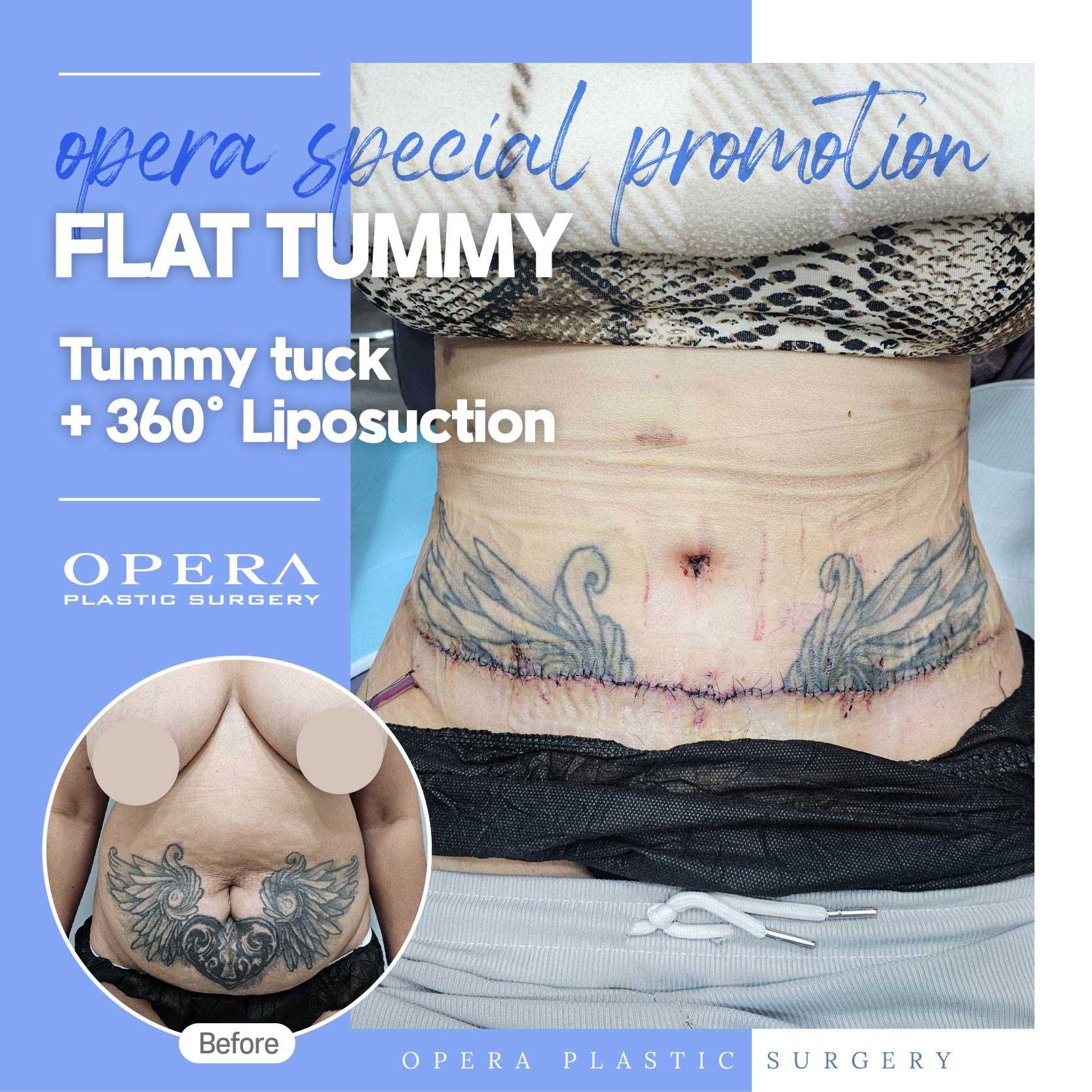
Price starting from $9,500,000
Abdominoplasty Package at Opera Plastic Surgery in Gangnam, South Korea, Seoul, South Korea
Opera Plastic Surgery in Gangnam, South Korea
- Cosmetic/Plastic Surgery
Gangnam, South Korea
Price starting from $4,600
Fox Eye Lift Surgery Package in Seoul, South Korea by Returning Plastic Surgery
Returning Plastic Surgery
- Cosmetic/Plastic Surgery
Seoul, South Korea
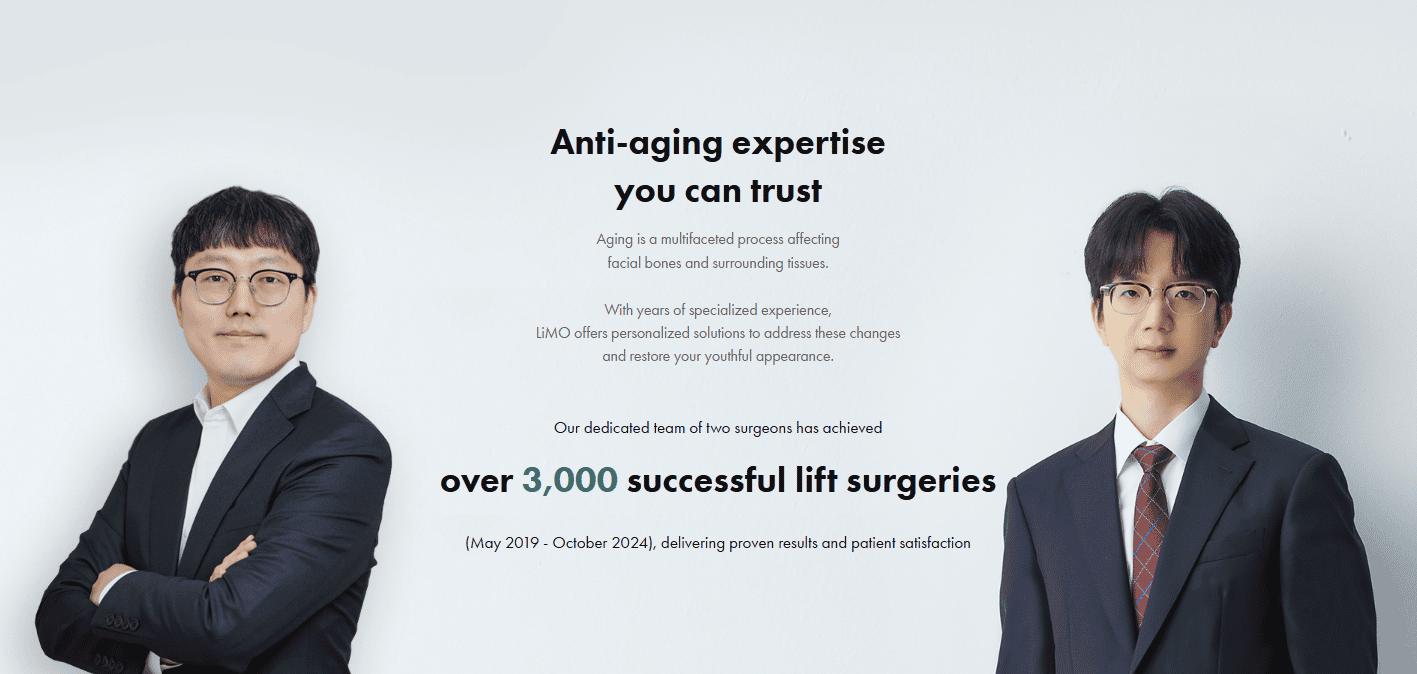
Price starting from $33,142
MOMMY MAKEOVER PACKAGE(ALL FIRST TIME SURGERY)
LiMO Plastic Surgery Clinic in Seoul, South Korea
- Cosmetic/Plastic Surgery
Seoul,Gangnam, South Korea
Price starting from $3,800
Vaginal Tightening Package in Seoul, South Korea by RIZ Laser Center
RIZ Laser Center
- Cosmetic/Plastic Surgery
Seoul, South Korea
Cosmetic Plastic Surgery Solutions Near You: Explore Top Medical Centers
Discover how Cosmetic Plastic Surgery is transforming lives at leading medical centers in , South Korea. Dive into center profile, specialties, doctors, reviews, etc. and explore the best options tailored to your needs in this region.
CHA Gangnam Medical Center
Seoul, South Korea
RNWOOD - Best Plastic Surgery in Seoul, South Korea
Seoul, South Korea
VG Plastic Surgery
Seoul, South Korea
Arumdaun Nara Beauty Clinic Group
Seoul, South Korea
Transformative Cosmetic Plastic Surgery Experiences: Dive into Procedure Insights
Discover the power of Cosmetic Plastic Surgery through compelling patient experiences. Uncover detailed insights into procedures, recovery journeys, and life-changing results.
.png)
Price starting from $12,700
Neck Lift in South Korea
- Neck Lift, Cosmetic/Plastic Surgery
South Korea
.jpg)
Price starting from $32,000
Deep Plane Facelift in South Korea
- Deep Plane Facelift, Cosmetic/Plastic Surgery
South Korea
.jpg)
Price starting from $4,800
Tummy Tuck in South Korea
- Tummy Tuck Surgery, Cosmetic/Plastic Surgery
South Korea
-(1).png)
Price starting from $4,600
Facelift Surgery in South Korea
- Face Lift, Cosmetic/Plastic Surgery
South Korea
Explore Cosmetic Plastic Surgery: Stories, Testimonials, and Procedures
Watch in-depth videos covering everything from Cosmetic Plastic Surgery success stories to detailed procedure explanations. Learn what to expect and hear from real patients.

V‑Line Jaw & Cheekbone Reduction Surgery: Expert Facial Contouring Guide Korea
Cosmetic Plastic Surgery
JK Plastic Surgery
South Korea
Male Breast Reduction Surgery in Korea: Evita Clinic Gynecomastia Guide
Cosmetic Plastic Surgery
PlacidWay Medical Tourism
South Korea
Polymastia (Accessory Breast) Liposuction Removal: Ultimate Seoul Guide
Cosmetic Plastic Surgery
PlacidWay Medical Tourism
South Korea
Step‑by‑Step Gynecomastia Surgery Procedure in South Korea for Men
Cosmetic Plastic Surgery
JK Plastic Surgery
South Korea
Learn More with These Cosmetic Plastic Surgery Articles
Take a look at these interesting articles, stories and research that will help you learn more about Cosmetic Plastic Surgery.
.jpg)
Liposuction in Seoul, South Korea: A Complete Patient Guide to Costs, Safety, and Choosing the Right Clinic
PlacidWay Asia Medical Tourism
- Cosmetic/Plastic Surgery
South Korea
.jpg)
Tummy Tuck in South Korea: Evaluating Costs, Safety, and Surgeon Credentials
PlacidWay Asia Medical Tourism
- Cosmetic/Plastic Surgery
South Korea
.jpg)
Liposuction in South Korea: What Recovery Can Look Like for Patients
PlacidWay Medical Tourism
- Cosmetic/Plastic Surgery
South Korea
.jpg)
Choosing Liposuction in Seoul, South Korea: What to Evaluate Before Treatment
PlacidWay Asia Medical Tourism
- Cosmetic/Plastic Surgery
South Korea







