Deep Plane Facelift in South Korea

Experience Price

$32,000 Price starting from
Deep Plane Facelift in South Korea

Contents

Choosing the Right Clinic for Deep Plane Facelift Korea

If you are seeking the ultimate gold standard in facial rejuvenation, look no further than the Deep Plane Facelift in South Korea. While the country has long been heralded as the undisputed global capital of aesthetic surgery, its board-certified surgeons have particularly mastered the intricate, highly advanced techniques required for deep plane lifting. Unlike older techniques that rely on pulling the skin—which often results in an artificial, "windblown" look—a deep plane facelift dives beneath the superficial muscle layers. It releases the underlying ligaments and repositions the entire structural foundation of the face as one cohesive unit.

Choosing South Korea for this transformative procedure means placing your face in the hands of surgeons who perform these complex lifts at a volume rarely seen in the West. This extreme repetition translates into unparalleled precision. Korean specialists are famous for their microscopic attention to detail and their deep understanding of diverse facial anatomies. They utilize high-definition endoscopic tools and advanced 3D imaging to ensure your lift restores the vibrant, V-shaped contours of your youth without altering the fundamental character of your face.

Furthermore, the Deep Plane technique uniquely preserves the blood supply to the skin. Because the surgeon works in the avascular space beneath the SMAS (Superficial Musculoaponeurotic System) layer, patients typically experience remarkably less bruising and a much faster recovery time compared to traditional facelifts.

Beyond the operating room, South Korea offers an aesthetic ecosystem that is entirely built around the patient experience. The seamless integration of cutting-edge surgical technique with luxurious, high-tech post-operative care makes Seoul the premier destination for those who want to erase a decade of aging with elegant, undetectable results.

!

Did You Know?

The Deep Plane Facelift is considered the most anatomically correct facial rejuvenation surgery available today. By completely freeing the facial ligaments (specifically the zygomatic and masseteric ligaments), surgeons in South Korea can vertically lift dropped cheek fat pads, completely eradicating deep nasolabial folds and heavy jowls without putting a single ounce of tension on the skin itself!

Key Insights at a Glance

1
Tension-Free Skin:

Because the structural lift happens at the deep muscle layer, the skin is re-draped gently, eliminating any risk of a stretched or "pulled" appearance.

2
Invisible Scarring:

Tension-free closure means incisions heal impeccably well. Korean surgeons are experts at hiding these fine lines within the natural contours of the ear and hairline.

3
Mid-Face Restoration:

Unlike older lifts that only fix the jawline, the Deep Plane technique beautifully restores lost volume to the mid-face and upper cheeks.

4
Longevity:

Results from a deep plane facelift typically last between 10 to 15 years, significantly longer than traditional SMAS plication lifts.

5
Hyper-Fast Recovery:

Korean clinics integrate high-tech de-swelling programs (LED, oxygen therapy) that can cut visible recovery time down by almost half.

6
Ethnic Anatomical Expertise:

Top surgeons in Seoul cater to a massive global clientele, making them highly adept at operating on Caucasian, Asian, and diverse facial structures.

FUN FACT

The Magic of Pumpkin

If you undergo a facelift in South Korea, expect to be handed warm pumpkin juice or pumpkin porridge immediately after surgery! In traditional Korean medicine (and modern aesthetic recovery protocols), pumpkin is renowned for its powerful diuretic properties, helping the body flush out post-surgical fluid and drastically reduce facial swelling.

A deep plane facelift is a sophisticated procedure that requires thorough pre-operative planning and dedicated aftercare. South Korea’s elite plastic surgery centers offer comprehensive, all-inclusive packages designed to remove all the stress from your medical journey. These high-end bundles typically encompass your surgical fees, board-certified anesthesiologist care, extensive 3D facial imaging, English translation services, and access to premium post-operative de-swelling centers. Review the options below to find a streamlined package that ensures a flawless and pampered recovery experience.

Note: All-inclusive packages lock in your costs, ensuring you receive critical post-operative laser and oxygen therapies without any surprise out-of-pocket expenses.

`

The deep plane facelift is a highly specialized skill, and while it commands a premium, South Korea offers exceptional global value. In the United States or Western Europe, a true deep plane lift by a top specialist can easily exceed $30,000 to $50,000. In contrast, patients traveling to Seoul can often access surgeons of equal or greater expertise, complete with VIP aftercare technology, for a fraction of that cost. The table below breaks down these financial estimates, helping you plan a budget that prioritizes surgical mastery.

Tip: Always confirm whether your quote includes a concurrent neck lift (platysmaplasty), as these two procedures are frequently performed together for optimal harmony.

Deep Plane Facelift Centers Cost Comparison in South Korea

Provider Procedure Price
RNWOOD - Best Plastic Surgery in Seoul, South Korea Deep Plane Facelift, Cosmetic/Plastic Surgery $32000

Deep Plane Facelift Cost Comparison in South Korea

Country Procedure Price
United States Deep Plane Facelift, Cosmetic/Plastic Surgery $40000

Not all plastic surgery clinics are equipped or experienced enough to perform a true deep plane lift. We have carefully curated a list of premier, boutique anti-aging centers and elite plastic surgery hospitals in Seoul (primarily in the Gangnam district) that specialize explicitly in complex facial rejuvenation. These centers are vetted for their state-of-the-art operating theaters, stringent infection control, and their employment of surgeons who are renowned innovators in deep tissue lifting. Explore their profiles to find your perfect surgical match.

Safety First: Ensure the facility you select has an in-house, board-certified anesthesiologist present for the entire duration of your surgery.
Seeing is truly believing when it comes to the profound, yet entirely natural, results of a deep plane facelift. The video testimonials featured below capture the authentic journeys of international patients who traveled to South Korea to turn back the clock. Watch as they share their initial anxieties, their experiences with the Korean medical staff, the surprisingly manageable recovery process, and the emotional joy of seeing their refreshed, vibrant faces in the mirror.

Insight: Pay close attention to how naturally the patients’ faces move when they speak or smile in the videos—the ultimate hallmark of a successful deep plane lift.
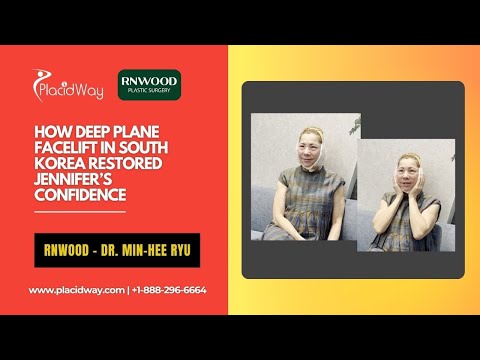
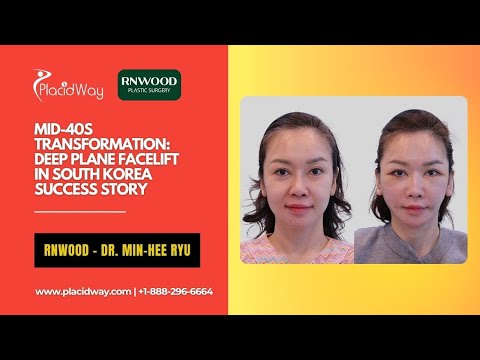
Patient reviews offer indispensable insight into the true quality of a clinic and its surgeons. In this section, you will find verified written feedback from individuals who have undergone facial lifting in South Korea. These reviews highlight crucial factors such as the surgeon's ability to listen and understand Western aesthetic expectations, the virtually invisible scarring, the effectiveness of the pain management protocols, and their overall satisfaction with their newly youthful appearance.

Review Tip: Look for reviews that specifically mention the incision healing process, as Korean surgeons are uniquely famous for their meticulous, tension-free suturing techniques.

What is a Deep Plane Facelift and how does it differ from a traditional SMAS facelift?

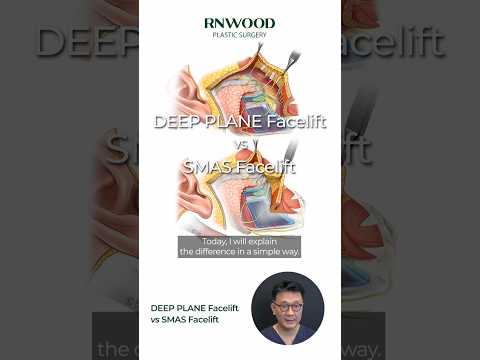
A traditional SMAS facelift involves lifting the skin, pulling the SMAS (muscle) layer tight, and stitching it into place. A Deep Plane Facelift is fundamentally different. The surgeon goes *under* the SMAS layer to release the thick facial ligaments that tether the skin and fat to the bone. Once released, the skin, fat, and muscle are lifted vertically as one single, continuous unit. Because the ligaments are freed, there is absolutely zero tension on the skin, resulting in a dramatically more natural, un-pulled appearance and far better volume restoration in the mid-face.

Is the Deep Plane technique safe to perform in South Korea?

Yes, extremely safe when performed by a qualified specialist. The deep plane requires navigating near the facial nerve, which demands profound anatomical knowledge. South Korean board-certified plastic surgeons undergo some of the most rigorous and competitive medical training in the world. Their massive surgical volume and use of high-tech endoscopic cameras give them unparalleled visibility and precision, ensuring the facial nerve and vascular structures are meticulously protected throughout the lift.

How long does the recovery take compared to older methods?

Surprisingly, deep plane facelifts often have a *faster* and less painful recovery than older techniques. Because the dissection occurs in a natural, avascular glide plane (an area with very few blood vessels), there is significantly less bleeding and bruising. Most patients feel socially presentable within 10 to 14 days. South Korea’s clinics further accelerate this timeline by providing state-of-the-art post-op care, such as hyperbaric oxygen therapy and targeted lymphatic drainage massages.

Will I look "pulled" or "windblown" after surgery?

Absolutely not. The primary aesthetic benefit of the Deep Plane Facelift is the prevention of the "windblown" look. That unnatural tightness happens when skin is pulled backward under high tension to compensate for sagging. In a deep plane lift, all the tension is placed on the deep fascia and ligaments, moving vertically (upwards), not horizontally. The skin is then gently laid back down and trimmed without any tension at all, allowing your face to move softly and naturally.

How long do the results of a Deep Plane Facelift last?

Because the core structural foundations of the face and neck are permanently repositioned and secured, a deep plane facelift provides the longest-lasting results of any facial rejuvenation procedure. Patients can typically expect their results to last between 10 to 15 years. While you will continue to age naturally from your new, rejuvenated baseline, you will always look significantly younger than if you had never had the procedure.

Do South Korean surgeons know how to work on non-Asian faces?

Yes. While South Korea is famous for K-beauty, the top clinics in Seoul's Gangnam district act as global medical hubs. Elite board-certified surgeons there have extensive experience operating on Caucasian, Hispanic, African, and Middle Eastern anatomies. They understand the distinct differences in skin thickness, bone structure, and fat distribution across different ethnicities and tailor their deep plane techniques to preserve your unique ethnic identity while delivering flawless rejuvenation.

What will my scars look like, and where are they hidden?

Korean plastic surgeons are highly revered for their meticulous suturing techniques. Incisions are strategically placed in the hairline at the temples, following the natural curve of the ear (the tragus), and tucked behind the ear lobe into the lower scalp. Because the deep plane technique involves zero tension on the skin itself, these incisions heal impeccably thin. Within a few months, they fade to a point where they are virtually imperceptible, even if you wear your hair pulled back.

How long should I plan to stay in South Korea for this surgery?

You should plan to stay in South Korea for a minimum of 10 to 14 days. This timeframe is critical for your safety and aesthetic outcome. It allows the surgeon to monitor your initial healing, remove your sutures safely (usually between day 7 and 10), and gives you time to undergo the complimentary post-operative de-swelling treatments offered by the clinic. You must be medically cleared by your surgeon before embarking on a long-haul flight home.

Can a Deep Plane Facelift be combined with a Neck Lift?

Yes, and it is almost always recommended to do so. The deep plane technique naturally extends down to address the platysma muscle in the neck. By combining a facelift with a deep neck lift, the surgeon can comprehensively eradicate severe jowling, eliminate "turkey neck" banding, and restore a sharp, crisp, youthful jawline. Many patients also combine this with upper or lower blepharoplasty (eyelid surgery) for a complete facial refresh in one single operation.

Why is the post-operative care in South Korea considered the best?

South Korea treats recovery as an integral part of the surgical procedure, not an afterthought. While Western clinics often send you home to simply rest, Korean clinics provide intensive, active recovery programs. Patients enjoy daily sessions under specialized "Healite" LED lamps to stimulate cellular repair, hyperbaric oxygen therapy to speed up tissue healing, and ultrasound massages to gently disperse fluid buildup. This aggressive approach to aftercare dramatically reduces downtime and enhances the final aesthetic result.

How Much Does a Deep Plane Facelift Cost in Gangnam, South Korea?

  A deep plane facelift in Gangnam, Seoul, typically costs between $8,000 and $18,000 USD. This price varies based on the surgeon's expertise, clinic prestige, and the inclusion of other procedures. Thinking about facial rejuvenation? You've likely heard about the incredible results of the deep plane facelift. And if you're exploring medical tourism, you've almost certainly heard of Gangnam, Seoul's world-renowned hub for plastic surgery. It's a place where expertise and advanced technology meet competitive pricing. But that leads to the big question: exactly how much does a deep plane facelift cost in Gangnam? The short answer is, it's significantly more affordable than in places like the United States or the UK, but it's not a one-size-fits-all price. The cost is a package deal that reflects a surgeon's skill, the clinic's quality, and the specific goals you have for your procedure. It's a major decision, and understanding the financial side is just as important as understanding the surgical side. In this guide, we're going to break down everything. We'll answer all the common questions people ask about the cost, what's included, the procedure itself, recovery, and why so many people choose Gangnam for this transformative surgery. Let's get into the details so you can feel confident and informed. What is a deep plane facelift? A deep plane facelift is an advanced surgical technique that lifts and repositions the muscle and fat layers beneath the skin (the SMAS layer), rather than just pulling the skin tight. This provides a more natural, longer-lasting result by addressing the root causes of sagging. Unlike traditional facelifts that can sometimes create a "wind-swept" or "pulled" look, the deep plane technique is all about restoring your face's youthful contours in a comprehensive way. The surgeon works in a deeper anatomical "plane," releasing key ligaments that tether the facial tissues. By releasing these ligaments, the surgeon can lift the entire composite flap of skin, muscle, and fat (the SMAS) as a single unit. This allows for a tension-free lift that dramatically improves deep nasolabial folds, sagging cheeks (mid-face), and jowls, all while looking incredibly natural. Because the tension is on the deep muscle layer, not the skin, scarring is often finer and the results are famously durable. How much does a deep plane facelift in Gangnam cost? The average cost for a deep plane facelift in Gangnam, South Korea, generally ranges from $8,000 to $18,000 USD. Some highly sought-after surgeons may charge more, while basic procedures at less famous clinics might be slightly less. This price is significantly lower than in the United States, where the same procedure can easily cost $25,000 to $40,000 or more. The competitive pricing in Seoul is not a reflection of lower quality but rather the high volume of procedures, lower overhead costs, and intense competition among hundreds of elite clinics in the Gangnam district. When getting a quote, it's crucial to ask what's included. A reputable clinic's price quote for a deep plane facelift in Gangnam will typically cover: The surgeon's fee (the main part of the cost) Anesthesiologist's fee Operating room and facility costs All pre-operative tests (blood work, EKG) All post-operative follow-up appointments Post-surgery medications and dressings De-swelling treatments (like light therapy) An English-speaking translator or coordinator Things that are usually *not* included are your flight, accommodation, and personal expenses during your stay. Deep Plane Facelift Cost in Gangnam vs. Other Countries (Table) Here is a general cost comparison for a deep plane facelift in Gangnam versus other popular destinations. These are estimates and can vary widely. Country / Region Average Estimated Cost (USD) Key Notes Gangnam, South Korea $8,000 - $18,000 High concentration of expert surgeons; price is highly competitive. United States $25,000 - $40,000+ Prices vary dramatically by city and surgeon's reputation. United Kingdom £15,000 - £30,000+ Equivalent to $18,000 - $35,000+ USD. Turkey $6,000 - $12,000 Often sold in "all-inclusive" packages with hotels. Thailand $7,000 - $15,000 Another popular medical tourism spot with experienced surgeons. What factors influence the final cost? The final price tag for your deep plane facelift is determined by three main factors: the surgeon, the clinic, and the complexity of your specific surgery. The Surgeon's Expertise: This is the biggest factor. A world-renowned "star" surgeon in Gangnam who specializes in deep plane facelifts and has decades of experience will charge more than a general plastic surgeon. You are paying for their skill, artistry, and safety record. The Clinic's Reputation: A large, prestigious clinic in the most expensive part of Gangnam with state-of-the-art facilities, extensive post-op care programs, and a large support staff (including in-house translators) will have higher facility fees. The Extent of the Surgery: Your procedure is unique. If you are only addressing the mid-face and jowls, the cost will be lower. If you are combining the deep plane facelift with a neck lift (which is very common), eyelid surgery (blepharoplasty), or a forehead lift, the price will increase with each added procedure. Why is Gangnam so famous for plastic surgery? Gangnam is famous for plastic surgery due to its extreme concentration of high-quality clinics (known as the "Beauty Belt"), the immense experience of its surgeons, advanced medical technology, and highly competitive pricing. South Korea has one of the highest rates of plastic surgery per capita in the world. This has created a hyper-competitive market where surgeons must innovate and produce exceptional results to stand out. Surgeons in Gangnam perform these procedures daily, leading to a level of specialization and technical refinement that is hard to match. The culture also places a high value on aesthetics, meaning the standards for "good" results are incredibly high. Deep Plane Facelift vs. SMAS vs. Mini Facelift: What's the difference? The main difference is the depth of the lift. A Mini Facelift is the most superficial, tightening skin and a small amount of muscle, best for mild sagging. A SMAS Facelift plicates or "folds" the muscle layer. A Deep Plane Facelift goes *under* the SMAS muscle layer, lifting the entire structure for the most powerful and natural-looking rejuvenation. Mini Facelift: Best for younger patients (40s) with early jowling and minimal skin laxity. Involves shorter incisions, less downtime, but less dramatic and shorter-lasting results. SMAS Facelift: The "traditional" facelift. The surgeon lifts the skin and then tightens the underlying SMAS layer, often by folding it over on itself (plication) or removing a strip. It's a very effective procedure but doesn't address the mid-face (cheeks) as well as a deep plane lift. Deep Plane Facelift: The most advanced technique. By lifting the skin and SMAS together as one unit, it repositions sagging cheek fat pads and completely smooths the jawline and neck. The results are considered the most natural and are the longest-lasting, often 10-15 years. Who is a good candidate for a deep plane facelift? The ideal candidate for a deep plane facelift is a healthy, non-smoking individual, typically in their 50s to 70s, who is experiencing moderate to severe facial aging. This includes significant sagging in the cheeks (mid-face), deep nasolabial folds, jowls, and neck laxity. You are likely a good candidate if you: Are in good overall health and can undergo anesthesia. Are a non-smoker (or are willing to quit at least 4-6 weeks before and after surgery), as smoking severely impairs healing and increases risks. Have realistic expectations about the outcome. Are bothered by sagging that fillers and other non-surgical treatments can no longer correct. How long do the results of a deep plane facelift last? The results of a deep plane facelift are known to be the longest-lasting of any facelift technique, typically enduring for 10 to 15 years. While the procedure "turns back the clock," you will, of course, continue to age naturally from that new starting point. What is the recovery timeline for a deep plane facelift? Full recovery from a deep plane facelift takes several months, but you can expect to be "socially presentable" within 2 to 3 weeks. The most significant swelling and bruising occur in the first 7-10 days. Here is a typical week-by-week recovery breakdown: Day 1-3: This is the most difficult phase. You will be resting with your head elevated. Swelling and bruising will peak during this time. You will have bandages and possibly drainage tubes, which are usually removed on day 1 or 2. Week 1 (Days 1-7): You will be focused on rest. Swelling and bruising are significant. You will attend a follow-up appointment to have stitches removed (usually around day 7). You can do very light walking, but no strenuous activity. Week 2 (Days 8-14): A major turning point. Swelling and bruising begin to rapidly fade. Most patients feel much more comfortable and can go out for short errands wearing sunglasses and a hat. You will likely be cleared to resume light daily activities. Weeks 3-4: You are "socially presentable." Most of the visible bruising is gone, and while you'll still have residual swelling (that you will notice, but others may not), you can return to work and social activities. You can typically resume light exercise (with your surgeon's permission). Months 2-6: The final results take shape. The last bits of swelling will disappear, and your incision lines will continue to fade and soften. Numbness will gradually resolve, and your face will feel completely natural. What are the risks and potential complications? Like any major surgery, a deep plane facelift has risks. The most common are hematoma (a collection of blood under the skin), infection, poor scarring, and temporary or (very rarely) permanent nerve damage. Choosing a highly-skilled, board-certified surgeon minimizes these risks. The most feared complication is damage to the facial nerves, which control your facial expressions. The deep plane technique requires the surgeon to work very close to these nerves. This is precisely why choosing an expert surgeon with extensive experience in this specific procedure is non-negotiable. While temporary numbness and some temporary weakness are common and resolve during healing, permanent damage is exceedingly rare in the hands of a specialist. What kind of anesthesia is used? A deep plane facelift is typically performed under general anesthesia or IV sedation (twilight anesthesia). In Gangnam, many clinics prefer IV sedation, as it allows you to breathe on your own and often leads to a faster, easier recovery with less post-op nausea. Where will the scars be? Scars are designed to be well-hidden. Incisions are placed in the natural creases in front of the ear, up inside the hairline of the temple, and extend around the earlobe and into the hairline behind the ear. If a neck lift is also performed, there may be a small, short incision hidden under the chin. Korean plastic surgeons are known for their meticulous incision and suturing techniques, resulting in scars that are typically very fine and fade to be nearly invisible over time. Following your surgeon's post-op scar care instructions (like avoiding sun exposure) is critical for the best result. How do I prepare for surgery in South Korea? Preparation involves stopping smoking, alcohol, and any blood-thinning medications (like aspirin, ibuprofen, and certain supplements) at least two weeks before surgery. You should also arrange your travel, accommodation, and a caregiver for the first 24-48 hours post-op. Your clinic in Gangnam will provide you with a detailed pre-operative guide. This will include: A list of all medications and supplements to avoid. Instructions for fasting (no food or drink) the night before surgery. Packing suggestions (e.g., button-down shirts that you don't have to pull over your head). Coordinating your arrival time for pre-op tests and your final consultation. What should I ask during my consultation in Gangnam? At your consultation, you should ask to see many before-and-after photos of patients similar to you, ask about the surgeon's specific experience with the deep plane facelift (how many they perform a year), and get a clear, itemized quote. Other essential questions include: Are you a board-certified plastic surgeon? Will you (the surgeon) be performing the entire operation? What are the specific risks I should be aware of? What does the post-operative care plan look like? What is the clinic's policy for revisions if I am not satisfied or have a complication? Who will be my main point of contact (and translator) after the surgery? How long do I need to stay in Seoul after my surgery? You should plan to stay in Seoul for a minimum of 10 to 14 days after your deep plane facelift. This allows you to attend your main follow-up appointments, have your stitches removed (around day 7-10), and be cleared by your surgeon as safe for your flight home. Ready to explore your options for facial rejuvenation with world-class experts? PlacidWay connects you with leading, vetted clinics and surgeons in South Korea and around the world.  

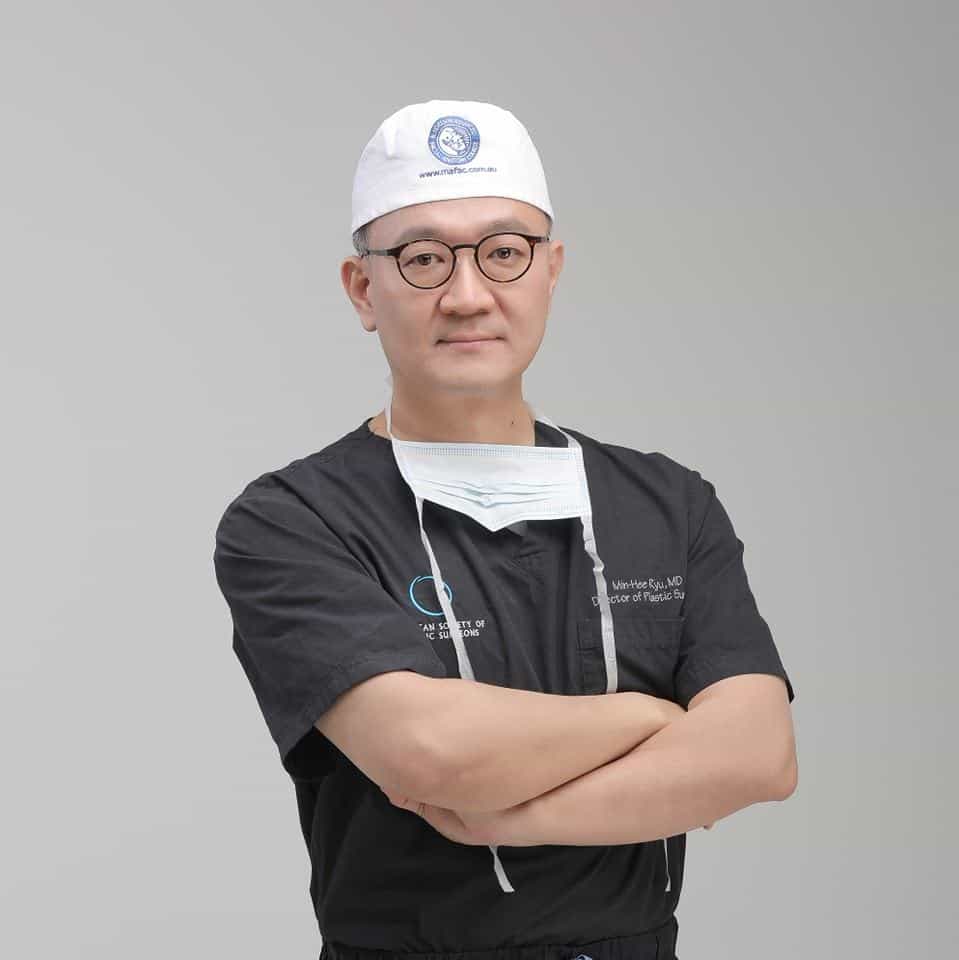
A deep plane facelift requires a surgeon with a masterful, intimate knowledge of facial anatomy and neuro-vascular structures. We have identified some of the most elite, highly sought-after specialists in Seoul who focus their practice exclusively on advanced anti-aging and facial lifting. These profiles highlight their rigorous board certifications, surgical philosophies, and proven track records. Reviewing these experts will give you confidence that your face is in the hands of a true surgical artist.

1

Board-Certified Plastic Surgeons

Members of the Korean Society of Plastic and Reconstructive Surgeons (KSPRS)

Our featured surgeons have endured South Korea's notoriously grueling medical residency programs. Their KSPRS accreditation guarantees they have the highest level of specialized training in plastic surgery, ensuring the highest standards of safety and ethical practice.

2

Facial Rejuvenation Innovators

Masters of the Deep Plane and SMAS Architecture

These experts do not just perform standard lifts; they are pioneers in deep tissue techniques. They understand exactly how to release the zygomatic ligaments to flawlessly restore mid-face volume, a highly technical skill that separates good surgeons from great ones.

3

Aesthetic Harmonizers

Focused on the K-Beauty Philosophy of Natural Youth

Characterized by an artistic approach to anatomy, these surgeons focus on creating a youthful, "V-line" contour that never looks tight or overdone. They prioritize restoring your face to how it looked 15 years ago, keeping your unique identity fully intact.
1

A Philosophy of Natural, Undetectable Results

The global appeal of South Korea’s aesthetic industry is deeply rooted in the "K-beauty" philosophy. While some Western aesthetics may tolerate obvious signs of surgical intervention, Korean culture places the highest value on extreme subtlety and natural harmony.

Surgeons here view a successful facelift as one that is completely undetectable to the naked eye. The deep plane technique is the perfect vessel for this philosophy, as tension-free lifting ensures your expressions remain soft, dynamic, and authentically you.

2

Surgical Volume Equals Mastery

In surgery, repetition breeds excellence. South Korea boasts the highest rate of cosmetic procedures per capita globally. Top surgeons in Seoul’s Gangnam district perform hundreds of complex facial lifts every year.

This immense volume means Korean specialists possess a highly refined muscle memory and an intimate, practiced understanding of facial anatomy. They navigate the intricate ligament releases of the deep plane with a level of speed and precision that drastically minimizes surgical trauma and patient risk.

3

The Ultimate Post-Operative Care Ecosystem

South Korea recognizes that the surgical outcome is heavily dependent on the recovery phase. The country has developed an unrivaled post-operative care infrastructure designed specifically for international medical tourists.

Clinics provide comprehensive "de-swelling" care utilizing advanced laser therapies, oxygen chambers, and traditional remedies. Paired with dedicated English-speaking concierges who guide you from your initial consultation through your final stitch removal, the entire experience is streamlined, luxurious, and deeply supportive.

A deep plane facelift is a monumental decision, and choosing the right surgeon in a foreign country can feel daunting. PlacidWay acts as your dedicated medical partner, bridging the gap between you and South Korea’s most elite facial rejuvenation specialists to ensure a safe, transparent, and flawless surgical journey.

Rigorous Clinic Vetting

We exclusively partner with highly accredited clinics in Seoul that utilize board-certified specialists with verified expertise in complex, deep tissue facial anatomy.

Direct Surgeon Consultations

We help arrange initial virtual consultations, allowing you to discuss your specific anti-aging goals and facial structure directly with the Korean surgeon prior to booking.

Transparent, Itemized Quotes

We eliminate confusion by securing detailed quotes that clearly outline surgical fees, anesthesia, and premium post-operative care, ensuring complete financial transparency.

Treatment Plan Coordination

We assist in aligning your surgical itinerary, ensuring your pre-op evaluations, surgery day, and follow-up de-swelling appointments are perfectly scheduled.

Information Transparency

We provide you with authentic patient reviews, unedited before-and-after portfolios, and comprehensive clinic profiles so you can make a highly educated decision.

Patient Advocacy

Our dedicated global care team remains by your side to answer questions, resolve language barriers, and ensure you receive the luxurious standard of care South Korea is famous for.

Take the first step toward restoring your natural, vibrant youth. Contact PlacidWay today to request a free, personalized consultation for your Deep Plane Facelift in South Korea.

Get Your Free Personalized Quote

Deep Plane Facelift in South Korea thumbnail

About Experience

  • Translations: EN ID JA KO RU TH TL VI ZH
  • Price Range: $32,000 - $35,000
  • Treatment: Deep Plane Facelift, Cosmetic/Plastic Surgery
  • Location: South Korea
  • Clinics: RNWOOD - Best Plastic Surgery in Seoul, South Korea, Glovi Plastic Surgery Korea,
  • Doctors Dr. Minhee Ryu,
  • Packages Revision Deep Plane Facelift Package in Seoul, South Korea by Dr. Minhee Ryu at RNWOOD, Deep Plane Face Lift, Deep Neck Lift, and Fat Graft Package in South Korea by RNWOOD Seoul,
  • Overview Choosing the Right Clinic for Deep Plane Facelift Korea