

Contents
Let’s be honest: gravity, pregnancy, and weight loss are a normal part of life, but local surgery prices shouldn't force you to take out a second mortgage. For many women in the US, UK, and Australia, a breast lift at home can easily cross the $10,000 mark. That reality leaves you caught between accepting a shape you aren't quite happy with and draining your hard-earned savings just to feel like yourself again.
In Seoul, South Korea, this procedure typically costs between $4,500 and $6,500, offering highly advanced aesthetic precision at a fraction of Western prices. The city is a global hub for plastic surgery, but you still need to be thorough when selecting a facility. To ensure the highest safety standards, look for clinics holding KAHF (Korean Accreditation Program for Hospitals Serving Foreign Patients) or JCI (Joint Commission International) certifications.
Quick Facts at a Glance
Coordinating surgery in a foreign country can feel overwhelming if you have to manage every detail yourself. Fortunately, many top-tier Korean facilities bundle the essentials into comprehensive care plans to remove the logistical stress. These bundles are designed specifically for the needs of medical tourists.
A standard inclusion often covers English-speaking coordinators, airport transfers, post-operative garments, and necessary medication. Review the comprehensive packages below to see which clinic best accommodates your travel and recovery needs.
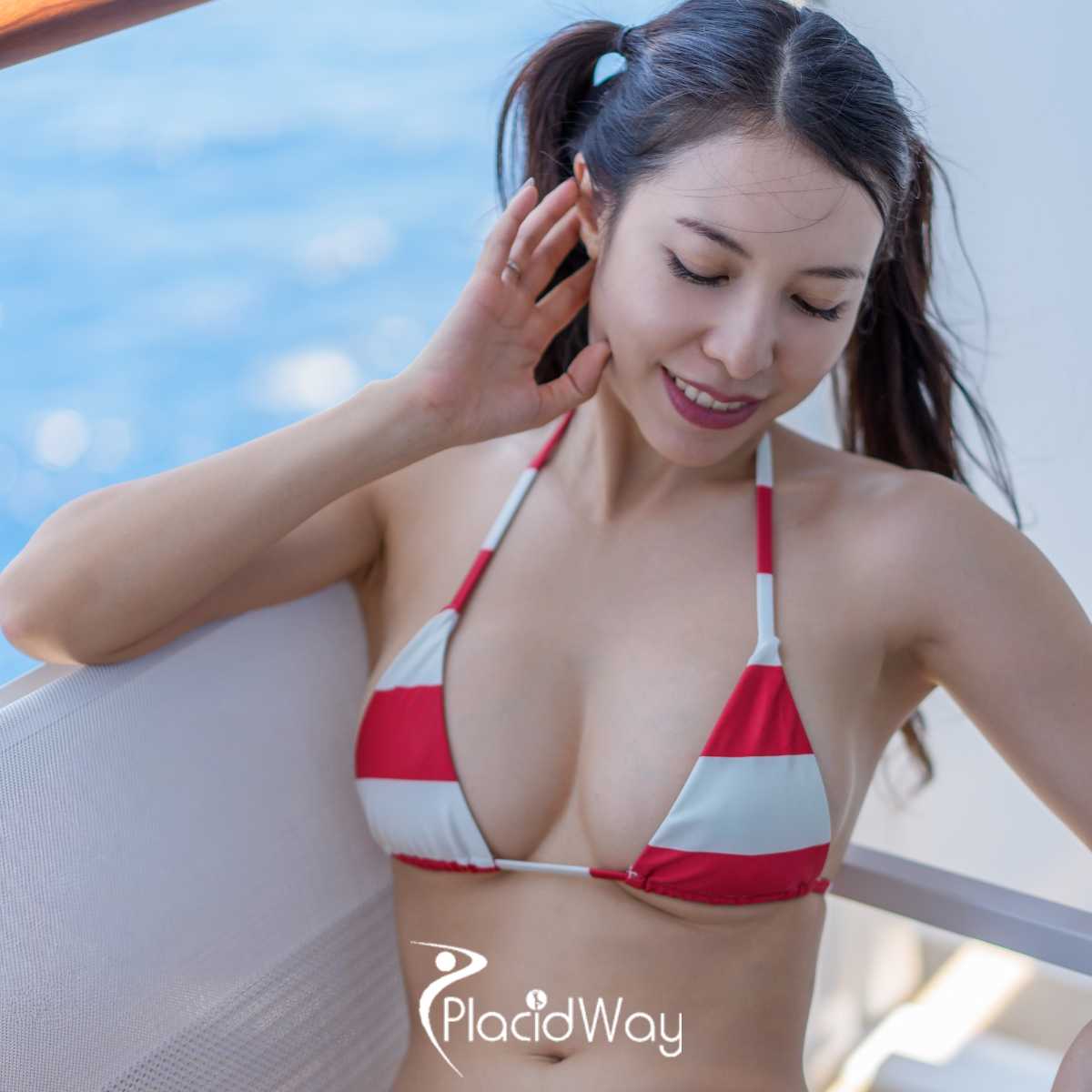
Price starting from $5,400
Breast Lift Package in Seoul, South Korea by VG Plastic Surgery
VG Plastic Surgery
- Cosmetic/Plastic Surgery
Seoul, South Korea
The average cost for a breast lift in Seoul ranges from $4,500 to $6,500, depending on the surgical technique required. This pricing reflects South Korea's highly competitive aesthetic market and lower administrative overhead, rather than a compromise in medical standards.
Adding implants to the procedure will increase the final amount, as will specialized post-operative care options. Examine the cost comparisons below to see how these estimates align with your budget and procedure goals.
Breast Lift Centers Cost Comparison in Seoul, South Korea
| Provider | Procedure | Price |
|---|---|---|
| VG Plastic Surgery | Breast Lift, Cosmetic/Plastic Surgery | $5400 |
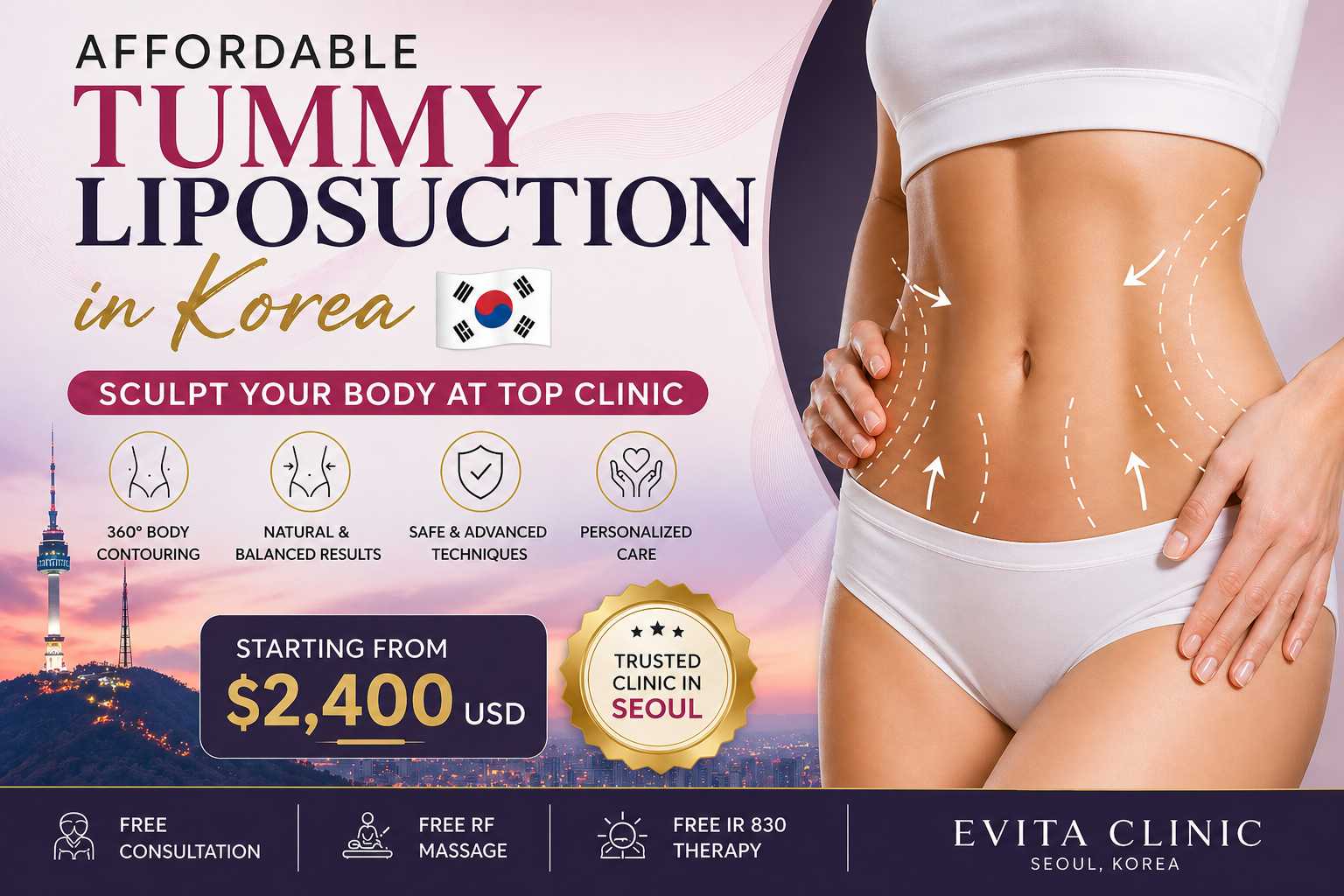
| Evita Clinic | Breast Lift, Cosmetic/Plastic Surgery | $5420 |
Breast Lift Cost Comparison in South Korea
| Country | Procedure | Price |
|---|---|---|
| New Zealand | Breast Lift, Cosmetic/Plastic Surgery | $10910 |
| Switzerland | Breast Lift, Cosmetic/Plastic Surgery | $14388 |
| United States | Breast Lift, Cosmetic/Plastic Surgery | $15000 |
Finding the right facility requires looking past glossy marketing and modern waiting rooms. You want a medical center that prioritizes stringent safety protocols and consistent patient care from consultation to recovery. In South Korea, the most reliable clinics hold specialized accreditations designed to protect international patients.
Always verify that a clinic has KAHF or JCI accreditation and operates with fully licensed anesthesiologists on-site. Compare the clinics listed below to evaluate their credentials, facility standards, and international patient support services.
Evita Clinic
Seoul, South Korea
VG Plastic Surgery
Seoul, South Korea
AB Plastic Surgery
Seoul, South Korea
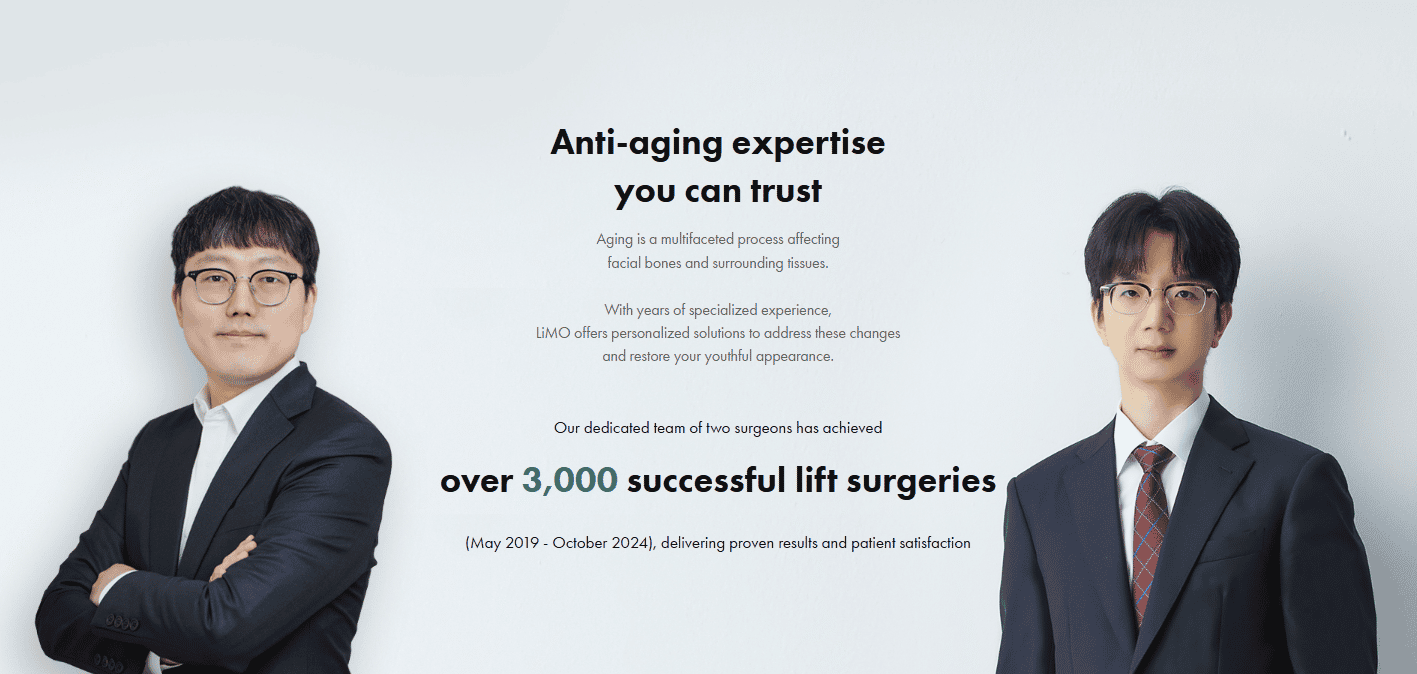
LiMO Plastic Surgery Clinic in Seoul, South Korea
Seoul,Gangnam, South Korea

JK Medical Group in Seoul, South Korea
Seoul,Gangnam, South Korea
Glovi Plastic Surgery Korea
Seoul,Gangnam, South Korea
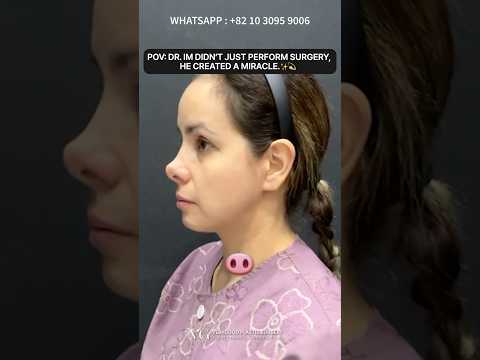
Seeing a facility with your own eyes can quickly ease the anxiety of traveling abroad for surgery. Video walkthroughs offer a transparent look at operating rooms, recovery suites, and the medical team's communication style.
Watching a surgeon explain their mastopexy approach helps you gauge their expertise and bedside manner before booking a flight. Browse the video gallery below to get a virtual feel of your clinic options in Seoul.


Nothing builds confidence quite like hearing the unfiltered truth from women who have already made the trip. Authentic patient stories highlight the nuances of bedside manner, pain management, and the overall standard of care in Seoul.
These testimonials often reveal practical details about language support and follow-up care that brochures might miss. Take a moment to read the verified experiences below to understand what recovery in South Korea is truly like.

Traveling for cosmetic surgery naturally brings up important questions about safety, logistics, and recovery. Below are some of the most common questions patients ask when considering a breast lift in South Korea.
How long do I need to stay in Seoul after a breast lift?
Patients are generally advised to stay in Seoul for 7 to 10 days post-surgery. This allows your surgeon to monitor your initial healing, manage drains if used, and safely remove your stitches before you fly home.
Will language be a barrier during my medical appointments?
Most major plastic surgery clinics in Seoul that cater to international patients employ dedicated in-house English translators. They will accompany you during consultations, pre-op checks, and post-operative reviews to ensure clear communication.
Can I combine a breast lift with implants while in South Korea?
Yes, an augmentation mastopexy (lift with implants) is a very common combination. During your consultation, your surgeon will assess your skin elasticity and volume goals to determine if doing both simultaneously is safe for you.
What kind of scarring should I expect from Korean techniques?
Scarring depends entirely on the degree of lift required—ranging from a peri-areolar (donut) scar for mild lifts to an anchor scar for significant sagging. Korean surgeons are highly trained in meticulous suturing techniques designed to minimize visible scarring over time.
Are Korean surgical and safety standards equivalent to those in my home country?
Yes, South Korea has one of the most advanced healthcare systems in the world. Clinics holding KAHF or JCI accreditations adhere to strict, internationally recognized standards for hygiene, emergency protocols, and patient safety.
Is it safe to fly long distances shortly after a breast lift?
Flying is generally safe once you are cleared by your surgeon, usually after 7 to 10 days. You will be advised to walk the cabin frequently, stay hydrated, and wear compression garments to prevent deep vein thrombosis (DVT).
What type of anesthesia is typically used for this procedure in Seoul?
A breast lift is almost always performed under general anesthesia. It is crucial to verify that the clinic has a board-certified anesthesiologist on staff who stays in the operating room for the duration of your surgery.
Will I receive specialized post-operative garments from the clinic?
Yes, reputable clinics will provide you with a surgical compression bra immediately after the procedure. You will need to wear this day and night for several weeks to minimize swelling and support your new contours.
How are potential complications handled if I have returned home?
Before booking, you should thoroughly discuss the clinic's revision policy. Most top-tier clinics offer virtual follow-ups, and in the rare event of a severe complication, they will outline the protocols for returning or seeking local medical care.
What happens during the initial consultation in a Korean clinic?
Your in-person consultation will typically involve a physical exam, a discussion of your aesthetic goals, and often 3D imaging to simulate potential outcomes. This is the time to finalize your surgical plan and ask any remaining questions.
Breast lift surgery requires a delicate balance of technical skill and aesthetic artistry to ensure natural-looking, symmetrical results. In South Korea, the most qualified specialists undergo rigorous training and hold board certification from the Korean Society of Plastic and Reconstructive Surgeons (KSPRS).
Choosing a surgeon solely based on price can be risky; focus instead on their specific experience with mastopexy procedures. Review the surgeon profiles below to check their credentials, read their specialized backgrounds, and view their past work.
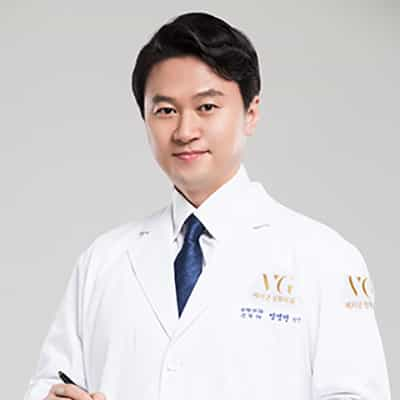
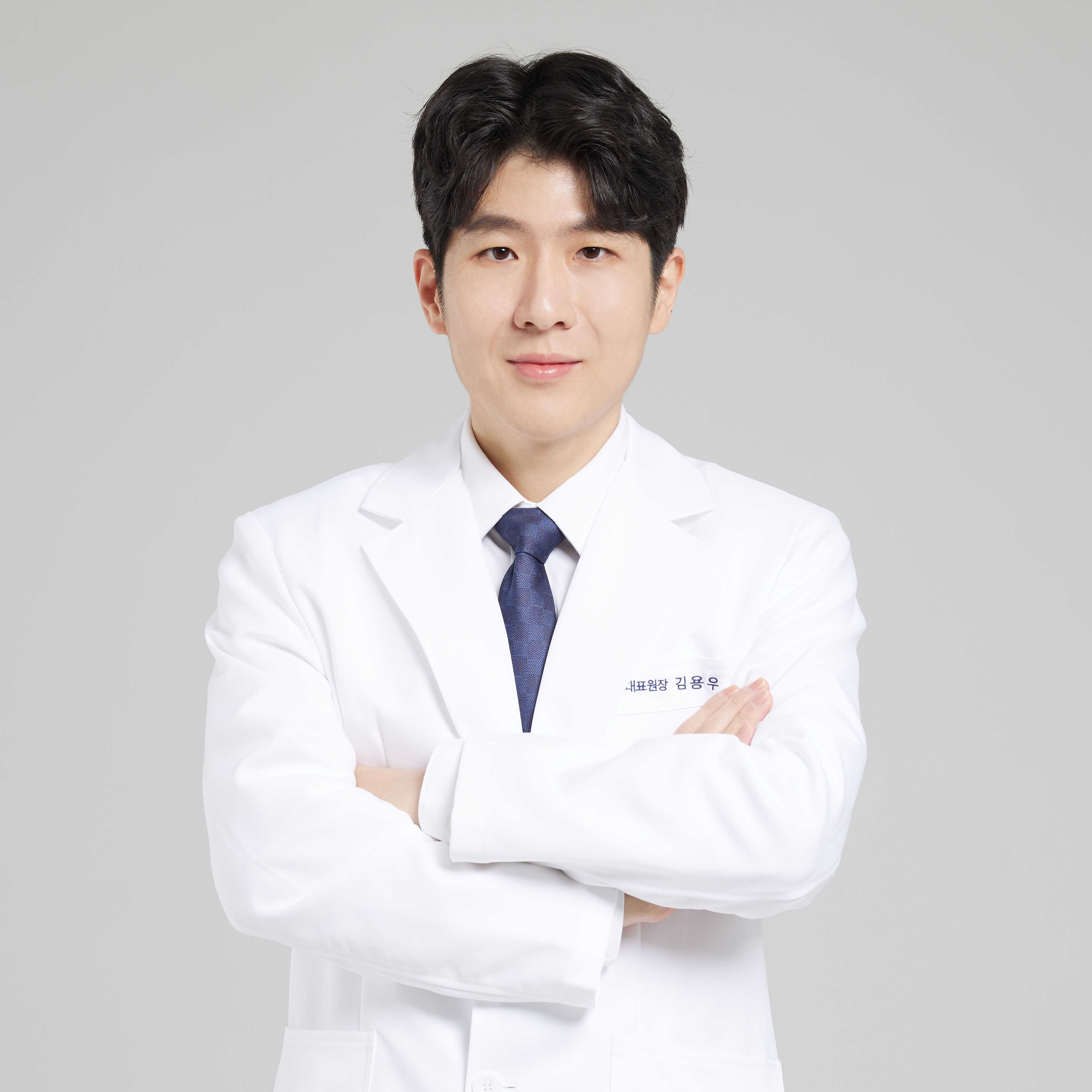
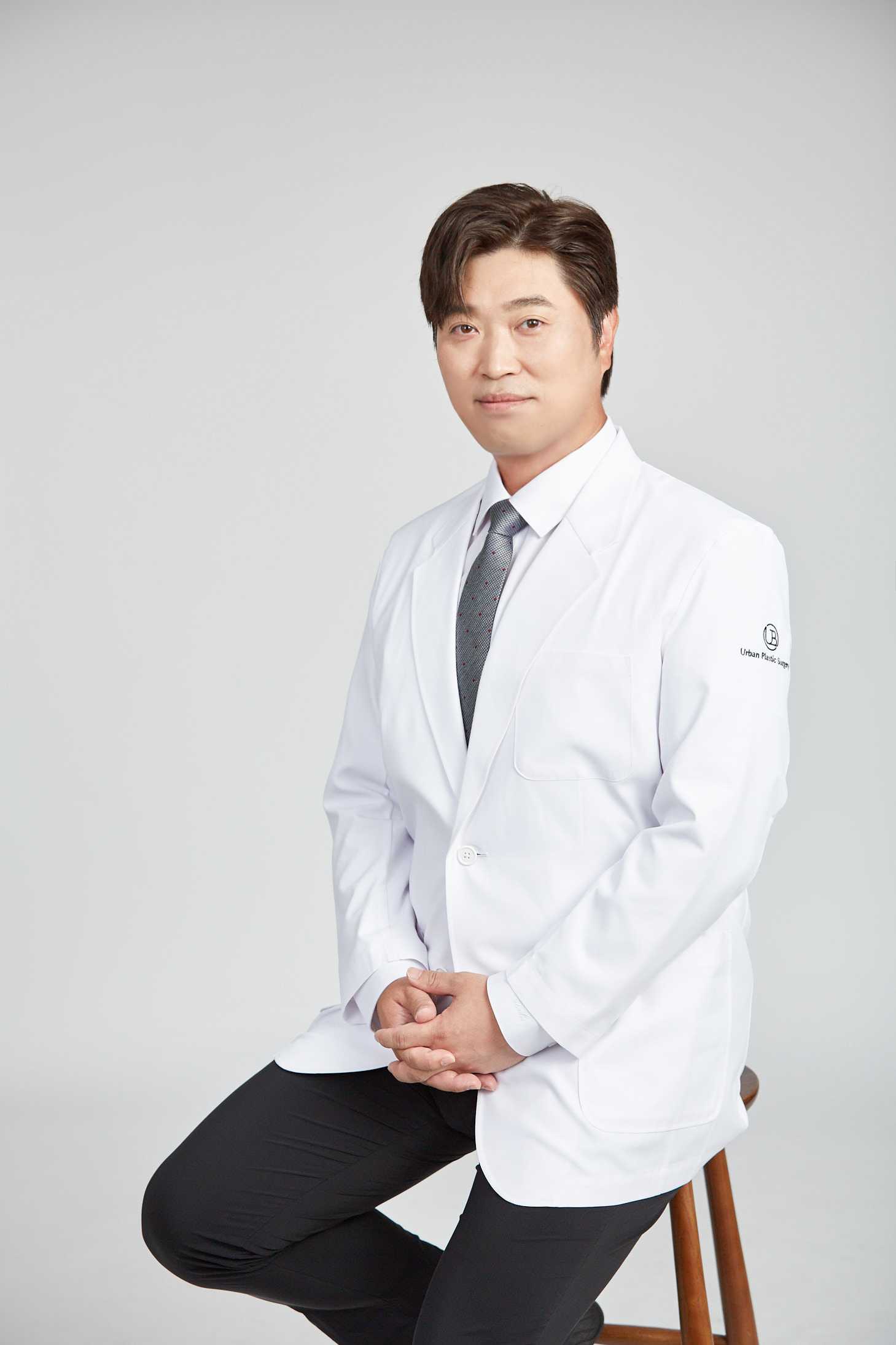
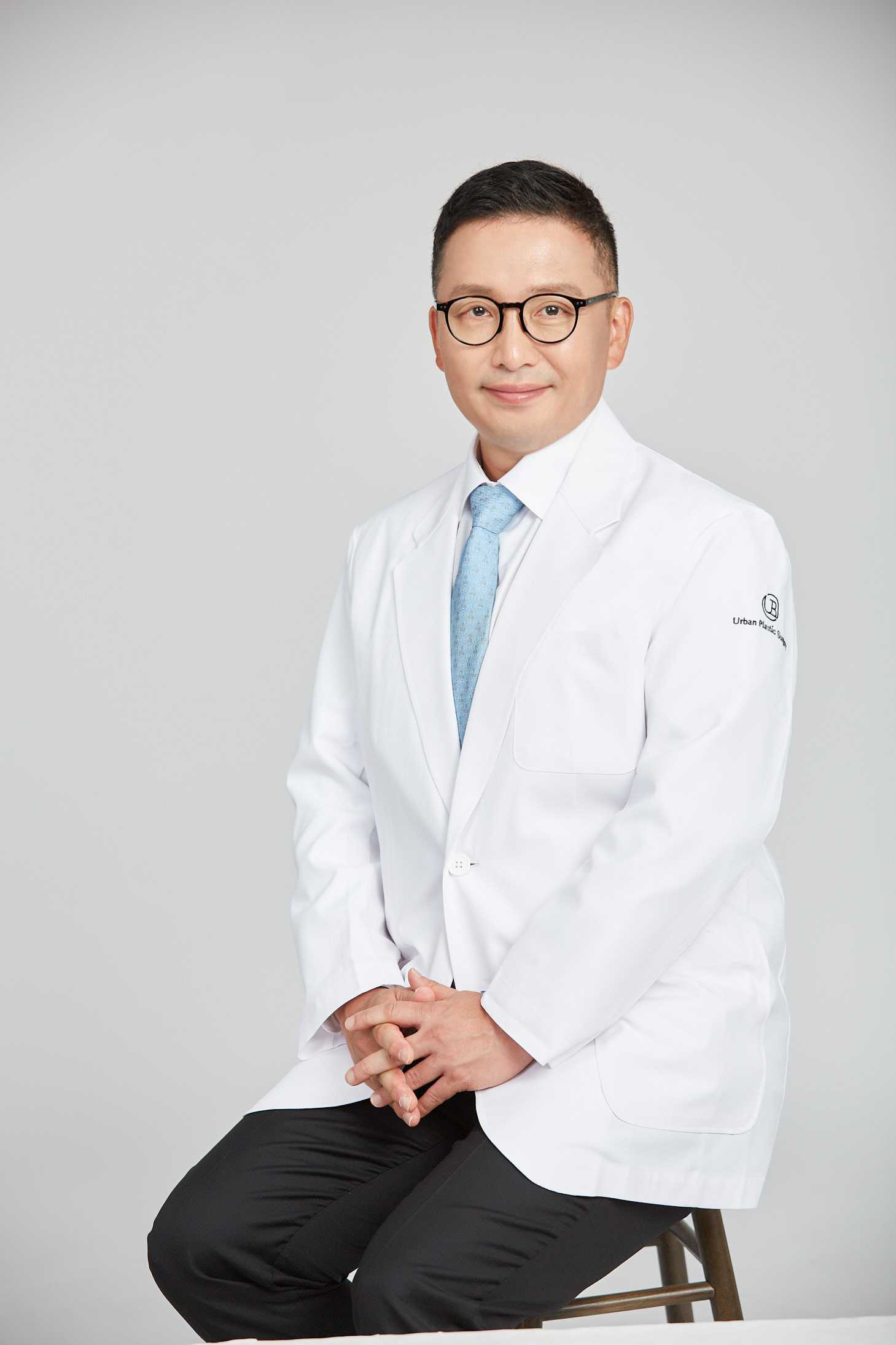
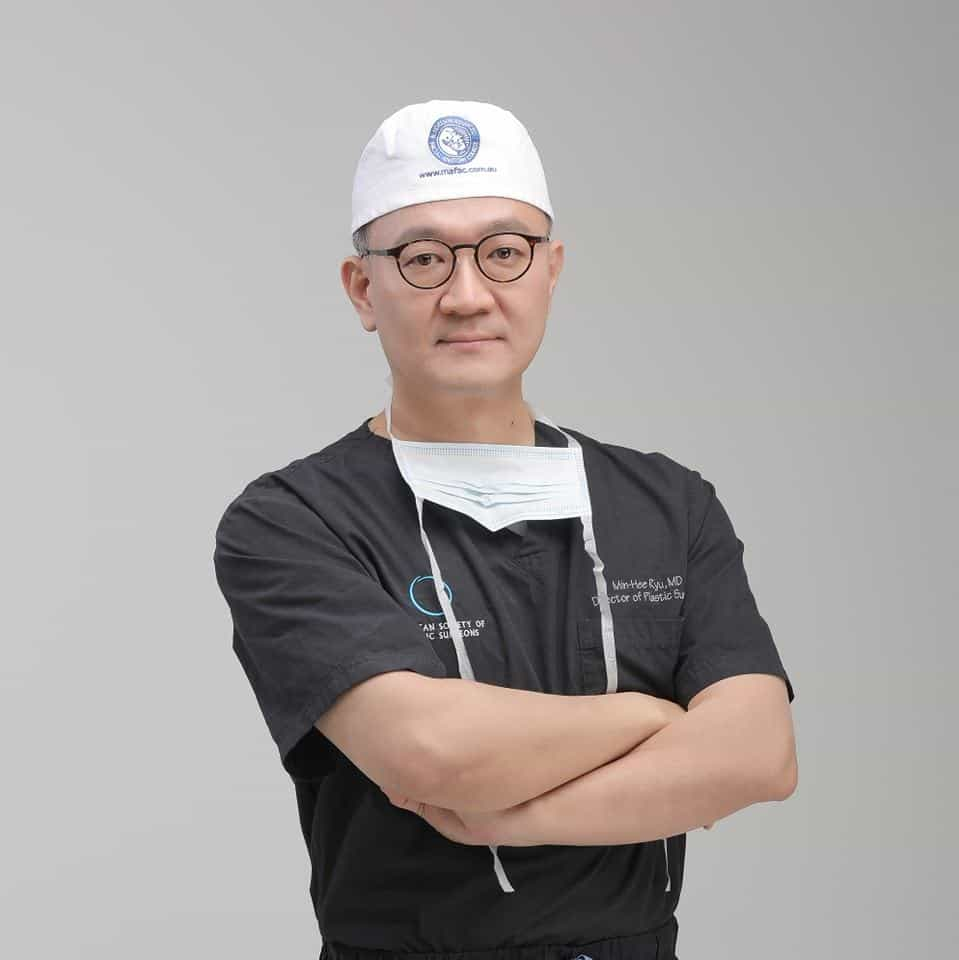
Dr. Minhee Ryu
RNWOOD - Best Plastic Surgery in Seoul, South Korea
- Plastic Surgeon
Seoul, South Korea
Seoul has rightfully earned its reputation as a global capital for cosmetic innovation, attracting thousands of medical tourists from North America, Europe, and Australasia every year. The city seamlessly blends ultra-modern medical infrastructure with deep-rooted cultural traditions, making it an exciting yet highly safe place to recover. Most top-tier plastic surgery centers are concentrated in the affluent Gangnam district, which is well-equipped with recovery-friendly hotels, pharmacies, and healthy dining options.
Navigating Seoul as an international patient is surprisingly straightforward. Incheon International Airport (ICN) is one of the world's most efficient transit hubs, and the city's English-friendly public transport system makes getting around stress-free. Whether you prefer resting in a quiet, high-end hotel or taking gentle recovery walks through historic palace grounds, Seoul accommodates the needs of healing patients perfectly.
| Primary Airport | Incheon International Airport (ICN) |
| Medical Hub District | Gangnam-gu |
| Local Currency | South Korean Won (KRW) |
| Visa Requirements | K-ETA or Visa waiver for many Western countries (verify prior to travel) |
| Best Time to Visit | Spring (April-May) and Autumn (Sept-Oct) for mild recovery weather |
| Local Transport | T-Money Card (valid on all subways and taxis) |
Before traveling, ensure your passport is valid for at least six months and check current entry requirements for your specific nationality. Review the local logistics below to help plan your timeline for consultations, surgery, and a comfortable recovery window.
Navigating international medical travel requires careful planning, but you do not have to figure it out alone. If you are ready to explore your options for a breast lift in South Korea, taking the next step is straightforward. Compare the providers, evaluate their credentials, and request detailed itineraries to make a fully informed decision for your health and confidence.
References
- Breast Lift Surgery Guidelines – American Society of Plastic Surgeons (ASPS)
- International Patient Safety Standards – International Society of Aesthetic Plastic Surgery (ISAPS)
- Travel Health Information for South Korea – Centers for Disease Control and Prevention (CDC)
- About Global Healthcare Accreditation – Joint Commission International (JCI)
- Outcomes and Safety in Mastopexy Procedures – National Center for Biotechnology Information (NCBI)

















Share this listing