

Contents
If you are exploring permanent solutions for deep facial aging—like significant jowling, severe midface volume loss, or heavy nasolabial folds—you have likely considered traveling abroad for surgery. South Korea has become a premier destination for complex facial rejuvenation, drawing patients from North America, Europe, and Southeast Asia. The appeal lies in a combination of high-level surgical expertise, particularly in advanced deep-plane and SMAS techniques, and an infrastructure built for medical tourism. A typical facelift in South Korea ranges from $5,400 to $10,000 USD (or 8,000,000 to 15,000,000 KRW), depending on the specific technique and whether it includes a neck lift. When researching providers in Seoul’s Gangnam district, prioritizing safety is essential. Look specifically for clinics that hold the KAHF (Korea Accreditation of Healthcare Facilities) accreditation, which ensures the facility meets the strict standards set by the South Korean Ministry of Health and Welfare for treating international patients.
Navigating surgical quotes from overseas clinics requires careful attention to detail, as an "all-inclusive" package can vary significantly between providers. In South Korea, standard packages typically cover the core components: the surgeon’s fee for a SMAS or deep-plane lift, general anesthesia administered by a board-certified anesthesiologist, and basic post-operative care.
However, it is crucial to request a fully itemized breakdown. Premium packages often include dedicated "deswelling" treatments (like hyperbaric oxygen or LED therapy), medical interpreters, airport transfers, and sometimes accommodation near the clinic. Ensure you understand what is excluded, such as pre-operative medical clearances, specialized compression garments, or prescription medications. Compare the comprehensive packages below to see which option best aligns with your clinical needs and recovery preferences.
.png)
Price starting from $8,000
Facelift Surgery Package in Seoul, South Korea by Hugo Plastic Surgery
Hugo Plastic Surgery
- Cosmetic/Plastic Surgery
Seoul, South Korea
.png)
Price starting from $5,100
Facelift Package in Seoul, South Korea by VG Plastic Surgery
VG Plastic Surgery
- Cosmetic/Plastic Surgery
Seoul, South Korea
Price starting from $4,600
Fox Eye Lift Surgery Package in Seoul, South Korea by Returning Plastic Surgery
Returning Plastic Surgery
- Cosmetic/Plastic Surgery
Seoul, South Korea
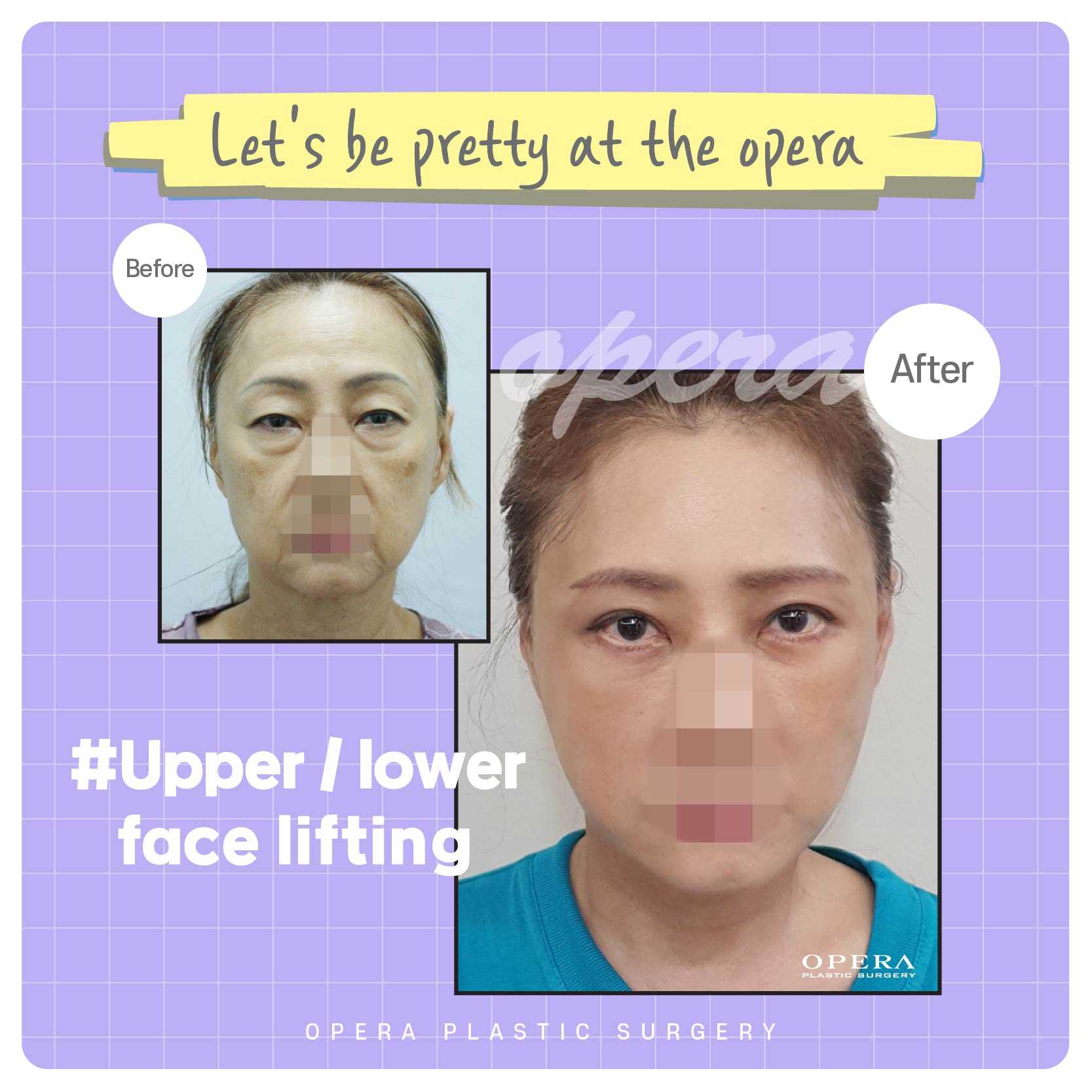
Price starting from $6,500,000
Face Lift Package at Opera Plastic Surgery in Gangnam, South Korea, Seoul, South Korea
Opera Plastic Surgery in Gangnam, South Korea
- Cosmetic/Plastic Surgery
Gangnam, South Korea
The estimated base cost for an SMAS facelift in South Korea is generally between $4,600 and $9,100 USD (6,000,000 – 12,000,000 KRW). When factoring in anesthesia, pre-operative testing, and post-operative care, the total expected investment ranges from $5,400 to $10,000 USD. For patients requiring a deep-plane facelift, which addresses deeper structural aging and often yields longer-lasting results, the cost typically starts around $8,100 USD and can exceed $10,000 USD depending on the complexity.
While these prices are often lower than those in the US or UK, the final quote will depend on your unique anatomical needs. Combining a facelift with a neck lift, fat grafting, or eyelid surgery will increase the total cost. When reviewing the cost breakdowns below, prioritize the value provided by the surgeon's specialized expertise and the clinic's safety standards rather than simply looking for the lowest price.
Face Lift Centers Cost Comparison in South Korea
| Provider | Procedure | Price |
|---|---|---|
| BBAE Clinic | Face Lift, Cosmetic/Plastic Surgery | $1800 |
| Hugo Plastic Surgery | Face Lift, Cosmetic/Plastic Surgery | $8000 |
| VG Plastic Surgery | Face Lift, Cosmetic/Plastic Surgery | $8500 |
| VG Plastic Surgery | Face Lift, Cosmetic/Plastic Surgery | $5100 |
| Returning Plastic Surgery | Face Lift, Cosmetic/Plastic Surgery | $2960 |
| LiMO Plastic Surgery Clinic in Seoul, South Korea | Face Lift, Cosmetic/Plastic Surgery | $5291 |
Face Lift Cost Comparison in South Korea
| Country | Procedure | Price |
|---|---|---|
| Australia | Face Lift, Cosmetic/Plastic Surgery | $9000 |
| Canada | Face Lift, Cosmetic/Plastic Surgery | $11000 |
| Italy | Face Lift, Cosmetic/Plastic Surgery | $14022 |
| United States | Face Lift, Cosmetic/Plastic Surgery | $20000 |
Selecting a clinic in Seoul, particularly in the dense medical district of Gangnam, requires rigorous verification of safety standards and legal credentials. Do not rely solely on polished websites or before-and-after photos. Your first step is to confirm that the clinic is legally registered with the Ministry of Health and Welfare (MOHW) to treat foreign patients.
The most critical marker of safety is the KAHF (Korea Accreditation of Healthcare Facilities) certification. This accreditation involves an independent evaluation of over 140 safety criteria, ensuring the clinic adheres to strict infection control, maintains emergency response protocols, and carries transparent malpractice insurance. A verifiable clinic will provide clear, translated consent forms and ensure you have a dedicated consultation with the operating surgeon. Review the certified clinics below to find a secure environment for your procedure.
ID Hospital (Plastic Surgery, Dermatology, Dental Care)
Seoul, South Korea
VG Plastic Surgery
Seoul, South Korea

POP Plastic Surgery
Seoul, South Korea
Intro Plastic Surgery
Seoul, South Korea
VIP Plastic Surgery
Jeju City, South Korea

BBAE Clinic
Seoul,Gangnam, South Korea
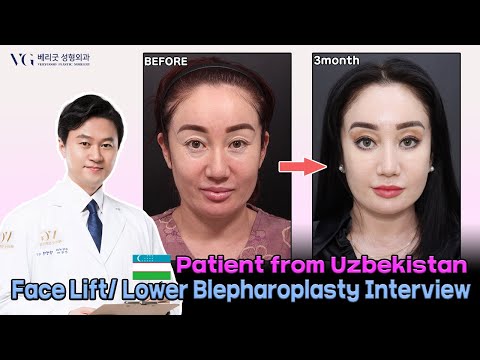
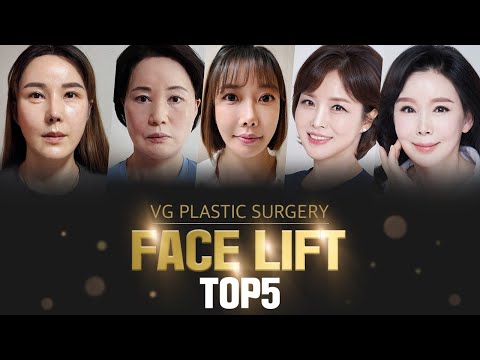
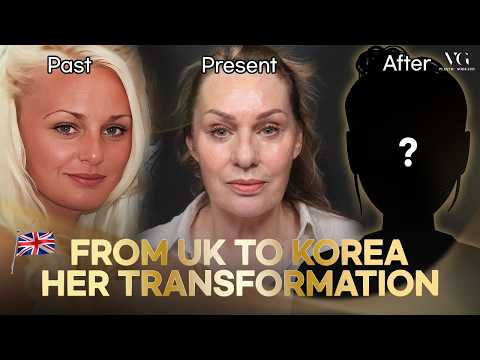
Understanding the reality of traveling for major facial surgery can help manage expectations and reduce anxiety. Patient experience videos provide context that goes beyond written descriptions, showing the day-to-day reality of the medical tourism process in Seoul.
When reviewing these videos, focus on the logistical details: the thoroughness of the initial 3D facial scanning, the communication during the consultation, and the reality of the first week of recovery. Pay attention to how patients manage bruising, swelling, and the removal of drains or sutures. Observing the interactions between the clinic staff, medical interpreters, and the patient offers insight into the standard of care. Watch the patient journey videos below to better understand the process.




Reading detailed accounts from previous international patients is a critical step in verifying a clinic's reputation. Authentic reviews offer a realistic perspective on recovering from a facelift in a foreign country, highlighting both the successes and the challenges.
When evaluating these testimonials, look for consistent feedback regarding the clinic’s communication, especially the effectiveness of their medical interpreters. Assess the quality of their post-operative support: Did the patient feel adequately monitored during the crucial first week of recovery? How did the clinic respond to concerns or unexpected swelling? While aesthetic results are important, the clinic's dedication to patient safety and aftercare is equally vital. Read the patient testimonials below to inform your decision.

How long do I need to stay in South Korea for a facelift?
You should plan to stay in South Korea for a minimum of 10 to 14 days. This allows time for the pre-operative consultation, the surgery, post-operative monitoring, and the removal of stitches (typically on day 7 or 8). Flying before you are cleared can increase the risk of complications due to cabin pressure.
What is the difference between a SMAS and a deep-plane facelift in Korea?
A SMAS facelift tightens the superficial muscle layer (the SMAS) and is effective for moderate aging. A deep-plane facelift releases deeper facial ligaments to reposition the entire midface and jawline as a single unit. Deep-plane lifts generally offer longer-lasting results (10-15+ years) compared to SMAS lifts (8-12 years) and are favored for addressing severe sagging.
How do I verify a Korean plastic surgery clinic is safe for foreigners?
Ensure the clinic is registered with the Ministry of Health and Welfare (MOHW) and look for the KAHF (Korea Accreditation of Healthcare Facilities) certification. KAHF accreditation indicates the clinic meets rigorous national standards for infection control, emergency care, and patient safety specifically for international medical tourists.
Will I need to find my own translator for the surgery?
No, reputable clinics that cater to international patients provide dedicated, full-time medical interpreters. These interpreters will accompany you during the consultation, assist with consent forms, and remain available throughout your post-operative care to ensure clear communication.
What kind of aftercare is provided by Korean facelift clinics?
Korean clinics are known for comprehensive deswelling programs. Aftercare typically includes regular check-ups, wound cleaning, and specialized treatments such as LED light therapy (SmartLux) or hyperbaric oxygen therapy designed to accelerate healing and minimize bruising.
How do I know if my Korean surgeon is qualified?
Verify that the doctor is a board-certified plastic surgery specialist, not just a general practitioner. You can check their credentials through the Korean Society of Plastic and Reconstructive Surgeons (KSPRS). Always insist on knowing the name of the surgeon who will perform the operation.
Can I get a tax refund on my facelift surgery in South Korea?
Yes, South Korea offers a VAT (Value Added Tax) refund for cosmetic procedures performed on international patients at eligible clinics. You can often process this refund through automated kiosks at the airport or at designated locations like the Gangnam Medical Tour Center before your departure.
Is it safe to walk around Seoul during my facelift recovery?
Yes, Seoul is a very safe city, and light walking is recommended to improve circulation after surgery. Because cosmetic surgery is common, locals are accustomed to seeing people in recovery. Wearing compression garments, masks, and sunglasses in public is completely normal and socially acceptable.
What happens if I experience a complication after returning home?
Before surgery, ask the clinic for their written policy regarding revisions and post-operative complications. Accredited clinics should provide a clear protocol for remote follow-ups and outline their responsibilities if corrective care is needed once you have left South Korea.
Can I combine my facelift with other procedures like a neck lift?
Yes, many patients combine a facelift with a neck lift, eyelid surgery (blepharoplasty), or facial fat grafting. However, this depends on the surgeon's assessment of your health and tolerance for prolonged anesthesia. Combining procedures will likely increase both the cost and the required recovery time in Seoul.
The success and longevity of your facelift depend entirely on your surgeon’s technical skill and understanding of complex facial anatomy. In South Korea, it is vital to verify that your doctor is a board-certified plastic surgery specialist, not a general practitioner performing aesthetic procedures. You can confirm this through the Korean Society of Plastic and Reconstructive Surgeons (KSPRS) directory.
During your consultation, ask about their specific experience with the technique you are considering, whether it is a SMAS or a deep-plane facelift. Deep-plane techniques require advanced anatomical knowledge and specialized training to safely reposition deeper facial ligaments. A qualified specialist will focus on achieving natural, enduring results and will assess your bone structure and skin elasticity to create a tailored plan. Browse the profiles of verified specialists below to start your research.
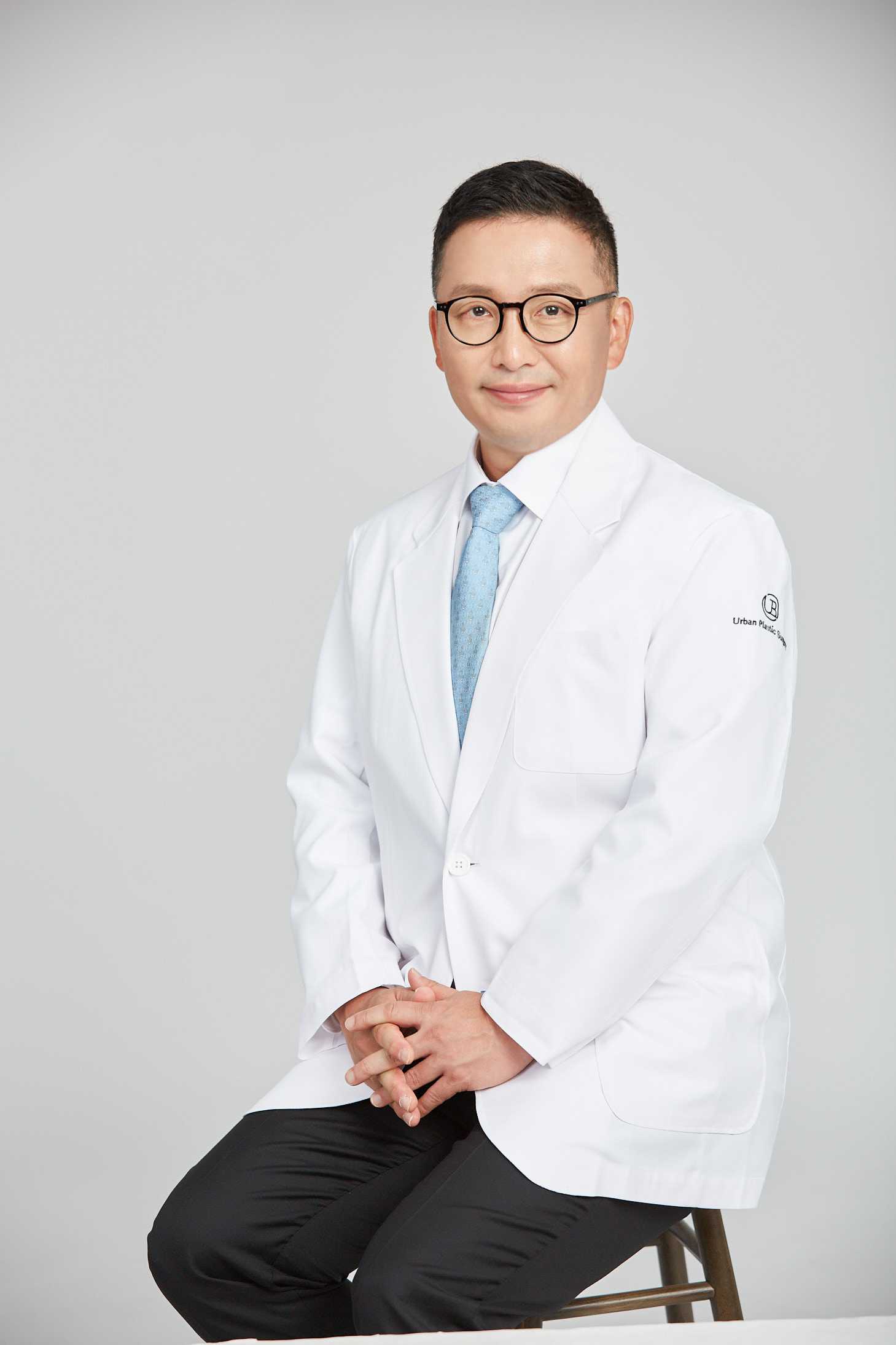
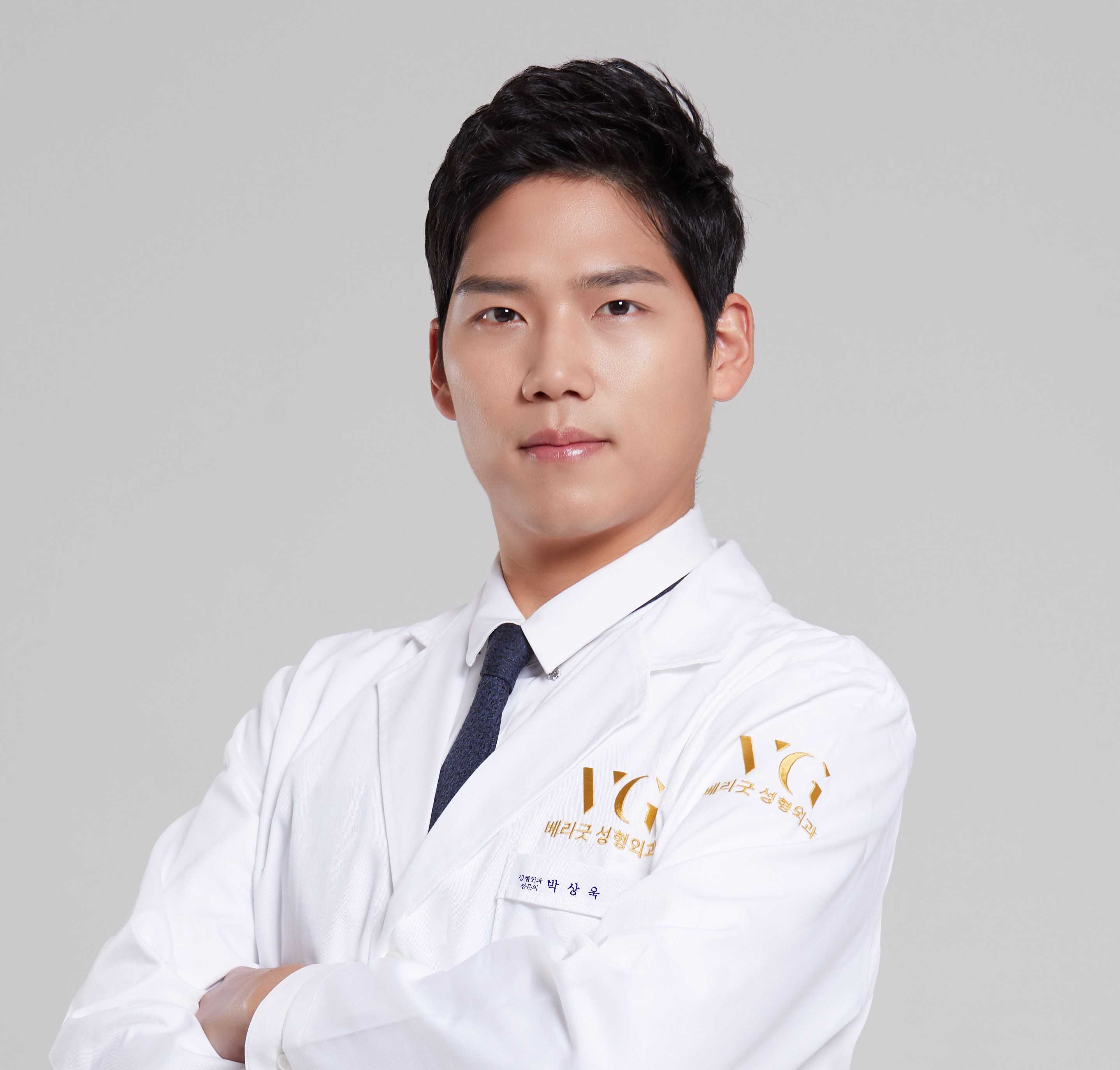
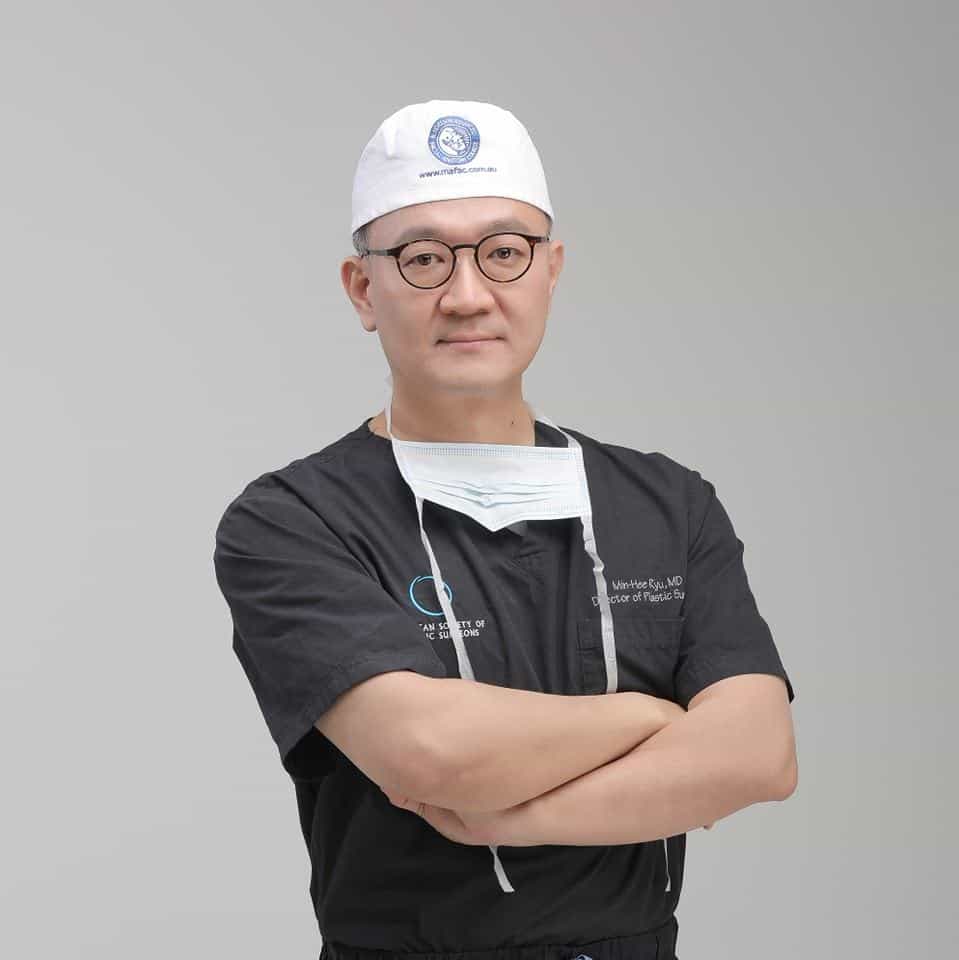
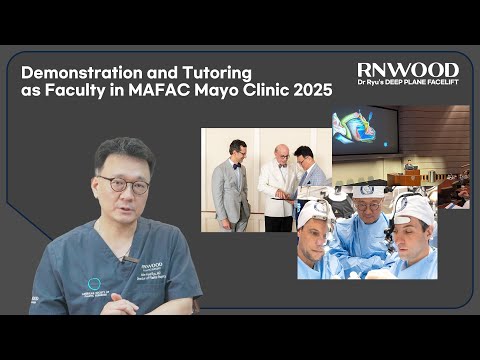
Dr. Minhee Ryu
RNWOOD - Best Plastic Surgery in Seoul, South Korea
- Plastic Surgeon
Seoul, South Korea
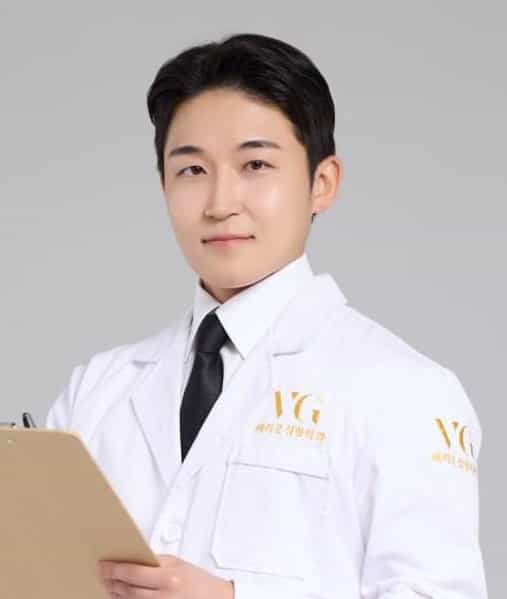
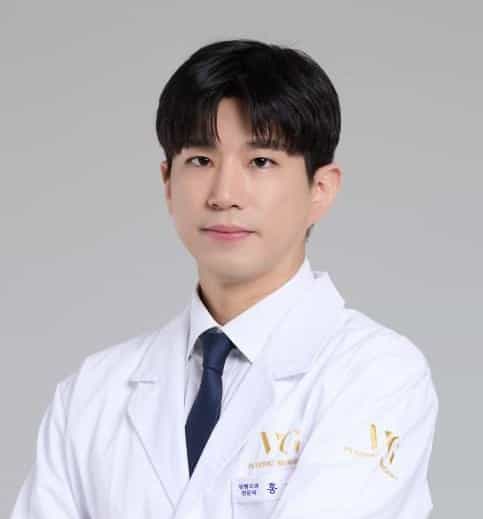
Seoul, and specifically the Gangnam district, is recognized globally as a hub for advanced medical tourism, drawing over 180,000 medical tourists annually from regions like North America, Southeast Asia (including a significant increase from Vietnam), and Europe. The city offers a highly developed infrastructure for international patients, combining state-of-the-art surgical facilities with dedicated medical tourism support centers. A facelift requires a significant time commitment. You must plan to stay in South Korea for a minimum of 10 to 14 days. This timeframe is non-negotiable, as it covers pre-operative testing, the surgery, the critical initial recovery period, and the removal of sutures (usually between days 7 and 10) before you are medically cleared to fly. Essential Travel and Recovery Logistics:
Review the verified clinics and surgeons listed below to compare techniques, accreditation standards, and comprehensive package details. Gathering this information is the first step in planning a safe and effective medical trip.Determine the Best Approach for Your Facial Rejuvenation
References

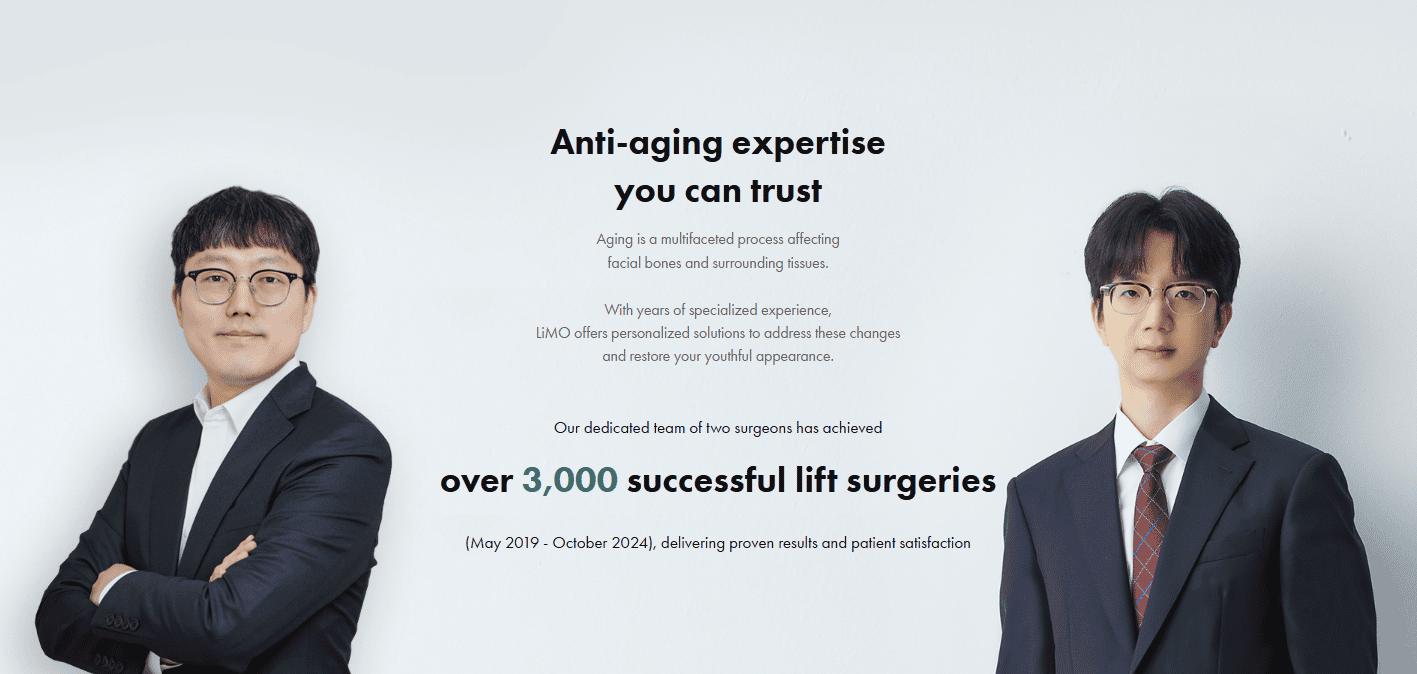
.png)
.png)
-(1).png)
.png)

.jpg)
.jpg)
-(1).png)
.jpg)








Share this listing