

Contents
Let’s be honest: trusting someone to surgically reshape the center of your face is a massive leap of faith. If you’re tired of hiding from side-profile photos and exhausted by the sky-high surgery quotes back home, you’re likely looking beyond your local borders. That’s exactly why thousands of people fly to South Korea every year. Known as the plastic surgery capital of the world, Seoul offers surgical artistry that focuses on natural, harmonious results rather than an obviously "operated" look. The biggest draw? You get world-class expertise without the eye-watering price tag. A primary rhinoplasty here typically ranges from $3,000 to $6,000, while complex revision surgeries usually cost between $5,000 and $8,000. But a great price doesn't mean you should ever compromise on safety. When researching your options, it’s vital to look past the glamorous waiting rooms. Focus strictly on clinics accredited by the KOREA MOHW (Ministry of Health and Welfare) or those carrying international JCI certification. These stamps of approval mean the facility adheres to strict, heavily monitored medical standards, keeping your safety the top priority from consultation to recovery.
Booking a surgery abroad can feel like a logistical nightmare, but comprehensive medical packages are designed to make the process completely stress-free. Instead of just paying for time in the operating room, these bundles wrap your core needs into one clear price. A standard rhinoplasty package often includes your surgeon’s fees, anesthesia, pre-operative 3D CT scans, and essential post-op care like laser deswelling treatments. Many top-tier facilities even roll in airport transfers and a dedicated English-speaking coordinator. Ready to see what’s included? Compare the detailed packages listed below to find the perfect fit for your needs.
.jpg)
Price starting from $5,100
Rhinoplasty Package in Seoul South, Korea by VG Plastic Surgery
VG Plastic Surgery
- Cosmetic/Plastic Surgery
Seoul, South Korea
Price starting from $4,200
Rhinoplasty Bridge & Tip Package in Seoul, South Korea by Returning Plastic Surgery
Returning Plastic Surgery
- Cosmetic/Plastic Surgery
Seoul, South Korea
.png)
Price starting from $5,500
Revision Rhinoplasty Package in Seoul, South Korea by Returning Plastic Surgery
Returning Plastic Surgery
Seoul, South Korea
Let’s get straight to the numbers. A primary rhinoplasty in South Korea will generally cost you between $3,000 and $6,000. If you need a revision surgery to correct a past procedure, expect the price to sit between $5,000 and $8,000. Compared to the $10,000+ quotes commonly seen in the US or UK, the financial relief is substantial. However, your final price relies heavily on your surgeon's reputation and the specific type of implants or cartilage required. To get a realistic idea of what you’ll spend, review the specific pricing and cost breakdowns listed below.
Nose Surgery Rhinoplasty Centers Cost Comparison in South Korea
| Provider | Procedure | Price |
|---|---|---|
| VG Plastic Surgery | Nose Surgery Rhinoplasty, Cosmetic/Plastic Surgery | $5100 |
| Oganacell Dermatology Jamsil Branch | Nose Surgery Rhinoplasty, Cosmetic/Plastic Surgery | $5300 |
| Hugo Plastic Surgery | Nose Surgery Rhinoplasty, Cosmetic/Plastic Surgery | $3300 |
| Returning Plastic Surgery | Nose Surgery Rhinoplasty, Cosmetic/Plastic Surgery | $4400 |
Nose Surgery Rhinoplasty Cost Comparison in South Korea
| Country | Procedure | Price |
|---|---|---|
| United Kingdom | Nose Surgery Rhinoplasty, Cosmetic/Plastic Surgery | $7000 |
| Turkey | Nose Surgery Rhinoplasty, Cosmetic/Plastic Surgery | $3500 |
| Thailand | Nose Surgery Rhinoplasty, Cosmetic/Plastic Surgery | $3800 |
| United States | Nose Surgery Rhinoplasty, Cosmetic/Plastic Surgery | $9500 |
| Canada | Nose Surgery Rhinoplasty, Cosmetic/Plastic Surgery | $10000 |
| Australia | Nose Surgery Rhinoplasty, Cosmetic/Plastic Surgery | $9000 |
Flashy social media photos and marble-floored lobbies are great, but they don't guarantee a safe surgery. When choosing a clinic in South Korea, you need to think like a medical inspector. Your absolute priority is verifying credentials. Ensure the primary surgeon is a board-certified plastic surgeon, not just a general practitioner practicing cosmetics. Ask to see their specific license and check if the facility is backed by government boards like the KOREA MOHW. Always confirm that a board-certified anesthesiologist is on staff. Take your time to weigh your options by comparing the fully vetted clinics listed below.
VG Plastic Surgery
Seoul, South Korea
Hugo Plastic Surgery
Seoul, South Korea
Opera Plastic Surgery in Gangnam, South Korea
Gangnam, South Korea

JK Medical Group in Seoul, South Korea
Seoul,Gangnam, South Korea
Glovi Plastic Surgery Korea
Seoul,Gangnam, South Korea
Evita Clinic Aesthetic Plastic Surgery Vascular Surgery Center
Seoul, South Korea
Reading about a medical procedure is one thing, but actually seeing the process unfold offers a completely different level of comfort. Video content bridges the gap between your expectations and reality. Watching real patient journeys, facility walkthroughs, and doctors explaining their surgical techniques helps demystify the entire experience. It allows you to gauge a surgeon's bedside manner and see genuine, unfiltered results before you ever board a plane. Seeing is believing, especially when it involves your face. Check out the hand-picked patient and clinic videos below to get an inside look at what your own journey could look like.

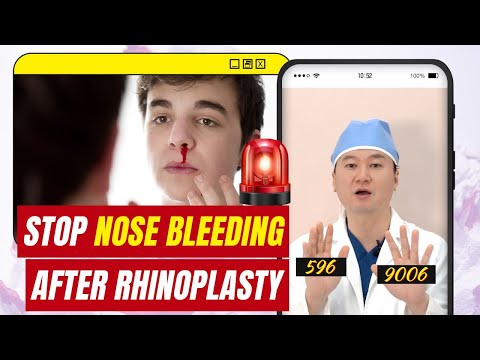
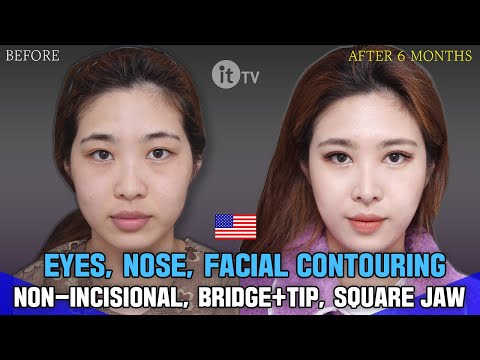
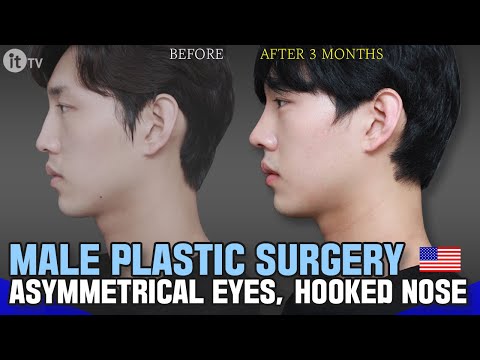
Nothing cuts through clinic marketing quite like the raw, honest feedback of someone who has already sat in the patient chair. Real reviews are your best tool for understanding the true patient experience in South Korea. Look beyond the simple star ratings; read the detailed stories to see how clinics handle post-operative care, language barriers, and any unexpected bumps in the road. Pay attention to how patients describe the attentiveness of the nursing staff and whether their aesthetic goals were genuinely met. Ready to learn from those who have walked this path? Explore the unfiltered patient testimonials listed below to guide your decision.

What kind of cartilage or implants do Korean surgeons use?
Korean surgeons highly customize their approach. They often use synthetic implants (like high-grade silicone or Gore-Tex) to elevate the nasal bridge, while strictly using your own autologous cartilage (harvested from your ear, nasal septum, or rib) to safely shape and support the nasal tip.
Can I get a tax refund on my plastic surgery in South Korea?
Yes, international patients are eligible for a Value Added Tax (VAT) refund (typically around 7-10%) on cosmetic surgeries performed at officially registered, tax-free medical clinics. The clinic will provide you with a refund slip that you can easily process at the airport before your departure.
Is it safe to travel alone for a nose job in South Korea?
Yes, South Korea is consistently ranked as one of the safest countries in the world for solo travelers. Furthermore, the medical concierge services provided by high-end clinics ensure you are escorted, properly cared for, and monitored throughout your entire stay, so you never truly feel alone.
How Much Does a Nose Job Cost in Seoul, South Korea?
The average nose job cost in South Korea typically ranges from $3,500 to $6,500 for a primary rhinoplasty in Seoul. Complex revision surgeries or those requiring rib cartilage can increase the price, often ranging between $7,000 and $15,000. Key Takeaways: The rhinoplasty cost in South Korea varies widely based on whether the procedure requires simple implants or complex autologous cartilage grafting. Patients must account for non-surgical expenses such as flights, extended accommodations, and prescription medications. Participation in medical tourism in South Korea often requires a minimum stay of seven to ten days for safe post-operative care and stitch removal. Many facilities bundle surgical fees, facility usage, and anesthesia into a single package price for international travelers. Eligible international patients may claim a value-added tax refund on cosmetic procedures before departing the country. What Factors Influence the Nose Job Cost in South Korea? The total expense is dictated by the anatomical complexity of the procedure, the specific materials utilized, and the experience level of the operating surgeon. A primary driver of the nose job cost in South Korea is the choice of materials used for augmentation or structural support. Procedures utilizing synthetic implants like silicone or Gore-Tex tend to be more cost-effective due to shorter operative times. Conversely, utilizing autologous materials, such as cartilage harvested from the ear, nasal septum, or rib, requires advanced surgical skill and additional incisions, which naturally elevates the baseline price. The expertise and reputation of the medical professional also play a substantial role in the final quote. Surgeons who have dedicated decades to facial aesthetics or who frequently handle difficult revision cases command higher fees. Their specialized training and track record in managing complex anatomies add a premium to the standard rates. Furthermore, the location and amenities of the specific rhinoplasty clinic in South Korea impact the price. Facilities located in premium districts often carry higher overhead costs, which are reflected in their pricing structures. These facilities may also incorporate advanced diagnostic tools, such as mandatory 3D CT scanning for pre-surgical planning, which contributes to the overall expense. Expert Insight Pre-operative imaging, specifically 3D computed tomography, has become a standard protocol in many specialized centers to accurately map internal septal deviations and assess bone thickness prior to making any incisions. How Does the Price Compare for Different Types of Rhinoplasty in South Korea? Minor refinements carry a lower financial burden, while extensive structural changes and secondary revision surgeries are priced significantly higher due to increased operative difficulty. A nose job in South Korea is not a universal procedure with a single price tag; it is highly customized to the individual. For patients seeking isolated changes, such as an alar base reduction to narrow the nostrils or a minor tip plasty to refine the nasal point, the costs are generally at the lower end of the spectrum. These localized adjustments require less operating room time and often involve less complex anesthesia protocols. A full primary rhinoplasty, which typically addresses both the dorsal bridge and the nasal tip simultaneously, represents the mid-range of pricing. This procedure often involves a combination of bone reshaping and cartilage grafting to achieve a harmonious facial profile, necessitating a comprehensive surgical approach. Revision procedures are consistently the most expensive category. When a surgeon must correct issues from a previous operation, they encounter scar tissue, depleted cartilage reserves, and altered structural anatomy. The frequent need to harvest rib cartilage to rebuild the nasal framework makes revision rhinoplasty cost in South Korea considerably higher, reflecting the extended surgical time and elevated risk profile. Type of Procedure Estimated Price Range (USD) Surgical Complexity Alar Base Reduction $1,500 - $3,500 Lower Isolated Tip Refinement $3,000 - $5,000 Moderate Comprehensive Primary Rhinoplasty $3,500 - $6,500 High Secondary / Revision Surgery $7,000 - $15,000+ Very High What Is Typically Included in a Rhinoplasty Clinic in South Korea Package? Medical quotes generally encompass the core surgical necessities, including physician fees, facility usage, and anesthesia, while excluding travel logistics and pharmacy expenses. When reviewing an estimate from a rhinoplasty clinic in South Korea, it is vital to understand the itemized inclusions. Most reputable facilities catering to international visitors provide a bundled quote. This bundled price typically covers the primary surgeon's professional fee, the cost of operating room time, and the administration of anesthesia by specialized medical personnel. In addition to the surgery itself, pre-operative medical clearances are often included in the initial estimate. This typically involves basic blood panels, electrocardiograms, and required facial imaging to ensure the patient is physically prepared for the operation. Basic post-operative care, such as scheduled appointments for wound inspection, splint removal, and suture extraction, is also a standard inclusion. However, patients must carefully review what is excluded. Post-surgical prescription medications required for infection prevention and pain management are usually purchased separately at local pharmacies. Additionally, specialized aftercare treatments, such as hyperbaric oxygen therapy or targeted swelling reduction protocols, may incur separate charges unless explicitly stated in the initial agreement. Why Is Medical Tourism in South Korea Popular for Facial Aesthetics? The destination offers a unique combination of high-volume surgical experience, modern medical infrastructure, and competitive pricing structures compared to Western healthcare systems. The global prominence of medical tourism in South Korea is heavily influenced by the sheer volume of aesthetic procedures performed annually. This high frequency allows medical professionals to develop refined techniques and predictable outcomes, particularly in complex facial surgeries. The concentration of specialized facilities fosters an environment of continuous technological adoption and procedural advancement. Financially, patients often find that the total expense of traveling for a procedure remains lower than undergoing the same surgery domestically in regions like North America or Western Europe. This price disparity exists despite the integration of advanced medical technologies and adherence to stringent national healthcare regulations, presenting a compelling value proposition for international travelers. Furthermore, the clinical ecosystem is specifically structured to accommodate foreign visitors. Many recognized centers feature dedicated international patient departments equipped with in-house translators, streamlined scheduling processes, and comprehensive post-operative support protocols designed to manage the unique needs of patients recovering away from their home countries. Are There Hidden Expenses When Getting a Nose Job in South Korea? Beyond the surgical invoice, patients must proactively budget for travel, extended accommodation, daily living costs, and potential medical contingencies. While a transparent clinic quote clarifies the direct medical costs, evaluating the true nose job cost in South Korea requires accounting for all auxiliary travel expenses. International flights constitute a significant portion of the budget and fluctuate based on seasonal demand and origin location. Securing comfortable accommodation near the medical facility is essential for early recovery, adding a daily expense for the duration of the stay. Daily subsistence, including meals tailored to a post-surgical diet and local transportation for clinic visits, must also be calculated. Navigating a foreign city while managing post-operative swelling and fatigue often means relying on taxis or specialized transport services rather than public transit, which can incrementally increase daily spending. Finally, patients should allocate a contingency fund for unforeseen medical needs. This could cover extending a hotel stay if clearance to fly is delayed, purchasing additional wound care supplies, or managing unexpected minor complications. Comprehensive travel health insurance that explicitly covers complications arising from planned medical procedures is highly recommended to mitigate financial risk. Important Consideration If you plan to depart the country while still exhibiting visible facial swelling or bandages, it is advisable to request a formal medical certificate from your clinic to present to airport immigration officials to verify your identity. How Long Should I Stay for Recovery After a Nose Job in South Korea? Patients are strongly advised to remain in the country for a minimum of seven to ten days to complete the critical initial healing phases and receive clearance to fly. Proper timeline planning is crucial for anyone considering a rhinoplasty in South Korea. The first forty-eight hours post-surgery involve managing acute swelling, potential bruising around the orbital area, and nasal congestion due to internal packing or splints. During this initial phase, rest and adherence to the clinic's specific post-operative instructions are paramount for safe healing. Around the fifth to seventh day, patients typically return to the clinic for a significant follow-up appointment. During this visit, external casts, internal splints, and non-dissolvable sutures are generally removed. This milestone usually brings substantial relief from physical discomfort and allows the medical team to assess the early structural stability of the nose. Physicians typically require patients to remain nearby for a few days following cast removal to monitor for any delayed complications, such as late-onset bleeding or unexpected inflammatory responses. Flying too soon can exacerbate swelling due to cabin pressure changes, making the full seven to ten-day duration a standard safety protocol rather than a mere suggestion. What Are the Potential Risks of Getting a Rhinoplasty in South Korea? All surgical interventions carry inherent risks, including infection, asymmetry, breathing difficulties, and the potential need for secondary corrective procedures. While technical proficiency is high, a nose job in South Korea remains a complex surgical procedure with established medical risks. Common immediate complications can include localized hematomas, adverse reactions to anesthetic agents, and post-operative infections. Strict adherence to prescribed antibiotic regimens and proper wound hygiene are critical to mitigating these early-stage risks. Long-term aesthetic and functional risks also exist. Patients may experience dissatisfaction with the final contour, subtle asymmetries as swelling subsides over several months, or structural shifting of grafted cartilage. Functional issues, such as newly introduced nasal airway obstruction or persistent numbness in the nasal tip, can occasionally occur and may require prolonged observation. Traveling internationally for surgery introduces the added complexity of managing potential complications after returning home. If an issue arises months after the procedure, the patient must coordinate remote consultations with their original surgeon and may face the financial burden of traveling back for corrective intervention, emphasizing the need to carefully select qualified providers. How Can I Verify the Credentials of a Rhinoplasty Clinic in South Korea? Verification requires checking the surgeon's board certification status, reviewing facility accreditations, and confirming their legal registration to treat international patients. Ensuring safety begins with rigorous vetting of the medical professional. Prospective patients should prioritize surgeons who hold specialized board certification in plastic and reconstructive surgery or otolaryngology. Membership in recognized national bodies, such as the Korean Society of Plastic and Reconstructive Surgeons, serves as a baseline indicator of appropriate medical training and adherence to professional standards. Evaluating the facility itself is equally important. Legitimate centers offering medical tourism in South Korea must be officially registered with the national health authorities to legally provide services to foreign nationals. Investigating whether the facility maintains international accreditations or adheres to specific domestic safety protocols provides insight into their operational standards and emergency preparedness. Finally, patients should seek out documented evidence of the surgeon's experience with their specific anatomical needs. Reviewing standardized before-and-after portfolios, requesting detailed explanations of proposed surgical techniques, and seeking verifiable patient testimonials can help establish confidence in the provider's capabilities before committing to a procedure abroad. Why Choose PlacidWay for Your Medical Tourism in South Korea Journey? PlacidWay provides a structured informational platform to help patients research international healthcare options, compare provider credentials, and request direct procedural estimates. Navigating international healthcare systems requires access to organized, comparative data. PlacidWay assists individuals in researching options for a nose job in South Korea by centralizing clinic profiles and procedural information into an accessible format. The platform is designed to support informed decision-making through transparency and direct provider access. Provider Discovery: Access a directory of international medical facilities to research available procedures and clinical focus areas. Information Gathering: Review detailed clinic profiles outlining medical infrastructure, technology adoption, and available patient services. Credential Visibility: Examine listed information regarding facility accreditations and surgeon specialty training to aid in your independent verification process. Direct Communication: Utilize platform tools to securely request customized procedural estimates directly from the medical facilities. Comparative Analysis: Evaluate different treatment approaches and pricing structures across multiple centers to find options aligning with your medical needs and budget. Frequently Asked Questions Is it safe to travel for a nose job in South Korea? Traveling for cosmetic procedures carries inherent risks, but many patients find it manageable by selecting accredited facilities. It is crucial to follow all pre-operative guidelines and allow sufficient time for recovery before flying home. Can I get a tax refund on my rhinoplasty in South Korea? International tourists undergoing eligible cosmetic procedures may claim a Value Added Tax refund of approximately seven to eight percent at the airport prior to departure, provided the facility participates in the program. Does insurance cover a nose job cost in South Korea? Health insurance typically does not cover procedures performed strictly for cosmetic enhancement. If the surgery includes functional corrections like septoplasty for breathing issues, a portion of the functional work might be reimbursable depending on your provider. What is the difference between open and closed rhinoplasty in South Korea? Open rhinoplasty involves an external incision across the columella for greater visibility, often used for complex cases. Closed rhinoplasty keeps all incisions inside the nostrils, typically resulting in less visible scarring and sometimes faster initial healing. How much does an online consultation cost before traveling to a rhinoplasty clinic in South Korea? Many international patient departments offer preliminary online photo evaluations at no charge. Comprehensive virtual consultations with the actual operating surgeon may require a fee, which is sometimes credited toward the final procedure price. What type of anesthesia is typically used for rhinoplasty in South Korea? Depending on the complexity, surgeons may use local anesthesia combined with deep intravenous sedation, or full general anesthesia administered by a dedicated anesthesiologist for more extensive structural work. How long does swelling last after getting a nose job in South Korea? Significant visible swelling generally subsides within the first two to three weeks. However, subtle residual swelling, particularly in the nasal tip, can take six months to a full year to completely resolve and reveal the final shape. What is ethnic rhinoplasty and does it affect the rhinoplasty cost in South Korea? Ethnic rhinoplasty addresses specific structural characteristics while maintaining cultural identity. Because it often requires specialized grafting techniques and autologous materials to build structure, it can increase the overall complexity and price of the procedure. Do I need a medical visa to get a nose job in South Korea? Many international visitors can enter on a standard tourist visa or visa waiver for short stays. However, specific entry requirements depend on your citizenship, so it is important to check official government guidelines prior to booking travel. Are there age restrictions for rhinoplasty in South Korea? Surgeons typically require patients to have reached physical maturity, which is generally around age sixteen to eighteen for females and slightly older for males, to ensure facial bones have stopped growing. Compare Treatment Options Today Research specialized clinics, evaluate procedural estimates, and gather the information you need for your international medical journey. Request Treatment Information Medical Disclaimer: The pricing estimates and medical content provided are intended for educational and planning purposes only and do not constitute professional medical advice. Individual surgical outcomes, treatment suitability, and final procedural costs vary significantly based on patient anatomy and clinical assessment. Always seek the advice of a qualified and board-certified healthcare provider regarding any medical condition or proposed treatment plan. References Rhinoplasty Safety and Procedure Guidelines – International Society of Aesthetic Plastic Surgery (ISAPS) Nose Surgery Risks and Safety – American Society of Plastic Surgeons Medical Tourism Guidelines and Travel Planning – Centers for Disease Control and Prevention (CDC) Tax Refunds for Foreign Tourists on Medical Procedures – Korea Tourism Organization Complications and Autologous Grafting in Asian Rhinoplasty – National Institutes of Health (NIH) Information on Facial Implants and Materials – U.S. Food and Drug Administration (FDA)
How much is rhinoplasty in south korea?
Considering nose surgery, also known as rhinoplasty, and looking at South Korea as a potential destination? You're in good company. South Korea has become a global hub for cosmetic surgery, renowned for its skilled surgeons and advanced medical technology, particularly in facial procedures like rhinoplasty. This comprehensive guide addresses the key questions people are asking about getting a nose job in South Korea, providing you with the information needed to navigate your options. What is nose surgery (rhinoplasty)? "Nose surgery, or rhinoplasty, is a surgical procedure to reshape the nose, often to improve its aesthetic appearance, correct breathing problems, or repair deformities caused by injury or birth defects." Rhinoplasty is a highly individualized surgical procedure aimed at improving the harmony and proportion of the nose with the rest of the face. Surgeons can modify the size, shape, angle, and overall structure of the nose by reshaping bone and cartilage. Beyond cosmetic enhancements, nose surgery can also address functional issues such as a deviated septum, which can obstruct breathing. Whether the goal is to achieve a more balanced facial profile or to improve nasal function, rhinoplasty requires a skilled surgeon with a deep understanding of nasal anatomy and facial aesthetics. Why is South Korea a popular destination for nose surgery? "South Korea is a popular destination for nose surgery due to its reputation for highly skilled and experienced plastic surgeons, advanced medical technology, competitive pricing compared to some Western countries, and a strong focus on aesthetic excellence." South Korea has earned its reputation as a leading destination for cosmetic surgery, and rhinoplasty is one of the most sought-after procedures. Several factors contribute to this popularity. The country boasts a large number of highly trained and experienced plastic surgeons who specialize in facial surgery, including rhinoplasty. Many Korean surgeons have honed their skills through years of practice and are known for their artistic eye and meticulous techniques. Furthermore, South Korea has invested heavily in advanced medical technology and infrastructure, ensuring high standards of care. While not the cheapest option globally, the cost of nose surgery in South Korea is often more competitive than in countries like the United States or some parts of Europe. The cultural emphasis on aesthetics and beauty in South Korea also drives innovation and excellence in the field of cosmetic surgery. How much does basic nose surgery cost in South Korea? "Basic nose surgery or rhinoplasty in South Korea typically ranges from $2,000 to $7,500 USD." The cost of a primary or basic rhinoplasty in South Korea can vary depending on several factors. This price range generally covers the surgeon's fee, anesthesia, and facility charges for a straightforward procedure aimed at reshaping the nose for cosmetic reasons. However, it's important to remember that this is a general estimate, and the actual cost can be influenced by the complexity of the surgery, the specific techniques used, and the individual surgeon's fees. What factors can affect the total cost of rhinoplasty in South Korea? "Factors affecting the total cost of rhinoplasty in South Korea include the complexity of the surgery (primary vs. revision), the surgeon's experience and reputation, the type of rhinoplasty (e.g., open, closed, tip plasty), the clinic's location and facilities, anesthesia fees, pre-operative tests, and post-operative care." Several elements can influence the final price of your nose surgery in South Korea. Revision rhinoplasty, which corrects issues from a previous surgery, is typically more complex and costly than a primary rhinoplasty. Surgeons with extensive experience, specialized skills, and a strong reputation often charge higher fees. The specific surgical techniques employed, such as open rhinoplasty (involving a small external incision) or closed rhinoplasty (incisions inside the nose), as well as more focused procedures like tip plasty (reshaping the nasal tip) or alar base reduction (narrowing the nostrils), can also affect the cost. Clinics located in upscale areas of Seoul or those with state-of-the-art facilities may have higher overhead costs, which can translate to higher prices. Anesthesia fees, the cost of pre-operative medical tests and consultations, and any post-operative care or medications will also contribute to the total expense. What is the difference in cost between primary and revision rhinoplasty in South Korea? "Revision rhinoplasty in South Korea is typically more expensive than primary rhinoplasty, ranging from $7,000 to $15,000 USD or higher, due to its increased complexity and the specialized skills required to correct previous surgical outcomes." Revision rhinoplasty is a more intricate procedure than primary rhinoplasty because it involves working with altered nasal structures and scar tissue from previous surgeries. Correcting deformities, functional issues, or unsatisfactory aesthetic results from a prior nose job requires advanced surgical skills and a deep understanding of nasal anatomy. As a result, surgeons specializing in revision rhinoplasty in South Korea often charge higher fees to reflect the increased complexity and expertise involved. The cost can range significantly based on the extent of the revision needed and the surgeon's experience in handling such cases. Are there different types of rhinoplasty procedures that affect the cost in South Korea? "Yes, different types of rhinoplasty procedures, such as open rhinoplasty, closed rhinoplasty, tip plasty, and non-surgical rhinoplasty (using fillers), have varying costs in South Korea based on their complexity and the materials or techniques used." The specific type of rhinoplasty you undergo will influence the overall cost in South Korea. Open rhinoplasty, where a small incision is made across the columella (the skin between the nostrils), allows for greater surgical access and is often used for more complex cases, potentially leading to a higher cost. Closed rhinoplasty, with incisions made only inside the nose, may be less expensive for simpler adjustments. Tip plasty, focusing solely on reshaping the nasal tip, is generally less costly than a full rhinoplasty. Non-surgical rhinoplasty, which involves injecting dermal fillers to temporarily reshape the nose, is the least expensive option, typically ranging from $500 to $1,500 USD, but its results are temporary. How do the qualifications and experience of the surgeon impact the cost of nose surgery in South Korea? "Highly qualified and experienced rhinoplasty surgeons in South Korea with board certifications and a strong track record of successful outcomes typically charge higher fees due to their expertise and demand." The surgeon's qualifications and experience are significant factors in determining the cost of nose surgery in South Korea. Surgeons who are board-certified in plastic or facial reconstructive surgery, have years of specialized experience in rhinoplasty, and possess a strong portfolio of successful results often command higher fees. Their expertise and reputation reflect a higher level of skill and a potentially lower risk of complications, making them a preferred choice for many patients despite the higher cost. What are the typical pre-operative and post-operative costs associated with rhinoplasty in South Korea? "Typical pre-operative costs for rhinoplasty in South Korea may include consultations (ranging from $50 to $100 USD), medical tests, and imaging (around $50 to $200 USD). Post-operative costs can include medications ($50 to $200 USD), follow-up appointments, and potential aftercare treatments." Before undergoing nose surgery in South Korea, you will likely need to attend one or more consultations with your chosen surgeon. These initial consultations may have a fee, typically ranging from $50 to $100 USD per session. Pre-operative medical tests, such as blood work and imaging (like X-rays or CT scans if necessary), will also incur costs, potentially totaling between $50 and $200 USD. After the surgery, you will need to purchase prescribed medications for pain management and infection prevention, which can cost around $50 to $200 USD. Follow-up appointments with your surgeon to monitor your healing are usually included in the overall surgical package, but it's essential to confirm this. Additional aftercare treatments, if needed, may involve extra expenses. Is the cost of living and accommodation in South Korea something I should factor into my budget for nose surgery? "Yes, if you are traveling to South Korea for nose surgery, you should definitely factor in the costs of flights, accommodation, meals, transportation within the country, and potential interpreter services into your overall budget." For international patients seeking nose surgery in South Korea, the cost of the procedure itself is only part of the overall expense. You will also need to budget for round-trip airfare, accommodation (which can range from budget-friendly hostels to luxurious hotels), meals, and local transportation. Depending on your language proficiency, you might also need to factor in the cost of interpreter services to facilitate communication with the medical team and during your stay. These additional living and travel expenses can significantly impact the total cost of your medical trip. How does the cost of nose surgery in South Korea compare to other popular destinations for cosmetic surgery? "The cost of nose surgery in South Korea is generally competitive compared to countries like the United States, Australia, and parts of Europe, but it might be higher than in some other medical tourism destinations like Thailand or Mexico." When comparing the cost of nose surgery, South Korea often falls in a mid-range category. It is generally more affordable than countries like the United States, Australia, and many Western European nations, where rhinoplasty can easily cost upwards of $8,000 to $15,000 USD or more. However, other popular medical tourism destinations, such as Thailand or Mexico, may offer even lower prices for nose surgery. The choice of destination often involves a trade-off between cost, the perceived quality of medical care, surgeon expertise, and travel considerations. Are there financing options available for nose surgery in South Korea? "Financing options for nose surgery in South Korea may be limited for international patients. It is best to inquire directly with the clinic about payment plans or explore personal loan options in your home country." For international patients, finding direct financing options for cosmetic surgery in South Korea can be challenging. Most clinics typically require upfront payment or payment in full before the procedure. It is advisable to discuss payment options with the clinic you are considering. You might also explore personal loan options or medical financing plans available in your home country to help cover the costs of your nose surgery and travel expenses. What are some important questions to ask during a rhinoplasty consultation in South Korea regarding cost? "During a rhinoplasty consultation in South Korea, ask for a detailed breakdown of all costs involved, including the surgeon's fee, anesthesia, facility charges, pre-operative tests, and post-operative care. Inquire about any potential additional fees and the accepted methods of payment." When you have a consultation with a rhinoplasty surgeon in South Korea, it's crucial to have a clear understanding of the financial aspects. Ask for a comprehensive breakdown of all the costs associated with the surgery, including the surgeon's fee, anesthesia fees, the cost of using the surgical facility, any required pre-operative tests and consultations, and the cost of post-operative care and medications. Inquire about any potential additional fees that might arise and clarify the accepted methods of payment. Understanding the full financial commitment will help you plan accordingly. Ready to explore your options for nose surgery in South Korea? Contact PlacidWay today to connect with reputable clinics and experienced surgeons and take the first step towards achieving your desired nasal appearance!
Is Rhinoplasty Cheaper in South Korea Compared to Other Countries?
Rhinoplasty in South Korea typically costs between $3,000 and $6,000. This makes it significantly cheaper than the $8,000 to $15,000 averages in the US or UK, offering advanced medical expertise and technology at a highly competitive price point. Key Takeaways Cost Efficiency: South Korea offers competitive pricing globally without necessarily compromising on medical standards or technology. Advanced Techniques: The region is recognized for specialized approaches to facial aesthetics and 3D imaging technology. Hidden Expenses: Patients must account for flights, accommodation, translation services, and extended stays for safe recovery. Credential Verification: Thoroughly researching surgeon certifications and clinic accreditations is critical for patient safety abroad. Recovery Timeline: A minimum stay of 7 to 14 days is typically required before flying home safely. How Does the Rhinoplasty Cost in South Korea Compare Globally? Rhinoplasty cost in South Korea is generally more affordable than in Western countries, typically ranging from $3,000 to $6,000. This is often half the price of comparable procedures in North America or Western Europe. When comparing international medical expenses, patients often find that domestic options in countries like the United States, the United Kingdom, or Australia can be prohibitively expensive. In these Western nations, the combination of high operational costs, malpractice insurance premiums, and surgeon fees drives the average price of a nose job upward, often exceeding $10,000 for complex cases. In contrast, the Asian market offers a different economic landscape. The lower cost of living and highly competitive medical sector allow clinics to offer procedures at reduced rates while maintaining access to modern surgical technologies. However, it is essential to understand that cheaper does not automatically mean lower quality, nor does it guarantee a flawless outcome. Prices can fluctuate wildly based on the exact nature of the surgery and the materials utilized. To provide a clearer picture of the global landscape, it helps to view estimated cost ranges side-by-side. Please note that these are estimates and will vary based on individual case complexity, clinical facilities, and required aftercare. Country Estimated Minimum Cost Estimated Maximum Cost United States $8,000 $15,000+ United Kingdom $7,000 $12,000+ South Korea $3,000 $6,000+ Mexico $3,500 $5,500+ Turkey $2,500 $4,500+ What Factors Influence the Price of a Nose Job in South Korea? The final price of the procedure depends on surgical complexity, the surgeon’s experience, and the materials used. Revision surgeries or complex functional corrections will naturally increase the overall estimate. Pricing in aesthetic medicine is rarely one-size-fits-all. When reviewing initial quotes, patients must understand that the base price often covers a straightforward primary rhinoplasty. Several variables can quickly alter the final financial responsibility. Primary vs. Revision Surgery: A first-time procedure is significantly less complicated than correcting a previous surgery, which involves dealing with scar tissue and altered anatomy. Revisions always command a premium. Implant Materials: The choice between synthetic implants (like silicone) and autologous tissue (cartilage harvested from the ear or rib) affects the price. Harvesting natural tissue takes more operating room time and expertise. Surgeon Expertise: Highly sought-after board-certified surgeons with decades of specialized experience will charge higher fees than junior practitioners. Anesthesia and Facility Fees: General anesthesia requires an anesthesiologist present throughout the operation. The luxury level and accreditation status of the facility also factor into overhead costs. Comprehensive Packages: Some clinics bundle preoperative testing, postoperative garments, medications, and hotel stays into their price, while others itemize these expenses. Did You Know? Many Asian clinics utilize sophisticated 3D CT scanning and virtual simulation software during consultations. This technology helps map the internal nasal structures and visualize potential outcomes, though it may be billed as an additional preoperative fee. What Are the Hidden Costs of Traveling for Surgery? Beyond the surgical fee, patients must budget for travel, lodging, specialized aftercare, and potential emergency funds. Ignoring these can significantly inflate the total financial commitment. One of the most common mistakes prospective medical travelers make is comparing the base surgical fee abroad directly to the total domestic price, failing to account for the logistics of international travel. Flights, especially long-haul journeys to Asia from Western countries, can add thousands of dollars to the budget depending on the season and ticket class. Furthermore, proper recovery requires time. Patients cannot simply undergo surgery and fly home the next day. A typical stay involves 7 to 14 days in a hotel or recovery house. Budgeting for accommodation, meals, local transportation to and from follow-up appointments, and translation services is absolutely essential for a realistic financial plan. Lastly, travelers must consider the cost of medical tourism insurance and the potential financial impact of complications. Should an issue arise once the patient returns home, local healthcare providers may need to intervene, and these subsequent treatments are rarely covered by the initial overseas clinic or standard domestic health insurance. Why is South Korea a Popular Destination for Nose Surgery? Rhinoplasty in South Korea has gained international recognition due to the high volume of procedures performed and the specialized techniques developed by local surgeons. The aesthetic culture emphasizes facial harmony. The region has cultivated a massive, highly competitive medical aesthetics industry over the past two decades. This sheer volume of surgical cases provides practitioners with extensive hands-on experience, allowing them to refine techniques and develop specialized approaches to facial contouring that may differ from Western methodologies. Another driving factor is the cultural emphasis on aesthetics and beauty standards, which has pushed the domestic medical community to innovate rapidly. Facilities often invest heavily in state-of-the-art equipment, luxurious patient environments, and streamlined clinical protocols designed to cater to both local and international clientele. Furthermore, the government has actively supported the export of its healthcare services. This backing ensures a level of regulatory oversight over clinics catering to foreigners, providing a structured environment for international patients seeking cosmetic alterations abroad. What Types of Rhinoplasty Procedures Are Available in South Korea? Surgeons in the region offer a wide range of options, including augmentation rhinoplasty, reduction rhinoplasty, and functional corrections. The specific approach depends on the patient's anatomy and desired outcome. Rhinoplasty is not a singular operation but a category encompassing various techniques tailored to specific structural goals. Clinics offer comprehensive solutions for both aesthetic desires and functional breathing problems. Augmentation Rhinoplasty: Common in Asian populations, this involves raising the nasal bridge and defining the tip using implants or autologous cartilage. Reduction Rhinoplasty: Typically requested for dorsal humps or wide nasal bridges, this technique involves shaving down bone and cartilage to create a smaller profile. Alarplasty (Nostril Reduction): Focuses solely on narrowing the width of the nostrils to create a more proportional base. Tip Plasty: Targets the nasal tip exclusively, refining its shape, angle, or projection without altering the bony bridge. Septoplasty: A functional procedure designed to straighten a deviated septum, often combined with cosmetic changes to improve overall airflow. How Do I Choose a Safe and Reliable Provider Abroad? Selecting a Rhinoplasty clinic in South Korea requires thorough verification of the surgeon's board certifications and the facility's international accreditation. Patients should look beyond marketing materials and focus on documented credentials. The internet is flooded with highly polished before-and-after photos, but visual marketing should not dictate medical decisions. The priority must always be patient safety and surgical competence. Begin by verifying that the operating physician is a board-certified plastic surgeon recognized by reputable national bodies, such as the Korean Society of Plastic and Reconstructive Surgeons (KSPRS). It is equally vital to assess the clinic itself. Inquire about the presence of in-house anesthesiologists, the facility's emergency response protocols, and whether they hold international accreditations (like JCI) which mandate stringent hygiene and safety standards. Transparency regarding the risks of surgery is a hallmark of a professional medical establishment. Finally, communication is paramount. Ensure that the clinic employs fluent translators or that the medical staff speaks your language proficiently. A deep, mutual understanding of aesthetic goals, surgical risks, and postoperative instructions is non-negotiable for a safe surgical journey. Important Consideration Beware of clinics operating with "shadow doctors" (where an uncredentialed physician performs the surgery while the patient is under anesthesia). Always insist on a written agreement confirming the specific surgeon who will perform the entire operation. What is the Typical Recovery Process After Nose Surgery? The initial recovery phase usually involves swelling and bruising for the first one to two weeks, requiring patients to stay near the clinic. Final results can take up to a year to fully settle. Immediately following the procedure, patients wake up with a nasal splint, internal packing (in some cases), and noticeable facial swelling, particularly around the eyes. The first 48 to 72 hours are generally the most uncomfortable, managed with prescribed pain medication and cold compresses. During this time, rest with the head elevated is crucial. Around day 7 to 10, the surgeon typically removes the splint and any non-dissolvable sutures. At this point, patients often feel comfortable being seen in public, although residual swelling and minor bruising may persist. It is at this stage that most patients receive medical clearance to fly back to their home country. While the initial healing occurs rapidly, the nose will continue to undergo subtle changes for months. It may take up to 12 to 18 months for all deep tissue swelling to resolve entirely, revealing the final, refined contour of the surgical work. What Are the Potential Risks and Complications of Rhinoplasty? Like any surgical procedure, rhinoplasty carries inherent risks such as infection, adverse reactions to anesthesia, or unsatisfactory aesthetic results. Traveling abroad can complicate the management of these issues if they arise after returning home. No surgical intervention is entirely risk-free, regardless of the surgeon's skill or the country where it is performed. Prospective patients must weigh the financial benefits against the possibility of postoperative complications. Medical Risks: These include infection, excessive bleeding, hematoma, and adverse reactions to anesthesia medications. Functional Issues: Surgery can sometimes result in breathing difficulties, altered sense of smell, or nasal septal perforation (a hole in the nasal septum). Aesthetic Dissatisfaction: Results may feature asymmetry, visible scarring (in open rhinoplasty), or fail to meet the patient's expectations, necessitating a secondary revision surgery. Implant Complications: If synthetic materials are used, there is a risk of implant extrusion, shifting, or chronic infection over time. Geographic Complications: Managing an infection or needing urgent corrective care is significantly more difficult and expensive once you have returned to your home country. How Should I Prepare for Medical Travel to South Korea? Engaging in medical tourism in South Korea requires careful planning of travel documents, medical records, and local logistics. Proper preparation helps mitigate stress during the recovery period. Preparation begins months in advance. Patients must ensure their passports are valid for at least six months beyond their travel dates and secure any necessary visas or electronic travel authorizations (like the K-ETA) depending on their citizenship. It is also wise to consult travel health guidelines regarding necessary vaccinations. Medically, you should obtain copies of your complete medical history, including any previous nasal surgeries, known allergies, and current medications. This information must be clearly communicated to the overseas clinic. Patients are often required to stop smoking and cease taking blood-thinning medications several weeks before the operation. Logistically, pack loose, comfortable clothing that buttons or zips up the front to avoid pulling garments over your delicate nose during recovery. Arrange your accommodations close to the clinic to minimize travel time for follow-up appointments, and map out local pharmacies and grocery stores prior to your arrival. Why Choose PlacidWay for Your Medical Tourism Journey? PlacidWay assists patients in exploring global healthcare options by providing access to comprehensive information on certified providers. The platform focuses on transparency, education, and facilitating informed medical decisions. Navigating the complexities of international healthcare can be overwhelming. PlacidWay serves as a vital resource for patients seeking to understand their treatment options abroad without pressure. Here is how the platform supports your research: Extensive Provider Database Access detailed profiles of clinics and hospitals globally, allowing you to compare facilities based on specializations and technological capabilities. Transparent Pricing Estimates Review baseline cost estimates for various procedures across different regions to help formulate a realistic financial plan before committing. Provider Credential Information Review documented qualifications, board certifications, and professional memberships of surgeons as provided by the clinics. Educational Medical Resources Utilize a vast library of articles, guides, and patient resources designed to explain medical procedures, risks, and recovery expectations. Direct Clinic Communication Facilitate initial contact with international healthcare providers to ask specific medical questions and request personalized treatment plans. Frequently Asked Questions How long do I need to stay in South Korea for rhinoplasty? Patients are typically advised to stay in South Korea for at least 7 to 14 days following rhinoplasty. This timeframe allows for the initial recovery phase, the removal of splints and stitches, and a final postoperative clearance from the surgeon before air travel. Is language a barrier when getting a nose job in South Korea? While Korean is the primary language, many facilities catering to international patients employ multilingual coordinators and translators. However, miscommunications can still occur, so it is highly recommended to confirm translation services before booking your procedure. Can I get a revision rhinoplasty in South Korea? Yes, many surgeons in the region specialize in revision rhinoplasty. These procedures are generally more complex than primary surgeries, require specialized techniques to address scar tissue or functional issues, and typically cost more than an initial nose job. Are the results of South Korean rhinoplasty permanent? While rhinoplasty results are designed to be long-lasting, the nose can still change slightly over time due to natural aging processes, gravity, or weight fluctuations. Proper postoperative care and protecting the nose from trauma can help maintain the surgical outcome. Does insurance cover rhinoplasty abroad? Standard health insurance rarely covers cosmetic rhinoplasty, regardless of where it is performed. If the surgery includes functional corrections like a septoplasty for breathing issues, some insurers might reimburse a portion, but securing international coverage requires extensive pre-approval and documentation. What is the difference between open and closed rhinoplasty? Open rhinoplasty involves a small incision across the columella (the tissue between the nostrils), providing the surgeon with maximum visibility of the nasal structures. Closed rhinoplasty places all incisions inside the nostrils, resulting in no visible external scarring, but offers limited surgical access for complex cases. How soon can I fly after getting a nose job? Most surgeons recommend waiting at least 7 to 10 days before flying. Changes in cabin pressure can increase swelling and risk of bleeding in the early stages of healing. You must obtain medical clearance from your treating physician before boarding a flight. What materials are used for nose implants in South Korea? Surgeons typically use either autologous materials (cartilage harvested from the patient's ear, septum, or rib) or synthetic implants (like silicone or Gore-Tex). Autologous materials generally carry a lower risk of infection and rejection, though they require a more complex surgical harvesting process. Is medical tourism in South Korea regulated? Yes, the government oversees international healthcare services, requiring clinics treating foreign patients to be registered and meet specific standards. Patients should still conduct independent research to verify the specific credentials and international accreditations of their chosen facility. How do I maintain my results after returning home? Maintaining results involves strict adherence to postoperative instructions, including avoiding strenuous activities, refraining from wearing heavy glasses for several weeks, protecting the nose from sun exposure, and attending follow-up appointments with a local healthcare provider if necessary. Explore Your Rhinoplasty Options Today Compare clinics, review specialized surgeons, and get transparent cost estimates to make an informed decision about your medical journey. Request Treatment Information References Rhinoplasty Safety and Risks – American Society of Plastic Surgeons (ASPS) Global Rhinoplasty Procedure Guidelines – International Society of Aesthetic Plastic Surgery (ISAPS) Travelers' Health: South Korea – Centers for Disease Control and Prevention (CDC) Complications in Rhinoplasty: A Review – National Center for Biotechnology Information (NCBI) Patient Safety Guidelines – World Health Organization (WHO) South Korea Health Information – Travel Health Pro (NaTHNaC) Board Certification Verification – Korean Society of Plastic and Reconstructive Surgeons (KSPRS) Medical Disclaimer: The information provided in this article is for educational purposes only and does not constitute professional medical advice. Always consult with a qualified, board-certified physician before making any decisions regarding surgery. Prices listed are estimates and subject to change.
How Long Does the Recovery From Rhinoplasty Take in South Korea?
The recovery from rhinoplasty (nose job) in South Korea is a gradual process. While initial visible swelling and bruising subside within 1-2 weeks, the nose continues to refine and settle for up to a year, with final results becoming apparent as all residual swelling resolves. Rhinoplasty, often called a "nose job," is one of the most transformative facial cosmetic surgeries, capable of significantly altering the balance and harmony of your face. South Korea, a global leader in plastic surgery, is a popular destination for those seeking precise and aesthetically pleasing rhinoplasty results. However, understanding the recovery process is just as crucial as choosing the right surgeon. The journey to your new nose requires patience, diligent aftercare, and a clear understanding of the healing timeline. Let's break down what you can expect during recovery from rhinoplasty in South Korea, from the immediate post-operative period to the final, refined results. What is the cost of rhinoplasty in South Korea? The cost of rhinoplasty in South Korea typically ranges from $2,000 to $12,000 USD, varying based on complexity, surgeon's expertise, and clinic reputation. Basic procedures start lower, while complex or revision surgeries can be at the higher end. South Korea is known for offering competitive prices for high-quality plastic surgery, and rhinoplasty is no exception. The cost can vary significantly depending on several factors: Complexity of the Procedure: Basic Rhinoplasty: For minor reshaping, tip refinement, or small hump removal, costs might range from $2,000 to $4,000 USD. Comprehensive Rhinoplasty: For more significant changes involving reshaping nasal bones, tip, and bridge, the cost typically falls between $4,000 and $8,000 USD. Revision Rhinoplasty: As it's more complex, correcting previous surgery can cost between $8,000 and $15,000 USD or more, depending on the extent of work needed. Specific Techniques: Procedures involving rib cartilage grafts will generally be more expensive than those using silicone implants or ear cartilage. Surgeon's Experience and Reputation: Highly sought-after and renowned surgeons with extensive experience will typically charge more for their expertise. Clinic's Location and Renown: Clinics in prime areas like Gangnam, Seoul, or those with international accreditations might have higher prices due to their overhead and reputation. Inclusions in the Package: Some clinics offer all-inclusive packages that cover: Surgeon's fee and anesthesia fee. Hospital/clinic stay (usually 1 night, sometimes outpatient). Pre-operative tests and post-operative medications. Initial follow-up appointments. Some may include airport transfers or even a few nights' accommodation. Compared to Western countries like the United States or Canada, where rhinoplasty can range from $6,000 to over $15,000 (and much higher for revisions), South Korea often provides a more affordable option without compromising on quality or expertise. It's crucial to get a detailed, transparent quote from your chosen clinic to understand all included costs and avoid any surprises. What is the immediate recovery like after rhinoplasty in South Korea? Immediately after rhinoplasty in South Korea, you'll experience mild to moderate pain, initial swelling and bruising around the eyes and nose, and will typically have a splint and/or internal packing. Most patients are discharged the same day. The first few days following your rhinoplasty in South Korea are when the most noticeable changes and sensations occur: Anesthesia Effects: You will wake up from general or local anesthesia with sedation feeling groggy. Nausea can occur but is usually managed with medication. Pain and Discomfort: While actual pain is often described as mild to moderate and manageable with prescribed pain medication, you will likely feel pressure and congestion, similar to a bad cold. Swelling and Bruising: Significant swelling will be present, especially around the eyes and nose. Bruising (black and blue marks) is also common around the eyes and cheeks. This typically peaks on days 2-3. Splint and Packing: Your nose will likely be covered with an external splint (plastic or metal) and possibly internal splints or soft packing inside the nostrils. These are crucial for supporting and protecting the new nasal structure. Breathing: Internal packing, if used, will make breathing through your nose difficult, requiring you to breathe through your mouth. This can cause a dry throat. Discharge: Most patients are discharged from the clinic or hospital the same day of surgery, though an overnight stay might be recommended for more complex cases or for closer monitoring. Positioning: You will be instructed to keep your head elevated (using multiple pillows or sleeping in a recliner) for the first week or two, even during sleep. This helps to reduce swelling. Your Korean surgical team will provide detailed post-operative instructions and medications to manage discomfort and aid initial healing. Cold compresses applied to the cheeks (not directly on the nose) are also essential for reducing swelling and bruising during this period. When are stitches and splints removed after rhinoplasty in South Korea? External stitches (if any) and nasal splints are typically removed around 5-7 days after rhinoplasty in South Korea. Internal packing, if used, may be removed earlier, around days 4-6. This is a significant milestone in your rhinoplasty recovery, as it allows you to see the initial changes to your nose: Nasal Packing Removal (Days 4-6): If internal nasal packing was used, it's usually removed within the first few days, often around day 4 to 6. This brings immediate relief as you can breathe through your nose more easily. External Splint and Stitch Removal (Day 7): For open rhinoplasty (which involves an external incision at the base of the columella, the strip of skin between your nostrils), external stitches will typically be removed around day 7. At this same appointment, the external splint that protects and stabilizes your nose will also come off. What to Expect After Removal: Once the splint is removed, your nose will still appear significantly swollen, particularly the bridge and tip. It might also look a bit bruised. This is normal, and it's important to understand that this is not the final result. The visible improvements will begin to become more apparent as swelling subsides over the following weeks. Required Stay: Due to this crucial follow-up appointment, patients are generally advised to stay in South Korea for at least 7-10 days post-surgery to ensure proper removal and initial assessment by their surgeon. Your surgeon will provide specific instructions on how to care for your nose after the splint is removed, including gentle cleaning and continued head elevation to manage swelling. What is the timeline for swelling and bruising reduction after a nose job in South Korea? Most visible bruising and major swelling after a nose job in South Korea subside within 1-2 weeks. Around 70-80% of swelling reduces by 1 month, and subtle swelling can persist for 3-6 months, with the final shape defining over 6-12 months. Swelling and bruising are the most common and persistent aspects of rhinoplasty recovery. Understanding their timeline helps manage expectations: Days 1-3: Peak Swelling and Bruising: Swelling and bruising around the eyes and nose will be at their most prominent. Ice packs (applied to cheeks, not directly on the nose) are crucial. Week 1: Gradual Improvement: After day 3-4, swelling and bruising begin to gradually subside. By the time the splint is removed (around Day 7), much of the intense bruising under the eyes will have faded, though some discoloration may remain. Week 2: Significant Reduction: Most visible bruising should be gone, and major swelling will have significantly reduced, making it easier to go out in public without attracting much attention. Light makeup can often be used to camouflage any remaining discoloration. Month 1: 70-80% Swelling Reduction: By the end of the first month, a substantial portion (around 70-80%) of the swelling, particularly on the bridge of the nose, will have resolved. You'll begin to see a more defined shape that closely resembles your expected outcome. Months 3-6: Subtle Refinement: Residual swelling, especially in the tip of the nose, will continue to diminish. The tip is often the last area to fully de-swell and refine. Subtle contours will emerge more clearly. Months 6-12 (and beyond): Final Results: The nose will continue to subtly settle and refine as all remaining microscopic swelling dissipates. For some, especially those with thicker skin, this can take up to 12-18 months. The final, true results of your rhinoplasty will become fully visible as the healing process completes internally. Patience is key during this phase. It's helpful to take weekly photos to track subtle changes and remind yourself of the progress. When can I return to normal activities after rhinoplasty in South Korea? You can return to light, non-strenuous work within 10-14 days after rhinoplasty in South Korea. Strenuous exercise, heavy lifting, or activities that could impact your nose should be avoided for 6 weeks, and contact sports for several months. Returning to your normal routine after rhinoplasty is a gradual process, designed to protect your healing nose and ensure optimal results: Light Activities (Days 1-7): Short, gentle walks are encouraged from day one to aid circulation and reduce swelling. Avoid any bending, lifting, or strenuous movements. Work/School (Days 10-14): Most patients can return to sedentary work or school within 10 to 14 days, once major bruising and swelling have subsided. If your job is physically demanding, you'll need more time off. Driving: You should avoid driving until you are no longer taking strong pain medications and can safely and comfortably perform all necessary driving maneuvers, typically after 1-2 weeks. Light Exercise (Weeks 3-4): You can generally resume light cardiovascular activities, like brisk walking or cycling (on a stationary bike), after 3-4 weeks, provided there's no risk of impact to your nose. Strenuous Exercise & Heavy Lifting (Week 6): Full strenuous exercise, weightlifting, and activities that significantly increase your heart rate or blood pressure should be avoided for at least 6 weeks. This includes running, aerobics, and swimming. Contact Sports (Months 3-6+): Any activities with a risk of facial trauma or impact to the nose (e.g., basketball, soccer, martial arts) should be strictly avoided for at least 3-6 months, or even longer, depending on your surgeon's advice. Wearing Glasses: Avoid wearing traditional eyeglasses that rest on the bridge of your nose for 6 weeks, as this can put pressure on the healing bones. Your surgeon may provide alternative solutions like tape or special frames. Blowing Your Nose: Avoid blowing your nose for the first few weeks. If you must sneeze, do so with your mouth open to minimize pressure. Always follow your Korean surgeon's specific instructions for activity restrictions, as they will be tailored to your individual surgery and healing progress for your rhinoplasty recovery in South Korea. What specific post-operative care tips are essential for rhinoplasty recovery in South Korea? Essential post-operative care tips for rhinoplasty in South Korea include strict adherence to surgeon's instructions, consistent head elevation, applying cold compresses, avoiding nose blowing/touching, protecting from sun/trauma, and maintaining a healthy diet for optimal healing. Following your surgeon’s post-operative instructions diligently is the most critical factor for a smooth recovery and excellent results. South Korean clinics are known for providing comprehensive guidance: Take Medications as Prescribed: This includes pain relievers, antibiotics (to prevent infection), and any anti-swelling medications. Keep Your Head Elevated: Maintain an elevated head position (at least 30-45 degrees) at all times, including while sleeping, for at least 1-2 weeks. This significantly helps reduce swelling. Use extra pillows or a recliner. Apply Cold Compresses: Use cold compresses (ice packs wrapped in a thin cloth) to your cheeks and forehead (not directly on the nose) for the first 48-72 hours to reduce swelling and bruising. Avoid Nose Blowing: Do not blow your nose for several weeks. If you need to sneeze, open your mouth wide to minimize pressure on the nasal passages. Avoid Touching or Bumping Your Nose: Be extremely gentle. Avoid rubbing, touching, or putting any pressure on your nose. Be cautious when washing your face or dressing. Protect from Sun Exposure: Avoid direct sunlight on your nose for several months, as it can cause hyperpigmentation of healing tissues and scars. Use a high-SPF sunscreen or wear a wide-brimmed hat when outdoors. Maintain a Healthy Diet and Hydration: Eat nutrient-rich foods, especially those high in protein and vitamins (A, C), to support healing. Stay well-hydrated. Avoid excessive sodium, which can increase swelling. Avoid Alcohol and Smoking: Alcohol can increase swelling and bleeding, while smoking severely impairs the healing process and increases complication risks. Avoid both for several weeks before and after surgery. Attend All Follow-up Appointments: These are vital for monitoring your healing progress, addressing any concerns, and ensuring proper care. Be Patient: Understand that swelling will take time to resolve, and the final results will not be visible immediately. Trust the process and your surgeon's guidance. By diligently adhering to these post-operative care tips, you can significantly optimize your rhinoplasty recovery in South Korea and achieve the best possible aesthetic outcome. Ready to begin your journey towards a refined nasal contour?Explore PlacidWay to connect with top-tier clinics and highly experienced surgeons in South Korea specializing in rhinoplasty, ensuring a safe and successful experience.
Are There Any Risks Associated With Rhinoplasty in South Korea?
Yes, there are risks associated with rhinoplasty in South Korea, just as with any surgery. Potential complications include infection, bleeding, anesthesia reactions, asymmetrical results, breathing issues, implant complications, and the need for revision surgery. Every year, thousands of patients explore rhinoplasty in South Korea due to the region's concentration of highly experienced plastic surgeons and advanced aesthetic techniques. However, electing to undergo an invasive surgical procedure in a foreign country requires careful consideration of the medical, logistical, and safety implications. Understanding the inherent risks—ranging from common post-operative swelling to more severe complications like infection or airway obstruction—is the first step in making an informed decision about your healthcare. Key Takeaways All surgeries carry standard risks, including bleeding, infection, and adverse anesthesia reactions. The use of synthetic implants (like silicone) introduces specific risks such as extrusion and capsular contracture. Air travel shortly after surgery increases the risk of dangerous blood clots (DVT). Managing post-operative complications after returning to your home country can be medically and financially challenging. Clear communication regarding your medical history is vital for your safety. What are the general surgical risks of undergoing rhinoplasty in South Korea? Any surgical procedure, regardless of the destination, carries inherent risks such as bleeding, hematoma, infection, poor wound healing, and adverse reactions to anesthesia. Rhinoplasty is an intricate operation that involves modifying bone, cartilage, and soft tissue. As a result, typical surgical risks apply. Hematoma (an accumulation of blood under the skin) can occur in the days following surgery and may require medical drainage. Additionally, poor wound healing can lead to visible scarring, particularly if an open rhinoplasty approach is used, where an incision is made across the columella (the tissue between the nostrils). Furthermore, individual anatomy dictates how tissues respond to trauma. Numbness in the nasal tip or surrounding skin is common and often temporary, but in rare cases, sensory changes can be permanent. Patients should also be prepared for prolonged swelling, which can obscure the final aesthetic result for up to a year or longer. Are there specific risks related to silicone implants and graft materials? Yes, synthetic materials often used for nasal augmentation, such as silicone or Gore-Tex, carry specific long-term risks including infection, shifting, and extrusion. In many Asian rhinoplasty techniques, building up the bridge of the nose (dorsal augmentation) is a common goal. Surgeons frequently use synthetic alloplastic implants to achieve this. While these materials can produce desirable aesthetic outcomes, they interact differently with the body than your own natural tissue (autologous grafts like rib or ear cartilage). The body views synthetic implants as foreign objects. Over time, there is a risk of capsular contracture, where scar tissue tightly squeezes the implant, potentially distorting the shape of the nose. In more severe cases, an implant placed under too much tension can thin the overlying skin and eventually extrude (poke through the skin), requiring emergency removal and complex reconstructive surgery. How does traveling for surgery impact the risk of complications? Air travel soon after surgery significantly increases the risk of deep vein thrombosis (DVT) and pulmonary embolism due to prolonged immobility and cabin pressure changes. One of the most critical safety factors in medical tourism in South Korea is the flight back home. Long-haul flights force patients to remain seated for extended periods. Combined with the natural hypercoagulable state of the body post-surgery (where blood clots more easily to heal wounds), the risk of developing a dangerous clot in the legs (DVT) is elevated. If a clot breaks loose and travels to the lungs, it becomes a life-threatening pulmonary embolism. Additionally, the pressurized cabin environment of a commercial airplane can cause trapped gases in the body to expand. For a recently operated nose, this can exacerbate swelling, increase discomfort, and trigger post-operative bleeding. Patients are generally advised to stay in their destination country for an adequate recovery period—often 7 to 14 days—before attempting to fly. Important Consideration: Your medical history, including factors like obesity, smoking, use of oral contraceptives, or a history of blood clots, can further elevate your travel risks. Always discuss your full travel itinerary with your surgeon. What happens if I develop complications after returning home? Managing complications from abroad can be difficult, as local doctors may be unfamiliar with the specific surgical techniques or foreign implants used during your procedure. Continuity of care is a major challenge for patients traveling internationally. If you experience an infection, uncontrolled bleeding, or breathing difficulties after arriving home, you cannot simply return to your original operating surgeon for a quick check-up. You will need to seek care from a local physician or emergency room. Local specialists may hesitate to intervene on another surgeon's recent work, especially if they do not have access to translated operative notes detailing the exact implants or grafting techniques used. Furthermore, standard health insurance typically does not cover treatments for complications arising from elective cosmetic surgery performed abroad, meaning emergency interventions could result in substantial out-of-pocket expenses. How do language and communication barriers affect patient safety? Miscommunication regarding your medical history, allergies, aesthetic goals, or post-operative instructions can lead to severe medical errors or unsatisfactory surgical results. Informed consent requires a clear, mutual understanding between the patient and the healthcare provider. If there is a language barrier, crucial details might be lost in translation. Failing to accurately communicate past medical conditions, current medications, or allergies to anesthesia can severely compromise patient safety on the operating table. Equally important is the comprehension of post-operative care instructions. Understanding exactly how to clean surgical sites, when to take prescribed medications, and which symptoms warrant an emergency call is essential for preventing infections. Patients should ensure that any chosen facility provides professional, medically trained translators rather than relying on informal translation apps. Can rhinoplasty cause long-term breathing problems? Altering the nasal structure for cosmetic purposes can sometimes compromise the nasal airway, leading to persistent breathing difficulties. Nasal Valve Collapse: Narrowing the bridge or tip of the nose can inadvertently weaken the structural support of the nasal sidewalls, causing them to collapse inward when inhaling. Septal Perforation: Surgery involving the septum carries a rare risk of creating a hole (perforation), which can cause whistling sounds, crusting, and obstructed airflow. Internal Scarring: Excessive scar tissue inside the nasal passages can block the airway. Mucosal Damage: Damage to the delicate lining of the nose can impair its ability to humidify air, leading to a persistent feeling of dryness or congestion. What are the risks of infection or poor wound healing? While major surgical infections are relatively uncommon, they can occur and may require prolonged antibiotic therapy or the surgical removal of implants. The nasal cavity naturally harbors bacteria. Although surgeons use sterile techniques and prescribe prophylactic antibiotics, infections can still develop. Symptoms typically include increasing pain, unusual redness, swelling that worsens instead of improving, fever, or pus-like discharge. Poor wound healing is a separate but related risk. Tissue necrosis (where the skin or underlying tissue dies due to lack of blood supply) is a severe complication. The risk of necrosis and infection is exponentially higher for patients who smoke, as nicotine aggressively constricts blood vessels. Patients with uncontrolled diabetes or autoimmune conditions also face higher risks of delayed healing. Is revision rhinoplasty more complicated than a primary procedure? Yes, revision surgery is significantly more complex due to altered anatomy, internal scar tissue, and a diminished supply of available cartilage for grafting. A known risk of any cosmetic procedure is dissatisfaction with the aesthetic outcome, which may lead a patient to seek revision surgery. Rhinoplasty has one of the highest revision rates of all cosmetic surgeries. Secondary operations are inherently more difficult and carry higher risks. In a revision, the surgeon must navigate through dense scar tissue, which obscures the natural anatomy and has a compromised blood supply. Additionally, if the primary surgery depleted the cartilage from the nasal septum, the surgeon may need to harvest cartilage from the ear or rib, introducing new surgical sites and associated risks at those donor locations. How does the choice of facility impact overall safety? The safety of your procedure heavily depends on the facility's hygiene protocols, emergency response capabilities, and whether they employ dedicated anesthesia specialists. Not every rhinoplasty clinic in South Korea operates under the exact same standards. While top facilities maintain rigorous international accreditations, others may lack critical emergency infrastructure. If a severe allergic reaction or cardiac event occurs during surgery, the facility must have emergency resuscitation equipment, life support systems, and transfer protocols to a major hospital. Another critical factor is anesthesia administration. In some smaller practices worldwide, the operating surgeon might oversee intravenous sedation, which distracts from the surgery itself. Facilities that prioritize safety will utilize a dedicated, board-certified anesthesiologist whose sole job is to monitor your vital signs throughout the operation. How can patients minimize risks when planning medical travel? Patients can reduce risks by prioritizing facility accreditation, verifying provider credentials, planning a sufficient recovery period, and arranging clear local follow-up care. While exploring the rhinoplasty cost in South Korea, it is essential that patients do not let budget constraints override safety considerations. The cheapest option often comes at the expense of necessary safety protocols, translator services, or thorough post-operative care. Risk mitigation starts with thorough research. Patients should seek independent verification of a surgeon's specific training in facial plastic surgery. During the consultation phase, you must disclose your complete medical history, including any recreational drug use, supplements, or past surgical complications. Finally, establishing a relationship with a local doctor in your home country before you leave can ensure you have a professional ready to assist if you encounter issues upon your return. Why Choose PlacidWay for Medical Tourism? Navigating healthcare options abroad can be overwhelming. PlacidWay provides resources to help patients make educated decisions about their care. Information Access: PlacidWay provides comprehensive profiles on international healthcare providers, helping patients research options. Accreditation Visibility: Patients can view the domestic and international accreditations held by various medical facilities. Direct Inquiries: The platform allows users to request specific cost estimates and treatment plans directly from providers. Global Reach: PlacidWay connects patients with facilities that have established processes for managing international visitors. Educational Resources: The platform offers extensive articles and guides to help patients understand what to ask before committing to treatment. Frequently Asked Questions Is it safe to fly immediately after rhinoplasty in South Korea? No, flying immediately after surgery is not advised. Air travel shortly after surgery increases the risk of deep vein thrombosis (DVT) and pulmonary embolism due to immobility. Additionally, cabin pressure changes can worsen nasal swelling and increase the risk of bleeding. Surgeons typically recommend waiting 7 to 14 days before flying. What is the typical recovery time before I can travel home? Most patients are advised to stay in South Korea for at least 7 to 10 days post-surgery. This allows time for the removal of splints and stitches, and ensures your surgeon can monitor you for early signs of infection or bleeding before you leave the country. Will my local health insurance cover complication costs from surgery abroad? In most cases, standard domestic health insurance policies do not cover complications arising from elective cosmetic surgery performed in a foreign country. You will likely be responsible for out-of-pocket costs if you require emergency care or corrective procedures upon returning home. How common is implant extrusion in Asian rhinoplasty? While exact rates vary, implant extrusion (where a synthetic implant pushes through the skin) is a recognized long-term risk of using materials like silicone, which is common in Asian rhinoplasty techniques. The risk increases if the implant is placed under too much tension or if an infection develops. What should I do if I suspect an infection after returning home? If you experience increasing pain, unusual redness, excessive swelling, fever, or foul-smelling discharge, you should seek immediate medical evaluation from a local healthcare provider or emergency room. Do not wait to contact your overseas surgeon before seeking initial acute care. Are medical records from South Korean clinics provided in English? This varies by facility. Some clinics that frequently treat international patients provide detailed operative reports in English, while others may only issue documents in Korean. You should explicitly request translated copies of your surgical notes and implant details before leaving. Can I safely combine rhinoplasty with other facial procedures? Combining surgeries is common but it increases the overall duration of anesthesia, the physical stress on your body, and the risk of complications such as excessive bleeding and prolonged swelling. Suitability depends entirely on your individual health profile. What happens if I am not satisfied with the aesthetic result? Aesthetic dissatisfaction is a recognized risk. Because nasal swelling can take up to a year or more to fully resolve, surgeons typically advise waiting at least 12 months before evaluating the final outcome or considering any revision surgery. Do all facilities in South Korea use board-certified anesthesiologists? Not automatically. While major centers typically have dedicated anesthesiologists, some smaller practices may rely on visiting specialists or the operating surgeon to administer sedation. It is crucial to verify the presence of a dedicated anesthesia specialist before proceeding. How does smoking affect my surgical risks? Smoking restricts blood flow, which significantly increases the risks of poor wound healing, tissue necrosis (death of tissue), and severe infections. Surgeons universally recommend stopping smoking and nicotine products several weeks before and after surgery. Compare Treatment Options Take the time to gather all the necessary facts. Request detailed information about facilities, accreditations, and provider qualifications to help you make an informed decision. Request Treatment Information References Medical Tourism - Centers for Disease Control and Prevention (CDC) Rhinoplasty Safety and Risks - American Society of Plastic Surgeons Rhinoplasty Overview and Risks - Mayo Clinic Complications in Asian Rhinoplasty - National Center for Biotechnology Information (NCBI) Patient Safety in Aesthetic Surgery - International Society of Aesthetic Plastic Surgery (ISAPS) Deep Vein Thrombosis and Pulmonary Embolism (Air Travel) - CDC Yellow Book Medical Disclaimer: The information provided in this article is for educational and informational purposes only and does not constitute medical advice. Treatment suitability, outcomes, and risks vary by individual. Always consult with a qualified healthcare professional or board-certified plastic surgeon regarding medical conditions, potential surgical risks, and treatment options. Never disregard professional medical advice or delay seeking it because of something you have read here.
How to Prepare for a Rhinoplasty (nose job) in Gangnam, South Korea?
Direct Answer: Preparing for a rhinoplasty in Gangnam, South Korea, requires scheduling online consultations 2–3 months prior, arranging necessary medical visas, pausing blood-thinning medications, and budgeting for a 7–14 day recovery stay in Seoul before flying home. Deciding to travel for cosmetic surgery is a significant personal and medical decision. Each year, thousands of individuals explore options for facial procedures abroad, particularly in prominent hubs known for aesthetic medicine. Proper preparation is the cornerstone of a safe experience, especially when navigating a foreign healthcare system. Key Takeaways for Your Preparation Start Early: Begin researching and scheduling virtual consultations at least three months before your target travel date. Understand the Stay: Plan to remain in South Korea for 7 to 14 days post-surgery to allow for cast removal and initial healing. Medical Preparation: Gather all relevant medical records and prepare to adjust your medications as advised by a qualified physician. Budget Carefully: The rhinoplasty cost in Gangnam, South Korea, is just one factor; remember to include flights, accommodation, and food in your budget. Communication is Key: Ensure your chosen facility offers competent language support to facilitate clear medical communication. How far in advance should I start planning my trip? You should typically begin planning your procedure at least two to three months before your desired travel date to allow ample time for consultations, visa processing, and travel arrangements. Organizing a medical trip involves far more than simply booking a flight and a hotel. A well-structured timeline reduces stress and ensures you have enough time to make informed decisions. Starting a few months early allows you to engage in virtual consultations with multiple facilities. This is a crucial phase where you can assess communication styles, ask detailed questions, and narrow down your options without feeling rushed. Furthermore, depending on your citizenship, you may need to apply for an electronic travel authorization (K-ETA) or a specific medical visa (C-3-3). Processing times for these documents can vary. Booking your flights and accommodation well in advance often secures better rates and ensures you find lodging close to your chosen facility, which is highly beneficial during your initial recovery phase. Timeline Action Items 2–3 Months Before Research facilities, attend virtual consultations, request estimates, check passport validity. 1–2 Months Before Finalize facility choice, book flights, reserve nearby accommodation, apply for visa if required. 2–4 Weeks Before Adjust medications (with doctor's approval), prepare medical records, purchase recovery supplies. What medical records do I need to prepare? You will need to provide a comprehensive medical history, a list of all current medications, and detailed records of any previous facial or nasal surgeries. Transparency regarding your health history is vital for your safety. When preparing to visit a rhinoplasty clinic in Gangnam, South Korea, compiling a thorough medical dossier is an essential step. Your surgical team needs to be aware of any pre-existing conditions, allergies, or previous adverse reactions to anesthesia. If you are seeking a revision rhinoplasty, obtaining the operative notes from your previous surgery is highly recommended. These notes detail the techniques used previously and what cartilage or tissue may have been removed or altered, providing invaluable insight for planning the corrective procedure. Always carry physical copies of your records as well as digital backups. How should I budget and what are the typical costs? The rhinoplasty cost in Gangnam, South Korea, generally ranges between $3,000 and $8,000, depending on the complexity of the procedure and individual patient needs. Understanding the financial commitment involves looking beyond the surgical fee. The estimated surgical cost often varies based on whether it is a primary (first-time) or revision procedure. Revision surgeries are typically more complex and command higher fees. Additionally, the specific techniques used, such as the type of cartilage grafting required, can influence the final price. When creating your budget, it is critical to factor in the total cost of medical tourism in Gangnam, South Korea. This includes round-trip airfare, 7 to 14 nights of accommodation, transportation within Seoul, meals, and unforeseen incidental expenses. Some facilities may provide a package that includes airport transfers or accommodation, so clarify exactly what is covered in your initial estimate. Important Consideration: Always request a detailed breakdown of the quoted price. Ask whether it includes pre-operative testing, anesthesia fees, post-operative medications, and follow-up visits. How do virtual and in-person consultations work? Initial assessments are usually done via online video calls and photo sharing, followed by a comprehensive in-person consultation and 3D imaging once you arrive in South Korea. The consultation process typically begins long before you board a plane. Most international departments will ask you to submit clear, well-lit photographs of your face from multiple angles (front, profile, and from below). Based on these images, the team can provide preliminary feedback regarding suitability and an estimated treatment plan. Once you arrive in Gangnam, the in-person consultation is far more detailed. Standard practice often involves taking 3D CT scans to examine the internal structure of your nose, assessing septal deviation, cartilage availability, and bone structure. This is the time to discuss realistic expectations, potential risks, and limitations. A responsible professional will prioritize your safety and long-term functional breathing over aesthetic requests that may compromise structural integrity. How are language barriers managed? Facilities that regularly host international patients usually employ dedicated in-house English-speaking coordinators or medical interpreters to guide you through the process. Clear communication is non-negotiable when discussing medical procedures and aesthetic goals. Misunderstandings can lead to outcomes that do not align with your expectations. Because of this, the infrastructure supporting medical tourism in Gangnam, South Korea, is generally quite robust. Many specialized centers have dedicated international desks with staff fluent in English and other major languages. These coordinators typically accompany you during consultations, assist with paperwork, and are present before and after surgery to convey instructions. If you choose a facility without in-house translation, you may need to hire a professional medical interpreter independently to ensure you fully understand the risks and aftercare protocols. What pre-surgery lifestyle and medication changes are necessary? You will typically need to stop smoking, avoid alcohol, and discontinue blood-thinning medications and certain supplements at least two weeks before your procedure. Preparing your body for surgery is crucial for minimizing risks and promoting optimal healing. Nicotine constricts blood vessels, which can severely impair blood flow and delay tissue healing. It is heavily advised by medical professionals to cease all nicotine use several weeks prior to and following the operation. Furthermore, medications that affect blood clotting, such as aspirin and ibuprofen, must usually be paused to reduce the risk of excessive bleeding during and after surgery. Even common herbal supplements like ginseng, garlic, vitamin E, and fish oil can have blood-thinning properties. Always provide your local physician and your surgical team with an exhaustive list of everything you ingest so they can provide individualized guidance. What medical tests are required before the surgery? Standard pre-operative testing usually includes blood work, an electrocardiogram (EKG), and sometimes a chest X-ray to confirm you are fit for anesthesia. Patient safety is the primary concern, and anesthesia carries inherent risks. To mitigate these, a series of standard pre-operative tests are required. While some patients opt to have these tests done in their home country and forward the results, many facilities prefer to conduct them on-site either the day before or the morning of the procedure. These tests check for underlying issues such as anemia, infection, or cardiac irregularities that could complicate surgery. If your test results reveal any concerns, the procedure may be postponed or canceled to protect your health. This underscores the importance of undergoing a thorough health check with your primary care provider before booking your trip. What should I pack for my recovery in Seoul? Essential packing items include front-buttoning shirts, a travel neck pillow to keep your head elevated, and any prescribed medications from your home country. Recovering in a hotel room requires some foresight. After a nose job, you must avoid pulling clothing over your head, as this can easily bump and damage the delicate, healing structures of your nose. Packing plenty of button-down or zip-up tops is highly recommended. Since you will need to sleep with your head elevated to minimize swelling, a travel neck pillow can help keep you comfortably propped up and prevent you from rolling onto your face. Other helpful items include dry mouth lozenges (as you will likely be breathing through your mouth due to nasal packing), mild lip balm, and a universal power adapter suitable for South Korea's 220V outlets. How long must I stay in the country, and what is the recovery timeline? Patients are typically advised to stay in South Korea for 7 to 14 days post-surgery to attend necessary follow-up appointments and have casts or stitches removed before flying. The immediate recovery period dictates your travel itinerary. Following the procedure, you will likely have nasal packing, a splint, or a cast in place. The first 48 to 72 hours usually involve the most significant swelling and potential bruising around the eyes and cheeks. During this time, rest at your accommodation is essential. Around day 5 to day 7, you will typically return to the clinic to have external stitches and the nasal cast removed. Most medical professionals strongly advise against flying during this initial week. Changes in cabin pressure during air travel can exacerbate swelling and increase the risk of a nosebleed. Staying for up to two weeks allows for closer monitoring by your surgical team during the critical early healing phase. How do I manage aftercare once I return home? Long-term aftercare requires following your provided recovery instructions closely and establishing a relationship with a local healthcare provider in case physical follow-ups are needed. Recovery does not end when you board your flight home. In fact, final results can take up to a year or more to fully settle as residual swelling slowly dissipates. Before leaving South Korea, ensure you have clear, written aftercare instructions translated into your native language. This should cover how to clean the surgical site, activity restrictions (such as avoiding heavy lifting or contact sports), and signs of potential complications like infection. It is crucial to have a plan in place should you experience unexpected pain, excessive swelling, or breathing difficulties once home. You should inform your primary care physician about your surgery abroad so they can assist you or refer you to an ENT specialist locally if an urgent physical evaluation is required. Maintain digital communication with your international team, sending them periodic photo updates as requested. Why Choose PlacidWay for Medical Tourism Research? Planning international medical care can be complex. PlacidWay offers a platform to help you navigate global healthcare options responsibly. Global Directory: Provides a centralized platform to research and discover medical facilities and treatment options across various destinations. Provider Profiles: Grants access to clinic overviews, facility credentials, and professional backgrounds to aid in your independent research. Direct Communication: Facilitates the initial contact between patients and international healthcare providers for streamlined inquiries. Cost Transparency: Offers access to estimated pricing structures to help individuals plan and budget effectively for international care. Educational Resources: Features articles, guides, and patient information to help individuals make informed decisions about their healthcare journeys. Frequently Asked Questions Is it safe to fly shortly after having a rhinoplasty in Gangnam? Flying immediately after surgery is generally not recommended due to cabin pressure changes and the risk of increased swelling or bleeding. Most surgeons advise waiting at least 7 to 10 days, typically after your cast and splints have been removed. Do I need a special visa for medical treatment in South Korea? This depends on your nationality. Many Western passport holders can enter South Korea visa-free for short stays (like 30 to 90 days) using a K-ETA. However, if you require a longer stay or your country is not visa-exempt, you may need to apply for a C-3-3 medical visa. Can I combine my rhinoplasty with other cosmetic procedures? It is often possible to combine procedures, provided you are in good health and the total surgery time is within safe limits. However, combining surgeries can increase physical strain, recovery time, and the complexity of aftercare. This must be evaluated on an individual basis by a qualified professional. What is the typical age requirement for nose surgery in Korea? Surgeons typically require patients to have reached full physical maturity before performing rhinoplasty, which is usually around age 16 for females and 18 for males. Consent from a legal guardian is required for minors. Will my health insurance cover rhinoplasty abroad? Standard health insurance rarely covers cosmetic procedures, whether performed domestically or abroad. If your rhinoplasty includes a functional component, such as correcting a deviated septum, partial coverage might be possible, but international billing can be complex and is often not accepted. How long does the swelling last after a Korean nose job? While acute swelling subsides significantly within the first two weeks, residual swelling can take anywhere from six months to over a year to fully resolve. The timeline varies based on surgical technique, skin thickness, and individual healing rates. Are revision rhinoplasties common for international patients? Yes, many patients travel to Gangnam specifically for revision rhinoplasty. However, revision surgeries are generally more complex, take longer to heal, and require a surgeon with specific experience in correcting previous work. What type of anesthesia is typically used? Rhinoplasty is typically performed under general anesthesia or deep IV sedation with local anesthesia. The choice depends on the complexity of the procedure and the specific protocol of the clinic. How soon can I wear glasses after the surgery? You should generally avoid resting glasses on the bridge of your nose for at least four to six weeks post-surgery, as the weight can shift healing bones or cartilage. Contact lenses or specially taped glasses are recommended during this period. What dietary restrictions should I follow in Korea post-surgery? In the initial days, stick to soft, low-sodium foods to prevent excessive chewing and minimize swelling. Spicy or very hot foods, which are common in Korean cuisine, should be avoided temporarily as they can cause a runny nose and increase irritation. Explore Your Treatment Options Gather more information, compare detailed facility profiles, and connect with healthcare providers to make an informed decision regarding your care. Request Treatment Information References Rhinoplasty Preparation – American Society of Plastic Surgeons (ASPS) Medical Tourism Travel Health Information – Centers for Disease Control and Prevention (CDC) Rhinoplasty: About the Procedure and Risks – Mayo Clinic Medical Tourism & Visa Guide – Korea Tourism Organization Patient Safety for International Cosmetic Surgery – International Society of Aesthetic Plastic Surgery (ISAPS) Patient Safety Fact Sheet – World Health Organization (WHO) Medical Disclaimer: The information provided in this article is for educational and informational purposes only and does not constitute professional medical advice, diagnosis, or treatment. Every individual's medical history, anatomy, and healing process are unique. Suitability for rhinoplasty, associated risks, recovery timelines, and final outcomes vary significantly by patient. Always seek the advice of a qualified and properly licensed physician or medical provider regarding any questions you may have about a medical condition or treatment plan. Never disregard professional medical advice or delay in seeking it because of something you have read here.
Your results begin and end with the hands holding the scalpel. South Korean plastic surgeons are globally renowned for their precision, rigorous training, and ability to craft noses that complement your unique facial structure. They perform thousands of rhinoplasties annually, mastering advanced techniques like rib cartilage grafting and complex structural revisions. But finding a great surgeon isn’t about picking the most famous name online; it’s about finding the doctor whose aesthetic vision aligns perfectly with yours. You want a specialist who sets realistic, safe expectations. Take the time to review the credentials and specialties of the expert surgeons listed below.
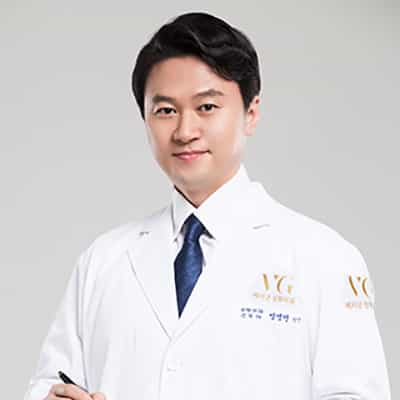
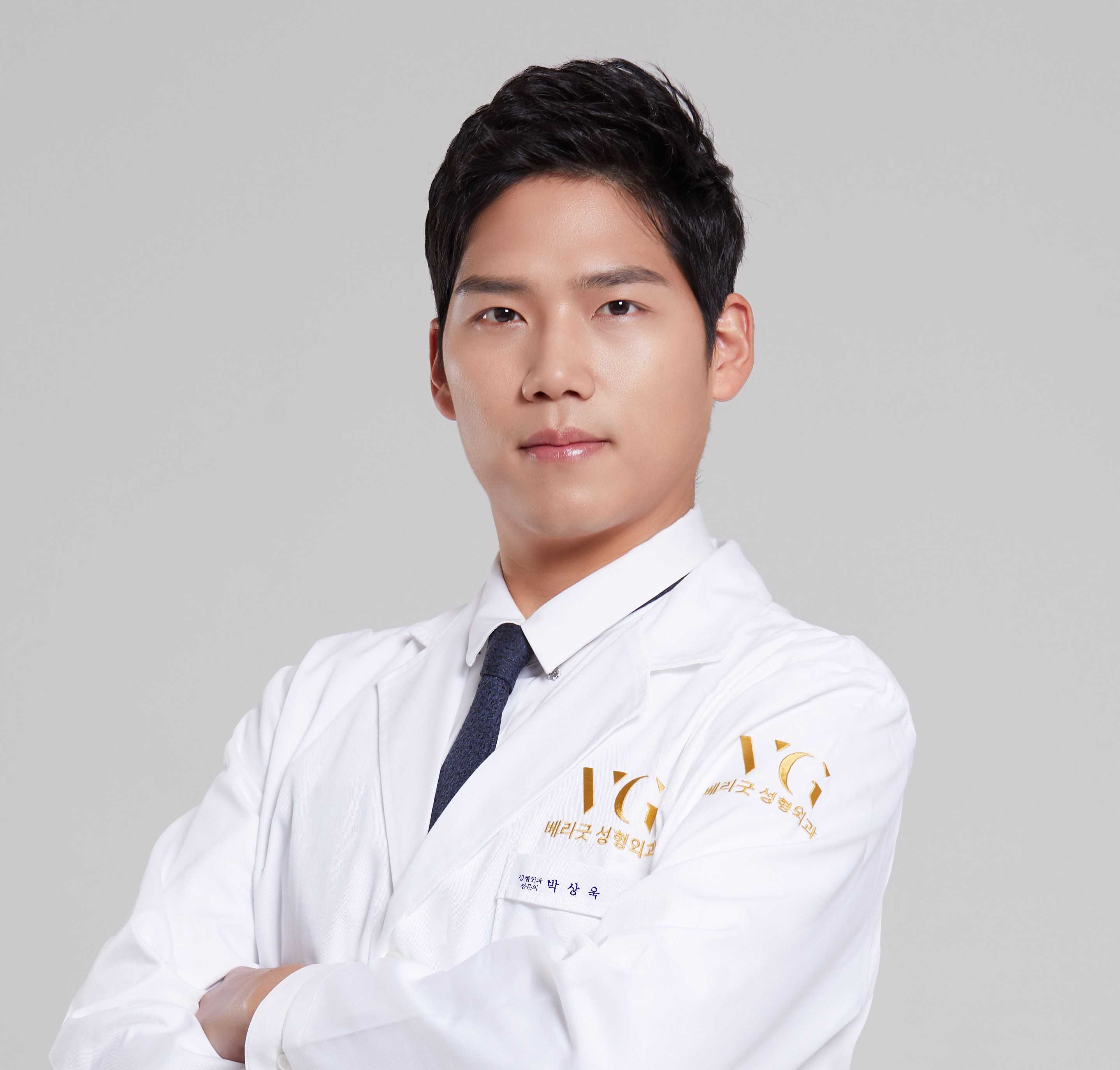
Dr. Minhee Ryu
RNWOOD - Best Plastic Surgery in Seoul, South Korea
- Plastic Surgeon
Seoul, South Korea
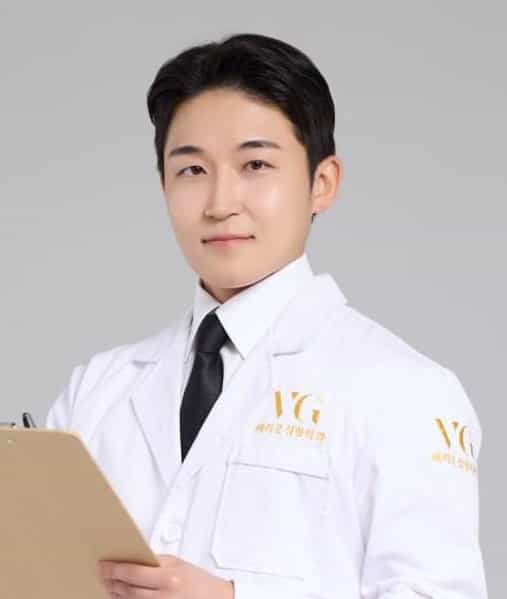
South Korea, and specifically the bustling metropolis of Seoul, has firmly established itself as the global epicenter for cosmetic enhancement. But what exactly drives tens of thousands of medical tourists here every year? It’s the perfect intersection of cutting-edge surgical technology, highly refined aesthetic techniques, and a deeply ingrained culture of patient hospitality. Patients flock to Seoul from all corners of the globe, seeking solutions they cannot easily find—or afford—at home: Traveling to South Korea is incredibly straightforward for international patients, designed to keep your stress levels low before surgery. Recovering in Seoul also means you have access to rich cultural heritage, serene parks, and world-class shopping, allowing you to turn a medical procedure into a restorative, private getaway.Where Do Patients Travel From?
Getting There and Getting Around
Making the decision to undergo surgery abroad is a big step, and you deserve to have all your questions answered before moving forward. Whether you are still exploring your options or you are ready to start planning your trip to South Korea, we are here to provide the clarity you need. Getting a personalized cost estimate is completely free and comes with no obligations. Take your time, weigh your options, and when you feel ready to take the next step, reach out to us.Take the Next Step With Confidence
References

.png)


.jpg)
.png)
.jpg)
.png)


.jpg)
.jpg)

.jpg)









Share this listing