Tummy Tuck in South Korea

Publish date: Nov 28, 2022 Modified date: Aug 15, 2026 Medically reviewed by: Dr. Lorenzo Halverson on Aug 15, 2026 Author: Araya Chaiyaporn

Experience Price

$4,800 Price starting from
Tummy Tuck in South Korea

Contents

A tummy tuck, or abdominoplasty, in South Korea costs about US$6,602 on average, with current quoted prices commonly ranging from approximately US$4,500 to US$8,705. More extensive surgery may cost more. International patients should compare more than price: verify the surgeon's plastic surgery credentials, confirm that the medical facility is properly registered in South Korea, and check current KAHF accreditation when a clinic claims to hold it.

Considering a Tummy Tuck in South Korea? 

South Korea may be famous for cosmetic surgery, but a tummy tuck is very different from dropping into Seoul for a quick aesthetic treatment. Abdominoplasty is major surgery. It removes excess abdominal skin and may also repair weakened or separated abdominal muscles when medically appropriate. Patients commonly consider it after pregnancy, major weight loss or persistent loose abdominal skin.

Current South Korean pricing places the average tummy tuck at about US$6,602, with many quotes falling between US$4,500 and US$8,705. Patients traveling from other parts of Asia, North America and other international markets often focus on Seoul because of its large cosmetic surgery sector and international-patient infrastructure. Before choosing a provider, verify the clinic's medical registration, the surgeon's specialist credentials and any claimed KAHF status. KAHF is supported by Korea's Ministry of Health and Welfare and evaluates systems for treating foreign patients, but it should complement—not replace—basic licensing and surgeon checks.

A lower package price can look attractive until anesthesia, laboratory tests, compression garments or follow-up appointments appear as separate charges. Ask for a written breakdown covering the surgeon, operating room, anesthesia, pre-operative tests, medication, postoperative visits and any required hospital stay. Check separately whether liposuction, accommodation, airport transfers or translation are included. You should also know what happens financially if additional treatment or an extended stay becomes necessary. Compare the tummy tuck packages below by total medical coverage and postoperative support rather than the headline price alone.
`

The current average cost is about US$6,602. Quoted tummy tuck prices in South Korea commonly range from approximately US$4,500 to US$8,705. The final amount depends on the type of abdominoplasty, the amount of loose skin, whether muscle repair is required, anesthesia, facility fees and whether other procedures are performed at the same time.

These figures are planning estimates rather than guaranteed fees. Your final cost should be based on an individualized surgical assessment. Compare the cost options below to understand which procedure and package may fit your medical needs and budget.

Tummy Tuck Surgery Centers Cost Comparison in South Korea

Provider Procedure Price
Evita Clinic Tummy Tuck Surgery, Cosmetic/Plastic Surgery $6970

Tummy Tuck Surgery Cost Comparison in South Korea

Country Procedure Price
United States Tummy Tuck Surgery, Cosmetic/Plastic Surgery $11000
Australia Tummy Tuck Surgery, Cosmetic/Plastic Surgery $8000

A polished Gangnam waiting room does not tell you whether a clinic is the right place for major abdominal surgery. Confirm that the medical facility is properly registered in South Korea, ask whether it is authorized to treat foreign patients and find out where your operation will actually take place. If the clinic advertises KAHF accreditation, check that the status is current. Also ask about anesthesia staffing, infection-control procedures, postoperative observation, emergency arrangements and access to medical care after discharge. Compare the clinics below using these safety factors alongside location, cost and international-patient services.
Surgery videos are most useful when they explain the procedure rather than simply show a dramatic before-and-after result. Look for videos discussing incision placement, muscle repair, anesthesia, scar location, postoperative compression, swelling and recovery. Remember that another patient's result cannot predict yours because skin quality, anatomy, previous surgery and healing all differ. Use the tummy tuck videos below to understand how the procedure works and to prepare better questions for your consultation rather than treating them as a guarantee of a particular result.

A five-star rating is useful, but the details behind it matter more. Focus on recent reviews from patients who specifically underwent tummy tuck surgery and discuss consultation quality, postoperative communication, pain management, wound care, scar healing and follow-up. Separate comments about hotels, translators and friendly staff from evidence about surgical care. No review can predict your own outcome because anatomy, surgical technique and healing vary between patients. Compare the reviews below for recurring patterns across several patients rather than relying on one testimonial or an overall rating alone.

How much does a tummy tuck cost in South Korea?

Current South Korean pricing places the average tummy tuck at approximately US$6,602, with quoted prices commonly ranging from about US$4,500 to US$8,705. Mini procedures may cost less, while full or extended abdominoplasty can cost more. Your final price depends on the surgical plan, anesthesia, facility fees and whether additional procedures are required.

Is a tummy tuck in South Korea cheaper than in every other country?

No. South Korea should not automatically be treated as the cheapest destination. Costs vary by surgeon, procedure type, hospital or clinic, anesthesia and package inclusions. Compare the complete expense of surgery, travel, accommodation, follow-up and possible complication care rather than looking only at the initial quoted price.

What is the difference between a mini and full tummy tuck in South Korea?

A mini tummy tuck generally treats a smaller area of loose skin below the navel. A full tummy tuck removes more extensive excess skin and may include repair of weakened or separated abdominal muscles when appropriate. The right technique depends on your anatomy, skin laxity, previous pregnancies, previous surgery and treatment goals.

How can I check whether a tummy tuck clinic in South Korea is properly accredited?

Confirm that the provider is a legitimate Korean medical institution and ask whether it is properly registered to treat international patients. If the clinic advertises KAHF accreditation, verify that the designation is current. KAHF evaluates services and patient-safety systems for foreign patients, but accreditation should be considered together with medical licensing, surgeon credentials and the facility where your operation will take place.

How do I verify a tummy tuck surgeon in South Korea?

Ask for the surgeon's full name and specialist credentials before paying a deposit. The Korean Society of Plastic and Reconstructive Surgeons provides a physician search that can support credential verification. You should also confirm which surgeon will perform the procedure, their experience with abdominoplasty and who will manage anesthesia and postoperative care.

How long should I stay in South Korea after a tummy tuck?

Many international patients allow approximately 10–14 days for initial recovery and important postoperative checks, but this is a planning estimate rather than a medical rule. Your required stay depends on the extent of surgery, wound healing, medical history and the duration of your return journey.

When can I fly home after tummy tuck surgery in South Korea?

Your return flight should be based on medical clearance rather than the end date of a package. Major surgery and long periods of sitting can both contribute to blood-clot risk. Your surgeon should evaluate your mobility, wound healing, medical history and individual risk factors before approving long-distance air travel.

Can I combine liposuction with a tummy tuck in South Korea?

Liposuction may be combined with abdominoplasty for selected patients when the surgeon considers it medically appropriate. Combining procedures changes the surgical plan and may affect operating time, recovery and complication risk. Ask why the combination is being recommended and how it changes your anesthesia, safety and postoperative care plan.

What are the main risks of tummy tuck surgery in South Korea?

Tummy tuck risks include bleeding, infection, fluid accumulation or seroma, poor wound healing, unfavorable scarring, changes in skin sensation, anesthesia complications and blood clots. Individual risk varies. A qualified surgeon should review your medical history, medications and risk factors and explain possible complications before you consent to surgery.

Will I have a visible scar after a tummy tuck in South Korea?

Yes. Abdominoplasty requires an incision and therefore leaves a permanent scar. With a full tummy tuck, the main scar usually runs across the lower abdomen, and there may also be a scar around the navel. Surgeons generally try to position the lower scar where it can be covered by underwear, but scar width, color and fading vary between patients.

How long does tummy tuck recovery take after returning from South Korea?

Recovery continues after you return home. Many patients need several weeks before resuming normal daily activities, while heavy lifting and strenuous exercise may remain restricted for longer depending on the procedure and your surgeon's instructions. Swelling, numbness and scar maturation can continue for months, so arrange appropriate follow-up at home.

Should I have a tummy tuck in South Korea if I am planning another pregnancy?

A future pregnancy can stretch the abdominal skin and muscles again and may change the result of a previous tummy tuck. If you expect another pregnancy, discuss the timing of surgery carefully with your surgeon. Similar consideration is needed if you are still planning significant weight loss.

What happens if I develop a complication after leaving South Korea?

Ask about this before surgery. The clinic should explain how postoperative questions are managed remotely, whether you can contact the operating surgeon, what medical records you will receive and how revision or complication care is handled. You should also know where to seek urgent medical care in your home country if concerning symptoms develop after you return.

How Much Does Tummy Tuck Cost in South Korea?

A tummy tuck cost in South Korea typically ranges between $6,000 and $9,500. This estimate fluctuates based on the surgical complexity, anesthesia type, clinic location, and specific body contouring techniques required to achieve your individual aesthetic goals. Key Takeaways:  Price Range: Estimated between $6,000 and $9,500, varying by clinic and patient needs. Inclusions: Usually covers the surgeon's fee and facility costs; verify if pre-op tests and post-op garments are included. Procedure Types: Options include mini, standard (full), and extended abdominoplasty based on skin laxity. Travel Timeline: International patients typically need to stay in the country for 10 to 14 days post-surgery for safe follow-up care. Safety: Thoroughly verify board certifications and clinic accreditations before booking any procedure. What is Included in the Overall Tummy Tuck Cost in South Korea? The initial estimate generally covers the primary surgical fee, standard anesthesia, operating room charges, and basic immediate post-operative care. When evaluating quotes for a tummy tuck in South Korea, understanding the breakdown of expenses is essential for financial planning. Most comprehensive estimates include the core medical components needed to perform the surgery safely. This encompasses the fee of the plastic surgeon, the anesthesiologist’s services, and the use of the clinic’s accredited surgical facility. However, total costs can extend beyond the operating room. A thorough financial consultation should clarify whether pre-operative medical clearances, blood tests, and electrocardiograms (EKGs) are wrapped into the base price or billed separately. Similarly, post-operative requirements such as specialized compression garments, prescription medications for pain and infection prevention, and overnight hospital stays may represent additional out-of-pocket expenses. To prevent unexpected financial surprises, patients should always request a fully itemized invoice before traveling. Clear communication with your chosen provider ensures that all phases of care—from the initial consultation to the final follow-up appointment before returning home—are accounted for in your medical travel budget. How Do Prices for a Tummy Tuck in South Korea Compare to the US or UK? Patients often find South Korean cosmetic procedures to be 30% to 50% more affordable than equivalent surgeries in North America or Western Europe. The economic appeal of pursuing medical procedures abroad is heavily driven by price disparities. In the United States, a standard abdominoplasty can easily exceed $10,000 to $15,000 when factoring in facility fees, anesthesia, and geographic premiums in major cities. Similarly, patients in the United Kingdom may face costs ranging from £6,000 to £10,000 in private clinics. In contrast, the average tummy tuck cost in South Korea is highly competitive without inherently sacrificing clinical quality. This price difference is rarely due to a lack of surgical expertise or inferior materials. Instead, it reflects broader economic factors, including lower administrative overhead, different healthcare insurance models, and intense market competition among aesthetic clinics in major hubs. Country Estimated Cost Range (USD) South Korea $6,000 - $9,500 United States $9,000 - $18,000+ United Kingdom $7,500 - $13,000 *Note: Prices are estimated averages and vary based on specific case complexities and currency exchange rates. What Factors Influence the Final Price of Abdominoplasty? The total expense depends heavily on the extent of skin removal, the need for abdominal muscle repair, and the surgeon's level of experience. No two bodies are identical, which means surgical plans must be highly customized. This customization is the primary reason why pricing is presented as a range rather than a fixed fee. The most significant variable is the surgical technique required. A patient needing only minor skin excision below the navel will require less operating time than a patient requiring extensive skin removal, muscle tightening, and repositioning of the belly button. Extent of Muscle Repair (Diastasis Recti): Tightening separated abdominal muscles adds complexity and time to the surgery. Combination Procedures: Adding liposuction to contour the flanks or waistline will incrementally increase the total fee. Surgeon's Expertise: Highly sought-after, board-certified surgeons with decades of specific body contouring experience generally charge premium fees. Facility Type: Procedures performed in internationally accredited hospitals may cost more than those in smaller private clinics. Anesthesia Requirements: The duration of general anesthesia impacts the anesthesiologist's fee. Did You Know? South Korea is home to a highly competitive aesthetic market, which drives clinics to constantly upgrade their technology and patient care protocols to attract both domestic and international patients. Are There Different Types of Tummy Tucks Available in South Korea? Surgeons typically offer mini, full (standard), and extended abdominoplasty depending on the patient's anatomical needs and the location of excess skin. During your consultation, a specialist at a tummy tuck clinic in South Korea will assess your anatomy to determine the most appropriate surgical approach. A "mini tummy tuck" targets only the area below the belly button. It is suited for patients with a small amount of loose skin and typically does not involve repositioning the navel, resulting in a shorter scar and faster recovery. The standard or "full" tummy tuck is the most common approach. It addresses excess skin and fat above and below the belly button and usually involves tightening the abdominal wall muscles. This technique requires an incision running horizontally from hip to hip and an incision around the navel to accommodate skin repositioning. For patients who have experienced massive weight loss, an "extended tummy tuck" may be necessary. This comprehensive procedure addresses the abdomen but extends the incision further around the hips or lower back to remove extensive tissue laxity across the entire midsection. The chosen method directly impacts surgical time, recovery protocols, and overall costs. How Should International Patients Prepare for Medical Tourism in South Korea? Proper preparation involves securing necessary travel authorizations, arranging extended recovery accommodations, and scheduling virtual medical consultations. Engaging in medical tourism in South Korea requires diligent logistical and medical planning. Before booking flights, prospective patients should participate in comprehensive virtual consultations. During these video calls, you should provide clear medical histories, current medications, and photographs so the surgical team can assess your candidacy and outline realistic expectations. Travel documentation is a critical step. Depending on your citizenship, you may need a medical visa or a standard Electronic Travel Authorization (K-ETA). It is essential to check current entry requirements and ensure your passport has sufficient validity. Patients must also plan their itinerary to include adequate recovery time; flying immediately after major abdominal surgery is highly dangerous due to blood clot risks. Accommodation should be chosen with recovery in mind. Look for hotels or recovery houses close to your chosen clinic, preferably with ground-floor access or reliable elevators. Having a travel companion to assist with daily tasks during the first week of recovery is strongly recommended, as mobility will be significantly restricted. What Safety Standards Do Tummy Tuck Clinics in South Korea Follow? Reputable clinics adhere to strict national healthcare regulations overseen by the Ministry of Health and Welfare and prioritize board-certified specialists. Patient safety should always be the paramount concern when undergoing elective surgery abroad. In South Korea, the aesthetic medical sector is highly regulated. Clinics catering to international patients must meet specific standards to be authorized to treat foreign nationals. Prospective patients should look for facilities that hold accreditations verifying their adherence to rigorous hygiene, equipment, and emergency response protocols. The credentials of the surgical team are the most crucial safety indicator. Ensure your chosen doctor is a recognized plastic surgeon, ideally verified by professional organizations such as the Korean Society of Plastic and Reconstructive Surgeons. Do not hesitate to ask for detailed information regarding their education, specialized training in body contouring, and complication rates. Furthermore, investigate the clinic's anesthesia practices. Safe facilities employ dedicated, board-certified anesthesiologists to monitor patients throughout the entire procedure. Comprehensive pre-operative screening, including bloodwork and cardiovascular evaluation, should be a mandatory requirement before clearance for surgery is granted. How Long is the Recovery Period After a Tummy Tuck? Initial recovery generally takes two to three weeks, though complete internal healing and clearance for strenuous activity require at least six weeks. Recovery from abdominoplasty is a gradual process that demands patience and strict adherence to post-operative instructions. In the first few days, patients typically experience significant swelling, bruising, and discomfort, which are managed with prescribed medications. Surgical drains may be placed to remove excess fluid and are usually removed within the first week to ten days. During the initial recovery phase, patients are advised to walk slightly bent forward to reduce tension on the abdominal incision. Wearing a specialized compression garment is mandatory for several weeks; this helps reduce swelling, supports the newly contoured tissues, and aids in proper skin retraction. Most individuals can return to light desk work within two to three weeks, depending on their physical stamina and the extent of the surgery. However, heavy lifting, intense cardiovascular exercise, and activities that strain the core must be avoided for six to eight weeks. Full stabilization of scars and final aesthetic results may take up to a year to fully manifest. What Are the Potential Risks and Complications of Abdominoplasty? While generally safe in healthy individuals, risks include infection, bleeding, poor wound healing, fluid accumulation, and adverse anesthesia reactions. As with any major surgical intervention, a tummy tuck carries inherent medical risks that must be carefully considered. General surgical risks include complications related to anesthesia, post-operative bleeding (hematoma), and surgical site infections. Choosing a highly qualified surgeon and following all sanitary care instructions minimizes, but does not eliminate, these risks. Specific to abdominoplasty, patients may develop seromas, which are pockets of fluid that accumulate under the skin and may require clinical drainage. Poor wound healing or skin necrosis can occur, particularly in patients who smoke or have compromised circulation. Smokers are strictly advised to cease nicotine use weeks before and after surgery to mitigate this severe risk. Changes in skin sensation, such as numbness or tingling over the lower abdomen, are common and can be temporary or permanent. International patients must also consider the logistics of handling complications once they return home. Establishing contact with a local healthcare provider willing to assist with follow-up care is a vital component of safe medical travel. Why Should Patients Choose PlacidWay for Medical Tourism Guidance? PlacidWay assists patients by providing access to verified clinic profiles, transparent provider comparisons, and comprehensive educational resources. Navigating the complexities of international healthcare can be overwhelming. PlacidWay serves as a dedicated platform to help patients research, compare, and connect with medical providers worldwide. When planning a procedure abroad, utilizing a structured resource can streamline the research phase and support informed decision-making. Transparent Provider Profiles PlacidWay offers detailed profiles of clinics and hospitals, allowing patients to review facility credentials, technological capabilities, and available treatments before making contact. Access to Cost Estimates The platform provides baseline pricing information and facilitates direct requests for personalized quotes, helping patients understand financial expectations and avoid hidden costs. Credential Visibility Patients can access information regarding surgeon qualifications, board certifications, and professional memberships, supporting a diligent vetting process. Patient Education Resources PlacidWay features extensive libraries of articles, procedure guides, and pre-surgery checklists to empower patients with medical knowledge. Direct Provider Communication The system enables seamless initial communication between patients and international clinics, bridging language barriers and facilitating prompt consultations. Frequently Asked Questions (FAQs) Can I combine a tummy tuck with liposuction in South Korea? Yes, many patients choose to combine a tummy tuck with liposuction. This combination may help achieve more comprehensive contouring of the waistline and flanks, though it also increases the total surgical time, cost, and potential recovery demands. Is it safe to fly after having a tummy tuck procedure? Flying immediately after major surgery is generally contraindicated due to the increased risk of deep vein thrombosis (DVT). Surgeons typically advise international patients to wait at least 10 to 14 days before taking a long-haul flight, depending on recovery progress and medical clearance. How long do the results of a tummy tuck usually last? The abdominal contouring achieved through surgery is intended to be long-lasting. However, significant weight fluctuations, future pregnancies, and natural tissue aging can stretch the skin and alter the initial aesthetic results over time. Will a tummy tuck remove my stretch marks? A tummy tuck only removes stretch marks that are located on the specific areas of excess lower abdominal skin excised during the procedure. Stretch marks located on the upper abdomen or outside the surgical excision area will remain. What kind of anesthesia is used for abdominoplasty in South Korea? Full and extended abdominoplasty procedures are almost exclusively performed under general anesthesia to ensure patient comfort and allow for muscle repair. Mini tummy tucks may occasionally be performed under intravenous sedation combined with local anesthesia, depending on the surgeon's protocol. How do I verify the credentials of a South Korean plastic surgeon? You should request the surgeon's board certification details, which can often be verified through organizations like the Korean Society of Plastic and Reconstructive Surgeons (KSPRS). Additionally, ask for specific documentation regarding their experience and case volume with body contouring. Can I get pregnant after having a tummy tuck? While it is medically possible to have a safe pregnancy after a tummy tuck, surgeons generally recommend waiting until you have finished having children before undergoing the procedure. Pregnancy can separate the repaired abdominal muscles and stretch the skin, potentially reversing the surgical results. Will there be a noticeable scar after the surgery? Yes, abdominoplasty requires an incision that leaves a permanent scar. Surgeons typically place the incision low on the abdomen so it can be concealed by most underwear or bikini bottoms. The final appearance of the scar varies based on individual genetics, skin type, and post-operative scar care. What is the typical hospital stay for this procedure in Seoul? Depending on the extent of the surgery and clinic policy, patients typically stay in the surgical facility or hospital for 1 to 2 nights. This allows medical staff to monitor vital signs, manage initial pain safely, and care for surgical drains before discharging the patient to their hotel. Are hidden fees common when booking surgery abroad? Unexpected fees can occur if treatment plans are not thoroughly discussed in advance. To avoid this, it is crucial to request a fully itemized estimate that clearly separates primary surgical fees, facility costs, anesthesia, specialized garments, and necessary medications. Ready to Explore Your Body Contouring Options? Connect with trusted, verified medical providers and receive personalized cost estimates for your procedure in South Korea. Request Information Medical Disclaimer: The information provided in this article is for educational purposes only and does not substitute professional medical advice. Always consult with a qualified, board-certified physician before making decisions regarding surgery or medical travel. References Tummy Tuck (Abdominoplasty) Overview – Mayo Clinic Tummy Tuck Safety and Risks – American Society of Plastic Surgeons Health Information for Travelers to South Korea – Centers for Disease Control and Prevention (CDC) Global Statistics on Aesthetic Procedures – International Society of Aesthetic Plastic Surgery (ISAPS) Complications and Safety in Abdominoplasty – National Center for Biotechnology Information (NCBI) Healthcare Regulations and Medical Policies – Ministry of Health and Welfare (MOHW), South Korea

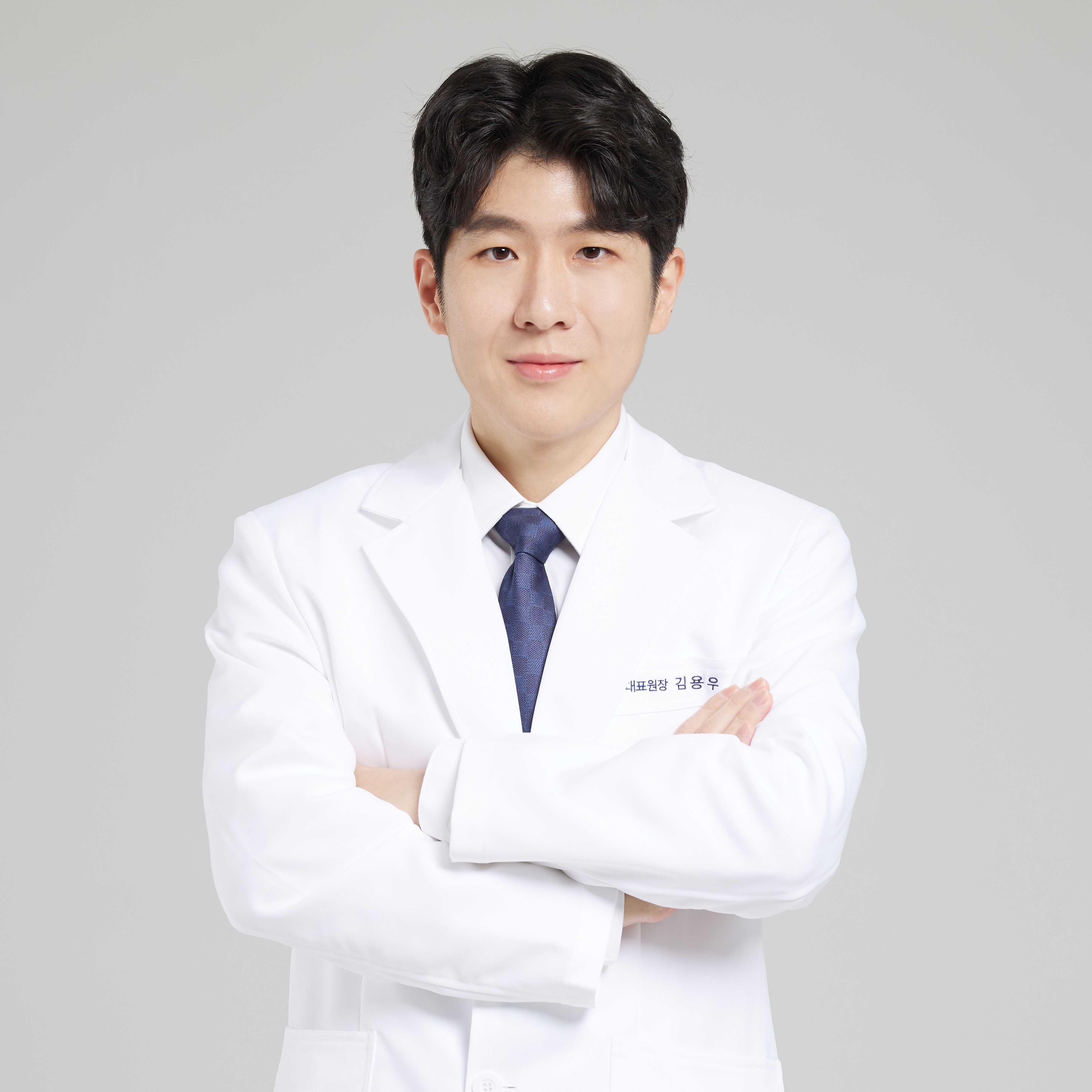
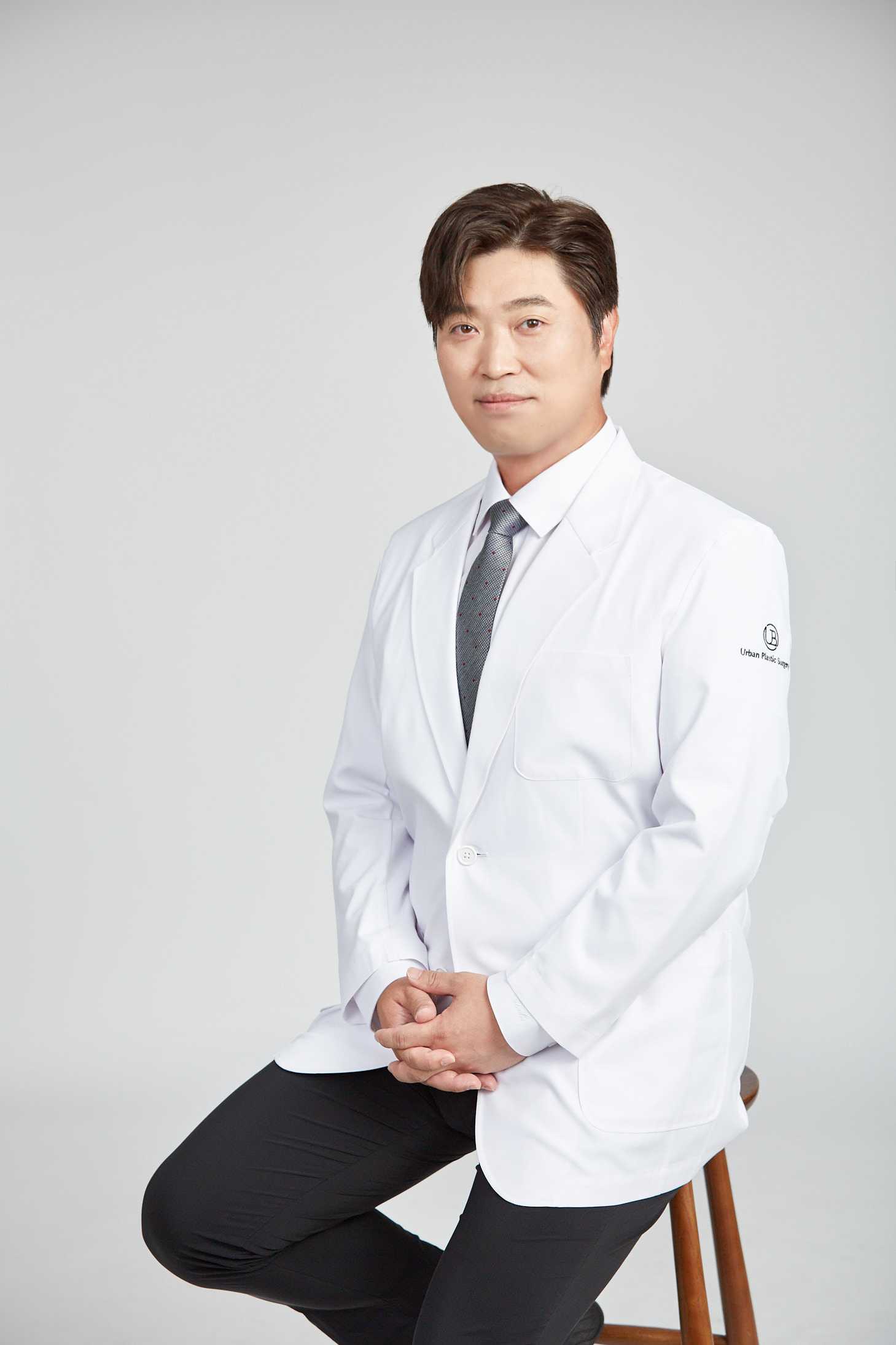
Verify the individual surgeon instead of assuming every doctor at a well-known clinic has the same experience. Ask for the surgeon's full name and confirm specialist credentials through appropriate Korean professional sources, including the Korean Society of Plastic and Reconstructive Surgeons. Ask how often the surgeon performs abdominoplasty, which technique is recommended for your anatomy and whether muscle repair is necessary. Your consultation should also cover scars, blood-clot risk, seroma, wound problems, anesthesia and revision policies. Compare the surgeons below based on relevant abdominal-contouring experience, credentials and communication—not popularity alone.
Seoul is the main destination for international patients considering plastic surgery in South Korea, with a particularly large concentration of cosmetic surgery facilities in districts such as Gangnam. Most long-haul travelers arrive through Incheon International Airport, while Gimpo Airport also serves a number of regional routes.

South Korea received more than two million foreign patients across medical specialties in 2025, reflecting the country's established international healthcare infrastructure. Large numbers arrive from nearby Asian markets such as China and Japan, while the United States is also an important source market. These national figures are not specific to tummy tuck surgery, but they help explain why many Seoul medical facilities provide multilingual coordination and services designed for overseas patients.

Travel Consideration What to Plan?
Main International Gateway Incheon International Airport for most long-haul international arrivals
Getting Into Seoul Airport rail, buses and taxis are available. After surgery, arrange transport that does not require you to carry heavy luggage.
Where to Stay Choose accommodation reasonably close to your surgical facility to make postoperative appointments easier.
Suggested Planning Window Many medical travelers plan roughly 10–14 days after tummy tuck surgery, but your surgeon should determine when you are medically fit to travel.
Visa Requirements Requirements depend on nationality and purpose of travel. Check the official Republic of Korea Visa Portal before booking.
Travel Companion Consider traveling with a responsible adult who can assist during the first stage of your recovery.

Plan Recovery Before You Plan Sightseeing

Seoul has plenty to see, but the days immediately after abdominoplasty should be built around recovery rather than sightseeing. Tummy tuck surgery commonly causes swelling, tightness and temporary difficulty standing completely upright. Gentle walking is usually encouraged as instructed by the surgical team, while strenuous exercise and heavy lifting remain restricted during early healing.

Long-distance flying also deserves careful planning. Major surgery and prolonged immobility can increase the risk of blood clots. Your surgeon should assess your wound healing, mobility, medical history and individual clotting risk before clearing you for an international flight. Avoid choosing your return date simply because a package or hotel booking ends on a particular day.

  • Use flexible flight and accommodation arrangements when possible.
  • Keep your surgeon's and clinic's emergency contact information available.
  • Ask who will manage postoperative concerns once you return home.
  • Arrange help with luggage because heavy lifting may be restricted.
  • Bring copies of your medical information, prescriptions and surgical records.
  • Confirm travel insurance limitations because routine policies may exclude complications from elective surgery abroad.

Compare Your Tummy Tuck Options Before Choosing

The right option is not simply the cheapest clinic or the package with the most extras. Compare the proposed surgical technique, surgeon credentials, medical facility, anesthesia arrangements, total cost, postoperative monitoring and follow-up plan after you return home. A personalized assessment can also clarify whether you need a mini, full or extended tummy tuck—or whether another approach may be more suitable.

Request Free Quote

Medical Disclaimer: This information is intended for patient education and medical-travel planning and does not replace an individualized consultation, diagnosis or medical advice from a licensed healthcare professional. Tummy tuck surgery carries medical and surgical risks. Suitability can only be determined after reviewing your health, medications, previous procedures, anatomy and treatment goals. Prices are estimates and should be confirmed directly with the treating medical provider before travel.

References

References were reviewed for procedure information, patient safety, provider verification, travel planning and pricing context. Final treatment recommendations, costs and travel clearance should be confirmed with the treating medical team.
Tummy Tuck in South Korea thumbnail

About Experience

  • Translations: EN AR ID JA RU ZH KO VI
  • Price Range: $4,800 - $4,800
  • Treatment: Tummy Tuck Surgery, Cosmetic/Plastic Surgery
  • Location: South Korea
  • Clinics: Evita Clinic, VG Plastic Surgery, AB Plastic Surgery, Hugo Plastic Surgery, Glovi Plastic Surgery Korea, BIOFACE Clinic Advanced Dermatology and Skin Treatment Clinic,
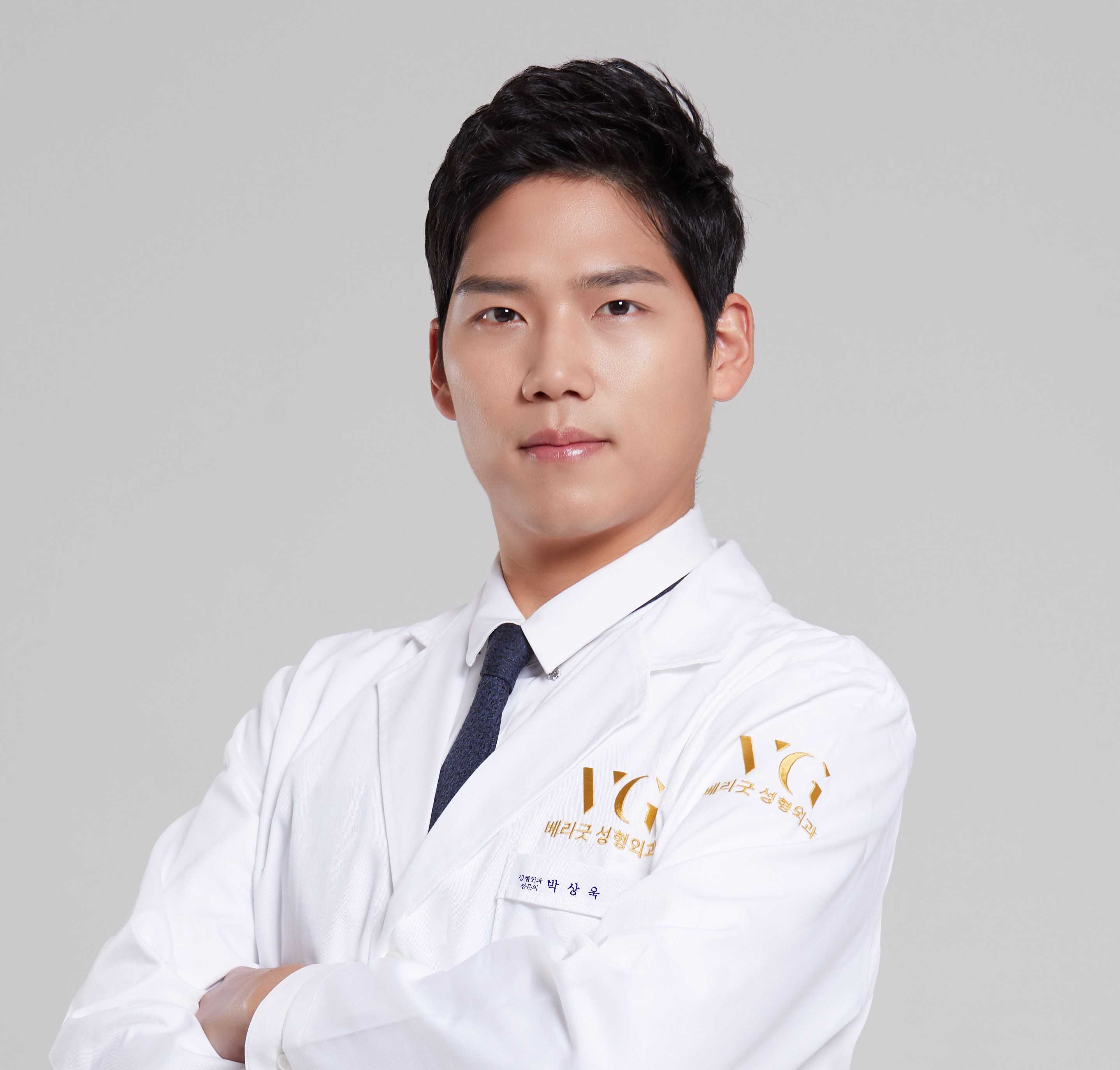
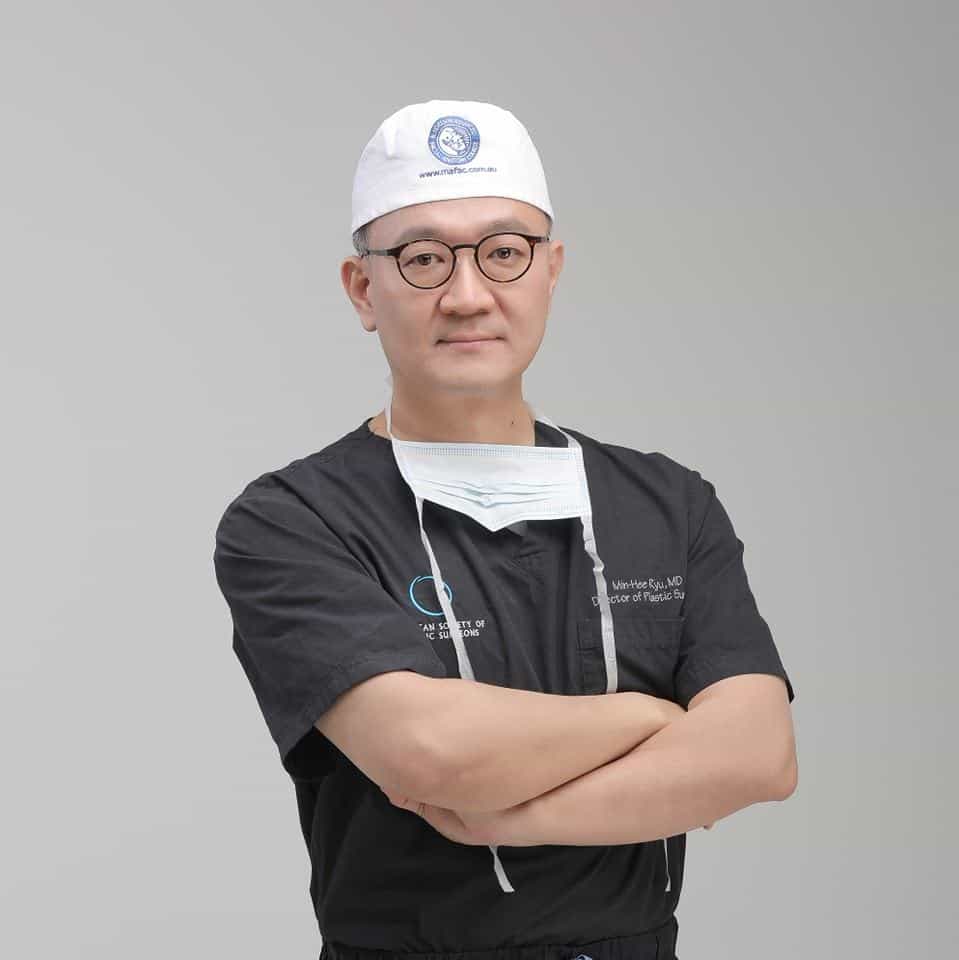
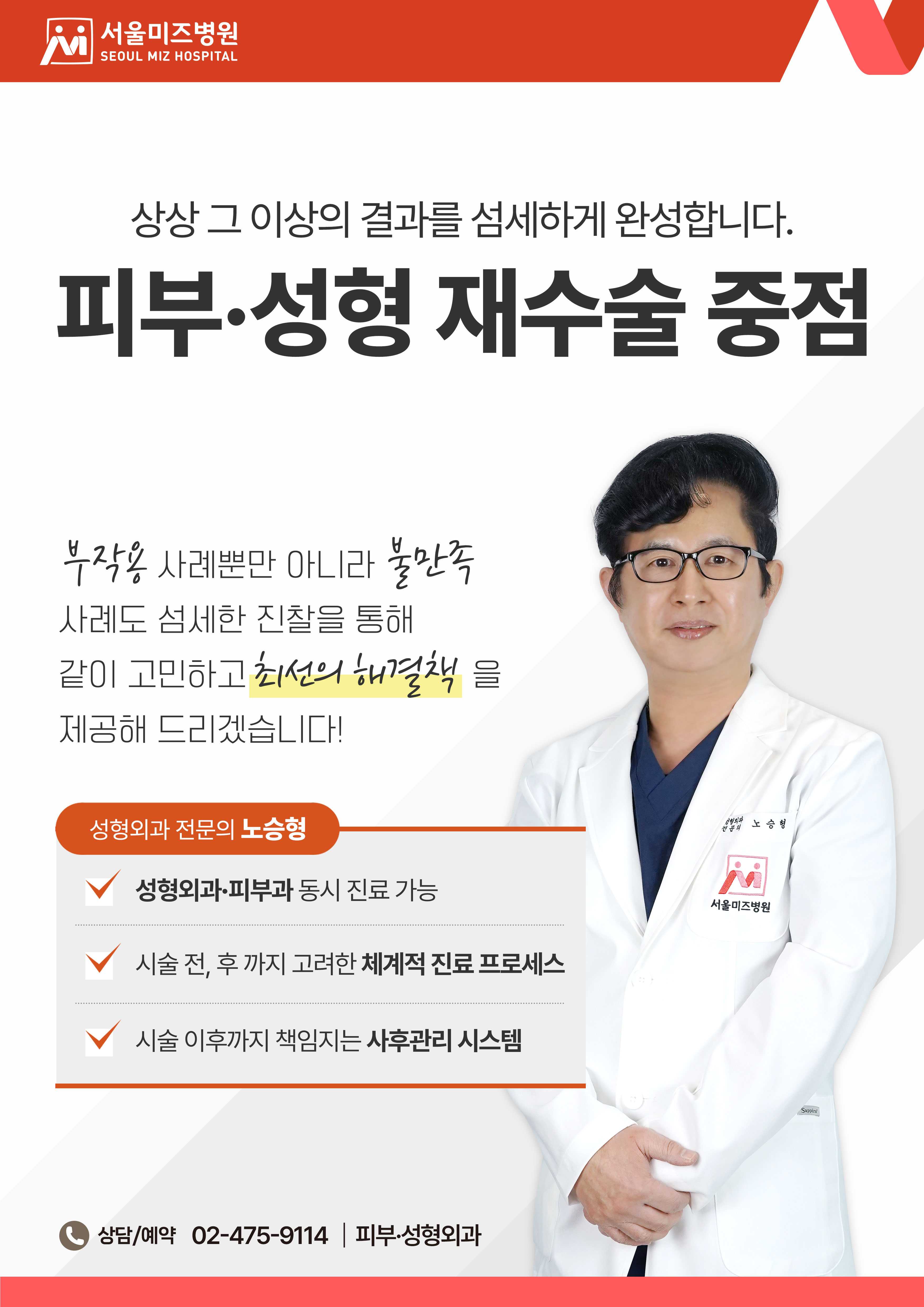
  • Doctors Kim Yong Woo, Lee Jeong Min, SANG WOOK PARK, M.D., Dr. Minhee Ryu, Dr. Seunghyung Noh, Plastic Surgeon, Yang Jong-phil,
  • Packages Top Tummy Tuck Procedure in Seoul South Korea - 2025 Package,
  • Overview

Trusted Medical Tourism Platform Since 2007

60+
Countries
2k+
Clinics
19.5k+
Reviews
2.5k+
Qualified Doctors
1.1M+
Patients Served Since 2007