
.png)
Contents
While South Korea has long been celebrated as the global epicenter for facial aesthetic procedures, its profound expertise in advanced body contouring is rapidly drawing the attention of international patients. For those seeking a Brazilian Butt Lift (BBL)—a procedure that combines precision liposuction with autologous fat transfer—South Korea offers a uniquely sophisticated approach. The focus here is heavily rooted in the "K-beauty" philosophy: creating harmonious, proportional, and highly natural-looking curves rather than exaggerated, artificial volume.
Choosing South Korea for your BBL means accessing some of the most technologically advanced medical infrastructure in the world. Korean plastic surgeons are renowned for their meticulous attention to detail and utilize cutting-edge technology, such as 3D body scanning and ultrasound-guided fat grafting. These tools not only ensure that your new contours are perfectly tailored to your unique skeletal frame, but they also maximize patient safety by ensuring fat is injected precisely into the safe subcutaneous layers, completely avoiding the muscle.
The procedure itself is a masterclass in fat survival. Top-tier clinics in Seoul, particularly in the famous Gangnam district, employ advanced fat purification systems (like Puregraft or Lipokit). By filtering out impurities and preserving the healthiest adipose stem cells, Korean surgeons significantly increase the survival rate of the transferred fat, leading to smoother, longer-lasting, and more resilient aesthetic results.
Beyond the surgical excellence, the patient experience in South Korea is famously luxurious and hyper-efficient. From dedicated international patient coordinators to high-tech recovery suites offering post-operative deswelling treatments (such as hyperbaric oxygen therapy and LED light therapy), your journey is designed to be as comfortable and restorative as it is transformative.
Did You Know?
In South Korea, a beautifully contoured, lifted buttock is often referred to as an "Apple Hip" (???). This term reflects the cultural preference for a firm, lifted, and naturally round shape that looks athletic and perfectly balanced with the rest of the body's silhouette.
Key Insights at a Glance
Clinics utilize 3D imaging and ultrasound-guided grafting to ensure maximum safety and surgical precision.
Korean surgeons often incorporate PRP (Platelet-Rich Plasma) or stem cells to increase the long-term retention of transferred fat.
The focus is on the "Apple Hip"—a natural, lifted, and proportionate contour rather than extreme, disproportionate volume.
Post-op care includes specialized treatments like hyperbaric oxygen and RF therapy to reduce swelling and bruising rapidly.
Top clinics are rigorously audited, and board-certified surgeons strictly adhere to safe, subcutaneous-only injection protocols.
In-house translators and dedicated international departments ensure seamless communication from consultation to discharge.
The Gangnam Medical Belt
Seoul's Gangnam district is home to the "Beauty Belt," a concentrated area featuring hundreds of the world's most advanced plastic surgery clinics. It is so well-equipped for international patients that many local hotels offer specialized post-operative services, including modified beds, special menus, and direct shuttle services to your clinic!
To simplify the medical tourism experience, South Korea's premier clinics offer meticulously designed all-inclusive packages. These bundles typically encompass the surgeon's fees, anesthesia, high-tech pre-operative screenings (like 3D body mapping), premium compression garments, and a comprehensive suite of post-operative deswelling treatments. Many packages also include VIP airport transfers and in-house translation services. Review the options below to find a streamlined package that caters perfectly to your aesthetic goals.
Note: Comprehensive packages ensure that all crucial post-operative recovery therapies are included, maximizing your comfort and results.
South Korea offers an exceptional balance of world-class surgical technology and competitive pricing. While it may not be the cheapest destination globally, the value derived from the advanced safety protocols, high fat-survival technologies, and luxurious post-op care is unparalleled. The table below outlines the estimated costs for a Brazilian Butt Lift (liposuction and fat transfer) in South Korea compared to average prices in North America and Europe. Use this guide to plan a budget that prioritizes safety and precision.
Tip: Keep in mind that prices vary depending on the number of areas requiring liposuction to harvest sufficient fat for the transfer.
Brazilian Butt Lift Cost Comparison in South Korea
| Country | Procedure | Price |
|---|---|---|
| Canada | Brazilian Butt Lift, Cosmetic/Plastic Surgery | $10500 |
| United Kingdom | Brazilian Butt Lift, Cosmetic/Plastic Surgery | $8000 |
| United States | Brazilian Butt Lift, Cosmetic/Plastic Surgery | $12000 |
| Australia | Brazilian Butt Lift, Cosmetic/Plastic Surgery | $9000 |
Achieving a flawless, natural contour requires a facility equipped with the latest body-sculpting technology. We have curated a selection of elite plastic surgery hospitals and boutique clinics in South Korea that specialize heavily in autologous fat transfer and high-definition liposuction. These centers are vetted for their stringent safety protocols, state-of-the-art operating theaters, and dedicated international patient departments. Browse their profiles below to find the perfect clinical environment for your transformation.
Safety First: Prioritize clinics that explicitly mention the use of ultrasound-guided fat injection to ensure the highest standard of patient safety.
VG Plastic Surgery
Seoul, South Korea

VIP Plastic Surgery
Jeju City, South Korea
Hugo Plastic Surgery
Seoul, South Korea

Urban Plastic Surgery
Seoul, South Korea
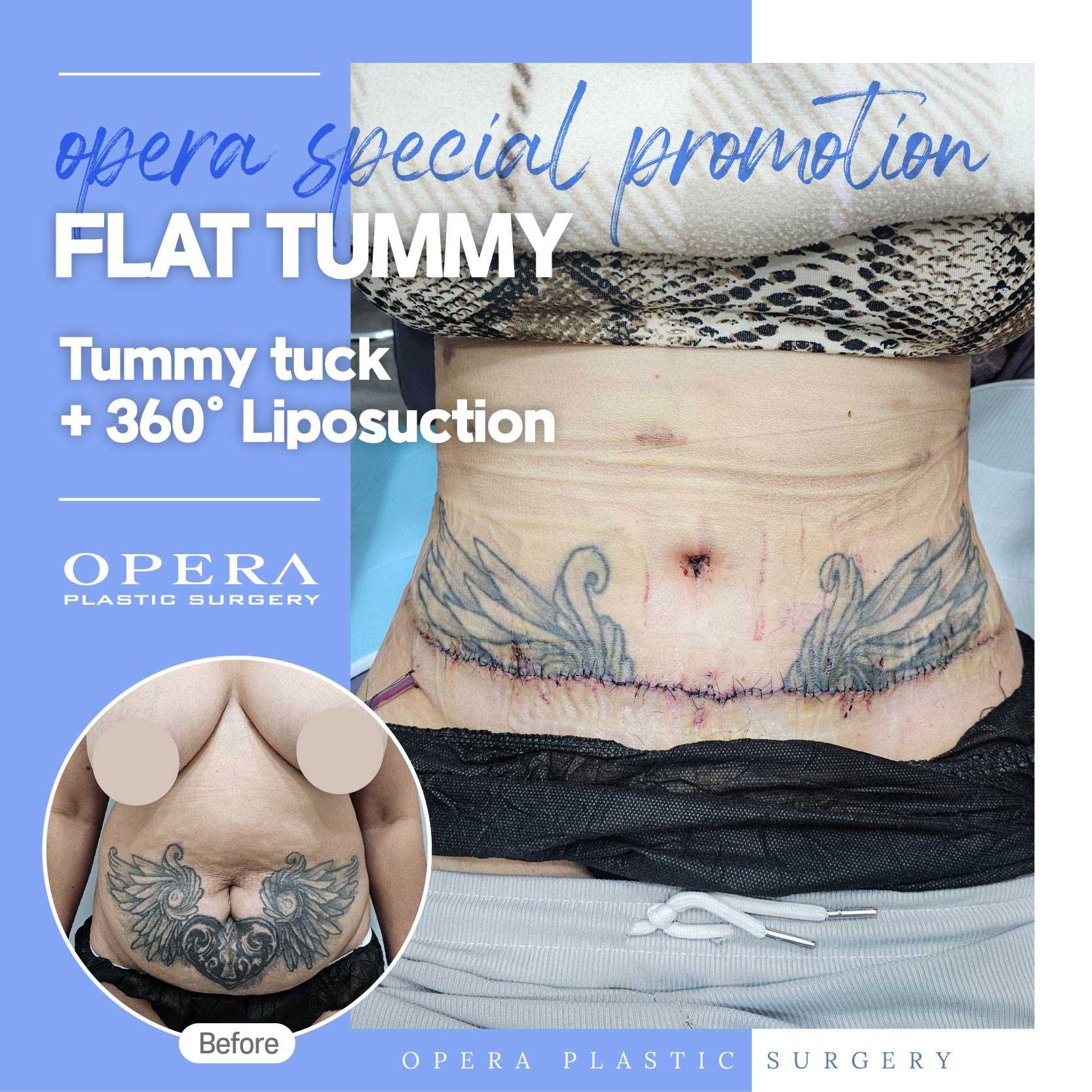
Opera Plastic Surgery in Gangnam, South Korea
Gangnam, South Korea

JK Medical Group in Seoul, South Korea
Seoul,Gangnam, South Korea
Seeing the transformation and hearing the personal journeys of previous patients can provide immense reassurance. The video testimonials featured below offer authentic stories from international individuals who traveled to South Korea for their Brazilian Butt Lift. Watch as they detail their experiences navigating the clinics, the quality of the post-operative care, and how the Korean approach to subtle, proportional enhancement exceeded their aesthetic expectations.
Insight: Video reviews provide a dynamic look at the final results, allowing you to see how the new contours move naturally with the body.


Honest patient feedback is the cornerstone of choosing the right destination and surgeon. In this section, you will find verified written reviews from patients who underwent body contouring in South Korea. These reviews shed light on crucial aspects of the experience, including the attentiveness of the medical staff, the effectiveness of the translation services, pain management protocols, and overall satisfaction with their safely achieved, natural-looking results.
Review Tip: Look for reviews that mention the specific post-operative care treatments (like oxygen chambers), as these greatly accelerate the healing process.

Can Foreigners Get Plastic Surgery in South Korea?
Yes, foreigners can get plastic surgery in South Korea. The country actively welcomes international patients for cosmetic procedures through a well-established medical tourism infrastructure, offering multilingual support and specialized patient visas. If you are exploring your cosmetic options and wondering, can foreigners get plastic surgery in South Korea, you certainly have a viable path forward. Every year, thousands of international patients travel to the country to undergo various aesthetic treatments. South Korea has developed a highly structured system designed to accommodate non-citizens, ranging from medical visa categories to specialized clinics equipped with dedicated international patient departments. Navigating healthcare in a foreign country requires careful research, realistic expectations, and an understanding of the legal and medical frameworks in place. While the opportunity exists, undergoing surgery abroad means you will need to plan for extended recovery times, potential language barriers, and the logistics of securing post-operative care once you return home. Key Takeaways South Korea legally allows and actively supports international patients seeking cosmetic treatments. Many specialized clinics offer dedicated in-house translation services for English and other languages. Patients should ensure they choose a clinic officially registered by the government to treat foreign patients. Short-term medical visas (such as the C-3-3) are available for those needing longer recovery periods. Proper planning includes arranging medical records, local accommodations, and reliable post-operative care at home. Why Do Foreign Patients Choose South Korea for Cosmetic Procedures? Foreign patients often choose South Korea because the country has established a robust infrastructure specifically for medical tourists, combining a high concentration of experienced surgeons with government-regulated international patient programs. The growth of medical tourism in South Korea is not accidental. The South Korean government actively promotes this sector by regulating how clinics interact with international visitors. Clinics that wish to treat foreigners must meet specific criteria and register with the Ministry of Health and Welfare. This provides a layer of oversight designed to protect international visitors. Additionally, the sheer volume of aesthetic procedures performed in the country means that many local surgeons have extensive experience in a wide variety of techniques. Facilities catering to international patients often design their entire service model around the traveling patient, offering coordinated care that includes airport transfers, local accommodation recommendations, and in-house interpreters. However, it is essential to remember that high surgical volume does not eliminate risk. Like anywhere else in the world, outcomes vary by patient, and the success of a procedure depends heavily on individual health factors, adherence to aftercare instructions, and the specific qualifications of the chosen medical team. Is It Safe for International Patients to Get Surgery Here? While South Korea has high medical standards, traveling for surgery inherently carries risks such as deep vein thrombosis from flying, potential communication errors, and challenges with receiving immediate emergency care after returning home. When assessing safety, patients must separate medical facts from marketing materials. Any invasive surgery—whether performed in your hometown or halfway across the globe—involves risks. General anesthesia, the potential for infection, poor wound healing, and unexpected bleeding are universal surgical realities. Traveling adds additional variables to patient safety. The primary concerns for international patients include: Air Travel Risks: Flying shortly before or after surgery increases the risk of blood clots, specifically deep vein thrombosis (DVT). Aftercare Separation: Once you fly home, you are physically distanced from the surgeon who performed your operation, which can complicate the management of delayed infections or healing issues. Communication Barriers: Even with translators, nuances in medical history or post-operative instructions can occasionally be lost in translation. Important Consideration: Always disclose your full medical history, including all supplements and medications, to your surgical team. Omissions can lead to severe complications during anesthesia or recovery. How Can I Find a Reputable Plastic Surgery Clinic in South Korea? To find a reputable provider, verify that the clinic is officially registered with the Korean government to treat foreign patients and confirm that your surgeon is board-certified by recognized medical associations. Choosing a plastic surgery clinic in South Korea requires diligent, independent research. Because of the density of clinics, especially in areas like Gangnam in Seoul, the sheer number of options can be overwhelming for a foreigner. Start by verifying credentials. Look for surgeons who are certified by the Korean Society of Plastic and Reconstructive Surgeons (KPRS). Certification indicates that the doctor has completed rigorous specialized training beyond standard medical school. Furthermore, ensure the clinic itself holds a valid registration certificate issued by the Korean Ministry of Health and Welfare for attracting and treating foreign patients. It is also wise to seek out clinics that have dedicated infrastructure for international patients, such as full-time in-house translators rather than freelance interpreters, and clear, written policies regarding revision surgeries and emergency protocols. What Is the Estimated Plastic Surgery Cost in South Korea? Costs vary significantly based on the procedure, clinic reputation, and treatment complexity, but international patients often find competitive pricing compared to North America or Western Europe, though travel expenses must be factored into the total. Understanding the plastic surgery cost in South Korea requires looking at the total financial picture, not just the sticker price of the procedure. While medical fees may sometimes be lower than in countries like the United States, patients must also budget for flights, prolonged hotel stays, specialized food during recovery, and necessary follow-up medications. Prices can fluctuate widely based on the surgeon's expertise, the location of the clinic, the type of anesthesia used, and the complexity of your specific anatomy. Reputable clinics will typically provide a preliminary cost estimate during an online consultation. However, you should expect that this estimate may change once the surgeon evaluates you in person. Cost Factor Description Surgical Fees Includes the surgeon’s time, operating room use, and standard medical supplies. Anesthesia Varies depending on whether local sedation or general anesthesia is required. Post-Op Care Medications, compression garments, and follow-up consultation fees. Travel Logistics Flights, visas, accommodation for 1–3 weeks, and local transportation. Do I Need a Special Visa for Medical Tourism in South Korea? Many foreigners can enter South Korea for short medical trips using standard tourist waivers or the K-ETA, but for extended treatments and recoveries, a specialized short-term medical visa (C-3-3) may be necessary. Citizens of many Western countries are permitted to enter South Korea for short-term stays (typically up to 90 days) without a traditional visa, provided they obtain a Korea Electronic Travel Authorization (K-ETA) before departure. For standard cosmetic procedures with brief recovery windows, this tourist entry is usually sufficient. However, if your treatment plan is extensive or your recovery is expected to take longer than standard tourist waivers allow, South Korea offers medical visas. The C-3-3 visa is designed for foreign patients and their accompanying family members. To obtain this, you will generally need official documentation from the registered Korean medical institution confirming your treatment schedule. Immigration regulations change, so it is highly recommended to consult the official Korean embassy or consulate in your home country well before booking non-refundable flights. How Do Clinics Handle Language Barriers with Foreigners? Registered international clinics typically employ full-time, medically trained interpreters who guide you through consultations, consent forms, and post-operative instructions in your native language. Clear communication is a critical safety component of any medical procedure. Misunderstanding pre-operative requirements or post-operative care instructions can lead to adverse outcomes. Recognizing this, the medical tourism sector in South Korea has placed a heavy emphasis on language support. Major clinics maintain international departments staffed with coordinators who speak English, Mandarin, Japanese, Russian, Thai, and other widely spoken languages. These coordinators often act as your patient advocate, translating during face-to-face consultations with the surgeon, explaining complex medical consent forms, and remaining available during your recovery period to answer questions. Expert Insight: Ensure your translator is employed directly by the clinic or is a certified medical interpreter, rather than relying on translation apps or bilingual friends who lack medical vocabulary. What Should I Know About Pre-Consultations from Abroad? Online consultations allow you to receive preliminary assessments, surgical recommendations, and estimated pricing by sharing your medical history and photographs with the clinic before booking travel. Before committing to international travel, most patients engage in virtual consultations. Clinics will request well-lit, high-resolution photographs taken from specific angles, alongside a detailed questionnaire covering your medical history, current medications, and aesthetic goals. While virtual consults are an excellent planning tool, they have limitations. A surgeon cannot palpate tissue quality, assess skin elasticity, or view internal anatomical structures through a photograph. Therefore, any surgical plan or quote provided online is inherently conditional. Once you arrive in South Korea, you will undergo an extensive in-person examination, which often involves 3D imaging, blood tests, and potentially EKG scans. Based on these physical findings, your surgeon may alter the surgical plan to prioritize your safety or achieve better results. How Long Should I Stay in Korea for Recovery? Patients are typically advised to stay in South Korea for 7 to 14 days post-surgery, depending on the procedure, to allow for stitch removal, follow-up checkups, and medical clearance for air travel. The length of your stay is a non-negotiable factor when planning your trip. Healing takes time, and rushing to the airport can jeopardize your surgical results and your physical health. Minor Procedures: Non-invasive treatments or minor localized surgeries may only require a 3 to 5-day stay. Facial and Body Contouring: Procedures like rhinoplasty, breast augmentation, or liposuction generally require a 7 to 10-day stay so the surgeon can monitor healing and remove sutures. Complex Bone Surgery: Jaw or facial bone contouring may necessitate a stay of 14 days or longer due to swelling and dietary restrictions. Your surgeon must medically clear you to fly. Cabin pressure fluctuations and dry air can exacerbate swelling and increase the risk of blood clots. Adhering to their recommended timeline is crucial for a safe journey home. What Happens if I Need Follow-Up Care After Returning Home? You must establish a connection with a local healthcare provider in your home country before you travel, as managing delayed complications or standard post-operative concerns requires immediate, in-person attention. One of the most critical aspects of traveling abroad for healthcare is preparing for what happens when you return. While your Korean surgeon may offer virtual check-ins via video call or messaging apps, they cannot physically examine you or prescribe medications in your home country if an infection develops. It is strongly recommended to inform your primary care physician or a local specialist about your plans before you depart. Having a doctor willing to perform routine wound checks or step in if complications arise is a vital safety net. Ensure you request copies of all surgical reports, implant details, and post-operative records in English before leaving the Korean clinic, as your local doctor will need these to understand exactly what was done. Are There Specific Medical Requirements or Contraindications for Traveling Patients? Patients must be in good general health; certain chronic conditions, high body mass index (BMI), active smoking, and specific bleeding disorders may make individuals ineligible for elective surgery abroad. Not everyone is a suitable candidate for elective procedures, and traveling internationally adds another layer of strict physical requirements. Ethical surgeons prioritize patient survival and long-term health over aesthetic changes. Common contraindications that may lead a clinic to decline treatment include: Uncontrolled Diabetes or Hypertension: These conditions can severely impact wound healing and increase the risk of cardiovascular events during anesthesia. Smoking and Nicotine Use: Nicotine constricts blood vessels, drastically increasing the risk of tissue necrosis (death) and delayed healing. Most surgeons require patients to quit entirely for weeks before and after surgery. High BMI: Elevated body weight can complicate general anesthesia and increase the likelihood of post-operative complications, leading some clinics to set strict BMI limits. Bleeding Disorders: Conditions that affect blood clotting make invasive surgery highly risky. Why Choose PlacidWay for Medical Tourism in South Korea? Navigating international healthcare options can be complex. PlacidWay provides educational resources to help patients make informed decisions about their care abroad. 1. Connects Patients: PlacidWay facilitates connections between international patients and medical providers around the globe. 2. Educational Resources: Offers comprehensive guides and articles about various medical destinations and available procedures. 3. Treatment Comparisons: Helps patients research and compare different healthcare facilities and treatment pathways. 4. Estimate Visibility: Provides access to international pricing estimates to assist with financial planning. 5. Initial Communication: Assists users in sending their initial inquiries directly to international healthcare teams. Frequently Asked Questions Can a minor foreigner get plastic surgery in South Korea? Minors generally require documented consent from a parent or legal guardian to undergo elective cosmetic procedures in South Korea. Certain procedures may not be recommended or legally performed on individuals whose bodies are still developing, and an ethical clinic will evaluate a minor's physical and psychological maturity before proceeding. Will my local health insurance cover cosmetic surgery in Korea? Standard health insurance policies in your home country typically do not cover elective cosmetic procedures, whether performed locally or internationally. However, if a procedure has a documented medical necessity, such as reconstructive surgery after trauma, you should check your specific policy, though international coverage is rare. Can I fly immediately after getting plastic surgery? No, it is widely recommended to avoid flying immediately after surgery. Air travel increases the risk of deep vein thrombosis (DVT) and pulmonary embolism due to prolonged sitting and cabin pressure changes. Surgeons usually advise waiting 7 to 14 days, depending on the extent of the procedure. How do I pay for medical procedures in South Korea? Most clinics treating international patients accept major credit cards (Visa, MasterCard, American Express), international bank transfers, and cash (often in South Korean Won or US Dollars). It is important to notify your bank of your travel plans to prevent your card from being blocked for international transactions. What is a Tax Refund for medical services in Korea? South Korea offers a Value-Added Tax (VAT) refund program for foreign patients undergoing eligible cosmetic procedures at registered clinics. If your clinic participates, they will provide a specific medical tax refund slip that you can present at the airport or designated kiosks before departure to receive a percentage of the tax back. Can I combine a vacation with my surgery? While you can enjoy tourism before your surgery, engaging in strenuous vacation activities after your procedure is usually discouraged. Recovery requires rest, avoiding sun exposure, and limiting physical exertion, which can interfere with typical sightseeing. Do I need to bring my medical records translated into Korean? It is highly helpful to bring your medical records, especially if you have chronic conditions or have had previous surgeries. While clinics serving international patients typically have English-speaking staff who can review English records, having complex medical histories professionally translated can help ensure clear communication with your surgeon. Are consultations in South Korea free for foreigners? Policies vary by provider. Many clinics offer complimentary initial online assessments based on photographs. However, in-person consultations with a board-certified surgeon often require a consultation fee, which is sometimes deducted from the total cost if you proceed with the surgery. Can I bring a companion with me to the clinic? Yes, you can typically bring a companion to the clinic for support during your consultation and initial visits. However, companions are usually not allowed into the sterile operating rooms and may have restricted access to immediate recovery areas to ensure patient safety and privacy. What if I am unhappy with my surgical results? If results do not meet expectations, revision surgery may be an option, but it usually requires waiting several months for initial healing to complete. Discuss revision policies with your clinic before your initial surgery, as international travel adds logistical and financial complexity to returning for additional procedures. Compare Treatment Options Research clinics, explore estimated costs, and gather the educational information you need to make an informed decision about your medical travel plans. Request Treatment Information Medical Disclaimer: The information provided in this article is for educational and informational purposes only and does not constitute medical advice, diagnosis, or treatment recommendations. All surgeries and medical procedures carry inherent risks. Results vary by individual. Always consult with a qualified, board-certified healthcare professional to determine if a specific procedure is appropriate for your health profile and circumstances. References Medical Tourism Guidelines – Centers for Disease Control and Prevention (CDC) Global Survey on Aesthetic/Cosmetic Procedures – International Society of Aesthetic Plastic Surgery (ISAPS) Foreign Patient Act and Healthcare Regulations – Ministry of Health and Welfare, Republic of Korea Traveling for Plastic Surgery Safety Guidelines – American Society of Plastic Surgeons (ASPS) Patient Safety and Risk Management – World Health Organization (WHO) Risks of Venous Thromboembolism in Air Travel – Journal of Travel Medicine K-ETA and Visa Information for Tourists – Korea Tourism Organization
How much does a BBL cost in South Korea?
The average cost of a BBL in South Korea ranges from $5,000 to $9,000. This estimate usually covers surgeon fees, anesthesia, facility costs, and post-operative garments. Prices vary based on the amount of fat transferred and clinic location. If you are exploring options for body contouring, understanding the typical BBL cost in South Korea is often the first step in your research. A Brazilian Butt Lift (BBL), clinically known as gluteal fat grafting, is a procedure that removes excess fat from areas like the abdomen, flanks, or thighs through liposuction, purifies it, and strategically transfers it to the buttocks to enhance shape and volume. South Korea has built a strong global reputation for advanced cosmetic surgery. Every year, thousands of patients plan medical tourism in South Korea to access experienced surgeons and modern clinical infrastructure. However, undergoing surgery abroad requires serious consideration. You need a clear understanding of the estimated costs, the surgical process, the necessary recovery timeline, and the very real safety risks involved with fat transfer procedures. Key Takeaways The estimated price for a BBL in South Korea typically falls between $5,000 and $9,000. The procedure combines liposuction with localized fat transfer to enhance gluteal volume. Safety is paramount; seeking a board-certified surgeon who uses ultrasound-guided techniques reduces severe risks. Post-operative recovery is strict, requiring patients to avoid sitting directly on their buttocks for several weeks. International patients must factor in extended hotel stays, as flying too soon after surgery poses significant health risks. What factors influence the BBL cost in South Korea? The exact price of a BBL fluctuates based on the surgeon's specialized expertise, the complexity of the liposuction required, and the specific fees of the surgical facility. No two bodies are exactly alike, which means every procedure is customized. The total amount you pay will depend heavily on how many areas of the body require liposuction to harvest enough viable fat. Extracting fat from a single area, such as the lower abdomen, takes less surgical time than doing a full 360-degree torso liposuction. Additionally, the technology used can alter the price. Advanced liposuction methods, such as VASER (ultrasound-assisted) or laser-assisted liposuction, often carry a higher price tag than traditional tumescent liposuction due to the cost of the equipment. Finally, a highly sought-after surgeon working in a premium district like Gangnam in Seoul will typically charge more than a lesser-known doctor. What is included in a typical BBL package? A standard surgical package usually covers the surgeon's fee, operating room time, general anesthesia, and essential post-operative compression garments. When reviewing quotes from a BBL clinic in South Korea, you need to ask for an itemized list to understand exactly what you are paying for. Comprehensive packages aimed at international patients often include pre-operative medical tests (like blood work and an ECG), English translation services during your appointments, and airport transfers. However, you should not assume that everything is covered. Medications for pain and antibiotics to take back to your hotel are sometimes billed separately at the local pharmacy. Furthermore, costs related to your travel, such as flights, hotel accommodations for the duration of your recovery, and daily meals, are almost never included in the clinical quote and must be budgeted separately. Important Consideration: Always clarify if the quoted price includes follow-up appointments and potential revision treatments if minor corrections are needed. How does the price in South Korea compare to the US or UK? Patients often find that a BBL is more affordable in South Korea, where it averages $5,000 to $9,000, compared to the US or UK, where prices frequently exceed $10,000 to $15,000. The lower cost of medical care in South Korea is not a reflection of lower quality; rather, it is driven by a highly competitive local market, lower administrative overhead, and different malpractice insurance structures. Many international patients find that even after factoring in a round-trip flight and a two-week hotel stay, the total expenditure remains lower than having the procedure done domestically. Despite the financial benefits, comparing prices should never be the only factor in your decision. Traveling abroad for surgery introduces logistical complexities. You will be recovering in a foreign environment, far from your usual support system, which requires careful planning and a comfortable budget for unexpected expenses. Who is considered an ideal candidate for a BBL? Suitable candidates are healthy non-smokers who possess enough excess body fat in donor areas to harvest for a successful transfer. A BBL is not a weight-loss procedure. In fact, patients should be at or near their ideal body weight before undergoing surgery. To achieve a noticeable enhancement, a surgeon needs a sufficient amount of high-quality fat. Very slender individuals with low body fat percentages may not have enough donor fat and might be advised to look into alternatives like gluteal implants. Good general health is also mandatory. Conditions such as uncontrolled diabetes, heart disease, or blood clotting disorders can disqualify a patient due to the risks associated with general anesthesia and surgery. Smoking severely constricts blood vessels, which can cause the newly transferred fat cells to die (necrosis), so patients are strictly advised to stop smoking weeks before and after the procedure. What are the main risks associated with gluteal fat grafting? A BBL carries significant surgical risks, the most severe being a pulmonary fat embolism, alongside potential complications like infection, poor wound healing, and asymmetry. It is vital to approach a BBL with a clear understanding of patient safety. A fat embolism occurs if fat is mistakenly injected deep into or beneath the gluteal muscles, where large blood vessels reside. If fat enters the bloodstream, it can travel to the lungs or heart, which can be fatal. Because of this, leading medical societies now strongly mandate that surgeons inject fat only into the superficial subcutaneous layer, well above the muscle. Many top clinics now utilize real-time ultrasound during the injection phase to visually ensure the cannula remains in the safe zone. Other non-life-threatening but distressing complications include fat necrosis (where the transferred fat forms hard, painful lumps), infections at the incision sites, or uneven results due to unpredictable fat survival rates. How long is the recovery period after a BBL? Initial recovery takes roughly two to three weeks, during which you cannot sit directly on your buttocks. Full swelling resolution and final results take three to six months. Recovery from a Brazilian Butt Lift is notoriously demanding. To ensure the newly transferred fat survives and establishes a blood supply, you must avoid applying direct pressure to the area. This means sleeping on your stomach or sides and using a specialized BBL pillow under your thighs when sitting is absolutely unavoidable. You will also be required to wear a compressive faja (a tight medical garment) around the clock to help the liposuction areas retract smoothly and reduce fluid buildup. Most patients take at least two weeks off work. Strenuous exercise, heavy lifting, and intense physical activity are typically restricted for six to eight weeks. Why do patients travel to South Korea for body contouring? South Korea offers highly developed medical infrastructure, strict regulatory standards, and a large concentration of board-certified plastic surgeons specializing in aesthetics. The appeal of medical tourism in South Korea extends beyond just cost savings. The country's medical facilities are often equipped with the latest technology, from 3D imaging for pre-operative planning to advanced patient monitoring systems. Healthcare standards are tightly regulated by government bodies, ensuring a baseline of clinical hygiene and patient safety. Furthermore, South Korean surgeons perform a high volume of aesthetic procedures, giving them extensive hands-on experience. Clinics catering to international patients usually provide dedicated concierges, translation support, and detailed discharge instructions in English to ensure a smooth patient experience from consultation to post-op care. Expert Insight: When traveling abroad, it is crucial to stay in the destination country for at least 10 to 14 days post-surgery to allow your surgeon to monitor your early healing and to reduce the risk of blood clots during the flight home. What should I look for in a BBL clinic in South Korea? Prioritize clinics that employ verified board-certified plastic surgeons, operate out of accredited facilities, and utilize modern safety protocols like ultrasound-guided grafting. Researching a BBL clinic in South Korea requires diligence. You should verify the credentials of the specific surgeon who will operate on you, ensuring they have formal training and certification in plastic and reconstructive surgery. Avoid clinics that refuse to disclose the operating doctor's name or use aggressive sales tactics to secure a deposit. During your virtual consultation, ask direct questions about their safety measures. Inquire about their protocol for preventing fat embolisms and how they handle medical emergencies. A trustworthy clinic will be transparent about the risks, provide realistic expectations for your specific body type, and refuse to perform the surgery if they deem you an unsuitable candidate. How long do the results of a fat transfer usually last? The fat that successfully survives the initial healing process becomes a permanent part of your buttocks, but it will fluctuate in size if you gain or lose weight. It is important to understand that not all the fat injected during a BBL will survive. Your body will naturally reabsorb roughly 30 to 50 percent of the transferred fat within the first few months. Surgeons account for this by slightly over-injecting the area. By the six-month mark, the remaining fat has established a blood supply and is considered permanent. However, "permanent" does not mean immune to change. These living fat cells respond to your diet and exercise habits just like fat anywhere else on your body. Significant weight loss will cause the buttocks to shrink, potentially altering the contour you achieved. Maintaining a stable, healthy lifestyle is the best way to protect your surgical results. Can I combine a BBL with other procedures? While it is possible to combine a BBL with procedures like a breast augmentation, doing so increases your time under anesthesia and makes recovery significantly more complex. Many patients consider bundling surgeries to save on travel costs and reduce overall downtime. While combining a BBL with breast or facial surgery is occasionally done, it requires thorough medical clearance. Extended surgical time increases the physical toll on your body and the risk of complications such as blood clots and severe post-operative fatigue. Furthermore, recovering from multiple procedures can be highly uncomfortable. If you combine a tummy tuck or breast surgery with a BBL, you will face conflicting recovery positions—you cannot lie on your back due to the BBL, but lying on your stomach may be prohibited by abdominal or breast incisions. Always defer to your surgeon's advice on what can be safely combined in a single session. Why Choose PlacidWay for Medical Tourism in South Korea? Planning international healthcare requires access to reliable information and reputable facilities. PlacidWay serves as a comprehensive resource for patients seeking medical treatments abroad. Here is how PlacidWay can assist your journey: Extensive Healthcare Directory: Access profiles of numerous medical centers and specialized clinics globally. Educational Resources: Read detailed articles, patient guides, and procedure overviews to understand your treatment options. Direct Communication: PlacidWay facilitates initial contact between patients and international medical providers for consultations. Cost Transparency Tools: Compare estimated treatment prices across different regions to help plan your medical budget. Patient-Focused Platform: Navigate healthcare choices through an easy-to-use interface designed for international patients. Frequently Asked Questions 1. Is a BBL painful? Most patients experience moderate discomfort, soreness, and swelling rather than severe pain. The liposuction sites typically feel like deep muscle soreness, similar to an intense workout. Pain is usually well-managed with prescribed oral medications during the first week. 2. How soon can I fly home after a BBL in South Korea? Surgeons typically recommend waiting at least 10 to 14 days before flying. Long flights increase the risk of deep vein thrombosis (DVT) and blood clots. When you do fly, you will need to take frequent walks in the cabin and use a specialized cushion. 3. Will I have visible scars after a Brazilian Butt Lift? The incisions made for the liposuction cannula are very small, usually less than a quarter of an inch. While they do result in permanent scars, experienced surgeons place them in natural body creases where they are easily hidden by underwear or swimwear. 4. What happens if I lose weight after a BBL? The fat cells transferred to your buttocks behave like normal fat cells. If you lose significant weight, the fat cells in the treated area will shrink, potentially reducing the volume and altering your results. Maintaining a stable weight is highly recommended. 5. Are there alternatives to a surgical BBL? Yes, non-surgical alternatives include dermal fillers (such as Sculptra) injected into the buttocks to stimulate collagen production. Gluteal implants are another surgical alternative for patients who do not have enough body fat for a transfer. 6. Can I sit down at all during BBL recovery? Direct sitting on the buttocks should be avoided for at least two to four weeks. When sitting is absolutely necessary, you must use a specialized BBL pillow that places your weight on the back of your thighs, keeping pressure off the newly transferred fat. 7. Does the fat transfer feel natural? Yes, because the procedure uses your own natural body fat, the buttocks will feel completely natural to the touch once fully healed. It does not feel firm or rigid like some synthetic implants might. 8. What is an ultrasound-guided BBL? An ultrasound-guided BBL uses real-time ultrasound imaging during the fat injection phase. This allows the surgeon to see exactly where the cannula is placed, ensuring fat is injected safely above the muscle to drastically reduce the risk of a fat embolism. 9. How much fat is typically needed for a BBL? Surgeons typically require extracting at least 1,000 cc of fat (about one liter) to achieve a noticeable difference, as not all extracted fat is viable for transfer, and only a portion of the transferred fat survives the healing process. 10. Will my consultation happen before I travel to South Korea? Yes, reputable clinics usually conduct a preliminary virtual consultation. You will provide photos and medical history for an initial assessment. However, a comprehensive, in-person physical evaluation is always required once you arrive before any surgery takes place. Ready to Explore Your Options? Request detailed treatment information and compare clinical options to make an informed decision about your healthcare journey. Request Treatment Information Medical Disclaimer: The information provided in this article is for educational and informational purposes only and does not constitute medical advice, diagnosis, or treatment recommendations. Always seek the advice of a qualified and board-certified healthcare provider regarding any medical condition or proposed surgical procedure. Pricing, recovery times, and outcomes vary by individual. References Safety Warning on Gluteal Fat Grafting – American Society of Plastic Surgeons (ASPS) Brazilian Butt Lift Procedure Information – International Society of Aesthetic Plastic Surgery (ISAPS) Medical Tourism Guidelines – Centers for Disease Control and Prevention (CDC) Ultrasound-Guided Gluteal Fat Grafting – Aesthetic Surgery Journal Complications of Gluteal Fat Transfer – PubMed Fat Transfer Advice – British Association of Aesthetic Plastic Surgeons (BAAPS) Gluteal Fat Grafting and Fat Embolism Risk – Plastic and Reconstructive Surgery Journal
How Much Does a BBL cost in Seoul, South Korea?
The estimated BBL cost in South Korea typically ranges from $5,000 to $9,000. This price usually depends on the surgeon's experience, the amount of fat extraction required, and the specific facility amenities chosen for your procedure. If you are considering enhancing your body contours, you might be looking into a Brazilian Butt Lift (BBL). While Latin America and Turkey have long been traditional hubs for this surgery, medical tourism in South Korea has steadily expanded to include advanced body contouring. Known worldwide for exceptional surgical precision and modern medical infrastructure, Seoul offers appealing options for those interested in gluteal fat grafting. A BBL in South Korea involves liposuction to remove excess fat from areas like your abdomen, flanks, or thighs. This fat is then purified and carefully injected into the buttocks to enhance volume and shape. Finding a qualified BBL clinic in South Korea requires thorough research, as patient safety and surgical expertise should always remain your top priorities. Key Takeaways The estimated price for a BBL in Seoul usually falls between $5,000 and $9,000. Safety is critical; prioritize surgeons who use ultrasound-guided techniques to prevent deep muscle injections. You will need enough natural body fat in areas like your abdomen or thighs to undergo the procedure. Recovery requires strict adherence to not sitting directly on your buttocks for several weeks. International patients typically need to stay in Seoul for 10 to 14 days before flying home. What is included in the typical BBL cost in Seoul? The quoted price for a BBL usually covers the surgeon's fee, liposuction of specified donor areas, anesthesia, facility charges, and basic post-operative garments. When reviewing price estimates, it helps to understand exactly what you are paying for. A lower initial quote might only cover the surgical fee, leaving out necessary hospital costs. Comprehensive quotes in Seoul often bundle the operating room fees, the cost of an anesthesiologist, and standard medical supplies. Post-operative care is another major factor. After a BBL, you will need a compression garment (faja) to support the newly contoured areas and reduce swelling. Many clinics include the first garment in their package, along with initial follow-up appointments and basic medications. However, you should always ask for an itemized breakdown to clarify if blood tests, pre-operative cardiac screenings, or additional compression garments are charged separately. Keep in mind that travel expenses—such as flights, hotel accommodations, and daily meals—are separate from the medical costs. You should factor these into your overall budget when planning your trip to Seoul. Am I a good candidate for a Brazilian Butt Lift? A suitable candidate is usually a non-smoker in good overall health who possesses enough natural body fat to achieve a noticeable volume enhancement in the buttocks. Because a BBL relies entirely on your own body fat, having adequate donor sites is essential. Surgeons commonly harvest fat from the lower back, abdomen, waist, and thighs. If your Body Mass Index (BMI) is very low, you may not have enough harvestable fat. Conversely, if your BMI is too high, some surgeons may recommend losing weight prior to surgery to minimize anesthesia risks and improve contouring results. Your overall medical history plays a crucial role in eligibility. Conditions like uncontrolled diabetes, severe heart disease, or bleeding disorders can disqualify you from elective surgery. Additionally, you must commit to being smoke-free for several weeks before and after the procedure. Nicotine restricts blood flow, which can severely compromise the survival of the transferred fat cells and delay wound healing. Having realistic expectations is just as important. A BBL can enhance your natural curves and improve proportions, but it will not completely change your inherent body structure. A thorough evaluation by a qualified medical professional is necessary to confirm if this treatment aligns with your anatomy and health status. How is a BBL performed in South Korean clinics? The procedure involves three main steps: extracting fat through liposuction, purifying the collected fat, and carefully injecting it into the subcutaneous layer of the buttocks. The surgery usually begins with the administration of anesthesia to keep you comfortable. The surgeon then makes small incisions in the targeted donor areas and injects a tumescent fluid—a mixture of saline and local anesthetic—to minimize bleeding and loosen the fat. Using a thin tube called a cannula, the surgeon suctions out the excess fat. Once the fat is harvested, it cannot be injected immediately. It goes through a meticulous purification process. The clinic staff may use a centrifuge or a decanting method to separate the viable fat cells from blood, oil, and other fluids. Only the healthiest, most intact fat cells are selected for the transfer, as this improves the chances of the fat surviving in its new location. The final and most critical step is the injection. The surgeon uses specialized cannulas to place small amounts of fat at varying depths beneath the skin. Modern safety protocols dictate that fat must only be injected into the subcutaneous space—the layer between the skin and the muscle. Injecting fat into or beneath the deep gluteal muscle is highly dangerous and contrary to current medical guidelines. What are the main risks associated with gluteal fat grafting? The most severe risk is a fat embolism, while more common complications can include infection, fat necrosis, skin irregularities, and changes in sensation. Fat Embolism: This is a rare but potentially fatal complication. It occurs if fat enters a deep blood vessel in the gluteal muscle and travels to the heart or lungs. Strict adherence to superficial, ultrasound-guided injection techniques significantly mitigates this risk. Infection: As with any surgery involving incisions, there is a risk of bacterial infection. Clinics prescribe antibiotics and require strict hygiene to minimize this danger. Fat Necrosis: Sometimes, the transferred fat does not establish a blood supply and dies. This can result in hard, palpable lumps under the skin that may require further medical attention. Asymmetry and Contour Irregularities: Your body may absorb the fat unevenly, leading to a difference in shape or size between the two sides of the buttocks. Dimpling or wavy skin at the liposuction sites is also possible. Fluid Accumulation: Seromas (pockets of clear fluid) or hematomas (collections of blood) may form under the skin, sometimes requiring drainage by your surgeon. Understanding these risks is vital for informed consent. You should discuss your specific risk profile with your healthcare provider before deciding to proceed. How long does it take to recover from a BBL? Initial recovery takes about two to three weeks, during which you must avoid sitting directly on your buttocks, while full healing and final results can take up to six months. The recovery phase of a BBL is notably strict. For the first two to four weeks, putting direct pressure on your buttocks can compress the newly transferred fat cells, cutting off their blood supply and causing them to die. You will likely need to sleep on your stomach or sides. If sitting is absolutely necessary for short periods, you must use a specialized BBL pillow that places your weight entirely on your lower thighs. Swelling and bruising are normal and typically peak within the first few days before gradually subsiding. You will wear a compression garment around the clock during the early stages. This garment helps minimize swelling, reduces the risk of fluid buildup, and supports the newly contoured areas as your skin retracts. Light walking is encouraged early on to promote blood circulation and reduce the risk of blood clots. However, strenuous exercise, heavy lifting, and intense cardiovascular activities should be avoided for at least six to eight weeks. Your surgeon will provide a personalized timeline based on how your body heals. Will I need to stay in Seoul during my recovery? Yes, international patients are generally required to remain in Seoul for 10 to 14 days post-surgery to attend essential follow-up appointments and safely recover before flying. Traveling immediately after a major body contouring procedure is highly unsafe. Long flights require prolonged sitting, which can destroy the newly grafted fat. Furthermore, air travel combined with recent surgery significantly increases the risk of deep vein thrombosis (DVT) and pulmonary embolisms. Staying in the city allows your surgical team to monitor your healing progress. During your follow-up visits, the medical staff will check your incision sites for signs of infection, evaluate the survival of the fat grafts, and assist with any fluid drainage or garment adjustments. If a complication arises, being near your operating surgeon ensures you receive immediate and appropriate care. When preparing your trip, plan for a comfortable hotel room where you can easily rest on your stomach. Many patients find it helpful to travel with a companion who can assist with daily tasks, moving around, and managing meals during those crucial first few days of recovery. Can I combine a BBL with other body contouring procedures? While it is possible to combine a BBL with procedures like a breast augmentation or tummy tuck, doing so complicates your recovery and increases your time under anesthesia. Many patients express interest in a "mommy makeover" approach, grouping multiple surgeries into a single trip. A BBL inherently involves liposuction, often done in a 360-degree manner around the torso, which naturally complements the buttock enhancement. However, adding distinct surgeries—like an abdominoplasty (tummy tuck)—requires careful consideration. The primary challenge of combining a BBL and a tummy tuck relates to positioning during recovery. A tummy tuck requires you to sleep slightly elevated on your back to reduce tension on the abdominal incision. Conversely, a BBL requires you to sleep on your stomach to avoid pressure on the buttocks. Navigating this conflict often requires specialized medical positioning aids and can make the initial healing phase significantly more uncomfortable. Additionally, combining procedures extends your surgical time. Prolonged general anesthesia carries higher risks for cardiovascular and respiratory complications. A responsible surgeon will evaluate your overall health and may recommend staging the procedures months apart to prioritize your safety. Why do patients travel for medical tourism in South Korea? Patients choose South Korea for its highly regulated medical infrastructure, advanced surgical technologies, meticulous patient care, and modern, fully equipped clinical facilities. The healthcare system in South Korea is known for stringent regulations and high standards of cleanliness. The country has invested heavily in medical technology, meaning that clinics frequently utilize modern liposuction devices and high-resolution ultrasound imaging to improve surgical accuracy. Furthermore, South Korean clinics place a strong emphasis on detailed pre-operative planning and holistic post-operative care. Many facilities employ in-house translators and international patient coordinators who help bridge the language gap. They guide patients through consultations, medical paperwork, and recovery instructions, easing the stress of navigating a foreign healthcare system. While BBLs are less prevalent among the local population compared to facial contouring procedures, the demand from international visitors has prompted specialized surgeons in Seoul to adapt and refine their gluteal grafting techniques. This intersection of robust medical infrastructure and growing global demand makes the country a compelling option for those looking to undergo cosmetic surgery abroad. How do I choose a safe BBL clinic in South Korea? You should verify the surgeon's board certification, ensure the clinic follows strict safety protocols like ultrasound-guided injections, and confirm the facility is equipped to handle emergencies. The most critical step in your journey is selecting an appropriately qualified medical professional. Look for a surgeon who is board-certified in plastic surgery and has verifiable experience performing gluteal fat grafting. Do not hesitate to ask about their specific training, how many times they perform this procedure annually, and their personal complication rates. Inquire about the clinic's safety protocols. The current global standard for BBL safety strongly recommends the use of real-time ultrasound imaging during the fat injection phase. This technology allows the surgeon to see exactly where the cannula is placed, ensuring fat is deposited safely above the muscle layer. If a clinic does not utilize or is unaware of these safety standards, you should look elsewhere. Finally, assess the facility itself. Safe clinics operate in accredited surgical centers with certified anesthesiologists present throughout the entire operation. They should have clear emergency protocols in place in the rare event of a surgical complication. Thoroughly reviewing patient experiences and independently verifying medical credentials can help you make an informed decision. What happens during a BBL consultation? A consultation involves a physical examination of your fat reserves, a review of your medical history, and a detailed discussion about achievable results and surgical risks. Your consultation is a two-way conversation. The surgeon will evaluate your body type, measure your current proportions, and pinch various areas of your body to assess skin elasticity and available fat. They may take standard medical photographs to help map out the surgical plan. You should be prepared to discuss your complete medical background, including past surgeries, current medications, herbal supplements, and any history of blood clots or heart issues. Withholding medical information can severely jeopardize your safety during anesthesia and recovery. This is also your opportunity to assess the surgeon's communication style. They should provide a clear, balanced overview of the benefits, limitations, and risks. They should encourage you to take your time making a decision rather than pressuring you into booking immediately. A trustworthy provider will prioritize your health and well-being over securing a surgical booking. Why Choose PlacidWay for Medical Tourism in South Korea? PlacidWay provides a platform to help you research international healthcare options, connecting patients with treatment facilities worldwide. Extensive Directory: Access a database of numerous clinics and healthcare providers operating in South Korea. Informational Resources: Review details about clinical facilities, standard procedures, and specialized medical services. Provider Comparisons: Compare varying cost estimates, facility amenities, and treatment approaches in one centralized location. Direct Communication: Utilize tools to request information directly from international patient departments at listed hospitals. Educational Focus: Navigate your medical journey using objective guides focused on treatment education and international health standards. Frequently Asked Questions Does health insurance cover a BBL in Seoul? No, health insurance does not cover a Brazilian Butt Lift because it is an elective cosmetic procedure. You will need to pay for the surgery out of pocket. How much fat is needed for a successful BBL? The amount of fat needed varies by patient, but surgeons typically require extracting between 1,000 cc to over 3,000 cc of fat to have enough purified fat to achieve noticeable volume changes. Do clinics in South Korea use ultrasound for BBL surgery? Many reputable clinics now utilize ultrasound-guided injections to ensure fat is placed safely above the muscle, which is a critical safety standard for this procedure. When can I sit normally after a Brazilian Butt Lift? Patients are typically advised to avoid sitting directly on their buttocks for at least two to four weeks. After this initial period, you may use a specialized BBL pillow before eventually resuming normal sitting. How long do BBL results typically last? The fat cells that successfully survive the transfer process can remain permanently. However, your overall results can fluctuate if you experience significant weight gain or weight loss in the future. Are there alternatives to a surgical BBL? Yes, alternatives include injectable dermal fillers designed for body contouring or silicone gluteal implants, though these come with their own distinct benefits, limitations, and risk profiles. Is a BBL painful? You can expect moderate pain, soreness, and bruising in both the liposuction areas and the injection sites. This discomfort is generally managed with prescribed pain medications during the first week. Can I get a BBL if I have a low BMI? Patients with a very low BMI may not have enough harvestable body fat to achieve significant gluteal volume. A consultation is necessary to determine if you have adequate donor fat. What should I pack for my recovery in Seoul? Pack loose-fitting, comfortable clothing, slip-on shoes, a specialized BBL pillow for sitting, and any necessary personal medications. Your clinic will typically provide your compression garments. How soon can I fly home after a BBL in South Korea? Surgeons typically recommend waiting 10 to 14 days before taking a long-haul flight. Flying too soon increases the risk of deep vein thrombosis (DVT) and puts harmful pressure on the fat grafts. Ready to Compare Treatment Options? Discover detailed clinic information and request estimates to make an educated decision about your healthcare journey. Request Treatment Information References Brazilian Butt Lift Safety – American Society of Plastic Surgeons (ASPS) Gluteal Augmentation with Fat Grafting – International Society of Aesthetic Plastic Surgery (ISAPS) Safety Guidelines for Gluteal Fat Grafting – Aesthetic Surgery Journal Liposuction Safety and Information – U.S. Food and Drug Administration (FDA) Medical Tourism Guidelines – Centers for Disease Control and Prevention (CDC) Safe Surgery Checklists and Protocols – World Health Organization (WHO) Medical Disclaimer: The information provided in this article is for educational and informational purposes only and does not constitute medical advice. Treatment outcomes, recovery times, and costs vary significantly based on individual anatomy, health status, and chosen facility. A Brazilian Butt Lift carries severe risks, and suitability must be evaluated by a board-certified healthcare professional. Always seek the advice of a qualified physician with any questions regarding a medical condition or treatment plan.
A Brazilian Butt Lift is a highly technical procedure requiring both an artist’s eye for proportion and a scientist’s knowledge of fat viability. We have identified some of the most respected, board-certified plastic surgeons in South Korea specializing in body contouring and autologous fat transfer. These profiles showcase their rigorous training, commitment to safe injection techniques, and portfolios of beautifully natural results. Reviewing these experts will help you find a surgeon whose aesthetic vision aligns with yours.
Board-Certified Plastic Surgeons
Members of the Korean Society of Plastic and Reconstructive Surgeons (KSPRS)
Our featured specialists have passed South Korea's highly competitive medical board examinations. Their membership in elite societies guarantees they have undergone years of rigorous, specialized training in aesthetic surgery and adhere to strict ethical and safety standards.
Body Contouring Masters
Experts in High-Definition Liposuction & Fat Grafting
These surgeons specialize deeply in the mechanics of fat harvesting and purification. They are highly skilled at using advanced technologies (like VASER or ultrasound guidance) to safely sculpt the waist and transfer pure, viable fat to create a perfectly proportional, natural lift.
Patient-Centric Approach
Focused on Harmony and Post-Operative Care
Characterized by their honest consultations, these specialists prioritize your safety and aesthetic harmony over unrealistic requests. They work closely with recovery teams to ensure your post-operative experience maximizes the survival of the transferred fat.
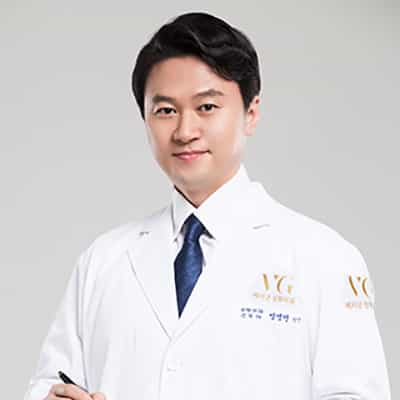
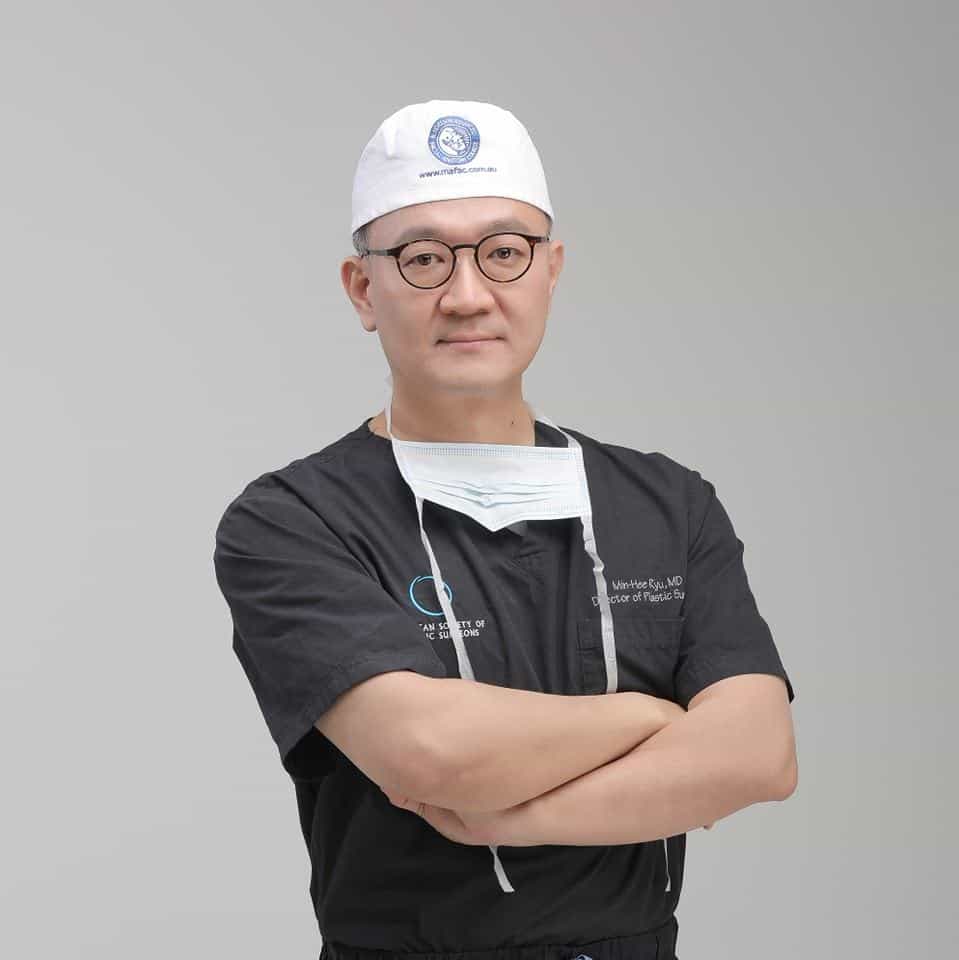
Dr. Minhee Ryu
RNWOOD - Best Plastic Surgery in Seoul, South Korea
- Plastic Surgeon
Seoul, South Korea
Unmatched Technological Integration
South Korea's plastic surgery clinics function like high-tech medical hubs. Before a scalpel is ever lifted, patients often undergo 3D body scanning to map out the exact volume and placement needed for perfect symmetry.
In the operating room, the use of closed-system fat filtration and ultrasound-guided cannulas ensures that the fat transfer is not only incredibly precise but remarkably safe, mitigating the risks traditionally associated with BBL surgeries.
The K-Beauty "Apple Hip" Aesthetic
Unlike some regions that favor highly dramatic, extreme body modifications, South Korea is globally respected for the "K-beauty" approach. Surgeons here are artists of proportion.
They excel at sculpting a firm, naturally lifted "Apple Hip" that complements the patient's existing skeletal structure. This approach results in an athletic, youthful contour that looks beautifully natural both in and out of clothing, rather than artificial.
Hyper-Accelerated Recovery Programs
The surgery is only half the journey; recovery dictates the final result. South Korea is famous for its intensive post-operative care centers. Top clinics include complimentary "deswelling" care packages.
Patients have access to hyperbaric oxygen chambers, LED light therapy, and specialized radio-frequency massages designed to rapidly reduce bruising, enhance blood flow to the newly grafted fat, and ensure a comfortable, expedited healing process.
Traveling to South Korea for body contouring is an exciting step, but navigating international clinics can be complex. PlacidWay acts as your trusted partner, bridging the gap between you and Seoul's most elite, board-certified surgeons to ensure a safe, transparent, and luxurious medical journey.
Rigorous Clinic Vetting
We exclusively partner with highly accredited South Korean clinics that possess impeccable safety records and employ board-certified plastic surgeons specializing in body contouring.
Transparent, Itemized Quotes
We eliminate the guesswork by securing detailed quotes that clearly outline surgical fees, anesthesia, garments, and post-op care, ensuring no hidden costs.
Direct Surgeon Consultations
We help arrange initial virtual consultations so you can discuss your specific aesthetic goals directly with your chosen Korean surgeon before booking your flight.
Package Coordination
We assist you in finding comprehensive packages that bundle your BBL procedure with essential VIP services like airport transfers and dedicated in-house translation.
Information Transparency
Access verified patient reviews, authentic before-and-after galleries, and in-depth clinic profiles to help you make a confident, data-driven decision.
Patient Advocacy
Our dedicated care team remains available throughout your entire journey to answer questions, resolve concerns, and ensure you receive the highest standard of care in Seoul.
Take the first step toward achieving your ideal contours with confidence. Contact PlacidWay today to receive a free, personalized quote and start planning your transformation in South Korea.
Get Your Free Personalized Quote.png)


.png)
.png)
.png)
.jpg)

.jpg)









Share this listing