


Contents
Get Affordable Boob Job - Best Breast Augmentation Surgery in South Korea
South Korea, particularly the Gangnam district in Seoul, is a global leader in high-tech plastic surgery. For breast augmentation, Korean surgeons have perfected the art of the **Endoscopic Transaxillary** approach. This technique places the implant through an incision in the armpit using high-definition cameras, ensuring there are no visible scars on the breast itself while allowing for incredibly precise pocket creation and minimal bleeding.
Clinics in Seoul are renowned for using the latest premium implants, such as **Motiva Ergonomix** and **Sebbin**, which provide a natural look and feel that mimics real breast tissue. Korean surgeons prioritize the "Full-C" or "Y-line" cleavage aesthetic, aiming for a result that is voluminous yet proportional to the patient's frame.
Safety standards are rigorous, with many top clinics implementing "Real-Name Surgery" systems and CCTV in operating rooms to guarantee transparency. Post-operative care is equally impressive, featuring advanced "deswelling" therapies (lasers and oxygen chambers) to speed up recovery.
Whether you desire a subtle enhancement or a glamorous transformation, South Korea offers a sophisticated, safe, and technologically superior environment for your surgery.
Did You Know?
Korean surgeons were early adopters of the "Keller Funnel" (No-Touch Technique). This device allows the implant to be inserted without touching the skin, significantly reducing the risk of infection and capsular contracture. Combined with HD endoscopy, this results in one of the lowest complication rates for breast surgery in the world.
Key Insights at a Glance
Specialization in transaxillary incisions keeps scars hidden in the natural fold of the armpit.
Widespread use of Motiva Ergonomix implants that move naturally with your body.
International patients are eligible for a 7-8% VAT refund on cosmetic surgery costs at the airport.
Clinics utilize CCTV in operating rooms and guarantee board-certified anesthesiologists on site.
Post-op "deswelling" care packages include laser therapy and RF treatments to reduce downtime.
Virtual reality simulations (Vectra) allow you to "try on" different implant sizes before surgery.
Top Packages for Breast Augmentation in South Korea
Finding the right package can simplify your medical journey significantly. In the section below, we have curated a list of top-rated providers in Seoul offering comprehensive breast augmentation packages. These bundles typically include the surgical fee, premium implants (Motiva/Sebbin), general anesthesia, pre-op tests (blood work, EKG, ultrasound), post-op medications, compression bra, and airport transfers. Browse the options to find a package that offers the best support for your recovery.
Note: Some packages also include accommodation at partner hotels near the clinic, though this is less common than in other destinations.

Price starting from $8,500
Breast Augmentation Package in Seoul South, Korea by VG Plastic Surgery
VG Plastic Surgery
- Cosmetic/Plastic Surgery
Seoul, South Korea
How much Breast Augmentation Cost in South Korea?
Understanding the financial commitment is a crucial part of your decision-making process. The table below provides a transparent breakdown of average costs for breast augmentation in South Korea compared to U.S. and Australian prices. While Korea is a premium destination, the value lies in the advanced technology and superior implant quality included in the price.
Tip: A standard Breast Augmentation using Motiva Ergonomix implants typically ranges from $5,000 to $9,000 USD in Seoul.
Breast Augmentation Centers Cost Comparison in South Korea
| Provider | Procedure | Price |
|---|---|---|
| VG Plastic Surgery | Breast Augmentation, Cosmetic/Plastic Surgery | $15400 |
| VG Plastic Surgery | Breast Augmentation, Cosmetic/Plastic Surgery | $15200 |
| VG Plastic Surgery | Breast Augmentation, Cosmetic/Plastic Surgery | $8500 |
Breast Augmentation Cost Comparison in South Korea
| Country | Procedure | Price |
|---|---|---|
| Australia | Breast Augmentation, Cosmetic/Plastic Surgery | $9000 |
| Canada | Breast Augmentation, Cosmetic/Plastic Surgery | $9000 |
| Germany | Breast Augmentation, Cosmetic/Plastic Surgery | $8463 |
Best Cosmetic Clinics for Boob Job in South Korea
Your safety and results depend heavily on the facility you choose. We have selected a list of premier plastic surgery hospitals in Gangnam known for their specialization in breast procedures. These clinics are vetted for their Ministry of Health accreditation, modern operating theaters, and dedicated breast centers. Explore the profiles below to learn more about their specific experience and patient amenities.
Standard: Look for clinics that have specialized breast surgeons (not general plastic surgeons) and offer regular ultrasound checkups during follow-ups.
VG Plastic Surgery
Seoul, South Korea

JK Medical Group in Seoul, South Korea
Seoul,Gangnam, South Korea
Glovi Plastic Surgery Korea
Seoul,Gangnam, South Korea
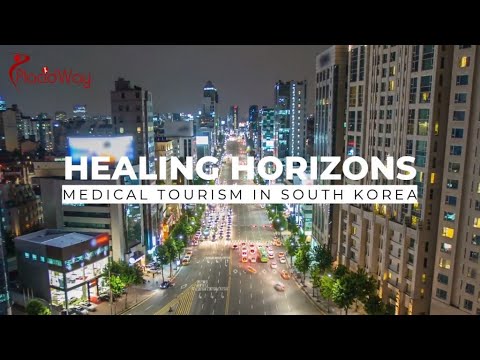
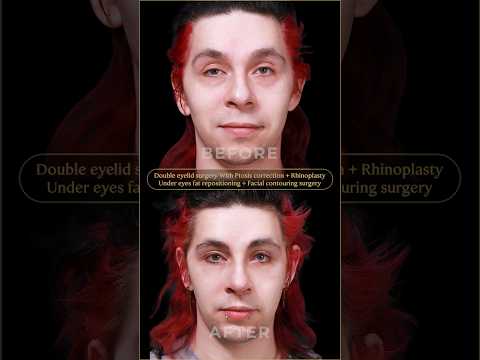
Watch Videos Related to Cosmetic Surgery in South Korea
Hearing directly from past patients can offer invaluable reassurance. The video testimonials featured below showcase real stories from women who have traveled to South Korea for breast augmentation. Watch these videos to hear about their journey, the minimal scarring from the armpit incision, the comfort of the hospital stay, and their satisfaction with the natural feel of the implants.
Insight: Patients often praise the detailed pre-op consultation using 3D scanners to visualize the outcome.

Plastic Surgery in South Korea Reviews
Patient reviews provide an honest look at the quality of care. In this section, you will find verified reviews and ratings from patients who have entrusted their bodies to specialists in Seoul. Read through their feedback regarding the surgeon's skill, the effectiveness of the pain management, and the overall experience to help guide your own choice of provider.
Review Tip: Look for reviews that mention "Motiva" or "armpit incision" to gauge the clinic's expertise in these modern techniques.

Top Cosmetic Surgeon in South Korea for Boob Jobs
Your silhouette is in expert hands. We have compiled a list of top-tier plastic surgeons in Seoul who possess extensive experience in breast surgery. These profiles highlight their board certifications, specialization in endoscopic techniques, and dedication to safety.
KSPRS Board-Certified
The Highest National Standard
Our listed specialists are certified members of the Korean Society of Plastic and Reconstructive Surgeons (KSPRS). This certification ensures they have completed rigorous training and exams, distinguishing them as true experts in the field of plastic surgery.
University Professors
Academic Leaders
Many top surgeons in Gangnam formerly held professor positions at prestigious universities like Seoul National University (SNU) or Yonsei University. Their academic background ensures they are at the forefront of research and advanced surgical techniques like endoscopic augmentation.
Breast Specialists
Focused Expertise
In Korea, many surgeons hyper-specialize. We feature doctors who focus specifically on breast surgery, performing hundreds of augmentations annually. This deep focus allows them to master every nuance of implant placement and pocket creation for the most natural results.
Explore South Korea After Getting Affordable Boob Job
Technology & Technique
Korea leads the world in endoscopic breast surgery, allowing for scarless breasts (armpit incision) and precise pocket creation.
The use of HD cameras and "no-touch" funnels minimizes risks and improves aesthetic outcomes.
Safety & Transparency
Top clinics offer CCTV live viewing of surgeries and guarantee that the board-certified specialist you consulted with performs the surgery.
This level of transparency builds immense trust with international patients.
Comprehensive Care
The patient experience is seamless, including airport pickup, translation, and advanced aftercare (deswelling lasers).
The tax refund system also adds financial value to the premium service.
Book Appointment for Breast Augmentation in South Korea at PlacidWay
Navigating the vast options in Korea can be overwhelming. PlacidWay acts as your trusted guide to Seoul's top plastic surgery clinics. We handle the vetting, communication, and logistics, ensuring a safe and seamless experience for your body transformation.
Clinic Verification
We partner only with government-accredited clinics and board-certified surgeons who have a proven track record of safety and success with international patients.
Free Assessments
We facilitate free online assessments where the medical team reviews your photos to determine the best surgical plan and cost before you travel.
Transparent Quotes
We provide clear, all-inclusive quotes that breakdown surgery, anesthesia, and recovery care costs, helping you budget accurately without hidden fees.
Travel Logistics
From arranging airport pickups to recommending patient-friendly hotels near the clinic, we help manage the practical details of your trip.
Translation Services
We ensure you have access to English-speaking coordinators or interpreters throughout your medical journey, so you fully understand every step.
Patient Advocacy
Our team is available to support you throughout your entire journey, answering questions and ensuring your experience meets your expectations.
Experience the best in beauty. Contact PlacidWay today for a free, confidential evaluation and start your breast augmentation journey in South Korea.
Get Your Free Personalized Quote




.png)
.png)








Share this listing