
Breast Lift Cost in Gangnam, South Korea: Your 2025 Guide
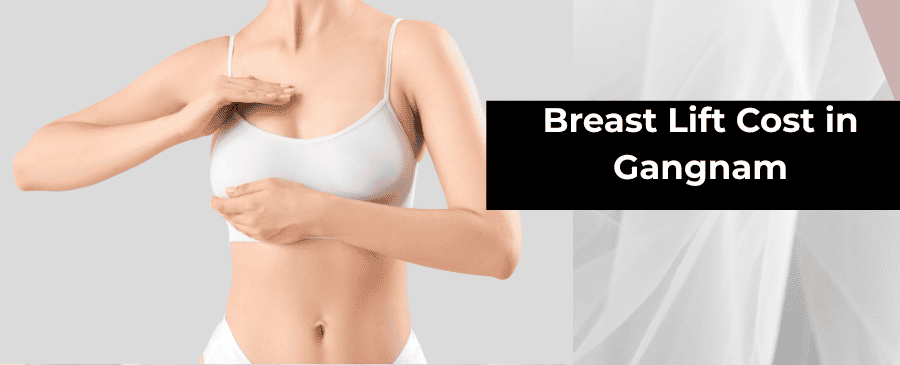
Choosing to travel abroad for plastic surgery requires careful research and thorough planning. Gangnam, a vibrant district in Seoul, has become a recognized hub for aesthetic medicine. Patients from around the world frequently look into a breast lift in South Korea (medically known as mastopexy) to address sagging breast tissue caused by aging, weight fluctuations, or pregnancy.
Navigating the logistics of international healthcare can feel overwhelming. This guide breaks down the estimated expenses, surgical options, safety considerations, and recovery timelines to help you have an informed conversation with a qualified medical provider.
Key Takeaways
- Mastopexy addresses breast ptosis (sagging) by removing excess skin and reshaping the breast contour.
- Cost estimates generally fall between $5,000 and $9,000 USD, though complex cases or implant additions increase the price.
- Patients should plan to stay in Seoul for 7 to 14 days to complete necessary post-operative check-ups and clear fitness-to-fly guidelines.
- All surgical procedures carry risks, including scarring, infection, and changes in nipple sensation.
- Arranging post-operative care with a local physician back home is an essential safety step before traveling.
What factors influence the final cost of a mastopexy?
When researching the breast lift cost in South Korea, you will notice that clinics rarely offer one flat rate. Instead, estimates are tailored to your specific anatomical needs. Understanding what drives these price variations can help you budget appropriately.
Several elements influence the total amount on your medical bill:
- Surgical Technique: Minor lifts require less operating time than comprehensive reshaping, naturally affecting the surgeon's fee.
- Anesthesia Type: General anesthesia administered by a board-certified anesthesiologist costs more than local anesthesia with IV sedation.
- Clinic Location and Reputation: Facilities located in prime areas of Gangnam with extensive experience treating international patients may charge premium rates.
- Additional Procedures: Adding fat grafting or silicone implants to your mastopexy will significantly increase both surgical time and material costs.
What typically comes included in a surgery package?
Every breast lift clinic in South Korea structures their billing differently. It is highly recommended that you ask for a transparent, line-item breakdown of your quote before committing to a procedure. This prevents unexpected expenses on the day of surgery.
When reviewing a quotation, check whether the following items are included or billed separately:
- Pre-operative blood work, ECG, and breast ultrasounds or mammograms.
- In-house interpretation services for consultations and surgery day.
- Post-operative compression bras and wound care supplies.
- Prescription medications for pain management and infection prevention.
- Overnight hospital stays, if deemed medically necessary by the surgeon.
How does pricing compare to Western countries?
In the United States, a mastopexy often ranges between $7,000 and $12,000 USD for the surgery alone, excluding anesthesia, operating room fees, and required garments. In the UK, private treatment typically starts around £6,000 and can exceed £9,000 depending on the provider.
By comparison, estimates in Gangnam generally range from $5,000 to $9,000 inclusive of many facility and anesthesia fees. However, when planning for medical tourism in South Korea, you must also budget for round-trip airfare, a two-week hotel stay, transportation, and daily living expenses. Once travel costs are added, the financial gap may narrow, meaning your decision should also weigh the surgeon's expertise and the clinic's standard of care.
Who is generally considered an ideal candidate for this surgery?
A breast lift is designed to elevate the breast profile by removing excess skin and tightening the surrounding tissue. You might be evaluated as a good candidate if your breasts have lost shape and firmness, or if your nipples point downward or rest below the breast crease.
This sagging often occurs due to natural aging, pregnancy, breastfeeding, or substantial weight loss. Medical professionals strongly advise patients to reach a stable body weight before pursuing this surgery, as future weight fluctuations can reverse the surgical results. Furthermore, smoking significantly impairs wound healing and increases the risk of tissue necrosis; surgeons typically require patients to stop using all nicotine products weeks before and after the operation.
What surgical techniques are commonly used?
During your consultation, your surgeon will assess your anatomy and recommend an incision pattern that provides the necessary lift while minimizing visible scarring. The main techniques include:
- Crescent Lift: A small incision runs halfway around the top edge of the areola. This is generally reserved for patients with very minimal sagging, often combined with an implant.
- Periareolar Lift (Donut): An incision traces the entire circumference of the areola. This is suitable for mild sagging and can also reduce the size of enlarged areolas.
- Vertical Lift (Lollipop): This involves an incision around the areola and one running vertically down to the breast crease. It provides moderate lifting and reshaping capabilities.
- Inverted-T Lift (Anchor): This requires incisions around the areola, vertically down the breast, and horizontally along the breast crease. It is the most common technique for severe sagging and offers maximum reshaping.
Are there risks or potential complications involved?
While many patients undergo mastopexy without serious issues, it is a major surgical procedure. You must discuss potential complications with your surgeon to make an informed choice.
Possible risks include visible or thickened scarring, breast asymmetry, hematoma (blood pooling beneath the skin), and seroma (fluid accumulation). Changes to nipple or breast sensation are common; while often temporary, they can occasionally be permanent. In rare cases, compromised blood supply can lead to partial or total loss of the nipple and areola (necrosis).
Traveling abroad adds a layer of complexity to risk management. If a complication arises after you return home, your local insurance may not cover the treatment for cosmetic surgery complications, and your original surgeon will be thousands of miles away.
What does the recovery process look like?
Immediately following the procedure, your breasts will be bruised, swollen, and tender. Your surgeon may place small drainage tubes under the skin to remove excess blood and fluid, which are usually removed within a few days. You will need to wear a surgical support bra around the clock to minimize swelling and support the new breast contours.
Pain is generally managed well with prescribed medication during the first few days. You must avoid bending over, heavy lifting, and sleeping on your stomach. While light walking is encouraged to prevent blood clots, strenuous exercise and upper-body workouts should be paused for four to six weeks. Keep in mind that your final results will not be fully apparent until the internal swelling subsides and the tissues settle over the following three to six months.
Can breast augmentation be combined with a lift?
A breast lift removes excess skin and tightens tissue, but it cannot restore upper pole fullness (volume at the top of the breast). If your breasts have lost significant density or if you desire a larger overall cup size, your surgeon may recommend an augmentation mastopexy.
This combined approach can be performed in a single operation, though it does slightly increase the surgical time, recovery demands, and overall cost. Discuss your aesthetic goals clearly during your consultation so the medical team can advise whether you need a lift, implants, or both to achieve the desired outcome.
How long should you stay in Seoul after surgery?
Planning sufficient time for post-operative care is crucial for patient safety. You cannot simply have surgery and fly home the next day. The initial days following surgery require closely monitored follow-ups to ensure your wounds are healing correctly and there are no signs of infection.
During your extended stay in Gangnam, you will return to the clinic for several appointments. The medical staff will monitor swelling, change dressings, remove surgical drains if used, and eventually take out non-dissolvable stitches. Furthermore, flying too soon after surgery carries a heightened risk of deep vein thrombosis (DVT). Your surgeon must medically clear you for air travel before you board a flight home.
How do you manage aftercare once you return home?
Continuing your aftercare at home is your responsibility once you leave South Korea. You should leave the clinic with a complete copy of your medical records, surgical notes, implant details (if applicable), and clear instructions on wound care and activity restrictions.
Even with careful surgical technique, delayed complications such as minor wound separations or infections can occur weeks after the procedure. If you experience sudden swelling, redness, fever, or excessive pain back home, you must seek immediate attention from a local healthcare provider. Do not wait for an email response from your overseas clinic in the event of an urgent medical symptom.
Why Choose PlacidWay for Medical Tourism?
Planning international healthcare requires access to clear, organized information. PlacidWay serves as a global medical tourism platform to help you navigate your options effectively.
- Broad Network: Access a wide directory of international clinics and certified medical professionals.
- Informative Resources: Utilize educational articles, cost comparisons, and procedural guides to inform your choices.
- Direct Connections: Communicate directly with international healthcare providers to ask specific medical questions.
- Multi-Language Support: Browse platform resources designed to help international patients overcome language barriers.
- Transparent Details: Review detailed clinic profiles, accreditations, and provider backgrounds in one centralized location.
Frequently Asked Questions
Will a breast lift change my cup size?
A standard mastopexy does not significantly change the volume of your breasts, but by reshaping and lifting the tissue, your breasts may appear firmer and slightly rounder. If you want a larger or smaller cup size, you may need to combine the lift with implants or a reduction.
Are the results of a mastopexy permanent?
While a breast lift provides long-lasting reshaping, it cannot stop the natural aging process. Gravity, future pregnancies, and significant weight fluctuations can alter the shape and position of your breasts over time.
How visible are the scars after surgery?
Scarring is an unavoidable part of breast surgery. Scars typically appear red and raised initially, gradually fading over 12 to 18 months. They are strategically placed to be hidden under most bras and swimsuits, though they will never disappear entirely.
Can I breastfeed after having a breast lift?
Many women can still breastfeed after a lift, but it is not guaranteed. Techniques that preserve the connection between the nipple-areola complex and the underlying breast tissue have a higher success rate for future breastfeeding, though milk production may still be affected.
Is it safe to fly shortly after having surgery in Gangnam?
Flying too soon after major surgery increases the risk of deep vein thrombosis (DVT) and swelling. Surgeons generally advise waiting 10 to 14 days before taking a long-haul flight, pending medical clearance.
Do clinics in South Korea provide English translators?
Many facilities catering to international patients in Gangnam employ dedicated in-house translators or partner with interpretation services to ensure clear communication during consultations, surgery, and aftercare.
Will I lose sensation in my nipples?
Temporary changes in nipple sensation are very common and often resolve within a few months as nerves heal. In some cases, partial or total loss of sensation can be permanent.
Do I need to lose weight before booking my procedure?
Surgeons typically recommend being at or near your target weight before undergoing a breast lift. Losing significant weight after the procedure can cause the skin to sag again, potentially altering your surgical results.
What happens if I need revision surgery after going home?
If complications arise once you return home, you will need to consult a local healthcare provider immediately for safety. Revisional cosmetic work usually requires traveling back to your original surgeon, which incurs additional travel costs.
How soon can I exercise again?
Light walking is encouraged immediately to promote circulation. However, strenuous activities, heavy lifting, and upper-body workouts should be avoided for at least four to six weeks to allow incisions to heal properly.
Ready to Explore Your Options?
Connect with providers, compare estimates, and request detailed treatment information for your journey.
Request Treatment InformationReferences
- Breast Lift Guide – American Society of Plastic Surgeons (ASPS)
- Mastopexy Procedure Information – International Society of Aesthetic Plastic Surgery (ISAPS)
- Breast Lift Risks and Preparation – Mayo Clinic
- Travelers' Health: South Korea – Centers for Disease Control and Prevention (CDC)
- Breast Uplift Guide – National Health Service (NHS)
- Breast Lift Overview – American Board of Cosmetic Surgery




















Share this listing