


Comprehensive Guide to Anti-Aging Eye Surgery in South Korea: Expert Insights
If you are considering rejuvenating your appearance, understanding the nuances of anti-aging eye surgery in South Korea is absolutely crucial for achieving natural-looking results. The eyes are often the very first facial feature people notice during interactions. Unfortunately, due to their delicate anatomical structure, they are also the first area to display visible signs of aging.
This comprehensive guide breaks down expert medical advice from board-certified surgeons regarding why eye wrinkles form so rapidly. We will thoroughly explore essential pre-surgical medical precautions required for middle-aged patients seeking aesthetic enhancements. Furthermore, you will learn exactly how to evaluate and select the perfect clinical facility for your customized cosmetic eyelid procedure.
Video Chapters & Quick Navigation
Understanding Why Eyes Develop Wrinkles Faster Than Other Body Parts
Human interactions heavily rely on eye contact, making the periocular region a focal point of facial aesthetics. As highlighted by experts at , the eye area is an incredibly dynamic anatomical structure. Every time you blink, smile, squint, or express emotion, the muscles surrounding the eyes contract and pull on the overlying skin.
Furthermore, the skin enveloping our eyelids is significantly thinner than the dermal layers found anywhere else on the human body. This lack of structural density means there is less collagen and elastin available to bounce back from constant movement. Over decades of repetitive motion, this thin skin inevitably becomes loose and loses its youthful elasticity.
Because of these physiological factors, fine lines, crow's feet, and sagging skin become glaringly evident around the eyes much earlier than on the cheeks or forehead. Addressing these specific signs of aging through targeted surgical intervention can dramatically alter a person's overall impression. Correcting these early wrinkles helps individuals achieve a significantly brighter, more open, and noticeably younger appearance.
Essential Pre-Surgery Precautions for Middle-Aged Blepharoplasty Patients
The demographic seeking aesthetic enhancements has shifted, with a massive influx of individuals in their 40s, 50s, and 60s looking for rejuvenation. When dealing with this specific age group, board-certified surgeons must adapt their protocols. As noted at , middle-aged patients carry a statistically higher tendency to possess underlying medical problems compared to younger demographics.
Because aesthetic procedures are elective, patient safety must always remain the absolute highest priority during any consultation. Unlike a healthy twenty-something seeking a simple double eyelid crease, an older patient requires a comprehensive medical evaluation. Surgeons cannot simply focus on the cosmetic outcome; they must view the patient holistically.
Therefore, reputable clinics mandate that patients go through a highly thorough pre-medical history screening before any surgical planning begins. This rigorous process is designed to identify hidden risk factors that could potentially complicate anesthesia administration or impede the post-operative healing process.
The Impact of Underlying Health Conditions on Eyelid Surgery
During the mandatory medical screening process, specific chronic conditions must be closely evaluated by the surgical team. Around , the expert specifically highlights the critical need to check for prevalent issues such as hypertension and diabetes. These two conditions are incredibly common in middle-aged populations and directly impact surgical safety.
Hypertension, or high blood pressure, poses a significant risk during delicate facial surgeries because it drastically increases the likelihood of excessive bleeding. Uncontrolled blood pressure can lead to severe post-operative bruising or the formation of dangerous hematomas under the thin eyelid skin. Surgeons may require clearance from a primary care physician to ensure blood pressure is stabilized prior to operating.
Similarly, diabetes profoundly affects the body's vascular system and its innate ability to heal from incisions. High blood sugar levels can impair circulation to the surgical site, delaying recovery and significantly increasing the risk of post-operative infections. Ensuring glucose levels are strictly managed is a non-negotiable prerequisite for anyone undergoing cosmetic procedures.
Managing Medications Before Your Anti-Aging Eye Procedure
Beyond chronic diseases, a patient's daily medication regimen is a critical factor that dictates surgical readiness. As emphasized at , detailed disclosure of all prescription and over-the-counter drugs is mandatory. Many common medications aggressively interfere with the blood's natural clotting mechanisms.
Patients are strictly advised to halt specific pharmacological agents well in advance of their scheduled operation date. If an individual is taking aspirin, chemical anticoagulants, or even natural blood circulation enhancement medicines, these must be temporarily discontinued. Failing to follow these instructions leads to a high tendency for uncontrollable bleeding during the delicate eyelid tissue dissection.
To ensure maximum safety and optimal cosmetic results, patients must provide total transparency to their surgical team. Even seemingly harmless daily vitamins can pose severe surgical risks if they possess blood-thinning properties.
Common Pre-Surgery Medication Restrictions
| Medication Category | Common Examples | Reason for Stoppage |
|---|---|---|
| NSAIDs & Pain Relievers | Aspirin, Ibuprofen, Naproxen | Inhibits platelet aggregation, causing excessive bleeding. |
| Prescription Blood Thinners | Warfarin, Plavix, Heparin | Prevents normal blood clotting during surgical incisions. |
| Herbal Supplements | Ginkgo Biloba, Ginseng, Garlic | Natural blood circulation enhancers that increase bruising risk. |
| Vitamins | High-dose Vitamin E, Omega-3 Fish Oil | Acts as mild anticoagulants, delaying the healing process. |
The Importance of Customized Anti-Aging Eye Surgery Solutions
A widespread misconception among patients is that facial rejuvenation relies on a single, universal procedure. However, expert insights clearly state at that anti-aging eye surgery is not merely one standardized operation. Attempting to apply a "cookie-cutter" approach to eyelid surgery consistently yields unnatural and visually disappointing outcomes.
Every individual possesses a highly unique baseline appearance, and the structural anatomy of everyone's eyes is fundamentally different. As we age, the specific ways in which our facial tissues degrade, sag, and hollow out vary drastically from person to person. Therefore, any effective surgical intervention must be specifically tailored to address the exact deficits present in the patient's face.
Surgeons must meticulously evaluate the unique characteristics of aged eyelids before formulating a concrete operational plan. By customizing the approach, medical professionals can successfully enhance overall facial harmony rather than just altering an isolated feature.
Recognizing Different Types of Eyelid Aging and Brow Ptosis
Proper diagnosis of the specific aging mechanism is the cornerstone of successful cosmetic correction. At , it is explained that the presentation of aged eyelids is vastly different among various patients. A skilled practitioner must decipher exactly which anatomical layers are failing.
For some fortunate patients, the issue is relatively isolated to simple skin laxity. These individuals only have excess, drooping skin directly on the eyelids themselves, which can often be corrected with a standard blepharoplasty. However, many others suffer from a more complex structural issue known as brow ptosis, which drastically alters the required surgical approach.
As demonstrated around , brow ptosis means the entire upper one-third of the face is progressively sliding downwards. When the heavy forehead tissues descend, they push the eyebrows down, which in turn crowds the upper eyelids. If a surgeon incorrectly performs an eyelid skin excision when the real problem is a drooping brow, the results will look heavy, angry, and unnatural.
Signs You May Need Brow Correction Instead of Simple Eyelid Surgery
- Disappearing Eyelid Crease: The heavy tissue from above completely folds over and hides your natural upper eyelid platform.
- Proximity of Brow to Lashes: The physical distance between your eyebrow hairs and your upper eyelashes has significantly decreased over time.
- Constant Forehead Flexing: You find yourself constantly raising your eyebrows to clear your field of vision, leading to deep horizontal forehead wrinkles.
- Angry Resting Expression: The downward push of the outer brow creates a permanent scowl or fatigued look, regardless of your actual mood.
Expert Tips for Choosing the Best Eye Surgery Clinic in South Korea
Because facial anatomy is complex and aging patterns vary so widely, selecting the right medical provider is the most important decision you will make. You must seek out facilities that deeply understand how to customize the surgery depending on individual structural conditions. Patients are strongly advised around to carefully vet the capabilities of their chosen clinic.
It is imperative that you check whether the hospital or clinic possesses the technical expertise to perform a wide variety of procedures. Avoid centers that heavily push a single type of operation regardless of your unique presentation. A high-quality facility will employ board-certified specialists who are highly proficient in multiple distinct surgical disciplines.
Furthermore, top-tier medical groups in South Korea are equipped with advanced diagnostic tools to safely evaluate middle-aged patients. They prioritize comprehensive pre-operative screening and have robust emergency protocols in place. Choosing a fully equipped hospital ensures that your cosmetic journey is not only successful but also fundamentally safe.
The Value of Combining Procedures for Optimal Facial Rejuvenation
To achieve a truly harmonious and youthful appearance, surgeons frequently need to utilize a multi-faceted approach. As mentioned at , the best clinics excel at executing complex combinations of surgeries simultaneously. This holistic strategy prevents isolated areas of the face from looking "done" while surrounding areas continue to look aged.
For instance, a patient might require an upper blepharoplasty to remove sagging skin, combined with a sub-brow lift to correct heavy forehead descent. Additionally, they may need lower eyelid fat repositioning to eliminate dark, puffy under-eye bags in the exact same surgical session. Combining these specific elements yields a much more balanced and comprehensive rejuvenation.
Ultimately, success lies in the surgeon's ability to seamlessly integrate these customized procedures based on your exact condition. By choosing a clinic capable of sophisticated combination therapies, you ensure the most natural, vibrant, and long-lasting aesthetic outcome possible.
Ready to Rejuvenate Your Appearance?
Connect with board-certified specialists in South Korea for a personalized evaluation. Discover exactly which customized anti-aging eye procedures are right for your unique anatomy and health profile.
Get Free Quote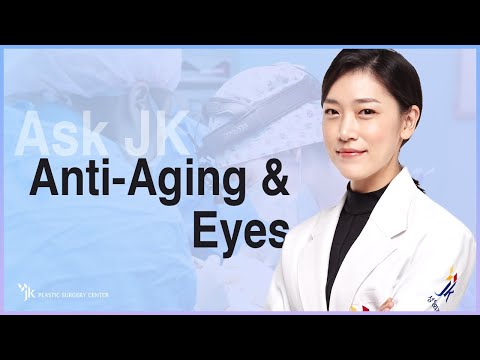



.jpg)
.png)


.jpg)
.png)
.jpg)
.jpg)








Share this listing