
Facelift Cost in Gangnam, South Korea: Your Complete 2025 Guide

If you are exploring options for facial rejuvenation, you might be considering a facelift in Gangnam, South Korea. This district in Seoul has developed an extensive infrastructure dedicated to aesthetic medicine, attracting thousands of international patients each year. Determining the estimated facelift cost in Gangnam, South Korea is often the first step for those planning their medical journey.
A surgical facelift, medically known as a rhytidectomy, aims to address visible signs of aging in the face and neck. The procedure involves repositioning deeper facial tissues, removing excess skin, and re-draping the remaining skin for a smoother appearance. When looking into a facelift clinic in Gangnam, South Korea, it is crucial to understand that while costs may be competitive, the primary focus should always be on the surgeon’s qualifications, facility safety standards, and your overall health eligibility.
Key Takeaways
- Estimated prices typically range between $6,000 and $12,000 USD, depending on surgical complexity.
- The specific technique (such as mini, SMAS, or deep plane) significantly impacts both cost and recovery time.
- International patients should plan to stay in the country for at least 10 to 14 days for safe monitoring and suture removal.
- Choosing a board-certified surgeon experienced in facial anatomy is essential for managing risks.
- Post-operative care programs, often included in treatment packages, frequently utilize specialized swelling-reduction treatments.
What factors influence the total facelift cost in Gangnam, South Korea?
When you begin researching clinics, you will quickly notice that pricing is rarely a flat rate. The complexity of your individual aging concerns dictates the surgical approach. A patient requiring extensive neck lifting and mid-face repositioning will face higher costs than someone opting for a localized mini facelift. The time spent in the operating room directly influences anesthesia fees and facility costs.
Furthermore, highly experienced, board-certified plastic surgeons often charge a premium for their expertise. Clinics located in the central areas of Gangnam may also have higher overhead costs, which can reflect in the pricing. However, these facilities often feature modern medical equipment and comprehensive patient support teams.
To budget accurately, consider asking if the following are included in your quote:
- Pre-operative medical examinations and blood tests.
- Anesthesiologist fees and operating room charges.
- Prescription medications (antibiotics, pain relievers) for the recovery period.
- Post-surgical compression garments.
- Follow-up appointments and localized aftercare treatments.
What is typically included in a South Korean facelift package?
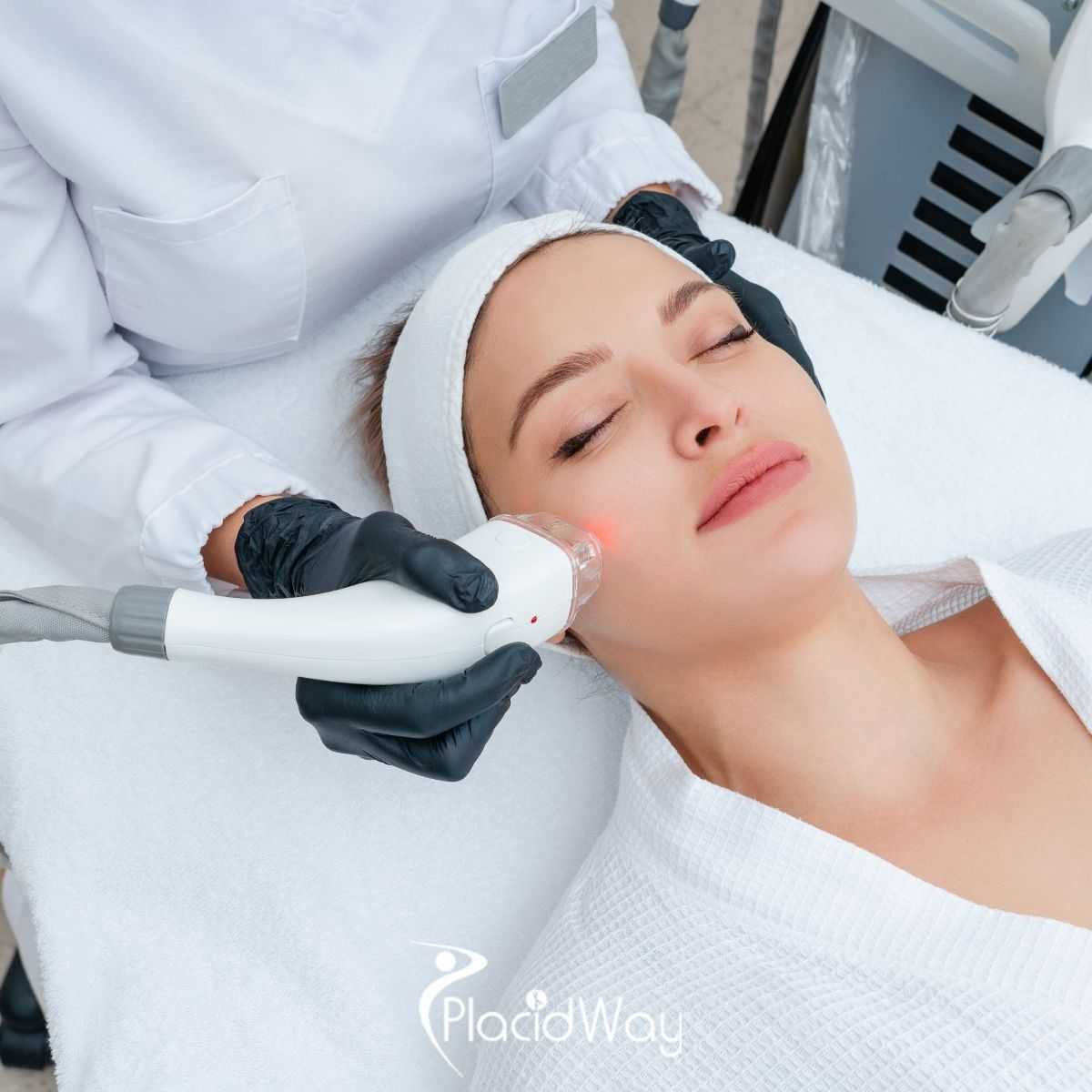
One distinct feature of seeking cosmetic care in Seoul is the robust post-operative support. Clinics frequently integrate "deswelling" or recovery programs into their standard surgical quotes. These programs may include medical-grade LED light therapy, specialized lymphatic drainage massages, and medicated facial masks aimed at reducing bruising and swelling more rapidly.
Beyond clinical care, facilities catering to international patients try to remove logistical barriers. Comprehensive packages might cover a dedicated patient coordinator who speaks your language, assisting you from the initial consultation through your final follow-up. While accommodation is rarely included in the surgical fee itself, clinics often have partnerships with nearby hotels to offer discounted rates for their patients.
How does a SMAS facelift compare to a mini facelift in price and results?
Understanding surgical techniques is vital for managing your expectations. A mini facelift generally involves shorter incisions, often limited to the area around the ear. It primarily addresses mild to moderate skin laxity in the lower face and jawline. Because the procedure is shorter and less complex, it usually sits at the lower end of the pricing spectrum and involves a faster initial recovery.
In contrast, a traditional SMAS (Superficial Musculoaponeurotic System) facelift targets the deeper layer of tissue and muscle beneath the skin. By lifting and securing this underlying structure, surgeons can achieve more natural-looking and durable results without placing excessive tension on the skin itself. This approach is highly effective for addressing severe jowling and mid-face sagging.
Because manipulating the SMAS layer requires advanced anatomical knowledge and significantly more time in surgery, the costs are notably higher. Additionally, recovery from a full SMAS facelift takes longer, requiring more extensive post-operative care and monitoring.
Why is Gangnam considered a prominent destination for facial rejuvenation?
The global reputation of medical tourism in South Korea is heavily anchored in the Gangnam district. The sheer volume of procedures performed in this area means that surgeons often develop highly specific expertise in facial anatomy. This environment has led to the refinement of various lifting techniques and a strong emphasis on achieving natural, balanced aesthetic outcomes rather than an "operated" look.
Furthermore, the medical infrastructure is heavily regulated by local health authorities. Many facilities operating in this space are equipped with emergency medical systems, advanced 3D imaging for surgical planning, and in-house laboratories. For international patients, this concentration of specialized care provides a wide array of choices when selecting a provider.
How do I choose a qualified facelift clinic in Gangnam, South Korea?
Selecting the right provider is the most critical decision in your medical journey. Patient safety and the quality of your results rely heavily on the surgeon's training. You can begin by verifying if the surgeon is a board-certified member of recognized medical bodies, such as the Korean Society of Plastic and Reconstructive Surgeons (KPRS). Certification indicates a rigorous level of education and training specific to plastic surgery.
When evaluating a potential facelift clinic in Gangnam, South Korea, consider the following steps:
- Examine portfolios: Look for consistent, clear before-and-after photos of patients with similar facial structures and aging concerns to yours.
- Check facility safety: Ask about emergency protocols, the presence of board-certified anesthesiologists, and sterilization standards.
- Assess communication: Ensure that you can communicate clearly with the team, either directly in English or through a qualified medical interpreter provided by the clinic.
- Read patient experiences: Look for objective reviews regarding the consultation process, post-operative care, and bedside manner.
What should international patients expect during the initial consultation?
Your first meeting with the surgeon sets the foundation for your treatment. The doctor will evaluate the elasticity of your skin, the underlying bone structure, and the pattern of fat distribution in your face and neck. Many clinics now utilize advanced 3D imaging technology to help visualize potential outcomes and align your expectations with what is surgically possible.
You must be completely transparent about your medical history during this phase. Disclose all past surgeries, chronic medical conditions (such as high blood pressure or diabetes), and every medication or supplement you take. Certain substances can increase bleeding risks or interfere with anesthesia.
A responsible surgeon will also spend time discussing the limitations of the procedure. They should explain that while a facelift can significantly rejuvenate your appearance, it cannot stop the aging process entirely, nor can it correct sun damage, fine wrinkles, or skin discoloration. They will also outline the specific risks associated with the surgery.
How long should I plan to stay in South Korea for recovery?
Recovery from a facelift is a gradual process that requires patience and professional supervision. In the first few days post-surgery, you can expect significant swelling, bruising, and a feeling of tightness. Clinics will monitor you closely during this acute phase to check for signs of infection or fluid accumulation (hematoma).
Sutures are generally removed in stages between 7 and 14 days after the operation. Flying before your surgeon clears you is dangerous; the pressurized cabin environment can exacerbate swelling and increase the risk of deep vein thrombosis (DVT) or post-operative bleeding.
Once you return home, your recovery continues. It may take several weeks for the majority of the swelling to subside, and up to six months for the final contours of your face to fully settle. You will need to plan for a period of restricted physical activity, avoiding strenuous exercise, heavy lifting, and excessive sun exposure.
What are the common risks and complications associated with facelift surgery?
It is vital to approach any cosmetic surgery with a clear understanding of the potential risks. A hematoma—a collection of blood under the skin that causes pressure and swelling—is the most common complication and usually requires immediate surgical drainage to prevent damage to the skin and underlying tissues.
Facial nerve injury is a rare but serious risk. The nerves controlling facial muscles can be bruised or stretched during surgery, leading to temporary or, in very rare instances, permanent facial weakness or asymmetry. Infection is another risk, which is why sterile surgical environments and post-operative antibiotics are strictly maintained.
Poor wound healing and widened scarring are more common in patients who smoke or have underlying health conditions that affect blood circulation. Surgeons universally mandate that patients cease smoking and using all nicotine products several weeks before and after surgery to minimize these risks. Remember that individual anatomy and healing responses vary, meaning perfect symmetry and flawless results can never be guaranteed.
Are there non-surgical alternatives to a traditional facelift in Gangnam?
Not every patient is a suitable candidate for surgery, nor does everyone require an invasive procedure. If you have early signs of aging or mild skin laxity, non-surgical alternatives might be appropriate. Procedures like thread lifting involve inserting dissolvable sutures under the skin to provide a subtle, temporary lift.
Energy-based devices, utilizing ultrasound or radiofrequency energy, heat the deeper layers of the skin to stimulate collagen production. This can lead to gradual skin tightening over several months. Additionally, strategic use of dermal fillers can restore lost facial volume, providing a "liquid facelift" effect.
While these alternatives involve significantly lower costs, minimal downtime, and fewer risks, their results are temporary and much less dramatic than a surgical facelift. A qualified professional should assess your skin condition to determine if these non-surgical methods can realistically meet your goals.
How do I navigate language and cultural differences as a medical tourist?
Traveling to a foreign country for surgery adds a layer of complexity to your medical care. Clear communication with your surgical team is non-negotiable. You must be able to express your concerns, understand medical instructions, and consent to procedures with full comprehension. Many major medical facilities in Seoul have recognized this need and employ in-house interpreters or partner with professional translation services.
Understanding local medical culture is also helpful. South Korean clinics often emphasize efficiency and structured processes. Post-operative care regimens might involve treatments unfamiliar to Western patients, such as herbal deswelling teas or specific light therapies. Being prepared for these cultural differences can make your recovery period more comfortable and less confusing.
Why Choose PlacidWay for Medical Tourism in South Korea?
Navigating international healthcare options can be complex. PlacidWay serves as an educational platform to help you research and compare medical providers globally.
Frequently Asked Questions
Can I combine a facelift with eyelid surgery in Gangnam?
Yes, many patients choose to combine a facelift with blepharoplasty (eyelid surgery) or a brow lift to achieve more comprehensive facial rejuvenation. Combining procedures may reduce overall recovery time compared to having multiple separate surgeries, but it can also increase the initial surgical risk and time under anesthesia.
Will health insurance cover my facelift surgery in South Korea?
No, health insurance generally does not cover elective cosmetic procedures like a facelift. You should expect to pay for the surgery, travel, and accommodation entirely out of pocket.
How soon can I fly back home after a facelift?
Surgeons typically advise international patients to stay in South Korea for 10 to 14 days following a facelift. This allows time for suture removal, initial swelling reduction, and ensures you are medically cleared to handle the physical stress and pressure changes of a long flight.
What type of anesthesia is used for facelifts in South Korea?
Facelifts are usually performed under general anesthesia or intravenous (IV) sedation combined with local anesthesia. The choice depends on the complexity of the procedure, your medical history, and the surgeon's recommendation.
How noticeable will my facelift scars be?
Surgeons make incisions in natural skin creases, typically around the ear and extending into the hairline, to minimize visibility. While scars are permanent, they usually fade significantly over 12 to 18 months and can often be easily hidden by your hair.
Is a medical visa required to get plastic surgery in South Korea?
Depending on your nationality, you may be able to enter South Korea for short-term medical treatment on a standard tourist visa or visa waiver. However, some patients may need to apply for a specific medical visa (C-3-3 or G-1-10). Always check the latest immigration requirements for your specific country before booking.
What happens if I need revision surgery after returning home?
If complications arise after you return home, you should seek immediate care from a local medical professional. If a revision is desired later, you will need to coordinate with your original clinic to understand their revision policy, which may require you to travel back to South Korea.
How long do the results of a surgical facelift typically last?
While a facelift does not stop the aging process, results typically last 7 to 10 years, and sometimes longer. Longevity depends on factors like skin quality, genetics, sun protection habits, and overall lifestyle choices.
Do clinics in Gangnam provide translators for English-speaking patients?
Many major clinics that cater to international patients employ in-house interpreters or coordinate with translation agencies. It is important to confirm language support before paying any deposits so that you can communicate clearly during your consultation and recovery.
How do I prepare my skin before traveling for a facelift?
Preparation often includes pausing certain skincare routines, such as retinoids or harsh chemical exfoliants, a few weeks before surgery. You should also focus on strict sun protection and stop taking blood-thinning medications or supplements as directed by your surgeon.
Compare Treatment Options
Gather information on clinics, estimate costs, and connect with healthcare providers in South Korea to make an educated decision about your facial rejuvenation journey.
Request Treatment Information
















Share this listing