
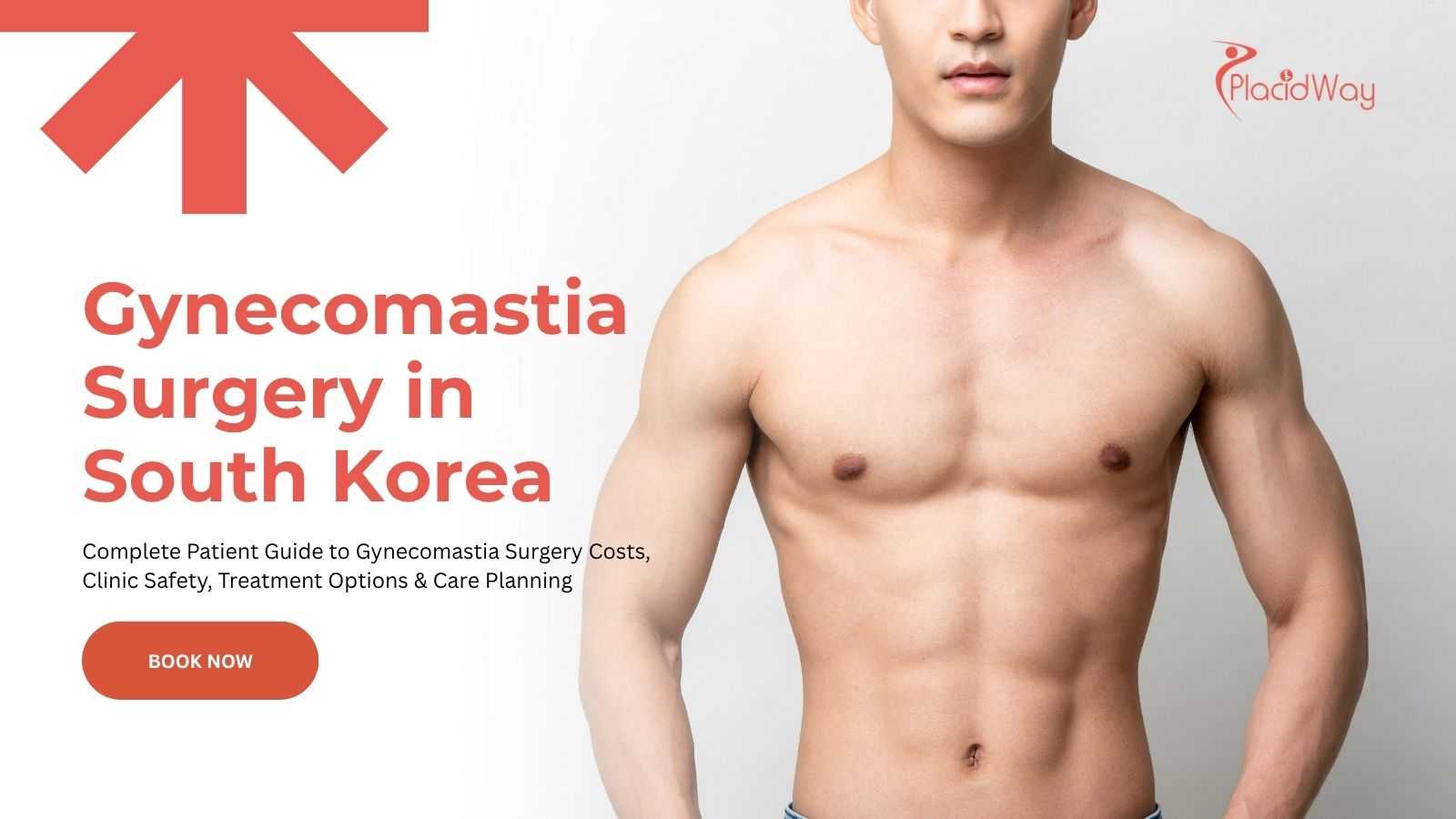
Living with enlarged male breasts can impact your self-esteem, clothing choices, and daily confidence. If you are considering traveling abroad for treatment, South Korea offers highly advanced surgical techniques and world-renowned aesthetic precision. To ensure a safe procedure and natural-looking results, you must understand the estimated costs and know exactly how to verify a clinic’s Korean Accreditation Program for Hospitals Serving Foreign Patients (KAHF) status before booking your trip.
Quick Answer Summary
- Estimated Cost: Typically ranges from $2,500 to $4,500 USD, depending on tissue density and surgical technique.
- Safety & Credentials: Always look for surgeons board-certified by the Korean Society of Plastic and Reconstructive Surgeons (KSPRS).
- Hospital Accreditation: Prioritize facilities licensed by the Ministry of Health and Welfare (MOHW) and holding KAHF certification.
- Ideal Candidate: Healthy men with stable weight who have persistent glandular tissue or excess fat that does not respond to diet and exercise.
- Recovery Time: Most patients return to light activities within 5 to 7 days, though you should wear a compression garment for 4 to 6 weeks.
- Why Choose South Korea: Surgeons utilize minimally invasive techniques with hidden incisions, prioritizing a natural, masculine chest contour.
- Important Caution: Avoid unverified medical brokers; always request direct communication with your licensed surgeon and ask for an itemized price quote.
Understanding Gynecomastia and How Surgery Helps
Gynecomastia is a medical condition characterized by the overdevelopment of glandular breast tissue in men. This enlargement can result from hormonal imbalances, certain medications, or genetics. While diet and exercise can reduce overall body fat, they often cannot eliminate dense glandular tissue.
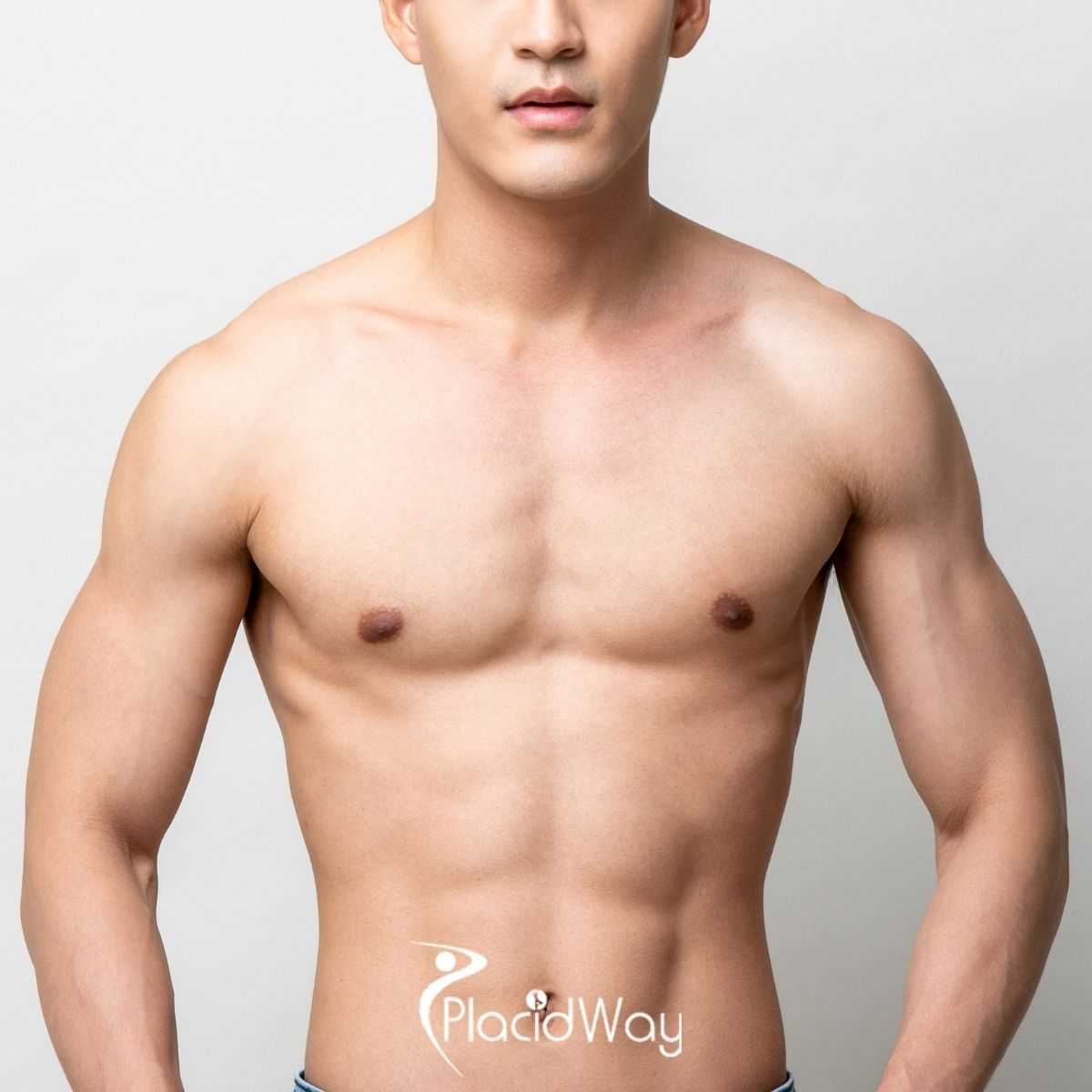
Gynecomastia surgery physically removes this excess tissue to restore a flatter, firmer chest contour. The procedure typically involves a combination of liposuction to remove fat and surgical excision to remove the glandular disc beneath the nipple.
Your doctor will evaluate your specific tissue type to determine the most effective approach. For some men, liposuction alone may suffice, but in many cases, direct excision is necessary to achieve the desired masculine shape.
Why Choose South Korea for Gynecomastia Surgery?
South Korea is globally recognized for its advanced aesthetic medical infrastructure. Patients frequently travel to Seoul and other major Korean cities to access highly specialized surgeons who perform a large volume of male breast reductions annually.
The primary reasons international patients travel to South Korea for this procedure include:
- Aesthetic Precision: Korean surgeons are trained to hide incisions along the natural border of the areola to minimize visible scarring.
- Advanced Technology: Clinics often utilize high-definition liposuction and minimally invasive excision tools to reduce tissue trauma.
- Comprehensive Care Packages: Many registered clinics offer end-to-end services, including airport transfers, translation, and structured aftercare.
- Specialized Male Clinics: Several Korean facilities focus exclusively on male body contouring, providing a discreet and comfortable environment.
- Strict Regulations: The Korean government actively monitors medical tourism facilities to ensure high standards of patient safety.
Patient Demographics: Who Travels to South Korea?
Recent data indicates a steady rise in men traveling across borders for aesthetic procedures. South Korea attracts patients primarily from the United States, Australia, Singapore, and Southeast Asia. Many of these patients are professionals looking for discreet, effective solutions with minimal downtime.
Based on verified 2024 demographic trends in aesthetic tourism, the majority of male patients seeking body contouring in South Korea fall between the ages of 20 and 39. Younger patients often seek treatment for idiopathic gynecomastia, while older patients may require skin tightening alongside tissue removal.
Age Distribution of Male Patients Seeking Body Contouring (2024 Data)
*Data reflects reported aesthetic tourism trends for male body contouring in major Asian medical hubs (2024).
Types of Gynecomastia Surgery Available in South Korea
The type of surgery you undergo depends heavily on your physical anatomy. During your consultation, your surgeon will grade your condition to recommend the safest and most effective method.
There are three primary techniques utilized by Korean surgeons. Liposuction alone is used when the enlargement is entirely composed of fatty tissue, which is sometimes referred to as pseudogynecomastia. The surgeon inserts a thin cannula to break up and suction out the fat.
Excision surgery is required when dense glandular tissue is present. The surgeon makes a small incision, typically along the lower half of the areola edge, to surgically remove the gland. Most patients require a combination of both liposuction and excision to ensure a smooth, natural transition across the chest wall.
Liposuction Only
Best for men with fatty tissue but no dense glandular enlargement. Results in very minimal scarring.
Tissue Excision
Necessary for removing hard, glandular tissue behind the nipple that cannot be suctioned out.
How Much Does Gynecomastia Surgery Cost in South Korea?
Cost is a major factor for international patients. While prices in South Korea are highly competitive, they are not the absolute lowest globally. Instead, patients pay for high clinical standards, safety, and aesthetic expertise.
The cost of gynecomastia surgery in South Korea generally ranges between $2,500 and $4,500 USD. This price typically includes the surgeon’s fee, operating room costs, and basic anesthesia. However, prices vary based on the clinic's location, the surgeon's experience, and whether you need skin excision for severe sagging.
Below is a comparison of estimated treatment costs between South Korea and common origin countries.
| Country | Estimated Cost (USD) |
|---|---|
| United States | $6,000 - $9,000 |
| Australia | $5,500 - $8,500 |
| United Kingdom | $5,000 - $7,500 |
| South Korea | $2,500 - $4,500 |
Hidden Costs to Watch Out For When Traveling
When planning your budget for medical tourism, you must account for expenses beyond the surgical fee. Ignoring these additional costs can cause unnecessary financial stress during your recovery.
Travel and accommodation will make up a significant portion of your budget. You will need to stay in South Korea for at least 7 to 10 days post-surgery to attend follow-up appointments and receive medical clearance to fly. Hotels or medical recovery facilities in Seoul can range from $80 to $200 per night.
Additionally, budget for specialized medical travel insurance. Standard travel insurance often excludes complications arising from elective cosmetic surgery. Purchasing a policy that specifically covers medical complications abroad is highly recommended.
Choosing the Right Hospital or Clinic in South Korea
South Korea's healthcare system is highly regulated, but you must still perform due diligence when selecting a facility. Focus on official government accreditations rather than marketing claims.
Prioritize clinics that are licensed by the Ministry of Health and Welfare (MOHW) to treat foreign patients. The government mandates that only facilities meeting specific safety and legal standards can legally accept international medical tourists.
You should also look for facilities certified by the Korean Accreditation Program for Hospitals Serving Foreign Patients (KAHF). This accreditation indicates that the clinic has established protocols for patient safety, infection control, and professional medical interpretation services.
How to Verify Your Surgeon’s Credentials in South Korea
Selecting a qualified surgeon is the single most important decision you will make. In South Korea, aesthetic procedures are performed by a wide variety of medical professionals, but you should specifically seek out a board-certified plastic surgeon.
Ensure your doctor is a member of the Korean Society of Plastic and Reconstructive Surgeons (KSPRS). Members of this society have completed rigorous residency programs and passed national board examinations specifically in plastic surgery.
When reviewing a surgeon’s profile, ask about their specific experience with male body contouring. A surgeon may be excellent at facial aesthetics but perform very few gynecomastia cases. Request to see verified before-and-after photos of patients with a similar body type to yours.
The Gynecomastia Consultation Process: What to Expect
Your journey begins with a thorough medical consultation. Before you travel, most clinics offer an initial online consultation. You will need to provide high-resolution photos of your chest from multiple angles and detail your medical history.
Once you arrive in South Korea, you will have an in-person evaluation. The surgeon will physically examine your chest to determine the ratio of fat to glandular tissue. They will also assess your skin elasticity, which impacts how well your skin will shrink back after the tissue is removed.
During this meeting, the surgeon will explain the planned incision sites, the anesthesia type, and the realistic outcomes you can expect. Use this time to ask questions about their complication management protocols.
How to Prepare for Your Trip to South Korea
Proper preparation minimizes medical risks and ensures a smoother recovery abroad. Your clinic will provide specific preoperative instructions that you must follow strictly in the weeks leading up to your flight.
You will typically be advised to stop taking aspirin, anti-inflammatory drugs, and certain herbal supplements at least two weeks before surgery, as these can increase bleeding risk. If you smoke, you must stop at least four weeks prior to surgery. Nicotine constricts blood vessels, significantly impairing wound healing and increasing the risk of tissue necrosis.
Pack clothing that is easy to put on without raising your arms. Button-down shirts or zip-up hoodies are essential for the first few weeks of recovery, as your chest mobility will be restricted.
The Day of Your Gynecomastia Surgery
On the morning of your surgery, you must arrive at the clinic having fasted for the required duration, usually 8 hours. You will meet with your surgeon one final time to review the surgical plan and have markings drawn on your chest.
Depending on the complexity of your case, the procedure is typically performed under deep IV sedation or general anesthesia administered by a licensed anesthesiologist. The surgery usually takes between one and two hours to complete.
After the procedure, you will be moved to a recovery room where medical staff will monitor your vital signs as you wake up. Once you are stable, alert, and comfortable, you will usually be discharged to return to your hotel on the same day.
Immediate Recovery: The First 48 Hours in South Korea
The first two days following surgery are the most crucial for monitoring potential complications. You will experience swelling, bruising, and a feeling of tightness across your chest. Pain is typically manageable with prescribed oral analgesics.
You will wake up wearing a tight surgical compression garment. This garment minimizes swelling, supports your new chest contour, and helps the skin adhere to the underlying tissue. You must wear it exactly as instructed by your surgeon.
During this time, you should rest in your hotel room, ideally sleeping on your back with your upper body elevated on pillows. Avoid any heavy lifting, reaching overhead, or strenuous activity.
Long-Term Recovery Timeline for Gynecomastia Surgery
Healing is a gradual process. While you will notice an immediate reduction in chest volume, the final aesthetic results can take several months to fully develop as swelling subsides and tissues settle.
| Timeframe | Physical Milestone | Activity Level |
|---|---|---|
| Days 1-3 | Maximum swelling and bruising. Drains may be present. | Strict rest. Short walks around the room to promote circulation. |
| Days 5-7 | First follow-up clinic visit. Drains and sutures typically removed. | Can return to light desk work. Avoid elevating arms. |
| Weeks 3-4 | Major swelling subsides. Bruising fades significantly. | Light cardiovascular exercise (e.g., brisk walking, stationary bike). |
| Weeks 6-8 | Compression garment usually discontinued. Tissues softening. | Gradual return to chest exercises and heavy lifting, pending doctor clearance. |
Potential Risks and How Korean Clinics Manage Them
Gynecomastia surgery is generally safe, but like any surgical procedure, it carries inherent medical risks. Understanding these risks is vital for informed consent.
Potential complications include hematoma (a collection of blood under the skin), seroma (fluid accumulation), infection, and adverse reactions to anesthesia. Aesthetically, there is a risk of asymmetry, inverted nipples, or noticeable scarring.
Reputable Korean clinics manage these risks through rigorous preoperative screening, maintaining sterile operating environments, and enforcing strict aftercare protocols. If a hematoma occurs, which typically happens within the first 24 hours, you may require a minor secondary procedure to drain the blood.
Post-Operative Care and Compression Garments
The success of your surgery relies heavily on your adherence to postoperative care. The compression vest is arguably the most important external factor in achieving a smooth result.
Most Korean surgeons require patients to wear the garment 24 hours a day for the first two to four weeks, removing it only for showering. Afterward, you may be instructed to wear it only at night or during the day for another few weeks.
You may also experience temporary numbness or changes in nipple sensation. This is normal as the sensory nerves stretch and heal. Sensation typically returns gradually over several months, though in rare cases, subtle changes may be permanent.
International Patient Growth Trend in South Korea (2024-2026 Projections)
*Index of projected growth for inbound medical tourism (aesthetic sector) in South Korea.
Combining Gynecomastia Surgery with Other Procedures
Many international patients choose to maximize their travel by combining gynecomastia surgery with other aesthetic procedures. This can reduce overall anesthesia exposure and combine recovery times.
The most commonly combined procedure is abdominal liposuction. Because the surgeon is already contouring the chest, removing stubborn fat from the flanks or abdomen can create a more comprehensive upper-body transformation.
However, combining surgeries increases the total operating time and the physical toll on your body during recovery. Your surgeon must evaluate your overall health to determine if a combined approach is safe for your specific physiology.
Traveling Back Home: Fit-to-Fly Guidelines
You cannot simply fly home the day after your surgery. The changes in cabin pressure, dry air, and the physical strain of carrying luggage pose significant risks to your healing incisions.
Most Korean surgeons require you to stay in the country for a minimum of 7 days. During this time, they will conduct follow-up examinations, monitor for infection, and remove any surgical drains or external sutures.
Before leaving, you must obtain a "fit-to-fly" certificate from your surgeon. Once at the airport, request mobility assistance if necessary to avoid lifting heavy bags, and stay hydrated throughout your flight to reduce the risk of deep vein thrombosis (DVT).
Patient Rights and Healthcare Regulations in South Korea
The South Korean government has implemented stringent measures to protect the rights of international medical tourists. Understanding these regulations provides an extra layer of security during your journey.
The Medical Service Act in South Korea strictly regulates which hospitals can treat foreign patients. Registered clinics must provide clear information regarding patients' rights, informed consent, and transparent pricing.
In the rare event of a dispute or medical complication, the Korea Medical Dispute Mediation and Arbitration Agency (K-MEDI) offers a structured platform for foreign patients to seek resolution. Always ensure your clinic provides you with a translated copy of your surgical consent forms before you sign them.
Frequently Asked Questions
Is gynecomastia surgery in South Korea safe?
Yes, it is generally safe when performed by a KSPRS board-certified plastic surgeon in a facility accredited by the MOHW. However, all surgeries carry risks, so you must carefully vet your provider and follow all recovery guidelines.
Will the surgical scars be highly visible?
Korean surgeons utilize advanced techniques to minimize scarring. Incisions for excision are typically made along the natural border of the areola, helping the resulting thin scar blend into the surrounding pigmented skin over time.
How long do I need to stay in Seoul after my procedure?
You should plan to stay in South Korea for at least 7 to 10 days post-surgery. This allows your surgeon to monitor your initial healing, remove any drains, and provide a medical clearance certificate for your flight home.
Can gynecomastia return after surgery?
Surgery permanently removes the targeted glandular tissue and fat cells. However, significant weight gain or the use of anabolic steroids can cause the remaining tissue to enlarge, potentially altering your results.
Do Korean clinics provide English translation services?
Yes, most clinics licensed to treat foreign patients employ full-time, medically trained English interpreters. They will accompany you during consultations, the surgery day, and follow-up appointments.
When can I start lifting weights again?
You must avoid strenuous chest exercises and heavy lifting for at least 4 to 6 weeks. Returning to the gym too early can cause bleeding, increase swelling, and stretch your healing incisions.
Is the procedure performed under general anesthesia?
Depending on the complexity of tissue removal, surgeons may use either deep intravenous (IV) sedation or general anesthesia. Your doctor and an anesthesiologist will determine the safest option for your specific case.
Are hidden costs common in Korean medical tourism?
Transparent clinics provide itemized quotes. However, patients sometimes forget to budget for the required compression garments, preoperative blood tests, prescription medications, and extended hotel stays. Always ask for an all-inclusive medical quote.
What is pseudogynecomastia?
Pseudogynecomastia is the enlargement of the male breast caused entirely by excess fat tissue, without any glandular enlargement. This condition can often be treated effectively with liposuction alone.
How do I know if a Korean clinic is legally registered?
You can verify a clinic's legal status by checking for their Ministry of Health and Welfare (MOHW) registration certificate and looking for the KAHF (Korean Accreditation Program for Hospitals Serving Foreign Patients) seal on their official materials.
Ready to Plan Your Treatment in South Korea?
PlacidWay can help you compare vetted, highly-credentialed providers, understand transparent treatment costs, and request directly from top-rated clinics.
Request Free Clinic InformationDisclaimer: This information is for educational purposes only and does not replace professional medical advice. Always consult a qualified healthcare provider before making medical decisions.
References
- Gynecomastia Surgery Overview - American Society of Plastic Surgeons (ASPS)
- Gynecomastia Procedure Details - International Society of Aesthetic Plastic Surgery (ISAPS)
- Korean Accreditation Program for Hospitals Serving Foreign Patients (KAHF) - Korea Health Industry Development Institute
- Healthcare Regulations for Foreign Patients - Ministry of Health and Welfare (South Korea)
- Clinical Guidelines and Outcomes for Surgical Management of Gynecomastia - National Center for Biotechnology Information (NCBI)
- Medical Tourism and Patient Safety Guidelines - Visit Medical Korea (KTO)






















Share this listing