
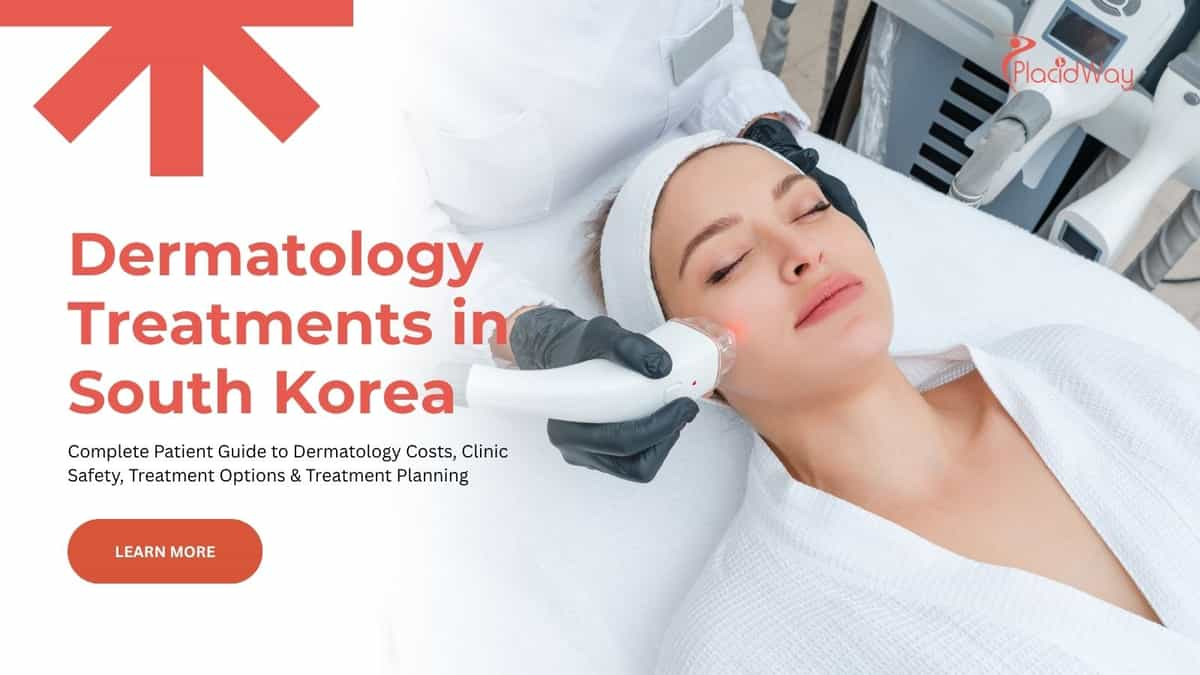
Many international patients travel to South Korea seeking advanced laser therapies, injectables, and clinical skincare, but navigating a foreign healthcare system requires careful planning. If you are researching affordable yet highly regulated skin treatments, your primary focus should be on finding board-certified specialists rather than tourist-focused aesthetic centers. This guide helps you understand treatment options, estimate real costs, and identify clinics certified by the Ministry of Health and Welfare (MOHW) so you can make a safe, informed decision about your dermatological care.
Quick Answer Summary
- Estimated Cost: Ranges from $150 for basic laser therapies to $2,500+ for comprehensive non-invasive lifting (Ultherapy/Thermage) or multi-session packages.
- Safety Overview: South Korea offers highly regulated medical care, but you must ensure your treating doctor is a board-certified dermatologist, not just a general practitioner.
- Important Certifications: Look for clinics licensed by the Ministry of Health and Welfare (MOHW) and doctors accredited by the Association of Korean Dermatologists (AKD).
- Ideal Candidate: Individuals seeking advanced, minimally invasive skin rejuvenation, acne scar revision, or preventative anti-aging treatments using state-of-the-art medical devices.
- Recovery Time: Varies significantly by procedure; mild injectables may require 24 hours, while ablative lasers typically require 5 to 7 days of social downtime.
- Why Patients Choose South Korea: Access to the latest generation of dermatological technology, high-volume specialist expertise, and transparent, competitive pricing compared to Western countries.
- Important Caution: Avoid clinics that rely heavily on "shadow doctors" or do not provide direct, initial consultations with the actual dermatologist performing your procedure.
Understanding Dermatology Options in South Korea
International patients frequently explore skin treatments abroad to access cutting-edge technologies that may be unavailable or cost-prohibitive in their home countries. South Korea has developed a globally recognized ecosystem for medical dermatology and aesthetic medicine. However, choosing the right provider requires looking beyond marketing claims and focusing on clinical excellence.
When planning your medical journey, understanding the motivations and safety protocols is essential. Patients typically evaluate South Korea for these clinical procedures based on several specific factors.
- Technological access: Korean clinics often utilize the newest iterations of ultrasound, radiofrequency, and laser devices before they are widely adopted globally.
- Specialized techniques: Dermatologists in South Korea perform a high volume of complex combination therapies, tailoring treatments to distinct skin layers.
- Cost transparency: Regulated clinics provide itemized pricing, making it easier to budget for your medical travel.
- Comprehensive aftercare: Top-tier facilities include specialized soothing and recovery protocols immediately following active treatments to minimize downtime.
- Strict regulations: The government actively monitors clinics treating foreign patients through specific accreditation programs.
Popular Dermatological Treatments and Procedures
Dermatology clinics in South Korea offer a wide spectrum of medical and cosmetic interventions. These procedures are typically categorized into energy-based devices, injectables, and clinical skin management.
Energy-based treatments like Ultherapy and Thermage FLX are highly requested for tissue lifting and tightening. Fractional lasers (such as CO2 or Erbium:YAG) and picosecond lasers are commonly utilized for acne scar revision and pigmentation issues. Additionally, "skin boosters"—micro-injections of hyaluronic acid, polynucleotides, or poly-L-lactic acid—are frequently recommended to improve cellular hydration and skin elasticity.
Treatment Planning Tip
If you are traveling for a short period, inform your clinic beforehand. Some aggressive laser treatments require a strict follow-up schedule and may not be suitable if you are flying home within 72 hours.
Comparing Dermatological Treatment Costs
Cost is a significant factor for patients comparing treatment destinations. Medical care in South Korea is highly competitive, which naturally regulates pricing. However, costs depend heavily on the specific technology used, the complexity of your skin condition, and the credentials of your treating physician.
Below is an estimated comparison of standard dermatological procedures across different popular healthcare destinations. Please note that these are average estimates and your final quote may vary based on your personalized treatment plan.
| Procedure Type | South Korea (Estimated USD) | United States (Estimated USD) | Australia (Estimated USD) |
|---|---|---|---|
| Picosecond Laser Toning (Per Session) | $150 - $350 | $400 - $800 | $300 - $600 |
| Skin Booster Injections (e.g., Polynucleotides) | $300 - $600 | $800 - $1,200 | $600 - $1,000 |
| Ultherapy (Full Face, ~600 lines) | $1,000 - $1,800 | $2,500 - $4,000 | $2,000 - $3,500 |
| Fractional CO2 Laser Resurfacing | $300 - $700 | $1,000 - $2,500 | $800 - $2,000 |
Itemized Cost Breakdown for Clinical Skin Care
When you receive a quote from a Korean clinic, it should be fully transparent. Reputable providers will not hide essential fees. Understanding how clinics structure their pricing helps you avoid unexpected expenses during your trip.
Most licensed clinics separate the costs of the core procedure from diagnostic and aftercare services. Be sure to ask your international patient coordinator if the following elements are included in your initial quote.
| Cost Component | Average Price Range (USD) | Details |
|---|---|---|
| Specialist Consultation | $20 - $50 | Initial assessment by a board-certified dermatologist. Often waived if treatment is booked. |
| 3D Skin Imaging | $30 - $100 | Advanced diagnostic imaging to analyze deeper skin layers and pigmentation. |
| Core Treatment | Variable | The actual cost of the laser, device usage, or injectable product. |
| Post-Procedure Calming Care | $50 - $150 | Cryotherapy, LED therapy, or modeling masks applied immediately after treatment to reduce inflammation. |
| Prescription Medications | $10 - $40 | Antibiotics, antivirals, or specialized topical creams prescribed by the doctor. |
How to Verify Clinics and Hospitals in South Korea
Finding a safe facility requires looking beyond social media reviews. South Korea has strict governmental oversight for facilities that treat international visitors. You must verify that the clinic is legally authorized to provide medical tourism services.
Begin by checking for certification from the Ministry of Health and Welfare (MOHW). Clinics must possess a specific license to treat foreign patients, which ensures they meet basic safety and legal standards. Additionally, look for the Korean Accreditation Program for Hospitals Serving Foreign Patients (KAHF) designation, which evaluates patient safety, infection control, and the quality of medical interpretation services.
Key Takeaway for Clinic Selection
Always ask the clinic to provide their MOHW "Certificate of Registration for Attracting Foreign Patients." If a clinic cannot produce this government-issued document, they are operating outside the regulated medical tourism framework.
Choosing a Board-Certified Dermatologist
One of the most critical distinctions in South Korean aesthetic medicine is the difference between a general practitioner and a board-certified dermatologist. Legally, any licensed physician in South Korea can operate lasers or administer injectables, but specialist training ensures a higher level of safety and clinical expertise.
To verify your doctor's credentials, check if they are a recognized member of the Association of Korean Dermatologists (AKD). Board-certified dermatologists complete an extensive four-year residency specifically focused on skin anatomy, disease, and complex laser physics. Clinics run by these specialists often display a distinct red AKD logo at their entrance.
When reviewing your doctor's profile, look for membership in the Korean Medical Association (KMA) and the Korean Dermatological Association (KDA). Ask directly during your consultation, "Are you a board-certified dermatologist?" to ensure you are receiving specialized care.
Patient Demographics and Travel Trends
South Korea tracks cross-border healthcare data rigorously. Recent data from the Korea Health Industry Development Institute (KHIDI) in 2024 highlights specific trends regarding who travels for dermatological care. Patients from across the globe seek these specialized services, driven by regional proximity and global awareness of advanced clinical practices.
The following chart illustrates the distribution of the top inbound nationalities specifically seeking dermatological and aesthetic medical treatments in South Korea during 2024.
Top Source Countries for Dermatology Patients in South Korea (2024 Data)
Based on 2024 KHIDI Medical Tourism Preliminary Statistics
Preparing for Your Consultation
Efficient communication is vital when treating sensitive skin conditions abroad. In South Korea, large dermatology clinics typically employ dedicated multilingual coordinators who assist during the consultation. However, preparing your medical history clearly can significantly improve your diagnostic outcome.
Before your appointment, gather a list of all your current skincare products, oral medications (especially isotretinoin or antibiotics), and any previous dermatological procedures you have undergone within the past twelve months. Detailed preparation helps the dermatologist avoid treatment contraindications.
Patient Preparation Checklist
- Take clear, makeup-free photos of your skin in natural light before traveling.
- Stop using retinols or exfoliating acids at least 5 days prior to your appointment.
- Write down your exact timeline for returning home to plan recovery phases.
- Prepare specific questions regarding device names and brand names for injectables.
- Inform the clinic if you have a history of cold sores, as lasers can trigger outbreaks.
The Pre-Treatment Evaluation Process
High-quality clinics in South Korea rely heavily on data-driven diagnostics. Your initial evaluation will likely begin with a 3D skin analysis using machines like the Mark-Vu or Visia system. These devices scan your face using multi-spectral lighting to reveal underlying pigmentation, vascular issues, and structural damage that is invisible to the naked eye.
Your dermatologist will review these images alongside you. This evidence-based approach allows the doctor to customize energy settings on laser devices specifically for your skin thickness and melanin levels, thereby reducing the risk of complications.
Risks and Potential Complications of Skin Treatments
While non-invasive skin procedures are generally safe, they carry inherent biological risks, particularly for international patients who must navigate travel-related stress and environmental changes. You must follow all clinical guidelines strictly to mitigate these risks.
The most common complication following laser therapy is Post-Inflammatory Hyperpigmentation (PIH), particularly in patients with higher melanin levels. Infection, prolonged erythema (redness), and allergic reactions to injectable compounds are also possible. Your doctor may prescribe prophylactic antivirals or antibiotics depending on your procedure.
| Potential Risk | Associated Procedures | Prevention and Management |
|---|---|---|
| Post-Inflammatory Hyperpigmentation | Ablative lasers, intense pulsed light (IPL) | Strict sun avoidance, application of broad-spectrum SPF, and prescribed topical lightening agents. |
| Bacterial or Viral Infection | Microneedling, deep fractional lasers | Keep the skin dry initially, use sterile post-care ointments, and take prophylactic medications if prescribed. |
| Vascular Occlusion | Dermal fillers | Ensure the doctor uses micro-cannulas and has hyaluronidase readily available in the clinic for emergencies. |
| Prolonged Swelling | Skin boosters, Ultherapy | Sleep with your head elevated, avoid intense heat (saunas/hot tubs), and use cold compresses as directed. |
Recovery Timelines and Aftercare
Proper aftercare dictates the final outcome of your dermatological treatment. South Korean clinics excel in post-procedure management, often providing specialized sheet masks, regeneration creams, and detailed written instructions in English. However, once you leave the clinic, recovery is your responsibility.
The timeline varies by treatment. Non-ablative lasers might leave you mildly flushed for a day, while deep resurfacing requires careful wound care for up to a week. Understanding these biological healing phases helps you plan your travel itinerary appropriately.
| Timeframe | Biological Process | Patient Sensation | Activity Level | Action Required |
|---|---|---|---|---|
| Days 1-2 | Acute inflammatory response and controlled thermal injury. | Heat, tightness, mild to moderate swelling, redness. | Rest indoors. Avoid sweating or sun exposure. | Apply prescribed soothing ointments and cool compresses. |
| Days 3-5 | Cellular turnover begins; micro-crusting may form (for ablative procedures). | Itching, dryness, rough texture on the skin surface. | Light daily activities. Avoid heavy makeup. | Do not pick at flaking skin. Maintain heavy hydration. |
| Days 6-10 | Epidermal barrier restores; collagen synthesis initiates. | Skin feels smoother but may remain slightly pink. | Return to normal routines. Gentle exercise is safe. | Resume daily SPF 50 application rigorously. |
| Weeks 4-6 | Deeper dermal remodeling and neocollagenesis. | Visible improvements in skin tone, tightness, and texture. | Fully active. | Schedule follow-up consultations if required. |
Efficacy and Patient Outcomes in Clinical Aesthetics
Clinical data from 2024 to 2026 indicates a strong global shift toward preventative and regenerative dermatology over traditional surgical interventions. International patients traveling to South Korea increasingly opt for non-invasive treatments like high-intensity focused ultrasound (HIFU) and polynucleotide skin boosters due to their high efficacy and lower complication rates.
The graph below demonstrates the verified clinical trend of international patients choosing non-invasive dermatological rejuvenation compared to traditional surgical facial lifting, based on 2024 healthcare registry reports and clinical projections.
Trend: International Patient Preference for Non-Invasive Dermatology (2024-2026)
Data reflects documented clinical registry trends for facial rejuvenation procedures.
Combining Multiple Skin Procedures
To maximize their time in South Korea, many patients choose to undergo combination therapies. Medical professionals frequently pair energy-based devices with injectables during the same session to target different structural depths of the skin simultaneously. For example, lifting ultrasound is often followed by hydrating skin boosters.
While combining treatments is standard practice and highly effective, it amplifies the inflammatory response. Your doctor must carefully evaluate your skin barrier health before proceeding. Over-treating the skin can lead to prolonged recovery times and potential scarring.
Pros of Combination Therapy
- Addresses multiple skin concerns (pigmentation, laxity, volume) in a single visit.
- Reduces the total number of clinical visits required.
- Creates a synergistic effect, enhancing overall skin regeneration.
- Often more cost-effective as a packaged treatment.
Cons of Combination Therapy
- Increases immediate post-procedure swelling and redness.
- Requires a more meticulous and complex aftercare routine.
- May cause temporary discomfort during the extended session.
- Not suitable for patients with highly reactive or compromised skin.
Travel Logistics and Medical Visas
Navigating travel requirements is an integral part of your medical planning. Citizens of many Western and Asian countries can enter South Korea visa-free for short stays, which is typically sufficient for minor dermatological care. Ensure you check the Korea Electronic Travel Authorization (K-ETA) requirements prior to booking your flights.
If you are planning an extended stay for a comprehensive series of treatments or complex dermatological surgeries, you may need a specialized medical visa (such as the C-3-3). Registered clinics can provide an official letter of invitation and assist with the visa application process through the Ministry of Justice.
Managing Post-Treatment Air Travel
Air travel immediately following medical skin treatments requires specific precautions. The cabin environment of an airplane is exceptionally dry and pressurized, which can exacerbate swelling and dehydrate recovering skin.
For superficial treatments, you can usually fly within 24 to 48 hours. However, if you undergo dermal fillers or deep ablative resurfacing, doctors generally recommend waiting 3 to 7 days before flying. Changes in cabin pressure can theoretically affect the placement of recent injectables, and strict hygiene must be maintained to prevent infection in a recycled air environment.
Flight Safety Warning
Do not apply chemical sunscreens or heavy makeup during your flight home if your skin is still micro-crusting from laser treatments. Use only the barrier creams provided by your clinic and physical barriers like a clean medical mask and a wide-brimmed hat to protect against UV rays passing through the airplane windows.
Navigating Language Barriers During Care
Effective medical care requires perfect comprehension between you and your healthcare provider. Do not assume every clinic has fluent English-speaking dermatologists on staff. Complex medical terminology, risk explanations, and post-care instructions must be understood completely to ensure safety.
MOHW-certified facilities treating international patients are mandated to provide professional medical interpretation services. Ask if the clinic provides an in-house interpreter or if they contract third-party translators. Relying on translation apps for serious medical discussions is highly discouraged and potentially dangerous.
Frequently Asked Questions
Review these common patient questions regarding dermatology in South Korea to refine your treatment plans.
Do Korean dermatology clinics accept foreign medical insurance?
Most cosmetic and elective dermatological procedures are not covered by international health insurance. You will typically need to pay out-of-pocket. However, if you are undergoing treatment for a medical condition like severe psoriasis, check with your insurance provider for potential out-of-network reimbursement policies.
How can I tell if a doctor is a board-certified dermatologist in Korea?
Look for the Association of Korean Dermatologists (AKD) emblem (a red square logo) on the clinic door or website. Furthermore, the clinic's Korean name will explicitly state "??? ??" (Dermatology Clinic) rather than just "??" (Clinic) followed by "???? ???" (Treatment Subject: Dermatology).
Is it safe to get laser treatments during the summer in South Korea?
Yes, it is safe, but summer travel requires rigorous UV protection. The heat and humidity in July and August mean you must be diligent about applying broad-spectrum SPF, avoiding direct sunlight, and minimizing sweating to prevent post-inflammatory hyperpigmentation after laser therapy.
Can I undergo injectables and laser treatments on the same day?
In many cases, yes. Dermatologists often perform energy-based device treatments (like Ultherapy) first, followed by injectables (like dermal fillers or Botox). Your doctor will assess your skin integrity to ensure combining procedures is safe for your specific anatomy.
What happens if I experience a complication after returning home?
Before leaving South Korea, ensure you have direct contact information for your clinic's international coordinator. Top-tier clinics offer post-treatment telehealth check-ins. If immediate medical attention is required at home, you must provide your local doctor with the clinical notes and device details from your Korean provider.
Are skin boosters like Rejuran safe for all skin types?
Skin boosters are generally safe for various skin types as they utilize biocompatible materials. However, patients with active acne infections, autoimmune conditions, or a history of keloid scarring may be advised against certain injectable treatments. Always disclose your full medical history.
How long should I stay in South Korea for dermatology treatments?
For minor procedures like Botox or superficial lasers, a 3-to-4 day stay is usually sufficient. For deeper ablative lasers or multiple sessions of skin boosters, plan for a 7-to-10 day trip to allow the doctor to monitor the initial healing phase and remove any micro-crusting.
Do clinics in South Korea use brand-name medical devices?
Yes, certified clinics use globally recognized authentic devices like authentic Thermage FLX and Ultherapy. In addition, they frequently utilize highly advanced Korean-manufactured devices (like Shurink or Volnewmer) which offer similar technologies at competitive price points.
What payment methods are accepted by Korean clinics?
International clinics typically accept major credit cards (Visa, Mastercard, Amex) and cash (KRW, USD, sometimes EUR). Be aware that paying by credit card may incur a small foreign transaction fee from your bank. Ensure your card is authorized for international medical payments.
Can I get a tax refund for medical cosmetic procedures?
Yes, South Korea offers a Value-Added Tax (VAT) refund program for foreign tourists undergoing elective cosmetic and aesthetic dermatology procedures at participating certified clinics. The clinic will provide you with a tax refund slip to process at the airport before departure.
Ready to Plan Your Dermatology Treatment?
Navigating foreign medical systems can be complex. PlacidWay can help you compare certified providers, understand exact treatment costs, review doctor credentials, and request information directly from top-rated dermatology clinics in South Korea.
Request Clinic InformationDisclaimer: This information is for educational purposes only and does not replace professional medical advice. Always consult a qualified healthcare provider before making medical decisions.
References
- Medical Tourism Statistics and Patient Trends 2024 – Korea Health Industry Development Institute (KHIDI)
- Board Certification Guidelines and Patient Safety – Association of Korean Dermatologists (AKD)
- Regulations on Attracting Foreign Patients – Ministry of Health and Welfare (MOHW), South Korea
- Medical Licensing and Ethical Practice Guidelines – Korean Medical Association (KMA)
- Clinical Outcomes of Non-Invasive Skin Rejuvenation in Asian Patients – National Center for Biotechnology Information (NCBI)
- Global Survey on Aesthetic and Dermatological Procedures – International Society of Aesthetic Plastic Surgery (ISAPS)
























Share this listing