


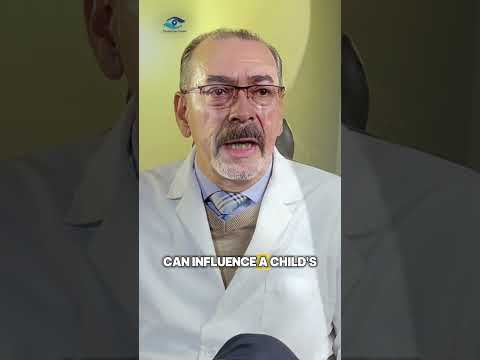
Parents facing a diagnosis of congenital eye defects require immediate access to specialized pediatric ophthalmology to secure the best possible outcomes for their newborn. Addressing anophthalmia and microphthalmia treatment in Tijuana, Mexico offers families world-class medical expertise combined with highly compassionate, multidisciplinary care. The visual health of children dictates not only their ability to perceive the physical world but also significantly influences their overall physiological and psychological growth trajectory over time.
Securing expert care during the critical early stages of an infant's life sets the foundation for healthy craniofacial development and emotional stability. At [00:00], it is heavily emphasized that the visual health of our children must remain an absolute priority for parents and medical providers alike. Navigating these rare ocular conditions demands a thorough understanding of the available specialized interventions, prosthetics, and the immense value of continuous medical accompaniment throughout the child's developmental years.
Video Chapters
Understanding Congenital Eye Conditions: Anophthalmia and Microphthalmia
Fetal eye development is a highly complex process that begins during the very first trimester of pregnancy. When this delicate embryological sequence is interrupted, it can result in severe ocular anomalies that require immediate medical attention. At [00:07], specialized pediatric ophthalmologists frequently discuss two primary congenital conditions that drastically alter a child's visual capabilities: anophthalmia and microphthalmia.
Clinical anophthalmia occurs when an eye does not develop at all during the gestational period. As noted at [00:09], this means the infant is born with an empty orbital cavity completely devoid of ocular tissue or a functioning globe. True anophthalmia is exceptionally rare, often requiring sophisticated imaging techniques like an MRI to confirm the complete absence of optic nerve tissue deep within the orbital socket.
Conversely, microphthalmia describes a condition where the eye is significantly smaller than the normal anatomical standard, as highlighted at [00:12]. While the ocular globe is present, it is usually disorganized, malformed, and features severe anatomical defects that limit visual acuity. These profound structural abnormalities are present from the exact moment of birth [00:16], instantly classifying the newborn as a patient requiring immediate, specialized ophthalmologic intervention.
| Condition | Clinical Definition | Visual Potential |
|---|---|---|
| Anophthalmia | Complete failure of the ocular vesicle to form. | Total blindness in the affected orbit. |
| Microphthalmia | Presence of a diminutive, malformed ocular globe. | Varies from light perception to significant impairment. |
Primary Causes and Risk Factors for Fetal Eye Development Issues
The precise etiology of clinical anophthalmia and congenital microphthalmia remains a subject of intense genetic and epidemiological research. Medical specialists agree that these ocular malformations generally stem from a complex combination of genetic mutations and adverse environmental exposures during early pregnancy. One of the most frequently identified genetic culprits is a mutation in the SOX2 gene, which is absolutely critical for the healthy formation of ocular tissues.
Beyond genetic abnormalities, maternal health during the first trimester plays an essential role in fetal organogenesis. Expectant mothers exposed to specific viral infections run a heightened risk of fetal development complications. The medical community frequently groups these dangerous congenital infections under the TORCH acronym, representing highly specific threats to the unborn child.
Common Environmental and Gestational Risk Factors
- Maternal Viral Infections: Exposure to rubella, toxoplasmosis, or cytomegalovirus severely disrupts fetal ocular cell growth.
- Toxin Exposure: Contact with certain industrial chemicals, pesticides, or unauthorized medications during critical growth weeks.
- Nutritional Deficiencies: Severe maternal vitamin A deficiency has been linked directly to ocular malformations in newborns.
- Radiation Exposure: High-dose X-rays during early gestational periods can critically alter cellular division in the developing eyes.
The Impact of Ocular Anomalies on Facial and Emotional Development
The presence of a healthy, normally sized ocular globe serves a crucial biomechanical purpose beyond facilitating vision. The physical volume of the eye actively stimulates the surrounding orbital bone and soft facial tissues to expand and grow symmetrically during infancy. When a child suffers from anophthalmia or severe microphthalmia, this vital growth stimulus is entirely absent.
Without immediate therapeutic intervention, the lack of orbital volume causes the affected side of the face to remain underdeveloped, leading to a condition known as hemifacial microsomia. At [00:20], it is heavily stressed that these visual conditions possess an overwhelming influence on both the facial and emotional development of the child. Pronounced facial asymmetry can cause severe structural complications, affecting the nasal cavity, cheekbones, and jawline.
Simultaneously, the psychological and emotional toll on both the child and their parents cannot be understated. As the child matures and begins to interact with peers, visible facial differences and visual impairments can lead to significant social anxiety and emotional distress. Providing comprehensive aesthetic restoration through ocular prostheses is just as much an emotional treatment as it is a physical one, restoring confidence and facilitating normal socialization.
Early Detection and Diagnostic Procedures for Pediatric Eye Abnormalities
The key to preventing severe craniofacial deformity lies entirely within the realm of rapid medical diagnosis and immediate therapeutic action. The detection of these conditions can sometimes occur prenatally through high-resolution fetal ultrasound or specialized fetal MRI imaging. However, many cases are initially identified during the standard neonatal physical examination immediately following delivery.
The necessity for prompt clinical evaluation cannot be overstated, a fact highlighted at [00:25] where early detection and immediate medical follow-up are described as absolutely fundamental. Once a pediatrician suspects an ocular anomaly, the newborn must be urgently referred to an expert pediatric ophthalmologist. This specialist will execute a comprehensive examination under anesthesia to properly evaluate the internal structures of the affected orbit without causing trauma to the infant.
Advanced diagnostic imaging, particularly orbital CT scans and MRIs, are utilized to map the precise anatomy of the eye socket. These detailed scans allow the surgical team to determine if any rudimentary optic nerve tissue exists and to properly measure the orbital volume. This precise anatomical data is strictly required before any customized prosthetic expansion therapy can be safely initiated.
Advanced Treatment Options: Pediatric Eye Prostheses and Specialized Care
Treating congenital ocular absence or malformation is a highly complex, multi-stage clinical journey that must begin within the first few weeks of life. With timely, expert medical attention, it is entirely possible to offer advanced options such as highly customized eye prostheses [00:31]. The primary goal of these specialized treatments [00:34] is not to restore vision, but to artificially stimulate normal craniofacial bone growth and achieve facial symmetry.
The initial phase of treatment involves the insertion of clear, medical-grade plastic devices known as conformers into the infant's empty socket. These conformers act as orbital expanders, mimicking the physical presence of a natural eye to gently push against the surrounding bone. Because an infant's cranial bones grow at a tremendously rapid pace, these conformers must be meticulously upsized by an ocularist every few weeks to ensure continuous, steady expansion.
The Multi-Stage Prosthetic Expansion Process
- Initial Conformer Placement: Inserted during the first weeks of life to prevent the eyelid from contracting and closing permanently.
- Progressive Socket Expansion: Utilizing incrementally larger solid conformers or specialized hydrogel expanders that safely swell by absorbing ambient tears.
- Custom Painted Prosthesis: Once adequate orbital volume is achieved, a customized, hand-painted ocular prosthesis is crafted to match the patient's healthy eye perfectly.
Why Choose Tijuana Eye Center for Complex Pediatric Ophthalmology Needs
Navigating the specialized medical requirements of congenital ocular anomalies can easily overwhelm families, particularly when facing the exorbitant costs of specialized healthcare in regions like the United States. This severe financial and medical challenge has transformed specialized clinics into global destinations for medical tourism. Facilities like the Tijuana Eye Center have emerged as premier choices for international patients requiring elite pediatric ophthalmology.
Located strategically just across the southern border of California, this facility provides rapid access to world-renowned ocularists and oculoplastic surgeons. As mentioned at [00:40], the dedicated medical team at Tijuana Eye Center focuses heavily on integrated care models. They deliberately work hand in hand with affected families [00:43] to deliver comprehensive, highly humane management at every single stage of the child's development.
Choosing a specialized clinic in Mexico for complex ocular prosthetics allows families to bypass massive medical debts while receiving care that rivals or exceeds global standards. The clinical environment is explicitly designed to reduce patient anxiety, ensuring that young children feel secure during the frequent adjustments required for successful socket expansion.
The Long-Term Journey: Continuous Medical Accompaniment and Prosthetic Adjustments
The treatment protocol for pediatric anophthalmia is not a singular surgical event, but rather a long-term, highly collaborative medical journey. Because a child’s face continues to grow and alter its shape well into their late teenage years, the ocular prosthesis requires persistent modification. The provision of continuous medical accompaniment is fundamentally required to successfully promote and favor a completely healthy physical development [00:36].
Routine clinical visits are strictly necessary to polish the acrylic prosthesis, remove protein deposits, and ensure the surrounding mucosal tissues remain uninfected and healthy. Furthermore, as the child's healthy eye grows, the painted iris on the prosthetic device must be meticulously updated to maintain flawless aesthetic symmetry. This rigorous maintenance schedule guarantees that the child can confidently participate in standard social activities without aesthetic distraction.
Parents are deeply encouraged to take proactive steps in securing this transformative medical care. Scheduling a comprehensive diagnostic appointment to learn exactly how specialized clinical teams can support your child's specific anatomical needs is the critical first step [00:54]. The visual and facial health of a child is an incredibly delicate matter, and their eyes undeniably deserve the absolute highest tier of expert medical attention.
Secure Expert Pediatric Ocular Care Today
Don't wait to start your child's critical craniofacial development journey. Access world-class anophthalmia and microphthalmia treatment, custom eye prosthetics, and expert clinical guidance in Tijuana, Mexico at affordable rates.
Get Free QuoteView Full Video Transcript
[00:00] Como padres, la salud visual de nuestros hijos es una prioridad.
[00:04] Hoy quiero hablarles de dos condiciones congénitas:
[00:07] Anoftalmia y Microftalmia.
[00:09] La Anoftalmia ocurre cuando un ojo no se desarrolla.
[00:12] Y la Microftalmia cuando el ojo es más pequeño de lo normal.
[00:16] Estas condiciones están presentes desde el nacimiento.
[00:20] Además de la visión, pueden influir en el desarrollo facial y emocional del niño.
[00:25] Por eso la detección y el seguimiento temprano son fundamentales.
[00:28] Con una atención oportuna, es posible ofrecer opciones
[00:31] como prótesis oculares,
[00:34] tratamientos especializados
[00:36] y acompañamiento continuo para favorecer un desarrollo saludable.
[00:40] En Tijuana Eye Center,
[00:43] trabajamos de la mano con las familias brindando un manejo integral y humano en cada etapa.
[00:48] Agenda una cita o visita nuestro sitio web para conocer más sobre cómo podemos apoyar a tu hijo.
[00:54] Tus ojos merecen atención experta.



.jpg)
.png)
.png)
.png)








Share this listing