
Best Countries for Cataract Surgery
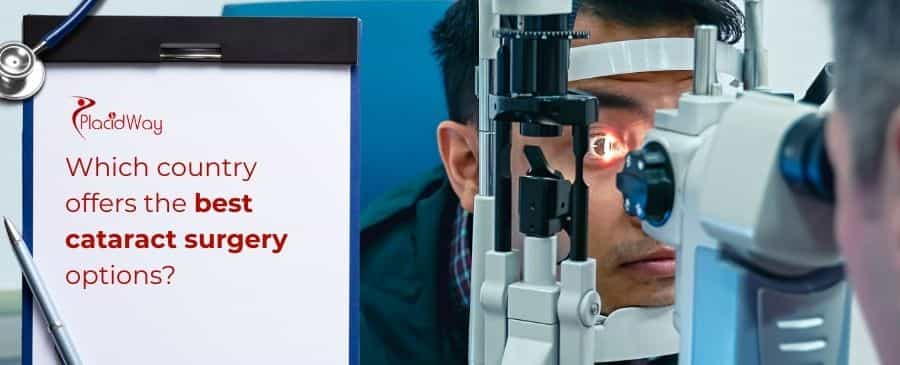
When vision begins to cloud, finding effective and timely treatment becomes a priority. For many patients, long waiting lists or high domestic healthcare costs make seeking treatment abroad an appealing alternative. However, determining which country offers the best options requires careful research. Your choice will depend on geographical proximity, available technology, budget constraints, and the types of intraocular lenses (IOLs) you need.
By exploring cataract surgery abroad, patients can often access modern medical facilities and experienced ophthalmologists at a fraction of the price they might pay at home. Below, we break down how to choose the right destination, what the most popular countries offer, and how to safely navigate the process of traveling for eye care.
Key Takeaways
- Top Destinations: Turkey, Mexico, India, Thailand, and Spain are leading choices for international patients seeking eye care.
- Proximity Matters: North American patients often prefer Mexico, while European patients frequently choose Turkey or Spain for shorter flight times.
- Quality of Care: Many international eye clinics hold respected accreditations (such as JCI) and utilize modern phacoemulsification technology.
- Preparation is Crucial: Securing local aftercare in your home country before you travel is essential for managing your recovery.
- Cost Differences: Traveling abroad can offer significant savings, especially when opting for premium multifocal or toric lenses.
1. How do I determine the best country for my cataract surgery?
There is no single "best" country for everyone; the ideal destination is highly personal. A primary factor is travel distance. Long flights can be exhausting, and changes in cabin pressure can cause discomfort, especially for patients with other underlying health conditions. Therefore, many patients prefer a destination within a few hours of their home country.
Another vital consideration is the medical infrastructure of the destination. You want to look for countries with well-regulated private healthcare sectors and hospitals that cater specifically to international patients. Facilities that regularly treat foreign patients often have streamlined processes, English-speaking staff, and specialized international patient departments.
Finally, your budget will guide your decision. While most popular medical tourism destinations offer savings compared to the United States or the United Kingdom, costs still vary between regions. You must calculate the total expense, factoring in the surgery, flights, hotel accommodations for the required recovery period, and any local transportation.
2. What makes Turkey a top destination for eye surgery?
Over the past decade, Turkey has established itself as a major hub for medical travel, heavily investing in modern healthcare infrastructure. Cities like Istanbul and Antalya are home to numerous Joint Commission International (JCI) accredited hospitals. These facilities frequently utilize the latest diagnostic tools and surgical equipment, matching the standards found in Western Europe.
Ophthalmologists in Turkey often have extensive experience, with many having trained or attended fellowships internationally. Because of the high volume of patients they treat, many surgeons are highly skilled in standard phacoemulsification and laser-assisted cataract surgery. Additionally, Turkish clinics are known for offering comprehensive care packages that may include airport transfers, accommodation, and translator services.
3. Why do North American patients often choose Mexico for cataract procedures?
When considering cataract surgery in Mexico, many patients prioritize convenience. For those living in the southern United States, border cities like Tijuana, Mexicali, or Los Algodones can be reached by car, eliminating the need for air travel entirely. For those further north, resort cities like Cancun or Puerto Vallarta offer direct, affordable flights.
The proximity of Mexico also makes follow-up care more manageable. If a patient needs to return for a secondary check-up, the trip is far less taxing than flying across the globe. Mexican clinics catering to international patients usually employ bilingual staff and board-certified ophthalmologists who adhere to rigorous safety protocols.
Patients in Mexico have access to a variety of premium IOLs, including toric lenses for astigmatism and multifocal lenses, often at a fraction of the out-of-pocket cost they would face in the United States or Canada.
4. Is India a safe and effective option for affordable lens replacement?
India possesses a massive healthcare sector with specialized eye institutes that perform thousands of surgeries annually. This high surgical volume means that Indian ophthalmologists are often highly experienced in handling routine and complex cataract cases alike. Major metropolitan areas like Chennai, Mumbai, and New Delhi house advanced medical facilities that draw patients globally.
The primary advantage of traveling to India is cost. Even when factoring in the price of a long-haul flight and an extended hotel stay, the overall financial outlay can be significantly lower than domestic care for uninsured or underinsured patients.
However, the long travel distance is a critical consideration. Sitting on an airplane for over ten hours shortly after eye surgery requires careful planning. Patients must discuss flight safety with their surgeon, focusing on the risks of dry eyes and managing baggage without straining.
5. How does the quality of care in Thailand compare for vision treatments?
The infrastructure for medical tourism in Thailand is highly developed, particularly in Bangkok and Phuket. Facilities like Bumrungrad International Hospital and the Bangkok Hospital network are renowned for their strict clinical governance, modern medical technology, and exceptional patient service.
Thailand appeals to patients who wish to recover in a calm, hospitable environment. While swimming and rigorous tourist activities are strictly prohibited after cataract surgery, recovering in a comfortable hotel with high service standards can make the medical journey less stressful.
Eye centers in Thailand typically offer a wide array of premium intraocular lenses and utilize modern microscopic and laser technology. The pricing, while slightly higher than India, remains highly competitive compared to Western countries.
6. What should I look for when choosing a cataract surgery clinic abroad?
When searching for a cataract surgery clinic in India, Turkey, Mexico, or elsewhere, diligent research is mandatory. Do not base your decision solely on the lowest price. Instead, evaluate the clinic based on the following criteria:
- Accreditation: Look for international accreditations such as the Joint Commission International (JCI) or the International Organization for Standardization (ISO), which indicate adherence to global safety protocols.
- Surgeon Credentials: Verify the operating surgeon’s education, board certifications in their home country, and international memberships (such as the American Academy of Ophthalmology or the European Society of Cataract and Refractive Surgeons).
- Technology: Ensure the clinic uses modern phacoemulsification machines and offers comprehensive pre-operative optical coherence tomography (OCT) and biometry to accurately measure your eye.
- Transparency: Reputable clinics will clearly explain the risks, provide a detailed breakdown of costs, and realistically discuss potential outcomes without offering absolute guarantees.
7. How much does cataract surgery cost in these top medical tourism countries?
Pricing varies significantly based on the country, the reputation of the clinic, and, most importantly, the type of intraocular lens chosen. Standard monofocal lenses are the most affordable, while advanced multifocal or toric lenses will increase the price.
To help you understand potential savings, here are general estimated ranges for standard cataract surgery (per eye). Note: These are estimates only. Actual prices vary by provider and individual medical requirements.
| Destination | Estimated Cost (Per Eye) | Typical Package Inclusions |
|---|---|---|
| Turkey | $800 – $1,500 | Surgery, standard IOL, consultations, sometimes local transfers |
| Mexico | $1,000 – $1,800 | Surgery, standard IOL, pre/post-op consultations |
| India | $500 – $1,000 | Surgery, standard IOL, medications, hospital fees |
| Thailand | $1,200 – $2,000 | Surgery, standard IOL, pre-op tests, post-op care |
| United States (For Comparison) | $3,500 – $6,000+ | Out-of-pocket costs without insurance |
When analyzing cataract surgery cost in Turkey or other destinations, be sure to ask the clinic if the quoted price covers facility fees, the surgeon's fee, anesthesia (if applicable), and all necessary eye drops for recovery.
8. What are the potential risks of traveling internationally for eye surgery?
All surgical procedures carry inherent risks, regardless of where they are performed. In cataract surgery, rare but serious complications can include endophthalmitis (a severe intraocular infection), retinal detachment, posterior capsule rupture, or dislocation of the artificial lens. Visual outcomes vary, and patients with pre-existing conditions like diabetic retinopathy or macular degeneration may not achieve perfect vision.
Traveling for medical care introduces additional layers of risk. Long flights can increase the risk of deep vein thrombosis (DVT). The dry, recirculated air in airplane cabins can severely dry out a recently operated eye, leading to irritation or disrupted healing. Furthermore, navigating busy airports and carrying heavy luggage can put undue strain on your body and raise intraocular pressure.
Perhaps the most significant risk is geographical distance. If a complication arises weeks after you have returned home, your original surgeon will not be available to treat you. This highlights why thorough planning and local medical coordination are non-negotiable.
9. How long should I stay in my chosen country for post-operative recovery?
A safe medical trip requires adequate time. While the surgery itself is usually an outpatient procedure taking less than an hour, the critical period is the first week of recovery. Rushing home too soon can jeopardize your vision.
A typical timeline looks like this:
- Days 1-2: Arrival, settling into your hotel, and undergoing comprehensive pre-operative eye exams.
- Day 3: The day of surgery. You will likely rest at your hotel afterward with a protective shield over your eye.
- Day 4: Your first crucial post-operative check-up to assess healing and eye pressure.
- Days 5-9: Resting locally. You will use prescribed eye drops to prevent infection and inflammation.
- Day 10: A final check-up where your surgeon confirms you are medically cleared to fly.
If you are having both eyes treated, they are typically done a few days apart, which will extend your required stay.
10. Will my local eye doctor provide aftercare once I return home?
Do not wait until you return home to look for a doctor. You must arrange for a local healthcare provider to monitor your ongoing recovery. Some local doctors may be hesitant to take over the care of a patient operated on abroad, especially if surgical records are incomplete or in another language.
Before you depart for your trip, schedule a follow-up appointment with a local eye care professional for shortly after your expected return date. When you leave the foreign clinic, ensure you take all medical notes, details about the specific IOL implanted, surgical reports, and post-operative instructions translated into English.
If you experience worsening pain, sudden flashes of light, or a noticeable drop in vision after returning home, you must seek emergency eye care immediately, as these can be signs of serious complications.
Why Choose PlacidWay for Medical Tourism?
Researching medical providers abroad can be overwhelming. PlacidWay is an international medical tourism platform designed to help patients explore healthcare options globally. Here are five factual ways PlacidWay assists patients:
- Broad Network: PlacidWay provides access to a directory of medical centers, clinics, and hospitals across dozens of countries.
- Information Access: The platform offers detailed profiles on healthcare facilities, including available treatments, accreditations, and provider credentials.
- Direct Communication: Patients can use the platform to send inquiries and request quotes directly from international medical providers.
- Cost Comparisons: The system allows users to request estimates from multiple clinics, making it easier to compare potential medical expenses.
- Educational Resources: PlacidWay provides articles, patient guides, and resources to help users understand medical tourism and specific procedures.
Frequently Asked Questions
Am I a suitable candidate for traveling abroad for eye surgery?
Suitability depends on your overall health, the severity of your cataracts, and any pre-existing eye conditions like glaucoma or macular degeneration. A local ophthalmologist should evaluate your eyes to determine if you are fit for air travel and surgery abroad.
What types of intraocular lenses (IOLs) are available internationally?
Most international clinics offer the same advanced IOLs available in the US and UK, including standard monofocal lenses, multifocal lenses for various distances, and toric lenses designed to correct astigmatism.
Can I have cataract surgery on both eyes during the same trip?
Yes, many patients have both eyes treated during one trip. However, surgeons typically operate on one eye at a time, spacing the procedures a few days apart to ensure the first eye begins healing without complications.
Is it safe to fly shortly after having a cataract removed?
Flying is usually permissible a few days after surgery, provided your surgeon clears you. However, cabin air is very dry, which can irritate healing eyes, and lifting heavy luggage can strain your eyes. You must follow your surgeon's specific timeline.
Do international clinics use the same surgical techniques as my home country?
Reputable international clinics typically use phacoemulsification, the global standard for cataract removal, often aided by femtosecond lasers. You should always verify the specific techniques and equipment your chosen clinic uses.
What happens if I experience blurred vision after returning home?
Some blurriness is common during the initial healing phase. However, if vision worsens or you experience pain, you must immediately consult the local eye specialist you arranged for post-operative care before your trip.
How long does the actual surgical procedure take?
The cataract surgery itself usually takes between 15 and 30 minutes per eye. However, you should expect to spend a few hours at the clinic for pre-operative preparation and post-operative monitoring.
Will my health insurance cover cataract treatments performed overseas?
Standard domestic health insurance plans rarely cover planned medical procedures abroad. Some specialized medical tourism insurance policies exist, but patients generally pay out-of-pocket for overseas cataract surgery.
What should I pack for my medical trip for eye surgery?
Pack dark, UV-blocking sunglasses to protect your sensitive eyes after surgery, comfortable clothing, all current medical records, a copy of your lens prescription, and a protective eye shield if recommended by your clinic.
Do surgeons in popular medical destinations speak English?
Many eye surgeons in top medical tourism destinations are fluent in English, and some have trained or completed fellowships in the US or UK. Most major international clinics also provide dedicated medical interpreters for foreign patients.
Explore Your Cataract Surgery Options Worldwide
Compare international clinics, review provider credentials, and request treatment information to make an informed decision about your eye care.
Request Treatment InformationReferences
- What Is Cataract Surgery? – American Academy of Ophthalmology
- Blindness and Vision Impairment – World Health Organization (WHO)
- Medical Tourism: Travel for Medical Care – Centers for Disease Control and Prevention (CDC)
- JCI-Accredited Organizations – Joint Commission International (JCI)
- Cataract Surgery: Risks and Results – Mayo Clinic
- About the Society – European Society of Cataract and Refractive Surgeons (ESCRS)


























Share this listing