
Struggling with blurry vision and the endless cycle of expensive contact lenses can make daily life frustrating, but traveling for medical care requires careful planning and research. By exploring refractive surgery options abroad, you can access advanced laser technology at an estimated cost of $1,200 to $2,500, offering significant relief from the high healthcare expenses typically found in the US or UK. When evaluating your options, always verify the clinic's Turkish Ministry of Health licensing and ensure your surgeon holds active board certification from the Turkish Ophthalmological Association (TOD) to prioritize a safe, high-quality outcome.
Quick Answer Summary
- Estimated Cost: Treatment packages typically range from $1,200 to $2,500 USD for both eyes, depending on the specific laser technology used.
- Safety Overview: The procedure has a high safety profile when performed by certified surgeons in clinics regulated by the Turkish Ministry of Health, though dry eyes and glare are potential temporary side effects.
- Ideal Candidate: You must have a stable eyeglass prescription for at least one year, healthy corneas of adequate thickness, and be free of active eye diseases.
- Recovery Time: Initial visual recovery usually takes 24 to 48 hours, while full stabilization of your vision may take three to six months.
- Why Patients Choose Istanbul: International patients travel here for the combination of advanced Femtosecond lasers, high-volume surgical expertise, and comprehensive care facilities at a lower price point than Western countries.
- Important Certifications: Always verify that the facility is licensed by the Ministry of Health Turkey (Sa?l?k Bakanl???) and that the surgeon is registered with the Turkish Medical Association (TTB).
Why Patients Choose Lasik in Istanbul, Turkey
Making the decision to undergo laser eye surgery is significant, and choosing to have it done abroad adds another layer of consideration. Patients from around the world consistently look to this destination because it offers a highly regulated medical infrastructure combined with surgeons who perform a vast number of refractive procedures annually. The Turkish government has invested heavily in medical tourism, ensuring top-tier eye hospitals maintain rigorous hygiene, safety, and technological standards.
International patients typically travel to this region to access cutting-edge platforms, such as Femto-LASIK and SMILE technologies, which might be financially out of reach in their home healthcare systems. Knowing why others make this journey can help you evaluate if it aligns with your own medical and personal needs.
- Advanced Clinical Technology: Clinics frequently update their diagnostic and surgical lasers to the latest global standards.
- High-Volume Expertise: Surgeons here often perform thousands of refractive procedures, contributing to refined surgical skill.
- Strict Medical Oversight: The Ministry of Health Turkey actively monitors and audits facilities treating international patients.
- Comprehensive Care Packages: Treatment protocols usually include extensive pre-operative mapping, the surgery itself, and scheduled post-operative medications.
- Geographic Accessibility: The location serves as a central travel hub for patients coming from the UK, Europe, and the Middle East.
2024 Patient Demographics and Travel Trends
Understanding who travels for refractive surgery provides insight into global healthcare patterns. According to 2024 reports from the International Health Services of Turkey (USHA?) and national demographic registries, the patient base is highly diverse, yet heavily concentrated in specific age brackets and origin regions. Patients primarily travel from countries where private refractive surgery is classified as an elective, out-of-pocket expense.
The UK, Germany, and the Middle East represent the largest segments of inbound medical travelers for ophthalmology. Furthermore, recent clinical data indicates that the majority of patients seeking vision correction fall between the ages of 25 and 34, a period when vision typically stabilizes, making them optimal candidates for surgical intervention.
Top Origin Countries for Eye Surgery (2024)
Source: 2024 Documented Health Tourism Patterns
Patient Age Distribution (2024)
Source: 2024 Clinical Refractive Registries
Understanding the Lasik Procedure in Istanbul
Refractive surgery fundamentally changes how light rays enter your eye, aiming to focus them precisely onto your retina. The procedure involves reshaping the clear front part of your eye, known as the cornea. By adjusting this curvature, surgeons can correct myopia (nearsightedness), hyperopia (farsightedness), and astigmatism, which reduces or eliminates your reliance on corrective lenses.
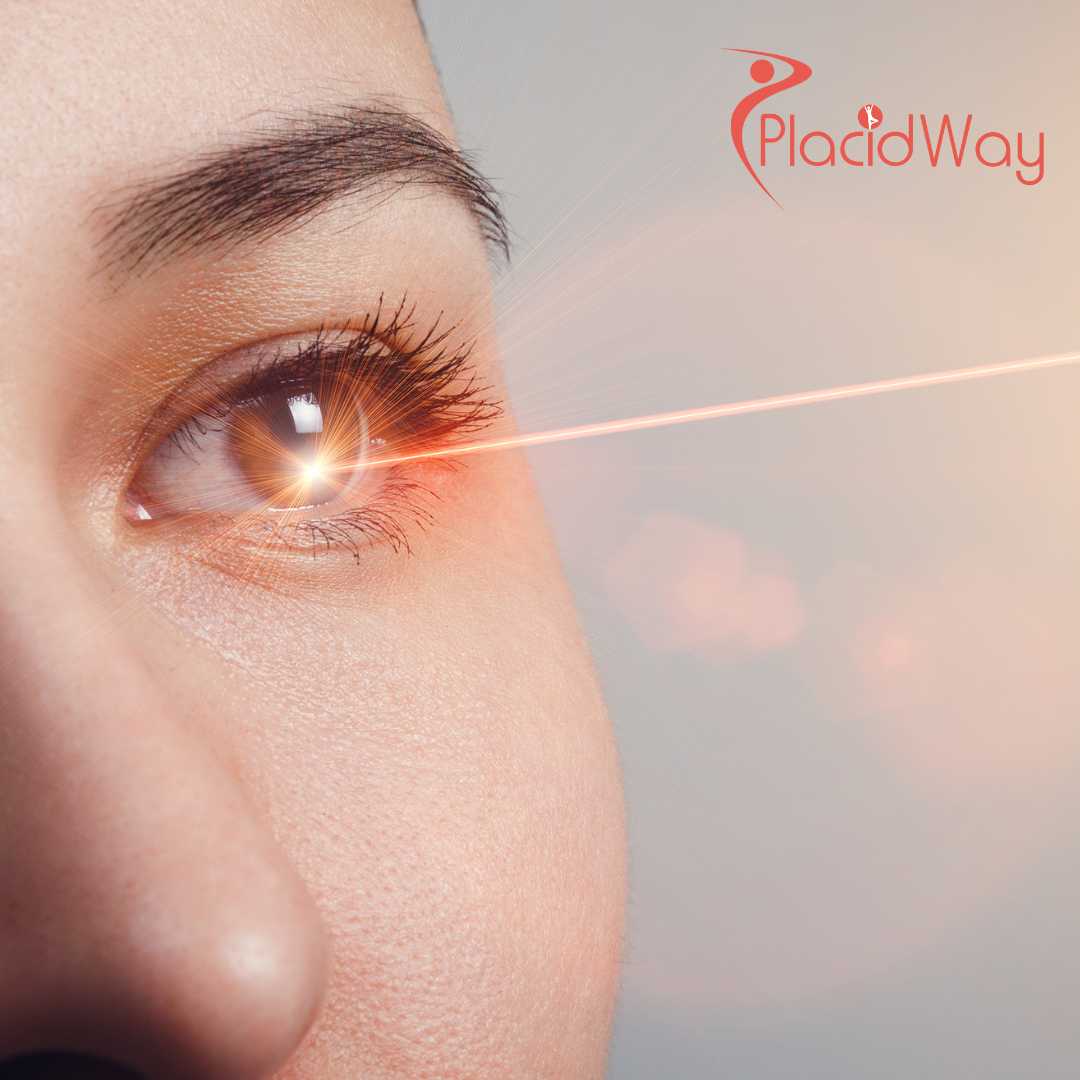
In top-tier facilities, doctors utilize a two-step approach. First, a highly precise femtosecond laser creates a micro-thin flap in the corneal tissue. Once the flap is gently folded back, an excimer laser is used to reshape the underlying stromal bed based on a 3D topographic map of your eye. The flap is then repositioned, acting as a natural bandage that promotes rapid healing.
???? Patient Tip: Advanced Mapping
Modern clinics utilize Wavefront or Contoura Vision technology before surgery. This creates a highly detailed, personalized map of your cornea's microscopic imperfections, allowing the laser to customize the treatment beyond your standard eyeglass prescription.
Are You an Ideal Candidate for Lasik in Turkey?
Not everyone who wishes to discard their glasses qualifies for this specific surgery. Your suitability depends entirely on a comprehensive medical assessment of your eye health. Clinics perform extensive diagnostic testing prior to any treatment to ensure your safety and to accurately predict your surgical outcomes.
Your doctor will measure your corneal thickness, pupil size, tear film quality, and intraocular pressure. If your corneas are too thin or irregularly shaped, the surgeon may recommend alternative procedures like PRK (Photorefractive Keratectomy) or SMILE instead to prevent complications.
| Eligibility Criteria | Clinical Rationale |
|---|---|
| Age 18 or Older | Vision typically continues to change during adolescence. Waiting ensures your prescription is stable. |
| Stable Prescription | You must have no significant changes in your vision for at least 12 months prior to the surgery. |
| Adequate Corneal Thickness | Creating the flap and removing tissue requires sufficient underlying stromal depth to maintain eye structural integrity. |
| Healthy Eye Surface | Active conditions like severe dry eye syndrome, cataracts, or glaucoma may contraindicate the procedure. |
Cost of Lasik in Istanbul, Turkey
Financial considerations are often the primary driver for patients exploring cross-border healthcare. The pricing structures in this destination are notably lower due to the regional cost of living, lower operational overhead, and a highly competitive local medical sector, rather than a compromise in medical quality or technology.
When you request a quote, it is vital to ensure you are receiving an all-inclusive price. Some clinics provide standard pricing that covers only the surgical fee, while comprehensive packages should include pre-operative diagnostics, the procedure for both eyes, post-operative eye drops, and follow-up consultations during your stay.
| Treatment Phase | Estimated Cost (USD) | What is Typically Included |
|---|---|---|
| Pre-Operative Diagnostics | $50 - $150 | Corneal topography, pachymetry, tear film analysis, and refraction tests. |
| Standard Procedure (Both Eyes) | $1,000 - $1,400 | Surgery using standard microkeratome and excimer laser technology. |
| Femto/Custom Wavefront (Both Eyes) | $1,500 - $2,500 | Bladeless surgery utilizing advanced femtosecond lasers and custom mapping. |
| Post-Operative Care | Included in packages | Antibiotic drops, anti-inflammatory drops, artificial tears, and local follow-up visits. |
Cost Comparison: Istanbul vs. International Averages
To truly understand the value proposition, you must compare these costs against the healthcare markets in Western countries. In the United States and the United Kingdom, refractive surgeries are rarely covered by national health services or standard private health insurance, leaving patients to absorb the full retail cost of the technology and surgeon fees.
The table below provides a general comparative overview. Keep in mind that international prices vary based on the specific city, surgeon reputation, and the exact type of diagnostic technology utilized during your screening.
USA / UK Average
$4,000 - $6,000+
For both eyes. Diagnostics and post-op drops are often billed separately.
Istanbul Average
$1,500 - $2,500
For both eyes. Typically structured as an all-inclusive clinical package.
How to Choose the Right Eye Hospital in Istanbul
Selecting the facility where your surgery will take place is just as important as deciding to have the surgery itself. In Turkey, healthcare facilities operate under strict government regulations, but the quality of patient experience and specific technological capabilities can still vary between clinics.
You should prioritize clinics that operate exclusively as dedicated eye hospitals rather than general polyclinics. Specialized centers typically invest more heavily in maintaining the calibration of their laser equipment and enforcing strict sterility protocols in their operating theaters.
?? Verification Checklist: Facility Credentials
- Ministry of Health License: Ensure the facility holds a valid "Sa?l?k Bakanl???" operational license.
- International Health Tourism Authorization: The clinic must hold this specific certificate (USHA?) to legally treat foreign patients.
- ISO Certifications: Look for ISO 9001 for quality management systems within the clinic.
- JCI Accreditation (Optional but valuable): Joint Commission International accreditation signals adherence to rigorous global safety standards, though many safe, highly regulated clinics operate strictly under national credentials.
How to Verify Your Surgeon's Credentials in Turkey
The laser performs the tissue removal, but the surgeon programs the treatment, manages the surgical environment, and creates the vital corneal flap. The skill, experience, and training of your ophthalmologist directly correlate with your final visual outcome and safety.
When reviewing doctor profiles, look beyond marketing claims and verify their standing with national medical councils. An experienced refractive surgeon will openly share their annual case volumes, specialized fellowship training, and their protocols for managing potential complications.
- National Registration: The doctor must be registered with the Turkish Medical Association (Türk Tabipleri Birli?i - TTB).
- Specialty Certification: Confirm they hold active membership with the Turkish Ophthalmological Association (Türk Oftalmoloji Derne?i - TOD).
- International Recognition: Certifications such as the European Board of Ophthalmology (EBO) or affiliations with the American Academy of Ophthalmology (AAO) indicate a commitment to global clinical standards.
- Experience Level: Inquire specifically about how many refractive surgeries they have personally performed using the exact laser platform recommended for you.
Different Types of Laser Eye Surgery Offered in Istanbul
While this guide focuses on the most commonly searched term, it is important to understand that clinics offer several distinct refractive procedures. During your consultation, your surgeon will analyze your corneal topography to recommend the safest technique tailored to your specific ocular anatomy.
If your corneas are too thin for a traditional flap, your doctor will likely advise against standard treatment to prevent a condition called ectasia (corneal bulging). Understanding these alternatives empowers you to have an educated discussion with your medical team.
Femto-LASIK
A bladeless procedure where a femtosecond laser creates the flap, offering extreme precision, rapid healing, and minimal discomfort. It is the gold standard for most patients.
PRK (Photorefractive Keratectomy)
No flap is created. The surface layer (epithelium) is removed before the excimer laser reshapes the eye. Ideal for patients with thin corneas, though recovery is longer.
SMILE (Small Incision Lenticule Extraction)
A minimally invasive technique requiring only a microscopic incision to remove a small disc of tissue. It preserves corneal nerves, reducing the risk of post-op dry eyes.
Custom Wavefront
A mapping technology added to the procedure to correct higher-order aberrations, improving contrast sensitivity and reducing night glare.
Preparing for Your Trip to Istanbul for Eye Surgery
Traveling across borders for a medical procedure requires methodical logistical and medical planning. Your preparation starts weeks before you board your flight, as certain habits and items can directly impact the accuracy of your pre-operative eye measurements.
Most importantly, you must stop wearing contact lenses prior to your consultation. Contact lenses temporarily warp the natural shape of your cornea. If your cornea has not returned to its natural resting shape, the diagnostic maps will be inaccurate, which can lead to suboptimal surgical correction.
- Contact Lens Protocol: Discontinue soft lenses at least 1 to 2 weeks before your consultation, and hard/RGP lenses at least 3 to 4 weeks prior.
- Medical Records: Bring a copy of your most recent eyeglass prescription and any previous ophthalmology records to show your prescription stability over the past year.
- Travel Arrangements: Plan to stay in the city for a minimum of 4 to 5 days to accommodate the consultation, surgery day, and essential post-operative follow-up visits.
- What to Pack: Bring non-prescription sunglasses with 100% UV protection, as your eyes will be highly sensitive to light immediately after the procedure.
The Step-by-Step Surgical Process at an Istanbul Clinic
Understanding exactly what happens on the day of your surgery can significantly reduce pre-operative anxiety. The actual time spent in the laser suite is remarkably short, typically lasting only 10 to 15 minutes for both eyes, with the laser actively working for merely seconds per eye.
You will remain awake during the process. The clinic will provide numbing eye drops, ensuring you feel no pain, though you may experience a sensation of pressure during the creation of the corneal flap. The surgeon will guide you through each step verbally as it occurs.
Timeline of Your Surgical Day
- Final Check: A brief final consultation confirms your surgical map and verifies all diagnostic data.
- Preparation: The surgical team administers local anesthetic eye drops and cleans the area around your eyes.
- Positioning: You recline under the laser system. A small device keeps your eyelids gently open to prevent blinking.
- Flap Creation: You will feel slight pressure and your vision may temporarily dim as the femtosecond laser creates the protective flap.
- Corneal Reshaping: You will be asked to stare at a specific target light while the excimer laser reshapes the tissue. You may hear a clicking sound and notice a distinct odor, which is normal.
- Completion: The surgeon gently smooths the flap back into its natural position, where it adheres immediately without stitches.
Recovery Timeline After Lasik in Istanbul
The speed of visual recovery is one of the primary reasons this treatment is so widely sought after. While your vision may be blurry or hazy immediately after leaving the clinic, the healing process begins almost instantly. By the next morning, the majority of patients experience a dramatic improvement in visual acuity.
Despite the fast initial recovery, your eyes will continue to heal and stabilize on a microscopic level over several months. Strict adherence to the eye drop schedule provided by your doctor is mandatory to prevent infection and manage inflammation.
| Timeframe | Biological Process | Patient Sensation | Action Required |
|---|---|---|---|
| First 4-6 Hours | Epithelial cells begin sealing the flap edges. | Tearing, light sensitivity, feeling of an eyelash in the eye. | Keep eyes closed and rest in a dark room. Do not rub your eyes. |
| 24-48 Hours | Flap adheres firmly. Initial swelling subsides. | Significant visual improvement; mild dryness. | Attend mandatory follow-up. Begin scheduled steroid/antibiotic drops. |
| 1-4 Weeks | Corneal tissue adapts to new shape; tear film stabilizing. | Fluctuating vision, halos around lights at night. | Use artificial tears frequently. Avoid swimming and dusty environments. |
| 3-6 Months | Complete stromal remodeling and neurological adaptation. | Stable, clear vision. Dry eye symptoms generally resolve. | Attend final check-ups with your local optometrist at home. |
Potential Risks and How Istanbul Clinics Mitigate Them
No surgical intervention is entirely free of risk. While the safety profile for refractive surgery is exceptionally high, potential complications can arise. Understanding these risks, and verifying that your chosen hospital has strict protocols in place to manage them, is essential for a safe medical journey.
The most common side effects are temporary and include dry eyes, glare, halos, and fluctuating vision in dim light. However, more severe complications, though rare, require immediate clinical attention to prevent long-term damage.
???? Risk Management
- Infection: Extremely rare. Clinics mitigate this through stringent sterile operating environments and prescribing broad-spectrum antibiotic drops post-operatively.
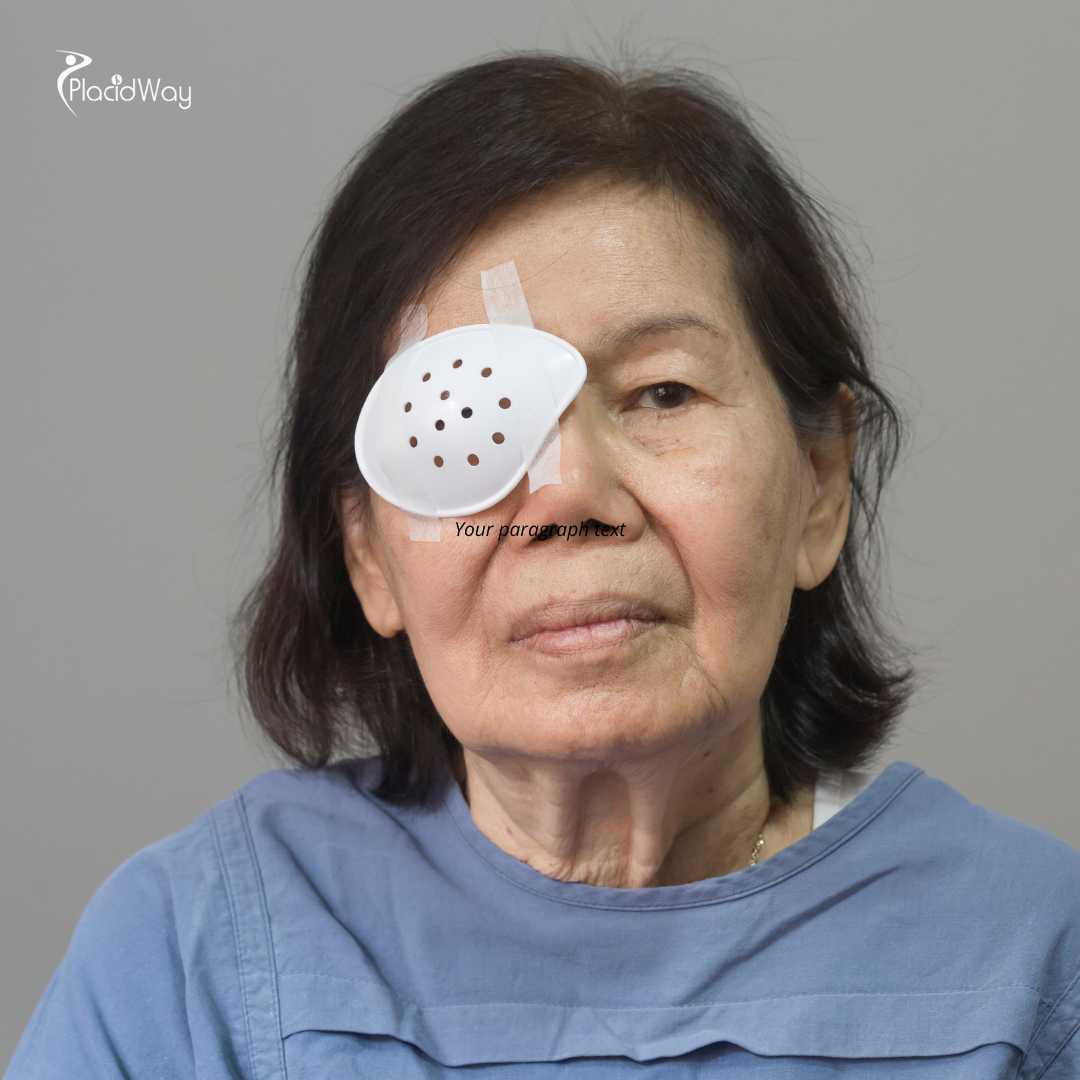
- Flap Complications: Wrinkles or dislocation of the flap can occur if you rub your eyes. Clinics provide protective eye shields to wear while sleeping for the first week.
- Over/Under-Correction: Biological healing variations can result in less-than-perfect vision. Reputable clinics often offer transparent revision policies if an enhancement is deemed medically safe after vision stabilizes.
- Corneal Ectasia: A structural weakening of the eye. Rigorous pre-operative pachymetry (thickness mapping) is strictly enforced to disqualify at-risk patients and prevent this outcome.
Traveling Back Home: Post-Op Care and Flying
One of the most frequent concerns for medical travelers is the safety of flying back home after eye surgery. It is generally safe to fly on a commercial airplane 24 to 48 hours after your procedure, provided your surgeon has examined your eyes and given you medical clearance to travel.
However, the environment inside an airplane cabin is exceptionally dry, featuring very low humidity levels. This artificial atmosphere can severely exacerbate post-operative dry eye symptoms and discomfort if not properly managed during your flight.
- Hydration: Instill preservative-free artificial tears into your eyes every 30 to 45 minutes during the flight, even if your eyes do not feel dry yet.
- Air Vents: Direct the overhead air conditioning vents away from your face to prevent accelerated tear evaporation.
- Aftercare Continuity: Ensure you have the clinical notes, exact laser parameters used, and discharge summary translated into English to provide to your local eye doctor for ongoing monitoring.
Understanding Revisions and Long-Term Aftercare
Your relationship with your vision care does not end once you land back in your home country. While a high percentage of patients achieve their desired visual acuity after a single surgery, a small subset may require a minor enhancement or touch-up procedure if some residual refractive error remains after the eye fully heals.
When selecting a provider abroad, clarify their revision policy in writing before you pay. Understand whether enhancement surgeries are covered under your initial package, the time frame in which they must be performed (usually after 6 months to allow for stabilization), and whether you will be responsible for the travel and accommodation costs associated with returning for a touch-up.
Frequently Asked Questions
Is Lasik in Istanbul, Turkey safe for international patients?
Yes, when performed in a facility licensed by the Turkish Ministry of Health and by a surgeon certified by the Turkish Ophthalmological Association. Like any surgery, it carries risks, but regulatory oversight and high surgical volumes contribute to a strong safety profile.
How long do I need to stay in the country for the procedure?
You should plan to stay for at least 4 to 5 days. This provides adequate time for the comprehensive pre-operative consultation, the surgery day, and the critical 24-to-48-hour follow-up exams before flying is deemed safe.
Why is laser eye surgery so much cheaper in this region?
The lower cost is primarily due to macroeconomic factors, including favorable exchange rates for USD/EUR/GBP, lower localized costs of living, reduced clinical operational overhead, and intense competition among private medical facilities.
Will I experience pain during the eye surgery?
The procedure is typically painless due to the application of strong local anesthetic eye drops. You may feel a sensation of pressure on your eye for a few seconds during the creation of the corneal flap, but acute pain is highly unusual.
What happens if my vision changes again years later?
While the reshaping of your cornea is permanent, natural age-related changes, such as presbyopia (the need for reading glasses) or cataracts, can still occur later in life. In some cases, enhancement procedures are possible depending on your remaining corneal thickness.
Can I have both of my eyes treated on the same day?
Yes, treating both eyes on the same day is the standard global clinical protocol for this specific refractive surgery. It minimizes recovery time and prevents the visual imbalance that occurs if only one eye is treated.
How do I communicate with the medical staff if I don't speak the language?
Major facilities catering to international patients employ dedicated patient coordinators and in-house medical interpreters who speak fluent English, ensuring clear communication regarding consent, instructions, and surgical details.
When can I return to normal activities like exercise and screen time?
Most patients can resume moderate screen time and light daily activities within 48 hours. However, strenuous exercise, contact sports, swimming, and wearing eye makeup should be strictly avoided for two to four weeks.
Are the lasers used abroad older models?
No. Reputable clinics utilized for medical tourism frequently invest in the latest, FDA-approved femtosecond and excimer laser platforms (such as Alcon, Zeiss, or Schwind) to maintain competitiveness in the global healthcare market.
What if I am diagnosed with thin corneas during the consultation?
If your corneas are deemed too thin to safely create a flap, a responsible surgeon will decline to perform standard flap-based surgery and may suggest PRK, SMILE, or Implantable Collamer Lenses (ICL) as safer alternatives for your anatomy.
Ready to Explore Your Vision Options?
Navigating cross-border healthcare requires diligent research. PlacidWay can help you confidently compare licensed providers, understand detailed all-inclusive treatment costs, and request specific credential information directly from specialized clinics.
Request Clinic InformationDisclaimer: This information is for educational purposes only and does not replace professional medical advice. Always consult a qualified healthcare provider before making medical decisions. Eye surgery carries inherent risks, and outcomes vary based on individual physiological factors.
References
- LASIK: What Should I Expect? – American Academy of Ophthalmology (AAO)
- What are the Risks and How Can I Find the Right Doctor for You? – U.S. Food and Drug Administration (FDA)
- LASIK eye surgery: Procedure Details and Risks – Mayo Clinic
- Health Tourism Data and Regulations in Turkey (2024 Updates) – USHA? (International Health Services of Turkey)
- Professional Standards and Board Certifications – Turkish Ophthalmological Association (TOD)
- Medical Registration and Physician Verification – Turkish Medical Association (TTB)
- Demographics and Clinical Outcomes in Refractive Surgery – Journal of Cataract & Refractive Surgery (JCRS)

























Share this listing