
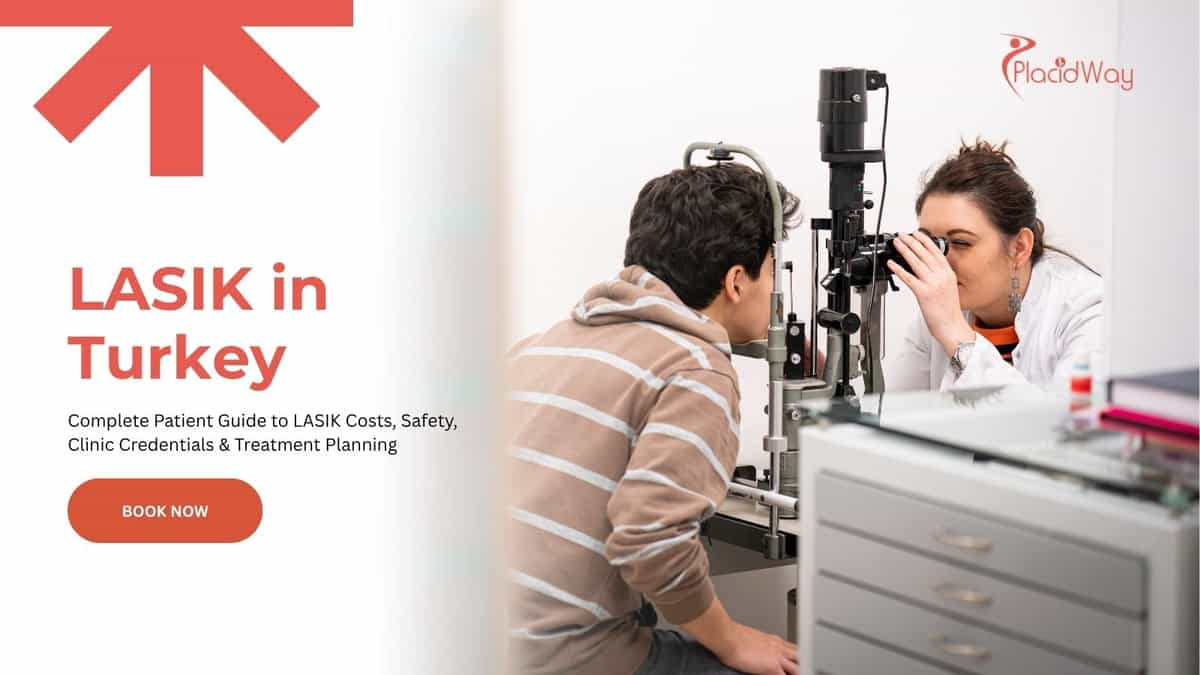
Many international patients dealing with poor vision seek affordable eye surgery abroad, making Turkey a top destination due to advanced technology and highly experienced surgeons. While the prospect of reducing your dependency on glasses is exciting, evaluating treatment costs and verifying specific Turkish Ministry of Health clinic licenses is crucial for a safe experience. This comprehensive guide helps you understand the procedure, compare costs, and navigate your treatment journey with confidence.
Quick Answer Summary
- Estimated Cost: Typically ranges from $1,200 to $2,500 for both eyes, often including testing and follow-up care.
- Safety Overview: Highly regulated ecosystem; reputable facilities operate strictly under the Turkish Ministry of Health guidelines.
- Ideal Candidate: Adults over 18 with a stable vision prescription for at least one year and healthy corneas.
- Recovery Time: Most patients return to normal activities within 24 to 48 hours, though vision stabilization can take three to six months.
- Why Patients Choose Turkey: Access to highly skilled ophthalmologists using the latest excimer lasers at significantly lower costs than Western countries.
- Important Certifications: Look for Turkish Medical Association (TTB) registration, Turkish Ophthalmological Association (TOD) membership, and Ministry of Health facility licensing.
- Important Caution: Patients with severe dry eye syndrome or unusually thin corneas may not be eligible and should inquire about alternative procedures.
Why International Patients Travel for Eye Surgery in Turkey
Thousands of patients travel globally each year to seek refractive vision correction. Turkey has established itself as a leading medical hub for this specialty. The combination of modern clinical infrastructure and specialized medical expertise attracts patients primarily from the United Kingdom, Western Europe, and the Middle East.
Patients choose this destination because it offers comprehensive care without the extensive waiting times often experienced in public healthcare systems. Additionally, the private healthcare sector in Turkey heavily invests in the same FDA-approved laser technologies used in top-tier Western hospitals.
- Significantly lower out-of-pocket expenses compared to domestic providers.
- Immediate access to advanced femtosecond and excimer laser platforms.
- Consultations with highly specialized, high-volume refractive surgeons.
- Comprehensive care packages that typically include all preoperative testing.
- The ability to recover in a comfortable, hospitality-focused environment.
Understanding the Lasik Procedure in Turkey
Laser-Assisted In Situ Keratomileusis is a precise surgical procedure designed to correct myopia, hyperopia, and astigmatism. The treatment involves reshaping the clear front part of your eye, known as the cornea, so that light traveling through it is properly focused onto the retina.
In Turkish clinics, this procedure is typically performed using a blade-free, all-laser technique. This approach increases precision and reduces certain mechanical risks associated with older methods. The actual laser application takes only seconds per eye, while the entire appointment usually lasts about two hours.
Step-by-Step Procedure Timeline
- Preparation: Numbing drops are applied to ensure you feel no pain during the surgery.
- Flap Creation: A femtosecond laser creates a microscopic flap on the surface of your cornea.
- Reshaping: An excimer laser removes targeted microscopic tissue to correct your specific refractive error.
- Flap Replacement: The surgeon gently folds the flap back into place, where it begins to heal naturally without stitches.
Evaluating Your Eligibility for Laser Vision Correction
Not everyone is a suitable candidate for corneal reshaping. Identifying your eligibility is a critical first step before planning a medical trip. Reputable clinics in Turkey will require detailed preoperative diagnostic testing to confirm your suitability and protect your long-term eye health.
Your doctor will evaluate your corneal thickness, pupil size, and overall ocular health. Conditions such as severe dry eye, keratoconus, or uncontrolled glaucoma typically rule out this specific procedure. If you fall into these categories, alternative treatments may be recommended.
| Eligibility Factor | Standard Requirement | Clinical Reason |
|---|---|---|
| Age | 18 years or older (preferably 21+) | Ensures the eyes have stopped growing and changing shape. |
| Prescription Stability | Unchanged for at least 12 to 24 months | Prevents vision from shifting shortly after the procedure. |
| Corneal Thickness | Sufficient tissue depth | Required to safely create the flap and remove tissue without weakening the eye. |
| General Eye Health | No active infections or severe dry eye | Reduces the risk of postoperative complications and delayed healing. |
Patient Demographics for Refractive Surgery in Turkey
Understanding who travels for this treatment provides insight into the global demand for accessible healthcare. According to recent 2024 data reflecting cross-border healthcare trends, patients from various international regions seek out Turkish ophthalmology centers due to economic and qualitative factors.
The majority of these medical travelers fall between the ages of 25 and 45. This demographic typically prioritizes career advancement, active lifestyles, and long-term financial savings over the ongoing costs of contact lenses and designer glasses.
Alternative Refractive Treatments Available in Turkey
If your initial consultation reveals that standard flap creation is not viable for your eyes, Turkish eye centers offer several modern alternatives. Surgeons routinely perform advanced variations depending on the patient's specific corneal anatomy and lifestyle needs.
Photorefractive Keratectomy (PRK) and SMILE (Small Incision Lenticule Extraction) are common alternatives. Each technique aims to achieve similar visual outcomes but approaches the corneal tissue differently. Your specialist will guide you through the clinical benefits of each option.
PRK
Removes the outer layer of the cornea entirely rather than creating a flap. It is ideal for patients with thin corneas or those engaged in high-contact sports, though recovery takes slightly longer.
SMILE
A minimally invasive procedure that removes a small piece of tissue through a tiny incision. It is known for a rapid recovery and a lower risk of inducing postoperative dry eye syndrome.
Estimating the Cost of Lasik in Turkey
Financial savings are a primary motivator for medical tourists. The affordability of healthcare in Turkey is largely due to lower operational costs, favorable exchange rates, and competitive market dynamics, rather than a reduction in clinical quality.
When reviewing treatment quotes, patients should look for transparent pricing. Reputable facilities provide itemized breakdowns that detail exactly what is included. Always clarify whether the quoted price covers both eyes or just one.
| Service Inclusion | Standard Cost Range (USD) |
|---|---|
| Initial Consult & Diagnostic Tests | Often included in package |
| Bilateral Procedure (Both Eyes) | $1,200 - $2,500 |
| Post-Operative Medications | Included or up to $50 |
| Follow-Up Appointments (in-country) | Included |
Comparing International Prices for Eye Surgery
To understand the true value of traveling for medical care, patients often compare their domestic prices with international options. While the procedure itself utilizes the same technology globally, the overall financial burden varies drastically by region.
Keep in mind that traveling incurs additional expenses such as flights and accommodation. However, even with travel expenses factored in, the total expenditure is frequently lower than undergoing the procedure in North America or Northern Europe.
| Country | Estimated Cost for Both Eyes (USD) |
|---|---|
| United States | $4,000 - $6,000 |
| United Kingdom | $3,500 - $5,500 |
| Germany | $3,000 - $4,500 |
| Turkey | $1,200 - $2,500 |
Choosing a Safe and Regulated Clinic in Turkey
Patient safety must always precede cost savings. The Turkish healthcare system is robust, but the responsibility of selecting a thoroughly vetted institution rests on the patient. Ensure the facility you choose adheres strictly to national healthcare standards.
The Turkish Ministry of Health heavily regulates private hospitals and medical tourism facilitators. Look for clinics that proudly display their government-issued licensing. Additionally, specialized eye hospitals often maintain rigorous hygiene protocols and possess dedicated emergency response capabilities.
Facility Vetting Checklist
- Verify the clinic holds a current license from the Turkish Ministry of Health (Sa?l?k Bakanl???).
- Ensure the clinic specializes specifically in ophthalmology rather than general medical tourism.
- Ask about the specific brand and model of the laser platforms used (e.g., Alcon, Zeiss, Bausch + Lomb).
- Confirm the presence of multilingual patient coordinators to prevent miscommunication.
Verifying Your Eye Surgeon’s Credentials
The technology is only as good as the specialist operating it. Identifying a highly qualified surgeon is critical for achieving optimal visual outcomes and minimizing complications. Turkish ophthalmologists undergo rigorous medical training, often completing fellowships internationally.
When researching doctors, review their professional background rather than relying on marketing claims. A trustworthy surgeon will be transparent about their complication rates, years of experience, and the specific number of refractive surgeries they have performed.
- Check for active registration with the Turkish Medical Association (TTB).
- Look for membership in the Turkish Ophthalmological Association (TOD).
- Inquire about the surgeon's annual case volume for this specific procedure.
- Ask if the doctor routinely handles complex cases or surgical revisions.
Healthcare Safety and International Trends in Turkey
Over the past decade, Turkey has systematically structured its medical tourism framework to prioritize patient safety. National regulations mandate strict equipment calibration schedules and continuous medical education for clinical staff.
The steady rise in cross-border patient volume reflects growing international confidence in these regulatory standards. Projections for 2024 to 2026 show a continued upward trajectory in patients selecting Turkey for advanced refractive interventions, driven by consistently high clinical success rates and formalized patient rights frameworks.
Preparing for Your Medical Trip to Turkey
Traveling for a medical procedure requires careful logistical planning. Since you will be undergoing eye surgery, you must arrange for adequate rest and minimal visual strain immediately following your treatment. Do not plan a strenuous vacation itinerary right after the procedure.
Coordinate closely with your clinic's international patient department. They often assist with airport transfers, local accommodation, and scheduling your preoperative and postoperative appointments to ensure a smooth, stress-free experience.
Travel Planning Timeline
- 2 Weeks Before: Stop wearing soft contact lenses (hard lenses may require a longer break) as they alter the shape of your cornea.
- 1 Week Before: Confirm flight details, secure an e-Visa if required by your country, and finalize hotel bookings near the clinic.
- Arrival Day: Rest at your hotel to recover from travel fatigue before your medical appointments begin.
- Post-Op Days 1-3: Remain in Turkey for mandatory follow-up exams to confirm the flap is healing correctly before flying home.
What Happens During the Initial Eye Consultation
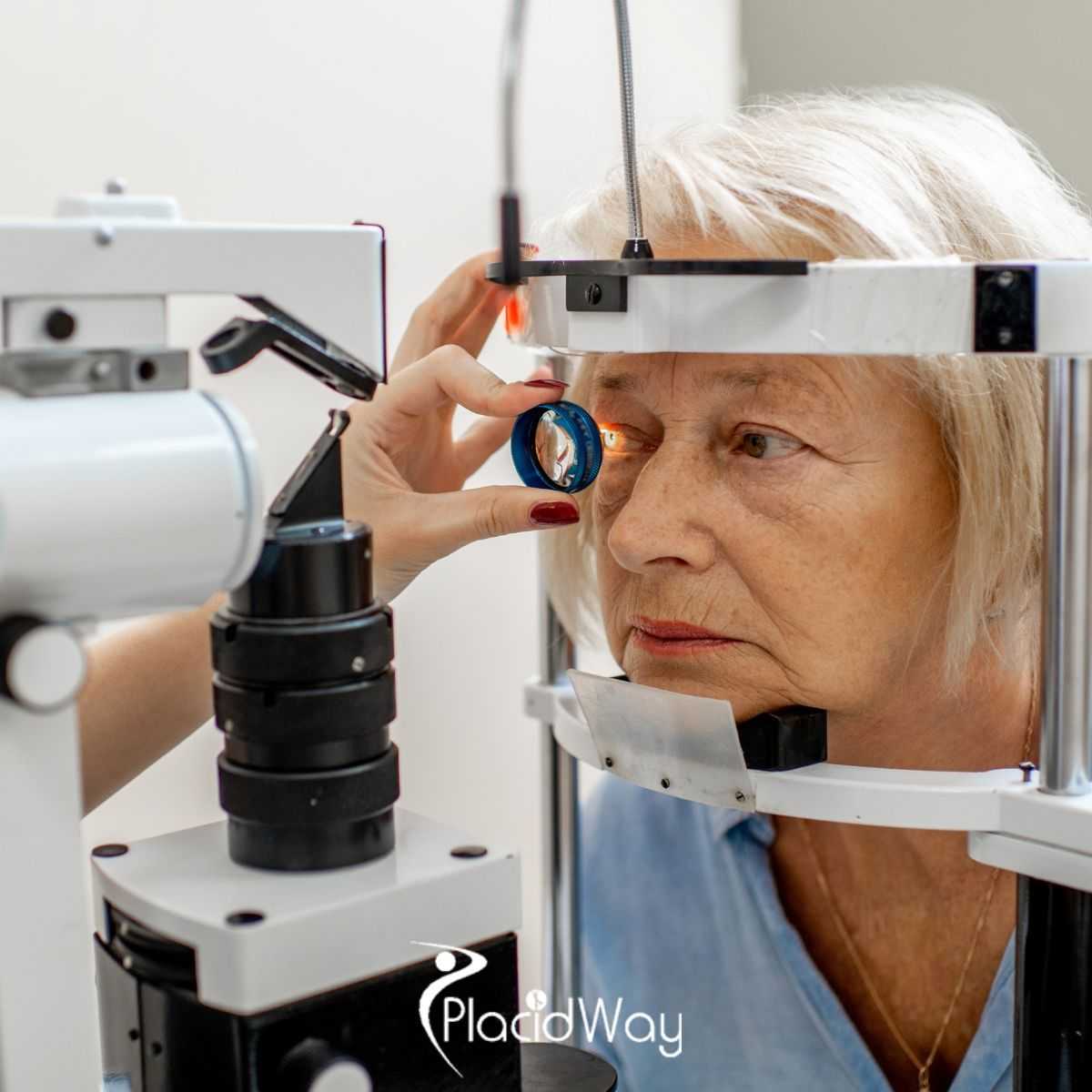
Your first appointment in Turkey is the most critical step of the entire process. Even if you were deemed a candidate by a doctor in your home country, the Turkish surgeon must independently verify your corneal anatomy using their own advanced diagnostic equipment.
The clinic will perform comprehensive corneal topography, mapping the microscopic elevations of your eye. They will also measure your pupil size in various lighting conditions and assess your tear film to evaluate your risk for postoperative dry eyes. Be prepared to spend a few hours undergoing these painless tests.
Post-Operative Care and Recovery Timeline
Following the surgeon's aftercare instructions is non-negotiable for achieving the best possible outcome. While the vision correction is rapid, the biological healing process requires time. You will be prescribed medicated eye drops to prevent infection and control inflammation.
It is entirely normal to experience mild discomfort, light sensitivity, and a gritty sensation during the first 24 hours. Your doctor will instruct you to wear protective eye shields while sleeping to prevent accidental rubbing, which could dislodge the healing flap.
| Timeframe | Clinical Process | Patient Action Required |
|---|---|---|
| First 24 Hours | Initial epithelial healing begins | Rest with eyes closed; use prescribed drops; wear eye shields. |
| Days 2 to 7 | Corneal flap begins to stabilize | Avoid dusty environments, swimming, and eye makeup. |
| Weeks 2 to 4 | Inflammation subsides completely | Continue using artificial tears; wear sunglasses outdoors. |
| Months 3 to 6 | Vision fully stabilizes | Attend final local check-ups; monitor for persistent dry eye. |
Managing Potential Risks and Complications
No surgical intervention is entirely free of risk, and medical consumers must approach this treatment with realistic expectations. While severe complications that lead to permanent vision loss are exceedingly rare, minor side effects are a normal part of the healing process.
The most common side effect is temporary dry eye syndrome, which can last for several months and requires frequent use of lubricating drops. Some patients also report experiencing halos, glare, or starbursts around bright lights at night, which typically diminish as the eyes adjust to the new corneal shape.
Emergency Warning Signs
Contact your healthcare provider immediately if you experience:
- Sudden, severe eye pain that worsens over time.
- A sudden decrease or dramatic blurring of vision.
- Excessive redness or thick, abnormal discharge from the eye.
Returning Home and Long-Term Vision Maintenance
Once your Turkish surgeon clears you for travel, you can safely board a flight home. The pressurized cabin air is notoriously dry, so you must apply artificial tears frequently during your journey to protect your healing corneas.
Maintaining your new vision requires ongoing care. Schedule a check-up with your local optometrist within a few weeks of returning home to establish a baseline for your corrected vision. Protect your eyes from UV rays and schedule routine annual exams to monitor your overall ocular health.
Frequently Asked Questions About Lasik in Turkey
Patients planning a medical journey often share similar concerns. Review these common questions to better understand the nuances of seeking eye surgery abroad.
Is laser eye surgery in Turkey safe for international patients?
Yes, when performed at a licensed facility by a board-certified ophthalmologist. The Turkish Ministry of Health strictly regulates private hospitals, requiring adherence to stringent hygiene and equipment maintenance protocols.
How long do I need to stay in Turkey for the procedure?
Most clinics require patients to stay for a minimum of 3 to 4 days. This allows time for the initial consultation, the surgical procedure, and the mandatory postoperative evaluations before you are cleared to fly.
Can I get both eyes treated on the same day?
In most cases, yes. Surgeons typically treat both eyes sequentially during the same surgical session to optimize convenience and ensure visual balance during the recovery period.
Does the surgery hurt?
The procedure itself is largely painless due to the application of potent numbing eye drops. You may feel a sensation of pressure for a few seconds during the creation of the corneal flap.
Are the results of the surgery permanent?
The reshaping of the cornea is permanent. However, the eyes can still undergo natural age-related changes, such as presbyopia (the need for reading glasses) or cataracts later in life.
What happens if I blink during the procedure?
Your doctor will use a small, gentle device called a speculum to hold your eyelids open, making it impossible to blink. Additionally, modern lasers feature eye-tracking technology that instantly pauses if your eye moves.
Why is eye surgery so much cheaper in Turkey?
The price difference is primarily due to the lower overall cost of living, reduced operational costs for clinics, and favorable currency exchange rates, rather than a compromise in medical technology or safety standards.
Will I have language barriers with the doctors?
Reputable clinics that cater to international patients employ multilingual surgeons and provide dedicated patient coordinators who translate medical information clearly during your consultations.
When can I safely fly back home?
Most patients receive clearance to fly within 48 to 72 hours post-surgery. It is vital to use hydrating drops frequently during the flight, as cabin air can severely dry out healing corneas.
What if my vision needs further correction later?
If your vision regression is significant and your corneas remain sufficiently thick, a minor enhancement procedure may be possible. Discuss enhancement policies with your Turkish clinic before undergoing the initial surgery.
Need Help Planning Your Medical Trip?
PlacidWay can help you compare highly rated clinics, understand comprehensive treatment costs, and connect directly with credentialed specialists in Turkey. We guide you through the research phase so you can make informed healthcare decisions.
Request Information from ClinicsDisclaimer
Disclaimer: This information is for educational purposes only and does not replace professional medical advice. Always consult a qualified healthcare provider before making medical decisions.
References
- LASIK — American Academy of Ophthalmology (AAO)
- What to Expect Before, During, and After LASIK — U.S. Food and Drug Administration (FDA)
- Global Refractive Surgery Trends and Demographics (2024 Data) — International Society of Refractive Surgery (ISRS)
- Laser Eye Surgery Patient Guide — National Health Service (NHS)
- Health Tourism Regulations and Cross-Border Care — Republic of Turkey Ministry of Health
- Standards of Ophthalmic Care and Certification — Turkish Ophthalmological Association (TOD)


























Share this listing