


Contents
Get Affordable Eye Lens Replacement Surgery in Istanbul Turkey
Istanbul has earned a reputation as the "Eye Capital of Europe," drawing tens of thousands of international patients annually for vision correction procedures. While cataract surgery is common worldwide, Istanbul distinguishes itself by offering widespread access to premium Trifocal Intraocular Lenses (IOLs)—often marketed locally as "Smart Lenses"—at prices significantly lower than in the UK or US.
Choosing Cataract Surgery in Istanbul Turkey means entrusting your vision to high-volume surgeons who operate in dedicated eye hospitals rather than general medical wings. These specialized facilities are equipped with the latest Femtosecond laser technology and utilize FDA-approved lenses from top global manufacturers like Alcon, Zeiss, and Johnson & Johnson.
The patient experience is designed for comfort and speed. Most procedures are completed in under 20 minutes per eye using "drop anesthesia" (no needles), with patients returning to their hotels the same day. The combination of JCI-accredited medical standards and Turkish hospitality ensures that your journey to restored sight is as stress-free as it is effective.
Whether you are seeking to remove cloudy vision or hoping to eliminate the need for reading glasses entirely through multifocal lens exchange, Istanbul offers a premium solution that blends medical excellence with significant value.
Did You Know?
Turkey is a global leader in the implantation of Trifocal "Smart" Lenses. Unlike standard monofocal lenses used in many public health systems (which fix distance vision but still require reading glasses), Trifocal lenses correct near, intermediate, and distance vision simultaneously. Many patients leave Istanbul throwing away their glasses for good.
Key Insights at a Glance
Save up to 70% on premium Trifocal lens surgery compared to private clinics in the UK, Europe, or the US.
Turkish ophthalmologists perform thousands of cataract surgeries annually, resulting in exceptional skill and low complication rates.
Clinics utilize Femtosecond Laser-Assisted Cataract Surgery (FLACS) for unmatched precision without using blades.
The procedure is minimally invasive (phacoemulsification); most patients regain clear vision within 24 to 48 hours.
Access to top-tier EDOF (Extended Depth of Focus) and Toric lenses for astigmatism at affordable rates.
Clinics provide VIP transfer services and English-speaking coordinators to guide you through every step.
The "Lunch Break" Surgery
Modern Phacoemulsification (Phaco) surgery is so efficient that it takes only about 10 to 15 minutes per eye. Because no general anesthesia is used—only numbing eye drops—patients walk out of the operating theater immediately after the procedure. It is often jokingly referred to as a "lunch break surgery" due to its speed and minimal downtime.
Navigating a medical trip is easier with a bundled package. We have identified top-rated eye hospitals in Istanbul that offer all-inclusive cataract surgery packages tailored for international patients. These bundles typically include the pre-operative eye examination (biometry), the premium lens (IOL) of your choice, the surgery itself, post-op medications, and follow-up checks. Most packages also cover VIP airport transfers and 3-4 nights of accommodation in a nearby 4 or 5-star hotel.
Note: Packages typically treat one eye at a time with a day or two in between, or both eyes (bilateral) in close succession depending on the surgeon's protocol.

Price starting from $3,500
Cataract Surgery Package in Istanbul, Turkey at Medical Park Hospitals
Medical Park Hospitals Group in Istanbul, Turkey
- Eye/Lasik Care
Istanbul, Turkey
The cost savings are a major draw. In the UK or US, private cataract surgery with a premium Trifocal lens can cost upwards of £3,000 to £4,000 per eye. In Istanbul, the average price for the same procedure with a high-quality Trifocal lens ranges from €1,200 to €1,800 per eye. Monofocal lens surgeries are even more affordable, often starting around €900 per eye.
Tip: The price variance usually depends on the brand of the lens (e.g., Alcon Vivity vs. Zeiss Lisa) and whether you have astigmatism (requiring a Toric lens).
Cataract Surgery Centers Cost Comparison in Istanbul, Turkey
| Provider | Procedure | Price |
|---|---|---|
| Medical Park Hospitals Group in Istanbul, Turkey | Cataract Surgery, Eye/Lasik Care | $3500 |
Cataract Surgery Cost Comparison in Turkey
| Country | Procedure | Price |
|---|---|---|
| United States | Cataract Surgery, Eye/Lasik Care | $8000 |
We have curated a list of Istanbul's premier eye hospitals. Unlike general hospitals, these "Eye Centers" focus exclusively on ophthalmology. They are often JCI-accredited and equipped with dedicated operating theaters designed specifically for sterile eye surgery. These centers process high volumes of patients, ensuring their equipment is state-of-the-art and their staff is highly experienced in handling international visitors.
Technology Standard: Top centers utilize "Smart" operating microscopes and advanced biometry devices to calculate lens power with perfect accuracy.
Medical Park Hospitals Group in Istanbul, Turkey
Istanbul, Turkey
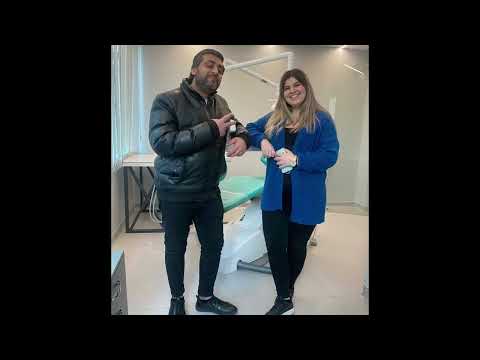
Seeing the immediate results of others can be very reassuring. The video testimonials below feature patients from across Europe and the Middle East who traveled to Istanbul for cataract removal. They share their reactions to "seeing colors again" just hours after surgery, the professionalism of the staff, and the ease of the travel experience.
Insight: Many patients highlight the "Smart Lens" experience, expressing joy at being able to read menus and drive without glasses for the first time in decades.
Verified reviews from past patients confirm Istanbul as a top destination for vision correction. In this section, you can read feedback regarding the clarity of vision achieved, the thoroughness of the pre-op exams, and the kindness of the nursing staff. High satisfaction rates regarding the "all-inclusive" nature of the service are common, with patients appreciating the lack of hidden costs.
Review Tip: Look for reviews that mention the specific doctor by name to gauge the personal attention provided during the consultation.

What is the Cost of Cataract Surgery in Istanbul, Turkey?
The cost of cataract surgery in Istanbul, Turkey typically ranges from $800 to $2,500 per eye. This price heavily depends on the premium intraocular lens chosen, such as multifocal, and the advanced surgical technology utilized at the facility. Key Takeaways: Procedure Guide and Benefits Cost Efficiency: Save up to sixty percent compared to healthcare costs in the USA or UK without compromising quality. Premium Lenses: Access to top-tier Alcon and Zeiss lenses, including smart trifocal and toric options. Advanced Technology: Clinics utilize state-of-the-art Femtosecond lasers and Phacoemulsification techniques. Fast Recovery: Minimally invasive sutureless procedures allow for rapid visual restoration. Comprehensive Care: English-speaking medical teams provide seamless pre-operative and post-operative support. What factors influence the cataract surgery cost in Turkey? The primary factors affecting the final price include the type of intraocular lens selected and the surgical technique used. Standard monofocal lenses are highly affordable, while premium trifocal or toric lenses increase the total investment. When evaluating the cataract surgery cost in Turkey, the most significant variable is always the artificial implant known as the Intraocular Lens. If a patient opts for a standard monofocal lens, which only corrects vision at a single distance, the base price remains at the lower end of the spectrum. Conversely, upgrading to premium smart lenses that correct nearsightedness, farsightedness, and astigmatism simultaneously requires a higher budget due to the sophisticated engineering of these FDA-approved implants. The surgical methodology also plays a crucial role in pricing. Traditional phacoemulsification, which uses ultrasound waves to break up the cloudy lens, is the standard and most cost-effective method. However, many patients choose Femtosecond laser-assisted surgery for added precision and safety. This advanced laser mapping and cutting technology incurs additional equipment usage fees, slightly raising the overall procedure cost. Finally, the reputation and location of the medical center impact the financial outlay. A high-end cataract surgery clinic in Turkey located in the upscale districts of Istanbul, boasting JCI accreditation and luxury patient amenities, will naturally charge a premium compared to smaller regional centers. Despite these variations, the overall expenses remain drastically lower than Western alternatives. Did You Know? The Turkish government actively subsidizes the healthcare infrastructure to promote international health travel. This is a major reason why the cataract surgery cost in Turkey remains so remarkably affordable while still maintaining access to multi-million dollar diagnostic laser machines. Why do international patients choose a cataract surgery clinic in Turkey? Patients travel to Istanbul for world-class ophthalmology care combined with highly competitive pricing. Facilities boast international accreditations, top-tier diagnostic equipment, and highly experienced eye surgeons. Choosing a cataract surgery clinic in Turkey has become a globally recognized strategy for restoring vision safely and affordably. The standard of ophthalmic care in Istanbul is exceptionally high, rivaling and often exceeding that of major European capitals. Patients benefit from multiple distinct advantages when they arrive for their procedures. JCI Accreditations: Many eye hospitals hold Joint Commission International seals, ensuring rigorous global hygiene and safety standards. High Surgical Volume: Surgeons in Istanbul perform thousands of complex eye procedures annually, resulting in refined expertise and extremely low complication rates. Zero Wait Times: Unlike national health services in the UK or Canada, international patients can schedule their operations within weeks, preventing further vision deterioration. Multilingual Departments: Dedicated international patient wings ensure that language barriers never compromise medical understanding or consent. Holistic Care Approach: The integration of advanced diagnostics like Optical Coherence Tomography ensures accurate pre-surgical planning for perfect lens placement. What types of premium lenses are available for cataract surgery in Turkey? Eye centers in Istanbul offer a wide array of FDA-approved and CE-marked intraocular lenses from leading global brands. Patients can select from monofocal, multifocal, trifocal, and toric lenses based on their vision goals. The success of cataract surgery in Turkey heavily relies on the high-quality optical implants available to patients. Specialists do not use generic or unverified materials; instead, they source lenses from industry titans like Alcon, Carl Zeiss, and Bausch & Lomb. This guarantees longevity and optical clarity for decades following the operation. Monofocal lenses are the standard option, providing excellent clarity at a single focal point, usually distance. Patients opting for these will likely need reading glasses for menus or mobile phones. Multifocal and Trifocal lenses, heavily marketed as smart lenses, have revolutionized the field. These implants feature concentric rings that bend light to provide simultaneous clear vision for close, intermediate, and far distances. For patients suffering from astigmatism, Toric lenses are a necessity. These specialized implants are custom-aligned during surgery to counteract the irregular curvature of the cornea. During pre-operative biometry, the surgeon maps the exact axis required, ensuring the patient wakes up with astigmatism fully corrected alongside their primary vision issue. Lens Type Vision Correction Glasses Needed After? Monofocal Distance OR Near (One focal point) Yes, for reading and computers. Multifocal / Trifocal Near, Intermediate, and Distance Rarely. High independence. Toric Corrects severe Astigmatism Depends if combined with Trifocal. How does femtosecond technology improve cataract surgery in Istanbul? Femtosecond laser-assisted cataract removal provides unparalleled precision by automating the corneal incisions and lens fragmentation. This advanced method enhances safety, reduces ultrasound energy use, and speeds up visual recovery. The integration of the Femtosecond laser is a major milestone for high-end cataract surgery in Istanbul. While traditional phacoemulsification relies on the surgeons manual dexterity to create incisions with a micro-blade, the laser automates this step with microscopic precision. A computer maps the exact surface of the eye, and the laser creates a perfectly circular opening in the lens capsule. Beyond incisions, the laser is used to pre-soften and grid the hard, cloudy cataract before it is removed. By dividing the cataract into tiny, manageable cubes, the surgeon needs to apply significantly less ultrasound energy to suction it out. This reduction in energy means less trauma and heat applied to the delicate endothelial cells lining the back of the cornea. For patients, the benefits are immediately noticeable. Less trauma during the operation translates to minimal swelling in the days following the procedure. Furthermore, the perfect capsulorhexis created by the laser ensures that premium smart lenses sit exactly dead-center in the eye, optimizing their optical performance and providing the sharpest possible final vision. Expert Insight While standard phacoemulsification remains highly successful, choosing Femtosecond laser technology is strongly advised for patients selecting premium Toric or Trifocal implants. The computer-guided laser guarantees the perfect centering required for these high-tech lenses to function optimally. What is included in comprehensive packages for medical tourism in Turkey? Eye care packages in Istanbul are designed to offer a stress-free experience by bundling the medical procedure with essential patient services. These all-inclusive options provide transparent pricing without hidden medical fees. Engaging in medical tourism in Turkey is streamlined through the use of comprehensive care packages. Clinics understand that traveling abroad for vision correction can be stressful, so they bundle necessary medical and hospitality services into a single, predictable price point. This structure eliminates financial surprises and allows the patient to focus entirely on recovery. A standard high-quality package begins with VIP airport transfers, ensuring you are picked up safely and transported directly to the clinic or nearby accommodation. Medically, the package covers exhaustive pre-operative diagnostic tests, including biometry, topography, and comprehensive retina scans. The operation itself, operating room fees, the premium intraocular lenses, and the anesthesiologist fees are entirely covered. Post-operative care is just as robust. Packages typically include the first batch of required prescription eye drops, protective sleep shields, and all necessary follow-up consultations before your departure. Furthermore, having a dedicated personal host who speaks your native language assigned to you during every hospital visit ensures seamless communication with the nursing staff and head surgeons. Is it safe to undergo bilateral cataract surgery in Turkey simultaneously? Sequential bilateral cataract removal during the same trip is highly common and safe when performed a few days apart. Most surgeons prefer operating on one eye first, followed by the second eye 48 to 72 hours later to monitor initial healing. For individuals participating in medical tourism in Turkey, time is of the essence. Many wonder if both eyes can be corrected on the same day. While Immediate Sequential Bilateral Cataract Surgery is possible and occasionally performed under strict sterile conditions, the gold standard protocol in Istanbul favors delayed sequential surgery to prioritize utmost patient safety. Surgeons generally prefer to operate on the worst-affected eye first. The patient then returns to the clinic two or three days later. This crucial window allows the medical team to evaluate the initial healing response, ensure there are no pressure spikes or rare inflammatory reactions, and verify the refractive outcome of the first lens before committing to the second eye. To eliminate any risk of cross-contamination, separate surgical kits, entirely new sterilization trays, and different batches of viscoelastic materials are strictly utilized for each eye. This staggered approach ensures that the patient maintains usable vision in one eye while the first recovers, making navigation and post-operative mobility much safer and more comfortable during their stay. How long is the recovery period after cataract surgery in Istanbul? Visual recovery is remarkably fast, with most patients noticing significant improvements within twenty-four hours after the procedure. Complete healing and stabilization of vision typically take about four weeks of following aftercare instructions. Thanks to the micro-incision and sutureless techniques utilized in modern procedures, recovering from cataract surgery in Istanbul is quick and manageable. Immediately following the operation, your vision may be slightly blurred or wavy as the pupil remains dilated and the eye adjusts to the new implant. By the next morning, colors will appear vastly brighter and vision considerably sharper. The success of the rapid recovery heavily depends on strict adherence to the post-operative regimen. The medical team will provide a specific schedule for antibiotic and anti-inflammatory eye drops, which must be administered diligently to prevent infection and control internal swelling. Key aftercare steps include: Wearing the provided protective plastic shield while sleeping to prevent accidental rubbing. Avoiding any heavy lifting or intense physical exertion that could spike intraocular pressure. Keeping water, soap, and shampoo completely out of the eye for at least one week. Refraining from applying eye makeup or lotions near the surgical site for two weeks. Wearing UV-protective sunglasses outdoors to shield the sensitive eye from bright sunlight and dust. Are there hidden expenses associated with the cataract surgery cost in Turkey? Reputable eye centers provide transparent quotes that cover all primary medical requirements, but patients should budget for minor additional out-of-pocket expenses. Clarifying the quote beforehand ensures a smooth financial experience. A major concern for patients traveling abroad is the fear of bait-and-switch pricing. Fortunately, leading ophthalmology centers in Istanbul pride themselves on transparent pricing structures. When evaluating the cataract surgery cost in Turkey, the initial quote generally covers the core necessities: the surgeon fee, the specific lens implant, standard preoperative scans, and the operating theater costs. However, minor additional costs can arise depending on individual health scenarios. For instance, if an elderly patient requires an unexpected cardiological clearance due to a flagged EKG result during pre-op testing, this specialist consultation is usually billed separately. Similarly, if severe dry eye syndrome is diagnosed, specialized premium lubricating drops not included in the standard medication kit must be purchased at a local pharmacy. Another potential cost change occurs if a patient decides to upgrade their lens choice on the day of the consultation. A patient arriving intending to purchase a standard monofocal package might review their biometry results with the doctor and decide to invest in a premium Toric lens instead, altering the final invoice. Asking for a detailed, itemized quote prior to travel mitigates these surprises. Why choose PlacidWay for cataract surgery in Turkey? PlacidWay connects you with globally recognized eye centers while ensuring exceptional patient advocacy and transparent pricing. We prioritize your visual health by offering secure pathways to top-tier ophthalmology care. Navigating the complex landscape of international healthcare can be daunting. Securing the best cataract surgery clinic in Turkey requires insider knowledge, rigorous vetting, and seamless communication. PlacidWay acts as your ultimate medical advocate, ensuring every aspect of your clinical journey is optimized for safety and success. Rigorous Facility Vetting: We exclusively partner with hospitals that maintain pristine international accreditations, utilize cutting-edge technology, and adhere strictly to global hygiene protocols. Transparent Medical Pricing: Through our established network, we provide clear, itemized quotes for your specific lens requirements, ensuring you never face unexpected medical upcharges upon arrival. Access to Elite Specialists: We connect you directly with board-certified ophthalmic surgeons who specialize in premium smart lenses and complex, high-risk vision correction cases. Comprehensive Record Review: Our team facilitates the secure transfer of your hometown medical records to the Turkish surgical team for pre-evaluation, confirming your candidacy before you commit. Dedicated Patient Coordination: From booking your clinical consultations to ensuring multilingual support is present during your diagnostics, our coordinators manage all medical logistics on your behalf. Frequently Asked Questions About Cataract Surgery in Istanbul Is cataract surgery in Istanbul painful for international patients? The procedure is virtually painless. Specialists use anesthetic eye drops to completely numb the eye before beginning. You may feel slight pressure or see bright lights during the operation, but there is no sharp pain. Mild discomfort after the numbing drops wear off is easily managed with over-the-counter pain relievers provided by your medical team. Can I get a trifocal smart lens during my cataract surgery in Turkey? Yes, trifocal lenses, often referred to as smart lenses, are highly requested by medical tourists visiting Istanbul. These premium lenses correct near, intermediate, and distance vision simultaneously, allowing most patients to become completely independent from reading glasses or bifocals after their treatment. How long should I stay in Istanbul for my cataract surgery recovery? For a single eye, a stay of five to seven days is recommended. If you are having bilateral surgery, you should plan to stay for seven to ten days. This timeframe allows the surgeon to perform the operation, conduct mandatory next-day and multi-day follow-up exams, and ensure your eye pressure and healing are stable before you fly. Are the intraocular lenses used for cataract surgery in Turkey FDA approved? Absolutely. Reputable eye centers in Istanbul strictly utilize globally recognized, FDA-approved, and CE-marked intraocular lenses. Brands such as Alcon, Zeiss, and Johnson & Johnson are standard, ensuring you receive the exact same high-quality implants you would find in North America or Western Europe. Will I need reading glasses after my cataract surgery in Turkey? This depends entirely on the type of intraocular lens you select. If you choose a standard monofocal lens, you will likely still need reading glasses for close-up tasks. However, if you invest in a premium multifocal or trifocal lens during your trip to Istanbul, your reliance on reading glasses will be drastically reduced or entirely eliminated. Is it safe to fly after having cataract surgery in Turkey? Yes, flying after modern phacoemulsification or laser cataract removal is perfectly safe, provided you wait for your surgeon to give final clearance. Cabin pressure does not negatively affect the eye or the new intraocular lens. Most patients are cleared to fly within three to five days post-operation. What happens if I develop secondary cataracts after returning home from Turkey? Secondary cataracts, known as posterior capsule opacification, can occur months or years after any cataract operation, regardless of where it is performed. If this happens back home, it is easily and permanently fixed with a simple, five-minute YAG laser procedure at any local ophthalmologist office. Do Istanbul eye clinics treat astigmatism during cataract surgery in Turkey? Yes, specialists routinely treat astigmatism during the same operation. They achieve this by implanting Toric intraocular lenses. During your preoperative biometry scans in Istanbul, the exact axis and degree of your astigmatism will be mapped so the custom Toric lens can be perfectly aligned during the procedure. Can I explore the city as a medical tourist recovering from cataract surgery in Istanbul? You can enjoy light sightseeing, such as walking through historical districts or dining out, just a few days after your procedure. However, you must wear dark sunglasses outdoors, avoid dusty or windy environments, and strictly stay out of swimming pools and Turkish baths to prevent severe infections. Are English-speaking staff available at a cataract surgery clinic in Turkey? Yes, major eye hospitals catering to international patients employ fluent English-speaking surgeons, nurses, and dedicated patient coordinators. Many centers also provide professional interpreters for other languages, ensuring you fully understand your diagnostic results, surgical plan, and aftercare instructions without any communication barriers. Restore Your Vision with Confidence Today Do not let failing eyesight limit your life. PlacidWay connects you with globally accredited eye centers in Istanbul offering the most advanced laser technology and premium lenses at a fraction of Western costs. Receive a personalized medical assessment and unlock an exclusive medical care package tailored just for you. Get Your Free Quote * Secure, fast, and completely confidential. Responses typically within 24 hours.
How can Eye Doctors in Turkey help you Achieve Clearer Vision with Advanced Treatments?
Eye doctors in Turkey help you achieve clearer vision by combining their extensive expertise with state-of-the-art technology to offer advanced, highly successful, and affordable treatments for a wide range of eye conditions. Have you ever wondered if there's a more affordable, yet highly advanced, solution to your vision problems? Many people are now looking beyond their local options and discovering the world-class eye care available in Turkey. It's not just about the cost savings; it's about accessing some of the best eye doctors in Turkey who are pioneers in using cutting-edge technology to restore sight. Whether you're tired of glasses and contacts or facing more complex issues like cataracts or glaucoma, Turkish ophthalmologists offer a pathway to clearer vision that is both safe and effective. Turkey has rapidly emerged as a global hub for medical tourism, and ophthalmology is one of its shining specialties. The country's medical universities have rigorous training programs, producing highly skilled surgeons who are often members of international ophthalmology boards. These experts practice in JCI-accredited hospitals equipped with the latest diagnostic and surgical tools, from femtosecond lasers for LASIK to advanced intraocular lenses for cataract surgery. This combination of expertise, technology, and affordability makes seeking treatment from an eye doctor in Turkey a compelling option for anyone looking to improve their quality of life through better vision. This guide will walk you through everything you need to know about the advanced treatments available and how Turkish specialists can help you see the world more clearly. Why are eye doctors in Turkey considered so good? Eye doctors in Turkey are highly regarded due to their rigorous medical education, extensive practical experience gained from a high volume of patients, and their work in internationally accredited hospitals that use state-of-the-art technology. The reputation of eye doctors in Turkey is built on a strong foundation of excellent medical training. Many Turkish ophthalmologists pursue further specialization and fellowships in Europe and the United States, bringing back world-class knowledge and techniques. They are often members of prestigious organizations like the European Board of Ophthalmology. Furthermore, Turkish eye clinics are equipped with the latest technology, often surpassing standards in other Western countries. This access to advanced diagnostic and surgical equipment allows doctors to perform procedures with incredible precision and safety. The high volume of international patients also means these doctors have vast experience treating a diverse range of eye conditions, enhancing their skills and expertise. What advanced laser eye surgery options are available in Turkey? Turkey offers a full spectrum of advanced laser eye surgeries, including LASIK, Femto-LASIK, SMILE (Small Incision Lenticule Extraction), and No-Touch TransPRK, catering to various patient needs and corneal conditions. When it comes to laser vision correction, Turkish LASIK clinics are at the forefront. They provide personalized treatments based on detailed corneal mapping and eye examinations. LASIK and Femto-LASIK: The most popular procedures, using a laser to create a corneal flap and reshape the underlying tissue. Femto-LASIK offers blade-free flap creation for enhanced safety. SMILE: A minimally invasive technique where a small lenticule is removed through a tiny incision, ideal for those with dry eyes or thinner corneas. No-Touch TransPRK: A surface ablation method where the laser removes the cornea's outer layer without any physical contact, suitable for patients who are not candidates for LASIK. What is the success rate of LASIK in Turkey? The success rate of LASIK surgery performed by experienced eye doctors in Turkey is exceptionally high, with studies and patient reports indicating that up to 98% of patients achieve 20/20 vision or better. The high success rate is a direct result of combining highly skilled surgeons with the most advanced laser technology. Pre-operative assessments are incredibly thorough to ensure that only suitable candidates undergo the procedure, which significantly minimizes risks. Clinics in Turkey use wavefront-guided technology, which creates a detailed 3D map of the eye, allowing for a customized treatment that corrects even minor imperfections. This precision leads to better visual outcomes, reduced side effects like glare or halos, and high patient satisfaction. How much does advanced cataract surgery cost in Turkey? Advanced cataract surgery in Turkey typically costs between $1,000 and $2,500 per eye. The price varies depending on the type of intraocular lens (IOL) used, such as monofocal, multifocal, or toric lenses. This cost is significantly lower than in the US or UK, where the same procedure can cost upwards of $5,000 per eye. The affordability does not come at the expense of quality. Turkish clinics use premium, FDA-approved IOLs from leading international manufacturers. The procedure often involves femtosecond laser-assisted cataract surgery (FLACS), which enhances precision and safety. This technology allows the eye doctor in Turkey to make perfect incisions and soften the cataract before removal, leading to faster recovery and better visual results. What types of intraocular lenses (IOLs) are used in Turkey? Eye clinics in Turkey offer a complete range of premium intraocular lenses, including monofocal, multifocal, trifocal, toric (for astigmatism), and Extended Depth of Focus (EDOF) lenses to suit different patient lifestyles and vision needs. The choice of IOL is a critical part of modern cataract surgery, as it determines your vision after the procedure. An eye doctor in Turkey will conduct a detailed consultation to help you choose the best option. Monofocal IOLs: Provide clear vision at a single distance (usually far). Multifocal/Trifocal IOLs: Offer clear vision at near, intermediate, and far distances, reducing or eliminating the need for glasses. Toric IOLs: Specifically designed to correct astigmatism at the same time as cataract removal. EDOF IOLs: Provide a continuous range of high-quality vision from intermediate to far distances. Are corneal transplant procedures available in Turkey? Yes, Turkey is a leading destination for corneal transplant surgery (keratoplasty), with success rates between 85-90%. Surgeons perform advanced partial-thickness (DALK, DMEK) and full-thickness (PK) procedures. Turkish hospitals have access to certified local eye banks, ensuring high-quality donor corneas. The surgeons are highly experienced in the latest techniques, which involve replacing only the diseased layers of the cornea rather than the entire thickness. These advanced lamellar keratoplasty techniques, such as DMEK and DALK, offer faster recovery, better visual outcomes, and a lower risk of graft rejection compared to traditional full-thickness transplants. This makes Turkey an excellent choice for patients with conditions like keratoconus or corneal scarring. What modern treatments for glaucoma are offered in Turkey? Turkish eye centers offer modern glaucoma treatments including Minimally Invasive Glaucoma Surgery (MIGS) with micro-stents, Selective Laser Trabeculoplasty (SLT), and traditional trabeculectomy to effectively manage eye pressure. Glaucoma management has evolved significantly, and an eye doctor in Turkey will typically recommend the least invasive, most effective treatment first. SLT is a gentle laser procedure that improves the eye's natural drainage system and can be repeated safely. For more advanced cases, MIGS procedures have become the standard of care. These involve implanting microscopic stents or shunts to create new drainage pathways for eye fluid, lowering intraocular pressure with minimal tissue disruption and a high safety profile. How do eye doctors in Turkey handle retinal diseases? Specialist eye doctors in Turkey manage retinal diseases like diabetic retinopathy and macular degeneration using advanced treatments such as anti-VEGF injections, retinal laser photocoagulation, and complex vitreoretinal surgery. Vitreoretinal surgeons in Turkey are highly skilled in performing delicate procedures to treat conditions like retinal detachments, macular holes, and diabetic eye disease. They use micro-incision vitrectomy surgery (MIVS), which involves tiny, self-sealing incisions for faster healing. For conditions like wet age-related macular degeneration and diabetic macular edema, intravitreal injections of anti-VEGF medications are the standard of care. These treatments are readily available and administered by experienced specialists in a sterile clinical environment. What should I expect during an eye exam in Turkey? An eye exam in Turkey is a comprehensive process that includes a visual acuity test, refraction test, tonometry (eye pressure), and a detailed slit-lamp examination. For surgical candidates, it also involves advanced imaging like corneal topography and OCT scans. The pre-operative assessment is extremely thorough to ensure the highest levels of safety and the best possible outcome. Clinics use advanced diagnostic equipment to get a complete picture of your eye health. Corneal Topography: Maps the surface of your cornea, essential for planning laser eye surgery. Optical Coherence Tomography (OCT): Provides cross-sectional images of the retina, crucial for diagnosing glaucoma and retinal diseases. Pachymetry: Measures corneal thickness to determine candidacy for LASIK. Is it safe to get eye surgery in Turkey? Yes, getting eye surgery in Turkey is very safe, provided you choose a reputable, internationally accredited hospital. These facilities adhere to the highest standards of hygiene, patient safety, and quality of care, comparable to top clinics in Europe and the US. Many leading Turkish eye hospitals are accredited by the Joint Commission International (JCI), which is the gold standard in global health care. This accreditation ensures that the hospital meets rigorous standards in everything from surgical protocols to infection control. The surgeons are highly qualified, the technology is state-of-the-art, and the post-operative care is comprehensive. Clinics catering to international patients also have multilingual staff to ensure clear communication throughout your treatment journey. What is the medical tourism process for eye care in Turkey? The process typically involves an initial online consultation, followed by an all-inclusive package that covers airport transfers, hotel accommodation, pre-operative tests, the surgery itself, post-operative check-ups, and multilingual support staff. Reputable clinics make the entire experience seamless for international patients. You start by sending your medical records or having a video call with the eye doctor in Turkey. Once you are deemed a good candidate, the clinic's international patient department helps you plan your trip. These packages are designed for convenience and peace of mind. A patient coordinator will be your single point of contact, arranging all appointments and logistics, so you can focus solely on your treatment and recovery. Ready to see the world with perfect clarity? Explore your options for advanced eye treatments with world-class specialists. Visit PlacidWay to find trusted clinics and get a personalized quote for your journey to better vision.
We partner with Istanbul's most distinguished ophthalmologists. These are not just general eye doctors; they are anterior segment surgeons who specialize specifically in lens replacement. Many have performed over 20,000 surgeries, ensuring a level of precision and confidence that only comes with extensive experience.
High-Volume Surgeons
Experience Counting in the Thousands
Our recommended specialists are often "high-volume" surgeons, performing dozens of cataract surgeries weekly. This frequent repetition hones their skills, leading to faster surgical times (often under 10 minutes) and significantly lower complication rates compared to surgeons who operate less frequently.
Smart Lens Experts
Specialized in Trifocal Technology
Implanting a Trifocal lens requires precise centration and alignment that differs from standard lenses. The surgeons we work with are certified experts in premium IOL technology, skilled in selecting the right lens to match your lifestyle and managing astigmatism correction simultaneously.
European Board Certified
International Standards of Care
Many top ophthalmologists in Istanbul hold certifications from the European Board of Ophthalmology (FEBO) or memberships in the American Academy of Ophthalmology (AAO). They frequently attend international congresses to stay updated on the latest laser techniques and lens materials.

Prof. Dr. Ali Riza Cenk Celebi
Medical Park Hospitals Group in Istanbul, Turkey
- Ophthalmologist
Istanbul, Turkey
Premium Technology at Affordable Prices
Turkey offers access to the exact same premium lenses (Alcon, Zeiss) used in the UK and US, but at a fraction of the cost.
The lower cost of labor and overhead in Turkey allows clinics to offer competitive packages that include Trifocal lenses for less than the price of a standard lens at home.
World-Class Hospital Infrastructure
Istanbul is home to massive, dedicated eye hospitals—some spanning 10 floors and treating thousands of patients daily.
These specialized environments reduce the risk of hospital-acquired infections common in general hospitals and ensure that every staff member, from the receptionist to the nurse, is focused solely on eye care.
A Beautiful Recovery Setting
Istanbul is one of the world's most vibrant cultural hubs. Since cataract surgery recovery is quick and painless, patients can enjoy the city's history, food, and shopping immediately after their procedure.
Turning a medical necessity into a mini-vacation makes the experience far less stressful and more enjoyable.
Don't compromise on your vision. PlacidWay connects you with Istanbul's most trusted eye hospitals, ensuring you get the best technology and care without the stress of planning alone.
Clinic Verification
We rigorously vet eye hospitals to ensure they are JCI-accredited and use only authentic, FDA-approved intraocular lenses.
Free Quote Comparison
Get detailed quotes from multiple top providers in Istanbul, allowing you to compare lens options and package inclusions side-by-side.
Logistics Support
We assist with booking airport transfers, accommodation, and appointment scheduling to make your trip seamless.
Direct Consultations
We facilitate communication with the medical team so you can discuss your specific vision needs and lens choices before you fly.
Transparent Pricing
We ensure there are no hidden fees. Your quote will clearly outline what is included, from the lens cost to post-op medications.
Patient Advocacy
Our team is available to support you throughout your journey, acting as a bridge to overcome language barriers or resolve concerns.
See the world in high definition again. Contact PlacidWay today for a free, personalized quote for your cataract surgery in Istanbul.
Get Your Free Vision Quote


.png)
.png)












Share this listing