


The Complete Guide to the Best Macular Degeneration Treatment in Turkey
When facing a diagnosis of age-related vision loss, finding the most effective and accessible medical care becomes an immediate, life-altering priority. Searching for the best macular degeneration treatment in Turkey has become a primary strategy for international patients who refuse to compromise on healthcare quality. By combining globally accredited eye hospitals, pioneering ophthalmology techniques, and significantly reduced procedural costs, Turkey stands out as a world leader in vision preservation.
You no longer have to endure the prohibitive costs of specialized retinal therapies in the United States or Europe. The highly advanced Turkish medical tourism sector offers a lifeline to patients seeking affordable, cutting-edge therapies for both wet and dry macular degeneration. Discover how specialized eye clinics in Istanbul and Antalya are transforming the landscape of international ophthalmology.
Video Chapters & Quick Navigation
Understanding Age-Related Macular Degeneration (AMD)
Age-related macular degeneration is a progressive and complex eye condition that primarily affects the macula. The macula is the small central portion of the retina responsible for rendering sharp, highly detailed, straight-ahead vision. As the leading cause of permanent vision loss among individuals over the age of fifty, understanding the clinical nuances of this disease is absolutely critical. The condition gradually strips away the ability to read, drive, or even recognize the faces of loved ones.
When researching international healthcare solutions, patients must be aware that not all retinal conditions are treated identically. The therapeutic approach heavily depends on the specific variant of the disease you have been diagnosed with. By grasping these underlying mechanisms, you can better navigate the comprehensive ophthalmology services offered by specialized clinics abroad.
The Crucial Difference Between Dry and Wet AMD
Dry macular degeneration represents the vast majority of diagnoses, accounting for roughly eighty to ninety percent of all cases. It is characterized by the physical thinning of the macula over time and the gradual accumulation of tiny yellow protein deposits known as drusen. While the progression of vision loss in the dry form is typically slow and gradual, it requires meticulous, ongoing monitoring to prevent further deterioration.
Conversely, wet macular degeneration is significantly less common but vastly more aggressive in its progression. This variation occurs when abnormal, highly fragile blood vessels begin to proliferate underneath the retina. These new vessels often leak blood and fluid into the macula, leading to rapid, severe, and potentially irreversible central vision loss if immediate medical intervention is not secured.
Recognizing the Early Warning Signs
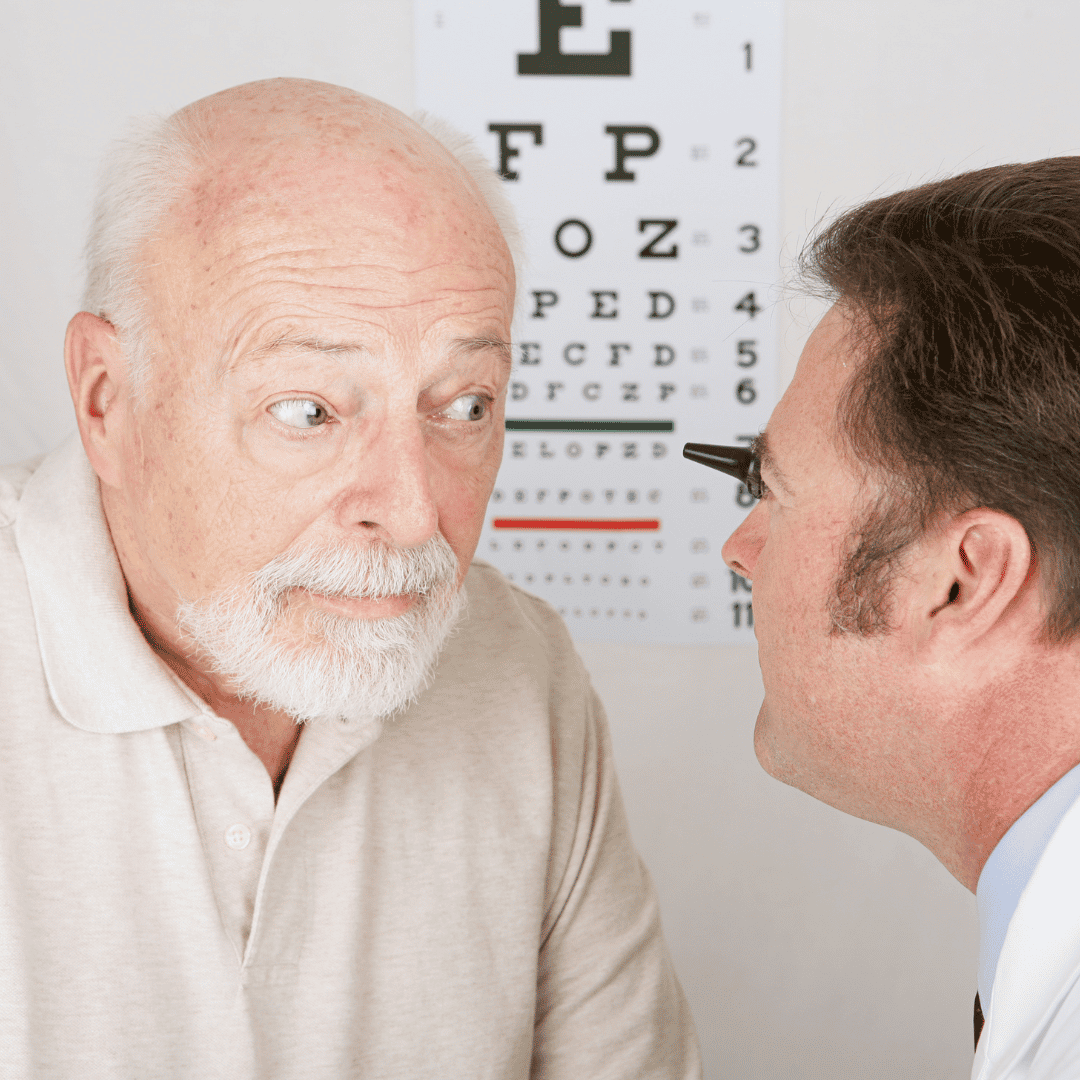
Identifying the early symptoms of retinal degradation is your first line of defense in preserving your eyesight. Patients frequently report that their central vision becomes noticeably blurred or fuzzy, making routine daily activities frustratingly difficult. You might find yourself requiring significantly brighter light when reading or doing close-up work.
A classic, definitive symptom of the wet variant is metamorphopsia, a visual distortion where straight lines suddenly appear wavy, bent, or irregular. If you experience a sudden onset of these visual disturbances, or if you notice distinct dark or empty patches in the very center of your visual field, prompt diagnostic evaluation is mandatory. Accessing rapid, high-quality diagnostics is one of the primary reasons patients seek immediate appointments with top-tier Turkish ophthalmology centers.
Why Choose Turkey for Macular Degeneration Treatment?
Over the past decade, the rapid expansion of medical tourism for eye diseases has positioned Turkey at the absolute forefront of global ophthalmology. The Turkish government and private healthcare sectors have heavily invested billions into modernizing their clinical infrastructure. This aggressive modernization has created a vast network of state-of-the-art medical centers dedicated entirely to comprehensive eye health and complex retinal surgeries.
Patients seeking affordable macular degeneration treatment abroad consistently choose historic cities like Istanbul, as well as coastal havens like Antalya. These specialized facilities strictly adhere to the most rigorous international clinical guidelines. This unwavering commitment ensures that international patients receive care that either matches or exceeds the standards found in their home countries.
Access to World-Class Ophthalmologists
The true backbone of Turkey’s success in vision care lies in the extraordinary caliber of its medical professionals. A significant percentage of the leading retina specialists and ophthalmic surgeons in Turkey have undergone extensive fellowship training in the United States, the United Kingdom, or Germany. They bring a wealth of global best practices and highly refined surgical techniques back to their local practices.
Furthermore, these dedicated physicians are highly active in international ophthalmic research, regularly attending and presenting at global medical conferences. This continuous professional development guarantees that they are utilizing the absolute latest, evidence-based treatment protocols. When you sit down for a consultation in Istanbul, you are speaking with some of the most qualified minds in modern eye care.
JCI-Accredited Eye Hospitals and Clinical Excellence
Safety, sterilization, and operational excellence are the hallmarks of Joint Commission International (JCI) accreditation. Turkey proudly hosts one of the highest numbers of JCI-accredited medical facilities in the entire world. When an eye hospital achieves this prestigious status, it signifies a proven, audited commitment to exceptional patient safety and high-quality clinical outcomes.
These specialized eye hospitals are equipped with advanced HEPA-filtered surgical suites, strict infection control protocols, and dedicated international patient coordination departments. The seamless integration of premium medical care with outstanding hospitality ensures that foreign patients feel secure, respected, and thoroughly cared for throughout their entire medical journey.
Advanced Macular Degeneration Treatment Options in Turkey
The therapeutic landscape for retinal diseases has evolved dramatically, and Turkish eye clinics are early adopters of these revolutionary technologies. Depending on the precise nature and severity of your condition, a multidisciplinary team of retina specialists will craft a highly individualized treatment protocol. The ultimate goal is always to halt the progression of the disease and, whenever possible, recover lost visual acuity.
Whether you require long-term management of the dry variant or immediate, aggressive intervention for the wet form, the medical arsenal available in Turkey is comprehensive. These clinics utilize the exact same FDA-approved medications and laser systems that are utilized by the world's most famous eye institutes.
Anti-VEGF Injections for Wet AMD
The absolute gold standard for treating wet macular degeneration is the administration of Anti-VEGF (Vascular Endothelial Growth Factor) medications. These targeted drugs are carefully injected directly into the eye to block the chemical signals that stimulate the growth of abnormal, leaky blood vessels. Clinics in Turkey routinely utilize premium, globally recognized brands such as Lucentis, Eylea, and Avastin.
The injection process is surprisingly swift and virtually painless, performed under local anesthetic drops within a highly sterile clinical environment. For many patients, a consistent regimen of these injections not only stabilizes their vision but actually results in measurable visual improvement over time. The affordability of these injections in Turkey allows patients to maintain the required treatment schedule without facing financial ruin.
Photodynamic Therapy (PDT) Innovations
For specific cases of wet AMD, ophthalmologists may recommend Photodynamic Therapy (PDT), either as a standalone treatment or in conjunction with Anti-VEGF injections. This specialized procedure involves the intravenous administration of a light-sensitive medication called Visudyne. This medication selectively travels to and accumulates within the abnormal blood vessels in the macula.
Once the medication has accumulated, the surgeon uses a carefully calibrated, low-intensity "cold" laser to activate the drug. The activated medication creates small blood clots that effectively seal off the leaking vessels without causing thermal damage to the surrounding healthy retinal tissue. Top-rated eye clinics in Istanbul possess the highly specialized laser equipment required to perform this delicate procedure safely.
Laser Photocoagulation Techniques
Although less commonly utilized today due to the overwhelming success of Anti-VEGF therapies, traditional laser photocoagulation remains a viable option for specific clinical scenarios. This highly localized treatment utilizes a high-energy thermal laser to physically burn and destroy the newly formed, actively leaking blood vessels.
Because the thermal laser inherently causes a small amount of permanent scarring on the retina, it is typically reserved for abnormal vessels that are located away from the exact center of the macula. Turkish retinal specialists employ sophisticated 3D mapping technology to determine if a patient is a safe and suitable candidate for this targeted intervention.
Cutting-Edge Dry AMD Management
While definitive cures for dry macular degeneration do not yet exist, Turkish ophthalmology centers are pioneering comprehensive management strategies. These protocols often include the prescription of specific, high-dose antioxidant vitamins and zinc supplements, formulated according to the renowned AREDS2 clinical study parameters.
Additionally, forward-thinking clinics are increasingly participating in global clinical trials for emerging therapies, such as specialized photobiomodulation (low-level light therapy) designed to stimulate cellular repair in the retina. By seeking care in Turkey, patients gain access to a holistic, scientifically backed approach to slowing the progression of the dry variant.
Cost Analysis: Affordable Macular Degeneration Treatment Abroad
The overwhelming financial burden of managing severe eye conditions is the primary catalyst driving the surge in medical tourism. In countries like the United States, Canada, and the United Kingdom, a single session of retinal therapy can cost several thousands of dollars, placing immense stress on uninsured or underinsured families.
In stark contrast, the cost of macular degeneration treatment in Istanbul offers unparalleled financial relief without a single compromise in medical efficacy. This dramatic cost disparity is not due to inferior materials or rushed care. Instead, it is a direct result of significantly lower operational overhead, localized pharmaceutical pricing, and highly favorable international exchange rates.
| Treatment Procedure | Estimated Cost (USA/UK) | Estimated Cost (Turkey) | Estimated Savings |
|---|---|---|---|
| Comprehensive Eye Exam & OCT Scan | $300 - $600 | $80 - $150 | Up to 75% |
| Anti-VEGF Injection (Per Dose) | $1,500 - $3,000 | $400 - $900 | Up to 70% |
| Photodynamic Therapy (PDT) | $2,000 - $4,500 | $800 - $1,500 | Up to 65% |
| Laser Photocoagulation | $1,000 - $2,500 | $300 - $700 | Up to 70% |
What is Included in Medical Tourism Packages?
To further simplify the financial aspect of seeking healthcare abroad, many top-tier Turkish clinics offer comprehensive, all-inclusive medical tourism packages. These carefully curated packages provide transparent, upfront pricing that completely eliminates the fear of hidden medical fees or unexpected hospital charges.
A standard treatment package facilitated by platforms like PlacidWay typically includes the initial specialist consultations, all necessary high-definition diagnostic imaging (like OCT scans), the specific medical procedure or injections, and all immediate post-operative follow-ups. Many premium packages also cover VIP airport transfers, a dedicated English-speaking patient coordinator, and accommodations at partnered luxury hotels located close to the clinic.
Selecting the Best Ophthalmology Clinic in Istanbul and Antalya
With an abundance of high-quality healthcare facilities scattered across the country, selecting the optimal clinic for your specific needs is a vital step in your medical journey. The best eye hospitals for retina diseases in Turkey are easily identifiable by their commitment to transparency, their investment in modern technology, and their demonstrable track record of international patient success.
Patients are heavily advised to conduct thorough research, request detailed credentials of the attending ophthalmologists, and review unedited testimonials from previous international visitors. Partnering with a reputable medical tourism facilitator can drastically streamline this vetting process, ensuring you only engage with fully accredited and highly respected institutions.
Essential Diagnostic Technology to Look For
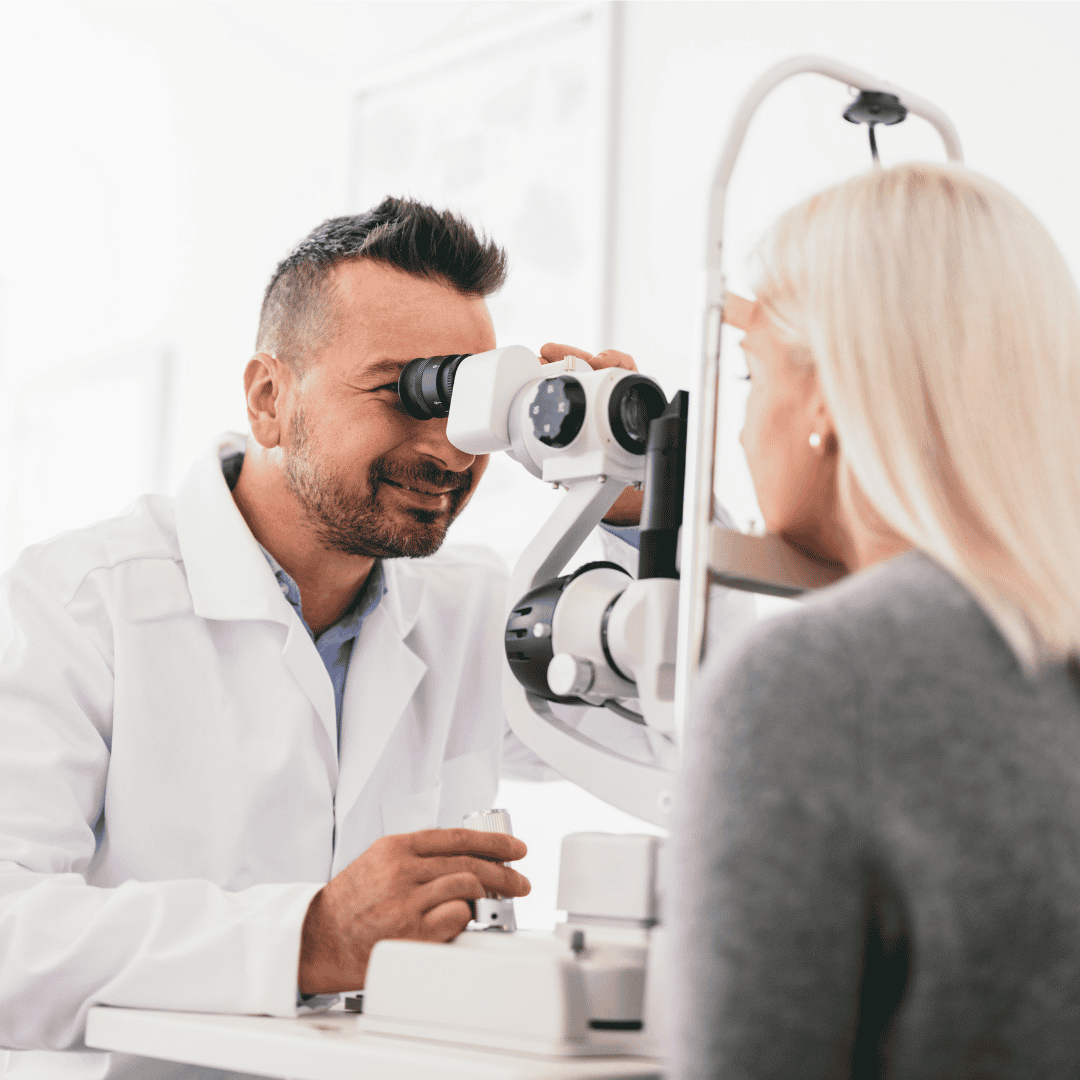
The success of any retinal treatment is fundamentally rooted in the accuracy of the initial diagnosis. When evaluating a clinic, it is imperative to confirm that they possess the latest diagnostic imaging equipment. Optical Coherence Tomography (OCT) is non-negotiable; this high-resolution ultrasound utilizes light waves to capture detailed, cross-sectional images of your retina.
Additionally, the clinic should be fully equipped to perform Fluorescein Angiography. This critical diagnostic procedure involves injecting a safe fluorescent dye into the bloodstream to highlight and photograph the delicate blood vessels in the back of the eye. A clinic heavily invested in these diagnostic technologies demonstrates a profound commitment to precise, evidence-based medicine.
Comprehensive Patient Support Services
Traveling across international borders for medical care can be inherently stressful, making the quality of a clinic's patient support staff just as important as the skill of their surgeons. Elite Turkish eye hospitals employ dedicated international departments whose sole purpose is to advocate for foreign patients. These departments bridge the gap between medical care and concierge hospitality.
Services should include access to fluent, medical-grade translators to ensure absolute clarity during intricate medical consultations. Furthermore, these teams assist with navigating local logistics, coordinating pharmacy prescriptions, and acting as a constant point of contact for concerned family members waiting back home.
The Medical Tourism Experience: Vision Care Meets Cultural Exploration
Opting for the best macular degeneration treatment in Turkey offers a unique, dual-purpose advantage that local healthcare simply cannot provide. The experience beautifully intertwines essential medical intervention with the profound opportunity for rest, recovery, and cultural enrichment in one of the world's most historically significant destinations.
The vibrant, welcoming culture of Turkey provides an exceptionally soothing environment for post-treatment recovery. Rather than recovering in a sterile, local environment, patients can spend their healing days enjoying the gentle sea breeze of the Mediterranean coast or absorbing the rich, historic ambiance of Istanbul’s ancient architecture.
Pre-Travel Consultations and Logistics
The journey to enhanced vision begins long before you board an airplane. Top international clinics utilize secure telemedicine platforms to conduct comprehensive preliminary consultations. By reviewing your existing medical records and recent eye scans digitally, Turkish specialists can formulate an accurate preliminary treatment plan and provide a reliable cost estimate.
Once you are ready to proceed, medical tourism facilitators meticulously handle the complex logistics. This includes providing official medical invitation letters for visa processing, scheduling airport meet-and-greet services, and ensuring that your hotel accommodations are highly accessible and conveniently located near the chosen hospital.
Post-Treatment Recovery Strategies
Following retinal treatments like intraocular injections or laser therapy, the physical recovery process is generally swift, but it requires strict adherence to specific post-operative guidelines. Patients are typically advised to avoid strenuous physical activities, refrain from rubbing the treated eye, and wear protective sunglasses to shield their eyes from the bright Turkish sun.
Because these procedures are largely performed on an outpatient basis, you will not be confined to a hospital bed. You are encouraged to enjoy light, relaxing activities. Enjoying a quiet dinner overlooking the Bosphorus Strait or taking a gentle evening stroll through a safe, upscale district provides excellent psychological benefits that genuinely aid in your overall physical recovery.
Long-Term Vision Management After Treatment
Managing age-related macular degeneration is inherently an ongoing, lifelong medical commitment. The treatments received in Turkey are highly effective interventions designed to halt active damage and stabilize your sight, but they are part of a broader, continuous care strategy. Sustaining the positive results achieved abroad requires diligent, proactive management upon returning to your home country.
Turkish retina specialists place a heavy emphasis on comprehensive patient education. Before your departure, you will be provided with an extensive, highly detailed medical dossier. This vital documentation includes surgical notes, high-definition post-treatment imaging, and a clearly outlined schedule for necessary follow-up care.
Follow-Up Care and Monitoring
For patients managing the wet form of the disease, establishing a relationship with a local ophthalmologist for continued monitoring is essential. While the initial round of intensive treatments and injections can be successfully completed in Turkey, the condition may require future, periodic maintenance injections to ensure the abnormal blood vessels do not return.
Your Turkish medical team will strongly advise the regular use of an Amsler grid at home. This simple, grid-patterned tool allows you to conduct daily self-assessments of your central visual field. Detecting even the slightest new distortions early is the key to maintaining the excellent results achieved during your medical trip.
Dietary and Lifestyle Adjustments
Beyond clinical treatments, making targeted lifestyle modifications is a scientifically proven method for protecting your macula. Your medical team in Turkey will provide personalized dietary counseling, heavily emphasizing the integration of dark leafy greens, omega-3 fatty acids, and vibrant, colorful vegetables into your daily routine.
Smoking cessation is absolutely paramount, as tobacco use is one of the most significant risk factors for accelerating retinal damage. By combining the world-class medical procedures performed in Turkey with robust, healthy lifestyle choices, patients can vastly improve their long-term prognosis and continue to enjoy a high quality of independent life.
Ready to Protect Your Vision with World-Class Care?
Don't let the high cost of local healthcare compromise your eyesight. PlacidWay Medical Tourism connects you directly with the highest-rated, JCI-accredited eye hospitals in Turkey. Experience cutting-edge macular degeneration treatments at a fraction of the cost. Let us handle your medical travel details while you focus on healing.
REQUEST YOUR FREE MEDICAL QUOTE TODAY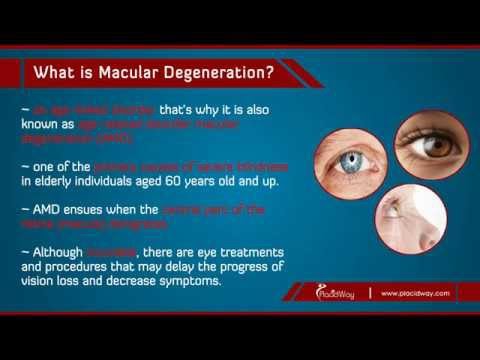




.png)
.png)
.png)
.png)








Share this listing