

If cloudy vision is impacting your daily life and local waitlists or high out-of-pocket costs are holding you back, exploring cataract surgery in Turkey might be your next step. Many international patients look to this destination to access advanced intraocular lenses (IOLs) at more manageable prices without compromising on clinical safety. This guide will help you navigate your options, understand the exact costs involved, and explain why verifying credentials with the Turkish Ministry of Health is a crucial part of planning your eye care journey safely.
Quick Answer Summary
- Estimated Cost: Typically ranges from $800 to $2,500 per eye, depending heavily on the type of intraocular lens (monofocal, multifocal, or toric) chosen.
- Safety Overview: Generally safe when performed in licensed facilities. Always look for clinics regulated by the Turkish Ministry of Health (Sa?l?k Bakanl???).
- Ideal Candidate: Individuals with a diagnosed cataract causing significant vision impairment who are medically cleared for local anesthesia.
- Recovery Time: Most patients notice vision improvement within 24 to 48 hours, with a full medical recovery taking about 4 to 6 weeks.
- Why Patients Choose Turkey: Quick access to top-tier lens brands (like Alcon or Zeiss) and experienced ophthalmic surgeons at a lower price point than the US or UK.
- Important Caution: Always confirm exactly which brand and type of lens is included in your quoted price, as generic or low-quality lenses can impact long-term vision.
Understanding Cataract Surgery and Why Patients Travel to Turkey
A cataract develops when the natural lens inside your eye becomes cloudy. This cloudiness scatters light passing through the eye, leading to blurred vision, glare, and difficulty seeing at night. Over time, this natural aging process can make everyday activities like reading or driving challenging. Cataract surgery is a routine medical procedure designed to remove this cloudy lens and replace it with a clear, artificial one.
For many patients, the decision to undergo eye surgery abroad comes down to timing and affordability. In countries like the UK or Canada, public healthcare waitlists for eye surgery can stretch for several months. In the US, uninsured or underinsured patients face high out-of-pocket expenses for premium lenses that correct astigmatism or presbyopia.
Turkey has positioned itself as a major hub for ophthalmic care. Patients travel here to access prompt treatment and premium intraocular lenses at a reduced financial burden. The country invests heavily in medical infrastructure, ensuring that many private eye hospitals utilize the same advanced diagnostic and surgical technologies found in Western Europe and North America.
Medical Tip: Untreated cataracts will gradually worsen vision. While you do not always need surgery immediately upon diagnosis, you should consult an ophthalmologist when your vision begins interfering with your quality of life.
Types of Intraocular Lenses Available During Turkish Cataract Surgery
Selecting the right intraocular lens (IOL) is one of the most important decisions you will make with your surgeon. The type of lens you choose dictates how you will see after the procedure and whether you will still need glasses.
Clinics in Turkey typically offer lenses from well-known global manufacturers. Your surgeon will recommend a lens based on your eye anatomy, lifestyle, and visual goals. It is vital to understand that not every patient is a suitable candidate for every lens type.
| Lens Type | How It Works | Best Suited For |
|---|---|---|
| Monofocal Lenses | Provides clear vision at a single distance (usually far). | Patients who do not mind wearing reading glasses for close-up tasks. |
| Multifocal Lenses | Contains multiple zones to help you see at near, intermediate, and far distances. | Patients wanting to reduce their dependence on glasses entirely. |
| Toric Lenses | Custom-designed to correct astigmatism along with the cataract. | Patients with a pre-existing uneven curvature of the cornea. |
| EDOF Lenses | Extended Depth of Focus lenses create a continuous range of high-quality vision. | Patients wanting good distance and computer-distance vision with less glare. |
How Phacoemulsification Cataract Surgery Works
Phacoemulsification is the modern standard technique used for cataract removal worldwide, including in Turkey. This minimally invasive approach uses high-frequency ultrasound energy to gently break up the cloudy lens before removing it.
Before the procedure begins, your eye is numbed using specialized eye drops. You will remain awake and alert, but you should not feel any pain. The surgeon creates a tiny micro-incision at the edge of your cornea. Because this incision is so small, it typically seals itself naturally without the need for stitches.
Once the cloudy lens is fragmented and carefully suctioned out, the surgeon folds the new, clear intraocular lens and inserts it through the same tiny incision. The new lens unfolds directly inside the capsule that previously held your natural lens. The entire surgical process generally takes less than 30 minutes to complete.
Patient Demographics: Who Travels for Turkish Ophthalmic Care
Understanding the demographic patterns of medical travelers can provide peace of mind when planning your own journey. Recent data indicates a steady influx of international patients seeking eye care in Turkey, driven largely by geographic proximity and established healthcare pathways.
According to 2024 regional healthcare reports tracking cross-border patient movement, European patients make up the largest segment of medical tourists seeking ophthalmology treatments in Turkey. This is largely due to accessible direct flights and the ability to bypass long public health wait times. Patients from the Middle East and Central Asia also represent significant portions, seeking specialized care not always available in their home healthcare systems.
Many of these patients are between the ages of 60 and 75, which aligns with the natural onset of age-related cataracts. However, a growing number of younger patients in their 50s are also traveling to access premium multifocal lenses earlier in life.
2024 International Patient Origins for Eye Surgery in Turkey
Data reflects documented 2024 international healthcare travel trends for ophthalmic procedures.
Visual Recovery and Clinical Outcomes After Cataract Removal
When planning your procedure, it helps to know what to expect regarding visual recovery. Clinical outcomes following modern phacoemulsification are highly predictable, provided you follow your surgeon's aftercare instructions carefully. The eye heals rapidly, and many patients experience a significant reduction in glare and cloudiness almost immediately.
Recent 2024 clinical evaluations of post-operative recovery timelines show a steep trajectory of visual improvement within the first four weeks. Keep in mind that while your vision may seem perfectly clear after just a few days, the internal healing of the micro-incision continues for several weeks.
During this healing phase, your eye may feel slightly gritty or dry. This is a normal biological response to the surgery and the medicated drops. Complete stabilization of your vision, which determines your final need for any corrective reading glasses, is typically evaluated around the 12-week mark.
2024 Clinical Outcomes: Patient Visual Acuity Recovery Timeline
Graph illustrates the percentage of patients achieving target visual acuity over time based on 2024 recovery metrics.
Cost of Cataract Surgery in Turkey Versus Other Countries
The primary reason you might search for this treatment abroad is the significant difference in healthcare pricing. When comparing global costs, you must look at out-of-pocket expenses for private care. In countries with public healthcare, cataract surgery is free but often comes with strict criteria and long waiting lists that can leave you struggling with poor vision for months.
In the United States and the United Kingdom, private clinics charge a premium, particularly if you request advanced lenses like multifocal or toric IOLs. The prices listed in international comparisons typically reflect the cost per eye. The cost difference is driven by lower operational overhead and favorable currency exchange rates in Turkey, rather than a reduction in medical quality.
| Country | Standard Monofocal Lens (Per Eye) | Premium Multifocal/Toric Lens (Per Eye) |
|---|---|---|
| United States | $3,000 - $5,000 | $4,500 - $7,000 |
| United Kingdom (Private) | $3,200 - $4,200 | $4,500 - $5,800 |
| Turkey | $800 - $1,200 | $1,500 - $2,500 |
Itemized Cost Breakdown and Package Inclusions
When a clinic provides you with a quote, it is crucial to understand exactly what that price includes. Medical tourism clinics often bundle services to make the travel experience smoother for international patients. However, you must ask for an itemized written quote to avoid hidden expenses.
A comprehensive cataract surgery package in Turkey typically includes the surgeon’s fee, operating room charges, local anesthesia, and the intraocular lens itself. Many clinics will also include airport transfers, a few nights of hotel accommodation, and your pre-operative diagnostic tests.
You should verify if follow-up appointments and post-operative eye drops are included in your package. Travel insurance, flights, and meals outside the hospital are almost never included in the clinical quote and should be factored into your total budget.
How to Choose a Safe and Regulated Eye Hospital in Turkey
Your safety and surgical outcome depend heavily on the facility you choose. Not all clinics are created equal. You must look beyond sleek marketing websites and focus strictly on government licensing and regulatory compliance.
First and foremost, verify that the clinic or hospital holds an active license from the Turkish Ministry of Health (Sa?l?k Bakanl???). This license ensures the facility meets national standards for hygiene, emergency protocols, and equipment maintenance. Many top-tier eye hospitals will proudly display their government registration numbers.
Additionally, you may check if the hospital holds a medical tourism authorization certificate. This specific certification indicates the facility is legally permitted to treat international patients and has established protocols for multilingual communication and patient rights.
Warning: Never book a medical procedure through an unlicensed broker. Always request direct communication with the clinic and ask to see their Ministry of Health registration credentials before transferring any funds.
Verifying Your Ophthalmic Surgeon's Credentials in Turkey
Just as important as the hospital is the surgeon performing your procedure. Ophthalmology is a highly precise specialty, and experience directly correlates with safety and success rates. You have the right to investigate your doctor’s medical background before agreeing to surgery.
Ensure your surgeon is fully registered with the Turkish Medical Association (Türk Tabipleri Birli?i). This is the national medical council that oversees physician licensing. Furthermore, look for active membership in the Turkish Ophthalmological Association (Türk Oftalmoloji Derne?i), which indicates the doctor stays updated on national clinical guidelines.
When consulting with your surgeon, ask about their annual case volume for phacoemulsification. Surgeons who perform this specific procedure frequently are generally better equipped to manage complex cases and mitigate unexpected complications during the operation.
The Step-by-Step Patient Journey in Turkey
Knowing what will happen from the moment you arrive can significantly reduce travel anxiety. The patient journey is usually well-structured by the clinic’s international patient department. Upon arrival in Turkey, a clinic representative typically meets you at the airport and transfers you to your accommodation.
The next day involves comprehensive pre-operative testing. The surgeon will perform an ultrasound or laser scan of your eye to measure its exact size and shape. This biometric data is vital for selecting the precise power of your intraocular lens. You will also have a face-to-face consultation to finalize your treatment plan.
Surgery is typically scheduled for the following day. You will spend only a few hours at the clinic before being discharged to rest at your hotel. A mandatory follow-up appointment occurs 24 to 48 hours later to check the initial healing and eye pressure before you are cleared to fly home.
Preparing for Your Eye Surgery Abroad
Proper preparation begins weeks before you board your flight. You must organize your local medical records, including your current eyeglass prescription and any previous notes from your hometown eye doctor. Having this history helps your Turkish surgeon understand the progression of your cataracts.
If you take blood thinners, prostate medication, or other daily prescriptions, you must disclose this during your initial virtual consultation. Certain medications can affect pupil dilation or increase bleeding risks during surgery, and your doctor may advise you to pause them temporarily.
Pack a pair of dark UV-blocking sunglasses. Your eyes will be highly sensitive to light immediately following the procedure, and sunglasses will make your journey back to the hotel and your eventual flight home much more comfortable.
Safety Considerations, Risks, and Complications
While cataract surgery is one of the most frequently performed and successful medical procedures globally, it is still surgery. You must be aware of potential risks before making a final decision. No medical procedure is entirely risk-free, regardless of where it is performed.
Common, mild side effects include temporary dry eyes, mild glare, and slight scratchiness. More serious but rare complications include infection (endophthalmitis), increased eye pressure, or retinal detachment. Another known possibility is posterior capsule opacification (PCO), where a membrane behind the new lens becomes cloudy months or years later. This is easily treated with a quick, non-invasive laser procedure back home.
To minimize risks, choose a licensed facility, disclose your complete medical history, and strictly adhere to your post-operative eye drop schedule. Using the prescribed antibiotic and anti-inflammatory drops exactly as instructed is your best defense against infection and swelling.
Recovery Timeline and Aftercare Following Cataract Removal
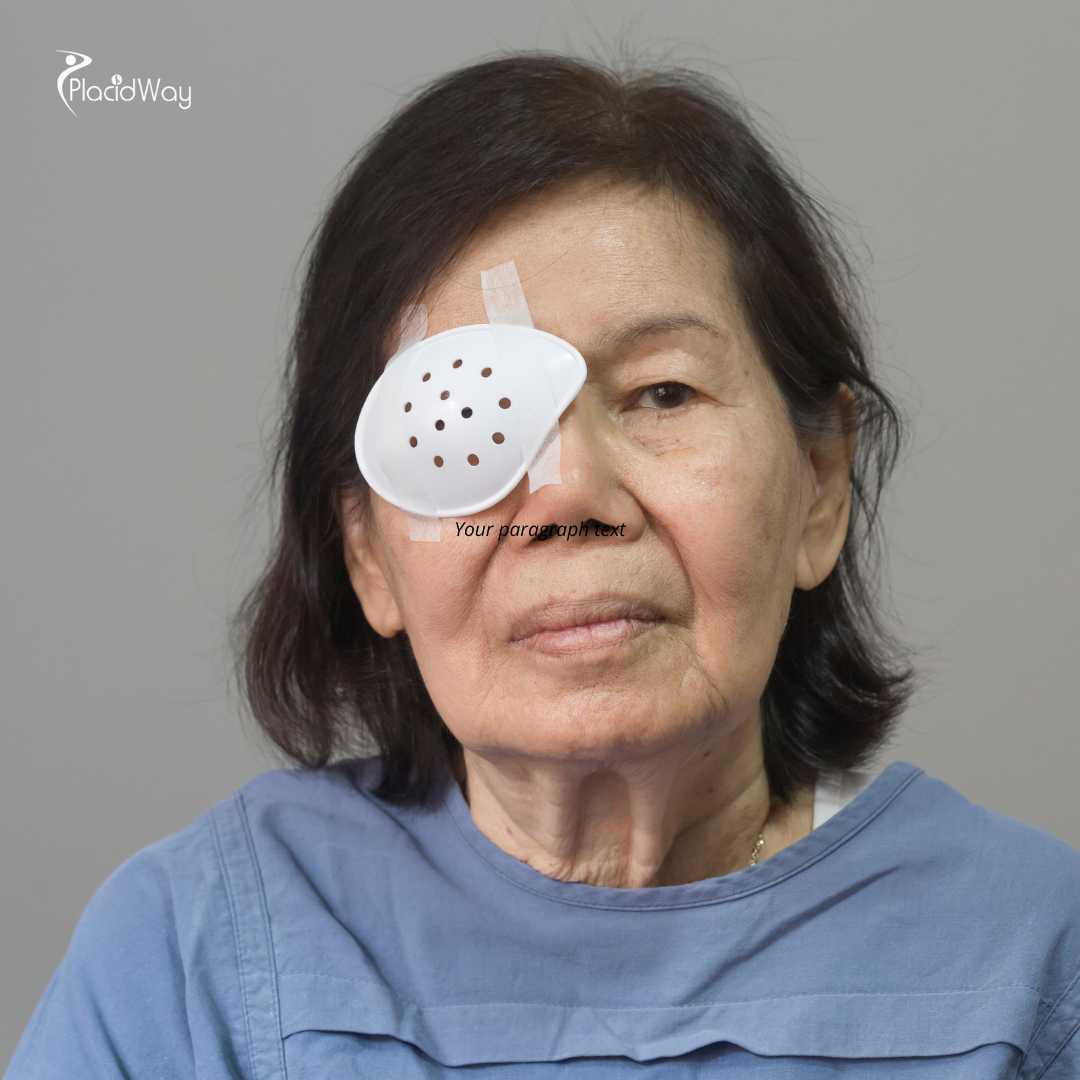
Proper aftercare is essential for achieving the best possible visual outcome. When you leave the clinic, your eye will likely be covered by a protective shield. Your vision may be blurry at first as the dilating drops wear off and your eye adjusts to the new lens.
For the first week, you must avoid rubbing your eyes, lifting heavy objects, or bending over suddenly, as these actions can increase pressure inside the eye. You will also need to keep water, soap, and shampoo out of your treated eye when showering to prevent infection.
| Timeframe | Patient Sensation | Action Required |
|---|---|---|
| First 24 Hours | Blurry vision, mild scratchiness, light sensitivity. | Wear protective eye shield while sleeping. Start prescribed drops. |
| Days 2 to 7 | Vision clearing significantly. Colors appear brighter. | Avoid heavy lifting, swimming, and dusty environments. |
| Weeks 2 to 4 | Vision stabilizing. Eye feels mostly normal. | Finish eye drop regimen as directed. Resume normal light exercise. |
| Weeks 6 to 8 | Complete healing. Refraction is stable. | Visit local eye doctor for final eyeglasses prescription if needed. |
Can You Have Both Eyes Treated at the Same Time?
If you have cataracts in both eyes, you may wonder if you can treat them simultaneously. Performing cataract surgery on both eyes on the same day is known as immediate sequential bilateral cataract surgery (ISBCS). While this is occasionally done, it is not the standard recommendation for most patients traveling abroad.
Typically, surgeons in Turkey prefer to wait a few days between operations. Treating one eye at a time allows the doctor to evaluate how the first eye responds to the procedure and the specific lens implant. It also ensures you have one functional eye for basic vision while the newly treated eye undergoes its initial healing phase.
If you plan to have both eyes treated during a single trip, you should expect to stay in Turkey for about 7 to 10 days. This timeline allows for the first surgery, a brief resting period, the second surgery, and final post-operative clearance for both eyes before flying.
Travel Logistics and Medical Visas for Turkey
Traveling for healthcare requires a bit more logistical planning than a standard vacation. Before booking flights, you must check the visa requirements for your specific nationality. Many European, UK, and US citizens can enter Turkey easily using an e-Visa, which can be obtained online prior to departure.
If you are traveling specifically for medical treatment, you can apply for a standard tourist visa, as eye surgery is an outpatient procedure. Ensure your passport is valid for at least six months from your date of entry. Your clinic coordinator can often provide a formal letter of invitation if required for your visa application.
When booking flights, aim for an itinerary with the fewest layovers to reduce travel fatigue. Since you will be resting post-surgery, choose a comfortable hotel close to the clinic. Avoiding long taxi rides through heavy city traffic will make your follow-up appointments much easier to manage.
Alternatives and Combined Eye Procedures
In some cases, patients undergo evaluations for cataract removal only to discover they might benefit from a combined approach or an alternative procedure. Your diagnostic scans will reveal the overall health of your cornea, retina, and optic nerve, guiding the final treatment plan.
If you have early-stage cataracts that are not severely impacting your vision, but you wish to correct your dependence on glasses, a procedure like Refractive Lens Exchange (RLE) may be discussed. RLE is functionally identical to cataract surgery but is performed primarily for vision correction rather than disease treatment.
Additionally, patients with glaucoma may be candidates for combined surgeries. Some surgeons perform minimally invasive glaucoma surgery (MIGS) alongside cataract removal to help lower intraocular pressure simultaneously. Discuss these possibilities with your surgeon to determine the safest and most effective strategy for your ocular health.
Frequently Asked Questions (FAQ)
It is normal to have questions before deciding on surgery. Below are the most common inquiries from international patients planning their eye care journey.
Is cataract surgery in Turkey safe for international patients?
Yes, it is generally safe when performed in a licensed facility. You must verify that the hospital is regulated by the Turkish Ministry of Health and that your surgeon is board-certified and highly experienced in phacoemulsification.
Will I need to wear glasses after the procedure?
This depends on the intraocular lens you choose. Monofocal lenses usually require reading glasses afterward. Premium multifocal or EDOF lenses can significantly reduce or eliminate your need for glasses, but results vary based on individual eye health.
Does the surgery hurt?
No, the procedure is not painful. Your eye will be thoroughly numbed with local anesthetic drops. You may feel a slight pressure or see bright lights during the surgery, but you should not feel any sharp pain.
How long must I stay in Turkey for cataract surgery?
For a single eye, a stay of 4 to 5 days is typically sufficient to cover pre-op tests, the surgery, and the mandatory follow-up. If treating both eyes on separate days, plan to stay for 7 to 10 days.
Can I fly home immediately after eye surgery?
You must wait for your surgeon's clearance before flying. This is usually given at your follow-up appointment 24 to 48 hours after surgery, once they confirm your eye pressure is stable and there are no signs of infection.
What brands of lenses are used in Turkish clinics?
Reputable clinics use globally recognized, FDA-approved or CE-marked intraocular lenses. Common brands include Alcon, Zeiss, and Johnson & Johnson. Always ask your clinic to specify the exact brand in your written quote.
What if something goes wrong after I return home?
You should establish a relationship with a local eye doctor before you travel. If complications arise back home, your local ophthalmologist will need to manage them. Ask your Turkish clinic about their remote follow-up protocols.
Are both eyes treated on the same day?
Most surgeons prefer to treat one eye at a time, spacing the procedures a few days apart. This allows the first eye to begin healing and ensures you have functional vision in the untreated eye.
How soon can I shower or wash my face?
You can shower the day after surgery, but you must keep water, soap, and shampoo completely out of your treated eye for at least one week to reduce the risk of severe infection.
Is medical tourism insurance available for eye surgery?
Yes, several international insurance providers offer medical complications insurance specifically for healthcare travelers. It is highly recommended to purchase a policy that covers unforeseen extended stays or emergency revisions.
Planning Your Next Steps for Clearer Vision
Navigating international healthcare options can feel complicated, but you do not have to do it alone. PlacidWay can help you compare licensed eye hospitals, understand your treatment costs, review doctor credentials, and request detailed information directly from trusted clinics.
Request Clinic InformationDisclaimer: This information is for educational purposes only and does not replace professional medical advice. Always consult a qualified healthcare provider before making medical decisions.
References
- What Are Cataracts? – American Academy of Ophthalmology (AAO)
- Blindness and Vision Impairment – World Health Organization (WHO)
- Cataract Surgery Overview – National Health Service (NHS)
- Healthcare Regulations and Facility Licensing – Turkish Ministry of Health (Sa?l?k Bakanl???)
- Physician Registration and Ethics – Turkish Medical Association (Türk Tabipleri Birli?i)
- National Clinical Guidelines for Eye Care – Turkish Ophthalmological Association
- Clinical Outcomes of Phacoemulsification and IOL Implantation – National Institutes of Health (NIH) Medical Registry


























Share this listing