
The Ultimate Guide to Getting LASIK Eye Surgery in Turkey (2025)
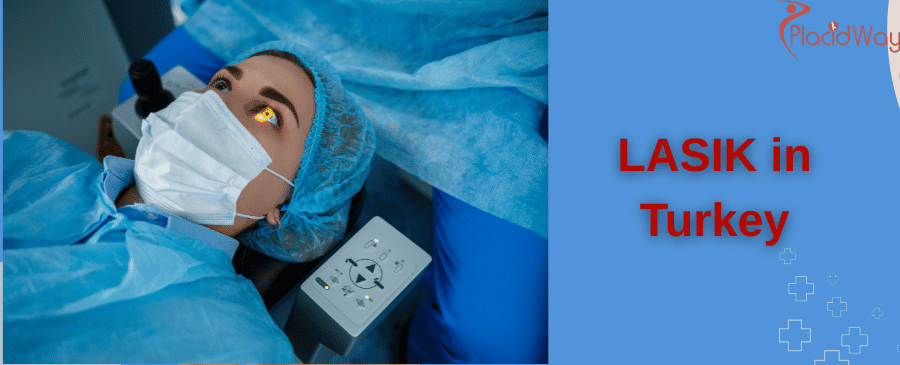
Deciding to undergo vision correction is a major step, and choosing to have that procedure in another country adds an entirely new layer of planning. For thousands of patients each year, seeking LASIK eye surgery in Turkey has become a viable option. The country has steadily built a reputation in the global healthcare market, blending advanced medical technology with geographic convenience.
Understanding why this destination is so popular involves looking at the broader picture of global healthcare access. Patients are increasingly willing to travel when they can find comprehensive care, modern technology, and transparent pricing. However, traveling for an elective medical procedure requires careful consideration of safety, medical eligibility, and the logistics of recovering away from home.
Key Takeaways
- Turkey provides access to modern laser vision correction technology at a lower price point than many North American and European nations.
- A thorough in-person medical evaluation is mandatory to determine if you are a safe candidate for the procedure.
- Patients must plan for adequate post-operative recovery time before flying due to airplane cabin environments.
- Establishing a relationship with a local eye doctor at home is crucial for long-term follow-up care.
- Not everyone is suitable for LASIK; alternatives like PRK or implantable lenses may be necessary based on corneal thickness and prescription.
How much does LASIK eye surgery cost in Turkey compared to other countries?
When you start researching vision correction, the financial aspect often stands out immediately. In many Western healthcare systems, LASIK is considered an elective or cosmetic procedure, meaning it is rarely covered by standard health insurance. This leaves patients paying out of pocket, which can be quite expensive.
In contrast, the pricing structure in Turkey often presents a more accessible entry point. The reduced costs are largely driven by differences in national economic factors, such as local wages, property costs for clinics, and general overhead expenses. You will find that price estimates often include the initial consultation, the procedure itself, and the immediate post-operative medications.
However, it is vital to view cost as only one part of the equation. A lower price should never excuse poor medical standards. You should always ask for an itemized breakdown of what is included in your treatment estimate. Ensure you understand if pre-operative scans, follow-up appointments during your stay, and potential touch-up surgeries are covered or billed separately.
What technology is typically used by a LASIK eye surgery clinic in Turkey?
The success and safety of laser vision correction rely heavily on the equipment being used. Modern centers in popular international hubs invest in current technology to stay competitive on a global scale. When researching facilities, you will likely encounter terms like Femto-LASIK or all-laser LASIK.
Traditionally, a microkeratome (a small mechanical blade) was used to create the corneal flap. Today, many clinics use a femtosecond laser for this step, which can offer more precision and potentially reduce flap-related complications. Following the flap creation, an excimer laser is used to reshape the underlying corneal tissue.
Additionally, wavefront-guided technology is commonly available. This technology maps the unique imperfections of your eye, allowing the laser to customize the reshaping process to your specific vision needs. When evaluating a clinic, ask specific questions about the age and maintenance of their laser platforms to ensure they meet modern safety standards.
How does medical tourism in Turkey support international eye surgery patients?
Navigating healthcare in a foreign language and unfamiliar environment can feel overwhelming. To address this, many healthcare providers have created streamlined systems specifically designed for international visitors. This supportive infrastructure is a significant reason why patients feel comfortable traveling for their procedures.
These international departments usually employ multilingual staff who act as a bridge between you and your medical team. They assist in translating your medical history, explaining the surgical consent forms, and ensuring you fully understand your post-operative care instructions. Having clear, accurate communication is non-negotiable when dealing with medical procedures.
Furthermore, because these centers handle a high volume of traveling patients, they are accustomed to the compressed timelines involved. They understand how to efficiently schedule your pre-operative exams, the surgery, and the necessary follow-up appointments before you are cleared to fly back home.
Am I a good candidate for laser vision correction abroad?
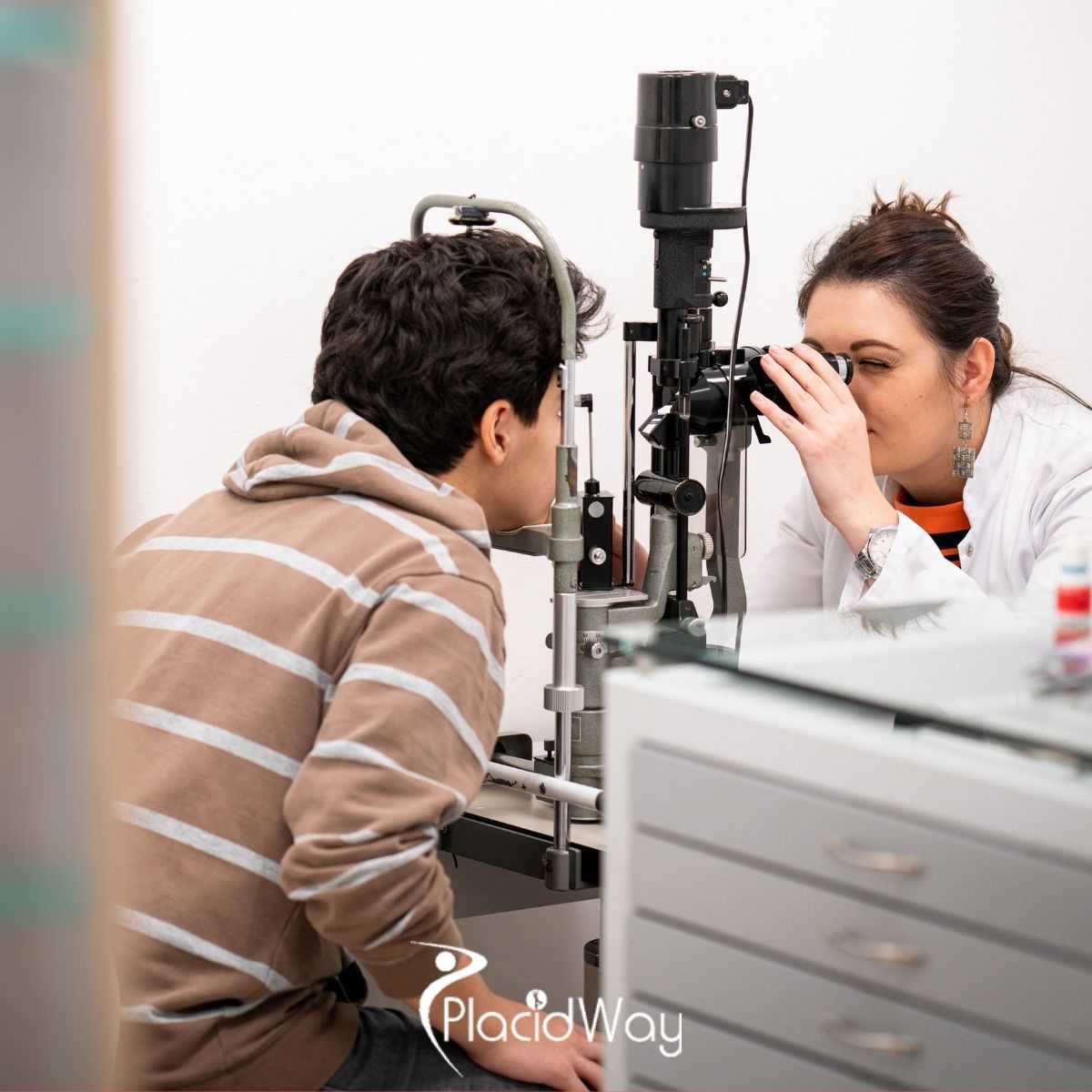
While you may be eager to book your trip, the final decision on whether you can safely have LASIK cannot be made until you are sitting in the ophthalmologist's chair for a comprehensive exam. Traveling for surgery carries the inherent risk that you may arrive, undergo the evaluation, and be told you are not a suitable candidate.
A thorough evaluation will check several critical factors:
- Corneal Thickness: The laser removes tissue; if your cornea is too thin, LASIK could compromise the structural integrity of your eye.
- Prescription Stability: Your vision must be stable for at least one to two years before surgery. If your eyes are still changing, the procedure's results won't last.
- Dry Eye Syndrome: LASIK can exacerbate dry eyes. If you already suffer from severe dry eye, you may be steered toward alternative treatments.
- General Eye Health: Conditions like glaucoma, cataracts, or severe astigmatism can impact your eligibility.
If you are deemed ineligible for LASIK, a qualified surgeon might discuss alternatives such as PRK (Photorefractive Keratectomy) or SMILE (Small Incision Lenticule Extraction), provided they are medically appropriate for your specific case.
What are the potential risks and complications of LASIK surgery?
Every surgical procedure involves risk, and eye surgery is no exception. It is crucial to have realistic expectations and understand that perfect vision without glasses is never guaranteed. Being away from your home healthcare network means you must be extra vigilant about understanding these risks before giving consent.
The most common side effect is dry eyes, which can last for weeks or months after the procedure and usually requires artificial tears. Visual disturbances such as glare, halos around lights (especially when driving at night), and double vision can also occur. For most patients, these symptoms resolve as the eye heals, but in some cases, they can become chronic.
More severe complications are rare but possible. These include infections or problems with the corneal flap, such as the flap healing improperly or shifting. Prompt medical attention is required if you experience severe pain, sudden vision loss, or worsening redness, which underscores the importance of staying near your clinic for the immediate post-operative period.
How long is the recovery period before I can safely fly home?
When planning your timeline, you cannot simply have surgery one day and fly out the next. The initial healing phase is delicate. Your doctor needs to evaluate your eyes 24 to 48 hours after the procedure to ensure the flap is positioned correctly and there are no early signs of infection.
Airplane cabins present specific challenges for recovering eyes. The air inside an aircraft is extremely dry, which can severely aggravate post-LASIK dry eye symptoms. If you are cleared to fly, you will need to apply lubricating eye drops frequently throughout the flight to keep your eyes comfortable and aid the healing process.
Additionally, you must be cautious about rubbing your eyes, getting water in them, or carrying heavy luggage that causes you to strain, as these actions can disrupt the healing corneal flap. Follow your surgeon’s travel advice closely, as individual healing rates can vary.
What kind of follow-up care is required after returning home?
Your relationship with eye care professionals does not end when you board your flight home. Healing from laser vision correction is a process that continues for several months. While your initial check-ups will happen abroad, the long-term monitoring must happen locally.
Before you travel, it is a smart strategy to speak with a local eye doctor to see if they are willing to co-manage your post-operative care. You will typically need appointments at the one-month, three-month, and six-month marks to monitor your healing, check your visual acuity, and ensure no delayed complications arise.
Be sure to obtain a complete copy of your surgical records, including details of the pre-operative measurements, the specific laser parameters used, and any medications prescribed. Having this documentation allows your local doctor to provide the best possible continuity of care if you experience issues later.
Are the ophthalmologists in Turkey properly certified?
Verifying your doctor's credentials is one of the most important steps in medical travel. You want to ensure the person operating on your eyes has extensive, specific experience in refractive surgery, rather than just general ophthalmology.
You can evaluate a surgeon's background by checking if they are registered with the Turkish Medical Association and the Turkish Ophthalmological Association. Furthermore, many leading surgeons who treat international patients also hold memberships in global groups, such as the European Society of Cataract and Refractive Surgeons (ESCRS) or the American Academy of Ophthalmology (AAO).
Do not hesitate to ask questions during your research phase. Inquire about how many LASIK procedures the surgeon performs annually and their personal complication rates. A reputable doctor or clinic will be transparent about their experience and willing to discuss both their successes and the limitations of the procedure.
How do I prepare for my LASIK procedure in another country?
Proper preparation directly impacts the accuracy of your pre-operative measurements and the smoothness of your recovery. If you wear contact lenses, they actually alter the natural shape of your cornea. You will be required to switch strictly to glasses for several weeks before your evaluation (the exact time depends on whether you wear soft or hard lenses). Failing to do this can lead to inaccurate laser corrections.
Logistically, it is highly recommended to travel with a companion. Immediately after surgery, your vision will be blurry, your eyes will be sensitive to light, and you will likely feel tired. Having someone to guide you back to your hotel, help with your medication schedule, and assist with food is invaluable.
You should also pack sensibly for your recovery. Bring a comfortable pair of dark, UV-blocking sunglasses, as you will be highly light-sensitive. Avoid bringing eye makeup, face creams, or perfumes, as you will be instructed not to use these products around your eyes for several days to prevent infection and irritation.
Why Choose PlacidWay for Medical Tourism?
Navigating the global healthcare landscape requires reliable information and access to varied options. PlacidWay helps patients research international medical travel by providing a platform to explore facilities and treatments worldwide.
Global Healthcare Access
Connects patients with a wide network of medical centers and healthcare providers across multiple countries.
Educational Resources
Offers detailed articles, guides, and information about various medical procedures to help you understand your options.
Facility Comparisons
Allows patients to review clinic profiles, accreditations, and available technologies side-by-side.
Cost Transparency
Provides access to pricing estimates and treatment packages, helping you plan your medical budget effectively.
Informed Decision Making
Supports patient research by gathering relevant clinic details, doctor qualifications, and treatment approaches in one place.
Frequently Asked Questions
Is LASIK eye surgery painful?
The procedure itself is typically not painful because the surgeon applies numbing eye drops before beginning. You may feel some pressure during the creation of the corneal flap. After the numbing drops wear off, some patients experience mild discomfort, scratchiness, or a sensation like an eyelash in the eye for a few hours.
Can I get LASIK in Turkey if I have astigmatism?
Yes, modern LASIK technology can often treat astigmatism along with nearsightedness or farsightedness. However, your eligibility depends on the severity of your astigmatism and the thickness of your cornea, which must be evaluated during a comprehensive pre-operative exam.
How soon after LASIK can I see clearly?
Many patients notice improved vision within 24 hours of the surgery, though it is often slightly blurry at first. Your vision may continue to stabilize and improve over several weeks to a few months as your eyes fully heal.
Are both eyes treated on the same day?
Yes, ophthalmologists typically treat both eyes during the same surgical session. Treating both eyes together is generally preferred to minimize the recovery period and help your brain adjust to your new vision simultaneously.
What is the difference between LASIK and PRK?
In LASIK, the surgeon creates a thin flap in the cornea, reshapes the tissue underneath, and replaces the flap. In PRK, the outer layer of the cornea is completely removed before reshaping, and it grows back naturally. PRK has a longer recovery time but may be recommended for patients with thinner corneas.
Can I swim in a hotel pool after getting LASIK abroad?
No, you must avoid swimming pools, hot tubs, saunas, and the ocean for at least two to four weeks after surgery. Water can harbor bacteria that may cause serious eye infections while your corneal flap is healing.
Does the effect of LASIK wear off over time?
The physical reshaping of the cornea is permanent. However, your eyes can still change naturally as you age. Conditions like presbyopia (age-related reading difficulty) or cataracts can develop later in life and affect your vision, regardless of whether you had LASIK.
What happens if I blink or move during the laser procedure?
Your eye will be held open gently by a specialized medical instrument, so you cannot blink during the procedure. Additionally, modern excimer lasers use advanced eye-tracking technology that monitors your eye movements thousands of times per second and adjusts or pauses the laser instantly if you move.
Will I still need reading glasses after LASIK?
Standard LASIK corrects distance vision. If you are over the age of 40, you may still develop presbyopia and need reading glasses. Some patients opt for a technique called monovision, where one eye is corrected for distance and the other for reading, which should be discussed during your consultation.
How do clinics in Turkey handle language barriers?
Facilities catering to international patients typically employ English-speaking medical staff and provide dedicated patient coordinators or translators. This ensures that you can understand the procedure, ask questions, and comprehend your post-operative care instructions clearly.
Ready to Explore Your Vision Correction Options?
Review clinic profiles, compare technology, and gather the information you need to make an informed decision about your eye care.
Compare Treatment OptionsReferences
- LASIK — American Academy of Ophthalmology (AAO)
- LASIK eye surgery: What to expect — Mayo Clinic
- What are the risks and how can I find the right doctor for me? — U.S. Food and Drug Administration (FDA)
- Laser eye surgery — National Health Service (NHS)
- Medical Tourism — Centers for Disease Control and Prevention (CDC)
- Patient Information — International Society of Refractive Surgery (ISRS)




























Share this listing