


Thinking about achieving crisp, clear eyesight without the daily hassle of spectacles? The LASIK eye surgery procedure in the United States has become the gold standard for individuals seeking long-lasting vision correction. A flawless result requires the right psychological readiness, a meticulous pre-operative clinical assessment, and a comprehensive discussion about potential long-term physiological effects on your eyes.
This extensive guide breaks down the essential diagnostic factors every prospective patient must consider before committing to laser vision correction, ensuring you make a highly informed and confident decision about your future visual health.
Video Chapters Quick Navigation
The Psychological Motivation Behind Refractive Eye Surgery
The monumental decision to undergo an elective medical procedure on your eyes rarely happens overnight. Most individuals spend years dealing with the relentless daily frustrations of corrective eyewear before actively seeking out permanent surgical solutions. As prominently mentioned at [00:10] in the clinical video, having the correct intrinsic motivation is the absolute foundation of any successful surgical intervention.
Patients must carefully evaluate the cumulative lifetime cost of continuously updating designer frames, replacing heavily scratched lenses, and purchasing expensive premium contact lenses. Over a single decade, these frustrating recurring expenses easily exceed the initial upfront financial investment required for permanent laser vision correction. Moving forward with the surgery often represents a highly effective long-term financial saving strategy as well as a massive daily lifestyle upgrade.
Safety and personal convenience play equally significant psychological roles in driving patient motivation toward the operating room. Waking up in the middle of the night and blindly fumbling for glasses during an unexpected emergency is a universally shared annoyance among visually impaired individuals. Eliminating this severe dependency provides an unmatched, liberating sense of security and absolute personal freedom.
Meticulous Eye Evaluation and Corneal Topography Mapping
Pre-operative screening is universally considered the single most critical phase of the entire refractive surgery timeline. Not every individual walking into a modern ophthalmology clinic is considered an ideal, safe candidate for structural tissue ablation. Surgeons must conduct a highly detailed, rigorous biometric analysis to guarantee the structural integrity of the eye can successfully handle the microscopic intervention.
As directly highlighted at [00:24] in the provided video, corneal topography mapping before refractive surgery represents the uncompromising gold standard in pre-surgical diagnostic imaging. This advanced scanning technology rapidly generates a highly detailed, three-dimensional topographical map of the microscopic elevations and complex depressions across the front surface of the human eye.
Diagnostic Technologies Used by Top Ophthalmologists
Identifying dangerous underlying conditions like subclinical keratoconus is a primary, non-negotiable objective during these initial clinical evaluations. Undetected corneal ectasia can unfortunately lead to severe, sight-threatening biomechanical complications if the structural tissue is further weakened by an excimer laser. The detailed topographical map visually ensures that only perfectly structurally sound corneas are medically approved for surgery.
Pachymetry serves as another utterly vital diagnostic tool utilized daily to measure the precise microscopic thickness of the central cornea. The surgical laser permanently removes microscopic amounts of living stromal tissue for every single diopter of optical correction required. If the cornea inherently lacks sufficient natural thickness, creating a protective surgical flap could dangerously compromise the eye's long-term biomechanical stability.
Leading surgeons also carefully measure the patient's maximum pupil dilation in scotopic, severely low-light environments. When natural pupils expand far beyond the designated optical treatment zone in dim lighting, patients frequently experience debilitating, dangerous starbursts and glowing halos around bright streetlights. Performing accurate digital pupilometry explicitly prevents these incredibly common night vision optical disturbances.
| Diagnostic Test Name | Primary Clinical Purpose | Importance for Surgical Safety |
|---|---|---|
| Corneal Topography | Digitally maps all surface irregularities | Actively prevents surgery on inherently weak corneas |
| Digital Pachymetry | Measures total central corneal thickness | Guarantees enough residual tissue for safe laser reshaping |
| Infrared Pupilometry | Measures maximum pupil dilation in the dark | Dramatically reduces risk of post-op night glare and halos |
| Tear Film Breakup Time | Assesses baseline dry eye clinical severity | Directly guides aggressive post-operative lubrication plans |
Advanced Laser Vision Correction Treatment Options
While the popular acronym LASIK is frequently utilized by the public as a generic blanket statement for all vision correction, the specialized medical field offers multiple distinct surgical approaches. Consulting openly with a dedicated eye specialist, as strongly suggested at [00:31], practically guarantees you receive the highly specific treatment protocol best suited to your incredibly unique ocular anatomy.
Photorefractive keratectomy (PRK) proudly remains a highly effective, robust alternative for patients clinically diagnosed with uncommonly thin corneas. Instead of delicately creating a hinged stromal flap, the operating surgeon completely removes the outer regenerative epithelial layer before directly applying the computer-guided reshaping laser. This older surface ablation technique preserves maximum underlying corneal thickness and entirely eliminates all flap-related mechanical complication risks.
Small Incision Lenticule Extraction (SMILE) actively represents the absolute newest generation of minimally invasive refractive ocular surgery. Utilizing a remarkably precise femtosecond laser, the skilled surgeon creates a microscopic disc-shaped lenticule deep inside the cornea which is then manually extracted through a tiny, rapidly healing keyhole incision. This revolutionary approach significantly reduces the severing of superficial corneal nerves, aiding faster recovery.
Comparing Custom Wavefront Technology and Traditional Methods
Traditional laser ablation profiles simply applied the patient’s basic eyeglass prescription directly onto the naked corneal surface. While technically effective for resolving basic, standard refractive errors, this distinctly older method completely ignored the uniquely microscopic micro-imperfections inherently present in every individual's distinct visual system.
Modern custom wavefront-guided treatments forcefully elevate the stunning precision of laser vision correction to entirely unprecedented medical levels. By meticulously mapping complex higher-order aberrations, the excimer laser can selectively target microscopic visual distortions that standard eyeglasses simply cannot correct. This targeted approach results in significantly crisper visual acuity and vastly superior contrast sensitivity in challenging low-light conditions.
Assessing Immediate Recovery and Long-Term Visual Outcomes
Overjoyed patients are consistently amazed by the shockingly rapid immediate visual recovery timeline for LASIK experienced the very morning after traditional flap-based surgery. Waking up to clearly and effortlessly read a digital clock entirely across the bedroom is a profoundly emotional, life-changing milestone for those accustomed to debilitating heavy myopia. However, immediate post-operative clarity does not instantly equate to permanent physiological stability.
As earnestly discussed at [00:41], ethical medical professionals heavily prioritize discussing both the short-term epithelial healing timeline and the highly realistic long-term visual trajectory. The human eye continuously undergoes microscopic structural changes throughout the initial three to six arduous months post-operation.
Managing Patient Expectations for Future Vision Changes
During the delicate initial recovery phase, slight, annoying fluctuations in visual sharpness are entirely normal and medically expected. The outer microscopic epithelial cells are actively smoothing and aggressively remodeling themselves directly over the newly shaped underlying stromal bed. Achieving the final, brilliantly stable refractive results requires immense patience and strict, unwavering adherence to complex post-operative drop schedules.
Patients must also intellectually understand the absolutely inevitable onset of presbyopia during their early to mid-forties. Advanced laser vision correction permanently modifies the front cornea to perfectly fix distance vision, but it does not magically prevent the natural, stiffening aging process of the crystalline lens deep inside the eye. Simple reading glasses will eventually become medically necessary for near-focus tasks unless a specialized monovision protocol is explicitly planned.
Addressing Associated Complications and Post-LASIK Dry Eyes
Every single surgical procedure inevitably carries inherent, documented medical risks, and refractive laser surgery is certainly no exception to this harsh medical reality. Complete clinical transparency regarding these statistical probabilities is absolutely essential for establishing informed, ethical patient consent prior to surgery. A highly detailed discussion explicitly about avoiding multiple associated complications occurs prominently around [00:53] in the provided educational video material.
Post-operative dry eye syndrome proudly stands as the most frequently reported, frustrating side effect following advanced flap-creation procedures. When the oscillating microkeratome or precision femtosecond laser rapidly cuts the superficial corneal tissue, it temporarily severs the delicate microscopic nerves directly responsible for signaling vital tear production. This sudden neurological disruption inevitably leads to a transient, noticeable decrease in soothing basal tear volume.
Aggressive and highly proactive management of the sensitive ocular surface is required to mitigate physical discomfort during the lengthy nerve regeneration phase. Finding the absolute best LASIK surgeon for dry eye syndrome ensures that customized medical interventions are correctly deployed. These advanced interventions frequently include high-quality preservative-free artificial tears, thick nightly lubricating ointments, and the painless insertion of microscopic punctal plugs to artificially retain natural moisture.
Understanding the Mechanisms of Vision Regression
While precise laser ablation permanently removes targeted tissue, the complex eye remains a dynamic, living biological organ fully capable of subtle physiological changes over time. A distinctly small percentage of treated individuals may unfortunately experience a highly frustrating phenomenon strictly known as refractive regression. Mentioned directly and honestly at [00:58], this issue involves a gradual, partial return of the patient's original nearsightedness or astigmatism.
Understanding long-term vision regression after LASIK requires looking at cellular healing responses. Regression is typically directly caused by aggressive epithelial hyperplasia, a natural process where the surface cells noticeably thicken in an attempt to completely fill in the flattened area artificially created by the laser. In other rare instances, subtle biomechanical shifts within the slightly weakened cornea can cause slight forward bulging over several long years.
If clinically significant regression ever occurs, secondary surgical enhancement touch-ups are often safely and effectively performed by the original surgeon. However, these delicate touch-up procedures are heavily, strictly dependent on the patient still possessing an adequate, safe residual stromal bed thickness. Rigorous, comprehensive lifetime eye exams remain absolutely necessary to actively monitor these incredibly subtle refractive shifts.
Essential Post-Operative Care and Visual Neuroadaptation
Following any major structural alteration to the eye's intrinsic refractive power, the complex visual cortex situated in the human brain must painfully undergo a fascinating process strictly known as neuroadaptation. Even if the advanced excimer laser perfectly and flawlessly shapes the clear corneal tissue, the brain initially, confusingly perceives the sharp new visual signals as slightly foreign or overwhelming.
During the critical first few weeks, healing patients might frequently notice mild visual fatigue or experience minor, frustrating difficulties constantly concentrating on bright, complex digital screens. This is considered a completely natural, highly expected physiological response as complex neurological pathways aggressively recalibrate to process pristine light without the familiar aid of external magnification.
The Crucial Role of Pharmaceutical Adherence
Strict, unwavering adherence to the meticulously prescribed post-operative pharmaceutical regimen simply cannot be overstated by medical professionals. Applying powerful topical corticosteroids exactly as sternly directed rapidly suppresses harmful, dangerous inflammatory responses brewing within the highly sensitive exposed stromal bed.
Simultaneously, actively utilizing broad-spectrum prophylactic antibiotic drops strictly prevents opportunistic environmental pathogens from aggressively entering the healing epithelial boundary. Foolishly skipping doses or prematurely terminating the prescribed drop schedule dramatically increases the terrifying risk of vision-threatening complications like diffuse lamellar keratitis.
Evaluating the Cost of Laser Vision Correction in the United States
Thoroughly understanding the true, comprehensive cost of laser vision correction in the United States remains a primary, stressful concern for the vast majority of prospective surgical candidates. While the initial advertised price tag may heavily induce temporary sticker shock, breaking down the massive long-term economics actually paints a vastly different, highly encouraging picture.
Standard corporate health insurance policies almost universally, stubbornly classify these amazing refractive modifications as purely elective, unnecessary cosmetic procedures. Consequently, primary medical coverage rarely, if ever, contributes to the hefty direct surgical fees, unfairly leaving patients entirely responsible for the massive out-of-pocket expenses.
Navigating Insurance Coverage and Financing Options
However, many modern corporate vision plans now proudly offer heavily negotiated discount programs strictly partnered with specific affiliated surgical networks. Diligent patients should aggressively and thoroughly investigate these hidden potential workplace benefits before officially scheduling their initial, expensive clinical consultation.
Furthermore, smartly utilizing powerful tax-advantaged accounts like Flexible Spending Accounts (FSA) or Health Savings Accounts (HSA) provides substantial, much-needed financial leverage. Paying directly for the expensive procedure utilizing completely pre-tax dollars effectively reduces the total crushing financial burden by a highly significant percentage, making world-class, premium eye care highly accessible.
Navigating Future Problems with Cataract Surgery Post-LASIK
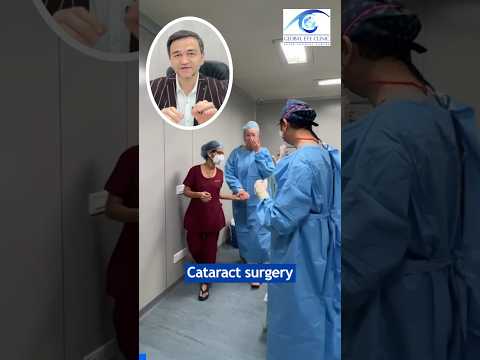
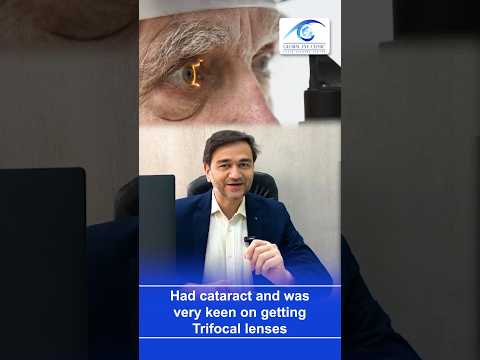
An incredibly vital, yet frequently intentionally overlooked, aspect of permanent refractive surgery involves its massive impact on future senior eye care literally decades down the long road. Every single human individual who manages to live long enough will absolutely eventually develop cloudy cataracts urgently requiring surgical lens replacement. The video accurately highlights this exact, inevitable scenario at [01:01], sternly stressing the immense importance of long-term future surgical planning.
Standard cataract surgery primarily involves safely extracting the naturally clouded crystalline lens and permanently replacing it with a perfectly clear, customized artificial intraocular lens (IOL). Determining the absolute precise optical power of this tiny implant relies incredibly heavily on highly accurate biometric measurements of the eye's total axial length and the specific curvature of the front cornea.
Calculating Intraocular Lens Power Accurately
Because previous laser vision correction artificially and permanently flattens the central cornea to magically correct myopia, it severely and catastrophically disrupts standard biometry algorithms. Traditional mathematical formulas inherently and stubbornly assume a perfectly natural, completely unaltered ratio continuously existing between the front and back surfaces of the biological cornea. When these completely outdated formulas are blindly applied to post-LASIK eyes, they frequently result in a devastating hyperopic surprise, cruelly leaving the senior patient heavily dependent on thick glasses once again.
Thankfully, accurately calculating IOL power after prior laser eye surgery is entirely possible today because modern ophthalmology has rapidly developed highly specialized, post-refractive IOL calculators. These calculators are specifically and painstakingly designed to mathematically address this incredibly complex geometric discrepancy. Utilizing advanced, brilliant formulas like the Barrett True-K perfectly allows specialized surgeons to safely bypass the heavily altered anterior curvature data.
All surgical patients are strongly, emphatically advised to forcefully request and permanently retain a secure hard copy of their incredibly detailed pre-operative corneal topography and baseline refractive measurements. Having immediate access to this priceless original baseline data provides your future cataract surgeons with the absolute perfect historical context desperately needed to select the absolutely perfect lens implant.
- Retain Pre-Op Topography: Keep your original corneal maps stored safely in a digital format for future decades.
- Inform Future Surgeons: Always explicitly tell any future eye doctor that you previously had refractive surgery, even if it was thirty years ago.
- Seek Specialists: Ensure your future cataract surgeon utilizes modern calculators like the Barrett True-K formula to avoid mathematical errors.
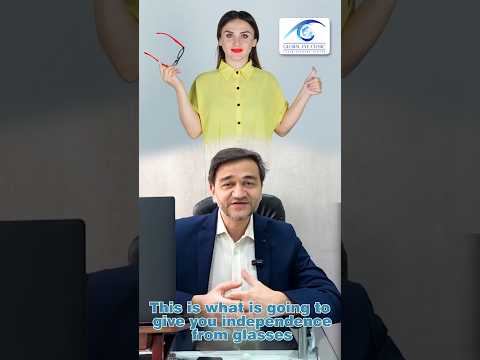
Experiencing Total Lifestyle Independence Without Glasses
The highly anticipated, overarching objective of bravely enduring the lengthy evaluation process, the massive financial investment, and the uncomfortable recovery period is to finally achieve total visual liberation. The highly uplifting final segment of the medical video, occurring around [01:13], beautifully visualizes the profoundly amazing lifestyle enhancements that rapidly accompany complete spectacle independence.
Navigating and driving at night immediately becomes significantly safer and vastly more comfortable when you are thankfully no longer constantly battling the distracting internal reflections and blinding glare directly caused by micro-scratches on dirty eyeglass lenses. Your crucial peripheral vision is entirely unobstructed by bulky plastic frames, safely allowing for incredibly quicker reaction times on highly congested, dangerous highways.
Enthusiastically participating in highly dynamic water sports and intense, sweaty physical activities is completely and utterly transformed forever. Foolishly wearing soft contact lenses in heavily chlorinated pools or natural, dirty bodies of water carries a severely dangerous risk of rapidly contracting sight-threatening acanthamoeba bacterial infections. Post-surgery, thrilled individuals can safely dive headfirst into aquatic activities with total, unwavering confidence and absolute ocular safety.
Furthermore, daily social interactions and deeply personal self-esteem frequently see a massive, highly positive psychological boost following successfully completed treatment. Permanently removing the physical, distracting barrier of heavy eyeglass frames allows individuals to engage significantly more intimately with their surrounding environment and their cherished loved ones. This beautiful, unhindered social engagement proudly represents the true, invaluable lasting value of pursuing advanced refractive eye care.
Ready to Achieve Perfect Visual Freedom?
Stop letting glasses and contact lenses dictate your daily activities. Take the absolute first step toward incredibly clear, independent vision by scheduling your comprehensive consultation today.
Get Free QuoteView Full Video Transcript
[00:00] Lasik or laser vision correction means freedom from spectacles.
[00:05] When you are planning Lasik surgery, there are three main important points which you should keep in mind.
[00:10] Number one is Motivation. You should be motivated to undergo the surgery.
[00:15] It gives you freedom from glasses.
[00:20] Number two is a thorough evaluation.
[00:24] One of the most commonly known is corneal topography.
[00:30] What laser treatment or what laser vision correction will give you independence from glasses.
[00:37] We are not just looking to get rid of glasses.
[00:41] We are looking at immediate and long-term results.
[00:47] Discuss with your eye specialist.
[00:53] Do not have multiple associated complications.
[00:56] Such as dry eyes.
[00:58] Which is called regression.
[01:01] Or future problems with cataract surgery.
[01:05] These are the three most important things.
[01:09] This is what is going to give you independence from glasses.
[01:13] Allowing you to drive.
[01:15] Swim.
[01:17] And partying with your loved ones.






.jpg)
.png)
.png)
.png)








Share this listing