
Affordable LASIK in Tijuana
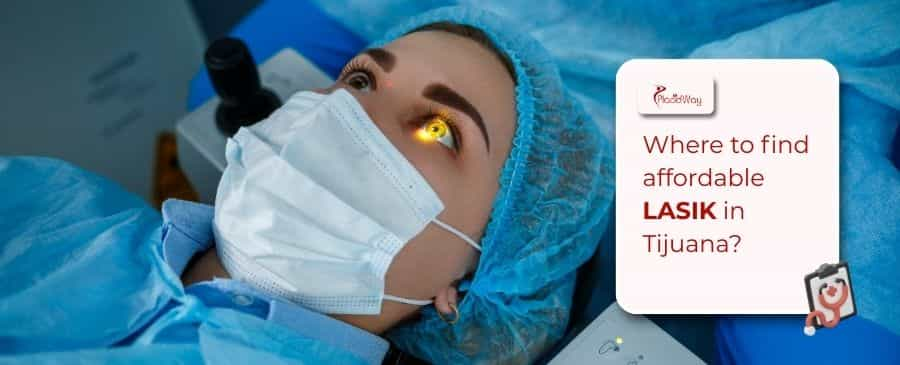
Many individuals dealing with nearsightedness, farsightedness, or astigmatism consider corrective eye surgery to reduce their dependence on glasses and contact lenses. However, the high out-of-pocket expenses in the United States prompt thousands of people to look across the border for more accessible options. Finding LASIK in Mexico has become increasingly common, particularly in border cities that cater specifically to international visitors seeking vision correction.
Because of its immediate proximity to San Diego, California, Tijuana has developed a robust healthcare infrastructure focused on treating international patients. When exploring medical tourism in Mexico, understanding how to navigate the available options, evaluate costs, and prioritize your safety is critical. This guide provides detailed information on what to expect, how to select a qualified provider, and the medical considerations you must review before undergoing refractive eye surgery abroad.
Key Takeaways
- Treatment costs in Tijuana typically range from $1,000 to $1,800 for both eyes, representing substantial savings compared to US averages.
- Reputable clinics utilize modern excimer and femtosecond laser systems similar to those found in standard US eye centers.
- Not everyone is a suitable candidate; sufficient corneal thickness and a stable vision prescription are mandatory medical requirements.
- Proper screening by a board-certified ophthalmologist is essential to minimize the risk of complications such as severe dry eye or visual disturbances.
- Patients must arrange for transportation home and plan for post-operative follow-up care either locally or with their treating surgeon.
How much does LASIK cost in Tijuana compared to the US?
When evaluating the financial aspects of refractive surgery, it helps to understand what is generally included in the quoted price. In Tijuana, the estimated cost usually covers your initial pre-operative consultation, comprehensive eye mapping, the surgical procedure itself, and the first set of post-operative eye drops. However, pricing can fluctuate depending on the specific technology used, such as whether you opt for standard microkeratome surgery or a bladeless femtosecond approach.
The stark difference in pricing compared to the United States primarily comes down to economic factors. Medical facilities in Mexico operate with lower rent, reduced labor costs, and different medical liability insurance structures. These factors allow eye centers to offer services at a lower price point while still purchasing and maintaining standard international laser equipment.
You should always ask for a detailed, itemized quote before traveling. Clarify whether follow-up appointments are included and ask if there are extra fees for enhancement surgeries should your vision regress slightly in the months following your initial treatment.
Am I a good candidate for refractive eye surgery?
Not everyone who wants to reduce their reliance on glasses can safely undergo this procedure. During your initial consultation, the ophthalmologist will measure your corneal thickness using a pachymeter. Because the laser removes microscopic layers of tissue to reshape your eye, your cornea must be thick enough to withstand this reshaping without structural weakening. If your cornea is too thin, the surgeon may recommend an alternative procedure, such as PRK (Photorefractive Keratectomy) or implantable lenses.
Other vital factors determine your candidacy. You must have healthy eyes free from active infections, severe dry eye syndrome, glaucoma, or uncontrolled cataracts. Furthermore, certain systemic health conditions can interfere with your body's healing process.
- Autoimmune diseases, such as rheumatoid arthritis or lupus, can complicate healing.
- Uncontrolled diabetes can affect vision stability and recovery.
- Pregnancy and nursing cause hormonal fluctuations that temporarily alter vision prescriptions, making surgery inadvisable during these periods.
- A history of chronic dry eyes may worsen post-surgery, requiring careful evaluation before proceeding.
How do I choose a safe LASIK clinic in Tijuana?
Selecting a facility requires careful research beyond simply comparing costs. You should look for eye centers that focus primarily on ophthalmology and refractive surgery, rather than general clinics offering a multitude of unrelated medical services. A specialized clinic is more likely to have the necessary diagnostic equipment, such as corneal topographers and wavefront analyzers, which are crucial for mapping your eye accurately before surgery.
Communication is another vital aspect of choosing a clinic. Because you will need to understand complex medical information, pre-operative instructions, and post-operative care requirements, the facility should have fluent English-speaking staff and doctors. If you feel pressured into making a deposit or if the clinic guarantees a perfect outcome without mentioning potential risks, you should consider looking elsewhere.
What technology is used for laser eye surgery in Mexico?
The quality of your vision correction relies heavily on the technology used. The procedure generally involves two main steps: creating a thin flap on the surface of the cornea, and then using an excimer laser to reshape the underlying tissue. Older methods use a mechanical blade called a microkeratome to create the flap. While still effective and commonly used, many patients now prefer the bladeless approach.
Bladeless surgery utilizes a femtosecond laser to create the corneal flap with tiny, rapid pulses of energy. This method can offer greater precision and may reduce the risk of certain flap-related complications. When researching clinics, ask if they offer Wavefront-optimized or topography-guided treatments. These advanced diagnostic tools create a highly detailed, three-dimensional map of your eye, allowing the laser to correct microscopic vision errors unique to your individual eye shape, potentially reducing nighttime glare and halos.
Are eye surgeons in Tijuana board-certified?
Verifying your doctor's credentials is a non-negotiable step when planning medical travel. In Mexico, medical professionals must graduate from an accredited medical school and complete a specialized residency in ophthalmology to practice. Earning certification from the national medical board indicates that the surgeon has passed rigorous examinations and maintains ongoing medical education requirements.
Beyond basic certification, look for surgeons who have completed specific fellowship training in cornea and refractive surgery. Experience matters significantly in ophthalmology. You can respectfully ask the surgeon how many laser vision correction procedures they have performed in their career. Surgeons who perform these procedures regularly are generally more adept at handling variations in eye anatomy and managing potential complications if they arise.
What are the potential risks and side effects of the procedure?
Like any surgical intervention, vision correction is not without risk, and outcomes vary by patient. The most frequently reported side effect is dry eye syndrome. The surgery temporarily disrupts corneal nerves responsible for tear production. While this usually resolves within a few months as the nerves heal, some patients require long-term use of artificial tears or prescription eye drops to manage ongoing dryness.
Visual symptoms such as glare, starbursts, and halos around bright lights are also common during the first few weeks of recovery, particularly at night. In most cases, these symptoms diminish as the eye heals and the brain adapts to the new corneal shape. However, in a small percentage of patients, these issues can persist, making nighttime driving difficult.
More severe, albeit rare, complications involve the corneal flap. If the eye is rubbed vigorously during the initial healing phase, the flap can wrinkle or become dislodged. There is also a small risk of infection or an inflammatory condition known as Diffuse Lamellar Keratitis (DLK). Immediate medical attention is required if you experience sudden pain, worsening vision, or severe redness after the procedure.
How long is the recovery time after LASIK?
Immediately after the surgery, your eyes will likely feel itchy, gritty, or watery, as if there is an eyelash trapped inside. Your doctor will instruct you to go home or to your hotel and sleep for a few hours. Keeping your eyes closed promotes the initial sealing of the corneal flap. You will be provided with a specific regimen of antibiotic drops to prevent infection and steroid drops to control inflammation.
During the first week, you must avoid rubbing your eyes at all costs. You will be given protective eye shields to wear while sleeping to prevent accidental contact. It is also important to avoid getting tap water, soap, or shampoo in your eyes while showering. Dusty environments, smoke, and swimming pools should be avoided for several weeks to prevent infection and irritation.
While most people can return to regular daily activities within a few days, your vision may fluctuate. It might be perfectly clear one day and slightly blurry the next. This fluctuation is a normal part of the healing process as the cornea adjusts and tear film stabilizes.
Can I travel back home immediately after the procedure?
Logistical planning is a major part of medical travel. Because the procedure alters your vision and you may be given a mild oral sedative to help you relax, you cannot operate a vehicle afterward. You must arrange for a friend or family member to drive you across the border, or utilize private medical transportation services if available.
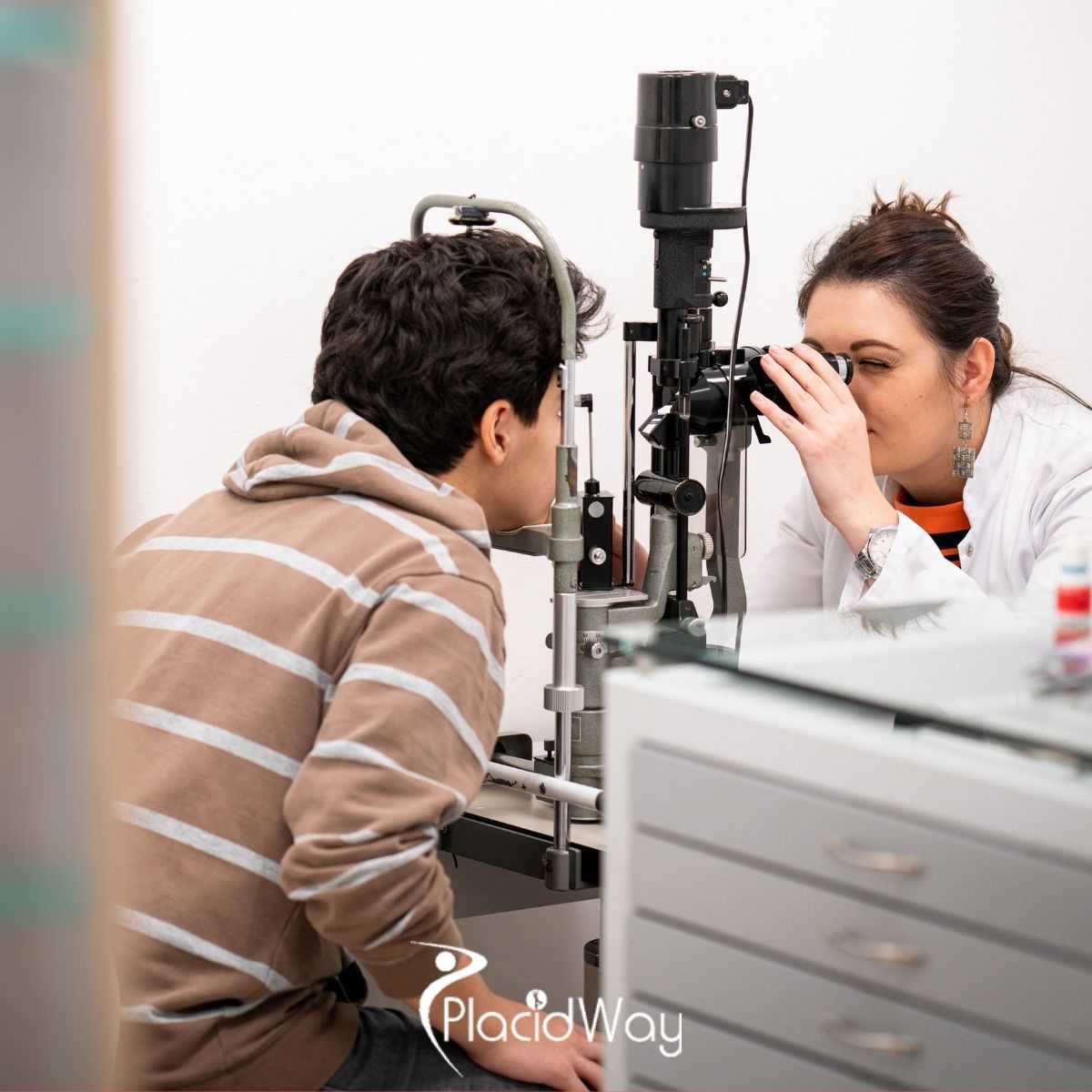
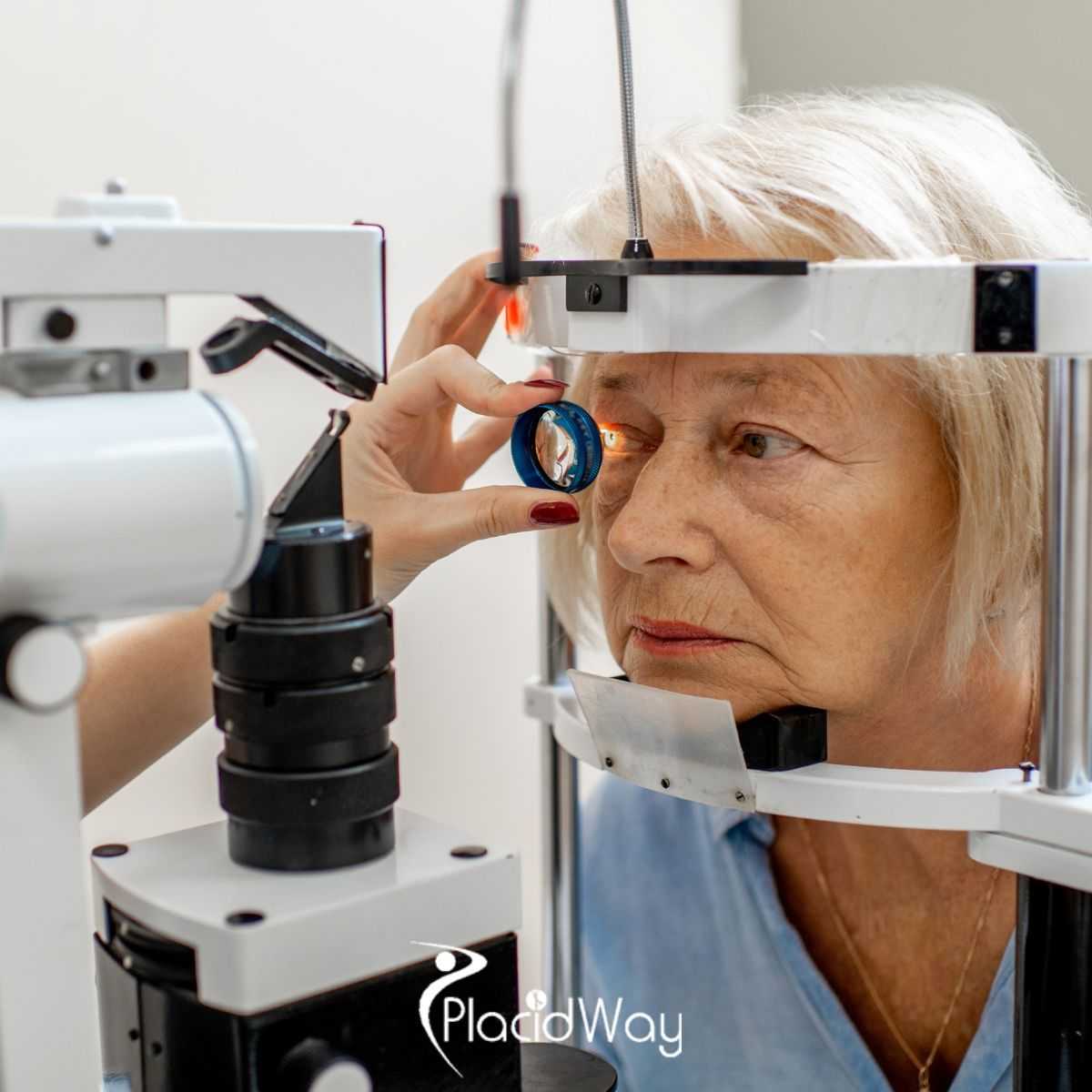
Surgeons mandate a follow-up appointment the morning after your procedure. During this brief visit, the doctor will check your visual acuity and examine the corneal flap under a slit-lamp microscope to ensure it is healing smoothly and securely. Traveling long distances or flying before this check-up is strongly discouraged.
If you are flying out of San Diego International Airport, plan your departure for the afternoon following your post-op appointment at the earliest. Keep in mind that airplane cabins have very dry air, so you must aggressively use preservative-free artificial tears during your flight to keep your healing corneas properly lubricated.
What happens if I need follow-up care after returning home?
Refractive surgery requires continuous monitoring to ensure optimal outcomes. Standard follow-up schedules typically involve visits at one week, one month, three months, and six months post-surgery. If you live close to the border, returning to your original surgeon in Tijuana is often the best and most cost-effective option.
However, if you are traveling from further away, you will need to establish a co-management relationship with an eye doctor in your hometown. This means your local doctor will perform the required check-ups and communicate any concerns with your surgeon in Mexico. It is crucial to set this up before you travel for surgery.
Keep in mind that while your surgical fee in Mexico may be low, you will likely need to pay out-of-pocket for these local follow-up visits in the US, as your domestic health insurance may not cover care related to elective vision correction performed abroad. Factor these local medical fees into your overall budget when determining your true costs.
Why Choose PlacidWay for Medical Tourism in Tijuana?
Navigating healthcare options in another country requires access to clear, organized information. PlacidWay serves as a resource for individuals researching international medical options.
- Extensive Network: Provides users with access to profiles of healthcare providers and eye clinics located in Tijuana and other global destinations.
- Cost Comparisons: Allows patients to view estimated treatment costs across multiple facilities to help determine budget requirements.
- Direct Communication: Connects users directly with clinics so they can ask specific questions about technology, surgeon credentials, and treatment protocols before making decisions.
- Educational Materials: Offers articles and guides explaining the basics of medical travel, what to expect from different procedures, and how to prepare.
- Centralized Platform: Features an interface built to help international patients organize their research and evaluate healthcare facilities internationally without needing to visit dozens of separate websites.
Frequently Asked Questions
Does the laser eye surgery procedure hurt?
Patients typically do not feel pain during the procedure because the surgeon applies numbing eye drops beforehand. You may feel some mild pressure on your eye when the device used to hold your eyelids open is placed, or when the corneal flap is being created, but the laser treatment itself is generally painless.
Is bladeless refractive surgery available in Tijuana?
Yes, many established eye centers in the city offer bladeless procedures. This approach uses a femtosecond laser rather than a microkeratome blade to create the corneal flap, which can sometimes provide more precise flap creation and potentially reduce certain flap-related complications.
Can astigmatism be corrected at these facilities?
Yes, modern excimer lasers used in these clinics are capable of correcting astigmatism along with nearsightedness and farsightedness. Your surgeon will evaluate your specific corneal shape during your consultation to determine if your degree of astigmatism falls within the treatable range.
What happens if I blink or move my eye during the laser treatment?
Your eye is held open gently with a small medical instrument, preventing you from blinking during the procedure. Additionally, modern laser systems feature advanced eye-tracking technology that monitors your eye position hundreds of times per second. If your eye moves too much, the laser automatically pauses until proper alignment is restored.
Will I ever need to wear glasses again later in life?
While refractive surgery corrects your current vision prescription, it does not prevent the natural aging of the eye. Around age 40 to 50, most people develop presbyopia, a condition that makes it difficult to read up close. When this happens, you will likely need reading glasses, even if your distance vision remains clear.
How quickly can I return to work after treatment?
Many patients feel comfortable returning to office or computer work within two to three days, provided their initial healing is progressing normally. However, you should take frequent breaks to administer prescribed artificial tears, as staring at screens can exacerbate post-operative dry eyes.
Are both eyes typically treated on the same day?
Yes, it is standard practice to treat both eyes during the same surgical session. Doing so allows both eyes to heal concurrently and helps your brain adjust to your new vision faster, though you and your surgeon can opt to treat them on separate days if there is a medical reason to do so.
What is the difference between PRK and this procedure?
While both use an excimer laser to reshape the cornea, the preparation differs. The standard procedure involves creating a thin flap to access the underlying tissue, whereas PRK involves removing the outer layer of the cornea completely. PRK has a longer recovery time but is often recommended for patients with thin corneas.
Do I need a passport to cross the border for eye care?
Yes, a valid passport or an approved WHTI-compliant document, such as a passport card or Enhanced Driver's License, is required for US citizens to re-enter the United States by land after visiting Mexico. Ensure your travel documents are up to date before scheduling your appointment.
How do patients pay for medical services across the border?
Most recognized clinics accept major international credit and debit cards, though you should notify your bank of your travel plans beforehand to prevent blocked transactions. Some facilities also accept US dollars in cash or offer specific medical financing plans, but personal checks are rarely accepted.
Compare Treatment Options in Tijuana
Explore eye clinic profiles, learn about available technologies, and gather estimated pricing information to help you make an informed decision regarding your vision care.
Request Treatment InformationReferences
- LASIK Basics – U.S. Food and Drug Administration (FDA)
- LASIK Laser Eye Surgery – American Academy of Ophthalmology (AAO)
- LASIK Eye Surgery: Risks and Results – Mayo Clinic
- Medical Tourism Safety Guidelines – Centers for Disease Control and Prevention (CDC)
- Refractive Errors Overview – National Eye Institute (NEI)
- Patient Guide to Refractive Surgery – American Society of Cataract and Refractive Surgery (ASCRS)























Share this listing