
Countries Known for Leading Eye Specialists

When exploring vision correction options, many patients wonder about international options for ophthalmology. Assessing medical expertise relies on diverse perspectives and individual credentials rather than borders alone. However, seeking eye surgery in Turkey has become a prominent choice for cross-border patients. With a growing infrastructure for medical tourism in Turkey, individuals often look to this region for procedures ranging from laser vision correction to complex cataract management. Understanding the estimated eye surgery cost in Turkey and knowing how to evaluate an eye surgery clinic in Turkey are vital steps for anyone considering treatment abroad.
Key Takeaways
- Renowned ophthalmologists are found globally; assessing expertise depends on individual surgeon credentials and patient reviews rather than geographic location.
- Turkey has developed a substantial medical tourism infrastructure focusing on vision correction and restorative eye procedures.
- Patients must thoroughly research clinic accreditations and doctor qualifications before committing to international treatment.
- Outcomes, healing timelines, and potential complications vary significantly based on the specific procedure and individual patient health.
- Establishing a clear plan for post-operative care with a local professional in your home country is essential for long-term eye health.
Why do international patients choose eye surgery in Turkey?
The decision to travel for medical procedures involves weighing several interconnected factors. Patients exploring options often find that dedicated ophthalmology centers catering to international visitors invest heavily in modern diagnostic equipment and surgical lasers. These tools are similar to those found in major hospitals across North America and Europe, enabling providers to offer a wide array of vision correction options.
Furthermore, medical professionals working in these specific sectors frequently pursue specialized training. Many ophthalmologists participate in international fellowships or maintain memberships with recognized global bodies, such as the International Council of Ophthalmology. This ongoing education helps maintain clinical standards across borders. Patients are drawn to environments where modern clinical practices align with organized patient coordination services.
What types of ophthalmology procedures are available in Turkey?
Clinics operating within the medical tourism sector typically offer a broad spectrum of eye care services. Refractive surgery remains highly sought after, with options tailored to different corneal structures and refractive errors. Procedures such as Photorefractive Keratectomy (PRK), Femtosecond LASIK, and Small Incision Lenticule Extraction (SMILE) are routinely performed for suitable candidates seeking reduced dependence on glasses or contact lenses.
Beyond elective vision correction, medical travelers also seek restorative surgeries. Cataract surgery utilizing phacoemulsification and the implantation of multifocal or toric intraocular lenses (IOLs) is a common procedure. Additionally, centers often provide medical and surgical management for glaucoma, keratoconus, and diabetic retinopathy. Patients must consult directly with specialists to determine which specific intervention aligns with their visual health requirements.
How does the eye surgery cost in Turkey compare internationally?
Financial considerations play a significant role in cross-border healthcare. The pricing structures in distinct geographic regions vary heavily based on local economic conditions and the specific operational costs of running medical facilities. While the eye surgery cost in Turkey is frequently cited as a primary motivation for travel, patients must carefully analyze what is included in a quoted price.
Estimates typically cover the surgeon's fee, facility charges, standard pre-operative testing, and basic post-operative medications. However, patients should account for additional expenses such as flights, accommodation, travel insurance, and potential costs associated with local follow-up care upon returning home. Requesting itemized estimates helps individuals make informed financial decisions without encountering unexpected fees.
How can patients identify a reputable eye surgery clinic in Turkey?
Evaluating an eye surgery clinic in Turkey requires diligence. Patients should look for facilities that hold recognized accreditations, such as those from the Joint Commission International (JCI) or the International Organization for Standardization (ISO). These accreditations indicate that a clinic undergoes regular external audits regarding patient safety, equipment maintenance, and clinical protocols.
Furthermore, evaluating the primary surgeon is critical. Prospective patients should request details regarding the doctor's medical education, specialization in ophthalmology, and specific experience with the proposed procedure. Reputable clinics readily provide this information and encourage preliminary consultations—often via video call—to discuss medical history, realistic expectations, and specific clinical practices.
What qualifications should a specialist possess?
The term "renowned" is subjective and often reflects a provider's contribution to medical literature, adoption of modern techniques, and consistency in patient care. When evaluating specialists internationally, patients should verify that the surgeon is recognized by their country's Ministry of Health and holds specific board certifications in ophthalmology.
Many experienced providers also pursue fellowships in sub-specialties, such as cornea and external disease or refractive surgery. Active participation in global medical associations indicates a commitment to staying current with evolving medical guidelines and surgical techniques. Patients have the right to request a comprehensive curriculum vitae from any prospective provider.
What are the potential risks and complications of eye surgery?
No medical procedure is entirely without risk. E-E-A-T guidelines emphasize the necessity of understanding potential adverse outcomes before consenting to treatment. Common side effects following refractive procedures include temporary dry eye syndrome, fluctuating vision, and light sensitivity. In some patients, these symptoms can become chronic and require long-term management.
Surgical complications, though less frequent, may involve corneal flap issues during LASIK, increased intraocular pressure, or infection (endophthalmitis). Certain underlying health conditions or anatomical features can elevate these risks. A comprehensive pre-operative screening is vital to identify contraindications. Patients must weigh the potential benefits against these medical realities and recognize that outcomes vary by individual.
How long does recovery take after undergoing vision correction abroad?
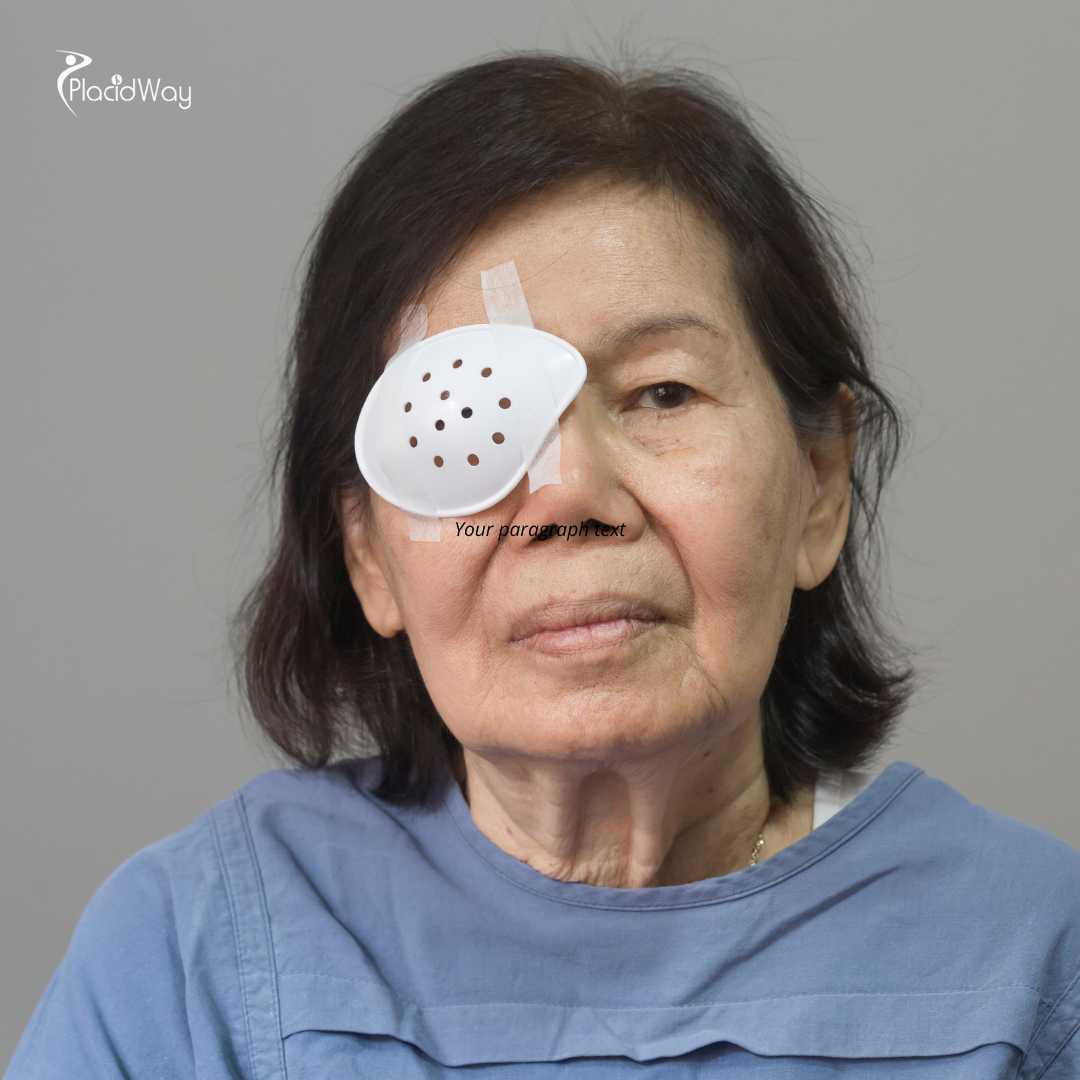
Healing timelines are highly variable. Following minimally invasive refractive surgeries, many individuals notice improved vision within 24 to 48 hours. However, the eyes undergo a prolonged healing process. During the initial weeks, patients frequently experience mild discomfort, blurriness, and a gritty sensation. Adherence to prescribed medicated eye drops and resting protocols is critical during this phase.
For more invasive procedures, such as corneal transplants or complex cataract removals, the recovery window extends significantly. Patients must plan to remain near the treating facility for required immediate follow-up appointments. Traveling too soon after surgery can expose healing tissues to cabin pressure changes and dry air, potentially complicating recovery.
| Procedure Type | Estimated Initial Recovery | Estimated Vision Stabilization |
|---|---|---|
| LASIK / SMILE | 1 to 3 days | 3 to 6 months |
| PRK (Surface Ablation) | 5 to 7 days | 3 to 6 months |
| Cataract Surgery | 2 to 4 days | 1 to 2 months |
Note: The timelines above are general estimates. Individual healing rates depend on specific medical circumstances and adherence to post-operative instructions.
Who is considered an appropriate candidate for eye surgery?
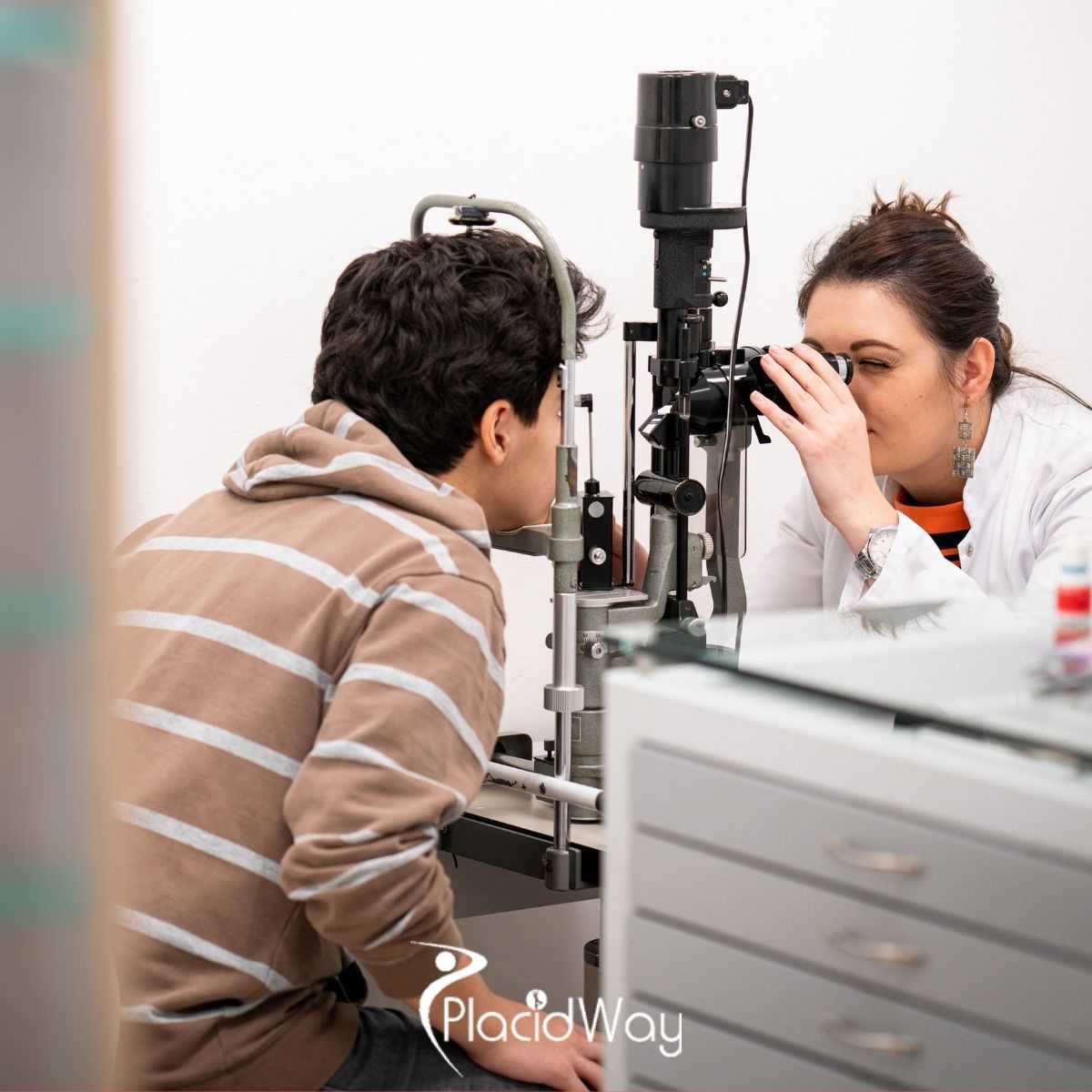
Not everyone seeking vision correction is eligible for surgery. A thorough clinical assessment is required to evaluate corneal topography, pupil size, tear film quality, and intraocular pressure. Individuals under the age of 18 are generally excluded from elective refractive surgery because their vision prescriptions are still changing.
Certain medical conditions, such as severe dry eye syndrome, severe glaucoma, uncontrolled diabetes, or autoimmune disorders (like rheumatoid arthritis), may contraindicate surgery because they can impair the body's healing response. Pregnant or nursing women are also advised to postpone elective eye procedures due to hormonal changes that temporarily alter corneal shape. Final eligibility can only be determined through comprehensive physical examinations.
How does medical tourism in Turkey support international patients?
The infrastructure surrounding medical tourism in Turkey is designed to facilitate healthcare access for non-residents. Dedicated international patient departments within clinics help bridge communication gaps by employing coordinators who speak multiple languages. These teams assist in gathering pre-operative medical records and explaining the logistical steps of the treatment journey.
This organized approach allows patients to focus on their medical evaluations and subsequent recovery. However, patients must remember that while logistical support is helpful, medical decisions should remain independent of tourism considerations. Ensuring ample time for recuperation before undertaking the journey home is paramount for safety.
Why is local post-operative follow-up essential after returning home?
The surgical procedure is only one phase of vision correction; diligent aftercare is equally critical. When pursuing treatment abroad, patients face a unique challenge: managing their long-term recovery away from their primary surgeon. Establishing a relationship with a local optometrist or ophthalmologist before traveling is strongly advised.
Local providers can perform the necessary 1-month, 3-month, and 6-month evaluations to monitor intraocular pressure and assess corneal stability. If complications arise—such as persistent inflammation, infection, or regression of visual acuity—prompt intervention by a qualified local specialist is necessary. Patients should ensure they receive comprehensive medical records from their international clinic to share with their home-country provider.
Why Choose PlacidWay for Medical Tourism in Turkey?
PlacidWay serves as an educational platform and directory for individuals researching healthcare options internationally. When considering treatments abroad, PlacidWay offers several supportive functions:
- Access to Information: PlacidWay provides detailed profiles of various international medical centers, helping patients gather preliminary data on available facilities.
- Provider Comparisons: The platform allows users to compare different clinics based on their listed accreditations, specialties, and available technologies.
- Facilitated Communication: Patients can request information directly from healthcare providers through the platform to ask specific clinical questions.
- Educational Resources: PlacidWay publishes guides and articles regarding the processes, expectations, and realities of seeking cross-border medical care.
- Supporting Patient Autonomy: The platform encourages individuals to independently verify credentials and consult with their local physicians before making medical decisions.
Frequently Asked Questions
Is it safe to fly after eye surgery in Turkey?
Flying shortly after eye surgery is often discouraged due to changes in cabin pressure and dry air, which can irritate healing eyes. Most ophthalmologists recommend waiting at least a few days to a week before flying, depending on the specific procedure performed.
Are English-speaking eye specialists common in Turkey?
Many eye specialists who routinely work with international patients speak English. Clinics frequently provide dedicated translation services to ensure clear communication regarding medical history, procedural steps, and aftercare instructions.
Do Turkish eye clinics use modern laser technology?
Facilities catering to international patients typically invest in modern diagnostic and surgical equipment, including advanced excimer and femtosecond lasers, comparable to technology used in North America and Western Europe.
Can I get treatment for glaucoma in Turkey?
Yes, comprehensive ophthalmology centers in Turkey offer various glaucoma management options, ranging from prescription eye drops and laser trabeculoplasty to traditional filtration surgeries, depending on patient suitability.
How soon after LASIK in Turkey can I return to work?
Patients typically resume non-strenuous work within a few days after LASIK. However, individuals working in dusty environments or spending long hours at a computer may need more time to allow their eyes to heal and adjust.
What happens if I need a revision after my eye procedure?
If a revision is necessary, patients usually need to return to their original surgeon or seek care from a qualified local ophthalmologist. Patients should discuss revision policies with their chosen clinic before undergoing initial treatment.
Are cataract surgeries in Turkey performed on both eyes at once?
While simultaneous bilateral cataract surgery is becoming more common globally, many surgeons prefer operating on one eye at a time, spaced a few days or weeks apart, to minimize the risk of bilateral complications.
Will my local health insurance cover eye surgery in Turkey?
Most standard domestic health insurance plans do not cover elective procedures or surgeries performed internationally. Patients usually pay out-of-pocket, though some specialized international medical policies might offer partial reimbursement.
How far in advance should I plan my medical trip to Turkey?
Patients are advised to begin planning at least two to three months in advance. This allows sufficient time to gather medical records, consult with local eye doctors, evaluate clinics, and organize necessary travel documentation.
What should I do if I experience severe dry eyes after returning home?
Dry eyes are a common side effect of many vision correction surgeries. Patients should use the lubricating drops prescribed by their surgeon and immediately consult a local eye care professional if symptoms worsen or persist.
Compare Treatment Options
Gather factual information, review clinical credentials, and explore international healthcare options to make an informed decision regarding your eye health.
Request Treatment InformationReferences
- American Academy of Ophthalmology (AAO) – LASIK Surgery Overview
- World Health Organization (WHO) – Blindness and Vision Impairment
- Centers for Disease Control and Prevention (CDC) – Medical Tourism Guidelines
- International Council of Ophthalmology (ICO) – Global Eye Care Standards
- Joint Commission International (JCI) – Patient Safety Initiatives
- U.S. Food and Drug Administration (FDA) – What Should I Expect Before, During, and After LASIK?
- International Organization for Standardization (ISO) – Healthcare and Medical Standards

























Share this listing