
Are you tired of relying on glasses and frustrated by the high price of vision correction in your home country? Many international patients travel for laser vision correction abroad to access advanced refractive technology at a fraction of the cost. This guide helps you navigate exact treatment expenses and highlights the crucial Turkish Ministry of Health or Joint Commission International certifications you must verify when selecting a reputable eye clinic. You will discover actionable steps to evaluate provider safety and surgical experience ensuring you make a confident decision for your eyesight.
- Estimated cost ranges from 1200 USD to 2500 USD for both eyes depending on the clinic and technology used.
- Patients must prioritize clinics licensed by the Turkish Ministry of Health and look for surgeons registered with the Turkish Ophthalmological Association.
- Ideal candidates are typically over eighteen years old with a stable prescription for at least one year and healthy corneas.
- Initial recovery usually takes one to three days though your vision will continue to stabilize over a few weeks.
- International patients frequently choose this region to combine premium medical care with a relaxing recovery along the Aegean coast.
- Always request an itemized quote to ensure all pre-operative testing post-operative drops and follow-up visits are included.
Introduction to Lasik in Izmir Turkey
Deciding to undergo vision correction is a significant healthcare choice that requires careful planning. Patients worldwide increasingly look beyond their borders to find high quality ophthalmology services that fit their budgets. Izmir has emerged as a major destination for eye care offering modern medical infrastructure alongside highly experienced refractive surgeons. The city provides a calmer more accessible environment compared to larger metropolises making it an attractive option for medical tourists.
International patients travel to this region for a combination of clinical excellence and cost efficiency. Eye clinics here frequently utilize the exact same excimer and femtosecond laser technologies found in London Berlin or New York. The lower cost of living and favorable exchange rates allow these facilities to offer comprehensive treatment packages at significantly reduced prices. You can expect personalized care with many clinics providing dedicated international patient coordinators to assist with language translation and travel logistics.
Primary reasons international patients choose this destination for vision correction include:
- Access to advanced diagnostic and laser technology
- Significant cost savings compared to North American and European clinics
- Experienced surgeons with high annual case volumes
- Comprehensive packages including accommodation and transfers
- The opportunity to recover in a pleasant coastal environment
Understanding Laser Vision Correction and How It Works
Lasik is a surgical procedure designed to correct refractive errors such as nearsightedness farsightedness and astigmatism. The treatment works by precisely reshaping the cornea which is the clear front part of your eye. By altering the curvature of the cornea light entering the eye is properly focused onto the retina resulting in clear vision without the need for corrective lenses. The entire process typically takes less than fifteen minutes for both eyes.
The surgery generally involves two main steps utilizing advanced laser technology. First the surgeon creates a very thin protective flap on the surface of the cornea. Depending on the clinic this may be done using a specialized instrument or a highly precise femtosecond laser. Once the flap is gently folded back an excimer laser is used to remove microscopic amounts of corneal tissue based on your specific prescription. The flap is then repositioned acting as a natural bandage that promotes rapid healing.
Key clinical steps during your procedure:
- Administration of numbing eye drops to ensure comfort
- Creation of the protective corneal flap
- Precise tissue reshaping using the excimer laser
- Repositioning the flap to naturally seal the treatment area
Are You a Good Candidate for Lasik Eye Surgery
Not everyone is a suitable candidate for this specific vision correction method. A comprehensive preoperative eye examination is the only way to determine your true eligibility. Your ophthalmologist will evaluate several crucial factors including the thickness of your cornea your tear film production and your overall eye health. International patients should ideally consult with their local optometrist for a preliminary screening before booking travel arrangements.
Certain medical conditions and prescription parameters may disqualify you from the procedure. Patients with excessively thin corneas severe dry eye syndrome or autoimmune diseases are generally advised against this treatment. Additionally your vision prescription must remain completely stable for at least twelve consecutive months prior to surgery. If you are pregnant or nursing hormonal fluctuations can temporarily alter your vision making it necessary to postpone the procedure.
Ideal Candidate Traits
- Stable prescription for over one year
- Adequate corneal thickness
- Healthy eyes free from disease
- Over eighteen years of age
Possible Contraindications
- Severe dry eye syndrome
- Active eye infections
- Unstable refractive error
- Certain systemic health conditions
Comparing Treatment Options and Alternative Vision Procedures
If your diagnostic tests reveal that you are not an ideal candidate for standard Lasik your surgeon may recommend alternative refractive procedures. PRK is a common alternative where no corneal flap is created making it highly suitable for patients with thinner corneas or those engaged in contact sports. While the visual outcomes of PRK are comparable the initial healing process takes longer and involves more mild discomfort during the first few days.
Another advanced option frequently offered by top eye clinics is SMILE which stands for Small Incision Lenticule Extraction. This minimally invasive technique uses only a femtosecond laser to create a small lens shaped piece of tissue within the cornea which is then extracted through a tiny incision. SMILE leaves the surface of the cornea largely intact which can significantly reduce the risk of postoperative dry eye symptoms. Your medical team will carefully explain which technique aligns best with your unique anatomical structure.
| Procedure Type | Surgical Approach | Typical Recovery Time | Ideal For |
|---|---|---|---|
| Standard Lasik | Flap creation and excimer laser reshaping | 1 to 3 days | Most standard refractive errors |
| PRK | Surface cell removal and excimer laser reshaping | 5 to 7 days | Patients with thin corneas |
| SMILE | Lenticule extraction via microscopic incision | 1 to 2 days | Patients prone to dry eyes |
Cost of Lasik in Izmir Turkey Compared to Other Countries
Affordability remains a primary driver for patients seeking healthcare options internationally. When researching eye surgery prices you will notice a significant variance between standard domestic rates and those offered overseas. In North America and the United Kingdom the procedure often carries a premium price tag that does not include necessary preoperative consultations or postoperative medications. This financial barrier prevents many people from accessing life-changing vision correction.
In the Turkish healthcare system lower operational overhead and favorable exchange rates create highly competitive pricing environments. A reputable clinic can offer world class surgical interventions using the exact same laser platforms at half the cost. It is essential to remember that prices vary based on the severity of your prescription the specific laser technology required and the professional fee of the operating surgeon. Always ask for a written guarantee that the quoted price covers both eyes if bilateral surgery is planned.
| Country | Estimated Cost for Both Eyes in USD |
|---|---|
| United States | 4000 to 6000 |
| United Kingdom | 3500 to 5500 |
| Canada | 3000 to 5000 |
| Izmir Turkey | 1200 to 2500 |
What is Included in a Typical Vision Correction Package
Medical tourism providers and dedicated eye hospitals often structure their pricing into comprehensive packages to simplify the process for traveling patients. This approach removes the stress of navigating local transportation and separate hotel bookings. A standard package generally includes the surgical procedure the facility fees and the initial batch of prescription eye drops necessary for healing. It also typically covers your preoperative anatomical scans and immediate post-surgical consultations.
Beyond the medical components many premium clinics incorporate hospitality services into their financial quotes. This can include VIP airport transfers a dedicated bilingual patient coordinator and several nights of accommodation in a partnered local hotel. When comparing different providers it is vital to read the itemized breakdown carefully. A seemingly higher quote might actually present better value if it covers logistics that you would otherwise have to arrange and pay for independently.
Standard package inclusions to verify with your chosen clinic:
- Comprehensive corneal topography mapping
- The surgical procedure for both eyes
- Initial postoperative medications and artificial tears
- Follow-up appointments before your departure
- Airport to hotel and clinic transfers
Hidden Expenses to Watch Out For During Your Trip
While comprehensive packages offer great convenience patients must remain aware of potential out-of-pocket expenses that are rarely included in the initial quote. Flights and travel insurance are almost always the responsibility of the patient. Additionally if your preliminary eye examination reveals an underlying condition that must be treated before surgery such as a mild infection or severe dryness the required medications will add to your total medical bill.
You should also budget for long-term postoperative care once you return home. While your overseas surgeon will handle the immediate follow-up care you will need to schedule check-ups with a local optometrist at the one month three month and six month marks. These domestic appointments are crucial for monitoring your healing progress but they will incur their own separate costs. Be sure to account for food sightseeing and emergency funds while staying abroad.
Always ask your clinic coordinator if the quoted price covers enhancements or touch-up procedures should they be necessary within the first year. Some clinics offer this at no extra surgical fee but you would still need to pay for your return flights and accommodation.
Patient Demographics and Travel Trends for Eye Care in Turkey
The landscape of cross-border healthcare is continuously evolving driven by patient demand for accessible and high-quality treatments. Recent 2024 to 2026 data indicates a steady increase in international arrivals specifically seeking ophthalmology services along the Aegean coast. Patients from the United Kingdom Germany and the Middle East represent the largest segments of this inbound medical travel group. They are motivated primarily by the combination of stringent regulatory safety standards and significant economic advantages.
Clinical registries and travel data highlight interesting age distributions among these patients. The majority of individuals seeking refractive surgery fall into the twenty-six to forty-five age bracket. This demographic typically experiences stable vision and values the lifestyle freedom that comes with removing the dependency on corrective lenses. The visualizations below illustrate the recent age distribution of traveling eye patients and the upward trajectory of inbound medical volume based on recent verified sector reporting.
Patient Age Distribution (2024-2025 Refractive Surgery Travel Data)
Inbound Medical Patient Volume Index (2024 to 2026 Projections)
Choosing Hospitals and Clinics for Eye Surgery in Izmir
Selecting the right healthcare facility is the most critical step in your medical journey. Patient safety and positive clinical outcomes depend heavily on the medical infrastructure and hygiene protocols of the clinic. You must ensure that any facility you consider holds active licensing from the Turkish Ministry of Health. This government body enforces strict regulations on surgical environments equipment sterilization and medical staff qualifications protecting patients from subpar practices.
While international accreditations such as Joint Commission International are excellent indicators of quality they are not the only measure of a safe clinic. Many dedicated regional eye centers operate safely and effectively under rigorous national accreditation programs. When evaluating a clinic look for transparency in their communication. A trustworthy provider will willingly share their complication rates infection control policies and detailed information about the specific laser brands they utilize for treatment.
Use this vetting checklist when contacting providers:
- Verify the Turkish Ministry of Health license
- Ask which generation of excimer laser is used
- Inquire about the protocol for managing surgical complications
- Ensure the facility has emergency backup power systems
- Request a clear written policy on revision surgeries
How to Verify Doctor Credentials and Surgical Experience
The technology is only as good as the surgeon operating it. Your primary focus should be on the individual doctor who will perform your vision correction. Ensure that the physician is fully registered with the Turkish Medical Association and holds specific board certification in ophthalmology. Membership in the Turkish Ophthalmological Association is a strong trust signal indicating that the doctor adheres to national professional standards and continuing medical education.
Experience matters significantly in refractive surgery. You should ask the clinic for the surgeon's biography specifically looking for their years of specialized experience and their annual case volume for this precise procedure. Surgeons who perform hundreds of these specific laser interventions each year typically develop the refined microsurgical skills necessary to minimize risks and optimize visual outcomes. Do not hesitate to ask the doctor about their personal success rates and how often their patients require enhancement procedures.
If a clinic refuses to disclose the specific name and credentials of your surgeon before you pay a deposit consider that a major warning sign. Always demand to know who will be operating on your eyes.
Preparing for Your Medical Journey to the Aegean Coast
Proper preparation ensures a smooth and stress-free medical travel experience. Once you have selected a reputable clinic and verified their credentials your next step is managing your pre-trip medical requirements. If you currently wear contact lenses you must completely stop wearing them several weeks before your preoperative consultation. Contact lenses can temporarily alter the natural shape of your cornea leading to inaccurate diagnostic measurements and suboptimal surgical results.
Travel logistics also require attention to safeguard your health. Schedule your flights to arrive at least one full day before your initial clinical consultation allowing your body to rest and adjust to the new environment. Ensure your passport is valid for at least six months and check your specific visa requirements for entering the country. It is highly recommended to purchase comprehensive travel health insurance that specifically covers medical complications during elective surgery abroad.
| Timeline | Action Required Before Travel |
|---|---|
| 4 Weeks Prior | Stop wearing hard contact lenses entirely. |
| 2 Weeks Prior | Stop wearing soft contact lenses to let your cornea stabilize. |
| 1 Week Prior | Confirm airport transfers hotel booking and clinic schedule. |
| Day Before | Avoid applying eye makeup face creams or perfumes near the eyes. |
Step by Step Guide to the Procedure Day
Understanding what happens on the day of surgery can significantly reduce patient anxiety. When you arrive at the clinic the medical team will perform a final series of scans to confirm that your corneal topography has remained stable. You will have a chance to sit down with your surgeon to review the treatment plan ask any last-minute questions and sign the necessary informed consent documents. The staff will then guide you to a sterile preparation room.
Inside the laser suite you will lie back on a comfortable treatment bed. The surgeon will administer anesthetic drops making the entire process virtually painless though you may feel slight pressure during the creation of the corneal flap. You will be asked to focus on a small targeting light while the laser reshapes your cornea. The active laser time is usually under one minute per eye. Following the procedure you will rest in a dark quiet room for a short period before the surgeon conducts a quick slit-lamp examination to ensure the flaps are perfectly positioned.
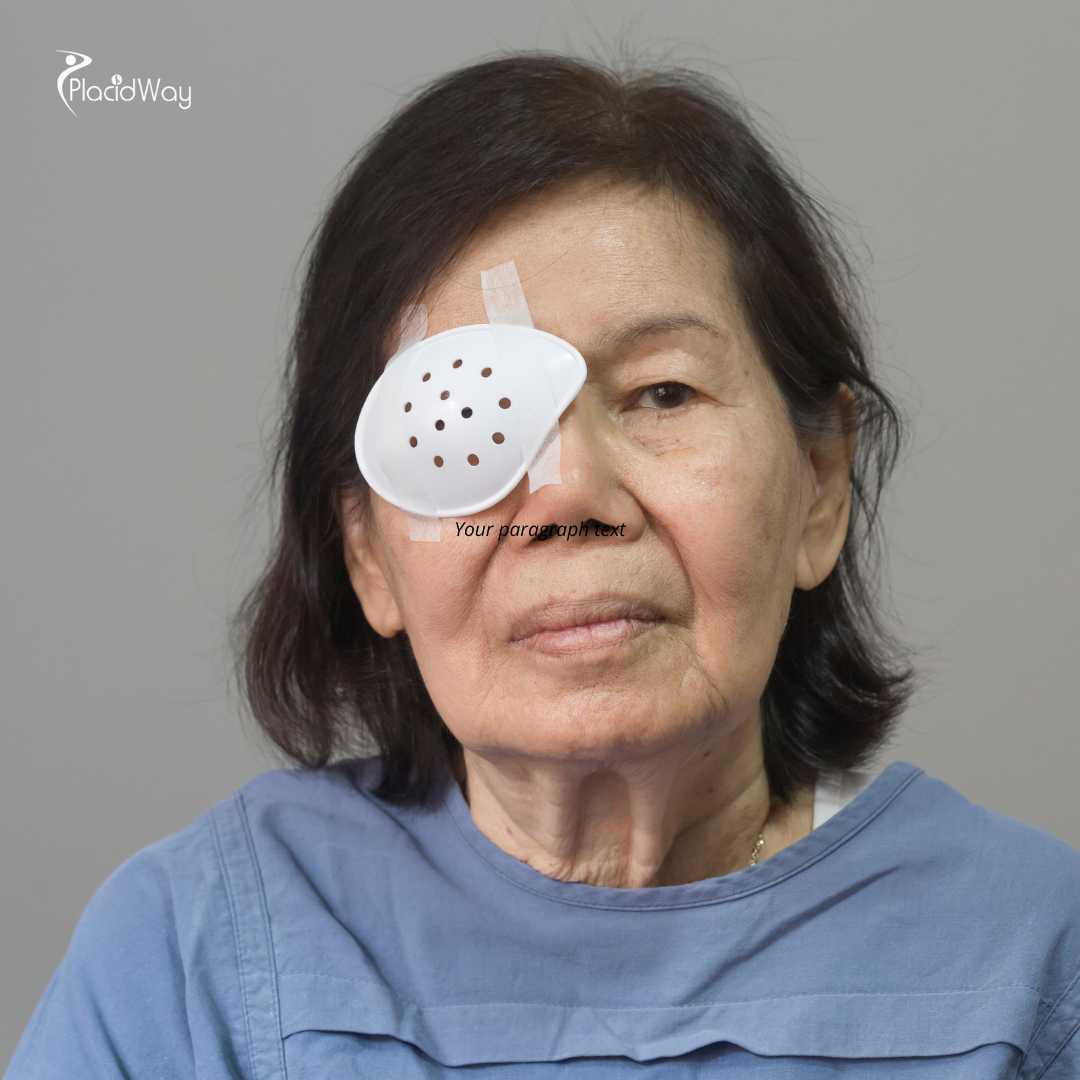
Immediately after the procedure your vision will likely be foggy or blurry as if you are looking underwater. This is completely normal. The clinic will provide protective eye shields to prevent you from accidentally rubbing your eyes while sleeping.
Immediate Recovery and Postoperative Care Requirements
The first forty-eight hours are crucial for ensuring the corneal flap heals securely without complications. You will be prescribed a strict regimen of antibiotic drops to prevent infection and anti-inflammatory drops to manage healing. Preservative-free artificial tears will also be necessary to combat temporary dry eye symptoms. You must follow the exact dosage schedule provided by your clinical team and attend your mandatory next-day follow-up appointment before engaging in any travel or tourism activities.
Your vision will begin to clear remarkably fast often within the first twenty-four hours but minor fluctuations are entirely normal during the first few weeks. You must absolutely avoid getting tap water soap or sweat into your eyes during the initial healing phase. Swimming pools hot tubs and heavy physical exertion must be completely avoided for at least a month to minimize the risk of bacterial infection and prevent accidental trauma to the healing tissue.
| Recovery Timeframe | Physical Sensation | Activity Restriction |
|---|---|---|
| First 24 Hours | Mild stinging light sensitivity and watery eyes. | Rest entirely. Wear protective shields. Do not rub eyes. |
| Days 2 to 7 | Improving vision mild dryness. | Avoid eye makeup dusty environments and tap water in eyes. |
| Weeks 2 to 4 | Stabilizing vision occasional night halos. | Avoid swimming heavy sports and continuous screen time. |
Long Term Success Rates and Clinical Outcomes
Laser vision correction boasts one of the highest patient satisfaction rates of any elective medical procedure. When performed on carefully selected candidates by experienced surgeons clinical data shows that the vast majority of patients achieve 20/20 vision or better. The anatomical changes made to your cornea are permanent meaning the specific refractive error treated will not return. Patients typically enjoy decades of clear vision free from the daily burdens of glasses or contacts.
However it is important to maintain realistic medical expectations. While the laser precisely reshapes the cornea it does not stop the natural aging process of the eye. As patients enter their mid-forties they may naturally develop presbyopia which is the age-related loss of near focusing ability. This biological change happens to everyone regardless of whether they have had prior eye surgery and it may eventually necessitate the use of reading glasses for fine print.
Regular annual eye examinations with your local optometrist remain essential for lifelong ocular health. These routine checks help monitor your intraocular pressure and retinal health even when your vision feels perfectly clear.
Potential Risks and How Top Clinics Manage Complications
Every surgical intervention carries inherent biological risks and refractive surgery is no exception. While severe complications are statistically rare patients must be fully informed before consenting to treatment. The most common postoperative issue is chronic dry eye which occurs because the laser temporarily disrupts the corneal nerves responsible for tear production. In most cases this condition resolves over several months with the diligent use of lubricating drops but occasionally requires localized clinical management.
Other potential risks include under-correction or over-correction where the laser removes slightly too little or too much tissue resulting in less-than-perfect vision. If this occurs the clinic may recommend a minor enhancement procedure once the eye has completely stabilized usually after three to six months. Reputable clinics prioritize patient safety by maintaining ultra-sterile operating environments to prevent infections and by conducting exhaustive preoperative screening to rule out patients at high risk for corneal ectasia or flap complications.
| Potential Risk | Clinical Prevention Strategy |
|---|---|
| Dry Eye Syndrome | Detailed preoperative tear film analysis and proactive lubrication protocols. |
| Flap Complications | Use of advanced femtosecond lasers for precise bladeless flap creation. |
| Infection | Strict sterilization standards and mandatory postoperative antibiotic regimens. |
| Night Halos or Glare | Accurate pupil size measurement and customized wavefront laser mapping. |
Combining Medical Care with Recovery in the Aegean Region
One of the unique benefits of choosing this specific location is the ability to recover in a supportive and visually relaxing environment. The city is renowned for its mild climate clean coastal air and excellent hospitality infrastructure. After you receive medical clearance at your one-day follow-up appointment you can safely enjoy gentle walks along the promenade or relax at coastal cafes. The calm atmosphere helps reduce stress which is beneficial for your overall physical healing.
However patients must strictly adhere to their surgeon's medical boundaries while enjoying the destination. Direct sunlight can irritate healing eyes so wearing high-quality UV-blocking sunglasses outdoors is mandatory at all times. While the Aegean Sea is beautiful swimming is strictly forbidden during your immediate recovery window to protect your eyes from waterborne pathogens. Always prioritize your scheduled clinical follow-ups over tourism activities to ensure your eyes heal exactly as planned.
Plan to stay in the city for at least four to five days post-surgery. This buffer ensures that your surgeon can monitor your early healing phase and provide immediate care if any minor irritation arises before your flight home.
Frequently Asked Questions
Is laser vision correction painful?
The procedure itself is highly comfortable due to the use of strong anesthetic eye drops applied right before surgery. You may feel a brief sensation of pressure when the corneal flap is created but there is no sharp pain. Mild scratching sensations or watering may occur during the first few hours of recovery.
How long do I need to stay in Izmir for eye surgery?
International patients are typically advised to stay for five to seven days. This allows adequate time for the comprehensive preoperative consultation the surgical day and the mandatory post-operative check-ups to confirm the corneal flap is securely healing before you board an airplane.
Can I have both eyes treated on the same day?
Yes it is the standard global medical practice to treat both eyes during the same surgical session. Treating both eyes together prevents a visual imbalance and allows you to go through the recovery process and medication schedule just once.
What happens if I blink during the laser treatment?
You cannot physically blink during the procedure because the surgeon gently places a specialized eyelid holder to keep your eye open. Additionally modern lasers feature advanced eye-tracking technology that monitors microscopic eye movements and immediately pauses if your eye shifts out of position.
How do I know if the clinic is legally licensed?
You should directly ask the clinic coordinator for their Turkish Ministry of Health registration number. Legitimate clinics transparently display this credential on their official documentation and within the facility. You can also verify the surgeon's standing with the Turkish Medical Association.
Will my astigmatism be cured completely?
Advanced excimer lasers are highly effective at reshaping the irregular corneal curvature that causes astigmatism. In many cases it is fully corrected though severe degrees of astigmatism may occasionally require a secondary enhancement procedure to achieve the absolute sharpest visual outcome.
Can I fly home safely immediately after treatment?
You must not fly on the same day as your surgery. The dry recirculated air in airplane cabins can severely irritate newly treated eyes. Surgeons generally clear patients to fly forty-eight to seventy-two hours post-surgery provided they use generous amounts of lubricating artificial tears during the flight.
Is this procedure suitable if I am over fifty years old?
Eligibility is based on eye health rather than strict chronological age. However patients over forty-five naturally develop presbyopia. While the laser can correct your distance vision you may still require reading glasses. Alternatively your surgeon may discuss a monovision strategy to help with reading.
What causes the price difference between local and overseas clinics?
The price difference is largely driven by macroeconomics including lower facility overhead labor costs and favorable international currency exchange rates. Top overseas clinics use the exact same FDA-approved or CE-marked laser systems utilized in North America or Western Europe.
When can I safely return to working on a computer?
Most patients can resume moderate screen use within two to three days. However staring at screens reduces your natural blink rate which can exacerbate postoperative dryness. You must take frequent screen breaks and apply your prescribed lubricating drops regularly throughout the workday.
Ready to explore your vision correction options? PlacidWay can help you compare certified eye clinics understand exact package costs and connect with experienced refractive surgeons.
Request Free Information and QuotesDisclaimer: This information is for educational purposes only and does not replace professional medical advice. Always consult a qualified healthcare provider before making medical decisions.
References
- Healthcare Regulations and Clinic Licensing - Turkish Ministry of Health
- Ophthalmology Standards and Board Certification - Turkish Ophthalmological Association
- Patient Eligibility and Safety Guidelines for Laser Refractive Surgery - American Academy of Ophthalmology
- 2024 to 2026 International Patient Demographic and Medical Tourism Reports - International Health Tourism Association Turkey
- Excimer Laser Medical Device Guidelines and Risk Prevention - U.S. Food and Drug Administration
- Clinical Outcomes and Refractive Patient Volume Index Data - International Society of Refractive Surgery


























Share this listing