
Average Cataract Surgery Cost in Turkey
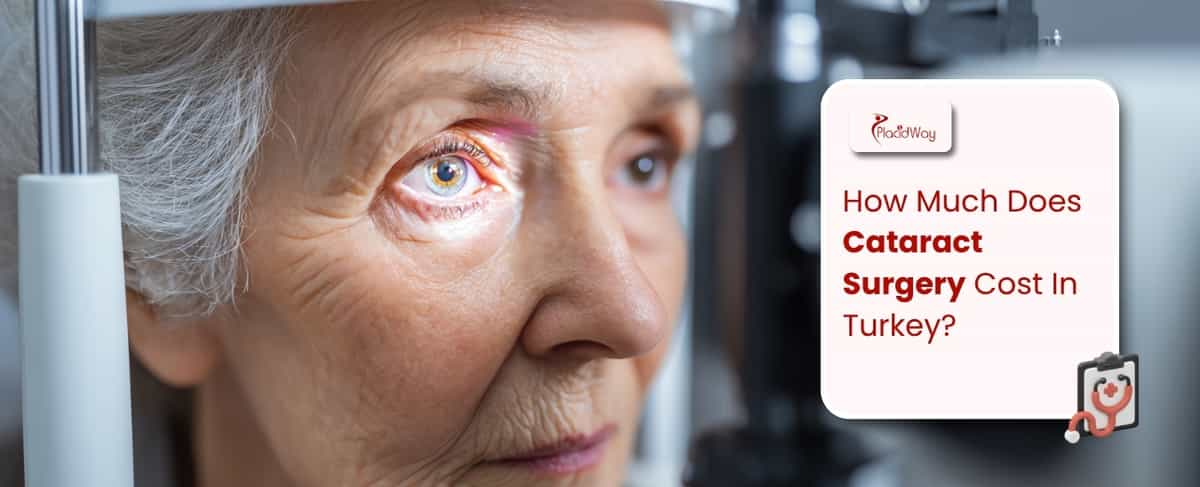
Cataracts are a common age-related condition where the natural lens of the eye becomes cloudy, leading to blurry vision, difficulty seeing at night, and fading colors. When prescription glasses no longer help, surgical intervention is often the only way to restore clear vision. Because eye surgery can be quite expensive in countries like the United States, the United Kingdom, or Canada, many patients look abroad for more affordable care.
If you are exploring cataract surgery cost in Turkey, it helps to understand what influences these prices, what types of technology are available, and what the journey entails. Turkey has become a popular destination for medical travelers seeking ophthalmology services due to a favorable exchange rate, modern medical infrastructure in major cities, and clinics equipped with standard international technology.
Key Takeaways
- Cost estimates typically range from $800 to $2,500 per eye, depending largely on the lens type.
- Premium lenses (multifocal or toric) cost more than standard monofocal lenses.
- Medical tourism in Turkey requires careful planning, including arranging local follow-up care back home.
- Recovery involves resting the eye, using prescribed drops, and avoiding strenuous activities.
- Outcomes and risks vary by patient, making a thorough medical evaluation essential before traveling.
What factors affect the cost of cataract surgery in Turkey
When you request quotes from a cataract surgery clinic in Turkey, you will likely see a range of prices. The most significant factor driving the cost is the type of Intraocular Lens (IOL) implanted. Standard monofocal lenses, which provide clear vision at a single distance, are the most affordable option. Premium lenses, which can correct astigmatism or offer clear vision at multiple distances, require more advanced manufacturing and precision, increasing the overall price.
Another key factor is the surgical technique. Traditional phacoemulsification, which uses ultrasound energy to break up the cloudy lens, is standard and highly effective. However, some clinics offer laser-assisted cataract surgery, which utilizes a femtosecond laser to make incisions and soften the cataract. This technology is more expensive to operate and maintain, meaning the procedure will cost more.
Finally, the location and amenities of the facility play a role. Clinics located in the center of major hubs like Istanbul, Ankara, or Antalya may have different pricing structures compared to those in smaller towns. Facilities that include private recovery suites, dedicated translators, and airport transfers in their packages will generally have higher initial quotes, though they may offer more convenience for international travelers.
Are different types of intraocular lenses available
The choice of lens will dictate how you see after the procedure and whether you will still need glasses for certain activities. During your consultation, an ophthalmologist will measure your eye and discuss which IOL is most suitable for your anatomy and lifestyle. Suitability varies, and not every patient is a candidate for premium lenses.
- Monofocal Lenses: These are the standard option worldwide. They are set to provide clear vision at one distance, usually far away. Patients often need reading glasses for close-up tasks like using a smartphone or reading a book.
- Multifocal Lenses: Designed with different zones to help you see objects at near, intermediate, and far distances. While they reduce dependence on glasses, some patients experience halos or glare around lights at night.
- Extended Depth of Focus (EDOF) Lenses: These create a continuous range of high-quality vision from distance to intermediate, often with fewer visual disturbances at night compared to multifocals.
- Toric Lenses: Specifically designed to correct astigmatism (an irregular curve in the cornea or lens). These can be combined with monofocal or multifocal designs.
Is traveling to Turkey for cataract surgery safe
Safety is a primary concern for anyone participating in medical tourism. Many private hospitals and specialized eye clinics in Turkey adhere to strict local regulations, and some hold international accreditations that signify compliance with global healthcare standards. They often utilize the same diagnostic equipment, sterilization protocols, and surgical tools found in North America or Western Europe.
However, safety relies heavily on your individual health, the specific clinic you select, and how well you follow pre- and post-operative instructions. It is crucial to research facilities thoroughly rather than basing your decision solely on the lowest cataract surgery cost in Turkey. Look for facilities with experienced ophthalmologists who are accustomed to treating international patients.
What is the typical recovery time after the procedure
Immediately following the procedure, your vision will likely be blurry as your eye adjusts to the new lens and recovers from the surgical trauma. It is common for the eye to feel scratchy, dry, or mildly uncomfortable for a few days. The clinic will provide protective eyewear, often a clear shield, to wear while sleeping to prevent accidental rubbing.
You will be prescribed antibiotic and anti-inflammatory eye drops. Using these exactly as directed is vital to prevent infection and manage swelling. During the first few weeks of recovery, you will need to avoid heavy lifting, bending over aggressively, swimming, and exposing your eye to dust or dirt. If you require new prescription glasses for reading or distance, your eye doctor will typically wait about a month for your vision to fully stabilize before writing a new prescription.
Who is a good candidate for this type of eye surgery
Cataracts often develop slowly. In the early stages, stronger lighting and new eyeglasses may be enough to manage the symptoms. Surgery is generally considered when the cloudy lens begins to significantly impair your quality of life—for example, if you struggle to read, drive safely at night, or recognize faces.
An extensive eye examination is required to determine eligibility. Conditions such as severe macular degeneration, advanced glaucoma, or diabetic retinopathy might limit the visual improvement you can expect, even after a successful cataract removal. A qualified ophthalmologist must review your complete medical history to weigh the potential benefits against the risks.
How do I prepare for my vision correction trip
Before booking any flights for medical tourism in Turkey, have a comprehensive eye exam with your local ophthalmologist. This establishes a baseline for your eye health and helps you understand what type of lens might work best for you. Obtain copies of your medical records, current prescriptions, and a list of all medications you take, particularly blood thinners or prostate medications, as these can affect surgery.
When organizing your trip, plan to stay in your destination city for at least five to seven days. This window provides time for pre-operative measurements, the surgery, and crucial follow-up appointments. Because your vision will be impaired immediately after the operation, traveling with a friend or family member who can help you navigate the hotel and airport is highly recommended.
What are the potential risks and complications
Any surgical procedure carries inherent risks, and outcomes vary by patient. One of the most serious, though rare, complications is endophthalmitis, a severe infection inside the eye that can lead to permanent vision loss if not treated aggressively and immediately. Retinal detachment is another serious risk, particularly for highly nearsighted individuals, which requires prompt surgical repair.
More common and manageable issues include swelling of the cornea or retina, temporary spikes in intraocular pressure, or drooping of the eyelid. A condition known as posterior capsule opacification (sometimes called a secondary cataract) can occur months or years later, where the membrane behind the new lens becomes cloudy. This is typically treated easily with a quick, painless laser procedure performed in a doctor's office.
Will I need follow-up care when I return home
Medical care does not stop once you board your flight home. While the initial post-operative checks in Turkey will ensure the early stages of healing are progressing well, your eye will continue to adapt over several weeks. You will need a local ophthalmologist or optometrist to examine your eye about a month after surgery.
This local follow-up is critical. The doctor will check your intraocular pressure, ensure there is no lingering inflammation, and confirm the new lens is perfectly positioned. If you experience unexpected pain, a sudden decrease in vision, or flashes of light after returning home, having a local doctor already aware of your case allows you to get emergency care without delay.
How does cataract surgery in Turkey compare to other destinations
Patients comparing global options frequently look at countries like Mexico, India, Thailand, and Turkey. Turkey’s geographic location makes it highly accessible for European and Middle Eastern patients, and increasingly attractive to North Americans willing to make the longer flight for significant medical savings. The primary advantage is cost; out-of-pocket expenses for premium lenses in the US can easily exceed $3,000 to $4,000 per eye, making the travel worthwhile for some.
However, the comparison is not purely financial. You must weigh the cost savings against the physical toll of international travel, the logistical challenges of arranging local follow-up care, and the potential language barriers. Reputable clinics in Turkey mitigate some of these concerns by providing English-speaking staff and comprehensive pre-travel consultations, but the responsibility ultimately rests on the patient to plan carefully.
Why Choose PlacidWay for Medical Tourism in Turkey?
Navigating healthcare options in another country can feel overwhelming. PlacidWay serves as an informational resource to help patients research international medical destinations.
- Educational Resources: Provides extensive guides and articles to help you understand procedures, typical costs, and destination highlights.
- Clinic Comparisons: Allows patients to view and compare different international medical facilities and their stated capabilities in one place.
- Direct Communication: Helps facilitate initial contact between patients and international clinics for direct answers regarding treatments.
- Global Options: Lists healthcare providers across multiple countries, giving you a broader perspective on available choices.
- Patient Focus: Encourages individuals to gather sufficient information to make educated decisions alongside their local healthcare providers.
Frequently Asked Questions
How long do I need to stay in Turkey for cataract surgery?
Patients typically stay for 5 to 7 days. This allows time for the initial consultation, the procedure itself, and at least one or two post-operative check-ups to ensure your eye is healing correctly before you fly home.
Can both eyes be treated during the same trip?
Yes, treating both eyes during the same trip is common. However, surgeons rarely operate on both eyes on the exact same day. They usually wait a few days between surgeries to monitor the first eye for any signs of infection or complications.
Are the prices quoted usually all-inclusive?
Quotes often cover the surgery, the intraocular lens, and standard clinic medications. However, travel, hotel accommodations, pre-operative blood tests, and specialized follow-up care might be extra. Always ask for a detailed breakdown of what the estimate includes.
Do Turkish clinics use standard international technology?
Many facilities catering to international patients use modern diagnostic and surgical equipment, including femtosecond lasers and lenses from major global manufacturers. You should always verify the specific technology offered by the facility you are considering.
Will I experience pain during the surgery?
The procedure is normally performed under local anesthesia using numbing eye drops, so patients usually feel pressure rather than sharp pain. Mild discomfort or a gritty sensation is common during the first few days of recovery.
Can I fly immediately after cataract surgery?
Flying immediately is generally not recommended. Cabin pressure changes do not usually affect the eye directly, but sitting in dry airplane air and being away from immediate medical help during the critical first few days of healing can increase risks. Doctors typically recommend waiting 3 to 5 days.
How long do premium intraocular lenses last?
Intraocular lenses are designed to be permanent and typically last for the rest of a patient's life. They do not degrade over time, though some patients may later require a quick laser procedure if the capsule behind the lens becomes cloudy.
What happens if I develop a complication back home?
If you experience severe pain, vision loss, or excessive redness after returning home, you must seek emergency eye care locally immediately. This highlights the importance of having a local ophthalmologist ready to assist with your post-operative care.
Do I need a visa for medical tourism in Turkey?
Visa requirements depend on your nationality. Many travelers need an e-Visa, which can usually be obtained online before travel. You should check the official Turkish government visa website for the most current requirements for your specific passport.
Are English-speaking staff common in eye clinics there?
Facilities that frequently treat international patients usually employ English-speaking doctors or provide dedicated patient coordinators and translators to help you navigate consultations, consent forms, and aftercare instructions.
Compare Treatment Options
Gather the information you need to make an informed decision about your eye care abroad. Request details about procedures, estimated costs, and international facilities today.
Request Treatment InformationReferences
- What Are Cataracts? – American Academy of Ophthalmology
- Cataract Surgery Overview – Mayo Clinic
- Cataracts Information – National Eye Institute (NIH)
- Cataract Surgery Recovery and Risks – National Health Service (NHS)
- Medical Tourism Guidelines – Centers for Disease Control and Prevention (CDC)
- Blindness and Vision Impairment – World Health Organization (WHO)



























Share this listing