
A Guide to Lasik Eye Surgery Cost in Mexico City, Mexico

If you are exploring vision correction options and looking to bypass high domestic healthcare expenses, you might be considering LASIK in Mexico. Mexico City has grown into a major hub for specialized medical care, attracting international patients seeking advanced ophthalmology services. When evaluating LASIK cost in Mexico, many people find that the financial savings allow them to access modern laser technology without compromising on the quality of their care.
However, traveling abroad for any medical procedure requires careful planning. Finding the right LASIK clinic in Mexico involves more than just looking at a price tag; it requires verifying credentials, understanding surgical risks, and planning for proper post-operative follow-up. This guide will walk you through what you can expect when navigating medical tourism in Mexico for laser vision correction.
Key Takeaways
- LASIK in Mexico City generally costs between $800 and $1,500 per eye, depending on the clinic and technology used.
- A thorough pre-operative evaluation is essential to determine if you are a safe candidate for refractive surgery.
- Patients must plan to stay in the city for several days after surgery to attend mandatory follow-up exams.
- While generally considered safe for eligible patients, LASIK carries inherent risks such as dry eyes, glare, and flap complications.
- Establishing a relationship with a local eye doctor at home is crucial for your long-term post-operative care.
What is included in the cost of LASIK in Mexico City?
When you receive a quote for refractive surgery in Mexico City, it is important to ask for an itemized breakdown. Generally, a reputable clinic will include the comprehensive eye mapping and consultation required to determine your eligibility. This testing is rigorous, as doctors need to measure your corneal thickness, pupil size, and tear film quality.
The quoted estimate usually covers the surgeon's fees, facility fees, and the use of the laser equipment. Additionally, the care package often includes the first few post-operative visits, which typically occur the day after surgery and sometimes a few days later before you travel home.
You should also factor in costs that are rarely included in the initial quote. Prescription eye drops, which are critical for healing and preventing infection, may be an out-of-pocket expense. Furthermore, you will need to budget separately for your flights, hotel accommodation, ground transportation, and meals during your stay in the city.
How does the price of LASIK in Mexico City compare to the US and Canada?
In the United States and Canada, the cost of LASIK can range from $2,000 to over $3,500 per eye, largely depending on the technology used and the geographic location of the clinic. Because vision correction is generally considered an elective procedure, it is rarely covered by standard health insurance plans, leaving patients to bear the full financial burden.
In contrast, the lower cost of living and reduced administrative overhead in Mexico allow medical facilities to offer the same procedures at a lower price point. However, it is vital to remember that price should never be the only factor in your decision. The overall value of the procedure depends on the expertise of the surgeon and the safety protocols of the facility.
| Country | Estimated Cost (Per Eye) |
|---|---|
| United States | $2,000 - $3,500+ |
| Canada | $1,800 - $3,000+ |
| Mexico City | $800 - $1,500 |
What are the requirements for a LASIK candidate in Mexico City?
Not everyone is a suitable candidate for laser eye surgery. During your evaluation, an ophthalmologist will perform a series of specialized tests to ensure the procedure is safe for your eyes. One of the most critical measurements is corneal thickness; because LASIK involves removing tissue to reshape the eye, there must be enough corneal structure remaining to maintain the eye's integrity.
Additionally, your refractive error—whether you are nearsighted, farsighted, or have astigmatism—must fall within treatable limits. If your prescription is too high, the laser may need to remove more tissue than is safe. Hormonal changes can also affect your vision, which is why pregnant or nursing women are typically advised to wait before undergoing the procedure.
Patients with certain autoimmune diseases, uncontrolled diabetes, or severe dry eye syndrome may be contraindicated for LASIK. A responsible surgeon will review your complete medical history to minimize potential complications.
What risks should medical tourists consider for LASIK in Mexico City?
Like any surgical procedure, laser vision correction involves potential risks and side effects. Many patients experience dry eyes in the weeks or months following the surgery. This occurs because the nerves in the cornea are temporarily disrupted during the creation of the flap, which can reduce tear production. In most cases, this is manageable with lubricating drops, but for some, it can become a chronic issue.
Visual disturbances, particularly at night, are another known risk. Patients may notice halos around lights, starbursts, or double vision. These symptoms often resolve as the eye heals, but they can occasionally persist. There is also the possibility of under-correction or over-correction, where the target vision is not perfectly achieved, potentially requiring glasses for certain tasks or a follow-up enhancement surgery.
More severe, albeit rare, complications include flap dislocations or infections. If an infection occurs after you have returned home from Mexico City, you will need immediate care from a local specialist. This highlights the importance of having a plan in place for post-operative care in your home country.
How long is the recovery timeline for a LASIK patient in Mexico City?
The initial recovery from LASIK is notably fast. Immediately after the surgery, your vision may be blurry or foggy, and your eyes will likely feel irritated, as if there is a grain of sand in them. Doctors strongly advise resting with your eyes closed for several hours after the procedure. By your first follow-up appointment the next day, it is common to experience a significant improvement in visual clarity.
Over the first week, you will need to strictly follow your surgeon's instructions, which typically include using prescribed antibiotic and anti-inflammatory eye drops. You will also be given protective shields to wear while sleeping to prevent accidental eye rubbing, which could dislodge the healing corneal flap.
While you may feel fully recovered within a few days, the deeper tissues of the eye are still healing. Visual fluctuations and dry eyes may continue intermittently for up to three to six months. Attending follow-up appointments—whether in Mexico City or with a local doctor back home—is essential to monitor this healing process.
Can I fly out of Mexico City immediately after LASIK?
Although the recovery from LASIK is swift, flying immediately after surgery is generally discouraged. The primary reason is that you must attend your mandatory 24-hour post-operative checkup. During this visit, the surgeon verifies that the corneal flap is secure, checks for early signs of infection, and ensures that your eye is healing appropriately.
Furthermore, airplane cabins are known for their incredibly dry air. Because dry eye is a common side effect in the early stages of LASIK recovery, the environment on an airplane can cause significant discomfort. If you must travel shortly after your clearance, you will need to apply lubricating eye drops frequently throughout the flight.
You should also be cautious when handling luggage or moving through busy airports in Mexico City, as any accidental bump to the face could disrupt the healing flap. Plan your itinerary so that you have a restful environment for the first few days post-surgery.
What LASIK technology is available in Mexico City?
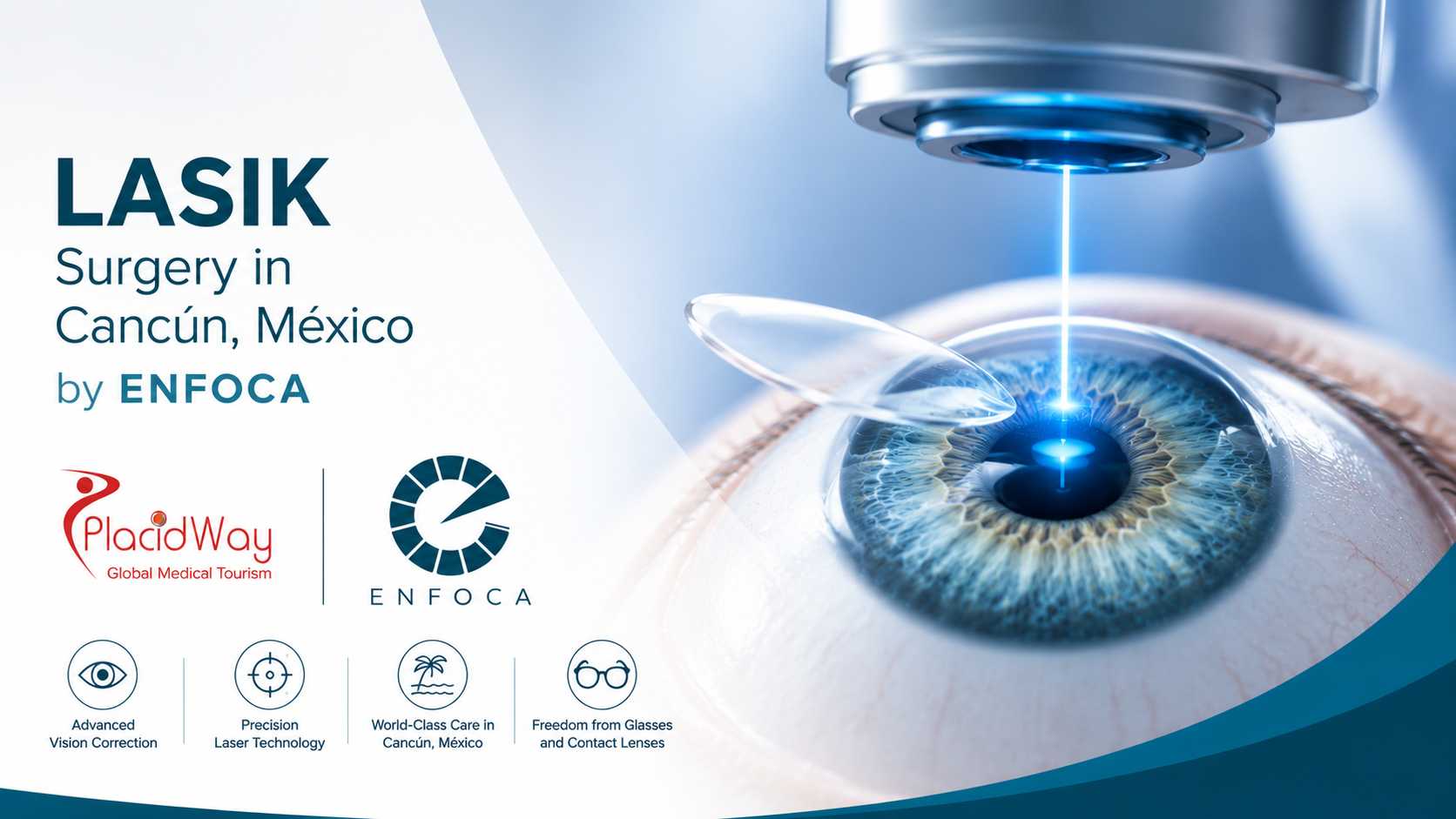
Mexico City is home to numerous advanced ophthalmology centers that invest heavily in modern medical technology. Traditional LASIK involves creating a thin flap on the cornea using a microkeratome (a precise mechanical blade). However, many top clinics now offer Bladeless LASIK, where a highly precise femtosecond laser is used to create the flap instead. This can potentially reduce flap-related complications.
Once the flap is folded back, an excimer laser is used to reshape the underlying corneal tissue. Many clinics also utilize wavefront-guided or topography-guided technology. This approach creates a detailed, 3D map of your eye's unique imperfections, allowing the laser to deliver a highly customized treatment that may improve outcomes regarding night vision and contrast sensitivity.
When researching clinics, it is helpful to ask what specific laser platforms they use. Providers dedicated to high standards of care will be transparent about their equipment and how often it is calibrated and maintained.
How should international patients prepare for a Mexico City LASIK consultation?
Preparation begins long before you board a flight to Mexico City. The most crucial step is adhering to the contact lens cessation guidelines provided by your clinic. Contact lenses alter the natural shape of your cornea. If you do not stop wearing them with enough lead time, the measurements taken during your consultation will be inaccurate, which can negatively impact your surgical results.
Typically, patients wearing soft contact lenses are asked to switch to glasses for at least one to two weeks prior to the exam. Those who wear rigid gas permeable (RGP) or hard lenses may need to stop wearing them for several weeks or even months. Your specific provider will give you a detailed timeline based on your lens history.
Additionally, you should prepare a list of your current medications and any past medical conditions to share with your doctor. It is also wise to arrange for a companion to travel with you, or at least accompany you on the day of surgery, as you will not be able to navigate the city safely on your own immediately afterward.
Are there alternative refractive procedures available in Mexico City?
If your pre-operative evaluation reveals that you are not an ideal candidate for LASIK, many clinics in Mexico City offer alternative treatments. Photorefractive Keratectomy (PRK) is a common alternative for patients with thinner corneas. Instead of creating a flap, the surgeon gently removes the outer layer of the cornea (the epithelium) before applying the laser. While PRK is highly effective, the recovery time is longer and typically more uncomfortable than LASIK.
SMILE (Small Incision Lenticule Extraction) is a newer, flapless procedure available at select advanced clinics. It involves using a laser to create a small piece of tissue within the cornea, which is then extracted through a tiny incision. This method is often associated with a lower incidence of post-operative dry eye.
For patients with severe refractive errors that exceed laser treatment limits, Phakic Intraocular Lenses (such as the EVO ICL) may be recommended. This procedure involves implanting a specialized lens behind the iris, rather than altering the cornea itself. Your ophthalmologist will help determine which procedure aligns best with your ocular anatomy and lifestyle.
How do I find a qualified LASIK surgeon in Mexico City?
When selecting a medical provider abroad, prioritizing safety and credentials is non-negotiable. You should ensure that the surgeon is a licensed ophthalmologist, ideally certified by relevant national boards, such as the Consejo Mexicano de Oftalmología. Many top surgeons also hold memberships in international professional bodies, reflecting a commitment to global standards.
During your research, look for transparent information regarding the clinic's safety record, the technology they utilize, and their protocols for managing potential complications. Patient reviews can provide insight into the clinic’s communication style and overall patient experience, though they should not replace verification of formal medical credentials.
It is highly recommended to schedule a virtual consultation before committing to travel. This allows you to ask direct questions, gauge the professionalism of the medical team, and ensure that you feel comfortable with their approach to your eye care.
Why Choose PlacidWay for Medical Tourism in Mexico?
Navigating international healthcare options can be complex. PlacidWay serves as a global medical tourism platform designed to help patients access educational resources and compare healthcare options around the world. Here are a few factual ways PlacidWay can assist you:
PlacidWay provides profiles on numerous clinics in Mexico City, detailing their facilities, available procedures, and technology.
The platform lists information regarding the professional certifications and educational backgrounds of various international medical providers.
Patients can request and compare cost estimates for medical procedures from multiple facilities to make informed financial decisions.
PlacidWay offers a communication bridge, helping patients interact with medical facilities in different countries effectively.
The website offers extensive guides, articles, and patient resources focused on global healthcare options and medical tourism planning.
Frequently Asked Questions (FAQs)
Is it safe to travel for LASIK in Mexico City?
Traveling for vision correction can be safe if you choose an appropriately certified facility that follows international hygiene and surgical standards. However, traveling inherently adds variables to your recovery, such as exposure to dry cabin air on flights. It is important to have a clear post-operative plan and secure clearance from your surgeon before traveling home.
Do eye surgeons in Mexico City typically speak English?
Many ophthalmologists and medical staff working with international patients in Mexico City are bilingual and speak fluent English. Clear communication is vital for medical procedures, so you should always confirm the language capabilities of the medical team during your initial inquiries.
Do I need to stay in a Mexico City hospital overnight for LASIK?
No, LASIK is generally performed as an outpatient procedure. Patients usually leave the clinic shortly after the surgery is completed and return to their hotel or accommodation in Mexico City to rest and begin the recovery process.
Can both eyes be treated on the same day in a Mexico City clinic?
Yes, bilateral LASIK—treating both eyes on the same day—is the standard practice for most suitable candidates. Your ophthalmologist will evaluate your specific situation to confirm if this is the safest and most appropriate approach for your eyes.
Does the LASIK procedure in Mexico City hurt?
The procedure itself is generally not considered painful because numbing eye drops are used before the surgery begins. You may feel some pressure during the creation of the corneal flap, and mild discomfort, grittiness, or watering is common for a few hours after the anesthetic wears off.
How long does the actual LASIK procedure take in Mexico City?
The laser correction itself typically takes less than a minute per eye. However, you should expect to spend about one to two hours at the clinic on the day of your procedure to allow for pre-operative preparations, the surgery, and a brief initial recovery period.
Are enhancements included in the initial Mexico City LASIK quote?
Policies on touch-ups or enhancements vary by clinic. Some facilities include a limited-time window where enhancements are covered, while others may charge an additional fee. You should clarify this policy in writing before committing to a procedure.
When can I wear makeup after having LASIK in Mexico City?
Most ophthalmologists advise avoiding eye makeup, such as mascara or eyeliner, for at least one to two weeks following surgery. This precaution helps prevent particles from entering the eye and reduces the risk of post-operative infection.
Is PRK cheaper than LASIK in Mexico City?
The cost of PRK is often very similar to LASIK. While PRK does not require the creation of a corneal flap, the advanced excimer laser technology used for the vision correction is the same. Your doctor will recommend the procedure that best suits your corneal anatomy rather than basing the decision on cost.
What happens if I experience complications after leaving Mexico City?
If you experience unusual pain, vision loss, or signs of infection after returning home, you should immediately seek care from a local ophthalmologist. This is why it is highly recommended to arrange a relationship with a local eye doctor before you travel abroad for surgery.
Compare Treatment Options Abroad
Gather information, compare providers, and take the next step in evaluating your vision correction options.
Request Treatment InformationReferences
- LASIK — American Academy of Ophthalmology
- LASIK — U.S. Food and Drug Administration (FDA)
- LASIK eye surgery: Procedure Details and Risks — Mayo Clinic
- LASIK Eye Surgery — Cleveland Clinic
- Medical Tourism: Travel Health Guidelines — Centers for Disease Control and Prevention (CDC)
- Laser in-situ keratomileusis (LASIK) — MedlinePlus
Medical Disclaimer: The information provided in this article is for educational purposes only and does not constitute medical advice, diagnosis, or treatment planning. Surgical outcomes, risks, eligibility, and recovery times vary significantly among individuals. Always consult with a qualified, board-certified ophthalmologist or healthcare professional to determine if laser vision correction is appropriate for your specific medical needs. Pricing listed is an estimate and is subject to change.

























Share this listing