
How to Book a Virtual Orthopedic Appointment

Finding out exactly where to consult an orthopedic doctor online has become much simpler as digital healthcare expands. Whether you are dealing with persistent knee pain, seeking advice on a chronic spinal issue, or looking for a second opinion before committing to surgery, telemedicine bridges the gap between you and specialized care. Orthopedic telemedicine clinics offer virtual assessments that can guide your next steps without the need for immediate travel.
Many patients use these digital platforms to connect with specialists far beyond their local area. In fact, medical tourism facilitators frequently utilize online consultations to introduce patients to international surgeons. This early connection allows you to explore global treatment options, share your medical history, and decide if traveling for orthopedic care fits your personal health goals.
Key Takeaways
- Virtual orthopedic consultations are available through specialized telehealth apps, private hospital networks, and global healthcare portals.
- You can often share digital X-rays and MRI scans securely before your appointment for the doctor to review.
- Online visits are ideal for initial assessments, second opinions, and post-operative follow-ups.
- Severe trauma, sudden loss of mobility, or open fractures require immediate in-person emergency care.
- International virtual consultations help patients plan out-of-country orthopedic surgeries safely and effectively.
What types of orthopedic conditions can be evaluated online?
While a computer screen cannot replace a hands-on physical exam, visual assessments provide a surprising amount of diagnostic value. Specialists can observe your range of motion, watch your gait as you walk across the room, and listen closely to your description of pain patterns. Conditions that develop gradually, such as osteoarthritis, tendinitis, or carpal tunnel syndrome, are particularly well-suited for preliminary virtual evaluations.
Doctors also frequently use telemedicine to triage acute sports injuries like sprains or strains. By guiding you through specific movements on camera, the specialist can often determine whether you need conservative management, like rest and ice, or if you should seek local imaging. This immediate guidance can save you from an unnecessary trip to an urgent care facility.
Finally, virtual visits serve as an excellent tool for chronic disease management. If you are living with long-term back pain or managing a degenerative joint condition, routine online check-ins allow your doctor to adjust conservative treatments, monitor symptom progression, and discuss whether the time has come to consider surgical intervention.
How does an online orthopedic consultation work?
- Intake and History: You will usually fill out digital forms detailing your current symptoms, past surgeries, and any medications you take.
- Pre-appointment Uploads: If you have them, you will upload previous clinical notes and digital imaging files to a secure portal.
- The Video Call: The doctor connects with you via a compliant, secure video link to discuss your concerns.
- Visual Assessment: The specialist may ask you to point to the pain, perform specific movements, or walk so they can evaluate your joint mechanics.
- Discussion of Findings: The doctor explains what they observe and discusses potential diagnoses based on the limited virtual exam.
- Action Plan: You leave the appointment with a set of recommendations, which might include resting, attending local physical therapy, or proceeding with an in-person intervention.
Can I get an MRI or X-ray read during a virtual visit?
A major advantage of digital healthcare is the ability to share complex medical files across long distances. When you arrange your appointment, the clinic will usually provide instructions on how to send your imaging. This often involves compressing the files from a CD provided by your local imaging center and uploading them to a secure cloud-based system.
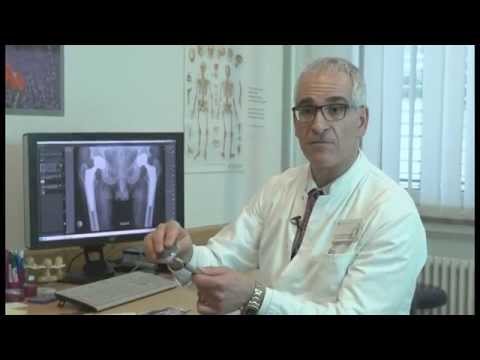
During the consultation, the orthopedic specialist can share their screen with you. This interactive process allows them to point out specific anatomical structures, highlight areas of concern such as cartilage wear or bone spurs, and explain exactly what the images reveal. Seeing the images alongside an expert explanation helps you better understand your condition.
Keep in mind that the doctor relies on the quality of the images provided. If an X-ray is outdated or an MRI lacks the necessary clarity, the specialist may recommend that you obtain new, higher-resolution imaging locally before they can confidently suggest a definitive treatment plan.
When is a telehealth orthopedic appointment not appropriate?
Telemedicine has distinct limitations. Because the doctor cannot physically touch the affected area, they cannot palpate for specific points of tenderness, perform stability tests that require applied resistance, or check your physical reflexes with specialized instruments. Therefore, certain situations require an immediate visit to a local emergency room or urgent care center.
If you experience a severe fall resulting in visible joint deformity, uncontrollable swelling, or acute numbness running down a limb, you should not wait for an online appointment. These symptoms suggest a potential fracture, dislocation, or severe nerve compression that needs rapid, on-site medical attention to prevent permanent damage.
Additionally, if you suspect an infection—indicated by a hot, red, highly swollen joint accompanied by a fever—you need immediate in-person care. Infections in the joints or bones can escalate quickly and require immediate fluid extraction, laboratory testing, and physical intervention that cannot be managed through a computer screen.
| Feature | Online Consultation | In-Person Visit |
|---|---|---|
| Physical Exam | Visual and guided movement only | Hands-on palpation and resistance testing |
| Imaging Review | Yes, via secure upload | Yes, with immediate on-site X-rays often available |
| Best Used For | Second opinions, chronic pain management, follow-ups | Acute trauma, final surgical clearance, injections |
How can international networks facilitate online consultations?
If you are considering traveling abroad for joint replacement or specialized spine surgery, the process almost always begins with a digital meeting. Medical tourism networks facilitate these connections by matching your specific clinical needs with hospitals and specialists located in countries known for high-quality orthopedic care.
During these international virtual visits, the surgeon evaluates your case to determine if you are a suitable candidate for the procedure you want. They will discuss your overall health, the logistics of traveling after surgery, and what the rehabilitation process will look like. This helps ensure that by the time you book a flight, both you and your surgical team are fully aligned on the treatment plan.
Additionally, these platforms often provide assistance with language translation, helping bridge any communication gaps during the video call. Understanding the online orthopedic consultation cost and treatment estimates upfront allows you to make informed financial decisions before committing to overseas medical travel.
What should I prepare before my virtual orthopedic appointment?
- Summarize Your Symptoms: Write down exactly when your pain started, what activities make it worse, and what remedies provide relief.
- Gather Medical History: Compile a list of past surgeries, chronic health conditions, and any relevant family medical history.
- Organize Imaging: Ensure that all recent X-rays, MRIs, or CT scans have been uploaded successfully prior to the start time.
- Dress Appropriately: Wear loose, comfortable clothing that allows you to easily expose the affected joint for the visual examination.
- Prepare Questions: Write down your main concerns so you do not forget to ask them during the consultation.
- Set Up Your Space: Find a well-lit, quiet room with enough space to walk or move around if the doctor asks to see your gait.
Can an online orthopedic doctor prescribe physical therapy?
Conservative management is usually the first step in treating orthopedic issues, and physical therapy plays a central role. During your virtual visit, the specialist can assess your limitations and write an electronic prescription for physical therapy. You can then take this digital referral to a local clinic to begin your rehabilitation program under the guidance of a hands-on therapist.
In some cases, the online platform itself may offer virtual physical therapy sessions. Guided by video, a remote therapist can walk you through mobility exercises, monitor your form, and adjust your routine as you gain strength. This is particularly useful for patients who live in rural areas with limited access to nearby rehabilitation centers.
However, communication between your online orthopedic doctor and your local physical therapist is crucial. Ensure that your remote specialist provides detailed clinical notes that you can share with your local team, ensuring everyone involved in your care understands the treatment goals and any movement restrictions you may have.
How do online second opinions for orthopedic surgery work?
Before undergoing major procedures like spinal fusion or a total knee replacement, seeking a second opinion is a wise step. Telehealth makes this process highly efficient. Instead of traveling to another hospital, you simply transfer your medical file and imaging to a remote specialist. They review the data independently and then discuss their findings with you over a video call.
The online specialist may agree completely with your original doctor, providing you with peace of mind as you move forward. Alternatively, they might suggest a less invasive approach, highlight alternative surgical techniques, or point out factors in your medical history that warrant a delay in surgery. This fresh perspective can significantly influence your treatment trajectory.
When seeking a remote second opinion, it helps to consult a doctor who sub-specializes in your specific condition. For example, if you need a complex shoulder reconstruction, a medical tourism platform can connect you specifically with an internationally recognized shoulder specialist, rather than a general orthopedic surgeon, ensuring you receive highly focused expertise.
What technology do I need for a successful online medical consultation?
- Stable Internet: A strong Wi-Fi or wired connection prevents lagging or freezing, which can disrupt the visual assessment.
- A Quality Device: A laptop, tablet, or modern smartphone works well, but larger screens make it easier to see shared X-ray images.
- Working Audio/Video: Test your microphone and webcam before the appointment to ensure the doctor can hear and see you clearly.
- The Right Software: Download any required telehealth applications or secure meeting software specified by the clinic ahead of time.
- Adequate Lighting: Sit facing a window or a bright light source so the doctor can clearly see the joint or area of concern.
- Device Positioning: Prop your device up securely so your hands are free to manipulate your joints or demonstrate movements.
What happens if the online doctor determines I need surgery?
If your virtual consultation concludes that conservative methods are exhausted, the specialist will walk you through the surgical options. They will explain the mechanics of the procedure, outline the expected recovery timeline, and discuss the inherent risks and potential complications associated with the surgery. This information allows you to weigh the benefits against the downtime required.
If you used a telehealth service within your local healthcare system, the provider will usually refer you to an affiliated hospital to schedule preoperative testing. You will still need to complete in-person blood work, cardiovascular clearance, and possibly updated physical imaging before the actual surgery date.
If you consulted an international specialist through a medical travel platform, the next step involves logistical planning. The provider's coordination team will help you plan your travel itinerary, secure medical visas if necessary, and arrange local accommodations for your recovery period. They will also emphasize the importance of arranging local orthopedic follow-up care in your home country to monitor your healing once you return.
Why Choose PlacidWay for Global Orthopedic Connections
Navigating the options for international orthopedic care can be complex. PlacidWay serves as an educational resource and facilitation platform to help you explore your choices globally.
- Extensive Directory: PlacidWay provides access to a broad database of international clinics and hospitals offering specialized orthopedic care.
- Virtual Coordination: The platform facilitates initial online consultations between patients and overseas orthopedic surgeons to discuss treatment viability.
- Informational Transparency: Patients can review facility accreditations and provider profiles to help them make informed healthcare decisions.
- Treatment Comparisons: The portal allows users to compare different healthcare destinations based on available technologies and estimated treatment costs.
- Patient-Focused Resources: PlacidWay offers articles, guides, and checklists to help patients understand the logistics and considerations of medical tourism.
Frequently Asked Questions
Are online orthopedic consultations covered by insurance?
Many health insurance providers now cover telehealth visits, but coverage depends on your specific policy and location. Always verify with your insurance carrier before booking an appointment, especially if consulting an international specialist.
Can a virtual doctor diagnose a torn meniscus?
An online specialist can evaluate your symptoms, review your medical history, and look at MRI results to identify a suspected meniscus tear. However, a definitive diagnosis often requires physical manipulation of the knee or localized imaging.
Is my medical data safe during an online consultation?
Reputable telehealth platforms use encrypted, secure networks designed to protect your personal health information. You should always ensure the service you choose complies with standard healthcare privacy regulations in their operating region.
How long does a typical telehealth orthopedic appointment last?
Most initial online orthopedic evaluations last between 15 and 30 minutes. Complex second opinions or detailed reviews of extensive surgical histories may take longer, depending on the provider.
Can I get a prescription for pain medication online?
Telehealth doctors can sometimes prescribe non-narcotic pain relievers or anti-inflammatory medications. However, strict regulations typically prevent the online prescribing of controlled substances or heavy pain medications without an in-person visit.
Do I need a referral to book a virtual orthopedic visit?
This depends largely on your healthcare network and insurance requirements. Many private telehealth platforms and medical tourism facilitators allow you to book directly without a primary care referral.
Can I consult a pediatric orthopedic specialist online?
Yes, many platforms offer access to pediatric specialists. During these visits, a parent or guardian must be present to help facilitate the physical assessment and communicate the child's symptoms.
What happens if the video connection fails during my appointment?
If technical difficulties occur, providers usually have a backup protocol. They may transition to a standard phone call or allow you to reschedule the video portion at no additional charge.
Can an online specialist clear me to return to sports?
While an online doctor can review your progress and imaging, final clearance for high-impact sports often requires an in-person functional assessment to safely test joint stability and strength.
How soon can I usually get an online appointment?
Virtual appointments are typically available much faster than in-person visits. Depending on the platform and the specialist's schedule, you can often secure a consultation within a few days or sometimes even on the same day.
Explore Your Global Orthopedic Options
Connect with international specialists and request information about online consultations and treatment pathways.
Request Treatment InformationReferences
- Telehealth in Orthopaedic Surgery – American Academy of Orthopaedic Surgeons (AAOS)
- Digital Health Strategy – World Health Organization (WHO)
- Telehealth Guidance and Information – Centers for Disease Control and Prevention (CDC)
- Telehealth: Technology meets health care – Mayo Clinic
- The Role of Telemedicine in Orthopedic Surgery – National Institutes of Health (NIH)
- Telemedicine for Orthopaedic Patients – OrthoInfo by AAOS





























Share this listing