
The Inspiring Journey of Wendy Mitchell's Robotic Knee Replacement Surgery in Turkey
Living with severe joint pain can shrink your world, turning simple daily activities into insurmountable challenges. For patients like Wendy Mitchell, the path to reclaiming mobility led to an unexpected and life-changing destination. Exploring robotic knee replacement surgery in Turkey has become a premier choice for global patients seeking advanced medical care without financial ruin. This inspiring journey highlights how cutting-edge orthopedic technology, combined with world-class medical tourism, offers a beacon of hope. Discover how Wendy overcame debilitating osteoarthritis, navigated international healthcare, and walked away with a new lease on life.
Video Chapters & Quick Navigation
- The Debilitating Reality of Chronic Knee Pain
- Why Choose Turkey for Orthopedic Care?
- The Robotic-Assisted Surgery Advantage
- Comprehensive Cost Comparison
- Navigating Medical Tourism Logistics
- Inside the Turkish Hospital Experience
- Advanced Orthopedic Rehabilitation
- Long-Term Joint Health and Mobility
The Debilitating Reality of Chronic Knee Pain
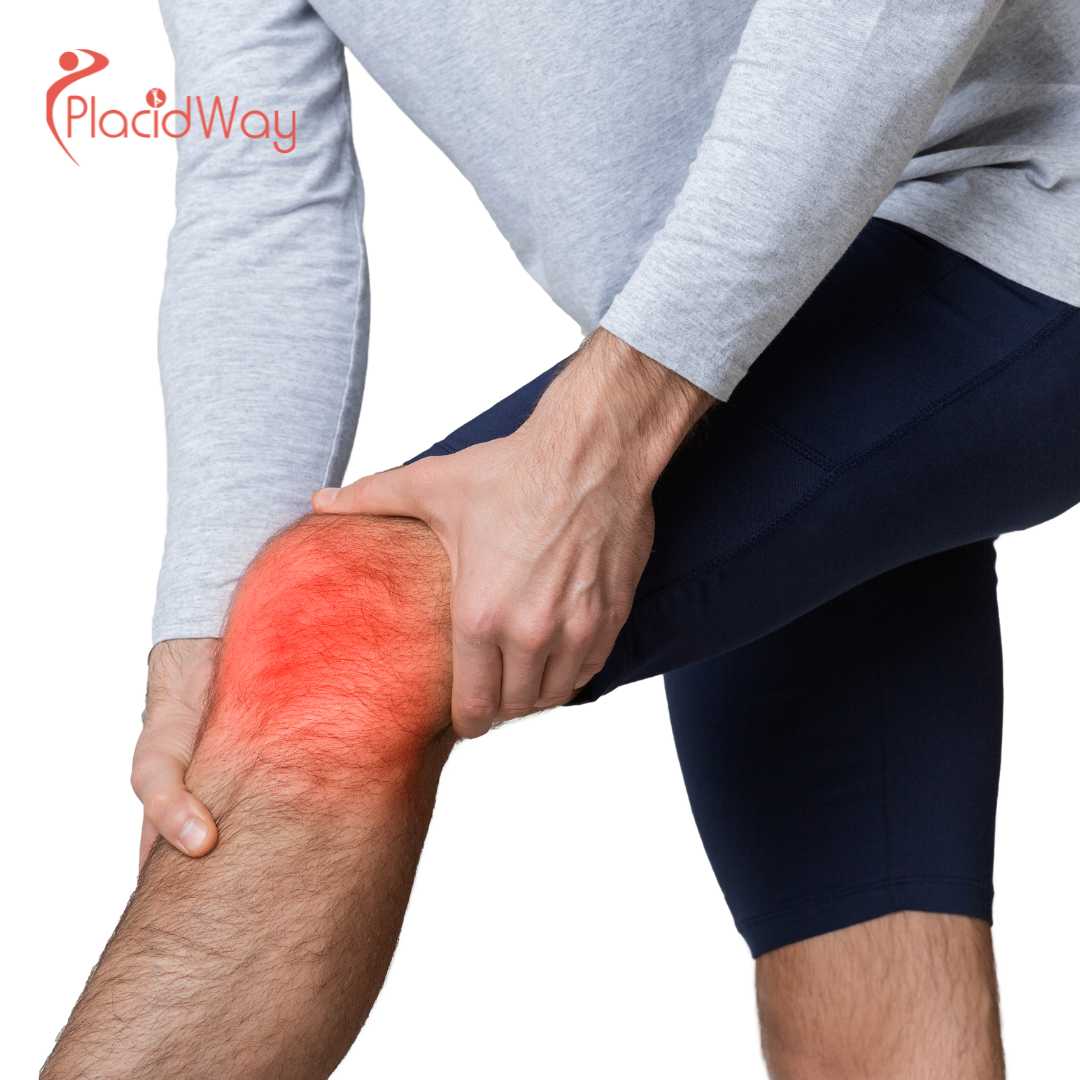
Millions of people worldwide suffer in silence as osteoarthritis slowly degrades their joint health. The condition occurs when the protective cartilage that cushions the ends of the bones wears down over time. For Wendy Mitchell, this gradual deterioration turned into a constant, agonizing companion that dictated every aspect of her life.
As documented early in her journey , Wendy described the profound physical and emotional toll of bone-on-bone friction in her knee. Activities as simple as climbing the stairs, walking through a grocery store, or even sleeping comfortably became monumental hurdles. Chronic knee pain does more than just limit mobility; it significantly diminishes overall quality of life and mental well-being.
The Tipping Point for Surgical Intervention
Conservative treatments like corticosteroid injections, physical therapy, and anti-inflammatory medications eventually lose their efficacy for severe osteoarthritis. When joint degeneration reaches its final stages, orthopedic specialists universally recommend total knee arthroplasty, commonly known as knee replacement surgery. Wendy reached a point where her local healthcare providers told her that surgical intervention was her only remaining option for a pain-free life.
However, the recommendation for surgery brought a new set of insurmountable obstacles. The local healthcare system presented her with a daunting reality: staggering out-of-pocket costs, exorbitant hospital fees, and unacceptably long waiting lists. Facing a waiting period of over a year while living in daily agony was a prospect Wendy simply could not accept.
Why Choose Turkey for Orthopedic Care?
In her desperate search for a timely and affordable solution, Wendy turned her attention to the global healthcare landscape. Medical tourism has evolved from a niche alternative into a mainstream healthcare strategy. Turkey, in particular, has positioned itself as an undeniable global superpower in the realm of advanced orthopedic surgery.
Patients are often surprised to learn that Istanbul and Antalya are home to some of the most technologically advanced hospitals in the world. As seen at , Wendy was initially apprehensive about traveling abroad for a major medical procedure. That apprehension quickly dissolved when she researched the rigorous standards maintained by Turkish medical institutions.
JCI-Accredited Hospitals and World-Class Surgeons
Many top-tier hospitals in Turkey boast Joint Commission International (JCI) accreditation, which is the global gold standard for healthcare quality and patient safety. These facilities rival, and often surpass, the infrastructure found in prominent Western hospitals. The operating theaters are equipped with the latest diagnostic and surgical technologies available on the market.
Furthermore, the orthopedic surgeons practicing in these elite Turkish clinics are highly credentialed. It is common for the best orthopedic surgeons in Istanbul to have completed extensive fellowships and training programs in the United States, the United Kingdom, or Germany. They bring global best practices back to Turkey, ensuring patients receive care that is both innovative and exceptionally safe.
The Robotic-Assisted Surgery Advantage
What truly set Wendy's medical journey apart was her decision to undergo robotic knee replacement surgery rather than a traditional manual procedure. While traditional knee replacement has a high success rate, the introduction of robotics has revolutionized the precision and outcomes of joint arthroplasty. At , the video delves into the incredible capabilities of robotic systems used by her surgical team.
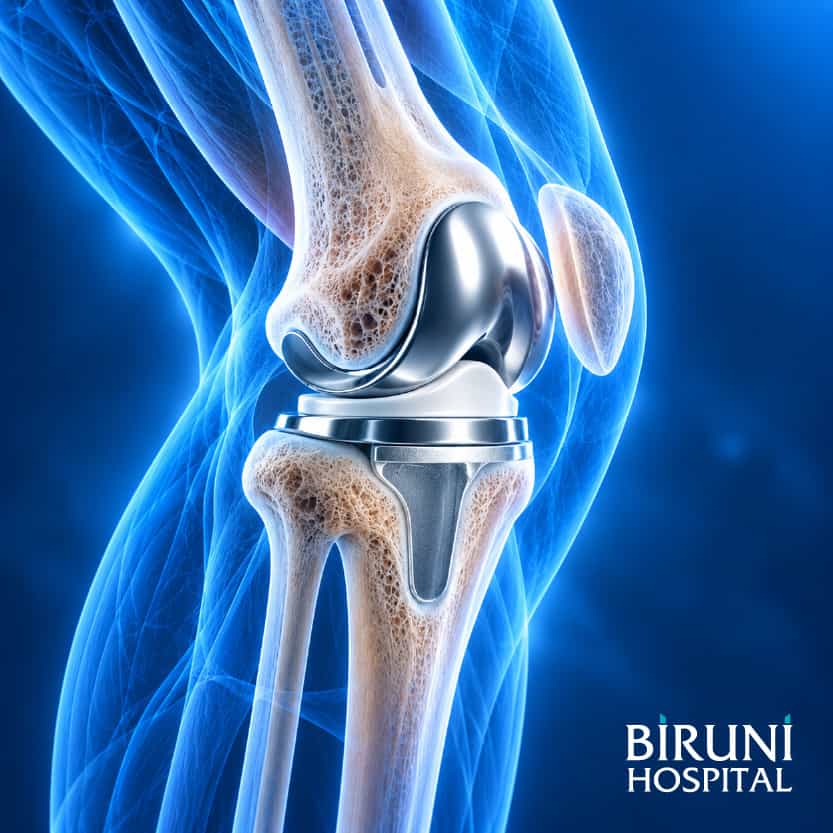
Systems like MAKO SmartRobotics or the ROSA Knee System allow surgeons to achieve sub-millimeter accuracy. This level of precision is virtually impossible to replicate with the human eye and hand alone. The robotic system does not perform the surgery independently; rather, it acts as an ultra-precise, highly advanced tool guided by the expertise of the orthopedic surgeon.
Personalized 3D Surgical Planning
The robotic advantage begins well before the first incision is made. Before the surgery, patients undergo a highly detailed 3D CT scan of their knee joint. This imaging data is fed into the robotic system's software to create a personalized, virtual 3D model of the patient's exact knee anatomy.
The surgeon uses this virtual model to pre-plan the entire procedure. They can determine the exact size, orientation, and alignment of the implant tailored specifically to Wendy's bone structure. This customized approach ensures that the new joint mimics the natural biomechanics of the knee perfectly, leading to a more natural-feeling joint post-surgery.
Unparalleled Surgical Precision
During the operation, the robotic arm provides tactile, visual, and auditory feedback to the surgeon. It creates a virtual boundary—a "haptic zone"—that prevents the surgical instruments from moving outside the pre-planned boundaries. This crucial feature protects healthy bone, surrounding ligaments, and delicate soft tissues from accidental damage.
Because the robotic system minimizes trauma to the surrounding soft tissues, patients experience significantly less post-operative pain and swelling. As Wendy discovered, this reduction in surgical trauma directly translates to a much faster and smoother rehabilitation process. The precision of the implant placement also maximizes the longevity and durability of the artificial joint.
Comprehensive Cost Comparison: US/UK vs. Turkey
The financial aspect of medical care is often the most stressful component for patients. In the United States, the cost of a robotic-assisted knee replacement can be astronomical. Even with comprehensive health insurance, patients frequently face high deductibles, co-pays, and out-of-network facility charges that can lead to medical debt.
In contrast, the affordability of orthopedic surgery abroad is a primary driver of medical tourism. Turkey offers highly competitive pricing without compromising on the quality of the medical implants or the expertise of the surgical staff. As highlighted at , Wendy was astonished by the financial transparency and the comprehensive nature of the medical packages offered in Istanbul.
| Service / Expense | Estimated Cost in US/UK | Estimated Cost in Turkey |
|---|---|---|
| Robotic Knee Replacement Surgery | $35,000 - $55,000+ | $8,000 - $12,000 |
| Premium Implant (e.g., Zimmer Biomet) | Usually billed separately | Included in Package |
| Hospital Stay (3-4 Nights) | $5,000 - $10,000+ | Included in Package |
| VIP Airport Transfers & Logistics | N/A | Included in Package |
| Initial Physical Therapy Sessions | $150 - $300 per session | Included in Package |
The significant cost difference is largely due to the lower cost of living and favorable exchange rates in Turkey, not a reduction in medical standards. By choosing to travel, patients can access elite robotic technology and premium FDA-approved implants at a fraction of the domestic price. This financial freedom allows patients to focus entirely on their recovery rather than their bank accounts.
Navigating Medical Tourism Logistics
The idea of coordinating international travel, accommodation, and major surgery in a foreign country can seem overwhelming. However, the medical tourism infrastructure in Turkey is designed to be completely frictionless. Dedicated international patient departments handle every single detail of the journey, transforming a stressful medical procedure into a highly organized, concierge-level experience.
As depicted at , Wendy's arrival in Istanbul was met with exceptional hospitality. From the moment she stepped off the plane, a dedicated bilingual patient coordinator was by her side. This coordinator facilitated VIP airport transfers, assisted with hotel check-ins, and served as a personal guide throughout the entire medical process.
Comprehensive Pre-Operative Consultations
Before any surgical intervention takes place, medical tourists undergo a rigorous battery of pre-operative tests. Wendy's first day at the hospital involved comprehensive blood work, EKGs, cardiovascular assessments, and the crucial 3D CT scans required for the robotic system. Patient safety is the absolute highest priority in Turkish medical centers.
Following the tests, Wendy had an extensive, unhurried consultation with her lead orthopedic surgeon. Unlike the rushed 10-minute appointments common in Western healthcare systems, this consultation lasted over an hour. The surgeon meticulously explained the robotic procedure, reviewed the 3D joint models, and thoroughly answered every question, ensuring Wendy felt completely confident and informed.
Inside the Turkish Hospital Experience
The day of the surgery is naturally anxiety-inducing, but the environment within Turkish private hospitals is specifically designed to promote calm and healing. The private patient suites are more akin to luxury hotel rooms than traditional sterile hospital wards. They feature comfortable bedding, en-suite bathrooms, accommodations for a traveling companion, and high-speed internet to keep in touch with family back home.
At , Wendy recounts the surprisingly peaceful morning of her procedure. Advanced anesthesia protocols were utilized to ensure she remained comfortable and completely pain-free. The robotic-assisted surgery itself typically takes between one to two hours. Because the robotic system requires smaller incisions and causes less tissue disruption, the immediate post-operative experience is vastly improved.
Exceptional Nursing and Post-Op Care
Waking up in the recovery room, Wendy was closely monitored by a dedicated team of specialized orthopedic nurses. The nurse-to-patient ratio in top Turkish hospitals is exceptionally high, ensuring immediate attention to pain management and vital signs. Advanced pain control techniques, including targeted nerve blocks, were employed to keep her pain levels remarkably low during the critical first 24 hours.
The compassionate care provided by the hospital staff plays a massive role in the patient's psychological recovery. The warmth and legendary hospitality of the Turkish medical staff ensure that international patients never feel isolated or unsupported while recovering far from home.
Advanced Orthopedic Rehabilitation
Surgery is only half the battle; the success of any joint replacement relies heavily on strict adherence to a post-operative physical therapy regimen. Because Wendy opted for a robotic-assisted procedure, her rehabilitation timeline was significantly accelerated. Traditional surgeries often leave patients bedridden for days, but modern protocols prioritize immediate mobility.
Astonishingly, as seen at , physical therapists had Wendy standing and taking her first cautious steps within hours of waking up from surgery. Early mobilization is vital for preventing complications such as deep vein thrombosis (blood clots) and for stimulating blood flow to aid in tissue healing.
The Path to Restored Mobility
During her 3 to 4-day stay in the hospital, Wendy engaged in daily physical therapy sessions. Therapists utilized Continuous Passive Motion (CPM) machines to gently flex and extend her knee, preventing scar tissue formation and improving range of motion. She was taught essential post-op skills, including how to safely navigate stairs and get in and out of bed.
- Pain Management Integration: Therapies are scheduled in conjunction with pain medication to ensure exercises are manageable and effective.
- Strengthening Exercises: Focus is placed on activating the quadriceps and hamstrings to support the newly implanted joint.
- Gait Training: Specialists work closely with patients to correct limps and establish a normal, confident walking pattern using assistive devices like walkers or crutches.
Following her hospital discharge, Wendy transferred to a partnered luxury hotel in Istanbul. She didn't just relax; she continued outpatient physiotherapy. Recovering in a beautiful, stress-free environment with room service and stunning views of the Bosphorus made the demanding physical therapy sessions feel significantly less daunting.
Long-Term Joint Health and Mobility
The ultimate goal of medical tourism for orthopedic surgery is returning home with a permanently improved quality of life. Weeks after returning from Turkey, Wendy's progress continued to skyrocket. The sub-millimeter precision of the robotic implant placement meant her knee felt incredibly stable and natural, lacking the mechanical stiffness often reported by traditional surgery patients.
By the six-week mark, as discussed at , Wendy was walking independently, completely free from the excruciating bone-on-bone pain that had plagued her for years. She reclaimed her independence, returning to activities she thought were lost forever, from long walks in the park to playing actively with her grandchildren.
A Global Solution for Joint Pain
Wendy Mitchell's journey is a powerful testament to the life-changing potential of global healthcare. It proves that patients do not have to accept a life of chronic pain or financial ruin due to localized healthcare limitations. The combination of state-of-the-art robotic technology, elite surgical expertise, and comprehensive medical tourism logistics in Turkey offers a unparalleled solution.
By stepping outside her comfort zone and looking beyond her borders, Wendy found not only world-class medical treatment but also the compassionate care and support necessary for a profound physical transformation. Her story serves as an inspiring blueprint for thousands of others seeking affordable, high-quality orthopedic surgery abroad.
Ready to Reclaim Your Mobility in Turkey?
Stop letting chronic joint pain dictate your life. PlacidWay Medical Tourism connects you with elite, JCI-accredited hospitals and top orthopedic surgeons in Turkey for affordable, state-of-the-art robotic knee replacement surgery. Let us handle your entire medical journey.
GET A FREE ORTHOPEDIC QUOTE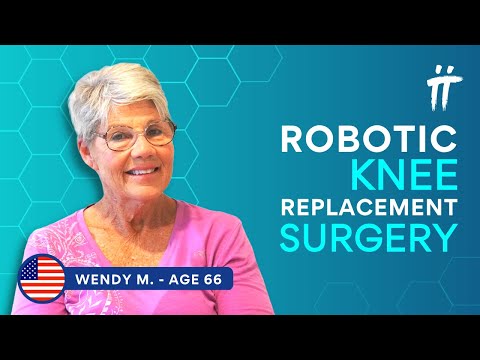
.jpg)





.png)

.png)


.png)
.jpg)
.jpg)








Share this listing