
Which Hospitals In Istanbul, Turkey, Specialize In Complex Hip Revision Surgeries?
When an initial hip replacement fails due to infection, implant loosening, bone loss, or instability, a secondary procedure—known as a revision—becomes necessary. Finding a facility equipped to handle complex hip revision surgery in Istanbul, Turkey requires careful research. Because this procedure is significantly more challenging than a primary replacement, it requires advanced surgical skills, specialized imaging, and access to a wide variety of revision implants and bone grafts.
Key Takeaways
- Look for hospitals in Istanbul holding major international accreditations, such as JCI (Joint Commission International).
- Complex revisions require specialized equipment, including modular implants and bone-grafting capabilities.
- Orthopedic surgeons handling these cases should have specific fellowship training or high-volume experience in revision arthroplasty.
- Recovery in the country will take longer than a standard primary replacement, typically requiring an extended stay of several weeks before safe air travel.
- A multidisciplinary team, including infectious disease specialists, is critical if your previous joint failed due to infection.
What makes an orthopedic clinic qualified for complex revisions?
Not every hospital that performs primary hip replacements is fully equipped for complex revisions. Revision surgery often involves navigating altered anatomy, dense scar tissue, and significant bone loss. A facility prepared for these challenges usually has a dedicated arthroplasty department rather than a general orthopedic ward.
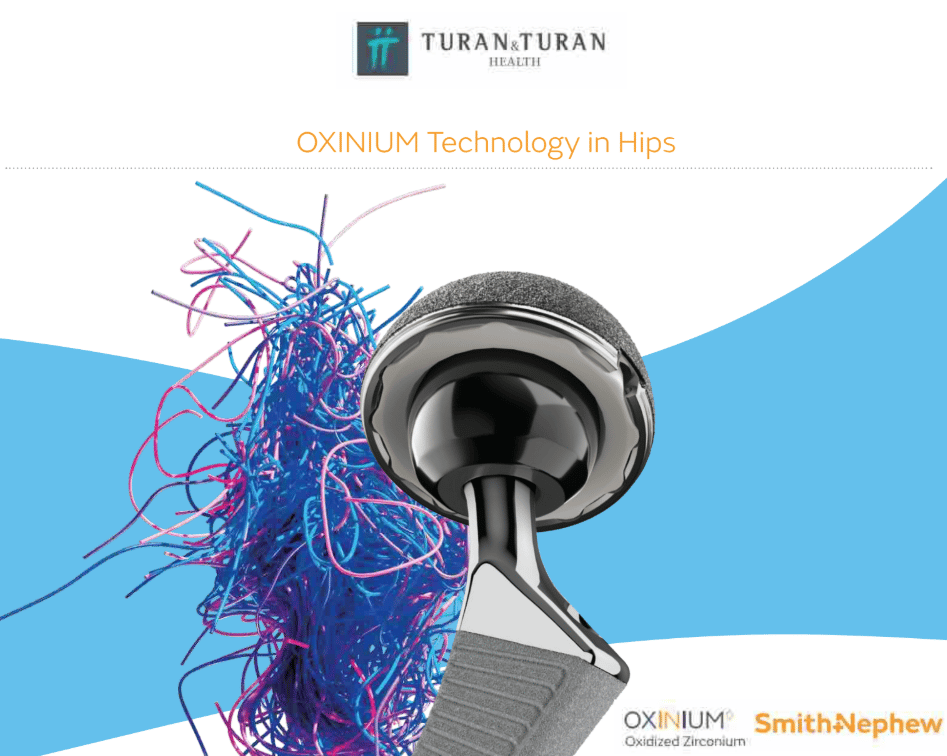
When evaluating clinics, look for indicators of institutional capability. These include access to 3D surgical planning software, on-site blood banks (as revisions often involve more blood loss), and comprehensive intensive care units (ICUs) for postoperative monitoring. Furthermore, qualified hospitals maintain an inventory of specialized revision implants, such as long stems and augments, which allow the surgeon to reconstruct the joint even when healthy bone is scarce.
Why do patients consider medical tourism for joint replacements?
In many regions around the world, patients face extensive waiting lists for complex orthopedic surgeries, or they find that specialized revision care is difficult to access locally. Istanbul has developed a robust infrastructure to support international patients, combining modern healthcare facilities with dedicated patient coordinators who assist with communication and logistics.
Many private hospitals in the city have invested heavily in their orthopedic departments, attracting surgeons who have trained or completed fellowships internationally. This creates an environment where complex cases can often be assessed and scheduled efficiently. However, traveling for major surgery introduces unique challenges, and patients must carefully weigh the benefits of accessibility against the risks of long-distance travel during recovery.
What exactly happens during a complex hip revision?
A complex revision is usually highly individualized based on why the original implant failed. The surgery typically involves a traditional open approach, as the surgeon needs clear visibility to safely extract the old components without causing further fractures. Removing old bone cement can be particularly tedious and requires specialized tools.
Once the old hardware is removed, the surgeon evaluates the remaining bone in the pelvis (acetabulum) and the thigh bone (femur). If the bone is severely compromised, the surgeon will rebuild the foundation before placing the new joint. The new implants used in revision surgery are often larger and longer than primary implants, designed to anchor deep into the remaining strong bone.
How do hospitals handle severe bone loss during surgery?
Bone loss (osteolysis) is one of the most significant challenges in revision surgery. It can be caused by the body's reaction to wear particles from the old implant, by infection, or by mechanical loosening over time. To ensure the new implant remains stable, the surgeon must restore the structural integrity of the joint.
- Bone Grafts: Surgeons may use allografts (bone from a donor bank) or autografts (bone from the patient) to fill voids.
- Metal Augments: Highly porous metal wedges and blocks can be screwed into the pelvis to replace missing bone.
- Custom Implants: In extremely complex cases, particularly where the pelvis is severely deformed, surgeons may use 3D-printed custom implants designed specifically for the patient's unique anatomy.
What technologies are used in Istanbul for hip revisions?
Because the normal anatomical landmarks are often obscured by previous surgery, technology plays a vital role in complex revisions. Surgeons often rely on advanced imaging techniques, such as CT scans with metal artifact reduction, to understand the extent of bone loss before the operation begins.
During the surgery, some facilities use computer-assisted navigation systems. These act like a GPS for the surgical instruments, helping the surgeon confirm leg length, offset, and the precise angle of the new socket. While robotic arms are frequently used for primary replacements, their application in complex revisions is still evolving, though advanced mapping software remains standard practice in top orthopedic departments.
What are the potential risks of a secondary hip replacement?
Patient safety requires an honest understanding of the risks involved. A complex hip revision is a major intervention. Because the surrounding muscles and tissues have been operated on previously, they may not support the new joint as strongly, making postoperative dislocation a notable concern. Patients are often placed under strict movement precautions during early recovery to prevent this.
Other significant risks include deep vein thrombosis (DVT) or pulmonary embolism, surgical site infections, unequal leg lengths, and damage to surrounding nerves or blood vessels. If a patient is undergoing a two-stage revision due to a severe joint infection, the process requires prolonged antibiotic therapy and two separate surgeries months apart, increasing the overall physiological strain on the body.
How long is the expected recovery time in Turkey?
Recovery from a complex revision is generally slower and more challenging than a primary hip replacement. During the hospital stay, the focus is on pain management, monitoring for immediate complications, and initiating gentle physical therapy. Physical therapists will teach you how to safely get in and out of bed, use mobility aids like crutches or a walker, and manage stairs.
After discharge, international patients are strongly advised to stay in the city near their medical team. This allows for necessary follow-up appointments, wound checks, and the removal of sutures or staples. Rushing a flight home increases the risk of serious complications, particularly blood clots, due to prolonged sitting and cabin pressure changes.
What factors influence the estimated cost of this procedure?
It is difficult to provide a single standard price for revision surgery because no two cases are identical. While medical care in Turkey is often more financially accessible compared to North America or parts of Western Europe, a complex revision is significantly more expensive than a primary joint replacement.
Factors that drive the final estimate include:
- Implant Hardware: Modular revision stems, specialized porous cups, and metal augments are costly components.
- Surgical Complexity: Longer operative times require more anesthesia and operating room resources.
- Infection Management: Revisions involving infections require antibiotic spacers and potentially prolonged hospital stays.
- Pre-operative Testing: Extensive imaging and cardiac clearance add to the total cost.
How do I plan for safe travel back home?
Traveling internationally after major orthopedic surgery requires meticulous preparation. Your surgical team will likely prescribe a regimen of DVT prophylaxis—typically blood-thinning medication or injections—to minimize the risk of clots during your flight. You may also be instructed to wear compression stockings.
When booking your return flight, opt for an aisle seat or an upgraded class that allows you to extend your leg fully. You must arrange for wheelchair assistance well in advance, as navigating large international airports on crutches shortly after a revision surgery is exhausting and unsafe. Upon returning home, you must have a local orthopedic specialist or primary care provider ready to take over your physical therapy and long-term monitoring.
How can I verify an orthopedic surgeon's credentials in Istanbul?
Selecting the right surgeon is arguably the most critical decision in this process. Because revision arthroplasty is a distinct subspecialty, general orthopedic experience is not enough. You should ask potential surgeons directly about their specific case volume regarding complex hip revisions.
Look for providers who have completed dedicated fellowships in adult joint reconstruction. Furthermore, active participation in international medical societies, such as the American Academy of Orthopaedic Surgeons (AAOS) or the European Hip Society, often indicates a commitment to staying current with global best practices and surgical standards. Do not hesitate to request comprehensive bios, details of their training, and an explanation of their approach to managing complications.
Why Choose PlacidWay for Medical Tourism in Turkey?
Navigating international healthcare options can be overwhelming, especially for complex orthopedic needs. PlacidWay acts as an informational platform to help patients explore global medical opportunities.
- Access to Information: PlacidWay provides detailed profiles of internationally accredited hospitals and specialized orthopedic centers in Istanbul.
- Provider Profiles: The platform allows you to review the educational backgrounds, credentials, and specialties of various medical professionals.
- Direct Communication: PlacidWay facilitates initial inquiries, allowing patients to ask direct questions to clinic representatives.
- Comparative Research: Patients can explore multiple facilities in Turkey to compare approaches, facility amenities, and available technologies.
- Educational Resources: The platform provides general guidance on the medical tourism process, helping patients understand what to expect when traveling for care.
Frequently Asked Questions
Is a hip revision surgery more painful than the first replacement?
Because it is a more extensive operation involving scar tissue and bone alterations, revision surgery can involve a more challenging recovery. However, modern pain management protocols often keep postoperative discomfort manageable.
Can a hip revision be performed using minimally invasive techniques?
Typically, complex revisions require a traditional open approach to safely remove old hardware and assess bone damage. Minimally invasive techniques are usually reserved for straightforward primary replacements.
How long do revision hip implants typically last?
While individual results vary based on age, activity level, and bone quality, many revision implants function well for 10 to 15 years or longer in suitable patients.
Do orthopedic departments in Istanbul have English-speaking staff?
Yes, major hospitals catering to international patients typically employ English-speaking doctors, nurses, and dedicated patient coordinators to assist with communication.
What happens if I develop an infection after returning home?
You must seek immediate medical attention from a local orthopedic surgeon or emergency department. It is crucial to have a plan for local follow-up care before you travel abroad.
Am I too old to undergo a complex hip revision?
Age alone is rarely an absolute barrier. Eligibility depends more on your overall health, cardiovascular fitness, bone density, and ability to participate in physical therapy.
How soon can I walk after a revision procedure?
Depending on the complexity of the reconstruction and the stability of the new implants, physical therapists often help patients stand or take assisted steps within 24 to 48 hours of surgery.
Will I need a blood transfusion during the operation?
Revision surgeries generally involve more blood loss than primary procedures. Your surgical team may prepare for this possibility, and blood transfusions are sometimes required.
Can a failed metal-on-metal hip be revised in Turkey?
Yes. Experienced orthopedic surgeons in Istanbul frequently manage failed metal-on-metal implants, which often involves removing the hardware, cleaning damaged tissue, and placing new components.
What type of physical therapy is provided in the hospital?
In-patient therapy usually focuses on early mobilization, safe joint movement, gait training with a walker or crutches, and exercises to prevent blood clots.
Compare Treatment Options in Istanbul
Explore accredited medical centers and learn more about your options for complex joint revision care.
Request Treatment InformationReferences
- Joint Revision Surgery – American Academy of Orthopaedic Surgeons (AAOS)
- Hip Replacement Overview & Revisions – Mayo Clinic
- Hip Replacement Surgery Health Topic – National Institute of Arthritis and Musculoskeletal and Skin Diseases (NIAMS)
- Medical Tourism Travel Health Guidelines – Centers for Disease Control and Prevention (CDC)
- JCI Accredited Organizations Directory – Joint Commission International
- Complications in Revision Total Hip Arthroplasty – National Center for Biotechnology Information (NCBI)

























Share this listing