
Contents
Choosing to undergo Limb Lengthening Surgery in Turkey is a life-changing decision driven by personal growth, aesthetic goals, or correcting limb length discrepancies. If you are frustrated by prolonged domestic waiting lists or prohibitive costs in regions like North America and Western Europe, Turkey has emerged as a globally recognized hub for advanced orthopedic reconstruction. By blending highly specialized surgical techniques with state-of-the-art clinical infrastructure, international patients can pursue their height enhancement aspirations safely and effectively.
A comprehensive package for Leg Lengthening Surgery in Turkey typically ranges widely depending on whether you choose external fixators, internal lengthening nails (such as PRECICE), or combined methods. However, lower package pricing should never come at the expense of safety. Prospective patients must look past promotional marketing to verify that clinics hold official licensing and accreditation from the Turkish Ministry of Health (Saglik Bakanligi). Furthermore, it is essential to scrutinize the orthopedist's credentials, surgical volume, and active registration with professional organizations such as the Turkish Medical Association (TTB) or the Turkish Society of Orthopaedics and Traumatology (TOTBID). Thorough preparation ensures your height correction journey is both secure and successful.
Key Takeaways
Managing a multi-month medical journey can feel challenging without structured support. All-inclusive bundles combine surgical procedures, accommodation, nursing assistance, and initial rehabilitation into a streamlined itinerary, allowing you to focus entirely on bone regeneration and mobility restoration.
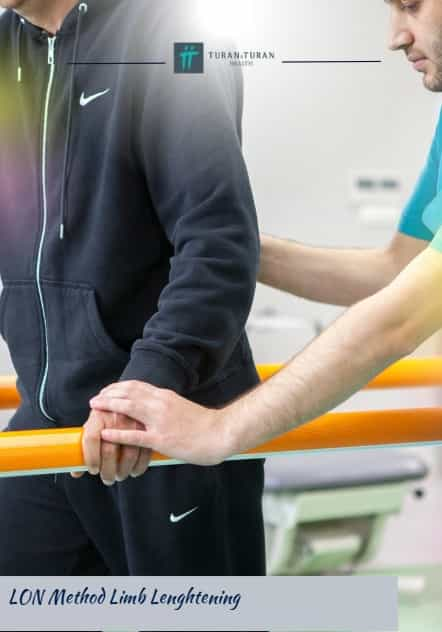
Price starting from $21,000
Limb Lengthening Surgery (LON Method) Package in Istanbul, Turkey by Turan Turan
Turan Turan Robotic Surgery Center and Orthopedic Clinic in Turkey
- Orthopedic/Knee Surgery
Istanbul,Bursa
Transparency in budgeting is essential. While costs in Turkey are substantially lower than in North America, prices vary based on implant technology—such as internal magnetic nails versus external fixator frames. Always verify what is included, from hardware expenses to post-operative physical therapy sessions.
Limb Lengthening Surgery Centers Cost Comparison in Turkey
| Provider | Procedure | Price |
|---|---|---|
| Turan Turan Robotic Surgery Center and Orthopedic Clinic in Turkey | Limb Lengthening Surgery, Orthopedic/Knee Surgery | $18000 |
Limb Lengthening Surgery Cost Comparison in Turkey
| Country | Procedure | Price |
|---|---|---|
| Canada | Limb Lengthening Surgery, Orthopedic/Knee Surgery | $75000 |
| United States | Limb Lengthening Surgery, Orthopedic/Knee Surgery | $85000 |
Selecting the right hospital for Stature Lengthening in Turkey demands careful evaluation of intensive care units, infection control protocols, and orthopedic wards. Look for facilities backed by JCI accreditation and verified ministry credentials. Review clinic profiles thoroughly to check medical licenses and ensure a secure healing environment.


International Multispecialty Hospital in Istanbul, Turkey
Istanbul,Turkey
Reviewing video walkthroughs, facility tours, and interviews with medical specialists helps bridge the gap between initial research and reality. Watching documentation of physical therapy spaces gives you a realistic impression of your upcoming rehabilitation environment.


Listening to testimonials from individuals who have successfully completed their lengthening journeys provides genuine insights. Reading about their daily struggles, milestone achievements, and interactions with medical staff offers guidance that standard brochures cannot replicate.

How much does limb lengthening surgery cost in Turkey?
The estimated limb lengthening surgery cost in Turkey typically ranges from $15,000 to $50,000. This depends heavily on the chosen surgical method (like PRECICE or LON), the specific clinic, and the length of your stay for rehabilitation. Distraction osteogenesis, more commonly known as limb lengthening, is an intensive orthopedic procedure. Historically developed to treat severe congenital deformities or traumatic injuries, it has increasingly become a sought-after option for cosmetic height increases. For patients exploring medical tourism in Turkey, understanding the financial, physical, and emotional commitments of this procedure is vital before making a decision. Key Takeaways Prices generally range from $15,000 to $50,000 based on the technique and device used. Methods include internal lengthening nails (like PRECICE) and combined external/internal systems (like LON). The procedure requires extensive physical therapy and a prolonged recovery period of several months. Candidates must undergo strict medical and psychological evaluations before approval. Potential risks include pin-site infection, nerve damage, muscle contractures, and poor bone healing. What methods are used for limb lengthening in Turkey? Surgeons typically use either external fixators, combined methods like Lengthening Over Nail (LON), or fully internal magnetic nail systems like PRECICE. The type of device implanted dictates much of the patient experience, the recovery protocol, and the overall price. The traditional Ilizarov method, which relies entirely on a bulky external frame with pins passing through the skin and muscle into the bone, is still used for complex trauma reconstructions but is less common for pure cosmetic lengthening due to discomfort and scarring. Instead, many modern orthopedic centers utilize the LON (Lengthening Over Nail) method. This technique combines an external fixator to guide the bone stretching with a standard internal intramedullary nail to stabilize the bone once the target height is reached. The external frame is worn during the active lengthening phase and removed shortly after, leaving the internal nail in place while the bone hardens. The most advanced option is a fully internal magnetic intramedullary nail, such as the PRECICE system. This method involves surgically placing an adjustable nail directly inside the bone cavity. Patients use an external magnetic remote control daily to trigger the nail's gears, lengthening the bone by microscopic amounts. Because there are no external pins piercing the skin, the risk of pin-tract infections is drastically reduced, and patient comfort is generally higher. What factors influence the total cost of the procedure? The total expense is primarily driven by the surgical device used, hospital fees, length of rehabilitation, and accommodation during recovery. When calculating the limb lengthening surgery cost in Turkey, patients must look beyond the initial surgical fee. The price structure in orthopedic medical tourism often involves several distinct phases of care. The Surgical Technique: External fixator methods and LON are typically on the lower end of the pricing spectrum ($15,000 – $25,000). Fully internal magnetic nails require expensive, highly engineered hardware, pushing the cost higher ($35,000 – $50,000). Facility and Surgeon Fees: The reputation and infrastructure of the limb lengthening surgery clinic in Turkey play a role. Clinics with dedicated orthopedic rehabilitation wings or those employing highly experienced specialists often charge more. Post-Operative Stay and Rehabilitation: Lengthening takes months. Daily physical therapy, routine X-rays, nursing care, and wheelchair-accessible accommodation add significantly to the overall budget. Hardware Removal: Patients must account for a secondary surgery down the line to remove the internal nails once the bone has completely healed. Surgical Method Estimated Cost Range Hardware Placement Ilizarov / External Fixator $15,000 - $20,000 Fully External LON (Lengthening Over Nail) $18,000 - $28,000 Combined Internal/External Internal Magnetic Nail (e.g., PRECICE) $35,000 - $50,000 Fully Internal Note: The above prices are estimates and can fluctuate based on exchange rates, specific hospital pricing, and individualized patient needs. Who is considered a suitable candidate for this surgery? Suitable candidates are usually healthy adults with closed growth plates who pass rigorous physical and psychological screening. Limb lengthening is a massive physical trauma deliberately inflicted on the body in a controlled manner. Because of this, patient selection is incredibly strict. Candidates must undergo thorough blood panels, bone density scans (DEXA), and joint health evaluations to ensure their skeletal system can withstand the process. Psychological screening is just as important. The emotional toll of being temporarily disabled, combined with chronic pain and sleep disruption during the distraction phase, is intense. Medical professionals must screen for conditions like body dysmorphic disorder (BDD). If a patient's desire for height stems from a psychological condition that will not be satisfied by the physical change, they are typically contraindicated for the procedure. Additionally, patients who smoke, take certain medications that inhibit bone healing (like NSAIDs or high-dose steroids), or have a high Body Mass Index (BMI) may not qualify. The internal nails have strict weight-bearing limits, and excess body weight can cause the surgical hardware to bend or break. How much height can realistically be gained? Most patients can safely achieve an increase of 5 to 8 centimeters in the femurs or 4 to 6 centimeters in the tibias. While the hardware is physically capable of stretching further, the limiting factor in limb lengthening is not the bone itself, but the surrounding soft tissues. Nerves, blood vessels, muscles, and tendons do not stretch as easily as bone regenerates. Pushing past safe limits drastically increases the risk of permanent nerve damage, severe muscle contractures (where joints become permanently stiff and bent), and loss of athletic ability. Orthopedic surgeons will continuously monitor flexibility and nerve function during the lengthening process. If a patient develops tight Achilles tendons or begins losing sensation in their toes, the surgeon may halt the lengthening process early, regardless of the patient's initial height goals. Expert Insight: The principle of distraction osteogenesis relies on creating a "tension-stress" environment. When a bone is cut and slowly pulled apart (usually 1mm per day), the body responds by growing new bone tissue in the gap. If the rate is too fast, the bone won't form; if it's too slow, the bone may fuse prematurely. What does the recovery timeline typically look like? Recovery is a lengthy process that usually requires several months of restricted weight-bearing, daily physical therapy, and gradual bone consolidation. The journey is split into two main phases: the distraction phase and the consolidation phase. The Distraction Phase: This begins a few days after surgery. The bone is actively lengthened by roughly 1 millimeter a day. If a patient aims for 5 centimeters (50 millimeters) of growth, this phase takes about 50 days. During this time, pain is typically at its highest, and patients usually require walking aids like crutches or a wheelchair. The Consolidation Phase: Once the target height is reached, the lengthening stops. The newly formed "regenerate" bone is soft, resembling cartilage. Over the next several months, calcium hardens this tissue into solid bone. Patients gradually increase weight-bearing as the bone solidifies. It can often take 6 to 12 months before a patient can walk completely unassisted and normally without a noticeable limp. Full athletic recovery may take over a year. What are the potential risks and complications? Like any major orthopedic procedure, risks include pin-site infections, delayed bone healing, nerve stretching, joint stiffness, and deep vein thrombosis. Limb lengthening is categorized as a high-risk elective surgery. Patients must be fully aware that complications can and do occur, sometimes requiring additional surgeries to correct. For methods utilizing external fixators, pin-tract infections are highly common, though they can often be managed with oral antibiotics and diligent cleaning. A more severe risk across all methods is non-union or delayed union, where the new bone fails to form properly in the gap. This may require bone grafting. Other serious medical risks include fat embolism syndrome (where fat from the bone marrow enters the bloodstream) and deep vein thrombosis (blood clots in the legs due to limited mobility). Joint contractures are also a major concern; if the muscles cannot keep up with the bone growth, they can pull the knees or ankles into permanently bent positions, affecting long-term mobility. How do patients prepare for an extended stay in Turkey? Since rehabilitation requires daily monitoring, international patients should plan to stay in Turkey for two to three months following the procedure. Participating in medical tourism in Turkey for an elective orthopedic surgery requires significant logistical planning. You cannot simply have the surgery and fly home the next week. The distraction phase must be monitored closely by the operating surgeon via weekly X-rays to ensure the bone is forming correctly and the hardware is functioning. Patients need to secure long-term, accessible accommodation. The apartment or hotel must be wheelchair-friendly with accessible bathrooms. Furthermore, having a dedicated caregiver—whether a family member or a hired local nurse—is essential. You will struggle with basic tasks like cooking, bathing, and getting to physiotherapy appointments during the initial months. What type of physical therapy is required after surgery? Patients typically undergo intensive daily physiotherapy to maintain joint flexibility, prevent muscle contractures, and support safe bone growth. Physical therapy is not an optional part of the recovery; it is arguably just as important as the surgery itself. Without aggressive, daily stretching, the muscles and fascia will resist the bone lengthening, leading to severe joint stiffness. During the distraction phase, patients spend 1 to 2 hours every day working with a specialized orthopedic physiotherapist. The sessions focus heavily on stretching the hamstrings, quadriceps, and Achilles tendons. Once surgical incisions have fully closed and healed, hydrotherapy (pool exercises) is often introduced, as the buoyancy allows for gentle weight-bearing and easier movement. While the stretching can be painful, failing to keep up with the physical therapy regimen can result in a permanent loss of range of motion or require the surgeon to prematurely halt the lengthening process. How should I plan for returning home and long-term follow-up? Returning home requires medical clearance to fly, continued local physical therapy, and coordinating X-rays with your surgical team abroad. Once the distraction phase ends and the bone enters the consolidation phase, most surgeons will clear international patients to return home. However, flying with newly formed bone and limited mobility poses a high risk for Deep Vein Thrombosis (DVT). Patients are typically prescribed blood thinners and must arrange for wheelchair assistance at all airports. Before leaving Turkey, it is crucial to establish a relationship with a local orthopedic surgeon in your home country. If an emergency occurs—such as hardware failure or a late-stage infection—you need a doctor who is willing to take over your care. You will also need to arrange local X-rays every few weeks to send back to your surgical team in Turkey to monitor the bone consolidation. Finally, patients must plan for a future procedure to remove the internal hardware. This is usually done 12 to 24 months after the initial surgery, requiring either another trip abroad or a procedure with a local surgeon. Why Choose PlacidWay for Medical Tourism in Turkey? Navigating international healthcare requires reliable information. PlacidWay provides resources for patients exploring treatments abroad. Clinic Profiles: Access to detailed profiles and facility information for various international clinics. Cost Comparisons: Ability to review and compare estimated treatment costs across multiple providers. Educational Resources: Information to help patients understand complex international healthcare systems. Procedure Insights: Factual information on available orthopedic technologies and surgical methods. Direct Contact: Established pathways to request initial consultations and ask questions directly to providers. Frequently Asked Questions Does insurance cover limb lengthening surgery in Turkey? When performed for purely cosmetic reasons to increase height, limb lengthening is almost never covered by health insurance. Patients must typically pay out of pocket. Insurance may only contribute if the surgery corrects a documented medical deformity or significant limb length discrepancy. Can both femurs and tibias be lengthened at the same time? While technically possible, lengthening both the femurs (thigh bones) and tibias (shin bones) simultaneously is generally advised against due to the severe physical toll, high risk of complications, and extreme difficulty in rehabilitation. Is the limb lengthening process painful? Yes, significant discomfort is expected. The pain primarily comes from the stretching of muscles, nerves, and soft tissues during the distraction phase, rather than the bone itself. Pain management is a major component of the recovery process. How long does the distraction phase last? The distraction phase, where the bone is actively being lengthened, usually lasts 2 to 3 months. This depends on the target height, as the bone is typically lengthened at a highly controlled rate of about 1 millimeter per day. When can I return to sports after the surgery? Returning to high-impact sports or heavy physical activity typically takes 1 to 2 years. The newly formed bone must undergo complete consolidation and hardening before it can safely withstand the stress of running or jumping. Are the metal implants removed after the bone heals? Yes, internal lengthening nails are typically removed in a minor secondary procedure once the newly formed bone has fully consolidated. This usually occurs 1 to 2 years after the initial surgery. Can I travel alone for limb lengthening surgery? Traveling alone for this procedure is highly discouraged. Patients face severe mobility restrictions for months and will require daily assistance with basic tasks, transportation to physical therapy, and personal care. A dedicated caregiver is strongly recommended. What is the success rate of modern internal nail systems? Modern internal systems show high rates of successful bone consolidation in suitable candidates. However, overall success relies heavily on the patient's strict adherence to post-operative guidelines, daily physical therapy, and nutritional requirements. How soon can I walk normally after the procedure? Walking completely normally without assistive devices like crutches or walkers usually takes 6 to 12 months from the date of the initial surgery, depending on how quickly the bone consolidates and muscle strength returns. What happens if the bone does not heal properly? If the bone experiences delayed union or non-union, surgeons may need to intervene. This could involve adjusting the lengthening rate, employing bone grafts, or performing additional surgeries to stabilize the area. Explore Your Orthopedic Options Gather more information about facilities, surgical methods, and estimated costs to make an informed decision regarding your healthcare journey. Request Treatment Information References Limb Lengthening and Deformity Correction – American Academy of Orthopaedic Surgeons (AAOS) Complications of Cosmetic Limb Lengthening: A Systematic Review – PubMed Limb Lengthening Overview and Techniques – Hospital for Special Surgery Medical Tourism Guidelines and Risks – Centers for Disease Control and Prevention (CDC) Intramedullary Limb Lengthening Outcomes – National Institutes of Health (NIH) Principles of Distraction Osteogenesis – International Limb Lengthening and Reconstruction Society (ILLRS) Medical Disclaimer: The information provided in this article is for educational and informational purposes only and does not constitute professional medical advice, diagnosis, or treatment. Limb lengthening is a complex surgical procedure with inherent risks, varying recovery times, and no guaranteed outcomes. Suitability for surgery varies based on individual medical history, bone health, and psychological evaluation. Always seek the advice of a qualified orthopedic surgeon or other healthcare provider with any questions you may have regarding a medical condition or treatment plan. Never disregard professional medical advice or delay in seeking it because of something you have read in this article.
Is limb lengthening surgery safe in Turkey?
Limb lengthening surgery in Turkey can be safe when performed at accredited facilities by experienced orthopedic specialists, but it carries inherent surgical and recovery risks. Key Takeaways: Limb Lengthening in Turkey Significant Cost Variations: Choosing limb lengthening surgery in Turkey offers self-pay patients a more affordable alternative compared to Western nations, though overall expenses vary by hardware technique. Comprehensive Rehabilitation: Successful outcomes depend heavily on rigorous daily physical therapy throughout the distraction and bone consolidation phases. Accredited Facility Standards: Patients should verify that an orthopedic limb lengthening clinic in Turkey maintains international health accreditations and strict infection control. Credential Verification: Safety relies on checking official medical board certifications and specialist surgical experience rather than relying on promotional marketing. Extended Recovery Timelines: Engaging in medical tourism in Turkey for bone distraction requires remaining in the country for several months post-operation. How Safe Is Limb Lengthening Surgery in Turkey for International Patients? Safety depends on hospital hygiene standards, surgeon experience, and patient adherence to intensive post-operative physical therapy and distraction protocols. Limb lengthening is a complex orthopedic procedure involving controlled bone fracture, gradual distraction, and prolonged bone healing. When considering whether limb lengthening surgery in Turkey is safe, prospective patients must evaluate both facility capabilities and the inherent physiological risks of the operation. Accredited hospitals in major medical hubs like Istanbul and Ankara feature advanced orthopedic operating suites and multidisciplinary support teams designed to manage complex bone reconstruction. However, safety is not guaranteed solely by country reputation or hospital brand. The procedure requires precise surgical execution, high-grade internal or external fixation hardware, and unwavering patient discipline during months of physical rehabilitation. Complications such as nerve stretching, muscle tightness, or delayed bone consolidation can occur even under optimal surgical conditions. Patients must undergo comprehensive pre-operative screening, including psychological evaluations and bone density assessments, to confirm that they are physiologically and mentally prepared for the arduous recovery timeline associated with limb lengthening. Did You Know? The bone lengthening rate is typically restricted to approximately 1 millimeter per day to allow new bone, blood vessels, and nerves to adapt safely without sustaining permanent structural damage. What Is the Average Limb Lengthening Surgery Cost in Turkey? Total costs typically range from $35,000 to $75,000, varying significantly based on whether external fixators, LON methods, or advanced internal nail systems are used. Financial planning for stature lengthening requires a detailed breakdown of hardware expenses and hospital fees. Evaluating limb lengthening surgery cost in Turkey reveals that pricing structures depend heavily on the surgical technique selected. Traditional methods utilizing external fixators represent the lower end of the pricing spectrum, whereas advanced fully internal lengthening nails (such as PRECICE or comparable intramedullary devices) command higher self-pay fees due to specialized engineering and component costs. When reviewing international quotes, patients must verify what services are bundled into the package price. A comprehensive estimate typically covers initial surgeon consultations, operating theater fees, anesthesia, hospital room accommodations during acute recovery, fixation hardware, and baseline physical therapy sessions. Additional out-of-pocket costs often include extended local lodging during the multi-month distraction phase, specialized medical supplies, and ongoing outpatient physical therapy. The table below outlines estimated pricing across common surgical methods: Surgical Technique Estimated Cost in Turkey (USD) Hardware Type External Fixator Methods (ilizarov / LON) $35,000 - $48,000 External pins combined with or without internal nails Fully Internal Intramedullary Nails $55,000 - $75,000 Motorized or mechanical telescopic internal rods How Do You Choose a Qualified Limb Lengthening Clinic in Turkey? Selection requires checking Ministry of Health registration, international accreditations, surgeon subspecialty experience, and dedicated rehabilitation support. Choosing an appropriate limb lengthening clinic in Turkey is the most critical decision in a patient's medical travel journey. Prospective patients must confirm that the medical facility maintains active registration with the Turkish Ministry of Health and holds recognized international quality accreditations, such as Joint Commission International (JCI) approval. Evaluating individual physician credentials is equally essential. Patients should verify that the operating orthopedic surgeon holds board certification from the Turkish Association of Orthopaedics and Traumatology (TOTBID) and possesses extensive documented experience in limb reconstruction and deformity correction rather than general orthopedics. Furthermore, clinics specializing in limb lengthening must provide in-house or closely integrated physical therapy facilities, as daily rehabilitation is mandatory for maintaining joint mobility throughout the bone-stretching process. Important Consideration Always request direct evidence of previous patient outcomes and complication management protocols from your prospective surgical team before committing to a procedure. What Should Patients Expect from Medical Tourism in Turkey for Orthopedics? Medical travel involves coordinated travel logistics, multilingual patient facilitation, and an extended stay of several months to complete bone consolidation. Engaging in medical tourism in Turkey for major orthopedic reconstruction differs significantly from routine holiday travel or minor cosmetic procedures. Because bone healing requires extensive time, international patients must plan for a multi-month stay in Turkey, particularly during the active distraction and early consolidation phases. Major hospitals and specialized clinics offer dedicated international patient departments that handle logistical details such as airport transfers, translation services, and temporary accommodation booking near the treatment center. This structured support helps alleviate the stress of navigating a foreign healthcare environment during recovery. However, patients must maintain realistic expectations regarding mobility. During the initial weeks and months post-surgery, independent travel is severely restricted, making the presence of a dedicated travel companion or caregiver essential. What Are the Key Rehabilitation Steps and Recovery Timelines? Recovery spans two distinct phases: distraction (bone stretching) and consolidation (bone healing), requiring daily physical therapy over 6 to 12 months. Physical rehabilitation is the cornerstone of successful limb lengthening surgery. Recovery is divided into two primary milestones: the distraction phase, where bone segments are pulled apart incrementally, and the consolidation phase, where new bone hardens into a solid structure. During distraction, patients must engage in rigorous daily physical therapy to prevent muscle contractures, maintain joint flexibility, and prevent tendon tightening. Once the desired height is achieved, the consolidation phase begins, where hardware continues to support the bone until complete cortical healing is confirmed via X-ray. While patients can typically return to light activities and short-distance travel after consolidation, full return to high-impact sports or heavy physical labor may take up to a year or more. What Clinical Risks and Complications Are Associated with Limb Lengthening? Potential complications include nerve stretching, joint contractures, pin-tract infections with external frames, delayed bone healing, and hardware malfunction. Limb lengthening is categorized as one of the most challenging elective orthopedic procedures due to its high complication profile. Common clinical risks include joint stiffness, muscle contractures (particularly in the Achilles tendon and hip flexors), and axial deviation during bone growth. Patients utilizing external fixators face the ongoing risk of pin-tract infections, requiring meticulous daily cleaning and antibiotic management. Those utilizing internal nails avoid pin-site infections but remain vulnerable to mechanical hardware failure or delayed bone union if mineralization proceeds slower than anticipated. Mitigating these risks requires strict adherence to surgeon protocols, consistent physical therapy, and immediate medical evaluation if unusual pain, swelling, or neurological symptoms occur. How Should Patients Prepare for Medical Travel and Long-Term Follow-Up? Preparation involves psychological readiness, securing extended leave from work, arranging local follow-up care at home, and ensuring financial contingencies. Comprehensive preparation is vital before embarking on a limb lengthening journey. Patients must secure extended leave from employment—often 3 to 6 months—as normal daily activities and work routines will be temporarily suspended during active recovery. Before departure, patients must establish contact with a local orthopedic specialist or physical therapist in their home country who agrees to oversee long-term radiographic monitoring and rehabilitation after returning from Turkey. International surgeons require ongoing X-ray submissions to track bone healing progress. Finally, maintaining financial contingencies for extended stays, unexpected physical therapy extensions, or medical complications ensures that unexpected challenges can be managed safely without disrupting care continuity. Why Choose PlacidWay? PlacidWay connects patients with accredited international hospitals, providing transparent cost comparisons, verified facility profiles, and direct communication channels. Navigating global healthcare options can feel complex. PlacidWay serves as a global medical information resource, helping patients explore accredited treatment centers and connect directly with experienced orthopedic specialists worldwide. Access to Broad Global Healthcare Directories Browse comprehensive profiles of accredited hospitals and specialty orthopedic clinics across international destinations. Transparent Cost Estimates Review estimated procedure pricing and package details to plan your medical travel budget effectively. Direct Medical Facility Communication Connect directly with hospital international patient offices to share medical imaging and request case evaluations. Verified Specialist Documentation Examine surgeon background details, subspecialty fellowship histories, and hospital accreditations before booking. Comprehensive Educational Resources Access detailed procedure guides, destination overviews, and planning checklists to support your healthcare journey. Frequently Asked Questions What is the success rate of limb lengthening surgery in Turkey? Success rates for limb lengthening surgery in Turkey depend heavily on patient compliance, bone healing quality, and surgeon expertise, though minor hardware complications or joint stiffness can occur during distraction phases. How long do patients need to stay in Turkey after limb lengthening procedures? Patients typically need to remain locally in Turkey for 2 to 3 months during the active distraction and early bone consolidation phase before receiving clearance to travel home. What type of internal fixation devices are used for limb lengthening in Turkey? Reputable centers utilize advanced intramedullary lengthening nails, PRECICE internal devices, or combined external fixation systems certified by international regulatory standards. How is physical therapy managed during limb lengthening recovery in Turkey? Daily physical therapy is mandatory throughout the entire lengthening and consolidation process to maintain joint range of motion, prevent muscle contractures, and stimulate bone healing. What are the primary risks associated with limb lengthening surgery abroad? Primary risks include nerve irritation, pin-tract infections with external fixators, delayed bone union, premature bone consolidation, and joint contractures requiring aggressive stretching. Can health insurance cover cosmetic limb lengthening surgery in Turkey? No, statutory health insurance and private international policies strictly classify cosmetic limb lengthening as an elective elective procedure and do not provide coverage. What pre-operative medical clearances are required for limb lengthening candidates? Candidates must undergo comprehensive orthopedic assessments, psychological evaluations, bone density scans, and extensive blood work to confirm physiological and mental readiness. How do Turkish orthopedic clinics handle post-operative pain management? Clinics utilize multimodal pain management protocols, combining oral analgesics, nerve blocks during early stages, and physical therapy modalities to control distraction discomfort. What travel documentation is required for patients undergoing surgery in Turkey? Travel documentation depends on patient citizenship and whether they travel by air or land, requiring valid passports and often specialized medical treatment visas. How is long-term follow-up care coordinated after returning from Turkey? Patients must establish ongoing radiographic monitoring and physical therapy supervision with a local orthopedic specialist in their home country before departing Turkey. Request Treatment Information Compare accredited medical centers, review specialist qualifications, and request personalized procedure estimates for your orthopedic care journey. Request Treatment Information References Orthopaedic Information and Treatment Guidelines – American Academy of Orthopaedic Surgeons Limb Lengthening Complications and Management – National Center for Biotechnology Information Pre-Travel Consultation and Health Guidelines – Centers for Disease Control and Prevention WHO Surgical Safety Guidelines – World Health Organization International Healthcare Facility Accreditation Standards – Joint Commission International Evaluation of Bone Distraction and Consolidation Outcomes – PubMed
Where Can I Get Limb Lengthening Surgery In Istanbul, Turkey?
Limb lengthening surgery in Istanbul is performed by expert orthopedic surgeons at major, JCI-accredited hospitals. Safe options are found in comprehensive orthopedic centers within leading hospital groups like Acibadem or Memorial Hospital. Cosmetic limb lengthening, or height surgery, is one of the most complex, demanding, and life-changing procedures in all of orthopedics. For individuals seeking to increase their stature, finding a center with the specialized expertise to perform this surgery safely is paramount. Istanbul, Turkey, has emerged as one of the few global hubs with a concentration of highly experienced surgeons and world-class hospitals capable of undertaking this journey. For those researching this option, the question is not just can it be done, but "Where can I get limb lengthening surgery in Istanbul safely?" This is not a typical cosmetic procedure. It is a months-long, intensive orthopedic process that requires an incredible commitment from both the patient and the medical team. The "best" place is not a clinic, but a comprehensive orthopedic institute within a major, internationally accredited hospital. This guide, current for September 2025, is designed to provide a realistic and safety-focused overview. We will explore the types of facilities you must look for, the credentials that define a true specialist, the advanced methods available, the costs, and the significant commitment required from any patient considering height surgery in Turkey. Why a Major JCI-Accredited Hospital is Non-Negotiable Limb lengthening is a major orthopedic surgery with a long recovery and a high risk of complications like infection. It must be performed in a full-service, JCI-accredited hospital that has a multidisciplinary team and the resources to manage any potential issues. This procedure should never, under any circumstances, be performed in a small private clinic or a general-purpose surgical center. A JCI (Joint Commission International) accredited hospital is the global gold standard for patient safety and is an absolute necessity for this procedure. A major hospital environment provides: A Multidisciplinary Team: You will need not just an orthopedic surgeon, but also infectious disease specialists (to manage the high risk of pin-site infections with external methods), pain management doctors, and a large team of physical therapists. Advanced Imaging and Emergency Services: Access to 24/7 X-ray, CT scanning, and a full-service emergency room and ICU. Highest Sterilization Standards: JCI accreditation guarantees U.S.-level standards for operating room sterility, which is critical for preventing deep bone infections. Leading hospital groups in Istanbul known for their world-class orthopedic departments include Acibadem Hospitals, Memorial Hospitals Group, and Medical Park. Finding a True Limb Lengthening Specialist This is a super-specialized field. You must find a board-certified orthopedic surgeon who has a specific focus and extensive experience in limb lengthening and deformity correction. A general orthopedic surgeon is not qualified to perform this procedure. The surgeon's expertise is the most critical factor in a successful outcome. When vetting a doctor, you must verify: Specialization: Their practice should be heavily focused on limb lengthening and reconstruction. This is a niche field, and the best surgeons dedicate their careers to it. High Case Volume: Ask them directly: "How many cosmetic limb lengthening procedures do you perform each year?" A true specialist will have a high volume and a large portfolio of patient results. International Recognition: The top surgeons are often members of international societies like the Limb Lengthening and Reconstruction Society (LLRS) and are invited to speak and teach at global conferences. Understanding the Methods: LON vs. PRECICE Internal Nail Top surgeons in Istanbul offer the most advanced methods. The main options are the LON (Lengthening Over Nail) hybrid method and the fully internal PRECICE nail. The PRECICE nail is far more comfortable but also significantly more expensive. Method How It Works Pros & Cons LON (Lengthening Over Nail) A hybrid method. An external fixator is worn to gradually lengthen the bone. An internal nail is implanted at the same time. Once lengthening is complete, the nail is locked, and the external frame can be removed much earlier. Pro: More affordable. Shorter time in the bulky external frame. Con: Still requires an external fixator, risk of pin-site infection. PRECICE Internal Nail The most advanced method. A motorized, magnetic telescopic nail is implanted inside the bone. The patient uses a handheld External Remote Controller (ERC) at home to lengthen the nail a tiny amount each day. Pro: No external fixator, much more comfortable, lower risk of infection, easier recovery. Con: Significantly more expensive. What is the Realistic Cost of Limb Lengthening in Istanbul? The cost is very high due to the complexity and advanced technology. The LON method for one segment (e.g., both femurs) typically costs $20,000-$30,000. The fully internal PRECICE nail method costs approximately $40,000 to $60,000+. This price is for the surgical package, which usually includes the surgery, the device (external fixators or PRECICE nails), the hospital stay, and the initial set of physical therapy sessions. The huge price difference between the methods is primarily due to the cost of the PRECICE nail itself, which is an extremely expensive, high-tech medical device. These prices, while high, are still significantly lower than in the U.S., where the PRECICE method can cost well over $100,000. The Patient's Commitment: A Months-Long Journey This is not a quick trip. Patients must be prepared to stay in Istanbul for a minimum of 3 to 4 months for the initial lengthening phase, which requires constant medical supervision and daily, intensive physical therapy. This is perhaps the most important thing for patients to understand. Limb lengthening is a marathon, not a sprint. Lengthening Phase: You will typically lengthen the bone by 1mm per day. To gain 6 cm (about 2.4 inches) of height, you will be in the lengthening phase for 60 days. Constant Monitoring: During this time, you will have weekly or bi-weekly check-ups with your surgeon to monitor your progress with X-rays. Mandatory Physical Therapy: You must attend intensive physical therapy sessions every day to stretch your muscles, tendons, and nerves as the bones lengthen. Failure to do so can result in permanent joint stiffness (contractures). The entire process, from surgery to being able to walk normally without support, can take up to a year or more. Limb lengthening is a serious, life-changing procedure that requires a world-class medical team. Placidway is a global leader in medical access, connecting patients with a network of pre-vetted, JCI-accredited hospitals and highly specialized orthopedic surgeons in Turkey.
What Are the Risks of Limb Lengthening Surgery in Turkey for US Patients?
The primary risks of limb lengthening surgery in Turkey are infection (1-3%), muscle stiffness, and delayed bone consolidation. However, when using FDA-approved intramedullary nails at JCI-accredited Turkish hospitals, the severe complication rate is 2% to 5% nearly identical to the US while saving you $50,000 to $80,000. If you have spent your life feeling overlooked because of your height, the psychological weight is exhausting. The constant awareness in social settings, the silent hits to your confidence in the workplace, and the feeling that your physical stature does not match who you are inside. Cosmetic stature lengthening offers a permanent, life-altering solution. But right now, you are probably balancing that intense hope against a very real fear: What are the risks of limb lengthening surgery in Turkey for US patients? You have likely seen the astronomical prices in the United States often exceeding $100,000 making domestic surgery impossible for most. Turkey has emerged as the global capital for height surgery, offering top-tier facilities for a fraction of the cost. But flying across the world to have your femurs or tibias surgically altered is terrifying. You need to know if the lower price tag means lower safety standards. This guide will give you the honest, unfiltered truth about limb lengthening Turkey risks, how they compare to staying home, and exactly how to protect your health while achieving the height you deserve. Quick Facts: Leg Lengthening Surgery US vs Turkey Average Cost (US) $75,000 - $120,000+ Average Cost (Turkey) $18,000 - $45,000 Severe Complication Rate (US) 2% - 4% Severe Complication Rate (Turkey) 2% - 5% (at accredited hospitals) Daily Physical Therapy 2-3x weekly outpatient (US) vs. 5-6x weekly inpatient/hotel (Turkey) Active Recovery Time 3-6 months (both countries) Hardware Used Precice, LON, Ilizarov (identical globally) What Is Limb Lengthening Surgery and How Does It Work? Limb lengthening relies on distraction osteogenesis. A surgeon cuts the bone, inserts a titanium nail, and you slowly lengthen the gap by 1 millimeter per day. Your body naturally grows new bone to fill the gap, permanently making you 2 to 6 inches taller. Cosmetic stature lengthening sounds like science fiction, but it is actually based on a natural biological process called distraction osteogenesis, pioneered in the 1950s. When a bone is broken and slowly pulled apart, the body rushes cells to the gap to bridge it with new bone tissue. Over months, this new tissue calcifies and becomes as strong as your original bone. Here is the step-by-step process of how you actually get taller: Osteotomy (The Surgery): An orthopedic surgeon makes precise incisions and carefully cuts your femur (thigh bone) or tibia (shin bone) into two segments. Device Insertion: A specialized titanium device is installed. This is either fully internal (like the magnetic FDA-approved Precice nail inserted inside the bone marrow) or a hybrid system (the LON method, which uses an internal nail combined with an external fixator). The Distraction Phase: Starting about a week after surgery, you will use an external magnetic remote (for Precice) or turn a key on the external fixator (for LON) to pull the bone apart by exactly 1 millimeter per day. Over 80 days, you can grow 8 centimeters (about 3.1 inches). Intense Physical Therapy: As the bone stretches, your muscles, nerves, and blood vessels must stretch with it. Daily, painful physical therapy is absolutely mandatory to prevent stiffness and permanent mobility issues. The Consolidation Phase: Once you reach your target height, the lengthening stops. You wait for the soft new bone to calcify and harden entirely, which takes another few months. The benefit of modern methods like the Precice nail over older alternatives is vast: there are no external metal frames, dramatically lowering the risk of pin-site infections, reducing visible scarring, and making sleeping and physical therapy much more comfortable. Why Do US Patients Choose Height Surgery in Turkey? US patients choose Turkey because they can save up to 75% on costs while receiving world-class care, daily physical therapy in dedicated recovery hotels, and accessing the exact same FDA-approved surgical technology used in America. Traveling abroad for a major orthopedic surgery is a massive decision. But thousands of Americans make this trip to Istanbul every year. Here is exactly why the benefits often outweigh the hesitations: Life-changing height increase: You can permanently gain 2 to 3.5 inches on your femurs, or up to 6 inches if you do femurs and tibias in separate surgeries. This is permanent, natural bone. Unmatched affordability: Saving $60,000 or more means the difference between dreaming about the surgery and actually doing it. Comprehensive recovery packages: Unlike the US, where you are sent home to figure out physical therapy on your own, Turkish clinics provide "recovery hotels." You get meals, 24/7 nursing access, and dedicated physical therapists working with you every single day for months. High-volume expertise: Because the cost is accessible, top Turkish orthopedic surgeons perform this highly specific surgery hundreds of times a year. Many US surgeons only do a few cosmetic lengthenings annually. Confidentiality: Recovering abroad allows you to go away for a few months and return home taller, without having to explain your daily struggle with crutches or wheelchairs to friends and coworkers. How Much Can You Save: Cost of Fixing Limb Lengthening Complications vs Surgery Cost You save an average of 60% to 75% on the procedure itself. Even if you factor in flights, a 3-month hotel stay, and premium internal nails, you will spend roughly $40,000 in Turkey compared to over $100,000 in the US. Let us look closely at the numbers. Pricing varies based on which bone you are lengthening (femurs are generally easier and safer than tibias) and which hardware you choose. Method / Bone US Price (Estimated) Turkey Price (Estimated) Savings % LON Method (Femurs) $65,000 - $80,000 $18,000 - $22,000 70-75% LON Method (Tibias) $70,000 - $85,000 $19,000 - $24,000 70-75% Precice Nail (Femurs) $95,000 - $110,000 $35,000 - $45,000 60-65% Precice Nail (Tibias) $100,000 - $120,000 $38,000 - $48,000 60-65% Nail Removal (1-2 yrs later) $15,000 - $20,000 $2,000 - $4,000 75-85% Why is there such a massive price difference? It has absolutely nothing to do with buying "cheaper" titanium nails. A Precice nail imported from California costs the Turkish clinic the same as it costs a US hospital. The 75% savings comes entirely from Turkey’s lower cost of living, reduced hospital overhead, significantly lower orthopedic surgeon fees, and cheaper labor costs for nurses and physical therapists. In the US, daily physical therapy for three months alone could bankrupt you. In Turkey, it is simply built into the package. Is Limb Lengthening Surgery in Turkey Safe Compared to the US? Yes. The risks of leg lengthening surgery side effects are inherently the same whether you are in New York or Istanbul. Safety depends entirely on the surgeon's experience and your dedication to physical therapy, not the geographic location. This is where we confront the fear directly. You are changing the biomechanics of your body. Risks exist, and pretending they do not is dangerous. Here is how top Turkish clinics stack up against American hospitals in mitigating these risks. Quality/Safety Metric US Hospitals Turkish Hospitals Notes on Risks Implant Quality FDA-Approved NuVasive FDA-Approved NuVasive Top clinics in Turkey use identical US imports. Infection Prevention Strict hospital protocols JCI & ISO standard protocols Deep bone infection is under 1% in both countries. Physical Therapy Outpatient, 2-3x a week In-house, 5-7x a week Turkey’s daily PT drastically lowers contracture risks. DVT Prevention Blood thinners & movement Blood thinners & movement Flying home early from Turkey increases DVT risk. To keep yourself safe, you must understand how to avoid complications with height surgery in Turkey: Nerve and Muscle Contractures: As bone grows, soft tissue struggles to keep up. If you slack on stretching, you can lose flexibility permanently or require a second surgery to lengthen the Achilles tendon. Turkey's daily PT actually makes this risk lower than doing it alone in the US. Non-Union (Delayed Bone Consolidation): Sometimes the gap does not calcify properly. This might require a bone graft. You minimize this by eating a high-protein diet, taking prescribed Vitamin D/Calcium, and absolutely not smoking. Deep Vein Thrombosis (DVT): Blood clots are a risk in any major leg surgery. Turkish doctors prescribe anticoagulants. The biggest DVT risk is flying back to the US too soon. You must stay in Turkey during the most critical phases. Pin-Site Infections: If you opt for the cheaper LON method, metal rods stick out of your skin. These must be cleaned daily. A surface infection is easily treated with antibiotics, but if ignored, it can reach the bone. Ultimately, your safety is in your hands. Choose a hospital with Joint Commission International (JCI) accreditation, and commit to the grueling physical therapy. If you do that, your outcome will rival the best clinics in America. What is the Recovery Timeline for Limb Lengthening in Turkey? Expect to dedicate 6 to 9 months to full recovery. You will likely spend the first 2 to 3 months in Turkey actively lengthening the bone, followed by 3 to 6 months at home in the US waiting for the bone to fully harden. Do not underestimate the time commitment. This is not a procedure where you take a week off work and bounce back. Here is the true timeline of what you will experience: Phase 1: Surgery & Hospital Stay (Week 1): You fly to Turkey, undergo comprehensive blood work and X-rays, have the surgery, and spend 3 to 5 days in the hospital managing initial pain. Phase 2: The Distraction Phase (Months 1-3 in Turkey): You move to the clinic’s recovery hotel. Every day, you lengthen your bone by 1mm. You will be in a wheelchair or using a walker. You will endure 1 to 2 hours of painful physical therapy daily. This is a full-time job. Phase 3: The Consolidation Phase (Months 4-7 at home): Once you reach your target height (e.g., 3 inches), the device is locked. You fly back to the US. Now, you wait for the bone to heal. You transition from a walker to crutches, and eventually to walking unaided. Phase 4: Hardware Removal (12-18 months later): Once X-rays confirm your bone is 100% solid, you return to Turkey for a minor outpatient surgery to remove the titanium nails. Crucial considerations for US patients: Traveling home: Flying across the Atlantic in a wheelchair with recovering legs is tough. Book business class if at all possible, and secure wheelchair assistance at the airport. Remote work: If you can work from your laptop, you can continue working during Phase 2 from your hotel in Turkey. Follow-up X-rays: You will need to take X-rays every few weeks back in the US and email them to your Turkish surgeon to monitor consolidation. Who is a Good Candidate for Leg Lengthening Surgery? The ideal candidate is a healthy, psychologically stable non-smoker who is deeply committed to intense daily physical therapy and has realistic expectations about the pain and recovery timeline. Cosmetic stature lengthening is a test of mental endurance as much as physical healing. Money alone will not buy you a successful outcome. You are likely a great candidate if you: Are generally healthy and between the ages of 18 and 50 (bones heal slower as we age). Suffer from severe height dysphoria that impacts your daily life. Are a non-smoker, or are willing to quit nicotine entirely 3 months before and 6 months after surgery. Have the discipline to push through painful stretching exercises daily. Can afford the financial cost without putting yourself in ruinous debt. Have a strong support system at home for when you return to the US. You must reconsider this procedure if you: Smoke or vape nicotine: Nicotine constricts blood vessels and is the number one cause of non-union (bone failing to heal). Most reputable surgeons will test your blood and cancel the surgery if nicotine is present. Have bone density issues: Conditions like osteoporosis make the bone too weak to hold the titanium nails. Have a history of blood clots: This elevates your DVT risk significantly. Are looking for a "quick fix": If you lack patience or discipline, you will end up with severe joint stiffness or a permanent limp. Expect to play professional impact sports: While you can run, lift weights, and live a completely normal life, extreme high-impact sports (like professional rugby or heavy martial arts) might be risky long-term. Lack the funds for complications: Even with cheap surgery in Turkey, you need an emergency fund of $5,000-$10,000 just in case you require extended stays or local US orthopedic intervention. Your next step should be arranging a remote video consultation. The doctor will evaluate your leg proportions and tell you honestly what is biologically possible for your body. Frequently Asked Questions Making a decision this large requires all the facts. Below, we address the most common and pressing questions US patients ask about the risks of limb lengthening surgery in Turkey. What are the risks of limb lengthening surgery in Turkey for US patients? The primary risks include pin-site infections (for external methods), muscle contractures, nerve stretching, poor bone consolidation, and deep vein thrombosis (DVT). These risks are statistically similar to the US (3-5% for severe complications) when you choose an internationally accredited Turkish hospital with high-volume orthopedic surgeons. Your dedication to physical therapy dictates much of your safety. How much does height surgery cost in Turkey vs the US? Limb lengthening in Turkey typically costs between $18,000 and $45,000, depending on the method used (LON vs. Precice). In the United States, the same surgery costs between $75,000 and $120,000+. This represents a 60% to 75% savings for US patients, primarily due to lower surgical fees and overhead, not cheaper materials. Is the Precice internal nail method available in Turkey? Yes, reputable orthopedic centers in Turkey use the exact same FDA-approved Precice and Precice Stryde intramedullary nails manufactured by NuVasive that are used by top surgeons in the United States. You receive world-class hardware at a much lower overall cost. What happens if I get an infection after limb lengthening abroad? Most minor pin-site infections (common with the LON method) are treated quickly with oral antibiotics provided by your clinic. For serious deep-bone infections (very rare, under 1-2%), your Turkish clinic's warranty usually covers corrective treatment, though you would need to return to Turkey or have a local US orthopedic surgeon intervene. How long do I need to stay in Turkey for leg lengthening? Patients typically stay in Turkey for 2 to 3 months. This covers the surgery and the entire 'distraction phase' where the bone is actively lengthening 1mm per day, allowing you to utilize intensive, daily physical therapy provided by the clinic to prevent muscle stiffness. Can I travel back to the US alone after height surgery? While some do, traveling alone in a wheelchair or with crutches during the consolidation phase is highly challenging. Having a companion is strongly recommended to assist with luggage, airport navigation, and managing DVT risks during the long transatlantic flight by keeping your legs elevated and taking prescribed blood thinners. Does bone loss occur during limb lengthening? The procedure relies on distraction osteogenesis, which actually grows new bone rather than causing bone loss. However, if the distraction is too fast or the patient lacks proper nutrition, 'non-union' or delayed consolidation can occur, sometimes requiring a bone graft to help the gap solidify. Which Turkish cities are best for cosmetic limb lengthening? Istanbul is the premier destination for cosmetic stature lengthening. It houses the vast majority of JCI-accredited hospitals, advanced physical therapy rehabilitation hotels, and high-volume limb lengthening specialists who cater specifically to international patients. Will my US orthopedic surgeon provide follow-up care? Many US orthopedic surgeons are willing to monitor your bone consolidation via X-rays if you provide your surgical notes and device details (like the Precice nail model). However, you must establish this relationship before you travel to Turkey, as some US doctors hesitate to treat cosmetic international cases. How do I verify a Turkish limb lengthening clinic is reputable? Look for Joint Commission International (JCI) hospital accreditation, surgeons who are members of international orthopedic boards, transparent complication rates, state-of-the-art onsite physical therapy, and verifiable long-term patient reviews. Avoid clinics that rush you or gloss over the painful reality of recovery. How many trips to Turkey are required for the LON method? The LON (Lengthening Over Nails) method requires one extended trip (2-3 months) for the lengthening phase and external fixator removal, plus a brief second trip about 12-18 months later to remove the internal titanium nails once the bone is fully solid. Can I finance limb lengthening surgery in Turkey? While international clinics rarely offer direct financing to US citizens, many patients fund their $20,000-$40,000 procedure using US-based personal medical loans, home equity lines of credit, or savings, which is much more achievable than financing $100,000+ domestically. You Have Done the Research. Claim Your Confidence. You know the facts, the risks, and the massive savings waiting in Turkey. You don't have to live with height dysphoria forever. Stop wondering "what if" and start mapping out your actual journey. Get My Free Quote No obligation. No pressure. Connect with highly vetted specialists safely. References NuVasive Specialized Orthopedics. "Precice Intramedullary Limb Lengthening System Specifications." Joint Commission International (JCI). "Global Quality and Patient Safety Standards in Hospitals." National Institutes of Health (NIH) - PubMed. "Complications of cosmetic stature lengthening: A systematic review." PlacidWay Medical Tourism. "Limb Lengthening Surgery in Turkey: The Complete Guide" Medical Disclaimer Important: This article is for informational purposes only and does not constitute medical advice. Limb lengthening is a complex orthopedic procedure with inherent risks, including DVT, non-union, and permanent joint stiffness. Consult a licensed orthopedic surgeon to evaluate your individual anatomy and risks. Individual recovery times and results vary drastically. Seek immediate emergency medical attention if you experience severe shortness of breath, chest pain, uncontrollable swelling, or sudden intense leg pain after surgery, as these can be signs of life-threatening complications.
Is Limb Lengthening Surgery in Istanbul Turkey Regulated and Safe for British Patients?
Yes. If you are asking, is limb lengthening surgery in Istanbul Turkey regulated and safe for British patients?, the answer is a confident yes when performed at JCI-accredited hospitals. Turkish providers use the exact same FDA-approved implants (like Precice) as UK surgeons, achieving similar 95-98% success rates, but at a 50-65% lower cost due to reduced local labor and facility overhead. Being shorter than you want to be can feel like carrying an invisible weight. It is not just about the numbers on a measuring tape; it is about the hesitations before walking into a boardroom, the subtle shifts in dating dynamics, and the constant, nagging feeling that you are being overlooked. For years, you have probably researched solutions, only to discover that cosmetic stature lengthening in the UK is prohibitively expensive, often reaching £70,000 or more in private London clinics. So, your research naturally leads you overseas, and you find yourself staring at highly competitive packages. But the core question remains: is limb lengthening surgery in Istanbul Turkey regulated and safe for British patients? It is perfectly normal to feel terrified. You are considering having your bones surgically broken in a foreign country. You need honest reassurance, clear facts, and no sugar-coating. This guide is written specifically for you, detailing the exact regulations, risks, savings, and safety protocols so you can make a decision rooted in confidence, not fear. Quick Facts: Limb Lengthening UK vs. Istanbul Average Cost (Private UK) £50,000 - £90,000 Average Cost (Istanbul) £15,000 - £35,000 Clinical Success Rate (UK) 96% - 98% Clinical Success Rate (Istanbul) 95% - 98% Length Achieved 5cm to 8cm (Femur) / 4cm to 6cm (Tibia) Distraction (Lengthening) Phase 60 to 90 days (growing 1mm per day) Full Consolidation (Healing) 6 to 12 months Standard Warranty/Care Included X-rays & Physio during Turkey stay Major Complication Rate 2% - 5% (Infection, non-union) What Exactly Is Limb Lengthening Surgery? Limb lengthening works through distraction osteogenesis. The surgeon cuts the bone, inserts a specialized nail, and you slowly pull the bone apart by 1mm a day. Your body naturally fills the gap with new, solid bone. The concept sounds like science fiction, but it leverages your body's natural ability to heal fractures. The procedure is meticulously controlled and takes months of dedication. Here is exactly how the process unfolds: Osteotomy (The Bone Cut): Under general anesthesia, the orthopedic surgeon makes a clean, surgical cut through your femur (thigh bone) or tibia (shin bone). Device Insertion: A telescopic titanium nail (like the Precice system) is inserted into the hollow center of the bone. It is secured with locking screws. Latency Phase: For 5 to 7 days after surgery, you rest. This allows the initial soft callus of healing bone to form. Distraction Phase: Using an external magnetic remote control, you activate the internal nail to lengthen by 1 millimeter per day. As the bone ends slowly separate, new bone tissue grows in the gap. Consolidation Phase: Once you reach your target height (e.g., 6cm), the lengthening stops. The new bone is initially soft and must harden (calcify) over the next 6 to 12 months before it can support your full weight. Unlike wearing lifts in your shoes or adopting unproven posture-correction methods, surgical stature lengthening provides a permanent, biological increase to your absolute skeletal height. Why Do British Patients Choose Cosmetic Bone Lengthening in Turkey Over the UK? British patients travel to Istanbul because they receive world-class care, daily intensive physical therapy, and premium FDA-approved devices at a fraction of London prices, saving an average of £40,000. The decision to travel 2,000 miles for a major orthopedic operation is not made lightly. Here is why thousands of international patients take the leap: Profound Appearance Change: Gaining 5cm to 8cm (2 to 3 inches) radically alters your proportions, how clothing fits, and how you are perceived in social environments. Intensive In-House Care: Unlike the UK where you might get physical therapy once a week, Istanbul packages include daily, 2-hour intensive physio sessions—which is critical for preventing muscle contractures. Cost Accessibility: The savings are monumental. You are keeping £30,000 to £50,000 in your pocket without compromising on the quality of the surgical hardware. Psychological Relief: For individuals suffering from severe height dysphoria, the mental health benefits of finally achieving their desired stature are immeasurable. Experienced Surgeons: Because Turkey is a global hub for this specific niche, top Istanbul surgeons perform hundreds of these operations annually, giving them more direct experience than many UK-based orthopedic specialists. Cost Comparison: London vs. Istanbul You can expect to save 50-65% across all lengthening methods. A fully internal Precice 2 femur surgery costs about £30,000 in Turkey, compared to over £70,000 in the UK. When you start running the numbers, the differences are staggering. To fully understand if limb lengthening surgery in Istanbul Turkey is regulated and safe for British patients, you have to understand exactly what you are buying. Surgical Method United Kingdom Price Istanbul Price Savings % LON Method (External + Internal) £45,000 - £55,000 £15,000 - £20,000 60-65% Precice 2 (Fully Internal) £65,000 - £80,000 £28,000 - £35,000 55-60% Precice Max (Latest Internal) £80,000 - £95,000 £38,000 - £45,000 50-55% Nail Removal Surgery £6,000 - £10,000 £2,500 - £4,000 55-60% Why is Istanbul so much cheaper? Many British patients mistakenly believe that a lower price means lower quality implants. This is false. A Precice 2 nail costs the surgeon around £10,000 to purchase from the manufacturer, regardless of where they operate. The massive savings come directly from Turkey's lower cost of living, reduced hospital room fees, and lower surgeon salaries. You are paying for Turkish labor costs, but receiving global-standard materials. How Regulated and Safe is Cosmetic Bone Lengthening in Turkey for International Patients? Yes, it is highly regulated. Major Istanbul hospitals operate under strict oversight from the Turkish Ministry of Health and hold Joint Commission International (JCI) accreditation, which ensures clinical protocols match or exceed Western standards. This is where the anxiety peaks. You want to know if limb lengthening surgery in Istanbul Turkey is regulated and safe for British patients, or if it is a Wild West scenario. The truth is, the high-end medical sector in Istanbul is exceptionally strictly governed. Let us break down the safety facts. Quality Metric Private UK Hospital JCI-Accredited Istanbul Hospital Notes Implant Materials NuVasive, Orthofix (FDA/CE approved) NuVasive, Orthofix (FDA/CE approved) Identical titanium hardware used. Facility Regulation CQC (Care Quality Commission) Ministry of Health & JCI Audits JCI is the global gold standard. Infection Rates 1% - 3% 1% - 3% Risk is primarily tied to the LON external method. Sterilization ISO standard ISO 13485 standard Both adhere to international protocols. Here is what keeps you safe: Hospital Infrastructure: Reputable surgeries are not done in small private clinics. They are performed in massive, multi-disciplinary hospitals equipped with modern Intensive Care Units (ICUs) to handle any unexpected surgical complications immediately. Strict Auditing: The Turkish Ministry of Health routinely inspects these facilities. If a hospital loses its license to treat international patients, it loses millions in revenue. They are highly incentivized to maintain pristine safety records. Fat Embolism Protocols: A known risk in bone surgery is fat embolism. Elite Istanbul clinics use specialized reaming techniques and precise blood thinning protocols to reduce this risk to nearly zero. Daily Medical Monitoring: While staying in Turkey for your 2 to 3-month distraction phase, you receive routine blood tests, X-rays every 2 weeks, and physical therapy. This constant monitoring ensures issues like premature bone consolidation or muscle tightness are caught instantly. The danger only arises when patients hunt for the absolute cheapest, unregulated provider. As long as you choose a vetted, JCI-accredited facility, you are in safe hands. What is the Timeline for Leg Lengthening Recovery for British Travelers? Expect a massive time commitment. You will spend 2 to 3 months living in Istanbul. Full recovery, where you can run and jump normally back in the UK, takes 12 to 18 months. You cannot rush biology. If you are asking if limb lengthening surgery in Istanbul Turkey is regulated and safe for British patients, you must also ask if you have the patience to recover safely. Here is the exact timeline: Pre-Surgery in Istanbul (Days 1-3): Arrival, blood tests, X-rays, Dexa scans, and meeting your surgical team. Hospital Stay (Days 4-8): Surgery lasts 2 to 4 hours. You stay in the hospital for 3 to 5 days managing initial pain and taking your first steps with a walker. Distraction Phase in Turkey (Months 1-3): You move to an accessible hotel or clinic accommodation. You lengthen your legs 1mm daily using a remote control. You do intensive physical therapy 1-2 hours a day. You will use a wheelchair and a walker. Return to the UK & Consolidation (Months 4-12): Lengthening is complete. You fly home. Over the next 6 to 9 months, the new soft bone calcifies and hardens. You transition from a walker to crutches, and eventually to walking unassisted. Hardware Removal (Months 12-18): You return to Istanbul for a quick 3-day trip to have the titanium nails surgically removed from your bones. Crucial Considerations for British Patients: Time off work: You will need at least 3 months off work, or the ability to work completely remotely from Istanbul. Follow-up X-rays: Once back in the UK, you will need private X-rays every 4 to 6 weeks to send to your Turkish surgeon. The NHS will not cover this. Physical Therapy: You must continue physio in the UK. Budget around £1,000 to £2,000 for private UK physiotherapy. Mental Stamina: The pain is manageable with medication, but the muscle tightness and restricted mobility require immense mental resilience. Are You Eligible for Cosmetic Bone Lengthening in Turkey? Ideal candidates are healthy adults aged 18 to 45, non-smokers, with excellent bone density and realistic expectations regarding the grueling recovery process. Because this is elective surgery, patient selection is incredibly strict at high-quality clinics. You are likely a great candidate if you: Are between 18 and 45 years old (though some healthy patients up to 50 are accepted). Have reached full skeletal maturity (your growth plates have closed). Have normal, healthy bone density verified by a DEXA scan. Are a non-smoker, or willing to quit completely 3 months prior (smoking halts bone growth). Have the financial resources to cover the surgery and a £3,000 emergency fund for UK follow-up. Have realistic expectations about the scarring, pain, and time commitment. You may need to reconsider or be denied if you have: Severe osteoporosis or bone disease: Your bones will not regenerate fast enough. Active nicotine use: Surgeons will test your blood for nicotine. It restricts blood flow and guarantees non-union of the bone. A history of blood clots: Deep Vein Thrombosis (DVT) is a risk during the immobilized recovery phase. Unrealistic height goals: Demanding a 10cm increase on a single bone segment is highly dangerous and reputable surgeons will refuse it. Body Dysmorphic Disorder (BDD): Reputable clinics require a psychological evaluation to ensure surgery will actually resolve your distress. Frequently Asked Questions When asking is limb lengthening surgery in Istanbul Turkey regulated and safe for British patients, the same specific concerns always arise. Below are the precise answers to the most common questions. How much does limb lengthening surgery cost in Istanbul compared to the UK? In Istanbul, limb lengthening costs between £15,000 and £35,000 depending on the method (LON vs. Precice). In the UK, the same private procedures cost between £50,000 and £90,000. You save approximately 50-65% while receiving the exact same titanium implant devices. Are the surgical nails used in Turkey safe and regulated? Yes. Reputable hospitals in Istanbul use FDA-approved and CE-marked devices from global manufacturers like NuVasive (Precice nails). These are the exact same implants used by surgeons in London and the United States. What is the recovery time for cosmetic stature lengthening? You will spend 2-3 months in Istanbul for the distraction (lengthening) phase, growing about 1mm per day. Full bone consolidation (hardening) takes 6 to 12 months after you return home. You can usually walk unassisted after 3-6 months. Do I need bone grafting for leg lengthening? Usually, no. The procedure relies on distraction osteogenesis, where your body naturally generates new bone to fill the 1mm daily gap. Bone grafting is only required in the rare 1-3% of cases where delayed union or non-union occurs. What happens if a complication occurs after returning to the UK? Most immediate complications (like minor infections) happen during the distraction phase while you are still in Istanbul. If issues arise back in the UK, your Turkish provider will coordinate with a private UK orthopedic specialist. You must budget £2,000-£5,000 as an emergency safety net. Can I get limb lengthening if I have a history of bone fractures? It depends on the location and severity of the past fracture. A detailed Dexa bone density scan and X-rays are required. If the previous fracture healed completely and bone density is normal, you are likely still a candidate. Is Istanbul the best location in Turkey for this procedure? Yes. Istanbul is the medical hub of Turkey, housing the highest concentration of JCI-accredited hospitals and internationally trained orthopedic surgeons specializing in complex limb reconstruction and stature lengthening. Will the NHS or my private UK doctor provide follow-up care? The NHS will only intervene in life-threatening emergencies. For routine follow-up X-rays and physiotherapy, you must arrange private care in the UK. Private UK orthopedic surgeons will monitor your progress if you provide your surgical reports. How do British patients verify an Istanbul hospital is legitimate? Look for JCI (Joint Commission International) accreditation and certification by the Turkish Ministry of Health. Ensure the facility operates out of a full-scale hospital with an intensive care unit (ICU), not a small private clinic. Is it safe to travel to Istanbul alone for a major orthopedic surgery? While Istanbul is safe for tourists, traveling alone for major orthopedic surgery is not recommended. You will be wheelchair-bound initially. Reputable packages include 24/7 caretaker services, but having a family member for the first 2-3 weeks is highly beneficial. How many trips to Turkey will I need for the full process? You will need at least two trips. The first is a 2 to 3-month stay for the surgery and distraction phase. The second trip, usually 12 to 18 months later, is a brief 3-5 day visit to have the internal nails removed. Can British citizens finance medical treatments in Turkey? Most Turkish providers require direct payment (cash or bank transfer). British patients typically finance the £15,000-£35,000 cost through UK-based personal loans, savings, or medical tourism financing companies before traveling. Ready to Stand Taller? You have done the research. You know it is highly regulated and safe. You know what the journey requires. The only thing left is to see if you are a candidate. Request a free, confidential consultation today to discuss your goals with a medical expert. Get My Free Quote No obligation. No pressure. Complete confidentiality. References Joint Commission International (JCI). "JCI Accredited Organizations Database." NuVasive Specialized Orthopedics. "Precice System Patient Information." PlacidWay Medical Tourism. "Limb Lengthening Surgery in Turkey Cost and Information." Medical Disclaimer Important: This article is for informational purposes only and is not intended to serve as medical advice. Always consult a licensed orthopedic surgeon or medical professional before undergoing any bone lengthening procedure. Individual results, maximum height gains, and recovery timelines vary based on age, health, and compliance with physical therapy. Seek immediate medical attention if you experience severe pain, fever, signs of infection, or shortness of breath after surgery.
Is Turkey the Best Destination for Limb Lengthening Surgery for Patients From the UAE and Saudi Arabia?
Yes, for most patients. Limb lengthening surgery in Turkey costs $20,000 to $45,000 compared to $70,000 to $120,000 in the UAE or KSA. Turkish orthopedic surgeons use the exact same FDA-approved devices (like PRECICE) and achieve an identical 94-97% success rate, making it the top choice for safe, cost-effective height increasing surgery. Being unhappy with your height is often a silent, isolating struggle. In the UAE and Saudi Arabia, where appearance, presence, and stature can heavily influence both professional opportunities and social confidence, feeling shorter than average can take a serious emotional toll. You might have tried shoe lifts, posture correctors, or simply avoiding photos next to taller friends. You have probably researched cosmetic limb lengthening, only to feel your heart sink when you saw the prices. A complete limb lengthening process in Dubai or Riyadh can easily cost upwards of $100,000. For most people, that number is a massive, impenetrable wall. So, you start looking outward. You hear whispers in forums and social media about patients traveling abroad and coming back 3 to 4 inches taller for a fraction of the cost. The primary question on your mind naturally becomes: Is Turkey the best destination for limb lengthening surgery for patients from the UAE and Saudi Arabia? It sounds like a dream, but your brain immediately floods with fears. Is it actually safe? Will I end up in a wheelchair? What if the bone doesn't heal? This guide is written specifically for you. We are going to strip away the marketing fluff and look at the hard facts, the honest risks, and the true costs so you can figure out your next steps with confidence, not anxiety. Quick Facts: Limb Lengthening Turkey vs UAE/KSA Average Cost (UAE/KSA) $70,000 - $120,000 Average Cost (Turkey) $20,000 - $45,000 Success Rate (Home Country) 95% - 98% Success Rate (Turkey) 94% - 97% Expected Height Gain 5 cm - 8 cm (per bone segment) Active Recovery Time 2 to 3 months (wheelchair/walker) Full Bone Consolidation 6 to 12 months Nail Removal Needed? Yes, 12-18 months after surgery Warranty/Revision Care Included for medical complications Complication Rate 3% - 5% (manageable with therapy) What Is Limb Lengthening Surgery and How Does It Actually Work? Limb lengthening is an orthopedic surgery that cuts the bone and slowly pulls the two ends apart by 1mm per day. The body's natural healing process fills the gap with new, solid bone, permanently increasing your height. The concept sounds like science fiction, but it is based on a biological process called distraction osteogenesis, discovered in the 1950s. Whether you do this in the Middle East or Turkey, the biological mechanics are exactly the same. Your bones have a miraculous ability to heal themselves when broken. Limb lengthening simply tricks the body into healing a break that keeps slowly expanding. Here is the step-by-step reality of the procedure: The Osteotomy (The Cut): Under general anesthesia, the orthopedic surgeon makes a clean, surgical break in your femur (thigh bone) or tibia (shin bone). Device Implantation: The surgeon inserts an orthopedic device. Today, this is usually an internal motorized nail (like the PRECICE system) placed inside the hollow center of your bone, or a hybrid system (LON method) combining an internal nail with an external fixator. The Distraction Phase (The Growing): After a 1-week resting period, you begin the lengthening. Using an external magnetic remote (for PRECICE) or manually turning a wrench (for LON), you pull the bone ends apart by exactly 1 millimeter per day. This goes on for 60 to 80 days until you reach your target height. The Consolidation Phase (The Hardening): Once you reach your desired height, the stretching stops. Over the next several months, the soft new bone tissue calcifies and hardens into solid, permanent bone. Device Removal: About 1 to 2 years later, after the bone is 100% healed and strong, a minor surgery is performed to remove the titanium nail. While the old Ilizarov method relied entirely on bulky, painful metal rings outside the leg, modern cosmetic limb lengthening relies mostly on intramedullary nails completely hidden inside the leg, vastly reducing infection risks and scarring. Why Choose Cosmetic Limb Lengthening Over Alternatives? Limb lengthening is the only medically proven way to permanently alter your skeletal height after puberty. It offers a permanent 5 to 8 cm increase in stature, completely eliminating the need for uncomfortable shoe lifts. If you are reading this, you already know that "just accepting it" is easier said than done. Here is how surgical height increase compares to the alternatives: Permanence: Shoe lifts and elevator shoes only work when you are wearing them. The moment you take your shoes off at the beach, at the gym, or at home, the illusion shatters. Limb lengthening changes your actual skeletal biology. It is yours forever. Appearance: A height increase of 5 to 8 cm (2 to 3.1 inches) on the femur looks entirely natural. Your body proportions adjust well, and clothing fits naturally without the bulky look of hidden lifts. Functionality: Once the consolidation phase is entirely complete (usually after 12-18 months), you can return to heavy weightlifting, sprinting, and high-impact sports. The new bone is structurally identical to the old bone. Psychological Health: Studies on patients with height dysphoria show massive improvements in self-esteem, social confidence, and mental health following successful recovery. The persistent daily anxiety about height simply disappears. Convenience: You will never again have to plan your outfits around which shoes have the thickest soles, or worry about taking your shoes off when visiting a traditional majlis in the UAE or KSA. How Much Does Limb Lengthening Cost in Turkey Compared to the UAE? Patients from the Gulf region save between 50% and 65% by traveling to Turkey. The advanced PRECICE 2 method costs around $35,000 to $45,000 in Turkey, whereas the exact same procedure in Dubai or Riyadh ranges from $90,000 to $120,000. Cost is the absolute biggest barrier for this procedure. Limb lengthening requires highly specialized devices, an elite orthopedic surgeon, days in the hospital, and months of dedicated physical therapy. Let us look at the real financial breakdown so you can plan your budget. Procedure Method UAE / KSA Price Turkey Price Your Savings LON Method (Femur or Tibia) $70,000 - $85,000 $18,000 - $25,000 65% - 70% PRECICE 2 (Femur) $95,000 - $120,000 $35,000 - $45,000 55% - 60% PRECICE 2 (Tibia) $100,000 - $125,000 $38,000 - $48,000 55% - 60% Quadrilateral (Femur + Tibia)* $180,000+ $70,000 - $85,000 60% Nail Removal Surgery $8,000 - $12,000 $2,500 - $4,000 65% *Quadrilateral lengthening is done in two separate stages, months apart. Why are prices so different if the nails are the same? The PRECICE titanium nails are manufactured in the USA. A hospital in Istanbul pays the exact same price for that device as a hospital in Dubai. However, the cost of the device makes up only part of the bill. The massive savings in Turkey come from the exchange rate, lower wages for elite surgeons and anesthesiologists, significantly cheaper hospital room rates, and vastly more affordable physical therapy sessions. You are saving on labor and overhead, not on the materials inside your body. Is the Safety of Height Surgery in Turkey Comparable to the Middle East? Yes. Turkey is one of the top 3 global destinations for medical tourism. Board-certified Turkish surgeons operate in JCI-accredited hospitals, yielding a 94-97% success rate that mirrors the top hospitals in the GCC. It is totally normal to feel protective over your body. The idea of flying to a foreign country to have your legs surgically broken is intimidating. But when you examine the medical infrastructure of Turkey's private healthcare sector, that fear gives way to logic. Quality Metric UAE / KSA Hospitals Top Turkish Hospitals Notes Nail Materials NuVasive PRECICE (USA) NuVasive PRECICE (USA) The exact same FDA-approved devices. Surgeon Qualifications Board-certified Orthopedics Board-certified Orthopedics Many Turkish doctors hold European/US fellowships. Surgical Success Rate 95% - 98% 94% - 97% Clinical outcomes are nearly identical. Deep Infection Rate Under 1% (Internal) Under 1% (Internal) External fixators carry higher risk anywhere. Hospital Standards JCI Accredited JCI Accredited Turkey has 30+ JCI accredited hospitals. To ensure maximum safety, keep these factors in mind: Physical Therapy is mandatory: 90% of complications (like muscle contracture or stiff joints) occur because patients skip their painful daily stretching. Top Turkish packages include daily supervised physiotherapy. Don't get greedy with height: Pushing beyond 8 cm on a single bone drastically increases the risk of nerve damage and tight Achilles tendons. Good surgeons will stop lengthening when your tissue reaches its limit. Blood Clots: As with any major leg surgery, DVT (blood clots) is a risk. You will be prescribed blood thinners and encouraged to walk with support daily to prevent this. Choose Internal over External: If budget allows, choose PRECICE over LON. Since PRECICE is fully internal, the risk of pin-site infections (which are common with the external frames of LON) drops to almost zero. As long as you choose a verified, reputable hospital rather than a shady "budget clinic," the standard of medical care in Turkey is world-class. What is the Timeline and Process for Patients from the Gulf? Expect to stay in Turkey for 2.5 to 3 months for the active lengthening phase. Full recovery to normal, unassisted walking takes 4 to 6 months. High-impact sports are safe after 12 months. Limb lengthening is not a quick vacation. It is a massive commitment. For patients flying in from Dubai, Abu Dhabi, or Riyadh, managing the logistics is crucial. Phase 1: Arrival & Surgery (Days 1-7). You fly to Istanbul, have final X-rays and blood tests, and undergo the 2-4 hour surgery. You spend 3 to 5 days in the hospital for pain management. Phase 2: Distraction in Turkey (Months 1-3). You move to an accessible hotel or clinic-provided apartment. You lengthen your legs by 1mm daily and do intensive physical therapy 5-6 days a week. It is highly recommended to stay in Turkey for this entire phase so the surgeon can monitor your X-rays weekly. Phase 3: Consolidation at Home (Months 4-6). Once you reach your goal height, you fly back to the UAE/KSA in a wheelchair or with crutches. Lengthening stops. You continue physical therapy at home while the bone hardens. By month 6, most patients are walking without crutches. Phase 4: Nail Removal (12-18 Months Later). You return to Turkey for a brief, minor surgery to extract the titanium nails. You are usually walking the very next day. Crucial logistics to plan for: Remote Work: If you have a desk job, you can usually resume remote work on your laptop 3-4 weeks after surgery while lying in your apartment in Turkey. Travel Companion: While clinics offer full-time caretakers, bringing a family member from the UAE or KSA for the first 2-3 weeks makes the emotional burden much lighter. Local Follow-up: Find an orthopedic clinic in your home city willing to take your monthly X-rays during the consolidation phase. Language: Reputable Turkish medical tourism clinics provide dedicated Arabic and English translators who attend all appointments and therapy sessions with you. Are You a Good Candidate for Limb Lengthening Surgery? The ideal candidate is a healthy non-smoker between 18 and 45 years old with closed growth plates, excellent bone density, and the mental resilience to endure months of rigorous physical therapy. Surgical height increase requires an iron will. The surgery is the easy part; the recovery tests your mental and physical limits. You are likely a great candidate if you have: A diagnosis of height dysphoria that severely impacts your quality of life. Closed growth plates (meaning you have naturally stopped growing, usually after age 18-21). Normal bone density and good overall metabolic health. The financial means to pay for the surgery without crippling debt (insurance does not cover cosmetic lengthening). The flexibility to take 2-3 months away from an office environment. A realistic expectation of the pain and the effort required for physical therapy. You may need to reconsider or be declined if you have: Smoking habits: Nicotine aggressively chokes off the blood supply to healing bones. You must quit smoking (including shisha and vaping) at least 2 months prior and during the entire 6-month recovery. If you cannot quit, your bone will not heal. Unrealistic height goals: Wanting to go from 5'2" to 6'0" in one surgery is physically impossible and highly dangerous. Osteoporosis or weak bones: Your bone must be strong enough to anchor the titanium nails and generate new tissue. Severe depression: The distraction phase limits your mobility and can cause temporary psychological strain. A strong mental baseline is required. Active infections or autoimmune diseases: These can interfere with the intensive healing process. The best way to find out if you qualify is to send your full-leg X-rays to a qualified surgical team for an initial assessment. Frequently Asked Questions We know you have a lot of questions. From navigating medical tourism in Turkey from the Middle East to understanding the exact timeline of bone healing, here are the most critical answers you need. How much does limb lengthening cost in Turkey vs UAE and KSA? Limb lengthening surgery in Turkey costs between $20,000 and $45,000 depending on the method (LON or PRECICE). In the UAE and Saudi Arabia, the same procedures typically cost $70,000 to $120,000. This provides Middle Eastern patients with a massive 50% to 65% savings without sacrificing the quality of the titanium devices or surgeon expertise. Are height increasing surgeries in Turkey as safe as in the UAE? Yes, cosmetic limb lengthening is highly safe in Turkey when performed by board-certified orthopedic surgeons in JCI-accredited hospitals. They use the exact same FDA-approved intramedullary nails (like NuVasive PRECICE) utilized in top Dubai hospitals, showing identical 94-97% long-term success rates. What is the recovery time for cosmetic limb lengthening? The active lengthening (distraction) phase takes 2 to 3 months to gain 5-8 cm. The bone healing (consolidation) phase takes another 3 to 6 months. Most patients return to desk jobs in 4-6 weeks (working remotely) and resume unassisted walking without crutches in 4 to 6 months. High-impact sports require 12 months. What are the complications and risks of height surgery in Turkey? Serious complications occur in only 3% to 5% of cases. Potential risks include pin-site infections (mostly with LON external fixators), muscle contracture (stiff tight muscles), nerve stretching, or slow bone consolidation. Rigorous, painful daily physical therapy mitigates 90% of these risks. Does limb lengthening cause permanent bone loss or weakness? No. The procedure utilizes your body's natural bone-healing process. Once the new bone fully hardens during the consolidation phase (usually by month 12), it is just as strong as your original bone. There is no permanent structural weakness, and patients return to weightlifting and martial arts. Which Turkish cities are best for limb lengthening surgery? Istanbul is the undisputed hub for height increasing surgery. It boasts the highest concentration of specialized orthopedic hospitals, experienced limb lengthening surgeons, multilingual medical teams, and fully accessible physical therapy centers geared toward international medical tourists. Will my orthopedic doctor in Dubai or Riyadh do follow-up care? Most orthopedic surgeons in the UAE and KSA will provide follow-up care, take monthly X-rays, and prescribe local physical therapy once you return from Turkey. It is highly recommended to speak with a local clinic and arrange this follow-up care before you leave for your surgery. How do I know if a Turkish hospital or clinic is verified and safe? Look for Joint Commission International (JCI) accreditation, surgeons who are members of international orthopedic boards (like ILLRS), transparent all-inclusive pricing, and verifiable patient journeys on forums or video. Run far away from any clinic that promises unrealistic height gains of over 8cm per bone segment. Is it safe to travel to Turkey alone for a major orthopedic surgery? While Turkey is a very safe country, you should not navigate a major wheelchair-bound recovery completely alone. Reputable clinics provide full-time medical caretakers, wheelchair-accessible housing, and daily transport for solo travelers, ensuring you have the physical help you need during your first few weeks. How many trips to Turkey will I need for the full lengthening process? Patients typically make one extended trip lasting 2.5 to 3 months to complete the surgery and the daily distraction phase under professional supervision. A short second trip of 3 to 4 days is required 1 to 2 years later to safely remove the internal titanium nails. Can I finance limb lengthening surgery in Turkey from the Middle East? While international in-house financing from Turkish clinics is rare for foreigners, the 50-65% lower cost allows many Middle Eastern patients to pay via personal savings or local personal loans. Many patients secure a standard medical or personal loan from their home banks in the UAE or Saudi Arabia to cover the costs. Ready to Reach Your True Height? You have done the research. You know the numbers. You know it is safe. The only thing left is taking the first step. Request a free consultation today and get a personalized treatment plan with exact pricing. Get My Free Quote No obligation. No pressure. Just honest answers from real orthopedic experts. References NuVasive Specialized Orthopedics. "PRECICE Intramedullary Nail System Specifications." Joint Commission International (JCI). "Accredited Hospitals in Turkey." National Institutes of Health (NIH). "Psychological outcomes after cosmetic limb lengthening." PlacidWay Medical Tourism. "Limb Lengthening Surgery in Turkey - Comprehensive Guide" Medical Disclaimer Important: This article is for informational purposes only and is not medical advice. Limb lengthening is a complex orthopedic surgery with significant risks. Consult a licensed, board-certified orthopedic surgeon before undergoing any procedure. Individual results, recovery times, and height gains vary based on biology and dedication to physical therapy. Seek immediate medical attention if you experience severe pain, high fever, numbness, or signs of deep vein thrombosis (DVT) after surgery.
The success of your structural enhancement relies heavily on expert surgical hands. Seek out orthopedic specialists who focus explicitly on limb reconstruction, distraction techniques, and possess active memberships in specialized organizations like the Turkish Society of Orthopaedics and Traumatology.
Op.Dr. Kayhan Turan
Turan Turan Robotic Surgery Center and Orthopedic Clinic
- Orthopedic surgeon
Istanbul,Turkey

Orthopedic Specialist in Turkey
International Multispecialty Hospital in Istanbul, Turkey
- Orthopedic Surgeon
Istanbul,Turkey
Turkey serves as a primary international medical destination, welcoming individuals from Europe, the Middle East, and North America. Major metropolitan centers like Istanbul provide seamless logistical support for medical travelers:
Plan your recovery first. Limb lengthening requires prolonged recovery, consistent rehabilitation, and careful adherence to medical instructions. Your primary focus should remain on healing and physical therapy rather than tourism during the treatment period.
Embarking on a structural height correction journey is a major commitment, and having trusted guidance makes all the difference. PlacidWay connects you with verified surgeons, transparent pricing models, and comprehensive facility credentials to support your health goals. Ready to explore your options for Leg Lengthening Surgery in Turkey? Let us help you plan your path forward.References
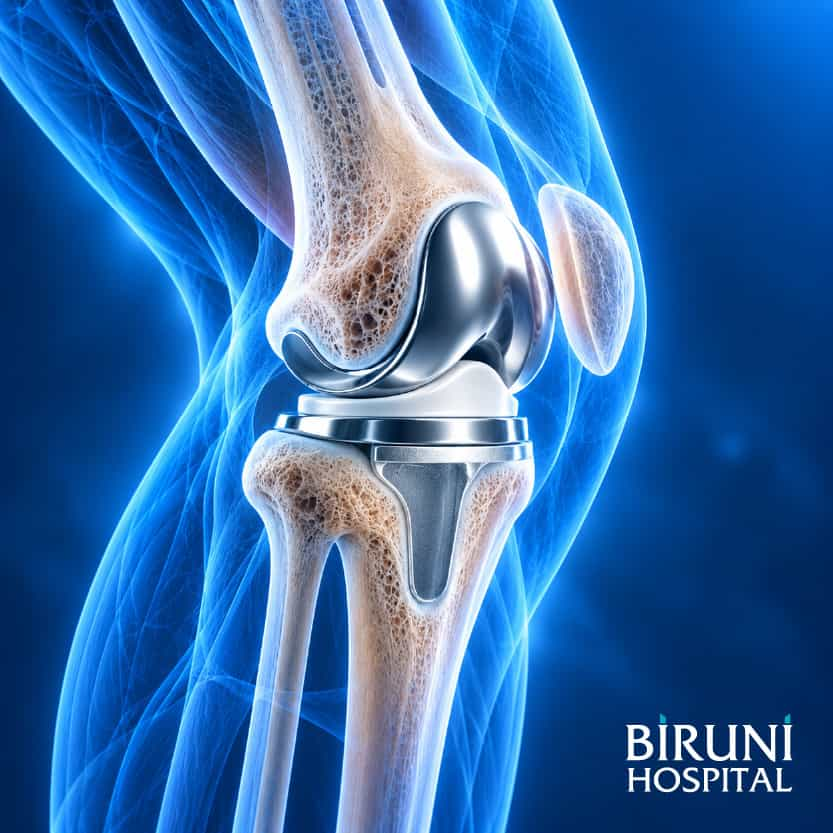





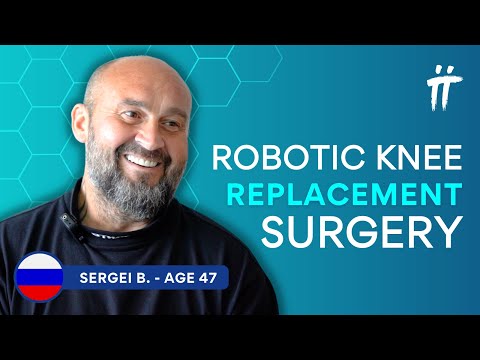











Share this listing