

Contents
Dealing with a severely worn-out knee that makes every staircase feel like a mountain climb is frustrating enough, but facing local healthcare roadblocks adds serious insult to injury. If you live in the UK or Canada, you might be staring down a waitlist that lasts well over a year just to get a surgical consultation. Meanwhile, uninsured or underinsured patients in the US are routinely hit with hospital estimates soaring past $40,000, forcing many to choose between preserving their life savings and walking without pain.
That is exactly why thousands of international patients are booking flights to seek relief abroad. A comprehensive knee replacement in Istanbul, Turkey, typically costs between $6,500 and $8,500, including premium FDA-approved or CE-marked titanium and ceramic implants. Rather than enduring endless delays, you gain rapid access to state-of-the-art orthopedic centers. By looking for hospitals equipped with Joint Commission International (JCI) accreditation and rigorous Turkish Ministry of Health certifications, you can confidently secure world-class surgical care without the overwhelming financial burden.
Key Insights
Coordinating a major surgical procedure in a foreign country is significantly less stressful when the essential logistics are bundled together. Specialized orthopedic hospitals routinely design comprehensive care packages exclusively for international medical travelers. These treatment plans generally combine the cost of the surgical procedure, the premium prosthetic knee implant, operating room fees, and all necessary pre-operative imaging into a single transparent fee.
Beyond the medical necessities, well-structured bundles often include VIP airport transfers and dedicated in-patient physical therapy sessions to kickstart your mobility. Having these supportive services mapped out in advance allows you to focus all your energy on resting and healing. Review the tailored knee replacement packages detailed below to determine which all-inclusive option best supports your recovery journey.
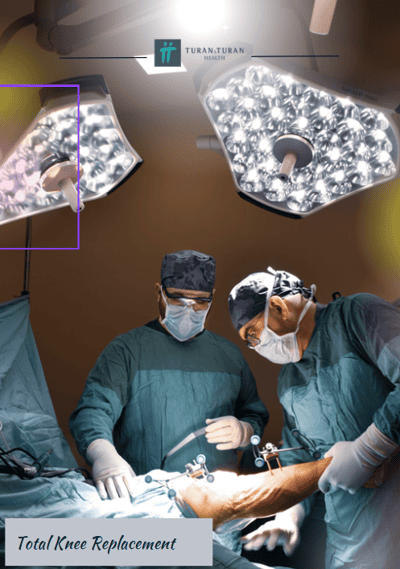
Price starting from $10,800
Robotic Knee Replacement Surgery Package in Istanbul, Turkey by Turan Turan
Turan Turan Robotic Surgery Center and Orthopedic Clinic in Turkey
- Orthopedic/Knee Surgery
Istanbul,Bursa

Price starting from $8,000
Knee Replacement Package in Istanbul, Turkey for Overseas Patients with Severe Knee Pain
International Multispecialty Hospital in Istanbul, Turkey
- Orthopedic/Knee Surgery
Istanbul,Turkey
The average cost of a full knee replacement in this region generally runs between $6,500 and $8,500, providing significant relief for self-paying patients. This estimate typically covers the high-grade titanium or ceramic implant, the surgeon's fee, and the required hospital stay. In contrast, patients undergoing the exact same procedure in the United States often face invoices stretching from $30,000 to well over $45,000.
This striking price variation is a direct result of lower domestic operational overhead and favorable exchange rates, rather than a compromise in the quality of medical materials or surgical expertise. Top facilities use the identical, globally recognized prosthetic brands utilized by premier Western hospitals. Browse the specific pricing breakdowns provided below to help you budget accurately for both your medical and travel expenses.
Knee Replacement Total or Partial Cost Comparison in Turkey
| Country | Procedure | Price |
|---|---|---|
| United States | Knee Replacement Total or Partial, Orthopedic/Knee Surgery | $40000 |
Selecting a hospital overseas requires looking far past the modern lobby and focusing directly on clinical safety and medical track records. When evaluating orthopedic facilities, your priority should be verifying their operational licenses and international standings. Clinics holding direct accreditation from the Turkish Ministry of Health and the Joint Commission International (JCI) are held to stringent global protocols regarding infection control, surgical safety, and patient care.
It is highly recommended to inquire about a hospital's dedicated orthopedic rehabilitation units and the specific brands of joint prosthetics they utilize. Facilities that prioritize transparent communication will readily share this data with prospective international patients. Take the time to carefully compare the accredited clinic profiles listed below to find a healthcare provider that matches your medical requirements and safety expectations.


International Multispecialty Hospital in Istanbul, Turkey
Istanbul,Turkey
Reading about a successful joint surgery is reassuring, but watching real patients regain their mobility paints a much clearer picture of what is possible. Video footage offers an unedited glimpse into the reality of traveling abroad for major orthopedic care. You can observe the cleanliness of the facilities, listen to the communication style of the surgical teams, and watch individuals safely navigating their first post-operative steps.
Seeing others successfully complete physical therapy in a foreign hospital setting helps demystify the medical travel experience. It provides a practical, visual understanding of the timeline from the operating room to walking down the hospital corridor. Watch the patient experience videos below to set realistic expectations for your own surgical and rehabilitation journey.

The most reliable insights regarding an international hospital often come from the individuals who have already slept in its recovery beds. Patient testimonials reveal the crucial, everyday details of medical care that official brochures tend to overlook. Feedback from previous travelers can shed light on how effectively a clinic manages post-operative pain and how attentively the nursing staff responds during the night.
When reading through these accounts, look closely for mentions of the physical therapy team’s encouragement and the overall hygiene of the orthopedic ward. Consistent praise in these specific areas is a strong indicator of a facility's commitment to patient well-being. Evaluate the genuine patient reviews gathered below to ensure you select a hospital with a proven track record of compassionate care.

Preparing for major joint surgery in a different country naturally prompts a variety of logistical and clinical questions. Understanding the specifics of the procedure, travel requirements, and recovery protocols will help you plan your trip safely. Here are practical answers to the most common concerns patients raise when considering this orthopedic treatment abroad.
How long do I need to stay in the destination country for a knee replacement?
Patients are generally advised to stay for 10 to 14 days in total. This timeframe allows for the surgery, a 3 to 5-day hospital stay, initial physical therapy, and a final clearance check from the surgeon before you are deemed medically fit to fly home safely.
What types of prosthetic knee implants are used?
Reputable accredited hospitals exclusively use FDA-approved or CE-marked implants from highly trusted global manufacturers. Common materials include advanced titanium, cobalt-chromium alloys, and specialized medical-grade ceramics designed for longevity and natural movement.
Are the orthopedic surgeons internationally certified?
Yes, many top-tier orthopedic specialists in this region have completed fellowships in the United States or Europe. They often hold active memberships in prestigious organizations like the American Academy of Orthopaedic Surgeons (AAOS) or the European Federation of National Associations of Orthopaedics and Traumatology (EFORT).
How is post-surgery physical therapy handled?
Rehabilitation starts almost immediately. A dedicated physical therapist will visit your hospital room, often on the day after surgery, to help you stand and take supervised steps. Many treatment packages include daily in-patient physiotherapy sessions to build early joint confidence.
Is it safe to fly after having a total knee replacement?
Flying is generally safe once you receive formal medical clearance, usually about 10 days post-operation. To prevent Deep Vein Thrombosis (DVT), your surgeon will prescribe blood-thinning medication and advise you to wear medical compression stockings and perform ankle exercises during the flight.
What language will the medical team speak?
Leading international hospitals employ highly proficient English-speaking doctors and nursing staff. Additionally, these clinics maintain dedicated international patient departments that provide native-speaking medical interpreters at no extra cost to ensure zero miscommunication.
What happens if I experience complications after returning to my home country?
Before you leave, the hospital will provide you with a comprehensive medical dossier containing surgical notes, implant serial numbers, and X-rays in English. Reputable clinics also schedule regular telemedicine follow-ups and coordinate with your local general practitioner if ongoing care is needed.
Can I get both knees replaced at the same time?
Bilateral knee replacement (doing both knees simultaneously) is medically possible, but it is strictly subject to the surgeon's clinical evaluation. It carries a higher physical demand for recovery and requires the patient to be in excellent overall cardiovascular health.
Do I need a specific medical visa to travel for this surgery?
Citizens of the United States, the United Kingdom, and Canada typically only need a standard e-Visa, which is easily applied for online prior to departure. The international department of your chosen clinic can guide you through the latest travel documentation requirements.
Can a family member stay with me in the hospital room?
Yes, private patient suites in accredited international hospitals are designed with medical tourists in mind. They generally feature a comfortable sleeper sofa and provide daily meals for one accompanying companion, ensuring you have familiar support during your immediate recovery.
How Much Does Knee Replacement Surgery Cost in Europe?
The estimated knee replacement surgery cost in Europe generally ranges from $7,000 to $15,000, depending on the country, type of implant, and facility. Prices typically cover the procedure, standard hospital stay, and initial post-operative care. Exploring knee replacement surgery in Europe presents an alternative for patients facing high domestic healthcare expenses or extensive public waiting lists. Joint deterioration, often caused by osteoarthritis, rheumatoid arthritis, or traumatic injury, can severely limit daily activities. When conservative treatments like medication, injections, or physical therapy no longer provide relief, a joint replacement may become a viable medical option to restore function and reduce pain. Understanding the full scope of medical tourism in Europe involves looking beyond the initial price tag. While the financial aspect is often the primary motivator, prospective patients must carefully weigh the clinical considerations, travel logistics, recovery timelines, and the vital importance of continued care once they return home. Key Takeaways Estimated procedure costs across various European destinations frequently range from $7,000 to $15,000. Treatment packages often bundle the surgery, standard implants, hospital stay, and initial physical therapy. Candidacy depends on a thorough evaluation of your medical history, joint damage severity, and overall physical health. Patients must proactively arrange their long-term rehabilitation and medical follow-up in their home country before traveling. Medical tourists should factor in additional expenses such as airfare, companion travel, prolonged lodging, and specialized travel insurance. What factors influence the knee replacement surgery cost in Europe? The knee replacement surgery cost in Europe fluctuates based on the destination country, the complexity of the surgical approach, the type of prosthetic implant utilized, and the length of your inpatient stay. Pricing is not uniform across the continent. Western European nations typically present higher estimates, reflecting higher local living costs and administrative expenses. In contrast, Central and Eastern European countries often provide more competitive pricing models while still adhering to stringent European Union medical regulations and hygiene standards. Another major factor is the implant material. Prosthetics crafted from advanced materials—such as specialized porous metals or highly cross-linked polyethylene—may increase the overall cost but are sometimes selected for their durability. Additionally, the need for specialized surgical techniques, such as computer-assisted navigation or robotic-assisted surgery, can add to the final estimate provided by a knee replacement surgery clinic in Europe. What is usually included in a medical tourism package for this procedure? International packages generally bundle the surgeon's fees, anesthesia, the prosthetic implant, operating room charges, standard pre-operative tests, and your immediate post-operative hospital stay. Facilities that frequently accommodate international patients aim to simplify the financial process by grouping predictable expenses. This typically covers your time in the inpatient ward, nursing care, routine post-operative medications (like pain relievers and blood thinners), and the first few sessions of inpatient physical therapy to get you moving safely. It is crucial to request a detailed itemized breakdown before committing to any treatment. Packages rarely cover extended stays caused by unforeseen medical complications, complex pre-existing conditions requiring extra monitoring, or upgraded implants not specified in the standard quote. You should also clarify whether airport transfers and translation services are included or billed separately. How do partial and total knee replacements differ in price and scope? Partial knee replacements are generally less expensive, require smaller incisions, and offer faster initial recovery times compared to total knee replacements, which replace the entire joint structure. A partial (unicompartmental) knee replacement addresses only the damaged section of the knee, preserving healthy bone and ligaments. Because the procedure is less invasive and requires a smaller implant, the estimated cost is often lower. However, not all patients are eligible for this option; it is typically reserved for those whose arthritis is strictly confined to one compartment of the knee. Total knee replacement involves resurfacing the ends of the femur and tibia and replacing the entire joint interface. This is the more common procedure for patients with widespread osteoarthritis. Due to the complexity of the surgery, the larger prosthetic required, and the longer expected hospital stay, it commands a higher price. Feature Partial Knee Replacement Total Knee Replacement Scope Replaces one diseased compartment Replaces the entire joint interface Cost Estimate Typically lower Typically higher Hospital Stay Usually 1-3 days Usually 3-5 days Which European countries are common destinations for joint replacement? Patients frequently travel to countries such as Turkey, Poland, the Czech Republic, Lithuania, and Spain, balancing competitive treatment estimates with robust medical infrastructure. Many individuals exploring medical tourism in Europe look toward Central and Eastern European countries. These regions have heavily invested in modernizing their private healthcare sectors and often feature English-speaking medical staff accustomed to international protocols. Destinations like Poland and the Czech Republic offer significant cost advantages compared to North American healthcare systems. Turkey is also a highly prominent hub for medical travelers, frequently bridging European and Asian healthcare markets. Western European nations, such as Germany and Spain, are recognized for advanced orthopedic research and technology, though their estimated costs are closer to those found in the US or UK. Did You Know? The European Union implements strict directives on medical devices, meaning that implants utilized in EU member states must meet rigorous safety and quality standards (CE marking) before they can be used in surgery. Am I a suitable candidate for a knee replacement abroad? Suitability for surgery abroad requires a thorough medical assessment to ensure you are healthy enough to undergo major joint surgery and tolerate the physical stress of international travel. Not everyone is an ideal candidate for traveling to a knee replacement surgery clinic in Europe. Suitable candidates typically experience severe, chronic knee pain that significantly impairs daily activities and has not responded to non-surgical treatments. They must also have a stable medical history without severe cardiovascular or respiratory conditions that could make anesthesia or long-haul flights excessively risky. Contraindications may include active infections, severe peripheral vascular disease, or morbid obesity, which can increase the risk of surgical complications or implant failure. You should always consult your local primary care physician or orthopedic specialist to assess your specific surgical risks before making any travel commitments. What should I expect during the pre-operative evaluation? The pre-operative phase involves comprehensive health screenings, imaging tests, and medical consultations to confirm your diagnosis and plan the specific surgical approach. Before you travel, international clinics will usually request your recent medical records, X-rays, or MRI scans for an initial remote consultation. This allows the surgical team to provide a preliminary treatment plan and an accurate estimate of the knee replacement surgery cost in Europe based on your specific joint anatomy. Upon your arrival, a secondary, in-person evaluation is mandatory. You will typically undergo fresh imaging, blood tests, an electrocardiogram (ECG), and a consultation with the anesthesiologist. This rigorous screening is designed to identify any undiagnosed issues that might affect your safety during the procedure. What are the potential risks and complications of knee replacement? As with any major surgery, risks include infection, deep vein thrombosis (blood clots), nerve damage, anesthesia reactions, and potential issues with the prosthetic implant itself. While joint replacement is commonly performed, it is a major operation that carries inherent medical risks. Infection is a serious concern that can occur at the incision site or deep around the implant. To mitigate this, patients are typically given prophylactic antibiotics before and after surgery. Blood clots (DVT) are another significant risk, particularly given the added immobility associated with flying. Surgeons often prescribe blood-thinning medications and compression stockings to reduce this danger. Additionally, while modern prosthetics are durable, they can wear out or loosen over time, potentially requiring a revision surgery years later. Some patients may also experience continued stiffness or persistent pain. Discussing these specific risks with a qualified healthcare professional is essential to making an informed decision. How long does the initial recovery take before I can fly home? Patients usually need to remain in the destination country for 10 to 14 days post-surgery to ensure stable initial recovery, begin physical therapy, and receive clearance to fly. Your hospital stay normally lasts between 3 to 5 days, during which time medical staff monitor your pain levels, wound healing, and mobility. Once discharged from the inpatient unit, you will typically transition to a nearby hotel or a specialized recovery facility to continue your initial rehabilitation. Flying too soon after major lower-extremity surgery significantly increases the risk of deep vein thrombosis. Your surgeon will evaluate your healing progress, remove any surgical staples or non-dissolvable sutures, and officially clear you for air travel only when it is medically appropriate. You will likely need mobility assistance, such as wheelchair services, at the airport. How do I handle follow-up care and physical therapy after returning home? A successful outcome depends heavily on consistent, long-term physical therapy and local medical follow-up, which you must arrange in your home country prior to traveling. The surgery itself is only the first step in restoring joint function; rehabilitation is just as critical. Upon returning home, you will need to engage in a structured physical therapy program for several months to rebuild strength, improve your range of motion, and reduce scar tissue formation. Neglecting this phase can lead to a stiff, painful joint. It is also vital to establish a relationship with a local primary care physician or orthopedist who is willing to take over your post-operative care. You must have a clear plan in place for who to contact if you develop a fever, notice increased redness at the incision site, or experience sudden pain after returning home. Always bring copies of your surgical reports, implant details, and discharge summaries from your European facility. What hidden expenses should I budget for when traveling for surgery? Beyond the core medical procedure, your budget must account for flights, extended lodging, specialized medical travel insurance, a travel companion's expenses, and ongoing local physical therapy. When calculating the true cost of your medical journey, do not rely solely on the clinical quote. Flights can fluctuate in price, and you may need to purchase more expensive tickets that allow for extra legroom or flexible date changes. Accommodation expenses for the 10 to 14 days you spend recovering outside the hospital also add up quickly, especially if a companion is staying with you. Furthermore, standard travel insurance rarely covers complications arising from planned elective surgery abroad. Specialized medical tourism insurance is highly recommended to protect against the financial impact of delayed flights due to medical unfitness or emergency hospitalization. Lastly, factor in the out-of-pocket costs for your months of physical therapy back home, which may not be fully covered by your domestic insurance. Important Consideration: Always request your complete medical file, including detailed notes on the exact make and model of your knee implant, before leaving the clinic. Your home doctor will need this information for any future care or potential MRI scans. Why Choose PlacidWay for Medical Tourism in Europe? PlacidWay serves as an educational platform to help patients navigate their international healthcare options. Here are five factual ways the platform supports patients exploring care abroad: 1. Extensive Information Network Provides access to a broad database of international clinics, allowing patients to review available facilities across multiple European countries in one place. 2. Transparent Cost Estimates Facilitates the acquisition of preliminary quotes and package breakdowns, helping patients formulate realistic budgets before making decisions. 3. Provider Connections Directly connects individuals with facility representatives, enabling patients to ask specific medical, logistical, and financial questions. 4. Multilingual Communication Assists patients by bridging initial language barriers through multi-language support platforms when connecting with foreign medical centers. 5. Procedure Education Supplies objective articles, guides, and checklists to help patients understand the general scope and requirements of orthopedic procedures. Frequently Asked Questions Can I get a bilateral knee replacement in Europe? Yes, some facilities offer bilateral knee replacements (replacing both knees during the same surgery). However, this increases surgical time, risks, and recovery demands. A surgeon must evaluate your overall health to determine if you are a suitable candidate for a simultaneous procedure. Will my domestic health insurance cover surgery in a European country? Most standard domestic health insurance plans do not cover elective treatments performed abroad. You should check directly with your insurance provider to understand your policy. Some patients utilize specialized medical travel insurance or self-fund their procedures. How long does a knee implant typically last? Modern knee implants often last 15 to 20 years, though this varies by patient. Factors such as your activity level, weight, and adherence to rehabilitation protocols can significantly impact the longevity of the prosthetic joint. What type of anesthesia is used for knee replacement? Knee replacements are usually performed under general anesthesia (where you are fully asleep) or regional anesthesia (such as a spinal block, which numbs the lower half of your body). The anesthesiologist will recommend the safest option based on your medical history. Is physical therapy included in European treatment packages? Many international treatment packages include initial post-operative physical therapy while you remain in the hospital or a designated recovery facility. However, you will need to arrange for long-term outpatient physical therapy in your home country. Can I travel alone for a knee replacement surgery? While it is possible to travel alone, it is highly recommended to bring a companion. Post-operative mobility is limited, and having someone to assist with luggage, airport navigation, and daily tasks during early recovery can significantly improve your safety and comfort. How soon after surgery can I walk? Physical therapists typically encourage patients to stand and take a few steps with a walker or crutches within 24 hours after surgery. Early mobilization helps promote circulation and reduces the risk of blood clots, though individual progress varies. What materials are used for knee implants in Europe? Implants are typically made from a combination of biocompatible metals (such as titanium or cobalt-chromium alloys) and highly durable medical-grade plastics (polyethylene). The specific materials used depend on the manufacturer and the surgeon's recommendation. Will I need special equipment at home after surgery? Yes, most patients require assistive devices such as a walker, crutches, or a cane during the initial weeks. Raised toilet seats, shower chairs, and grab bars are also commonly recommended to prevent falls and protect the new joint. How do I communicate with medical staff if I do not speak the local language? Many facilities that cater to international patients employ English-speaking medical staff and patient coordinators. Additionally, dedicated translation services are often provided to ensure you fully understand your medical care, risks, and recovery instructions. Compare Treatment Options Connect with providers to review estimates, understand your eligibility, and gather detailed information about undergoing orthopedic procedures abroad. Request Treatment Information References Total Knee Replacement – American Academy of Orthopaedic Surgeons (AAOS) Knee Replacement Overview and Recovery – National Health Service (NHS) Medical Tourism Guidelines – Centers for Disease Control and Prevention (CDC) Knee Replacement Risks and What to Expect – Mayo Clinic General Safety and Considerations for Medical Tourism – World Health Organization (WHO) Types of Knee Surgery – Arthritis Foundation Medical Disclaimer: The information provided in this article is for educational and informational purposes only and does not constitute medical advice, diagnosis, or treatment recommendations. Knee replacement surgery is a major medical procedure that carries inherent risks, and outcomes vary significantly from patient to patient depending on individual health and adherence to post-operative care. Pricing, availability, and specific travel regulations are subject to change and should not be considered guaranteed. Always consult with a qualified, board-certified healthcare professional in your home country before making any decisions regarding medical travel, elective surgery, or discontinuing any current treatments. PlacidWay does not endorse specific medical providers or guarantee clinical outcomes.
How Much Does a Knee Replacement Cost in Istanbul, Turkey?
The cost of a knee replacement in Istanbul, Turkey, typically ranges from €3,000 to $12,000. This price is significantly lower than in many Western countries, making Istanbul a popular destination for this procedure. Dealing with chronic knee pain can be a daily struggle, impacting your mobility and overall quality of life. If you're considering a knee replacement, you've likely wondered about the costs involved, and you may have heard that Turkey, particularly Istanbul, is an affordable option. But how much does a knee replacement cost in Istanbul, Turkey, really? The straightforward answer is that prices are substantially lower than in the US or UK, without compromising on the quality of care. Istanbul has become a major hub for medical tourism, boasting state-of-the-art hospitals, experienced orthopedic surgeons, and comprehensive care packages that cater to international patients. This detailed guide will walk you through everything you need to know about getting a knee replacement in Istanbul. We'll break down the costs, explain what's included in typical packages, and answer the most pressing questions people have when considering this life-changing surgery abroad. From understanding the different types of knee replacements to navigating your recovery in a new city, we've got you covered. Our goal is to provide you with a clear and comprehensive overview, helping you make an informed decision about your healthcare journey. We'll explore why so many people are choosing Istanbul for their orthopedic needs and what you can expect from the experience, ensuring you feel confident and prepared every step of the way. What is the average cost of a knee replacement in Istanbul? The average cost of a total knee replacement in Istanbul ranges from approximately $4,000 to $8,000. A partial knee replacement is slightly less, averaging between $3,000 and $6,000. The cost of a knee replacement in Istanbul is significantly more affordable compared to countries like the United States, where the same procedure can cost upwards of $40,000, or the United Kingdom, where it can range from $12,000 to $18,000. This considerable price difference is a primary reason why many international patients flock to Istanbul for orthopedic surgery. The lower cost does not imply a compromise on quality; rather, it reflects the lower cost of living, operational expenses, and favorable exchange rates in Turkey. It's important to note that these are average costs, and the final price can vary based on several factors, which we will discuss in detail. Many hospitals and clinics in Istanbul offer all-inclusive packages that bundle the surgery with other services, providing a transparent and often more economical option for medical tourists. These packages are designed to make the entire process as seamless as possible for international patients. What factors influence the cost of a knee replacement in Istanbul? The primary factors influencing the cost are the type of implant, the hospital's reputation and accreditation, the surgeon's experience, the surgical technique (e.g., robotic-assisted), and the comprehensiveness of the medical package. Type of Implant: The brand and material of the knee implant are significant cost drivers. Reputable international brands like Zimmer Biomet, Stryker, and Johnson & Johnson are commonly used in Istanbul's top hospitals and may cost more than local alternatives. The material of the implant (e.g., metal-on-plastic, ceramic-on-plastic) also affects the price. Hospital and Surgeon: Highly reputable hospitals with international accreditations, such as JCI (Joint Commission International), and surgeons with extensive experience and a high success rate will naturally command higher fees. Their expertise and the quality of the facility's infrastructure contribute to the overall cost. Surgical Technique: The method used for the surgery can impact the price. For instance, minimally invasive or robotic-assisted knee replacement surgery may be more expensive than traditional open surgery due to the advanced technology and specialized skills required. Medical Package Inclusions: The services included in your treatment package will affect the final cost. Comprehensive packages often cover the surgery, anesthesia, hospital stay, pre-operative tests, post-operative medication, and sometimes even accommodation and airport transfers. What is typically included in a knee replacement package in Istanbul? Most knee replacement packages in Istanbul are all-inclusive and typically cover the surgeon's and anesthesiologist's fees, hospital stay for a set number of days, pre-operative consultations and tests, the cost of the implant, post-operative medications, and often airport transfers and accommodation. When you opt for a knee replacement package in Istanbul, you can generally expect a comprehensive range of services designed to provide a hassle-free experience. These packages are a key reason why medical tourism in Turkey is so appealing. While the specifics can vary between clinics, a standard package usually includes: Medical Services: This forms the core of the package and includes the surgery itself, the fees for the orthopedic surgeon and the anesthesiologist, the cost of the knee prosthesis, all necessary pre-operative tests (such as X-rays, blood tests, and an ECG), and post-operative medications during your hospital stay. Hospitalization: The package will specify the number of nights you'll stay in the hospital, which is typically around 3-5 nights for a knee replacement. This includes your room, meals, and nursing care. Logistical Support: To ease the travel burden, many packages include airport pick-up and drop-off services. Some even arrange for your accommodation in a nearby hotel for the duration of your stay in Istanbul. A dedicated patient coordinator or translator is often part of the package to assist with communication and ensure a smooth process. How much does a partial knee replacement cost in Istanbul? A partial knee replacement in Istanbul typically costs between $3,000 and $6,000. The final price depends on the specific implant used and the complexity of the procedure. A partial knee replacement, also known as unicompartmental knee arthroplasty, is a less invasive procedure than a total knee replacement. It involves replacing only the damaged compartment of the knee. Because it's a smaller-scale surgery, it is generally less expensive than a total knee replacement. The lower cost is due to a shorter hospital stay, a less expensive implant, and a quicker recovery time. The decision between a partial and total knee replacement will be made by your orthopedic surgeon based on the extent of the damage to your knee. A thorough examination, including imaging tests, will determine your suitability for a partial replacement. As with total knee replacements, the cost can be influenced by the choice of hospital and surgeon. What is the cost of a bilateral knee replacement in Istanbul? The cost for a bilateral knee replacement (both knees) in Istanbul generally ranges from $8,000 to $15,000. This offers significant savings compared to having both knees done separately. For patients who require both knees to be replaced, a bilateral procedure can be a more convenient and cost-effective option. The cost is typically less than double the price of a single knee replacement because some of the associated costs, such as pre-operative assessments and some aspects of the hospital stay, are consolidated. The exact cost will depend on whether the surgeries are performed simultaneously or staged a few days apart during the same hospital admission. Choosing to have a bilateral knee replacement is a significant decision that should be made in consultation with your surgeon. They will assess your overall health and fitness to determine if you are a suitable candidate for this more demanding procedure. Are there hidden costs for a knee replacement in Istanbul? Reputable clinics in Istanbul are generally transparent about their pricing. However, it's crucial to get a detailed quote that outlines all inclusions and potential extra charges, such as for extended hospital stays, additional medications, or specialized rehabilitation services. While the leading hospitals in Istanbul pride themselves on transparency, it's always wise to be thorough in your financial planning. Before committing to a procedure, request a detailed breakdown of the costs. Specifically, you should inquire about: The cost of any additional nights in the hospital beyond what is included in the package. Charges for any unforeseen medical complications that might arise. The cost of post-discharge medications and mobility aids like crutches or a walker. Fees for post-operative rehabilitation and physiotherapy sessions, as these may not always be included in the initial surgical package. By asking these questions upfront, you can avoid any unexpected expenses and ensure your budget covers all aspects of your medical journey. Is it safe to get a knee replacement in Istanbul? Yes, it is generally very safe. Many hospitals in Istanbul are internationally accredited (e.g., JCI), adhere to high standards of care, and are staffed by highly qualified and experienced orthopedic surgeons. The quality of healthcare in Istanbul's private hospitals is on par with, and often exceeds, that of many Western countries. These facilities are equipped with the latest medical technology and follow stringent international protocols for patient safety and hygiene. Many Turkish surgeons have been trained in Europe and the United States, bringing a wealth of international experience to their practice. To ensure your safety and the quality of your treatment, it is essential to choose a reputable hospital with international accreditation. Reading patient reviews and testimonials can also provide valuable insights into the experiences of others who have undergone similar procedures. What is the success rate of knee replacement surgery in Turkey? The success rate for knee replacement surgery in Turkey is very high, typically around 90-95%. Patients generally experience significant pain relief and improved mobility. The high success rate is a testament to the expertise of Turkish orthopedic surgeons and the advanced medical infrastructure available in the country's leading hospitals. Success is generally measured by the reduction in pain, improvement in knee function, and the patient's overall satisfaction with the outcome. The longevity of the knee implant is also a key indicator of success, with most modern implants lasting 15-20 years or more. Your adherence to the post-operative rehabilitation plan is also a critical factor in the long-term success of your knee replacement. Diligent participation in physiotherapy will help you regain strength, flexibility, and a full range of motion in your new knee. How do I choose a reputable orthopedic clinic in Istanbul? Look for clinics with international accreditation (JCI), check the qualifications and experience of the surgeons, read patient reviews and testimonials, and inquire about the technology and implant brands they use. Accreditation: Joint Commission International (JCI) accreditation is a gold standard in global healthcare, indicating that a hospital meets rigorous standards of quality and patient safety. Surgeon's Credentials: Research the orthopedic surgeons at the clinics you are considering. Look at their educational background, years of experience, and any specializations they may have. Many hospital websites provide detailed profiles of their medical staff. Patient Feedback: Real patient reviews on independent platforms and the clinic's own website can offer valuable insights into the patient experience and the quality of care provided. Technology and Materials: Inquire about the surgical techniques and the brands of knee implants the clinic uses. Reputable clinics will use high-quality, internationally recognized implant brands. What should I expect during my recovery in Istanbul? Expect a hospital stay of 3-5 days, followed by a period of recovery in a hotel. You will begin physiotherapy soon after surgery to regain mobility. Most patients can fly back home after 1-2 weeks. Your recovery will begin in the hospital, where the medical team will manage your pain and help you start moving within a day or two of the surgery. A physiotherapist will guide you through exercises to improve your knee's range of motion and strength. After being discharged from the hospital, you will continue your recovery in your hotel. Many clinics offer follow-up appointments and physiotherapy sessions during this time. It's important to have a companion with you during your recovery in Istanbul to assist with daily activities. Before you travel back home, your surgeon will provide you with a detailed post-operative care plan and instructions for continuing your rehabilitation. How long is the waiting list for a knee replacement in Istanbul? One of the major advantages of seeking treatment in Istanbul is the minimal to non-existent waiting lists. You can typically schedule your surgery within a few weeks of your initial consultation. In many countries with public healthcare systems, patients can face long waiting times for elective surgeries like knee replacements. This is not the case in Istanbul's private healthcare sector. The efficiency of the Turkish medical system and the large number of high-quality facilities mean that you can get the treatment you need without a lengthy delay. This quick access to care can be a significant benefit for individuals whose quality of life is severely impacted by chronic knee pain. What are the best knee implant brands used in Turkish hospitals? Top hospitals in Istanbul use globally recognized, high-quality knee implant brands such as Zimmer Biomet, Stryker, DePuy Synthes (Johnson & Johnson), and Smith & Nephew. The use of these reputable international brands ensures that patients receive durable and reliable knee prostheses that meet the highest standards of quality and safety. When you have your initial consultation, you can discuss the different implant options with your surgeon, who will recommend the best choice for your specific needs and lifestyle. The quality of the implant is a crucial factor in the long-term success of your knee replacement. How is communication with doctors for international patients? Most reputable hospitals in Istanbul have multilingual staff and provide dedicated translators or international patient coordinators to ensure clear communication between you and your medical team. Language barriers are a common concern for medical tourists. However, the leading hospitals in Istanbul are well-prepared to cater to international patients. Many doctors and nurses speak English, and professional medical translators are available to assist with communication during consultations, examinations, and throughout your hospital stay. This ensures that you fully understand your treatment plan and can ask any questions you may have. Are there financing options available for knee replacement in Turkey? While direct financing from the hospitals is uncommon, many clinics accept international credit cards, which may offer payment plans. Some patients also secure medical loans in their home countries to cover the cost. It's advisable to discuss payment options with the clinic's international patient department beforehand. They can provide you with information on the accepted payment methods. While you may need to arrange financing independently, the significant cost savings of having the surgery in Istanbul often make it a financially viable option even with the need for a loan. What does post-operative care and rehabilitation in Istanbul entail? Post-operative care includes in-hospital monitoring and physiotherapy, followed by outpatient physiotherapy sessions. Your surgeon will provide a detailed rehabilitation plan to follow upon your return home. Rehabilitation is a critical component of a successful knee replacement. Your physiotherapy will begin in the hospital and will focus on exercises to improve your knee's range of motion, reduce swelling, and strengthen the surrounding muscles. After discharge, you can continue with physiotherapy sessions at the hospital's outpatient clinic or at a recommended facility. Before you leave Istanbul, your medical team will ensure you have a clear understanding of the exercises and activities you need to continue at home to ensure a full and speedy recovery. Many clinics also offer remote follow-up consultations to monitor your progress once you've returned to your home country. Ready to take the next step towards a pain-free life? Explore your options for high-quality, affordable knee replacement surgery in Istanbul with PlacidWay. We connect you with world-class surgeons and accredited hospitals to ensure you receive the best possible care. Contact us today for a personalized quote and to start your journey towards renewed mobility.
The long-term success of a joint replacement relies heavily on the technical precision and clinical experience of the specialist performing the surgery. When traveling internationally for an invasive orthopedic procedure, verifying your doctor's specific expertise in joint arthroplasty is an essential safety step. Look for surgeons who perform a high annual volume of knee replacements and hold recognized board certifications in orthopedic surgery and traumatology.
A trustworthy specialist will gladly discuss their surgical approach, complication rates, and the reasoning behind their preferred choice of prosthetic materials. Many leading doctors in this region have undergone rigorous post-graduate training in Western Europe or North America, ensuring they are well-versed in modern, minimally invasive techniques. Compare the professional profiles of the qualified orthopedic surgeons listed below to find a specialist whose credentials bring you peace of mind.
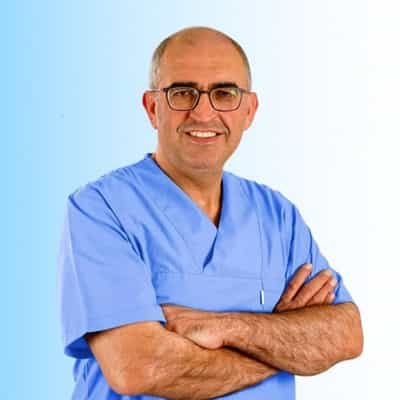
Op.Dr. Kayhan Turan
Turan Turan Robotic Surgery Center and Orthopedic Clinic
- Orthopedic surgeon
Istanbul,Turkey

Orthopedic Specialist in Turkey
International Multispecialty Hospital in Istanbul, Turkey
- Orthopedic surgeon
Istanbul,Turkey
Recovering from a major orthopedic intervention requires a comfortable, highly accessible environment, and Istanbul has deliberately structured its medical infrastructure to welcome global patients with ease. Thousands of individuals fly in annually from the United Kingdom, North America, and the Middle East, drawn by the combination of JCI-accredited facilities and straightforward travel logistics. With two major international airports—Istanbul Airport (IST) and Sabiha Gökçen (SAW)—the city receives numerous daily non-stop flights from major global hubs, making the initial journey highly convenient.
While navigating a vast, historic metropolis on a compromised knee might sound daunting, the medical tourism process here is exceptionally streamlined. To prevent unnecessary physical strain, reputable clinics arrange private, wheelchair-accessible VIP transfers directly from the arrivals terminal to your designated hospital or hotel. This means you do not have to worry about hailing taxis or carrying luggage while dealing with joint pain.
| Departure Region | Average Direct Flight Time & Accessibility |
| United Kingdom | Approximately 4 hours; daily direct flights from London, Manchester, and Birmingham. |
| North America (East Coast) | 10 to 11 hours; direct flights available from New York, Washington D.C., and Toronto. |
| Middle East | 3 to 5 hours; frequent, highly accessible daily routes from major regional hubs. |
| European Union | 2.5 to 4 hours; extensive low-cost and major airline connectivity. |
| Local Transit | Pre-arranged VIP clinic transport; accessible patient transfer vehicles. |
Although you will not be touring ancient palaces immediately after surgery, the city provides a serene and modern backdrop for your vital physical therapy. International patients typically spend their post-operative days recovering in modern, accessible hotels located near their treating hospital, ensuring fast access to medical staff if needed. This combination of advanced clinical care and organized patient support makes the transcontinental journey a highly practical choice for joint replacement surgery.
Taking the necessary steps toward living without severe knee pain requires accurate information and clear communication with board-certified medical providers. If you are gathering facts to make an informed decision, carefully reviewing hospital safety records, exact cost breakdowns, and customized surgical plans is the most responsible way to proceed. Our platform assists patients in comparing internationally accredited orthopedic centers, enabling you to independently evaluate facilities that prioritize medical safety and transparent pricing. Should you need help navigating your options, we can facilitate direct consultations with experienced surgeons to ensure your specific medical requirements are thoroughly addressed.
References
- Total Knee Replacement Details – American Academy of Orthopaedic Surgeons (AAOS)
- Recovery after Knee Replacement – National Health Service (NHS)
- Medical Tourism Patient Safety – Centers for Disease Control and Prevention (CDC)
- International Hospital Accreditation Standards – Joint Commission International (JCI)
- Air Travel and Deep Vein Thrombosis (DVT) Post-Surgery – National Institutes of Health (NIH)























Share this listing