



Contents
Regain Your Independence: Hip Replacement Surgery in Turkey
When severe hip degeneration takes over your life, simple daily routines like tying your shoes, getting out of a car, or taking a short walk can turn into agonizing tasks. If prolonged public healthcare waitlists in your home country or exorbitant out-of-pocket costs are keeping you from finding relief, it may be time to look abroad. That is why many international individuals choose to undergo Hip Replacement Surgery in Turkey. The combination of advanced orthopedic infrastructure, specialized surgical expertise, and cost-effective medical packages makes Turkey an increasingly popular destination for global patients.
A standard Total Hip Replacement in Turkey typically averages around $8,000 to $10,000, though final estimates shift based on the chosen hospital, surgeon background, implant materials, and hospital stay duration. However, financial value should never compromise your safety. When evaluating clinics, verify that the facility holds active licensing and accreditation from the Turkish Ministry of Health. Furthermore, you should carefully research your specialist's board certifications, joint reconstruction experience, and active standing with professional organizations like the Turkish Society of Orthopaedics and Traumatology (TOTBID). Taking a thorough, evidence-based approach ensures a safer and more successful medical journey.
Key Takeaways
Organizing a medical trip independently can quickly become stressful when you have to coordinate hospital admission forms, recovery hotels, and ground transportation on your own. All-inclusive medical packages simplify this process by bundle-sorting your surgical fees, hospital stays, local VIP transit, and initial physical therapy sessions into one predictable plan. Instead of managing multiple itineraries, you can direct your energy entirely toward healing. Explore the curated packages below to match your medical and travel preferences.

Price starting from $12,800
Hip Replacement Surgery Package in Istanbul, Turkey by Turan Turan
Turan Turan Robotic Surgery Center and Orthopedic Clinic in Turkey
- Orthopedic/Knee Surgery
Istanbul,Bursa, Turkey

Price starting from $14,500
Hip Replacement Revision Surgery Package in Istanbul, Turkey by Turan Turan
Turan Turan Robotic Surgery Center and Orthopedic Clinic in Turkey
- Orthopedic/Knee Surgery
Istanbul,Bursa, Turkey
Transparency regarding medical expenses is vital for peace of mind. On average, a unilateral hip replacement procedure in Turkey ranges between $8,000 and $11,000, offering significant savings compared to estimates exceeding $35,000 across North America. This cost difference reflects regional economic factors rather than any compromise on medical standards. Always confirm what is included in your quote—such as surgical instruments, implant types, and length of hospital stay. Compare the pricing schedules below to find an option that fits your financial plan.
Hip Replacement Surgery Partial or Total Centers Cost Comparison in Turkey
| Provider | Procedure | Price |
|---|---|---|
| Turan Turan Robotic Surgery Center and Orthopedic Clinic in Turkey | Hip Replacement Surgery Partial or Total, Orthopedic/Knee Surgery | $12800 |
Hip Replacement Surgery Partial or Total Cost Comparison in Turkey
| Country | Procedure | Price |
|---|---|---|
| United States | Hip Replacement Surgery Partial or Total, Orthopedic/Knee Surgery | $45000 |
Selecting the correct hospital for joint reconstruction requires evaluating concrete medical criteria rather than just judging cosmetic features. You need a medical center outfitted with advanced orthopedic operating theaters, specialized sterile units, and dedicated intensive care units. Focus on verifiable credentials, such as official approvals from the Turkish Ministry of Health and recognized international benchmarks like Joint Commission International (JCI). Review the clinic profiles below to examine their equipment quality, sanitation records, and overall environment.

Turan Turan Robotic Surgery Center and Orthopedic Clinic in Turkey
Istanbul,Bursa, Turkey

Medical Park Hospitals Group in Istanbul, Turkey
Istanbul, Turkey
Reading text descriptions can only reveal so much about a medical facility. Watching video walkthroughs, surgical team introductions, and authentic patient testimonials helps demystify the treatment experience. Seeing the physical therapy spaces firsthand bridges the gap between digital research and physical reality. Take a moment to watch the video resources below to gain a transparent look at what your journey will look like.




There is no substitute for hearing the genuine experiences of individuals who have already traveled this path. Former patients understand the physical milestones of recovery, the attentiveness of nursing teams, and how clinics manage language differences. Reading these personal stories provides practical insights that standard brochures leave out. Browse the verified patient feedback below to evaluate actual outcomes and make a confident choice.

How Much is a Hip Replacement Surgery in Turkey?
Considering a hip replacement can be a life-changing decision, promising a future with less pain and more mobility. A primary question on your mind is likely about the cost, and you may have heard that a hip replacement surgery in Turkey is a significantly more affordable option. This is true—Turkey has become a global leader in high-quality, cost-effective orthopedic procedures, attracting patients from all over the world. The combination of experienced surgeons, advanced medical technology, and transparent pricing makes it a compelling choice for those seeking relief from chronic hip issues. This guide is designed to answer all the crucial questions you have about getting a hip replacement in Turkey. We’ll break down the costs, explain what influences the price, and walk you through what to expect, from choosing a hospital to your recovery journey. Our goal is to provide you with clear, expert information to help you make a confident and informed decision about your healthcare. How much does a hip replacement surgery in Turkey cost? "The average cost of a hip replacement surgery in Turkey typically ranges from $7,500 to $18,000. This price can vary based on several factors, including the hospital's reputation, the surgeon's experience, the type of implant used, and the complexity of the procedure." This price range is significantly lower than in many Western countries, such as the US or the UK, where the same procedure can cost upwards of $30,000 to $50,000. The substantial cost savings do not mean a compromise on quality. Turkey's healthcare system is known for its modern infrastructure and adherence to international standards, offering a remarkable value proposition for medical tourists. The final price is often presented as part of an all-inclusive package, which simplifies the financial planning for international patients. These packages are designed to cover nearly every aspect of your medical journey, providing peace of mind and allowing you to focus solely on your recovery. What factors influence the cost of hip replacement in Turkey? "Key factors influencing the cost of a hip replacement in Turkey include the type of surgical procedure (total vs. partial), the implant materials (ceramic, metal, or polyethylene), the surgeon's expertise, the chosen hospital's accreditation and quality, and the comprehensiveness of the medical package." Understanding these variables can help you see where the value lies and what to look for when comparing quotes from different clinics. Type of Surgery: A total hip replacement (arthroplasty), where both the ball and socket are replaced, is more complex and generally costs more than a partial replacement. Minimally invasive techniques, like the anterior approach, might also have different pricing due to the specialized skills and technology required. Implant Materials: The type of prosthetic used is a major cost factor. Implants are typically made from a combination of materials like medical-grade metal alloys (titanium, cobalt-chrome), durable plastics (polyethylene), and highly resilient ceramics. High-end ceramic-on-ceramic implants, known for their durability, often cost more than metal-on-polyethylene options. Surgeon and Hospital: Highly experienced, board-certified surgeons and internationally accredited hospitals (like those with JCI certification) may charge more. However, this often translates to higher success rates, lower risks of complications, and better overall patient care. Geographic Location: Hospitals in major metropolitan and tourist hubs like Istanbul or Ankara might have slightly higher operational costs compared to those in smaller cities, which can be reflected in the price. What is typically included in a hip replacement package in Turkey? "A standard all-inclusive hip replacement surgery package in Turkey usually includes the surgeon's fees, anesthesia costs, the price of the hip implant, all pre-operative tests and consultations, the hospital stay, nursing care, medications, and initial physical therapy sessions." These packages are designed to provide a seamless and stress-free experience for international patients. When you receive a quote, you can expect it to cover most, if not all, of the essential medical expenses. Here’s a more detailed breakdown of what is commonly included: All surgery-related costs (surgeon, anesthesiologist, operating room). The hip prosthesis itself. Pre-surgery consultations and diagnostic tests (X-rays, blood work). A hospital stay of around 3-5 days in a private room. All medications and dressings required during your hospital stay. Initial post-operative physiotherapy and rehabilitation guidance. Post-surgery follow-up appointments with your surgeon. Does the price include the flight and accommodation? "Most medical packages include VIP airport transfers and hotel accommodation for the recovery period after your hospital discharge. However, flights are typically not included, as prices vary greatly depending on the patient's country of origin." Many clinics offer comprehensive packages that bundle medical care with logistical support. This often means you'll be picked up from the airport and taken to your hotel, and all your transfers between the hotel and hospital for appointments will be arranged for you. The hotel stay, which can range from 7 to 14 days, is often part of the package, ensuring you have a comfortable place to recover before you're cleared to fly home. Always clarify with the clinic what is covered in your specific package. Why is hip replacement surgery cheaper in Turkey? "Hip replacement surgery is cheaper in Turkey primarily due to the country's lower cost of living, favorable currency exchange rates, and government support for the medical tourism sector. This allows hospitals to offer world-class services with lower operational and labor costs compared to the US and Western Europe." The affordability is a result of economic factors, not a lack of quality. Turkish medical facilities invest heavily in the latest technology and infrastructure to compete on a global scale. Surgeons are highly trained, and many hospitals are accredited by international bodies like the Joint Commission International (JCI), which signifies a commitment to the highest standards of patient care and safety. Therefore, the lower price is a reflection of economic efficiency rather than a compromise on medical excellence. Is a low-cost hip replacement in Turkey safe? "Yes, getting a hip replacement in Turkey is very safe, provided you choose a reputable and internationally accredited hospital. Turkish orthopedic clinics have high success rates, often exceeding 95%, which are on par with leading hospitals in Europe and North America." Patient safety is a top priority in Turkey's booming medical tourism industry. The best hospitals employ surgeons with extensive experience, many of whom have trained in Europe or the United States. They use globally recognized, high-quality implant brands (such as Zimmer Biomet, Stryker, and Smith & Nephew) and follow strict international hygiene and surgical protocols. To ensure your safety, do your due diligence. Research the hospital's accreditations, read patient reviews, and verify the surgeon's credentials and experience with hip replacement procedures. How do I find the best hospitals for hip replacement in Turkey? "To find the best hospitals for hip replacement in Turkey, look for facilities with international accreditations like JCI, check for specialized orthopedic departments, read verified patient reviews, and ask about the experience of their surgeons and the technology they use, such as robotic-assisted surgery." Start by shortlisting hospitals in major cities like Istanbul, Ankara, or Izmir, as they often have the most advanced facilities. Look for hospitals that are transparent about their success rates and complication statistics. Many top-tier hospitals, such as those in the Acibadem, Memorial, or Medipol groups, have dedicated international patient departments to assist you with everything from initial consultations to travel arrangements. What are the qualifications of surgeons performing hip replacements in Turkey? "Orthopedic surgeons in Turkey are highly qualified, having completed extensive medical training, a specialized residency in orthopedics and traumatology, and often fellowships abroad. Many are members of national and international orthopedic associations and have decades of experience in joint replacement surgery." When choosing a surgeon, don't hesitate to ask about their specific experience with the type of hip replacement you need (e.g., anterior approach, complex revision surgery). A reputable surgeon will be happy to provide information about their qualifications, the number of procedures they have performed, and their patient outcomes. This transparency is a key indicator of a trustworthy and expert medical professional. What types of hip implants are used in Turkish hospitals? "Turkish hospitals use a wide range of high-quality hip implants made from materials such as ceramic, metal-on-polyethylene, and ceramic-on-ceramic. The implants are sourced from internationally renowned, FDA and CE-approved manufacturers to ensure durability and patient safety." The choice of implant depends on your age, activity level, bone quality, and the surgeon's recommendation. Ceramic-on-ceramic or ceramic-on-polyethylene implants are popular choices as they offer excellent longevity and low wear rates. Your surgeon will discuss the pros and cons of each option with you to determine the best fit for your individual needs and lifestyle. Are the implant brands reputable? "Absolutely. Hospitals in Turkey catering to international patients use the same reputable, globally recognized implant brands that are used in the United States and Europe, such as Zimmer Biomet, DePuy Synthes, Stryker, and Smith & Nephew." These brands have a long track record of success and are known for their quality and durability. You can request information about the specific brand and model of the implant that will be used in your surgery, ensuring full transparency and peace of mind. What is the process for getting a hip replacement in Turkey? "The process typically begins with an online consultation, where you share your medical records and X-rays. After a treatment plan and quote are approved, the clinic assists with scheduling. Upon arrival in Turkey, you'll have an in-person consultation and pre-op tests before the surgery." The journey is usually very streamlined: Initial Contact: Reach out to your chosen clinic or a medical tourism facilitator. Remote Consultation: You will submit your medical history, X-rays, and other relevant documents for the surgical team to review. Treatment Plan: The surgeon will propose a treatment plan, including the type of surgery and implant, and you will receive a detailed price quote. Scheduling: Once you agree to the plan, the clinic will help you schedule your surgery and make travel arrangements. Arrival and Final Consultation: Upon arriving in Turkey, you'll meet your surgeon for a physical examination and final consultation. Surgery and Hospitalization: The surgery is performed, followed by a hospital stay of 3-5 days for initial recovery and monitoring. Recovery and Rehabilitation: After discharge, you'll recover in a nearby hotel for 1-2 weeks, attending follow-up appointments and beginning light physiotherapy. Return Home: Once your surgeon clears you for travel, you can fly home to continue your recovery. How long do I need to stay in Turkey for the surgery? "You should plan to stay in Turkey for approximately 2 to 3 weeks for a hip replacement surgery. This includes a 3-5 day hospital stay post-surgery, followed by a 10-15 day recovery period in a hotel for follow-up checks and initial physiotherapy." This timeframe allows the surgical team to monitor your initial healing, remove stitches, and ensure you are stable and comfortable enough for your flight home. The extended stay is crucial for a safe and successful initial recovery, minimizing the risk of complications like deep vein thrombosis (DVT) on a long-haul flight. What does the recovery process look like in Turkey? "Recovery in Turkey begins immediately after surgery, with medical staff helping you stand and walk within 24 hours. A physiotherapist will guide you through exercises to regain strength and mobility. Pain will be managed with medication, and you'll be taught how to care for your incision and use mobility aids like crutches or a walker." The focus is on early mobilization to promote healing and prevent complications. During your hotel stay, you will continue with prescribed exercises and attend follow-up appointments. The medical team will ensure you are confident in managing your daily activities before you are cleared to travel back home. What is the difference between total hip replacement and partial hip replacement in Turkey? "In a total hip replacement (total hip arthroplasty) in Turkey, both the femoral head (the 'ball') and the acetabulum (the 'socket') are replaced with prosthetic components. In a partial hip replacement, only the femoral head is replaced, which is more common for treating specific types of hip fractures in older patients." A total hip replacement is the standard procedure for conditions like osteoarthritis or rheumatoid arthritis, where the entire joint has degenerated. Your surgeon will determine the most appropriate procedure based on a thorough examination of your hip joint's condition. What about anterior vs. posterior hip replacement approaches? "Turkish surgeons are skilled in various surgical approaches, including the posterior and anterior methods. The anterior hip replacement is a muscle-sparing technique that involves a smaller incision at the front of the hip, often leading to a faster initial recovery and less post-operative pain for suitable candidates." The posterior approach, which involves an incision at the back of the hip, is the more traditional and widely performed method. Both techniques have very high success rates. The best approach for you will depend on your anatomy, your surgeon's expertise, and your specific condition. Ready to take the next step towards a pain-free life? Explore top-rated orthopedic clinics and get personalized quotes for your hip replacement surgery. PlacidWay is your trusted partner in connecting you with world-class, affordable healthcare solutions in Turkey and beyond. Discover your options today!
How Much Cost of Partial or Total Hip Replacement Surgery in Izmir, Turkey?
How Much Does Total Hip Replacement Surgery Cost in Izmir, Turkey? Hip replacement surgery is crucial for individuals suffering from chronic hip pain, arthritis, or joint damage. It helps restore mobility and significantly improves the patient’s quality of life. However, the cost of hip replacement surgery can vary depending on the location, type of procedure, and choice of medical provider. Izmir, Turkey, has emerged as a preferred destination for hip replacement procedures due to its advanced medical facilities, experienced surgeons, and cost-effective treatment options. Patients from around the world travel to Izmir to access high-quality orthopedic care at lower prices compared to many Western countries. This article provides a detailed breakdown of the costs, factors affecting pricing, and key considerations for patients seeking total or partial hip replacement surgery in Izmir, Turkey. Key Insights at a Glance Total hip replacement in Izmir costs between $10,000 and $15,000. Partial hip replacement costs range from $7,000 to $8,000. Pricing varies based on implant type, hospital, and surgeon’s experience. Additional expenses may include hospital stays, therapy, and follow-ups. Turkey offers world-class healthcare at lower costs compared to the U.S. and Europe. Cost of Hip Replacement Surgery in Izmir, Turkey The cost of hip replacement surgery in Izmir depends on several factors, including the type of procedure, choice of implant, hospital fees, and surgeon’s experience. Total Hip Replacement Cost Estimated Cost: $10,000-$15,000 Procedure Overview: This surgery involves replacing the damaged hip joint with an artificial implant. It is typically recommended for patients with severe arthritis or significant joint damage. Partial Hip Replacement Cost (Hip Resurfacing) Estimated Cost: $7,000-$8,000 Procedure Overview: Unlike total hip replacement, partial hip replacement only replaces the damaged part of the hip joint while preserving more of the natural bone. This procedure is often recommended for younger patients with localized joint damage. Additional Costs to Consider While the surgery costs cover the primary procedure, patients should be aware of additional expenses, such as hospital stays, rehabilitation, and medication. Expense Estimated Cost Notes Hospital Stay $500-$1,500 per night Depends on hospital type and stay duration Physical Therapy $50-$150 per session Essential for recovery Medications $100-$300 Pain management and post-surgical care Follow-up Consultations $100-$500 per visit Required for monitoring recovery These costs vary depending on the hospital, surgeon, and individual patient needs. Patients should consult clinics in Izmir for a detailed quote. Cost Comparison of Hip Replacement Surgery in Different Countries The cost of hip replacement surgery varies significantly depending on the country, hospital, surgeon’s expertise, and the type of implant used. Izmir, Turkey, has gained popularity for offering high-quality orthopedic care at a fraction of the cost compared to the United States and Europe. Below is a detailed cost comparison table to help patients evaluate their options globally. Hip Replacement Surgery Cost Comparison by Country Country Total Hip Replacement Cost Partial Hip Replacement Cost Izmir, Turkey $10,000 – $15,000 $7,000-$8,000 United States $30,000- $50,000 $20,000 – $35,000 United Kingdom $15,000 – $25,000 $10,000 – $18,000 Germany $18,000-$30,000 $12,000-$20,000 India $6,000-$10,000 $4,500-$7,000 Thailand $12,000 – $18,000 $8,000 – $12,000 Mexico $12,000-$20,000 $8,000 – $14,000 Why Choose Izmir, Turkey, for Hip Replacement Surgery?? Significantly lower costs than in Western countries while maintaining world-class healthcare standards. Experienced orthopedic surgeons specialize in modern hip replacement techniques. Internationally accredited hospitals offer comprehensive medical tourism packages. Shorter waiting times compared to public healthcare systems in countries like the UK and Canada. A relaxing recovery environment with modern rehabilitation facilities. Patients looking for cost-effective, high-quality hip replacement surgery can benefit from Izmir’s advanced medical infrastructure, skilled professionals, and affordable treatment options. Who Needs Hip Replacement Surgery? Hip replacement surgery is recommended for individuals who experience chronic hip pain and mobility limitations due to: Osteoarthritis (the most common reason for hip replacement) Rheumatoid arthritis Severe hip fractures Avascular necrosis (loss of blood supply to the hip joint) Hip deformities or congenital disorders Best Candidates for Surgery Patients who benefit most from hip replacement surgery usually meet the following criteria: Serious hip pain that restricts daily activities such as walking, climbing stairs, or sitting. Failure of non-surgical treatments such as physical therapy, medications, or steroid injections. Good overall health with no major medical conditions that could increase surgical risks. A body mass index (BMI) below 40, as obesity increases the risk of implant failure. Adequate bone density; weak bones may not effectively support the artificial joint. Factors That Affect Hip Replacement Surgery Costs in Izmir Several factors influence the final cost of hip replacement surgery in Izmir, including: 1. Type of Surgery Total hip replacement is generally more expensive than partial hip replacement due to the complexity of the procedure and implant materials. 2. Implant Material Used Hip implants can be made from metal, ceramic, or polyethylene, with different price points. High-quality implants with longer durability tend to increase the overall cost. 3. Choice of Hospital or Clinic Private hospitals and specialized orthopedic centers charge more due to advanced technology and personalized care. Government hospitals may offer lower-cost options but with longer waiting times. 4. Experience of the Surgeon Highly skilled orthopedic surgeons charge higher fees due to their expertise and successful track records. Some surgeons specialize in robotic-assisted hip replacement, which can also affect pricing. 5. Additional Medical Services Some clinics offer all-inclusive packages that include hospital fees, accommodation, airport transfers, and post-surgery care. Questions to Ask Before Hip Replacement Surgery in Izmir Patients should ask the following questions to ensure they choose the right hospital and surgeon: How many hip replacement surgeries have you performed? What type of implant do you recommend for my condition? What are the potential risks and complications? How long will the recovery process take? What post-operative care and physical therapy will be needed? Why Choose Izmir for Hip Replacement Surgery? Izmir has become a leading destination for hip replacement surgery due to: Highly qualified orthopedic surgeons with international certifications. State-of-the-art hospitals equipped with modern technology. Affordable treatment options compared to the U.S., UK, and Europe. Comprehensive medical tourism packages covering surgery, rehabilitation, and accommodation. A beautiful and relaxing environment for post-surgery recovery. FAQs About Hip Replacement Surgery in Izmir, Turkey 1. How long does hip replacement surgery take? Hip replacement surgery typically lasts between one and two hours. The exact duration depends on the type of procedure (total or partial replacement), the surgical technique used, and the patient’s condition. Additional time may be required for preparation and post-surgical monitoring. 2. What is the recovery period after hip replacement surgery? Recovery varies from patient to patient, but most individuals stay in the hospital for two to four days after surgery. The initial recovery phase lasts six to twelve weeks, during which patients undergo physical therapy to restore mobility. Full recovery and return to normal activities can take three to six months, depending on the patient's overall health and adherence to rehabilitation. 3. Is hip replacement surgery in Izmir safe? Yes, hip replacement surgery in Izmir is considered safe. The city is home to highly qualified orthopedic surgeons and state-of-the-art medical facilities. Many hospitals in Izmir follow international healthcare standards and are JCI-accredited, ensuring high-quality patient care. However, choosing a reputable hospital and an experienced surgeon is crucial for reducing risks and ensuring the best outcomes. 4. Can I travel after hip replacement surgery? Patients are generally advised to wait at least two to three weeks before flying, as long periods of immobility can increase the risk of blood clots. Compression stockings and regular movement are recommended for air travel. To ensure a safe return home, consult with your surgeon before making travel arrangements. 5. Does health insurance cover hip replacement surgery in Turkey? Coverage depends on the patient’s insurance provider and policy. Some international insurance plans may cover a portion or full cost of hip replacement surgery in Turkey, but it is essential to check policy details in advance. Patients should also ask hospitals in Izmir if they accept direct billing from insurance companies or if reimbursement is required after treatment. Take the Next Step Towards Pain-Free Mobility Hip replacement surgery in Izmir provides high-quality care at competitive prices, helping patients regain mobility and quality of life. Contact PlacidWay today to learn more about hip replacement surgery packages and find the best orthopedic specialist.
How to Prepare for a Successful Recovery After Hip Replacement Surgery in Turkey
Hip replacement surgery represents a significant milestone for those suffering from debilitating hip pain and loss of mobility. This transformative procedure can dramatically improve quality of life, offering relief from chronic discomfort and restoring the ability to engage in everyday activities with greater ease. For many patients considering this life-changing surgery, selecting the right location is a crucial decision. Turkey has become an increasingly popular destination for hip replacement surgery, offering a compelling combination of advanced medical care, highly skilled surgeons, and cost-effective treatment options. One of the most appealing aspects of undergoing hip replacement surgery in Turkey is the significant cost savings. The average price for this procedure in Turkey is approximately $7,000. In comparison, the same surgery can cost upwards of $27,300 in the United States, and similarly high costs are seen in other developed countries. Despite this substantial cost difference, the quality of care in Turkey remains uncompromised. Patients benefit from state-of-the-art technology, experienced surgeons, and comprehensive support, all at a fraction of the price. Comparison of Hip Replacement Surgery Costs Country Procedure Price in USD Turkey Hip Replacement Surgery Partial or Total, Orthopedic/Knee Surgery $7.000 Germany Hip Replacement Surgery Partial or Total, Orthopedic/Knee Surgery $16.500 United States Hip Replacement Surgery Partial or Total, Orthopedic/Knee Surgery $27.300 Choosing Turkey for your hip replacement surgery offers a unique opportunity to receive top-tier medical care while benefiting from significant cost savings. This combination of high-quality treatment and affordability makes Turkey a leading destination for patients seeking effective relief from hip joint issues. Why Choose Turkey for Your Hip Replacement Surgery? Exceptional Value Without Compromise: Turkey offers an extraordinary value proposition by merging high-quality medical care with affordable pricing. This means you can access world-class surgical techniques and post-operative care without the financial strain commonly associated with such procedures in Western countries. State-of-the-Art Medical Facilities: Turkish hospitals and clinics are equipped with cutting-edge technology and adhere to stringent international standards. Many of these facilities hold JCI accreditation, ensuring that you receive care that aligns with global best practices in medicine. Highly Skilled Surgeons with Global Expertise: Surgeons in Turkey are renowned for their expertise and extensive training. Many have received international education and training, contributing to their high proficiency in performing complex hip replacement surgeries and achieving excellent outcomes. Comprehensive and Personalized Care: Turkish medical centers provide a holistic approach to patient care, encompassing everything from initial consultations to personalized recovery plans. This comprehensive support ensures that each patient receives individualized attention tailored to their specific needs. Convenient and Supportive Environment: Many Turkish hospitals offer additional amenities designed to enhance the patient experience, including multilingual staff, concierge services, and comfortable accommodations. This supportive environment helps international patients navigate their surgical journey with ease. Benefits of Choosing Turkey for Hip Replacement Surgery Affordable Excellence: Turkey's cost-effective approach to hip replacement surgery does not sacrifice quality. Patients receive exceptional care and advanced surgical techniques at a fraction of the cost compared to other countries. Innovative Medical Technology: Turkish healthcare facilities are at the forefront of technological advancements, utilizing the latest equipment and surgical methods to ensure precise and effective procedures. Expert Surgeons: Turkish orthopedic surgeons are highly skilled and often receive international acclaim for their work. Their expertise contributes to successful surgeries and positive patient outcomes. Efficient and Timely Care: The efficiency of Turkey's healthcare system means that patients experience shorter wait times for surgery, allowing them to receive timely treatment and begin their recovery sooner. Integrated Recovery Support: Turkish hospitals offer extensive post-operative care, including tailored rehabilitation programs. This integrated support is crucial for a smooth recovery and optimal restoration of mobility Top Recommendations for Hip Replacement Surgery in Turkey When considering hip replacement surgery in Turkey, selecting a reputable clinic is essential for ensuring a successful outcome and a smooth recovery. Turkey offers several top-tier medical facilities renowned for their expertise in orthopedic procedures, advanced technology, and exceptional patient care. Here’s a preview of some of the most highly recommended clinics for hip replacement surgery in Turkey: 1. Turan Turan Robotic Surgery Center Turan Turan Robotic Surgery Center is renowned for its cutting-edge approach to orthopedic surgery, particularly hip replacement procedures. The clinic specializes in robotic-assisted surgeries, which can offer enhanced precision, shorter recovery times, and potentially better outcomes compared to traditional methods. Preview: Technology: Utilizes state-of-the-art robotic systems to assist in hip replacement surgeries. Expertise: Known for its team of highly skilled orthopedic surgeons with expertise in robotic-assisted procedures. Benefits: Minimally invasive techniques that can lead to reduced post-operative pain and quicker rehabilitation. Patient Care: Focuses on personalized care and detailed pre-operative planning to ensure the best outcomes for patients. 2. Group Florence Nightingale Hospital Group Florence Nightingale Hospital is part of a prestigious network of hospitals in Turkey, known for its high standards in medical care and advanced technology. The hospital is well-regarded for its orthopedic department, offering comprehensive services for hip replacement surgery with a focus on both traditional and advanced techniques. Preview: Reputation: Part of the renowned Florence Nightingale Hospital network, which is celebrated for its quality of care and modern facilities. Technology: Equipped with advanced imaging and surgical technologies to ensure precise and effective hip replacement surgeries. Expertise: Features a team of experienced orthopedic surgeons who are well-versed in various hip replacement techniques. Patient Care: Provides a holistic approach to patient care, including pre-surgical consultations and post-operative rehabilitation programs. 3. Private Koru Ankara Hospital Private Koru Ankara Hospital is a prominent healthcare facility known for its comprehensive approach to orthopedic care. The hospital is noted for its patient-centered services and advanced medical technologies, including those used in hip replacement surgeries. Preview: Facilities: Offers modern and well-equipped surgical suites designed to support complex hip replacement procedures. Expertise: Employs a team of skilled orthopedic surgeons with a focus on personalized treatment plans and innovative surgical techniques. Patient Care: Emphasizes comfort and recovery, providing tailored care and support throughout the surgical and rehabilitation processes. Reputation: Known for its high standards of patient care and successful surgical outcomes. Pre- and Post-Op Preparation Pre-Operative Preparation: Medical Evaluation: A comprehensive medical evaluation is necessary to determine your suitability for hip replacement surgery. Discuss your overall health, existing conditions, and medications with your orthopedic surgeon. Pre-Surgery Instructions: Follow your surgeon’s pre-surgery instructions closely. This may involve dietary changes, adjustments to your medication regimen, and other preparatory measures to optimize your readiness for the procedure. Home Preparation: Ensure your home environment is prepared for a safe and comfortable recovery. This includes arranging for help with daily activities and making modifications to reduce the risk of falls. Post-Operative Care: Follow-Up Appointments: Attend all scheduled follow-up appointments to monitor your recovery progress and address any potential issues early. Physical Therapy: Participate in physical therapy as prescribed. These sessions are vital for rebuilding strength, enhancing mobility, and facilitating a successful recovery. Pain Management: Adhere to the pain management plan provided by your medical team to ensure a comfortable recovery experience. Recovery After Hip Replacement Surgery The recovery process involves several stages: Initial Recovery Phase: You will spend several days in the hospital focusing on pain management and early mobility exercises. This phase is critical for ensuring a smooth transition from surgery to recovery. Home Recovery: Upon returning home, follow your surgeon’s guidelines regarding activity levels, wound care, and medication. Gradually increase your activity level as tolerated and recommended. Long-Term Recovery: Full recovery can extend over several months. Consistent physical therapy and adherence to post-operative care guidelines are essential for achieving optimal function and strength. Ideal Candidate for Hip Replacement Surgery Hip replacement surgery is suitable for individuals who: Experience severe hip pain and functional limitations due to arthritis or joint damage that has not improved with conservative treatments. Find their daily activities and quality of life significantly impacted by their hip condition. Are generally in good health and have realistic expectations about the surgery and recovery process. Frequently Asked Questions How long is the recovery period after hip replacement surgery? Recovery typically spans from 3 to 6 months. Significant improvements are often seen in the first few weeks, but full recovery, including the return to all normal activities, may take up to a year. What are the potential risks of hip replacement surgery? Risks may include infection, blood clots, dislocation, and complications with the prosthesis. Your surgeon will discuss these risks and strategies to mitigate them. Is physical therapy necessary after the surgery? Yes, physical therapy is crucial for recovery. It helps to restore strength, improve joint function, and enhance overall mobility. How should I manage pain after the surgery? Pain management will involve medications and physical therapy techniques. Adhering to the prescribed pain management plan is essential for a smooth recovery. When can I resume normal activities after surgery? Light activities may be resumed within a few weeks, while more strenuous activities might take several months. Follow your surgeon’s advice for a safe and gradual return to your routine. Are you ready to start your journey towards a pain-free life with hip replacement surgery in Turkey? Contact PlacidWay customer services for expert advice and personalized support. Our team is dedicated to guiding you through every step of the process, from finding the best facilities to ensuring a successful recovery. Reach out today and take the first step toward a healthier, more active life!
Cost and Benefit : How Turkey Offers Affordable Hip Replacement Without Compromise
Hip replacement surgery is a significant medical procedure that can drastically improve quality of life for individuals suffering from severe hip pain or arthritis. However, the cost of this surgery can be prohibitive in many countries, leading patients to seek affordable options without sacrificing quality. Turkey has emerged as a leading destination for hip replacement surgeries due to its combination of high-quality medical care and cost-effective solutions. This article explores how Turkey manages to offer affordable hip replacement procedures while maintaining exceptional standards of care. In addition to cost benefits, Turkey's advanced healthcare infrastructure and highly skilled surgeons make it a viable choice for many patients. With state-of-the-art hospitals and a growing reputation for medical excellence, Turkey provides a compelling option for those needing hip replacement surgery. This guide will delve into the advantages of undergoing hip replacement in Turkey, the conditions that necessitate the surgery, and what prospective patients should know before and after the procedure. Benefit of Hip Replacement in Turkey High-Quality Medical Facilities: Turkey boasts numerous internationally accredited hospitals equipped with advanced medical technology. These facilities adhere to stringent quality standards, ensuring that patients receive top-notch care. Experienced Surgeons: Turkish orthopedic surgeons are highly trained and experienced, often receiving their education and training from prestigious institutions both domestically and abroad. Many have extensive experience with hip replacement procedures. Cost-Effectiveness: The overall cost of hip replacement surgery in Turkey is significantly lower compared to many Western countries. This is due to lower living costs and reduced overheads in Turkish healthcare facilities, allowing for substantial savings without compromising on quality. How Hip Replacement Surgery Can Help Pain Relief: Hip replacement surgery can alleviate chronic pain caused by conditions such as osteoarthritis or rheumatoid arthritis. By replacing the damaged hip joint with an artificial implant, patients often experience significant pain relief. Improved Mobility: The surgery aims to restore normal function and mobility. Patients typically regain their ability to perform everyday activities, such as walking, climbing stairs, and engaging in physical exercise. Enhanced Quality of Life: Successful hip replacement can dramatically improve the quality of life by allowing individuals to return to their regular activities and hobbies, leading to better overall physical and mental well-being. Conditions That Necessitate Hip Replacement Surgery Osteoarthritis: This degenerative joint disease is the most common reason for hip replacement. It leads to the breakdown of cartilage, causing pain, stiffness, and reduced mobility. Rheumatoid Arthritis: An autoimmune condition that causes joint inflammation and can damage the hip joint over time, making hip replacement a viable option for symptom relief. Hip Fractures: Severe fractures, especially in older adults, may necessitate hip replacement if the fractures do not heal properly or if they lead to significant joint damage. Ideal Candidates for Hip Replacement Surgery Age and Health Status: While there is no strict age limit, candidates typically range from middle-aged to older adults. Good general health and the absence of severe underlying conditions are important for a successful recovery. Severity of Joint Damage: Ideal candidates are those who have significant joint damage or pain that has not improved with non-surgical treatments such as medications or physical therapy. Lifestyle and Activity Level: Candidates who lead an active lifestyle and have specific functional goals post-surgery, such as returning to sports or routine activities, may benefit greatly from hip replacement. Cost of Hip Replacement in Turkey Here's a cost and features associated with some of the leading hospitals and surgery centers in Turkey for hip replacement surgery: 1. Turan Turan Robotic Surgery Center Turan Turan Robotic Surgery Center is renowned for its cutting-edge approach to orthopedic surgery, particularly hip replacement procedures. The clinic specializes in robotic-assisted surgeries, which can offer enhanced precision, shorter recovery times, and potentially better outcomes compared to traditional methods. Technology: Utilizes state-of-the-art robotic systems for enhanced precision and minimally invasive techniques. Expertise: Known for a team of highly skilled orthopedic surgeons specializing in robotic-assisted procedures. Benefits: Offers reduced post-operative pain and quicker recovery times. Patient Care: Focuses on personalized care with detailed pre-operative planning. Treatment Details Price Hip Replacement Surgery Partial or Total BILATERAL HIP REPLACEMENT SURGERY Smith&Nephew Oxinium The result is a material that has demonstrated the lowest risk of revision in multiple national and regional hip registries $18.000 2. Group Florence Nightingale Hospital Group Florence Nightingale Hospital is part of a prestigious network of hospitals in Turkey, known for its high standards in medical care and advanced technology. The hospital is well-regarded for its orthopedic department, offering comprehensive services for hip replacement surgery with a focus on both traditional and advanced techniques. Reputation: Part of the prestigious Florence Nightingale Hospital network. Technology: Equipped with advanced imaging and surgical technologies. Expertise: Features experienced orthopedic surgeons proficient in both traditional and advanced techniques. Patient Care: Provides a holistic approach with pre-surgical consultations and post-operative rehabilitation. Treatment Details Price Hip Replacement Surgery Partial or Total Hip Replacement (including Zimmer prosthesis) 5 days at the ward 9,000$USD Bilateral Hip Replacement (including Zimmer prosthesis) 7 days at the ward 14,000 $USD $9.000 3. Private Koru Ankara Hospital Private Koru Ankara Hospital is a prominent healthcare facility known for its comprehensive approach to orthopedic care. The hospital is noted for its patient-centered services and advanced medical technologies, including those used in hip replacement surgeries. Facilities: Offers modern surgical suites and advanced medical technologies. Expertise: Employs skilled orthopedic surgeons with a focus on personalized treatment plans. Patient Care: Emphasizes comfort and tailored care throughout surgery and recovery. Reputation: Known for high standards of patient care and successful outcomes. Cost Estimate: Approximately $7,500 to $10,500 per hip replacement surgery. Pre-treatment, Post-treatment, and Recovery After Surgery Pre-Treatment Consultation: Meet with an orthopedic surgeon to discuss your symptoms, medical history, and the hip replacement procedure. Preoperative Testing: Undergo various tests such as blood work, X-rays, and possibly an MRI to assess your hip and overall health. Medical Clearance: Obtain a medical evaluation from your primary care physician to ensure you’re fit for surgery. Preoperative Instructions: Follow instructions regarding medications, dietary restrictions, and any required lifestyle adjustments before surgery. Prehabilitation: Engage in physical therapy or exercises to strengthen muscles around the hip and improve overall fitness. Preparation for Hospital Stay: Arrange for accommodation in Turkey, understand the hospital's requirements, and prepare necessary documents and insurance. Home Preparation: Make your home safe and accessible for post-surgery recovery (e.g., removing tripping hazards, arranging for help). Post-Treatment Immediate Postoperative Care: Post-surgery, you'll be monitored in a recovery room or hospital ward for a few days. Pain management, wound care, and monitoring for complications are key focuses. Pain Management: Receive medications to manage pain and inflammation. Your healthcare team will adjust them as needed. Wound Care: The surgical site will be monitored for signs of infection. Follow wound care instructions and attend follow-up appointments for dressing changes. Physical Therapy: Begin a physical therapy program to regain strength, mobility, and function in the hip. This may start with gentle exercises and progress to more challenging activities. Mobility Aids: Use crutches, a walker, or a cane as recommended to assist with mobility and ensure proper weight-bearing on the new hip. Recovery After Surgery Gradual Increase in Activity: Follow a structured plan to gradually increase your activity levels, including walking and gentle exercises. Follow-Up Appointments: Attend follow-up visits with your surgeon to monitor your progress, assess the hip implant, and address any concerns. Lifestyle Adjustments: Make necessary adjustments to daily activities and routines to accommodate your new hip and avoid strain. Long-Term Physical Therapy: Continue physical therapy as needed to optimize your range of motion, strength, and functional outcomes. Return to Normal Activities: Depending on your progress, you can gradually return to regular activities and hobbies, but follow your surgeon’s recommendations regarding restrictions or modifications. Monitoring for Complications: Stay alert to any signs of complications such as unusual pain, swelling, or changes in hip function, and report them to your healthcare provider promptly. Frequently Asked Questions Is hip replacement surgery painful? Answer: Pain management strategies are employed to ensure patient comfort during and after the surgery. Most patients experience manageable pain levels that improve significantly as they recover. How long will I stay in the hospital after surgery? Answer: Hospital stays typically range from 1 to 3 days, depending on the individual’s progress and any complications. What are the risks associated with hip replacement surgery? Answer: Risks include infection, blood clots, and implant-related issues. However, these risks are minimized through advanced surgical techniques and comprehensive preoperative assessments. Will my insurance cover the cost of surgery in Turkey? Answer: Coverage varies by insurance provider. It’s advisable to check with your insurance company to understand what is covered and if any additional arrangements need to be made. How do I find a reputable hospital or surgeon in Turkey? Answer: Researching hospitals with international accreditations and reading patient reviews can provide insights. Consulting with medical tourism agencies or contacting facilities directly can also help in selecting a reputable provider. How to learn more about Hip Replacement in Turkey? If you’re considering hip replacement surgery in Turkey and want to learn more about your options, contact PlacidWay’s customer service team for personalized assistance and information. Our experts are here to help you navigate your medical journey with confidence and clarity. Reach out to us today to start your path to improved mobility and quality of life.
Why Turkey is the Premier Destination for Affordable Hip Replacement Surgery
Turkey is a top destination for hip replacement surgery because of accredited hospitals, expert orthopedic surgeons, and prices from $7,000 to $10,000. This lets patients save up to 70 percent compared to costs found in Western healthcare systems. Key Takeaways: Orthopedic Excellence Abroad Cost Savings: Patients typically save between 50 to 70 percent on total joint procedures without compromising on quality. World-Class Facilities: The nation boasts one of the highest numbers of Joint Commission International (JCI) accredited hospitals globally. Premium Materials: Only globally approved, durable brands (FDA and CE marked) like titanium and ceramic implants are utilized. No Wait Times: Unlike public healthcare systems, international patients receive immediate access to consultations and operating rooms. All-Inclusive Care: Comprehensive packages cover the operation, hospital stay, physical therapy, and airport transfers. Living with severe joint pain caused by osteoarthritis, rheumatoid arthritis, or traumatic injury drastically diminishes your quality of life. Simple tasks like walking, climbing stairs, or even sleeping can become unbearable. While surgical intervention is the definitive solution, the skyrocketing prices and lengthy waiting lists in countries like the United States, Canada, and the United Kingdom leave many suffering unnecessarily. This reality has fueled a massive surge in patients seeking alternative solutions globally. As a global healthcare hub, the country has revolutionized the way international patients access complex orthopedic care. By blending cutting-edge medical technology with traditional hospitality, patients are welcomed into environments that feel more like luxury hotels than sterile wards. In this comprehensive guide, we will explore everything you need to know about reclaiming your mobility safely, affordably, and comfortably overseas. Why is Hip Replacement in Turkey more affordable than in other countries? The affordability stems from lower overall operational and labor costs, combined with a highly favorable currency exchange rate. Furthermore, the national government provides heavy subsidies to promote healthcare infrastructure. Many patients mistakenly associate lower medical prices with inferior care, but this is a dangerous misconception when analyzing this specific healthcare market. The primary reason for the affordability is the fundamental difference in the cost of living and labor. Surgeon fees, nursing salaries, and hospital administrative costs are significantly lower than their North American or European equivalents. These baseline savings are passed directly onto the international consumer. Additionally, the government has aggressively positioned the nation as a global leader in health tourism. To achieve this, they offer lucrative tax incentives and subsidies to medical facilities that meet rigorous international standards. This financial backing allows private facilities to invest in state-of-the-art robotic surgery systems and advanced diagnostic imaging equipment without needing to charge exorbitant fees to recoup their investments. Finally, the pharmaceutical and medical supply chains are highly optimized. By purchasing premium, FDA-approved prosthetic joints in massive volumes, these mega-hospitals secure exceptional wholesale rates. Whether you need a standard total replacement or complex joint resurfacing, the economics of the region ensure you pay for the pure medical value rather than inflated insurance premiums and administrative bloat. What is the average Hip Replacement cost in Turkey for international patients? An international patient can expect to pay between $7,000 and $10,000 for a comprehensive package. This price point represents a fraction of the out-of-pocket expenses required in Western healthcare systems. When calculating your medical budget, transparency is paramount. In the United States, a completely uninsured patient might face hospital bills exceeding $40,000, and that figure rarely includes the surgeon's fee, anesthesiologist, or mandatory physical therapy. Even patients with robust insurance often encounter deductibles and copays that rival the total cost of flying abroad for the identical procedure. The quoted packages for overseas orthopedic care are remarkably straightforward. The base price generally fluctuates depending on the exact type of implant required—for instance, a highly specialized ceramic-on-ceramic implant may fall on the higher end of the spectrum compared to a traditional metal-on-polyethylene joint. Furthermore, the complexity of your specific anatomical condition, such as needing bone grafting due to severe degradation, can slightly adjust the final invoice. Country Average Estimated Cost (USD) Wait Time United States $35,000 - $45,000+ Variable / Insurance Dependent United Kingdom (Private) $15,000 - $20,000 6 to 18 Months (NHS) Turkey $7,000 - $10,000 Zero Wait Time How do I choose the best Hip Replacement clinic in Turkey? Selecting the right facility requires verifying international accreditations, evaluating the surgeon's specific joint volume, and confirming the use of globally recognized implant brands. Patient reviews and clinical transparency are also vital indicators. Navigating an unfamiliar healthcare landscape requires diligence. You must treat this decision with the same rigor you would when choosing a hospital in your hometown. The goal is to identify centers of excellence that specialize specifically in advanced orthopedics and joint reconstruction. ? Check JCI Accreditation: The Joint Commission International is the gold standard for global healthcare. Facilities with this badge strictly adhere to unparalleled patient safety, hygiene, and emergency response protocols. ? Evaluate Surgical Volume: Practice makes perfect. Seek out specialists who perform hundreds of joint replacements annually. High-volume surgeons consistently deliver lower complication rates and more precise implant alignments. ? Demand Technological Superiority: The best centers utilize computerized 3D planning and robotic-assisted surgical arms to ensure the prosthetic is placed with absolute millimeter precision, maximizing its lifespan. ? Assess the Rehabilitation Program: Surgery is only fifty percent of the cure; the rest is physical therapy. Premium facilities have dedicated in-house physiotherapy wards equipped to start your mobilization on day one. ? Look for Comprehensive Communication: Your chosen institution should provide clear, translated medical records post-operation, ensuring your local doctor can seamlessly take over your long-term follow-up care. What type of implants are used during the joint operation? Surgeons utilize exclusively FDA-approved and CE-certified prosthetic implants from leading global manufacturers. These are crafted from highly durable materials like titanium, cobalt-chromium, and advanced ceramics to ensure longevity. A major concern for patients traveling abroad is the quality of the materials going into their bodies. Rest assured, elite international hospitals do not manufacture cheap, generic joints. They source their inventory directly from the same prestigious orthopedics companies that supply top hospitals in the United States and Germany, such as Zimmer Biomet, Stryker, and DePuy Synthes. The specific material chosen for your body depends entirely on your age, bone density, and lifestyle. For younger, more active patients, surgeons often recommend a ceramic-on-ceramic or ceramic-on-highly-crosslinked-polyethylene implant. These configurations boast exceptionally low friction and wear rates, meaning they can easily last twenty to twenty-five years, even with regular physical activity. The stem of the implant, which is anchored into the thigh bone, is almost universally made of titanium due to its remarkable biocompatibility and strength. Furthermore, many top-tier facilities employ uncemented techniques. Instead of using medical glue to hold the joint in place, the titanium stem is coated with a porous, bone-like material. Over time, your natural bone grows directly into the pores of the metal, creating an incredibly secure and permanent biological bond that mimics nature itself. Expert Insight Always ask your patient coordinator for an Implant Identification Card before you leave the hospital. This card lists the exact serial numbers and manufacturer details of your new joint, which is vital for airport security scanners and your local doctors back home. How long does the recovery process take after receiving a new joint? The initial hospital recovery lasts approximately four to six days. Physical therapy begins immediately, and most patients can walk with a supportive aid within twenty-four hours, fully resuming normal activities within eight to twelve weeks. The days of lying completely still in a hospital bed for weeks are long gone. Modern orthopedic science relies on rapid mobilization protocols. On the very first day following your surgery, a dedicated physiotherapist will arrive at your bedside. They will assist you in standing up and taking your first steps using a walker. This early movement is critical; it stimulates blood flow, dramatically reduces the risk of deep vein thrombosis, and prevents joint stiffness. During your four to six-day inpatient stay, you will learn essential daily mechanics. You will be taught how to safely transition in and out of a bed, how to use the restroom without over-flexing the new joint, and how to navigate a few stairs. Pain management is strictly controlled through advanced multi-modal analgesia, ensuring your rehabilitation sessions are productive rather than agonizing. After discharge from the ward, you will typically transition to an affiliated partner hotel for an additional week of outpatient monitoring. You will perform prescribed daily exercises to rebuild the surrounding muscle strength. By the time you board your flight home, you will likely be walking comfortably with a cane, ready to continue standard outpatient physical therapy in your local community. Is medical tourism in Turkey safe for elderly orthopedic patients? Yes, it is highly safe when managed correctly. Accredited facilities require rigorous pre-operative cardiovascular and pulmonary screenings to guarantee elderly patients can easily withstand the anesthesia and subsequent physical rehabilitation. Safety is the ultimate priority, especially when dealing with a senior demographic that may present with pre-existing conditions like hypertension or diabetes. The system is intentionally designed to mitigate risk at every possible juncture. Before any scalpel is lifted, international patients undergo an exhaustive battery of tests upon arrival. This includes extensive blood work, chest X-rays, electrocardiograms, and consultations with internal medicine specialists and anesthesiologists to clear you for surgery. Furthermore, the infrastructure of top-tier health tourism centers is specifically tailored to patients with mobility issues. From the moment you land at the airport, you are met with wheelchair assistance and specialized VIP transfer vehicles equipped with hydraulic lifts. The partner hotels feature handicap-accessible rooms with raised toilets, shower handles, and anti-slip flooring to prevent any accidental falls during your healing phase. Infection control is another area where these hospitals excel. Operating theaters utilize laminar airflow systems that constantly filter the air, creating a virtually sterile environment. Combined with strict antibiotic prophylaxis administered before and after the operation, the infection rates at these elite institutions consistently match or fall below the global orthopedic averages. Did You Know? Many international patient floors in these hospitals employ a concierge model. This means you have a dedicated patient coordinator who speaks your native language, handles all your paperwork, orders your meals, and ensures your family members are kept updated every step of the way. What is included in an all-inclusive orthopedic package for international travelers? All-inclusive packages eliminate financial guesswork by bundling the surgical fees, medical implants, hospital stay, hotel accommodations, and local VIP transfers into a single, transparent price tag with no hidden surprises. The beauty of the international health tourism model lies in its predictability. You are provided with a complete itinerary and a final price before you ever board your flight. These comprehensive bundles are meticulously crafted to ensure you do not have to worry about local logistics, allowing you to focus one hundred percent of your energy on your healing journey. A standard high-end orthopedic package generally includes the following core elements: • Complete Medical Care: All surgeon fees, anesthesiologist fees, operating room charges, and the cost of the premium FDA-approved prosthetic implant. • Inpatient Accommodations: Four to six nights in a private, hotel-style hospital suite, including three nutritious meals a day for both you and a traveling companion. • Extensive Pre-op and Post-op Care: All necessary pre-surgical cardiology and blood tests, post-surgical medications (painkillers, blood thinners), and daily in-hospital physical therapy sessions. • Luxury Logistics: Airport meet-and-greet services, all transfers between the airport, hotel, and clinic using specialized medical vehicles, and several nights in a partnered four or five-star hotel for your final recovery phase. • Personal Advocate: A 24/7 personal assistant and medical translator to ensure clear communication with nursing staff and doctors. How soon can I fly back home after my joint replacement procedure? Patients are typically cleared to take international flights ten to fourteen days after the operation. This mandatory observation window ensures you are mobile enough to handle airport transit and minimizes the risk of blood clots. Managing the journey home requires careful medical planning. Sitting in a cramped airplane seat for extended hours shortly after major lower-body surgery elevates the risk of Deep Vein Thrombosis (DVT). To completely mitigate this, your surgical team will require you to stay in the local area for roughly two weeks. During this time, they will monitor your surgical incision for proper healing and ensure your blood thinning medications are functioning correctly. Before you are allowed to travel, your surgeon will conduct a final assessment and issue a Fit-to-Fly certificate, which airlines often require for passengers recovering from recent operations. You will also be provided with specialized compression stockings that you must wear during the flight to promote healthy venous circulation. For the flight itself, it is highly advised to book an aisle seat with extra legroom, or ideally, upgrade to business class if your budget allows. You will be instructed to perform gentle ankle pump exercises every hour and, once the seatbelt sign is off, take short walks down the cabin aisle with the assistance of your cane to keep your blood flowing optimally. Why choose PlacidWay for your orthopedic journey abroad? PlacidWay is the premier global medical facilitator, dedicated to connecting you with the world's most elite orthopedic centers. We transform a complex international medical process into a seamless, highly secure patient experience. Embarking on international surgery is a monumental decision, and doing it alone can lead to stressful complications and hidden fees. PlacidWay acts as your ultimate safeguard and advocate. We have spent years analyzing clinical outcomes to build a curated network of true medical excellence. Here is why thousands of mobility-seeking patients trust us: Stringent Facility Vetting: We do the heavy lifting by rigorously auditing our hospital partners. We guarantee access only to JCI-accredited facilities that maintain flawless hygiene and impeccable international safety records. Elite Surgeon Access: PlacidWay bypasses the gatekeepers, putting you directly in contact with board-certified, high-volume orthopedic specialists who are celebrated leaders in joint reconstruction. Unbeatable Price Transparency: We negotiate on your behalf to secure exclusive all-inclusive bundles. You will receive a detailed, itemized quote upfront, guaranteeing you never face an unexpected hospital bill. Seamless Record Management: Our secure platform allows you to effortlessly upload your local X-rays and MRI scans, ensuring your prospective international surgeon can provide an accurate diagnosis before you commit. Dedicated Patient Advocacy: From your initial inquiry to your final post-operative follow-up, you are assigned a personal care team that prioritizes your comfort, security, and medical success above all else. Frequently Asked Questions About Joint Procedures Abroad Can I have both hips replaced at the same time in Istanbul? Bilateral hip replacement is possible and frequently performed for eligible patients. Your orthopedic surgeon will evaluate your cardiovascular health, age, and overall fitness to determine if your body can safely handle the extended anesthesia and recovery required for replacing both joints simultaneously. Will I need physical therapy before flying out of the country? Absolutely. Post-operative physical therapy begins within twenty-four hours of your surgery. You will participate in daily rehabilitation sessions at the hospital to ensure you can walk independently with crutches or a walker, navigate stairs safely, and handle basic movements before you are cleared for international travel. What happens if my body rejects the prosthetic joint? True allergic rejection of modern orthopedic materials like titanium and advanced ceramics is exceedingly rare. However, if an infection occurs or a component loosens, the internationally accredited hospitals provide comprehensive revision protocols. You will be monitored closely through blood tests and imaging to prevent and manage any such complications. Are language barriers an issue at Turkish orthopedic centers? Language is rarely an obstacle. Premier healthcare facilities catering to international patients employ dedicated English-speaking host teams, and most lead orthopedic surgeons have trained or presented internationally, making them highly fluent in English. Translators for other languages are also readily available. Can a companion stay with me in the hospital room? Yes, standard international healthcare packages almost always include a private patient suite designed to accommodate one companion comfortably. Your family member or friend will typically be provided with a sofa bed and daily meals, allowing them to support you directly during your initial recovery phase. Do Turkish surgeons use minimally invasive anterior approaches? Many elite joint specialists prefer the minimally invasive anterior approach whenever anatomically possible. This technique allows the surgeon to work between the muscles rather than cutting through them, resulting in significantly reduced post-operative pain, a lower risk of dislocation, and a faster return to normal activities. How do I obtain a medical visa for orthopedic treatment? Citizens of many countries can easily obtain an e-Visa online for short-term medical visits. If your nationality requires a traditional consular visa, the hospital will issue a formal letter of invitation and a proposed treatment plan, which expedites the medical visa application process at your local embassy. Is it possible to combine my joint surgery with a dental procedure? While it is technically possible, orthopedic specialists strongly advise against combining joint replacement with dental work. Dental procedures can release bacteria into the bloodstream, which poses a severe risk of deep infection in your newly implanted artificial joint. Dental health should be cleared prior to your orthopedic trip. How long do modern titanium hips last after the operation? Due to advancements in cross-linked polyethylene and ceramic-on-ceramic bearing surfaces, modern implants have a remarkable lifespan. Clinical data indicates that over eighty-five percent of these prosthetic joints remain fully functional for twenty to twenty-five years, depending on the patient's weight and activity level. What diagnostic imaging is required before my consultation? Before you travel, doctors will require recent digital X-rays of your pelvis and the affected joint, typically taken within the last three months. In cases involving severe bone density loss or complex deformity, an MRI or CT scan may also be requested to allow the surgeon to map out the exact implant size. Regain Your Pain-Free Mobility Today Do not let joint pain dictate how you live your life. PlacidWay connects you with premium, JCI-accredited orthopedic centers. Get a comprehensive, no-obligation evaluation from top surgeons and discover how an all-inclusive medical package can save you money and restore your health. Get Your Free Quote Now * Secure, confidential, and completely free evaluation. Responses typically within 24 hours.
How Does Hip Replacement Surgery in Turkey Improve Mobility and Pain Relief?
"Hip replacement surgery in Turkey dramatically improves mobility and eliminates chronic pain by replacing the damaged joint with high-quality prosthetics, allowing patients to walk freely and return to active lifestyles within months." Living with chronic hip pain is debilitating. It starts as a dull ache, perhaps just when you wake up or after a long walk, but eventually, it begins to dictate your entire life. You might find yourself avoiding stairs, canceling plans with friends, or struggling to tie your own shoes. When conservative treatments like physical therapy and medication stop working, hip replacement surgery becomes the gold standard solution. However, for many people in the UK, USA, and Canada, the barriers to this life-changing procedure are high costs or agonizingly long waiting lists. This is where hip replacement surgery in Turkey offers a beacon of hope. Turkey has rapidly become a global powerhouse in orthopedic medical tourism, offering world-class surgical care without the wait or the prohibitive price tag. By combining state-of-the-art robotic technology with highly experienced surgeons, Turkish hospitals are helping thousands of international patients regain their independence every year. In this guide, we will dive deep into how this surgery works, why Turkey is a safe and smart choice, and exactly what you can expect regarding costs and recovery. We will answer the most pressing questions you have about regaining your freedom of movement and living a pain-free life again. How does hip replacement surgery eliminate pain? "Hip replacement eliminates pain by removing the damaged cartilage and bone that cause friction and replacing them with smooth prosthetic components, effectively stopping the bone-on-bone contact." The primary source of pain in conditions like osteoarthritis is the friction caused by bone-on-bone contact. When the protective cartilage in your hip joint wears away, the femoral head (ball) grinds against the acetabulum (socket). This causes inflammation, stiffness, and sharp pain with every movement. Surgery addresses the root cause of this issue rather than just masking the symptoms. During the procedure, the orthopedic surgeon removes the damaged femoral head and cleans out the worn socket. They are replaced with artificial components—typically made of ceramic, titanium, or high-grade polyethylene. Because these materials are incredibly smooth, they glide against each other effortlessly. Once the surgical site heals, the mechanical source of the pain is gone forever, providing immediate and lasting relief. How significantly will my mobility improve after surgery? "Most patients regain near-normal range of motion, enabling them to walk without a limp, climb stairs, and participate in low-impact sports like swimming and cycling within 3 to 6 months." The improvement in mobility is often described by patients as "getting their life back." Before surgery, your range of motion is likely restricted by stiffness and pain. You might limp to avoid putting weight on the affected leg. After a successful hip replacement, the joint mechanics are restored. You will likely be able to stand up straight, walk for long distances without fatigue, and perform daily tasks like putting on socks without assistance. While you may be advised to avoid high-impact activities like running marathons to preserve the implant's lifespan, most patients return to active hobbies. Golf, hiking, swimming, and cycling are all highly encouraged. The limp that plagued you for years usually disappears as your muscles regain strength during rehabilitation. Why is Turkey a top destination for orthopedic surgery? "Turkey is a top destination due to its JCI-accredited hospitals, affordable pricing, and highly experienced surgeons who frequently use advanced robotic-assisted techniques for precision." Turkey has invested billions into its healthcare infrastructure, specifically catering to international patients. The country boasts a high number of Joint Commission International (JCI) accredited hospitals, which is the gold standard for global healthcare safety. These facilities are often newer and more modern than many community hospitals in Europe or the US, equipped with the latest diagnostic imaging and surgical robots (like the MAKOplasty system). Beyond the technology, the expertise is undeniable. Turkish orthopedic surgeons perform a high volume of joint replacements annually. This "high volume" experience is crucial because studies consistently show that surgeons who perform a procedure more often have better outcomes and lower complication rates. You are not just getting a cheaper surgery; you are getting an expert surgery. What is the cost of hip replacement in Turkey vs. UK/USA? "Hip replacement in Turkey costs approximately $6,000 to $8,000, which is nearly 70% less than the $30,000 to $45,000 price tag in the US or the private sector in the UK." Cost is the main reason patients look abroad. In the US, uninsured or underinsured patients face astronomical bills. In the UK, while the NHS is free, the waiting list for "non-urgent" orthopedic surgery can be over a year, leaving patients in pain. Turkey offers an immediate, affordable solution. The lower cost is due to lower labor costs and government support for medical tourism, not lower quality. Here is a breakdown of the estimated costs for hip replacement surgery in different regions: Country Total Hip Replacement Cost Waiting Time Includes Rehab? USA $30,000 - $50,000 Variable Usually separate billing UK (Private) $15,000 - $20,000 Short Varies Turkey $6,000 - $8,500 Immediate Often included in packages Mexico $11,000 - $14,000 Immediate No What qualifications do Turkish orthopedic surgeons have? "Leading Turkish orthopedic surgeons are often board-certified, have completed fellowships in Europe or the US, and are members of international organizations like AAOS." When you choose a surgeon in Turkey, you are often choosing someone who has trained at some of the best institutions in the world. Many top surgeons have spent time in the US, Germany, or the UK to specialize in joint reconstruction. They bring this international expertise back to Turkey, ensuring they are up-to-date with the latest minimally invasive techniques. It is common for these surgeons to be members of the American Academy of Orthopaedic Surgeons (AAOS) or the European Federation of National Associations of Orthopaedics and Traumatology (EFORT). Before booking, you can—and should—request their CVs to see their specific experience with hip replacements. What types of hip implants are used in Turkey? "Turkish hospitals use FDA-approved, global implant brands such as Zimmer Biomet, Stryker, and DePuy Synthes, ensuring durability and international compatibility." Quality assurance is critical. Reputable hospitals in Turkey do not use cheap or generic implants. They utilize the exact same global brands used in the NHS or top US hospitals, such as Zimmer Biomet, Stryker, and DePuy Synthes. These prosthetics are made from medical-grade titanium, ceramic, and cobalt-chrome. Using these major brands is important for your peace of mind. If you ever need a revision or a check-up 15 years down the line back in your home country, local doctors will recognize the implant and have the tools to manage it. You will receive an "implant passport" or card with the specific serial numbers of your device after surgery. How long is the recovery period in Turkey? "Patients typically stay in the hospital for 3-5 days post-surgery, followed by a 5-7 day stay at a hotel for initial rehabilitation before flying home." Your recovery begins immediately. In fact, most surgeons will have you standing and taking a few steps with a walker the very same day of surgery or the next morning. This early mobilization is key to preventing blood clots and speeding up healing. You will stay in the hospital for about 3 to 5 days, where nurses will manage your pain and physical therapists will teach you exercises. After discharge, you won't fly home immediately. You will stay in a nearby hotel for another week. During this time, you will visit the clinic for check-ups and continue physical therapy. Most patients are fit to fly home about 10-12 days after their arrival in Turkey, usually with assistance (like wheelchair service at the airport). Is rehabilitation included in the package? "Yes, most all-inclusive packages in Turkey include pre-operative tests, the surgery itself, and the initial phase of physical therapy and rehabilitation while you are in the country." One of the benefits of the "package" model in medical tourism is the inclusion of rehab. In the UK or US, you might have to organize your own physio appointments separately. In Turkey, the hospital ensures you have daily sessions with a physiotherapist while admitted. They will teach you how to walk, how to get in and out of bed safely, and exercises to strengthen your hip muscles. Before you leave, you will be given a detailed rehabilitation plan to follow back home. It is crucial to continue this therapy with a local provider in your home country to maximize the success of your surgery. What are the risks of hip replacement surgery? "Risks include infection, blood clots (DVT), and implant dislocation, but these are rare in accredited hospitals that follow strict prophylactic protocols." Like any major surgery, hip replacement carries risks. The most common concerns are infection and Deep Vein Thrombosis (DVT) (blood clots). Turkish hospitals mitigate these risks aggressively. You will likely be given blood thinners and wear compression stockings to prevent clots. Antibiotics are administered to prevent infection. Another risk is dislocation of the new joint, particularly in the first few weeks. To prevent this, your surgeon and therapist will teach you "hip precautions"—movements to avoid, such as crossing your legs or bending past 90 degrees. Adhering to these rules significantly reduces the risk of dislocation. Can I get both hips done at the same time? "Yes, bilateral hip replacement is possible for healthy candidates, allowing for a single recovery period, though it requires a more rigorous rehabilitation process." If you suffer from arthritis in both hips, you might consider bilateral hip replacement. This means replacing both joints in a single anesthesia session. The massive advantage is that you only have one recovery period and one hospital stay. It is also more cost-effective than two separate trips. However, this is a more demanding surgery on the body. It is typically reserved for patients who are generally healthy and do not have significant heart or lung issues. Your surgeon will evaluate your overall fitness before agreeing to a bilateral procedure. What is the "anterior approach" to hip replacement? "The anterior approach is a muscle-sparing technique where the surgeon accesses the hip from the front, resulting in less pain, faster recovery, and fewer movement restrictions." You may hear about different surgical approaches. The anterior approach is gaining popularity in Turkey. Instead of cutting through the major gluteal muscles (posterior approach), the surgeon works between the muscles from the front of the hip. Because muscles are spared rather than cut, recovery is often faster and less painful. Additionally, the anterior approach typically has a lower risk of dislocation, meaning you might have fewer restrictions on your movement immediately after surgery. Ask your prospective surgeon if they are trained in this specific technique. How do I arrange travel and accommodation? "Most clinics offer concierge packages that include VIP airport transfers, hotel accommodation for you and a companion, and all hospital transport." Medical tourism agencies and hospitals in Turkey are experts in logistics. You generally only need to book your flight. The "treatment package" usually covers everything else on the ground. A driver will pick you up from the airport in a private van and take you to your hotel or the hospital. Accommodation is often in 4 or 5-star hotels that are accustomed to hosting medical patients. They may have accessible rooms and staff who understand your needs. This seamless organization removes the stress of navigating a foreign city so you can focus on healing. Is it safe to fly after hip surgery? "Doctors typically recommend waiting 7-10 days post-surgery before flying to minimize the risk of blood clots; wearing compression stockings and staying hydrated during the flight is essential." Flying too soon after major leg surgery increases the risk of DVT. This is why you stay in Turkey for about 10 days total. When you do fly home, it is important to take precautions. You should book a seat with extra legroom if possible, stay hydrated, and perform ankle pump exercises in your seat. Your doctor will likely prescribe blood-thinning injections or tablets to take before and after the flight. You can also request "wheelchair assistance" from the airline, which ensures you are taken through security and to the gate without having to walk long distances. Can I bring a companion? "Yes, bringing a companion is highly recommended for emotional and physical support; most packages include hotel stays for two people at no extra room cost." Having a friend, spouse, or family member with you is invaluable. They can help you with small tasks like putting on socks, getting water, or just providing emotional support during the recovery days in the hotel. Medical tourism packages typically price the hotel room per night, not per person, so having a companion stay with you often costs nothing extra for accommodation. Your companion can also communicate with doctors if you are feeling groggy from anesthesia and help keep track of your medication schedule. It turns the medical trip into a shared journey, making the experience much less isolating. What if I have complications after returning home? "Reputable clinics provide aftercare support via video calls; for urgent physical issues, you should visit a local doctor, armed with your detailed medical reports from Turkey." Before you leave Turkey, ensure you receive a full medical report in English, detailing the surgery, the implant used, and the medications prescribed. If you experience minor issues, your Turkish surgeon is usually available for a WhatsApp or Zoom consultation to offer advice. For urgent issues like a suspected infection or wound opening, you should see a local doctor or go to the ER in your home country. Because the procedure and implants are standard globally, local doctors can treat complications effectively using the notes provided by your Turkish surgeon. Ready to Walk Without Pain? Don't let chronic hip pain limit your life any longer. Discover world-class, affordable hip replacement options in Turkey and take the first step toward reclaiming your mobility. Get a free quote and connect with top orthopedic surgeons today.
The long-term performance of your artificial joint depends fundamentally on the precision of your surgeon. Look for orthopedic specialists who focus specifically on lower limb reconstruction and master modern tissue-sparing techniques. Reviewing active memberships in bodies like the Turkish Society of Orthopaedics and Traumatology provides additional assurance of professional standing. Examine the surgeon profiles below to compare qualifications and select an expert you can trust.

Op.Dr. Kayhan Turan
Turan Turan Robotic Surgery Center and Orthopedic Clinic
- Orthopedic surgeon
Istanbul, Turkey

Abdulhamit Misir
Medical Park Hospitals Group in Istanbul, Turkey
- Orthopedic Surgeon
Istanbul, Turkey
Traveling to Turkey for specialized joint surgery is a well-established pathway for patients originating from the UK, Europe, North America, and the Middle East. Facing extended public healthcare queues or high medical costs, these individuals view Turkish medical travel as a practical and efficient solution.
Positioned as a major geographical crossroads between Europe and Asia, Turkey features exceptional international connectivity. Major metropolitan hubs like Istanbul, Ankara, and Antalya serve as premier centers for advanced medical care. When preparing your travel arrangements, consider the logistics of moving around with temporary mobility constraints:
Remember that while Turkey offers rich cultural heritage and scenic beauty, undergoing a major joint replacement demands strict rest and concentrated physical therapy. Your primary objective should remain focused on rehabilitation, healing, and proper recovery rather than sightseeing.
Committing to Hip Surgery in Turkey is a significant choice, but you do not have to manage the details alone. From securing personalized medical quotes to verifying hospital accreditations and surgeon credentials, PlacidWay is prepared to guide you through every phase of planning. Let us help you organize your options so you can prioritize your mobility and long-term health. Ready to review what your customized treatment plan looks like? Let us help you find the right path forward.References

-Treatment-Package.png)
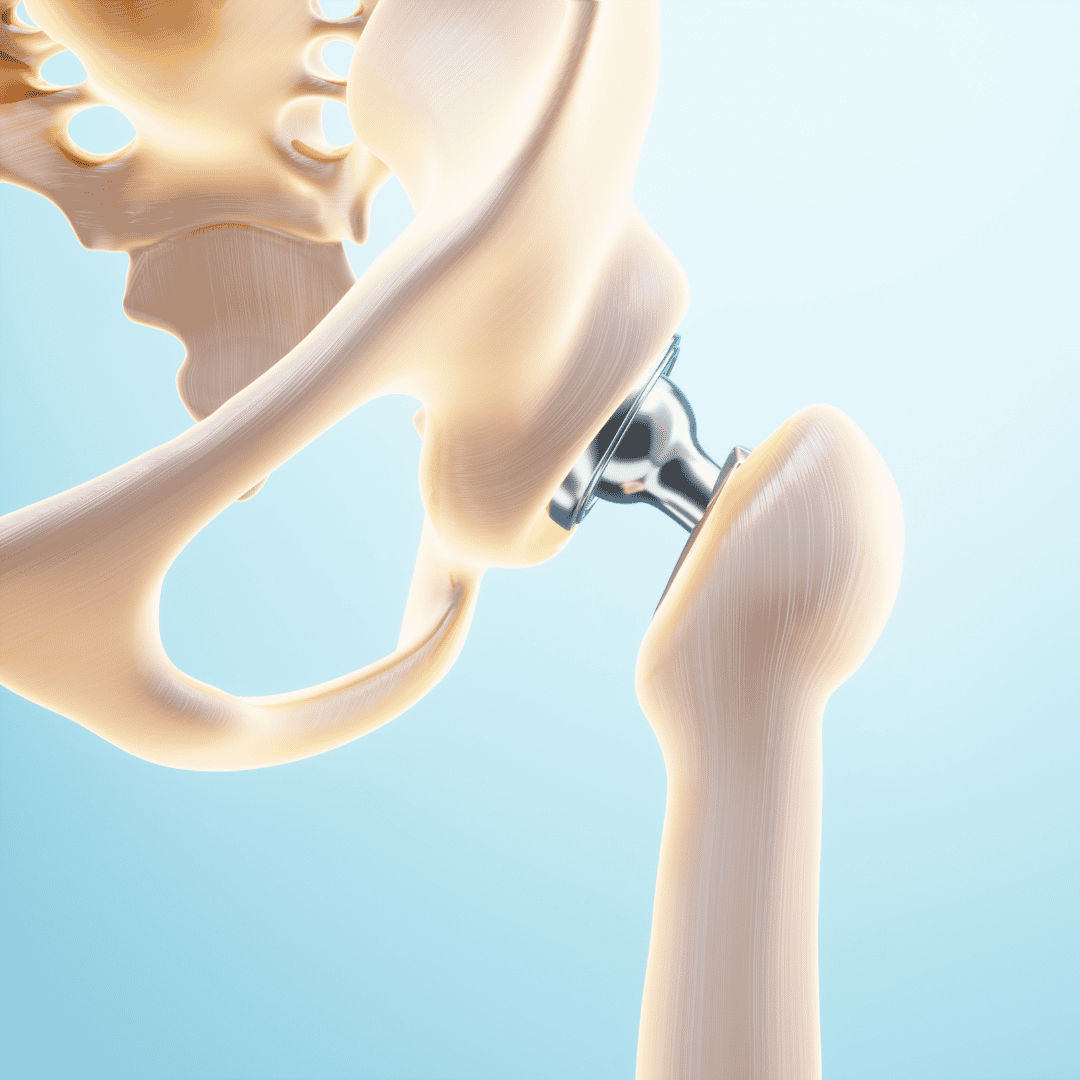
-Banner-Image-(3).png)




.png)

.png)



.png)


.png)








Share this listing