

If hip pain limits walking, sleep, work, or independence, you may compare Australian treatment with hip replacement surgery in Turkey. Compare the implant, surgeon, hospital, rehabilitation, flights, accommodation, insurance, and care after return not only the quoted operation price.
Before traveling, verify the facility’s International Health Tourism Authorization Certificate, the surgeon’s credentials, and the follow-up plan.
Quick Summary: Hip Replacement Surgery in Turkey for Australians
- Estimated Turkey cost: Published range of $7,500–$13,000 USD per joint. Package scope varies, so this is not a personal quote or a national average.
- Australian comparison: Australia’s Medical Costs Finder presents hip-replacement fee and payment information through its current service tool; private totals vary with insurance, hospital, surgeon, anaesthetist, implant, and location.
- Possible candidate: You generally need a documented hip problem causing meaningful pain or functional limitation after appropriate non-surgical options have been considered. A surgeon must assess your individual suitability.
- Recovery: Healthdirect Australia reports that many patients leave hospital after 3–5 days and may return to light daily activities around six weeks, but recovery and restrictions differ.
- Why Australians compare Turkey: Patients may assess price, scheduling, travel distance, language support, and access to a second opinion. These factors do not prove better outcomes.
- Credentials to check: Verify the Turkish facility’s international-health-tourism authorization, the surgeon’s orthopaedic specialty registration, hospital affiliation, implant documentation, and aftercare responsibility.
- Important caution: A package price is not automatically all-inclusive, and a short trip may not provide enough time for wound review, mobility assessment, or management of an early complication.
Why Australians Consider Hip Replacement Surgery in Turkey
Hip replacement, also called hip arthroplasty, removes damaged bone and cartilage and replaces selected joint surfaces with a prosthesis. Osteoarthritis is the most common reason for hip replacement in Australia, although rheumatoid arthritis, previous injury, fracture-related damage, avascular necrosis, and other conditions may also lead to surgery.
Australians may investigate treatment abroad for a second opinion, private-cost comparison, local scheduling concerns, or an alternative to waiting for public admission. Turkey is a long-haul destination, so compare the home medical pathway, post-surgery travel, and Australian follow-up access.
- Patients may come from major cities or regional areas when access, price, or scheduling prompts comparison.
- Older adults commonly ask about degenerative disease; younger adults may have post-traumatic arthritis, avascular necrosis, dysplasia, or another structural problem.
- Gender does not determine candidacy. The assessment may need to consider anatomy, bone density, pregnancy status when relevant, medications, and other health conditions.
- Some patients compare total hip replacement, partial replacement after a fracture, resurfacing, continued rehabilitation, or a second surgical opinion.
- A destination-specific breakdown of Australian patients by age, gender, city, and hip procedure is not established in the sources used for this guide.
- The practical reason to compare Turkey is not a country label; it is to evaluate the diagnosis, responsible team, documented costs, travel plan, and home-country handoff together.
What Hip Replacement Surgery in Turkey Involves
Total hip replacement replaces the femoral head and acetabular socket with prosthetic components. Partial replacement generally replaces the femoral head while the socket remains, often in selected fracture cases.
The operation commonly takes one to two hours, followed by observation, pain management, clot prevention, early mobility, and physiotherapy. Anaesthetic, weight-bearing, precautions, and discharge timing depend on your health and operation.
| Hip procedure | What is replaced or reshaped | Questions for the surgeon |
|---|---|---|
| Total hip replacement | The femoral head and acetabular socket are replaced with prosthetic components. | Why is total replacement appropriate for your diagnosis and imaging? |
| Partial hip replacement | The femoral head is replaced while the natural socket remains. | Is this suitable for the fracture pattern and the condition of your socket? |
| Hip resurfacing | The femoral head is capped rather than removed entirely, with a matching socket component. | What bone, anatomy, age, activity, and implant factors affect suitability? |
| Revision hip replacement | Some or all prior components are removed or replaced. | Does the hospital have revision expertise, imaging, blood-management, and complication resources? |
Who May Be Considered for Hip Replacement in Turkey?
A hip replacement may be discussed when pain, stiffness, or loss of movement substantially affects daily life and non-surgical management has not provided adequate relief. Age alone should not decide the operation. The American Academy of Orthopaedic Surgeons states that recommendations are based on pain and disability, and patients are evaluated individually.
Before traveling, obtain an assessment that reviews symptoms, examination, X-rays, and other imaging when needed. Confirm whether the diagnosis is osteoarthritis, rheumatoid arthritis, fracture, avascular necrosis, dysplasia, or another condition. Remote review organizes records but cannot replace a clinically necessary examination.
- Share heart, lung, kidney, liver, diabetes, immune, bleeding, bone-density, and previous anaesthetic information.
- Provide a complete list of medicines, supplements, allergies, previous operations, infections, and any recent dental or skin infection.
- Ask whether smoking, weight, nutrition, anaemia, blood-thinner use, or uncontrolled medical conditions could change timing or risk.
- Ask what would make the surgeon recommend continued rehabilitation, injection, resurfacing, a different operation, or no surgery.
Surgical Approach, Implant, and Technology Questions in Turkey
Hip replacement may use posterior, lateral, or anterior routes. The approach affects tissues, precautions, and rehabilitation. A label such as “muscle-sparing” does not establish suitability or equal results for every patient.
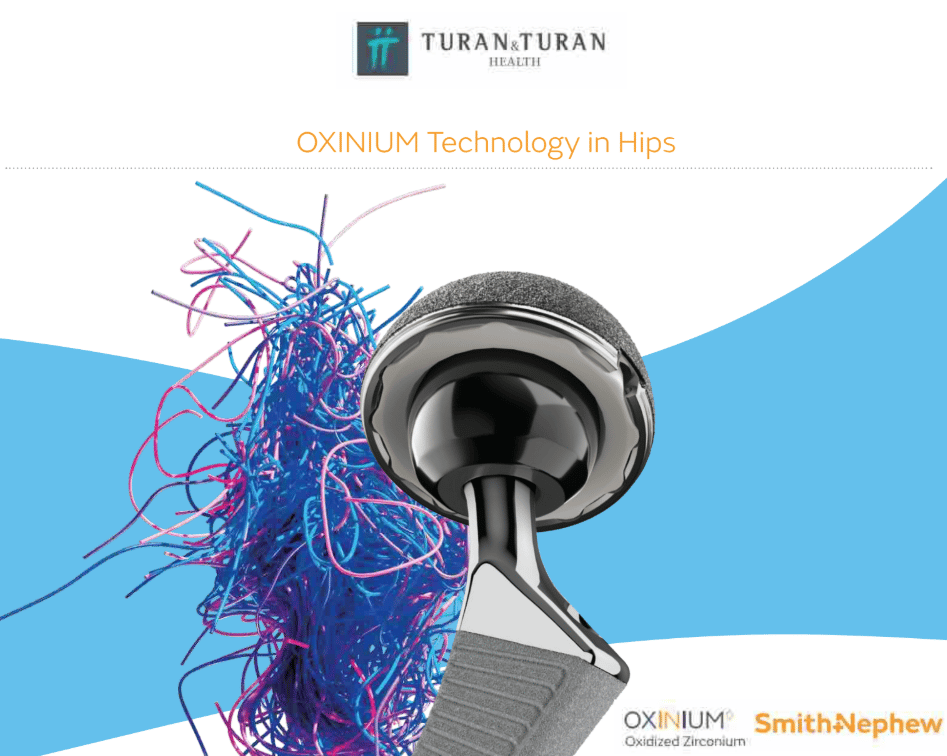
Implants may combine metal, ceramic, and polyethylene. Request the manufacturer, model, sizes, fixation, bearing surface, sterilization information, and implant record. Keep the device card and operative documents. A brand name does not replace appropriate sizing, positioning, technique, and follow-up.
Robotic or computer-assisted planning may be offered. Ask what it adds, whether it changes surgery or planning, what happens if equipment is unavailable, and what evidence applies to your case.
| Item to document | What to ask before consent | What to bring home |
|---|---|---|
| Surgical approach | Why this route fits your anatomy, diagnosis, and surgeon’s plan. | Approach, precautions, weight-bearing instructions, and rehabilitation plan. |
| Implant system | Manufacturer, model, materials, fixation, sizes, and availability. | Implant card, stickers, model numbers, and operative note. |
| Technology | Purpose, alternatives, added fees, and contingency plan. | Imaging, planning records, and technology used during the operation. |
Australian Waiting-Time Context Before Comparing Turkey
Australian waiting-time data can explain why some patients compare overseas pathways, but it should not be used to promise a Turkish surgery date. The AIHW reports public-hospital elective surgery waiting times across intended procedures and patient groups; the figures below are national or state-level context and are not hip-replacement-specific unless stated otherwise.
In the national public elective-surgery dataset, median waiting time was 48 days in 2020–21, 46 days in 2023–24, and 45 days in 2024–25. The 90th percentile was 348, 329, and 329 days. The measure starts when a patient is ready for surgery and does not describe private access.
Australian public elective surgery waiting times: line graph
AIHW national data for all public elective procedures, not a Turkey-versus-Australia outcome comparison.
2024–25 public elective surgery timing: histogram
Percentage admitted within the clinically recommended time by Australian state or territory; all public elective procedures, not hip-specific.
These figures describe public access, not a hospital outcome, and do not establish an earlier Turkish date. Ask for a proposed date only after assessment, testing, and confirmation of the complete surgical pathway.
Hip Replacement Surgery Cost in Turkey Compared with Australia
For budgeting purposes, the cost of hip replacement surgery in Turkey is estimated at around $7,500–$13,000 USD per joint. In Istanbul, available package examples include $9,000 for a Zimmer hip replacement and $14,000 for bilateral surgery, although the final cost depends on what is included and the patient’s individual treatment needs.
Australia has no single private price for every patient. The Medical Costs Finder shows fee and payment information for hip replacement and asks users to consider Medicare, insurance, location, and provider details. Use the current tool for your situation rather than a generic overseas comparison.
| Comparison point | Turkey published context | Australia decision context |
|---|---|---|
| Procedure price | $7,500–$13,000 USD per joint on a PlacidWay answer page; scope and date matter. | No single national private total; use the Medical Costs Finder and written provider quotes. |
| Public pathway | Not equivalent to Australia’s public waiting-list model; payment and eligibility arrangements differ. | Public elective surgery waiting times vary by procedure, hospital, urgency, state, and patient circumstances. |
| Currency and payment | Confirm the USD price date, exchange-rate treatment, deposit, cancellation, and refund terms. | Confirm Medicare, private-insurance benefits, excess, gap payments, and hospital billing arrangements. |
| Travel and follow-up | Add flights, accommodation, companion, transfers, rehabilitation, insurance, and care after departure. | Local access may simplify review and complication management, but personal cost and timing still vary. |
Published Turkey price range, shown in USD
This range comes from a PlacidWay answer page. It is not a distribution of patient quotes, a savings calculation, or an all-inclusive price.
What an Australian Patient’s Turkey Hip Replacement Quote Should Include
A useful quote names the procedure, surgeon, hospital, implant, hospital stay, tests, medicines, rehabilitation, accommodation, transfers, and exclusions. Ask whether the price is procedure-only, hospital-inclusive, or an all-inclusive medical-travel package. A package may still exclude complications, extended accommodation, flights, insurance, translation, and treatment after you return.
| Quote area | Ask whether included | Possible additional cost or risk |
|---|---|---|
| Clinical work-up | Consultation, X-rays, blood tests, anaesthetic review, and medical clearance. | Extra imaging, specialist review, repeat tests, or treatment of an identified medical issue. |
| Operation and implant | Surgeon, anaesthetist, theatre, implant model, and hospital stay. | Different implant, bilateral operation, revision complexity, blood products, or additional nights. |
| Recovery | Physiotherapy, walking aids, medicines, wound review, and discharge records. | Private rehabilitation, equipment, extra visits, or an extended hotel stay. |
| Travel | Transfers, accommodation, companion arrangements, and airport assistance. | Flights, seat upgrades, travel insurance exclusions, mobility assistance, and delayed return. |
| Aftercare responsibility | Named contact, review schedule, records transfer, and emergency instructions. | Australian consultation, imaging, infection treatment, readmission, or revision surgery. |
How to Check a Turkish Hospital Before Hip Replacement
Turkey’s Ministry of Health states that healthcare facilities and intermediaries serving international health tourists must obtain an International Health Tourism Authorization Certificate under the relevant regulation. Ask for the certificate details and verify that the named facility, address, and service match the hospital where your operation will occur.
An accreditation such as JCI may be relevant, but it does not replace checking the exact hospital, department, surgeon, implant, anaesthesia service, and emergency pathway. A certificate for an intermediary or different branch is not authorization for the operating hospital.
- Request the hospital’s legal name, address, International Health Tourism Authorization Certificate, and international-patient department contact.
- Ask whether the operation is performed in a hospital with anaesthesia, blood-bank access, imaging, intensive-care capability, and transfer arrangements when needed.
- Confirm who is responsible for consent, implant selection, discharge, night-time concerns, infection review, and communication with an Australian clinician.
- Ask for the hospital’s policy on cancellations, complications, readmission, revision surgery, and refunds before paying a deposit.
How to Verify a Turkish Orthopaedic Surgeon for Hip Replacement
Ask for the surgeon’s full legal name, orthopaedic specialty, hospital appointment, professional registration, training, and experience with primary or revision hip replacement. Academic titles and marketing descriptions do not by themselves establish the surgeon’s current specialty role or experience with your diagnosis.
The American Academy of Orthopaedic Surgeons recommends asking about surgeon experience, annual procedure volume, approach, robotics, hospital volume, risks, alternatives, walking, and rehabilitation. Use documented answers rather than testimonials or promotional wording.
| Credential or capability | Verification question | Document to request |
|---|---|---|
| Specialty registration | Is the surgeon registered to practise and listed in the stated orthopaedic specialty? | Professional registration details and specialty certificate where applicable. |
| Relevant experience | How many primary or revision hip replacements are performed annually? | Current CV or written profile with scope clearly explained. |
| Hospital support | Who provides anaesthesia, nursing, physiotherapy, imaging, and complication management? | Hospital appointment, care-team names, and emergency contact. |
| Follow-up | Who reviews you after departure and who receives the operative records in Australia? | Written follow-up schedule, records plan, and named responsibility. |
Preparing for Hip Replacement Travel from Australia to Turkey
Start with your Australian GP, orthopaedic surgeon, or treating specialist. Discuss whether travel is reasonable, which records should be shared, how medicines will be managed, and who will review you after returning. Do not change medicines without instructions from your clinician.
Ask the Turkish team which tests must be completed before arrival and which will be repeated locally. Send imaging in the requested format, but expect the final surgical decision to change after examination. Confirm the proposed operation, implant, approach, anaesthetic, expected hospital stay, rehabilitation, and cancellation terms before booking flights.
- Collect imaging, reports, medication history, allergies, previous operation notes, and relevant medical-clearance documents.
- Request a written quote that names inclusions, exclusions, currency, deposit, cancellation, complications, and aftercare.
- Confirm the hospital, surgeon, authorization certificate, implant documentation, interpreter arrangements, and emergency contact.
- Plan accessible accommodation, a companion if needed, transport, mobility aids, and a return schedule that can change.
- Arrange an Australian clinician or service that is willing to receive your records and assess you after travel.
Hip Replacement Recovery Timeline for Australian Patients
Recovery begins with pain control, wound observation, clot prevention, and assisted walking. Healthdirect states that many patients go home after three to five days, return to light daily activities around six weeks, and resume most normal activities around three months; some take up to twelve months.
These timeframes are general education, not permission to fly or exercise. Your discharge plan should state weight-bearing status, hip precautions, wound care, driving, bathing, physiotherapy, medication instructions, review dates, and warning signs. Ask for records before leaving the hospital.
| Timeframe | Biological or clinical process | Patient sensation | Activity level | Action required |
|---|---|---|---|---|
| Hospital days 1–5 | Wound observation, early mobility, pain control, and discharge assessment. | Pain, swelling, fatigue, and stiffness can occur. | Walk with a frame or crutches as instructed. | Learn exercises, precautions, medicines, wound care, and emergency contacts. |
| Weeks 2–6 | Soft tissues and muscles continue adapting around the implant. | Symptoms should be monitored rather than assumed to be normal. | Gradual walking and prescribed rehabilitation. | Attend review, monitor the wound, and clarify travel readiness. |
| Weeks 6–12 | Strength, balance, gait, and confidence may improve with rehabilitation. | Some stiffness or discomfort may remain. | Increase activity only as the treating team allows. | Continue physiotherapy and send records to your Australian clinician. |
| 3–12 months | Longer-term function and implant monitoring continue. | Recovery differs according to health, diagnosis, operation, and rehabilitation. | Return to approved activities; avoid prohibited impact or twisting. | Keep follow-up appointments and seek review for new or worsening symptoms. |
Flying Home to Australia After Hip Replacement in Turkey
There is no universal flight date. A Turkey-to-Australia journey involves prolonged sitting, airport transfers, limited mobility, and clot concerns during recovery. Your surgeon should assess the wound, walking, pain control, stability, and need for review before approving travel.
Ask the hospital for a fit-to-fly statement only if the treating team considers it appropriate. Confirm airline mobility assistance, wheelchair arrangements, seating, luggage help, medication transport, hydration, movement instructions, and what to do if your flight is delayed. Travel insurance may exclude planned medical care or complications from it.
- Do not book a rigid return date before the surgeon provides procedure-specific travel advice.
- Carry your operative note, implant card, medication list, imaging, discharge plan, and emergency contacts in paper and digital formats.
- Arrange an Australian appointment before departure if possible, and ask how Turkish records will be transferred.
- Use local emergency services for severe symptoms rather than waiting for a facilitator or coordinator to respond.
The CDC advises medical tourists to plan for infection, travel-health, and continuity-of-care risks. Those risks should be discussed with both your Australian clinician and the Turkish surgical team.
Risks and Emergency Warning Signs After Hip Replacement in Turkey
Risks can include infection, clots, bleeding, dislocation, fracture, nerve or vessel injury, leg-length difference, stiffness, continued pain, loosening, wear, and revision surgery. Risk varies with health, diagnosis, previous surgery, implant, approach, and aftercare.
A complication after returning may require a GP, emergency department, orthopaedic review, tests, antibiotics, admission, or another procedure. Confirm who pays, who communicates with the Australian team, and who remains clinically responsible after you leave Turkey.
Do not allow a planned trip or a package deposit to delay evaluation of an urgent symptom. If your symptoms are severe now, seek care where you are rather than waiting to travel.
Alternatives to Hip Replacement Surgery in Turkey
Alternatives depend on diagnosis, damage, pain, function, health, and goals. Options may include physiotherapy, strengthening, walking aids, pain management, activity changes, selected injections, resurfacing, or observation. Fracture, infection, tumour, femoral-head collapse, or advanced arthritis may require a different timeline.
Ask the surgeon to explain what may happen if you postpone surgery, what symptoms should trigger earlier review, and what non-surgical steps remain reasonable. A second opinion in Australia can help you compare the diagnosis and options before paying for overseas care.
| Decision question | A useful answer should identify | Pause if the answer is only |
|---|---|---|
| Why surgery now? | Diagnosis, imaging, pain, disability, failed options, and urgency. | A package deadline or a promise of a fixed result. |
| Which operation? | Total, partial, resurfacing, approach, implant, and rehabilitation implications. | “Minimally invasive” without case-specific reasoning. |
| What if recovery changes? | Complication contact, extra costs, records, readmission, and Australian handoff. | A coordinator-only answer without a named clinician. |
Frequently Asked Questions About Hip Replacement Surgery in Turkey
How much does hip replacement surgery in Turkey cost for Australians?
A PlacidWay answer page modified August 17, 2026 lists $7,500–$13,000 USD per joint for hip replacement surgery in Turkey. This is a published platform range, not a national average or final quote. Confirm the implant, hospital stay, tests, rehabilitation, accommodation, transfers, exclusions, exchange rate, and complication terms.
Is hip replacement in Turkey cheaper than private treatment in Australia?
Published Turkish prices may be lower than some Australian private quotes, but the comparison is not automatic. Australia’s Medical Costs Finder separates fees and payments by service and patient circumstances. Compare like with like, including the implant, hospital, surgeon, anaesthetist, rehabilitation, travel, insurance, and care after returning home.
Who is a candidate for total hip replacement in Turkey?
Candidates generally have a documented hip condition causing substantial pain, stiffness, or functional limitation after appropriate non-surgical options have been considered. Suitability depends on examination, imaging, medical history, bone health, medicines, and goals. A Turkish surgeon should confirm the plan after assessment rather than relying only on uploaded records.
What is the difference between total and partial hip replacement?
Total hip replacement replaces both the femoral head and the socket. Partial hip replacement usually replaces the femoral head while the natural socket remains, often for selected fracture situations. The appropriate operation depends on the diagnosis, socket condition, bone, age, activity, and surgeon’s assessment of the joint.
What hip implant information should I request in Turkey?
Request the manufacturer, model, materials, component sizes, fixation method, bearing surface, sterilization information, and implant record. Ask whether the quoted price covers the stated system and what happens if the surgeon changes it during the operation. Keep the implant card, stickers, and operative note for Australian follow-up.
How long should Australians stay in Turkey after hip replacement?
There is no universal stay length. The surgeon should consider the operation, wound, mobility, pain control, medical conditions, rehabilitation, and the long flight to Australia. Ask whether an in-person review and fit-to-fly assessment are required. Keep the return date flexible until the treating team confirms that travel is reasonable.
When can I fly from Turkey to Australia after hip replacement?
Your treating surgeon must decide when you can fly. A Turkey-to-Australia journey involves prolonged sitting and limited mobility during early recovery, when blood-clot and wound concerns may matter. Ask about fit-to-fly documentation, wheelchair assistance, seating, medicines, movement, insurance exclusions, and what to do if symptoms or the flight schedule change.
How do I check a Turkish hospital’s authorization for international patients?
Ask for the hospital’s legal name, address, and International Health Tourism Authorization Certificate. Turkey’s Ministry of Health states that facilities and intermediaries serving international health tourists require authorization under the relevant regulation. Confirm that the certificate and current provider listing relate to the hospital and department where your hip replacement will occur.
What happens if I develop a complication after returning to Australia?
You may need an Australian GP, emergency department, orthopaedic review, imaging, blood tests, antibiotics, admission, or another procedure. Before travel, obtain a complication plan naming clinical contacts, records-transfer arrangements, payment responsibility, and follow-up duties. Do not wait for a coordinator if you have severe pain, fever, breathlessness, or other urgent symptoms.
Will Medicare or Australian private insurance cover hip replacement in Turkey?
Coverage depends on your policy, procedure, destination, and insurer’s terms. Do not assume Medicare or private insurance will pay for planned surgery abroad, complications, evacuation, or revision treatment. Ask the insurer for a written response before paying a deposit, and check whether travel insurance excludes planned medical care or related complications.
Request Information About Hip Replacement Surgery in Turkey
PlacidWay can help you compare listed providers, understand published cost context, organize questions, review options, and request clinic information. Include your diagnosis, imaging, history, timing, budget, travel needs, and Australian follow-up requirements.
Request treatment informationDisclaimer: This information is for educational purposes only and does not replace professional medical advice. Always consult a qualified healthcare provider before making medical decisions.
Hip Replacement Surgery in Turkey: References and Verification Resources
- Healthdirect Australia: Hip Replacement
- American Academy of Orthopaedic Surgeons: Total Hip Replacement
- Australian Institute of Health and Welfare: Waiting Times by Intended Procedure
- Australian Government Department of Health: Medical Costs Finder—Hip Replacement
- CDC Yellow Book: Medical Tourism
- Republic of Türkiye Ministry of Health: Certified Healthcare Providers and Facilitators
- Republic of Türkiye Ministry of Health: Health Tourism Department
- Australian Orthopaedic Association National Joint Replacement Registry: 2025 Annual Report























Share this listing